Loading EveryPlace content…
Assisted LivingActive license
Traditions at Reagan Park
1176 Kingwood Drive, Avon, IN 46123View map (opens in a new tab)
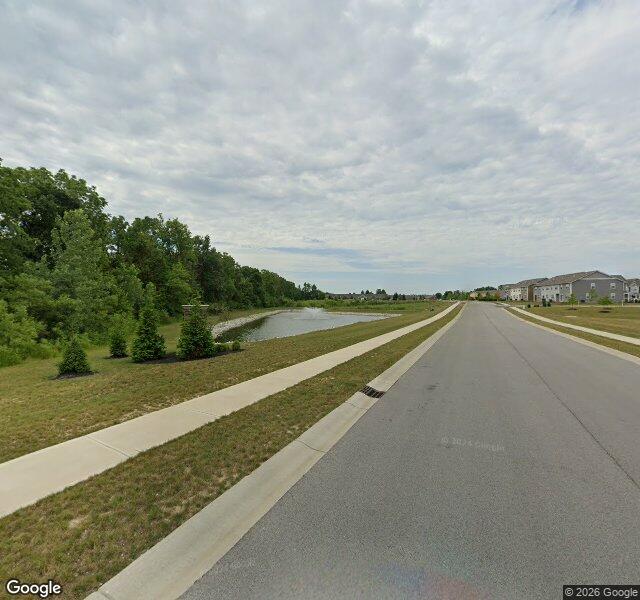
Overview and key essentials
State license
Active
IN IDOH
Google reviews
Not available
Public reviews not linked
Size & payment
119 residents
Confirm pricing & payment
Public records for this community are limited. Use the checklist below when you call or visit to confirm pricing, services, and openings.
Cost, payment & care details
Updated Nov 28, 2026| Monthly cost | Not published | Ask for the full monthly cost, including care fees and one-time charges. |
|---|---|---|
| Payment options | Ask directly | Payment details are not confirmed in our records. Ask about private pay, long-term care insurance, veterans benefits, and Medicaid waivers. |
| Size & availability | 119 residents | We don't publish live openings. Ask about current availability, waitlist length, and move-in timing. |
| Care & support | Assisted living | Usually offers housing and help with everyday tasks, such as bathing and dressing. What to confirm about care levelsThis describes the licensed category. Ask how care plans adjust if mobility, nursing, or memory needs change over time. Read the family care guide → |
State licensing
State inspection history
7inspections
26deficiencies listed
Aug 12, 2026RoutineNo deficiencies reportedNone
No deficiencies reported
View official state report (opens in a new tab)
INITIAL COMMENTS This visit was for a State Residential Licensure Survey. Survey dates: August 10 and 11, 2026. Facility number: 013264 Residential Census: 77 Traditions at Reagan Park was found to be in compliance with 410 IAC 16.2-5 in regard to the State Residential Licensure Survey. Quality review completed on August 13, 2026. correcting provided it is determined that other safeguards provide sufficient protection to the patients. (See instructions.) SIGNATURE
Feb 4, 2026Complaint4 deficiencies reported4
4 deficiencies reported
View official state report (opens in a new tab)
INITIAL COMMENTS This visit was for a Post Survey Revisit (PSR) to Investigation of Intakes 466670 and 466332 completed on December 18, 2025. Complaint IN00466670 - Corrected. Complaint IN00466332 - Corrected. Survey dates: February 4, 2026 Facility number: 013264 Residential Census: 73 Traditions at Reagan Park was found to be in compliance with 410 IAC 16.2-5 in regard to the PSR to Investigation of Intakes 466670 and 466332. Quality review completed on February 12, 2026. Complaint IN00466670 - Corrected. Complaint IN00466332 - Corrected. Survey dates: February 4, 2026 Facility number: 013264 Residential Census: 73 Traditions at Reagan Park was found to be in compliance with 410 IAC 16.2-5 in regard to the PSR to Investigation of Intakes 466670 and 466332. Quality review completed on February 12, 2026.
Residents' Rights - OffenseR 0052
R 0052 02/23/2026 410 IAC 16.2-5-1.2(v)(1-6) (v) Residents have the right to be free from: (1) sexual abuse; (2) physical abuse; (3) mental abuse; (4) corporal punishment; (5) neglect; and (6) involuntary seclusion. 410 IAC 16.2-5-1.4(b) (b) Staff shall be sufficient in number, qualifications, and training in accordance with applicable state laws and rules to meet the twenty-four (24) hour scheduled and unscheduled needs of the residents and services provided. The number, qualifications, and training of staff shall depend on skills required to provide for the specific needs of the residents. A minimum of one (1) awake staff person, with current CPR and first aid certificates, shall be on site at all times. If fifty (50) or more residents of the facility regularly receive residential nursing services or administration of medication, or both, at least one (1) nursing staff person shall be on site at all times. Residential facilities with over one hundred (100) residents regularly receiving residential nursing services or administration of medication, or both, shall have at least one (1) additional nursing staff person awake and on duty at all times for every additional fifty (50) residents. Personnel shall be assigned only those duties for which they are trained to perform. Employee duties shall conform with written job descriptions.
Personnel - DeficiencyR 0118
R 0118 02/23/2026 410 IAC 16.2-5-1.4(c)
Pharmaceutical Services -R 0296
Noncompliance R 0296 02/23/2026 410 IAC 16.2-5-6(b) correcting provided it is determined that other safeguards provide sufficient protection to the patients. (See instructions.) SIGNATURE
Health Services - DeficiencyR 0246
R 0246 02/23/2026 410 IAC 16.2-5-4(e)(6) (6) PRN medications may be administered by a qualified medication aide (QMA) only upon authorization by a licensed nurse or physician. The QMA must receive appropriate authorization for each administration of a PRN medication. All contacts with a nurse or physician not on the premises for authorization to administer PRNs shall be documented in the nursing notes indicating the time and date of the contact.
Dec 18, 2025Complaint5 deficiencies reported5
5 deficiencies reported
View official state report (opens in a new tab)
INITIAL COMMENTS This visit was for the Investigation of Intakes 466332, and 466670. Intake 466332 - State deficiencies related to the allegations are cited at R117, R118, R246, and R296. Intake 466670 - State deficiencies related to the allegations are cited at R052. Survey date: December 16, and 18, 2025 Facility number: 013264 Residential Census: 73 These State Residential Findings are cited in accordance with 410 IAC 16.2-5. Quality review completed on December 31, 2025.
Health Services - DeficiencyR 0246
R 0246 01/06/2026 410 IAC 16.2-5-4(e)(6) (6) PRN medications may be administered by a qualified medication aide (QMA) only upon authorization by a licensed nurse or physician. The QMA must receive appropriate authorization for each administration of a PRN medication. All contacts with a nurse or physician not on the premises for authorization to administer PRNs shall be documented in the nursing notes indicating the time and date of the contact. Based on record review and interview, the facility failed to assure a Qualified Medication Aide (QMA) obtained authorization from a licensed nurse prior to administering an as needed (PRN) medication, and/or complete documentation of the contact with a licensed nurse regarding the residents reviewed for medication administration (Resident D). Finding includes: A current physician's order, dated 11/25/25, indicated to administer lorazepam intensol (to treat anxiety) oral concentrate 2 mg (milligram) per ml (milliliter), 0.25 ml every four hours as needed for anxiety or restlessness. Review of the eMAR indicated the following: a. The medication had been administered by QMA 8, on 12/6/25 at 9:31 p.m. for anxiety. The outcome indicated the medication was effective. The clinical record lacked indication a licensed nurse had been contacted for authorization or a co-signature present for the approval to administer the medication. b. The medication had been administered by QMA 8 on 12/7/25 at 9:24 a.m. for anxiety; nurse notified. The outcome indicated the medication was effective. The clinical record lacked a co-signature for the approval to administer the medication. Review of the eMAR indicated the following: a. The medication had been administered by QMA 8, on 12/6/25 at 7:02 p.m. for shortness of breath and discomfort. The outcome indicated the medication was effective. The clinical record lacked indication a licensed nurse had been contacted for authorization or a co-signature present for the approval to administer the medication. b. The medication had been administered by QMA 8, on 12/7/25 at 9:24 a.m. for anxiety; nurse notified. The outcome indicated the medication was effective. The clinical record lacked a co-signature for the approval to administer the medication. During an interview on 12/18/25 at 1:32 p.m., the Director of Nursing (DON) indicated there was no area for the licensed nurse to co-sign a PRN administration of a medication that she had given approval to be administered. There was currently no place in the clinical record where the licensed nurses would co-sign for an administration of PRN medication. This citation relates to Intake 466332. Based on record review and interview, the facility failed to assure a Qualified Medication Aide (QMA) obtained authorization from a licensed nurse prior to administering an as needed (PRN) medication, and/or complete documentation of the contact with a licensed nurse regarding the residents reviewed for medication administration (Resident D). Finding includes: The clinical record for Resident D was reviewed on 12/16/25 at 1:26 p.m. Diagnoses included chronic heart failure, end stage renal disease, and osteoarthritis. A current physician's order, dated 11/25/25, indicated to administer lorazepam intensol (to treat anxiety) oral concentrate 2 mg (milligram) per ml (milliliter), 0.25 ml every four hours as needed for anxiety or restlessness. Review of the eMAR indicated the following: b. The medication had been administered by QMA 8...
Personnel - DeficiencyR 0118
R 0118 01/06/2026 410 IAC 16.2-5-1.4(c) Based on record review and interview, the facility allowed a Certified Nursing Aide to complete resident care with an employees reviewed for active licensure (CNA 6). Findings include: During Employee Record Review, CNA 6's certified nurse aide license was indicated as expired on 11/24/25 on the MyLicense.IN.gov website, accessed on 12/16/25 at 11:20 a.m. According to staffing schedules, CNA 6 had worked as a CNA, providing resident care, following the expiration of her licensure on 11/26/25, 11/27/25, 12/2/25, 12/4/25, 12/5/25, 12/8/25, 12/11/25, 12/12/25, and 12/16/25. No policy was provided. This citation relates to Intake 466332. Based on record review and interview, the facility allowed a Certified Nursing Aide to complete resident care with an employees reviewed for active licensure (CNA 6). Findings include: During Employee Record Review, CNA 6's certified nurse aide license was indicated as expired on 11/24/25 on the MyLicense.IN.gov website, accessed on 12/16/25 at 11:20 a.m. According to staffing schedules, CNA 6 had worked as a CNA, providing resident care, following the expiration of her licensure on 11/26/25, 11/27/25, 12/2/25, 12/4/25, 12/5/25, 12/8/25, 12/11/25, 12/12/25, and 12/16/25. This citation relates to Intake 466332.
Pharmaceutical Services -R 0296
Noncompliance R 0296 01/06/2026 410 IAC 16.2-5-6(b) (b) The facility shall maintain clear written policies and procedures on medication assistance. The facility shall provide for ongoing training to ensure competence of medication staff. Findings include: During a medication administration observation for Resident D on 12/16/25 at 11:19 a.m., LPN 5 obtained an insulin pen and needle from the medication cart. Upon entering the resident's room, LPN 5 dialed the ordered dose of insulin to "5" and administered the dose into the resident's abdomen. She had not primed the new needle prior to administration. During an interview upon returning to the medication cart, LPN 5 had indicated she did not prime the needle prior to administering insulin when using a pen. She had worked as an LPN for a long time and had never been instructed to do so. She was unaware of a need to prime the insulin needle when using an insulin pen. Review of the resident's clinical record was completed on 12/16/25 at 2:10 p.m. Diagnoses included diabetes mellitus-type II and mild cognitive impairment. During an interview on 12/16/25 at 1:36 p.m., the Director of Nursing (DON) indicated LPN 5 should have primed the needle prior to dialing the ordered dose and administering the insulin when using an insulin pen. A current facility policy, dated 9/12/25, titled, "Insulin Administration," provided by the Administrator on 12/18/25 at 11:36 a.m., indicated the following: "...Procedure:...If using an insulin pen: ...8. Apply new pen needle 9. Set the dial to 2 units 10. Holding the pen with the needles pointing upwards, tab {SIC} the pen to move air bubbles to the top 11. Press the injection button fully until the dose window returns to "0". Ensure you see an insulin drop leave the needle. 12. Dial the dose to correct unit." This citation relates to Intake 466332. Based on observation, interview and record review, the facility failed to ensure staff were trained on proper technique when administering insulin using residents observed for insulin administration (Resident D). During a medication administration observation for Resident D on 12/16/25 at 11:19 a.m., LPN 5 obtained an insulin pen and needle from the medication cart. Upon entering the resident's room, LPN 5 dialed the ordered dose of insulin to "5" and administered the dose into the resident's abdomen. She had not primed the new needle prior to administration. During an interview upon returning to the medication cart, LPN 5 had indicated she did not prime the needle prior to administering insulin when using a pen. She had worked as an LPN for a long time and had never been instructed to do so. She was unaware of a need to prime the insulin needle when using an insulin pen. Review of the resident's clinical record was completed on 12/16/25 at 2:10 p.m. Diagnoses included diabetes mellitus-type II and mild cognitive impairment. A current physician's order, dated 12/2/25, indicated to administer Novolog (to treat diabetes mellitus) FlexPen per sliding scale with meals. A current facility policy, dated 9/12/25, titled, "Insulin Administration," provided by the Administrator on 12/18/25 at 11:36 a.m., indicated the following: "...Procedure:...If using an insulin pen: ...8. Apply new pen needle 9. Set the dial to 2 units 10. Holding the pen with the needles pointing upwards, tab {SIC} the pen to move air bubbles to the top 11. Press the injection button fully until the dose window returns to "0". Ensure you see an...
Personnel - DeficiencyR 0117
R 0117 01/06/2026 410 IAC 16.2-5-1.4(b) Based on interview and record review, the facility failed to ensure a Qualified Medication Aide (QMA) had not acted outside of her scope of practice by administering nebulizer treatments for 1 of 5 residents reviewed for nebulizer treatments (Resident E). Findings include: A clinical record review for Resident E was completed on 12/16/25 at 2:30 p.m. Diagnoses included chronic obstructive pulmonary disease. A review of the resident's administration record indicated QMA 8 had administered the 8:00 p.m. nebulizer treatments on 12/2/25, 12/6/25, 12/7/25, 12/11/25, and 12/13/25. During an interview on 12/16/25 at 2:05 p.m., Resident E indicated the staff put the liquid in the nebulizer and turn on the machine when he gets a treatment. They put the breathing device in his mouth and when the treatment was done, he turned the machine off and laid the tubing on the side table. The staff returned at a later time and rinsed out the tubing and placed it to dry. During a telephone interview on 12/18/25 at 1:47 p.m., QMA 8 indicated she was not aware it was outside of her scope of practice to administer nebulizer treatments, and had completed them many times if ordered by the physician. A current facility policy, undated, titled, "Qualified Medication Aide Scope of Practice," provided by the Administrator on 12/18/25 at 9:38 a.m., included the following: "...The following tasks shall NOT be included in the QMA scope of practice:...(2) Administer medication used for intermittent positive pressure breathing (IPPD) treatments of any form of medication inhalation treatments, such as nebulizers...." This citation relates to Intake 466332. Based on interview and record review, the facility failed to ensure a Qualified Medication Aide (QMA) had not acted outside of her scope of practice by administering nebulizer treatments for 1 of 5 residents reviewed for nebulizer treatments (Resident E). Findings include: A current physician's order, indicated to administer levalbuterol (to prevent or treat bronchospasm) 1.25 mg (milligram) per 3 ml (milliliter) solution twice at day at 8:00 a.m. and 8:00 p.m. via a nebulizer machine. A review of the resident's administration record indicated QMA 8 had administered the 8:00 p.m. nebulizer treatments on 12/2/25, 12/6/25, 12/7/25, 12/11/25, and 12/13/25. During an interview on 12/16/25 at 2:05 p.m., Resident E indicated the staff put the liquid in the nebulizer and turn on the machine when he gets a treatment. They put the breathing device in his mouth and when the treatment was done, he turned the machine off and laid the tubing on the side table. The staff returned at a later time and rinsed out the tubing and placed it to dry. A current facility policy, undated, titled, "Qualified Medication Aide Scope of Practice," provided by the Administrator on 12/18/25 at 9:38 a.m., included the following: "...The following tasks shall NOT be included in the QMA scope of practice:...(2) Administer medication used for intermittent positive pressure breathing (IPPD) treatments of any form of medication inhalation treatments, such as nebulizers...." This citation relates to Intake 466332.
Residents' Rights - OffenseR 0052
(v) Residents have the right to be free from: (1) sexual abuse; (2) physical abuse; (3) mental abuse; (4) corporal punishment; (5) neglect; and (6) involuntary seclusion. A. Based on interview and record review, the facility failed to prevent neglect of a resident when staff delayed Cardio-Pulmonary Resuscitation (CPR) according to the resident's code status preference when a change of condition occurred, and failed to follow the CPR procedure for unresponsive residents for 1 of 3 residents reviewed for quality of care and treatment (Resident B) resulting in harm when the resident was revived with an anoxic brain injury. Findings include: Resident B's clinical record was reviewed on 12/16/25 at 10:30 a.m. Diagnoses on Resident B's profile include dementia, hypertension (high blood pressure), a history of a deep vein thrombosis (DVT - blood clot), history of taking blood thinners, peripheral vascular disease (PVD - blood vessels are narrowed or blocked), and critical limb ischemia (inadequate blood supply) of the lower right extremity. A physician's order, dated 5/9/25, indicated Xarelto 10 milligrams (mg) 1 tablet daily for blood thinner. Progress notes, dated 12/11/25 at 7:01 a.m., Licensed Practical Nurse (LPN) 4 documented Resident B was assisted with morning care, gotten up from bed into a WC with transfer assistance of 2 staff, and placed in the unit common area awaiting breakfast. A Progress Notes, dated 12/11/25 at 3:37 p.m., the DON documented a care manager from a local hospital called to notify the DON that Resident B had passed away at 2:42 p.m. with a diagnosis of cardiac arrest. Observation of a sign posted on the outside of Resident B's locked door indicated, "Ring camera in use. This is how she communicates with family. Feel free to cover temporarily if needed to preserve dignity." The resident's room was 8 doors from the center of the memory care (MC) unit where the nurse's station was located. Resident B's hard chart was observed on a shelf inside the nurse's station door. There was a green label on the outside spine of the chart with the resident's name, room number, and name of the physician. The green label indicated the resident's code status was full code. Review of video camera footage from Resident B's room, dated 12/11/25, included: b. At 5:51 a.m. the unidentified staff member left the room. c. At 6:54 a.m. Certified Nursing Assistant (CNA) 6 was observed to enter the resident's room to provide morning care. LPN 4 and CNA 6 were observed transferring the resident into a manual WC. The resident could be overheard moaning with any movement of her body. d. At 7:12:39 a.m. the resident was wheeled from the room by CNA 6. The resident was alert and sitting up straight in the WC looking around. e. At 8:20:55 a.m. the resident was observed being wheeled back into her room in a WC, her head was resting on her chest, her extremities were lax, and she was unresponsive. When the WC was turned to be positioned by the bed, the resident's right foot rubbed against the bed, and the resident did not react. Staff left the room for approximately 1 minute, leaving the resident alone. g. At 8:23:49 a.m. The resident was transferred into the bed and covered with blankets to her chest. CNA 7 placed her hand on the resident's forehead above her eyes and stroked her hand down towards the resident's nose as if to close the resident's eyelids. h. At 8:25:37 a.m. LPN 4 and LPN 5 were observed listening to the resident's chest with...
May 14, 2025Routine6 deficiencies reported6
6 deficiencies reported
View official state report (opens in a new tab)
INITIAL COMMENTS This visit was for a State Residential Licensure Survey. Survey dates: May 13 and 14,
Sanitation and Safety Standards -R 0154
Deficiency R 0154 The creation and submission of this Plan of Correction does not constitute an admission by this provider of any conclusion set forth in the violation of regulation. 410 IAC 16.2-5-1.5(k) (k) The facility shall keep all kitchens, kitchen areas, common dining areas, equipment, and utensils clean, free from litter and rubbish, and maintained in good repair in accordance with 410 IAC 7-24. Based on observation, interview, and record review, the facility failed to ensure dry foods and chemical cleaners were stored separately. This deficient practice had the potential to affect 81 of 81 residents residing in the facility. Findings include: On 5/13/25 at 12:05 p.m. the Executive Director (ED) provided a copy of a current facility policy titled "QRT Chemical Storage", dated 9/1/21. This policy indicated " ...1. All chemicals will be in a separate/secured area ...." Based on observation, interview, and record review, the facility failed to ensure dry foods and chemical cleaners were stored separately. This deficient practice had the potential to affect 81 of 81 residents residing in the facility. Findings include: On 5/13/25 at 12:05 p.m. the Executive Director (ED) provided a copy of a current facility policy titled "QRT Chemical Storage", dated 9/1/21. This policy indicated " ...1. All chemicals will be in a separate/secured area ...."
Evaluation - DeficiencyR 0214
R 0214 The creation and submission of this Plan of Correction does not constitute an admission by this provider of any conclusion set forth in the violation of regulation. 410 IAC 16.2-5-2(a) (a) An evaluation of the individual needs of each resident shall be initiated prior to admission and shall be updated at least semiannually and upon a known substantial change in the resident ' s condition, or more often at the resident ' s or facility ' s request. A licensed nurse shall evaluate the nursing needs of the resident. Findings include: On 5/13/25 at 10:41 a.m., Resident 9 was observed in the secured memory care unit. She was seated in a recliner chair with feet pulled up on the leg rest so that her knees were drawn up which lifted the bottom of her pants leg. A large U-shaped wound with non-approximated edges (cannot be easily brought together). There was a partial scab at the top edge of the wound, but at its widest open area there appeared to be a scant amount of light yellowish drainage. The area which surrounded the wound was discolored as light red that was darkest closer to the wound edges. On 5/13/25 at 1:38 p.m., Resident 9's medical record was reviewed. She resided on the secured memory care unit with a diagnosis of dementia. Her most recent service plan, dated 2/11/25, indicated she required assistance for all activities of daily living (ADLs). The record lacked documentation of physician notification. The record lacked documentation of wound description/measurements. The record lacked documentation of follow up nurse assessment and/or ongoing monitoring for signs and symptoms of infection. On 5/14/25 at 12:08 p.m., the Executive Director provided a copy of an Incident Investigation/Administrative Summary dated 5/2/25. The Incident report indicated, Resident 9 sustained a skin tear as she received assistance to get dressed. The area was cleansed and a dressing was applied at that time. The incident indicated, "Resident received a skin tear while staff was assisting with a.m. ADLs care. QMA [qualified medication aide] on duty was immediately notified and provided aide. Resident unable to provide detail to the account due to cognitive status and diagnosis of dementia." The Incident Investigation report lacked documentation of a witness statement from the nurse aide who performed the ADL a.m. cares. The Incident Investigation report lacked documentation the physician had been notified. The Incident Investigation report lacked documentation of any ongoing treatments needed until healed, and/or monitoring orders for signs/symptoms of infection. During an interview on 5/14/25 at 12:35 p.m., the Director of Nursing (DON) and the Regional Clinical Consultant indicated there was no evidence of documentation that the physician had been notified at the time the resident sustained the wound and there was no documentation of ongoing monitoring. The DON indicated she had not been verbally notified of the skin tear but had seen the nursing progress note. Based on observations, interviews and record review, the facility failed to notify the physician of a change in a resident's condition after she resident reviewed for change of condition, (Resident 9). Findings include: On 5/13/25 at 1:38 p.m., Resident 9's medical record was reviewed. She resided on the secured memory care unit with a diagnosis of dementia. Her most recent service plan, dated 2/11/25, indicated she required assistance for all activities of daily living (ADLs). A...
Pharmaceutical Services -R 0301
Deficiency R 0301 The creation and submission of this Plan of Correction does not constitute an admission by this provider of any conclusion set forth in the violation of regulation. 410 IAC 16.2-5-6(c)(5) (5) Labeling of prescription drugs shall include the following: (A) Resident ' s full name. (B) Physician ' s name. (C) Prescription number. (D) Name and strength of the drug. (G) Name and address of the pharmacy that filled the prescription. If medication is packaged in a unit dose, reasonable variations that comply with the acceptable pharmaceutical procedures are permitted. Based on observation and interview, the facility failed to date insulin pens, eye drops, and aplisol (tuberculin testing serum) for 2 of 2 medication carts and 1 of 1 medication rooms. Findings include: On 5/13/25 at 10:29 a.m., the first-floor medication cart was observed. Resident 2 had an insulin pen, basaglar, in the medication cart. It lacked a date to indicate when it was opened. Resident 3 had a bottle of latanoprost 0.005% eye drops in the medication cart. It lacked a date to indicate when it was opened. During an interview with the Wellness Director on 5/14/25 at 1:32 p.m., she indicated the eye drops, insulin, and aplisol were good for 28 days. A policy titled, "Medication Storage and Labeling Procedure" was provided by the Wellness Director on 5/14/25 at 12:34 p.m. It indicated, " ...Traditions Management shall assure that the labeling of prescription medicine and drugs meet the following criteria ...." Based on observation and interview, the facility failed to date insulin pens, eye drops, and aplisol (tuberculin testing serum) for 2 of 2 medication carts and 1 of 1 medication rooms. Findings include: On 5/13/25 at 10:29 a.m., the first-floor medication cart was observed. Resident 2 had an insulin pen, basaglar, in the medication cart. It lacked a date to indicate when it was opened. Resident 4 had a bottle of latanoprost 0.005% eye drops wrapped in an ice pack in the medication cart. It was supposed to be refrigerated until it was opened. It was not opened. In the medication room on the memory care unit was a vial of aplisol 5T (tests) in the refrigerator. It lacked a date to indicate when it was opened. During an interview with the Wellness Director on 5/14/25 at 1:32 p.m., she indicated the eye drops, insulin, and aplisol were good for 28 days. A policy titled, "Medication Storage and Labeling Procedure" was provided by the Wellness Director on 5/14/25 at 12:34 p.m. It indicated, " ...Traditions Management shall assure that the labeling of prescription medicine and drugs meet the following criteria ...."
Facility number: 0132642025
Residential Census: 81 These State Residential Findings are cited in accordance with 410 IAC 16.2-5. Quality review completed on May 27, 2025.
Infection Control - NoncomplianceR 0409
410 IAC 16.2-5-12(d) Based on observations, interviews and record reviews, the facility failed to ensure all new admissions had an annual health statement to ensure all residents are free from communicable diseases (an illness that can be passed from Residents (Resident 3) who were newly admitted reviewed for annual health statements. Findings include: On 5/14/25 at 11:20 a.m., Resident 3's medical record was reviewed. She was an assisted living resident whose diagnoses included but were not limited to bipolar disorder, cognitive impairment and hypertension. Resident 3 did not have an annual health statement in her electronic medical record. On 5/14/25 at 12:45 p.m., an annual health statement for Resident 3 was requested. On 5/14/25 at 1:15 p.m., the Director of Nursing (DON) indicated they did not have an annual health statement for Resident 3. Based on observations, interviews and record reviews, the facility failed to ensure all new admissions had an annual health statement to ensure all residents are free from communicable diseases (an illness that can be passed from Residents (Resident 3) who were newly admitted reviewed for annual health statements. Findings include: On 5/14/25 at 11:20 a.m., Resident 3's medical record was reviewed. She was an assisted living resident whose diagnoses included but were not limited to bipolar disorder, cognitive impairment and hypertension. Resident 3 did not have an annual health statement in her electronic medical record. On 5/14/25 at 12:45 p.m., an annual health statement for Resident 3 was requested. On 5/14/25 at 1:15 p.m., the Director of Nursing (DON) indicated they did not have an annual health statement for Resident 3. correcting provided it is determined that other safeguards provide sufficient protection to the patients. (See instructions.) SIGNATURE
Sanitation and Safety Standards -R 0148Corrected Jun 6, 2025
Deficiency 410 IAC 16.2-5-1.5(e)(1-4) (2) The electrical system, including appliances, cords, switches, alternate power sources, fire alarm and detection systems, shall be maintained to guarantee safe functioning and compliance with state electrical codes. (3) All plumbing shall function properly and comply with state plumbing codes. (4) At least yearly, heating and ventilating systems shall be inspected. Based on observation, interview, and record review, the facility failed to prevent the potential for accidents when half side rails and mobility bars were installed without initial assessments and/or ongoing residents reviewed for accidents (Residents 14, 15 and 16). Findings include: On 5/14/25 at 10:25 a.m., Licensed Practical Nurse (LPN) 6 indicated she had been a nurse at the facility for almost 4 years and did not recall ever doing side rail assessments for any residents. She did not know who had side rails other than some Hospice residents and the nurses or nursing staff did not conduct any ongoing safety monitoring. LPN 6 indicated Residents 14, 15, and 16 had diagnoses of dementia and would not be able to monitor the effectiveness of the rails for themselves. On 5/14/25 at 10:40 the Maintenance Director observed and measured Residents 14 and 16's side rail. At the narrowest gap, (bottom of the rail to edge of mattress), the Maintenance Director indicated it measured 3.5 inches. From the widest gap, (top of the rail edge to edge of the mattress), was 4.5 inches. The Maintenance Director indicated, the side rails for Residents 14 and 16 were provided and installed by Hospice and he had not done any ongoing safety checks. During a follow up interview on 5/14/25 at 10:58 a.m., the Maintenance Director indicated he did not believe there was a Side-Rail policy and had been instructed not to adjust the rails or other durable medical equipment which was supplied by a contracted provider due to liability reasons. Resident 15's family member should have let him know, or the nurses should have let him know about the under-mattress mobility bar so that he could ensure it was installed properly. On 5/14/25 at 11:30 a.m., Residents 14, 15 and 16's medical records were reviewed. The records lacked documentation of a physician's order for side rails or mobility bars. The most recent service plans lacked documentation of the side rails or mobility bars installation and ongoing monitoring for safety and appropriateness. The record lacked documentation for the purpose of the installation of the side rails, whether for mobility assistance, bed boundaries, or other purposes. On 5/14/25 at 12:08 p.m., the Regional Nurse Consultant provided a copy of a current but undated facility policy titled, "Bed Rails." The policy indicated, "Traditions management will allow residents use of bed rails if it is their preference ... Traditions Management will not provide, replace or manage maintenance on any bed rails or bed mobility devices ... Staff to notify resident, family and/or contracted third party for needs related to bed rails or bed mobility devices ...." Based on observation, interview, and record review, the facility failed to prevent the potential for accidents when half side rails and mobility bars were installed without initial assessments and/or ongoing residents reviewed for accidents (Residents 14, 15 and 16). On 5/14/25 at 10:25 a.m., Licensed Practical Nurse (LPN) 6 indicated she had been a nurse at the facility for almost 4 years and did...
Feb 21, 2025ComplaintNo deficiencies reportedNone
No deficiencies reported
View official state report (opens in a new tab)
INITIAL COMMENTS This visit was for the Investigation of Complaint IN00449886. Complaint IN00449886 - No deficiencies related to the allegations are cited. Survey date: February 21, 2025 Facility number: 013264 Residential Census: 79 Traditions at Reagan Park was found to be in compliance with 410 IAC 16.2-5 in regard to the Investigation of Complaint IN00449886. Quality review completed on February 21, 2025. correcting provided it is determined that other safeguards provide sufficient protection to the patients. (See instructions.) SIGNATURE
Show all 7 inspections
May 10, 2024Complaint7 deficiencies reported7
7 deficiencies reported
View official state report (opens in a new tab)
INITIAL COMMENTS This visit was for a State Residential Licensure Survey. This visit included the Investigation of Complaints IN00429840, IN00431773, IN00432433, IN00432567, and IN00432537. Complaint IN00429840 - State deficiencies related to the allegations are cited at R116, R117, and R119. Complaint IN00431773 - State deficiencies related to the allegations are cited at R116, R117, and R119. Complaint IN00432433 - State deficiencies related to the allegations are cited at R116, R117, and R119. Complaint IN00432567 - State deficiencies related to the allegations are cited at R116, R117, and R119. Survey dates: May 8, 9, and 10, 2024. Facility number: 013264 Residential Census: 76 These State Residential Findings are cited in accordance with 410 IAC 16.2-5. Quality review completed on May 20, 2024.
Pharmaceutical Services -R 0295
Noncompliance R 0295 R 295 (a) Residents who self-medicate may keep and use prescription and nonprescription medications in their unit as long as they keep them secured from other residents. Based on observation, interview, and record review, the facility failed to ensure medications were secure for a resident who self-administered resident reviewed for self-adminstration (Resident 70) Finding include: On 5/8/24 at 11:39 a.m., a review of Resident 70's self-administered medication was conducted with Resident 70. He indicated he kept some of his medications in a locked container and some medications on his bedside table. He indicated he did not lock his apartment when he left. The unsecured medications observed on his bedside table were: a Tizanidine 2 milligrams (mg) used for muscle relaxant. b. Lisinopril to prevent protein from leaking out of the kidneys. c. Loperamide as an antidiarrheal. d. Senna S as a stool softener. f. Acetaminophen 500 mg one tab for pain as needed. On 5/10/24 at 9:59 a.m., the Administrator indicated residents who self-administer their own medications have the ability to do so independently. A current policy, titled, "Self Administration of Medications," dated 12/22, was provided by the Administrator, on 5/10/24 at 10:44 a.m. A review of the policy indicated, " ...Storage of self-administered medications will comply with state and federal regulations. All bedside medications will be maintained in a secured non visible location in the resident's room ...." Based on observation, interview, and record review, the facility failed to ensure medications were secure for a resident who self-administered resident reviewed for self-adminstration (Resident 70) Finding include: a Tizanidine 2 milligrams (mg) used for muscle relaxant. b. Lisinopril to prevent protein from leaking out of the kidneys. c. Loperamide as an antidiarrheal. d. Senna S as a stool softener. e. R lipoic acid supplement for energy. f. Acetaminophen 500 mg one tab for pain as needed. On 5/10/24 at 9:59 a.m., the Administrator indicated residents who self-administer their own medications have the ability to do so independently. A current policy, titled, "Self Administration of Medications," dated 12/22, was provided by the Administrator, on 5/10/24 at 10:44 a.m. A review of the policy indicated, " ...Storage of self-administered medications will comply with state and federal regulations. All bedside medications will be maintained in a secured non visible location in the resident's room ...." 410 IAC 16.2-5-6(c)(4) (4) Over-the-counter medications, prescription drugs, and biologicals used in the facility must be labeled in accordance with currently accepted professional principles and include the appropriate accessory and cautionary instructions and the expiration date. Based on observation and interview, the facility failed to appropriately store and label prescription medications and over the counter (OTC) residents reviewed for medication storage (Residents 209, 204, 202, 207, 206, 224, and 221). Findings include: 1 Resident 209 had a bottle of olopatadine 0.2% eye drops in the Memory Care medication cart with no date to indicate when they were opened. 2. Resident 204 had a bottle of woman's probiotic, calcium 600 milligrams (mg), cranberry 650 mg, and D-Mannose 500 mg in the memory care (MC) medication cart without proper labeling. 4. Resident 207 had a Lantus insulin pen in the MC medication cart that was expired. It had a date opened...
Administration and Management -R 0090
Deficiency R 0090 R 090 410 IAC 16.2-5-1.3(g)(1-6) (g) The administrator is responsible for the overall management of the facility. The responsibilities of the administrator shall include, but are not limited to, the following: (1) Informing the division within twenty-four (24) hours of becoming aware of an unusual occurrence that directly threatens the welfare, safety, or health of a resident. Notice of unusual occurrence may be made by telephone, followed by a written report, or by a written report only that is faxed or sent by electronic mail to the division within the twenty-four (24) hour time period. Unusual occurrences include, but are not limited to: (A) epidemic outbreaks; (D) major accidents. If the division cannot be reached, a call shall be made to the emergency telephone number published by the division. (2) Promptly arranging for or assisting with the provision of medical, dental, podiatry, or nursing care or other health care services as requested by the resident or resident's legal representative. (3) Obtaining director approval prior to the admission of an individual under eighteen (18) years of age to an adult facility. (4) Ensuring the facility maintains, on the premises, an accurate record of actual time worked that indicates the: (A) employee's full name; and (B) dates and hours worked during the past twelve (12) months. (5) Posting the results of the most recent annual survey of the facility conducted by state surveyors, any plan of correction in effect with respect to the facility, and any subsequent surveys. The results must be available for examination in the facility in a place readily accessible to residents and a notice posted of their availability. Based on observation, interview, and record review, the facility failed to adequately report an elopement to the omitting key elements of the accident including the resident's cognitive and behavioral status at the time of her elopement for 1 of 3 residents reviewed for elopement (Resident C). Findings include: On 3/1/24 the facility reported Incident #153 to the Indiana indicated, "[Resident C] left the community alone and was located by Hendricks County officer(s)." On 5/9/24 at 9:50 a.m., Resident C's medical record was reviewed. She admitted to the facility on the Assisted Living side on 2/19/24, with a diagnosis which included, but was not limited to, memory deficits. Resident C's nursing progress notes were reviewed and demonstrated a pattern of increased confusion, persistent attempts to exit the facility, two successful exits from the facility and daily redirection to the secured MC unit for safety. Resident C was seen at the request of nursing staff on 2/20/24 as a new admission, and on 2/27/24 she was seen for increased confusion, persistent attempts to leave the facility and daily wandering. On 2/29/24, Resident C was seen as an out-patient for a neurology consultation due to her increased memory deficits, wandering patterns and confusion. She was diagnosed with Alzheimer's dementia. Incident #153 lacked accurate documentation to include Resident C's recent diagnosis and omitted key elements of her overall cognitive and psychosocial status. The incident report lacked documentation related to the resident exiting through a window on the secured memory care unit. This citation relates to Complaint IN00432537. Based on observation, interview, and record review, the facility failed to adequately report an elopement to the omitting key elements of...
Personnel - DeficiencyR 0117
R 0117 R 117 410 IAC 16.2-5-1.4(b) (b) Staff shall be sufficient in number, qualifications, and training in accordance with applicable state laws and rules to meet the twenty-four (24) hour scheduled and unscheduled needs of the residents and services provided. The number, qualifications, and training of staff shall depend on skills required to provide for the specific needs of the residents. A minimum of one (1) awake staff person, with current CPR and first aid certificates, shall be on site at all times. If fifty (50) or more residents of the facility regularly receive residential nursing services or administration of medication, or both, at least one (1) nursing staff person shall be on site at all times. Residential facilities with over one hundred (100) residents regularly receiving residential nursing services or administration of medication, or both, shall have at least one (1) additional nursing staff person awake and on duty at all times for every additional fifty (50) residents. Personnel shall be assigned only those duties for which they are trained to perform. Employee duties shall conform with written job descriptions. Findings include: On 5/8/24 at 9:22 a.m., an Entrance Conference was conducted with the Administrator (ADM) present. At that time, Employee 66's full record and applications were requested. On 5/8/24 at 12:00 p.m., the ADM provided Employee 66's file which was reviewed at that time and revealed the following: a. A criminal background and reference check authorization had been filled out on 1/25/24/. Employee 66 listed his current name and a "Maiden" name. c. A criminal background check was conducted and completed on 1/26/24 which did not reveal a "limited criminal record." d. Two "co-worker" reference checks: one completed on 1/29/24 and the second completed on 1/31/24. His record lacked a job-specific new hire orientation checklist to confirm/verify his abilities/skills. Employee 66's file contained 4 Disciplinary Action Forms and one Interview/Investigation Record as follows: a. An Interview/Investigation Record, dated 2/12/24, after his first weekend working unsupervised as the Charge Nurse, the following complaint was lodged against Employee 66. "[Employee 66] was told multiple complaints from weekend Feb. 10th and 11th. Interviewed all residents that would get med [medications] from [Employee 66] ...Resident E, did not apply cream to legs ... Resident D, very upset ...." The record lacked documentation these concerns had been discussed and or reviewed with Employee 66. The document was not signed by Employee 66 and did not indicate the employee's receipt of acknowledgement of the concerns against him. c. A Disciplinary Action Form, dated 2/21/24, indicated Employee 66 received a verbal warning. " ...talked with Employee 66 about call light system and not answering lights on night shift of 2/21/24 ..." The document was not signed by the Supervisor. The document was not signed by Employee 66 and did not indicate the employee's receipt of acknowledgement of the concerns against him. d. A Disciplinary Action Form, dated 2/26/24, indicated Employee 66 received a final written warning. " ...Residents are not getting their medication, being signed for but still in med cart ..." The following was listed: Resident G - no blood sugars (B.S.) since Friday and sensor not put on. Resident H - no nasal spray or inhalers all weekend. Resident J - no B.S. checks Resident K - meds in cart from Sunday, signed for on...
Personnel - NoncomplianceR 0119
R 0119 R 119 410 IAC 16.2-5-1.4(d)(1)(A-E)(2)(A-D)(3- (1) Instructions on the needs of the specialized populations: (A) aged; (B) developmentally disabled; (C) mentally ill; (D) dementia; or (E) children; served in the facility. (2) A review of the facility's policy manual and applicable procedures, including: (A) organization chart; (B) personnel policies; (C) appearance and grooming policies for employees; and (D) residents' rights. (3) Instruction in first aid, emergency procedures, and fire and disaster preparedness, including evacuation procedures. (4) Review of ethical considerations and confidentiality in resident care and records. (5) For direct care staff, personal introduction to, and instruction in, the particular needs of each resident to whom the employee will be providing care. Based on interview and record review, the facility failed to ensure a new hire nursing staff member was provided appropriate job-specific orientation and training to verify his level of competencies and skills, and failed to ensure the supervisor (or designee) maintained a copy of the employee's job-specific orientation for 1 of 5 employee records reviewed. This deficient practice had the potential to affect 76 of 76 residents who resided in the facility. Findings include: On 5/8/24 at 9:22 a.m., an Entrance Conference was conducted with the Administrator (ADM) present. At that time, Employee 66's full record and applications were requested. On 5/8/24 at 12:00 p.m., the ADM provided Employee 66's file which was reviewed at that time. His record lacked a job-specific new hire orientation checklist to confirm/verify his abilities/skills. The record lacked documentation of his orientation, to include but not limited to; who oriented him, what he was oriented on, and if he was competent in the skills/requirements reviewed. The schedule indicated he worked the following days unsupervised: February 10th, 11th, 17th, 18th, 20th, 21st, 23rd, 24th and 25th, 2024. During a confidential interview, it was indicated, a nurse who helped orient Employee 66 observed him take vital signs, complete nursing assessments and give medications. When the nurse who helped orient Employee 66 returned to work a week later, it was noted that several medications which should have been administered were still in the medication cart. It was indicated, a nurse that helped provide orientation for Employee 66 had not been provided an Orientation Checklist to keep track of what/when skills were completed. The typed procedure for New Hire was dated 5/9/24 and indicated, " ...8. BOM [Business Office Manager] adds onboarding appointment to Outlook and adds reminders to call new hire on the day before ... 12. BOM takes new hires to their supervisors to get training schedules ...14. BOM adds job-specific to supervisor's mailbox ...." The procedure lacked specification of who was responsible for maintaining documentation of the job-specific orientation and/or and when it should be added to the employee's file. Cross Reference R117. This citation relates to Complaints IN00429840, IN00431773, IN00432433, IN00432567 and IN00432537. Findings include: On 5/8/24 at 9:22 a.m., an Entrance Conference was conducted with the Administrator (ADM) present. At that time, Employee 66's full record and applications were requested. On 5/8/24 at 12:00 p.m., the ADM provided Employee 66's file which was reviewed at that time. His record lacked a job-specific new hire orientation checklist...
Clinical Records - NoncomplianceR 0349
R 0349 R 349 410 IAC 16.2-5-8.1(a)(1-4) (a) The facility must maintain clinical records on each resident. These records must be maintained under the supervision of an employee of the facility designated with that responsibility. The records must be as follows: (1) Complete. (2) Accurately documented. (3) Readily accessible. (4) Systematically organized. Findings include: 1. On 5/8/24 at 10:45 a.m. a record review was completed for Resident 78. She had the following diagnoses to include but not limited to atrial fibrillation (an irregular heart rhythm), hyperlipidemia (high cholesterol), coronary artery disease (a condition that affects the heart), hypertension (high blood pressure), and cellulitis of the foot (swelling and infection). Resident 78 had the following orders for medications. The medication lacked an indication/diagnosis for use. a.) Atorvastin 20 milligrams (mg) at bedtime. This medication is used for hyperlipidemia (HLD). b.) Budesonide enteric coated (EC) 3 mg take 3 capsules in the morning. This medication is used to treat Chron's disease (an inflammatory bowel disease that causes chronic inflammation of the GI tract, which extends from your stomach all the way down to your anus). e.) Hydrocodone-acetaminophen tablet 10/325 mg three times daily. This medication is used to treat pain. f.) Lisinopril 5 mg once daily. This medication is used to treat hypertension. 2. On 5/9/24 at 10:32 a.m. a record review was completed for Resident 201. She had the following diagnoses which included but were not limited to asthma (difficulty in breathing), hypertension (high blood pressure), osteoporosis (a bone disease), schizophrenia (A disorder that affects a person's ability to think, feel, and behave clearly), depression, hyperlipidemia (high cholesterol), anxiety, dementia, and pain. She had the following medication orders. These medications lacked an indication/diagnosis for use. a.) Advair HFA 45-21mcg inhaler two times daily. This medication is used for asthma and other breathing disorders. c.) Hydroxyzine HCL 10 mg two times daily. This medication is used to treat anxiety. d.) Lorazepam 1mg tablet three times daily. This medication is used to treat anxiety. e.) Namenda 10 mg two times daily. This medication is used to treat dementia. f.) Polyethylene glycol 3350 take 1 capful daily. This is used to treat constipation. g.) Risperdal 0.25 mg take 1 tablet daily at bedtime. This medication treats schizophrenia, bipolar disorder, and autism spectrum disorder. h.) Risperdal 2 mg tablet take 1 tablet daily at bedtime. i.) Sertraline HCl 100 mg tablet at bedtime. This medication is used to treat depression. j.) Tramadol HCl 50 mg tablet three times daily. This medication is used to treat pain. She had the following medication orders. These medications lacked an indication for use/diagnosis. a.) Amlodipine besylate 5 mg daily in the morning. This medication is used to treat hypertension. b.) Atenolol 100 mg tablet daily in the morning. This medication is used to treat hypertension and abnormal heartbeats. c.) Celecoxib 200 mg daily in the evening. This medication is used to treat arthritis. d.) Haloperidol lac 2 mg/ml con take 0.5 mg two times daily. This medication is used to treat nervous, emotional, and mental conditions (eg, schizophrenia). She also had an order for haloperidol 2 mg/ml con take 0.5 ml every 6 hours as needed without an indication for use. e.) Losartan potassium 100 mg once daily in the morning. This medication is...
Sanitation and Safety Standards -R 0148
Deficiency R 0148 R 148 410 IAC 16.2-5-1.5(e)(1-4) (e) The facility shall maintain buildings, grounds, and equipment in a clean condition, in good repair, and free of hazards that may adversely affect the health and welfare of the residents or the public as follows: (2) The electrical system, including appliances, cords, switches, alternate power sources, fire alarm and detection systems, shall be maintained to guarantee safe functioning and compliance with state electrical codes. (3) All plumbing shall function properly and comply with state plumbing codes. (4) At least yearly, heating and ventilating systems shall be inspected. Based on observation, interview, and record review, the facility failed to ensure a safe and secure environment for a resident (Resident C), who had a history of and exhibited increased behaviors of wandering after her admission, to prevent her elopement from the facility for 1 of 3 residents reviewed for Elopement. This deficiency had the potential to affect 20 of 20 residents residing in the secure Memory Care Unit. Findings include: On 3/1/24 the facility reported Incident #153 which indicated, "[Resident C] left the community alone and was located by Hendricks county officer(s)." On 5/9/24 at 9:50 a.m., Resident C's medical record was reviewed. She admitted to the facility on the Assisted Living side on 2/19/24, with a diagnosis which included, but was not limited to, memory deficits. A pre-admission physician evaluation, dated 1/15/24, indicated Resident C was evaluated for establishment of care. " ...She would forget whether she had eaten, and sometimes got lost ...." She was diagnosed with "memory deficits," and a referral to neurology was recommended "for further management for her dementia ... Her Minin-Mental [MMSE, a screening tool used to determine an individual's cognitive functioning], score is 12 which is incredibly low and primarily related to her memory." Resident C's nursing progress notes were reviewed and revealed the following: On 2/19/24 at 4:04 p.m., indicated Resident C admitted to the facility accompanied by her daughter. On 2/19/24 at 10:56 p.m., (approximately 7 hours after her admission), indicated Resident C had settled in her apartment during the day, but around 9:00 p.m., she packed up some of her things and stated she had to deliver the items to someone and made several attempts to exit the building. She was taken to the secured MC unit to spend the night there for safety. On 2/21/24 at 10:30 a.m., Resident C required an escort from breakfast due to confusion and she got turned about in the building. On 2/22/24 at 8:47 p.m., Resident C was on admission follow up and noted to be wandering after dinner. She was confused and voiced, "I am looking for my husband, I don't know if he is safe." She went to the exit door but was unable to open it. She was taken back to her room and her TV was turned on. On 2/23/24 at 11:59 a.m., Resident C was found crying and screaming in the hallway near another room. She said she heard a loud noise. Other residents alerted staff that she was screaming. She was assisted to her room to calm down and call her daughter. Resident C was taken to the secured MC unit for lunch and activities. On 2/23/24 at 11:02 p.m., Resident C was brought back from MC for bedtime, but remained awake in her room. On 2/25/24 at 3:53 p.m., Resident C woke up late that morning, had lunch and activities on the MC unit. She had increased confusion and tried to leave the MC...
Personnel - NoncomplianceR 0116
R 0116 R 116 410 IAC 16.2-5-1.4(a) (a) Each facility shall have specific procedures written and implemented for the screening of prospective employees. Appropriate inquiries shall be made for prospective employees. The facility shall have a personnel policy that considers references and any convictions in accordance with IC 16-28-13-3. Findings include: On 5/8/24 at 9:22 a.m., an Entrance Conference was conducted with the Administrator (ADM) present. At that time, Employee 66's full record and applications were requested. On 5/8/24 at 12:00 p.m., the ADM provided Employee 66's file which was reviewed at that time and revealed the following: a. A criminal background and reference check authorization had been filled out on 1/25/24/. Employee 66 listed his current name and a "Maiden" name. The record lacked documentation to verify Employee 66's name discrepancies. During an interview on 5/8/24 at 12:25 p.m., with the DON present, the BOM indicated, background checks were based off the names and date of birth provided on an employee's application. Although Employee 66 listed a "Maiden" name, the BOM indicated she had not requested verification of the name, and because his background check came back with no issues, he was moved forward in the process. During an interview on 5/8/24 at 12:45 p.m., Employee 66's employment reference (R1) indicated he had worked with Employee 66 in July of 2021 for an unnamed ambulance service where he helped pack supplies and various janitorial duties but did not practice any nursing skills as he was not certified. R1 indicated, Employee 66 did not have any nursing license, which was why he was surprised to be asked as a reference for a nursing facility but thought it must have been for a different department. R1 indicated no one from the facility called him for his reference, so he thought Employee 66 had not applied for or gotten the job. During an interview on 5/9/24 at 9:23 a.m., Employee 66's employment reference (R2) indicated she had agreed to be listed as a reference for Employee 66 because they were good friends from high school. When asked if she had ever been his co-worker in a formal or professional position, she indicated they had never worked together and only knew each other from high school. Employee 66 helped take care of R2's grandfather when he was sick so she though he was kind and would be a good entry level caregiver. When asked if he was a certified aide, or licensed nurse, R2 indicated, not at the time, but he had talked about going to nursing school. When asked if she had received a reference call from the facility she indicated, "no," but would check her call log. R2 reviewed her call log for 1/29/24 (indicated on the reference check form) and did not have a call from the facility on that day, or any other day. The typed procedure for New Hire was dated 5/9/24 and indicated, " ...2. BOM runs background and pulls license if new hire is a licensed/certified professional ... 9. On the day of onboarding, BOM takes copies of ID and SSN or Birth Certificate. 10. BOM goes over the paperwork ...." The procedure lacked specification of who was responsible for obtaining verification of name change discrepancies. Cross Reference R117. This citation relates to Complaints IN00429840, IN00431773, IN00432433, IN00432567 and IN00432537. On 5/8/24 at 9:22 a.m., an Entrance Conference was conducted with the Administrator (ADM) present. At that time, Employee 66's full record and applications...
Dec 20, 2022Complaint4 deficiencies reported4
4 deficiencies reported
View official state report (opens in a new tab)
INITIAL COMMENTS This visit was for a State Residential Licensure Survey. This visit included the Investigation of Complaint IN00396818. Complaint IN00396818 - Substantiated. No deficiencies related to the allegations are cited. Survey dates: December 19 and 20, 2022. Facility number: 013264 Residential Census: 78 These State Residential Findings are cited in accordance with 410 IAC 16.2-5. Quality review completed on December 30, 2022.
Administration and Management -R 0090
Deficiency R 0090 R 090 410 IAC 16.2-5-1.3(g)(1-6) (g) The administrator is responsible for the overall management of the facility. The responsibilities of the administrator shall include, but are not limited to, the following: (A) epidemic outbreaks; (B)poisonings; (C) fires; or (D) major accidents. If the division cannot be reached, a call shall be made to the emergency telephone number published by the division. (2) Promptly arranging for or assisting with the provision of medical, dental, podiatry, or nursing care or other health care services as requested by the resident or resident's legal representative. (3) Obtaining director approval prior to the admission of an individual under eighteen (18) years of age to an adult facility. (4) Ensuring the facility maintains, on the premises, an accurate record of actual time worked that indicates the: (A) employee's full name; and (B) dates and hours worked during the past twelve (12) months. (6) Maintaining reports of surveys conducted by the division in each facility for a period of two (2) years and making the reports available for inspection to any member of the public upon request Based on observation, interview, and record review, the facility failed to ensure an unusual occurrence was reported to the Department of Health after a resident (Resident 4) was struck by a car in the facility parking lot which resulted in a skin tear and effusion to his left elbow, abrasions of multiple sites, and the impact of the motor vehicle dislodged his right prostatic leg which was left dented for 1 of 1 resident reviewed for unusual occurrences. Findings include: A nursing progress note, dated 9/1/22 at 11:30 a.m., indicated Resident 4 had been struck by a car in the front parking lot. Upon the staff's arrival, he remained seated in his electric scooter chair, and had sustained a skin tear to his left elbow. There was bruising noted to his left knee. Resident 4 denied pain and indicated he had not hit his head. He was escorted back inside and to his room to await the arrival of paramedics, and initially refused to go to the hospital. However, his daughter arrived and convinced him to go to the ER for follow up. Resident 4 did see his primary care physician on 9/12/22 (11 days after the accident). A copy of his visit was not scanned into his electronic medical record, nor found in his hard chart, but the Administrator provided a copy of the visit summary on 12/20/22. During an interview on 12/19/22 at 1:45 p.m., the Administrator indicated Resident 4's accident had not been reported to the with cooperate support it was not reported because Resident 4 had not sustained a serious injury. During a follow up interview on 12/20/22 at 9:37 a.m., Resident 4 recalled the accident in the parking lot. He indicated he had been out to smoke and on his way back on his scooter to the building when the driver came up the road, "and just didn't stop." Resident 4 indicated, "she hit me hard enough to knock off my fake leg." He indicated at first he didn't want to go to the hospital, but his daughter wanted him to get checked out. He did not have any broken bones, but indicated he was sore the next day. During an interview on 12/20/22 at 11:11 a.m., Licensed Practical Nurse (LPN) 10 indicated she responded to a call from help she heard over the radio, in which Resident 4 had been involved in a car accident in the parking lot. When she arrived, Resident 4 was alert and oriented to his baseline, although his...
Sanitation and Safety Standards -R 0154
Deficiency R 0154 R 154 410 IAC 16.2-5-1.5(k) Based on observation, interview, and record review, the facility failed to ensure the dishwasher maintained the correct temperature to clean the dishes and the sanitizer bucket had adequate chemicals to correctly clean the kitchen. This deficiency had the potential to effect 95 of 120 residents who received food from the kitchen. Findings include: 1. On 12/19/22 at 9:55 a.m., the dishwasher temperatures were observed. The wash cycle was 147 degrees Fahrenheit (F), the sanitizing temperature was 181 F. The Certified Dietary Manager (CDM) ran the dishwasher a second time. The wash and sanitizing temperatures remained the same. She indicated she would call the manufacturer to repair it. She indicated the dishwasher was running 3 degrees too low. The wash temperature should have been 150 F and the sanitizer 180 F. On 12/20/22 at 10:03 a.m., the CDM indicated lunch service for the facility started at 11:00 a.m., and they prepared meals for 95 residents per meal. They had 25 to 45 residents eating in the dining room every day and the Memory Care (MC) unit received its own meal cart with trays. Some residents would get their meals trays in their rooms and some residents did not get meal trays because they had food in their rooms. She did not use Styrofoam paper products for the 12/19/22 lunch service because she thought since the dishwasher sanitizing temperature reached 180 degrees the dishes were sanitized and were ok. The manufacturer had arrived yesterday at 12:00 p.m., and left at 1:07 p.m. The internal dishwasher thermostat was set at 152 F, the manufacturer employee turned it up to 162 to be sure the dishwasher reached a high enough washing temperature. An observation of the dishwasher showed the wash temperature reaching 160, with the sanitizing temperature at 181. On 12/20/22 at 11:17 a.m., the Administrator indicated his expectation were the dishes should have been cleaned per the manufacturer's recommendations. 2. The litmus (paper strip testing for chemical levels) test of the sanitizer bucket in the galley kitchen was 150 part per million (ppm). The CDM indicated it was too low, it should have been 200 ppm. She indicated it was used this morning to clean the galley kitchen before breakfast. On 12/20/22 at 12:00 p.m., requested from the Administrator the manufacturer's dishwasher instruction for the dishwasher, and a policy for the sanitizing bucket. The dishwasher manufacturer instructions and the sanitizing bucket policy were not received upon exit. Based on observation, interview, and record review, the facility failed to ensure the dishwasher maintained the correct temperature to clean the dishes and the sanitizer bucket had adequate chemicals to correctly clean the kitchen. This deficiency had the potential to effect 95 of 120 residents who received food from the kitchen. Findings include: On 12/19/22 at 10:04 p.m., after knowing the dishwasher temperatures were too low, the CDM told Dietary Aide 8 to wash everything twice. She notified the maintenance man (MM) to call the manufacturer for repair. She indicated she would provide the Manufacturer's instruction for the dishwasher. On 12/20/22 at 10:26 a.m., Dietary Aide 9 indicated she came in at 5:00 a.m., and she checked the dishwasher water temperatures on 12/19/22. She logged in wash temperature at 158 F, and the sanitizing temperature at 185 F. She indicated the dishwasher temperatures were dropping all day and the dishes...
Mental Health Screening -R 0382
Noncompliance R 0382 R 382. 410 IAC 16.2-5-11.1(f) Based on record review and interview, the facility failed to ensure a Medicaid resident (Resident 8), with a chronic major mental illness (MMI) had a comprehensive care plan created in cooperation with her psychiatric physician, to provide person-centered goals and interventions to address her MMI for 1 of 1 resident reviewed for MMI Care Plan Services. Findings include: On 12/20/22 at 8:45 a.m., Resident 8's medical record was reviewed. She had current diagnoses which included, but were not limited to, chronic Schizophrenia and she received a scheduled antipsychotic medication. She had a care plan initiated 5/4/22 which indicated, "Behaviors Assistance Monitor for any increase in behaviors, (depression, anxiety) report to Primary Care Provider and family. The care plan lacked documentation of her MMI diagnoses, the risks it posed, goals for improvement in her quality of life, and/or person-centered interventions for staff on who/what/when/where to provide care and assistance. Based on record review and interview, the facility failed to ensure a Medicaid resident (Resident 8), with a chronic major mental illness (MMI) had a comprehensive care plan created in cooperation with her psychiatric physician, to provide person-centered goals and interventions to address her MMI for 1 of 1 resident reviewed for MMI Care Plan Services. Findings include: On 12/20/22 at 8:45 a.m., Resident 8's medical record was reviewed. She had current diagnoses which included, but were not limited to, chronic Schizophrenia and she received a scheduled antipsychotic medication. She had a care plan initiated 5/4/22 which indicated, "Behaviors Assistance Monitor for any increase in behaviors, (depression, anxiety) report to Primary Care Provider and family. The care plan lacked documentation of her MMI diagnoses, the risks it posed, goals for improvement in her quality of life, and/or person-centered interventions for staff on who/what/when/where to provide care and assistance. correcting provided it is determined that other safeguards provide sufficient protection to the patients. (See instructions.) SIGNATURE
Residents' Rights - NoncomplianceR 0030
410 IAC 16.2-5-1.2(e)(1-6) (1) A copy of his or her admission agreement. (2) A written notice of the facility ' s basic daily or monthly rates. (3) A written statement of all facility services (including those offered on an as needed basis). (4) Information on related charges, admission, readmission, and discharge policies of the facility. (5) The facility ' s policy on voluntary termination of the admission agreement by the resident, including the disposition of any entrance fees or deposits paid on admission. The admission agreement shall include at least those items provided for in IC 12-10-15-9. (6) If the facility is required to submit an Alzheimer ' s and dementia special care unit disclosure form under IC 12-10-5.5, a copy of the completed Alzheimer ' s and dementia special care unit disclosure form. Findings include: On 12/20/22 at 9:30 a.m., following the entrance conference, a copy of the facility's admission agreement was provided for review. The documents did not include the Dementia Care Disclosure (State form 48896). On 12/20/22 at 11:00 a.m., the Dementia Care Disclosure form was requested for review. During an interview, on 12/20/22 at 1:46 p.m., the Executive Director (ED) indicated he was working on filing the 2022 Dementia Care Disclosure Form. They were not able to access the forms from the FSSA (Family and Social Services Administration) website. They sent an email (to FSSA) on December 6, 2022 and had reached out again today. He did not have a copy of the 2021 filing in the building, that was (submitted) before he was in this role. He had not been able to access the previous filing from the website either. The admission agreement packet did not contain a copy, it did not appear it had been provided to residents and family members on admission. On 12/20/22 at 3:05 p.m., the ED indicated he was not able to locate a policy, the facility followed all the State Rules related to Dementia Care Disclosure. Based on interview and record review, the facility failed to ensure Residents had the right to receive a copy of the facility's Dementia Care Disclosure form (State form 48896) upon their admission and failed to ensure an updated copy of the Disclosure form was submitted to the Indiana Department of Health. This deficient practice had the potential to effect 20 of 20 residents who resided in the Memory Care Unit. Findings include: On 12/20/22 at 9:30 a.m., following the entrance conference, a copy of the facility's admission agreement was provided for review. The documents did not include the Dementia Care Disclosure (State form 48896). On 12/20/22 at 11:00 a.m., the Dementia Care Disclosure form was requested for review. On 12/20/22 at 2:20 p.m., a policy was requested. On 12/20/22 at 3:05 p.m., the ED indicated he was not able to locate a policy, the facility followed all the State Rules related to Dementia Care Disclosure.
Neighborhood & resident support
Emergency access, hazards & advocacy
Nearest hospital
Indiana University Health West Hospital
0.5 mi · Avon, IN
Emergency room
FEMA hazard risk
Relatively LowHendricks County, IN
- Winter Weather
- Hail
- Tornado
Free resident advocacy
Indiana Long-Term Care Ombudsman Program
More neighborhood context (specialists, VA, dialysis, air & affordability)
VA & dialysis access
Indianapolis VA Medical Center
8.5 mi · Indianapolis, IN · VA 3/5 ★
DaVita Avon Dialysis
2.2 mi · 3/5 ★ · Home dialysis
Specialists within 15 mi
- Geriatricians
- 22
- Neurologists
- 193
- Palliative care
- 41
- PM&R rehab
- 49
Environment & mobility
- EPA Air (2025)
- 92% good days · AQI 35
- EPA Walkability
- 6.7/20 (Below Average)
- USDA Grocery Access
- High Grocery Access
- Primary care access
- HRSA Shortage Area
County demographics
- Age 65+ median income
- $67,361/yr
- Rent-burdened households
- 45%
- Cognitive disability (2023)
- 12.8%
- Mobility disability
- 9.8%
Call & tour checklist
Questions to ask Traditions at Reagan Park
Check off questions as you call or tour. Your progress stays private in this browser.
Show 3 more suggested questions
Verification & public records
Official records & sources
Licensing & contact
- License #
- 013264
- Status
- active
- Expiration
- Mar 31, 2027
- Phone
- (317) 271-0100
- Federal OIG LEIE
- Clear (2026-11-27)
Original public sources
Verify licensing, ratings, and inspection reports directly with each official source.
- IN IDOH official record (opens in a new tab)Indiana Dept. of Health
- Google Maps (opens in a new tab)Directions, photos & neighborhood
- Google Reviews (opens in a new tab)Read public reviews
EveryPlace is an independent research directory. Information is compiled from public Medicare.gov, state licensing, Google Places, and street-level imagery sources. Some summaries, suggested questions, and pricing notes are AI-generated or AI-assisted and may contain errors or omissions. We do not accept payment for placement. Confirm all details directly with the community and official sources. Research Policy.
Keep exploring
Nearby communities to compare
- Medicare 2/54.0(89)117 bedsMedicaidNursing Home< 1 miBrooke Knoll VillageAvon, IN
- Cap. 94HUD Senior Housing< 1 miAvon Senior IAvon, IN
- Medicare 5/54.1(119)70 bedsMedicaidNursing Home< 1 miWellbrooke of AvonIndianapolis, IN
- Medicare 2/54.4(75)132 bedsMedicaidNursing Home1.8 miWestside Retirement VillageIndianapolis, IN
- Cap. 175Assisted Living1.9 miHarmony at AvonAvon, IN
- Cap. 150Assisted Living1.9 miBridge at Garden PlazaIndianapolis, IN