Loading EveryPlace content…
Assisted LivingActive license
Silver Maple Residence INC
710 28th Street Se, Brainerd, MN 56401View map (opens in a new tab)
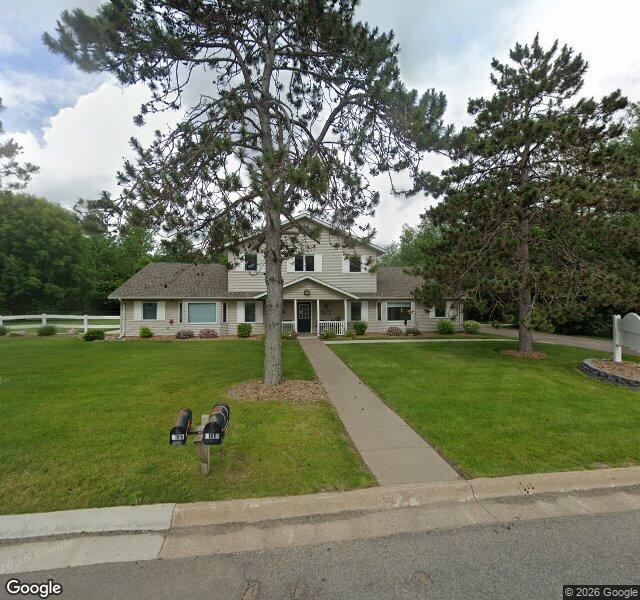
Overview and key essentials
State license
Active
MN MDH
Google reviews
4.4/ 5
32 reviews
Size & payment
Ask directly
Confirm pricing & payment
Strong public signals
Rated 4.4/5 across 32 public Google reviews. Visit in person to confirm daily care and pricing.
Cost, payment & care details
Updated Nov 28, 2026| Monthly cost | Not published | Ask for the full monthly cost, including care fees and one-time charges. |
|---|---|---|
| Payment options | Ask directly | Payment details are not confirmed in our records. Ask about private pay, long-term care insurance, veterans benefits, and Medicaid waivers. |
| Size & availability | Confirm directly | We don't publish live openings. Ask about current availability, waitlist length, and move-in timing. |
| Care & support | Assisted living | Usually offers housing and help with everyday tasks, such as bathing and dressing. What to confirm about care levelsThis describes the licensed category. Ask how care plans adjust if mobility, nursing, or memory needs change over time. Read the family care guide → |
State licensing
State inspection history
3inspections
28deficiencies listed
Jan 8, 2025Routine21 deficiencies reported21
21 deficiencies reported
View official state report (opens in a new tab)
144G.41 Subdivision 1.a (a) Minimum0485
SS=C requirements; required food services All assisted living facilities must offer to provide or make available at least three nutritious meals daily with snacks available seven days per week, according to the recommended dietary allowances in the United States Department of Agriculture (USDA) guidelines, including seasonal fresh fruit and fresh vegetables. The menus must be prepared at least one week in advance and made available to all residents. The facility must encourage residents' involvement in menu planning. Meal substitutions must be of similar nutritional value if a resident refuses a food that is STATE FORM
144G.41 Subd. 3 Infection control program0510
SS=F (a) All assisted living facilities must establish and maintain an infection control program that complies with accepted health care, medical, and nursing standards for infection control. (b)The facility's infection control program must be consistent with current guidelines from the national Centers for Disease Control and Prevention (CDC) for infection prevention and control in long-term care facilities and, as applicable, for infection prevention and control in STATE FORM
144G.42 Subd. 6 (b) Compliance with0630
SS=D requirements for reporting ma (b) The facility must develop and implement an individual abuse prevention plan for each vulnerable adult. The plan shall contain an individualized review or assessment of the person's susceptibility to abuse by another individual, including other vulnerable adults; the person's risk of abusing other vulnerable adults; and statements of the specific measures to be taken to minimize the risk of abuse to that person and other vulnerable adults. For purposes of the abuse prevention plan, abuse includes self-abuse. This MN Requirement is not met as evidenced by: Based on interview and record review, the licensee failed to ensure an individual abuse prevention plan (IAPP) was developed to include the required content for one of two residents (R2). This practice resulted in a level two violation (a violation that did not harm a resident's health or safety but had the potential to have harmed a resident's health or safety, but was not likely to cause serious injury, impairment, or death), and was issued at an isolated scope (when one or a limited number of residents are affected or one or a limited number of staff are involved or the situation has occurred only occasionally). The findings include: R2's diagnoses included schizoaffective disorder, diabetes type 2, anxiety, and hypertension. R2's Service Plan dated November 14, 2024, indicated R2 received services including STATE FORM
144G.43 Subd. 3 Contents of resident record0730
SS=D Contents of a resident record include the following for each resident: (1) identifying information, including the resident's name, date of birth, address, and telephone number; (2) the name, address, and telephone number of the resident's emergency contact, legal representatives, and designated representative; (3) names, addresses, and telephone numbers of the resident's health and medical service providers, if known; (4) health information, including medical history, allergies, and when the provider is managing medications, treatments or therapies that require documentation, and other relevant health records; (5) the resident's advance directives, if any; (6) copies of any health care directives, guardianships, powers of attorney, or conservatorships; (7) the facility's current and previous assessments and service plans; (8) all records of communications pertinent to the resident's services; (9) documentation of significant changes in the resident's status and actions taken in response to STATE FORM R1's diagnoses included diabetes type 2, major depressive disorder, and back pain. R1's Service Plan dated December 24, 2024, indicated R1 received services including assistance with bathing, dressing and grooming, and medication administration. R1's progress notes indicated: - December 10, 2024, R1 left for surgery; - December 16, 2024, R1 stated his plan was to go to a rehabilitation facility for physical and occupational therapy (PT/OT); and - December 24, 2024, R1 returned to the facility. On January 7, 2025, at 1:25 p.m., clinical nurse supervisor (CNS)-A stated R1 currently received PT beginning around December 28, 2024. CNS-A stated R1's record lacked any documentation of the physical therapy received, and believed they had come to see R1 a couple times since his return. The licensee's Client [resident] Record - Outline policy dated May 1, 2023, noted the record must include all records of communications pertinent to the resident's assisted living services. No further information was provided. TIME PERIOD FOR CORRECTION: Twenty-one (21) days
144G.42 Subd. 8 (a) Staff records0650
SS=E (a) The facility must maintain current records of each paid staff member, each regularly scheduled volunteer providing services, and each individual contractor providing services. The records must include the following infomation: (1) evidence of current professional licensure, registration, or certification if licensure, registration, or certification is required by this chapter or rules; (2) records of orientation, required annual training and infection control training, and competency evaluations; (3) current job description, including qualifications, responsibilities, and identification of staff persons providing supervision; (4) documentation of annual performance reviews that identify areas of improvement needed and training needs; STATE FORM
144G.41 Subd. 7 Resident grievances; reporting0550
SS=F maltreatment All facilities must post in a conspicuous place information about the facilities' grievance procedure, and the name, telephone number, and email contact information for the individuals who are responsible for handling resident grievances. The notice must also have the contact STATE FORM information for the Office of Ombudsman for Long-Term Care and the Office of Ombudsman for Mental Health and Developmental Disabilities and must have information for reporting suspected maltreatment to the Minnesota Adult Abuse Reporting Center. The notice must also state that if an individual has a complaint about the facility or person providing services, the individual may contact the Office of Health Facility Complaints at the Minnesota Department of Health. This MN Requirement is not met as evidenced by: Based on observation, interview, and record review, the licensee failed to post in a conspicuous place, information about the facility's grievance procedure with the required content. This had the potential to affect the licensee's current residents, staff, and visitors. This practice resulted in a level two violation (a violation that did not harm a resident's health or safety but had the potential to have harmed a resident's health or safety, but was not likely to cause serious injury, impairment, or death), and was issued at a widespread scope (when problems are pervasive or represent a systemic failure that has affected or has potential to affect a large portion or all of the residents). The findings include: During the initial tour on January 6, 2025, at 11:05 a.m., with licensed assisted living director (LALD)-B, the surveyor observed the main entry area to the facility with a long hallway straight ahead. To the right was a dining area with a television and the kitchen and staff area through a door. Inside was a staff bathroom and staff STATE FORM
144G.50 Subd. 2 (a-b) Contract information0910
SS=C (a) The contract must include in a conspicuous place and manner on the contract the legal name and the health facility identification of the facility. (b) The contract must include the name, telephone number, and physical mailing address, which may not be a public or private post office box, of: (1) the facility and contracted service provider when applicable; (2) the licensee of the facility; (3) the managing agent of the facility, if applicable; and (4) the authorized agent for the facility. This MN Requirement is not met as evidenced by: Based on interview and record review, the licensee failed to execute a written contract with the required content for one of one resident (R2). This practice resulted in a level one violation (a violation that has no potential to cause more than a minimal impact on the resident and does not affect health or safety), and was issued at a widespread scope (when problems are pervasive or represent a systemic failure that has affected or has potential to affect a large portion or all of the residents). STATE FORM
144G.42 Subd. 9 Tuberculosis prevention and0660
SS=F control (a) The facility must establish and maintain a comprehensive tuberculosis infection control program according to the most current tuberculosis infection control guidelines issued by STATE FORM
144G.45 Subd. 2 (a) (2-3) Fire protection and0790
SS=F physical environment (2) install and maintain portable fire extinguishers STATE FORM No further information was provided. TIME PERIOD FOR CORRECTION: Seven (7) days
144G.41 Subdivision 1 Subd. 1a (a-b) Minimum0480
SS=F requirements; required food services (a) Except as provided in paragraph (b), food must be prepared and served according to the Minnesota Food Code, Minnesota Rules, chapter 4626. (b) For an assisted living facility with a licensed capacity of ten or fewer residents: (1) notwithstanding Minnesota Rules, part 4626.0033, item A, the facility may share a certified food protection manager (CFPM) with one other facility located within a 60-mile radius and under common management provided the CFPM is present at each facility frequently enough to effectively administer, manage, and supervise each facility's food service operation; (2) notwithstanding Minnesota Rules, part 4626.0545, item A, kick plates that are not removable or cannot be rotated open are allowed STATE FORM
144G.45 Subd. 2 (a) (1) Fire protection and0780
SS=F physical environment for dwellings or sleeping units, as defined in the State Fire Code: STATE FORM
144G.50 Subd. 2 (c) Contract information0920
SS=C (c) The contract must include: (1) a disclosure of the category of assisted living facility license held by the facility and, if the facility is not an assisted living facility with dementia care, a disclosure that it does not hold an assisted living facility with dementia care license; (2) a description of all the terms and conditions of the contract, including a description of and any limitations to the housing or assisted living services to be provided for the contracted amount; STATE FORM
144G.45 Subd. 2 (b-f) Fire protection and0810
SS=F physical environment (b) Each assisted living facility shall develop and maintain fire safety and evacuation plans. The plans shall include but are not limited to: (1) location and number of resident sleeping rooms; (2) staff actions to be taken in the event of a fire or similar emergency; (3) fire protection procedures necessary for residents; and (4) procedures for resident movement, evacuation, or relocation during a fire or similar emergency including the identification of unique or unusual resident needs for movement or evacuation. (c) Staff of assisted living facilities shall receive training on the fire safety and evacuation plans upon hiring and at least twice per year thereafter. (d) Fire safety and evacuation plans shall be readily available at all times within the facility. (e) Residents who are capable of assisting in their own evacuation shall be trained on the proper actions to take in the event of a fire to include movement, evacuation, or relocation. The training shall be made available to residents at least once per year. (f) Evacuation drills are required for staff twice per year per shift with at least one evacuation drill every other month. Evacuation of the residents is not required. Fire alarm system activation is not required to initiate the evacuation drill. STATE FORM This MN Requirement is not met as evidenced by: Based on observation, interview, and record review, the licensee failed to develop the fire safety and evacuation plan with the required content and provide the required training and drills. This had the potential to directly affect all residents, staff, and visitors. This practice resulted in a level two violation (a violation that did not harm a resident's health or safety but had the potential to have harmed a resident's health or safety) and was issued at a widespread scope (when problems are pervasive or represent a systemic failure that has affected or has potential to affect a large portion or all of the residents). The findings include: On January 07, 2025, at 3:47 p.m., licensed assisted living director (LALD)-B provided documents on the fire safety and evacuation plan (FSEP), fire safety and evacuation training, and evacuation drills for the facility. FIRE SAFETY AND EVACUATION PLAN: The FSEP (fire safety and evacuation plan) included standard employee procedures but failed to provide specific employee actions to take in the event of a fire or similar emergency relative to the facility's building layout and environmental risks. The plan included the acronym R.A.C.E. (Rescue, Alarm, Confine, and Extinguish or Evacuate) and was very basic. The provided FSEP was a general guidance for fire response STATE FORM
144G.42 Subd. 10 Disaster planning and0680
SS=F emergency preparedness (a) The facility must meet the following requirements: (1) have a written emergency disaster plan that contains a plan for evacuation, addresses elements of sheltering in place, identifies temporary relocation sites, and details staff assignments in the event of a disaster or an emergency; (2) post an emergency disaster plan prominently; (3) provide building emergency exit diagrams to all residents; (4) post emergency exit diagrams on each floor; and (5) have a written policy and procedure regarding STATE FORM
144G.42 Subd. 2 Quality management0580
SS=F The facility shall engage in quality management appropriate to the size of the facility and relevant to the type of services provided. "Quality management activity" means evaluating the quality of care by periodically reviewing resident services, complaints made, and other issues that have occurred and determining whether changes in services, staffing, or other procedures need to be made in order to ensure safe and competent services to residents. Documentation about quality management activity must be available for two years. Information about quality management must be available to the commissioner at the time of the survey, investigation, or renewal. STATE FORM This MN Requirement is not met as evidenced by: Based on interview and record review, the licensee failed to engage in and maintain documentation of quality management activity appropriate to the size and relevant to the type of services provided by the assisted living facility. This had the potential to affect the licensee's current resident. This practice resulted in a level two violation (a violation that did not harm a resident's health or safety but had the potential to have harmed a resident's health or safety, but was not likely to cause serious injury, impairment, or death), and was issued at a widespread scope (when problems are pervasive or represent a systemic failure that has affected or has potential to affect a large portion or all of the residents). The findings include: During the entrance conference on January 6, 2025, at 10:20 a.m., licensed assisted living director (LALD)-B stated they had not met yet for quality management, and stated they had just sent out the day before to work on medication errors. The licensee's Quality Improvement Project policy dated May 1, 2023, noted the licensee would have at least one documented quality improvement project in place at all times and would retain records for at least two years. No further information was provided. TIME PERIOD FOR CORRECTION: Twenty-One (21) days STATE FORM
F95T126899
{0 480} (a) Except as provided in paragraph (b), food must be prepared and served according to the Minnesota Food Code, Minnesota Rules, chapter 4626. (b) For an assisted living facility with a licensed capacity of ten or fewer residents: (1) notwithstanding Minnesota Rules, part 4626.0033, item A, the facility may share a certified food protection manager (CFPM) with one other facility located within a 60-mile radius and under common management provided the CFPM is present at each facility frequently enough to effectively administer, manage, and supervise each facility's food service operation; (2) notwithstanding Minnesota Rules, part 4626.0545, item A, kick plates that are not removable or cannot be rotated open are allowed unless the facility has been issued repeated correction orders for violations of Minnesota Rules, part 4626.1565 or 4626.1570; (3) notwithstanding Minnesota Rules, part 4626.0685, item A, the facility is not required to provide integral drainboards, utensil racks, or tables large enough to accommodate soiled and clean items that may accumulate during hours of operation provided soiled items do not contaminate clean items, surfaces, or food, and clean equipment and dishes are air dried in a manner that prevents contamination before storage; (4) notwithstanding Minnesota Rules, part 4626.1070, item A, the facility is not required to install a dedicated handwashing sink in its existing kitchen provided it designates one well of a two-compartment sink for use only as a handwashing sink; (5) notwithstanding Minnesota Rules, parts 4626.1325, 4626.1335, and 4626.1360, item A, existing floor, wall, and ceiling finishes are STATE FORM F95T12 allowed provided the facility keeps them clean and in good condition; (6) notwithstanding Minnesota Rules, part 4626.1375, shielded or shatter-resistant lightbulbs are not required, but if a light bulb breaks, the facility must discard all exposed food and fully clean all equipment, dishes, and surfaces to remove any glass particles; and (7) notwithstanding Minnesota Rules, part 4626.1390, toilet rooms are not required to be provided with a self-closing door. This MN Requirement is not met as evidenced by: {0 650} 144G.42 Subd. 8 (a) Staff records SS=E (a) The facility must maintain current records of each paid staff member, each regularly scheduled volunteer providing services, and each individual contractor providing services. The records must include the following infomation: (1) evidence of current professional licensure, registration, or certification if licensure, registration, or certification is required by this chapter or rules; (2) records of orientation, required annual training and infection control training, and competency evaluations; (3) current job description, including qualifications, responsibilities, and identification of staff persons providing supervision; (4) documentation of annual performance reviews that identify areas of improvement needed and training needs; (5) for individuals providing assisted living STATE FORM F95T12 services, verification that required health screenings under subdivision 9 have taken place and the dates of those screenings; and (6) documentation of the background study as required under section 144.057. This MN Requirement is not met as evidenced by: Based on interview and record review, the licensee failed to ensure the employee record contained the required content for two of three employees (clinical nurse...
144G.50 Subdivision 1 Contract required0900
SS=D (a) An assisted living facility may not offer or provide housing or assisted living services to any individual unless it has executed a written contract with the resident. (b) The contract must contain all the terms concerning the provision of: (1) housing; (2) assisted living services, whether provided directly by the facility or by management agreement or other agreement; and (3) the resident's service plan, if applicable. (c) A facility must: (1) offer to prospective residents and provide to the Office of Ombudsman for Long-Term Care a complete unsigned copy of its contract; and (2) give a complete copy of any signed contract and any addendums, and all supporting documents and attachments, to the resident promptly after a contract and any addendum has been signed. (d) A contract under this section is a consumer contract under sections 325G.29 to 325G.37. (e) Before or at the time of execution of the contract, the facility must offer the resident the opportunity to identify a designated representative according to subdivision 3. (f) The resident must agree in writing to STATE FORM
144G.20 Subdivision 1 Conditions0250
SS=F (a) The commissioner may refuse to grant a provisional license, refuse to grant a license as a result of a change in ownership, refuse to renew a license, suspend or revoke a license, or impose a conditional license if the owner, controlling individual, or staff of an assisted living facility: (1) is in violation of, or during the term of the license has violated, any of the requirements in this chapter or adopted rules; (2) permits, aids, or abets the commission of any illegal act in the provision of assisted living services; (3) performs any act detrimental to the health, safety, and welfare of a resident; (4) obtains the license by fraud or misrepresentation; (5) knowingly makes a false statement of a material fact in the application for a license or in any other record or report required by this chapter; (6) denies representatives of the department access to any part of the facility's books, records, files, or staff; (7) interferes with or impedes a representative of the department in contacting the facility's residents; (8) interferes with or impedes ombudsman access according to section 256.9742, subdivision 4, or interferes with or impedes access by the Office of Ombudsman for Mental Health and Developmental Disabilities according to section 245.94, subdivision 1; (9) interferes with or impedes a representative of the department in the enforcement of this chapter or fails to fully cooperate with an inspection, survey, or investigation by the department; (10) destroys or makes unavailable any records STATE FORM During the entrance conference on January 6, 2025, at 10:20 a.m., licensed assisted living director (LALD)-B stated she was familiar with the assisted living regulations and the licensee provided medication and treatment management services. The licensee's "Application for Assisted Living License", section titled "Official Verification of Owner or Authorized Agent", (page four of the application), identified "I certify I have read and understand the following:" [a check mark was placed before each of the following]: - I have read and fully understand Minn. [Minnesota] Stat. [statute] sect. [section] 144G.45 (opens in a new window), my building(s) must comply with subdivisions 1-3 of the section, as applicable section Laws 2020, 7th Spec. [special] Sess [session]., chpt. [chapter] 1. art. [article] 6, sect. 17 (opens in a new window). - I have read and fully understand Minn. Stat. sect. 144G.80 (opens in a new window), 144G.81 (opens in a new window). and Laws 2020, 7th Spec. Sess., chpt. 1, art. 6, sect. 22 (opens in a new window), my building(s) must comply with these sections if applicable. - Assisted Living Licensure statutes in Minn. Stat. chpt. 144G (opens in a new window). - Assisted Living Licensure rules in Minnesota Rules, chpt. 4659 (opens in a new window). - Reporting of Maltreatment of Vulnerable Adults (opens in a new window). - Electronic Monitoring in Certain Facilities (opens in a new window)." - I understand pursuant to Minn. Stat. sect. 13.04 Rights of Subjects of Data (opens in a new window), the Commissioner will use information provided in this application, which may include an in-person or telephone conference, to determine STATE FORM if the applicant meets the requirements for assisted living licensing. I understand I am not legally required to supply the requested information; however, failure to provide information or the submission of false or misleading information may delay the...
144G.41 Subdivision 1 Minimum requirements0470
SS=F (11) develop and implement a staffing plan for determining its staffing level that: (i) includes an evaluation, to be conducted at least twice a year, of the appropriateness of staffing levels in the facility; (ii) ensures sufficient staffing at all times to meet the scheduled and reasonably foreseeable unscheduled needs of each resident as required by the residents' assessments and service plans on a 24-hour per day basis; and (iii) ensures that the facility can respond promptly and effectively to individual resident emergencies and to emergency, life safety, and disaster situations affecting staff or residents in the facility; (12) ensure that one or more persons are available 24 hours per day, seven days per week, who are responsible for responding to the requests of residents for assistance with health or safety needs. Such persons must be: (i) awake; (ii) located in the same building, in an attached building, or on a contiguous campus with the facility in order to respond within a reasonable amount of time; (iii) capable of communicating with residents; (iv) capable of providing or summoning the appropriate assistance; and (v) capable of following directions; This MN Requirement is not met as evidenced by: STATE FORM
144G.50 Subd. 2 (e; 5-7) Contract information0940
SS=C (5) a description of the facility's policies related to medical assistance waivers under chapter 256S and section 256B.49 and the housing support program under chapter 256I, including: (i) whether the facility is enrolled with the commissioner of human services to provide customized living services under medical assistance waivers; (ii) whether the facility has an agreement to provide housing support under section 256I.04, subdivision 2, paragraph (b); (iii) whether there is a limit on the number of people residing at the facility who can receive customized living services or participate in the housing support program at any point in time. If so, the limit must be provided; (iv) whether the facility requires a resident to pay privately for a period of time prior to accepting payment under medical assistance waivers or the housing support program, and if so, the length of time that private payment is required; (v) a statement that medical assistance waivers provide payment for services, but do not cover the cost of rent; (vi) a statement that residents may be eligible for assistance with rent through the housing support program; and (vii) a description of the rent requirements for people who are eligible for medical assistance waivers but who are not eligible for assistance through the housing support program; STATE FORM
144G.50 Subd. 2 (d-e; 1-4) Contract information0930
SS=C (d) The contract must include a description of the facility's complaint resolution process available to residents, including the name and contact information of the person representing the facility who is designated to handle and resolve complaints. (e) The contract must include a clear and conspicuous notice of: (1) the right under section 144G.54 to appeal the termination of an assisted living contract; (2) the facility's policy regarding transfer of residents within the facility, under what circumstances a transfer may occur, and the circumstances under which resident consent is required for a transfer; (3) contact information for the Office of Ombudsman for Long-Term Care, the Ombudsman for Mental Health and Developmental Disabilities, and the Office of STATE FORM No further information was provided. TIME PERIOD FOR CORRECTION: Twenty-one (21) days
Mar 14, 2024ComplaintNo deficiencies reportedNone
No deficiencies reported
View official state report (opens in a new tab)
No deficiencies are reported in this inspection record.
Jul 7, 2022Routine7 deficiencies reported7
7 deficiencies reported
View official state report (opens in a new tab)
moderate0680
emergency preparedness (a) The facility must meet the following requirements: (1) have a written emergency disaster plan that contains a plan for evacuation, addresses elements of sheltering in place, identifies temporary relocation sites, and details staff assignments in the event of a disaster or an emergency; (2) post an emergency disaster plan prominently; (3) provide building emergency exit diagrams to all residents; (4) post emergency exit diagrams on each floor; and (5) have a written policy and procedure regarding missing tenant residents. (b) The facility must provide emergency and disaster training to all staff during the initial staff orientation and annually thereafter and must make emergency and disaster training annually available to all residents. Staff who have not received emergency and disaster training are allowed to work only when trained staff are also working on site. (c) The facility must meet any additional requirements adopted in rule. This MN Requirement is not met as evidenced by: Based on observation, interview, and record review, the licensee failed to have a written emergency preparedness plan with all the required content and post an emergency preparedness plan prominently. This had the potential to affect all nineteen (19) residents receiving services under the assisted living license. This practice resulted in a level two violation (a violation that did not harm a resident's health or safety but had the potential to have harmed a resident's health or safety, but was not likely to cause serious injury, impairment, or death), and was issued at a widespread scope (when problems are pervasive or represent a systemic failure that has affected or has potential to affect a large portion or all of the residents). The findings include: During the entrance conference on July 5, 2022, at approximately 10:20 a.m., the surveyor requested to review the licensee's emergency preparedness plan. On July 5, 2022, at approximately 2:00 p.m., licensed assisted living director (LALD)-A provided a binder titled Emergency Plan. The binder included licensee's emergency preparedness and disaster plan, however, lacked the following required content: - a description of the population served by the licensee; - procedure for tracking staff and residents; - development of policies/procedures to address: - an evacuation plan customized for the facility; - shelter in place; - a tracking system used to document locations or residents and staff; - the medical record documentation system to preserve resident information. - a communication plan that addressed: - arrangements with other facilities; - names and contact information for staff, resident physicians, and other facilities; - contact information for federal, state, tribal, local EP staff, and ombudsman; - a method of sharing resident information and medical documentation; - a means to provide information regarding the facility's needs, and its ability to provide assistance, including occupancy information; and -a method of sharing information from the licensee's emergency plan with residents and their families. - EP training program for staff (including documentation of training provided); and - EP testing/annual testing requirements. On July 5, 2022, at approximately 10:45 a.m., during a facility tour with LALD-A, the surveyor observed no signage or information posted in the main entrance or elsewhere in the facility regarding the licensee's emergency plan. On July 5, 2022, at...
minor0940
(5) a description of the facility's policies related to medical assistance waivers under chapter 256S and section 256B.49 and the housing support program under chapter 256I, including: (i) whether the facility is enrolled with the commissioner of human services to provide customized living services under medical assistance waivers; (ii) whether the facility has an agreement to provide housing support under section 256I.04, subdivision 2, paragraph (b); (iii) whether there is a limit on the number of people residing at the facility who can receive customized living services or participate in the housing support program at any point in time. If so, the limit must be provided; (iv) whether the facility requires a resident to pay privately for a period of time prior to accepting payment under medical assistance waivers or the housing support program, and if so, the length of time that private payment is required; (v) a statement that medical assistance waivers provide payment for services, but do not cover the cost of rent; (vi) a statement that residents may be eligible for assistance with rent through the housing support program; and (vii) a description of the rent requirements for people who are eligible for medical assistance waivers but who are not eligible for assistance through the housing support program; (6) the contact information to obtain long-term care consulting services under section 256B.0911; and (7) the toll-free phone number for the Minnesota Adult Abuse Reporting Center. This MN Requirement is not met as evidenced by: Based on interview and record review, the licensee failed to execute a written contract with the required content for two of two residents (R1, R2) with records reviewed. This practice resulted in a level one violation (a violation that has no potential to cause more than a minimal impact on the resident and does not affect health or safety), and was issued at a widespread scope (when problems are pervasive or represent a systemic failure that has affected or has potential to affect a large portion or all of the residents). The findings include: On July 5, 2022, at 10:30 a.m., during the entrance conference, the surveyor requested a copy of the licensee's assisted living contract provided to residents from clinical nurse supervisor (CNS)-B. R1 R1's [name of facility] Resident Assisted Living Contract indicated R1 started assisted living services August 1, 2021. R1's service plan dated August 1, 2021, indicated R1 received services to include medication administration, supervision for dressing, grooming, bathing, behavior monitoring and treatment management services. R2 R2's [name of facility] Resident Assisted Living Contract indicated R2 started assisted living services July 26, 2021. R2's service plan dated August 1, 2021, indicated R2 received services to include medication administration, supervision for glucose (sugar) checks, behavior management and treatment management services. R1 and R2's assisted living contract did not include the following required content: -a description of the facility's policies related to medical assistance waivers under chapter 256S and section 256B.49 and the housing support program under chapter 256I, including: (ii) whether the facility has an agreement to provide housing support under section 256I.04, subdivision 2, paragraph (b); (iii) whether there is a limit on the number of people residing at the facility who can receive customized living services or participate...
moderate0470
(11) develop and implement a staffing plan for determining its staffing level that: (i) includes an evaluation, to be conducted at least twice a year, of the appropriateness of staffing levels in the facility; (ii) ensures sufficient staffing at all times to meet the scheduled and reasonably foreseeable unscheduled needs of each resident as required by the residents' assessments and service plans on a 24-hour per day basis; and (iii) ensures that the facility can respond promptly and effectively to individual resident emergencies and to emergency, life safety, and disaster situations affecting staff or residents in the facility; (12) ensure that one or more persons are available 24 hours per day, seven days per week, who are responsible for responding to the requests of residents for assistance with health or safety needs. Such persons must be: (i) awake; (ii) located in the same building, in an attached building, or on a contiguous campus with the facility in order to respond within a reasonable amount of time; (iii) capable of communicating with residents; (iv) capable of providing or summoning the appropriate assistance; and (v) capable of following directions; This MN Requirement is not met as evidenced by: Based on interview and record review, the licensee failed to develop a staffing plan to determine staffing levels to meet the needs of all residents and to ensure the plan was implemented and posted as required. This had the potential to affect all nineteen (19) residents, staff and visitors. This practice resulted in a level two violation (a violation that did not harm a resident's health or safety but had the potential to have harmed a resident's health or safety, but was not likely to cause serious injury, impairment, or death), and is issued at a widespread scope (when problems are pervasive or represent a systemic failure that has affected or has the potential to affect a large portion or all of the residents). The findings include: The licensee held an assisted living facility license and was licensed for a capacity of twenty-eight (28) residents, with a current census of nineteen (19) residents. During the facility tour on July 5, 2022, at approximately 11:05 a.m., with licensed assisted living director (LALD)-A, the surveyor observed the lack of a posted staffing plan. The surveyor asked LALD-A if a staffing plan had been developed and posted. LALD-A stated, "no, we have this" and pointed to a schedule that indicated who the staff were for the day and stated, "this rarely changes." On July 5, 2022, at approximately 11:10 a.m., LALD-A confirmed there was no staffing plan or matrix used by licensee. No further information was provided. TIME PERIOD FOR CORRECTION: Twenty-one (21) days
moderate0780
physical environment (a) Each assisted living facility must comply with the State Fire Code in Minnesota Rules, chapter 7511, and: (1) for dwellings or sleeping units, as defined in the State Fire Code: (i) provide smoke alarms in each room used for sleeping purposes; (ii) provide smoke alarms outside each separate sleeping area in the immediate vicinity of bedrooms; (iii) provide smoke alarms on each story within a dwelling unit, including basements, but not including crawl spaces and unoccupied attics; (iv) where more than one smoke alarm is required within an individual dwelling unit or sleeping unit, interconnect all smoke alarms so that actuation of one alarm causes all alarms in the individual dwelling unit or sleeping unit to operate; and (v) ensure the power supply for existing smoke alarms complies with the State Fire Code, except that newly introduced smoke alarms in existing buildings may be battery operated; This MN Requirement is not met as evidenced by: Based on observation and interview, the facility failed to maintain functioning smoke alarms within the facility as required. This had the potential to directly affect all residents and staff. This practice resulted in a level two violation (a violation that did not harm a resident's health or safety but had the potential to have harmed a resident's health or safety, but was not likely to cause serious injury, impairment, or death), and issued at a widespread scope (when problems are pervasive or represent a systemic failure that has affected or has the potential to affect a large portion or all residents). The findings include: On July 06, 2022, at approximately 11:15 am, while touring with the Administrator, it was observed that multiple smoke alarms installed within facility were not functioning properly. There were 1 of 4 resident rooms within the facility that had a smoke alarm that did not have the battery installed in the device. Additionally, the smoke alarm/Carbon monoxide combination alarm located in the living room / common space within the facility had been taken down and not replaced. The administrator verbally confirmed survey staff observations during the facility tour. No further information was provided. TIME PERIOD FOR CORRECTION: Twenty one (21) days
STATE FORM6899
IZUB11 STATE FORM IZUB11 STATE FORM IZUB11 STATE FORM IZUB11 STATE FORM IZUB11 STATE FORM IZUB11 STATE FORM IZUB11 STATE FORM IZUB11 STATE FORM IZUB11 STATE FORM IZUB11 STATE FORM IZUB11 STATE FORM IZUB11 STATE FORM IZUB11 STATE FORM IZUB11 STATE FORM IZUB11 STATE FORM IZUB11 01650 01650 (iv) the circumstances in which emergency medical services are not to be summoned consistent with chapters 145B and 145C, and declarations made by the resident under those chapters. This MN Requirement is not met as evidenced by: Based on interview and record review, the licensee failed to ensure the service plan included all required content for two of two residents (R1, R2) with records reviewed. This practice resulted in a level two violation (a violation that did not harm a resident's health or safety but had the potential to have harmed a resident's health or safety, but was not likely to cause serious injury, impairment, or death), and was issued at a pattern scope (when more than a limited number of residents are affected, more than a limited number of staff are involved, or the situation has occurred repeatedly; but is not found to be pervasive). The findings include: R1 R1's diagnoses included schizophrenia. R1's service plan dated August 1, 2021, indicated R1 received services to include medication administration, supervision for dressing, grooming, bathing, behavior monitoring and treatment management services. R1's service plan lacked the following required content: - a description of the services to be provided, the fees for services, and the frequency of each service, according to the resident's current STATE FORM IZUB11 01650 01650 assessment and resident preferences; - the schedule and methods of monitoring assessments of the resident; and - the schedule and methods of monitoring staff providing services. R1's Treatment and Medication log sheet dated June 2022, included the following completed services signed off by unlicensed personnel and licensed nursing staff : - bathing three times weekly; - haircare reminder daily; - oral care supervision and reminder twice daily; - dressing supervision and reminders; - accuchecks (blood sugar checks) twice daily; - monitor for depression every shift; - meal and snack reminders twice daily; - behavior management every shift; - monitor for alcohol/drug abuse every shift; - medication administration twice daily; - daily supervision; - nightly supervision hourly checks; - vitals monthly; and - mental health coordination as needed (PRN). R2 R2's diagnoses included schizophrenia. R2's service plan dated August 1, 2021, indicated R2 received services to include medication administration, supervision for glucose (sugar) checks, behavior management and treatment management services. R2's service plan lacked the following required content: - a description of the services to be provided, the fees for services, and the frequency of each service, according to the resident's current assessment and resident preferences; STATE FORM IZUB11 01650 01650 - the schedule and methods of monitoring assessments of the resident; and - the schedule and methods of monitoring staff providing services. R2's Treatment and Medication log sheet dated June 2022, included the following completed services signed off by unlicensed personnel and licensed nursing staff: - supervision/reminders for bathing, dressing, shaving daily; - accuchecks three times a day, three times a week; - behavior management every shift; - training in...
minor0930
(d) The contract must include a description of the facility's complaint resolution process available to residents, including the name and contact information of the person representing the facility who is designated to handle and resolve complaints. (e) The contract must include a clear and conspicuous notice of: (1) the right under section 144G.54 to appeal the termination of an assisted living contract; (2) the facility's policy regarding transfer of residents within the facility, under what circumstances a transfer may occur, and the circumstances under which resident consent is required for a transfer; (3) contact information for the Office of Ombudsman for Long-Term Care, the Ombudsman for Mental Health and Developmental Disabilities, and the Office of Health Facility Complaints; (4) the resident's right to obtain services from an unaffiliated service provider; This MN Requirement is not met as evidenced by: Based on interview and record review, the licensee failed to ensure the assisted living contract included all required content for two of two residents (R1, R2) with records reviewed. This had the potential to affect all nineteen (19) residents who received assisted living services. This practice resulted in a level one violation (a violation that has no potential to cause more than a minimal impact on the resident and does not affect health or safety), and was issued at a widespread scope (when problems are pervasive or represent a systemic failure that has affected or has potential to affect a large portion or all of the residents). The findings include: R1's service plan dated August 1, 2021, indicated R1 received services to include medication administration, supervision for dressing, grooming, bathing, behavior monitoring and treatment management services. R2's service plan dated August 1, 2021, indicated R2 received services to include medication administration, supervision for glucose (sugar) checks, behavior management and treatment management services. R1 and R2's [name of facility] Resident Assisted Living Contract dated August 1, 2021, lacked the following content: - the right under section 144G.54 to appeal the termination of an assisted living contract; - the facility's policy regarding transfer of residents within the facility, under what circumstances a transfer may occur, and the circumstances under which resident consent was required for a transfer; and - contact information for the Ombudsman for Mental Health and Developmental Disabilities. On July 6, 2022, at 10:30 a.m., clinical nurse supervisor (CNS)-B confirmed the same assisted living contract was used for all residents and was missing the required content as identified above. Additionally, CNS-B stated, "honestly, some of the things we haven't gotten to yet." No further information was provided. TIME PERIOD FOR CORRECTION: Twenty-One (21) days
moderate0810
physical environment (b) Each assisted living facility shall develop and maintain fire safety and evacuation plans. The plans shall include but are not limited to: (1) location and number of resident sleeping rooms; (2) employee actions to be taken in the event of a fire or similar emergency; (3) fire protection procedures necessary for residents; and (4) procedures for resident movement, evacuation, or relocation during a fire or similar emergency including the identification of unique or unusual resident needs for movement or evacuation. (c) Employees of assisted living facilities shall receive training on the fire safety and evacuation plans upon hiring and at least twice per year thereafter. (d) Fire safety and evacuation plans shall be readily available at all times within the facility. (e) Residents who are capable of assisting in their own evacuation shall be trained on the proper actions to take in the event of a fire to include movement, evacuation, or relocation. The training shall be made available to residents at least once per year. (f) Evacuation drills are required for employees twice per year per shift with at least one evacuation drill every other month. Evacuation of the residents is not required. Fire alarm system activation is not required to initiate the evacuation drill. This MN Requirement is not met as evidenced by: Based on observation, interview and record review, the licensee failed to provide the required fire safety training and evacuation plans for residents and staff. This has the potential to directly affect all residents, staff, and visitors. This practice resulted in a level two violation (a violation that did not harm a resident's health or safety but had the potential to have harmed a resident's health or safety) and was issued at a widespread scope (when problems are pervasive or represent a systemic failure that has affected or has the potential to affect a large portion or all of the residents). The findings include: On July 06, 2022, at approximately 10:15 am, survey staff asked to review the facility ' s fire safety and evacuation documentation. The following item were noted: 1. EVACUATION DRILLS The facility's documented drill record indicated licensee failed to show compliance with the minimum number of required employee fire and evacuation drills performed to date for a minimum of two drills per year per shift with at least one drill every other month for a total minimum of six evacuation drills per year. The fire drills that were conducted over the last 12 months consisted of one drill completed in June for the evening shift, three fire drills completed in May for the evening, day, and overnight shifts, and one fire drill in March for the day shift. The facility failed to conduct fire and evacuation drill for the overnight shift and did not complete the fire drills on an every other month basis. Survey staff explained the dates for their employee drills were not in compliance with the minimum of every other month and that the facility did not conduct two fire and evacuation drills for the overnight shift within the last 12 months. 2. TRAINING The facility's training documentation lacked a policy for the training of residents that can self-assist in their evacuation in the event of an emergency. The facility was also not able to provide any records for resident fire evacuation covering the proper actions to be taken by the residents in the event of a fire to include their movement,...
Neighborhood & resident support
Emergency access, hazards & advocacy
Nearest hospital
Essentia Health St Josephs Med
2.0 mi · Brainerd, MN · Medicare 3/5 ★
Emergency room
FEMA hazard risk
Relatively LowCrow Wing County, MN
- Cold Wave
- Inland Flooding
- Strong Wind
Free resident advocacy
Minnesota Office of Ombudsman for Long-Term Care
More neighborhood context (specialists, VA, dialysis, air & affordability)
VA & dialysis access
St Cloud VA Medical Center
53.7 mi · St. Cloud, MN
Fresenius Kidney Care Brainerd
2.8 mi · 2/5 ★
Specialists within 15 mi
- Geriatricians
- 0
- Neurologists
- 16
- Palliative care
- 0
- PM&R rehab
- 2
Environment & mobility
- EPA Air (2025)
- 78% good days · AQI 37
- EPA Walkability
- 6.5/20 (Below Average)
- USDA Grocery Access
- Moderate Grocery Access
- Primary care access
- HRSA Shortage Area
County demographics
- Age 65+ median income
- $58,677/yr
- Rent-burdened households
- 45%
- Cognitive disability (2023)
- 13.8%
- Mobility disability
- 10.4%
Call & tour checklist
Questions to ask Silver Maple Residence INC
Check off questions as you call or tour. Your progress stays private in this browser.
Show 3 more suggested questions
Verification & public records
Official records & sources
Licensing & contact
- License #
- 21680
- Status
- active
- Phone
- (218) 822-3067
- Federal OIG LEIE
- Clear (2026-11-27)
Original public sources
Verify licensing, ratings, and inspection reports directly with each official source.
- MN MDH official record (opens in a new tab)MN Dept. of Health
- Google Maps (opens in a new tab)Directions, photos & neighborhood
- Google Reviews (opens in a new tab)32 public reviews
EveryPlace is an independent research directory. Information is compiled from public Medicare.gov, state licensing, Google Places, and street-level imagery sources. Some summaries, suggested questions, and pricing notes are AI-generated or AI-assisted and may contain errors or omissions. We do not accept payment for placement. Confirm all details directly with the community and official sources. Research Policy.
Keep exploring
Nearby communities to compare
- 4.4(32)Assisted Living< 1 miSilver Maple Residence INCBrainerd, MN
- 2.2(11)Assisted Living< 1 miBrainerd Carefree Living by OxBrainerd, MN
- Cap. 25HUD Senior Housing1.1 miNorthern Lights ApartmentsBrainerd, MN
- 3.1(10)Assisted Living1.3 miCentral Minnesota Senior CareBrainerd, MN
- Medicare 5/53.8(26)79 bedsMedicaidNursing Home1.8 miGood Samaritan Society - BethanyBrainerd, MN
- 3.8(13)Assisted Living1.8 miGood Samaritan Society BethanyBrainerd, MN