Loading EveryPlace content…
Assisted LivingActive license
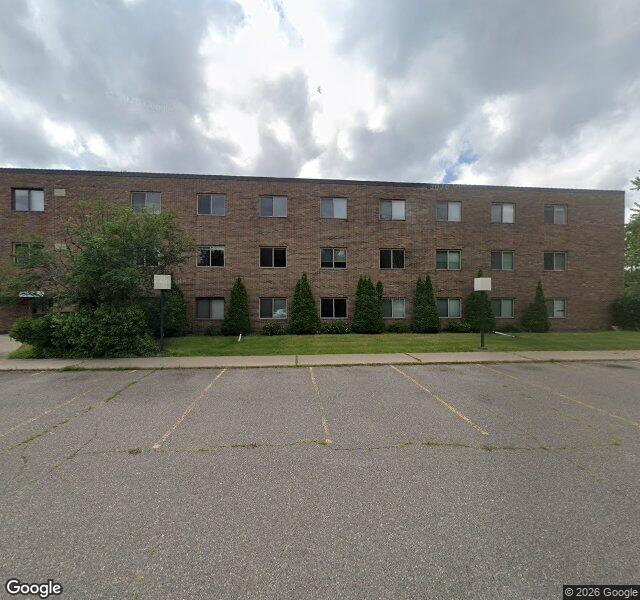
Brainerd Carefree Living by Ox
2723 Oak Street, Brainerd, MN 56401View map (opens in a new tab)
Overview and key essentials
State license
Active
MN MDH
Google reviews
2.2/ 5
11 reviews
Size & payment
Ask directly
Confirm pricing & payment
Important items to verify
Public Google reviews average 2.2/5 — read critical comments closely and tour unannounced if possible.
Cost, payment & care details
Updated Nov 28, 2026| Monthly cost | Not published | Ask for the full monthly cost, including care fees and one-time charges. |
|---|---|---|
| Payment options | Ask directly | Payment details are not confirmed in our records. Ask about private pay, long-term care insurance, veterans benefits, and Medicaid waivers. |
| Size & availability | Confirm directly | We don't publish live openings. Ask about current availability, waitlist length, and move-in timing. |
| Care & support | Assisted living | Usually offers housing and help with everyday tasks, such as bathing and dressing. What to confirm about care levelsThis describes the licensed category. Ask how care plans adjust if mobility, nursing, or memory needs change over time. Read the family care guide → |
State licensing
State inspection history
8inspections
26deficiencies listed
Feb 10, 2026Complaint1 deficiency reported1
1 deficiency reported
View official state report (opens in a new tab)
Substantiated, facility responsibility. Licensed facility staff failed to implement adequate supervision for resident #2, when resident #2 displayed hypersexual behaviors and sought out resident #1. Facility licensed staff neglected resident #1 when licensed staff failed to review, adjust and implement interventions to protect resident #1 from resident #2
severeHL201878103M
Licensed facility staff failed to implement adequate supervision for resident #2, when resident #2 displayed hypersexual behaviors and sought out resident #1. Facility licensed staff neglected resident #1 when licensed staff failed to review, adjust and implement interventions to protect resident #1 from resident #2. The Minnesota Department of Health determined neglect was substantiated. The facility was responsible for the maltreatment of Resident #1 and Resident #2. Facility licensed staff failed to assess, implement interventions, and provide adequate supervision of Resident #2 who had a known history of hypersexual behaviors toward Resident #1. Resident #2 entered resident #1’s room when he was asleep and touched Resident #1’s genital area without their consent on more than one occasion. Facility licensed staff neglected Resident #1 when licensed staff failed to implement new interventions to protect Resident #1 from Resident #2. Page 2 of 5 The investigator conducted interviews with facility staff members, including administrative staff, nursing staff, contract staff and unlicensed staff. The investigator contacted law enforcement and families. The investigation included review of the resident record(s), hospital records, pharmacy records, facility internal investigation, facility incident reports, personnel files, staff schedules, related facility policy and procedures. Also, the investigator observed unlicensed staff provide direct resident cares. Resident #1 resided in an assisted living facility. Resident #1’s diagnoses included dementia and adult failure to thrive. Resident #1’s service plan included assistance with medication administration, bathing and I’m ok checks once per shift. Resident #1’s assessment indicated he was hard of hearing, able to understand others and an assist of one in an emergency. Resident #1’s individual abuse prevention plan indicated resident #1 was susceptible to abuse from another individual, including other vulnerable adults. Resident #2 resided in an assisted living facility. Resident #2’s diagnoses included stroke and chronic pain. Resident #2’s service plan included assistance with I’m ok checks once per shift, bathing, meal escorts and behavior management. Resident #2’s medical record indicated Resident #2 displayed hypersexual behaviors towards others, exposed himself to other residents, and masturbated in areas visible by other residents, staff and visitors. Resident #2’s assessment indicated cognitive impairment, direct supervision required, poor decision-making skills, inappropriate sexual behavior towards others, and staff assistance for ambulation. Review of facility records indicated an incident occurred where Resident #2 entered Resident #1’s room while he slept and touched Resident #1’s...
Dec 5, 2025Routine15 deficiencies reported15
15 deficiencies reported
View official state report (opens in a new tab)
144G. 41 Subdivision 1 Minimum requirements0450
SS= J All assisted living facilities shall: (1) distribute to residents the assisted living bill of rights; (2) provide services in a manner that complies with the Nurse Practice Act in sections 148. 171 to 148. 285; (3) utilize a person- centered planning and service delivery process; (4) have and maintain a system for delegation of health care activities to unlicensed personnel by a registered nurse, including supervision and evaluation of the delegated activities as required by the Nurse Practice Act in sections 148. 171 to 148. 285; This MN Requirement is not met as evidenced by: Based on interview and record review, the licensee failed to provide person- centered care for two of two residents (R10, R11) to prevent reoccurrence of a resident to resident sexual assault. This practice resulted in a level four violation (a violation that harmed a resident 's health or safety, not including serious injury or death, or a violation that was likely to lead to serious injury or death) and was issued at an isolated scope (when one or a limited number of residents are affected or one or a limited number of staff are involved, or the situation has occurred only occasionally) . STATE FORM R11 R11's diagnoses included: stroke, alcohol and opioid dependence. R11's service plan dated December 2, 2025, indicated R11's services included medication administration, behavior management, bathing, dressing, "I'm ok checks" , housekeeping and laundry. R11's comprehensive assessment dated November 18, 2025, indicated R11 ambulated with a four-wheel walker, manual wheelchair, had poor decision making skills, displayed inappropriate sexual behavior and had safety checks every four hours. R11's Individual Abuse Prevention Plan dated November 18, 2025, indicated R11 was a wandering risk and at risk of abusing other vulnerable adults. R11's progress notes dated November 4, 2025, through December 2, 2025, indicated R11's hypersexual behavior had not been observed since a wellbutrin medication taper was completed on October 26, 2025. R11's progress notes indicated on November 19, 2025, R11 had additional safety checks put in place. R11's progress notes dated November 24, 2025, indicated safety checks were increased to every two hours after R11 was found in R10' s room. R11's progress notes dated November 24, 2025, indicated R10 had not invited R11 into his room and R11 had sexually assaulted R10 a second time. R11's progress notes dated November 24, 2025, indicated R10 was relocated to another room on the opposite side of the building. STATE FORM
Oak Street2723
Brainerd, MN 56401 Crow Wing County Parcel: License Info License: HFID 20187 Risk: License: Expires on: CFPM: KARI C FENSTRA CFPM #: 122668; Exp: 4/19/2027 Phone: ! Previous Order: 3-500B Microbial Control: hot and cold holding 3-501.16A2 Priority Level: Priority 1 CFP#: 22 MN Rule 4626.0395A2 Maintain all cold, TCS foods at 41 degrees F (5 degrees C) or below under mechanical refrigeration. COMMENT: TCS FOODS IN THE UPRIGHT COOLER MEASURED 45 TO 47 DEG F. DISCARD TCS FOODS. ADJUST OR REPAIR UPRIGHT COOLER TO MAINTAIN ALL TCS FOODS AT 41 DEG F OR LOWER. WITH THIS UNIT BEING THE ONLY COLD HOLDING IN THE ESTABLISHMENT, DISCUSSED PURCHASING ALL TCS FOODS THAT ARE NOT FROZEN (SUCH AS MILK, EGGS, AND CHEESE) TO BE PURCHASED FOR IMMEDIATE SERVICE UNTIL ADDITIONAL COLD HOLDING CAN BE PROVIDED OR UNIT IS REPAIRED/ADJUSTED. 12/15/25 TCS FOODS IN UPRIGHT COOLER MEASURED 42 TO 43 DEG F. DISCARD TCS FOODS FROM UPRIGHT COOLER. UNTIL ADDITIONAL COOLING SPACE IS PROVIDED, PURCHASE TCS FOODS FOR IMMEDIATE SERVICE ONLY. Comply By: 12/1/2025 Originally Issued On: 12/1/2025 Previous Order: 4-500 Equipment Maintenance and Operation 4-501.11AB Priority Level: Priority 3 CFP#: 47 MN Rule 4626.0735AB All equipment and components must be in good repair and maintained and adjusted in accordance with manufacturer's specifications. COMMENT: WALK-IN COOLER WAS NOT OPERATIONAL AT THE TIME OF INSPECTION. EMPLOYEE STATED THAT A PART TO REPAIR THE UNIT HAS BEEN ORDERED. REPAIR WALK-IN COOLER. 12/15/25 NO CHANGE. PART HAS NOT BEEN RECEIVED TO COMPLETE THE REPAIR. ETA FOR PART WAS NOT AVAILABLE. Comply By: 12/22/2025 Originally Issued On: 12/1/2025 Previous Order: 5-200A Plumbing: approved materials/design 5-201.11B Priority Level: Priority 3 CFP#: 51 MN Rule 4626.1040B Maintain the plumbing system in good repair. COMMENT: PREVIOUS ORDER 3/31/25: GARBAGE DISPOSAL / GREASE TRAP ADJACENT TO THE DISH MACHINE WAS REMOVED LEAVING A HOLE IN THE COUNTER WITH A CATCH BUCKET BELOW. CONTACT LICENSED PLUMBER TO REPAIR PLUMBING TO ELIMINATE HOLE. 12/1/25 NO CHANGE 12/15/25 NO CHANGE. Comply By: 3/1/2026 Originally Issued On: 12/1/2025 ESTABLISHMENT TO CONTACT THIS DEPARTMENT WITH UPDATES REGARDING REFRIGERATION REPAIRS AND CHANGES TO COOLERS. NOTE: All new food equipment must meet the applicable standards of the American National Standards Institute (ANSI). Plans and specifications must be submitted for review and approval prior to new construction, remodeling or alterations. I acknowledge receipt of the St Cloud District Office inspection report number F1037251205 from 12/15/2025 GREG F Michelle Hovanes, Public Health Sanitarian 2 320-223-7307 michelle.hovanes@state.mn.us Temperature Observations/Recordings Page: 1 Establishment Info Brainerd Carefree Living Llc Brainerd County/Group: Crow Wing County Food Temperature: Product/Item/Unit: PRECOOKED GROUND BEEF; Temperature Process: Cold-Holding Location: Upright Cooler at 43 Degrees F. Comment: DATED 12/14 Violation Issued?: Yes Food Temperature: Product/Item/Unit: PACKAGED HARD BOILED EGGS; Temperature Process: Cold-Holding Location: Upright Cooler at 43 Degrees F. Comment: Violation Issued?: Yes Food Temperature: Product/Item/Unit: FRUIT FLUFF; Temperature Process: Cold-Holding Location: Upright Cooler at 42 Degrees F. Comment: DATED 12/10 Violation Issued?: Yes Food & Beverage Inspection Report Page: 1 Establishment Info Brainerd Carefree Living Llc Oak Street Brainerd, MN 56401 Crow Wing County Parcel: License Info License:...
144G. 42 Subd. 9 Tuberculosis prevention and0660
SS= F control (a) The facility must establish and maintain a comprehensive tuberculosis infection control program according to the most current tuberculosis infection control guidelines issued by the United States Centers for Disease Control and Prevention (CDC), Division of Tuberculosis Elimination, as published in the CDC's Morbidity and Mortality Weekly Report. The program must include a tuberculosis infection control plan that covers all paid and unpaid employees, contractors, students, and regularly scheduled volunteers. The commissioner shall provide technical assistance regarding implementation of the guidelines. (b) The facility must maintain written evidence of compliance with this subdivision. This MN Requirement is not met as evidenced STATE FORM ULP-C ULP-C was hired on July 21, 2025, to provide direct care services to residents. On December 2, 2025, at 8:00 a.m., and 8:55 a. m., the surveyor observed ULP-C administer medications to residents. ULP-C's record lacked evidence of the following: - TB history and symptom screening; and - two-step TST or blood test. On December 2, 2025, at 12:02 p.m., ED-B stated if the information was not in the employee record, it was not completed. In addition, ED-B stated ULP-C should have had the first TST read before working with residents. RN-N RN-N was contracted on November 17, 2025, to assist the licensee with nursing tasks including resident assessments. RN-N's record lacked evidence of the following: - TB history and symptom screening. On December 5, 2025, at 11:48 a.m., RN-N stated she was sure the symptom screening had been done by the contracting company. However, no evidence of the screening was provided. guidelines, Regulations for Tuberculosis Control in Minnesota Health Care Settings, dated July 2013, and based on CDC guidelines, indicated an employee may begin working with patients after a negative IGRA (serum blood test) or TST (first step) dated within 90 days before hire. The second TST may be performed after the HCW STATE FORM
VHD4116899
to determine whether the licensee has done so. If the final order upholds the revocation, no follow-up visit will be conducted. VHD411 This resulted in an immediate correction order. The findings include: R10 R10' s diagnosis included traumatic brain injury (TBI). R10' s service plan dated December 2, 2025, indicated R10 received services to include medication management, fall interventions, meal assistance, I'm ok checks, housekeeping and laundry. R10' s comprehensive assessment dated October 23, 2025, indicated R10 had cognitive and mobility impairments. R10' s incident report dated November 24, 2025, indicated R10 was sexually assaulted by R11 a second time, six weeks after a first sexual assault occurred in R10' s apartment. R10' s first sexual assault occurred on October 12, 2025. R10' s progress notes dated November 19, 2025, through December 1, 2025, indicated R10' s "I'm ok checks" were changed from once per shift to every two hours. R10' s was moved to a different apartment was relocated apartments on November 24, 2025, after R10 was sexually assaulted a second time by R11. R10' s completed services dated November 2025, indicated staff completed and signed off "I'm ok checks" one time per shift from November 1, 2025, until November 24, 2025. R10' s Individual Abuse Prevention Plan (IAPP) dated November 24, 2025, indicated R10 was susceptible to abuse from others. STATE FORM VHD411 VHD411 On December 3, 2025, at 9:29 a. m., unlicensed personnel (ULP)-F stated R11 had been found early in a shift outside R10' s apartment door on the first floor by staff and redirected away from R10' s room. ULP-F stated R11's wheelchair was observed outside R10' s apartment door later in the morning when staff arrived to the facility and R10 was checked on. ULP-F stated R11 was in R10' s apartment uninvited and had sexually assaulted R10. ULP-F stated she escorted R11 to his second floor apartment and "about 20 minutes" later, a second staff informed ULP-F R11 had gone back down to the first floor by himself and made four more attempts to re-enter R10' s apartment. ULP-F stated R11 was "very persistent" and R10 was relocated to a new apartment in the building. ULP-F stated after the second sexual assault, R10 and R11's I'm ok checks were increased. On December 3, 2025, at 10:30 a.m., executive director (ED)-B stated R11 was placed on four-hour safety checks on November 17, 2025, and on two-hour safety checks after the second sexual assault on November 24, 2025. ED-B stated R10 was placed on two-hour safety checks on November 24, 2025, after the second sexual assault incident. On December 3, 2025, at 11:30 a.m., ULP-E stated R11 is very mobile, able to walk behind and push a manual wheelchair and seems to deliberately seek out R10. ULP-E stated R10 had to be relocated in the building recently after a second sexual assault occurred. ULP-E stated he has redirected R11 away from other residents doors. STATE FORM VHD411 VHD411 schedule at the beginning of each work shift. This had the potential to affect all residents, staff, and visitors. This practice resulted in a level two violation (a violation that did not harm a resident' s health or safety but had the potential to have harmed a resident' s health or safety, but was not likely to cause serious injury, impairment, or death) , and was issued at a widespread scope (when problems are pervasive or represent a systemic failure that has affected or has potential to affect a large portion or all of...
144G. 41 Subdivision 1 Subd. 1a (a-b) Minimum0480
SS= F requirements; required food services STATE FORM
144G. 41 Subdivision 1 Minimum requirements0470
SS= F (11) develop and implement a staffing plan for determining its staffing level that: (i) includes an evaluation, to be conducted at least twice a year, of the appropriateness of staffing levels in the facility; (ii) ensures sufficient staffing at all times to meet the scheduled and reasonably foreseeable unscheduled needs of each resident as required by the residents' assessments and service plans on a 24-hour per day basis; and (iii) ensures that the facility can respond promptly and effectively to individual resident emergencies and to emergency, life safety, and disaster situations affecting staff or residents in the facility; (12) ensure that one or more persons are available 24 hours per day, seven days per week, who are responsible for responding to the requests of residents for assistance with health or safety needs. Such persons must be: (i) awake; (ii) located in the same building, in an attached building, or on a contiguous campus with the facility in order to respond within a reasonable amount of time; (iii) capable of communicating with residents; (iv) capable of providing or summoning the appropriate assistance; and (v) capable of following directions; This MN Requirement is not met as evidenced by: Based on observation, interview, and record review, the licensee failed to ensure the clinical nurse supervisor (CNS) developed and implemented a staffing plan to determine staffing levels to meet the needs of all residents, which included reviewing the staffing plan at least twice per year and failed to post an accurate daily work STATE FORM
144G. 50 Subdivision 1 Contract required0900
SS= E (a) An assisted living facility may not offer or provide housing or assisted living services to any individual unless it has executed a written contract with the resident. STATE FORM This practice resulted in a level two violation (a violation that did not harm a resident' s health or safety but had the potential to have harmed a resident' s health or safety, but was not likely to cause serious injury, impairment, or death) and was issued at a pattern scope (when more than a limited number of residents are affected, more than a limited number of staff are involved, or the situation has occurred repeatedly; but is not found to be pervasive) . The findings include: R1, R2, R7, R9, R11, R12, R14, R15, R16, R17, R18, R19, R24, R25, R26, R27, R28, R29, R30, R31, R33, R34, R35, R36' s record lacked a signed contract with the licensee. During the entrance conference on December 1, 2025, at 10:40 a.m., executive director (ED)-B stated all 42 residents received services from the licensee. R1's diagnoses included paroxysmal atrial fibrillation. On December 2, 2025, at 8:00 a.m., the surveyor observed unlicensed personnel (ULP)-C administer medications to R1 in her room. R2's diagnoses included malignant neoplasm of the brain. On December 2, 2025, at 8:55 a.m., the surveyor observed ULP-C administer medications to R2 in her room. R7's diagnoses included emphysema. STATE FORM R35' s diagnoses included cognitive social/ emotional deficit. R36' s diagnoses included chronic kidney disease. On December 4, 2025, at 1:30 p.m., ED-B stated she had been doing audits of resident charts and noted the the above residents were missing a contract in their records. In addition, ED-B stated the complaint procedure had been updated but had not been provided to any of the licensee' s residents. Her plan was to distribute during a resident council meeting but had not done so yet. On December 4, 2025, at 1:46 p.m., ED-B provided a spreadsheet that indicated the residents that were lacking a signed contract. No further information was provided. 01060 144G. 52 Subd. 9 Emergency relocation SS= D (a) A facility may remove a resident from the facility in an emergency if necessary due to a resident' s urgent medical needs or an imminent risk the resident poses to the health or safety of another facility resident or facility staff member. An emergency relocation is not a termination. (b) In the event of an emergency relocation, the facility must provide a written notice that contains, at a minimum: (1) the reason for the relocation; (2) the name and contact information for the location to which the resident has been relocated and any new service provider; (3) contact information for the Office of Ombudsman for Long-Term Care and the Office of Ombudsman for Mental Health and STATE FORM
144G. 42 Subd. 10 Disaster planning and0680
SS= F emergency preparedness (a) The facility must meet the following requirements: (1) have a written emergency disaster plan that contains a plan for evacuation, addresses elements of sheltering in place, identifies temporary relocation sites, and details staff assignments in the event of a disaster or an emergency; (2) post an emergency disaster plan prominently; (3) provide building emergency exit diagrams to all residents; (4) post emergency exit diagrams on each floor; and (5) have a written policy and procedure regarding missing residents. (b) The facility must provide emergency and disaster training to all staff during the initial staff orientation and annually thereafter and must make emergency and disaster training annually available to all residents. Staff who have not received emergency and disaster training are allowed to work only when trained staff are also working on site. (c) The facility must meet any additional requirements adopted in rule. This MN Requirement is not met as evidenced by: Based on observation, interview, and record review, the licensee failed to develop a written STATE FORM health care facilities, as well as the community on a whole during emergencies or disasters; - a hazard vulnerability assessment; - identification of at risk population needs to include maintaining independence, communication, transportation, supervision, and medical care; - policies and procedures based on the EPP, risk assessment, and communication plan; - policies and procedures to address food, water, medical supplies, and pharmaceutical supplies whether evacuated or sheltered in place; - policies and procedures to address safe and sanitary storage of provisions; - policies and procedures to address sewage and waste disposal; - policies and procedures to address sheltering in place for residents, staff, and volunteers who remain at the facility; - policies and procedures to address development of arrangements with other facilities to receive residents in the event of limitations or cessation of operations to maintain the continuity of services to residents; - policy and procedure to address the role of the facility under a waiver declared by the Secretary in accordance with section 1135 of the Act; - communication plan including primary and alternate means of communicating with facility staff, Federal, State, tribal, regional, and local emergency management agencies; - method for sharing information and medical documentation for residents under the facility's care, as necessary, with other health care providers to maintain continuity of care; - means, in event of evacuation, to release resident information as permitted under 45 CFR 164. 510( b)(1)(iii); - means of providing information about the general condition and location of residents under STATE FORM
144G. 45 Subd. 2 (a) (4) Fire protection and0800
SS= F physical environment (4) keep the physical environment, including walls, floors, ceiling, all furnishings, grounds, systems, and equipment in a continuous state of good repair and operation with regard to the health, safety, comfort, and well-being of the residents in accordance with a maintenance and repair program. This MN Requirement is not met as evidenced by: Based on observation, interview, and record review, the licensee failed to ensure the physical environment of the facility was maintained in compliance with the requirements of Minnesota Statute 144G. This practice resulted in a level two violation (a violation that did not harm a resident' s health or safety but had the potential to have harmed a resident' s health or safety, but was not likely to cause serious injury, impairment, or death) , and was issued at a widespread scope (when problems are pervasive or represent a systemic failure that has affected or has potential to affect a large portion or all of the residents) . STATE FORM The findings include: Please refer to the document titled, Physical Environment Inspection Report (PEIR) dated December 1, 2025, for the specific violations related the physical environment under Minnesota Statute 144G.
144G. 41 Subd. 3 Infection control program0510
SS= F (a) All assisted living facilities must establish and maintain an infection control program that complies with accepted health care, medical, and nursing standards for infection control. (b)The facility's infection control program must be consistent with current guidelines from the national Centers for Disease Control and Prevention (CDC) for infection prevention and control in long-term care facilities and, as applicable, for infection prevention and control in assisted living facilities. (c) The facility must maintain written evidence of compliance with this subdivision. This MN Requirement is not met as evidenced by: Based on observation, interview, and record review, the licensee failed to establish and maintain an infection control program to comply with accepted health care, medical, and nursing standards for infection control for one of two employee (unlicensed personnel/ ULP-C). This practice resulted in a level two violation (a violation that did not harm a resident' s health or safety but had the potential to have harmed a resident' s health or safety, but was not likely to cause serious injury, impairment, or death) , and was issued at a widespread scope (when problems are pervasive or represent a systemic failure that has affected or has potential to affect a large portion or all of the residents) . The findings include: STATE FORM On December 2, 2025, at 8:08 a.m., the surveyor observed ULP-C enter R1's room, donned (put on) gloves, washed and dried R1' s abdominal fold and creases between her upper thighs and perineal area, and changed gloves. ULP-C then applied Nystatin powder to the same areas, and pulled the front of the incontinent brief up, attached the tabs on brief, and changed gloves. At this time, without performing hand hygiene, ULP-C administered Xiidra prescription solution (used to treat dry eye syndrome) from a single dose container into both eyes, assisted R1 to sit up at the edge of the bed, removed her gloves and washed her hands. On December 5, 2025, at 10:05 a.m., clinical nurse supervisor (CNS) -A stated the expectation is staff perform hand hygiene immediately after removing gloves and between a clean and dirty task, so ULP-C should have performed hand hygiene before administering the eye drops. On December 5, 2025, at 11:15 a.m., executive director (ED)-B stated the corporate office was in the process of changing the policies over to the new licensee, and stated they were told they could contact corporate when they needed a policy. However, they did not currently have access to all policies and procedures. The Centers for Disease Control' s (CDC), "CDC's Core Infection Prevention and Control Practices for Safe Healthcare Delivery in All Settings" dated April 12, 2024, under section 5a. 1 indicated: 1.) Require healthcare personnel to perform hand hygiene in accordance with CDC recommendations. 2.) Use an alcohol- based hand rub or wash with soap and water for the following clinical STATE FORM
144G. 45 Subd. 2 (b-f) Fire protection and0810
SS= F physical environment (b) Each assisted living facility shall develop and maintain fire safety and evacuation plans. The plans shall include but are not limited to: (1) location and number of resident sleeping rooms; (2) staff actions to be taken in the event of a fire or similar emergency; (3) fire protection procedures necessary for residents; and (4) procedures for resident movement, evacuation, or relocation during a fire or similar emergency including the identification of unique or unusual resident needs for movement or evacuation. (c) Staff of assisted living facilities shall receive training on the fire safety and evacuation plans upon hiring and at least twice per year thereafter. (d) Fire safety and evacuation plans shall be readily available at all times within the facility. (e) Residents who are capable of assisting in their own evacuation shall be trained on the proper actions to take in the event of a fire to include movement, evacuation, or relocation. The training shall be made available to residents at least once per year. (f) Evacuation drills are required for staff twice per year per shift with at least one evacuation drill STATE FORM
144G. 42 Subd. 7 Posting information for0640
SS= F reporting suspected c The facility shall support protection and safety through access to the state' s systems for reporting suspected criminal activity and suspected vulnerable adult maltreatment by: (1) posting the 911 emergency number in common areas and near telephones provided by the assisted living facility; (2) posting information and the reporting number for the Minnesota Adult Abuse Reporting Center to report suspected maltreatment of a vulnerable adult under section 626. 557; and (3) providing reasonable accommodations with information and notices in plain language. This MN Requirement is not met as evidenced by: Based on observation and interview, the licensee failed to support protection and safety by not posting the 911 emergency number in common areas and near telephones provided by the facility as required. This had the potential to affect all STATE FORM
144G. 41 Subd. 2 Policies and procedures0500
SS= F Each assisted living facility must have policies and procedures in place to address the following and keep them current: (1) requirements in section 626. 557, reporting of maltreatment of vulnerable adults; (2) conducting and handling background studies on employees; (3) orientation, training, and competency evaluations of staff, and a process for evaluating staff performance; (4) handling complaints regarding staff or services provided by staff; (5) conducting initial evaluations of residents' needs and the providers' ability to provide those services; (6) conducting initial and ongoing resident evaluations and assessments of resident needs, including assessments by a registered nurse or appropriate licensed health professional, and how changes in a resident' s condition are identified, managed, and communicated to staff and other health care providers as appropriate; (7) orientation to and implementation of the assisted living bill of rights; (8) infection control practices; (9) reminders for medications, treatments, or exercises, if provided; (10) conducting appropriate screenings, or documentation of prior screenings, to show that staff are free of tuberculosis, consistent with current United States Centers for Disease Control and Prevention standards; (11) ensuring that nurses and licensed health professionals have current and valid licenses to STATE FORM No further information was provided.
144G. 42 Subd. 8 (a) Staff records0650
SS= E (a) The facility must maintain current records of each paid staff member, each regularly scheduled volunteer providing services, and each individual contractor providing services. The records must include the following infomation: (1) evidence of current professional licensure, registration, or certification if licensure, registration, or certification is required by this chapter or rules; (2) records of orientation, required annual training STATE FORM
144G. 45 Subd. 2. (a) Fire protection and physical0775
SS= F environment Each assisted living facility must comply with the State Fire Code in Minnesota Rules, chapter 7511, and: This MN Requirement is not met as evidenced by: Based on observation, interview, and record review, the licensee failed to ensure the physical environment of the facility was maintained in compliance with the requirements of Minnesota Statute 144G. This practice resulted in a level two violation (a violation that did not harm a resident' s health or safety but had the potential to have harmed a resident' s health or safety, but was not likely to cause serious injury, impairment, or death) , and was issued at a widespread scope (when problems are pervasive or represent a systemic failure that has affected or has potential to affect a large portion or all of the residents) . STATE FORM
Aug 18, 2025ComplaintNo deficiencies reportedNone
No deficiencies reported
View official state report (opens in a new tab)
Not Substantiated. The facility neglected the resident when facility staff did not follow the plan of care or provide proper transfer equipment to meet the resident’s needs
May 30, 2025ComplaintNo deficiencies reportedNone
No deficiencies reported
View official state report (opens in a new tab)
Inconclusive. The alleged perpetrator, an unlicensed personnel at the facility, sexually abused the resident when she engaged in a relationship with the resident
Apr 3, 2025Routine10 deficiencies reported10
10 deficiencies reported
View official state report (opens in a new tab)
144G.41 Subdivision 1 Subd. 1a (a-b) Minimum0480
SS=F requirements; required food services 0 480 STATE FORM
5FCQ116899
(a) Except as provided in paragraph (b), food must be prepared and served according to the Minnesota Food Code, Minnesota Rules, chapter 4626. (b) For an assisted living facility with a licensed capacity of ten or fewer residents: (1) notwithstanding Minnesota Rules, part 4626.0033, item A, the facility may share a certified food protection manager (CFPM) with one other facility located within a 60-mile radius and under common management provided the CFPM is present at each facility frequently enough to effectively administer, manage, and supervise each facility's food service operation; (2) notwithstanding Minnesota Rules, part 4626.0545, item A, kick plates that are not removable or cannot be rotated open are allowed unless the facility has been issued repeated correction orders for violations of Minnesota Rules, part 4626.1565 or 4626.1570; (3) notwithstanding Minnesota Rules, part 4626.0685, item A, the facility is not required to provide integral drainboards, utensil racks, or tables large enough to accommodate soiled and clean items that may accumulate during hours of operation provided soiled items do not contaminate clean items, surfaces, or food, and clean equipment and dishes are air dried in a manner that prevents contamination before storage; (4) notwithstanding Minnesota Rules, part 4626.1070, item A, the facility is not required to install a dedicated handwashing sink in its existing kitchen provided it designates one well of a two-compartment sink for use only as a handwashing sink; (5) notwithstanding Minnesota Rules, parts 4626.1325, 4626.1335, and 4626.1360, item A, existing floor, wall, and ceiling finishes are STATE FORM 5FCQ11 allowed provided the facility keeps them clean and in good condition; (6) notwithstanding Minnesota Rules, part 4626.1375, shielded or shatter-resistant lightbulbs are not required, but if a light bulb breaks, the facility must discard all exposed food and fully clean all equipment, dishes, and surfaces to remove any glass particles; and (7) notwithstanding Minnesota Rules, part 4626.1390, toilet rooms are not required to be provided with a self-closing door. This MN Requirement is not met as evidenced by: Based on observation, interview, and record review, the licensee failed to ensure food was prepared and served according to the Minnesota Food Code. This practice resulted in a level two violation (a violation that did not harm a resident's health or safety but had the potential to have harmed a resident's health or safety, but was not likely to cause serious injury, impairment, or death), and is issued at a widespread scope (when problems are pervasive or represent a systemic failure that has affected or has the potential to affect a large portion or all of the residents). The findings include: Please refer to the document titled, Food and Beverage Establishment Inspection Report (FBEIR) dated March 31, 2025, for the specific Minnesota Food Code violations. The Inspection Report was provided to the licensee within 24 hours of the inspection. TIME PERIOD FOR CORRECTION: Please refer STATE FORM 5FCQ11 to the FBEIR for any compliance dates. 5FCQ11 5FCQ11 records must include the following infomation: (1) evidence of current professional licensure, registration, or certification if licensure, registration, or certification is required by this chapter or rules; (2) records of orientation, required annual training and infection control training, and competency evaluations; (3) current job...
144G.41 Subd. 3 Infection control program0510
SS=D (a) All assisted living facilities must establish and maintain an infection control program that complies with accepted health care, medical, and nursing standards for infection control. (b)The facility's infection control program must be consistent with current guidelines from the national Centers for Disease Control and Prevention (CDC) for infection prevention and control in long-term care facilities and, as applicable, for infection prevention and control in assisted living facilities. (c) The facility must maintain written evidence of compliance with this subdivision. This MN Requirement is not met as evidenced by: Based on observation, interview, and record review, the licensee failed to establish and maintain an infection control program to comply with accepted health care, medical, and nursing standards for infection control for one of three employees (unlicensed personnel/ULP-E). This practice resulted in a level two violation (a violation that did not harm a resident's health or safety but had the potential to have harmed a resident's health or safety, but was not likely to cause serious injury, impairment, or death), and was issued at an isolated scope (when one or a limited number of residents are affected or one or a limited number of staff are involved or the situation has occurred only occasionally). The findings include: STATE FORM On March 31, 2025, at 3:50 p.m., the surveyor observed ULP-E perform a blood glucose check for R6 at the table in the common area by the medication cart on third floor. ULP-E placed gloves on her hands, placed the test strip in the glucometer, wiped R6's left middle finger with an alcohol wipe, poked the finger with a lancet, wiped the finger, and placed blood on the test strip. After completing the task, ULP-E placed the lancet in her gloved left hand with the alcohol wipe and wrapper, removed the glove, and placed it in the trash. ULP-E then performed hand hygiene and placed the supplies back in the medication cart. At this time, ULP-E stated she should have placed the lancet in the sharps container, not the trash. On April 1, 2025, at 10:34 a.m., clinical nurse supervisor (CNS)-A stated staff are to place the lancet in the sharps container, not the trash. The licensee's Blood Glucose Monitoring policy dated April 4, 2025, noted "Immediately dispose the contaminated lancet into the sharp's container. Use caution to avoid a needle stick injury when disposing if not a self-contained safety lancet." No further information was provided. TIME PERIOD FOR CORRECTION: Seven (7) days
144G.42 Subd. 8 (a) Staff records0650
SS=D (a) The facility must maintain current records of each paid staff member, each regularly scheduled volunteer providing services, and each individual contractor providing services. The STATE FORM ULP-E was an agency staff working at the facility to provide direct care services to residents. On March 31, 2025, at 3:50 p.m., the surveyor observed ULP-E perform a blood glucose check for R6. ULP-E's employee record lacked documented evidence of the following required orientation: - a review of the provider's policies and procedures; - handling emergencies and using emergency services; - reporting maltreatment of vulnerable adults; - handling of resident complaints, reporting of complaints, and where to report; and - a review of the types of Assisted Living services the employee would provide and the provider's scope of license. On April 3, 2025, at 10:12 a.m., clinical nurse supervisor (CNS)-A stated she spends about an hour and a half with agency staff when they come doing training and competency testing, and going over the emergency binder. CNS-A stated the above required content was covered, but was not documented in ULP-E's employee record. The licensee's Employee Record Requirements policy dated November 12, 2024, noted the employee record would include records of orientation. No further information was provided. TIME PERIOD FOR CORRECTION: Twenty-one (21) days STATE FORM
144G.45 Subd. 2 (a) (2-3) Fire protection and0790
SS=F physical environment (2) install and maintain portable fire extinguishers in accordance with the State Fire Code; (3) install portable fire extinguishers having a minimum 2-A:10-B:C rating within Group R-3 occupancies, as defined by the State Fire Code, located so that the travel distance to the nearest fire extinguisher does not exceed 75 feet, and maintained in accordance with the State Fire Code; and This MN Requirement is not met as evidenced by: Based on observation and interview, the licensee failed to maintain the portable fire extinguishers as required by statute. This deficient condition had the potential to affect all residents, staff, and visitors. This practice resulted in a level two violation (a violation that did not harm a resident's health or safety but had the potential to have harmed a resident's health or safety) and was issued at a widespread scope (when problems are pervasive or represent a systemic failure that has affected or has the potential to affect a large portion or all of the residents). The findings include: On April 3, 2025, at 9:40 a.m., the surveyor STATE FORM toured the facility with maintenance (M)-F. During the facility tour, the surveyor observed the tags attached to the portable fire extinguishers were dated March 2024, indicating annual maintenance had not been performed by certified service personnel in the past year. During the facility tour interview, M-F verified the above listed observations. TIME PERIOD FOR CORRECTION: Seven (7) days
144G.43 Subd. 3 Contents of resident record0730
SS=E Contents of a resident record include the following for each resident: (1) identifying information, including the resident's name, date of birth, address, and telephone number; (2) the name, address, and telephone number of the resident's emergency contact, legal representatives, and designated representative; (3) names, addresses, and telephone numbers of the resident's health and medical service providers, if known; (4) health information, including medical history, allergies, and when the provider is managing medications, treatments or therapies that require documentation, and other relevant health records; (5) the resident's advance directives, if any; (6) copies of any health care directives, guardianships, powers of attorney, or conservatorships; (7) the facility's current and previous assessments and service plans; (8) all records of communications pertinent to the resident's services; (9) documentation of significant changes in the resident's status and actions taken in response to the needs of the resident, including reporting to the appropriate supervisor or health care professional; (10) documentation of incidents involving the resident and actions taken in response to the needs of the resident, including reporting to the appropriate supervisor or health care professional; (11) documentation that services have been provided as identified in the service plan; (12) documentation that the resident has received STATE FORM
144G.45 Subd. 2 (b-f) Fire protection and0810
SS=F physical environment (b) Each assisted living facility shall develop and maintain fire safety and evacuation plans. The plans shall include but are not limited to: (1) location and number of resident sleeping rooms; (2) staff actions to be taken in the event of a fire or similar emergency; (3) fire protection procedures necessary for residents; and (4) procedures for resident movement, evacuation, or relocation during a fire or similar emergency including the identification of unique or unusual resident needs for movement or evacuation. (c) Staff of assisted living facilities shall receive training on the fire safety and evacuation plans upon hiring and at least twice per year thereafter. (d) Fire safety and evacuation plans shall be readily available at all times within the facility. (e) Residents who are capable of assisting in their own evacuation shall be trained on the proper actions to take in the event of a fire to include movement, evacuation, or relocation. The training shall be made available to residents at STATE FORM in the binder. During an interview on April 3, 2025, at 1:40 p.m., ALDIR-B stated FSEP employee actions and resident protection procedures should be included in the emergency preparedness binder and was not sure why it was missing. All parts of the FSEP must be maintained as readily available for all staff accessibility. Record review indicated the licensee FSEP was not developed with employee actions and resident protection procedures to take in the event of a fire or similar emergency relative to the facility's building layout and environmental risks. A printed copy of an undated fire protection plan was provided to the surveyor for review. Record review indicated the employee actions in the fire protection plan were limited to activating the alarm system, assisting residents in danger, and utilizing fire extinguishers. Record review indicated specific evacuation procedures were not included in the plan. Evacuation procedures directed the building occupants to points of refuge, but these areas were not identified. The building occupants were directed to await evacuation in the dining room, no alternate evacuation locations were identified. During an interview on April 3, 2025, at 1:40 p.m., ALDIR-B verified the FSEP required revision. TRAINING Record review indicated the licensee failed to provide fire safety and evacuation training to residents at least once per year evident by the lack of documentation. During an interview on April 3, 2025, at approximately 11:55 a.m., ALDIR-B stated residents were trained at the time of admission, during resident council meetings, and when care plans were reviewed. The surveyor requested documentation to support resident training had been completed in the last year from ALDIR-B. ALDIR-B stated they would STATE FORM
144G.50 Subd. 2 (a-b) Contract information0910
SS=C (a) The contract must include in a conspicuous place and manner on the contract the legal name and the health facility identification of the facility. (b) The contract must include the name, telephone number, and physical mailing address, which may not be a public or private post office box, of: (1) the facility and contracted service provider when applicable; (2) the licensee of the facility; (3) the managing agent of the facility, if applicable; and (4) the authorized agent for the facility. This MN Requirement is not met as evidenced by: Based on interview and record review, the licensee failed to execute a written contract with the required content for three of three residents (R1, R2, R3). This practice resulted in a level one violation (a STATE FORM
144G.45 Subd. 2. (a) Fire protection and physical0775
SS=F environment Each assisted living facility must comply with the State Fire Code in Minnesota Rules, chapter 7511, and: This MN Requirement is not met as evidenced by: Based on observation, interview, and record review, the licensee failed to comply with the requirements of Minnesota State Fire Code Rules, Chapter 7511. This had the potential to directly affect all residents, staff, and visitors. This practice resulted in a level two violation (a violation that did not harm a resident's health or safety but had the potential to have harmed a resident's health or safety) and was issued at a widespread scope (when problems are pervasive or represent a systemic failure that has affected or has the potential to affect a large portion or all of the residents). The findings include: On April 3, 2025, at 9:40 a.m., the surveyor toured the facility with maintenance (M)-F. During the facility tour, the surveyor observed the following: CARBON MONOXIDE ALARMS Carbon monoxide alarms were not installed in resident rooms or corridors. During the facility tour interview, M-F stated there was fuel-fired equipment in the building and a carbon monoxide STATE FORM TIME PERIOD FOR CORRECTION: Twenty-one (21) days
Oak Street2723
Brainerd, MN56401 Crow Wing County, 18 License Categories: Operator: Expires on: / / Phone #: 2188298622 ID #: The violations listed in this report include any previously issued orders and deficiencies identified during this inspection. Compliance dates are shown for each item. The following orders were issued during this inspection. 3-300B Protection from Contamination: cross-contamination, eggs 3-302.11A(1) ** Priority 1 ** MN Rule 4626.0235A(1) Separate raw animal foods during storage, preparation, holding, and display from ready-to-eat foods to prevent cross-contamination. RAW SHELLED EGGS WERE BEING STORED ABOVE PACKAGED PRECOOKED PASTA AND CANNED SODA IN THE WALK-IN COOLER. STORE ALL RAW ANIMAL FOODS BELOW READY TO EAT FOODS. Comply By: 03/31/25 3-300C Protection from Contamination: equipment/ utensils, consumers 3-304.14B MN Rule 4626.0285B Wiping cloths used for wiping counters and other equipment surfaces must be held in an approved sanitizing solution and laundered daily. EMPLOYEE OBSERVED WIPING THE COUNTER TOP WITH A SOILED, DRY WIPING CLOTH. STORE WIPING CLOTHS IN AN APPROVED SANITIZING SOLUTION. Comply By: 03/31/25 4-500 Equipment Maintenance and Operation 4-501.11AB MN Rule 4626.0735AB All equipment and components must be in good repair and maintained and adjusted in accordance with manufacturer's specifications. ICE MAKER DOOR IS BROKEN AND COVERED IN TAPE AROUND EDGES AND CORNERS. REPAIR TO ELIMINATE TAPE OR REPLACE DOOR. Comply By: 05/31/25 4-600 Cleaning Equipment and Utensils 4-602.11E MN Rule 4626.0845E Clean surfaces contacting food that is not TCS: 1. at any time when contamination may have occurred; 2. at least once every 24 hours for iced tea dispensers and consumer self-service utensils; 3. before restocking consumer self-service equipment and utensils such as condiment dispensers, and display containers; 4. at a frequency specified by the manufacturer or at a frequency necessary to preclude accumulation of soil or mold for ice bins, beverage dispensing nozzles, enclosed components of ice makers, cooking oil storage tanks and distribution lines, beverage and syrup dispensing lines or tubes, coffee bean grinders, and water vending equipment. PINK MOLD OBSERVED ON THE INSIDE OF THE ICE MAKER. CLEAN AND MAINTAIN CLEAN. Comply By: 03/31/25 5-200A Plumbing: approved materials/ design 5-201.11B MN Rule 4626.1040B Maintain the plumbing system in good repair. GARBAGE DISPOSAL / GREASE TRAP ADJACENT TO THE DISH MACHINE WAS REMOVED LEAVING A HOLE IN THE COUNTER WITH A CATCH BUCKET BELOW. CONTACT LICENSED PLUMBER TO REPAIR PLUMBING TO ELIMINATE HOLE. Comply By: 06/30/25 Surface and Equipment Sanitizers Chlorine: = 100 at Degrees Fahrenheit Location: DISHWASHER Violation Issued: No Quaternary Ammonia: = 400 at Degrees Fahrenheit Location: SANITIZING BUCKET - DINING AREA Violation Issued: No Food and Equipment Temperatures Process/Item: Walk-In Cooler Temperature: 39 Degrees Fahrenheit - Location: MILK JUG Violation Issued: No Process/Item: Upright Cooler Temperature: 40 Degrees Fahrenheit - Location: MILK JUG Violation Issued: No Total Orders In This Report Priority 1 1 DISCUSSED BARE HAND CONTACT, EMPLOYEE ILLNESS RECORDING, MENU, COOLING, REHEATING, AND ORDERS. NOTE: Plans and specifications must be submitted for review and approval prior to new construction, remodeling or alterations. number 1037251087 of 03/31/25. Certified Food Protection Manager:SARA LYNN MORLANG Certification Number: 104334 Expires:...
Show all 8 inspections
Feb 10, 2025ComplaintNo deficiencies reportedNone
No deficiencies reported
View official state report (opens in a new tab)
Not Substantiated. The alleged perpetrator (AP) neglected the resident when warfarin (blood thinner) medications were not administered as ordered
Jan 21, 2025ComplaintNo deficiencies reportedNone
No deficiencies reported
View official state report (opens in a new tab)
No deficiencies are reported in this inspection record.
Jan 10, 2023ComplaintNo deficiencies reportedNone
No deficiencies reported
View official state report (opens in a new tab)
Inconclusive. The facility neglected a resident when the facility did not provide the hospital with an accurate medication list resulting in the resident not receiving the correct medication and lost weight
Neighborhood & resident support
Emergency access, hazards & advocacy
Nearest hospital
Essentia Health St Josephs Med
1.9 mi · Brainerd, MN · Medicare 3/5 ★
Emergency room
FEMA hazard risk
Relatively LowCrow Wing County, MN
- Cold Wave
- Inland Flooding
- Strong Wind
Free resident advocacy
Minnesota Office of Ombudsman for Long-Term Care
More neighborhood context (specialists, VA, dialysis, air & affordability)
VA & dialysis access
St Cloud VA Medical Center
53.9 mi · St. Cloud, MN
Fresenius Kidney Care Brainerd
2.9 mi · 2/5 ★
Specialists within 15 mi
- Geriatricians
- 0
- Neurologists
- 16
- Palliative care
- 0
- PM&R rehab
- 2
Environment & mobility
- EPA Air (2025)
- 78% good days · AQI 37
- EPA Walkability
- 6.5/20 (Below Average)
- USDA Grocery Access
- Moderate Grocery Access
- Primary care access
- HRSA Shortage Area
County demographics
- Age 65+ median income
- $58,677/yr
- Rent-burdened households
- 45%
- Cognitive disability (2023)
- 13.8%
- Mobility disability
- 10.4%
Call & tour checklist
Questions to ask Brainerd Carefree Living by Ox
Check off questions as you call or tour. Your progress stays private in this browser.
Show 3 more suggested questions
Verification & public records
Official records & sources
Licensing & contact
- License #
- 20187
- Status
- active
- Phone
- (218) 829-8622
- Federal OIG LEIE
- Clear (2026-11-27)
Original public sources
Verify licensing, ratings, and inspection reports directly with each official source.
- MN MDH official record (opens in a new tab)MN Dept. of Health
- Google Maps (opens in a new tab)Directions, photos & neighborhood
- Google Reviews (opens in a new tab)11 public reviews
EveryPlace is an independent research directory. Information is compiled from public Medicare.gov, state licensing, Google Places, and street-level imagery sources. Some summaries, suggested questions, and pricing notes are AI-generated or AI-assisted and may contain errors or omissions. We do not accept payment for placement. Confirm all details directly with the community and official sources. Research Policy.
Keep exploring
Nearby communities to compare
- 4.4(32)Assisted Living< 1 miSilver Maple Residence INCBrainerd, MN
- 4.4(32)Assisted Living< 1 miSilver Maple Residence INCBrainerd, MN
- Cap. 25HUD Senior Housing< 1 miNorthern Lights ApartmentsBrainerd, MN
- 3.1(10)Assisted Living1.3 miCentral Minnesota Senior CareBrainerd, MN
- Medicare 5/53.8(26)79 bedsMedicaidNursing Home1.9 miGood Samaritan Society - BethanyBrainerd, MN
- 3.8(13)Assisted Living1.9 miGood Samaritan Society BethanyBrainerd, MN