Loading EveryPlace content…
Assisted LivingActive license
Schowalter Villa
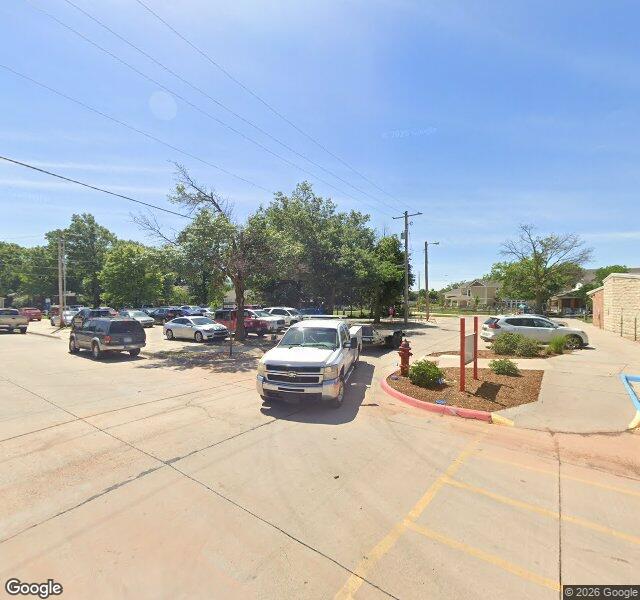
200 W. Cedar, Hesston, KS 67062View map (opens in a new tab)
Overview and key essentials
State license
Active
KS KDADS
Google reviews
Not available
Public reviews not linked
Size & payment
Ask directly
Confirm pricing & payment
Public records for this community are limited. Use the checklist below when you call or visit to confirm pricing, services, and openings.
Cost, payment & care details
Updated Nov 28, 2026| Monthly cost | Not published | Ask for the full monthly cost, including care fees and one-time charges. |
|---|---|---|
| Payment options | Ask directly | Payment details are not confirmed in our records. Ask about private pay, long-term care insurance, veterans benefits, and Medicaid waivers. |
| Size & availability | Confirm directly | We don't publish live openings. Ask about current availability, waitlist length, and move-in timing. |
| Care & support | Assisted living | Usually offers housing and help with everyday tasks, such as bathing and dressing. What to confirm about care levelsThis describes the licensed category. Ask how care plans adjust if mobility, nursing, or memory needs change over time. Read the family care guide → |
State licensing
State inspection history
15inspections
12deficiencies listed
Oct 14, 2026Routine2 deficiencies reported2
2 deficiencies reported
View official state report (opens in a new tab)
INITIAL COMMENTS The following citations represent the findings of a Health Recertification Survey. The census was 97. The sample included 20 residents.
moderateF 0880
CFR(s): 483.80(a)(1)(2)(4)(e)(f) §483.80 Infection Control The facility must establish and maintain an infection prevention and control program designed to provide a safe, sanitary and comfortable environment and to help prevent the development and transmission of communicable diseases and infections. §483.80(a) Infection prevention and control program. The facility must establish an infection prevention and control program (IPCP) that must include, at a minimum, the following elements: §483.80(a)(1) A system for preventing, identifying, reporting, investigating, and controlling infections and communicable diseases for all residents, staff, volunteers, visitors, and other individuals providing services under a contractual arrangement based upon the facility assessment conducted according to §483.71 and following accepted national standards; §483.80(a)(2) Written standards, policies, and procedures for the program, which must include, but are not limited to: (i) A system of surveillance designed to identify possible communicable diseases or infections before they can spread to other persons in the facility; (ii) When and to whom possible incidents of communicable disease or infections should be reported; SS = E SS = E SS = E On 10/14/2026 at 08:23 AM, Administrative Nurse E stated that the mechanical lifts were to be cleaned after each resident use. He said that staff were trained on that with a skills check-off when they were hired and again yearly. The mechanical lifts were deep cleaned at night and were to be cleaned after each resident use. Administrative Nurse E said that staff were to use hand hygiene after changing briefs and to change gloves before applying a clean brief; hand hygiene was to be performed when going in and out of a resident room. The facility's "Infection Control" policy, revised 08/24/2026, directed that the facility would facilitate safe care of all residents and staff with known or suspected communicable disease by establishing and maintaining an infection prevention and control program designed to provide a safe, sanitary, and comfortable environment and to help prevent the development and transmission of communicable diseases and infections. Standard Precautions, which include Universal Precautions, will be used in the care of all residents to prevent or limit the spread of infections. The facility's “Mechanical Sit-to-Stand Lift Transfer” policy, revised 03/31/2026, directed staff to clean the lift after use and put the sling in laundry if visibly soiled. The facility's “Mechanical Full Lift Transfer” policy, revised 03/31/2026, directed staff to clean the lift after use.
moderateF 0628
SS = D SS = D SS = D SS = D nursing staff upon a resident’s transfer out to the hospital. The form would then be given to her the next day, and the form would be mailed to the residents representative. Social Services X stated the bed hold form did contain the information that the ombudsman would be notified, but she was not aware that the notice of transfer form needed to contain information about the right to appeal and who to contact or that the ombudsman contact information also needed to be included. Social Services X asked where in the SOM that information may be found and stated that she would speak to the administrator about it and the form would be revised and implemented immediately. On 10/14/2026 at 11:49 AM, Administrative Staff A stated that himself and Social Services X had reviewed the SOM for the information about the transfer notice and the form has now been revised to include the required information per the regulation and will be used going forward. The facility’s “Emergency Transfer” policy, last revised on 06/10/2026 documented This policy establishes procedure for the emergency transfer of residents to acute care facilities, ensuring compliance with federal and state regulations. Prior to a hospital transfer or a therapeutic leave, the resident and/or the resident representative will be provided with a written copy of the bed hold policy. Copies of notices for emergency transfers must also be sent to the ombudsman, but they may be sent when practicable. The policy lacked information regarding the right to appeal, and the entity contact information as well as the ombudsman contact information.
Jun 2, 2025Routine1 deficiency reported1
1 deficiency reported
View official state report (opens in a new tab)
The following represents the findings of a Re-Licensure survey for the above named Assisted Living Facility conducted on 05/29/25 and 06/02/25 which resulted in zero deficiencies.
STATE FORM6899
CKGC11
Nov 7, 2024Routine7 deficiencies reported7
7 deficiencies reported
View official state report (opens in a new tab)
INITIAL COMMENTS The following citations represent the findings of a health resurvey and complaint investigation KS00191102, KS00188575, AND KS00188208. The 2567 was sent electronically on 11/18/24.
Care Plan Timing and RevisionF 657
CFR(s): 483.21(b)(2)(i)-(iii) SS=D §483.21(b) Comprehensive Care Plans §483.21(b)(2) A comprehensive care plan must be- (i) Developed within 7 days after completion of the comprehensive assessment. (ii) Prepared by an interdisciplinary team, that includes but is not limited to-- (A) The attending physician. (B) A registered nurse with responsibility for the resident. (C) A nurse aide with responsibility for the resident. (D) A member of food and nutrition services staff. (E) To the extent practicable, the participation of the resident and the resident's representative(s). An explanation must be included in a resident's medical record if the participation of the resident and their resident representative is determined not practicable for the development of the resident's care plan. (F) Other appropriate staff or professionals in disciplines as determined by the resident's needs or as requested by the resident. (iii)Reviewed and revised by the interdisciplinary team after each assessment, including both the comprehensive and quarterly review assessments. This REQUIREMENT is not met as evidenced by: The facility reported a census of 95 residents. The sample included 19 residents reviewed for care plan revisions. Based on observations, interviews, and record review, the facility failed to revise Resident (R)82's "Care Plan" to include her identified behaviors toward male residents. This deficient practice placed R82 at risk for impaired care due to uncommunicated care needs. Findings Included: - R82's "Medical Diagnosis" section within the Electronic Medical Record (EMR) noted diagnoses of Alzheimer's disease (progressive mental deterioration characterized by confusion and memory failure), depression (a mood disorder that causes a persistent feeling of sadness and loss of interest), a need for assistance with personal cares, and unsteadiness on her feet. R82's "Quarterly Minimum Data Set (MDS) completed 07/31/24 revealed a Brief Interview for Mental Status (BIMS) assessment could not be completed due to severe cognitive impairment. The MDS noted no behaviors were observed. The MDS indicated she required partial to moderate assistance with toileting, bathing, transfers, bed mobility, dressing, and personal hygiene. R82's "Functional Abilities Care Area Assessment (CAA)" completed 08/12/24 noted she required supervision and staff assistance with her activities of daily living (ADLs). The CAA noted she was at risk for a decline in her ADLs related to her impaired cognition and limited mobility. G87411 R82's "Dementia CAA" completed 08/12/24 indicated she had deficits with her short- and long-term memory. The CAA noted she required cueing from staff due to her disorganized thinking and inattention. The CAA noted a care plan will be implemented to reduce the risk associated with her impaired cognition. R82's "Care Plan" initiated on 09/01/23 indicated she had wandering behaviors and a risk for elopement. The plan instructed staff to anticipate her needs, complete routine fall and elopement assessments, provide pleasant diversion during wandering, provide walks with staff, identify patterns of wandering, and intervene as appropriate. The plan noted she had a WanderGuard (a bracelet that helps monitor residents who are at risk of wandering) bracelet on her left wrist to prevent building elopements. The plan did not address R82's behaviors towards male peers. R82's EMR under "Progress Notes" revealed a behavior note completed on 01/29/24. The...
Drug Regimen Review, Report Irregular, Act OnF 756
CFR(s): 483.45(c)(1)(2)(4)(5) SS=D §483.45(c) Drug Regimen Review. §483.45(c)(1) The drug regimen of each resident must be reviewed at least once a month by a licensed pharmacist. §483.45(c)(2) This review must include a review of the resident's medical chart. §483.45(c)(4) The pharmacist must report any irregularities to the attending physician and the facility's medical director and director of nursing, and these reports must be acted upon. (i) Irregularities include, but are not limited to, any drug that meets the criteria set forth in paragraph (d) of this section for an unnecessary drug. (ii) Any irregularities noted by the pharmacist during this review must be documented on a separate, written report that is sent to the attending physician and the facility's medical director and director of nursing and lists, at a G87411 minimum, the resident's name, the relevant drug, and the irregularity the pharmacist identified. (iii) The attending physician must document in the resident's medical record that the identified irregularity has been reviewed and what, if any, action has been taken to address it. If there is to be no change in the medication, the attending physician should document his or her rationale in the resident's medical record. §483.45(c)(5) The facility must develop and maintain policies and procedures for the monthly drug regimen review that include, but are not limited to, time frames for the different steps in the process and steps the pharmacist must take when he or she identifies an irregularity that requires urgent action to protect the resident. This REQUIREMENT is not met as evidenced by: The facility identified a census of 95 residents. The sample included 19 residents with five residents reviewed for unnecessary medications. Based on observation, record review, and interviews, the facility failed to ensure the Consultant Pharmacist (CP) identified and reported an antipsychotic (a class of medications used to treat major mental conditions that cause a break from reality) medication used without a (CMS) approved indication for use for Resident (R)31, R48, and R59. These deficient practices placed the residents at risk for adverse medication effects and unnecessary medications. Findings included: - R31's Electronic Medical Record (EMR) from the "Diagnoses" tab documented diagnoses of urinary incontinence, a need for assistance with G87411 personal care, hypertension (HTN-elevated blood pressure), dysphagia (swallowing difficulty), cognitive communication deficit, congestive heart failure (CHF-a condition with low heart output and the body becomes congested with fluid), venous insufficiency (poor circulation), weakness, major depressive disorder (major mood disorder that causes persistent feelings of sadness), anemia (an inadequate number of healthy red blood cells to carry adequate oxygen to body tissues), dementia (a progressive mental disorder characterized by failing memory and confusion), diabetes mellitus (DM-when the body cannot use glucose, not enough insulin is made, or the body cannot respond to the insulin), sleep apnea (a disorder of sleep characterized by periods without respirations), anxiety (mental or emotional reaction characterized by apprehension, uncertainty, and irrational fear), and psychotic disorder (a disorder that involves delusions, which are false beliefs that are not based in reality). The "Quarterly Minimum Data Set" (MDS) dated 09/11/24 documented a Brief Interview of Mental Status...
Activities Meet Interest/Needs Each ResidentF 679
CFR(s): 483.24(c)(1) SS=E §483.24(c) Activities. §483.24(c)(1) The facility must provide, based on the comprehensive assessment and care plan and the preferences of each resident, an ongoing program to support residents in their choice of activities, both facility-sponsored group and individual activities and independent activities, designed to meet the interests of and support the physical, mental, and psychosocial well-being of each resident, encouraging both independence and interaction in the community. This REQUIREMENT is not met as evidenced by: The facility identified a census of 95 residents. The sample included 19 residents. Based on observation, record review, and interviews, the facility failed to provide activities on the weekends G87411 that reflected the residents' interests and preferences. This deficient practice placed the affected residents at risk for decreased psychosocial well-being, boredom, and isolation. Findings Included: - A review of the facility's "Activity Calendar" for September, October, and November 2024 revealed no activities were scheduled on any Saturdays for all months reviewed. The calendars indicated the residents had church services on Sunday mornings and a reading activity on Sunday afternoons. On 11/06/24 at 10:04 AM, observation revealed a daycare visit activity held with the residents. On 11/06/24 at 01:05 PM, the Resident Council reported the facility did not provide activities on Saturdays. The council reported they were unaware if the facility had any activities on Saturdays but stated they would like some weekend activities other than just Church. On 11/07/24 at 09:35 AM Certifed Medication Aide (CMA) R stated sometimes the life enrichment staff would hold groups on the weekends but she was not sure who held groups on Saturdays. She stated the calendars did not show activities on Saturdays due to the possible changes with staff designated to come in. On 11/07/24 at 10:00 AM Activities Staff Z stated each household in the facility had a designated life enrichment coordinator that ensured activities were completed. She stated a weekend staff member would be designated to come in and hold activities, but the calendars may not reflect G87411 the activities provided on the weekends. The facility's "Activities Services" policy revised 04/2018 indicated the facility will ensure residents are provided with activities that reflect their choices and interests. The policy indicates the facility will encourage each resident to attend activities that meet each resident's interests, hobbies, worship, beliefs, and social needs. The facility failed to provide activities on the weekends which reflected the residents' interests, and preferences. This placed the affected residents at risk for boredom, isolation, and decreased quality of life.
lacked evidence or documentation that the2024
CP identified the unapproved p) indication for R31's Seroquel. On 11/06/24 at 09:28 AM R31 sat in her wheelchair asleep with her brush in her hand. On 11/07/24 at 09:54 AM Licensed Nurse (LN) G stated she was unsure what an approved indication for the use of an antipsychotic would be. LN G stated nursing staff had been working with the MDS person and getting training for approved diagnoses. She stated staff have also been working with the physician and the pharmacist, to ensure the residents had the appropriate indication for use of an antipsychotic medication. On 11/07/24 at 10:25 AM Administrative Nurse D stated nursing was working with the physician and the pharmacist to ensure antipsychotic medications were not ordered for residents unless the medication, reasoning, and diagnosis were discussed with administrative nursing staff. Administrative Nurse D stated the pharmacist reviews all medication and indications monthly. The facility did not provide a policy related to G87411
Free from Unnec Psychotropic Meds/PRN UseF 758
CFR(s): 483.45(c)(3)(e)(1)-(5) SS=E §483.45(e) Psychotropic Drugs. §483.45(c)(3) A psychotropic drug is any drug that affects brain activities associated with mental processes and behavior. These drugs include, but are not limited to, drugs in the following categories: (i) Anti-psychotic; (ii) Anti-depressant; G87411 (iii) Anti-anxiety; and (iv) Hypnotic Based on a comprehensive assessment of a resident, the facility must ensure that--- §483.45(e)(1) Residents who have not used psychotropic drugs are not given these drugs unless the medication is necessary to treat a specific condition as diagnosed and documented in the clinical record; §483.45(e)(2) Residents who use psychotropic drugs receive gradual dose reductions, and behavioral interventions, unless clinically contraindicated, in an effort to discontinue these drugs; §483.45(e)(3) Residents do not receive psychotropic drugs pursuant to a PRN order unless that medication is necessary to treat a diagnosed specific condition that is documented in the clinical record; and §483.45(e)(4) PRN orders for psychotropic drugs are limited to 14 days. Except as provided in §483.45(e)(5), if the attending physician or prescribing practitioner believes that it is appropriate for the PRN order to be extended beyond 14 days, he or she should document their rationale in the resident's medical record and indicate the duration for the PRN order. §483.45(e)(5) PRN orders for anti-psychotic drugs are limited to 14 days and cannot be renewed unless the attending physician or prescribing practitioner evaluates the resident for the appropriateness of that medication. G87411 This REQUIREMENT is not met as evidenced by: The facility identified a census of 95 residents. The sample included 19 residents with five residents reviewed for unnecessary medications. Based on observation, record review, and interviews, the facility failed to ensure a Centers for Medicare and Medicaid Services (CMS) approved indication of use or a documented physician rationale and risk versus benefits for the continued use of an antipsychotic (class of medications used to treat a mental disorder characterized by gross impairment in reality testing) for Resident (R)31, R48, R12 and R59. The facility additionally failed to ensure a physician documented rationale for the extended duration of R59's as-needed psychotropic (alters mood or thoughts) medication. These deficient practices placed the residents at risk for adverse medication effects and unnecessary medications. Findings included: - R31's Electronic Medical Record (EMR) from the "Diagnoses" tab documented diagnoses of urinary incontinence, a need for assistance with personal care, hypertension (HTN-elevated blood pressure), dysphagia (swallowing difficulty), cognitive communication deficit, congestive heart failure (CHF-a condition with low heart output and the body becomes congested with fluid), venous insufficiency (poor circulation), weakness, major depressive disorder (major mood disorder that causes persistent feelings of sadness), anemia (an inadequate number of healthy red blood cells to carry adequate oxygen to body tissues), dementia (a progressive mental disorder characterized by failing memory and confusion), diabetes mellitus (DM-when the body cannot use G87411 glucose, not enough insulin is made, or the body cannot respond to the insulin), sleep apnea (a disorder of sleep characterized by periods without respirations), anxiety (mental or emotional reaction...
Influenza and Pneumococcal ImmunizationsF 883
CFR(s): 483.80(d)(1)(2) SS=D §483.80(d) Influenza and pneumococcal immunizations §483.80(d)(1) Influenza. The facility must develop policies and procedures to ensure that- (i) Before offering the influenza immunization, each resident or the resident's representative receives education regarding the benefits and potential side effects of the immunization; (ii) Each resident is offered an influenza immunization October 1 through March 31 annually, unless the immunization is medically contraindicated or the resident has already been immunized during this time period; (iii) The resident or the resident's representative has the opportunity to refuse immunization; and G87411 (iv)The resident's medical record includes documentation that indicates, at a minimum, the following: (A) That the resident or resident's representative was provided education regarding the benefits and potential side effects of influenza immunization; and (B) That the resident either received the influenza immunization or did not receive the influenza immunization due to medical contraindications or refusal. §483.80(d)(2) Pneumococcal disease. The facility must develop policies and procedures to ensure that- (i) Before offering the pneumococcal immunization, each resident or the resident's representative receives education regarding the benefits and potential side effects of the immunization; (ii) Each resident is offered a pneumococcal immunization, unless the immunization is medically contraindicated or the resident has already been immunized; (iii) The resident or the resident's representative has the opportunity to refuse immunization; and (iv)The resident's medical record includes documentation that indicates, at a minimum, the following: (A) That the resident or resident's representative was provided education regarding the benefits and potential side effects of pneumococcal immunization; and (B) That the resident either received the pneumococcal immunization or did not receive the pneumococcal immunization due to medical contraindication or refusal. This REQUIREMENT is not met as evidenced by: G87411 The facility identified a census of 95 residents. The sample included 19 residents with five reviewed for immunization status. Based on record reviews, and interviews, the facility failed to offer and administer, or obtain an informed declination for the Pneumococcal Conjugate Vaccine (PCV20- vaccination for bacterial pneumonia infections) vaccination for Resident (R) 31. This placed the resident at increased risk for complications related to pneumonia (an infection in the lungs). Findings included: - Review of R31's clinical record revealed the PCV13 was administered on 12/10/10, and the PSV23 was administered on 10/28/13. R31's clinical record lacked documentation the PCV20 was discussed and offered. The EMR lacked documentation of a historical administration, informed declination, or a physician-documented contraindication. On 11/07/24 at 10:09 AM Administrative Nurse E stated the facility followed the Centers for Disease Control and Prevention guidelines (CDC). Administrative Nurse E stated the CDC had a program that would tell the facility if the resident needed their next vaccination. Administrative Nurse E stated the immunization staff talked to all residents when the resident was admitted to the facility about immunizations, and the facility would then follow up as needed. The facility's "Immunizations" policy revised 03/05/24 documented upon...
Hospice ServicesF 849
CFR(s): 483.70(n)(1)-(4) SS=D §483.70(n) Hospice services. §483.70(n)(1) A long-term care (LTC) facility may do either of the following: (i) Arrange for the provision of hospice services through an agreement with one or more Medicare-certified hospices. (ii) Not arrange for the provision of hospice services at the facility through an agreement with a Medicare-certified hospice and assist the resident in transferring to a facility that will arrange for the provision of hospice services G87411 when a resident requests a transfer. §483.70(n)(2) If hospice care is furnished in an LTC facility through an agreement as specified in paragraph (o)(1)(i) of this section with a hospice, the LTC facility must meet the following requirements: (i) Ensure that the hospice services meet professional standards and principles that apply to individuals providing services in the facility, and to the timeliness of the services. (ii) Have a written agreement with the hospice that is signed by an authorized representative of the hospice and an authorized representative of the LTC facility before hospice care is furnished to any resident. The written agreement must set out at least the following: (A) The services the hospice will provide. (B) The hospice's responsibilities for determining the appropriate hospice plan of care as specified in §418.112 (d) of this chapter. (C) The services the LTC facility will continue to provide based on each resident's plan of care. (D) A communication process, including how the communication will be documented between the LTC facility and the hospice provider, to ensure that the needs of the resident are addressed and met 24 hours per day. (E) A provision that the LTC facility immediately notifies the hospice about the following: (1) A significant change in the resident's physical, mental, social, or emotional status. (2) Clinical complications that suggest a need to alter the plan of care. (3) A need to transfer the resident from the facility for any condition. (4) The resident's death. (F) A provision stating that the hospice assumes G87411 responsibility for determining the appropriate course of hospice care, including the determination to change the level of services provided. (G) An agreement that it is the LTC facility's responsibility to furnish 24-hour room and board care, meet the resident's personal care and nursing needs in coordination with the hospice representative, and ensure that the level of care provided is appropriately based on the individual resident's needs. (H) A delineation of the hospice's responsibilities, including but not limited to, providing medical direction and management of the patient; nursing; counseling (including spiritual, dietary, and bereavement); social work; providing medical supplies, durable medical equipment, and drugs necessary for the palliation of pain and symptoms associated with the terminal illness and related conditions; and all other hospice services that are necessary for the care of the resident's terminal illness and related conditions. (I) A provision that when the LTC facility personnel are responsible for the administration of prescribed therapies, including those therapies determined appropriate by the hospice and delineated in the hospice plan of care, the LTC facility personnel may administer the therapies where permitted by State law and as specified by the LTC facility. (J) A provision stating that the LTC facility must report all alleged violations...
Dec 12, 2023Routine2 deficiencies reported2
2 deficiencies reported
View official state report (opens in a new tab)
The following citation represent the findings of the licensure resurvey for the above named facility conducted on 12/11/23.
moderateS 3156
(b) If the functional capacity screening indicates that a resident is in need of health care services, a licensed nurse, in collaboration with the resident, the resident ' s legal representative, the case manager, and, if agreed to by the resident or resident ' s legal representative, the resident ' s family, shall develop a health care service plan to be included as part of the negotiated service agreement. This REQUIREMENT is not met as evidenced by: K.A.R. 26-41-204 (b) The facility reported a census of 30 residents. The sample included 3 "Residents'" (R). Based on interview and record review the administrator failed to ensure "Licensed Nurse" (LN) A developed a "Healthcare Service Plan" (HSP) for falls to be included as part of the "Negotiated Service Agreement" (NSA) for R's 1, 2, and 3. Findings included: - Record review for R1 revealed an admission date of 05/10/17, with diagnoses of type 2 diabetes mellitus without complications, type 2 diabetes mellitus with diabetic neuropathy, unspecified acquired deformity of unspecified lower leg, and difficulty in walking. Review of R1's "Functional Capacity Screen" (FCS) dated 04/20/23 revealed R1 required physical assistance with bathing, she was marked with falls/unsteadiness, and lacked the ability to manage her own medications. She used a walker mobility device. Review of R1's NSA identified the facility staff would provide bathing assistance twice weekly and manage R1's medications. Review of R1's HSP instructed the facility staff to provide assistance with a whirlpool bath twice weekly. R1's NSA and HSP lacked documentation of services for falls. - Record review for R2 revealed an admission date of 10/06/21 with diagnoses of polyneuropathy, rheumatoid arthritis, low back pain, need for assistance with personal care, and unsteadiness on feet. Review or R2's FCA dated 10/02/23 revealed R2 required physical assistance with bathing, dressing, was marked with falls/unsteadiness, and lacked the ability to manage his own medications. He used a walker mobility device. Review of R2's NSA dated 10/02/23 identified the facility staff would provide bathing and dressing assistance and medication management. Review of R2's HSP instructed the facility staff to provide one facility staff member to assist R2 with his shoes and socks in the mornings and at night, and a whirlpool bath twice weekly. Review of R2's electronic medical record under the "Progress Notes" tab revealed the following entries: On 08/02/23 at 12:07 PM a "Fall" Note, the note revealed R2 fell in the parking lot while attempting to place his walker in the trunk of his car. The fall was unwitnessed. R2 thought his blood pressure dropped and he fell backward hitting the back of his head on the concrete. There was a large hematoma to the back of R2's head. On 11/22/23 at 04:40 PM a "Fall" Note, the note revealed the receptionist at the front desk called the nurse to report R2 was on the ground in the parking lot. R2 was found in the parking lot sitting on the ground behind his car with his feet under the back of his trunk. The trunk was open, and his walker was sitting near the car folded up. R2 reported to the nurse he wanted to go for a drive and he "lost his balance and slipped down the back of his car". R2's NSA and HSP lacked documentation of services for falls. - Record review for R3 revealed an admission date of 11/02/21 with diagnoses of abnormalities of gait and mobility, unsteadiness on feet, and chronic obstructive...
STATE FORM6899
K71B11 STATE FORM K71B11 STATE FORM K71B11 STATE FORM K71B11 STATE FORM K71B11
Jan 11, 2023RoutineNo deficiencies reportedNone
No deficiencies reported
View official state report (opens in a new tab)
INITIAL COMMENTS The Health Survey on the above-named facility resulted in a finding of no deficiency citations respective to applicable regulations under 42 CFR Part 483, Subpart B, requirements for long term care facilities. The 2567 was sent electronically on 01/20/23.
Show all 15 inspections
Jun 1, 2022Follow-upNo deficiencies reportedNone
No deficiencies reported
View official state report (opens in a new tab)
schowalter villa 6-1-22 rv st2567.pdf
Jul 20, 2021RoutineNo deficiencies reportedNone
No deficiencies reported
View official state report (opens in a new tab)
9XH011. SCHOWALTER RS. 7.20.21
Apr 8, 2021RoutineNo deficiencies reportedNone
No deficiencies reported
View official state report (opens in a new tab)
FMFK11 SCHOWALTER VILLA 2567 CP 4.8.21
Jul 27, 2020RoutineNo deficiencies reportedNone
No deficiencies reported
View official state report (opens in a new tab)
schowalter villa alf covid 7.27.2020
Apr 21, 2020RoutineNo deficiencies reportedNone
No deficiencies reported
View official state report (opens in a new tab)
COL511.Schowalter Villa. Covid. 4.21.20
Nov 13, 2019RoutineNo deficiencies reportedNone
No deficiencies reported
View official state report (opens in a new tab)
SS0V11 SCHOWALTER VILLA RS 11.13.19
Sep 25, 2019RoutineNo deficiencies reportedNone
Jul 25, 2019RoutineNo deficiencies reportedNone
May 15, 2019RoutineNo deficiencies reportedNone
No deficiencies reported
View official state report (opens in a new tab)
5SIY11 Schowalter Villa CP 5.15.19 5SIY11 Schowalter Villa CP 5.14.19
Aug 18, 2017ComplaintNo deficiencies reportedNone
No deficiencies reported
View official state report (opens in a new tab)
Schowalter Villa second revision complaint 08182017
Neighborhood & resident support
Emergency access, hazards & advocacy
Nearest hospital
Mercy Hospital
6.8 mi · Moundridge, KS
Emergency room
FEMA hazard risk
Very LowHarvey County, KS
- Winter Weather
- Tornado
- Hail
Free resident advocacy
Kansas Office of the State Long-Term Care Ombudsman
More neighborhood context (specialists, VA, dialysis, air & affordability)
VA & dialysis access
Wichita VA Medical Center
32.4 mi · Wichita, KS · VA 5/5 ★
DaVita Renal Treatment Center-Newton
8.8 mi · 4/5 ★
Specialists within 15 mi
- Geriatricians
- 0
- Neurologists
- 11
- Palliative care
- 0
- PM&R rehab
- 0
Environment & mobility
- EPA Walkability
- 7.0/20 (Below Average)
- USDA Grocery Access
- High Grocery Access
- Primary care access
- HRSA Shortage Area
County demographics
- Age 65+ median income
- $54,319/yr
- Rent-burdened households
- 37%
- Cognitive disability (2023)
- 15.1%
- Mobility disability
- 11.9%
Call & tour checklist
Questions to ask Schowalter Villa
Check off questions as you call or tour. Your progress stays private in this browser.
Show 3 more suggested questions
Verification & public records
Official records & sources
Licensing & contact
- License #
- N040006
- Status
- active
- Phone
- (620) 327-3400
- Federal OIG LEIE
- Clear (2026-11-27)
Original public sources
Verify licensing, ratings, and inspection reports directly with each official source.
- KS KDADS official record (opens in a new tab)Kansas Dept. for Aging & Disability Services
- Google Maps (opens in a new tab)Directions, photos & neighborhood
- Google Reviews (opens in a new tab)Read public reviews
EveryPlace is an independent research directory. Information is compiled from public Medicare.gov, state licensing, Google Places, and street-level imagery sources. Some summaries, suggested questions, and pricing notes are AI-generated or AI-assisted and may contain errors or omissions. We do not accept payment for placement. Confirm all details directly with the community and official sources. Research Policy.
Keep exploring
Nearby communities to compare
- Medicare 5/53.5(12)105 bedsMedicaidNursing Home< 1 miSchowalter VillaHesston, KS
- Medicare 5/53.9(17)65 bedsMedicaidNursing Home5.8 miBethel Health Care CenterNorth Newton, KS
- Cap. 105HUD Senior Housing5.9 miKidron ApartmentsNorth Newton, KS
- Assisted Living5.9 miBethel Health Care CenterNorth Newton, KS
- Medicare 3/54.4(71)74 bedsMedicaidNursing Home6.0 miPine VillageMoundridge, KS
- Assisted Living6.1 miPine VillageMoundridge, KS