Loading EveryPlace content…
Assisted LivingActive license
Bethel Health Care Center
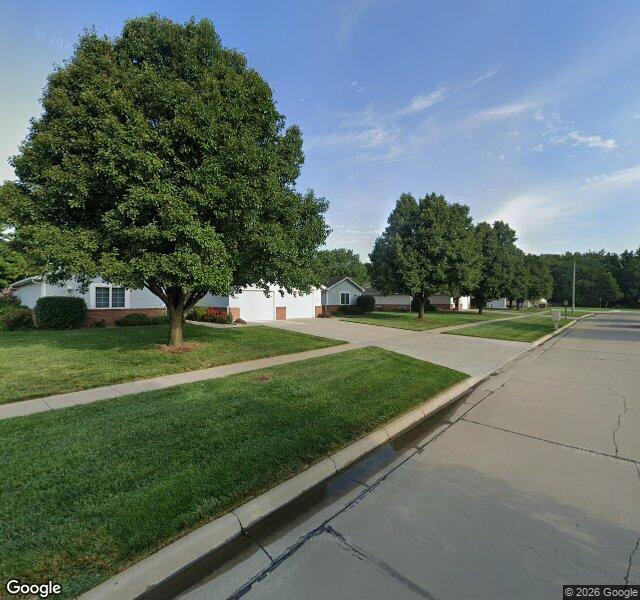
3001 Ivy Drive, North Newton, KS 67117View map (opens in a new tab)
Overview and key essentials
State license
Active
KS KDADS
Google reviews
Not available
Public reviews not linked
Size & payment
Ask directly
Confirm pricing & payment
Public records for this community are limited. Use the checklist below when you call or visit to confirm pricing, services, and openings.
Cost, payment & care details
Updated Nov 28, 2026| Monthly cost | Not published | Ask for the full monthly cost, including care fees and one-time charges. |
|---|---|---|
| Payment options | Ask directly | Payment details are not confirmed in our records. Ask about private pay, long-term care insurance, veterans benefits, and Medicaid waivers. |
| Size & availability | Confirm directly | We don't publish live openings. Ask about current availability, waitlist length, and move-in timing. |
| Care & support | Assisted living | Usually offers housing and help with everyday tasks, such as bathing and dressing. What to confirm about care levelsThis describes the licensed category. Ask how care plans adjust if mobility, nursing, or memory needs change over time. Read the family care guide → |
State licensing
State inspection history
14inspections
33deficiencies listed
Sep 24, 2026RoutineNo deficiencies reportedNone
No deficiencies reported
View official state report (opens in a new tab)
INITIAL COMMENTS The Risk-Based Survey Process was used to conduct a federal recertification survey. The Health Recertification Survey and Complaint Survey regarding allegations 03027968 on the above-named facility resulted in a finding of no deficiency citations respective to applicable regulations under 42 CFR Part 483, Subpart B, requirements for long term care facilities.
Apr 22, 2026Routine8 deficiencies reported8
8 deficiencies reported
View official state report (opens in a new tab)
INITIAL COMMENTS The following represent the findings of a resurvey for the above named Assisted Living facility conducted on 04/21/26 and 04/22/26.
moderateS 3085
CFR(s): 26-41-202 (a) (a) The administrator or operator of each assisted living facility or residential health care facility shall ensure the development of a written negotiated service agreement for each resident, based on the resident ' s functional capacity screening, service needs, and preferences, in collaboration with the resident or the resident ' s legal representative, the case manager, and, if agreed to by the resident or the resident ' s legal representative, the resident ' s family. The negotiated service agreement shall provide the following information: (1) A description of the services the resident will receive; (2) identification of the provider of each service; and (3) identification of each party responsible for payment if outside resources provide a service. This LICENSURE REQUIREMENT is NOT MET as evidenced by: SS = E - R101's medical record revealed he moved into the facility on 11/21/23 with a diagnosis of chronic kidney disease. The 12/31/25 FCS identified R101 was at risk for falls and unsteadiness. The 12/31/25 NSA did not address what services staff provided R101 concerning his risk for falls and unsteadiness. On 04/22/26 at 02:42 PM Administrative Nurse A confirmed R101's NSA did not address what services staff provided concerning falls and unsteadiness. The operator failed to ensure R101's NSA was fully developed to include all items that triggered on the FCS, his service needs, and preferences. - R103's medical record revealed she moved into the facility on 03/19/26 with a diagnosis of Parkinson's Disease. The 03/19/26 FCS identified R103 required physical assistance with management of medical treatments. The 03/19/26 NSA did not address what services staff provided R103 concerning management of her medical treatments. On 04/22/26 at 02:29 PM Administrative Nurse A confirmed R103's NSA did not address management of medical treatments. The operator failed to ensure R103's NSA was fully developed to include all items that triggered on the FCS, her service needs, and preferences.
KAR 26-41-205 (g)(3)3211
KAR 26-41-205 (g)(3)
moderateS 3186
SS = E medications to be administered by a licensed nurse or medication aide. The negotiated service agreement shall reflect this service and identify who is responsible for the administration and management of selected medications. This LICENSURE REQUIREMENT is NOT MET as evidenced by: SS = E The 02/19/26 NSA documented staff administered R102's medications. The NSA did not identify that R102 self-administered his Tylenol PM, Lantus insulin, Imodium A-D, antifungal foot cream, Humalog insulin, nitroglycerin, acetaminophen and Systane Ultra ophthalmic solution. On 04/22/26 at 01:25 PM R102 stated that he self-administered his own insulin and some as needed medications like Tylenol, but staff brought him the rest of his medications. On 04/22/26 at 02:56 PM Administrative Nurse A acknowledged that R102's NSA did not identify which select medications were administered by the resident and which were administered by staff. The operator failed to ensure R102's NSA identified who was responsible for administration and management of selected medications.
KAR 26-41-202(a)(1)3085
The facility reported a census of 25 residents with three residents included in the sample. Based on interview, and record review the operator failed to ensure the "Negotiated Service Agreement" (NSA) was fully developed based on the resident's "Functional Capacity Screen" (FCS), service needs, and preferences for Resident (R)101 and R103. Findings included:
KAR 26-41-205(b)3186
The facility reported a census of 25 residents. The sample included three residents. Based on interview and record review the operator failed to ensure the "Negotiated Service Agreement" (NSA) for Resident (R)101 and R102 identified the responsible person for administration and management of selected medications. Findings included: -R101's medical record revealed he moved into the facility on 11/21/23 with a diagnosis of chronic kidney disease. The 12/31/25 NSA documented staff administered R101's medications. The NSA did not identify that R101 self-administered his ketoconazole cream, triamcinolone cream, Tylenol, bacitracin ointment, loperamide, Refresh Tears ophthalmic solution, hydrocortisone cream, Pepto-Bismol, dorzolamide-timolol ophthalmic solution, and latanoprost ophthalmic solution. On 04/22/26 at 02:19 PM R101 stated staff administered most of his oral medications but he self-administered his own eyedrops, creams and had some Tylenol that he self-administered. On 04/22/26 at 02:42 PM Administrative Nurse A acknowledged R101's NSA did not address what medication he self-administered. The operator failed to ensure R101's NSA identified who was responsible for administration and management of selected medications.
moderateS 3211
CFR(s): 26-41-205 (g) (3) (3) A licensed nurse or medication aide may accept over-the-counter medication only in its original, unbroken manufacturer ' s package. A licensed pharmacist or licensed nurse shall place the full name of the resident on the package. If the original manufacturer ' s package of an over-the-counter medication contains a medication in a container, bottle, or tube that can be removed from the original package, the licensed pharmacist or a licensed nurse shall place the full name of the resident on both the original manufacturer ' s medication package and the medication container. This LICENSURE REQUIREMENT is NOT MET as evidenced by: SS = E Findings included: - Observation of the medication cart on 04/21/26 at 01:34 PM revealed the following OTC medications that were not labeled with a resident's full name: One bottle of PreserVision AREDS 2 One bottle of Kroger Health Aspirin 325 milligrams (mg.) One bottle of Nature Made Calcium 500 mg. One bottle of Walgreens Vitamin D3 Observation of the overflow medication cabinet revealed the following OTC medications that were not labeled with a resident's full name: Two bottles of Equate Allergy Relief On 04/21/26 at 04:30 PM Administrative Nurse A acknowledged the OTC medications should have labeled with a resident's full name. The 02/24/16 "Medications Administration, Storage, and Misc. Medication Administration General Guidelines" policy documented, "all OTC medications received in Assisted Living must be labeled with the resident's full name..." The operator failed to ensure all OTC medications were labeled with the resident's full name.
moderateS 3310
CFR(s): 26-41-207 (b) (5-6) (c) (b) (5) prohibiting any employee with a communicable disease or any infected skin lesions from coming in direct contact with any resident, any resident ' s food, or resident care equipment until the condition is no longer infectious; SS = F facility ' s compliance with the department ' s tuberculosis guidelines for adult care homes adopted by reference in K.A.R. 26-39-105 This LICENSURE REQUIREMENT is NOT MET as evidenced by:
KAR 26-41-207(c)3310
The facility reported a census of 25 residents. Based on interview and record review for three residents and five new employee records, the operator failed to ensure the facility remained in compliance with the department’s tuberculosis (TB) guidelines for adult care homes adopted by reference in K.A.R. 26-39-105. Findings included: - Review of five newly hired employee files revealed the following: "Licensed Nurse" (LN) B had a hire date of 03/13/25. Based on employee records provided by the "Human Resource" (HR) department, LN B did not have a TB Symptom Screen Questionnaire completed until 05/03/25 which was 37 days past due. The HR department provided documentation of a two-step TB skin test (TST) completed at a different facility dated 06/09/20 and did not administer a two-step TST upon hire. "Dietary Staff" C had a hire date of 05/07/25. The HR department provided documentation that a TB symptom screening questionnaire was completed on 11/23/24 but not at the time of hire. Documentation was provided for a two-step TST administered on 10/24/25 which was 136 days late. The June 2013 "Tuberculosis (TB) Guidelines for Adult Care Homes" documented, "Each new…employee shall have an initial TB symptom screen…within 7 days of...employment…Each new…employee shall receive a two-step TST…within 7 days of…employment…"
Dec 18, 2024Routine2 deficiencies reported2
2 deficiencies reported
View official state report (opens in a new tab)
INITIAL COMMENTS The following citations represent the findings of a health resurvey. The 2567 was sent electronically on 12/30/24.
Food Procurement,Store/Prepare/Serve-SanitaryF 812
CFR(s): 483.60(i)(1)(2) SS=F §483.60(i) Food safety requirements. The facility must - §483.60(i)(1) - Procure food from sources approved or considered satisfactory by federal, state or local authorities. (i) This may include food items obtained directly from local producers, subject to applicable State and local laws or regulations. (ii) This provision does not prohibit or prevent facilities from using produce grown in facility gardens, subject to compliance with applicable safe growing and food-handling practices. (iii) This provision does not preclude residents from consuming foods not procured by the facility. §483.60(i)(2) - Store, prepare, distribute and serve food in accordance with professional standards for food service safety. This REQUIREMENT is not met as evidenced by: The facility had a census of 57 residents. Based on observation, interview, and record review the facility failed to store food in a safe, sanitary manner to prevent contamination or spoilage in the main food preparation kitchen and the storage building with the walk-in refrigeration units. This placed the 57 residents of the facility at risk for food-borne illness. Findings included: - On 12/16/24 at 08:52 AM, observation of the facility's walk-in refrigerator revealed a crate of grapes on the floor and the walk-in freezer had an opened box with two pies, two boxes of chicken breasts, and a large flat box of strawberries, all on the floor. On 12/16/24 (Monday) at 9:02 AM, Dietary Staff (DS) CC verified the boxes of food delivered by Sysco on the previous Friday were still stored on the floor of the walk-in refrigerator and freezer. On 12/16/24 at 09:10 AM, observation revealed the freezer in the kitchen, labeled for healthcare use, contained the following opened, undated foods: Two bags of frozen peach slices One bag of mango cubes One bag of French fries One bag of frozen potato slices One bag of ham cubes Four buckets of ice cream On 12/16/24 at 09:15 AM, DS DD verified the undated bags of food in the kitchen refrigerator. On 12/17/24 at 11:30 AM, DS EE verified boxes of food should not be on the bare floor. He stated staff tried to put away the deliveries after meals or whenever they could. On 12/17/24 at 01:00 PM, DS FF verified the delivery people sometimes left boxes of food on the floor and staff would put the items in the appropriate place after the meal was served. On 12/17/24 at 16:40 PM, Consultant GG verified K76X11 staff were not to store boxes of food items on the floor and were to date food packages when opened. She verified Sysco delivered food on Tuesdays and Fridays. The facility's "Food Storage" policy, dated 04/23/24, stated sufficient storage facilities would be provided to keep foods safe. Food would be stored in an area that was clean, dry, and free from contaminants. Food would be stored at appropriate temperatures and by methods to prevent contamination. Dry storage rooms must be well-ventilated and illuminated with adequate temperature and humidity controls to prevent condensation of moisture and the growth of mold. Food items would be stored on shelves. Food should be stored a minimum of six inches above the floor and 18 inches from the ceiling. All foods should be covered, labeled, and dated routinely to assure that foods would be consumed by their use dates, frozen, or discarded. Frozen foods should be covered, labeled, and dated. The facility failed to store food in a safe, sanitary manner to prevent contamination or...
Facility AssessmentF 838
CFR(s): 483.71(a)(1)(3)(b)(1)(c)(1)-(5) SS=F §483.71 Facility assessment. The facility must conduct and document a facility-wide assessment to determine what resources are necessary to care for its residents competently during both day-to-day operations (including nights and weekends) and emergencies. The facility must review and update that assessment, as necessary, and at least K76X11 annually. The facility must also review and update this assessment whenever there is, or the facility plans for, any change that would require a substantial modification to any part of this assessment. §483.71(a) The facility assessment must address or include the following: §483.71(a)(1) The facility's resident population, including, but not limited to: (i) Both the number of residents and the facility's resident capacity; (ii) The care required by the resident population, using evidence-based, data-driven "methods" that considering the types of diseases, conditions, physical and behavioral health needs, cognitive disabilities, overall acuity, and other pertinent facts that are present within that population, consistent with and informed by individual resident assessments as required under § 483.20; (iii) The staff competencies and skill sets that are necessary to provide the level and types of care needed for the resident population; (iv)The physical environment, equipment, services, and other physical plant considerations that are necessary to care for this population; and (v) Any ethnic, cultural, or religious factors that may potentially affect the care provided by the facility, including, but not limited to, activities and food and nutrition services. §483.71(a)(2) The facility's resources, including but not limited to the following: (i) All buildings and/or other physical structures and vehicles; (ii) Equipment (medical and non- medical); (iii) Services provided, such as physical therapy, K76X11 pharmacy, behavioral health, and specific rehabilitation therapies; (iv) All personnel, including managers, nursing and other direct care staff (both employees and those who provide services under contract), and volunteers, as well as their education and/or training and any competencies related to resident care; (v) Contracts, memorandums of understanding, or other agreements with third parties to provide services or equipment to the facility during both normal operations and emergencies; and (vi) Health information technology resources, such as systems for electronically managing patient records and electronically sharing information with other organizations. §483.71(a)(3) A facility-based and community-based risk assessment, utilizing an all-hazards approach as required in §483.73(a) (1). § 483.71(b) In conducting the facility assessment, the facility must ensure: § 483.71(b)(1) Active involvement of the following participants in the process: (i) Nursing home leadership and management, including but not limited to, a member of the governing body, the medical director, an administrator, and the director of nursing; and (ii) Direct care staff, including but not limited to, RNs, LPNs/LVNs, NAs, and representatives of the direct care staff, if applicable. (iii) The facility must also solicit and consider input received from residents, resident representatives, and family members. §483.71(c) The facility must use this facility K76X11 assessment to: §483.71(c)(1) Inform staffing decisions to ensure that there are a sufficient number of staff with...
Oct 8, 2024Routine7 deficiencies reported7
7 deficiencies reported
View official state report (opens in a new tab)
The following citations represent the findings of a Re-Licensure Survey for the above named Assisted Living Facility conducted on 10/07/24 and 10/08/24.
moderateS 3085
(a) The administrator or operator of each assisted living facility or residential health care facility shall ensure the development of a written negotiated service agreement for each resident, based on the resident ' s functional capacity screening, service needs, and preferences, in collaboration with the resident or the resident ' s legal representative, the case manager, and, if agreed to by the resident or the resident ' s legal representative, the resident ' s family. The negotiated service agreement shall provide the following information: (1) A description of the services the resident will receive; (2) identification of the provider of each service; and (3) identification of each party responsible for payment if outside resources provide a service. This REQUIREMENT is not met as evidenced by: KAR 26-41-202 (a)(1)(2) The facility reported a census of 25 residents. The sample included three residents. Based on record review and interview the executive director failed to ensure designated staff completed two (R3 and R5) of three sampled resident's "Negotiated Service Agreement" based on the "Functional Capacity Screen" and included the provider of each service, including services that require specialized training or education. Findings included: - R3's "Electronic Medical Record" revealed he moved into the facility on 02/23/23 with a diagnoses of chronic kidney disease and bradycardia. R3's "Functional Capacity Screen" (FCS) dated 02/23/24 identified R3 needed supervision with management of medications and physical assistance with management of medical treatments. R3's Updated "Negotiated Service Agreement" (NSA) dated 05/22/24 had checked the box beside medication administration, health and safety monitoring, and education and training listed under "Nursing Services". The NSA dated 05/22/24 included a check box for bathing two times weekly. It did not include Management of treatments which the FCS identified R3 needed physical assistance with. The NSA failed to identify who provided the service for administration of medications, as all "nursing staff" are not qualified to administer medications and did not identify who provided bathing assistance. Interview on 10/08/24 at 09:41 AM Administrative Nurse B acknowledged R3's NSA did not specify "who" provided medication administration or bathing and just assumed it was understanding it was facility staff. The executive director failed to ensure designated staff completed R3's NSA to identify who provided services to meet R3's needs, including services which required specialized training. - R5's "Electronic Record" revealed she moved into the facility on 07/23/24 with a diagnosis of Parkinson's disease. R5's "Functional Capacity Screen" dated 07/23/24 identified she needed physical assistance with bathing and was unable to manage her medications or medical treatments. R5's "Negotiated Service Agreement" dated 07/23/24 included check marked box for medication administration, medical management, and health and safety monitoring under "Nursing Services" and a checked box for bathing assistance two times per week under "Personal Care Services". The NSA failed to identify who provided the services for administration of medications, as all "nursing staff" are not qualified to administer medications and did not identify who provided bathing assistance. Interview on 10/08/24 at 09:41 AM Administrative Nurse B acknowledged R5's NSA did not specify "who" provided medication administration...
moderateS 3310
(b) (5) prohibiting any employee with a communicable disease or any infected skin lesions from coming in direct contact with any resident, any resident ' s food, or resident care equipment until the condition is no longer infectious; (6) providing orientation to new employees and employee in-service education at least annually on the control of infections in a health care setting; and (c) Each administrator or operator shall ensure the facility ' s compliance with the department ' s tuberculosis guidelines for adult care homes adopted by reference in K.A.R. 26-39-105 This REQUIREMENT is not met as evidenced by: K.A.R 26-41-207(c) The facility reported a census of 25 residents (R). The sample included three residents and Tuberculosis (TB) Screening review for all 25 residents. Based on interview and record review for two (R3 and R4) of three sampled residents and for 17 out of 25 residents, the executive director failed to ensure the facility remained in compliance with the department's TB guidelines for adult care homes adopted by reference in K.A.R. 26-39-105. Findings included: - 1. Review of R3's record revealed he moved into the facility on 03/25/24. The resident's record included a TB symptom screen completed on 02/27/23, more than 1 year and seven months ago. 2. Review of R4's "Electronic Record" revealed he moved into the facility on 01/17/23. The resident's record included a TB symptom screen completed on 01/25/23, more than 1 year and eight months ago. 3. Review of all 25 residents' immunization records revealed for 17 out of 25 residents' staff should have completed a TB symptom screening review prior to 10/01/24 and did not. Interview on 10/07/24 at 01:51 PM Administrative Nurse B reported the staff completed the TB symptom screen for residents when they first move into the facility but do not complete one annually. Review of the "Tuberculosis (TB) Guidelines for Adult Care Homes" June 2013 revealed Each resident shall have a TB Symptom Screen Questionnaire completed within seven days of residency, annually, and upon return from a hospitalization or therapeutic leave. Review of the facility's "TB Policy for Residents and Staff" revealed "Each resident ... shall have an annual TB symptom screen that includes the components of the Tuberculosis Symptom Screen Review Questionnaire." For 17 out of 25 residents, the administrator failed to ensure the facility remained in compliance with the department's tuberculosis guidelines for adult care homes adopted by reference in K.A.R. 26-39-105 by failing to complete an annual TB symptom screen.
moderateS 3186
Medications (b) Administration of select medications. Any resident who self-administers medication may select some medications to be administered by a licensed nurse or medication aide. The negotiated service agreement shall reflect this service and identify who is responsible for the administration and management of selected medications. This REQUIREMENT is not met as evidenced by: KAR 26-41-205 (b) The facility reported a census of 25 residents(R). The sample included three residents. Based on observation, interview, and record review the administrator failed to ensure two (R3 and R4) of three sampled residents Negotiated Service Agreement included the selected medications the resident chose to administer. Findings included: - R3's "Electronic Medical Record" revealed he moved into the facility on 02/23/23 with a diagnoses of chronic kidney disease and bradycardia. R3's "Functional Capacity Screen" (FCS) dated 02/23/24 identified R3 needed supervision with management of medications and physical assistance with management of medical treatments. R3's "Negotiated Service Agreement" (NSA) dated 02/23/24 and his updated NSA dated 05/22/24 failed to identify R3 self-administered some of his medications. Observation/Interview on 10/08/24 at 08:30 AM R3 stated he did do eye drops and had some other medications that he managed himself. R3 walked into the bedroom, and he had some refresh tears and Systane eye drops. In the bathroom cabinet he had Metamucil, Rolaids, and Saline Nasal Spray that he was able to explain how he used each medication. Interview on 10/8/24 at 09:39 AM Administrative Nurse B acknowledged R3' NSA should identify what medications the self-administers and that qualified staff administer the rest. The executive director failed to ensure R3's NSA identified medications he chose to self-administer and qualified staff administered all other medications. - R4's "Electronic Medical Record" revealed he moved into the facility on 01/17/23 with diagnosis of type II diabetes mellitus. R4's "Functional Capacity Screen" dated 01/26/24 identified he was independent with management of medications and medical treatments. R4's "Negotiated Service Agreement" dated 01/29/24 identified R4 self administered his insulin and checked his own blood sugars, but failed to identify he self-administered his eye drops. Interview on 10/07/24 at 11:45 AM Certified Medication Aide C reported facility staff administer all of R4's medications except for his insulins. Interview on 10/07/24 at 02:00 PM Administrative Nurse B reported R4's eye drops should have been included on his NSA as being self-administered. The executive director failed to ensure designated staff identified what select medications a resident chose to self-administer.
STATE FORM6899
WO9J11 STATE FORM WO9J11 STATE FORM WO9J11 STATE FORM WO9J11 STATE FORM WO9J11 STATE FORM WO9J11 STATE FORM WO9J11 STATE FORM WO9J11 STATE FORM WO9J11 STATE FORM WO9J11 STATE FORM WO9J11 STATE FORM WO9J11 STATE FORM WO9J11 STATE FORM WO9J11
moderateS 3280
Preparedness (d) Each administrator or operator shall ensure disaster and emergency preparedness by ensuring the performance of the following: (1) Orientation of new employees at the time of employment to the facility ' s emergency management plan; (2) education of each resident upon admission to the facility regarding emergency procedures; (3) quarterly review of the facility ' s emergency management plan with employees and residents; and (4) an emergency drill, which shall be conducted at least annually with staff and residents. This drill shall include evacuation of the residents to a secure location. This REQUIREMENT is not met as evidenced by: KAR 26-41-104(d)(3) The facility reported a census of 25 residents. Based on record review and interview for all employees, the executive director failed to ensure disaster and emergency preparedness by ensuring performance of quarterly reviews of the facility's emergency management plan with all facility staff. Findings included: - Review of the emergency plan reviews provided by Administrative Nurse B on 10/07/24 did not include information related to reviewing the emergency management plan quarterly with facility staff. Administrative Nurse B provided on-line training which included annual reviews for severe weather, fire safety/emergency preparedness, hazardous wandering and elopement. Interview on 10/7/24 at 11:58 AM Administrative Nurse B reported they have now added their Disaster review plan to the on-Line training, and it is scheduled for all employees to be done quarterly. The executive director failed to ensure the facility's emergency plan was reviewed with all employees quarterly.
moderateS 3175
Medication (a) Self-administration of medication. Any resident may self-administer and manage medications independently or by using a medication container or syringe prefilled by a licensed nurse or pharmacist or by a family member or friend providing this service gratuitously, if a licensed nurse has performed an assessment and determined that the resident can perform this function safely and accurately without staff assistance. (1) An assessment shall be completed before the resident initially begins self-administration of medication, if the resident experiences a significant change of condition, and annually. This REQUIREMENT is not met as evidenced by: KAR 26-41-205(a)(1) The facility reported a census of 24residents (R). The sample included three residents. Based on observation, interview, and record review the administrator failed to ensure a licensed nurse completed an assessment for self-administration of medications for two (R3 and R4) prior to self-administering oral and topical medications. Findings included: - R3's "Electronic Medical Record" revealed he moved into the facility on 02/23/23 with a diagnoses of chronic kidney disease and bradycardia. R3's "Functional Capacity Screen" (FCS) dated 02/23/24 identified R3 needed supervision with management of medications and physical assistance with management of medical treatments. R3's "Negotiated Service Agreement" (NSA) dated 02/23/24 and his updated NSA dated 05/22/24 identified R3d self administered h- R3's "Electronic Medical Record" revealed he moved into the facility on 02/23/23 with a diagnoses of chronic kidney disease and bradycardia. R3's "Functional Capacity Screen" (FCS) dated 02/23/24 identified R3 needed supervision with management of medications and physical assistance with management of medical treatments. R3's "Negotiated Service Agreement" (NSA) dated 02/23/24 and his updated NSA dated 05/22/24 failed to identify R3 self-administered some of his medications. Review of R3's "Electronic Medical Record" lacked evidence of a Licensed Nurse assessing R3 to be able to self administer medications. Observation/Interview on 10/08/24 at 08:30 AM R3 stated he did do eye drops and had some other medications that he managed himself. R3 walked into the bedroom, and he had some refresh tears and Systane eye drops. In the bathroom cabinet he had Metamucil, Rolaids, and Saline Nasal Spray that he was able to explain how he used each medication. Interview on 10/8/24 at 09:37 AM Administrative Nurse B acknowledged R3 should have had a self-medication assessment prior to self-administration of eye drops, nasal spray, Metamucil, and Rolaids. Review of the "Medication Self-Administration w/Assistance in AL" policy dated 02/13/24 revealed an Evaluation of resident's ability to Self-Administer Medication shall be performed before the resident begins to self-administer medication. The executive director failed to ensure a Licensed Nurse completed an assessment to assess R3s ability to self-administer topical and oral medications. - R4's "Electronic Medical Record" revealed he moved into the facility on 01/17/23 with diagnosis of type II diabetes mellitus. R4's "Functional Capacity Screen" dated 01/26/24 identified he was independent with management of medications and medical treatments. R4's "Negotiated Service Agreement" dated 01/29/24 identified R4 self administered his insulin and checked his own blood sugars. R4's record included a self-administration assessment dated 09/25/24...
moderateS 3081
Reassessment (c) Designated facility staff shall conduct a screening to determine each resident ' s functional capacity according to the following requirements: (1) At least once every 365 days; (2) following any significant change in condition as defined in K.A.R. 26-39-100; and (3) at least quarterly if the resident receives assistance with eating from a paid nutrition assistant. This REQUIREMENT is not met as evidenced by: KAR 26-41-201 (c)(2) The facility reported a census of 25 residents (R). The sample included three residents. Based on interview, and record review the operator failed to ensure staff completed a "Functional Capacity Screen" for one (R3) of three sampled residents when they experienced a significant change in status. Findings Included: - R3's Electronic Medical Record revealed he moved into the facility on 02/23/23 with a diagnoses of chronic kidney disease and bradycardia. R3's "Functional Capacity Screen" (FCS) dated 02/23/24 identified he was independent with bathing and was not at risk for falls. R3's record included an "Updated" "Negotiated Service Agreement dated 05/22/24 that included the addition of staff providing assistance with bathing twice a week. Review of the nursing "Progress Notes" dated 04/14/24 identified R4 had an unwitnessed fall while showering. Interview on 10/08/24 at 08:30 AM R3 reported he used to do his own showers in his room until he had a fall and then decided it would be better if he had staff assist with his bathing. Interview on 10/08/24 at 09:33 AM Administrative Nurse B acknowledged R4 should have had a new FCS completed when she did a new NSA related to his fall and bathing. The Executive Director failed to ensure designated staff completed a FCS for R3 after he experienced a fall and need for assistance with bathing.
May 25, 2023Routine13 deficiencies reported13
13 deficiencies reported
View official state report (opens in a new tab)
The following represent the findings of a resurvey for the above named Assisted Living facility conducted on 05/24/23 and 05/25/23.
moderateS 3081
Reassessment (c) Designated facility staff shall conduct a screening to determine each resident ' s functional capacity according to the following requirements: (1) At least once every 365 days; (2) following any significant change in condition as defined in K.A.R. 26-39-100; and (3) at least quarterly if the resident receives assistance with eating from a paid nutrition assistant. This REQUIREMENT is not met as evidenced by: K.A.R. 26-41-201(c)(1) The facility reported a census of 23 residents. The sample included three residents. Based on interview, and record review the administrator failed to ensure designated staff completed a "Functional Capacity Screen" (FCS) for resident (R)101 at least once every 365 days. Findings included: - R101's medical record revealed the resident moved into the facility on 05/13/21 with a diagnosis of congestive heart failure. The most current FCS available in R101's medical records was dated 06/08/21 with no documentation to show a FCS was completed for the year 2022. On 05/24/23 at 01:30 PM Administrative Nurse A acknowledged there was no FCS completed for every 365 days.
moderateS 3299
(e) Food storage. Facility staff shall store all food under safe and sanitary conditions. (1) Containers of poisonous compounds and cleaning supplies shall not be stored in the areas used for food storage, preparation, or serving. This REQUIREMENT is not met as evidenced by: KAR 26-41-206 (e) The facility had a census of 23 residents. All 23 residents ate food served from the same kitchen. The administrator failed to ensure food items were stored under safe and sanitary conditions by the failure to ensure foods stored in the refrigerators and freezers were dated and labelled according to Food Safety Guidelines. Findings included: - On 05/24/23 observation of the kitchen revealed an upright freezer that contained two cookie sheet trays with spumoni and gelato that were not dated. A refrigerator identified as Cook #1 and #5 had two stainless steel containers of watermelon which were not dated. There was also a sandwich on a plate covered with plastic wrap had no date or label. Two cookie trays of mixed fruit and one cookie tray of cake in individual plastic containers were not dated or labelled. On 05/24/23 at 04:09 PM Dietary Staff C stated the foods in the fridge and freezer should be dated and labeled. The 2019 "Food Storage" policy documented, "Food should be dated as it is placed on the shelves ..." According to the Kansas Department of Agriculture "Focus on Food Safety" revised August 2017, p. 20 foods "Must be date marked if it is: prepared on-site..." The administrator failed to ensure food items were stored under safe and sanitary conditions by failing to ensure designated staff dated food items that were stored in refrigerators and freezers.
moderateS 3090
Agreement (c) Each administrator or operator shall ensure the development of an initial negotiated service agreement at admission. This REQUIREMENT is not met as evidenced by: K.A.R 26-41-202(c) The facility reported a census of 23 residents. Based on interview, and record review the operator failed to ensure the development of an initial "Negotiated Service Agreement" (NSA) was completed at admission for resident (R)102. Findings included: - R102's medical record revealed the resident moved into the facility on 04/25/23 with a diagnosis of muscle weakness. Review of 102's records revealed the most current NSA was not completed until 05/04/23, nine days after R102 admitted to the facility. On 05/25/23 at 11:10 AM Administrative Nurse B stated R102's NSA was not completed prior to or the day of admission. The administrator failed to ensure R102's NSA was developed at admission.
moderateS 3270
(b) Each administrator or operator shall ensure the development of a detailed written emergency management plan to manage potential emergencies and disasters, including the following: (1) Fire; (2) flood; (3) severe weather; (4) tornado; (5) explosion; (6) natural gas leak; (7) lack of electrical or water service; (8) missing residents; and (9) any other potential emergency situations. This REQUIREMENT is not met as evidenced by: KAR 26-41-104(b)(5) The facility reported a census of 23 residents. Based on record review and interview for all residents and all facility employees, the administrator failed to ensure the disaster and emergency plan include all required items as it failed to include information on explosions. Findings included: - On 05/24/23 review of the emergency management plan revealed it did not include information concerning explosions. On 05/24/23 at 11:45 AM Administrative Staff A acknowledged that not all required eight items were included in the quarterly reviews of the emergency management plan as it lacked information on explosions. The administrator failed to ensure the emergency management plan included all the required items.
in 2022.R 101
The administrator failed to ensure designated staff completed a FCS for R101 at least once
moderateS 3211
DRUGS (3) A licensed nurse or medication aide may accept over-the-counter medication only in its original, unbroken manufacturer ' s package. A licensed pharmacist or licensed nurse shall place the full name of the resident on the package. If the original manufacturer ' s package of an over-the-counter medication contains a medication in a container, bottle, or tube that can be removed from the original package, the licensed pharmacist or a licensed nurse shall place the full name of the resident on both the original manufacturer ' s medication package and the medication container. This REQUIREMENT is not met as evidenced by: KAR 26-41-205 (g)(3) The facility reported a census of 23 residents. Based on observation and interview the operator failed to ensure a licensed pharmacist or licensed nurse placed the full name of the resident on the original package of over the counter (OTC) medications for all residents. Findings included: - Observation on 05/24/23 at 10:02 AM revealed the medication cart contained the following OTC medications which were not labeled with a resident's full name: Resident (R)104: One bottle of Kroger Acetaminophen PM One bottle of Bayer Chewable Aspirin One bottle of Osteo Bi-Flex One bottle of Nature's Bounty C 1000 milligrams (mg.) One bottle of Nature Made Calcium 600 mg. R105: One bottle Tylenol Extra Strength One bottle of Nutricost D- Mannose 1000 mg. One bottle of Theralogix Theracran One One bottle of Nature Made Calcium 600 mg. R106: One bottle of Senokot R107: One bottle of Walgreens Aspirin 81 mg. R108: One bottle of Kroger Fiber Capsules One bottle of Nature Made Multi R109: One bottle of MacuHealth R110: One bottle of Kroger Acetaminophen One bottle of Metamucil R111: One bottle of PreserVision R112: One bottle of Centrum Men R113: One bottle of Nature's Bounty Niacin One bottle Nature Made D3 One bottle Kroger Allergy Relief One bottle Kroger Vitamin C 1000 mg. One bottle Kroger Calcium 1200 mg. The medication cart also contained OTC medications labelled as STOCK: One bottle of Gericare Geri-Tussin DM One bottle of Gericare Acetaminophen Kroger Ibuprofen 200 mg GeriCare Acetaminophen Many more OTC medications not labelled located in the bottom drawer of the medication cart and in overhead cabinets in the medication room. The "Medication Administration, Storage & Misc." policy revised 02/24/26 documented, " ...all OTC medications received in Assisted Living must be labeled with the resident's full name ..." The administrator failed to ensure all OTC medications were labeled by a pharmacist or licensed nurse with the resident's full name.
STATE FORM6899
LS5C11 STATE FORM LS5C11 STATE FORM LS5C11 STATE FORM LS5C11 STATE FORM LS5C11 STATE FORM LS5C11 STATE FORM LS5C11 STATE FORM LS5C11 STATE FORM LS5C11 STATE FORM LS5C11 STATE FORM LS5C11 STATE FORM LS5C11 STATE FORM LS5C11 STATE FORM LS5C11 STATE FORM LS5C11 STATE FORM LS5C11 STATE FORM LS5C11 STATE FORM LS5C11 STATE FORM LS5C11
moderateS 3305
(a) The administrator or operator of each assisted living facility or residential health care facility shall ensure the provision of a safe, sanitary, and comfortable environment for residents. (b) Each administrator or operator shall ensure the development of policies and implementation of procedures to prevent the spread of infections. These policies and procedures shall include the following requirements: (1) Using universal precautions to prevent the spread of blood-borne pathogens; (2) techniques to ensure that hand hygiene meets professional health care standards; (3) techniques to ensure that the laundering and handling of soiled and clean linens meet professional health care standards; (4) providing sanitary conditions for food service; (5) prohibiting any employee with a communicable disease or any infected skin lesions from coming in direct contact with any resident, any resident ' s food, or resident care equipment until the condition is no longer infectious; (6) providing orientation to new employees and employee in-service education at least annually on the control of infections in a health care setting; and (7) transferring a resident with an infectious disease to an appropriate health care facility if the administrator or operator is unable to provide the isolation precautions necessary to protect the health of other residents. This REQUIREMENT is not met as evidenced by: KAR 26-41-207(b)(4) The facility had a census of 23 residents. All 23 residents ate food prepared in the same kitchen. The administrator failed to ensure sanitary conditions for food service by not monitoring dishwashing temperatures or chemical sanitization levels. Findings included: - Observation on 05/24/23 at 03:55 PM revealed there was no documentation of hot water temperature or chemical strength for the dishwashing machine. On 05/24/23 at 04:09 PM Dietary Staff C stated the dishwasher temps and sanitizer logs have not been completed. The 2019 "Dish Machine Temperature Log" policy documented, "Dishwashing staff will monitor and record dish machine temperatures to assure proper sanitizing of dishes." According to the Kansas Department of Agriculture "Focus on Food Safety" revised August 2017, chemical sanitization required 50-200 parts per million (ppm) of chlorine or 200 ppm quaternary ammonia. For hot water temperature sanitization, the temperature must be at least 180 degrees Fahrenheit (F). The administrator failed to ensure dishwashing sanitization was monitored for and documented.
moderateS 3080
Admission a) On or before each individual ' s admission to an assisted living facility or residential health care facility, a licensed nurse, a licensed social worker, or the administrator or operator shall conduct a screening to determine the individual ' s functional capacity and shall record all findings on a screening form specified by the department. The administrator or operator may integrate the department ' s screening form into a form developed by the facility, which shall include each element and definition specified by the department. (b) A licensed nurse shall assess any resident whose functional capacity screening indicates the need for health care services. This REQUIREMENT is not met as evidenced by: K.A.R. 26-41-201(a) The facility reported a census of 23 residents. The sample included three residents. Based on interview, and record review the administrator failed to ensure the "Functional Capacity Screen" (FCS) recorded all findings on a screening form specified by the department as it lacked a section for transfers. Findings included: - On 05/24/23 reviews of resident FCS screening tools revealed the facilities computer-generated FCS lacked the section for evaluating resident ability to transfer. On 05/24/23 at 04:30 PM Administrative Nurse B acknowledged the computer-generated FCS used by the facility did not include a section for "Transfers" as required by the department. The administrator failed to ensure the facilities computer-generated FCS included a section for "Transfers" as required by the department.
moderateS 3186
Medications (b) Administration of select medications. Any resident who self-administers medication may select some medications to be administered by a licensed nurse or medication aide. The negotiated service agreement shall reflect this service and identify who is responsible for the administration and management of selected medications. This REQUIREMENT is not met as evidenced by: KAR 26-41-205(b) The facility reported a census of 23 residents. The sample included three residents. Based on interview, and record review the administrator failed to ensure the "Negotiated Service Agreement" (NSA) for resident (R)103 identified the responsible person for administration and management of selected medications R103 self-administered. Findings included: -R103's medical record revealed he moved into the facility on 01/19/23 with a diagnosis of diabetes mellitus. The 01/17/23 "Negotiated Service Agreement" (NSA) documented staff administered R103's medications. The NSA did not identify that R103 self-administered his insulin. An order 01/19/23 for Lantus (insulin Glargine), inject 18 units subcutaneously one time a day related to Type 2 Diabetes Mellitus, self-administration. On 05/25/23 at 09:33 AM R103 stated the staff administered his medications except for his insulin which he self-administered. On 05/25/23 at 10:28 AM Certified Medication Aide (CMA) D stated staff administered all of R103's medications except for his insulin which he self-administered. On 05/25/23 at 10:57 AM Administrative Nurse B stated the R103's NSA did not address the resident's self-administration of insulin. The administrator failed to ensure the NSA identified the responsible person for administration and management of selected medications the facility administered concerning R103's insulin.
moderateS 3092
Revisions (d) Each administrator or operator shall ensure the review and, if necessary, revision of each negotiated service agreement according to the following requirements:(1) At least once every 365 days; (2) following any significant change in condition, as defined in K.A.R. 26-39-100; (3) at least quarterly, if the resident receives assistance with eating from a paid nutrition assistant; and (4) if requested by the resident or the resident ' s legal representative, facility staff, the case manager, or, if agreed to by the resident or the resident ' s legal representative, the resident ' s family. This REQUIREMENT is not met as evidenced by: K.A.R 26-41-202(d)(4) The facility reported a census of 23 residents. The sample included three residents. Based on interview, and record review the administrator failed to ensure the "Negotiated Service Agreement" (NSA) was revised to include services requested by resident (R)102. Findings included: - R102's medical record revealed she moved into the facility on 04/25/23 with a diagnosis of muscle weakness. The 04/25/23 "Functional Capacity Screen" (FCS) documented R102 was independent with management of medications. R102's NSA was not revised to identify she self-administered all of her medications. On 05/25/23 at 09:50 AM R102 stated she self-administered all of her medications. On 05/25/23 at 10:27 AM Certified Medication Aide (CMA) D stated R102 self-administered all of her medications. On 05/24/23 at 01:00 PM Administrative Nurse B stated when R102 first admitted to the facility the facility staff administered R102's medications. Administrative Nurse B stated R102 requested that she be able to self-administer her medications. An order was obtained, and a self-administration of medications assessment was completed but R102's NSA was not revised. The administrator failed to ensure the NSA was reviewed and revised to identify who managed R102's medications.
moderateS 225
(a) Each licensee, administrator, or operator shall develop written admission policies regarding the admission of residents. The admission policy shall meet the following requirements: (1) The administrator or operator shall ensure the admission of only those individuals whose physical, mental, and psychosocial needs can be met within the accommodations and services available in the adult care home. (A) Each resident in a nursing facility or nursing facility for mental health shall be admitted under the care of a physician licensed to practice in Kansas. (B) The administrator or operator shall ensure that no children under the age of 16 are admitted to the adult care home. (C) The administrator or operator shall allow the admission of an individual in need of specialized services for mental illness to the adult care home only if accommodations and treatment that will assist that individual to achieve and maintain the highest practicable level of physical, mental, and psychosocial functioning are available. (2) Before admission, the administrator or operator, or the designee, shall inform the prospective resident or the resident ' s legal representative in writing of the rates and charges for the adult care home's services and of the resident's obligations regarding payment. This information shall include the refund policy of the adult care home.(3) At the time of admission, the administrator or operator, or the designee, shall execute with the resident or the resident ' s legal representative a written agreement that describes in detail the services and goods the resident will receive and specifies the obligations that the resident has toward the adult care home. (4) An admission agreement shall not include a general waiver of liability for the health and safety of residents. (5) Each admission agreement shall be written in clear and unambiguous language and printed clearly in black type that is 12-point type or larger. This REQUIREMENT is not met as evidenced by: K.A.R 26-39-102(a)(2)(3) The facility reported a census of 23 residents. The sample included three residents. Based on interview, and record review the administrator failed to ensure a written agreement that described in detail the services and goods the resident will receive to include rates and charges was completed for all residents. Findings included: - Review of resident Admission Agreements on 05/24/23 revealed rates and charges were not included in the written agreement. The "Schedule of rates for assisted living" effective 02/01/23 documented, " ...charges are determined using Level of Care Assessment ...Assisted living staff completes the assessment with the prospective resident, family and/or legal representative at the time of admission. Levels of care are then updated every month as care needs change ..." On 05/24/23 at 02:30 PM Administrative Staff A stated all assisted living admissions followed the same process. An admissions agreement that did not include monthly rates was signed and financial staff provided resident a copy of the rate sheet. After 30 days the resident's level of needs were reevaluated and the level of care rates were revised as needed. The administrator failed to ensure a written agreement that included rates and charges was completed for all residents upon admission to the facility.
moderateS 3280
Preparedness (d) Each administrator or operator shall ensure disaster and emergency preparedness by ensuring the performance of the following: (1) Orientation of new employees at the time of employment to the facility ' s emergency management plan; (2) education of each resident upon admission to the facility regarding emergency procedures; (3) quarterly review of the facility ' s emergency management plan with employees and residents; and (4) an emergency drill, which shall be conducted at least annually with staff and residents. This drill shall include evacuation of the residents to a secure location. This REQUIREMENT is not met as evidenced by: KAR 26-41-104(d)(3) The facility reported a census of 23 residents. Based on record review and interview for all residents and all facility employees, the administrator failed to ensure disaster and emergency preparedness by ensuring performance of quarterly review of the facility's emergency management plan with employees and residents. Findings included: - On 05/24/23 Administrative Staff A provided documentation of quarterly reviews with staff and residents. These reviews did not include information concerning explosions. These reviews did not indicate how many residents were present during the review and if all residents took part in this review. On 05/24/23 at 11:45 AM Administrative Staff A acknowledged that not all required eight items were included in the quarterly reviews of the emergency management plan and these reviews were not completed on a quarterly basis. The administrator failed to ensure the performance of quarterly reviews of the emergency management plan with all residents.
Show all 14 inspections
Jan 23, 2023Routine3 deficiencies reported3
3 deficiencies reported
View official state report (opens in a new tab)
INITIAL COMMENTS The following citations are the result of a recertification health resurvey and complaint investigation KS00170433. The 2567 was sent electronically on 01/31/23.
Free from Unnec Psychotropic Meds/PRN UseF 758
CFR(s): 483.45(c)(3)(e)(1)-(5) SS=D §483.45(e) Psychotropic Drugs. §483.45(c)(3) A psychotropic drug is any drug that affects brain activities associated with mental processes and behavior. These drugs include, but are not limited to, drugs in the following categories: (i) Anti-psychotic; (ii) Anti-depressant; (iii) Anti-anxiety; and (iv) Hypnotic Based on a comprehensive assessment of a resident, the facility must ensure that--- VDNU11 §483.45(e)(1) Residents who have not used psychotropic drugs are not given these drugs unless the medication is necessary to treat a specific condition as diagnosed and documented in the clinical record; §483.45(e)(2) Residents who use psychotropic drugs receive gradual dose reductions, and behavioral interventions, unless clinically contraindicated, in an effort to discontinue these drugs; §483.45(e)(3) Residents do not receive psychotropic drugs pursuant to a PRN order unless that medication is necessary to treat a diagnosed specific condition that is documented in the clinical record; and §483.45(e)(4) PRN orders for psychotropic drugs are limited to 14 days. Except as provided in §483.45(e)(5), if the attending physician or prescribing practitioner believes that it is appropriate for the PRN order to be extended beyond 14 days, he or she should document their rationale in the resident's medical record and indicate the duration for the PRN order. §483.45(e)(5) PRN orders for anti-psychotic drugs are limited to 14 days and cannot be renewed unless the attending physician or prescribing practitioner evaluates the resident for the appropriateness of that medication. This REQUIREMENT is not met as evidenced by: The facility had a census of 58 residents. The sample included 16 residents, with five reviewed for unnecessary medications. Based on observation, record review, and interviews, the facility failed to ensure an appropriate indication VDNU11 for Resident (R) 47's antipsychotic (a medication used to treat any major mental disorder characterized by a gross impairment in reality testing) medication, Seroquel. This placed the resident at risk for adverse side effects related to antipsychotic use. Findings included: - The Electronic Medical Record (EMR) for R47 recorded diagnoses of dementia with behavioral disturbance (progressive mental disorder characterized by failing memory and confusion), anxiety (mental or emotional reaction characterized by apprehension, uncertainty, and irrational fear), and agitation (feeling of aggravation or restlessness brought on by a provocation or a medical condition). R47's "5 Day Medicare Minimum Data Set", dated 11/10/22, documented R47 had long and short term memory problems with moderately impaired decision making skills and required extensive assistance of one staff for bed mobility, transfers, dressing, toileting, and ambulation in the corridors. The MDS further documented R47 had disorganized thinking, verbal behaviors, rejection of care, wandering, had delusions (something that is believed to be true or real but that is actually false or unreal), and received an antipsychotic medication seven days during the lookback period. R47's "Care Plan," dated 10/31/22, documented R47 had a history of aggressive behaviors, used antipsychotic medication for dementia with behaviors, and received psychiatric services. The care plan directed staff to administer medication as ordered by the physician, observe for and VDNU11 report any side effects, review the use...
ADL Care Provided for Dependent ResidentsF 677
CFR(s): 483.24(a)(2) SS=D VDNU11 §483.24(a)(2) A resident who is unable to carry out activities of daily living receives the necessary services to maintain good nutrition, grooming, and personal and oral hygiene; This REQUIREMENT is not met as evidenced by: The facility had a census of 58 residents. The sample included 16 residents, with five reviewed for activities of daily living (ADL). Based on observation, record review, and interview, the facility failed to provide one sampled resident, Resident (R) 38 with the necessary level of assistance for eating. This placed the resident at risk for weight loss. Findings included: - The Electronic Medical Record (EMR) for R38 recorded diagnoses of dementia without behavioral disturbance (progressive mental disorder characterized by failing memory and confusion), anxiety (mental or emotional reaction characterized by apprehension, uncertainty, and irrational fear), hypertension (high blood pressure), and weakness (the state or condition of lacking strength). R38's "Quarterly Minimum Data Set" (MDS), dated 01/12/23, documented R38 had moderately impaired cognition and required extensive assistance of one staff for bed mobility, transfers, dressing, toileting, and personal hygiene. The assessment further documented R38 required supervision with one staff for meals; she held food in her mouth/cheeks or had residual food in her mouth after meals, and received a mechanically altered diet. VDNU11 The "ADL Care Plan," dated, 01/17/23 documented R38 would benefit from assistance with ADL cares due to her anxiety, cognitive impairment, and weakness. The care plan directed staff to assist with ADL cares as she allowed, as R38 had become more accepting of assistance and offer, instead of asking, if she needed help. The care plan further documented R38's left arm was weak, and some things were difficult for her to do. The EMR documented R38 was placed into hospice care on 10/05/22. On 01/18/23 at 12:12 PM, observation revealed R38's meal tray was on a small black table that was positioned off to her right side. Further observation revealed a Styrofoam bowl of melted chocolate ice cream, in an empty fruit bowl, positioned on its side, and the ice cream had spilled over onto the food tray. R38 had a grilled cheese sandwich, untouched that was still partially in the aluminum foil it came in. Continued observation revealed R38 had chocolate running down her chin from her mouth and had a chunk of peaches on her face. R38 did not receive staff assistance per the observation. On 01/19/23 at 12:19 PM, R38 stated she required a lot of assistance and she would love it if staff would sit with her at meals to visit with her and to help her when she needed it. On 01/19/23 at 12:25 PM, Administrative Nurse E stated R38 had been declining and required assistance at meals, even if just sitting and visiting with R38. Administrative Nurse E further stated it was not dignified for R38 to have food running down her face and understood the need VDNU11 for staff to assist R38. On 01/23/23 at 10:40AM, Administrative Staff A stated the care plan team would look at R38's care plan and would update it to reflect R38's need for assistance at meal times. On 01/23/23 at 11:00 AM, Certified Nurse Aide (CNA) M stated R38 received hospice care and was totally dependent upon staff for all of her care. CNA M further stated R38 ate her meals in her room but had trouble staying awake during the meal. CNA M acknowledged R38's need...
Resident Rights/Exercise of RightsF 550
CFR(s): 483.10(a)(1)(2)(b)(1)(2) SS=D §483.10(a) Resident Rights. The resident has a right to a dignified existence, self-determination, and communication with and access to persons and services inside and outside the facility, including those specified in this section. §483.10(a)(1) A facility must treat each resident with respect and dignity and care for each resident in a manner and in an environment that promotes maintenance or enhancement of his or her quality of life, recognizing each resident's individuality. The facility must protect and promote the rights of the resident. §483.10(a)(2) The facility must provide equal access to quality care regardless of diagnosis, severity of condition, or payment source. A facility must establish and maintain identical policies and practices regarding transfer, discharge, and the provision of services under the State plan for all residents regardless of payment source. §483.10(b) Exercise of Rights. The resident has the right to exercise his or her rights as a resident of the facility and as a citizen or resident of the United States. §483.10(b)(1) The facility must ensure that the resident can exercise his or her rights without interference, coercion, discrimination, or reprisal from the facility. §483.10(b)(2) The resident has the right to be free of interference, coercion, discrimination, and reprisal from the facility in exercising his or her rights and to be supported by the facility in the exercise of his or her rights as required under this subpart. This REQUIREMENT is not met as evidenced by: The facility had a census of 58 residents. The sample included 16 residents with, one reviewed for dignity. Based on observation, record review, and interviews, the facility failed to promote care in a manner to maintain and enhance dignity and respect for one sampled resident, Resident (R) 38, who required assistance with meals. This placed the resident at risk for impaired dignity and decreased psychosocial well-being. Findings included: - The Electronic Medical Record (EMR) for R38 recorded diagnoses of dementia without behavioral disturbance (progressive mental disorder characterized by failing memory and confusion), anxiety (mental or emotional reaction characterized by apprehension, uncertainty, and irrational fear), hypertension (high blood pressure), and weakness (the state or condition of lacking strength). R38's "Quarterly Minimum Data Set" (MDS), dated 01/12/23, documented R38 had moderately impaired cognition and required extensive assistance of one staff for bed mobility, transfers, dressing, toileting, and personal hygiene. The VDNU11 assessment further documented R38 required supervision with one staff for meals; she held food in her mouth/cheeks or had residual food in her mouth after meals, and received a mechanically altered diet. The "Activities of Daily Living [ADL] Care Plan," dated, 01/17/23 documented R38 would benefit from assistance with ADL cares due to her anxiety, cognitive impairment, and weakness. The care plan directed staff to assist with ADL cares as she allowed, as R38 had become more accepting of assistance and offer, instead of asking, if she needed help. The care plan further documented R38's left arm was weak, and some things were difficult for her to do. The EMR documented R38 was placed into hospice care on 10/05/22. On 01/18/23 at 12:12 PM, observation revealed R38's meal tray was on a small black table that was positioned off to her right side....
Jun 14, 2021RoutineNo deficiencies reportedNone
No deficiencies reported
View official state report (opens in a new tab)
GWS211.BETHEL HEALTHCARE.RS.6.14.21
Nov 10, 2020Follow-upNo deficiencies reportedNone
No deficiencies reported
View official state report (opens in a new tab)
8DUP11 BETHEL KIDRON COVID SURVEY 11.10.2020
Jul 28, 2020RoutineNo deficiencies reportedNone
No deficiencies reported
View official state report (opens in a new tab)
bethel health care center alf covid 7.28.2020
Jun 24, 2020Follow-upNo deficiencies reportedNone
No deficiencies reported
View official state report (opens in a new tab)
8JEK11 BETHEL KIDRON COVID SURVEY 6.24.2020
Sep 9, 2019RoutineNo deficiencies reportedNone
No deficiencies reported
View official state report (opens in a new tab)
32F511 BETHEL HEALTHCARE RS 9.9.19
Apr 8, 2019RoutineNo deficiencies reportedNone
No deficiencies reported
View official state report (opens in a new tab)
bethel health care assisted living 4 8 2019
Nov 8, 2018RoutineNo deficiencies reportedNone
No deficiencies reported
View official state report (opens in a new tab)
ZEUG Bethel Healthcare 11082018
Jun 14, 2018ComplaintNo deficiencies reportedNone
Neighborhood & resident support
Emergency access, hazards & advocacy
Nearest hospital
Prairie View Inc
3.2 mi · Newton, KS · Medicare 5/5 ★
Emergency room
FEMA hazard risk
Very LowHarvey County, KS
- Winter Weather
- Tornado
- Hail
Free resident advocacy
Kansas Office of the State Long-Term Care Ombudsman
More neighborhood context (specialists, VA, dialysis, air & affordability)
VA & dialysis access
Wichita VA Medical Center
27.8 mi · Wichita, KS · VA 5/5 ★
DaVita Renal Treatment Center-Newton
3.2 mi · 4/5 ★
Specialists within 15 mi
- Geriatricians
- 0
- Neurologists
- 11
- Palliative care
- 0
- PM&R rehab
- 0
Environment & mobility
- EPA Walkability
- 7.0/20 (Below Average)
- USDA Grocery Access
- High Grocery Access
- Primary care access
- HRSA Shortage Area
County demographics
- Age 65+ median income
- $54,319/yr
- Rent-burdened households
- 37%
- Cognitive disability (2023)
- 15.1%
- Mobility disability
- 11.9%
Call & tour checklist
Questions to ask Bethel Health Care Center
Check off questions as you call or tour. Your progress stays private in this browser.
Show 3 more suggested questions
Verification & public records
Official records & sources
Licensing & contact
- License #
- N040001
- Status
- active
- Phone
- (316) 284-2900
- Federal OIG LEIE
- Clear (2026-11-27)
Original public sources
Verify licensing, ratings, and inspection reports directly with each official source.
- KS KDADS official record (opens in a new tab)Kansas Dept. for Aging & Disability Services
- Google Maps (opens in a new tab)Directions, photos & neighborhood
- Google Reviews (opens in a new tab)Read public reviews
EveryPlace is an independent research directory. Information is compiled from public Medicare.gov, state licensing, Google Places, and street-level imagery sources. Some summaries, suggested questions, and pricing notes are AI-generated or AI-assisted and may contain errors or omissions. We do not accept payment for placement. Confirm all details directly with the community and official sources. Research Policy.
Keep exploring
Nearby communities to compare
- Medicare 5/53.9(17)65 bedsMedicaidNursing Home< 1 miBethel Health Care CenterNorth Newton, KS
- Cap. 105HUD Senior Housing< 1 miKidron ApartmentsNorth Newton, KS
- Assisted Living1.2 miComfortcare Homes of Harvey County LLC Mama Gs HouseNewton, KS
- Cap. 46HUD Senior Housing2.1 miNewton PlazaNewton, KS
- Medicare 3/54.8(18)60 bedsMedicaidNursing Home2.2 miNewton Presbyterian ManorNewton, KS
- Assisted Living2.2 miNewton Presbyterian ManorNewton, KS