Loading EveryPlace content…
Assisted LivingActive license
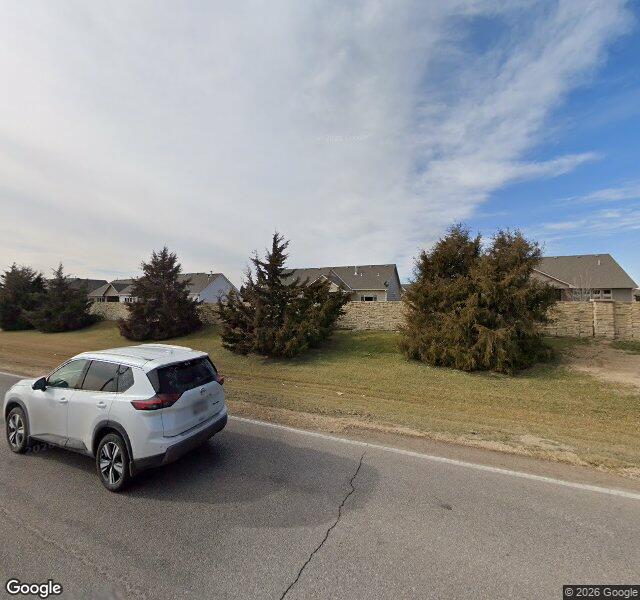
The Rushwood Senior Community
2121 N. 143rd Street E., Wichita, KS 67230View map (opens in a new tab)
Overview and key essentials
State license
Active
KS KDADS
Google reviews
Not available
Public reviews not linked
Size & payment
Ask directly
Confirm pricing & payment
Public records for this community are limited. Use the checklist below when you call or visit to confirm pricing, services, and openings.
Cost, payment & care details
Updated Nov 28, 2026| Monthly cost | Not published | Ask for the full monthly cost, including care fees and one-time charges. |
|---|---|---|
| Payment options | Ask directly | Payment details are not confirmed in our records. Ask about private pay, long-term care insurance, veterans benefits, and Medicaid waivers. |
| Size & availability | Confirm directly | We don't publish live openings. Ask about current availability, waitlist length, and move-in timing. |
| Care & support | Assisted living | Usually offers housing and help with everyday tasks, such as bathing and dressing. What to confirm about care levelsThis describes the licensed category. Ask how care plans adjust if mobility, nursing, or memory needs change over time. Read the family care guide → |
State licensing
State inspection history
2inspections
26deficiencies listed
Dec 8, 2025Routine15 deficiencies reported15
15 deficiencies reported
View official state report (opens in a new tab)
The following citations represent the findings of a Re-Licensure survey with complaint investigations 192772, 192770, 193248, 193819, 196606, 196712, 197218, 197371 for the above named Assisted Living facility conducted on 12/03/25, 12/04/25, and 12/08/25.
Final ObservationsS 9999
Kansas Statute 39-981. Authorized electronic monitoring; reasonable accommodations; notice; consent; use as evidence; prohibitions. (d) A resident, or such resident's guardian or legal representative, who wishes to conduct authorized electronic monitoring shall notify the adult care home on a form prescribed by the secretary for aging and disability services. This Requirement is not met as evidenced by: Scope and Severity of D. The facility reported a census of 59 residents(R). The sample included three residents and six focused record reviews. Based on record review, and interview, the executive director failed to ensure R8'slegal representative completed the required paperwork as prescribed by the secretary for aging and disability services for Authorized Electronic Monitoring R8's room. Findings included: - During initial tour on 12/03/25 from 11:30 Am to 02:00 PM observations revealed each resident door in assisted living and memory care had a notice posted that said "Electronic monitoring in progress" or "Rooms of some residents may be monitored electronically by or on behalf of the room's resident or residents. During the initial entrance conference on 12/03/25 at 02:53 PM Administrative staff A reported there was one resident who had authorized electronic monitoring in her room, R8. An observation on 12/08/25 at 01:13 PM while interviewing R8 surveyor observed the monitoring device on top of R8's cabinet by the entry door. Interview on 12/08/25 at 03:12 PM Administrative staff A reported they had forms but did not have anything to show that R8 or her family had completed them. The Executive Director failed to ensure all required forms related to Authorized Electronic Monitoring were completed by the resident/family and in the resident's record.
moderateS 3085
(a) The administrator or operator of each assisted living facility or residential health care facility shall ensure the development of a written negotiated service agreement for each resident, based on the resident ' s functional capacity screening, service needs, and preferences, in collaboration with the resident or the resident ' s legal representative, the case manager, and, if agreed to by the resident or the resident ' s legal representative, the resident ' s family. The negotiated service agreement shall provide the following information: (1) A description of the services the resident will receive; (2) identification of the provider of each service; and (3) identification of each party responsible for payment if outside resources provide a service. This REQUIREMENT is not met as evidenced by: KAR 26-41-202 (a)(1)(2)(3) The facility reported a census of 59 residents (R). The sample included threes residents and six focused record reviews. Based on record review and interview the executive director failed to ensure designated staff completed the "Negotiated Service Agreement" for three (R5, R8, R9) of three sampled residents based on the resident's "Functional Capacity Screen" and service needs, which included a description of the services the resident received, the provider of each service, and payment source if the service was provided by an outside resource. Findings included: - Review of R5s medical record revealed she moved into the facility on 12/06/24 with a diagnosis of Alzheimer's disease. Interview on 12/03/25 at 2:50 PM Administrative Nurse B reported they used a screening tool that included the "Functional Capacity Screen" and the "Negotiated Service Agreement" all in one document, titled the "CBA: Comprehensive Resident Evaluation" (CBA). R5's CBA identified she was independent with activities of daily living, was at risk for falls and had impaired cognition and decision-making ability. It failed to identify she received services from a local company for podiatry. Review of R5's medical record included notes from a local company that provided in house podiatry services. Interview on 12/8/25 at 10:19 AM Administrative Nurse B confirmed the podiatry service was an outside resource that provided services in the facility. Administrative Nurse B reviewed R5's CBA and confirmed it did not include that she received podiatry services, who provided it and who paid for it. The executive director failed to ensure R5's NSA included a description of services related to podiatry, who provided the service and who was responsible for payment of the service. - R8's medical record revealed she moved into the facility on 03/21/25 with diagnosis of diabetes mellitus type II. Interview on 12/03/25 at 02:50 PM Administrative Nurse B reported they used a screening tool that included the "Functional Capacity Screen" and the "Negotiated Service Agreement" all in one document, titled the "CBA: Comprehensive Resident Evaluation" (CBA). R8's CBA revealed she was unable to participate in her Activities of daily living, used a wheelchair for mobility and was at risk for falls. It failed to identify R8 received services from a local company for podiatry and another company for physical therapy. R8's record include notes from a local podiatry company for her podiatry visits. Interview on 12/08/25 at 02:46 PM with local Home Health company revealed R8 started physical therapy on 10/10/25 and continues on services. Interview on 12/08/25 at 03:04 PM...
moderateS 3298
(d) Food preparation. Food shall be prepared using safe methods that conserve the nutritive value, flavor, and appearance and shall be served at the proper temperature. (1) Food used by facility staff to serve to the residents, including donated food, shall meet all applicable federal, state, and local laws and regulations. (2) Food in cans that have significant defects, including swelling, leakage, punctures, holes, fractures, pitted rust, or denting severe enough to prevent normal stacking or opening with a manual, wheel-type can opener, shall not be used. (3) Food provided by a resident ' s family or friends for individual residents shall not be required to meet federal, state, and local laws and regulations. This REQUIREMENT is not met as evidenced by: KAR 26-41-206(d) The facility reported a census of 59 residents. Based on interview, and record review the executive director failed to ensure dietary staff monitored food temperatures to ensure it was prepared and served at the proper temperature. Findings included: - During initial tour on 12/03/25 at 12:30 PM review of the food temperature log book in Memory Care included temperatures started on 09/12/25. From 09/12/25 to 09/30/25 staff failed to temp food 25 meal times in memory care. For the month of October staff failed to temp foods for 30 meals. For the month of November staff failed to temp foods for 39 meals, and as of 12/03/25, staff failed to temp two meals. Review of the food temperature log in the main kitchen for the month of November did not have logs for 15 days and failed to have food temps for 6 different meals. It also lacked food temperature sheets for 12/01/25 and 12/02/25. Interview on 12/04/25 at 10:16 Dietary staff C reported when he came in September, they did not have any food temperature logs and he has been working on getting staff to remember to temp foods and fill out the log. Dietary staff C confirmed dietary staff are supposed to document the temperature in the log to help ensure they cook and served foods to the proper temperature. Interviews on 12/05/25 with thirteen alert and oriented residents revealed six of those residents said the food does not come to the table hot and they either eat it cold or send it back for staff to reheat it. Four of the thirteen residents said most of the time it comes out hot and three residents said staff served it hot enough for them. Review of the "Culinary Temperature Audit" policy directed that food temperatures were checked by dietary staff prior to serving and documented on the food temperature log. The executive director failed to ensure dietary staff monitored food temperatures to ensure they were prepared and served at the proper temperatures.
moderateS 3296
(c) (1) Menu plans shall be available to each resident on at least a weekly basis. This REQUIREMENT is not met as evidenced by: KAR 26-41-206(c)(1) The facility reported a census of 59 residents. Based on observation and interview the executive director failed to ensure the menu plans were available to each resident on at least a weekly basis in the assisted living. Findings included: - During initial tour on 12/03/25 at 11:30 AM surveyor did not observe a weekly menu available to residents. There was nothing posed in the Bistro, main kitchen or by their mailboxes. Interview on 12/03/25 at 03:45 PM Dietary staff D reported the menus are on the tables every day and dietary staff change the daily special each day. He confirmed at this time he did not know how the residents were informed of the menu on a weekly basis. Interview on 12/04/25 at 10:14 AM Dietary staff D reported families and residents could get an app on their phones which has different areas they can go to including the menu. The menu section will allow them to see the menu for multiple days in the future. Interview on 12/04/25 at 10:25 AM Administrative staff E confirmed they did have an app that residents and families could put on their phones but not very many residents are able to use it. Interview on 12/04/25 at 11:45 AM Administrative Staff A confirmed many residents would not be able to use the app to know what is available on the menu by the week and currently did not have another way of informing residents of the upcoming menu. Review of the undated Planning of Menu policy identified menus shall be posted or easily available to residents. The executive director failed to ensure the menu was available the residents in assisted living on at least a weekly basis.
moderateS 3227
Variance Report (l) (2) The licensed pharmacist or licensed nurse shall notify the medical care provider upon discovery of any variance identified in the medication regimen review that requires immediate action by the medical care provider. The licensed pharmacist shall notify a licensed nurse within 48 hours of any variance identified in the resident ' s regimen review that does not require immediate action by the medical care provider and specify a time within which the licensed nurse must notify the resident ' s medical care provider. The licensed nurse shall seek a response from the medical care provider within five working days of the medical care provider ' s notification of a variance. This REQUIREMENT is not met as evidenced by: KAR 26-41-205 (l)(2) The facility reported a census of 59 residents. The sample included three residents and six focused record reviews. Based on interview for all residents, and record review for two (R5 and R8) of three sampled residents the operator failed to ensure the licensed nurse attempted to get a response from the medical provider for pharmacy recommendations. Findings included: - Review of R5s medical record revealed she moved into the facility on 12/06/24 with a diagnosis of Alzheimer's disease. Interview on 12/03/25 at 2:50 PM Administrative Nurse B reported they used a screening tool that included the "Functional Capacity Screen" and the "Negotiated Service Agreement" all in one document, titled the "CBA: Comprehensive Resident Evaluation" (CBA). R5's CBA identified she could not manage her medications, had impaired cognition and impaired decision-making ability. Review of R5's "progress notes" included consultant pharmacist documentation that read "MRR completed. please see report for recommendations". The pharmacist documented this for 12/23/24, 03/11/25, 06/29/25 and 09/16/25 to identify recommendations were made. Review of R5's medical record lacked evidence that a nurse attempted to seek a response from the medical provider related to what the pharmacist had recommended. - R8's medical record revealed she moved into the facility on 03/21/25 with diagnosis of diabetes mellitus type II. Interview on 12/03/25 at 02:50 PM Administrative Nurse B reported they used a screening tool that included the "Functional Capacity Screen" and the "Negotiated Service Agreement" all in one document, titled the "CBA: Comprehensive Resident Evaluation" (CBA). R8's CBA revealed she was unable to manage her medications, and they would be administered by facility staff. Review of R8's progress notes included consultant pharmacist documentation for 06/29/25 "MRR completed, please see report for recommendations" and on 09/16/25 resident on medical leave. Review of R8's medical record lacked evidence the nurse attempted to seek a response from the medical provider related to what the pharmacist had recommended. - Review of the pharmacy reports provided by Administrative Staff A on 12/05/25 at 08:35 AM revealed the following: Review for 06/20/25- This visit included 17 recommendations were forwarded to the following disciplines: eight written to medical doctor and nine written to Nursing. All eight provider recommendations included the discontinuation of medications the resident had not used in the last 60 days. Surveyor checked three of the residents who had recommendations, and the records lacked evidence the licensed nurse attempted to get a response from the medical provider for the pharmacist...
moderateS 3280
Preparedness (d) Each administrator or operator shall ensure disaster and emergency preparedness by ensuring the performance of the following: (1) Orientation of new employees at the time of employment to the facility ' s emergency management plan; (2) education of each resident upon admission to the facility regarding emergency procedures; (3) quarterly review of the facility ' s emergency management plan with employees and residents; and (4) an emergency drill, which shall be conducted at least annually with staff and residents. This drill shall include evacuation of the residents to a secure location. This REQUIREMENT is not met as evidenced by: KAR 26-41-104(d)(3) The facility reported a census of 59 residents. Based on record review and interview for all facility residents and all facility staff, the executive director failed to ensure disaster and emergency preparedness by ensuring performance of quarterly reviews of the facility's emergency management plan with all residents and facility staff. Findings include: - After entering the facility on 12/03/25 at 11:18 AM surveyor sent Executive Director an email with a list of records to provide. This list included provision of quarterly reviews of the emergency management plan with residents and staff and resident council minutes for review. Review of Resident council minutes lacked any information related to reviewing the emergency management plan with residents. Interview on 12/04/25 at 11:56 AM Administrative staff A reported maintenance staff did not have record of completing quarterly reviews of the emergency management plan with residents and/or staff. Administrative staff A stated they have had a couple of in-services since he started in September 2025, but had nothing to show that the emergency management plan was reviewed. The executive director failed to ensure disaster and emergency preparedness by ensuring performance of quarterly reviews of the required possible emergencies with all residents and facility staff.
moderateS 3228
Record (l) (3) The administrator or operator, or the designee, shall ensure that the medication regimen review is kept in each resident ' s clinical record. This REQUIREMENT is not met as evidenced by: KAR 26-41-205(l)(3) The facility reported a census of 59 residents. The sample included three residents and six focused record reviews. Based on interview for all residents, and record review for two (R5, R8) of three sampled residents, the administrator failed to ensure designated staff kept the medication regimen reviews in each resident's clinical record. Findings included: - Review of R5s medical record revealed she moved into the facility on 12/06/24 with a diagnosis of Alzheimer's disease. Interview on 12/03/25 at 02:50 PM Administrative Nurse B reported they used a screening tool that included the "Functional Capacity Screen" and the "Negotiated Service Agreement" all in one document, titled the "CBA: Comprehensive Resident Evaluation" (CBA). R5's CBA identified she could not manage her medications, had impaired cognition and impaired decision-making ability. Review of R5's "progress notes" included consultant pharmacist documentation that read "MRR completed. please see report for recommendations". The pharmacist documented this for 12/23/24, 03/11/25, 06/29/25 and 09/16/25 to identify recommendations were made. Review of R5's medical record lacked evidence of what the pharmacist had recommended for either the physician or the nurse. - R8's medical record revealed she moved into the facility on 03/21/25 with diagnosis of diabetes mellitus type II. Interview on 12/03/25 at 02:50 PM Administrative Nurse B reported they used a screening tool that included the "Functional Capacity Screen" and the "Negotiated Service Agreement" all in one document, titled the "CBA: Comprehensive Resident Evaluation" (CBA). R8's CBA revealed she was unable to manage her medications and they would be administered by facility staff. Review of R8's progress notes included consultant pharmacist documentation for 6/29/25 "MRR completed, please see report for recommendations" and on 09/16/25 resident on medical leave. Review of R8's medical record lacked evidence of what the pharmacist had recommended for either the physician or the nurse. Interview on 12/04/25 at 04:36 PM pharmacist reported they do have a pharmacist who comes to the facility and thought the pharmacist left a copy with the nurse at the facility or might have emailed them the report later. He reported he could send the past reports to the regional nurse to make sure they had them all. Interview on 12/04/25 at 04:15 PM Administrative Nurse B did not know where the pharmacy reviews were kept and had not seen any since she was hired. Interview on 12/04/25 at 04:36 PM pharmacist reported they do have a pharmacist who comes to the facility and thought the pharmacist left a copy with the nurse at the facility or might have emailed them the report later. He reported he could send the past reports to the regional nurse to make sure they had them all. Interview on 12/08/25 at 03:50 PM Administrative Nurse K reported the best practice for pharmacy reviews would be for the pharmacist to email it to the Executive Director and the Wellness Director and then it is printed and sent to the physician or addressed as appropriate. After the recommendations are addressed by the physician or nurse they are either filed in the paper chart or uploaded in the electronic record. The executive director failed to...
moderateS 3310
(b) (5) prohibiting any employee with a communicable disease or any infected skin lesions from coming in direct contact with any resident, any resident ' s food, or resident care equipment until the condition is no longer infectious; (6) providing orientation to new employees and employee in-service education at least annually on the control of infections in a health care setting; and (c) Each administrator or operator shall ensure the facility ' s compliance with the department ' s tuberculosis guidelines for adult care homes adopted by reference in K.A.R. 26-39-105 This REQUIREMENT is not met as evidenced by: KAR 26-41-207(c) The facility reported a census of 59 residents (R). The sample included three residents and review of five newly hired employees' record. Based on interview and record review the executive director failed to ensure the facility remained in compliance with the department's tuberculosis (TB) guidelines for adult care homes adopted by reference in KAR 26-39-105 for two (R5 and R9) of three residents and one of five newly hired employees. Findings included: - Review of R5's record revealed she moved into the facility on 12/06/24 with a diagnosis of Alzheimer's disease. R3's record include an initial TB symptom screen completed on 02/06/25 and a two-step TB skin test administered on 02/08/25 and read on 03/05/25. The TB symptom screen and two-step skin test were not initiated within seven days of moving into the facility. Interview on 12/08/25 at 10:17 AM Administrative Nurse B reported the TB screen, and first skin test are to be completed on day of admission and the second TB skin test done 10 days after the first one given. She confirmed staff failed to complete R5's TB screen and skin tests according to guidelines. - Review of R9's record revealed he moved into the facility on 12/02/24 with diagnosis of diabetes mellitus type II. R9's record included an initial TB symptom screen conducted on 11/18/24 but he did not receive TB skin testing until 02/06/25 and 03/05/25. The TB two-step skin test was not administered by the nurse within seven days of moving into the facility. Interview on 12/08/25 at 10:17 AM Administrative Nurse B reported the TB screen and first skin test are to be completed on day of admission and the second TB skin test done 10 days after the first one given. She confirmed staff failed to complete R5's TB screen and skin tests according to guidelines. Review of the "Tuberculosis (TB) Guidelines for Adult Care Homes" June 2013, revealed each new resident shall have an initial TB symptom screen questionnaire within seven days of residency. Each new resident shall receive a two-step TB skin test within seven days of residency. The executive director failed to ensure R5 and R9 received TB symptom screen and TB skin testing according to the departments guidelines. - Review of one newly hired staff employee file revealed the following TB information: Certified Nurse Aide G hired on 05/22/25 and termed on 07/29 had record of a TB symptom screen completed on 05/05/25 but did not have a two-step TB skin test completed. Review of the "TB Tracking: Employee" policy dated 06/10/25 revealed when a candidate receives a job offer the nurse will administer the first step of a two-step TB screen and return in 48 to 72 hours to have it read. All employees must have the first of the two-step process completed and read prior to working in the community. Review of the "Tuberculosis (TB) Guidelines for Adult Care...
STATE FORM6899
VII811 STATE FORM VII811 STATE FORM VII811 STATE FORM VII811 STATE FORM VII811 STATE FORM VII811 STATE FORM VII811 STATE FORM VII811 STATE FORM VII811 STATE FORM VII811 STATE FORM VII811 STATE FORM VII811 STATE FORM VII811 STATE FORM VII811 STATE FORM VII811 STATE FORM VII811 STATE FORM VII811 STATE FORM VII811 STATE FORM VII811 STATE FORM VII811 STATE FORM VII811 STATE FORM VII811 STATE FORM VII811 STATE FORM VII811 STATE FORM VII811 STATE FORM VII811 STATE FORM VII811 STATE FORM VII811 STATE FORM VII811 STATE FORM VII811 STATE FORM VII811 STATE FORM VII811 STATE FORM VII811 STATE FORM VII811 STATE FORM VII811 STATE FORM VII811 STATE FORM VII811 STATE FORM VII811 STATE FORM VII811 STATE FORM VII811
moderateS 3248
Records (d) The employee records and agency staff records shall contain the following documentation: (1) Evidence of licensure, registration, certification, or a certificate of successful completion of a training course for each employee performing a function that requires specialized education or training; (2) supporting documentation for criminal background checks of facility staff and contract staff, excluding any staff licensed or registered by a state agency, pursuant to K.S.A. 39-970 and amendments thereto; (3) supporting documentation from the Kansas nurse aide registry that the individual does not have a finding of having abused, neglected, or exploited a resident in an adult care home; and (4) supporting documentation that the individual does not have a finding of having abused, neglected, or exploited any resident in an adult care home, from the nurse aide registry in each state in which the individual has been known to have worked as a certified nurse aide. This REQUIREMENT is not met as evidenced by: KAR 26-41-102(d)(2) The facility reported a census of 59 residents. Based on interview and record review of five newly hired employees, the operator failed to have evidence the facility completed a criminal background check by the required state agency, pursuant to K.S.A.39-970 and amendments thereto for four of five newly hired staff. The findings included: - Review of the employee records revealed the following: Certified Nurse Aide (CNA) F hired on 08/07/25 lacked receipt for a criminal background check through "Kansas Department for Aging and Disabilities" (KDADS) or printed results of completing the background check. Dietary staff D hired on 05/08/25 lacked receipt for a criminal background check through "Kansas Department for Aging and Disabilities" (KDADS) or printed results of completing the background check. CNA G hired on 05/22/25 lacked receipt for a criminal background check through "Kansas Department for Aging and Disabilities" (KDADS) or printed results of completing the background check. Certified Medication Aide (CMA) H lacked receipt for a criminal background check through "Kansas Department for Aging and Disabilities" (KDADS) or printed results of completing the background check. Surveyor checked the Kansas Nurse Aide Registry on 12/04/25 for CNA F, CNA G and CMA H and all three lacked "The Rushwood Senior Community" name on the registry as a facility that completed a criminal background check. Interview on 12/04/25 at approximately 12:30 PM Administrative staff I reviewed employee records provided to surveyor and confirmed she did not see where a criminal background check was run through KDADS as required. The executive director failed to ensure designated staff completed the criminal background checks through KDADS as directed by the department.
moderateS 3080
Admission a) On or before each individual ' s admission to an assisted living facility or residential health care facility, a licensed nurse, a licensed social worker, or the administrator or operator shall conduct a screening to determine the individual ' s functional capacity and shall record all findings on a screening form specified by the department. The administrator or operator may integrate the department ' s screening form into a form developed by the facility, which shall include each element and definition specified by the department. (b) A licensed nurse shall assess any resident whose functional capacity screening indicates the need for health care services. This REQUIREMENT is not met as evidenced by: K.A.R.26-41-201(a) The facility reported a census of 59 residents (R). The sample included three residents and 6 focused record reviews. Based on record review and interview for 3 (R5, R8, R9) of 3 sampled residents, and all other residents in the facility, the operator failed to ensure each resident's Functional Capacity Screen included each element and definition specified by the department. Findings included: - Interview on 12/03/25 at 2:50 PM Administrative Nurse B reported they use a screening tool that included the "Functional Capacity Screen" and the "Negotiated Service Agreement" all in one document, the "CBA: Comprehensive Resident Evaluation" (CBA). - Review of R5's medical record revealed she moved into the facility on 12/06/24 with a diagnosis of dementia. Review of R5's CBA dated 01/31/25 included a section H titled "Resident Functional Capacity Screen". This section failed to include the "Medication" section as specified by the department, which includes all medication the resident is taking at the time of the screening. - Review of R8's medical record revealed she moved intot he facility on 03/21/25 with diagnosis of diabetes type II. Review of R8's CBA dated 01/31/25 included a section H titled "Resident Functional Capacity Screen". This section failed to include the "Medication" section as specified by the department, which includes all medication the resident is taking at the time of the screening - Review of R9's medical record revealed he moved into the facility with diagnoses of diabetes mellitus type II and heart failure. Review of R9's CBA dated 01/31/25 included a section H titled "Resident Functional Capacity Screen". This section failed to include the "Medication" section as specified by the department, which includes all medication the resident is taking at the time of the screening. Interview on 10/04/25 at 09:40 AM Administrative Nurse B reviewed the CBA and section H titled "Resident Functional Capacity Screen" and confirmed it did not include a section for "Medications". She also confirmed the same CBA assessment tool is used for all residents int he facility. Review of the Functional Capacity Screen manual included under section VI - "Medications" to include all medications the resident is taking at the time of the screen. The executive director failed to ensure each residents "Functional Capacity Screen" section of the CBA contained the designated element and definition for medications according to the department.
moderateS 3214
Program Meds (g) (4) Licensed nurses and medication aides may administer sample medications and medications from indigent medication programs if the administrator or operator ensures the development of policies and implementation of procedures for receiving and identifying sample medications and medications from indigent medication programs that include all of the following conditions: (A) The medication is not a controlled medication. (B) A medical care provider ' s written order accompanies the medication, stating the resident ' s name; the medication name, strength, dosage, route, and frequency of administration; and any cautionary instructions regarding administration. (C) A licensed nurse or medication aide receives the medication in its original, unbroken manufacturer ' s package. (D) A licensed nurse documents receipt of the medication by entering the resident ' s name and the medication name, strength, and quantity into a log. (E) A licensed nurse places identification information on the medication or package containing the medication that includes the medical care provider ' s name; the resident ' s name; the medication name, strength, dosage, route, and frequency of administration; and any cautionary instructions as documented on the medical care provider ' s order. Facility staff consisting of either two licensed nurses or a licensed nurse and a medication aide shall verify that the information on the medication matches the information on the medical care provider ' s order. (F) A licensed nurse informs the resident or the resident ' s legal representative that the medication did not go through the usual process of labeling and initial review by a licensed pharmacist pursuant to K.S.A. 65-1642 and amendments thereto, which requires the identification of both adverse drug interactions or reactions and potential allergies. The resident ' s clinical record shall contain documentation that the resident or the resident ' s legal representative has received the information and accepted the risk of potential adverse consequences. This REQUIREMENT is not met as evidenced by: KAR 26-41-205(g)(4)(D)(E)(F) The facility reported a census of 59 residents (R). The sample included three residents and 6 focused record reviews including one (R11) who received sample medications. Based on observation, interview and record review the operator failed to ensure 1 (R11) of 1 resident that received sample medications included the following: 1. License Nurse document receipt of medication with appropriate information into a log; 2. Licensed Nurse failed to included required information on each box and indicate verification of such information.; 3. A licensed nurse failed to inform the resident/family, medications were not received through a pharmacy and were not reviewed by a pharmacist. Findings included: - Interview on 12/03/25 at 02:50 PM Administrative Nurse B reported they use a screening tool that included the "Functional Capacity Screen" and the "Negotiated Service Agreement" all in one document, titled the "CBA: Comprehensive Resident Evaluation" (CBA). Review of R11's medical record revealed she moved into the facility on 04/11/25 with diagnoses of overactive bladder. R11's CBA dated 12/05/25 identified she was unable to manage her medications and had no cognitive impairment. It also identified staff managed her medication and administration of medications. R11's record included a physicians order dated 10/06/25 for Gemtesa 75...
moderateS 3215
(h) Storage. Licensed nurses and medication aides shall ensure that all medications and biologicals are securely and properly stored in accordance with each manufacturer ' s recommendations or those of the pharmacy provider and with federal and state laws and regulations. (1) Licensed nurses or medication aides shall store non-controlled medications and biologicals managed by the facility in a locked medication room, cabinet, or medication cart. Licensed nurses and medication aides shall store controlled medications managed by the facility in separately locked compartments within a locked medication room, cabinet, or medication cart. Only licensed nurses and medication aides shall have access to the stored medications and biologicals. (2) Each resident managing and self-administering medication shall store medications in a place that is accessible only to the resident, licensed nurses, and medication aides. (3) Any resident who self-administers medication and is unable to provide proper storage as recommended by the manufacturer or pharmacy provider may request that the medication be stored by the facility. (4) A licensed nurse or medication aide shall not administer medication beyond the manufacturer ' s or pharmacy provider ' s recommended date of expiration. This REQUIREMENT is not met as evidenced by: KAR 26-41-205(h)(1)(4) The facility reported a census of 59 residents. Based on observation and interview, the executive director failed to ensure staff stored insulin pens according to manufacturer's recommendations to ensure staff did not administer the medication beyond the manufacturer's recommended date of expiration. Findings included: - Observation on 12/03/25 at 03:23 PM Licensed Nurse C unlocked the Memory Care medication cart for inspection. The medication cart contained Soliqua Insulin Pen, that was approximately half empty, that did not include the date it was initiated into use. Interview on 12/03/25 at 03:23 PM Licensed Nurse C confirmed all insulin pens were supposed to have the date opened on them. Review of the manufacturer's recommendations directed for the pen to be discarded 28 days after it's first used. The executive director failed to ensure designated staff dated Soliqua insulin pen, so staff knew when to discard it according to manufacturers recommended date of expiration.
moderateS 3026
ANE (f)The administrator or operator shall ensure that all of the following requirements are met: (1) No resident shall be subjected to any of the following: (A) Verbal, mental, sexual, or physical abuse, including corporal punishment and involuntary seclusion; (B) neglect; or (C) exploitation. This REQUIREMENT is not met as evidenced by: KAR 26-41-101(f)(1)(A)(B) The facility reported a census of 59 residents (R), with 15 of those residents residing in the memory care secured area. The sample included three residents and six focused record reviews. Based on interview, and record review, the executive director failed to protect R4, R6, and R7 who lived on the memory care unit and failed to protect R8 from direct care staff calling residents names and using menacing/threatening tone when providing care for R4, R6, R7, and R8. Findings included: - Review of R4's record revealed she moved into the facility with a diagnosis of dementia. Interview on 12/03/25 at 2:50 PM Administrative Nurse B reported they used a screening tool that included the "Functional Capacity Screen" and the "Negotiated Service Agreement" all in one document, titled the "CBA: Comprehensive Resident Evaluation" (CBA). R4's CBA identified she needed physical assistance with bathing and dressing and was unable to participate in toileting. She also had impaired cognition and impaired communication. The CBA directed staff to assist with toileting including peri-care and to assist with dressing and bathing. R4's care plan dated 07/25/25 directed staff to speak softly and provide reassurance and offer redirection and identified the resident would live in an environment without fear or abuse. Review of Dietary witness statement dated 07/30/25 Dietary staff C walked to the memory care to provide dinner and heard Certified Nurse Aide (CNA) G yelling saying "What are you doing ... Stop that ... You [expletive]". Dietary staff went directly to Administrative staff I and explained the situation. Review of witness statement dated 07/31/25 Administrative staff I and Administrative staff L went to the memory care unit to discuss situation with CNA G, and she became defensive, wrote derogatory messages on the facility group chat and walked out of the wellness station cussing and slammed the door in front of residents in the dining room. When asked to provide a statement of what happened she started yelling, cursing and walked out of the facility. According to the report dated 07/30/25, CNA G was immediately asked to leave the facility, put on suspension and then terminated from employment. Interview on 12/04/25 at 11:45 AM Administrative staff A reported this incident occurred before he was at the facility but confirmed the way CNA G spoke to R4 is not appropriate and not to be tolerated. The executive director failed to protect R4 when CNA G yelled and called R4 [expletive] yelling at the resident using a threatening tone. - Review of R6's record revealed she moved into the facility on 06/13/25 with a diagnosis of dementia. Interview on 12/03/25 at 2:50 PM Administrative Nurse B reported they used a screening tool that included the "Functional Capacity Screen" and the "Negotiated Service Agreement" all in one document, titled the "CBA: Comprehensive Resident Evaluation" (CBA). R6's CBA dated 06/13/25 identified she was unable to participate in toileting, had occasional bladder incontinence, and had significant impaired cognition. It identified staff were to provide her complete...
moderateS 3211
DRUGS (3) A licensed nurse or medication aide may accept over-the-counter medication only in its original, unbroken manufacturer ' s package. A licensed pharmacist or licensed nurse shall place the full name of the resident on the package. If the original manufacturer ' s package of an over-the-counter medication contains a medication in a container, bottle, or tube that can be removed from the original package, the licensed pharmacist or a licensed nurse shall place the full name of the resident on both the original manufacturer ' s medication package and the medication container. This REQUIREMENT is not met as evidenced by: KAR 26-41-205 (g)(3) The facility reported a census of 59 residents(R). Based on observation and interview, the executive director failed to ensure a licensed nurse or pharmacist wrote the residents full name on all over-the-counter medications, including the original manufacturer's medication package and the medication container/tube. Findings included: - Observation on 12/04/25 at 03:32 PM Administrative Nurse B unlocked medication cart (101-103) for inspection which revealed the following: a bottle of eye drops without a name, bottle of Vitamin D3, bottle of One-A-Day multivitamin, bottle of Vitamin B-12, and a bottle of Allergy Relief that either had no name or just the first name of a resident. Interview on 12/04/25 at 03:33 PM Administrative Nurse B did not realize the bottles needed to have a resident's "full" name on them. The executive director failed to ensure a licensed nurse or pharmacist wrote the residents full name on all over-the-counter medications, including the medication package and container.
Aug 5, 2024Routine11 deficiencies reported11
11 deficiencies reported
View official state report (opens in a new tab)
The following citations represent the findings of an initial certification survey with a complaint 189141 at the above named Assisted Living conducted on 08/01/24 and 08/05/24.
KAR 26-41-206 (d)3298
The facility had a census of 15 residents. All residents ate food prepared in the same kitchen. The operator failed to ensure food items were served at the proper temperature for food provided in the memory care unit. Findings included: - On 08/01/24 at 04:10 PM observation of the satellite kitchen located in the memory care unit revealed no food temperature logs. On 08/01/24 at 01:42 PM "Certified Nurse Aide" (CNA) C stated there were no food temperature logs kept at the memory care satellite kitchen and stated he thought dietary staff documented these. On 08/01/24 at 02:00 PM Dietary Staff D stated that food temperatures were taken and logged before it was transported to the memory care unit but not before the food was served in the memory care unit. On 08/05/24 at 01:29 PM Administrative Staff A stated it was her expectation that food temperatures were taken and documented before serving to the residents. The undated "Culinary Temperature Audit" policy
moderateS 3298
(d) Food preparation. Food shall be prepared using safe methods that conserve the nutritive value, flavor, and appearance and shall be served at the proper temperature. (1) Food used by facility staff to serve to the residents, including donated food, shall meet all applicable federal, state, and local laws and regulations. (2) Food in cans that have significant defects, including swelling, leakage, punctures, holes, fractures, pitted rust, or denting severe enough to prevent normal stacking or opening with a manual, wheel-type can opener, shall not be used. (3) Food provided by a resident ' s family or friends for individual residents shall not be required to meet federal, state, and local laws and regulations. This REQUIREMENT is not met as evidenced by: documented, "Prior to serving, the temperatures of the foods are checked...The temperatures of the foods are documented on the food temperature audit form." According to the Kansas Department of Agriculture "Focus on Food Safety" revised August 2017, hot foods must be maintained at an internal temperature of 135 Fahrenheit (F) or higher and cold foods must be maintained at an internal temperature of 41 F or below. The operator failed to ensure food items were served at the proper temperature.
KAR 26-41-207(b)(4)3305
The facility had a census of 15 residents. All 15 residents ate food prepared in the same kitchen. The operator failed to ensure sanitary conditions for food service by not ensuring the dishwasher hot water temperatures were documented. Findings included: - Observation on 08/01/24 at 01:42 PM revealed there was no documentation of dishwasher hot water temperatures were recorded by staff in the memory care unit. On 08/01/24 at 01:42 PM "Certified Nurse Aide" (CNA) C stated there were no dishwasher hot water temperature logs kept at the memory care satellite kitchen and stated he thought dietary staff documented these. On 08/01/24 at 02:00 PM Dietary Staff D stated that there were no current dishwasher temperature logs used in the memory care unit. On 08/05/24 at 01:29 PM Administrative Staff A stated it was her expectation that dishwasher hot water temperatures be documented in the memory care unit satellite kitchen. The undated, "Culinary Temperature Audit" policy documented, "Logs will be maintained for each Dish Machine in the community." The operator failed to ensure sanitary conditions in the kitchen by failing to ensure staff documented dishwasher hot water temperatures.
STATE FORM6899
JQPP11 STATE FORM JQPP11 STATE FORM JQPP11 STATE FORM JQPP11 STATE FORM JQPP11 STATE FORM JQPP11 STATE FORM JQPP11 STATE FORM JQPP11 STATE FORM JQPP11 STATE FORM JQPP11
moderateS 3305
(a) The administrator or operator of each assisted living facility or residential health care facility shall ensure the provision of a safe, sanitary, and comfortable environment for residents. (b) Each administrator or operator shall ensure the development of policies and implementation of procedures to prevent the spread of infections. These policies and procedures shall include the following requirements: (1) Using universal precautions to prevent the spread of blood-borne pathogens; (2) techniques to ensure that hand hygiene meets professional health care standards; (3) techniques to ensure that the laundering and handling of soiled and clean linens meet professional health care standards; (4) providing sanitary conditions for food service; (5) prohibiting any employee with a communicable disease or any infected skin lesions from coming in direct contact with any resident, any resident ' s food, or resident care equipment until the condition is no longer infectious; (6) providing orientation to new employees and employee in-service education at least annually on the control of infections in a health care setting; and (7) transferring a resident with an infectious disease to an appropriate health care facility if the administrator or operator is unable to provide the isolation precautions necessary to protect the health of other residents. This REQUIREMENT is not met as evidenced by:
moderateS 3299
(e) Food storage. Facility staff shall store all food under safe and sanitary conditions. (1) Containers of poisonous compounds and cleaning supplies shall not be stored in the areas used for food storage, preparation, or serving. This REQUIREMENT is not met as evidenced by: Findings included: - Observation on 08/01/24 at 01:42 PM revealed there was no documentation of refrigerator/freezer temperatures by staff in the memory care unit. On 08/01/24 at 01:42 PM "Certified Nurse Aide" (CNA) C stated there were no refrigerator/freezer temperature logs kept at the memory care satellite kitchen and stated he thought dietary staff documented these. On 08/01/24 at 02:00 PM Dietary Staff D stated that there were no current refrigerator/freezer temperature logs used in the memory care unit. On 08/05/24 at 01:29 PM Administrative Staff A stated it was her expectation that refrigerator/freezer temperatures be documented in the memory care unit satellite kitchen. The undated, "Culinary Temperature Audit" policy documented, "Logs will be maintained for each refrigerator and freezer in the community." The Kansas Department of Agriculture "Focus on Food Safety" revised August 2017, p. 19 documented, "Proper holding temperatures must be maintained during display, storage and transportation. Cold foods must be maintained at an internal temperature of 41F or below." The operator failed to ensure food items were stored under safe and sanitary conditions.
KAR 26-41-205 (g)(2)3213
The facility reported a census of 15 residents. Based on observation and interview the operator failed to ensure each prescription medication container had a label provided by a dispensing pharmacist affixed to the container. Findings included: - Observation on 08/01/24 at 01:22 PM revealed the facility's medication cart contained the following prescription medications which were not labeled with a resident's full name: Resident (R)104- One eyedrop bottle of Timolol Maleate 0.5% Two bottles of Systane Lubricant Eye Drops
KAR 26-41-207(c)3310
The facility reported a census of 15 residents. Based on record review and interview the operator failed to ensure the facility was in compliance with the department's tuberculosis (TB) guidelines for adult care homes adopted by reference in K.A.R. 26-39-105. Findings include: - Resident (R)101 admitted to the facility on 07/02/24. \ Review of medical records revealed R101 did not
moderateS 3310
(b) (5) prohibiting any employee with a communicable disease or any infected skin lesions from coming in direct contact with any resident, any resident ' s food, or resident care equipment until the condition is no longer infectious; (6) providing orientation to new employees and employee in-service education at least annually on the control of infections in a health care setting; and (c) Each administrator or operator shall ensure the facility ' s compliance with the department ' s tuberculosis guidelines for adult care homes adopted by reference in K.A.R. 26-39-105 This REQUIREMENT is not met as evidenced by: have a TB Symptom Screen completed upon admission to the facility. On 08/05/24 at 12:56 PM Administrative Nurse B stated R101 did not have a TB Symptom Screening Questionnaire completed upon admission. The June 2013 "Tuberculosis (TB) Guidelines for Adult Care Homes" documented, "Each new resident ...shall have an initial TB symptom screen that includes the components of the Tuberculosis Symptom Screen Questionnaire within 7 days of residency ..." The operator failed to ensure the compliance with the department's tuberculosis guidelines for adult care homes adopted by reference in K.A.R. 26-39-105. - Review of the newly hired staff information revealed the following: Licensed Nurse E was hired on 04/25/24 and did not have a Tuberculosis Symptom Screen Questionnaire completed within seven days of her hire date. "Certified Medication Aide" (CMA) F was hired on 02/21/24 and did not have a Tuberculosis Symptom Screen Questionnaire completed within seven days of her hire date. Dietary Staff G was hired on 02/21/24 and did not have a Tuberculosis Symptom Screen Questionnaire completed within seven days of her hire date. Certified Nurse Aide H was hired on 04/18/24 and did not have a Tuberculosis Symptom Screen Questionnaire completed within seven days of her hire date. CMA I was hired on 06/27/24 and did not have a Tuberculosis Symptom Screen Questionnaire completed within seven days of her hire date. On 08/01/24 at 02:45 PM Administrative Staff A confirmed they did not complete the TB Symptom Screening Questionnaire for each new staff upon hire. The June 2013 "Tuberculosis (TB) Guidelines for Adult Care Homes" documented, "Each new ...employee shall have an initial TB symptom screen that includes the components of the Tuberculosis Symptom Screen Questionnaire within 7 days of ...employment." The operator failed to ensure the compliance with the department's tuberculosis guidelines for adult care homes adopted by reference in K.A.R. 26-39-105.
KAR 26-41-206 (e)3299
The facility had a census of 15 residents. All 15 residents ate food prepared in the main kitchen. The operator failed to ensure food items were stored under safe and sanitary conditions by the failure to document temperatures of food items stored in the refrigerator/freezer located in the memory care unit were at acceptable temperatures according to food safety guidelines.
moderateS 3213
(g) (2) Each prescription medication container shall have a label that was provided by a dispensing pharmacist or affixed to the container by a dispensing pharmacist in accordance with K.A.R. 68-7-14. This REQUIREMENT is not met as evidenced by: R105: One inhaler of Albuterol Sulfate HFA Inhalation Aerosol R106: One bottle of Systane Lubricant Eye Drops On 08/05/24 at 12:55 PM Administrative Nurse B stated she expected all medications to be labeled with the resident's full name. The undated, "Medication Packaging Policy" documented, "The medication...is properly labeled in accordance with the applicable regulations and labeled with the following...Residents full name." The operator failed to ensure each prescription medication container had a label provided by a dispensing pharmacist affixed to the container.
Neighborhood & resident support
Emergency access, hazards & advocacy
Nearest hospital
Kansas Medical Center Llc
1.4 mi · Andover, KS · Medicare 2/5 ★
Emergency room
FEMA hazard risk
Relatively HighSedgwick County, KS
- Ice Storm
- Cold Wave
- Tornado
Free resident advocacy
Kansas Office of the State Long-Term Care Ombudsman
More neighborhood context (specialists, VA, dialysis, air & affordability)
VA & dialysis access
Wichita VA Medical Center
6.3 mi · Wichita, KS · VA 5/5 ★
Fresenius Medical Care- Wichita East
3.1 mi · 4/5 ★
Specialists within 15 mi
- Geriatricians
- 2
- Neurologists
- 24
- Palliative care
- 7
- PM&R rehab
- 13
Environment & mobility
- EPA Air (2025)
- 58% good days · AQI 48
- EPA Walkability
- 10.2/20 (Below Average)
- USDA Grocery Access
- Moderate Grocery Access
- Primary care access
- HRSA Shortage Area
County demographics
- Age 65+ median income
- $54,659/yr
- Rent-burdened households
- 44%
- Cognitive disability (2023)
- 15.3%
- Mobility disability
- 13.0%
Call & tour checklist
Questions to ask The Rushwood Senior Community
Check off questions as you call or tour. Your progress stays private in this browser.
Show 3 more suggested questions
Verification & public records
Official records & sources
Licensing & contact
- License #
- N087089
- Status
- active
- Phone
- (316) 219-6050
- Federal OIG LEIE
- Clear (2026-11-27)
Operator & ownership
- Operator
- Wichita Senior Community, LLC
Original public sources
Verify licensing, ratings, and inspection reports directly with each official source.
- KS KDADS official record (opens in a new tab)Kansas Dept. for Aging & Disability Services
- Google Maps (opens in a new tab)Directions, photos & neighborhood
- Google Reviews (opens in a new tab)Read public reviews
EveryPlace is an independent research directory. Information is compiled from public Medicare.gov, state licensing, Google Places, and street-level imagery sources. Some summaries, suggested questions, and pricing notes are AI-generated or AI-assisted and may contain errors or omissions. We do not accept payment for placement. Confirm all details directly with the community and official sources. Research Policy.
Keep exploring
Nearby communities to compare
- Medicare 3/54.2(89)76 bedsMedicaidNursing Home< 1 miAvita Health and Rehab at Reeds CoveWichita, KS
- Assisted Living1.1 miComfort and Love Senior Care HomesWichita, KS
- Assisted Living1.1 miComfort and Love 2042Wichita, KS
- Assisted Living1.1 miComfort and Love 2062Wichita, KS
- Assisted Living1.6 miAndover Court Assisted LivingAndover, KS
- Medicare 1/53.9(90)154 bedsMedicaidNursing Home1.7 miLife Care Center of AndoverAndover, KS