
Loading EveryPlace content…
Below-average Medicare ratings — review the inspection history and ask the administrator about recent corrections before visiting.
based on 3 Google reviews
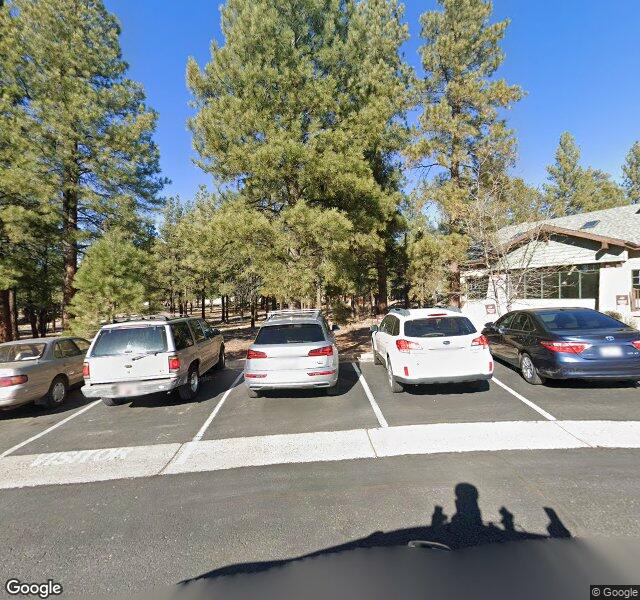
Email The Peaks Health & Rehabilitation to yourself
Get a one-time email with a link to this profile so it is easy to find and share later.
This sends one email and does not add you to a mailing list.
These current public-data fields deserve follow-up with the facility and the official Medicare record. They are not a clinical risk score or a substitute for an in-person assessment.
No Medicare penalties on record
This facility has areas of concern that warrant careful consideration. The latest standard survey recorded 11 findings, above the AZ average of 7.6. We recommend asking the administrator directly: "How are you addressing recent staffing shortfalls?" These are not reasons to panic, but they are reasons to ask tough questions and visit in person.
This facility meets both EveryPlace staffing reference benchmarks. Higher staffing is generally associated with stronger day-to-day care.
Reference benchmarks (0.75 RN and 4.1 total nursing hours per resident/day) are comparison targets, not current federal minimum requirements.
Resident outcomes compared with national, state, and local averages · 16 measures
9
measures
6
measures
1
measures
Residents with depression symptoms
Highly dependent on how each facility screens and codes depressive symptoms, so it varies widely between facilities.
Residents vaccinated for pneumonia
Residents needing more daily help over time
Residents vaccinated for the flu
Residents on antipsychotic medication
Residents with pressure sores (bedsores)
Short-stay residents vaccinated for pneumonia
Short-stay residents vaccinated for the flu
Short-stay residents newly given antipsychotics
US average from Medicare published data
Detailed Medicare record · up to 3-year lookback
This facility shows recurring serious issues with families filing complaints about abuse reporting and neglect prevention across multiple years. Primary problem areas include medication management (with errors above 5%), care planning deficiencies, and facility safety systems. While the facility provides correction dates for violations, the pattern of repeat deficiencies in core care areas like medication safety and abuse prevention raises concerns about sustained quality improvement.
Freedom from Abuse, Neglect, and Exploitation Deficiencies
Timely report suspected abuse, neglect, or theft and report the results of the investigation to proper authorities.
Resident Assessment and Care Planning Deficiencies
Safeguard resident-identifiable information and/or maintain medical records on each resident that are in accordance with accepted professional standards.
Resident Assessment and Care Planning Deficiencies
Ensure services provided by the nursing facility meet professional standards of quality.
Pharmacy Service Deficiencies
Ensure medication error rates are not 5 percent or greater.
Pharmacy Service Deficiencies
Ensure drugs and biologicals used in the facility are labeled in accordance with currently accepted professional principles; and all drugs and biologicals must be stored in locked compartments, separately locked, compartments for controlled drugs.
Smoke Deficiencies
Install a fire alarm system that can be heard throughout the facility.
Resident Rights Deficiencies
Allow residents to self-administer drugs if determined clinically appropriate.
Resident Assessment and Care Planning Deficiencies
Develop and implement a complete care plan that meets all the resident's needs, with timetables and actions that can be measured.
Resident Assessment and Care Planning Deficiencies
Develop the complete care plan within 7 days of the comprehensive assessment; and prepared, reviewed, and revised by a team of health professionals.
Pharmacy Service Deficiencies
Provide pharmaceutical services to meet the needs of each resident and employ or obtain the services of a licensed pharmacist.
Infection Control Deficiencies
Develop and implement policies and procedures for flu and pneumonia vaccinations.
Freedom from Abuse, Neglect, and Exploitation Deficiencies
Develop and implement policies and procedures to prevent abuse, neglect, and theft.
Freedom from Abuse, Neglect, and Exploitation Deficiencies
Timely report suspected abuse, neglect, or theft and report the results of the investigation to proper authorities.
Freedom from Abuse, Neglect, and Exploitation Deficiencies
Respond appropriately to all alleged violations.
Nursing and Physician Services Deficiencies
Ensure nurse aides have the skills they need to care for residents, and give nurse aides education in dementia care and abuse prevention.
Emergency Preparedness Deficiencies
Develop and maintain an Emergency Preparedness Program (EP).
Emergency Preparedness Deficiencies
Conduct risk assessment and an All-Hazards approach.
Emergency Preparedness Deficiencies
Address patient/client population and determine types of services needed.
Emergency Preparedness Deficiencies
Establish policies and procedures including evacuation.
Emergency Preparedness Deficiencies
List the names and contact information of those in the facility.
Emergency Preparedness Deficiencies
Provide family notifications of emergency plan.
Emergency Preparedness Deficiencies
Conduct testing and exercise requirements.
Miscellaneous Deficiencies
Provide a written emergency evacuation plan.
Miscellaneous Deficiencies
Have simulated fire drills held at unexpected times.
Miscellaneous Deficiencies
To conduct inspection, testing and maintenance of fire doors by qualified individuals.
Gas, Vacuum, and Electrical Systems Deficiencies
Have proper fire barriers, ventilation and signs for the transfilling of oxygen.
Egress Deficiencies
Keep aisles, corridors, and exits free of obstruction in case of emergency.
Smoke Deficiencies
Have a complete alarm system manually initiated and initiated by fire sprinkler system connection.
Smoke Deficiencies
Install corridor and hallway doors that block smoke.
Services Deficiencies
Ensure heating and ventilation systems that have been properly installed according to the manufacturer's instructions.
Gas, Vacuum, and Electrical Systems Deficiencies
Ensure receptacles at patient bed locations and where general anesthesia is administered, are tested after initial installation, replacement or servicing.
Gas, Vacuum, and Electrical Systems Deficiencies
Ensure proper usage of power strips and extension cords.
Gas, Vacuum, and Electrical Systems Deficiencies
Ensure that testing and maintenance of electrical equipment is performed.
Source: AZ State Licensing Agency
The complaint survey was conducted on March 11, 2026, with the investigation of intake # 00160855, and 00159892. There were no deficiencies cited:
The onsite complaint survey was conducted on 1/ 29/2025 and investigated complaints # AZ00204629, AZ00204631, AZ00209273, AZ00209280, AZ00218551, AZ00219785, AZ00218751, AZ00222744 The following deficiencies were cited:
Violation cited
An onsite complaint survey was conducted on December 26, 2024 for the investigation of intake # AZ00220607, AZ00220398, AZ00202829, AZ00200875. There were no deficiencies cited.
An onsite complaint survey was conducted on December 11, 2024 through December 12, 2024 for the investigation of intake #AZ00194666, AZ00194999, AZ00195752, AZ00195889, AZ00204878, AZ00219612. There were no deficiencies cited.
42 CFR 482.41 Nursing Home The facility must meet the applicable provisions of the 2012 Edition of the Life Safety Code of the National Fire Protection Association This is a recertification survey for Medicare under LSC 2012, Chapter 19, Existing Health Care Occupancies The entire facility was surveyed on November 14, 2024. The facility meets the standards, based on acceptance of a plan of correction.
-During a medication administration observation with a Registered Nurse (RN/Staff #8) conducted on November 6, 2024 at 7:23 AM, the RN dispensed a multiple vitamins capsule into a medication cup with other medications and then verified on the order that it was the incorrect medication. The RN then used gloved hands to retrieve the capsule and put it back into the multiple vitamins container. An interview was conducted with a RN (Staff #8) on November 6, 2024 at 9:43 AM who stated that he usually does not put the medication back into the container after it being dispensed and that he would dispose of it in the drug buster. He further stated that he should not have put the capsule back into the container because of aseptic technique and that it could be contaminated by touching the other medications that were already dispensed into the medication cup. During a medication room observation conducted with a Registered Nurse (RN/staff #6), on November 6, 2024 at 12:39 p.m., there were two Semglee insulin glargine pens in Ekit #1 in the fridge with an expiration date of June 2024; and, Moderna covid-19 vaccines in a black locked box in the fridge had a sticker on the box indicating the expiration date to be June 30, 2023. During the medication room observation with RN (staff #6) conducted on November 6, 2024 at 12:39 p.m., the following supplies were found having exceeded their expiration date: -Autoshield duo cap for insulin pen in Ekit #1 from fridge with an expiration date of February 2023; -Statlock intravenous kit with an expiration date of December 28, 2023; -Entraflo safety spike plus pump set with enfit with an expiration date of June 28, 2023; -Powerloc port access kit with an expiration date of October 31, 2024; and, -Even care blood glucose test strips with an expiration date of September 6, 2024 In an interview with RN (staff #6) conducted on November 6, 2024 at 12:39 p.m., the RN stated that the medications, vaccines and supplies found in the medication room exceeded their expiration date and would be disposed of immediately. The RN further stated they were trying to figure out where to send the expired vaccines instead of disposing of them. During an interview with the Director of Nursing (DON/Staff #123) on November 7, 2024 at 9:48 AM, the DON stated that the process for disposing non-controlled medications would be to discard the medication and not put it back into the container. She also stated the risks of placing the medication back into the container after it was dispensed would be that it could contaminate the other vitamins that are in the container. She further stated that this did not meet facility expectations. In a later interview with the Director of Nursing (DON/staff #123) conducted on November 7, 2024 at 10:09 a.m., the DON stated that the risks of using expired medications or supplies on a resident would affect the efficay of the medications and supplies The facility provided documentation that there was not a policy for d
The State compliance survey was conducted on November 4 through November 7, 2024 in conjunction with the investigation of intake #s: AZ00195675, AZ00216271, AZ00218201 and AZ00214484. The following deficiencies were cited:
Based on clinical record review, resident and staff interviews, facility documentation and policy review, the facility failed to ensure an allegation of abuse was thoroughly investigated, and to prevent further abuse from occurring during the investigation for two residents (#19 and #29). The deficient practice could lead to allegations of abuse not being investigated thoroughly, and residents not being protected from further abuse and retaliation. Findings include: -Resident #13 admitted to the facility on March 20, 2023, with diagnoses that included rheumatoid arthritis, collapsed vertebra, depression, and myasthenia gravis. Review of the annual Minimum Data Set (MDS) assessment dated September 26, 2024 revealed the resident had a Brief Interview for Mental Status (BIMS) assessment score of 11, indicating moderate cognitive impairment. Review of the clinical record revealed no evidence of any documentation on October 29, 2024, regarding a resident-to-resident incident. A communication note dated October 31, 2024 revealed that an RN and an MDS coordinator spoke with the resident about an incident that happened on October 29, 2024. Per the documentation, Resident #13 reported that another resident (#29) grabbed her left wrist and twisted it; and that, her left wrist hurt. The communication note dated November 1, 2024 revealed that staff called and left a voicemail to the resident's power of attorney (POA) to "inform about the alleged abuse". Another communication note dated November 1, 2024 revealed the nurse practitioner was informed of an alleged abuse that a resident (#29) grabbed and twisted the wrist of Resident #13 when they were in the dining area eating lunch. Despite documentation of an allegation of abuse, there was no evidence found that the facility conducted an investigation of this incident. On November 06, 2024 at 7:57 a.m., an interview was conducted with Resident #13 who stated that the incident happened last week; and that, a resident (#29) grabbed her left wrist intentionally. The resident stated that resident #29 was "like that" and "was mad". Resident #13 stated she went back to her room; and, staff asked if she was ok. Resident #13 further stated that her left wrist hurt. -Resident #29 was admitted on June 14, 2024 with diagnoses that included unspecified fracture of right wrist and hand, hemiplegia affecting the right side, and Alzheimer's disease. Review of the quarterly MDS assessment dated September 20, 2024 revealed the BIMS assessment could not be completed because the resident was rarely understood. A nursing note dated September 05, 2024 written by a licensed practical nurse (LPN/Staff #111) revealed that the resident tried to hit other residents that were sitting and eating at her table. Per the documentation, resident hit another resident (#19) and tried to scratch him with her nails but the other resident (#19) was able to move. Despite documentation of the incident, the clinical record and facility-provided docum
Based on observation, clinical record review, resident and staff interviews, and review of facility policy, the facility failed to ensure one sampled resident (#5) was assessed for medication self-administration. Findings include: Resident #5 was admitted to the facility on July 5, 2022, with diagnoses of chronic respiratory failure with hypoxia, acute and subacute allergic otitis media, unspecified ear, and acute post hemorrhagic anemia The admission Minimum Data Set assessment dated October 4, 2024, revealed a Brief Interview for Mental Status (BIMS) score of 12, indicating the resident had moderate cognitive impairment. Reviewed of the care plan revealed no evidence of a focus for medication self-administration. Physician orders revealed the following active medications: - Systane Solution eye drop (ocular lubricant) applied in both eyes with an order date of March 22, 2023; and. - Fluticasone Propionate Suspension (nasal corticosteroid) applied one spray in each nostril with an order date of July 17, 2024. Review of the clinical record revealed no evidence that the resident was assessed for medication self-administration; and that, self-administration was determined to be clinically appropriate for resident #5. During an observation conducted in the resident's room on November 5, 2024 at 9:08 a.m. a bottles of Fluticasone Propionate Suspension nasal spray, and Systane complete eye drop were observed on the resident's bedside table. The resident stated that she liked to keep her nasal spray and eye drops with her so she does not have to ask the nurses in case she needed them. An interview was conducted on November 07, 2024, at 12:11 p.m. with a Registered Nurse (RN/Staff #33) who reviewed the clinical record and stated that Systane eye drops and fluticasone orders were active orders for resident #5. She stated that there was no evidence of an order for the resident to self-administer medication. An interview was conducted with the Director of Nursing (DON/staff #123) on November 7, 2024 at 10:24 a.m. The DON said that she had not been in the resident's room, but eye drops, and nasal spray should never be left at the bedside of a resident. The DON stated that there was absolutely no reason for any medication to be kept at the bedside unless there was an order to do so; and, when medication self-administration assessment was not conducted. The DON stated that this practice was against facility policy; and,the risk could result in someone else taking the medication. The DON further stated that there was no self-administration evaluation found in the clinical record for Resident #5. Review of the facility's policy titled, Self-administration of Medication, revealed that the facility policy is to support each resident's right to self-administer medication. A resident may only self-administer medications after the facility's interdisciplinary team has determined which medications may be self-administered safely.
Based on clinical record review, staff interviews, and policy and procedures, the facility failed to ensure that a care plan was revised after each fall for two sampled residents (#18 and #22). Findings include: -Resident #22 was readmitted to facility September 9, 2024 with diagnoses of urinary tract infection, type 2 diabetes mellitus, end stage renal disease (ESRD) and kidney disease. An admission evaluation dated September 9, 2024 revealed that the resident was a fall risk related to poor vision. Interventions included the following: -4P's rounding (pain concerns, positioning needs, personal items are within reach and personal needs are being met) -Mat next to bed -Hi/low bed A care plan initiated on September 10, 2024 revealed the resident had the potential for falls related to ESRD, T2 DM and PVD. Interventions included 4P's rounding (pain concerns, positioning needs, personal items are within reach and personal needs are being met); to anticipate needs as able; call light within reach when in room; to educate and/or provide cues, prompts, and reminders regarding safety precautions as needed; Fall Risk Assessment on Admission and Quarterly; to observe for sign and symptom of drug related side effects and report to physician; to orient resident to new surrounding as applicable; and, therapy screen/evaluation as ordered or as needed. Further review of the actual care plan revealed that the resident had fall incidents on October 9 and November 4, 2024; and that, the resident with pain on right side of the body. However, the care plan revealed no evidence that interventions were revised. A post fall progress note dated October 14, 2024 revealed that current preventive measures were in place: 4P rounding, Hi/low bed, PT/OT/ST Keep wheelchair close to bed; and that, there were no new interventions required at this time. Review of the Minimum Data Set (MDS) assessment dated October 20, 2024 revealed a Brief Interview for Mental Status (BIMS) score of 10 which indicated resident had moderate cognitive impairment. The assessment also included impaired vision, need partial/moderate assistance with chair/bed to chair transfer A post fall progress note dated November 5, 2024 revealed that current preventive measures were in place: Call light education, 4P's, high/low bed, mat next to bed, frequent checks. No new interventions required at this time. An interview was conducted with the resident on November 4, 2024, at 12:44 p.m., who stated that he fell this morning and his back to the head was hurting. He stated that two staffs were present when he fell and no pain medication was given so far. An interview was conducted with the resident on November 6, 2024, at 7:31 a.m. who stated that he was getting up on November 4 and that a provider and a male staff were present in the room. He said that the provider was assisting his roommate when while he was dressing up he fell and hit on wall between the bed and table. The resident said that few minutes later,
Based on observations, staff interviews, record review, and policy review, the facility failed to ensure the medication error rate was not 5% or greater, by failing to administer medications as ordered for one resident (#3). The medication error rate was 21.43%. Findings include: Resident #3 was admitted to the facility on March 6, 2024 with diagnoses that included type 2 diabetes without complications, essential hypertension, hyperlipidemia, and Alzheimer's disease. Review of the physician order dated March 6, 2024 revealed an order for Ascorbic Acid tablet 500 mg give two tablets by mouth one time a day for supplement Review of the physician order summary revealed an order for the following: -Atorvastatin Calcium oral tablet 40 mg give one tablet orally in the morning for hyperlipidemia. -Bupropion hydrochloride (antidepressant) ER (extended release) give 150 mg orally in the morning for mood disorder; -Oxybutynin chloride ER (anticholinergic) tablet 10 mg, give one tablet by mouth in the morning for overactive bladder (OAB); and, -Metoprolol Succinate ER (beta blockers) oral tablet 25 mg, give 0.5 tablet by mouth one time a day for congestive heart failure (CHF). Review of the drug specification documentation provided by the facility revealed the following: -Bupropion hydrochloride ER tablets were not to be chewed, cut, or crushed; and, the tablets must be swallowed whole; -Oxybutynin ER tablets must be swallowed whole with the aid of liquids, and must not be chewed, divided, or crushed; and, -Metoprolol succinate ER tablets are scored and can be divided. However, the whole or half tablet should be swallowed whole and not chewed or crushed. During a medication administration observation on November 6, 2024 at 7:23 AM with a Registered Nurse (RN/Staff #8), the RN was observed to administer the following: -One Ascorbic Acid 500 milligram (mg) tablet; -One Bupropion Extended Release (ER) 150mg tablet, one Metoprolol Succinate ER tablet, and one Oxybutynin Chloride ER tablet were crushed and administered to the resident in chocolate pudding; and, -One Levothyroxine sodium oral tablet 50 micrograms (mcg) was administered after resident ate breakfast. The RN (staff #8) also pulled the Atorvastatin medication card from the medication cart, was interrupted by a CNA, and then was observed to place the medication card back into the medication cart without dispensing the medication into the medication cup. The RN verified that the Atorvastatin tablet was not in the medication cup and then dispensed the tablet into the medication cup. The RN (staff #8) counted the medications that were dispensed into the medication cup and verified that he had only one ascorbic acid tablet. The RN reviewed the physician's order and stated that there should have been two tablets dispensed. The RN did not ask resident #3 whether or not the resident had eaten breakfast. Resident #3 stated that she ate some oatmeal and milk prior to the medication administration observation.
Based on observations, staff interviews, and review of facility policy, the facility failed to ensure that care and services met professional standards of practice regarding medication administration for one of six sampled residents (#3). Findings include: Resident #3 was admitted to the facility on March 6, 2024 with diagnoses that included type 2 diabetes without complications, essential hypertension, hyperlipidemia, and Alzheimer's disease. Review of physician order summary revealed the following active orders: -Ascorbic Acid (supplement) tablet 500 milligrams (mg) give two tablets by mouth one time a day for supplement; -Bupropion hydrochloride (antidepressant) ER (extended release) give 150 mg orally in the morning for mood disorder; -Levothyroxine (thyroid hormone) 50 mcg (microgram), take one tablet by mouth once daily in the morning and to take one hour before a meal on an empty stomach for hypothyroid; -Atorvastatin Calcium (anticholesterol) oral tablet 40 mg give one tablet orally in the morning for hyperlipidemia; -Oxybutynin chloride ER (anticholinergic) tablet 10 mg, give one tablet by mouth in the morning for overactive bladder (OAB); and, -Metoprolol Succinate ER (beta blockers) oral tablet 25 mg, give 0.5 tablet by mouth one time a day for congestive heart failure (CHF). During a medication administration observation conducted with a Registered Nurse (RN/staff #8) on November 6, 2024 at 7:23 a.m., the RN dispensed one ascorbic acid 500 mg tablet into a medication cup; however, the physician's order indicated two tablets. While dispensing the medication the RN was interrupted by a NP to look up another resident's orders and put in orders in for that resident. After dispensing all medications, the RN did not dispense the atorvastatin calcium 40 mg tablet into the medication cup. While preparing to place medication into the medication cup the RN was interrupted by a CNA who provided vital sign information about a different resident. The RN then placed the medication card back into the medication cart without dispensing the the atorvastatin medication. The RN stated that he was ready to administer the medications to resident #3; and that, the RN counted the medications that were dispensed into the medication cup and stated that he had only one ascorbic acid tablet in the medication cup. The RN then reviewed the physician's order for ascorbic acid and stated that there should have been two tablets dispensed. He then dispensed another ascorbic acid tablet into the medication cup. The RN then stated he had prepared all the medications for the resident. He pulled the atorvastatin medication card from the medication cart and verified that atorvastatin tablet was not in the medication cup. The RN then dispensed the tablet into the medication cup. During the same observation, the RN administered one levothyroxine sodium 50 micrograms (mcg) to the resident #3 after the resident had eaten breakfast. The RN did not ask resident #3 whether or no
Based on interviews, record review, facility document review, and facility policy review, the facility failed to ensure that one sampled resident (#342) did not receive a pneumococcal vaccine. Findings included: Resident #342 was admitted on October 18, 2024 with diagnoses of type 2 diabetes mellitus, fracture of unspecified part of neck of right femur, and muscle weakness. A progress note dated September 20, 2024, revealed that the resident would like to receive a pneumococcal vaccination during skilled nursing facility stay. The admission Minimal Data Set (MDS) dated October 24, 2024, revealed a Brief Interview for Mental Status (BIMS) score of 11 indicating moderate cognitive impairment. Review of an Immunization Informed Consent-V7 form dated October 29, 2024, revealed a signed consent by the resident's sister to receive the pneumonia vaccine Prevnar 20. Despite documentation that the family agreed to the vaccination, there was no evidence that the medical record of a physician order for the pneumonia vaccine Prevnar 20. Progress note dated October 29, 2024 to November 7, 2024 revealed no evidence that the vaccine had been administered or ordered. An interview was conducted with Quality Infection Control (QIC/ staff #6) on November 7, 2024 at 12:13 p.m., who stated that the resident consented for pneumonia on October 29, 2024. She further stated that immunizations are offered upon admission and during the flu season. The QIC reviewed the clinical record and stated that the resident did not receive the pneumonia vaccine. She further stated that she did not place the order for pneumonia into the resident's record. She then stated that the risk could result resident's getting pneumonia. An interview was conducted with the Director of Nursing (DON/ staff #123) on November 7, 2024 at 12:47 p.m., who stated that the facility conducts a yearly flu/pneumonia clinic in September. She also stated that the resident's pneumonia vaccination was missed, and that she will order it. She further stated that the risk could resulted in residents becoming sick with pneumonia and flu. Review of facility policy titled, Pneumococcal vaccine (series), reviewed on October 16, 2023, revealed that each resident will be offered a pneumococcal immunization unless it is medically contraindicated or the resident has already been immunized. Following assessment for any medical contraindications the immunization may be administered in accordance with physician-approved standing orders.
-During a medication administration observation with a Registered Nurse (RN/Staff #8) conducted on November 6, 2024 at 7:23 AM, the RN dispensed a multiple vitamins capsule into a medication cup with other medications and then verified on the order that it was the incorrect medication. The RN then used gloved hands to retrieve the capsule and put it back into the multiple vitamins container. An interview was conducted with a RN (Staff #8) on November 6, 2024 at 9:43 AM who stated that he usually does not put the medication back into the container after it being dispensed and that he would dispose of it in the drug buster. He further stated that he should not have put the capsule back into the container because of aseptic technique and that it could be contaminated by touching the other medications that were already dispensed into the medication cup. During a medication room observation conducted with a Registered Nurse (RN/staff #6), on November 6, 2024 at 12:39 p.m., there were two Semglee insulin glargine pens in Ekit #1 in the fridge with an expiration date of June 2024; and, Moderna covid-19 vaccines in a black locked box in the fridge had a sticker on the box indicating the expiration date to be June 30, 2023. During the medication room observation with RN (staff #6) conducted on November 6, 2024 at 12:39 p.m., the following supplies were found having exceeded their expiration date: -Autoshield duo cap for insulin pen in Ekit #1 from fridge with an expiration date of February 2023; -Statlock intravenous kit with an expiration date of December 28, 2023; -Entraflo safety spike plus pump set with enfit with an expiration date of June 28, 2023; -Powerloc port access kit with an expiration date of October 31, 2024; and, -Even care blood glucose test strips with an expiration date of September 6, 2024 In an interview with RN (staff #6) conducted on November 6, 2024 at 12:39 p.m., the RN stated that the medications, vaccines and supplies found in the medication room exceeded their expiration date and would be disposed of immediately. The RN further stated they were trying to figure out where to send the expired vaccines instead of disposing of them. During an interview with the Director of Nursing (DON/Staff #123) on November 7, 2024 at 9:48 AM, the DON stated that the process for disposing non-controlled medications would be to discard the medication and not put it back into the container. She also stated the risks of placing the medication back into the container after it was dispensed would be that it could contaminate the other vitamins that are in the container. She further stated that this did not meet facility expectations. In a later interview with the Director of Nursing (DON/staff #123) conducted on November 7, 2024 at 10:09 a.m., the DON stated that the risks of using expired medications or supplies on a resident would affect the efficay of the medications and supplies The facility provided documentation that there was not a policy for d
Based on observation, interviews, review of clinical record, facility documentation, and facility policy, the facility failed to ensure alleged violations of abuse were reported to proper authorities within prescribed timeframes for 3 residents (#13, #19, and #29). Findings include: -Resident #13 admitted to the facility on March 20, 2023, with diagnoses that included rheumatoid arthritis, collapsed vertebra, depression, and myasthenia gravis. Review of the annual Minimum Data Set (MDS) assessment dated September 26, 2024 revealed the resident had a Brief Interview for Mental Status (BIMS) assessment score of 11, indicating moderate cognitive impairment. Review of the clinical record revealed no evidence of any documentation on October 29, 2024, regarding a resident-to-resident incident. A communication note dated October 31, 2024 revealed that an RN and an MDS coordinator spoke with the resident about an incident that happened on October 29, 2024. Per the documentation, Resident #13 reported that another resident (#29) grabbed her left wrist and twisted it; and that, her left wrist hurt. The communication note dated November 1, 2024 revealed that staff called and left a voicemail to the resident's power of attorney (POA) to "inform about the alleged abuse". Another communication note dated November 1, 2024 revealed the nurse practitioner was informed of an alleged abuse that a resident (#29) grabbed and twisted the wrist of Resident #13 when they were in the dining area eating lunch. Despite documentation of an allegation of abuse, there was no evidence found that the allegation of abuse was reported to the State Agency (SA). On November 06, 2024 at 7:57 a.m., an interview was conducted with Resident #13 who stated that the incident happened last week; and that, a resident (#29) grabbed her left wrist intentionally. The resident stated that resident #29 was "like that" and "was mad". Resident #13 stated she went back to her room; and, staff asked if she was ok. Resident #13 further stated that her left wrist hurt. -Resident #29 was admitted on June 14, 2024 with diagnoses that included unspecified fracture of right wrist and hand, hemiplegia affecting the right side, and Alzheimer's disease. Review of the quarterly MDS assessment dated September 20, 2024 revealed the BIMS assessment could not be completed because the resident was rarely understood. A nursing note dated September 05, 2024 written by a licensed practical nurse (LPN/Staff #111) revealed that the resident tried to hit other residents that were sitting and eating at her table. Per the documentation, resident hit another resident (#19) and tried to scratch him with her nails but the other resident (#19) was able to move. Despite documentation of the incident, the clinical record and facility-provided documentation revealed no evidence that the incident report for the allegation of abuse on September 05, 2024 was reported to any manager and SA. A Provider Note dated October 25, 2024, r
Based on observation, interviews, review of clinical record, facility documentation, and facility policy, the facility failed to ensure policies were implemented regarding investigating and timely reporting of allegations of abuse for 3 sampled residents (#13, #19, and #29). Findings include: -Resident #13 admitted to the facility on March 20, 2023, with diagnoses that included rheumatoid arthritis, collapsed vertebra, depression, and myasthenia gravis. Review of the annual Minimum Data Set (MDS) assessment dated September 26, 2024 revealed the resident had a Brief Interview for Mental Status (BIMS) assessment score of 11, indicating moderate cognitive impairment. Review of the clinical record revealed no evidence of any documentation on October 29, 2024, regarding a resident-to-resident incident. A communication note dated October 31, 2024 revealed that an RN and an MDS coordinator spoke with the resident about an incident that happened on October 29, 2024. Per the documentation, Resident #13 reported that another resident (#29) grabbed her left wrist and twisted it; and that, her left wrist hurt. The communication note dated November 1, 2024 revealed that staff called and left a voicemail to the resident's power of attorney (POA) to "inform about the alleged abuse". Another communication note dated November 1, 2024 revealed the nurse practitioner was informed of an alleged abuse that a resident (#29) grabbed and twisted the wrist of Resident #13 when they were in the dining area eating lunch. Despite documentation of an allegation of abuse, there was no evidence found that the allegation of abuse was reported to the State Agency (SA). The care plan revised on November 03, 2024, revealed that Resident #13 had an alteration in comfort related to left wrist pain and swelling. Interventions included to administer scheduled pain medications per physician orders and for certified nursing assistants (CNAs) to report pain concerns to nurse. On November 06, 2024 at 7:57 a.m., an interview was conducted with Resident #13 who stated that the incident happened last week; and that, a resident (#29) grabbed her left wrist intentionally. The resident stated that resident #29 was "like that" and "was mad". Resident #13 stated she went back to her room; and, staff asked if she was ok. Resident #13 further stated that her left wrist hurt. -Resident #29 was admitted on June 14, 2024 with diagnoses that included unspecified fracture of right wrist and hand, hemiplegia affecting the right side, and Alzheimer's disease. Review of the quarterly MDS assessment dated September 20, 2024 revealed the BIMS assessment could not be completed because the resident was rarely understood. The care plan dated July 29, 2024 revealed the resident had the following episodes of physical aggression: -On July 26, 2024, the resident was yelling unintelligible words while swaying her arms to nurse and CNA and tried to grab anything. Per the documentation, "resident grabbed her disposabl
Based on observation, clinical record review, staff interview, and policies and procedures, the facility failed to ensure a comprehensive person-centered care plan with interventions was developed and implemented related to dialysis care and assessment for one resident (#22); and, oxygen use for one resident (#29). Findings include: -Resident #22 was readmitted to facility September 9, 2024 with diagnoses of urinary tract infection, type 2 diabetes mellitus, end stage renal disease (ESRD) and kidney disease. A review of physician orders dated September 9, 2024 revealed the following: - Dialysis appointment: Patient on hemodialysis (Tuesday, Thursday, Saturday) at (US Renal) Dialysis Center. Please complete pre-dialysis form and fax to dialysis center then place the form in MD box. - POST DIALYSIS: Assess dialysis site Q 30 mins x 4 hours post dialysis treatment. Assess for bruit/thrill and for sign/symptom bleeding, infections, or any issues. Document in nurses note if any issues are present and Notify MD. The care plan dated September 10, 2024 revealed that the resident had a potential for alteration in skin integrity related to ESRD on Dialysis. The care plan revealed no evidence of interventions related to pre and post dialysis care as ordered. Review of the Treatment Administration Records (TAR) from September through November, 2024, revealed that the resident was receiving dialysis every Tuesday, Thursday and Saturday as ordered, and upon return, vital signs and the assess site were monitor per order. The Minimum Data Set (MDS) assessment dated October 20, 2024 revealed a Brief Interview for Mental Status (BIMS) score of 10 which indicated the resident had moderate cognitive impairment. Active diagnoses included ESRD, dependence on renal dialysis and that the resident was receiving dialysis on admission and while a resident. Review of the clinical record September through November 2024 revealed no evidence of post dialysis access site monitoring. An interview was conducted on November 6, 2024 at 7:31 a.m. with the resident who stated that he goes to dialysis three times a week and that staff checks his vitals when he returns from dialysis. An interview was conducted with the Quality Infection Control (QIC/ staff #6) on November 6, 2024 at 3:08 p.m. The QIC stated that the care plan must be triggered within 24 hr. by the admission nurse and reviewed by a unit manager and MDS coordinator. The QIC reviewed the clinical record and stated that there was no evidence in the care plan related to dialysis or interventions for dialysis that included vital signs and assessment of assess site; and, there should be. An interview was conducted with the Director of Nursing (DON/ staff #123) on November 7, 2024 at 8:51 p.m. The DON said that the care plan was specific to each individual resident. A review of the clinical record was conducted with the DON who stated that there was no evidence in the care plan that related specifically to dialysis interventio
An onsite complaint survey was conducted on August 27, 2024 for the investigation of intake # AZ00215171, AZ00214570. There were no deficiencies cited.
An onsite complaint survey was conducted on April 17, 2024 for the investigation of intake #AZ00208680. There were no deficiencies cited.
The Peaks Health & Rehabilitation
nonprofit
The Goodman Group
9 facilities nationwide
Chain avg rating: 3.0/5 · Rank 9 of 10
Owners
Northern Arizona Healthcare Corporation
Owner · Organization
Northern Arizona Senior Living Community, LLC
Owner · Organization
The Goodman Family Operating Foundation
Owner · Organization
Key personnel
Contact this facility directly and verify the details that matter most to your family.
Medicare Care Compare
Official Medicare quality ratings, inspections & staffing data
Google Maps
Photos, directions & neighborhood info
Google Reviews
3 reviews from families & visitors
Official Website
Visit thepeaks.org
Medicare data downloads
Original nursing home datasets
EveryPlace is a research directory. Facility information is compiled from public sources — Medicare.gov, state licensing portals, Google Places, and publicly available street-level imagery. Some summaries, interpretations, suggested questions, and pricing research are AI-generated or AI-assisted and may contain errors or omit important context. Listings do not constitute endorsement, recommendation, or advertisement, and we do not accept payment for placement. Families should verify all details directly with the facility and the original sources linked above before making any care decisions. See our Research Policy for our editorial standards, correction process, and image-removal policy.
These are the 6 closest facilities in our data within 10 miles. Proximity does not mean they provide the same care type or have stronger quality signals, so compare each profile and verify services directly.
The Peaks, a Senior Living Community
< 1 miAssisted Living · Flagstaff, AZ
Highgate Flagstaff
2.3 miAssisted Living · Flagstaff, AZ
Arizona State Veteran Home - Flagstaff
2.3 miNursing Home · Flagstaff, AZ
Aspire Transitional Care
2.3 miNursing Home · Flagstaff, AZ
Olivia White Hospice Home, the
2.5 miAssisted Living · Flagstaff, AZ
Haven of Flagstaff
3.4 miNursing Home · Flagstaff, AZ