Loading EveryPlace content…
Nursing HomeActive license
The Lingenfelter Center
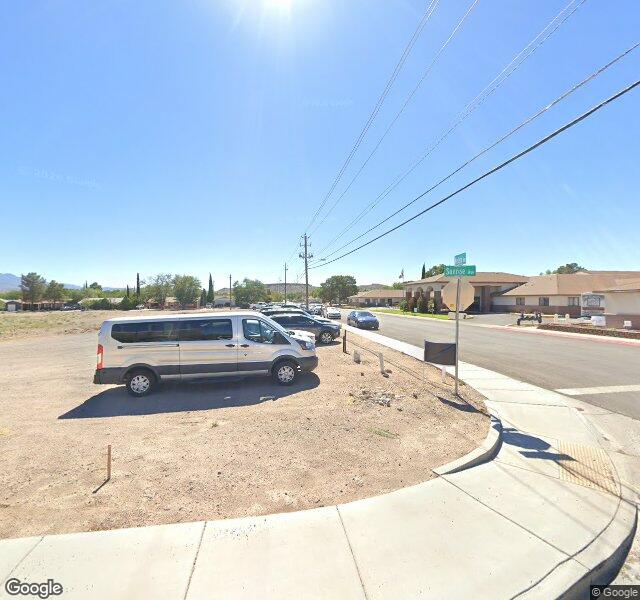
1099 Sunrise Avenue, Kingman, AZ 86401View map (opens in a new tab)
Overview and key essentials
Medicare overall
2/ 5 stars
Inspections 2/5Staffing 4/5
Size & payment
88 beds
Medicaid & Medicare listed
Medicare findings to follow up on
Inspection records →Abuse citation on record
2 reported items to discuss
- Low overall rating (2/5 stars)
- Low health inspection rating (2/5 stars)
Important items to verify
Carries a Medicare abuse citation on record. Check the inspection history below and confirm what corrective steps are complete.
Families praise: Compassionate, family-like care
Worth asking: Chronic understaffing leading to slow response times (mentioned by 3 reviewers)
Cost, payment & care details
Updated Nov 28, 2026| Health inspections | 2 / 5 | Low health inspection rating. |
|---|---|---|
| Quality measures | 3 / 5 | Medicare component rating |
| Staffing rating | 4 / 5 | Medicare component rating |
| Monthly cost | Not published | Ask for the full monthly cost, including care fees and one-time charges. |
| Payment options | MedicaidMedicare | Participation is reported in our source data. Confirm eligibility, covered services, and any private-pay costs. Medicare participation generally covers short-term rehabilitation, not long-term custodial stays. |
| Size & availability | 88 beds | We don't publish live openings. Ask about current availability, waitlist length, and move-in timing. Resident councilAutomatic sprinklers |
| Care & support | Nursing home | Provides nursing care and help with daily activities. Some offer short-term rehabilitation. What to confirm about care levelsThis describes the licensed category. Ask how care plans adjust if mobility, nursing, or memory needs change over time. Read the family care guide → |
Safety screening & compliance
Fire safety, federal screening & immunization
HHS OIG LEIE: Clear (2026-11-27)OIG database ↗ (opens in a new tab)
Fire safety inspections (K-tags)
Last survey 2026-07-093-year citations
1
1 total
Severe harm (G–L)
0
None cited
Sprinkler & alarm
1
Suppression tags
Exits & drills
0
Egress tags
Top areas:Smoke Deficiencies (1)
AZ nursing home vaccination benchmarks (CDC NHSN)
Statewide benchmark (week ending 2026-03-29). Confirm this home's own rate on your tour.
Flu
38%
US 59%
COVID-19
22%
US 36%
RSV
13%
US 24%
Public Google reviews
What families say
The Lingenfelter Center receives highly polarized feedback, with some families praising the staff for treating residents like family and maintaining a dignified environment. However, other reviewers report significant concerns regarding chronic understaffing, poor communication, and cleanliness issues. Potential families should be aware of the stark contrast between those who feel their loved ones are well-cared for and those who describe a neglectful, disorganized facility.
What families praise
- Compassionate, family-like care
- Respectful treatment of residents
- Strong focus on dignity
- Effective management of health protocols
Concerns to ask about
- Chronic understaffing leading to slow response times (mentioned by 3 reviewers)
- Poor communication and lack of administrative accountability (mentioned by 2 reviewers)
- Cleanliness and hygiene issues (mentioned by 2 reviewers)
Topics families mention
0–10 review sentiment · tap to readStaff warmth & care6.0
Reviews are split between praise for caring, knowledgeable staff and complaints about understaffing and poor treatment of employees.
Communication2.0
Reviewers reported difficulty reaching staff and receiving callbacks regarding patient status.
Cleanliness5.0
While one reviewer describes the facility as very clean, another explicitly claims it smells like it is never cleaned.
Food & dining10.0
One reviewer specifically noted that their mother is well fed.
Daily activities10.0
A reviewer mentioned that their mother is kept entertained.
Memory care6.0
Experiences vary significantly, with some families expressing deep gratitude for dementia care and others citing neglect.
Star breakdown
18 analyzed5 stars9 (50%)
4 stars2 (11%)
3 stars1 (6%)
2 stars1 (6%)
1 star5 (28%)
Mixed experiences: Both 5-star praise and 1–2 star warnings appear regularly.
Federal rating trajectory
Recent rating, staffing & turnover trends
Month-by-month Medicare Care Compare trajectory across 7 federal releases (Mar '26 – Oct '26), showing whether star ratings, staffing hours, and turnover are improving or declining.
Overall star rating
2★Steady
Was 2★ in Mar '26
Staffing star rating
4★+1★
Was 3★ in Mar '26
Total nurse hrs / day
3.49h+0.13h
Was 3.36h in Mar '26
Total staff turnover
47.4%-4.5%
Was 51.9% in Mar '26
View 7-month federal snapshot history (Mar '26 – Oct '26)
| Release | Overall | Health | Staffing | Nurse hrs/day | RN hrs/day | Turnover | Penalties |
|---|---|---|---|---|---|---|---|
| Oct '26 | 2★ | 2★ | 4★ | 3.49h | 0.49h | 47.4% | 0 |
| Aug '26 | 2★ | 2★ | 4★ | 3.72h | 0.58h | 46.4% | 0 |
| Jul '26 | 2★ | 2★ | 4★ | 3.72h | 0.58h | 46.4% | 0 |
| Jun '26 | 2★ | 2★ | 4★ | 3.51h | 0.62h | 48.5% | 0 |
| May '26 | 2★ | 2★ | 4★ | 3.51h | 0.62h | 48.5% | 0 |
| Apr '26 | 2★ | 2★ | 4★ | 3.51h | 0.62h | 48.5% | 0 |
| Mar '26 | 2★ | 2★ | 3★ | 3.36h | 0.67h | 51.9% | 0 |
Nursing coverage
Staffing & nurse time
Medicare reports daily staffing as average hours per resident across all shifts. Ask how coverage changes overnight and on weekends.
Registered nurses (RN)
~29 min / resident / day
0.49 hrs / day
Reference target: 0.75 hrs (~45 min)
All nursing staff (RNs, LPNs & aides)
~3 hrs 30 min / resident / day
3.49 hrs / day
Reference target: 4.10 hrs (~4 hrs 6 min)
Annual staff turnover
Share of nursing staff who left during the reporting year.
47%Moderate
Registered nurse (RN) turnover
Share of registered nurses who left during the reporting year.
33%Moderate
Daily payroll stability (CMS PBJ)
2026Q2 · 91 reported daysWeekend staffing change
−12.9%
3.63 wkday → 3.16 wkend hrs
Agency / contract nurses
5.4%
Share of total nursing hours
Days with zero RN hours
0 / 91 days
RN logged every reported day
About staffing reference targets
EveryPlace uses comparison reference points of 0.75 registered-nurse hours and 4.1 total nursing hours per resident per day. These are research comparison guides, not current federal minimum requirements.
Medicare claims & readmissions
Hospital readmissions & resident profile
Medicare readmissions (FY 2026)
Penalty (-1.48%)VBP score
28.9/100
National rank
#7,723
Financial & ownership transparency
Ownership, chain record & Medicare cost report
Ownership & corporate structure
for profitNo PE / REIT disclosed
Medicare cost report (FY2024)
Revenue: $9.0MNet margin
+96.5%
Resident day payer mixShare of total inpatient days
Medicaid 86%Medicare 1%Private & other 13%
Clinical outcomes
Care quality measures
17 Medicare outcomes compared with national, state, and local averages · Medicare quality rating 3/5
| Measure | Here | US | AZ | Mohave | Compared with averages |
|---|---|---|---|---|---|
| Residents on antipsychotic medicationLower is better | Here 41.7% | US 15.4% | AZ 10.6% | Mohave 11.5% | Worse than avg |
| Residents needing more daily help over timeLower is better | Here 38.9% | US 13.5% | AZ 10.6% | Mohave 15.5% | Worse than avg |
| Residents whose walking got worseLower is better | Here 26.7% | US 12.7% | AZ 11.7% | Mohave 24.3% | Worse than avg |
| Measure | Here | US | AZ | Mohave | Compared with averages |
|---|---|---|---|---|---|
| Short-stay residents vaccinated for the fluHigher is better | Here 100.0% | US 80.1% | AZ 87.9% | Mohave 94.9% | Better than avg |
| Short-stay residents vaccinated for pneumoniaHigher is better | Here 98.5% | US 82.3% | AZ 92.6% | Mohave 97.0% | Better than avg |
| Short-stay residents newly given antipsychoticsLower is better | Here 3.2% | US 1.5% | AZ 1.1% | Mohave 0.3% | Worse than avg |
Show all 17 measures
| Measure | Here | US | AZ | Mohave | Compared with averages |
|---|---|---|---|---|---|
| Residents with depression symptomsLower is betterVaries widely based on how each facility screens and codes depressive symptoms. | Here 0.0% | US 13.5% | AZ 3.7% | Mohave 1.4% | Better than avg |
| Residents on anti-anxiety or sleep medicationLower is better | Here 26.8% | US 19.5% | AZ 21.4% | Mohave 17.4% | Worse than avg |
| Residents vaccinated for pneumoniaHigher is better | Here 99.7% | US 93.7% | AZ 96.8% | Mohave 98.5% | Better than avg |
| Residents who fell and were seriously hurtLower is better | Here 8.1% | US 3.2% | AZ 2.3% | Mohave 2.3% | Worse than avg |
| Residents whose bladder or bowel control got worseLower is better | Here 23.8% | US 18.3% | AZ 20.3% | Mohave 21.1% | Worse than avg |
| Residents vaccinated for the fluHigher is better | Here 100.0% | US 95.3% | AZ 94.7% | Mohave 99.1% | Better than avg |
| Residents who lost too much weightLower is better | Here 0.7% | US 5.1% | AZ 5.4% | Mohave 1.6% | Better than avg |
| Residents with pressure sores (bedsores)Lower is better | Here 2.3% | US 4.5% | AZ 4.3% | Mohave 6.3% | Better than avg |
| Residents who got a urinary tract infectionLower is better | Here 0.0% | US 1.5% | AZ 1.2% | Mohave 1.9% | Better than avg |
| Residents with a long-term catheterLower is better | Here 0.7% | US 0.7% | AZ 0.7% | Mohave 2.4% | Better than avg |
| Residents who were physically restrainedLower is better | Here 0.0% | US 0.1% | AZ 0.3% | Mohave 0.0% | Better than avg |
Federal oversight
Medicare inspection history
23findings (3-yr lookback)
7complaint-triggered
The Lingenfelter Center has concerning patterns of deficiencies, particularly with resident protection from abuse and neglect, which prompted six family complaints and appears repeatedly across multiple surveys from 2024-2025. Other recurring issues involve care planning, medication management, and safety supervision. While all violations show correction dates, the repeated abuse protection failures and high volume of family-filed complaints raise significant care quality concerns that families should carefully consider.
Jul 9, 2026Routine4 findings
0363Potential for harm, patternCorrected Mar 23, 2026
Smoke Deficiencies
Install corridor and hallway doors that block smoke.
0583Potential for harm, isolatedCorrected Jul 29, 2026
Resident Rights Deficiencies
Keep residents' personal and medical records private and confidential.
0689Potential for harm, isolatedCorrected Jul 29, 2026
Quality of Life and Care Deficiencies
Ensure that a nursing home area is free from accident hazards and provides adequate supervision to prevent accidents.
0757Potential for harm, isolatedCorrected Jul 29, 2026
Pharmacy Service Deficiencies
Ensure each resident’s drug regimen must be free from unnecessary drugs.
Apr 8, 2026Complaint1 finding
0600Potential for harm, isolatedCorrected Apr 29, 2026
Freedom from Abuse, Neglect, and Exploitation Deficiencies
Protect each resident from all types of abuse such as physical, mental, sexual abuse, physical punishment, and neglect by anybody.
May 15, 2025Complaint1 finding
0600Potential for harm, isolatedCorrected Jun 30, 2025
Freedom from Abuse, Neglect, and Exploitation Deficiencies
Protect each resident from all types of abuse such as physical, mental, sexual abuse, physical punishment, and neglect by anybody.
Nov 14, 2024Complaint2 findings
0600Potential for harm, isolatedCorrected Jan 31, 2025
Freedom from Abuse, Neglect, and Exploitation Deficiencies
Protect each resident from all types of abuse such as physical, mental, sexual abuse, physical punishment, and neglect by anybody.
0689Potential for harm, isolatedCorrected Jan 31, 2025
Quality of Life and Care Deficiencies
Ensure that a nursing home area is free from accident hazards and provides adequate supervision to prevent accidents.
Show all 9 inspections
Jun 6, 2024Routine11 findings
0732Potential for harm, patternCorrected Jun 17, 2024
Nursing and Physician Services Deficiencies
Post nurse staffing information every day.
0622Potential for harm, isolatedCorrected Jun 26, 2024
Resident Rights Deficiencies
Not transfer or discharge a resident without an adequate reason; and must provide documentation and convey specific information when a resident is transferred or discharged.
0657Potential for harm, isolatedCorrected Jun 26, 2024
Resident Assessment and Care Planning Deficiencies
Develop the complete care plan within 7 days of the comprehensive assessment; and prepared, reviewed, and revised by a team of health professionals.
0658Potential for harm, isolatedCorrected Jun 26, 2024
Resident Assessment and Care Planning Deficiencies
Ensure services provided by the nursing facility meet professional standards of quality.
0680Potential for harm, isolatedCorrected Jul 11, 2024
Quality of Life and Care Deficiencies
Ensure the activities program is directed by a qualified professional.
0695Potential for harm, isolatedCorrected Jun 26, 2024
Quality of Life and Care Deficiencies
Provide safe and appropriate respiratory care for a resident when needed.
0740Potential for harm, isolatedCorrected Jul 1, 2024
Quality of Life and Care Deficiencies
Ensure each resident must receive and the facility must provide necessary behavioral health care and services.
0755Potential for harm, isolatedCorrected Jun 26, 2024
Pharmacy Service Deficiencies
Provide pharmaceutical services to meet the needs of each resident and employ or obtain the services of a licensed pharmacist.
0812Potential for harm, isolatedCorrected Jun 28, 2024
Nutrition and Dietary Deficiencies
Procure food from sources approved or considered satisfactory and store, prepare, distribute and serve food in accordance with professional standards.
0814Potential for harm, isolatedCorrected Jun 28, 2024
Nutrition and Dietary Deficiencies
Dispose of garbage and refuse properly.
0908Potential for harm, isolatedCorrected Jun 28, 2024
Environmental Deficiencies
Keep all essential equipment working safely.
Jun 6, 2024Complaint1 finding
0600Potential for harm, isolatedCorrected Jun 26, 2024
Freedom from Abuse, Neglect, and Exploitation Deficiencies
Protect each resident from all types of abuse such as physical, mental, sexual abuse, physical punishment, and neglect by anybody.
May 15, 2024Complaint1 finding
0609Potential for harm, isolatedCorrected May 29, 2024
Freedom from Abuse, Neglect, and Exploitation Deficiencies
Timely report suspected abuse, neglect, or theft and report the results of the investigation to proper authorities.
Mar 27, 2024Complaint1 finding
0600Potential for harm, isolatedCorrected Aug 12, 2024
Freedom from Abuse, Neglect, and Exploitation Deficiencies
Protect each resident from all types of abuse such as physical, mental, sexual abuse, physical punishment, and neglect by anybody.
Feb 23, 2023Routine1 finding
0658Potential for harm, isolatedCorrected May 3, 2023
Resident Assessment and Care Planning Deficiencies
Ensure services provided by the nursing facility meet professional standards of quality.
State licensing
State inspection history
13inspections
34deficiencies listed
Feb 19, 2026Other1 deficiency reported1
1 deficiency reported
View official state report (opens in a new tab)
NFPA 101 FederalCorrected Mar 23, 2026
Based on observation and interview, the facility failed to provide corridor doors in accordance with the requirements of NFPA 101 - 2012 edition, Sections 19.3.6, 19.3.6.3, and 19.3.6.3.10. This deficient practice could affect all residents and staff in the affected area.Â
Nov 17, 2025Complaint1 deficiency reported1
1 deficiency reported
View official state report (opens in a new tab)
The Risk-Based complaint survey was conducted November 17, 2025, through November 19, 2025, for investigation of intakes #s: AZ00173325/2276800; AZ00181284/2276810; AZ00174025/2276885; AZ00175113/2276886; AZ00178439/2276893; AZ00179694/2276894; AZ00181451/2276895; AZ00181592/2276896; AZ00150731/2276806; AZ00168586/2276811; AZ00162637/2276882; AZ00173057/2276883; AZ00173345/2276884; AZ00175252/2276888; AZ00175358/2276889; AZ00182559/2276897. The following deficiencies were cited:
An administrator shall ensure that: R9-10-410.B.3. A resident is not subjected to: R9-10-410.B.3.a. Abuse;R9-10-410.B.3.a.Corrected Jan 5, 2026
Based on interviews, record review, observations, and facility policy, the facility failed to protect the rights of 10 residents to be free from abuse by another resident, and failed to protect the rights of 3 residents to be free from abuse by staff. The deficient practice could result in residents being abused by other residents or staff.Â
Oct 1, 2025ComplaintNo deficiencies reportedNone
No deficiencies reported
View official state report (opens in a new tab)
The investigation of complaint 00145547 was conducted on October 1, 2025. There were no deficiencies cited.
May 14, 2025Complaint2 deficiencies reported2
2 deficiencies reported
View official state report (opens in a new tab)
An onsite complaint survey was conducted on May 14, 2025 through May 15, 2025 for the investigation of intake #00130713, 00130625 and 00130632 . The following deficiencies were cited:
An administrator shall ensure that: R9-10-410.B.3. A resident is not subjected to: R9-10-410.B.3.a. Abuse;R9-10-410.B.3.a.Corrected Jun 30, 2025
Violation cited
12 Freedom from Abuse, Neglect, and Exploitation The resident has the right to be free from abuse, neglect, misappropriation of resident property, and exploitation as defined in this subpart. This inFree from Abuse and Neglect - 0600 FederalCorrected Jun 30, 2025
Violation cited
Mar 11, 2025ComplaintNo deficiencies reportedNone
No deficiencies reported
View official state report (opens in a new tab)
An onsite complaint survey was conducted on March 11 through March 12, 2025 for the investigation of intake # 00120749, 00121382, 00121381. There were no deficiencies cited
Show all 13 inspections
Jan 6, 2025ComplaintNo deficiencies reportedNone
No deficiencies reported
View official state report (opens in a new tab)
The complaint survey was conducted on January 6, 2025 through January 6, 2025 with the investigation of complaints AZ00220841 and AZ00220812. No deficiencies were cited.
Dec 11, 2024ComplaintNo deficiencies reportedNone
No deficiencies reported
View official state report (opens in a new tab)
A complaint survey was conducted on December 11, 2024 for the investigation of intake #AZ00219750. There were no deficiencies cited.
Nov 13, 2024Complaint2 deficiencies reported2
2 deficiencies reported
View official state report (opens in a new tab)
A complaint survey was conducted on November 13 through November 14, 2024 for the investigation of intake # AZ00212649, AZ00218186, AZ00218308 . There were deficiencies cited.
An administrator shall ensure that a care plan for a resident:R9-10-414.B.3.b.Corrected Jan 31, 2025
Based on clinical record review, facility documentation, and staff interviews, the facility failed to ensure two residents (#3 and #4) were provided adequate supervision to prevent resident abuse. Findings include: -Resident # 3 (alleged perpetrator) was admitted to the facility on October 29, 2024 which include diagnoses of Hypertension, Diabetes Mellitus, Non-Alzheimer's Dementia, and Post Traumatic Stress Disorder (PTSD). Review of plan of care document titled, Standard Care Plans, dated October 29, 2024 revealed resident has confusion-poor decision making related to cognitive impairment, limited mental function and disease process. The interventions include reorient to situations as needed, anticipate needs, observe for signs and symptoms of disease, administer medications as ordered, observe for side effects and effectiveness, and note changes and notify medical doctor as needed. Review of plan of care document titled, Standard Care Plans, dated October 29, 2024 revealed resident has unsafe wandering. The interventions include monitor for any needed interventions such as alarms; monitor closely, 30 minutes safety checks as needed; notify for increased restlessness; anticipate needs such as thirst, hunger, and need to toilet; monitor for patterns and redirect to safe areas. Review of plan of care document titled, Standard Care Plans, dated October 29, 2024 revealed resident exhibits negative physical behavior manifested by hitting, kicking, spitting, pinching or biting towards others-strikes/hits/pinches/attempts to bite/scratch staff when they assist with activities of daily living or administer medications. The interventions include remove person from situation if begins to show signs of agitation in public place, remind calmly about the necessity to refrain from physical acting out. Review of plan of care document titled, Standard Care Plans, dated October 29, 2024 revealed resident require supervision and redirection from staff related to behaviors such as delusional thoughts, paranoia, verbal and physical aggression, accusatory statements, wandering, rejection of cares, agitation, and anxiousness. Review of plan of care document titled, Standard Care Plans, dated October 30, 2024 at 23:30, resident #3 was in a resident to resident altercation, resident #3 was the aggressor. The interventions included one on one conversation, reapproach, watching television, assess for injuries, and psych consult. Review of record, Medication Administration Record (MAR) dated October 31, 2024 at 01:35 revealed resident was administered Haldol and Ativan for signs and symptoms of clinical distress related to anxiety-pacing, unprovoked physical aggression-punching, short tempered and irritable, paranoia and delusions of believing resident is at home and others are intruders. Review of records from progress note titled physician's order note dated October 31, 2024 at 02:57 revealed resident-resident altercation, psych eval. Review of records from progress no
An administrator shall ensure that:R9-10-410.B.3.a.Corrected Jan 31, 2025
Based on clinical record review, facility documentation, and staff interviews, the facility failed to ensure two residents (#3 and #4) were provided adequate supervision to prevent resident abuse. Findings include: -Resident # 3 (alleged perpetrator) was admitted to the facility on October 29, 2024 which include diagnoses of Hypertension, Diabetes Mellitus, Non-Alzheimer's Dementia, and Post Traumatic Stress Disorder (PTSD). Review of plan of care document titled, Standard Care Plans, dated October 29, 2024 revealed resident has confusion-poor decision making related to cognitive impairment, limited mental function and disease process. The interventions include reorient to situations as needed, anticipate needs, observe for signs and symptoms of disease, administer medications as ordered, observe for side effects and effectiveness, and note changes and notify medical doctor as needed. Review of plan of care document titled, Standard Care Plans, dated October 29, 2024 revealed resident has unsafe wandering. The interventions include monitor for any needed interventions such as alarms; monitor closely, 30 minutes safety checks as needed; notify for increased restlessness; anticipate needs such as thirst, hunger, and need to toilet; monitor for patterns and redirect to safe areas. Review of plan of care document titled, Standard Care Plans, dated October 29, 2024 revealed resident exhibits negative physical behavior manifested by hitting, kicking, spitting, pinching or biting towards others-strikes/hits/pinches/attempts to bite/scratch staff when they assist with activities of daily living or administer medications. The interventions include remove person from situation if begins to show signs of agitation in public place, remind calmly about the necessity to refrain from physical acting out. Review of plan of care document titled, Standard Care Plans, dated October 29, 2024 revealed resident require supervision and redirection from staff related to behaviors such as delusional thoughts, paranoia, verbal and physical aggression, accusatory statements, wandering, rejection of cares, agitation, and anxiousness. Review of plan of care document titled, Standard Care Plans, dated October 30, 2024 at 23:30, resident #3 was in a resident to resident altercation, resident #3 was the aggressor. The interventions included one on one conversation, reapproach, watching television, assess for injuries, and psych consult. Review of record, Medication Administration Record (MAR) dated October 31, 2024 at 01:35 revealed resident was administered Haldol and Ativan for signs and symptoms of clinical distress related to anxiety-pacing, unprovoked physical aggression-punching, short tempered and irritable, paranoia and delusions of believing resident is at home and others are intruders. Review of records from progress note titled physician's order note dated October 31, 2024 at 02:57 revealed resident-resident altercation, psych eval. Review of records from progress no
Jun 17, 2024OtherNo deficiencies reportedNone
No deficiencies reported
View official state report (opens in a new tab)
42 CFR483.41 (a) Nursing Home The facility must meet the applicable provisions of the 2012 Edition of the Life Safety Code of the National Fire Protection Association. This is a recertification survey for Medicare under LSC 2012, Chapter 19 existing nursing home. The entire facility was surveyed on June 17, 2024. The facility meets the standards, based upon compliance with all provisions of the standards No apparent deficiencies were found during the survey.
Jun 3, 2024Complaint24 deficiencies reported24
24 deficiencies reported
View official state report (opens in a new tab)
The Recertification survey was conducted on June 3, 2024 through June 6, 2024, in conjunction with complaints AZ00204996, AZ00206267, and AZ00206629. The census was 85. The following deficiencies were cited:
Except for a transfer of a resident due to an emergency, an administrator shall ensure that:R9-10-408.C.2.b.Corrected Jun 26, 2024
Based on clinical record review, staff interviews, and review of facility policies and procedures, the facility failed to ensure one resident's (#70) clinical record included the required information for discharge. Findings include: Resident #70 was admitted on September 8, 2023 with diagnosis including recurrent major depressive disorder, pneumonia, dementia with mood disturbance, agitation and psychotic disturbance, anemia, wandering, insomnia and hypertension. A review of the electronic health record for resident #70 revealed two short-term unplanned hospital discharges, one on November 7, 2023 and the other on February 12, 2024. A review of the quarterly MDS (minimum data set) dated March 15, 2024 revealed a BIMS (brief interview of mental status) score of 3, suggesting severe cognitive impairment. A review of the progress notes revealed that notifications for both of the aforenoted hospital discharges transpired timely. A progress noted dated November 7, 2023 revealed a communication entry noting that the nurse had call the resident's doctor and notify him of what had happened, vital signs, and signs/ symptoms the resident was experiencing. A review of the physician orders revealed an order on February 12, 2024 noting that the resident is to be sent to 'KRMC' (Kingman Regional Medical Center). However, there was no evidence of a physician order evident for the hospitalization on November 7, 2023. An interview was conducted on May 5, 2024 at 12:15 P.M. with staff #1 , CNA (certified nursing assistants). Staff #1 stated that generally CNA's ready the resident for discharge and the nurses conduct the notifications, to include notifying the doctor and obtaining the necessary orders. Staff #1 stated that there is a guide available that breaks down the steps to make sure nothing is missed. An interview was conducted on June 6, 2024 at 12:23 PM with staff #101, LPN (licensed practical nurse). Staff #101 stated that an order is required any time that a resident is transferred out of the facility and that this would include hospitalizations. Staff #101 further stated that notification of family, case manager and doctor also needed to transpire and that the notifications are generally done by the charge nurse. Staff #101 stated that the facility has a resource binder on each hall that contains a step by step process on what need to happen for a hospitalization to include who is responsible for what step of the process. She stated that if it's an emergent situation, that the order might not immediately be noted in the record but should within a few days of the transfer to the hospital. An interview was conducted on June 6, 2024 at 12:42 P.M. with staff #19, DON (director of nursing). Staff #19 stated that the facility was unable to find the physician order for the hospital transfer on November 7, 2023. She stated that the expectation would be that an order is in place for each hospital transfer. She stated that the nursing staff have a guide in place t
45 Pharmacy Services483.45(a)(b)(1)-(3)Corrected Jun 26, 2024
Based on observation, staff interview, facility policy and procedure review, the facility failed to ensure that four medications were disposed of in accordance with professional standards of practice. The deficient practice could result in medications not being disposed properly. The sample was 25 medication administrations observed. Findings include: During the medication pass observation with a licensed practical nurse (LPN/staff #47) conducted on June 5, 2024 at 7:10 a.m., the LPN attempted to administer 5 medications to a resident. The resident ended up spitting out the Aspirin and Docusate Sodium back into the medicine cup. The LPN then went back to the nurse's station and threw the medicine cup containing the two medicine in the trash can. In another medication administration observation with staff #47 conducted on June 5, 2024 at 7:17 a.m., the LPN dropped one of the two Depakote (anticonvulsant) 125 mg (milligram) capsule on to the top of the medication cart. She then picked up the dropped capsule off the top of the medication cart and disposed of it with the other capsule in the trash can in the nurse's station. An interview was conducted with a LPN (staff #47) on June 5, 2024 at 7:17 a.m., staff #47 stated that she had to waste the first set (blister pack) of Depakote since one of the capsule fell on the medication cart. During an interview with a Licensed Practical Nurse (LPN/staff #93) conducted on June 5, 2024 at 8:42 a.m., staff #93 stated that non-narcotic drugs are wasted by throwing in the trash or sharps container. If not, MedSafe is used at the end of the Med Pass (Medication Pass) to get rid of medications that was refused by resident or fell to the floor or medication cart counter. An interview was conducted with a LPN (staff #101) on June 6, 2024 at 9:30 a.m. Staff #101 stated that they have a gray box in the conference room and that is where they dispose of medication. The LPN said that typically mediation disposal is done by two nurses. Usually the DON and the QA (Quality Assurance) nurse will take the unused/expired meds and dispose of them. Staff #101 said that if during Med Pass, medication is observed that needs to be disposed of, they call supervisor and will call pharmacy to get updated meds. The LPN said that if a resident refused meds, try a second approach. If the resident does not take the meds on the re-approach, then dispose of it in the sharp container or "sand stuff" if the meds are crushed and then throw it in the garbage. If meds are intact, throw in sharps container only. Staff #101 said never throw full pills in the garbage since you never know who could take it. During an interview with the Director of Nursing (DON/staff #19) conducted on June 6, 2024 at 1:41 p.m., staff #19 stated that her expectation is that staff use MedSafe bin if they have expired meds or have to dispose medication. The DON said that if the medication needing to be disposed/destructed is a narcotic, then two nurses have to be presen
60(i)(4)- Dispose of garbage and refuse properly.483.60(i)(4)Corrected Jun 28, 2024
Based on observation, staff interviews, and the facility policy and procedures, the facility failed to ensure that garbage/refuse was disposed of properly. The deficient practice could attracted rodents and pests. Findings include: On June 3, 2024 at 11:25 a.m. the initial tour of the kitchen was conducted with the Director of Nutritional Services (staff #72). During a demonstration of the high temperature dishwasher, two cockroaches were observed running on floor from the dishwasher to under the sink. Staff #72 told a male staff to get the cockroaches and the male staff used a paper towel to pick the cockroaches up. Then a tour of the garbage/refuse area was conducted and a large grease trap was observed to the right of the garbage dumpster. Grease was dripping on the ground and a large area of the ground was covered with grease. Small particles of food and grease could also be seen on the grease trap. Staff #72 stated that the the grease was dripping onto the ground and the small particles were food, which created a risk of attracting bugs. An interview was conducted on June 6, 2024 at 1:45 p.m. with the - Interview with Administrator (staff #103), who stated that staff #72 showed her the grease trap and she got staff to clean the ground, grates and the round cylinder. She stated that it is her expectation that staff #72 keeps it clean by by having dietary clean the grease trap and the groundskeeper clean the ground. Staff #103 agreed that a dirty grease trap could attract bugs. The facility policy, "Garbage Disposal" dated June 1, 2020 states that garbage containing food wastes will be stored in a manner that is inaccessible to pests. Storage areas will be kept clean at all times, and shall not constitute a nuisance.
12 Freedom from Abuse, Neglect, and Exploitation483.12(a)(1)Corrected Jun 26, 2024
Based on documentation, staff interviews, and the facility policy and procedures, the facility failed to ensure that resident (#69) to resident (#25) abuse did not occur with two residents. The deficient practice could result in residents being physically and emotionally injured. Findings include: Resident #69 was admitted to the facility on November 7, 2023 with diagnoses that included dementia in other diseases classified elsewhere, severe, with behavioral, mood, and psychotic disturbance. The minimum data set (MDS) dated September 21, 2023 included a brief interview for mental status score of 7 indicating the resident had a severe cognitive impairment. A progress note dated December 2, 2023 revealed that the resident wandered about the unit approaching others' personal space and attempted to push residents who were in their wheelchairs and Geri chairs around. A progress note dated December 4, 2023 revealed that the resident was observed rapidly pacing around the unit. She was moving furniture and other residents. She appeared to be talking to people who weren't there. The care plan dated December 20, 2023 revealed that the resident engages in unsafe wandering related to a decline in cognitive status, poor decisions, puts her at risk of falling during elopement attempts or upsetting other residents. Interventions included to monitor for any needed interventions such as alarms, etc. Monitor closely, and 30-minute safety checks as needed. Monitor the resident's patterns and redirect her to safe areas. Progress notes dated December 21, 2023 revealed that the resident wanders aimlessly or non-goal directed. Wandering behavior is likely to affect the safety or well-being of self and others. Wandering behavior is likely to affect the privacy of others. Progress note dated December 29, 2023 revealed that the resident entered another resident's room and the other resident started to yell at her to leave her room. Progress note dated January 8, 2024 revealed that the resident was wandering in the dining room and talking out loud. Another resident pulled resident #69 down and the two residents began yelling loudly and grabbing each others arms. The two residents were separated. Resident #69 did not have any injuries. A behavior care plan note dated January 8, 2024 revealed that the resident was a victim in a resident to resident altercation. Provide the resident with a psych consultation for increased behaviors. -Resident #25 was admitted to the facility on November 8, 2022 with diagnoses that included unspecified dementia with anxiety, major depressive disorder, and a delusional disorder. The care plan dated November 8, 2022 revealed that the resident exhibits negative physical behavior manifested by: hitting, kicking, spitting, pinching or biting towards others. She strikes out, hits, pinches, and attempts to bite/scratch staff when they assist with activities of daily living (ADLs) or administer medications. Interventions included to provide a calm, n
An administrator shall ensure that:R9-10-403.C.2.d.Corrected Jun 26, 2024
Based on observation, staff interview, facility policy and procedure review, the facility failed to ensure that four medications were disposed of in accordance with professional standards of practice. Findings include: During the medication pass observation with a licensed practical nurse (LPN/staff #47) conducted on June 5, 2024 at 7:10 a.m., the LPN attempted to administer 5 medications to a resident. The resident ended up spitting out the Aspirin and Docusate Sodium back into the medicine cup. The LPN then went back to the nurse's station and threw the medicine cup containing the two medicine in the trash can. In another medication administration observation with staff #47 conducted on June 5, 2024 at 7:17 a.m., the LPN dropped one of the two Depakote (anticonvulsant) 125 mg (milligram) capsule on to the top of the medication cart. She then picked up the dropped capsule off the top of the medication cart and disposed of it with the other capsule in the trash can in the nurse's station. An interview was conducted with a LPN (staff #47) on June 5, 2024 at 7:17 a.m., staff #47 stated that she had to waste the first set (blister pack) of Depakote since one of the capsule fell on the medication cart. During an interview with a Licensed Practical Nurse (LPN/staff #93) conducted on June 5, 2024 at 8:42 a.m., staff #93 stated that non-narcotic drugs are wasted by throwing in the trash or sharps container. If not, MedSafe is used at the end of the Med Pass (Medication Pass) to get rid of medications that was refused by resident or fell to the floor or medication cart counter. An interview was conducted with a LPN (staff #101) on June 6, 2024 at 9:30 a.m. Staff #101 stated that they have a gray box in the conference room and that is where they dispose of medication. The LPN said that typically mediation disposal is done by two nurses. Usually the DON and the QA (Quality Assurance) nurse will take the unused/expired meds and dispose of them. Staff #101 said that if during Med Pass, medication is observed that needs to be disposed of, they call supervisor and will call pharmacy to get updated meds. The LPN said that if a resident refused meds, try a second approach. If the resident does not take the meds on the re-approach, then dispose of it in the sharp container or "sand stuff" if the meds are crushed and then throw it in the garbage. If meds are intact, throw in sharps container only. Staff #101 said never throw full pills in the garbage since you never know who could take it. During an interview with the Director of Nursing (DON/staff #19) conducted on June 6, 2024 at 1:41 p.m., staff #19 stated that her expectation is that staff use MedSafe bin if they have expired meds or have to dispose medication. The DON said that if the medication needing to be disposed/destructed is a narcotic, then two nurses have to be present to put it in the MedSafe. Staff #19 stated that MedSafe is where medication have to be disposed/destructed. The DON indicated that th
An administrator shall ensure that:R9-10-423.A.3.b.Corrected Jun 26, 2024
Based on observations, staff interviews, and the facility policy and procedures, the facility failed to maintain a safe and sanitary kitchen. Findings include: On June 3, 2024 at 11:25 a.m. the initial tour of the kitchen was conducted with the Director of Nutritional Services (staff #72). During the tour of the large walk-in refrigerator, a one-pound box of strawberries was observed to have one strawberry with a fuzzy white patch approximately 1 inch by .5 inch. Staff #72 stated that the patch was mold and removed the box of strawberries from the refrigerator. She stated that it is everyone's responsibility to monitor the food and remove old food as needed. There was also a one-pound bag of green grapes that contained one brown grape, and a box of twenty-six green peppers that appeared shriveled and wilted. She stated that the peppers were not good. During a demonstration of the high temperature dishwasher, two cockroaches were observed running on floor from the dishwasher under the sink. Staff #72 told a male staff to get the cockroaches and the male staff used a paper towel to pick the cockroaches up. An interview was conducted on June 6, 2024 at 1:45 p.m. with the Administrator (staff #103), who stated that she supervises staff #72 and it is expectation that staff #72 ensures that quality checks are done daily to ensure that the food is fresh and maintains nutritive value. She also stated that staff #72 should be ensuring that her staff are a part of the process and removing rotten, spoiled, and food that is not fresh. She stated that there is a potential risk of food borne illness if spoiled and/or food that it not fresh is served to the residents. The facility policy, "Food Storage and Date Marking" states that perishable food such as meat, poultry, fish, dairy products, fruits, vegetables, and frozen products must be frozen or stored in the refrigerator or freezer immediately after receipt to assure nutritive value and quality. Refrigerated foods should be stored upon delivery and careful rotation procedures should be followed.
24(c)(2) The activities program must be directed by a qualified professional who is a qualified therapeutic recreation specialist or an activities professional who-483.24(c)(2)(i)(ii)(A)-(D)Corrected Jul 11, 2024
Based on documentation, staff interviews, and facility policy and procedures, the facility failed to designate a qualified individual to provide recreational activities. The deficient practice could result in appropriate activities not being identified and assessed for the residents. Findings include: Review of the employee record revealed that staff #95 was: -employed by the facility on October 27, 2020 as an Activities Assistant. -employed by the facility on May 5, 2021, as the Director of Activities. -employed by the facility on May 15, 2023 as the Director of Life Enrichment. The employee record did not reveal a certification as an activities professional , or two years of prior experience in recreational activities prior to staff #95 being employed as the Director of Activities on May 5, 2021. Review of staff #95's resume revealed that staff #95: -received a high school diploma. -did not have prior experience in recreational activities. -did not have certification as an activities professional. An interview was conducted on June 5, 2024 at 8:30 a.m. with the Human Resource Director (HR/staff #130), who stated that the Director of Life Enrichment had not completed the certification for activities specialist. During an interview conducted on June 6, 2024 at 1:45 p.m. with the Administrator (staff #103), she stated that the Director of Life Enrichment (staff #95) requires certification and she is very close to finishing the training. Staff #103 was aware that staff #95 should have been certified as an activities specialist. The job description for the Director of Life Enrichment included the following education, experience, and training: -a high school diploma or its equivalent. -satisfactory completion of a training course for Life Enrichment Director approved by the Department of Health and Human Services or a qualified therapeutic recreation specialist or an activities professional certified by a recognized accrediting body or a qualified occupational therapist or occupational therapy assistant. -two years of experience in a social or recreational program approved by the Department of Health and Human Services within the last five years, one of which was full time in a resident activities program in a health care setting.
60(i) Food safety requirements.483.60(i)(1)(2)Corrected Jun 28, 2024
Based on observations, staff interviews, and the facility policy and procedures, the facility failed to maintain a safe and sanitary kitchen. The deficient practice could result in residents becoming ill. Findings include: On June 3, 2024 at 11:25 a.m. the initial tour of the kitchen was conducted with the Director of Nutritional Services (staff #72). During the tour of the large walk-in refrigerator, a one-pound box of strawberries was observed to have one strawberry with a fuzzy white patch approximately 1 inch by .5 inch. Staff #72 stated that the patch was mold and removed the box of strawberries from the refrigerator. She stated that it is everyone's responsibility to monitor the food and remove old food as needed. There was also a one-pound bag of green grapes that contained one brown grape, and a box of twenty-six green peppers that appeared shriveled and wilted. She stated that the peppers were not good. During a demonstration of the high temperature dishwasher, two cockroaches were observed running on floor from the dishwasher under the sink. Staff #72 told a male staff to get the cockroaches and the male staff used a paper towel to pick the cockroaches up. An interview was conducted on June 6, 2024 at 1:45 p.m. with the Administrator (staff #103), who stated that she supervises staff #72 and it is expectation that staff #72 ensures that quality checks are done daily to ensure that the food is fresh and maintains nutritive value. She also stated that staff #72 should be ensuring that her staff are a part of the process and removing rotten, spoiled, and food that is not fresh. She stated that there is a potential risk of food borne illness if spoiled and/or food that it not fresh is served to the residents. The facility policy, "Food Storage and Date Marking" states that perishable food such as meat, poultry, fish, dairy products, fruits, vegetables, and frozen products must be frozen or stored in the refrigerator or freezer immediately after receipt to assure nutritive value and quality. Refrigerated foods should be stored upon delivery and careful rotation procedures should be followed.
15(c) Transfer and discharge-483.15(c)(1)(i)(ii)(2)(i)-(iii)Corrected Jun 26, 2024
Based on clinical record review, staff interviews, and review of facility policies and procedures, the facility failed to ensure one resident's (#70) clinical record included the required information for discharge. The deficient practice could result in residents not having a safe and effective transition of care. Findings include: Resident #70 was admitted on September 8, 2023 with diagnosis including recurrent major depressive disorder, pneumonia, dementia with mood disturbance, agitation and psychotic disturbance, anemia, wandering, insomnia and hypertension. A review of the electronic health record for resident #70 revealed two short-term unplanned hospital discharges, one on November 7, 2023 and the other on February 12, 2024. A review of the quarterly MDS (minimum data set) dated March 15, 2024 revealed a BIMS (brief interview of mental status) score of 3, suggesting severe cognitive impairment. A review of the progress notes revealed that notifications for both of the aforenoted hospital discharges transpired timely. A progress noted dated November 7, 2023 revealed a communication entry noting that the nurse had call the resident's doctor and notify him of what had happened, vital signs, and signs/ symptoms the resident was experiencing. A review of the physician orders revealed an order on February 12, 2024 noting that the resident is to be sent to 'KRMC' (Kingman Regional Medical Center). However, there was no evidence of a physician order evident for the hospitalization on November 7, 2023. An interview was conducted on May 5, 2024 at 12:15 P.M. with staff #1 , CNA (certified nursing assistants). Staff #1 stated that generally CNA's ready the resident for discharge and the nurses conduct the notifications, to include notifying the doctor and obtaining the necessary orders. Staff #1 stated that there is a guide available that breaks down the steps to make sure nothing is missed. An interview was conducted on June 6, 2024 at 12:23 PM with staff #101, LPN (licensed practical nurse). Staff #101 stated that an order is required any time that a resident is transferred out of the facility and that this would include hospitalizations. Staff #101 further stated that notification of family, case manager and doctor also needed to transpire and that the notifications are generally done by the charge nurse. Staff #101 stated that the facility has a resource binder on each hall that contains a step by step process on what need to happen for a hospitalization to include who is responsible for what step of the process. She stated that if it's an emergent situation, that the order might not immediately be noted in the record but should within a few days of the transfer to the hospital. An interview was conducted on June 6, 2024 at 12:42 P.M. with staff #19, DON (director of nursing). Staff #19 stated that the facility was unable to find the physician order for the hospital transfer on November 7, 2023. She stated that the expectation would be that an or
An administrator shall ensure that:R9-10-410.B.3.a.Corrected Jun 26, 2024
Based on documentation, staff interviews, and the facility policy and procedures, the facility failed to ensure that resident (#69) to resident (#25) abuse did not occur with two residents. Findings include: Resident #69 was admitted to the facility on November 7, 2023 with diagnoses that included dementia in other diseases classified elsewhere, severe, with behavioral, mood, and psychotic disturbance. The minimum data set (MDS) dated September 21, 2023 included a brief interview for mental status score of 7 indicating the resident had a severe cognitive impairment. A progress note dated December 2, 2023 revealed that the resident wandered about the unit approaching others' personal space and attempted to push residents who were in their wheelchairs and Geri chairs around. A progress note dated December 4, 2023 revealed that the resident was observed rapidly pacing around the unit. She was moving furniture and other residents. She appeared to be talking to people who weren't there. The care plan dated December 20, 2023 revealed that the resident engages in unsafe wandering related to a decline in cognitive status, poor decisions, puts her at risk of falling during elopement attempts or upsetting other residents. Interventions included to monitor for any needed interventions such as alarms, etc. Monitor closely, and 30-minute safety checks as needed. Monitor the resident's patterns and redirect her to safe areas. Progress notes dated December 21, 2023 revealed that the resident wanders aimlessly or non-goal directed. Wandering behavior is likely to affect the safety or well-being of self and others. Wandering behavior is likely to affect the privacy of others. Progress note dated December 29, 2023 revealed that the resident entered another resident's room and the other resident started to yell at her to leave her room. Progress note dated January 8, 2024 revealed that the resident was wandering in the dining room and talking out loud. Another resident pulled resident #69 down and the two residents began yelling loudly and grabbing each others arms. The two residents were separated. Resident #69 did not have any injuries. A behavior care plan note dated January 8, 2024 revealed that the resident was a victim in a resident to resident altercation. Provide the resident with a psych consultation for increased behaviors. -Resident #25 was admitted to the facility on November 8, 2022 with diagnoses that included unspecified dementia with anxiety, major depressive disorder, and a delusional disorder. The care plan dated November 8, 2022 revealed that the resident exhibits negative physical behavior manifested by: hitting, kicking, spitting, pinching or biting towards others. She strikes out, hits, pinches, and attempts to bite/scratch staff when they assist with activities of daily living (ADLs) or administer medications. Interventions included to provide a calm, non-rushed environment and to provide individualized attention and time with a goal to be fr
Except for behavioral care, if a nursing care institution is authorized to provide behavioral health services, an administrator shall ensure that:R9-10-415.1.b.i.Corrected Jun 26, 2024
Based on clinical record review, staff interviews, the facility assessment, and review of policy and procedure, the facility failed to ensure that the necessary behavioral health care and services were provided to one resident (#76). Findings include: Resident #76 was admitted on December 26, 2023 with diagnoses that included chronic obstructive pulmonary disease, malignant neoplasm of left bronchus, metabolic encephalopathy, dementia, major depressive disorder, and insomnia. A care plan dated December 26, 2023 indicated that resident has an order for psychotropic medications and exhibits behavior of psychosis and difficulty sleeping related to depression. Interventions include to administer medication per physician orders, medication use to be evaluated every 4 months and tapered to the lowest effective dose, notify nurse if increase in lethargy or change in behaviors or cognitive function. Review of the quarterly Minimum Data Set (MDS) assessment dated April 1, 2024 revealed a Brief Interview for Mental Status score of 00 indicating that resident had severe cognitive impairment. The MDS also indicated that resident exhibited physical behavioral symptoms directed towards others 4-6 days during the assessment period. Additionally, he exhibited verbal behavioral symptoms directed towards other 1-3 days during the assessment period. The resident also exhibited other behavioral symptoms not directed towards others 1-3 days during the assessment period. The assessment also indicated that resident exhibited rejection of care 4-6 days during the assessment period. The resident also exhibited behavior of wandering which occurred 4-6 days during the assessment period. A behavior note dated May 15, 2024, timestamped 4:37 (a.m.) documented that resident was up wandering all throughout shift in and out of others rooms. The note indicated that resident was turning on lights and talking loudly, and waking others. Resident was redirected several times throughout shift. Review of a communication note dated May 15, 2024 documented that provider was consulted regarding resident not sleeping, going in others' rooms, turning on lights, and talking loudly. The note stated that provider will come in to see resident. A physician visit note dated May 16, 2024 documented that provider came in to see resident and that new orders were received. Another physician's order note dated May 16, 2024 documented that resident prescription was increased to Seroquel 50 mg at hour of sleep. The note indicated to keep the resident awake during day shift at much as possible. Review of a skilled evaluation note dated May 16, 2024 and May 18, 2024 through May 21, 2024 stated that resident sleeps intermittently and wanders at night. A behavior note dated May 22, 2024, timestamped 4:47 (a.m.) documented that resident was up wandering and rummaging about room. The note stated that when resident was approached he became physically and verbally aggressive. Review of a neurologic focused eval
If respiratory care services are provided on a nursing care institution's premises, an administrator shall ensure that:R9-10-419.1.Corrected Jun 26, 2024
Based on observations, staff interviews, and the facility policy and procedures, the facility failed to ensure provide respiratory care for one resident (#6) is in accordance with physician's order. Findings include: Resident #6 was admitted to the facility on January 25, 2018 with diagnoses that included Epilepsy, dementia in other diseases classified elsewhere, severe with psychotic disturbance, mood disturbance, and anxiety. Review of the orders revealed an order dated March 24, 2022 to administer 2 liters of oxygen via (cannula/mask) continuously per original order every day and night shift The minimum data set (MDS) dated March 12, 2024 included a brief interview for mental status score of 3 indicating the resident had a severe cognitive impairment. During the initial interview with resident #6 conducted on June 3, 2024 in the afternoon the resident was observed lying in bed with the cannula placed under the nostrils. The concentrator was set at 1.5 liters (L). On June 6, 11:04 a.m., the resident was observed sitting in the dining room to the left of the nurse's station. The resident was wearing the cannula and the concentrator was set at 1.5L. A licensed practical nurse (LPN/staff #47) looked at the concentrator and stated that it was set just past 1.5L. and was supposed to be at 2L. She checked the order and changed it to the correct amount, which was 2L. During an interview with the Director of Nursing (DON/staff #19), she stated that a physician's order is needed to administer oxygen and the order should specify the amount/liters needed. She also stated that the facility has a standing order for 2L of oxygen if a resident is having trouble breathing. She stated that there is a risk of under oxygenation if staff don't follow the order and resident #6 is incapable of changing her O2 level. The facility policy, "Oxygen Administration" dated June 1, 2020 states that It is the policy of this facility that oxygen therapy is administered, as ordered by the physician or as an emergency measure until the order can be obtained. Reassess oxygen flowmeter for correct liter flow.
An administrator shall ensure that:R9-10-425.A.5.b.i.Corrected Jun 26, 2024
Based on observation, staff interviews, and the facility policy and procedures, the facility failed to ensure that garbage/refuse was disposed of properly. Findings include: On June 3, 2024 at 11:25 a.m. the initial tour of the kitchen was conducted with the Director of Nutritional Services (staff #72). During a demonstration of the high temperature dishwasher, two cockroaches were observed running on floor from the dishwasher to under the sink. Staff #72 told a male staff to get the cockroaches and the male staff used a paper towel to pick the cockroaches up. Then a tour of the garbage/refuse area was conducted and a large grease trap was observed to the right of the garbage dumpster. Grease was dripping on the ground and a large area of the ground was covered with grease. Small particles of food and grease could also be seen on the grease trap. Staff #72 stated that the the grease was dripping onto the ground and the small particles were food, which created a risk of attracting bugs. An interview was conducted on June 6, 2024 at 1:45 p.m. with the - Interview with Administrator (staff #103), who stated that staff #72 showed her the grease trap and she got staff to clean the ground, grates and the round cylinder. She stated that it is her expectation that staff #72 keeps it clean by by having dietary clean the grease trap and the groundskeeper clean the ground. Staff #103 agreed that a dirty grease trap could attract bugs. The facility policy, "Garbage Disposal" dated June 1, 2020 states that garbage containing food wastes will be stored in a manner that is inaccessible to pests. Storage areas will be kept clean at all times, and shall not constitute a nuisance.
An administrator shall ensure that a care plan for a resident:R9-10-414.B.2.Corrected Jun 26, 2024
Based on clinical record review, staff interviews and policy review, the facility failed to ensure that one resident's (#76) care planned interventions were reassessed for effectiveness and revised as needed. Findings include: Resident #76 was admitted on December 26, 2023 with diagnoses that included chronic obstructive pulmonary disease, malignant neoplasm of left bronchus, metabolic encephalopathy, dementia, major depressive disorder, and insomnia. A care plan dated December 26, 2023 indicated that resident has an order for psychotropic medications and exhibits behavior of psychosis and difficulty sleeping related to depression. Interventions include to administer medication per physician orders, medication use to be evaluated every 4 months and tapered to the lowest effective dose, notify nurse if increase in lethargy or change in behaviors or cognitive function. Review of the quarterly Minimum Data Set (MDS) assessment dated April 1, 2024 revealed a Brief Interview for Mental Status score of 00 indicating that resident had severe cognitive impairment. The MDS also indicated that resident exhibited physical behavioral symptoms directed towards others 4-6 days during the assessment period. Additionally, he exhibited verbal behavioral symptoms directed towards other 1-3 days during the assessment period. The resident also exhibited other behavioral symptoms not directed towards others 1-3 days during the assessment period. The assessment also indicated that resident exhibited rejection of care 4-6 days during the assessment period. The resident also exhibited behavior of wandering which occurred 4-6 days during the assessment period. A behavior note dated May 15, 2024, timestamped 4:37 (a.m.) documented that resident was up wandering all throughout shift in and out of others rooms. The note indicated that resident was turning on lights and talking loudly, and waking others. Resident was redirected several times throughout shift. Review of a communication note dated May 15, 2024 documented that provider was consulted regarding resident not sleeping, going in others' rooms, turning on lights, and talking loudly. The note stated that provider will come in to see resident. A physician visit note dated May 16, 2024 documented that provider came in to see resident and that new orders were received. A physician's order note dated May 16, 2024 documented that resident prescription was increased to Seroquel 50 mg at hour of sleep. The note indicated to keep the resident awake during day shift at much as possible. Review of a skilled evaluation note dated May 16, 2024 and May 18, 2024 through May 21, 2024 stated that resident sleeps intermittently and wanders at night. A behavior note dated May 22, 2024, timestamped 4:47 (a.m.) documented that resident was up wandering and rummaging about room. The note stated that when resident was approached he became physically and verbally aggressive. Review of a neurologic focused evaluation note dated May 23, 2024
21(b) Comprehensive Care Plans483.21(b)(2)(i)-(iii)Corrected Jun 26, 2024
Based on clinical record review, staff interviews and policy review, the facility failed to ensure that one resident's (#76) care planned interventions were reassessed for effectiveness and revised as needed. The deficient practice could result in a care plan that does not meet the resident's needs. Findings include: Resident #76 was admitted on December 26, 2023 with diagnoses that included chronic obstructive pulmonary disease, malignant neoplasm of left bronchus, metabolic encephalopathy, dementia, major depressive disorder, and insomnia. A care plan dated December 26, 2023 indicated that resident has an order for psychotropic medications and exhibits behavior of psychosis and difficulty sleeping related to depression. Interventions include to administer medication per physician orders, medication use to be evaluated every 4 months and tapered to the lowest effective dose, notify nurse if increase in lethargy or change in behaviors or cognitive function. Review of the quarterly Minimum Data Set (MDS) assessment dated April 1, 2024 revealed a Brief Interview for Mental Status score of 00 indicating that resident had severe cognitive impairment. The MDS also indicated that resident exhibited physical behavioral symptoms directed towards others 4-6 days during the assessment period. Additionally, he exhibited verbal behavioral symptoms directed towards other 1-3 days during the assessment period. The resident also exhibited other behavioral symptoms not directed towards others 1-3 days during the assessment period. The assessment also indicated that resident exhibited rejection of care 4-6 days during the assessment period. The resident also exhibited behavior of wandering which occurred 4-6 days during the assessment period. A behavior note dated May 15, 2024, timestamped 4:37 (a.m.) documented that resident was up wandering all throughout shift in and out of others rooms. The note indicated that resident was turning on lights and talking loudly, and waking others. Resident was redirected several times throughout shift. Review of a communication note dated May 15, 2024 documented that provider was consulted regarding resident not sleeping, going in others' rooms, turning on lights, and talking loudly. The note stated that provider will come in to see resident. A physician visit note dated May 16, 2024 documented that provider came in to see resident and that new orders were received. A physician's order note dated May 16, 2024 documented that resident prescription was increased to Seroquel 50 mg at hour of sleep. The note indicated to keep the resident awake during day shift at much as possible. Review of a skilled evaluation note dated May 16, 2024 and May 18, 2024 through May 21, 2024 stated that resident sleeps intermittently and wanders at night. A behavior note dated May 22, 2024, timestamped 4:47 (a.m.) documented that resident was up wandering and rummaging about room. The note stated that when resident was approached he became physically
21(b)(3) Comprehensive Care Plans483.21(b)(3)(i)Corrected Jun 26, 2024
Based on clinical record review, interviews, and facility policy, the facility failed to ensure that ordered fluid restrictions were followed for one resident (#21) on dialysis. The deficient practice could result in the potential for complications and fluid overload for residents. Findings include: Resident # 21 was admitted on June 1, 2021 with diagnosis that included congestive heart failure and dependence on renal dialysis. A review of the MDS (minimum data set) dated revealed a BIMS (brief interview of mental status) score of 5, suggesting severe cognitive impairment. The MDS further noted that the resident was noted to be on dialysis. A review of the physician orders revealed that the resident was on 950 cc (cubic centimeter) fluid restriction every day and night for end stage renal disease. A review of the progress notes, revealed no documentation that CNA's (certified nursing assistants) had notified nursing staff of fluid intake beyond the ordered amount. A review of the facility POC (plan of care) revealed that the following daily fluid intake levels: May 8, 2024 revealed 1080 cc of fluids, May 10, 2024 revealed 1440 cc of fluids, May 12, 2024 revealed 1680 cc of fluids and May27, 2024 revealed 1560 cc of fluids. However, per physician orders, fluid intake should have been limited to 950 cc. There was no evidence of physician notification in the electronic health record that the resident's fluid intake was outside of ordered parameters on the previous dates identified. An interview was conducted on June 6, 2024 at 12:18 P.M. with staff #98 , CNA (certified nursing assistant). Staff #98 stated that if there is an order in place for fluid restrictions then it has to be followed, but further stated that she thought there was some flexibility if the resident is on comfort care. She stated that if the resident had reached the maximum fluid allowed, per physician order, and he wanted more, she would give him more but would notify the nurse. An interview was conducted on June 6, 2024 at 12:23 P.M. with staff #101, LPN (licensed practical nurse-Destiny). Staff #101 stated that if a resident is on fluid restrictions, even if they are on comfort care, fluid restrictions must be adhered to. Staff #101 reviewed the residents POC and stated that the fluid intake noted on several days on the POC did not meet expectations. She stated that the risk to the resident could include fluid overload or potentially heart failure. An interview was conducted on June 6, 2024 at 12:42 P.M. with staff #19 , DON (director of nursing). Staff #19 stated that with a dialysis resident who is on ordered fluid restrictions that input and output are monitored and that fluid restrictions are adhered to as much as possible. Staff #19 reviewed the resident's electronic health record and stated that on several days the resident had gone over the prescribed fluid restrictions. Staff #19 further reviewed the record for physician notification, but stated she saw no evidence that
An administrator shall designate a qualified individual to provide:R9-10-406.I.2.Corrected Jun 26, 2024
Based on documentation, staff interviews, and facility policy and procedures, the facility failed to designate a qualified individual to provide recreational activities. Findings include: Review of the employee record revealed that staff #95 was: -employed by the facility on October 27, 2020 as an Activities Assistant. -employed by the facility on May 5, 2021, as the Director of Activities. -employed by the facility on May 15, 2023 as the Director of Life Enrichment. The employee record did not reveal a certification as an activities professional , or two years of prior experience in recreational activities prior to staff #95 being employed as the Director of Activities on May 5, 2021. Review of staff #95's resume revealed that staff #95: -received a high school diploma. -did not have prior experience in recreational activities. -did not have certification as an activities professional. An interview was conducted on June 5, 2024 at 8:30 a.m. with the Human Resource Director (HR/staff #130), who stated that the Director of Life Enrichment had not completed the certification for activities specialist. During an interview conducted on June 6, 2024 at 1:45 p.m. with the Administrator (staff #103), she stated that the Director of Life Enrichment (staff #95) requires certification and she is very close to finishing the training. Staff #103 was aware that staff #95 should have been certified as an activities specialist. The job description for the Director of Life Enrichment included the following education, experience, and training: -a high school diploma or its equivalent. -satisfactory completion of a training course for Life Enrichment Director approved by the Department of Health and Human Services or a qualified therapeutic recreation specialist or an activities professional certified by a recognized accrediting body or a qualified occupational therapist or occupational therapy assistant. -two years of experience in a social or recreational program approved by the Department of Health and Human Services within the last five years, one of which was full time in a resident activities program in a health care setting.
90(d)(2) Maintain all mechanical, electrical, and patient care equipment in safe operating condition.483.90(d)(2)Corrected Jun 28, 2024
Based on observation, staff interviews, and the facility policy and procedures, the facility failed to ensure that essential kitchen equipment was maintained and in safe operating condition. The deficient practice could result in residents becoming ill. Findings include: On June 3, 2024 at 11:25 a.m. the initial tour of the kitchen was conducted with the Director of Nutritional Services (staff #72). She stated that the high temperature dishwasher needed to rise to 150 degress during the wash cycle and 180 degrees during the rinse cycle in order for the dishware to be properly sanitized. Multiple demonstrations were conducted with the following results: -wash cycle 150 degrees -wash cycle 150 degrees -wash cycle 150 degrees -rinse cycle 145 degrees -rinse cycle 145 degrees -rinse cycle 145 degrees -rinse cycle 150 degrees and dropped instantly back to 145 degrees -rinse cycle 180 degrees Staff #72 stated that there was no risk of the dishes not being sanitized if the rinse cycle runs below 180 degrees, but if the wash cycle doesn't rise to 150 degrees there is a risk of the bacteria not being killed. She stated that they have ordered a new dishwasher and when the dishwasher doesn't rise to the required temperatures, she has the dishwasher wash the dishes in the sink using the three sink method. After the first five demonstrations, the Maintenance Manager (staff #14) came and ran the dishwasher a sixth time and the rinse cycle rose to 150 degrees. He stated that he would need to make some adjustments to the dishwasher. The dishwasher/Nutrition Service Worker I (staff #57) was present during this time and he stated that he has never washed the dishes in the sink and he just keeps running the dishwasher until it rises to correct temperatures. An interview was conducted on June 6, 2024 at 1:45 p.m. with the Administrator (staff #103), who stated that a new dishwasher was just delivered and they did have the current dishwasher working. She stated there is a potential risk of infection if the dishwasher is not rising to the appropriate temperatures because the dishes wouldn't be sanitized. Review of the "CMA Dishmachines Owner's Manual" states that the high temperature dishwasher temperature for the wash cycle is 155 to 160 degrees and temperature for the rinse cycle is 180 to 195 degrees.
A director of nursing shall ensure that:R9-10-412.B.4.d.Corrected Jun 26, 2024
Based on documentation, staff interviews, and the facility policy and procedures, the facility failed to ensure all of the correct information was on the daily staff posting. Findings include: Review of the daily staff posting dated April 14, 2024 revealed the date, census, total number of licensed staff, the total number of non-licensed staff, total hours for licensed staff and total hours for non-licensed staff, but did not reveal the actual hours worked for each category of licensed and non-licensed staff. The daily staff posting dated January 1, 2024 was not provided by the facility. An interview was conducted on June 6, 2024 at 8:28 a.m. with the Resident Care Coordinator (staff #4), who stated that she is responsible for updating the daily staff posting and posting it daily and requires the date, first and last name of staff scheduled to work. She stated that the purpose of the daily staff posting is to make staff aware of their schedule. She reviewed the daily staff posting dated April 14, 2024 and acknowledged that the postings did not include the actual hours worked for the licensed and unlicensed staff. She stated that she was not aware that actual hours needed to be on the daily staff posting and payroll is responsible for keeping track of actual hours worked. She also stated that she did not have the daily staff posting dated January 1, 2024. During an interview conducted on June 6, 2024 at 1:45 p.m. with the Administrator (staff #103), she stated that the pathway for the daily staff posting has been reviewed with Resident Care Coordinator (staff #4), and the daily staff posting regulation will be reviewed with her as well. She stated that the purpose of the daily staff posting is so the residents and visitors are aware of the ratios of staff in the building. The facility policy, "Posting Nurse Staffing Information" stated that the information recorded on the form shall include the actual time worked during that shift for each category and type of nursing staff.
An administrator shall ensure that a care plan for a resident:R9-10-414.B.3.b.Corrected Jun 26, 2024
Based on clinical record review, interviews, and facility policy, the facility failed to ensure that ordered fluid restrictions were followed for one resident (#21) on dialysis. Findings include: Resident # 21 was admitted on June 1, 2021 with diagnosis that included congestive heart failure and dependence on renal dialysis. A review of the MDS (minimum data set) dated revealed a BIMS (brief interview of mental status) score of 5, suggesting severe cognitive impairment. The MDS further noted that the resident was noted to be on dialysis. A review of the physician orders revealed that the resident was on 950 cc (cubic centimeter) fluid restriction every day and night for end stage renal disease. A review of the progress notes, revealed no documentation that CNA's (certified nursing assistants) had notified nursing staff of fluid intake beyond the ordered amount. A review of the facility POC (plan of care) revealed that the following daily fluid intake levels: May 8, 2024 revealed 1080 cc of fluids, May 10, 2024 revealed 1440 cc of fluids, May 12, 2024 revealed 1680 cc of fluids and May27, 2024 revealed 1560 cc of fluids. However, per physician orders, fluid intake should have been limited to 950 cc. There was no evidence of physician notification in the electronic health record that the resident's fluid intake was outside of ordered parameters on the previous dates identified. An interview was conducted on June 6, 2024 at 12:18 P.M. with staff #98 , CNA (certified nursing assistant). Staff #98 stated that if there is an order in place for fluid restrictions then it has to be followed, but further stated that she thought there was some flexibility if the resident is on comfort care. She stated that if the resident had reached the maximum fluid allowed, per physician order, and he wanted more, she would give him more but would notify the nurse. An interview was conducted on June 6, 2024 at 12:23 P.M. with staff #101, LPN (licensed practical nurse-Destiny). Staff #101 stated that if a resident is on fluid restrictions, even if they are on comfort care, fluid restrictions must be adhered to. Staff #101 reviewed the residents POC and stated that the fluid intake noted on several days on the POC did not meet expectations. She stated that the risk to the resident could include fluid overload or potentially heart failure. An interview was conducted on June 6, 2024 at 12:42 P.M. with staff #19 , DON (director of nursing). Staff #19 stated that with a dialysis resident who is on ordered fluid restrictions that input and output are monitored and that fluid restrictions are adhered to as much as possible. Staff #19 reviewed the resident's electronic health record and stated that on several days the resident had gone over the prescribed fluid restrictions. Staff #19 further reviewed the record for physician notification, but stated she saw no evidence that the physician had been notified. Staff #19 stated that the risk to the resident could include fluid volum
35(g) Nurse Staffing Information.483.35(g)(1)-(4)Corrected Jun 17, 2024
Based on documentation, staff interviews, and the facility policy and procedures, the facility failed to ensure all of the correct information was on the daily staff posting. Findings include: Review of the daily staff posting dated April 14, 2024 revealed the date, census, total number of licensed staff, the total number of non-licensed staff, total hours for licensed staff and total hours for non-licensed staff, but did not reveal the actual hours worked for each category of licensed and non-licensed staff. The daily staff posting dated January 1, 2024 was not provided by the facility. An interview was conducted on June 6, 2024 at 8:28 a.m. with the Resident Care Coordinator (staff #4), who stated that she is responsible for updating the daily staff posting and posting it daily and requires the date, first and last name of staff scheduled to work. She stated that the purpose of the daily staff posting is to make staff aware of their schedule. She reviewed the daily staff posting dated April 14, 2024 and acknowledged that the postings did not include the actual hours worked for the licensed and unlicensed staff. She stated that she was not aware that actual hours needed to be on the daily staff posting and payroll is responsible for keeping track of actual hours worked. She also stated that she did not have the daily staff posting dated January 1, 2024. During an interview conducted on June 6, 2024 at 1:45 p.m. with the Administrator (staff #103), she stated that the pathway for the daily staff posting has been reviewed with Resident Care Coordinator (staff #4), and the daily staff posting regulation will be reviewed with her as well. She stated that the purpose of the daily staff posting is so the residents and visitors are aware of the ratios of staff in the building. The facility policy, "Posting Nurse Staffing Information" stated that the information recorded on the form shall include the actual time worked during that shift for each category and type of nursing staff.
40 Behavioral health services.483.40Corrected Jul 1, 2024
Based on clinical record review, staff interviews, the facility assessment, and review of policy and procedure, the facility failed to ensure that the necessary behavioral health care and services were provided to one resident (#76). The deficient practice could result in residents not receiving the necessary behavioral health care and services. Findings include: Resident #76 was admitted on December 26, 2023 with diagnoses that included chronic obstructive pulmonary disease, malignant neoplasm of left bronchus, metabolic encephalopathy, dementia, major depressive disorder, and insomnia. A care plan dated December 26, 2023 indicated that resident has an order for psychotropic medications and exhibits behavior of psychosis and difficulty sleeping related to depression. Interventions include to administer medication per physician orders, medication use to be evaluated every 4 months and tapered to the lowest effective dose, notify nurse if increase in lethargy or change in behaviors or cognitive function. Review of the quarterly Minimum Data Set (MDS) assessment dated April 1, 2024 revealed a Brief Interview for Mental Status score of 00 indicating that resident had severe cognitive impairment. The MDS also indicated that resident exhibited physical behavioral symptoms directed towards others 4-6 days during the assessment period. Additionally, he exhibited verbal behavioral symptoms directed towards other 1-3 days during the assessment period. The resident also exhibited other behavioral symptoms not directed towards others 1-3 days during the assessment period. The assessment also indicated that resident exhibited rejection of care 4-6 days during the assessment period. The resident also exhibited behavior of wandering which occurred 4-6 days during the assessment period. A behavior note dated May 15, 2024, timestamped 4:37 (a.m.) documented that resident was up wandering all throughout shift in and out of others rooms. The note indicated that resident was turning on lights and talking loudly, and waking others. Resident was redirected several times throughout shift. Review of a communication note dated May 15, 2024 documented that provider was consulted regarding resident not sleeping, going in others' rooms, turning on lights, and talking loudly. The note stated that provider will come in to see resident. A physician visit note dated May 16, 2024 documented that provider came in to see resident and that new orders were received. Another physician's order note dated May 16, 2024 documented that resident prescription was increased to Seroquel 50 mg at hour of sleep. The note indicated to keep the resident awake during day shift at much as possible. Review of a skilled evaluation note dated May 16, 2024 and May 18, 2024 through May 21, 2024 stated that resident sleeps intermittently and wanders at night. A behavior note dated May 22, 2024, timestamped 4:47 (a.m.) documented that resident was up wandering and rummaging about room. The note stated t
25(i) Respiratory care, including tracheostomy care and tracheal suctioning.483.25(i)Corrected Jun 26, 2024
Based on observations, staff interviews, and the facility policy and procedures, the facility failed to ensure provide respiratory care for one resident (#6) is in accordance with physician's order. The deficient practice could result in hypoxia. Findings include: Resident #6 was admitted to the facility on January 25, 2018 with diagnoses that included Epilepsy, dementia in other diseases classified elsewhere, severe with psychotic disturbance, mood disturbance, and anxiety. Review of the orders revealed an order dated March 24, 2022 to administer 2 liters of oxygen via (cannula/mask) continuously per original order every day and night shift The minimum data set (MDS) dated March 12, 2024 included a brief interview for mental status score of 3 indicating the resident had a severe cognitive impairment. During the initial interview with resident #6 conducted on June 3, 2024 in the afternoon the resident was observed lying in bed with the cannula placed under the nostrils. The concentrator was set at 1.5 liters (L). On June 6, 11:04 a.m., the resident was observed sitting in the dining room to the left of the nurse's station. The resident was wearing the cannula and the concentrator was set at 1.5L. A licensed practical nurse (LPN/staff #47) looked at the concentrator and stated that it was set just past 1.5L. and was supposed to be at 2L. She checked the order and changed it to the correct amount, which was 2L. During an interview with the Director of Nursing (DON/staff #19), she stated that a physician's order is needed to administer oxygen and the order should specify the amount/liters needed. She also stated that the facility has a standing order for 2L of oxygen if a resident is having trouble breathing. She stated that there is a risk of under oxygenation if staff don't follow the order and resident #6 is incapable of changing her O2 level. The facility policy, "Oxygen Administration" dated June 1, 2020 states that It is the policy of this facility that oxygen therapy is administered, as ordered by the physician or as an emergency measure until the order can be obtained. Reassess oxygen flowmeter for correct liter flow.
An administrator shall ensure that:R9-10-425.A.3.a.Corrected Jun 26, 2024
Based on observation, staff interviews, and the facility policy and procedures, the facility failed to ensure that essential kitchen equipment was maintained and in safe operating condition. Findings include: On June 3, 2024 at 11:25 a.m. the initial tour of the kitchen was conducted with the Director of Nutritional Services (staff #72). She stated that the high temperature dishwasher needed to rise to 150 degress during the wash cycle and 180 degrees during the rinse cycle in order for the dishware to be properly sanitized. Multiple demonstrations were conducted with the following results: -wash cycle 150 degrees -wash cycle 150 degrees -wash cycle 150 degrees -rinse cycle 145 degrees -rinse cycle 145 degrees -rinse cycle 145 degrees -rinse cycle 150 degrees and dropped instantly back to 145 degrees -rinse cycle 180 degrees Staff #72 stated that there was no risk of the dishes not being sanitized if the rinse cycle runs below 180 degrees, but if the wash cycle doesn't rise to 150 degrees there is a risk of the bacteria not being killed. She stated that they have ordered a new dishwasher and when the dishwasher doesn't rise to the required temperatures, she has the dishwasher wash the dishes in the sink using the three sink method. After the first five demonstrations, the Maintenance Manager (staff #14) came and ran the dishwasher a sixth time and the rinse cycle rose to 150 degrees. He stated that he would need to make some adjustments to the dishwasher. The dishwasher/Nutrition Service Worker I (staff #57) was present during this time and he stated that he has never washed the dishes in the sink and he just keeps running the dishwasher until it rises to correct temperatures. An interview was conducted on June 6, 2024 at 1:45 p.m. with the Administrator (staff #103), who stated that a new dishwasher was just delivered and they did have the current dishwasher working. She stated there is a potential risk of infection if the dishwasher is not rising to the appropriate temperatures because the dishes wouldn't be sanitized. Review of the "CMA Dishmachines Owner's Manual" states that the high temperature dishwasher temperature for the wash cycle is 155 to 160 degrees and temperature for the rinse cycle is 180 to 195 degrees.
May 15, 2024Complaint2 deficiencies reported2
2 deficiencies reported
View official state report (opens in a new tab)
The investigtion of complaints AZ002100358 and AZ00210410 were conducted on 5/15/2024. The following deficiencies were cited.
12(c) In response to allegations of abuse, neglect, exploitation, or mistreatment, the facility must:483.12(b)(5)(i)(A)(B)(c)(1)(4)Corrected May 29, 2024
Based on resident, resident representative, and staff interviews and facility documentation, the facility failed to ensure that all alleged violations involving abuse are reported timely for one resident #2. The deficient practice can result in abuse allegations not being reported timely. Findings include: Resident #2 was admitted to the facility on 11/8/22 with diagnoses that include Alzheimer's disease with early onset, dementia, and epilepsy. The resident had an order for a psychiatric consultation dated 5/14/24. Medication orders include 4 capsules of Depakote Sprinkles 125 milligrams (mg) dated 2/16/24, one Abilify 5mg tablet dated 1/31/2024, one Nuedexta 20-10 MG capsule dated 3/14/23, and one Effexor 150 mg tablet daily dated 2/11/24. Quarterly Minimum Data Set (MDS) dated 02/13/24 shows Brief Interview of Mental Status (BIMS) of 02 which indicated severe cognitive impairment. Documented behaviors included delusions and rejection of care. On the care plan initiated on 3/11/2023, there are interventions for 05/13/2024 to begin cares in pairs and a new intervention for 05/14/2024 to have female caregivers. A progress note by Registered Nurse (RN), Staff #33, timestamp 5/11/2024 at 9:17 am stated that Resident #2 said she was molested to other residents this morning while in the dining area and she also told this to the doctor, Staff #44. Writer planned to update care plan for 2-person cares. A behavior note time stamped on 5/11/2024 3:26 pm further documented resident was heard saying that she had been molested by a "guy" that walked in the room with [Staff #44]. A female accompanies Dr. Brown and 2-person cares is regularly done on [Resident #2]." In an interview with the Administrator, Staff #77 on 5/15/2024 at 3:36 pm, she stated that her DON reported the abuse to her after seeing the word "molested" in the chart for Resident #2. She stated that the word "Molestation" means that they stop and immediately start investigating as it can be equated with sexual abuse potentially. In her interview with Resident #2, the resident stated she knew what molest meant and that someone had touched her inappropriately. She stated that after the abuse was reported to her and DON, they updated the care plan to female only caregivers, suspended the staff, and moved the resident immediately to a different secure hall that is all female. On 5/15/2024 at 3:58 pm, during an interview with the Director of Nursing (DON), Staff #66, she stated she found out about Resident #2 reporting abuse on Monday, 05/13/2024. The process for reporting abuse is for whomever finds out about it or witnesses it, reports to supervisor immediately on discovery. If that is a nurse or aid on the floor it would be reported to their supervisor, and then to the DON or Quality Assurance nurse. The staff must report to their supervisor immediately and then the facility has 2 hours to report to state agencies and law enforcement. Staff do receive training on reporting immediately to their
If an administrator has a reasonable basis, according to A.R.S. § 13-3620 or 46-454, to believe that abuse, neglect or exploitation has occurred on the premises or while a resident is receiving servicR9-10-403.F.2.a.Corrected May 29, 2024
Based on resident, resident representative, and staff interviews and facility documentation, the facility failed to ensure that all alleged violations involving abuse are reported timely for one resident #2. Findings include: Resident #2 was admitted to the facility on 11/8/22 with diagnoses that include Alzheimer's disease with early onset, dementia, and epilepsy. The resident had an order for a psychiatric consultation dated 5/14/24. Medication orders include 4 capsules of Depakote Sprinkles 125 milligrams (mg) dated 2/16/24, one Abilify 5mg tablet dated 1/31/2024, one Nuedexta 20-10 MG capsule dated 3/14/23, and one Effexor 150 mg tablet daily dated 2/11/24. Quarterly Minimum Data Set (MDS) dated 02/13/24 shows Brief Interview of Mental Status (BIMS) of 02 which indicated severe cognitive impairment. Documented behaviors included delusions and rejection of care. On the care plan initiated on 3/11/2023, there are interventions for 05/13/2024 to begin cares in pairs and a new intervention for 05/14/2024 to have female caregivers. A progress note by Registered Nurse (RN), Staff #33, timestamp 5/11/2024 at 9:17 am stated that Resident #2 said she was molested to other residents this morning while in the dining area and she also told this to the doctor, Staff #44. Writer planned to update care plan for 2-person cares. A behavior note time stamped on 5/11/2024 3:26 pm further documented resident was heard saying that she had been molested by a "guy" that walked in the room with [Staff #44]. A female accompanies Dr. Brown and 2-person cares is regularly done on [Resident #2]." In an interview with the Administrator, Staff #77 on 5/15/2024 at 3:36 pm, she stated that her DON reported the abuse to her after seeing the word "molested" in the chart for Resident #2. She stated that the word "Molestation" means that they stop and immediately start investigating as it can be equated with sexual abuse potentially. In her interview with Resident #2, the resident stated she knew what molest meant and that someone had touched her inappropriately. She stated that after the abuse was reported to her and DON, they updated the care plan to female only caregivers, suspended the staff, and moved the resident immediately to a different secure hall that is all female. On 5/15/2024 at 3:58 pm, during an interview with the Director of Nursing (DON), Staff #66, she stated she found out about Resident #2 reporting abuse on Monday, 05/13/2024. The process for reporting abuse is for whomever finds out about it or witnesses it, reports to supervisor immediately on discovery. If that is a nurse or aid on the floor it would be reported to their supervisor, and then to the DON or Quality Assurance nurse. The staff must report to their supervisor immediately and then the facility has 2 hours to report to state agencies and law enforcement. Staff do receive training on reporting immediately to their supervisor. She reviewed the timeframe of the staff documenting the abuse on 5/11/
May 6, 2024ComplaintNo deficiencies reportedNone
No deficiencies reported
View official state report (opens in a new tab)
An onsite complaint survey was conducted on May 6, 2024 for the investigation of intake #AZ00209744. There were no deficiencies cited.
Mar 26, 2024Complaint2 deficiencies reported2
2 deficiencies reported
View official state report (opens in a new tab)
The onsite complaint survey was conducted on March w6 through March 27, 2024 for the investigation of intake #s: AZ00193206, AZ00193409, AZ00203329, AZ00204458, AZ00206921, AZ00207289, AZ00208082 and AZ00208207. The following deficiencies were cited:
12 Freedom from Abuse, Neglect, and Exploitation483.12(a)(1)Corrected Aug 12, 2024
Based on clinical record review, staff interviews, facility documentation, policies and procedures, the facility failed to protect the rights of two residents (#520 and #525) to be free from abuse from each other. The deficient practice could result in further abuse of residents and appropriate action not taken. Findings include: -Resident #520 was admitted on November 13, 2017 with diagnoses of vascular dementia with agitation/behavioral disturbance/psychotic disturbance/mood disturbance/anxiety, hemiplegia and hemiparesis following cerebrovascular disease. A care plan initiated on November 13, 2017 included the resident had confusion and poor decision making related to cognitive impairment, and limited mental function. Interventions included to determine limitations, explain procedures, and observe for signs of symptoms of disease. A verbal behavioral care plan initiated on November 13, 2017 revealed the resident makes loud verbal outbursts manifested by swearing and insults; and that, the resident will yell out/curse at others when uncomfortable in current situation. Interventions included to provide calm, non-rushed environment, check and assure physical comfort, and attempt to redirect. The physical behavior care plan initiated on November 13, 2017 included the resident exhibited negative physical behavior manifested by hitting, kicking, spitting, pinching or biting towards others. Interventions included to provide calm, non-rushed environment, provide individualized attention, and time, remove from situation if he begins to show signs of agitation in public, and remind calmly to refrain from physically acting out. Review of the quarterly Minimum Data Set (MDS) assessment dated January 19, 2024 revealed a Brief Interview for Mental Status (BIMS) score of 0 indicating that the resident had severe cognitive impairment. The MDS also included that the resident was negative for indicators of psychosis, physical behavioral symptoms directed towards others occurred daily during the assessment period; and, had verbal behavioral symptoms directed toward others that occurred 4-6 days during the assessment period. A health status note dated February 24, 2024 revealed that there was a resident to resident incident involving the resident #520 that was witnessed. Per the documentation, both residents were separated, an investigation was done and reported to appropriate channels. The documentation also included interventions for resident such as notification of health care provider, power of attorney, case manager, and a psych evaluation. Review of the facility's incident report dated February 24, 2024 included that a certified nursing assistant (CNA) reported hearing the roommate (#525) of the resident yelling; and that, when the CNA entered the room, the CNA witnessed both residents in a scuffle. Per the documentation, resident #520 had a 2 cm (centimeter) x 1 cm abrasion on his left cheek; and that, the predisposing situation factor was that the residen
An administrator shall ensure that:R9-10-410.B.3.a.Corrected Aug 12, 2024
Based on clinical record review, staff interviews, facility documentation, policies and procedures, the facility failed to ensure two residents (#520 and #525) were not subjected to abuse. Findings include: -Resident #520 was admitted on November 13, 2017 with diagnoses of vascular dementia with agitation/behavioral disturbance/psychotic disturbance/mood disturbance/anxiety, hemiplegia and hemiparesis following cerebrovascular disease. A care plan initiated on November 13, 2017 included the resident had confusion and poor decision making related to cognitive impairment, and limited mental function. Interventions included to determine limitations, explain procedures, and observe for signs of symptoms of disease. A verbal behavioral care plan initiated on November 13, 2017 revealed the resident makes loud verbal outbursts manifested by swearing and insults; and that, the resident will yell out/curse at others when uncomfortable in current situation. Interventions included to provide calm, non-rushed environment, check and assure physical comfort, and attempt to redirect. The physical behavior care plan initiated on November 13, 2017 included the resident exhibited negative physical behavior manifested by hitting, kicking, spitting, pinching or biting towards others. Interventions included to provide calm, non-rushed environment, provide individualized attention, and time, remove from situation if he begins to show signs of agitation in public, and remind calmly to refrain from physically acting out. Review of the quarterly Minimum Data Set (MDS) assessment dated January 19, 2024 revealed a Brief Interview for Mental Status (BIMS) score of 0 indicating that the resident had severe cognitive impairment. The MDS also included that the resident was negative for indicators of psychosis, physical behavioral symptoms directed towards others occurred daily during the assessment period; and, had verbal behavioral symptoms directed toward others that occurred 4-6 days during the assessment period. A health status note dated February 24, 2024 revealed that there was a resident to resident incident involving the resident #520 that was witnessed. Per the documentation, both residents were separated, an investigation was done and reported to appropriate channels. The documentation also included interventions for resident such as notification of health care provider, power of attorney, case manager, and a psych evaluation. Review of the facility's incident report dated February 24, 2024 included that a certified nursing assistant (CNA) reported hearing the roommate (#525) of the resident yelling; and that, when the CNA entered the room, the CNA witnessed both residents in a scuffle. Per the documentation, resident #520 had a 2 cm (centimeter) x 1 cm abrasion on his left cheek; and that, the predisposing situation factor was that the resident "dislikes roommate." -Resident #525 was readmitted on January 19, 2024 with diagnoses of Alzheimer's disease, major depress
Neighborhood & resident support
Emergency access, hazards & advocacy
Nearest hospital
Kingman Regional Medical Center
0.4 mi · Kingman, AZ
Emergency roomTrauma Level Iv
FEMA hazard risk
Relatively HighMohave County, AZ
- Wildfire
- Heat Wave
- Lightning
Free resident advocacy
Arizona Long-Term Care Ombudsman Program
More neighborhood context (specialists, VA, dialysis, air & affordability)
VA & dialysis access
VA Southern Nevada Healthcare System
95.0 mi · N. Las Vegas, NV · VA 5/5 ★
032628 Kingman Dialysis Clinic (Fmc)
17.0 mi · 1/5 ★
Environment & mobility
- EPA Air (2025)
- 95% good days · AQI 17
- EPA Walkability
- 6.9/20 (Below Average)
- USDA Grocery Access
- Limited Grocery Access
- Primary care access
- HRSA Shortage Area
County demographics
- Age 65+ median income
- $48,248/yr
- Rent-burdened households
- 49%
- Cognitive disability (2023)
- 16.9%
- Mobility disability
- 14.0%
Call & tour checklist
Questions to ask The Lingenfelter Center
Check off questions as you call or tour. Your progress stays private in this browser.
Show 3 more suggested questions
Verification & public records
Official records & sources
Licensing & contact
- License #
- Not listed
- Status
- active
- Phone
- (928) 718-4852
Operator & ownership
- Operator
- The Lingenfelter Center
- Type
- for profit
View ownership & management disclosures (31)
- Creative Care INCDirect Ownership Interest
- Collins, JessicaDirect Ownership Interest
- Collins, JillianDirect Ownership Interest
- Collins, JoshuaDirect Ownership Interest
- Lingenfelter, FredDirect Ownership Interest
- Overson, SaraDirect Ownership Interest
- Terry, SandraDirect Ownership Interest
- Napier, PierreManaging Control - Governing Body
- Ott, KristenManaging Control - Governing Body
- Collins, JessicaCorporate Director
- Napier, PierreCorporate Officer
- Ott, KristenCorporate Officer
Original public sources
Verify licensing, ratings, and inspection reports directly with each official source.
- Medicare Care Compare (opens in a new tab)Official Medicare ratings, inspections & staffing
- AZ DHS official record (opens in a new tab)AZ Dept. of Health Services
- Google Maps (opens in a new tab)Directions, photos & neighborhood
- Google Reviews (opens in a new tab)18 public reviews
- Official Website (opens in a new tab)lingenfeltercenter.com
- Medicare Provider Data (opens in a new tab)Federal nursing home datasets
EveryPlace is an independent research directory. Information is compiled from public Medicare.gov, state licensing, Google Places, and street-level imagery sources. Some summaries, suggested questions, and pricing notes are AI-generated or AI-assisted and may contain errors or omissions. We do not accept payment for placement. Confirm all details directly with the community and official sources. Research Policy.
Keep exploring
Nearby communities to compare
- Medicare 3/53.4(38)58 bedsMedicaidNursing Home< 1 miThe Gardens Rehab & Care CenterKingman, AZ
- Assisted Living< 1 miHope Haven at Helens PlaceKingman, AZ
- Cap. 33HUD Senior Housing< 1 miKingman HeightsKingman, AZ
- Medicare 3/52.6(37)120 bedsMedicaidNursing Home< 1 miDesert Highlands Care CenterKingman, AZ
- 4.7(94)Assisted Living< 1 miAvista Senior Living White CliffsKingman, AZ
- Cap. 57HUD Senior Housing< 1 miHarrison HavenKingman, AZ