Loading EveryPlace content…
Assisted LivingActive license
The Emeralds at Grand Rapids a
2815 Highway 169 South, Grand Rapids, MN 55744View map (opens in a new tab)
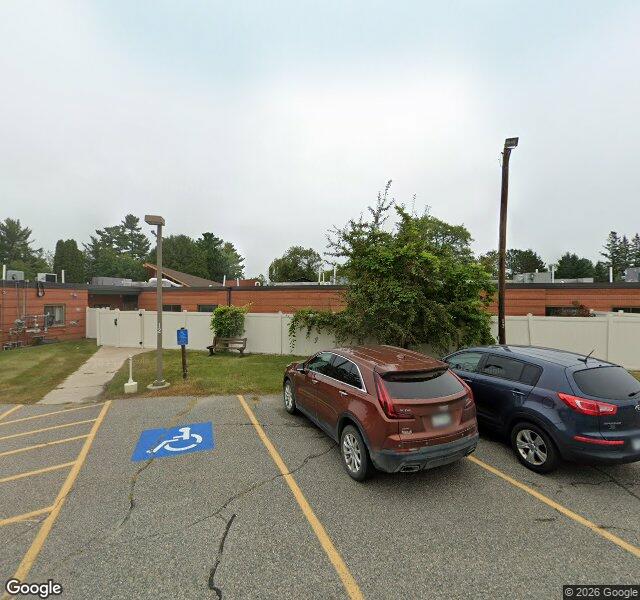
Overview and key essentials
State license
Active
MN MDH
Google reviews
2.8/ 5
27 reviews
Size & payment
Ask directly
Confirm pricing & payment
Important items to verify
Public Google reviews average 2.8/5 — read critical comments closely and tour unannounced if possible.
Cost, payment & care details
Updated Nov 28, 2026| Monthly cost | Not published | Ask for the full monthly cost, including care fees and one-time charges. |
|---|---|---|
| Payment options | Ask directly | Payment details are not confirmed in our records. Ask about private pay, long-term care insurance, veterans benefits, and Medicaid waivers. |
| Size & availability | Confirm directly | We don't publish live openings. Ask about current availability, waitlist length, and move-in timing. |
| Care & support | Assisted living | Usually offers housing and help with everyday tasks, such as bathing and dressing. What to confirm about care levelsThis describes the licensed category. Ask how care plans adjust if mobility, nursing, or memory needs change over time. Read the family care guide → |
State licensing
State inspection history
3inspections
25deficiencies listed
Jan 29, 2025Routine7 deficiencies reported7
7 deficiencies reported
View official state report (opens in a new tab)
and section 256B.49, the resident's case2565
manager, and - the Office of Ombudsman for Long-Term Care if the resident has been relocated and had not returned to the facility within four days. No further information was provided. TIME PERIOD FOR CORRECTION: Twenty-One (21) days 01420 144G.62 Subd. 2 Delegation of assisted living SS=D services (b) When the registered nurse or licensed health professional delegates tasks to unlicensed personnel, that person must ensure that prior to the delegation the unlicensed personnel is trained in the proper methods to perform the tasks or procedures for each resident and is able to demonstrate the ability to competently follow the procedures and perform the tasks. If the unlicensed personnel has not regularly performed the delegated assisted living task for a period of 24 consecutive months, the unlicensed personnel must demonstrate competency in the task to the registered nurse or appropriate licensed health professional. The registered nurse or licensed health professional must document instructions for the delegated tasks in the resident's record. This MN Requirement is not met as evidenced by: Based on observation, interview, and record review, the licensee failed to provide complete written instructions in the resident record for STATE FORM
144G.45 Subd. 2 (b-f) Fire protection and0810
SS=F physical environment (b) Each assisted living facility shall develop and maintain fire safety and evacuation plans. The plans shall include but are not limited to: (1) location and number of resident sleeping rooms; (2) staff actions to be taken in the event of a fire or similar emergency; (3) fire protection procedures necessary for residents; and STATE FORM During an interview on January 28, 2025, at 10:35 a.m., LALD-A, stated the residents were provided training but the documentation was not available. No further information was provided. TIME PERIOD FOR CORRECTION: Twenty-one (21) days. 01060 144G.52 Subd. 9 Emergency relocation SS=F (a) A facility may remove a resident from the facility in an emergency if necessary due to a resident's urgent medical needs or an imminent risk the resident poses to the health or safety of another facility resident or facility staff member. An emergency relocation is not a termination. (b) In the event of an emergency relocation, the facility must provide a written notice that contains, at a minimum: (1) the reason for the relocation; (2) the name and contact information for the location to which the resident has been relocated and any new service provider; (3) contact information for the Office of Ombudsman for Long-Term Care and the Office of Ombudsman for Mental Health and Developmental Disabilities; (4) if known and applicable, the approximate date or range of dates within which the resident is expected to return to the facility, or a statement that a return date is not currently known; and (5) a statement that, if the facility refuses to provide housing or services after a relocation, the resident has the right to appeal under section 144G.54. The facility must provide contact information for the agency to which the resident may submit an appeal. STATE FORM
144G.45 Subd. 2. (a) Fire protection and physical0775
SS=F environment Each assisted living facility must comply with the State Fire Code in Minnesota Rules, chapter 7511, and: This MN Requirement is not met as evidenced by: Based on observation and interview, the licensee failed to comply with the requirements of the Minnesota State Fire Code. This had the potential to directly affect all residents, staff, and visitors. This practice resulted in a level two violation (a violation that did not harm a resident's health or safety but had the potential to have harmed a resident's health or safety) and was issued at a widespread scope (when problems are pervasive or represent a systemic failure that has affected or has the potential to affect a large portion or all of the residents). Findings include: On a facility tour on January 28, 2025, from 10:45 a.m. to 12:30 p.m., with director of maintenance (DM)-F, the surveyor made the following observations of non-compliance with the requirements of the Minnesota State Fire Code (MSFC) in Minnesota Rules Chapter 7511: FIRE-RESISTANT RATED DOORS STATE FORM
144G.45 Subd. 2 (a) (1) Fire protection and0780
SS=D physical environment STATE FORM
8Z97116899
8Z9711 was issued at a pattern scope (when more than a limited number of residents are affected, more than a limited number of staff are involved, or the situation has occurred repeatedly; but is not found to be pervasive). The findings include: CNS-C CNS-C was hired on September 14, 2021, to work at the attached long term care facility. CNS-C was hired on November 6, 2024, to provide direct care and services to the licensee's residents and oversight of the licensee's employees. Licensed practical nurse (LPN)-B stated CNS-C "helped out" at the assisted living, as needed, prior to becoming the CNS for the facility. On January 27, 2025, at 9:45 a.m., during the entrance conference, licensed assisted living director (LALD)-A identified CNS-C as the CNS for the facility. CNS-C's record included: - infection control: dated January 1, 2022, January 3, 2023, April 8, 2024 - person centered care for the person with dementia: dated November 1, 2024 - resident's rights: dated April 8, 2024 - abuse, prevention in persons with dementia: dated April 24, 2024 - abuse, neglect, and exploitation, mandatory report: dated April 1, 2024 - tuberculosis: dated April 8, 2024 - licensed staff compliance plan Minnesota: dated April 1, 2024 - emergency preparedness and environmental safety: dated September 14, 2021. STATE FORM 8Z9711 CNS-C's employee record did not include all training to include: - an overview of the 144G statutes; - policies and procedures related to the provision of assisted living services by the individual staff person - handling of emergences and use of emergency services - the assisted living bill of rights and staff responsibilities related to ensuring the exercise and protection of those rights - handing of resident's complaints, reporting of complaints, and where to report complaints, including information on the Office of Health Facility Complaints - consumer advocacy service of the Office of Ombudsman for Long-Term Care, Office of Ombudsman for Mental Health and Developmental Disabilities, Managed Care Ombudsman at the Department of Human Services, county-managed care advocates, or other relevant advocacy services - a review of the types of assisted living services the employee will be providing and the facility's category of licensure - emergency preparedness and environmental safety. On January 28, 2025, at 1:24 p.m., the surveyor reviewed CNS-C's employee record with LALD-A. LALD-A stated CNS-C had completed all of the required assisted living orientation. LALD-A stated the licensee had changed on-line training platforms (company) used and they were not able to produce CNS-C's complete training record for assisted living. LALD-A confirmed CNS-C's record did not include all of the required training. ULP-E ULP-E was hired on November 14, 2022, to STATE FORM 8Z9711 provide direct care and services to the licensee's residents. On January 28, 2025, at 6:30 a.m., the surveyor observed ULP-E prepare and administer R9's morning medications. ULP-E also monitored R9's blood glucose (BG) using a Dexcom system (measures glucose levels through a small sensor, the size of two stacked quarters, applied to the back of an upper arm). ULP-E stated she was trained on both BG monitoring systems (Dexcom and finger poke) by registered nurse (RN). ULP-E's employee file contained: - training and competency: blood glucose testing (finger poke) dated January 16, 2025. ULP-E's employee file did not contain: - training and competency for Dexcom...
144G.42 Subd. 8 (a) Staff records0650
SS=E (a) The facility must maintain current records of each paid staff member, each regularly scheduled volunteer providing services, and each individual contractor providing services. The records must include the following infomation: (1) evidence of current professional licensure, registration, or certification if licensure, registration, or certification is required by this chapter or rules; (2) records of orientation, required annual training and infection control training, and competency evaluations; (3) current job description, including qualifications, responsibilities, and identification of staff persons providing supervision; (4) documentation of annual performance reviews that identify areas of improvement needed and training needs; (5) for individuals providing assisted living services, verification that required health screenings under subdivision 9 have taken place and the dates of those screenings; and (6) documentation of the background study as required under section 144.057. This MN Requirement is not met as evidenced by: Based on observation, interview, and record review, the licensee failed to ensure employee records contained required content for two of three employees (clinical nurse supervisor (CNS)-C, unlicensed personnel (ULP)-E). This practice resulted in a level two violation (a violation that did not harm a resident's health or safety but had the potential to have harmed a resident's health or safety, but was not likely to cause serious injury, impairment, or death) and STATE FORM
144G.42 Subd. 9 Tuberculosis prevention and0660
SS=F control (a) The facility must establish and maintain a comprehensive tuberculosis infection control program according to the most current tuberculosis infection control guidelines issued by the United States Centers for Disease Control and Prevention (CDC), Division of Tuberculosis Elimination, as published in the CDC's Morbidity and Mortality Weekly Report. The program must STATE FORM
Dec 18, 2024ComplaintNo deficiencies reportedNone
No deficiencies reported
View official state report (opens in a new tab)
Not Substantiated. The facility neglected the resident when facility licensed staff failed to assess, monitor, and provide the resident’s on-going wound care according to the provider orders
Mar 17, 2022Routine18 deficiencies reported18
18 deficiencies reported
View official state report (opens in a new tab)
moderate0680
emergency preparedness (a) The facility must meet the following requirements: (1) have a written emergency disaster plan that contains a plan for evacuation, addresses elements of sheltering in place, identifies temporary relocation sites, and details staff assignments in the event of a disaster or an emergency; (2) post an emergency disaster plan prominently; (3) provide building emergency exit diagrams to all residents; (4) post emergency exit diagrams on each floor; and (5) have a written policy and procedure regarding missing tenant residents. (b) The facility must provide emergency and disaster training to all staff during the initial staff orientation and annually thereafter and must make emergency and disaster training annually available to all residents. Staff who have not received emergency and disaster training are allowed to work only when trained staff are also working on site. (c) The facility must meet any additional requirements adopted in rule. This MN Requirement is not met as evidenced by: Based on interview and record review, the licensee failed to prominently post an emergency disaster plan, emergency exit diagrams and failed to provide residents with exit diagrams. This practice resulted in a level two violation (a violation that did not harm a resident's health or safety but had the potential to have harmed a resident's health or safety, but was not likely to cause serious injury, impairment, or death), and is issued at a widespread scope (when problems are pervasive or represent a systemic failure that has affected or has the potential to affect a large portion or all of the residents). The findings include: On March 15, 2022, at approximately 11:10 a.m., the surveyor asked to review the licensee's emergency preparedness plan and Appendix Z. During tour of the facility on March 15, 2022, at approximately 11:30 a.m., the surveyor observed no signage or information posted regarding the licensee's emergency plan or emergency exit diagrams at the facility entrance, hallways, hallway exit doors or in the main living areas. On March 16, 2022, at approximately 3:47 p.m., licensed assisted living director designee (LALDD)-C confirmed the licensee lacked the following items as part of licensee's customized emergency preparedness plan: - post an emergency disaster plan prominently; - provide building emergency exit diagrams to all residents; and - post emergency exit diagrams on each floor. The licensee's Emergency Preparedness policy, undated, did not address posting requirements. No further information was provided. TIME PERIOD FOR CORRECTION: Twenty-One (21) days
moderate0780
physical environment (a) Each assisted living facility must comply with the State Fire Code in Minnesota Rules, chapter 7511, and: (1) for dwellings or sleeping units, as defined in the State Fire Code: (i) provide smoke alarms in each room used for sleeping purposes; (ii) provide smoke alarms outside each separate sleeping area in the immediate vicinity of bedrooms; (iii) provide smoke alarms on each story within a dwelling unit, including basements, but not including crawl spaces and unoccupied attics; (iv) where more than one smoke alarm is required within an individual dwelling unit or sleeping unit, interconnect all smoke alarms so that actuation of one alarm causes all alarms in the individual dwelling unit or sleeping unit to operate; and (v) ensure the power supply for existing smoke alarms complies with the State Fire Code, except that newly introduced smoke alarms in existing buildings may be battery operated; This MN Requirement is not met as evidenced by: Based on observation and interview, the licensee failed to provide smoke alarms that complied with fire protection requirements. This had the potential to directly affect all residents and staff. This practice resulted in a level two violation (a violation that did not harm a resident's health or safety but had the potential to have harmed a resident's health or safety) and was issued at a widespread scope (when problems are pervasive or represent a systemic failure that has affected or has the potential to affect a large portion or all of the residents). The findings include: On March 15, 2022, between 1:00 p.m. and 2:15 p.m., survey staff toured the facility with the licensed assisted living director designee (LALDD)-C and the environmental services director (ESD)-F. During the facility tour, survey staff observed that smoke alarms were not installed in resident sleeping rooms. The LALDD-C confirmed during the tour that smoke alarms were not provided in resident sleeping rooms. Survey staff discussed with the LALDD-C that newly installed smoke alarms must be interconnected within dwelling units so that the actuation of one alarm causes all alarms in the dwelling unit to operate. No further information was provided. TIME PERIOD FOR CORRECTION: Twenty-one (21) days
moderate0630
for reporting ma (b) The facility must develop and implement an individual abuse prevention plan for each vulnerable adult. The plan shall contain an individualized review or assessment of the person's susceptibility to abuse by another individual, including other vulnerable adults; the person's risk of abusing other vulnerable adults; and statements of the specific measures to be taken to minimize the risk of abuse to that person and other vulnerable adults. For purposes of the abuse prevention plan, abuse includes self-abuse. This MN Requirement is not met as evidenced by: Based on observation, interview and record review, the licensee failed to develop an individual abuse prevention plan with the required content for six of six residents (R1, R2, R3, R7, R8, R9) with records reviewed. This practice resulted in a level two violation (a violation that did not harm a resident's health or safety but had the potential to have harmed a resident's health or safety), and was issued at a widespread scope (when problems are pervasive or represent a systemic failure that has affected or has the potential to affect a large portion or all of the residents). The findings include: R1 R1's diagnoses included hypertension, atrial fibrillation, pain and long term use of anticoagulants. R1's Service Plan dated August 24, 2020, indicated R1 received assistance with weight monitoring, reassurance checks, housekeeping, laundry and medication administration. On March 16, 2022, at approximately 7:12 a.m., the surveyor observed unlicensed personnel (ULP)-H administer R1's morning medications. R1's Vulnerability Assessment/Abuse Prevention Plan dated February 11, 2021, identified areas of vulnerability with anxiety; history of falls; disoriented to date and time and memory difficulties due to dementia. R1's individual abuse prevention plan did not include a review of R1's risk of abusing other vulnerable adults, susceptibility to be abused by another individual, including other vulnerable adults or statements of specific measures to be taken to minimize the risk of abuse to that person and other vulnerable adults. R2 R2's diagnoses included hypertension, chronic obstructive pulmonary disease, major depressive disorder and emphysema. R2's Service Plan dated August 21, 2020, indicated R2 received services for morning and evening personal cares, bathing, behavior support, reassurance checks, housekeeping, laundry and medication management. On March 16, 2022, at approximately 7:32 a.m., the surveyor observed ULP-D administer R2's morning medications. R2's Vulnerability Assessment/Abuse Prevention Plan dated April 23, 2019, identified areas of vulnerability with chronic pain; impaired mobility; at risk for falls, impaired gait and continuous use of oxygen supplement. R2's individual abuse prevention plan did not include a review of R2's risk of abusing other vulnerable adults, susceptibility to be abused by another individual, including other vulnerable adults or statements of specific measures to be taken to minimize the risk of abuse to that person and other vulnerable adults. R3 R3's diagnoses included dementia, diabetes mellitus, hypertension and long-term use of opiate analgesics. R3's Service Plan dated April 16, 2021, indicated R3 received services for toileting assist, dressing, grooming, bathing, housekeeping, laundry and medication administration. On March 16, 2022, at approximately 8:53 a.m., the surveyor observed ULP-H administer R3's morning...
moderate0640
reporting suspected c The facility shall support protection and safety through access to the state's systems for reporting suspected criminal activity and suspected vulnerable adult maltreatment by: (1) posting the 911 emergency number in common areas and near telephones provided by the assisted living facility; (2) posting information and the reporting number for the Minnesota Adult Abuse Reporting Center to report suspected maltreatment of a vulnerable adult under section 626.557; and (3) providing reasonable accommodations with information and notices in plain language. This MN Requirement is not met as evidenced by: Based on observation and interview, the licensee failed to post the required information to include: (1) posting the 911 emergency number in common areas and near telephones provided by the assisted living facility; and (2) posting information and the reporting number for the Minnesota Adult Abuse Reporting Center (MAARC) to report suspected maltreatment of a vulnerable adult under section 626.557. This had the potential to affect all current residents, staff and visitors. This practice resulted in a level two violation (a violation that did not harm a resident's health or safety but had the potential to have harmed a resident's health or safety) and was issued at a widespread scope (when problems are pervasive or represent a systemic failure that has affected or has the potential to affect a large portion or all of the residents). The findings include: The licensee lacked a posting of the 911 emergency number in common areas and near telephones provided by the assisted living and the information for reporting suspected maltreatment to MAARC. On March 15, 2022, at approximately 11:30 a.m., the surveyor toured the facility with licensed assisted living director designee (LALDD)-C and observed the common areas lacked the required posting for the 911 emergency number and the reporting number for MAARC. On March 15, 2022, at approximately 11:43 a.m., LALDD-C confirmed the 911 emergency number was not posted on or near the telephone located within the main entry area and the contact information or reporting number for MAARC was not posted in a conspicuous manner. A policy regarding posting of 911 and reporting suspected maltreatment to MAARC was requested, but not received. No further information was provided. TIME PERIOD FOR CORRECTION: Twenty-One (21) days
minor0450
All assisted living facilities shall: (1) distribute to residents the assisted living bill of rights; (2) provide services in a manner that complies with the Nurse Practice Act in sections 148.171 to 148.285; (3) utilize a person-centered planning and service delivery process; (4) have and maintain a system for delegation of health care activities to unlicensed personnel by a registered nurse, including supervision and evaluation of the delegated activities as required by the Nurse Practice Act in sections 148.171 to 148.285; This MN Requirement is not met as evidenced by: Based on interview and record review, the licensee failed to ensure the current Minnesota Bill of Rights for Assisted Living Residents was provided to the resident and a written acknowledgement received for four of six residents (R1, R2, R8, R9) with records reviewed. This practice resulted in a level one violation (a violation that has no potential to cause more than a minimal impact on the resident and does not affect health or safety) and was issued at a widespread scope (when problems are pervasive or represent a systemic failure that has affected or has the potential to affect a large portion or all the residents). The findings include: R1 R1 admitted for services on April 21, 2018, under the comprehensive home care license and began receiving assisted living services on August 1, 2021. R1's record lacked evidence R1 had received the Assisted Living Bill of Rights. R2 R2 admitted for services on October 30, 2015, under the comprehensive home care license and began receiving assisted living services on August 1, 2021. R2's record lacked evidence R2 had received the Assisted Living Bill of Rights. R8 R8 admitted for services on February 1, 2019, under the comprehensive home care license and began receiving assisted living services on August 1, 2021. R8's record lacked evidence R8 had received the Assisted Living Bill of Rights. R9 R9 admitted and began receiving assisted living services on August 1, 2021. R9's record lacked evidence R9 had received the Assisted Living Bill of Rights. On March 17, 2022, at approximately 11:23 a.m., licensed assisted living director designee (LALDD)-C confirmed R1, R2, R8 and R9 had not received the Assisted Living Bill of Rights. The licensee's Minnesota Home Care Bill of Rights for Assisted Living Residents of Licensed Only Home Care Providers policy, undated, was a printed version of the home care bill of rights with licensee's corporate logo and did not address the requirement of providing residents a written copy or the licensee attaining a written acknowledgement of receipt. No further information provided. TIME PERIOD FOR CORRECTION: Twenty-one (21) days
moderate0550
maltreatment All facilities must post in a conspicuous place information about the facilities' grievance procedure, and the name, telephone number, and e-mail contact information for the individuals who are responsible for handling resident grievances. The notice must also have the contact information for the state and applicable regional Office of Ombudsman for Long-Term Care and the Office of Ombudsman for Mental Health and Developmental Disabilities, and must have information for reporting suspected maltreatment to the Minnesota Adult Abuse Reporting Center. This MN Requirement is not met as evidenced by: Based on interview and record review, the licensee failed to post in a conspicuous place, information about the facility's grievance procedure with the required content. This had the potential to affect the licensee's thirty-eight (38) residents, staff and visitors. This practice resulted in a level two violation (a violation that did not harm a resident's health or safety but had the potential to have harmed a resident's health or safety, but was not likely to cause serious injury, impairment, or death), and was issued at a widespread scope (when problems are pervasive or represent a systemic failure that has affected or has potential to affect a large portion or all of the residents). The findings include: The licensee lacked a posting of the grievance procedure to include the name, telephone number and e-mail contact information for the individuals who are responsible for handling resident grievances. In addition, there was no evidence of the contact information for the state and applicable regional Office of Ombudsman for Long-Term Care and the Office of Ombudsman for Mental Health and Developmental Disabilities. On March 15, 2022, at approximately 11:30 a.m., licensed assisted living director designee (LALDD)-C verified the main entrance was used by staff, residents, and visitors to the facility. The surveyor observed a bulletin board located in the main entrance area was noted to lack the required posting of the grievance procedure. On March 15, 2022, at approximately 11:35 a.m., LALDD-C verified the grievance procedure was not posted as required. The licensee's Complaints policy, undated, did not address complaint/grievance posting requirements. No further information was provided. TIME PERIOD FOR CORRECTION: Twenty-One (21) days
STATE FORM6899
PXY412 {0 550} 144G.41 Subd. 7 Resident grievances; reporting maltreatment SS=F All facilities must post in a conspicuous place information about the facilities' grievance procedure, and the name, telephone number, and e-mail contact information for the individuals who are responsible for handling resident grievances. The notice must also have the contact information for the state and applicable regional Office of Ombudsman for Long-Term Care and the Office of Ombudsman for Mental Health and Developmental Disabilities, and must have information for reporting suspected maltreatment to the Minnesota Adult Abuse Reporting Center. This MN Requirement is not met as evidenced by: Based on interview and record review, the licensee failed to post in a conspicuous place, information about the facility's grievance procedure with the required content. This had the potential to affect the licensee's 42 residents, staff and visitors. This practice resulted in a level two violation (a violation that did not harm a resident's health or safety but had the potential to have harmed a resident's health or safety, but was not likely to cause serious injury, impairment, or death), and was issued at a widespread scope (when problems are pervasive or represent a systemic failure that has affected or has potential to affect a large portion or all of the residents). The findings include: The licensee lacked a posting of the grievance procedure to include the name, telephone number and e-mail contact information for the STATE FORM PXY412 {0 550} {0 550} individuals who are responsible for handling resident grievances. In addition, there was no evidence of the contact information for the state and applicable regional Office of Ombudsman for Long-Term Care and the Office of Ombudsman for Mental Health and Developmental Disabilities. On May 25, 2022, at approximately 2:30 p.m., housing director (HD)-C verified the bulletin board located in the main common area was where required items were posted; however, verified the grievance procedure was not posted. The licensee's Complaints policy, undated, did not address complaint/grievance posting requirements. No further information was provided. {0 730} 144G.43 Subd. 3 Contents of resident record SS=D Contents of a resident record include the following for each resident: (1) identifying information, including the resident's name, date of birth, address, and telephone number; (2) the name, address, and telephone number of the resident's emergency contact, legal representatives, and designated representative; (3) names, addresses, and telephone numbers of the resident's health and medical service providers, if known; (4) health information, including medical history, allergies, and when the provider is managing medications, treatments or therapies that require documentation, and other relevant health records; (5) the resident's advance directives, if any; (6) copies of any health care directives, STATE FORM PXY412 {0 730} {0 730} guardianships, powers of attorney, or conservatorships; (7) the facility's current and previous assessments and service plans; (8) all records of communications pertinent to the resident's services; (9) documentation of significant changes in the resident's status and actions taken in response to the needs of the resident, including reporting to the appropriate supervisor or health care professional; (10) documentation of incidents involving the resident and actions taken in response to...
minor0430
services (a) All assisted living facilities must provide to prospective residents: (1) a disclosure of the categories of assisted living licenses available and the category of license held by the facility; (2) a written checklist listing all services permitted under the facility's license, identifying all services the facility offers to provide under the assisted living facility contract, and identifying all services allowed under the license that the facility does not provide; and (3) an oral explanation of the services offered under the contract. (b) The requirements of paragraph (a) must be completed prior to the execution of the assisted living contract. (c) The commissioner must, in consultation with all interested stakeholders, design the uniform checklist disclosure form for use as provided under paragraph (a). This MN Requirement is not met as evidenced by: Based on interview and record review, the licensee failed to provide licensee's Uniform Disclosure of Assisted Living Services and Amenities (UDALSA) to six of six residents (R1, R2, R3, R7, R8, R9) with records reviewed. This practice resulted in a level one violation (a violation that has no potential to cause more than a minimal impact on the resident and does not affect health or safety) and was issued at a widespread scope (when problems are pervasive or represent a systemic failure that has affected or has potential to affect a large portion or all the residents). The findings include: R1 R1 admitted for service on April 21, 2018, under the comprehensive home care license and began receiving assisted living services on August 1, 2021. R1's Service Plan dated August 24, 2020, indicated R1 received assistance with weight monitoring, reassurance checks, housekeeping, laundry and medication administration. R1's record lacked a uniform checklist disclosure of services to include: - a disclosure of the categories of assisted living licenses available and the category of license held by the facility; and - a written checklist listing all services permitted under the facility's license, identifying all services the facility offers to provide under the assisted living facility contract, and identifying all services allowed under the license that the facility does not provide. R2 R2 admitted for services on October 30, 2015, under the comprehensive home care license and began receiving assisted living services on August 1, 2021. R2's Service Plan dated August 21, 2020, indicated R2 received services for personal cares, bathing, behavior support, reassurance checks, housekeeping, laundry and medication management. R2's record lacked a uniform checklist disclosure of services to include: - a disclosure of the categories of assisted living licenses available and the category of license held by the facility; and - a written checklist listing all services permitted under the facility's license, identifying all services the facility offers to provide under the assisted living facility contract, and identifying all services allowed under the license that the facility does not provide. R3 R3 admitted for services on March 29, 2021, under the comprehensive home care license and began receiving assisted living services on August 1, 2021. R3's Service Plan dated April 16, 2021, indicated R3 received services for toileting assist, dressing, grooming, bathing, housekeeping, laundry and medication administration. R3's record lacked a uniform checklist disclosure of services to include: - a...
indicated when bedrails were used, the RN2019
would conduct an assessment prior to installation
Highway 169 South2815
Grand Rapids, MN55744 Itasca County, 31 License Categories: Operator: Expires on: / / The violations listed in this report include any previously issued orders and deficiencies identified during this inspection. Compliance dates are shown for each item. No NEW orders were issued during this inspection. Surface and Equipment Sanitizers Chlorine: = 50PPM at Degrees Fahrenheit Location: WARE WASH MACHINE Violation Issued: No Food and Equipment Temperatures Process/Item: CICKEN Temperature: 180 Degrees Fahrenheit - Location: COOKING Violation Issued: No Process/Item: STEAM TRAY Temperature: 133 Degrees Fahrenheit - Location: POTATOES Violation Issued: No Process/Item: SOUP Temperature: 167 Degrees Fahrenheit - Location: COOKING Violation Issued: No Process/Item: POLISH Temperature: 136 Degrees Fahrenheit - Location: HOT HOLDING ON STOVE TOP Violation Issued: No Process/Item: GTRAVY Temperature: 34 Degrees Fahrenheit - Location: 2 DOOR FRIDGE Violation Issued: No DISCUSSION SANITIZER TESTING BARE HAND CONTACT AND GLOVE USE SKESSLER@MONARKMN.COM NOTE: Plans and specifications must be submitted for review and approval prior to new construction, remodeling or alterations. inspection report number 7939221059 of 03/15/22. Certified Food Protection Manager: Certification Number: Expires: / / Signed: Signed: SUSAN KESSLER MANAGER
moderate0660
control (a) The facility must establish and maintain a comprehensive tuberculosis infection control program according to the most current tuberculosis infection control guidelines issued by the United States Centers for Disease Control and Prevention (CDC), Division of Tuberculosis Elimination, as published in the CDC's Morbidity and Mortality Weekly Report. The program must include a tuberculosis infection control plan that covers all paid and unpaid employees, contractors, students, and regularly scheduled volunteers. The commissioner shall provide technical assistance regarding implementation of the guidelines. (b) The facility must maintain written evidence of compliance with this subdivision. This MN Requirement is not met as evidenced by: Based on observation, interview, and record review, the licensee failed to maintain a tuberculosis (TB) prevention and control program based on the most current guidelines issued by the Centers for Disease Control and Prevention (CDC). The licensee failed to ensure screenings for health history, symptoms, and active TB (either a two-step tuberculin skin test (TST) or blood test) were completed and documented for three of three employees (unlicensed personnel (ULP)-D, ULP-G and ULP-H) with employee records reviewed. This had the potential to affect all thirty-eight (38) residents, staff, and visitors. This practice resulted in a level two violation (a violation that did not harm a resident's health or safety but had the potential to have harmed a resident's health or safety, but was not likely to cause serious injury, impairment, or death), and is issued at a widespread scope (when problems are pervasive or represent a systemic failure that has affected or has the potential to affect a large portion or all of the residents). The findings include: The facility's TB risk assessment, last updated January 10, 2022, determined the setting to be a low risk level. The licensee's employee records lacked evidence of a completed health history and symptom screening, including completion of a two-step TST or other evidence of TB screening, such as a blood test. ULP-D ULP-D had a hire date of February 17, 2010, to provide direct care to licensee's residents. ULP-D's employee record lacked the following as required: - documentation of a completed health history and symptom screening; and - completion of a two-step TST or other evidence of TB screening such as a blood test. ULP-G ULP-G had a hire date of November 9, 2021, to provide direct care to licensee's residents. ULP-G's employee record lacked the following as required: - completion of a two-step TST or other evidence of TB screening such as a blood test. ULP-H ULP-H had a hire date of June 22, 2021, to provide direct care to licensee's residents. ULP-H's employee record lacked the following as required: - documentation of a completed health history and symptom screening; and - completion of a two-step TST or other evidence of TB screening such as a blood test. On March 16, 2022, at approximately 12:21 p.m., licensed assisted living director designee (LALDD)-C confirmed ULP-D, ULP-G and ULP-H did not complete the required TB history and symptom screening, a two-step TST, or a blood test as required. The licensee's Tuberculosis and Staff Screening policy dated January 2020, indicated all home care staff whose essential job functions require work within the same air space of residents would be screened and tested for TB. Additionally, the policy...
moderate0800
physical environment (4) keep the physical environment, including walls, floors, ceiling, all furnishings, grounds, systems, and equipment in a continuous state of good repair and operation with regard to the health, safety, comfort, and well-being of the residents in accordance with a maintenance and repair program. This MN Requirement is not met as evidenced by: Based on observation and interview, the licensee failed to provide the physical environment in a continuous state of good repair and operation with regard to the health, safety, and well-being of the residents. This had the potential to directly affect all residents and staff. This practice resulted in a level two violation (a violation that did not harm a resident's health or safety but had the potential to have harmed a resident's health or safety) and was issued at a widespread scope (when problems are pervasive or represent a systemic failure that has affected or has the potential to affect a large portion or all of the residents). The findings include: On March 15, 2022, between 1:00 p.m. and 2:15 p.m., survey staff toured the facility with the licensed assisted living director designee (LALDD)-C and the environmental services director (ESD)-F. During the facility tour, survey staff observed the following: 1. Several emergency exits were obstructed with snow. The snow also prevented these exit doors from opening outward. The LALDD-C confirmed that these emergency exits were blocked and required maintenance. TIME PERIOD FOR CORRECTION: Seven (7) days 2. The ceiling was water damaged in the hallway and in an adjacent room identified with a sign marked "Private". The ESD-F explained that the ceiling had been damaged by water due to an ice dam on the roof and that the ceiling required repair. TIME PERIOD FOR CORRECTION: Two (2) days
moderate0810
physical environment (b) Each assisted living facility shall develop and maintain fire safety and evacuation plans. The plans shall include but are not limited to: (1) location and number of resident sleeping rooms; (2) employee actions to be taken in the event of a fire or similar emergency; (3) fire protection procedures necessary for residents; and (4) procedures for resident movement, evacuation, or relocation during a fire or similar emergency including the identification of unique or unusual resident needs for movement or evacuation. (c) Employees of assisted living facilities shall receive training on the fire safety and evacuation plans upon hiring and at least twice per year thereafter. (d) Fire safety and evacuation plans shall be readily available at all times within the facility. (e) Residents who are capable of assisting in their own evacuation shall be trained on the proper actions to take in the event of a fire to include movement, evacuation, or relocation. The training shall be made available to residents at least once per year. (f) Evacuation drills are required for employees twice per year per shift with at least one evacuation drill every other month. Evacuation of the residents is not required. Fire alarm system activation is not required to initiate the evacuation drill. This MN Requirement is not met as evidenced by: Based on document review and interview, the licensee failed to provide the required plans, training, and drills for fire safety and evacuation. This had the potential to directly affect all residents and staff. This practice resulted in a level two violation (a violation that did not harm a resident's health or safety but had the potential to have harmed a resident's health or safety) and was issued at a widespread scope (when problems are pervasive or represent a systemic failure that has affected or has the potential to affect a large portion or all of the residents). The findings include: On March 15, 2022, between 2:45 p.m. and 3:45 p.m., documents were provided for review by the licensed assisted living director (LALD)-B. Documents were reviewed by survey staff on March 15, 2022, between 2:45 p.m and 4:00 p.m. 1. The facility map included with the documentation was for the skilled nursing facility. The plans failed to include the location and number of resident rooms at the assisted living facility location. 2. The document titled Fire Emergency Code Red did not include a plan with accurate instructions on fire protection procedures for this location. a. elevators and stairwell doors were referenced, which were not identified in the plans; b. the document states that the sprinkler system will control the fire, but the plan does not identify where sprinklers are installed. 3. Meeting notes dated 10-14-2021 were provided for review. These notes contained information on fire safety and evacuation topics that were discussed during this meeting. Documentation of staff training upon hire and at least twice per year thereafter for fire safety and evacuation was requested but not provided. 4. The licensee failed to provide annual training for residents that included proper actions to take in the event of a fire to include movement, evacuation, or relocation. Documentation of resident training was requested but not provided. 5. Documentation of an evacuation drill dated 10/2021 was provided. No additional drill logs or a drill schedule were provided. On March 15, 2022, between 4:00 p.m. and 4:15 p.m.,...
moderate0470
(11) develop and implement a staffing plan for determining its staffing level that: (i) includes an evaluation, to be conducted at least twice a year, of the appropriateness of staffing levels in the facility; (ii) ensures sufficient staffing at all times to meet the scheduled and reasonably foreseeable unscheduled needs of each resident as required by the residents' assessments and service plans on a 24-hour per day basis; and (iii) ensures that the facility can respond promptly and effectively to individual resident emergencies and to emergency, life safety, and disaster situations affecting staff or residents in the facility; (12) ensure that one or more persons are available 24 hours per day, seven days per week, who are responsible for responding to the requests of residents for assistance with health or safety needs. Such persons must be: (i) awake; (ii) located in the same building, in an attached building, or on a contiguous campus with the facility in order to respond within a reasonable amount of time; (iii) capable of communicating with residents; (iv) capable of providing or summoning the appropriate assistance; and (v) capable of following directions; This MN Requirement is not met as evidenced by: Based on interview and record review, the licensee failed to ensure a staffing plan was developed. This had the potential to affect all thirty-eight (38) residents and staff. This practice resulted in a level two violation (a violation that did not harm a resident's health or safety but had the potential to have harmed a resident's health or safety) and was issued at a widespread scope (when problems are pervasive or represent a systemic failure that has affected or has the potential to affect a large portion or all of the residents). The findings include: The licensee held an assisted living with dementia license. The facility was licensed for a capacity of fifty-one (51) residents and had a current census of thirty-eight (38) residents. The licensee failed to develop and implement a staffing plan for determining its staffing level that: - included an evaluation, to be conducted at least twice a year, of the appropriateness of staffing levels in the facility; - ensured sufficient staffing at all times to meet the scheduled and reasonably foreseeable unscheduled needs of each resident as required by the residents' assessments and service plans on a 24-hour per day basis; and - ensured that the facility can respond promptly and effectively to individual resident emergencies and to emergency, life safety, and disaster situations affecting staff or residents in the facility. During the entrance conference on March 15, 2022, at approximately 11:00 a.m., a copy of the facility's staffing plan was requested from licensed assisted living director (LALD)-B. On March 15, 2022, at approximately 12:30 p.m., LALD-B provided a copy of the biweekly staffing schedule posted in the nursing office. LALD-B stated the staffing schedule could be changed based on the census number of the facility and/or the acuity of the residents. LALD-B confirmed the registered nurse had not developed a written staffing plan which included the above noted required content. A staffing plan policy was requested but not received. No further information was provided. TIME PERIOD OF CORRECTION: Twenty-One (21) days
moderate0900
(a) An assisted living facility may not offer or provide housing or assisted living services to any individual unless it has executed a written contract with the resident. (b) The contract must contain all the terms concerning the provision of: (1) housing; (2) assisted living services, whether provided directly by the facility or by management agreement or other agreement; and (3) the resident's service plan, if applicable. (c) A facility must: (1) offer to prospective residents and provide to the Office of Ombudsman for Long-Term Care a complete unsigned copy of its contract; and (2) give a complete copy of any signed contract and any addendums, and all supporting documents and attachments, to the resident promptly after a contract and any addendum has been signed. (d) A contract under this section is a consumer contract under sections 325G.29 to 325G.37. (e) Before or at the time of execution of the contract, the facility must offer the resident the opportunity to identify a designated representative according to subdivision 3. (f) The resident must agree in writing to any additions or amendments to the contract. Upon agreement between the resident and the facility, a new contract or an addendum to the existing contract must be executed and signed. This MN Requirement is not met as evidenced by: Based on observation, interview and record review, the licensee failed to develop and execute a written contract with the required content for three of three residents (R1, R2, R3) with records reviewed. This practice resulted in a level two violation (a violation that did not harm a resident's health or safety but had the potential to have harmed a resident's health or safety, but was not likely to cause serious injury, impairment, or death), and was issued at a widespread scope (when problems are pervasive or represent a systemic failure that has affected or has potential to affect a large portion or all of the residents). The findings include: R1 R1's diagnoses included hypertension, chronic atrial fibrillation and long-term use of anticoagulants. R1's service plan dated August 24, 2020, indicated R1 received services to include, weight monitoring, reassurance checks, housekeeping, laundry and medication administration. R1's records lacked a written contract to include all of the terms concerning the provisions of the following as required: (1) housing (2) assisted living services, whether provided directly by the facility or by management agreement or other agreement; and (3) the resident's service plan, if applicable. In addition, R1's records lacked evidence that the contract had been fully executed as the facility must: - offer to prospective residents and provide to the Office of Ombudsman for Long-Term Care a complete unsigned copy of its contract; and - give a complete copy of any signed contract and any addendums, and all supporting documents and attachments, to the resident promptly after a contract and any addendum has been signed. R2 R2's diagnoses included chronic obstructive pulmonary disease (COPD), emphysema, hypertension and major depressive disorder. R2's service plan dated August 21, 2020, indicated R2 received services to include, oxygen monitoring, morning and evening personal cares, behavior support, housekeeping, laundry and medication management. R2's records lacked a written contract to include all of the terms concerning the provisions of the following as required: (1) housing (2) assisted living services,...
moderate0730
Contents of a resident record include the following for each resident: (1) identifying information, including the resident's name, date of birth, address, and telephone number; (2) the name, address, and telephone number of the resident's emergency contact, legal representatives, and designated representative; (3) names, addresses, and telephone numbers of the resident's health and medical service providers, if known; (4) health information, including medical history, allergies, and when the provider is managing medications, treatments or therapies that require documentation, and other relevant health records; (5) the resident's advance directives, if any; (6) copies of any health care directives, guardianships, powers of attorney, or conservatorships; (7) the facility's current and previous assessments and service plans; (8) all records of communications pertinent to the resident's services; (9) documentation of significant changes in the resident's status and actions taken in response to the needs of the resident, including reporting to the appropriate supervisor or health care professional; (10) documentation of incidents involving the resident and actions taken in response to the needs of the resident, including reporting to the appropriate supervisor or health care professional; (11) documentation that services have been provided as identified in the service plan; (12) documentation that the resident has received and reviewed the assisted living bill of rights; (13) documentation of complaints received and any resolution; (14) a discharge summary, including service termination notice and related documentation, when applicable; and (15) other documentation required under this chapter and relevant to the resident's services or status. This MN Requirement is not met as evidenced by: Based on interview and record review, the licensee failed to ensure a resident record included a discharge summary for one of one discharged resident (R6) with record reviewed. This practice resulted in a level two violation (a violation that did not harm a resident's health or safety but had the potential to have harmed a resident's health or safety, but was not likely to cause serious injury, impairment, or death), and was issued at an isolated scope (when one or a limited number of residents are affected or one or a limited number of staff are involved, or the situation has occurred only occasionally). The findings include: R6's diagnosis included Alzheimer's disease. R6 admitted for services on April 21, 2018, under the comprehensive home care license and began receiving assisted living services on August 1, 2021. R6 was discharged on March 8, 2022. R6's record lacked evidence a discharge summary was completed. On March 17, 2022, at approximately 12:17 p.m., licensed assisted living director designee (LALDD)-C confirmed a discharge summary had not been completed for R6. A discharge summary policy was requested, but not received. No further information provided. TIME PERIOD OF CORRECTION: Twenty-One (21 days
moderate0650
(a) The facility must maintain current records of each paid employee, each regularly scheduled volunteer providing services, and each individual contractor providing services. The records must include the following information: (1) evidence of current professional licensure, registration, or certification if licensure, registration, or certification is required by this chapter or rules; (2) records of orientation, required annual training and infection control training, and competency evaluations; (3) current job description, including qualifications, responsibilities, and identification of staff persons providing supervision; (4) documentation of annual performance reviews that identify areas of improvement needed and training needs; (5) for individuals providing assisted living services, verification that required health screenings under subdivision 9 have taken place and the dates of those screenings; and (6) documentation of the background study as required under section 144.057. (b) Each employee record must be retained for at least three years after a paid employee, volunteer, or contractor ceases to be employed by, provide services at, or be under contract with the facility. If a facility ceases operation, employee records must be maintained for three years after facility operations cease. This MN Requirement is not met as evidenced by: Based on interview and record review, the licensee failed to ensure employee records contained the required content for two of three employees (unlicensed personnel (ULP)-D, ULP-G) with records reviewed. This practice resulted in a level two violation (a violation that did not harm a resident's health or safety but had the potential to have harmed a resident's health or safety, but was not likely to cause serious injury, impairment, or death), and was issued at a pattern scope (when more than a limited number of residents are affected, more than a limited number of staff are involved, or the situation has occurred repeatedly; but is not found to be pervasive). The findings include: ULP-D ULP-D had a start date of February 17, 2010, and began providing assisted living services on August 1, 2021. ULP-D's employee record included two previous background checks conducted by two previous owners of the facility on February 17, 2010 and December 15, 2016. ULP-D's employee record lacked the following: - a current background study completed by licensee; and - documentation of annual performance reviews that identify areas of improvement needed and training needs. ULP-G ULP-G had a start date of November 9, 2021. ULP-G's employee's record lacked evidence of the following: - a current job description. On March 16, 2022, at approximately 3:50 p.m., licensed assisted living director designee (LALDD)-C verified the above contents were missing from the employee records. The licensee's Personnel Files/Employee Records policy, dated November 2019 indicated employee records for each employee would include: -current signed job description, which includes qualifications, responsibilities, and identification of supervisors, if any; -documentation of annual performance reviews that identify areas of improvement needed and training needs; and -documentation of a completed background study. No further information was provided. TIME PERIOD FOR CORRECTION: Twenty-One (21) days
moderate0250
(a) The commissioner may refuse to grant a provisional license, refuse to grant a license as a result of a change in ownership, refuse to renew a license, suspend or revoke a license, or impose a conditional license if the owner, controlling individual, or employee of an assisted living facility: (1) is in violation of, or during the term of the license has violated, any of the requirements in this chapter or adopted rules; (2) permits, aids, or abets the commission of any illegal act in the provision of assisted living services; (3) performs any act detrimental to the health, safety, and welfare of a resident; (4) obtains the license by fraud or misrepresentation; (5) knowingly makes a false statement of a material fact in the application for a license or in any other record or report required by this chapter; (6) denies representatives of the department access to any part of the facility's books, records, files, or employees; (7) interferes with or impedes a representative of the department in contacting the facility's residents; (8) interferes with or impedes ombudsman access according to section 256.9742, subdivision 4; (9) interferes with or impedes a representative of the department in the enforcement of this chapter or fails to fully cooperate with an inspection, survey, or investigation by the department; (10) destroys or makes unavailable any records or other evidence relating to the assisted living facility's compliance with this chapter; (11) refuses to initiate a background study under section 144.057 or 245A.04; (12) fails to timely pay any fines assessed by the commissioner; (13) violates any local, city, or township ordinance relating to housing or assisted living services; (14) has repeated incidents of personnel performing services beyond their competency level; or (15) has operated beyond the scope of the assisted living facility's license category. (b) A violation by a contractor providing the assisted living services of the facility is a violation by the facility. This MN Requirement is not met as evidenced by: Based on interview and record review, the licensee failed to show they met the requirements of licensure, by attesting the managerial officials who oversaw the day-to-day operations understood applicable statutes and rules; nor developed and/or implemented current policies and procedures as required with records reviewed. This had the potential to affect all residents, staff, and visitors. This practice resulted in a level two violation (a violation that did not harm a resident's health or safety but had the potential to have harmed a resident's health or safety, but was not likely to cause serious injury, impairment, or death), and is issued at a widespread scope (when problems are pervasive or represent a systemic failure that has affected or has the potential to affect a large portion or all of the residents). The findings include: During the entrance conference on March 15, 2022, at approximately 11:00 a.m., licensed assisted living director (LALD)-C stated the licensee's employees in charge of the facility were familiar with the assisted living regulations and the licensee provided medication and treatment management services. The licensee's Application for Assisted Living License, section titled Official Verification of Owner or Authorized Agent, (page four and five of the application), identified, I certify I have read and understand the following: [a check mark was placed before each of the...
Neighborhood & resident support
Emergency access, hazards & advocacy
Nearest hospital
Grand Itasca Clinic & Hosp
1.7 mi · Grand Rapids, MN · Medicare 4/5 ★
Emergency room
FEMA hazard risk
Relatively LowItasca County, MN
- Cold Wave
- Strong Wind
- Landslide
Free resident advocacy
Minnesota Office of Ombudsman for Long-Term Care
More neighborhood context (specialists, VA, dialysis, air & affordability)
VA & dialysis access
St Cloud VA Medical Center
117.4 mi · St. Cloud, MN
Fmc Dialysis - Grand Rapids
2.1 mi · 2/5 ★ · Home dialysis
Specialists within 15 mi
- Geriatricians
- 0
- Neurologists
- 6
- Palliative care
- 0
- PM&R rehab
- 0
Environment & mobility
- EPA Walkability
- 5.7/20 (Least Walkable)
- USDA Grocery Access
- Limited Grocery Access
- Primary care access
- HRSA Shortage Area
County demographics
- Age 65+ median income
- $51,224/yr
- Rent-burdened households
- 58%
- Cognitive disability (2023)
- 14.8%
- Mobility disability
- 11.1%
Call & tour checklist
Questions to ask The Emeralds at Grand Rapids a
Check off questions as you call or tour. Your progress stays private in this browser.
Show 3 more suggested questions
Verification & public records
Official records & sources
Licensing & contact
- License #
- 30227
- Status
- active
- Phone
- (218) 326-8567
- Federal OIG LEIE
- Clear (2026-11-27)
Original public sources
Verify licensing, ratings, and inspection reports directly with each official source.
- MN MDH official record (opens in a new tab)MN Dept. of Health
- Google Maps (opens in a new tab)Directions, photos & neighborhood
- Google Reviews (opens in a new tab)27 public reviews
EveryPlace is an independent research directory. Information is compiled from public Medicare.gov, state licensing, Google Places, and street-level imagery sources. Some summaries, suggested questions, and pricing notes are AI-generated or AI-assisted and may contain errors or omissions. We do not accept payment for placement. Confirm all details directly with the community and official sources. Research Policy.
Keep exploring
Nearby communities to compare
- Medicare 1/52.9(24)93 bedsMedicaidNursing Home< 1 miThe Emeralds at Grand Rapids LLCGrand Rapids, MN
- Cap. 56HUD Senior Housing< 1 miGrand Manor II - IIIGrand Rapids, MN
- 2.3(11)Assisted Living1.3 miDiamond Willow Assisted LivingGrand Rapids, MN
- 4.7(75)Assisted Living1.5 miMajestic Pines Senor LivingGrand Rapids, MN
- Cap. 100HUD Senior Housing1.7 miPine Ridge ApartmentsGrand Rapids, MN
- 4.7(27)Assisted Living1.8 miThe Pillars of Grand RapidsGrand Rapids, MN