Loading EveryPlace content…
Assisted LivingActive license
Majestic Pines Senor Living
1614 Golf Course Road, Grand Rapids, MN 55744View map (opens in a new tab)
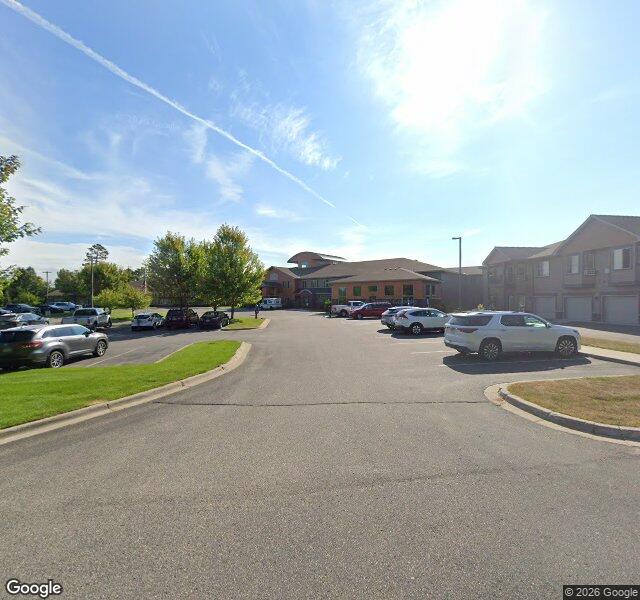
Overview and key essentials
State license
Active
MN MDH
Google reviews
4.7/ 5
75 reviews
Size & payment
Ask directly
Confirm pricing & payment
Strong public signals
Rated 4.7/5 across 75 public Google reviews. Visit in person to confirm daily care and pricing.
Cost, payment & care details
Updated Nov 28, 2026| Monthly cost | Not published | Ask for the full monthly cost, including care fees and one-time charges. |
|---|---|---|
| Payment options | Ask directly | Payment details are not confirmed in our records. Ask about private pay, long-term care insurance, veterans benefits, and Medicaid waivers. |
| Size & availability | Confirm directly | We don't publish live openings. Ask about current availability, waitlist length, and move-in timing. |
| Care & support | Assisted living | Usually offers housing and help with everyday tasks, such as bathing and dressing. What to confirm about care levelsThis describes the licensed category. Ask how care plans adjust if mobility, nursing, or memory needs change over time. Read the family care guide → |
State licensing
State inspection history
5inspections
18deficiencies listed
Apr 3, 2025Routine9 deficiencies reported9
9 deficiencies reported
View official state report (opens in a new tab)
144G.41 Subdivision 1 Subd. 1a (a-b) Minimum0480
SS=F requirements; required food services (a) Except as provided in paragraph (b), food must be prepared and served according to the Minnesota Food Code, Minnesota Rules, chapter 4626. (b) For an assisted living facility with a licensed capacity of ten or fewer residents: (1) notwithstanding Minnesota Rules, part 4626.0033, item A, the facility may share a certified food protection manager (CFPM) with one other facility located within a 60-mile radius and under common management provided the CFPM is present at each facility frequently enough to effectively administer, manage, and supervise each facility's food service operation; (2) notwithstanding Minnesota Rules, part 4626.0545, item A, kick plates that are not removable or cannot be rotated open are allowed unless the facility has been issued repeated correction orders for violations of Minnesota Rules, part 4626.1565 or 4626.1570; (3) notwithstanding Minnesota Rules, part 4626.0685, item A, the facility is not required to STATE FORM
144G.10 Subdivision 1 License required0100
SS=F 0 100 (a)(1)Beginning August 1, 2021, no assisted living STATE FORM This MN Requirement is not met as evidenced by: Based on observation, interview and record review, the licensee failed to demonstrate legal responsibility for the control and operation of the facility when the licensee allowed use of facility space by a vendor to provide therapy services to residents and to outside community members. This had the potential to affect all residents, staff, and visitors. This practice resulted in a level two violation (a violation that did not harm a resident's health or safety but had the potential to have harmed a resident's health or safety, but was not likely to cause serious injury, impairment, or death), and was issued at a widespread scope (when problems are pervasive or represent a systemic failure that has affected or has potential to affect a large portion or all of the residents). The findings include: On March 31, 2025, at 9:00 a.m., the surveyor entered the assisted living facility, through an entry door labeled, "Fitness and Therapy Center." Once inside the facility the surveyor was told by therapy business office manager (TBOM)-L the surveyor entered through the wrong set of doors, "but it was ok, as one led (set of doors) to the other." On March 31, 2025, at 9:45 a.m., previous licensed assisted living director (PLALD)-D stated she thought the outpatient therapy clinic was "ran" (operated) through a different entity. PLALD-D stated she had never been asked that question before and she would call to find out STATE FORM - tier two- $43.00 included one class of your choice/week - tier three- $55.00 included two classes of your choice/week - tier four: $73.00 unlimited classes of your choice/week *(Silver Sneaker (health and fitness program designed for adults 65+ that is included with many Medicare Advantage plans), Silver Fit (health and wellness program, often offered by Medicare Advantage or Medigap plans) and Optum members (individuals who have access to a range of health services and benefits) pay the difference between tier one and desired tier) (tier two -four included use of gym in membership) personal training gym: $40.00 for 45 minutes session (five pack $180. ten pack $340) personal training pool: $50 for 45 minutes session (five pack $270, ten pack $500). Hours of operation: Monday-Sunday 7:30 a.m. -6:00 p.m. In addition, there was a business card rack on the small table that held six different cards: - name, contact information, and occupation/title: physical therapist (PT) - name, contact information, and occupation: PT - name, contact information, and occupation: occupational therapist, registered and licensed (OTR/L) - name, contact information, and occupation: OTR/L - name, contact information, and occupation: PT assistant (A) - name, contact information, and occupation: business manager. On April 3, 2025, at 7:52 a.m., the surveyor observed four women playing volleyball in the pool, and one staff in the pool area and PTA was STATE FORM
144G.45 Subd. 2 (a) (1) Fire protection and0780
SS=D physical environment for dwellings or sleeping units, as defined in the State Fire Code: (i) provide smoke alarms in each room used for sleeping purposes; (ii) provide smoke alarms outside each separate sleeping area in the immediate vicinity of STATE FORM
144G.42 Subd. 9 Tuberculosis prevention and0660
SS=E control (a) The facility must establish and maintain a comprehensive tuberculosis infection control program according to the most current tuberculosis infection control guidelines issued by the United States Centers for Disease Control and Prevention (CDC), Division of Tuberculosis Elimination, as published in the CDC's Morbidity and Mortality Weekly Report. The program must include a tuberculosis infection control plan that covers all paid and unpaid employees, contractors, students, and regularly scheduled volunteers. The commissioner shall provide technical assistance regarding implementation of the guidelines. (b) The facility must maintain written evidence of compliance with this subdivision. This MN Requirement is not met as evidenced by: Based on observation, interview, and record review, the licensee failed to ensure the provider established and maintained a tuberculosis (TB) prevention program based on the most current guidelines issued by the Centers for Disease Control and Prevention (CDC) which included the completion of baseline TB screenings for two of four employees (unlicensed personnel (ULP)-H, ULP-N). This practice resulted in a level two violation (a violation that did not harm a resident's health or safety but had the potential to have harmed a resident's health or safety, but was not likely to cause serious injury, impairment, or death) and was issued at a pattern scope (when more than a limited number of residents are affected, more than a limited number of staff are involved, or the STATE FORM
144G.45 Subd. 2. (a) Fire protection and physical0775
SS=F environment Each assisted living facility must comply with the State Fire Code in Minnesota Rules, chapter 7511, and: This MN Requirement is not met as evidenced by: Based on observation and interview, the licensee failed to comply with the requirements of the Minnesota State Fire Code. This had the potential to directly affect all residents, staff, and visitors. This practice resulted in a level two violation (a violation that did not harm a resident's health or safety but had the potential to have harmed a resident's health or safety) and was issued at a widespread scope (when problems are pervasive or represent a systemic failure that has affected or has the potential to affect a large portion or all of the residents). Findings include: On a facility tour on April 1, 2025, from 11:00 a.m. to 1:30 p.m., with assisted living director in residence (ALDIR)-A, previous licensed assisted living director (PLALD)-D, and director of maintenance (DM)-F, the surveyor made the following observations of non-compliance with the requirements of the Minnesota State Fire Code (MSFC) in Minnesota Rules Chapter 7511: MARKED EXIT DOOR MAINTENANCE The exterior door marked as an exit on the north end of the secured dementia care unit was not operational and would not open when tested. STATE FORM During the tour DM-F, stated the magnetic door lock hardware had failed in the open position and needed replacement. During the tour DM-F, also stated the parts to repair the magnetic door lock hardware were ordered and the standard door locking hardware installed on the door was modified so the door could not be opened to exit without special knowledge. During the tour DM-F, ALDIR-A, and PLALD-D, stated the staff in the secured dementia care unit were trained how to operate the door to exit in the event of a fire or similar emergency or use a secondary provided exit door. EXIT DOOR HARDWARE OPERATION During the tour it was observed the exit doors leading into the corridor from the tenant parking garages were provided with a lock that required a key to operate the lock in order to exit the parking garages in the event of a fire or similar emergency in the garage. It was also observed the only doors provided to the exterior were overhead doors used for vehicle access which required special knowledge in order to open to exit in the event of a fire or similar emergency. It was explained that all spaces within the building are required to be provided with access to an exit with hardware that is readily openable from the inside without the use of keys, tools or special knowledge. EXTERIOR EXIT GATE LOCKING STATE FORM The exterior exit gates that are part of the required marked exit path leading to the public way (parking lot/ street) from the dementia care building were locked with a chain and padlock requiring a key to unlock from the interior. It was explained to DM-F, that the exterior exit gates are required to be openable to exit from the egress side with exit hardware that will open without the use of keys, tools, or special knowledge the same as the exit doors leading out of the building. EXIT DOOR SPECIAL LOCKING ARRANGEMENTS There was a controlled egress locking system installed on all exit doors leading to the exterior exit path from the dementia care unit. The controlled egress door locking system was not provided with a device capable of deactivating the controlled egress door hardware to the unlocked position from the nurse station or...
144G.45 Subd. 2 (b-f) Fire protection and0810
SS=F physical environment (b) Each assisted living facility shall develop and maintain fire safety and evacuation plans. The plans shall include but are not limited to: (1) location and number of resident sleeping rooms; (2) staff actions to be taken in the event of a fire or similar emergency; (3) fire protection procedures necessary for residents; and STATE FORM
144G.41 Subd. 3 Infection control program0510
SS=D (a) All assisted living facilities must establish and maintain an infection control program that complies with accepted health care, medical, and nursing standards for infection control. (b)The facility's infection control program must be consistent with current guidelines from the national Centers for Disease Control and Prevention (CDC) for infection prevention and control in long-term care facilities and, as applicable, for infection prevention and control in assisted living facilities. (c) The facility must maintain written evidence of compliance with this subdivision. This MN Requirement is not met as evidenced by: Based on observation, interview, and record review, the licensee failed to ensure infection STATE FORM On April 1, 2025, at 7:35 a.m. ULP-G stated it was" not normal" to wash hands after BG monitoring, after removal of gloves and prior to BP monitoring. ULP-G stated she washed her hands prior to assisting and after assisting R5. On April 1, 2025, at 11:05 a.m., registered nurse (RN)-B stated hand hygiene should have been done after BG monitoring, as blood was involved, and prior to BP monitoring. On April 3, 2025, at 11:28 a.m., clinical nurse supervisor (CNS)-C stated hand hygiene should have occurred. The licensee's Handwashing for Employee's policy dated August 2021, noted employees would follow proper hand hygiene at all times. Failure to properly wash hands would result in corrective action and retraining. The licensee's Hand Hygiene policy dated July 2021, noted hand washing was the primary way to prevent the spread of infectious organisms causing the spread of disease to the resident/and/or health care worker. Frequency: - before beginning your shift - before and after contact with each resident - before applying and after removing gloves - before and after personal use of the toilet - after sneezing, coughing, blowing or wiping nose or moth, smoking or eating - if hands are visibly soiled (soap and water method only). No further information provided. TIME PERIOD FOR CORRECTION: Seven (7) days STATE FORM
VY30116899
facility may operate in Minnesota unless it is licensed under this chapter. (2) No facility or building on a campus may provide assisted living services until obtaining the required license under paragraphs (c) to (e). (b)The licensee is legally responsible for the management, control, and operation of the facility, regardless of the existence of a management agreement or subcontract. Nothing in this chapter shall in any way affect the rights and remedies available under other law. (c) Upon approving an application for an assisted living facility license, the commissioner shall issue a single license for each building that is operated by the licensee as an assisted living facility and is located at a separate address, except as provided under paragraph (d) or (e). (d) Upon approving an application for an assisted living facility license, the commissioner may issue a single license for two or more buildings on a campus that are operated by the same licensee as an assisted living facility. An assisted living facility license for a campus must identify the address and licensed resident capacity of each building located on the campus in which assisted living services are provided. (e) Upon approving an application for an assisted living facility license, the commissioner may: (1) issue a single license for two or more buildings on a campus that are operated by the same licensee as an assisted living facility with dementia care, provided the assisted living facility for dementia care license for a campus identifies the buildings operating as assisted living facilities with dementia care; or (2) issue a separate assisted living facility with dementia care license for a building that is on a campus and that is operating as an assisted living facility with dementia care. STATE FORM VY3011 VY3011 about the therapy/fitness center. During the entrance conference on March 31, 2025, at 10:07 a.m., PLALD-D and assisted living director in residency (ALDIR)-A stated the licensee was familiar with current minimum assisted living requirements. PLALD-D stated the licensee did not employ physical or occupational therapists; however, later during the survey process PLALD-D stated the therapist were employees of the licensee. On March 31, 2025, at 10:36 a.m., the surveyor asked PLALD-D if the licensee had a variance for the Fitness and Therapy Center? PLALD-D stated she was not aware of the need for a variance. PLALD-D stated she would check with the CEO (chief executive officer). On March 31, 2025, at 11:18 a.m., during a tour of the facility with PLALD-D and ALDIR-A the surveyor observed several people swimming in a pool. On March 31, 2025, at 2:15 p.m., PLALD-D stated community members and residents both received services from the therapy staff. On March 31, 2025, at 2:42 p.m., PLALD-D stated the licensee employed the therapists who worked in the therapy/fitness center. "We (licensee) pay their (therapist's) wages so there was not any issue with the license. PLALD-D stated the licensee used (name of billing company) a billing service. PLALD-D stated therapy employees got paid through the assisted living (licensee) but when "outsiders" (non-residents) came in and used the services provided then the therapist's wage was paid through a different service. PLALD-D stated STATE FORM VY3011 if/when Med A (Medicare part A/ covered inpatient hospital stays, skilled nursing facility care, hospice care, some home health care) (name of company) was used to...
Golf Course Road1614
Grand Rapids, MN55744 Itasca County, 31 License Categories: Operator: Expires on: / / Phone #: 2189997776 ID #: The violations listed in this report include any previously issued orders and deficiencies identified during this inspection. Compliance dates are shown for each item. The following orders previously issued on 04/01/25 have NOT been corrected. 4-600 Cleaning Equipment and Utensils MN Rule 4626.0840C Clean non-food contact surfaces of equipment and maintain free of accumulations of dust, dirt, food residue, and other debris. FRYER AND FLAT TOP AREA IN POOR CONDITION AND ENCRUSTED WITH FOOD DEBRIS Issued on: 04/01/25 Comply By: 04/04/25 6-500 Physical Facility Maintenance/ Operation and Pest Control MN Rule 4626.1530A Maintain clean all intake and exhaust air ducts and change filters so they are not a source of contamination. HOOD ENCRUSTED WITH DEBRIS Issued on: 04/01/25 Comply By: 04/08/25 No NEW orders were issued during this inspection. Total Orders In This Report Priority 1 Priority 2 0 0 FOLLOW UP INSPECTION WARE WASH MACHINE IS REACHING PROPER TEMPERATURE inspection report number 7939251068 of 04/03/25. Certified Food Protection Manager:DENNIS REIF Certification Number: FM25463 Expires: 06/17/25 Signed: TANNER COOK Inspection Report Location: Majestic Pines Golf Course Road Grand Rapids, MN55744 Itasca County, 31 License Categories: Operator: Expires on: / / Phone #: 2189997776 ID #: The violations listed in this report include any previously issued orders and deficiencies identified during this inspection. Compliance dates are shown for each item. The following orders were issued during this inspection. 3-300B Protection from Contamination: cross-contamination, eggs 3-302.11A(1) ** Priority 1 ** MN Rule 4626.0235A(1) Separate raw animal foods during storage, preparation, holding, and display from ready-to-eat foods to prevent cross-contamination. CARTONS OF SHELLED EGGS WERE BEING STORED OPEN ABOVE TOMATOES IN UPRIGHT FRIDGE Comply By: 04/01/25 4-700 Sanitizing Equipment and Utensils 4-703.11B ** Priority 1 ** MN Rule 4626.0905B Sanitize food contact surfaces of equipment and utensils after cleaning by using mechanical hot water operations that achieve a utensil surface temperature of 160 degrees F (71 degrees C) and are set up and maintained in accordance with the specifications of NSF International and the manufacturer's data plate. WARE WASH MACHINE NOT REACHING PROPER TEMPERATURE Comply By: 04/01/25 3-300C Protection from Contamination: equipment/ utensils, consumers 3-304.14D MN Rule 4626.0735AB All equipment and components must be in good repair and maintained and adjusted in accordance with manufacturer's specifications. WARE WASH MACHINE NOT REACHING PROPER TEMPERATE TO SANITIZE. <160F AND PLATE TEMPERATURE NOT REACHING 160F Comply By: 04/01/25 4-600 Cleaning Equipment and Utensils 4-601.11C MN Rule 4626.0840C Clean non-food contact surfaces of equipment and maintain free of accumulations of dust, dirt, food residue, and other debris. FRYER AND FLAT TOP AREA IN POOR CONDITION AND ENCRUSTED WITH FOOD DEBRIS Comply By: 04/04/25 6-500 Physical Facility Maintenance/ Operation and Pest Control 6-501.14A MN Rule 4626.1530A Maintain clean all intake and exhaust air ducts and change filters so they are not a source of contamination. HOOD ENCRUSTED WITH DEBRIS Comply By: 04/08/25 6-500 Physical Facility Maintenance/ Operation and Pest Control 6-501.16 MN Rule 4626.1540 Hang mops to dry after each use and do not store...
Oct 1, 2024ComplaintNo deficiencies reportedNone
No deficiencies reported
View official state report (opens in a new tab)
No deficiencies are reported in this inspection record.
Oct 26, 2023Complaint1 deficiency reported1
1 deficiency reported
View official state report (opens in a new tab)
Substantiated, facility responsibility. The facility neglected three residents (R1, R2, and R3) when they failed to supervise residents with wandering and physically aggressive behaviors. R2 wandered into R3’s room and was struck in the head by R3 with his wheelchair foot pedal causing multiple head lacerations and a hematoma. R2 received seven staples for treatment of his injuries. Nine days later R2 wandered into R1’s room and had a verbal and physical altercation resulting in bruising injury to R1’s lip and face
severeHL309867509M, and
The facility neglected three residents (R1, R2, and R3) when they failed to supervise residents with wandering and physically aggressive behaviors. R2 wandered into R3’s room and was struck in the head by R3 with his wheelchair foot pedal causing multiple head lacerations and a hematoma. R2 received seven staples for treatment of his injuries. Nine days later R2 wandered into R1’s room and had a verbal and physical altercation resulting in bruising injury to R1’s lip and face. The Minnesota Department of Health determined neglect was substantiated. The facility was responsible for the maltreatment. The facility identified R3 had physically and verbally aggressive behaviors but failed to implement identified interventions to prevent residents from wandering into R3’s room. Following the incident with R2 and R3, the facility was aware R2 Page 2 of 6 wandered into other resident rooms frequently but failed to implement interventions to ensure R2 was supervised by staff when wandering. R2 wandered into R1’s room and had a physical and verbal altercation resulting in a bruising injury to R1’s lip and face. The investigator conducted interviews with facility staff members, including administrative staff, nursing staff, and unlicensed staff. The investigator contacted law enforcement, and the resident’s family members. The investigation included review of resident records including, incident reports, progress notes, care plans, assessments, service agreements, service delivery of care records, behavior plans, behavior documentation, facility investigation documentation, policies and procedures, surveillance videos, police reports, outside medical and emergency department records. Also, the investigator observed residents and staff in the facility. R2 resided in an assisted living facility secure memory care unit with diagnoses including vascular dementia with behavioral disturbance, and Alzheimer’s Disease with depression. R2’s assessment prior to the incidents indicated he had moderately impaired cognition and was sometimes able to make his needs known. The assessment identified R2 wandered and had a history of threatening physical violence towards both staff and residents. R2’s care plan and individual abuse prevention plan (IAPP) prior to the incidents also identified R2 had verbally abusive behaviors towards residents. The care plan and IAPP failed to identify R2 wandered and went into other resident rooms frequently. The care plan and IAPP lacked staff supervision or interventions for R2’s wandering to ensure safety other than routine safety checks every two hours. R3 resided in an assisted living facility secure memory care unit with diagnoses including Wernicke-Korsakoff syndrome (a neurologic disorder caused by alcoholism), emotional liability, behavioral disturbance, aggressive behavior, stroke, and traumatic brain injury. R3’s progress notes prior to the incident included documentation of...
Oct 26, 2023Complaint1 deficiency reported1
1 deficiency reported
View official state report (opens in a new tab)
Substantiated, facility responsibility. The facility neglected a resident when they failed to provide supervision for a resident with severe cognitive impairment when he wandered outside to an enclosed patio area unsupervised. The resident required treatment for heat stroke at the emergency department
severeHL309868404M
The facility neglected a resident when they failed to provide supervision for a resident with severe cognitive impairment when he wandered outside to an enclosed patio area unsupervised. The resident required treatment for heat stroke at the emergency department. The Minnesota Department of Health determined neglect was substantiated. The facility is responsible for the maltreatment. The resident wandered outside to the secured patio area on a hot summer afternoon, and remained outside unsupervised for approximately two and half hours before two staff brought the resident inside. The resident was unable to walk, hot to the touch, had a rapid heart rate, and respirations. The resident was transferred to the emergency department (ED) and received treatment for heat stroke. The investigator conducted interviews with facility staff members, including administrative staff, nursing staff, and unlicensed staff. The investigator contacted the resident’s family member. Page 2 of 5 The investigation included review of ED, ambulance records, service agreement, assessment, care plan, individual abuse prevention plan (IAPP), progress notes, service delivery record, incident report, facility investigation, facility video surveillance footage, and facility policies and procedures. Also, the investigator observed the residents, staff, and patio area. The resident resided in an assisted living memory care unit with diagnoses including frontotemporal dementia, diabetes type II, and hypertension. The resident’s service plan included assistance with dressing, bathing, grooming, toileting/incontinence care every two hours, and behavior management. The resident’s assessment, care plan, and IAPP indicated he was severely cognitively impaired with poor cognition and poor safety awareness. The resident was nonverbal, unable to communicate his needs or make himself understood, and unable to report pain or discomfort. The resident was at a risk for dehydration due to age, cognitive diagnosis, and decreased mobility. The resident required assistance to eat and drink and staff were directed to encourage fluid intake throughout the day and report signs of dehydration to nursing. The resident required direction from staff in an emergency and wandered/paced constantly within the locked memory care unit. The residents record lacked interventions or monitoring to ensure the resident was safe when wandering to the outdoor patio area. The resident record lacked any assessment regarding the resident’s ability to safely access the outdoor patio space unsupervised. A facility incident report indicated one day staff called 911 for possible heat stroke and the resident was transported to ED with fluids started in route to the...
Sep 22, 2022Routine7 deficiencies reported7
7 deficiencies reported
View official state report (opens in a new tab)
minor0970
The contract must not include a waiver of facility liability for the health and safety or personal property of a resident. The contract must not include any provision that the facility knows or should know to be deceptive, unlawful, or unenforceable under state or federal law, nor include any provision that requires or implies a lesser standard of care or responsibility than is required by law. This MN Requirement is not met as evidenced by: Based on interview and record review, the licensee failed to ensure the assisted living contract did not include language waiving the facility's liability for health, safety, or personal property of a resident. This had the potential to affect all residents. This practice resulted in a level one violation and was issued at a widespread scope (when problems are pervasive or represent a systemic failure that has affected or has the potential to affect a large portion or all of the residents). The findings include: On September 19, 2022, at approximately 9:30 a.m. during the entrance conference, a copy of the assisted living contract was requested. The assisted living contract included three clauses that indicated the resident would waive the facility's liability for health, safety, or personal property of a resident. Page 10, section 20, indicated 20. Personal Property. The resident agrees that Community is not responsible for a any loss or damage to resident's personal property due to any reason or cause, including theft, other than community's own negligence. Resident further agrees that community is not responsible for damage to resident's personal property due to fire, water, tornado, or other acts of nature and events beyond community control. Resident is strongly encouraged to obtain renters insurance. On September 20, 2022, at approximately 2:30 p.m. licensed assisted living director (LALD)-A and director of nurse (DON)-B both confirmed the assisted living contract was used for all residents. No further information was provided. TIME PERIOD FOR CORRECTION: Twenty-One (21) days 01620 SS=D 144G.70 Subd. 2 (c-e) Initial reviews, assessments, and monitoring (c) Resident reassessment and monitoring must be conducted no more than 14 calendar days after initiation of services. Ongoing resident reassessment and monitoring must be conducted as needed based on changes in the needs of the resident and cannot exceed 90 calendar days from the last date of the assessment. (d) For residents only receiving assisted living services specified in section 144G.08, subdivision 9, clauses (1) to (5), the facility shall complete an individualized initial review of the resident's needs and preferences. The initial review must be completed within 30 calendar days of the start of services. Resident monitoring and review must be conducted as needed based on changes in the needs of the resident and cannot exceed 90 calendar days from the date of the last review. (e) A facility must inform the prospective resident of the availability of and contact information for long-term care consultation services under section 256B.0911, prior to the date on which a prospective resident executes a contract with a facility or the date on which a prospective resident moves in, whichever is earlier. This MN Requirement is not met as evidenced by: Based on interview and record review, the licensee failed to ensure the registered nurse (RN) completed a comprehensive reassessment after a change of condition for one of one resident...
moderate0800
physical environment (4) keep the physical environment, including walls, floors, ceiling, all furnishings, grounds, systems, and equipment in a continuous state of good repair and operation with regard to the health, safety, comfort, and well-being of the residents in accordance with a maintenance and repair program. This MN Requirement is not met as evidenced by: Based on observation and interview, the licensee failed to provide the physical environment in a continuous state of good repair and operation with regard to the health, safety, and well-being of the residents. This had the potential to directly affect all residents and staff. This practice resulted in a level two violation (a violation that did not harm a resident's health or safety but had the potential to have harmed a resident's health or safety) and was issued at a widespread scope (when problems are pervasive or represent a systemic failure that has affected or has the potential to affect a large portion or all of the residents). The findings include: On September 21, 2022, between 10:00 a.m. and 12:00 p.m., survey staff toured the facility with the licensed assisted living director (LALD)-A. During the facility tour, survey staff observed that the electrical circuit breaker panel was not locked in resident room 112 in the dementia care unit. The LALD-A locked the panel before leaving room 112 and confirmed that the panel had not been secure during the tour interview. No further information was provided. TIME PERIOD FOR CORRECTION: One (1) day
Golf Course Road1614
Grand Rapids, MN55744 Itasca County, 31 License Categories: Operator: Expires on: / / The violations listed in this report include any previously issued orders and deficiencies identified during this inspection. Compliance dates are shown for each item. The following orders were issued during this inspection. 3-300C Protection from Contamination: equipment/utensils, consumers 3-304.12G MN Rule 4626.0275G Store the bulk food dispensing utensil in the food with the handle extending out of the food, or in a protective enclosure attached or adjacent to the enclosure with the utensil on a tether of easily cleanable material which is short enough to prevent the utensil from making contact with the floor. CUPS STORED LYING ON THE CEREAL. CUPS REMOVED DURING INSPECTION Corrected on Site Surface and Equipment Sanitizers ECOLAB SINK AND SURFACE: = at Degrees Fahrenheit Location: PPM WITHIN LIMITS - RAG BUCKET Violation Issued: No Hot Water: = at >160F Degrees Fahrenheit Location: WARE WASH MACHINE Violation Issued: No Food and Equipment Temperatures Process/Item: SOUP Temperature: 147 Degrees Fahrenheit - Location: STEAM TRAY Violation Issued: No Process/Item: BRISKET Process/Item: COLE SLAW Temperature: 40 Degrees Fahrenheit - Location: PREP TOP - BOTTOM Violation Issued: No Process/Item: HAM Temperature: 39 Degrees Fahrenheit - Location: UPRIGHT RIDGE Violation Issued: No Process/Item: PUDDING Temperature: 38 Degrees Fahrenheit - Location: GLASS DOOR FRIDGE Violation Issued: No Process/Item: BRISKET Temperature: 37 Degrees Fahrenheit - Location: WALK-IN Violation Issued: No Priority 1 Priority 3 0 1 0 Priority 2 Total Orders In This Report DISCUSSION HAND WASHING AND GLOVE USE DISH WASHER TEMPERATURE MONITORING NOTE: Plans and specifications must be submitted for review and approval prior to new construction, remodeling or alterations. inspection report number 7939221170 of 09/19/22. Certified Food Protection Manager: DENNIS REIFF FM25463 06/19/25 Certification Number: Expires: Signed: Signed: DENNIS REIFF MANAGER
STATE FORM6899
WMKX11 STATE FORM WMKX11 STATE FORM WMKX11 STATE FORM WMKX11 STATE FORM WMKX11 STATE FORM WMKX11 STATE FORM WMKX11 STATE FORM WMKX11 STATE FORM WMKX11 STATE FORM WMKX11 01620 01620 violation that did not harm a resident's health or safety but had the potential to have harmed a resident's health or safety, but was not likely to cause serious injury, impairment, or death), and was issued at an isolated scope (when one or a limited number of residents are affected or one or a limited number of staff are involved or the situation has occurred only occasionally). The findings include: R5's diagnoses included hypothyroidism, mild dementia, and mild depression. R5's service plan dated August 26, 2022, indicated R5 required assistance with bathing, grooming, toileting, medication administration, housekeeping and laundry. R5's Progress Notes (written by licensed practical nurse/LPN) indicated the following: -June 18, 2022, at 12:54 p.m. this writer was notified by care specialist that the resident had a lump on the left forearm. This lump was discovered during a shower when the resident winced as the care specialist touched it. This writer evaluated the lump finding hard to the touch when the arm is flexed and approximately 3 cm (centimeters) x 2 cm. PRN (as needed) hydromorphone was given and evaluated as ineffective 40 minutes after administration. Resident also had a 10 cm bruise on the left arm on the side of the arm. There is a slight green color to this bruise causing this writer to suspect this bruise may be an old bruise. As well as a very faded bruise on the forearm. Lead administered another PRN hydromorphone and the resident is currently resting in her bed. RN notified via RTasks message. Family was notified and reported to this writer that the resident did STATE FORM WMKX11 01620 01620 have a lipoma removed from one of her arms in the past but family could not recall which arm it was hospice was notified of this as well. -August 1, 2022, at 12:01 p.m. staff let this nurse know that tenant has a red, sore, tender to the touch spot on her ankle. It is not open, but closed over. I put a service on her schedule for skin treatment. Please be aware of this. R5's record lacked documentation to indicate the RN completed a reassessment of R5's change in condition. On September 20, 2022, at approximately 2:30 p.m. director of nursing (DON)-B confirmed a RN had not assessed the above changes to R5's condition as indicated above. The licensee's Initial and On-Going nursing assessment of Assisted Living Residents revised November 2021, indicated the RN will review the nursing assessment and service plan and, if necessary, will update the assessment and service plan, whenever the resident has returned from a hospital or nursing home stay, has a change in condition or experiences an incident such as a fall. No further information was provided. TIME PERIOD FOR CORRECTION: Twenty-One (21) days 01760 SS=D 144G.71 Subd. 8 Documentation of administration of medication Each medication administered by the assisted STATE FORM WMKX11 01760 01760 living facility staff must be documented in the resident's record. The documentation must include the signature and title of the person who administered the medication. The documentation must include the medication name, dosage, date and time administered, and method and route of administration. The staff must document the reason why medication administration was not completed as prescribed and document...
moderate0810
physical environment (b) Each assisted living facility shall develop and maintain fire safety and evacuation plans. The plans shall include but are not limited to: (1) location and number of resident sleeping rooms; (2) employee actions to be taken in the event of a fire or similar emergency; (3) fire protection procedures necessary for residents; and (4) procedures for resident movement, evacuation, or relocation during a fire or similar emergency including the identification of unique or unusual resident needs for movement or evacuation. (c) Employees of assisted living facilities shall receive training on the fire safety and evacuation plans upon hiring and at least twice per year thereafter. (d) Fire safety and evacuation plans shall be readily available at all times within the facility. (e) Residents who are capable of assisting in their own evacuation shall be trained on the proper actions to take in the event of a fire to include movement, evacuation, or relocation. The training shall be made available to residents at least once per year. (f) Evacuation drills are required for employees twice per year per shift with at least one evacuation drill every other month. Evacuation of the residents is not required. Fire alarm system activation is not required to initiate the evacuation drill. This MN Requirement is not met as evidenced by: Based on observation, document review, and interview, the licensee failed to maintain the plans for fire safety and evacuation. This had the potential to directly affect all residents and staff. This practice resulted in a level two violation (a violation that did not harm a resident's health or safety but had the potential to have harmed a resident's health or safety) and was issued at a widespread scope (when problems are pervasive or represent a systemic failure that has affected or has the potential to affect a large portion or all of the residents). The findings include: On September 21, 2022, between 10:00 a.m. and 12:00 p.m., survey staff toured the facility with the licensed assisted living director (LALD)-A. During the facility tour, it was observed that the location and number of resident sleeping rooms were not legible on the evacuation plans posted in the facility. In an interview with the LALD-A during the tour, they confirmed that the resident room numbers were printed too small and that these plans required revision. No further information was provided. TIME PERIOD FOR CORRECTION: Twenty-one (21) days
moderate0480
requirements (13) offer to provide or make available at least the following services to residents: (i) at least three nutritious meals daily with snacks available seven days per week, according to the recommended dietary allowances in the United States Department of Agriculture (USDA) guidelines, including seasonal fresh fruit and fresh vegetables. The following apply: (B) food must be prepared and served according to the Minnesota Food Code, Minnesota Rules, chapter 4626; and This MN Requirement is not met as evidenced by: Based on observation, interview and record review, the licensee failed to ensure food was prepared and served according to the Minnesota Food Code. This practice resulted in a level two violation (a violation that did not harm a resident's health or safety but had the potential to have harmed a resident's health or safety) and was issued at a widespread scope (when problems are pervasive or represent a systemic failure that has affected or has the potential to affect a large portion or all the residents). The findings include: Please refer to the included document titled, Food and Beverage Establishment Inspection Report dated September 19, 2022, for the specific Minnesota Food Code deficiencies. TIME PERIOD FOR CORRECTION: Twenty-one (21) days
severe0510
(a) All assisted living facilities must establish and maintain an infection control program that complies with accepted health care, medical, and nursing standards for infection control. (b)The facility's infection control program must be consistent with current guidelines from the national Centers for Disease Control and Prevention (CDC) for infection prevention and control in long-term care facilities and, as applicable, for infection prevention and control in assisted living facilities. (c) The facility must maintain written evidence of compliance with this subdivision. This MN Requirement is not met as evidenced by: Based on observation, interview and record review, the licensee failed to establish and maintain an infection control program that complies with accepted health care, medical and nursing standards for infection control. This had the potential to affect all residents, staff and visitors. This resulted in an immediate correction order on September 19, 2022, at approximately 12:30 p.m. This practice resulted in a level three violation (a violation that harmed a resident's health or safety, not including serious injury, impairment, or death, or a violation that has the potential to lead to serious injury, impairment, or death) and was issued at a widespread scope (when problems are pervasive or represent a systemic failure that has affected or has potential to affect a large portion or all of the residents). The findings include: COVID-19 - ISOLATION On September 19, 2022, at approximately 10:55 a.m. during a tour of the facility, director of nursing (DON)-B identified two residents in the memory care unit who were currently in isolation due to being COVID-19 positive. Outside of rooms 109 C and 111, there was a three drawer stand that contained clean PPE (personal protective equipment). Next to the stand was a garbage can where staff deposited their dirty PPE. DON-B stated after providing care to the residents in room 109 C and 111, staff would walk out of the room wearing their soiled PPE, remove the PPE in the hallway outside of the residents' room and place it in the garbage can in the hallway. There was no donning and doffing procedure found outside of rooms 109 C and 111 for reference. On September 19, 2022, at approximately 3:00 p.m. DON-B provided a copy of the CDC (Center of Disease Control) guidelines pertaining to donning and doffing PPE. The CDC guidelines indicated to remove all PPE before exiting the patient's room. EYE PROTECTION On September 19, 2022, at approximately 10:50 a.m. during a tour with licensed assisted living director (LALD)-B and DON-B, staff were observed only wearing a mask when interacting with residents. On September 19, 2022, at approximately 12:00 p.m. DON-B stated their county's community rate was low, so they were only wearing masks and using universal precautions. DON-B was not familiar with the county's community transmission rate. CDC (Center for Disease Control and Prevention) COVID-19 Data Tracker, for community transmission rate for Itasca county was "high," indicating a face mask and eye protection should be used when working with residents without suspected/confirmed COVID-19 infection. The licensee's Emergency-COVID Pandemic Plan revised July 2022, indicated eye protection should be worn based on county COVID transmission, during community COVID outbreak, and with residents in quarantine. TIME PERIOD FOR COMPLETION: Immediate. The immediacy is removed as confirmed...
Neighborhood & resident support
Emergency access, hazards & advocacy
Nearest hospital
Grand Itasca Clinic & Hosp
0.3 mi · Grand Rapids, MN · Medicare 4/5 ★
Emergency room
FEMA hazard risk
Relatively LowItasca County, MN
- Cold Wave
- Strong Wind
- Landslide
Free resident advocacy
Minnesota Office of Ombudsman for Long-Term Care
More neighborhood context (specialists, VA, dialysis, air & affordability)
VA & dialysis access
St Cloud VA Medical Center
118.0 mi · St. Cloud, MN
Fmc Dialysis - Grand Rapids
2.3 mi · 2/5 ★ · Home dialysis
Specialists within 15 mi
- Geriatricians
- 0
- Neurologists
- 6
- Palliative care
- 0
- PM&R rehab
- 0
Environment & mobility
- EPA Walkability
- 5.7/20 (Least Walkable)
- USDA Grocery Access
- Limited Grocery Access
- Primary care access
- HRSA Shortage Area
County demographics
- Age 65+ median income
- $51,224/yr
- Rent-burdened households
- 58%
- Cognitive disability (2023)
- 14.8%
- Mobility disability
- 11.1%
Call & tour checklist
Questions to ask Majestic Pines Senor Living
Check off questions as you call or tour. Your progress stays private in this browser.
Show 3 more suggested questions
Verification & public records
Official records & sources
Licensing & contact
- License #
- 30986
- Status
- active
- Phone
- (218) 999-7776
- Federal OIG LEIE
- Clear (2026-11-27)
Original public sources
Verify licensing, ratings, and inspection reports directly with each official source.
- MN MDH official record (opens in a new tab)MN Dept. of Health
- Google Maps (opens in a new tab)Directions, photos & neighborhood
- Google Reviews (opens in a new tab)75 public reviews
EveryPlace is an independent research directory. Information is compiled from public Medicare.gov, state licensing, Google Places, and street-level imagery sources. Some summaries, suggested questions, and pricing notes are AI-generated or AI-assisted and may contain errors or omissions. We do not accept payment for placement. Confirm all details directly with the community and official sources. Research Policy.
Keep exploring
Nearby communities to compare
- 4.7(27)Assisted Living< 1 miThe Pillars of Grand RapidsGrand Rapids, MN
- 2.3(3)Assisted Living< 1 miGarden Court ChateauGrand Rapids, MN
- 2.3(11)Assisted Living< 1 miDiamond Willow Assisted LivingGrand Rapids, MN
- Cap. 56HUD Senior Housing1.5 miGrand Manor II - IIIGrand Rapids, MN
- 2.8(27)Assisted Living1.5 miThe Emeralds at Grand Rapids aGrand Rapids, MN
- Medicare 1/52.9(24)93 bedsMedicaidNursing Home1.5 miThe Emeralds at Grand Rapids LLCGrand Rapids, MN