Loading EveryPlace content…
Assisted LivingActive license
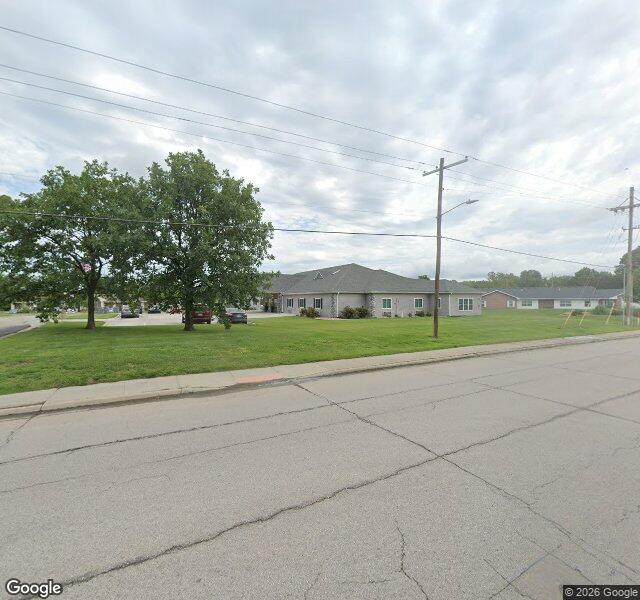
Sunflower Care Homes LLC - Legacy
1600 W 15th Avenue, Emporia, KS 66801View map (opens in a new tab)
Overview and key essentials
State license
Active
KS KDADS
Google reviews
Not available
Public reviews not linked
Size & payment
Ask directly
Confirm pricing & payment
Public records for this community are limited. Use the checklist below when you call or visit to confirm pricing, services, and openings.
Cost, payment & care details
Updated Nov 28, 2026| Monthly cost | Not published | Ask for the full monthly cost, including care fees and one-time charges. |
|---|---|---|
| Payment options | Ask directly | Payment details are not confirmed in our records. Ask about private pay, long-term care insurance, veterans benefits, and Medicaid waivers. |
| Size & availability | Confirm directly | We don't publish live openings. Ask about current availability, waitlist length, and move-in timing. |
| Care & support | Assisted living | Usually offers housing and help with everyday tasks, such as bathing and dressing. What to confirm about care levelsThis describes the licensed category. Ask how care plans adjust if mobility, nursing, or memory needs change over time. Read the family care guide → |
State licensing
State inspection history
4inspections
38deficiencies listed
Jun 12, 2025Routine6 deficiencies reported6
6 deficiencies reported
View official state report (opens in a new tab)
The following citations represent the findings of a Re-Licensure Survey at the above named Home Plus Facility conducted on 06/11/25 and 06/12/25.
moderateS 5300
Medications (d) Home administration of resident ' s medications. If a home is responsible for the administration of a resident ' s medications, the administrator or operator shall ensure that all medications and biologicals are administered to that resident in accordance with a medical care provider ' s written order, professional standards of practice, and each manufacturer ' s recommendations. The administrator or operator shall ensure that all of the following are met: (1) Only licensed nurses and medication aides shall administer and manage medications for which the home has responsibility. (2) Medication aides shall not administer medication through the parenteral route. This REQUIREMENT is not met as evidenced by: KAR 26-42-205 (d) The facility reported a census of 11 residents(R). The sample included three residents. Based on record review and interview the operator failed to ensure staff administered medications according to standards of practice and a Medical Providers written order for one (R3) of three sampled residents for whom the facility was responsible for administering medications. Findings included: - R3's medical record revealed she moved into the facility on 08/24/24 with a diagnoses of Alzheimer's and diabetes type II. R3's "Functional Capacity Screen" (FCS) dated 08/19/24 identified she had impaired cognition and could not participate in management of her medications and medical treatments. Interview on 06/11/25 at 11:30 AM Administrative Licensed Nurse B reported the 'Negotiated Service Agreement", and "Health Care Service Plan" were combined into one document (NSA/HCSP). R3's NSA/HCSP dated 08/22/24 identified R3's son would administer insulin when a Licensed Nurse was unavailable and qualified staff would administer insulin according to physician's orders. Review of R3's September 2024 Medication Administration Record (MAR) identified staff failed to administer R3's Humalog Insulin seven out of 30 times before breakfast, 18 times out of 30 before lunch, and 12 times out of 30 before supper. It also indicated staff failed to administer R3's Tresiba Insulin 14 out of 30 times in the evening. The MAR "note" indicated not to administer per nurse on duty. Review of R3's April 2025 Medication Administration Record (MAR) revealed facility staff did not administer R3's Humalog Insulin two out of 30 times before breakfast, nine out of 30 times before lunch and eight times before supper. Staff also failed to administer her Tresiba Insulin 14 out of 30 times in the evening. The "notes" on the MAR indicated the insulin was held "per Nurse'" for low blood sugar. Review of R3's May 2025 Medication Administration Record (MAR) revealed facility staff failed to administer R3's Humalog seven out of 31 times before lunch and 10 out of 31 times before supper. Staff also failed to administer R3's Tresiba Insulin eight out of 16 times in the evening. The "notes" on the MAR indicated the insulin was held "per nurse" for low blood sugar. Review of R3's record lacked a medical providers order on when to hold R3's insulin and failed to include documentation that the medical provider was notified each time the licensed nurse directed certified staff to hold R3's insulin. Interview on 06/12/25 at 10:05 AM Administrative Nurse/Operator A confirmed they did not have a medical providers order for insulin to be held based on R3's blood sugars. The operator failed to ensure staff notified R3's medical provider when the licensed...
moderateS 5251
Documentation of Incidents (f) (11) documentation of all incidents, symptoms, and other indications of illness or injury including the date, time of occurrence, action taken, and results of the action. This REQUIREMENT is not met as evidenced by: KAR 26-42-105(f)(11) The facility reported a census of 11 residents(R). The sample included three record reviews. Based on interview, and record review the operator failed to ensure the medical record contained documentation of all incidents, symptoms, and other indications of illness or injury including the date and time, action taken, and results of the action for one (R3) of three sampled residents. Findings included: - R3's medical record revealed she moved into the facility on 08/24/24 with a diagnoses of Alzheimer's and diabetes type II. R3's "Functional Capacity Screen" (FCS) dated 08/19/24 identified she needed physical assistance with bathing, had impaired cognition, and could not participate in management of her medications and medical treatments. Interview on 06/11/25 at 11:30 AM Administrative Licensed Nurse B reported the 'Negotiated Service Agreement", and "Health Care Service Plan" were combined into one document (NSA/HCSP). R3's NSA/HCSP dated 08/22/24 identified the licensed or certified staff to assist with medications and R3's son would administer insulin when a Licensed Nurse was unavailable. Review of R3's nursing progress notes revealed the following documentation: 10/14/2024 - 08:00 PM Insulin held due to blood sugar of 69. Staff provided snacks at this time and blood sugar 118. Staff informed the next shift nurse will continue to monitor it. The record lacked follow-up and documentation of physician notification the insulin was held. 01/21/25 - insulin held at noon due to blood sugar of 92. The record lacked follow-up as to physician notification or status after eating noon meal. 03/12/2025 - daughter requested an order for allergy medicine as resident used to take one daily for runny nose. Order obtained and faxed to pharmacy. The record lacked follow up if the medication was effective in relieving R3's runny nose. 05/12/2025 - Certified Medication Aide (CMA) reported R3's blood sugar was 90 and this nurse (Administrative Licensed Nurse B) instructed CMA to hold insulin. Record lacked documentation of physician notification of insulin being held. 06/05/2025 - Metformin (antidiabetic agent) decreased due to resident having increase episodes of diarrhea. The record lacked documentation if the changes in Metformin helped decrease diarrhea. Interview on 06/12/25 at 10:06 AM Administrative Nurse/Operator A reported she would expect staff to document follow-up on any new orders and would have expected to see documentation that the nurse had contacted the physician whenever the insulin was held. The operator failed to ensure designated staff documented symptoms and physician notification when she determined the need to hold R3's insulin and follow-up when new medications were initiated.
moderateS 5105
a) The administrator or operator of each home plus shall ensure the development of a written negotiated service agreement for each resident, based on the resident ' s functional capacity screening, service needs, and preferences, in collaboration with the resident or the resident ' s legal representative, the case manager, and, if agreed to by the resident or the resident ' s legal representative, the resident ' s family. The negotiated service agreement shall provide the following information: (1) A description of the services the resident will receive; (2) identification of the provider of each service; and (3) identification of each party responsible for payment if outside resources provide a service. This REQUIREMENT is not met as evidenced by: KAR 26-42-202(a)(1) The facility reported a census of eleven residents (R). The sample included three residents. Based on interview, and record review for to two (R3 and R5) of three sampled residents, the operator failed to ensure designated staff developed a "Negotiated Service Agreement" based on the resident's "Functional Capacity Screen" and service needs that included a description of services to be provided. Findings included: - R3's medical record revealed she moved into the facility on 08/24/24 with a diagnoses of Alzheimer's and diabetes type II. R3's "Functional Capacity Screen" (FCS) dated 08/19/24 identified she needed physical assistance with bathing, had impaired cognition and a current problem with wandering. Interview on 06/11/25 at 11:30 AM Administrative Licensed Nurse B reported the 'Negotiated Service Agreement", and "Health Care Service Plan" were combined into one document (NSA/HCSP). R3's NSA/HCSP dated 08/22/24 identified staff would provide supervision and assist with bathing and monitor non-verbal cues for communication. The NSA/HCSP failed to include a description of services related to impaired cognition. Interview on 06/12/25 at 10:02 AM Administrative Nurse/Operator A reviewed R3's NSA/HCSP and confirmed it did not address her cognitive impairment and services staff needed to provide. The operator failed to ensure R3's NSA/HCSP included a description of services related to her cognitive impairment identified on her FCS. - Review of R5's record revealed she moved into the facility on 08/12/24 with diagnosis of dementia. R5's "Functional Capacity Screen" dated 11/02/24 identified she needed physical assistance with all activities of daily living, had impaired cognition and impaired decision making ability. Interview on 06/11/25 at 11:30 AM Administrative Licensed Nurse B reported the 'Negotiated Service Agreement", and "Health Care Service Plan" were combined into one document (NSA/HCSP). Review of R5's NSA/HCSP dated 11/02/24 identified facility staff would provide assistance with activities of daily living but failed to include a description of services related to impaired cognition. Interview on 06/12/25 at 11:22 AM Administrative Nurse/ Operator A reviewed R5's NSA/HCSP and confirmed it did not include a description of services related to impaired cognition. The operator failed to ensure R5's NSA/HCSP identified services to be provided related to impaired cognition.
moderateS 5286
Medications (b) Administration of select medications. Any resident who self-administers medication may select some medications to be administered by a licensed nurse or medication aide. The negotiated service agreement shall reflect this service and identify who is responsible for the administration and management of selected medications. This REQUIREMENT is not met as evidenced by: KAR 26-42-205 (b) The facility reported a census of 11 residents. The sample included three residents. Based on observation, interview, and record review the operator failed to ensure one (R3) of three sampled residents "Negotiated Service Agreement" identified qualified staff would prepare and dial R3's insulin pen to the ordered dosages and she would self-inject the insulin. Findings included: - R3's medical record revealed she moved into the facility on 08/24/24 with a diagnoses of Alzheimer's and diabetes type II. R3's "Functional Capacity Screen" (FCS) dated 08/19/24 identified she had impaired cognition and could not participate in management of her medications and medical treatments. Interview on 06/11/25 at 11:30 AM Administrative Licensed Nurse B reported the 'Negotiated Service Agreement", and "Health Care Service Plan" were combined into one document (NSA/HCSP). R3's NSA/HCSP dated 08/22/24 identified R3's son would administer insulin when a Licensed Nurse was unavailable and qualified staff would administer insulin according to physician's orders. It also identified Licensed staff determined resident was unable to self-administer medications. R3's NSA/HCSP did not identify that qualified staff prepared and dialed her insulin pen according to orders and she self-injected the insulin. Review of R3's September 2024 Medication Administration Record identified Humalog Insulin and Tresiba insulin that was initialed by Certified Medication Aides (CMA) and not a licensed Nurse, indicating the CMA prepared and dialed the insulin pen for R3 to self-inject. Observation on 06/11/25 at 11:55 AM Certified Medication Aide (CMA) C took R3's Humalog Insulin Kwickpen out of the medication cart, wiped the end with an alcohol pad, put the needle on, and then dialed it to 12 units according to the Medication Administration Record for the ordered dosage. CMA C went to R3's room who said she wanted it in her left arm today and exposed her upper arm. CMA C wiped and area on R3's upper arm with an alcohol pad, removed the needle cover and handed it to R3. R3 took the pen and poked herself in the arm, pushed the plunger without any difficulty, and then handed the pen back to CMA C. Interview on 06/12/25 at 10:02 AM Licensed Nurse/Operator A reviewed R3's NSA/HCSP and confirmed it did not identify that qualified staff prepared R3's insulin for her to self-inject. The operator failed to ensure designated staff completed R3's NSA/HCSP to include that she self-injected her insulin and qualified staff administered all other medications.
moderateS 5095
Accurate (d) Designated staff shall ensure that each resident ' s functional capacity at the time of screening is accurately reflected on that resident ' s screening form. This REQUIREMENT is not met as evidenced by: KAR 26-42-201(d) The facility reported a census of 11 residents(R). The sample include three residents. Based on interview and record review the operator failed to ensure designated staff completed one (R3) of three sampled resident's "Functional Capacity Screen" accurately to reflect the resident's functional ability related to management of medications. Findings Included: - R3's medical record revealed she moved into the facility on 08/24/24 with a diagnoses of diabetes type II and Alzheimer's disease. R3's "Functional Capacity Screen" (FCS) dated 08/19/24 identified she was unable to participate in management of her medications and medical treatments. Observation on 06/11/25 at 11:55 AM Certified Medication Aide (CMA) C took R3's Humalog Insulin Kwickpen out of the medication cart, wiped the end with an alcohol pad, put the needle on, and then dialed it to 12 units according to the Medication Administration Record for the ordered dosage. CMA C went to R3's room who said she wanted it in her left arm today and exposed her upper arm. CMA C wiped and area on R3's upper arm with an alcohol pad, removed the needle cover and handed it to R3. R3 took the pen and poked herself in the arm, pushed the plunger without any difficulty, and then handed the pen back to CMA C. Interview on 06/11/25 at 11:30 AM Administrative Licensed Nurse B reported two residents had insulin orders and can self-inject their own insulin. The Certified Medication Aide prepares the pen, dials it to the correct dose, and then hands it to the resident to self-inject. Interview on 06/12/25 at 10:00 AM Administrative Nurse/Operator A confirmed staff should have coded the FCS as a "2", physical assistance needed with management of medications, instead of a "3" unable to participate. The operator failed to ensure designated staff completed R3's FCS accurately to identify her ability to self-inject her insulin and participate in taking her medications after they are prepared by the CMA.
STATE FORM6899
8CNW11 STATE FORM 8CNW11 STATE FORM 8CNW11 STATE FORM 8CNW11 STATE FORM 8CNW11 STATE FORM 8CNW11 STATE FORM 8CNW11 STATE FORM 8CNW11 STATE FORM 8CNW11 STATE FORM 8CNW11 STATE FORM 8CNW11 STATE FORM 8CNW11 STATE FORM 8CNW11
Feb 13, 2024Complaint1 deficiency reported1
1 deficiency reported
View official state report (opens in a new tab)
The following represents the findings of an Abbreviated Survey for complaint investigation 182370 for the above named Home Plus Facility conducted on 02/13/24 which resulted in no deficiencies.
STATE FORM6899
XQZC11
Jan 17, 2024Routine19 deficiencies reported19
19 deficiencies reported
View official state report (opens in a new tab)
The following citations represent the findings of a Re-Licensure Survey for the above named Home Plus facility conducted on 01/11/24, 01/16/24 and 01/17/24.
moderateS 5116
(d) Each administrator or operator shall ensure the review and, if necessary, revision of each negotiated service agreement according to the following requirements: (1) At least once every 365 days;(2) following any significant change in condition, as defined in K.A.R. 26-39-100; (3) at least quarterly if the resident receives assistance with eating from a paid nutrition assistant; and (4) if requested by the resident or the resident ' s legal representative, staff, the case manager, or, if agreed to by the resident or the resident ' s legal representative, the resident ' s family. This REQUIREMENT is not met as evidenced by: KAR 26-42-202(d)(2) The facility reported a census of 11 residents(R) and two residents who received "Day Services". The sample included three residents and four focused record reviews. Based on interview and record review, the operator failed to ensure the review and if necessary, the revision of each negotiated service agreement for one (R3) of three sampled residents when the resident had a significant change in condition, as defined in KAR 26-39-100. Findings Included: - R3 moved into the facility on 10/11/23 with diagnoses of sacral pressure ulcer stage II, anorexia (lack or loss of appetite), and right shoulder pain. R3's "Functional Capacity Screen' dated 10/02/23 identified the resident required physical assistance with mobility and bathing and was independent with eating. It lacked information the resident had a sacral wound or wound treatments. R3's "Negotiated Service Agreement" (NSA) dated 10/02/23 identified Administrative Licensed Nurse A and Administrative Licensed Nurse B were responsible for health care services. It identified he did not receive any home health or therapy services. The NSA had an undated handwritten entry that Physical Therapy had been ordered. Review of R3's paper and electronic record revealed he started Home Health services on 11/7/23 with a local outside resource for physical therapy and wound care. He then discharged from Home Health and Started Hospice services on 12/08/23 with a different company. On 01/04/24 the resident discharged from this Hospice service and started services with a different Hospice company on 01/07/24. On 01/19/24 at 09:19 AM Administrative Licensed Nurse B reported the NSA needed to be revised or an addendum done for any outside services changes, or any assistive device added. Administrative Licensed Nurse acknowledged she should have completed addendums when the resident started Home Health and discontinued Home Health services, and same for when he started and changed Hospice services. Review of the undated "Nursing Functional Capacity Screen and Negotiated Service Agreement with Care Plan Policy" revealed the administrator or operator shall ensure the review and if necessary, revision of the NSA following any significant change in condition, as defined in KAR 26-30-100. The operator failed to ensure designated staff reviewed and revised R3's NSA when he had a change in outside services related to Home Health and Hospice.
moderateS 5300
Medications (d) Home administration of resident ' s medications. If a home is responsible for the administration of a resident ' s medications, the administrator or operator shall ensure that all medications and biologicals are administered to that resident in accordance with a medical care provider ' s written order, professional standards of practice, and each manufacturer ' s recommendations. The administrator or operator shall ensure that all of the following are met: (1) Only licensed nurses and medication aides shall administer and manage medications for which the home has responsibility. (2) Medication aides shall not administer medication through the parenteral route. This REQUIREMENT is not met as evidenced by: KAR 26-42-205 (d) The facility reported a census of 11 residents(R) and two residents who received "Day Services". The sample included three residents and four focused record reviews. Based on record review and interview the operator failed to ensure staff administered medications according to a Medical Providers written order and professional standards of practice for three (R3, R4, R5) of three sampled residents for whom the facility was responsible for administering medications. Findings included: - Review of R3's medical record revealed he moved into the facility on 10/11/23 with diagnoses of sacral pressure ulcer stage II, anorexia (lack or loss of appetite), and right shoulder pain. R3's "Functional Capacity Screen' dated 10/02/23 identified the resident required physical assistance with management of medications and medical treatments. R3's "Negotiated Service Agreement" (NSA) dated 10/02/23 staff marked medication administration and that facility staff will administer medications for R3. Review of R3's December 2023 Medication Administration Record included for staff to administer the following medications: -Morphine (a narcotic pain medication) 10 milligrams (mg)/ 5 milliliters (ml) administer 5 to 10 mg by mouth as needed (PRN) and then on the bottom said to administer 2.5ml (5 mg) every two hours PRN for moderate to severe pain. The facility staff had initialed administration of Morphine 10mg/5ml solution 33 times with no evidence to show a licensed nurse was contacted prior to administration of the medications and lacked follow up if the medication relieved R3's pain. -Oxycodone (a narcotic pain medication) 5mg tablet PRN to help relieve moderate to severe pain with instructions to give three times a day PRN for break-through pain. Staff administered the Oxycodone seven times with no evidence of nurse notification prior to administration and no follow up if the medication relieved R3's pain. Review of R3's January 2024 Medication Administration Record (MAR) revealed the following: Celebrex was not administered from the 1st to the 3rd due to not available. The resident missed six doses. Vitamin B12 was not administered from the 1st to the 11th due to medication not available. The resident missed 11 doses. Tylenol was not administered on the 2nd and 3rd and then again from the 13th to the 16th due to medication not available. Remeron 15mg did not receive on 15th and 16th due to medication could not be found in cart. The resident's record lacked documentation that the physician was notified that the medications were not available for administration or if family was notified to bring medication into the facility. The January MAR also included staff administered of the following narcotic...
moderateS 5215
Preparedness Education (d) Each administrator or operator shall ensure disaster and emergency preparedness by ensuring the performance of the following: (1) Orientation of new employees at the time of employment to the home ' s emergency management plan; (2) education of each resident upon admission to the home regarding emergency procedures; (3) quarterly review of the home ' s emergency management plan with employees and residents; and (4) an emergency drill, which shall be conducted at least annually with staff and residents. This drill shall include evacuation of the residents to a secure location. This REQUIREMENT is not met as evidenced by: KAR 26-42-104 (d)(3) The facility reported a census of 11 residents. Based on record review and interview the operator failed to ensure disaster and emergency preparedness by the failure to conduct quarterly reviews of the home's emergency management plan with all residents. Findings included: - Review of the information provided by Administrative Staff A on 01/11/24 for quarterly reviews of the emergency management plan with residents and staff revealed the following: The emergency management plan was reviewed with residents and staff the same days on 11/15/22 and 02/23/23. The reviews conducted on 05/24/23, 09/27/23 and 01/10/24 did not include resident names or information that he emergency management plan was reviewed with residents. On 01/11/24 at 03:00 PM Administrative Staff A read the reviews of the emergency management plan and confirmed the residents were not documented as being included in the last three quarterly reviews. The operator failed to ensure disaster and emergency preparedness by the failure to conduct quarterly reviews of the emergency management plan with all residents.
STATE FORM6899
4D6G11 STATE FORM 4D6G11 STATE FORM 4D6G11 STATE FORM 4D6G11 STATE FORM 4D6G11 STATE FORM 4D6G11 STATE FORM 4D6G11 STATE FORM 4D6G11 STATE FORM 4D6G11 STATE FORM 4D6G11 STATE FORM 4D6G11 STATE FORM 4D6G11 STATE FORM 4D6G11 STATE FORM 4D6G11 STATE FORM 4D6G11 STATE FORM 4D6G11 STATE FORM 4D6G11 STATE FORM 4D6G11 STATE FORM 4D6G11 STATE FORM 4D6G11 STATE FORM 4D6G11 STATE FORM 4D6G11 STATE FORM 4D6G11 STATE FORM 4D6G11 STATE FORM 4D6G11 STATE FORM 4D6G11 STATE FORM 4D6G11 STATE FORM 4D6G11 STATE FORM 4D6G11 STATE FORM 4D6G11 STATE FORM 4D6G11 STATE FORM 4D6G11 STATE FORM 4D6G11 STATE FORM 4D6G11 STATE FORM 4D6G11 STATE FORM 4D6G11 STATE FORM 4D6G11 STATE FORM 4D6G11 STATE FORM 4D6G11 STATE FORM 4D6G11 STATE FORM 4D6G11 STATE FORM 4D6G11 STATE FORM 4D6G11 STATE FORM 4D6G11 STATE FORM 4D6G11 STATE FORM 4D6G11 STATE FORM 4D6G11 STATE FORM 4D6G11 STATE FORM 4D6G11 STATE FORM 4D6G11 STATE FORM 4D6G11 STATE FORM 4D6G11 STATE FORM 4D6G11 STATE FORM 4D6G11 STATE FORM 4D6G11 STATE FORM 4D6G11 STATE FORM 4D6G11 STATE FORM 4D6G11 STATE FORM 4D6G11 STATE FORM 4D6G11
moderateS 5185
(a) The administrator or operator of each home plus shall ensure the provision or coordination of dietary services to residents as identified in each resident ' s negotiated service agreement. (b) The supervisory responsibility for dietetic services shall be assigned to one employee. (c) If a resident ' s negotiated service agreement includes the provision of a therapeutic diet, mechanically altered diet, or thickened consistency of liquids, a medical care provider ' s order shall be on file in the resident ' s clinical record, and the diet or liquids, or both, shall be prepared according to instructions from a medical care provider or licensed dietitian. This REQUIREMENT is not met as evidenced by: KAR 26-42-206 (c) The facility reported a census of 11 residents(R) and two residents who received "Day Services". The sample included three residents and four focused record reviews). Based on observation, interview, and record review the operator failed to ensure one (R5) of one sampled residents record included approved instructions from a medical care provider or licensed dietitian on how to prepare R5's pureed diet. Findings included: - Review of the resident roster provided by Administrative Licensed Nurse B on 01/11/24 revealed R5 received a pureed diet. Review of R5's medical record revealed she moved into the facility on 11/01/21 with diagnoses of Parkinson's disease and Alzheimer's. R5's "Functional Capacity Screen" dated 12/01/23 revealed the resident required physical assistance with eating and had impaired cognition. R5's "Negotiated Service Agreement" dated 12/01/23 identified staff provided the resident a pureed diet with staff assistance. R5's 'Health Care Service Plan" dated 12/01/23 identified staff provided the resident a pureed diet in a divided plate and staff assistance with eating as needed. Observation on 01/16/24 at 10:55 AM R5 sat at the table with Certified Nurse Aide D assisting her to finish eating breakfast that included regular pancakes that were not pureed. Observation on 01/17/24 at 12:30 PM staff had pureed peas, sweet potatoes, and ham for the resident for lunch. On 01/11/24 at 01:32 PM Certified Medication Aide (CMA) C and CMA F reported there were no instructions on how to prepare a pureed diet. Staff just know how to do it because we were trained on it. CMA F reported she eats regular pancakes for breakfast because that is what her family wants her to have and the rest of her food is pureed. They reported the pureed food should be pudding consistency and if needs more liquid we add broth or milk. On 01/11/24 at 01:41 PM Administrative Licensed Nurse A asked CMA C where the directions were for pureed diets were and CMA C told Administrative Licensed Nurse A they did not have any instructions. Administrative Licensed Nurse A went into the kitchen and stated they are usually kept with the recipes. She looked through three different recipe books and did not find the directions for how to prepare pureed diets. On 01/11/24 at 01:50 PM surveyor looked through R5's paper chart and found instructions for a pureed diet but it was not approved by a medical provider or licensed dietitian. On 01/11/24 at 2:00 PM Administrative Licensed Nurse A provided a pureed diet paper and said their sister house faxed it over. At the bottom of the page identifies it is developed by registered dietitians' nutrition services but is not signed by the resident's medical provider or a licensed dietitian. The operator failed to...
severeS 5155
(a) The administrator or operator in each home plus shall ensure that a licensed nurse provides or coordinates the provision of necessary health care services that meet the needs of each resident and are in accordance with the functional capacity screening and the negotiated service agreement. This REQUIREMENT is not met as evidenced by: KAR 26-42-204(a) The facility reported a census of 11 residents(R) and two residents who received "Day Services". The sample included three residents and four focused record reviews. Based on observations, interview, and record review the operator failed to ensure a licensed nurse provided and/or coordinated the provision of necessary health care services to meet the needs of one (R3) of three sampled residents regarding the development and worsening of pressure ulcers (localized injury to the skin and/or underlying tissue usually over a bony prominence, as a result of pressure, or pressure in combination with shear and/or friction). The operator failed to ensure a licensed nurse assessed R3 for wounds upon admission, failed to address the resident's risk for development of pressure ulcers, and failed to develop and implement interventions to promote healing and reduce risk of further pressure ulcer issues. The resident was admitted to the facility with a stage II (partial thickness ulcer involving the outer layer of skin and extending into the next layer of skin resulting in a shallow open wound or a blister containing clear fluid) sacral wound that worsened to a stage III pressure ulcer (ulcer effecting the full thickness of skin extending into the fatty tissue). On 11/07/23 he developed an additional stage III pressure ulcer on his left heel. This failure put R3 at harm for neglect. - Findings included - R3 moved into the facility on 10/11/23 with diagnoses of sacral pressure ulcer stage II, anorexia (lack or loss of appetite), and right shoulder pain. R3's "Functional Capacity Screen' dated 10/02/23 identified the resident required physical assistance with mobility and bathing and was independent with eating. It lacked information the resident had a sacral wound or wound treatments. R3's "Negotiated Service Agreement" (NSA) dated 10/02/23 identified Administrative Licensed Nurse A and Administrative Licensed Nurse B were responsible for health care services. It identified staff provided the resident a mechanical soft diet with three meals and snacks served per day. It lacked interventions related to his diagnosis of anorexia. R3 had no control of his bowels and had an indwelling urinary catheter which required assistance of one staff for cares. He also used a wheelchair most of the time. Administrative Licensed Nurse B did not "X" dressing changes as a health care service to be provided and had a question mark beside pressure ulcers/wounds as a current/recent problem and risk. The NSA lacked services related to the promotion of healing of his sacral pressure ulcer and lacked services to reduce the risk for development of additional pressure ulcers. R3's "Health Care Service Plan" (HCSP) included a supplement of "Boost" (a nutritional supplement drink) which his family provided, and resident could ask for if he desired it. It identified facility staff would provide two showers per week, assist with dressing upper and lower extremities, and would change incontinent products as needed. The "Health Care Service Plan" failed to include any health care services related to R3's sacral wound or services...
moderateS 5115
Agreement (c) Each administrator or operator shall ensure the development of an initial negotiated service agreement at admission. This REQUIREMENT is not met as evidenced by: KAR 26-42-202(c) The facility reported a census of 11 residents(R) and two residents who received "Day Services". The sample included three residents and four focused record reviews. Based on interview and record review the operator failed to ensure one (R6) of four focused record reviews had an initial Negotiated Service Agreement" completed at admission. Findings included: - On 01/11/24 at 02:09 PM Administrative Licensed Nurse A reported there were three residents currently in the facility who receive "Respite Care" (provision of services to a resident on an intermittent basis for periods of fewer then 30 days at any one time.). Review of R6's medical record revealed he moved into the facility on 01/09/24 with diagnosis of dementia. Review of R6's paper chart and electronic medical record lacked evidence designated staff completed an initial "Negotiated Service Agreement". On 01/16/24 at 04:02 PM Administrative Licensed Nurse B reported the resident's "Negotiated Service Agreement" was to be completed either before or on day of admission. She acknowledged it had not been completed as the resident's DPOA was supposed to be getting the facility more information. Review of the undated Respite Care policy revealed the facility would complete a "Negotiated Service Agreement" prior to services being provided by the facility. The operator failed to ensure designated staff completed a "Negotiated Service Agreement" on or before R6 moved into the facility.
moderateS 5141
(c) Respite care services. Any administrator or operator of a home plus may provide respite care services to individuals who meet the home's admission and retention criteria on a short-term basis if the administrator or operator ensures that the following conditions are met: (1) Written policies are developed and procedures are implemented for the provision of respite care services. (2) All the requirements for admission of a resident to a home plus are met for an individual admitted for respite care services. This REQUIREMENT is not met as evidenced by: KAR 26-42-203(c) The facility reported a census of 11 residents(R) and two residents who received "Day Services". The sample included three residents and four focused record reviews. Based on record review and interview the operator failed to ensure "Respite Care" services did not exceed the 30-day definition for two (R7 and R8) of three residents receiving "Respite Care". Findings included: - On 01/11/24 at 02:09 PM Administrative Licensed Nurse A reported there were three residents currently in the facility who received "Respite Care". By definition "Kansas Administrative Regulations Common to All Adult Care Homes" KAR 26-39-100 (mmm) defined "Respite Care" as the provision of services to a resident on an intermittent basis for periods of fewer than 30 days at any one time. - Review of R7's medical record revealed she moved into the facility on 12/06/23 for Level three "Respite Care" services. As of 01/17/24, 42 days after her admission she remained in the facility receiving services from facility staff based upon her "Respite Care" admission agreement and level of care payment. On 01/17/24 at 03:51 PM Administrative Licensed Nurse reported "Respite Care" services are a week-by-week basis and R7 continued on Respite services. The operator failed to ensure "Respite Care" services were provided according to the definition in the "Kansas Administrative Regulations Common to All Adult Care Homes". - Review of R8's medical record revealed he moved into the facility on 11/02/23 for Level one "Respite Care" services. As of 01/17/24 R8 continued to receive services from facility staff and had the same "Respite Admission Agreement" with identified "Respite" billing, 76 days after admission into the facility. On 01/17/24 at 03:51 PM Administrative Licensed Nurse reported she thought he had switched from Respite care to long term admission as of 01/01/24, which is still longer than 30 days being on "Respite Care" services. Review of the undated "Respite Care" policy revealed the resident will receive services on a short term basis. The operator failed to ensure "Respite Care" services were provided according to the definition in the "Kansas Administrative Regulations Common to All Adult Care Homes".
moderateS 230
Resident Rights b) At the time of admission, adult care home staff shall inform the resident or the resident ' s legal representative, in writing, of the state statutes related to advance medical directives. (1) If a resident has an advance medical directive currently in effect, the facility shall keep a copy on file in the resident ' s clinical record. (2) The administrator or operator, or the designee, shall ensure the development and implementation of policies and procedures related to advance medical directives. (c) The administrator or operator, or the designee, shall provide a copy of resident rights, the adult care home's policies and procedures for advance medical directives, and the adult care home's grievance policy to each resident or the resident's legal representative before the prospective resident signs any admission agreement. This REQUIREMENT is not met as evidenced by: KAR 26-39-102(b)(c) The facility reported a census of 11 residents(R) and two residents who received "Day Services". The sample included three residents and four focused record reviews. Based on record review and interview the operator failed to ensure designated staff reviewed the facilities advanced directives policy, resident rights, and grievance policy for one (R6) of four focused record reviews Findings Included: - Review of R6's medical record revealed he moved into the facility on 01/05/24 with diagnosis of dementia. R6's paper chart and electronic medical record did not have an admission agreement completed, did not have any information related to advanced directives in his chart or documentation that advanced directives were reviewed with his legal representative. The record also lacked information of providing information to R6's legal representative related to resident rights, grievance policy and procedures for advance medical directives. On 01/16/24 at 04:00 PM Administrative Licensed Nurse B looked through R6's paper chart and confirmed there was no evidence that the facility policies related to advanced directives, resident rights, and the grievance policy were reviewed and provided to the resident's legal representative. The operator failed to ensure designated staff provided R6's legal representative with information regarding advanced directives, resident rights and the facilities grievance policy.
moderateS 5302
Administration (4) Any licensed nurse may delegate nursing procedures not included in the medication aide curriculum to medication aides under the Kansas nurse practice act, K.S.A. 65-1124 and amendments thereto. This REQUIREMENT is not met as evidenced by: KAR 26-42-205(d)(4) The facility reported a census of 11 residents(R) and two residents who received "Day Services". Based on interview and record review for three of three newly hired "Certified Medications Aide's" employee files, the operator failed to ensure the delegated nursing procedure for the dialing of insulin pens for each certified medication under the Kansas nurse practice act, K.S.A. 65-1124 and amendments thereto. Findings included: - Review of the resident roster provided by Administrative Licensed Nurse B revealed one resident received insulin injections. On 01/16/24 at 08:10 AM surveyor requested to review delegation for Certified Medication Aide (CMA) C, CMA G and CMA F, regarding the preparing of insulin pens and dialing them to the ordered administration dosage. On 01/16/24 at 12:26 PM Administrative Licensed Nurse reported via electronic interview that they had just finalized a check off form for a CMA to prepare and dial insulin pens. As of 01/18/24 the facility had not provided evidence of delegation for CMA to prepare and dial insulin pens. Review of the undated policy for "K.A.R 26-42-204(e), 205 (d)(4)" revealed the licensed nurse shall orient and instruct the medication aide in the performance of the nursing task. The medication aide's demonstration of the competency necessary to perform the delegated task shall be documented in writing. The operator failed to ensure the procedure for dialing of insulin pens was delegated to CMA's according to the Kansas nurse practice act, K.S.A. 65-1124 and amendments thereto.
moderateS 5105
a) The administrator or operator of each home plus shall ensure the development of a written negotiated service agreement for each resident, based on the resident ' s functional capacity screening, service needs, and preferences, in collaboration with the resident or the resident ' s legal representative, the case manager, and, if agreed to by the resident or the resident ' s legal representative, the resident ' s family. The negotiated service agreement shall provide the following information: (1) A description of the services the resident will receive; (2) identification of the provider of each service; and (3) identification of each party responsible for payment if outside resources provide a service. This REQUIREMENT is not met as evidenced by: KAR 26-42-202(a)(1) The facility reported a census of 11 residents(R) and two residents who received "Day Services". The sample included three residents and four focused record reviews. Based on observation, interview, and record review for three (R3, R4, and R5) of three sampled residents, the operator failed to ensure designated staff developed a "Negotiated Service Agreement" based on the resident's "Functional Capacity Screen" and the resident's service needs that included a description of the services the resident would receive. Findings included: - Review of R3's medical record revealed he moved into the facility on 10/11/23 with diagnoses of sacral pressure ulcer stage II, anorexia (lack or loss of appetite), and right shoulder pain. R3's "Functional Capacity Screen' dated 10/02/23 identified the resident required physical assistance with management of medical treatments. R3's "Negotiated Service Agreement" (NSA) dated 10/02/23 failed to address service needs related to medical treatments such as wound treatments to his sacral pressure ulcer. Review of R3's Medication/Treatment Administration Records since admission include skin treatments related to sacral wound as well as treatment for indwelling urinary catheter. Interview on 01/17/24 at 09:19 AM Administrative Licensed Nurse B acknowledged she did not implement measures in R3's NSA related to his need for medical treatments associated with pressure ulcers. Review of the undated "Nursing Functional Capacity Screen and Negotiated Service Agreement with Care Plan Policy" revealed the Negotiated Service Agreement will be developed based upon the residents Functional Capacity Screen. The operator failed to ensure designated staff completed R3's NSA based upon his service needs as identified in his FCS. - Review of R4's medical record revealed she moved into the facility on 09/30/23 with diagnoses of diabetes mellitus and hypertension. R4's admission "Functional Capacity Screen" (FCS) dated 09/20/23 revealed the resident was independent with bathing, dressing, toileting, require supervision with transfers and mobility. It also identified she was independent with management of medications and medical treatments. R4's admission "Negotiated Service Agreement" (NSA) failed to address services related to medical treatments and failed to include that she used a Ubar attached to the bed as a mobility assistive device. Review of R4's Medication/Treatment Administration Records included staff monitoring her blood sugars since admission and staff also applied topical medication pain treatments for R4. Observation on 01/16/24 the resident had a Ubar on the open side of the bed. R4 stated that she used it to help get sat up on the bed as well...
moderateS 5171
Practice (i) All health care services shall be provided to residents by qualified staff in accordance with acceptable standards of practice. This REQUIREMENT is not met as evidenced by: KAR 26-42-204 (i) The facility reported a census of 11 residents(R) and two residents who received "Day Services". The sample included three residents and four focused record reviews. Based on observation, interview , and record review the operator failed to ensure designated staff assessed one (R4) of three sampled resident's bed assistive devices to ensure that it was secured properly to the bed and safe to use. Findings included: - Review of R4's medical record revealed she moved into the facility on 09/30/23 with diagnoses of diabetes mellitus and hypertension. R4's admission "Functional Capacity Screen" (FCS) dated 09/20/23 revealed the resident was independent with bathing, dressing, toileting, require supervision with transfers and mobility. It also identified she was independent with management of medications and medical treatments. R4's admission "Negotiated Service Agreement" (NSA) revealed staff provided assistance of one staff with transfers and mobility. It failed to include that R4 used a Ubar as an assistive device. R4's medical record included a "Bedrail Risk Assessment" dated 10/03/23 that identified the decision had been made for the resident to use a bed rail and it had been checked by Administrative Licensed Nurse B for the resident to use it safely, the rail (Ubar) itself to be safe and for it to be secured properly to the bed. The assessment indicated at the time the bedrail did not move away from the side of the mattress, it was secure, and when in use and was not and entrapment hazard. On 01/16/24 at 11:47AM the resident sat on the side of her bed and there was a Ubar on her left side. R4 stated she used the bar to help her sit up in bed and when she is standing up out of bed. She said she was a little nervous because it will move when she uses it and had fallen when getting out of bed when it moved once. Surveyor checked the Ubar, and the legs were not flat on the floor, it moved out from under the mattress and to the left and right a significant amount to cause R4 concern related to safety. On 01/16/24 at 12:01 PM Administrative Licensed Nurse B reported they have a form they fill out to make sure the Ubar is safe. She stated that included making sure the bar did not move during use, was secure to the bed, and not an entrapment risk. Administrative Licensed Nurse B stated they check the bars when they are put on the bed and do not really check them again unless there is a problem with them. Administrative Licensed Nurse confirmed the Ubar currently was not secure and thought it may be related to the head of the bed being slightly elevated. The operator failed to ensure designated staff assessed the functionality of R4's Ubar to ensure it remained safe for her to used as an assistive device.
moderateS 5251
Documentation of Incidents (f) (11) documentation of all incidents, symptoms, and other indications of illness or injury including the date, time of occurrence, action taken, and results of the action. This REQUIREMENT is not met as evidenced by: KAR 26-42-105(f)(11) The facility reported a census of 11 residents(R) and two residents who received "Day Services". The sample included three residents and four focused record reviews. Based on interview and record review the operator failed to ensure the medical record contained documentation of all incidents, symptoms, and other indications of illness or injury including the date and time, action taken, and results of the action for three (R3, R4, and R5) of three sampled residents. Findings included: - Review of R3's medical record revealed he moved into the facility on 10/11/23 with diagnoses of sacral pressure ulcer stage II, anorexia (lack or loss of appetite), and right shoulder pain. R3's "Functional Capacity Screen' dated 10/02/23 identified the resident required physical assistance with bathing, dressing, toileting, transfers, and mobility. He also had a current risk for falls and was unable to manage his medications. R3's "Negotiated Service Agreement" (NSA) dated 10/02/23 revealed facility staff provided the resident physical assistance of staff for activities of daily living, they cleaned his room, provided 3 meals per day with snacks, and administered the resident's medications to him. Review of R3's electronic "Chart Notes" failed to include documentation from the licensed nurse that he had pressure ulcers, that a nurse assessed them, and failed to include documentation that included a description of the wounds, measurements, and effectiveness of current treatment plan. R3's electronic "Chart Notes" included the following documentation: 11/02/23 - R3 is having some green/yellowish discharge from urethra and head of penis is swollen. Physician notified awaiting return call. The record lacked follow up as to a return call, if there was any type of treatment for signs of infection, or if the discharge and swelling resolved. 11/21/23 Licensed Nurse called PCP and Home Health to see if results for urinalysis were available and they were not. The record lacked documentation as to a UA being obtained, any symptoms related to why a UA was obtained, and documentation when the UA returned what medical treatment if any was ordered. 12/10/23 resident had a fall at 05:00 AM out of bed. EMS called for lift assistance. The resident lacked follow-up documentation on resident status post fall to rule out latent injuries. Observation on 01/17/24 at 07:15 AM, Certified Medication Aide (CMA) C and Certified Nurse Aide (CNA) D went in check R3 for incontinence and change his brief. After staff removed R3's brief observations revealed he had two small red areas on his penis foreskin that CMA C reported were from irritation from his catheter to which she applied Calazime ointment. When staff rolled R3 onto his left side it revealed a stage II pressure ulcer approximately 0.5 cm in diameter and 0.2 cm deep on his coccyx and another pressure ulcer on his right buttock approximately 0.3 cm x 0.2 cm and 0.2cm deep. When staff were finished, they put his left heel protector boot back on. On 01/17/24 at 10:07 AM Administrative Licensed Nurse B and CMA C entered R3's room to change the dressing on his left heel. Administrative Licensed Nurse B removed the current dressing which revealed an oval...
moderateS 5095
Accurate (d) Designated staff shall ensure that each resident ' s functional capacity at the time of screening is accurately reflected on that resident ' s screening form. This REQUIREMENT is not met as evidenced by: KAR 26-42-201(d) The facility reported a census of 11 residents(R) and two residents who received "Day Services". The sample included three residents and four focused record reviews. Based on observation, interview, and record review the operator failed to ensure designated staff completed two ( R4 and R5) of three sampled resident's "Functional Capacity Screen" accurately to reflect the resident's functional ability. Findings Included: - Review of R4's medical record revealed she moved into the facility on 09/30/23 with diagnoses of diabetes mellitus and hypertension. R4's admission "Functional Capacity Screen" (FCS) dated 09/20/23 revealed the resident was independent with bathing, dressing, toileting, require supervision with transfers and mobility. It also identified she was independent with management of medications and medical treatments. R4's admission Negotiated Service Agreement revealed staff provided stand by assistance with bathing and assistance of one person. For dressing it identified she needed assistance of one person dressing and encourage her to do as much as she can. For toileting staff to provide stand by assistance of one person. For medications it identified staff will administer medications and failed to include that staff completed the task of monitoring her blood sugars. On 01/16/24 at 11:49 AM the resident reported she could do a lot of things herself but sometimes she needs assistance with getting up in bed, putting on her pants, or getting up from a chair. On 01/16/24 at 12:33 PM Certified Nurse Aide D reported the resident is pretty independent but occasionally needs help getting out of bed or needs assistance with getting on her pants. Some days are better than others but has always needed some kind of assistance with cares. On 01/16/24 at 02:35 PM Certified Medication Aide (CMA) E said R4 sometimes needs help with getting her feet over the side of the bed so she can sit up and will occasionally need an extra boost getting in and out of bed or up from a chair. For her showers we provide stand by assistance, we give her medications and check her blood sugar. The only thing she does on her own related to medications is once we prepare the insulin pen, she can self-inject it. On 01/16/24 at 12:52 PM Administrative Licensed Nurse B reviewed R4's FCS and confirmed it was inaccurate and should match the services the NSA has. She stated if staff are giving any of the medications it should be coded a "2". The operator failed to ensure designated staff completed R4's FCS accurately to reflect her functional ability and need for assistance. - Review of R5's medical record revealed she moved into the facility on 11/01/21 with diagnoses of Parkinson's disease and Alzheimer's. R5's most current "Functional Capacity Screen" (FCS) dated 12/1/23 revealed staff coded the resident a "3" (unable to perform any part of the task), for dressing, toileting, and walk/mobility. R5's "Negotiated Service Agreement" revealed staff were to provide assistance of one staff with dressing, toileting and walk/mobility. Observation on 01/16/24 at 10:55 AM R4 sat at the table with Certified Nurse Aide (CNA) D assisting her to finish eating breakfast. CNA D had put a piece of pancake on the fork and handed the fork to R4 to...
moderateS 5230
(b)(5) prohibiting any employee with a communicable disease or any infected skin lesions from coming in direct contact with any resident, any resident ' s food, or resident care equipment until the condition is no longer infectious; (6) providing orientation to new employees and employee in-service education at least annually on the control of infections in a health care setting; (c) Each administrator or operator shall ensure the home ' s compliance with the department ' s tuberculosis guidelines for adult care homes adopted by reference in K.A.R. 26-39-105. This REQUIREMENT is not met as evidenced by: K.A.R 26-42-207(c) The facility reported a census of 11 residents(R) and two residents who received "Day Services". The sample included three residents and four focused record reviews and five newly hired staff. Based on interview and record review for one of five newly hired staff, one (R3) of three sampled residents, and three (R6, R7, R8) of four focused record reviews the operator failed to ensure the facility remained in compliance with the department's tuberculosis (TB) guidelines for adult care homes adopted by reference in K.A.R. 26-39-105. Findings included: - Review of the five newly hired employee files revealed the following irregularities: Certified Medication Aide G hired on 11/28/23 and did not receive a TB symptom screen until 01/12/24, more than seven days after her hire date. Review of the undated "Tuberculosis Guidelines Policy" revealed all employees shall complete the TB Questionnaire within seven days of employment. - R3's moved into the facility on 10/11/23 with diagnoses of sacral pressure ulcer and right shoulder pain. R3's paper medical record and electronic record did not include evidence of a TB symptom screen or a two-step TB skin test. On 01/16/24 at 02:42 PM Administrative Licensed Nurse A reported she did not have additional records for R3 at the main office. On 01/17/24 at 09:19 AM Administrative licensed Nurse B reviewed R3's records and acknowledged she could not find TB screening or testing. - R6 moved into the facility on 01/05/24 with diagnosis of dementia. R6's paper and electronic medical record did not include evidence of a TB symptom screen or a two-step TB skin test. On 01/16/24 at 04:12 PM Administrative Licensed Nurse B reported she had not done R6's TB skin testing or his TB symptom screen yet. As of 01/17/24 at 02:00 PM Administrative Licensed Nurse B had not completed R6's TB screen or skin testing. - R7 moved into the facility on 12/06/23 with diagnoses of hypertensions and chronic back pain. R7's paper and electronic record did not include evidence of a TB symptom screen or a two-step TB skin test. On 01/17/24 at 03:57 PM Administrative Licensed Nurse B confirmed R7 had not had a TB symptom screen completed or a two-step TB skin test done. - R8 moved into the facility on 11/02/23 with diagnoses of hypertension and anxiety. R8's paper and electronic record did not include evidence of a TB symptom screen or a two-step TB skin test. On 01/17/24 at 03:51 PM Administrative Licensed Nurse B confirmed R8 had not had a TB symptom screen completed or a two-step TB skin test done. Review of the undated "Tuberculosis Guidelines Policy" revealed all residents shall receive a two-step tuberculin skin test and complete the TB Questionnaire within seven days of residency. The operator failed to ensure designated staff completed TB symptom screens and TB skin testing in accordance with TB guidelines...
moderateS 5080
Admission (a) On or before each individual ' s admission to a home plus, a licensed nurse, a licensed social worker, or the administrator or operator shall conduct a screening to determine the individual ' s functional capacity and shall record all findings on a screening form specified by the department. The administrator or operator may integrate the department ' s screening form into a form developed by the home, which shall include each element and definition specified by the department. (b) A licensed nurse shall assess any resident whose functional capacity screening indicates the need for health care services. This REQUIREMENT is not met as evidenced by: KAR 26-42-201(a) The facility reported a census of 11 residents(R) and two residents who received "Day Services". The sample included three residents and four focused record reviews. Based on interview and record review the operator failed to ensure one (R6) of four focused record reviews, had their admission screening for determination of functional capacity completed on or before moving into the facility. Findings included: - On 01/11/24 at 02:09 PM Administrative Licensed Nurse A reported there were three residents currently in the facility who currently receive "Respite Care" (provision of services to a resident on an intermittent basis for periods of fewer then 30 days at any one time.). Review of R6's medical record revealed he moved into the facility on 01/09/24 with diagnosis of dementia. Review of R6's paper chart and electronic medical record lacked evidence designated staff completed a "Functional Capacity Screen". On 01/16/24 at 04:02 PM Administrative Licensed Nurse B reported the resident's Functional Capacity Screen was to be completed either before or on day of admission. She acknowledged it had not been completed as the resident's DPOA was supposed to be getting the facility more information. Review of the undated Respite Care policy revealed the facility will ensure all the requirements for admission to the facility will be met. The operator failed to ensure designated staff completed a "Functional Capacity Screen" on or before R6 moved into the facility.
moderateS 225
(a) Each licensee, administrator, or operator shall develop written admission policies regarding the admission of residents. The admission policy shall meet the following requirements: (1) The administrator or operator shall ensure the admission of only those individuals whose physical, mental, and psychosocial needs can be met within the accommodations and services available in the adult care home. (A) Each resident in a nursing facility or nursing facility for mental health shall be admitted under the care of a physician licensed to practice in Kansas. (B) The administrator or operator shall ensure that no children under the age of 16 are admitted to the adult care home. (C) The administrator or operator shall allow the admission of an individual in need of specialized services for mental illness to the adult care home only if accommodations and treatment that will assist that individual to achieve and maintain the highest practicable level of physical, mental, and psychosocial functioning are available. (2) Before admission, the administrator or operator, or the designee, shall inform the prospective resident or the resident ' s legal representative in writing of the rates and charges for the adult care home's services and of the resident's obligations regarding payment. This information shall include the refund policy of the adult care home.(3) At the time of admission, the administrator or operator, or the designee, shall execute with the resident or the resident ' s legal representative a written agreement that describes in detail the services and goods the resident will receive and specifies the obligations that the resident has toward the adult care home. (4) An admission agreement shall not include a general waiver of liability for the health and safety of residents. (5) Each admission agreement shall be written in clear and unambiguous language and printed clearly in black type that is 12-point type or larger. This REQUIREMENT is not met as evidenced by: KAR 26-39-102(a)(3) The facility reported a census of 11 residents(R) and two residents who received "Day Services". The sample included three residents and four focused record reviews. Based on interview and record review for one (R3) of three sampled residents, the operator failed to execute with the resident or the resident's representative a written admission agreement that described in detail the services the resident would receive and the specifics as to the resident's obligation/liability to the facility at the time of admission. Findings included: -R3 moved into the facility on 10/11/23 with diagnoses of sacral pressure ulcer stage II, anorexia (lack or loss of appetite), and right shoulder pain. R3's "Functional Capacity Screen' dated 10/02/23 identified the resident required physical assistance with mobility and bathing and was independent with eating. It lacked information the resident had a sacral wound or wound treatments. R3's "Negotiated Service Agreement" (NSA) dated 10/02/23 identified Administrative Licensed Nurse A and Administrative Licensed Nurse B were responsible for health care services. It identified staff provided the resident a mechanical soft diet with three meals and snacks served per day. It lacked interventions related to his diagnosis of anorexia. R3 had no control of his bowels and had an indwelling urinary catheter which required assistance of one staff for cares. He also used a wheelchair most of the time. Review of R3's admission...
moderateS 5192
(e) Food shall be prepared using safe methods that conserve the nutritive value, flavor, and appearance and shall be served at the proper temperature. (1) Food used by facility staff to serve to the residents, including donated food, shall meet all applicable federal, state, and local laws and regulations.(2) Food in cans that have significant defects, including swelling, leakage, punctures, holes, fractures, pitted rust, or denting severe enough to prevent normal stacking or opening with a manual, wheel-type can opener, shall not be used. (3) Food provided by a resident ' s family or friends for individual residents shall not be required to meet federal, state, and local laws and regulations. This REQUIREMENT is not met as evidenced by: KAR 26-42-206 (e) The facility reported a census of 11 residents. Based on record review and interview, the operator failed to have evidence staff checked food temperatures to ensure staff prepared food using safe methods and ensured staff served foods at the proper temperature for all residents in the facility. - During initial tour on 01/21/24 at 01:21 PM food temperature logs on the refrigerator had multiple entries missing. They included the following: February 2023 had missing meals and only had food temperatures for 14 foods/meals out of possible 87. March 2023 had seven days with only a noon meal food temperature and the breakfast meal on the 30th and 31st. April 2023 only had 12 meal food temperatures logged.. May 2023 only had three meal food temperatures logged. June2023 had one meal logged. There were no other food temperature logs on the refirigerator. On 01/11/24 at 03:30 PM Administrative staff A reported there had to be more food temperature logs and she woudl look and send them to surveyor. On 01/15/24 at 01:43 PM Administrative staff A emailed Surveyor multiple food temperature logs that had written on the top November 2023 and December 2023. The logs had no acutal dates of when the food temperatures were taken and what meal they were for. On 01/17/24 at 04:57 PM Administrative staff A acknowledged the food temperature logs she had emailed did not include the actual dates that the temperatures were taken. The operator failed to ensure staff temped foods as needed for all meals to ensure they were prepared and served at the proper temperatures.
moderateS 5140
(b) Adult day care services. Any administrator or operator of a home plus may provide adult day care services to any individual who meets the home ' s admission and retention criteria and receives services less than 24 hours a day if the administrator or operator ensures that all of the following conditions are met: (1) Written policies are developed and procedures are implemented for the provision of adult day care services. (2) All requirements for admission of a resident to a home plus are met for an individual admitted for adult day care services. (3) At least 60 square feet of common use living, dining, and activity space is available in the home for each resident of the home and each resident receiving adult day care services. (4) The provision of adult day care services does not adversely affect the care and services offered to other residents of the home. This REQUIREMENT is not met as evidenced by: KAR 26-42-203(b) The facility reported a census of 11 residents(R) and two residents who received "Day Services". The sample included three residents and six focused record reviews. Based upon record review and interview the operator provided Day Care services for two (R9 and R10) residents without having a license to do so. Findings included: - Review of the facility License during initial tour on 01/11/23 revealed the facility had a licensed capacity of 12 residents. The license did not include license to have Day Care residents. Review of the "Day Service" Log included two men who had most recently been to the facility for day care services. On 01/16/24 at 03:43 PM Administrative Licensed Nurse B confirmed R9 and R10 came to the facility periodically for Day Services. - Review of R9's record included an "Admission Agreement Day Services" dated 07/12/22 and signed on 08/07/22. R9's record admission "Functional Capacity Screen" dated 06/06/22 that identified he was independent with all activities of daily living, had impaired cognition, and needed supervision with medication management. On 01/23/24 at 02:19 PM Administrative Licensed Nurse A reported she thought she had applied and filled out the application for Day Care Services. Stated she would check to see about the paperwork in the office. Review of the undated "Adult Day Care" Policy revealed residents would receive services less than 24 hours per day. - Review of R10's medical record included an Admission Agreement titled "Resident and Respite Services" yet his level of care fee is identified as Adult Day Services level one. The agreement is dated 09/18/23. R10's admission Functional Capacity Screen dated 09/18/23 revealed the resident needed physical assistance with bathing, supervision with dressing and toileting and was independent with other activities of daily living. He had impaired cognition and unable to manage medications. On 01/23/24 at 02:19 PM Administrative Licensed Nurse A reported she thought she had applied and filled out the application for Day Care Services. Stated she would check to see about the paperwork in the office. Review of the undated "Adult Day Care" Policy revealed residents would receive services less than 24 hours per day. The opertor provided Day Care services to two residents without a license to do so.
Jan 3, 2023Routine12 deficiencies reported12
12 deficiencies reported
View official state report (opens in a new tab)
The following represent the findings of an initial survey for the above named Home Plus facility conducted on 12/29/22 and 01/03/23.
moderateS 5105
a) The administrator or operator of each home plus shall ensure the development of a written negotiated service agreement for each resident, based on the resident ' s functional capacity screening, service needs, and preferences, in collaboration with the resident or the resident ' s legal representative, the case manager, and, if agreed to by the resident or the resident ' s legal representative, the resident ' s family. The negotiated service agreement shall provide the following information: (1) A description of the services the resident will receive; (2) identification of the provider of each service; and (3) identification of each party responsible for payment if outside resources provide a service. This REQUIREMENT is not met as evidenced by: KAR 26-42-202(a) The facility reported a census of 11 residents with three residents included in the sample. Based on interview, and record review the operator failed to ensure the "Negotiated Service Agreement" (NSA) was fully developed on what triggered in the "Functional Capacity Screen" (FCS) for resident (R)101, R102 and R103. Findings included: - R101's medical record revealed the resident moved into the facility on 07/13/20 with a diagnosis of macular degeneration. The 05/23/22 FCS identified R101 had problems with short term memory, long term memory, memory recall and decision-making. Was usually understandable when expressing information content, and usually had the ability to understand others. Had a recent problem or risk for falls or unsteadiness. The 05/23/22 NSA did not address R101's cognition and communication issues or her recent problem of risk for falls. The NSA also did not address R101's use of a bed assistive device. On 01/03/23 at 03:47 PM Administrative Nurse A stated if anything triggered on the FCS it should be addressed on the NSA. The operator failed to ensure R101's NSA was fully developed to include all items that triggered on the FCS. - R102's medical record revealed the resident moved into the facility on 07/15/22 with a diagnosis of Parkinson's Disease. The 07/15/22 FCS identified R102 was occasionally incontinent, had difficulty with short term memory and had a recent problem or risk for falls or unsteadiness. The 07/15/22 NSA did not address R102's triggers for occasionally incontinence, difficulty with short term memory and recent problems or risk for falls or unsteadiness. The NSA also did not address R101's use of a bed assist device. On 01/03/23 at 03:13 PM Administrative Nurse A stated if anything triggered on the FCS it should be addressed on the NSA. The operator failed to ensure R102's NSA was fully developed to include all items that triggered on the FCS. -R103's medical record revealed the resident moved into the facility on 08/18/21 with a diagnosis of Parkinson's Disease. The 01/11/22 FCS identified R103 experienced frequent incontinence, impaired cognition concerning decision-making, communication concerning her being usually understandable when expressing information content, falls, unsteadiness, impaired decision-making and inappropriate behavior. The 01/11/22 NSA did not address R103's frequent incontinence, impaired cognition concerning decision-making, communication concerning her being usually understandable when expressing information content, falls, unsteadiness, impaired decision-making and inappropriate behavior. On 01/03/23 at 03:23 PM Administrative Nurse A stated if anything triggered on the FCS it should be addressed on the...
moderateS 5192
(e) Food shall be prepared using safe methods that conserve the nutritive value, flavor, and appearance and shall be served at the proper temperature. (1) Food used by facility staff to serve to the residents, including donated food, shall meet all applicable federal, state, and local laws and regulations.(2) Food in cans that have significant defects, including swelling, leakage, punctures, holes, fractures, pitted rust, or denting severe enough to prevent normal stacking or opening with a manual, wheel-type can opener, shall not be used. (3) Food provided by a resident ' s family or friends for individual residents shall not be required to meet federal, state, and local laws and regulations. This REQUIREMENT is not met as evidenced by: KAR 26-42-206 (e) The facility had a census of 11 residents. All 11 residents ate food prepared in the same kitchen. The operator failed to ensure food items were served at the proper temperature. Findings included: - On 12/29/22 at approximately 03:45 PM an observation of the kitchen revealed there was a "Cooking Temperature Log" that did not indicate the month, day or time food temperatures were logged and only had meat dish food temperatures logged. Interview on 12/29/22 at 03:56 PM Certified Nurse Aide (CNA) C stated only meat serving temperatures were logged prior to serving to residents. On 08/31/22 at 09:37 AM Administrative Nurse A acknowledged the "Cooking Temperature Log" lacked documentation of the month, day and time food temperatures were logged. Administrative Nurse A also acknowledged there was only a space to log meat dish food items and lacked a place to document the temperatures of other types of foods served to the residents. The 12/01/18 "Infection Control" policy documented, "Cold foods must be maintained at an internal temperature of 41 degrees or below ...Hot foods must be maintained at an internal temperature of 135 degrees or above ...Staff will check and record internal temperatures on a log prior to serving cooked foods to residents ..." According to the Kansas Department of Agriculture "Focus on Food Safety" revised August 2017, hot foods must be maintained at an internal temperature of 135 Fahrenheit (F) or higher and cold foods must be maintained at an internal temperature of 41 F or below. The operator failed to ensure food items were served at the proper temperature.
STATE FORM6899
W2U111 STATE FORM W2U111 STATE FORM W2U111 STATE FORM W2U111 STATE FORM W2U111 STATE FORM W2U111 STATE FORM W2U111 STATE FORM W2U111 STATE FORM W2U111 STATE FORM W2U111 STATE FORM W2U111 STATE FORM W2U111 STATE FORM W2U111 STATE FORM W2U111 STATE FORM W2U111 STATE FORM W2U111 STATE FORM W2U111 STATE FORM W2U111
moderateS 5085
Reassessment (c) Designated staff shall conduct a screening to determine each resident ' s functional capacity according to the following requirements: (1) At least once every 365 days; (2) following any significant change in condition as defined in K.A.R. 26-39-100; and (3) at least quarterly if the resident receives assistance with eating from a paid nutrition assistant. This REQUIREMENT is not met as evidenced by: KAR 26-42-201(c)(1) The facility reported a census of 11 residents. The sample included three residents. Based on interview, and record review the operator failed to ensure designated staff completed a "Functional Capacity Screen" (FCS) for resident (R)101 at least once every 365 days. Findings included: - R101's medical record revealed the resident moved into the facility on 07/13/20 with a diagnosis of macular degeneration. The most current FCS available in R101s medical records was dated 05/23/22. The previous FCS was completed on 07/10/20 with no documentation to show a FCS was completed for the year 2021. On 01/03/23 at 03:47 PM Administrative Nurse A stated the FCS should be completed at least every 365 days but could not find documentation in R101's medical record that an FCS was completed in 2021. The operator failed to ensure designated staff completed a FCS for R101 at least once every 365 days.
moderateS 5155
(a) The administrator or operator in each home plus shall ensure that a licensed nurse provides or coordinates the provision of necessary health care services that meet the needs of each resident and are in accordance with the functional capacity screening and the negotiated service agreement. This REQUIREMENT is not met as evidenced by: KAR 26-42-204(a) The facility reported a census of 11 residents. The sample included three residents. Based on observation, interview and record review the operator failed to ensure a licensed nurse provided or coordinated the provision of necessary health care services to meet the needs for one of three sampled residents evidenced by the failure to complete and document an assessment for the purpose to use bed rails, ability to use bed rails safely without risk of entrapment, and to confirm the bed rails were not a restraint for resident (R)102 and by not including fall interventions for R101, R102 and R103 in the "Negotiated Service Agreement/Health Care Service Plan" (NSA/HCSP). Findings included: - R101's medical record revealed the resident moved into the facility on 07/13/20 with a diagnosis of macular degeneration. The 05/23/22 "Functional Capacity Screen" (FCS) documented R101 required physical assistance with transfers and mobility and used a walker and wheelchair. The FCS also triggered for falls, unsteadiness. The 05/23/22 "Negotiated Service Agreement" (NSA) documented R101 required staff assistance with transfers and mobility but did not address fall or address the use of a bed assistive device. Medical records documented R101 had falls on 06/21/22 and 11/09/22. No fall prevention interventions were included in the NSA/HCSP. The 11/09/22 "Chart Note" documented, "Resident was being transferred by this nurse at addendum. The 06/20/22 "Prevention Bed Rail Use Policy" documented, "Resident care plan will include the use of bed rails as assessed ...The staff will conduct an annual inspection of all ...bed rails, as part of a regular maintenance program to identify areas of possible entrapment." The 08/30/22 "Fall Management" policy documented, "Once an investigation is complete, the healthcare team will develop a plan of care to implement to reduce the risk of further falls." The operator failed to ensure a licensed nurse provided or coordinated the provision of necessary health care services to meet the needs for R101 regarding falls and the use of a bed assist device. - R102's medical record revealed the resident moved into the facility on 07/15/22 with a diagnosis of Parkinson's Disease. The 07/15/22 FCS documented R102 required supervision with transfers and mobility, used a walker and wheelchair, triggered for falls, unsteadiness but did not address the use of a bed rail. The 07/15/22 NSA documented staff provided standby assist and monitored R102 with transfers. The NSA identified that R102 used a walker for short distances, and a wheelchair for long distances. The NSA did not address the use of a bed rail or that R102 triggered for falls, and unsteadiness. Review of R102's medical record failed to locate an assessment for the use of a bed rail. Medical records documented R102 had falls on 07/27/22, 07/30/22, 08/17/22, 08/28/22, 09/27/22, 10/02/22, 10/06/22 and 12/25/22. No fall prevention interventions were included in the NSA/HCSP. On 01/03/23 at 02:45 PM two quarter rails were observed to be fastened to R102's hospital bed. The 06/20/22 "Prevention Bed Rail Use Policy" documented,...
sat in his wheelchair and appeared to beR 102
very shaky due to his Parkinson's. R102 did not have his seatbelt fastened. On 01/03/23 at 01:50 PM CMA D stated R102 had a hospital bed with bed rails which he used to help him sit up from his wheelchair. CMA D stated R102 has had some falls due to his having Parkinson's Disease and that most of his falls occurred when he tried to get up from his chair. CMA D stated R102 used to use a walker but was now wheelchair bound due to safety issues. CMA D stated R102 had been re-educated to call for help, and make sure he had his seat belt buckled. On 01/03/23 at 03:13 PM Administrative Nurse A stated there was not a bed rail assessment completed for R102 and he used a hospital bed which had rails attached. Administrative Nurse A stated R102 has had some falls, mainly when he tried to get up to use the bathroom during the night. Administrative Nurse A stated an investigation was completed and if a new intervention was put into effect this should be included in an addendum to the NSA.
to go to bed. This nurse was pulling down2100
blankets so resident could get into bed. Resident got up while this nurse had her back turned. Resident got her feet tangled up in her walker and fell into her bed..." No intervention was included in the NSA/HCSP. On 01/03/23 at 02:55 PM there was a u-shaped bed cane improperly attached to R101's bed and
moderateS 5195
(f) Staff shall store all food under safe and sanitary conditions. Containers of poisonous compounds and cleaning supplies shall not be stored in the areas used for food storage, preparation, or serving. (g) Each home shall maintain at least a three-day supply of food to meet the requirements of the planned menus. This REQUIREMENT is not met as evidenced by: KAR 26-42-206 (f) The facility had a census of 11 residents. All 11 residents ate food prepared in the same kitchen. The operator failed to ensure food items were stored under safe and sanitary conditions by the failure to ensure foods stored in the refrigerator were kept at 41 degrees Fahrenheit (F) or lower and frozen foods stored in a freezer were kept at the recommended frozen storage temperature of 0 degrees F according to Food Safety Guidelines. The operator also failed to ensure chemicals were not stored in the area used for food storage. Findings included: - On 12/29/22 at approximately 03:45 PM the observation of the facility kitchen revealed the dry goods storage room contained numerous chemicals stored on shelves in the same place food items were stored. Review of the "Refrigerator & Freezer Temperature Log" lacked documentation of refrigerator and freezer temperatures for the following dates: November 2022: 11/06, 11/19, 11/20, 11/27, and 11/29. December 2022: 12/03, 12/11, 12/16, 12/18, 12/25, 12/30 and 12/31. The 12/01/18 "Infection Control" Policy documented, "Refrigeration will be closely monitored to make sure that food is stored at a safe temperature ..." The operator failed to ensure food items were stored under safe and sanitary conditions by failing to document refrigerator/freezer temperatures and not storing chemicals in the same place where food items were stored.
to use her walker and reminded her to callR 103
staff when she felt wobbly. On 01/03/23 at 03:23 PM Administrative Nurse A stated R103 has had two falls recently due to her Parkinson's Disease where she lost her balance, or her feet got tripped up when she went to the bathroom. Administrative Nurse A stated if R103 had a fall an intervention should be implemented and should be included in an addendum and added to the NSA. The 08/30/22 "Fall Management" policy documented, "Once an investigation is complete, the healthcare team will develop a plan of care to implement to reduce the risk of further falls." The operator failed to ensure a licensed nurse provided or coordinated the provision of necessary health care services to meet the needs for R103 regarding falls.
sat in her recliner with her walker in front ofR 101
her. On 01/03/23 at 01:41 PM Certified Medication Aide (CMA) D stated R101 used a bed cane to assist herself to sit up in her bed. CMA D stated had a fall a couple of months ago when she stood up from her recliner and got her foot caught up in her walker and fell into her bed. On 01/03/23 at 03:47 PM Administrative Nurse A stated if a resident had a fall this should be documented in the "Chart Notes", a "Post Fall Assessment" and a fall investigation should be completed to include any new interventions which should be added to the NSA using an
moderateS 5313
(g) (3) A licensed nurse or medication aide may accept over-the-counter medication only in its original, unbroken manufacturer ' s package. A licensed pharmacist or licensed nurse shall place the full name of the resident on the package. If the original manufacturer ' s package of an over-the-counter medication contains a medication in a container, bottle, or tube that can be removed from the original package, the licensed pharmacist or a licensed nurse shall place the full name of the resident on both the original manufacturer ' s medication package and the medication container. This REQUIREMENT is not met as evidenced by: KAR 26-42-205(g)(3) The facility reported a census of 11 residents. Based on observation and interview the administrator failed to ensure a licensed pharmacist or licensed nurse placed the full name of the resident on the original package of over-the-counter medications. Findings included: - Observation on 12/29/22 at 12:47 PM revealed the north medication cart contained the following over-the counter medications which were not labeled with a resident's full name: Resident (R)102: One box of Dulcolax One bottle of KAL Potassium 99 Chloride One bottle of Spring Valley B12 One bottle of 21st Century B-12 5000 micrograms (mcg) One bottle of Robitussin One bottle of Tylenol rapid release One bottle of Tylenol 8HR R101: One bottle of Nature's Bounty D3 Two bottles of Nature Made Iron 65 milligrams (mg.) One tube of Calmoseptine One bottle of Andrew Lessman PROCAPS Essential 1 R104: One bottle of Tylenol regular strength One bottle of Equate Pain Reliever One bottle of TUMS One bottle of GenTeal Tears One bottle of Equate Eye Itch Relief One bottle of Thera tears eye drops One tube of Calmoseptine One box of Kroger Anti- Diarrheal R105: One bottle of Tylenol Rapid Release Two bottles of Imodium A-D R106: One bottle of Equate stomach relief One bottle of Equate Pain reliever One bottle of Osteo Bi-Flex One bottle of Walgreens Pain Reliever PM One bottle of Spring Valley B12 One tube of Diclofenac Sodium Topical Gel One bottle of Equate Lubricant Eye Drops One bottle of Equate Complete Multivitamin One bottle of Pepto Diarrhea One bottle of Equate Allergy Relief. The "Medications- Reg. 26-42-205" policy documented, " ...A licensed pharmacist or licensed nurse shall place the full name of the resident on the package. If the original manufacturer's package of an over-the-counter medication contains a medication in a container, bottle, or tube that can be removed from the original package, the licensed pharmacist or a licensed nurse shall place the full name of the resident on both the original manufacturer's medication package and the medication container." The operator failed to ensure all over-the-counter medications were labeled with the resident's full name.
moderateS 5116
(d) Each administrator or operator shall ensure the review and, if necessary, revision of each negotiated service agreement according to the following requirements: (1) At least once every 365 days;(2) following any significant change in condition, as defined in K.A.R. 26-39-100; (3) at least quarterly if the resident receives assistance with eating from a paid nutrition assistant; and (4) if requested by the resident or the resident ' s legal representative, staff, the case manager, or, if agreed to by the resident or the resident ' s legal representative, the resident ' s family. This REQUIREMENT is not met as evidenced by: KAR 26-42-202(d)(1) The facility reported a census of 11 residents. The sample included three residents. Based on interview, and record review the operator failed to ensure designated staff completed a "Negotiated Service Agreement" (NSA) for resident (R)101 at least once every 365 days. Findings included: - R101's medical record revealed the resident moved into the facility on 07/13/20 with a diagnosis of macular degeneration. The most current NSA available in R101s medical records was dated 05/23/22. The previous NSA was completed on 07/10/20 with no documentation to show a NSA was completed for the year 2021. On 01/03/23 at 03:47 PM Administrative Nurse A stated the NSA should be completed at least every 365 days but could not find documentation in R101's medical record that an NSA was completed in 2021. The operator failed to ensure designated staff completed a NSA for R101 at least once every 365 days.
Neighborhood & resident support
Emergency access, hazards & advocacy
Nearest hospital
Newman Regional Health
0.4 mi · Emporia, KS · Medicare 2/5 ★
Emergency room
FEMA hazard risk
Relatively LowLyon County, KS
- Ice Storm
- Winter Weather
- Wildfire
Free resident advocacy
Kansas Office of the State Long-Term Care Ombudsman
More neighborhood context (specialists, VA, dialysis, air & affordability)
VA & dialysis access
VA Eastern Kansas Healthcare System
49.4 mi · Topeka, KS · VA 4/5 ★
DaVita Emporia at Home Dialysis
1.3 mi · 4/5 ★ · Home dialysis
Specialists within 15 mi
- Geriatricians
- 0
- Neurologists
- 0
- Palliative care
- 1
- PM&R rehab
- 1
Environment & mobility
- EPA Walkability
- 7.4/20 (Below Average)
- USDA Grocery Access
- Moderate Grocery Access
- Primary care access
- HRSA Shortage Area
County demographics
- Age 65+ median income
- $55,688/yr
- Rent-burdened households
- 43%
- Cognitive disability (2023)
- 16.8%
- Mobility disability
- 14.0%
Call & tour checklist
Questions to ask Sunflower Care Homes LLC - Legacy
Check off questions as you call or tour. Your progress stays private in this browser.
Show 3 more suggested questions
Verification & public records
Official records & sources
Licensing & contact
- License #
- B056003
- Status
- active
- Phone
- (620) 208-6670
- Federal OIG LEIE
- Clear (2026-11-27)
Original public sources
Verify licensing, ratings, and inspection reports directly with each official source.
- KS KDADS official record (opens in a new tab)Kansas Dept. for Aging & Disability Services
- Google Maps (opens in a new tab)Directions, photos & neighborhood
- Google Reviews (opens in a new tab)Read public reviews
EveryPlace is an independent research directory. Information is compiled from public Medicare.gov, state licensing, Google Places, and street-level imagery sources. Some summaries, suggested questions, and pricing notes are AI-generated or AI-assisted and may contain errors or omissions. We do not accept payment for placement. Confirm all details directly with the community and official sources. Research Policy.
Keep exploring
Nearby communities to compare
- Assisted Living< 1 miHomestead of EmporiaEmporia, KS
- Medicare 4/54.7(24)50 bedsMedicaidNursing Home< 1 miFlint Hills Care and Rehabilitation CenterEmporia, KS
- Cap. 100HUD Senior Housing< 1 miHorizon PlazaEmporia, KS
- Cap. 35HUD Senior Housing< 1 miStanton HeightsEmporia, KS
- Medicare 3/54.7(61)60 bedsMedicaidNursing Home< 1 miEmporia Presbyterian ManorEmporia, KS
- Assisted Living1.1 miEmporia Presbyterian ManorEmporia, KS