Loading EveryPlace content…
Assisted LivingActive license
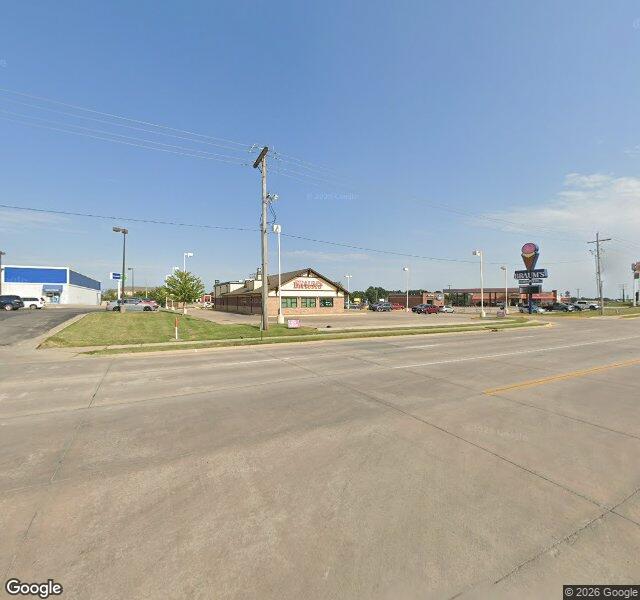
Emporia Presbyterian Manor
2300 Industrial Road, Emporia, KS 66801View map (opens in a new tab)
Overview and key essentials
State license
Active
KS KDADS
Google reviews
Not available
Public reviews not linked
Size & payment
Ask directly
Confirm pricing & payment
Public records for this community are limited. Use the checklist below when you call or visit to confirm pricing, services, and openings.
Cost, payment & care details
Updated Nov 28, 2026| Monthly cost | Not published | Ask for the full monthly cost, including care fees and one-time charges. |
|---|---|---|
| Payment options | Ask directly | Payment details are not confirmed in our records. Ask about private pay, long-term care insurance, veterans benefits, and Medicaid waivers. |
| Size & availability | Confirm directly | We don't publish live openings. Ask about current availability, waitlist length, and move-in timing. |
| Care & support | Assisted living | Usually offers housing and help with everyday tasks, such as bathing and dressing. What to confirm about care levelsThis describes the licensed category. Ask how care plans adjust if mobility, nursing, or memory needs change over time. Read the family care guide → |
State licensing
State inspection history
15inspections
40deficiencies listed
Mar 4, 2026Routine13 deficiencies reported13
13 deficiencies reported
View official state report (opens in a new tab)
INITIAL COMMENTS The following citations represent the findings of a health resurvey.
moderateF 0583
SS = D The resident has a right to personal privacy and confidentiality of his or her personal and medical records. §483.10(h)(l) Personal privacy includes accommodations, medical treatment, written and telephone communications, personal care, visits, and meetings of family and resident groups, but this does not require the facility to provide a private room for each resident. §483.10(h)(2) The facility must respect the residents right to personal privacy, including the right to privacy in his or her oral (that is, spoken), written, and electronic communications, including the right to send and promptly receive unopened mail and other letters, packages and other materials delivered to the facility for the resident, including those delivered through a means other than a postal service. §483.10(h)(3) The resident has a right to secure and confidential personal and medical records. (i) The resident has the right to refuse the release of personal and medical records except as provided at §483.70(h)(2) or other applicable federal or state laws. (ii) The facility must allow representatives of the Office of the State Long-Term Care Ombudsman to examine a resident's medical, social, and administrative records in accordance with State law. This REQUIREMENT is NOT MET as evidenced by: The facility had a census of 51 residents. The sample included 14 residents. Based on observation, record review and interview, the facility failed to keep Resident (R) 58s protected health information (PHI) private on a medication cart that sat against the wall in “A” hall. Findings included: SS = D medication cart. The information visualized included R58's medications, date of birth, allergy information, and code status. On 03/03/26 at 08:37 AM, CMA R stated she had stepped away from the cart to help a resident. She stated the policy was to ensure the CMA locked the medication cart and pushed the hide button. On 03/04/26 at 08:17 AM, Licensed Nurse (LN) I stated medication carts should be locked and the screen on the laptop should be closed, or staff could push the hide button, if the laptop was out of the staff's visual. On 03/04/26 at 08:04 AM, Administrative Nurse D stated the policy was to lock the medication cart. She stated nursing staff have the option to close the laptop or push the hide the screen button. She stated staff have been in-serviced on how the medication cart and laptop should be left, when the laptop or cart was not in their line of sight. The facility’s “Confidentiality” policy, revised on 02/25 documented confidentially must be maintained in all areas of health information, whether oral, written, or electronic. Personnel must keep residents’ information confidential except as permitted for continuity of care. Although information sharing was necessary in the healthcare environment confidentiality was breached when the information can be intercepted by unauthorized persons and connected to a specific individual.
moderateF 0790
CFR(s): 483.55(a)(1)-(5) §483.55 Dental services. The facility must assist residents in obtaining routine and 24-hour emergency dental care. §483.55(a) Skilled Nursing Facilities A facility- SS = D additional amount for routine and emergency dental services; §483.55(a)(3) Must have a policy identifying those circumstances when the loss or damage of dentures is the facility's responsibility and may not charge a resident for the loss or damage of dentures determined in accordance with facility policy to be the facility's responsibility; §483.55(a)(4) Must if necessary or if requested, assist the resident; (i) In making appointments; and (ii) By arranging for transportation to and from the dental services location; and §483.55(a)(5) Must promptly, within 3 days, refer residents with lost or damaged dentures for dental services. If a referral does not occur within 3 days, the facility must provide documentation of what they did to ensure the resident could still eat and drink adequately while awaiting dental services and the extenuating circumstances that led to the delay. This REQUIREMENT is NOT MET as evidenced by: The facility had a census of 51 residents. The sample included 14 residents with one reviewed for dental care. Based on observation, record review, and interview, the facility failed to provide timely dental care for one sampled resident, Resident (R) 6. Findings included: - R6's "Quarterly Minimum Data Set" (MDS), dated 01/14/25, recorded R6 had a Brief Interview for Mental Status (BIMS) score of 13, indicating intact cognition. The assessment revealed R6 required staff assistance for personal hygiene, oral hygiene, toilet hygiene and had no oral or dental issues. The "Care Area Assessment" (CAA), dated 04/28/25, for activities of daily living (ADLs) failed to identify or document any sign/symptoms of dental problems or pain due to the broken, decayed, and missing teeth. SS = D dressing. The “Care Plan” documented R6 had his own teeth, and they were in poor condition, carries and missing teeth and he required set up to partial assistance with oral cares. The care plan documented dental appointments would be set up as scheduled, needed and requested. The "Interdisciplinary Notes" dated 07/07/25, documented R6 had a dental appointment with “Health Department -Dental “due to a lost tooth and mouth pain. The notes documented R6 saw a dentist and the dentist documented he had extensive gross caries. The dentist recommended that staff brush R6’s teeth and the patient would return to have fillings and extractions completed. However, the note documented the extractions would have to be performed by an oral surgeon not at the dentist’s office. The 03/03/26 at 11:10 “Interdisciplinary Notes,” documented the resident was seen at the facility by a dental hygienist for a routine periodontal maintenance exam, and she documented R6 had pain in his upper left mouth and to the root tip area. The notes documented in the visual exam revealed moderate inflammation in the area and R6 would need further evaluation with the dentist. On 03/02/26 at 10:30 AM, R6 stated he had broken missing teeth, and had pain located in his right upper jaw area. R6 stated he had difficulty eating due to the tooth pain. Observation of R6’s mouth revealed he had missing, decayed teeth and some broken off. SS = D documented residents are assessed for oral/dental needs initially, periodically and reviewed annually. The residents are referred to a dentist requested...
moderateF 0812
CFR(s): 483.60(i)(1)(2) §483.60(i) Food safety requirements. The facility must - §483.60(i)(1) - Procure food from sources approved or considered satisfactory by federal, state or local authorities. (i) This may include food items obtained directly from local producers, subject to applicable State and local laws or regulations. (ii) This provision does not prohibit or prevent facilities from using produce grown in facility gardens, subject to compliance with applicable safe growing and food-handling practices. (iii) This provision does not preclude residents from consuming foods not procured by the facility. §483.60(i)(2) - Store, prepare, distribute and serve food in accordance with professional standards for food service safety. This REQUIREMENT is NOT MET as evidenced by: SS = F the spread of food borne illness to the residents of the facility. This placed the residents at risk for food-borne illness. Findings included: - Initial tour of the kitchen on 03/02/2026 at 07:29 AM with Dietary Manager BB, revealed the following areas of concern: An uncovered plastic tub containing metal spoons sitting on counter in dining area at entrance to kitchen. Five blocks of butter in a metal container uncovered on the counter. The refrigerator contained bowls of spaghetti, milk, cottage cheese, and yogurt on a tray covered with plastic wrap r with no open or use by date. The freezer contained 5 cups of pudding and a piece of pie, two packages of shredded cheese, 2 sheet pans of Jello and 7 sausage links that were not labeled and dated. The spice rack on the wall behind the stove had an open package of brown sugar that did not have an opened-on date. A container labeled turmeric with a use by date of 9/15/24 and a sticker on the container with an open date of 11/6/23 and a use by date of 11/5/24, a container labeled as crushed red pepper flakes, with a use by 3/21/25, a container of curry powder with an attached label showing opened on 11/6/23 and use by 11/5/24. A table in the kitchen against a wall had six stacks of plates that were not inverted. A container on a counter with numerous cake decorating gels. One decorating gel was dated opened on 5/1/25 by 11/6/25, and a container of colored sugar with an opened date of 11/22/24 and a use by date of 5/21/25. Observation on 03/02/2026 during kitchen tour, dietary staff FF, was not wearing a hair net underneath the ball cap they had on. SS = F Observation on 03/03/26 at 12:40 PM, Dietary Staff FF placed a cloth over the cap on the blender container during the blending cycle, (the cap had a large opening that a utensil for stirring could be placed through), the cloth was placed on counter in between blends, there were several clean & dirty cooking utensils and food debris on the counter’s surface. Staff FF then placed the same cloth back on the blender cap for each blender cycle of each food item for the entire pureed meal preparation. Observation on 03/03/26, Staff FF did not properly sanitize the thermometer being used to obtain temperatures on the pureed food. Staff FF used a paper towel to wipe off the thermometer while obtaining temperatures on 3 different pureed food items. Observation 03/03/26 at 12:42 PM, Dietary Staff EE carried a plate of food from the kitchen to a resident in the dining room. Dietary Staff EE placed thumbs on the easting surface of the plate. On 03/04/2026 11:34 AM, Dietary Staff BB reported that all staff should perform hand washing at kitchen entry, kitchen re-entry...
to February 2026 showed no documentation that the2025
blood sugars were identified by the pharmacist as being out of range. On 03/02/26 8:19 AM, R3 laid in bed with her over bed table close to the side of the bed. R3 stated she preferred to stay in bed and staff bring her breakfast to her. On 03/04/26 at 12:03 PM, Administrative Nurse D stated she expected the pharmacist to know when a medication was out of the parameter and to notify the facility. The facility’s “Drug Regimen Review” dated 08/2024 documented the pharmacist will complete a drug regimen review monthly and when needed, and identify medication without proper monitoring.
moderateF 0761
CFR(s): 483.45(g)(h)(1)(2) §483.45(g) Labeling of Drugs and Biologicals Drugs and biologicals used in the facility must be labeled in accordance with currently accepted professional principles, and include the appropriate accessory and cautionary instructions, and the expiration date when applicable. §483.45(h) Storage of Drugs and Biologicals §483.45(h)(1) In accordance with State and Federal laws, the facility must store all drugs and biologicals in locked compartments under proper temperature controls, and permit only authorized personnel to have access to the keys. §483.45(h)(2) The facility must provide separately locked, permanently affixed compartments for storage of controlled drugs listed in Schedule II of the Comprehensive Drug Abuse Prevention and Control Act of SS = D labeled with an opened date or an expiration date. R11’s second Lantus insulin flex pen had an illegible date written on the pen as it had smeared and was not legible. On 03/02/26 at 07:20 AM, License Nurse G verified the nurses should label and date the insulin flex pens with the date opened. On 03/04/26 at 10:20 AM, Administrative Nurse D verified the nurse should label and date the insulin flex pens with the date opened. Medlineplus.gov directs open, unrefrigerated insulin pen can be used within 28 days; after that time, they must be discarded. The facility's "Medication Storage" policy, dated 02/03/25, documented medications and biologicals are stored safely, securely, and properly following manufacturer's recommendations or those of the supplier. Medications are accessible only to licensed nurses, pharmacy personnel, or staff members lawfully authorized to administer medications. Medications are labeled for individual residents and stored separately from floor stock medications when not in the medication cart.
moderateF 0550
CFR(s): 483.10(a)(1)(2)(b)(1)(2) §483.10(a) Resident Rights. The resident has a right to a dignified existence, self-determination, and communication with and access to persons and services inside and outside the facility, including those specified in this section. §483.10(a)(1) A facility must treat each resident with respect and dignity and care for each resident in a manner and in an environment that promotes maintenance or enhancement of his or her quality of life, recognizing each resident's individuality. The facility must protect and promote the rights of the resident. §483.10(a)(2) The facility must provide equal access to quality care regardless of diagnosis, severity of condition, or payment source. A facility must establish and maintain identical policies and practices regarding transfer, discharge, and the provision of services under the State plan for all residents regardless of payment source. §483.10(b) Exercise of Rights. The resident has the right to exercise his or her rights as a resident of the facility and as a citizen or resident of the United States. §483.10(b)(1) The facility must ensure that the resident can exercise his or her rights without interference, coercion, discrimination, or reprisal from the facility. SS = D §483.10(b)(2) The resident has the right to be free of interference, coercion, discrimination, and reprisal from the facility in exercising his or her rights and to be supported by the facility in the exercise of his or her rights as required under this subpart. This REQUIREMENT is NOT MET as evidenced by: The facility had a census of 51. The sample included 14 residents. Based on record review, interview, and observation revealed the facility failed to provide care for Resident (R)11 and R19 in a manner that protected and promoted their dignity. Findings included: - On 03/02/26 at 12:10 PM, observation revealed R11 sat in a chair at the dining room table. Licensed Nurse (LN) G obtained R11's blood sugar reading using a glucometer (an instrument used to calculate blood glucose) from R11's right fourth finger. Continued observation revealed six residents were seated at the dining room awaiting lunch to be served, while other residents were seated in adjacent tables in the dining room, including one visitor and staff. On 03/02/26 at 12:20 PM, R11 got up from the dining room table, walked to her room, and laid down. Observation revealed she had see-through, thin material pink pants and her brief was visible through the pants. On 03/03/26 at 07:45 AM, R11 walked to the dining room table and sat down for breakfast. Observation revealed R11 had the same see through pant on she wore the day before and her briefs were visible through the pants. On 03/04/26 at 10:20 AM, Administrative Nurse D verified the nurse should not do blood sugar at the dining room table and R11 should not have pants on that are see through due to dignity concerns. SS = D resident in a manner and in an environment that promotes maintenance and enhancement of his/her quality of life, recognizing each resident’s individuality. The community would provide equal access to quality care regardless of diagnosis, severity, condition, or payment source. The community would support the resident in the exercise of his or her rights. The community would ensure residents can exercise his/her rights without interference, coercion, discrimination or reprisal. - R19's Electronic Medical Record (EMR) from the "Diagnoses" tab documented diagnoses...
moderateF 0689
CFR(s): 483.25(d)(1)(2) §483.25(d) Accidents. The facility must ensure that - §483.25(d)(1) The resident environment remains as free of accident hazards as is possible; and §483.25(d)(2)Each resident receives adequate supervision and assistance devices to prevent accidents. This REQUIREMENT is NOT MET as evidenced by: SS = D record review, the facility failed to provide follow-up fall assessments for Resident (R) 4 and failed to assess for R7's ability to safely use an electric recliner until after a fall occurred. Findings included: - R7's Electronic Medical Record (EMR) recorded diagnoses of, diabetes mellitus (DM-when the body cannot use glucose, not enough insulin is made, or the body cannot respond to the insulin), restless leg syndrome (RLS - neurological disorder causing painful urge to move the legs, accompanied by creeping, crawling, or tingling,) and peripheral neuropathy (weakness, numbness, and pain from nerve damage, usually in the hands and feet. R7's "Quarterly Minimum Data Set" (MDS), dated 02/19/26, recorded the resident had a Brief Interview for Mental Status (BIMS) score of 12, which indicated moderate cognitive impairment. R7 required staff supervision with bed mobility and transfers. The "Cognitive Loss Care Area Assessment" (CAA), dated 04/21/25, recorded R7 had cognitive impairment. The "Fall” CAA, dated 04/21/25, did not trigger. The "Activities of Daily Living (ADL) Care Plan," dated 04/21/25, directed staff to provide R7 set up to supervision assistance with most ADLs, nursing was to monitor declines, and provide therapy if needed. The ADL CAA documented R7 had impaired mobility and a self-care deficit due to impaired vision, impaired hearing, morbid obesity, and pain. The "Fall Care Plan," dated 04/22/25, documented the resident was at risk for falls due to impaired vision, impaired hearing, right and left foot drop, and neuropathy. The care plan documented staff would have the resident’s call light within reach and encourage the resident to use it for assistance as needed. The care plan documented the staff would ensure the resident wore appropriate footwear when ambulating or mobilizing in the wheelchair. The care plan documented staff would monitor the residents for declines The "Fall Risk Assessment," dated 10/07/25 and 12/05/25, documented a score of 13.0, indicating R7 was at risk for falls. SS = D The "Nurse’s Note," dated 12/05/25 at 01:25 AM, recorded the resident had a fall from her lift recliner when she raised the recliner to a high position and slid forward out of the recliner. Staff heard the resident yelling and upon entrance to R7’s room, noted she was sitting on the floor on her bottom, with her legs stretched out in front of her. R7’s recliner was noted to be all the way up. R7 verbalized she attempted to get out of her recliner and raised it too far, causing her to slide out of the chair and onto the floor. An assessment was completed and revealed R7 sustained a skin tear to her left upper hand measuring 1.4 centimeters (cm) by 1.0 cm. No other injuries were noted. Staff assisted R7 from the floor and returned her to the recliner with three staff assistance and the total body mechanical lift. The “Physician's Order,” dated 12/05/25 at 07:21 AM, instructed staff to cleanse the resident’s skin tear to the back of R7’s hand with skin cleanser, apply an antibiotic ointment, then cover with a dressing one time a day for three days and discontinue when healed. The “Nurse’s Note,” dated...
moderateF 0757
CFR(s): 483.45(d)(1)-(6) §483.45(d) Unnecessary Drugs-General. Each resident's drug regimen must be free from unnecessary drugs. An unnecessary drug is any drug when used- §483.45(d)(1) In excessive dose (including duplicate drug therapy); or §483.45(d)(2) For excessive duration; or §483.45(d)(3) Without adequate monitoring; or §483.45(d)(4) Without adequate indications for its use; or SS = D §483.45(d)(6) Any combinations of the reasons stated in paragraphs (d)(1) through (5) of this section. This REQUIREMENT is NOT MET as evidenced by: The facility identified a census of 51 residents. The sample included 14 residents, including five residents reviewed for unnecessary medications. Based on record review, interview and observation, the facility failed to follow orders for notification of the provider for blood sugars out of range for Resident (R) 3. Findings included: - R3's Electronic Medical Records (EMR), documented diagnoses which included diabetes mellitus (DM-when the body cannot use glucose, not enough insulin is made, or the body cannot respond to the insulin). R3's 05/06/2025 "Admission Minimum Data Set" (MDS) documented R3 had a Brief Interview for Mental Status (BIMS) of 13, indicating intact cognition. The MDS noted R3 had a diagnosis of diabetes and received an insulin injection every day in the look back period of seven days. The “Nutrition Care Area Assessment” (CAA) documented R3 was at risk for impaired nutrition related to a stroke, morbid obesity and diabetes. R3's "Care Plan" dated 05/06/25 documented that R3 takes insulin and oral diabetes medications and directed staff to monitor and document side effects and effectiveness. Intervention on 08/03/25 directed the staff to check her fasting blood sugar as ordered and to notify the provider of readings less than 60 milligrams per deciliter (mg/dl) or greater than 350 mg/dl. R3’s “Physician Orders” in the EMR documented an order for blood glucose monitoring two times a day. Call the doctor if the blood glucose level is less than 60 mg/dl or over 350 mg/dl; dated 07/29/25. Review of R3's blood glucose record under the “Weights and Vitals” tab for July 2025 through February 2026 found the following: 07/07/25 a blood glucose level of 376 mg/dl SS = D 07/11/25 a blood glucose level of 409 mg/dl 07/12/25 a blood glucose level of 363 mg/dl 07/13/25 a blood glucose level of 362 mg/dl 07/14/25 a blood glucose level of 423 mg/dl 07/15/25 a blood glucose level of 382 mg/dl 07/18/25 a blood glucose level of 382 mg/dl 07/19/25 a blood glucose level of 418 mg/dl 07/21/25 a blood glucose level of 406 mg/dl 07/22/25 a blood glucose level of 365 mg/dl 07/23/25 a blood glucose level of 418 mg/dl 08/01/25 a blood glucose level of 411 mg/dl 08/13/25 a blood glucose level of 366 mg/dl 08/27/25 a blood glucose level of 596 mg/dl 09/01/25 a blood glucose level of 357 mg/dl 09/05/25 a blood glucose level of 372 mg/dl 09/09/25 a blood glucose level of 442 mg/dl 09/10/25 a blood glucose level of 369 mg/dl 09/17/25 a blood glucose level of 442 mg/dl 09/29/25 a blood glucose level of 455 mg/dl 10/03/25 a blood glucose level of 386 mg/dl 11/03/25 a blood glucose level of 391 mg/dl 11/11/25 a blood glucose level of 357 mg/dl 11/24/25 a blood glucose level of 363 mg/dl 12/31/25 a blood glucose level of 397 mg/dl 01/10/26 a blood glucose level of 352 mg/dl SS = D 02/04/26 a blood glucose level of 421 mg/dl 02/14/26 a blood glucose level of 359 mg/dl 02/20/26 a blood glucose level of 358...
moderateF 0558
CFR(s): 483.10(e)(3) §483.10(e)(3) The right to reside and receive services in the facility with reasonable accommodation of resident needs and preferences except when to do so would endanger the health or safety of the resident or other residents. This REQUIREMENT is NOT MET as evidenced by: The facility identified a census of 51 residents. The sample included 14 residents. Based on observation, record review, and interview, the facility failed to ensure reasonable accommodation of needs when staff failed to ensure Resident (R)8’s call light was within his reach. Findings included: SS = D score of four, which indicated severely impaired cognition. The MDS documented R8 was dependent on staff for toileting and needed supervision or touching assistance from staff with eating. The "Falls Care Area Assessment" (CAA) dated 01/22/26 documented R8 was at risk for falls related to a history of falls, impaired mobility, weakness, dementia, urinary catheter, and required assistance with transfers/mobility. R8’s “Care Plan” documented the following: 01/28/26- R8 had been instructed to use call light for assistance. 01/28/26- R8 was dependent on one or two staff for toileting throughout the day to manage bowel incontinence. On 03/03/26 at 10:20 AM, R8 sat in his room in front of the TV in his Broda chair (specialized wheelchair with the ability to tilt and recline). R8’s pancake light laid in the middle of his bed. R8 could not reach his call light to call for assistance. On 03/03/26 at 10:21 AM, Certified Nursing Aide (CNA) N stated R8’s call light was out of reach. CNA N stated R8’s call light should be where he could reach the light and use the light. CNA N placed R8’s light next to him on his bedside table, within his reach. On 03/04/26 at 08:34 AM, Licensed Nurse (LN) I stated residents call lights should always be within a resident’s reach. She stated it was every staff member’s duty to ensure call lights were within reach. On 03/04/26 at 08:04 AM, Administrative Nurse D stated residents should always have their call light where they can reach it. She stated the facility does on the spot training and in services on where to place a residents call light. The facility’s “Call Light System” policy, revised 04/19 documented the community would have a call button or pull cord located next to each bed and in each resident's bathroom.
moderateF 0760
medication errors. This REQUIREMENT is NOT MET as evidenced by: The facility identified a census of 51 residents. The sample included 14 residents. Based on observation, record review, and interviews, the facility failed to ensure Resident (R) 8 remained free of significant medication errors when staff failed to administer his potassium (a medication for hypokalemia (low level blood potassium in the blood) ordered by physicians. Findings included: - R8's Electronic Medical Record (EMR) from the "Diagnoses" tab documented diagnoses of fluid overload, hypokalemia (low potassium), hypertension (elevated blood pressure), dementia (a progressive mental disorder characterized by failing memory and confusion), unsteadiness on feet, muscle weakness, and repeated falls. The “Admission Minimum Data Set" (MDS) dated 01/22/26 documented a Brief Interview of Mental Status (BIMS) score of four which indicated severely impaired cognition. The MDS documented R8 received a diuretic (a medication to promote the formation and excretion of urine). R8's "Dehydration/Fluid Maintenance Care Area Assessment" (CAA) dated 01/22/26 documented a risk for dehydration related to the use of diuretics, impaired mobility, a wound, dementia, and constipation. R8's “Care Plan” documented the following: 01/28/26-R8 was at risk for adverse reactions related to polypharmacy, and the use of Black Box Warning (BBW- highest safety-related warning that medications can have assigned by the Food and Drug Administration). R8 would be free from adverse drug reactions through the review date. R8‘s EMR under the “Discontinued Orders” tab revealed the following physician order: SS = D confirmation, potassium oral tablet give 40 mEq by mouth three times a day related to hypokalemia until 02/17/2026. Start Date 02/14/2026 08:00 AM -Discontinue Date 02/20/2026. R8’s clinical record lacked evidence that the potassium dose was administered or rescheduled and lacked evidence the physician was notified that the medication was not administered as ordered on starting 02/14/2026. On 02/13/26 at 05:00 PM, a “Health Status Note” documented the nurse received an order form Nurse Practitioner. The note stated new order for R8 whose potassium level was low; take Potassium 40 mEq three times a day for three days then recheck A Comprehensive Metabolic Panel (CMP) (a routine blood test) and magnesium level on Tuesday, 02/17/26. On 02/18/26, a “Fax Form Non-Immediate Communication” was faxed to the physician documented facility had received a verbal or der on 02/13/26 for Potassium 40 mEq three times a day for three days related to low potassium levels. This medication was missed and R8 did not receive the prescribed dose. Potassium level was rechecked on 02/17/26 with result of 3.8. The physician’s response was, no need for potassium at this time. On 02/20/26 at 07:08 AM under “Heath Status Note” documented received response from physician concerning the following clarification requests: R8 does not require strict intake and output monitoring. Exchange Foley catheter (a tube inserted into the bladder to drain urine into a collection bag) with a 16French (type of foley) today and every 30 days. Potassium rechecked on 02/17/26 with a result of 3.8, no need for potassium. On 03/04/26 at 08:04 AM, Administrative Nurse D stated the potassium for R8 was missed. She stated the nurse on duty had not worked for several years. Administrative Nurse D stated the nurse on duty put the order in “Pending,” and...
moderateF 0883
CFR(s): 483.80(d)(1)(2) §483.80(d) Influenza and pneumococcal immunizations §483.80(d)(1) Influenza. The facility must develop policies and procedures to ensure that- (i) Before offering the influenza immunization, each resident or the resident's representative receives education regarding the benefits and potential side effects of the immunization; (ii) Each resident is offered an influenza immunization October 1 through March 31 annually, unless the immunization is medically contraindicated or the resident has already been immunized during this time period; (iii) The resident or the resident's representative has the opportunity to refuse immunization; and (iv)The resident's medical record includes documentation that indicates, at a minimum, the following: (A) That the resident or resident's representative was provided education regarding the benefits and potential side effects of influenza immunization; and (B) That the resident either received the influenza immunization or did not receive the influenza immunization due to medical contraindications or refusal. §483.80(d)(2) Pneumococcal disease. The facility must develop policies and procedures to ensure that- SS = D immunization, unless the immunization is medically contraindicated or the resident has already been immunized; (iii) The resident or the resident's representative has the opportunity to refuse immunization; and (iv)The resident's medical record includes documentation that indicates, at a minimum, the following: (A) That the resident or resident's representative was provided education regarding the benefits and potential side effects of pneumococcal immunization; and (B) That the resident either received the pneumococcal immunization or did not receive the pneumococcal immunization due to medical contraindication or refusal. This REQUIREMENT is NOT MET as evidenced by: The facility identified a census of 51 residents. The sample included 14 residents with five reviewed for immunization status. Based on record reviews and interviews, the facility failed to offer and administer or obtain an informed declination for the Pneumococcal Conjugate Vaccine (PCV20- vaccination for bacterial pneumonia infections) vaccination for Resident (R)3 Findings included: - Review of R3’s clinical record revealed the PCV13 was administered on 10/30/15, and the PSV23 was administered on 11/12/04. R3’s clinical record lacked documentation the PCV20 was offered or declined and lacked documentation of a historical administration or a physician documented contraindication. SS = D the opportunity and encouraged to receive the Pneumococcal vaccines. At the time of admission, the nurse would determine the residents’ vaccination history by resident information, the family or primary care provider and document on the immunization record.
and other drugs subject to abuse, except when the1976
facility uses single unit package drug distribution systems in which the quantity stored is minimal and a missing dose can be readily detected. This REQUIREMENT is NOT MET as evidenced by: The facility had a census of 51 residents. The sample included 14 residents. Based on observation, interview, and record review, the facility failed to ensure staff labeled Resident (R)11’s insulin (a hormone that lowers the level of glucose in the blood) flex pens when initially opened. Findings included:
moderateF 0756
CFR(s): 483.45(c)(1)(2)(4)(5) §483.45(c) Drug Regimen Review. SS = D §483.45(c)(2) This review must include a review of the resident's medical chart. §483.45(c)(4) The pharmacist must report any irregularities to the attending physician and the facility's medical director and director of nursing, and these reports must be acted upon. (i) Irregularities include, but are not limited to, any drug that meets the criteria set forth in paragraph (d) of this section for an unnecessary drug. (ii) Any irregularities noted by the pharmacist during this review must be documented on a separate, written report that is sent to the attending physician and the facility's medical director and director of nursing and lists, at a minimum, the resident's name, the relevant drug, and the irregularity the pharmacist identified. (iii) The attending physician must document in the resident's medical record that the identified irregularity has been reviewed and what, if any, action has been taken to address it. If there is to be no change in the medication, the attending physician should document his or her rationale in the resident's medical record. §483.45(c)(5) The facility must develop and maintain policies and procedures for the monthly drug regimen review that include, but are not limited to, time frames for the different steps in the process and steps the pharmacist must take when he or she identifies an irregularity that requires urgent action to protect the resident. This REQUIREMENT is NOT MET as evidenced by: The facility identified a census of 51 residents. The sample included 14 residents, including five residents reviewed for unnecessary medications. Based on record review, interview and observation, the consulting pharmacy failed to identify blood sugars out of range for Resident (R) 3. Findings included: SS = D R3's 05/06/2025 "Admission Minimum Data Set" (MDS) documented R3 had a Brief Interview for Mental Status (BIMS) of 13, indicating intact cognition. The MDS noted R3 had a diagnosis of diabetes and received an insulin injection every day in the look back period of seven days. The “Nutrition Care Area Assessment” (CAA) documented R3 was at risk for impaired nutrition related to a stroke, morbid obesity, and diabetes. R3's "Care Plan" dated 05/06/25 documented that R3 takes insulin and oral diabetes medications and directed staff to monitor and document side effects and effectiveness. Intervention on 08/03/25 directed the staff to check her fasting blood sugar as ordered and to notify the provider of readings less than 60 milligrams per deciliter (mg/dl) or greater than 350 mg/dl. R3’s “Physician Orders” in the EMR documented an order for blood glucose monitoring two times a day. Call the doctor if the blood glucose level is less than 60 mg/dl or over 350 mg/dl; dated 07/29/25. Review of R3's blood glucose record under the “Weights and Vitals” tab for July 2025 through February 2026 found the following: 07/07/25 a blood glucose level of 376 mg/dl 07/08/25 a blood glucose level of 377 mg/dl 07/09/25 a blood glucose level of 393 mg/dl 07/11/25 a blood glucose level of 409 mg/dl 07/12/25 a blood glucose level of 363 mg/dl 07/13/25 a blood glucose level of 362 mg/dl 07/14/25 a blood glucose level of 423 mg/dl 07/15/25 a blood glucose level of 382 mg/dl SS = D 07/21/25 a blood glucose level of 406 mg/dl 07/22/25 a blood glucose level of 365 mg/dl 07/23/25 a blood glucose level of 418 mg/dl 08/01/25 a blood glucose level of 411 mg/dl 08/13/25 a...
Nov 4, 2025RoutineNo deficiencies reportedNone
Aug 20, 2024Routine2 deficiencies reported2
2 deficiencies reported
View official state report (opens in a new tab)
INITIAL COMMENTS The following citations represent the findings of complaint investigation #KS00189762, #KS00189973, and #KS00190088.
Free of Accident Hazards/Supervision/DevicesF 689
CFR(s): 483.25(d)(1)(2) SS=D §483.25(d) Accidents. The facility must ensure that - §483.25(d)(1) The resident environment remains as free of accident hazards as is possible; and §483.25(d)(2)Each resident receives adequate supervision and assistance devices to prevent accidents. This REQUIREMENT is not met as evidenced by: The facility reported a census of 46 residents with five residents selected for review, including three residents sampled for accidents. Based on record review and interview, the facility failed to investigate a fall on 07/16/24, conduct a complete assessment, and implement a new intervention following the fall for Resident (R)1, that had previous falls in the facility. On 07/17/24, R1 had an additional fall, which the facility failed to complete an assessment and implement a new intervention following the fall. Additionally, the facility failed to notify the responsible party and the physician following falls on 07/16/24 and 07/17/24. Findings included: - The "Diagnosis" tab lacked diagnosis for R1. ECYE11 The "Minimum Data Set" (MDS) tab in the electronic medical record revealed R1 entered the facility on 07/12/24 and discharged on 07/17/24. The "Admission MDS" was not due during R1's stay. The "Fax sheet" dated 07/12/24, from the physician office included diagnoses for medication use, which included mixed incontinence and dystonia (impairment in muscle tone). The "Baseline Care Plan" dated 07/12/24 at 09:19 AM, located in the attachment tab, revealed R1 was orientated to person and place and had upper and lower dentures. He used a walker for mobility and required supervision for walking, limited to extensive assistance for transfers, and limited assistance for bed mobility. R1 had incontinent and continent episodes of bowel and bladder and required staff assistance with peri-care. R1 was a fall risk and interventions included a low bed and a wireless bed alarm/pad. The "Fall Risk Assessment Tool" dated 07/13/24, assessed R1 with a risk score of "18" indicating a high risk for falls. The facility "Incident" log, dated 05/21/24 through 08/19/24, revealed R1 fell on 07/13/24 at 07:00 PM and acquired a skin tear, and again on 07/14/24 at 09:50 PM. The log lacked any additional falls. The "Interdisciplinary Notes" dated 07/12/24, revealed the facility installed a "handlebar" in front of the toilet in R1's room to prevent falls. ECYE11 The "Interdisciplinary Notes" dated 07/12/24 through 07/17/24 revealed R1 fell four times during his six-day stay at the facility. The "Interdisciplinary Notes" dated 07/13/24 at 11:14 PM, revealed at 07:00 PM, an unidentified Certified Nurse Aide (CNA) notified Licensed Nurse (LN) G that R1 was on the floor. LN G assessed R1 to be alert and oriented, sitting on the floor by the nurse's station door with one hand holding onto a chair. R1 had a skin tear to his right elbow. The assessment revealed the fall was witnessed by three unidentified CNA's/Certified Medication Aides (CMA's). R1 required two facility staff to assist him to a chair. R1 stated he was standing up to go to his room and missed his walker handle and fell "bottom" down. The facility staff reminded R1 to never get up alone without nurse's help. The "Interdisciplinary Note" dated 07/14/24 at 11:20 PM, revealed at approximately 09:50 PM, an unidentified CNA notified LN G that R1 was sitting on the floor facing his bed with a new brief in his hand. R1 stated he slid from the bed when trying to reach for something. R1...
Notify of Changes (Injury/Decline/Room, etc.)F 580
CFR(s): 483.10(g)(14)(i)-(iv)(15) SS=D §483.10(g)(14) Notification of Changes. (i) A facility must immediately inform the resident; consult with the resident's physician; and notify, consistent with his or her authority, the resident representative(s) when there is- (A) An accident involving the resident which results in injury and has the potential for requiring physician intervention; (B) A significant change in the resident's physical, mental, or psychosocial status (that is, a deterioration in health, mental, or psychosocial status in either life-threatening conditions or clinical complications); (C) A need to alter treatment significantly (that is, a need to discontinue an existing form of treatment due to adverse consequences, or to commence a new form of treatment); or (D) A decision to transfer or discharge the resident from the facility as specified in §483.15(c)(1)(ii). (ii) When making notification under paragraph (g) (14)(i) of this section, the facility must ensure that all pertinent information specified in §483.15(c)(2) is available and provided upon request to the physician. (iii) The facility must also promptly notify the resident and the resident representative, if any, when there is- (A) A change in room or roommate assignment as specified in §483.10(e)(6); or (B) A change in resident rights under Federal or State law or regulations as specified in paragraph (e)(10) of this section. (iv) The facility must record and periodically update the address (mailing and email) and phone number of the resident representative(s). §483.10(g)(15) Admission to a composite distinct part. A facility that is a composite distinct part (as defined in §483.5) must disclose in its admission agreement its physical configuration, including the various locations that comprise the composite distinct part, and must specify the policies that apply to room changes between its different locations under §483.15(c)(9). This REQUIREMENT is not met as evidenced by: The facility reported a census of 46 residents with six residents selected for review and four residents sampled for notification of change. Based on record review and interview, the facility failed to notify the physician timely regarding lack of monthly catheter changes and failed to assess, document, and notify the physician with a change in condition when staff alerted the Licensed Nurse of swelling and redness to R2's penis and scrotum on 08/14/24 at 09:00 PM. On 08/15/24 at 03:52 PM, over 18 hours later, R2 required emergency medical transport for further evaluation and treatment. Findings included: - The "Diagnosis" tab for Resident (R) 2 included diagnoses of hemiplegia (paralysis of one side of the body) following cerebral infarction (stroke - sudden death of brain cells due to lack of oxygen caused by impaired blood flow to the brain by ECYE11 blockage or rupture of an artery to the brain) affecting his right dominant side, aphasia (condition with disordered or absent language function), neuromuscular dysfunction of the bladder (the muscles that control the flow of urine out of the body do not relax and prevent the bladder from fully emptying), and need for assistance with personal care. The "Annual Minimum Data Set" (MDS) dated 11/03/23, assessed R2 with a "Brief Interview of Mental Status" (BIMS) score of 15 indicating intact cognition, he did not reject care, and had an indwelling catheter (tube placed in the bladder to drain urine into a collection bag). The "Urinary...
Apr 25, 2024Routine4 deficiencies reported4
4 deficiencies reported
View official state report (opens in a new tab)
The following citations represent the findings of the licensure resurvey for the above named facility conducted on 04/24/24 and 04/25/24.
moderateS 3310
(b) (5) prohibiting any employee with a communicable disease or any infected skin lesions from coming in direct contact with any resident, any resident ' s food, or resident care equipment until the condition is no longer infectious; (6) providing orientation to new employees and employee in-service education at least annually on the control of infections in a health care setting; and (c) Each administrator or operator shall ensure the facility ' s compliance with the department ' s tuberculosis guidelines for adult care homes adopted by reference in K.A.R. 26-39-105 This REQUIREMENT is not met as evidenced by: K.A.R. 26-41-207 (c) The facility reported a census of 20 residents. The sample included 3 residents and 5 newly hired employees. Based on record review and interview the Administrator failed to ensure the facility's compliance with the department's "Tuberculosis" (TB) guidelines for adult care homes adopted by reference in K.A.R. 26-39-105 for newly hired "Licensed Nurse" (LN) A. LN A provided a negative one step TB skin test being performed within six months of hire, and the Administrator failed to ensure the required one step was administered to LN A within seven days of hire to the facility. Findings included: - Record review for LN A revealed she began employment on 08/01/23. The record contained a document titled "TB Skin Test Form" and was dated 04/11/23. It revealed the first step was administered on 04/11/23 and read negative on 04/13/23. The record lacked a required one step being performed within seven days of hire. Interview with Administrator B confirmed the employee record for LN A lacked a one step TB test being performed within seven days of hire. The Administrator failed to ensure the facility's compliance with the department's TB guidelines for adult care homes adopted by reference in K.A.R. 26-39-105 for newly hired "Licensed Nurse" (LN) A. LN A provided a negative one step TB skin test being performed within six months of hire, and the Administrator failed to ensure the required one step was administered to LN A within seven days of hire to the facility.
STATE FORM6899
VWLY11 STATE FORM VWLY11 STATE FORM VWLY11 STATE FORM VWLY11 STATE FORM VWLY11 STATE FORM VWLY11 STATE FORM VWLY11 STATE FORM VWLY11 STATE FORM VWLY11 STATE FORM VWLY11
moderateS 3175
Medication (a) Self-administration of medication. Any resident may self-administer and manage medications independently or by using a medication container or syringe prefilled by a licensed nurse or pharmacist or by a family member or friend providing this service gratuitously, if a licensed nurse has performed an assessment and determined that the resident can perform this function safely and accurately without staff assistance. (1) An assessment shall be completed before the resident initially begins self-administration of medication, if the resident experiences a significant change of condition, and annually. This REQUIREMENT is not met as evidenced by: K.A.R. 26-41-205 (a) The facility reported a census of 20 residents. The sample included 3 "Residents'" (R)'s . Based on record review and interview the Administrator failed to ensure the "Licensed Nurse" (LN) performed an assessment that determined that R2 and R3 could safely self-inject insulin accurately and without staff assistance. Findings included: - Record review of the facility provided "Resident Roster" revealed R2 and R3 were marked yes under the section titled "Insulin Inject". Interview on 04/24/24 at approximately 0845 during the entrance interview, "Registered Nurse" (RN) C confirmed the LN's dial the insulin pens and the residents must be able to self-inject the insulin. - Record review for R2 revealed an admission date of 04/03/21 with diagnoses of Type 2 Diabetes Mellitus with diabetic neuropathy, long term use of insulin, chronic kidney disease stage 3, bipolar disorder, chronic obstructive pulmonary disease, and essential hypertension. Review of R2's "Functional Capacity Screen" (FCS) dated 04/03/24 revealed R2 required "some assistance/supervision" with bathing, toileting, and mobility. She was occasionally incontinent, was marked with falls, impaired hearing, and impaired vision. Typed next to "Impaired Vision" was "blind". She was able to make herself understood and she understood others. She used a walker and cane mobility device and lacked the ability to manager her own medications. Review of R2's combined "Negotiated Service Agreement" (NSA)/" Health Service Plan" (HSP) dated 04/03/24 instructed the facility staff to provide the following health services: Staff were to "assistance/supervise" on R2's preferred day of bathing/showering, "assistance/supervise" with "bladder management", and "assistance/supervision" with R2's mobility. In the section titled "Health Care Services", it was typed "Staff will provide total assistance with diabetic management, treatment management, medication administration, medication management, education/teaching." R2's electronic medical record lacked documentation of an assessment determining she was able to self-inject her insulin safely and accurately without staff assistance. - Record review for R3 revealed and admission date of 01/09/21 with diagnoses of Type 2 Diabetes Mellitus with diabetic chronic kidney disease, polyneuropathy, essential hypertension, long term use of anticoagulants, benign prostatic hyperplasia with lower urinary tract symptom, thrombocytopenia, unspecified atrial flutter, occlusion and stenosis of bilateral carotid arteries, weakness, anemia, chronic kidney stage 3, hypoglycemia, and transient cerebral ischemic attack. Review of R3's FCS dated 01/15/24 revealed R3 required "some assistance/supervision" with bathing, he was independent with dressing, and he was frequently incontinent of his bladder....
moderateS 3186
Medications (b) Administration of select medications. Any resident who self-administers medication may select some medications to be administered by a licensed nurse or medication aide. The negotiated service agreement shall reflect this service and identify who is responsible for the administration and management of selected medications. This REQUIREMENT is not met as evidenced by: K.A.R. 26-41-205 (b) The facility reported a census of 20 residents. The sample included 3 "Residents'" (R)'s. Based on record review and interview the Administrator failed to ensure the "Negotiated Service Agreements'"(NSA)'s for R2 and R3 identified who would administer the insulin for R2 and R3. Findings included: - Record review of the facility provided "Resident Roster" revealed R2 and R3 were marked yes under the section titled "Insulin Inject". Interview on 04/24/24 at approximately 0845 during the entrance interview, "Registered Nurse" (RN) C confirmed the LN's dial the insulin pens and the residents must be able to self-inject the insulin. - Record review for R2 revealed an admission date of 04/03/21 with diagnoses of Type 2 Diabetes Mellitus with diabetic neuropathy, long term use of insulin, chronic kidney disease stage 3, bipolar disorder, chronic obstructive pulmonary disease, and essential hypertension. Review of R2's "Functional Capacity Screen" (FCS) dated 04/03/24 revealed R2 required "some assistance/supervision" with bathing, toileting, and mobility. She was occasionally incontinent, was marked with falls, impaired hearing, and impaired vision. Typed next to "Impaired Vision" was "blind". She was able to make herself understood and she understood others. She used a walker and cane mobility device and lacked the ability to manager her own medications. Review of R2's combined "Negotiated Service Agreement" (NSA)/" Health Service Plan" (HSP) dated 04/03/24 instructed the facility staff to provide the following health services: Staff were to "assistance/supervise" on R2's preferred day of bathing/showering, "assistance/supervise" with "bladder management", and "assistance/supervision" with R2's mobility. In the section titled "Health Care Services", it was typed "Staff will provide total assistance with diabetic management, treatment management, medication administration, medication management, education/teaching." R2's combined NSA/HSP lacked identification of who would dial the insulin pen, and further lacked who would inject the insulin for R2. - Record review for R3 revealed and admission date of 01/09/21 with diagnoses of Type 2 Diabetes Mellitus with diabetic chronic kidney disease, polyneuropathy, essential hypertension, long term use of anticoagulants, benign prostatic hyperplasia with lower urinary tract symptom, thrombocytopenia, unspecified atrial flutter, occlusion and stenosis of bilateral carotid arteries, weakness, anemia, chronic kidney stage 3, hypoglycemia, and transient cerebral ischemic attack. Review of R3's FCS dated 01/15/24 revealed R3 required "some assistance/supervision" with bathing, he was independent with dressing, and he was frequently incontinent of his bladder. He was independent with his mobility and transferring. He used a walker and electric scooter mobility devices. He was able to make himself understood and he understood others. He lacked the ability to manage his own medications. Review of R3's combined NSA/HSP instructed the facility staff to provide the following health services: facility staff...
Apr 15, 2024Routine6 deficiencies reported6
6 deficiencies reported
View official state report (opens in a new tab)
INITIAL COMMENTS The following citations represent the findings of a Health Resurvey and Complaint Investigation #185446. The 2567 was sent electronically on 04/25/24.
Medicaid/Medicare Coverage/Liability NoticeF 582
CFR(s): 483.10(g)(17)(18)(i)-(v) SS=D §483.10(g)(17) The facility must-- (i) Inform each Medicaid-eligible resident, in writing, at the time of admission to the nursing facility and when the resident becomes eligible for Medicaid of- (A) The items and services that are included in nursing facility services under the State plan and for which the resident may not be charged; (B) Those other items and services that the facility offers and for which the resident may be charged, and the amount of charges for those services; and (ii) Inform each Medicaid-eligible resident when changes are made to the items and services specified in §483.10(g)(17)(i)(A) and (B) of this section. §483.10(g)(18) The facility must inform each resident before, or at the time of admission, and periodically during the resident's stay, of services available in the facility and of charges for those services, including any charges for services not covered under Medicare/ Medicaid or by the facility's per diem rate. (i) Where changes in coverage are made to items and services covered by Medicare and/or by the Medicaid State plan, the facility must provide notice to residents of the change as soon as is reasonably possible. (ii) Where changes are made to charges for other items and services that the facility offers, the facility must inform the resident in writing at least 60 days prior to implementation of the change. (iii) If a resident dies or is hospitalized or is transferred and does not return to the facility, the facility must refund to the resident, resident representative, or estate, as applicable, any deposit or charges already paid, less the facility's per diem rate, for the days the resident actually resided or reserved or retained a bed in the facility, regardless of any minimum stay or discharge notice requirements. (iv) The facility must refund to the resident or resident representative any and all refunds due the resident within 30 days from the resident's date of discharge from the facility. (v) The terms of an admission contract by or on behalf of an individual seeking admission to the facility must not conflict with the requirements of these regulations. This REQUIREMENT is not met as evidenced by: The facility had a census of 48 residents, with three reviewed for the Center for Medicare and Medicaid Services (CMS) beneficiary liability notices. Based on record review and interview, the facility failed to provide a CMS Form 10055 which included the estimated costs for Resident (R) 32 and R41. This placed the residents at risk for uninformed decisions regarding skilled services. Findings included: - The Medicare Advance Beneficiary Notice (ABN) Form 10055 informed the beneficiaries that Medicare may not pay for future skilled therapy and did not provide an estimated cost to UJK911 continue their services. The form included an option for the beneficiary to "(1) receive specified services listed, and bill Medicare for an official decision on payment. I understand if Medicare does not pay, I will be responsible for payment, but can appeal to Medicare. (2) receive therapy listed, but do not bill Medicare, I am responsible for payment of services. (3) I do not want the listed services but lacked documentation regarding which option the residents choose. A review of the ABN Form 10055 provided to R32 (or their representative) lacked the estimated cost to continue services or which option R32 chose when the resident's skilled services ended on 04/09/24. A...
Safe/Clean/Comfortable/Homelike EnvironmentF 584
CFR(s): 483.10(i)(1)-(7) SS=D §483.10(i) Safe Environment. The resident has a right to a safe, clean, comfortable and homelike environment, including but not limited to receiving treatment and supports for daily living safely. The facility must provide- §483.10(i)(1) A safe, clean, comfortable, and homelike environment, allowing the resident to use his or her personal belongings to the extent possible. (i) This includes ensuring that the resident can receive care and services safely and that the physical layout of the facility maximizes resident independence and does not pose a safety risk. (ii) The facility shall exercise reasonable care for the protection of the resident's property from loss or theft. §483.10(i)(2) Housekeeping and maintenance services necessary to maintain a sanitary, orderly, and comfortable interior; §483.10(i)(3) Clean bed and bath linens that are in good condition; §483.10(i)(4) Private closet space in each UJK911 resident room, as specified in §483.90 (e)(2)(iv); §483.10(i)(5) Adequate and comfortable lighting levels in all areas; §483.10(i)(6) Comfortable and safe temperature levels. Facilities initially certified after October 1, R35's door was closed, but an overwhelming urine odor was still evident by the entrance to his room. On 04/10/24 at 10:00 AM, observation revealed two maintenance staff cleaned R35's carpet and air-conditioner. There was a strong urine odor noted in the room. On 04/11/24 at 08:00 AM, R35's room door was closed, but a strong urine odor was noted by the door to his room. On 04/11/24 at 08:31 AM, observation revealed R35 sat up in bed with his glasses on. There was an overwhelming urine odor noted in the room. On 04/15/24 at 08;30 AM, observation revealed R35 rested in bed with his eyes open. There was a strong urine odor in the room. R35's clinical record including the plan of care lacked interventions or documentation regarding staff or facility efforts to decrease the urine odor in R35's room. On 04/11/24 at 01:17 PM, Licensed Nurse (LN) G) stated the urine odor in R35's room was from R35 emptying his urinary catheter bag. LN G said most of the time, the urine ended up on the floor. LN G said R35 refused to let staff assist him with emptying it. On 04/10/24 at 09:35 AM, Administrative Staff A verified the urine odor in R35's room and stated she was unaware of where the urine odor was coming from. Administrative Staff A said she would have maintenance clean the carpet and check the room out. UJK911 On 04/10/24 at 10:16 AM, Administrative Nurse D stated R35 was fiercely independent and emptied his catheter bag himself. Administrative Nurse D said R35 frequently spilled urine on the carpet. Upon request, the facility did not provide a room cleaning policy. The facility failed to provide a clean, comfortable, and homelike environment for R35. This placed the residents at risk for impaired comfort and dignity.
"Eight Hour Verification Controlled2024
Substance Count" sheet on the locked memory care unit revealed a missing signature either for the on-coming nurse signature or the off-going nurse signature on 13 of 62 opportunities. On 04/15/24 at 10:45 AM a review of the April "Eight Hour Verification Controlled Substance Count" sheet on the nurse's cart revealed a missing signature either for the on-coming nurse signature or the off-going nurse signature on four of 84 opportunities. UJK911 "Eight Hour Verification Controlled Substance Count" sheet on the medication aide's cart revealed a missing signature either for the on-coming nurse signature or the off-going nurse signature on 12 of 84 opportunities. On 04/11/24 at 07:50 AM Certified Medication Aide (CMA) R stated that the narcotic sign-on/off sheets should be signed by both the nurse and or medication aide when coming on shift or when going off shift after the narcotic count has been completed and reconciled by both staff. On 04/15/24 at 10:55 AM Licensed Nurse H stated that at the beginning or end of every shift, each staff member either coming on or going off their shift should be signing off that the count had been completed on the controlled narcotic medications. On 04/15/24 at 11:00 AM Administrative Nurse D stated she was aware that all the nursing staff passing medications had not been signing off and on for the narcotic counts as they should have been doing. Administrative Nurse D stated had just started a performance improvement project (PIP) to reconcile this issue. Administrative Nurse D stated the facility had not had an issue with controlled medications missing or the count being off on them. The "Medication Storage-Controlled Meds" policy last revised 10/08/21 documented that the nurse on duty who accepted the count would maintain possession of the key to the controlled medication storage areas at all times until the next count. The "Count Reconciliation Log" will be placed in front of each narcotic sign-out book. At UJK911
Pharmacy Srvcs/Procedures/Pharmacist/RecordsF 755
CFR(s): 483.45(a)(b)(1)-(3) SS=E §483.45 Pharmacy Services The facility must provide routine and emergency drugs and biologicals to its residents, or obtain them under an agreement described in §483.70(g). The facility may permit unlicensed personnel to administer drugs if State law permits, but only under the general supervision of a licensed nurse. §483.45(a) Procedures. A facility must provide pharmaceutical services (including procedures that assure the accurate acquiring, receiving, dispensing, and administering of all drugs and biologicals) to meet the needs of each resident. §483.45(b) Service Consultation. The facility must employ or obtain the services of a licensed pharmacist who- §483.45(b)(1) Provides consultation on all aspects of the provision of pharmacy services in the facility. UJK911 §483.45(b)(2) Establishes a system of records of receipt and disposition of all controlled drugs in sufficient detail to enable an accurate reconciliation; and §483.45(b)(3) Determines that drug records are in order and that an account of all controlled drugs is maintained and periodically reconciled. This REQUIREMENT is not met as evidenced by: The facility identified a census of 48 residents. The facility had three medication carts. Based on observation, record review, and interview, the facility failed to ensure reconciliation of controlled medications (substances that have an accepted medical use, and have a potential for abuse, ranging from low to high, and may also lead to physical or psychological dependence) was completed consistently and per industry standards. This placed residents at risk of medication misappropriation. Findings included: - On 04/11/24 at 07:50 AM a review of the April On 04/15/24 at 10:50 AM a review of the April the beginning of each narcotic count, count the number of medication accountability records to see that the number of count sheets matches the number on the reconciliation log. At each shift change, a physical inventory of controlled medications was to be conducted by two licensed/certified staff, one oncoming, and one offgoing, and was documented on the "Eight Hour Verification Controlled Substances Count" form. The Director of Nursing (DON) or designee should routinely complete an audit of controlled substances using the "Weekly Narcotic Audit" form. This audit was to ensure records were accurate and was a part of the community's Quality Assurance and Performance Improvement (QAPI) process. A record of the audit would be maintained in the quality assurance (QA) records. The facility failed to ensure an accurate reconciliation of controlled medications was completed. This placed residents at risk of medication misappropriation and diversion.
QAA CommitteeF 868
CFR(s): 483.75(g)(1)(i)-(iii)(2)(i); 483.80(c) SS=F §483.75(g) Quality assessment and assurance. §483.75(g) Quality assessment and assurance. §483.75(g)(1) A facility must maintain a quality assessment and assurance committee consisting at a minimum of: (i) The director of nursing services; (ii) The Medical Director or his/her designee; (iii) At least three other members of the facility's staff, at least one of who must be the administrator, owner, a board member or other individual in a leadership role; and (iv) The infection preventionist. UJK911 §483.75(g)(2) The quality assessment and assurance committee reports to the facility's governing body, or designated person(s) functioning as a governing body regarding its activities, including implementation of the QAPI program required under paragraphs (a) through (e) of this section. The committee must: (i) Meet at least quarterly and as needed to coordinate and evaluate activities under the QAPI program, such as identifying issues with respect to which quality assessment and assurance activities, including performance improvement projects required under the QAPI program, are necessary. §483.80(c) Infection preventionist participation on quality assessment and assurance committee. The individual designated as the IP, or at least one of the individuals if there is more than one IP, must be a member of the facility's quality assessment and assurance committee and report to the committee on the IPCP on a regular basis. This REQUIREMENT is not met as evidenced by: The facility had a census of 48 residents. The sample included 13 residents. Based on record review and interview, the facility failed to ensure the required members, including the infection preventionist, attended the Quality Assessment and Assurance (QAA) Committee meetings at least quarterly. This placed the residents who resided in the facility at risk for decreased quality of care. Findings included: - On 04/12/23, 07/19/23, 10/18/23, 01/24/24, the facility's "Quarterly Quality Assurance UJK911 Performance Improvement (QAPI) Meeting Attendance Sheets" lacked evidence the designated infection preventionist attended the meetings. On 04/15/24 at 12:30 PM, Administrative Nurse D verified the lack of a designated infection preventionist signature on the quarterly meeting sign-in sheets and stated the facility had not employed an infection preventionist at the times of the quarterly meetings. The facility's "Quality Assurance Process Improvement Plan" (QAPI), revised 01/15/24 documented that the goal of the QAPI was to promote autonomy while maintaining safety and quality of care. The steering committee, comprised of department directors, would oversee the QAPI process and would meet monthly to prioritize and monitor the plans in place as well as new projects. The facility failed to ensure the required participants, including the infection preventionist, attended QAPI/QAA meetings at least quarterly. This placed residents at risk of decreased quality of care. UJK911
must maintain a temperature range of 71 to1990
81°F; and §483.10(i)(7) For the maintenance of comfortable sound levels. This REQUIREMENT is not met as evidenced by: The facility had a census of 48 residents. The sample included 13 residents. Based on observation, record review, and interview the facility failed to provide a clean, comfortable, and homelike environment in Resident (R) 35's room. This placed the resident at risk for impaired comfort and dignity. Findings included: - On 04/09/24 at 08:10 AM, observation revealed R35 rested in bed with his eyes closed. There was an overwhelming urine odor in the room. R35's urinary catheter (a tube inserted into the bladder to drain the urine into a collection bag) was not visible. On 04/09/24 at 10:00 AM, R35's room door was open, and a strong urine odor was noted in the hall in front of R35's door to his room. Further observation revealed an approximately 12-inch (in) x 12-inch area of a yellowish wet spot visible on his sheet. R35 was not in his room. On 04/10/24 at 08:10 AM, observation revealed UJK911
Show all 15 inspections
Aug 29, 2023Routine1 deficiency reported1
1 deficiency reported
View official state report (opens in a new tab)
INITIAL COMMENTS A complaint survey for KS0018149 and KS00182372 was conducted by Kansas Department for Aging and Disability Services and Medicaid Services (CMS) on 08/29/23. On 08/29/23 at 02:46 PM, Administrative Staff A was provided a copy of the IJ template and notified the facility failure to prevent neglect with the failure to ensure staff provided appropriate supervision to cognitively impaired Resident (R)1, when staff left him unattended while podiatry services performed in the Chapel, at the Independent Living area. When contracted podiatry services completed, R1 left the Chapel, went out the door, walked to the front of the facility to the entrance door, and sat down. CMA M observed the resident outside by himself, notified Administrative Nurse D by phone, waited approximately five minutes, and then left the facility, drove away, and the resident remained outside, without staff. The facility identified and implemented the following corrective action completed on 08/25/23 at 11:00 AM. 1. On 08/24/23 at 11:00 AM, immediate verbal re-education to the on-duty staff regarding that no memory care resident would leave the memory care without staff accompanying them off the...
Free of Accident Hazards/Supervision/DevicesF 689
CFR(s): 483.25(d)(1)(2) SS=J §483.25(d) Accidents. The facility must ensure that - §483.25(d)(1) The resident environment remains as free of accident hazards as is possible; and §483.25(d)(2)Each resident receives adequate supervision and assistance devices to prevent accidents. This REQUIREMENT is not met as evidenced by: The facility reported a census of 41 residents, with one resident reviewed for elopement. The facility failed to ensure staff provided appropriate supervision for cognitively impaired Resident (R1), who resided in a locked memory care unit, U2GA11 when staff accompanied the resident to the Chapel in the Independent Living Facility area for podiatry services, then left the resident with the contract service staff. On 08/24/23 at 10:10 AM, R1 exited the chapel, ambulated with his walker approximately 100 feet to the unlocked facility exit door, and exited the facility door. R1 then turned right, walked around the front of the building, approximately 400 feet, and sat on the bench under the canopy outside of the entrance door to the facility. On 08/24/23 at 10:25 AM, Certified Nurse Aide (CNA) M observed R1 seated on the front bench, outside of the facility, and notified Administrative Nurse A by phone. CNA M reported she sat outside with R1 for approximately five minutes after notifying Administrative Nurse A, but then left R1 unattended outside of the facility as she left the parking area. R1 remained unattended outside for approximately 15 minutes, per interview and review of camera footage. This deficient practice placed the resident in immediate jeopardy. Findings included: - R1's unsigned "Physician Order Sheet (POS)", documented the facility admitted the resident on 11/13/22 with diagnoses of Alzheimer's disease (progressive mental deterioration characterized by confusion and memory failure) and dementia (progressive mental disorder characterized by failing memory, confusion). The "Quarterly Minimum Data Set" (MDS), dated 07/22/23, documented the resident with a "Brief Interview of Mental Status" (BIMS) of five, which indicated the resident had severely impaired cognition. He was independent with bed mobility, transfer, toileting, and ambulation. He required a U2GA11 walker for mobility. R1's "Care Plan," dated 07/22/23, documented staff placed a photo of R1 on his bedroom door to assist him with finding the location of his room. The resident resided on the locked memory care unit. The resident was able to ambulate independently with a four-wheel walker. The "Elopement Risk Screen," dated 07/16/23, documented a score of 12, with a score of 10 or greater indicating the resident had a high risk for elopement. Documentation of the elopement screen risk revealed the resident was in a secured area. Review of R1's "Electronic Health Records" (EHR), on 08/24/23, lacked documentation of R1's elopement (an incident in which a cognitively impaired resident with poor or impaired decision-making ability/safety awareness leaves the facility without the knowledge of staff). Review of R1's "Electronic Health Records" (EHR), on 08/25/23, the "Incident Note", documented Licensed Nurse (LN) G accompanied R1 to the Chapel, for podiatry services. When podiatry completed the resident's podiatry visit, podiatry staff advised LN G that R1 was told "he could go back to his room." On 08/24/23 at 10:25 AM, the resident was outside of the facility and sat himself on a bench outside of the facility entrance. Activity Staff Z assisted...
Dec 28, 2022Routine14 deficiencies reported14
14 deficiencies reported
View official state report (opens in a new tab)
The following citations represent the findings of a resurvey with a complaint #166971 at the above named Assisted Living conducted on 12/21/22 and 12/28/22.
moderateS 3310
(b) (5) prohibiting any employee with a communicable disease or any infected skin lesions from coming in direct contact with any resident, any resident ' s food, or resident care equipment until the condition is no longer infectious; (6) providing orientation to new employees and employee in-service education at least annually on the control of infections in a health care setting; and (c) Each administrator or operator shall ensure the facility ' s compliance with the department ' s tuberculosis guidelines for adult care homes adopted by reference in K.A.R. 26-39-105 This REQUIREMENT is not met as evidenced by: KAR 26-41-207(c) The facility reported a census of 20 residents. Based on record review and interview the operator failed to ensure the facility was in compliance with the department's tuberculosis (TB) guidelines for adult care homes adopted by reference in K.A.R. 26-39-105. Findings include: - Review of five newly hired staff records revealed the following: Certified Medication Aide (CMA) C hired on 06/20/22 did not have a Two-step Skin Test (TST) completed upon hire. CMA D hired on 02/25/20 did not have a TB Screening Questionnaire completed for 2020 and had the 1st portion of the TST completed 52 days late. Licensed Nurse (LN) E hired on 03/26/22 had a TB Screening Questionnaire completed 68 days late, had the first step of the TST initiated 100 days late and the second step of the TST was initiated two days early. The June 2013 "Tuberculosis (TB) Guidelines for Adult Care Homes" documented, "Each new employee shall have an initial TB symptom screen that includes the components of the TB symptom questionnaire within seven days of employment. Each new employee shall receive a two-step TST ...within seven days of employment...If the first TST is read as not positive, a second TST shall be administered within 1 to 3 weeks." The operator failed to ensure the compliance with the department's tuberculosis guidelines for adult care homes adopted by reference in K.A.R. 26-39-105. - Resident (R)103 admitted to the facility on 08/01/22 and did not have the first step of his TST read. The second step of his TST was administered 49 days late. On 12/28/22 at 12:24 PM Administrative Nurse B stated the first step of R103's TST was not read within 48-72 hours and acknowledged the second step of the TST was administered late. The June 2013 "Tuberculosis (TB) Guidelines for Adult Care Homes" documented, "Each new resident ...shall receive a two-step TST ...within 7 days of residency...The first TST shall be read within 48-72 hours of its administration. If the first TST is read as not positive, a second TST shall be administered within 1 to 3 weeks." The operator failed to ensure the compliance with the department's tuberculosis guidelines for adult care homes adopted by reference in K.A.R. 26-39-105.
moderateS 3280
Preparedness (d) Each administrator or operator shall ensure disaster and emergency preparedness by ensuring the performance of the following: (1) Orientation of new employees at the time of employment to the facility ' s emergency management plan; (2) education of each resident upon admission to the facility regarding emergency procedures; (3) quarterly review of the facility ' s emergency management plan with employees and residents; and (4) an emergency drill, which shall be conducted at least annually with staff and residents. This drill shall include evacuation of the residents to a secure location. This REQUIREMENT is not met as evidenced by: KAR 26-41-104(d)(3) The facility reported a census of 20 residents. Based on record review and interview for all residents and all facility employees, the operator failed to ensure disaster and emergency preparedness by ensuring performance of quarterly review of the facility's emergency management plan with employees and residents. Findings included: - Review of records provided by Administrative Staff A on 12/28/22 revealed staff completed the " Natural Disasters and Workplace Emergencies An Overview" on RELIAS (a computer learning program) only on an annual basis and not quarterly as required. The 12/21/22 "Assisted Living Residents Council" minutes documented a review of emergency procedures was completed with those residents in attendance but documentation for other quarterly reviews and reviews with all other residents not in attendance at the resident council was not provided. On 12/28/22 at 01:30 PM Administrative Staff A stated the emergency management plan was not reviewed with all residents on a quarterly basis and stated the emergency management plan was reviewed with residents during resident council meetings, but not all the residents attended these meetings. The operator failed to ensure the performance of quarterly reviews of the emergency management plan with residents and staff.
moderateS 3186
Medications (b) Administration of select medications. Any resident who self-administers medication may select some medications to be administered by a licensed nurse or medication aide. The negotiated service agreement shall reflect this service and identify who is responsible for the administration and management of selected medications. This REQUIREMENT is not met as evidenced by: KAR 26-41-205(b) The facility reported a census of 20 residents. The sample included three residents and one closed record review. Based on interview, and record review the operator failed to ensure the "Negotiated Service Agreement" (NSA) for resident (R)101, and R102 identified the person responsible for administration and management of selected medications administered. Findings included: - R101's medical record revealed he moved into the facility on 01/09/21 with a diagnosis of diabetes mellitus. The 01/07/22 "Functional Capacity Screen" (FCS) documented R101 required staff assistance with medication administration. The 01/07/22 NSA documented staff to provided total assistance with medications and did not identify R101 as able to self-administer his insulin. An order dated 09/30/22 for Novolin N NPH-U-100 insulin isophane, 10 units, subcutaneous, twice daily with breakfast and supper for diabetes The 10/04/22 "Medication Self-Administration Screen" was not completed and had note at bottom of page documenting, "Resident requested nursing staff administer medications at this time." On 12/21/22 at 12:52 PM R101 stated he received two insulin shots daily and either the nurse would administer the injection, or he would self-administer it. On 12/28/22 at 09:00 AM Certified Medication Aide (CMA) C stated at times the nurse gave the insulin to R101 or the CMA handed the insulin to stated NSA should identify R101 self-administered his insulin. The operator failed to ensure designated staff included select medications in the NSA that The 10/24/22 "Self Admin of Medications Screen" did not assess for ability to self-administer subcutaneous medications or eyedrops and had a note that documented R102 wanted staff to administer all medication with the exception of insulin at times would self-inject after the nurse dialed up ordered units on insulin pen. On 12/28/22 at 11:19 AM R102 stated she took insulin and if the staff was a CMA they handed the insulin to her and she self-administered the injection but if the staff was a nurse she had the nurse administer the injection for her. R102 stated she self-administered eyedrops that staff brought her. On 12/28/22 at 11:53 AM LN B stated she expected the NSA to identify select medications that R102 self-administered to include insulin and eyedrops. The operator failed to ensure designated staff included select medications in the NSA that
to self-administer it.R 101
On 12/28/22 at 12:52 PM Licensed Nurse (LN) B self-administered - R102's medical record revealed she moved into the facility on 04/03/21 with a diagnosis of diabetes mellitus. The 04/03/22 FCS documented R102 required staff assistance with medication administration. The 04/03/22 NSA documented staff would provide assistance with R102's medications but did not identify select medications she self-administered to include insulin and medicated eye drops. An order dated 04/03/21 for Timolol maleate 0.5% eye drops, one drop optic, twice daily for macular degeneration. An order dated 04/03/21 for Latanoprost 0.005% eye drops, one drop both eyes optic at bedtime for glaucoma. An order dated 09/20/22 for Tresiba FlexTouch U-100 insulin, 32 units, subcutaneous at bedtime for diabetes. An order dated 06/29/22 for Novolog Flexpen U-100 Insulin aspart, 10 units, subcutaneous, once daily with lunch for diabetes. An order dated 06/29/22 for Novolog Flexpen U-100 Insulin aspart, 12 units, subcutaneous, once daily with supper for diabetes. An order dated 06/29/22 for Novolog Flexpen U-100 Insulin aspart, 10 units, subcutaneous, once daily with breakfast for diabetes.
moderateS 3090
Agreement (c) Each administrator or operator shall ensure the development of an initial negotiated service agreement at admission. This REQUIREMENT is not met as evidenced by: KAR 26-41-202(c) The facility reported a census of 20 residents. The sample included three residents and one abbreviated record review. Based on interview, and record review the operator failed to ensure the "Negotiated Service Agreement" (NSA) was completed at admission for resident (R)103. Findings included: - R103's medical record revealed he moved into the facility on 08/01/22 with a diagnosis atrial fibrillation. The 08/12/22 NSA was completed 11 days after
moderateS 3395
(c) Laundry facility. (1) The facility shall store soiled laundry in a manner which prevents odors and spread of disease. (2) If laundry is processed in the facility, the facility shall provide washing and drying machines. The facility shall arrange the work area to provide a "one-way flow" of laundry from a soiled area to a clean area. (3) The facility shall provide a work counter and a locked cabinet for storage of chemicals and supplies. (4) The facility shall provide a handwashing lavatory with a non-reusable method of hand-drying within or accessible to the laundry facility. This REQUIREMENT is not met as evidenced by: KAR 28-39-255(c)(3) The operator reported a census of 20 residents. The operator failed to provide a work countertop in the laundry room as specified in KAR 28-39-255(c)(3). Findings included: - On 12/20/22 at 03:25 PM an observation of the laundry room revealed it lacked a work countertop. On 12/20/22 at 04:45 PM Administrative Staff A stated they used to have a foldable table in the laundry room in the past, but the residents complained that it took up too much space the table was removed. The operator failed to ensure the facility was in compliance with KAR 28-39-255(c)(3) by not providing a work counter in the laundry room.
STATE FORM6899
T0LS11 STATE FORM T0LS11 STATE FORM T0LS11 STATE FORM T0LS11 STATE FORM T0LS11 STATE FORM T0LS11 STATE FORM T0LS11 STATE FORM T0LS11 STATE FORM T0LS11 STATE FORM T0LS11 STATE FORM T0LS11 STATE FORM T0LS11 STATE FORM T0LS11 STATE FORM T0LS11 STATE FORM T0LS11 STATE FORM T0LS11 STATE FORM T0LS11 STATE FORM T0LS11 STATE FORM T0LS11 STATE FORM T0LS11 STATE FORM T0LS11 STATE FORM T0LS11
self-administeredR 102
self-administered
moderateS 3080
Admission a) On or before each individual ' s admission to an assisted living facility or residential health care facility, a licensed nurse, a licensed social worker, or the administrator or operator shall conduct a screening to determine the individual ' s functional capacity and shall record all findings on a screening form specified by the department. The administrator or operator may integrate the department ' s screening form into a form developed by the facility, which shall include each element and definition specified by the department. (b) A licensed nurse shall assess any resident whose functional capacity screening indicates the need for health care services. This REQUIREMENT is not met as evidenced by: KAR 26-41-201(a) The facility reported a census of 20 residents. The sample included three residents and one abbreviated record review. Based on interview, and record review the operator failed to ensure the "Functional Capacity Screen" (FCS) was completed on or before admission for resident (R)103. Findings included: - R103's medical record revealed he moved into the facility on 08/01/22 with a diagnosis atrial fibrillation. The 08/12/22 FCS was completed 11 days after
moderateS 3165
(d) The negotiated service agreement shall contain a description of the health care services to be provided and the name of the licensed nurse responsible for the implementation and supervision of the plan. This REQUIREMENT is not met as evidenced by: KAR 26-41-204(d) The facility reported a census of 20 residents with three residents included in the sample and one closed record review. Based on interview and record review the operator failed to ensure the "Negotiated Service Agreement" (NSA) identified the current licensed nurse responsible for the implementation and supervision of the health care services plan for resident (R)101 and R102. Findings included: - R101's medical records revealed he moved into the facility on 01/09/21with diagnoses of diabetes mellitus. R101's most recent NSA was completed on 01/07/22 with Licensed Nurse (LN) G listed as the licensed nurse responsible but was no longer employed by the facility. On 12/28/22 at 12:52 PM LN B stated the nurse listed as the nurse responsible for the implementation of the care plan but longer worked at the facility and stated the NSA should have been updated to reflect the current nurse responsible. The operator failed to ensure the NSA was updated to identify the licensed nurse responsible for the implementation and supervision of the health care services plan for R101. - R102's medical record revealed the resident moved into the facility on 04/03/21 with diagnoses diabetes mellitus, macular degeneration and hearing loss. R102's most recent NSA was completed on 04/03/22 and listed LN H as the nurse responsible for the implementation of the care plan but was no longer employed by the facility. On 12/28/22 at 11:53 AM LN B stated the nurse listed as the one responsible for the implementation of the care plan no longer worked at the facility and the NSA should have been updated to reflect the current nurse responsible. The operator failed to ensure the NSA was updated to identify the licensed nurse responsible for the implementation and supervision of the health care services plan for R102.
moderateS 3211
DRUGS (3) A licensed nurse or medication aide may accept over-the-counter medication only in its original, unbroken manufacturer ' s package. A licensed pharmacist or licensed nurse shall place the full name of the resident on the package. If the original manufacturer ' s package of an over-the-counter medication contains a medication in a container, bottle, or tube that can be removed from the original package, the licensed pharmacist or a licensed nurse shall place the full name of the resident on both the original manufacturer ' s medication package and the medication container. This REQUIREMENT is not met as evidenced by: KAR 26-41-205 (g)(3) The facility reported a census of 20 residents. Based on observation and interview the operator failed to ensure a licensed pharmacist or licensed nurse placed the full name of the resident on the original package of over the counter (OTC) medications for seven residents. Findings included: - Observation on 12/20/22 at 03:00 PM revealed the facility's long hall medication cart contained the following OTC medications which were not labeled with a resident's full name: Resident (R)105: One bottle of Equate stool softener. R106: One bottle of Spring Valley Vitamin C 500 milligrams (mg) R107: One bottle of Spring Valley Calcium 600 mg One bottle of Equate Complete Multivitamin One bottle of PreserVision AREDS 2 One bottle of Equate Pain Reliever One bottle of Dulcolax R108: One bottle of Equate pain reliever One bottle of Bayer low dose aspirin R109: One bottle of Equate pain reliever with only a first name, last initial marked on the bottle The short hall medication cart contained the following OTC medications which were not labeled with a resident's full name: R102: One bottle of Tylenol Extra Strength pain reliever One bottle of Good Neighbor Pharmacy probiotic colon support R101: One bottle of Centrum Men 50+ gummies One bottle of Spring Valley Omega-3 One bottle of Spring Valley D3 R110: One bottle of Walgreens Allergy Relief One bottle of Good Neighbor Pharmacy aspirin 81 mg One bottle of Sentry Senior One bottle of Natrol melatonin One bottle of Rexall glucosamine, chondroitin with MSM R111: One bottle of HealthMart Vitamin D3 R112: One bottle of 21st Century Lutein 10 mg One box of Imodium R103: One bottle of Tylenol 8 HR Arthritis The medication closet contained the following OTC medications which were not labeled with a resident's full name R112: Three boxes of Imodium R106: One bottle of Spring Valley Calcium 600 mg One bottle of Spring Valley Vitamin C with first name only marked R107: One bottle of Equate pain reliever R101: One bottle of Spring Valley Iron 65 mg One bottle of Spring Valley Omega-3 1000mg with first initial, last name marked R110: One bottle of Glucosamine Chondroitin with MSM One bottle of Natrol melatonin with first name, last initial marked R102: Five bottles of Tylenol 500 mg One bottle of Nature Made D3 1000IU marked with only last name R105: One bottle of Bayer low dose aspirin One bottle of DG Health low dose aspirin One box of DayQuil Severe Cold & Flu R108: One bottle of Kroger acetaminophen 500 mg One bottle of Equate pain reliever One bottle of QC enteric coated aspirin One bottle of Valu Rite enteric coated aspirin One bottle of Equate ClearLAX One bottle of Assured Pain Relief PM On 12/20/22 at 04:37 PM Certified Medication Aide (CMA) F stated she marked the date opened and resident name on OTC medications. The 11/23/21 "Medication Storage"...
moderateS 3175
Medication (a) Self-administration of medication. Any resident may self-administer and manage medications independently or by using a medication container or syringe prefilled by a licensed nurse or pharmacist or by a family member or friend providing this service gratuitously, if a licensed nurse has performed an assessment and determined that the resident can perform this function safely and accurately without staff assistance. (1) An assessment shall be completed before the resident initially begins self-administration of medication, if the resident experiences a significant change of condition, and annually. This REQUIREMENT is not met as evidenced by: KAR 26-41-205(a)(1) The facility reported a census of 20 residents. The sample included three residents and one focused record review. Based on interview and record review the operator failed to ensure two of three sampled resident records contained documentation of a completed medication self-administration assessment for insulin (R101) and insulin and eye drops (R102). Findings included: - R101's medical record revealed he moved into the facility on 01/09/21 with a diagnosis of diabetes mellitus. The 01/07/22 NSA documented staff to provided total assistance with medications and did not identify R101 as able to self-administer his insulin. An order dated 09/30/22 for Novolin N NPH-U-100 insulin isophane, 10 units, subcutaneous, twice daily with breakfast and supper for diabetes. The 10/04/22 "Medication Self-Administration Screen" was not completed and had note at bottom of page documenting, "Resident requested nursing staff administer medications at this time." On 12/28/22 at 12:52 PM Licensed Nurse (LN) B stated a self-administration assessment should have been completed for R101 to self-administer his insulin. The 11/09/21 "Medication Management" policy documented, "During the admission assessment, annually and upon significant change, the resident will be offered the opportunity of self-administration of medications. If interested, resident will be assessed for the capacity to self-administer medications using the Matrix Care screen for self-administration medications." The operator failed to ensure a medication self-administration assessment was completed for R101's use of insulin. - R102's medical record revealed she moved into the facility on 04/03/21 with a diagnosis of diabetes mellitus. The 04/03/22 NSA documented staff provided assistance with R102's medications but did not identify select medications she self-administered to include insulin and medicated eye drops. An order dated 04/03/21 for Timolol maleate 0.5% eye drops, one drop optic, twice daily for macular degeneration. An order dated 04/03/21 for Latanoprost 0.005% eye drops, one drop both eyes optic at bedtime for glaucoma. An order dated 09/20/22 for Tresiba FlexTouch U-100 insulin, 32 units, subcutaneous at bedtime for diabetes. An order dated 06/29/22 for Novolog Flexpen U-100 Insulin aspart, 10 units, subcutaneous, once daily with lunch for diabetes. An order dated 06/29/22 for Novolog Flexpen U-100 Insulin aspart, 12 units, subcutaneous, once daily with supper for diabetes. An order dated 06/29/22 for Novolog Flexpen U-100 Insulin aspart, 10 units, subcutaneous, once daily with breakfast for diabetes. The 10/24/22 "Self Admin of Medications Screen" did not assess for ability to self-administer subcutaneous medications or eyedrops and had a note that documented R102 wanted staff to administer all...
moderateS 3082
Accurate d) Designated facility staff shall ensure that each resident ' s functional capacity at the time of screening is accurately reflected on that resident ' s screening form. This REQUIREMENT is not met as evidenced by: KAR 26-41-201(d) The facility reported a census of 20 residents. The sample included three residents and one closed record review. Based on interview, and record review the operator failed to ensure the "Functional Capacity Screen" (FCS) accurately reflected Resident (R)103's functional capacity for toileting, management of medications/treatments, bladder incontinence, and inappropriate behavior. Findings included: - R103's medical record revealed the resident moved into the facility on 08/01/22 with a diagnosis atrial fibrillation. The 08/12/22 FCS failed to accurately identify R103's functional capacity for toileting, management of medications/treatments, bladder incontinence, and inappropriate behavior as these areas were not completed. On 12/28/22 at 12:24 PM Licensed Nurse B acknowledged the sections on the 08/12/22 FCS that were not completed. The operator failed to ensure R103's FCS was completed accurately.
was admitted to the facility.R 103
On 12/28/22 at 12:24 PM Licensed Nurse B stated R103's FCS was not completed prior to or on the day of admission. The 01/25/2019 "AL Admission Required Paperwork Flow Sheet" documented the FCS was to be completed prior to decision to admit a resident. The operator failed to ensure R103's FCS was completed on or before the day of admission to the facility. was admitted to the facility. On 12/28/22 at 12:24 PM Licensed Nurse B stated R103's NSA was not completed at admission. The 01/25/2019 "AL Admission Required Paperwork Flow Sheet" documented the NSA was to be completed at time of or prior to the admission. The operator failed to ensure R103's NSA was completed by the day of admission to the facility.
Nov 22, 2022RoutineNo deficiencies reportedNone
No deficiencies reported
View official state report (opens in a new tab)
SJBT11 Emporia Presby Manor RS 11.22.22
Sep 16, 2021RoutineNo deficiencies reportedNone
No deficiencies reported
View official state report (opens in a new tab)
L0VZ11. EMPORIA PRESBY. CP. 9.16.21
May 10, 2021RoutineNo deficiencies reportedNone
No deficiencies reported
View official state report (opens in a new tab)
OZV311.PRESBYTERIAN MANOR.RS.02.10.21
Apr 1, 2021RoutineNo deficiencies reportedNone
No deficiencies reported
View official state report (opens in a new tab)
emporia presbyterian manor alf 04.01.2021
Jul 14, 2020RoutineNo deficiencies reportedNone
No deficiencies reported
View official state report (opens in a new tab)
emporia presbyterian manor alf 7.14.2020
Jun 24, 2020RoutineNo deficiencies reportedNone
No deficiencies reported
View official state report (opens in a new tab)
EMPORIA PRESBYTERIAN MANOR COVID 6.24.20
Aug 1, 2019RoutineNo deficiencies reportedNone
No deficiencies reported
View official state report (opens in a new tab)
OY1T11 EMPORIA PRESBY RS 8.1.19
Dec 28, 2018RoutineNo deficiencies reportedNone
No deficiencies reported
View official state report (opens in a new tab)
9Q00 Emporia Presby CO 12282018
Neighborhood & resident support
Emergency access, hazards & advocacy
Nearest hospital
Newman Regional Health
1.4 mi · Emporia, KS · Medicare 2/5 ★
Emergency room
FEMA hazard risk
Relatively LowLyon County, KS
- Ice Storm
- Winter Weather
- Wildfire
Free resident advocacy
Kansas Office of the State Long-Term Care Ombudsman
More neighborhood context (specialists, VA, dialysis, air & affordability)
VA & dialysis access
VA Eastern Kansas Healthcare System
49.4 mi · Topeka, KS · VA 4/5 ★
DaVita Emporia at Home Dialysis
0.9 mi · 4/5 ★ · Home dialysis
Specialists within 15 mi
- Geriatricians
- 0
- Neurologists
- 0
- Palliative care
- 1
- PM&R rehab
- 1
Environment & mobility
- EPA Walkability
- 7.4/20 (Below Average)
- USDA Grocery Access
- Moderate Grocery Access
- Primary care access
- HRSA Shortage Area
County demographics
- Age 65+ median income
- $55,688/yr
- Rent-burdened households
- 43%
- Cognitive disability (2023)
- 16.8%
- Mobility disability
- 14.0%
Call & tour checklist
Questions to ask Emporia Presbyterian Manor
Check off questions as you call or tour. Your progress stays private in this browser.
Show 3 more suggested questions
Verification & public records
Official records & sources
Licensing & contact
- License #
- N056006
- Status
- active
- Phone
- (620) 343-2613
- Federal OIG LEIE
- Clear (2026-11-27)
Operator & ownership
- Operator
- Presbyterian Manors INC
Original public sources
Verify licensing, ratings, and inspection reports directly with each official source.
- KS KDADS official record (opens in a new tab)Kansas Dept. for Aging & Disability Services
- Google Maps (opens in a new tab)Directions, photos & neighborhood
- Google Reviews (opens in a new tab)Read public reviews
EveryPlace is an independent research directory. Information is compiled from public Medicare.gov, state licensing, Google Places, and street-level imagery sources. Some summaries, suggested questions, and pricing notes are AI-generated or AI-assisted and may contain errors or omissions. We do not accept payment for placement. Confirm all details directly with the community and official sources. Research Policy.
Keep exploring
Nearby communities to compare
- Medicare 3/54.7(61)60 bedsMedicaidNursing Home< 1 miEmporia Presbyterian ManorEmporia, KS
- Medicare 4/54.7(24)50 bedsMedicaidNursing Home< 1 miFlint Hills Care and Rehabilitation CenterEmporia, KS
- Cap. 100HUD Senior Housing< 1 miHorizon PlazaEmporia, KS
- Cap. 35HUD Senior Housing< 1 miStanton HeightsEmporia, KS
- Medicare 4/5MedicaidHospice Care< 1 miHand in Hand HospiceEmporia, KS
- Inpatient Rehab< 1 miNewman Regional HealthEmporia, KS