Loading EveryPlace content…
Assisted LivingActive license
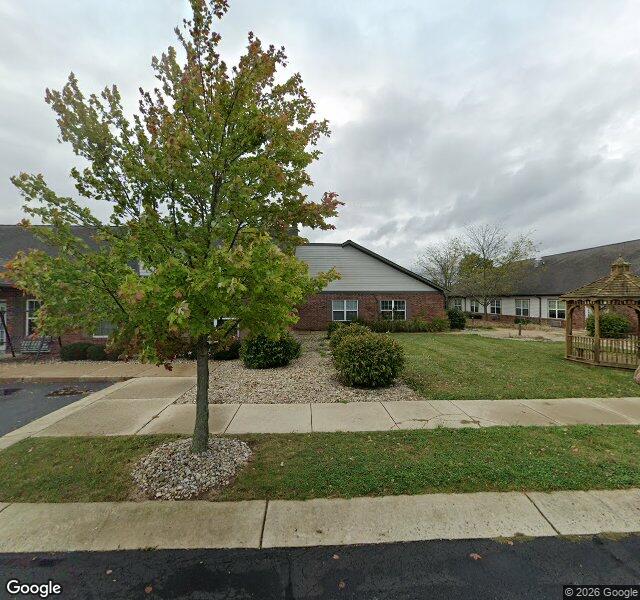
Sugar Grove Senior Living
5865 Sugar Ln, Plainfield, IN 46168View map (opens in a new tab)
Overview and key essentials
State license
Active
IN IDOH
Google reviews
Not available
Public reviews not linked
Size & payment
164 residents
Confirm pricing & payment
Public records for this community are limited. Use the checklist below when you call or visit to confirm pricing, services, and openings.
Cost, payment & care details
Updated Nov 28, 2026| Monthly cost | Not published | Ask for the full monthly cost, including care fees and one-time charges. |
|---|---|---|
| Payment options | Ask directly | Payment details are not confirmed in our records. Ask about private pay, long-term care insurance, veterans benefits, and Medicaid waivers. |
| Size & availability | 164 residents | We don't publish live openings. Ask about current availability, waitlist length, and move-in timing. |
| Care & support | Assisted living | Usually offers housing and help with everyday tasks, such as bathing and dressing. What to confirm about care levelsThis describes the licensed category. Ask how care plans adjust if mobility, nursing, or memory needs change over time. Read the family care guide → |
State licensing
State inspection history
16inspections
23deficiencies listed
Oct 6, 2026Complaint3 deficiencies reported3
3 deficiencies reported
View official state report (opens in a new tab)
INITIAL COMMENTS This visit was for a State Residential Licensure Survey. This visit included the Investigation of Intake 470758. Intake 470758 - State deficiencies related to the allegations are cited at R0144. Survey dates: October 5 and 6, 2026. Facility number: 012394 Residential Census: 113 These State Residential Findings are cited in accordance with 410 IAC 16.2-5. Quality review completed on October 14, 2026.
Food and Nutritional Services -R 0273
Deficiency 410 IAC 16.2-5-5.1(f) (f) All food preparation and serving areas (excluding areas in residents ' units) are maintained in accordance with state and local sanitation and safe food handling standards, including 410 IAC 7-24. Findings include: On 10/5/26 at 9:30 a.m., the facility kitchen was reviewed with the Dietary Director. While observing the walk-in refrigerator, a container of prepared rice was found sitting on a shelf. The label on the container indicated it was mushroom rice, and it was made on 9/24/26. The Dietary Director indicated that she wasn't sure if the facility leftover food policy said leftovers were good for 7 days or 10 days, but she guessed it probably should have been thrown out. The Dietary Director indicated they typically go through the refrigerator on Mondays and throw out any expired food. If the rice was made on 9/24/26, according to the Dietary Directors indicated practice of throwing out leftovers on Mondays, the rice should have been thrown away on 9/28/26.
Pharmaceutical Services -R 0301
Deficiency R 0301 R301 — Pharmaceutical Services | 410 IAC 16.2-5-6(c)(5) Correction completed: The cited medications were reviewed. Opened products with unverifiable opening or beyond-use dates were removed and replaced as appropriate following pharmacy guidance. System-wide prevention: Medication carts and storage areas were reviewed for labeling and expiration compliance. Medication administration staff were reeducated on dating medications when opened and following product-specific beyond-use instructions. Ongoing monitoring: The Director of Nursing or designee will document daily medication-cart audits for two weeks, then weekly audits for six weeks, and correct discrepancies immediately. Responsible: Director of Nursing / Executive Director October 26, 2026 410 IAC 16.2-5-6(c)(5) (5) Labeling of prescription drugs shall include the following: (A) Resident ' s full name. (B) Physician ' s name. (C) Prescription number. (D) Name and strength of the drug. (E) Directions for use. (F) Date of issue and expiration date (when applicable). (G) Name and address of the pharmacy that filled the prescription. If medication is packaged in a unit dose, reasonable variations that comply with the acceptable pharmaceutical procedures are permitted. Based on observations, interviews, and record review, the facility failed to ensure all medications with a specific expiration timeframe after opening were appropriately labeled with an open date in 2 of 2 medication carts reviewed for appropriate medication labeling. On 10/6/26 at 9:00 a.m., the following was observed on the memory care medication cart one. - Resident 9 had an opened Novolog Insulin Flex pen (a fast-acting insulin), with no opened date on it. -Resident 9 had an opened Insulin Glargine Flex pen (a long-acting insulin,) with no opened date on it. - Resident 10 had an opened bottle of atropine eye drops (prescription medications that dilate the pupil, relax eye focusing muscles, and treat conditions like lazy eye), with no opened date on it. The current Atropine eye drop information leaflet indicated, "...Once you have opened the bottle it should be disposed of after four weeks ...." On 10/6/26 at 9:30 a.m., the following was observed on the memory care medication cart two. -Resident 12 had an opened bottle of ear wax removal drops, with no opened date on it. -Resident 11 had an opened bottle of Dorzolamide Hydrochloride with Timolol Maleate 2%/0.5% eye drops (a prescription combination medication used to lower high eye pressure), with no opened date on it. On 10/6/26 at 12:30 p.m. a copy of an email exchange between the Director of Nursing (DON) and the facility pharmacist indicated, " ... Latanoprost eye drops remain effective for up to 6 weeks (42 days) after opening ... Dorzolamide eye drops should be used within 28 days after opening ...For multi-dose ear drops, including wax removal solutions, pharmaceutical guidance recommends discarding the product 28 days after opening ...". On 10/6/26 at 1:30 p.m. a copy of a current facility policy titled, "Labeling Medications", dated 1/22/24, was provided. That policy indicated, " ...7. Medications vials/bottles will be labeled with the date they were opened (seal broken) to ensure proper tracking for expiration purposes ...." 410 IAC 16.2-5-8.1(j)(1-3) (j) If a death occurs, information concerning the resident ' s death shall include the following: (1) Notification of the physician, family, responsible person, and legal...
Sanitation and Safety Standards -R 0144
Deficiency R 0144 R144 — Sanitation and Safety | 410 IAC 16.2-5-1.5(a) Correction completed: Resident B’s apartment was cleaned and sanitized, including the bathroom, floor and bedside area. The ant concern was addressed and follow-up pest-control measures were completed. System-wide prevention: Resident apartments were reviewed for sanitation and pest concerns; identified issues were corrected. Housekeeping and nursing staff were educated on prompt reporting and response. Ongoing monitoring: The Housekeeping Supervisor will document daily sanitation checks for two weeks, followed by weekly checks for four weeks. The Executive Director will review findings and ensure prompt follow-up. Responsible: Housekeeping Supervisor / Executive Director October 26, 2026 410 IAC 16.2-5-1.5(a) (a) The facility shall be clean, orderly, and in a state of good repair, both inside and out, and shall provide reasonable comfort for all residents. Based on observations, interviews, and record review, the facility failed to ensure a resident's environment was maintained in a sanitary condition after fecal matter was observed on the rim of the toilet, a smear of feces was noted on the floor, and ants were observed for 1 of 1 resident rooms reviewed for environment (Resident B). Findings include: On 10/5/26 at 11:00 a.m., Resident B was observed. She was lying in her bed and woke easily to conversation. As she spoke, a line of small black ants was observed as they crawled up her bedside table and onto a Styrofoam cup. There were also crumbs on the floor near her bed with ants observed. There was a smeared brown stain on her floor and there was feces speckled in the toilet bowl and feces on the rim of the toilet. On 10/6/26 at 9:00 a.m., Resident B's room was observed a second time. Ants remained on the floor and on the same Styrofoam cup, the toilet was still speckled with feces and the brown smear remained on the floor. On 10/6/26 at 11:25 a.m., Resident B's room was observed with the Housekeeping Supervisor (HKS). She observed the ants, crumbs on the floor, brown smear on the floor, and the resident's toilet. The HKS indicated that nursing aides should let Housekeeping know when they notice pests, or other areas of concern in resident apartments that need to be spot cleaned. The HKS indicated she On 10/6/26 at 11:30 a.m., the Interim Administrator provided a copy of the facility's recent Pest Control log, and Resident B's room had previously been treated for ants on 7/6/26 and 8/4/26. On 10/6/26 at 11:45 a.m., the Interim Administrator indicated that the facility followed the Residential Regulations for maintaining a clean and sanitary environment for all residents. This Residential citation relates to Intake 470758.
Jan 29, 2026Complaint1 deficiency reported1
1 deficiency reported
View official state report (opens in a new tab)
INITIAL COMMENTS This visit was for the Investigation of Intake 466949. Intake 466949 - State deficiencies related to the allegations are cited at R0052. Survey dates: January 29, 2026 Facility number: 012394 Residential Census: 120 These State Residential Findings are cited in accordance with 410 IAC 16.2-5. Quality review completed on February 12, 2026.
Residents' Rights - OffenseR 0052
410 IAC 16.2-5-1.2(v)(1-6) (v) Residents have the right to be free from: (1) sexual abuse; (3) mental abuse; (4) corporal punishment; (5) neglect; and (6) involuntary seclusion. Based on observations, interview, and record review, the facility failed to adequately supervise and monitor a resident (Resident B) who resided on a secured memory care unit with a diagnosis of dementia, and was at risk for elopement, which resulted in neglect as Resident B was able to elope from the secured unit. This deficient practice had the residents who resided on the secured memory care unit and were at risk for elopement. Findings include: On 1/29/26 at 10:46 a.m., a record review was completed for Resident B. She had the following diagnoses which included, but were not limited to, dementia, gastro-esophageal reflux disease (GERD) (acid reflux), hypertension (HTN), and macular degeneration (a progressive eye disease damaging the macula to impair sharp, central vision while leaving peripheral vision intact). A service plan, dated 6/12/25, indicated Resident B was at risk for elopement. Goal included she would not leave the community unattended, and her safety would be maintained. The service plan was not updated after the elopement occurred. A progress note, dated 12/21/25 at 9:02 p.m., indicated Resident B was observed to be agitated and attempting to leave, moving between residents' rooms and not easily redirected. The primary care provider and Director of Nursing (DON) were notified. An elopement book was provided on 1/29/26, and Resident B's picture and pertinent information were included in the book. An elopement investigation was completed on 12/28/25. The investigation indicated Resident B had severe cognitive impairment. It indicated Resident B exited the community alone. She was wearing long pants and long-sleeved shirt. The weather was 52 degrees outside, and she was found walking on the sidewalk by her family. She was away from the community for six and a half minutes. A policy titled, "Elopements," last reviewed on 5/2023, was provided by the Administrator on 1/29/26 at 11:31 a.m. It indicated, " ...For the purpose of this policy, "missing residents" shall be defined to mean a resident who has left the facility grounds without signing him/herself out of the facility ...." The policy also included ... "Resident who are at risk for elopement shall be provided at least one of the following safety precautions by the facility: door alarms on facility exits; and/or a personal safety device that alerts staff when the resident has left the building without supervision or staff supervision ...." This citation relates to Intake 466949. Findings include: On 1/29/26 at 10:46 a.m., a record review was completed for Resident B. She had the following diagnoses which included, but were not limited to, dementia, gastro-esophageal reflux disease (GERD) (acid reflux), hypertension (HTN), and macular degeneration (a progressive eye disease damaging the macula to impair sharp, central vision while leaving peripheral vision intact). An elopement assessment was completed on 6/12/25 and indicated Resident B was at risk for elopement. The intervention was to move her to a secure unit. Goals included her safety would be maintained and she would not leave the community unattended. A progress note, dated 12/21/25 at 9:02 p.m., indicated Resident B was observed to be agitated and attempting to leave, moving between residents' rooms and not easily redirected....
Jul 8, 2025Complaint9 deficiencies reported9
9 deficiencies reported
View official state report (opens in a new tab)
INITIAL COMMENTS This visit was for a State Residential Licensure Survey. This visit included the Investigation of Complaint IN00461541. Complaint IN00461541- No deficiencies related to the allegations are cited. Survey dates: July 7 and 8,
Health Services - DeficiencyR 0240
R 0240 410 IAC 16.2-5-4(d) (d) Personal care, and assistance with activities of daily living, shall be provided based upon individual needs and preferences. Based on observation, interview, and record review, the facility failed to ensure a resident on the memory care unit was cued and encouraged to eat or offered a substitution for a meal for 1 of approximately 20 residents observed in the memory care dining room during a meal (Resident 8). Findings include: On 7/7/25 at 12:25 p.m. Resident 8 appeared to be resting with his eyes closed, at this time the resident had not touched his meal. Three staff members were observed in the dining room helping residents eat, asking residents how the food tastes and assisting residents who were finished eating to leave the dining room. No staff member asked Resident 8 if he needed help eating or if he would like something different to eat. On 7/7/25 at 12:45 p.m. Resident 8 appeared to be awake staring off into the distance, he had picked his wrapped silverware up and looked at it but had not touched his food. Two staff members were observed in the dining room helping residents eat and cleaning trays in the dinette area. No staff member had offered Resident 8 assistance, encouraged him to eat, or offered him a substitution at this time. On 7/7/25 at 1:05 p.m. the Activities Director indicated Resident 8 prefers to eat alone, but he must not be hungry today. She indicated the resident's daughter normally came in and brought things he liked to eat like peanut butter and jelly sandwiches or sweets. She indicated Resident 8 really liked sweets. On 7/7/25 at 2:00 p.m. Resident 8's medical record was reviewed. He was a resident who resided on the memory care unit in an assisted living facility, whose diagnoses included but were not limited to dementia and dysphagia (difficulty swallowing). A level of care determination, dated 6/9/25, indicated the resident did need prompts and cues for adequate nutrition. Resident 8's service plan, dated 6/19/25, indicated the resident refused care at times. An intervention for this service plan was to provide cuing. Resident 8's eating/meals service plan, dated 6/19/25, did not indicate specifically that the resident required a lot of cueing and encouragement to comply with eating his meals. On 7/8/25 at 1:15 p.m. a partial copy of the facility's dementia care handbook was provided by the Executive Director (ED). This handbook indicated, " ... staff need to evaluate each individual's tendencies and attempt to develop effective strategies to assure that nutritional needs are met ... it is essential to ensure queuing and assist tables are available to ensure appropriate staff assistance ...." Based on observation, interview, and record review, the facility failed to ensure a resident on the memory care unit was cued and encouraged to eat or offered a substitution for a meal for 1 of approximately 20 residents observed in the memory care dining room during a meal (Resident 8). Findings include: On 7/7/25 at 12:25 p.m. Resident 8 appeared to be resting with his eyes closed, at this time the resident had not touched his meal. Three staff members were observed in the dining room helping residents eat, asking residents how the food tastes and assisting residents who were finished eating to leave the dining room. No staff member asked Resident 8 if he needed help eating or if he would like something different to eat. On 7/7/25 at 12:45 p.m. Resident 8 appeared to be awake...
Sanitation and Safety Standards -R 0148
Deficiency R 0148 Preparation and submission of this statement of correction does not constitute an admission or agreement by the provider of the truth of the facts alleged or the correctness of the conclusion stated on the statement of deficiencies. This statement of correction is prepared and submitted solely because of requirements under state and federal laws. 410 IAC 16.2-5-1.5(e)(1-4) (e) The facility shall maintain buildings, grounds, and equipment in a clean condition, in good repair, and free of hazards that may adversely affect the health and welfare of the residents or the public as follows: (1) Each facility shall establish and implement a written program for maintenance to ensure the continued upkeep of the facility. (2) The electrical system, including appliances, cords, switches, alternate power sources, fire alarm and detection systems, shall be maintained to guarantee safe functioning and compliance with state electrical codes. (3) All plumbing shall function properly and comply with state plumbing codes. (4) At least yearly, heating and ventilating systems shall be inspected. Findings include: On 7/7/25 at 12:05 p.m., a record review was completed for Resident 3. She had the following diagnoses which included, but were not limited to, generalized anxiety disorder, hypertension, vision loss, and dementia. On 7/7/25 at 10:30 a.m., Resident 3 was observed in bed with a half side rail on each side of her bed. The left side rail was observed to be loose and was wobbly when manually touched. The record lacked documentation of a physician's order for side rails or mobility bars. The most recent service plan lacked documentation of the side rails or mobility bars installation and ongoing monitoring for safety and appropriateness. The record lacked documentation of any initial and/or ongoing assessments for appropriateness and/or the residents ability to utilize the rails. On 7/7/25 at 1:30 p.m., the Director of Nursing (DON) indicated she would provide a side rail assessment and remove the side rails because Resident 3 did not need or require the rails for assistance. A side rail assessment was provide and dated 7/7/25. Prior to 7/7/25, the record lacked a side rail assessment. On 7/8/25 at 1:00 p.m., a policy titled, "Bed Mobility Enabler Management" was provided by the Executive Director (ED). It indicated, " ...Prior to approved enabler installation, the resident will be assessed for the use of approved enabler, in the risk of entrapment, and informed consent is obtained from the resident or resident's representative ...." Based on observation, interview, and record review, the facility failed to prevent the potential for accidents when half side rails were installed without initial assessment and/or ongoing monitoring for safety for 1 of 1 resident reviewed for accidents (Resident 3). Findings include: On 7/7/25 at 10:30 a.m., Resident 3 was observed in bed with a half side rail on each side of her bed. The left side rail was observed to be loose and was wobbly when manually touched. The record lacked documentation of a physician's order for side rails or mobility bars. The most recent service plan lacked documentation of the side rails or mobility bars installation and ongoing monitoring for safety and appropriateness. The record lacked documentation of any initial and/or ongoing assessments for appropriateness and/or the residents ability to utilize the rails. The record lacked documentation for the purpose of the...
Evaluation - DeficiencyR 0217
R 0217 Preparation and submission of this statement of correction does not constitute an admission or agreement by the provider of the truth of the facts alleged or the correctness of the conclusion stated on the statement of deficiencies. This statement of correction is prepared and submitted solely because of requirements under state and federal laws. 410 IAC 16.2-5-2(e)(1-5) (e) Following completion of an evaluation, the facility, using appropriately trained staff members, shall identify and document the services to be provided by the facility, as follows: (1) The services offered to the individual resident shall be appropriate to the: (A) scope; (B) frequency; (C) need; and (D) preference; (3) The agreed upon service plan shall be signed and dated by the resident, and a copy of the service plan shall be given to the resident upon request. (4) No identification and documentation of services provided is needed if evaluations subsequent to the initial evaluation indicate no need for a change in services. (5) If administration of medications or the provision of residential nursing services, or both, is needed, a licensed nurse shall be involved in identification and documentation of the services to be provided. Based on record review, observation, and interview, the facility failed to ensure a resident's service plan matched her current level of care, hospice, and nutritional status for 1 of 7 residents reviewed for service plans (Resident 3). Findings include: On 7/7/25 at 12:05 p.m., a record review was completed for Resident 3. She had the following diagnoses which included, but were not limited to generalized anxiety disorder, hypertension, vision loss, and dementia. Resident 3 had a service plan dated 6/12/25. The service did not match up with residents' current condition. On 7/7/25 at 1:00 p.m., Resident 3 was observed lying in bed. She had not been served lunch yet. QMA 8 was summoned. She indicated Resident 3's husband was at an appointment and he usually took care of her nutrition. QMA 8 offered Resident 3 an Ensure (liquid supplement). QMA 8 indicated Resident 3 normally did not get her food from the kitchen at the facility and that her husband usually gave her liquids to drink including Ensure. On 7/7/25 at 1:30 p.m., during an interview, the Director of Nursing (DON) indicated she was unaware that the service plan was not updated. On 7/7/25 at 1:32 p.m., the Executive Director (ED) indicated the facility did not have a policy regarding service plans. Based on record review, observation, and interview, the facility failed to ensure a resident's service plan matched her current level of care, hospice, and nutritional status for 1 of 7 residents reviewed for service plans (Resident 3). Findings include: On 7/7/25 at 10:00 a.m., Resident 3 was observed sleeping in a bed. She was unable to communicate and only replied with moaning. She was reaching up with her left arm. She was dependent with care to include mobility, transferring, toileting, bathing, and eating. The hospice aide was in the room providing residents with a bed bath. Resident 3 had a service plan dated 6/12/25. The service did not match up with residents' current condition. On 7/7/25 at 1:00 p.m., Resident 3 was observed lying in bed. She had not been served lunch yet. QMA 8 was summoned. She indicated Resident 3's husband was at an appointment and he usually took care of her nutrition. QMA 8 offered Resident 3 an Ensure (liquid supplement). QMA 8 indicated...
Personnel - NoncomplianceR 0120
(e) There shall be an organized inservice education and training program planned in advance for all personnel in all departments at least annually. Training shall include, but is not limited to, residents' rights, prevention and control of infection, fire prevention, safety, accident prevention, the needs of specialized populations served, medication administration, and nursing care, when appropriate, as follows: (1) The frequency and content of inservice education and training programs shall be in accordance with the skills and knowledge of the facility personnel. For nursing personnel, this shall include at least eight (8) hours of inservice per calendar year and four (4) hours of inservice per calendar year for nonnursing personnel. (2) In addition to the above required inservice hours, staff who have contact with residents shall have a minimum of six (6) hours of dementia-specific training within six (6) months and three (3) hours annually thereafter to meet the needs or preferences, or both, of cognitively impaired residents effectively and to gain understanding of the current standards of care for residents with dementia. (3) Inservice records shall be maintained and shall indicate the following: (A) The time, date, and location. (D) The names of the participants. (E) The program content of inservice. The employee will acknowledge attendance by written signature. Based on observations and interview, the facility failed to provide the required 3 hour employees reviewed (LPN 9 and CNA 10). Findings include: 1. On 7/8/25 at 10:30 a.m., LPN 9's employee file was reviewed. It lacked 3 hours of dementia training. 2. On 7/8/25 at 10:35 a.m., CNA 10's employee file was reviewed. It lacked 3 hours of dementia training. On 7/8/25 at 11:00 a.m., the Executive Director (ED) indicated he could not locate LPN 9 or CNA 10's dementia training. On 7/8/25 at 11:00 a.m., the ED indicated they followed the state rules regarding dementia training. Findings include: 1. On 7/8/25 at 10:30 a.m., LPN 9's employee file was reviewed. It lacked 3 hours of dementia training. 2. On 7/8/25 at 10:35 a.m., CNA 10's employee file was reviewed. It lacked 3 hours of dementia training. On 7/8/25 at 11:00 a.m., the Executive Director (ED) indicated he could not locate LPN 9 or CNA 10's dementia training. On 7/8/25 at 11:00 a.m., the ED indicated they followed the state rules regarding dementia training.
Facility number: 0123942025
Residential Census: 115 Sugar Grove was found to be in compliance with 410 IAC 16.2-5 in regard to the State Residential Licensure Survey and the Investigation of Complaint IN00461541. Quality review completed on July 14, 2025.
Pharmaceutical Services -R 0300
Deficiency R 0300 Preparation and submission of this statement of correction does not constitute an admission or agreement by the provider of the truth of the facts alleged or the correctness of the conclusion stated on the statement of deficiencies. This statement of correction is prepared and submitted solely because of requirements under state and federal laws. 410 IAC 16.2-5-6(c)(4) (4) Over-the-counter medications, prescription drugs, and biologicals used in the facility must be labeled in accordance with currently accepted professional principles and include the appropriate accessory and cautionary instructions and the expiration date. Based on observations and interviews, the facility failed to ensure medications were properly labeled and dated. This deficient practice had the residents (Residents 9,10,11,12, and 13) whose medications were improperly labeled or dated. Findings include: On 7/7/25 at 9: 45 a.m. the 100-hall medication cart was observed with Licensed Practical Nurse (LPN) 7. 1. Resident 9 had Liquigel eye drops with no open date. 2. Resident 10 had Over the Counter (OTC) Cranberry vitamins with no proper label. 3. Resident 11 had OTC Vitamin D3 capsules with no proper label. 4. Resident 12 had OTC Senna-S tablets that were discontinued but still in the medication cart without a label. During this observation LPN 7 indicated these medications were incorrectly labeled and dated. She indicated she would throw these medications out and ensure the replacements were properly labeled and dated. On 7/7/25 at 9:55 a.m. the 200-hall medication cart was observed with Qualified Medication Aide (QMA) 8. Resident 13 had OTC Calcium Mini supplements that had no proper label. Based on observations and interviews, the facility failed to ensure medications were properly labeled and dated. This deficient practice had the residents (Residents 9,10,11,12, and 13) whose medications were improperly labeled or dated. Findings include: The medications reviewed were as follows: 1. Resident 9 had Liquigel eye drops with no open date. 2. Resident 10 had Over the Counter (OTC) Cranberry vitamins with no proper label. 3. Resident 11 had OTC Vitamin D3 capsules with no proper label. 4. Resident 12 had OTC Senna-S tablets that were discontinued but still in the medication cart without a label. During this observation LPN 7 indicated these medications were incorrectly labeled and dated. She indicated she would throw these medications out and ensure the replacements were properly labeled and dated. On 7/7/25 at 9:55 a.m. the 200-hall medication cart was observed with Qualified Medication Aide (QMA) 8. Resident 13 had OTC Calcium Mini supplements that had no proper label. On 7/8/25 at 1:15 p.m. a copy of a current facility policy titled, "Medication Administration Policy for Senior Living," was provided by the Executive Director (ED). This policy indicated, " ... adherence to this medication administration policy is essential to ensure the well-being and safety of our residents. All staff members are expected to follow these guidelines strictly and to report any issues or deviations from the policy ... Medication Storage: 1. expired or discontinued medications should not be stored and should be disposed of according to proper procedures ... Medication Identification and Verification: 1. All medications must be labeled correctly with the resident's name's medication name dosage and administration instructions ...."
Clinical Records - NoncomplianceR 0354
410 IAC 16.2-5-8.1(g)(1-7) (g) A transfer form shall include the following: (1) Identification data. (2) Name of the transferring institution. (5) Nurses ' notes relating to the resident ' s: (A) functional abilities and physical limitations; (B) nursing care; (C) medications; (D) treatment; and (E) current diet and condition on transfer. (6) Diagnosis. (7) Date of chest x-ray and skin test for tuberculosis. Based on record review and interview, the facility failed to administer an initial and second step tuberculin test (used to test for tuberculosis) to a resident residents reviewed (Resident 3). Findings include: On 7/7/25 at 12:05 p.m., a record review was completed for Resident 3. She had the following diagnoses which included, but were not limited to generalized anxiety disorder, hypertension, vision loss, and dementia. The Director of Nursing (DON) provided a TB (tuberculosis) questionnaire dated 2/5/25. She indicated she could not locate Resident 3's first or second step PPD. A policy titled, "Infection Prevention and Control Manual TB Control Plan," was provided by the Executive Director (ED) on 7/7/25 at 1:41 p.m. It indicated, " ...For all new admissions, a tuberculin skin test will be done within 72 hours after admission if there is no documented TST (tuberculin skin test) result from within three months before admission. The 2 step TST method will be performed using five units (0.1ml (milliliter)) of purified protein derivative tuberculin given intracutaneously (see procedure) ...." Based on record review and interview, the facility failed to administer an initial and second step tuberculin test (used to test for tuberculosis) to a resident residents reviewed (Resident 3). Findings include: Resident 3's record lacked documentation of a first or second step PPD (tuberculosis test). The Director of Nursing (DON) provided a TB (tuberculosis) questionnaire dated 2/5/25. She indicated she could not locate Resident 3's first or second step PPD. A policy titled, "Infection Prevention and Control Manual TB Control Plan," was provided by the Executive Director (ED) on 7/7/25 at 1:41 p.m. It indicated, " ...For all new admissions, a tuberculin skin test will be done within 72 hours after admission if there is no documented TST (tuberculin skin test) result from within three months before admission. The 2 step TST method will be performed using five units (0.1ml (milliliter)) of purified protein derivative tuberculin given intracutaneously (see procedure) ...."
Evaluation - NoncomplianceR 0216
R 0216 Preparation and submission of this statement of correction does not constitute an admission or agreement by the provider of the truth of the facts alleged or the correctness of the conclusion stated on the statement of deficiencies. This statement of correction is prepared and submitted solely because of requirements under state and federal laws. 410 IAC 16.2-5-2(c)(1-4)(d) (c) The scope and content of the evaluation shall be delineated in the facility policy manual, but at a minimum the needs assessment shall include an evaluation of the following: (1) The resident ' s physical, cognitive, and mental status. (2) The resident ' s independence in the activities of daily living. (3) The resident ' s weight taken on admission and semiannually thereafter. (d) The evaluation shall be documented in writing and kept in the facility. Based on observations, interviews, and record review, the facility failed to prevent the potential for accidents for a resident who had medications at bedside without being properly assessed for the ability to safely self-administer medications for 1 of 1 resident reviewed for self -administration (Resident 14). Findings include: On 7/8/25 at 9:30 a.m. Resident 14 was observed as she sat in her recliner in her room. Two large bottles of Flintstone brand vitamins were observed on her side table next to her chair. On 7/8/25 at 10:00 a.m. Resident 14's medical record was reviewed. She was a Resident who resided in an assisted living facility whose diagnoses included but were not limited to gas pain and a history of falls. Resident 14's orders were reviewed, and it was found that she did not have a current order for Flintstone brand vitamins. During an interview on 7/8/25 at 11:30 a.m. with the Director of Nursing (DON) she indicated she was unaware Resident 14 had medications in her room. She indicated all of the resident's medications were managed by the facility so she did not think the resident had a current self-administration of medications assessment indicating she could safely administer her own medications. The DON indicated she did not think Resident 14 had a current order for Flintstone vitamins. On 7/8/25 at 1:15 p.m. a copy of a current facility policy titled, "Self-Administration of Medication," was provided by the Executive Director (ED). This policy indicated, " ...1. If a resident wishes to self-administer medications an assessment must be performed to ensure that the resident can safely self-administer medications ...." Findings include: On 7/8/25 at 9:30 a.m. Resident 14 was observed as she sat in her recliner in her room. Two large bottles of Flintstone brand vitamins were observed on her side table next to her chair. On 7/8/25 at 10:00 a.m. Resident 14's medical record was reviewed. She was a Resident who resided in an assisted living facility whose diagnoses included but were not limited to gas pain and a history of falls. Resident 14's orders were reviewed, and it was found that she did not have a current order for Flintstone brand vitamins. Resident 14's most recent self-administration of medications assessment was dated 8/16/23. This assessment indicated Resident 14 was not capable of safely administering her own medications. On 7/8/25 at 1:15 p.m. a copy of a current facility policy titled, "Self-Administration of Medication," was provided by the Executive Director (ED). This policy indicated, " ...1. If a resident wishes to self-administer medications an assessment must be...
Food and Nutritional Services -R 0273
Deficiency R 0273 Preparation and submission of this statement of correction does not constitute an admission or agreement by the provider of the truth of the facts alleged or the correctness of the conclusion stated on the statement of deficiencies. This statement of correction is prepared and submitted solely because of requirements under state and federal laws. 410 IAC 16.2-5-5.1(f) (f) All food preparation and serving areas (excluding areas in residents ' units) are maintained in accordance with state and local sanitation and safe food handling standards, including 410 IAC 7-24. Based on observation and interview, the facility failed to ensure bulk food storage containers were properly labeled and dated. This had the residents who ate meals provided by the facility. Findings include: On 7/8/25 at 1:15 p.m. a copy of a current facility policy titled, "Food Storage (Dry, Refrigerated, and Frozen)," was provided by the Executive Director (ED). This policy indicated, " ...a. All food items will be labeled. The label must include the name of the food and the date by which it should be sold consumed or discarded ...." Based on observation and interview, the facility failed to ensure bulk food storage containers were properly labeled and dated. This had the residents who ate meals provided by the facility. Findings include: On 7/8/25 at 1:15 p.m. a copy of a current facility policy titled, "Food Storage (Dry, Refrigerated, and Frozen)," was provided by the Executive Director (ED). This policy indicated, " ...a. All food items will be labeled. The label must include the name of the food and the date by which it should be sold consumed or discarded ...."
Dec 20, 2024ComplaintNo deficiencies reportedNone
No deficiencies reported
View official state report (opens in a new tab)
INITIAL COMMENTS This visit was for the Investigation of Complaint IN00448897. Complaint IN00448897 - No deficiencies related to the allegations are cited. Survey date: December 20, 2024. Facility number: 012394 Residential Census: 123 Sugar Grove Senior Living Community was found to be in compliance with 410 IAC 16.2-5 in regard to the Investigation of Complaint IN00448897. Quality review completed on December 30, 2024.
Oct 2, 2024Complaint1 deficiency reported1
1 deficiency reported
View official state report (opens in a new tab)
INITIAL COMMENTS This visit was for the Investigation of Complaint IN00442895. Complaint IN00442895 - No deficiencies related to the allegations are cited. Survey date: October 1 and 2,
Facility number: 0123942024
Residential Census: 114 Sugar Grove Senior Living Community was found to be in compliance with 410 IAC 16.2-5 in regard to the Investigation of Complaint IN00442895. Quality review completed on October 3, 2024.
Show all 16 inspections
Jul 23, 2024Complaint1 deficiency reported1
1 deficiency reported
View official state report (opens in a new tab)
INITIAL COMMENTS This visit was for the Investigation of Complaints IN00438215, IN00438357, IN00437915, and IN00438231. Complaint IN00438215 - No deficiencies related to the allegations are cited. Complaint IN00438357 - No deficiencies related to the allegations are cited. Complaint IN00437915 - No deficiencies related to the allegations are cited. Complaint IN00438231 - State deficiencies related to the allegations are cited at R0154. Survey dates: July 23, 2024 Facility number: 012394 Residential Census: 116 These State Residential Findings are cited in accordance with 410 IAC 16.2-5.
Sanitation and Safety Standards -R 0154
Deficiency R 0154 July 31, 2024 410 IAC 16.2-5-1.5(k) (k) The facility shall keep all kitchens, kitchen areas, common dining areas, equipment, and utensils clean, free from litter and rubbish, and maintained in good repair in accordance with 410 IAC 7-24. Based on observations and interviews, the facility failed to maintain adequate rinse temperatures for the dishwasher for 1 of 1 dishwasher observed which had the potential to affect 116 of 116 residents served from the kitchen. Findings include: During an observation on 7/23/24 at 11:25 a.m., a cycle was initiated to test the temperatures of the dishwasher. The wash cycle was 154 degrees Fahrenheit (F), and the final rinse cycle was 167 degrees F. The dishwasher machine had a label on the front, bottom left of the machine, and it indicated the wash cycle should be at least 150 degrees F and the rinse cycle should be at least 180 degrees F. Temperature logs were provided for the months of June and July 2024. The morning (AM) temperature checks were noted to have only 3 days in a two-month period where the temperatures made it to 180 degrees F or greater. The afternoon (PM) temperatures for all of June were under 180 degrees F. The PM temperatures for July were greater than 180 degrees F, except for three times. During an interview with the Dietary Manager on 7/23/24 at 12:18 p.m., she indicated the machine rarely got to 180 degrees F. This State tag relates to Complaint IN00438231. Based on observations and interviews, the facility failed to maintain adequate rinse temperatures for the dishwasher for 1 of 1 dishwasher observed which had the potential to affect 116 of 116 residents served from the kitchen. Findings include: During an observation on 7/23/24 at 11:25 a.m., a cycle was initiated to test the temperatures of the dishwasher. The wash cycle was 154 degrees Fahrenheit (F), and the final rinse cycle was 167 degrees F. During an observation on 7/23/24 at 12:17 p.m., the dishwasher temperature was tested again. This time the wash cycle was 162 degrees F, and the final rinse cycle was 172 degrees F. The dishwasher machine had a label on the front, bottom left of the machine, and it indicated the wash cycle should be at least 150 degrees F and the rinse cycle should be at least 180 degrees F. Temperature logs were provided for the months of June and July 2024. The morning (AM) temperature checks were noted to have only 3 days in a two-month period where the temperatures made it to 180 degrees F or greater. The afternoon (PM) temperatures for all of June were under 180 degrees F. The PM temperatures for July were greater than 180 degrees F, except for three times. During an interview with the Dietary Manager on 7/23/24 at 12:18 p.m., she indicated the machine rarely got to 180 degrees F. This State tag relates to Complaint IN00438231. correcting provided it is determined that other safeguards provide sufficient protection to the patients. (See instructions.) SIGNATURE
Jun 27, 2024Complaint5 deficiencies reported5
5 deficiencies reported
View official state report (opens in a new tab)
INITIAL COMMENTS This visit was for a State Residential Licensure Survey. This visit included the Investigation of Complaint IN00434118. Complaint IN00434118 - No deficiencies related to the allegations are cited. Survey dates: June 26 and 27, 2024. Facility number: 012394 Residential Census: 116 These State Residential Findings are cited in accordance with 410 IAC 16.2-5. Quality review completed on July 5, 2024.
Sanitation and Safety Standards -R 0148
Deficiency R 0148 R148 (1) Each facility shall establish and implement a written program for maintenance to ensure the continued upkeep of the facility. (2) The electrical system, including appliances, cords, switches, alternate power sources, fire alarm and detection systems, shall be maintained to guarantee safe functioning and compliance with state electrical codes. (3) All plumbing shall function properly and comply with state plumbing codes. (4) At least yearly, heating and ventilating systems shall be inspected. Based on observation, interview, and record review, the facility failed to ensure a resident's environment remained free from the potential for accidents when bedrails were applied but not assessed for appropriateness or monitored for continued safety for 1 of 2 residents reviewed for bed rails (Resident 93). Findings include: On 6/27/24 at 11:44 a.m., Resident 39's bed was observed. The bilateral half side rails remained as observed the previous day. During an interview on 6/27/24 at 1:11 p.m., the Executive Director indicated bed rails were not used unless a resident was on Hospice but only with certain permissions. On 6/27/24 at 2:15 p.m., Resident 93's medical record was reviewed. She was an Assisted Living resident who resided on the secured memory care unit with a diagnoses of Alzheimer's dementia (an irreversible degenerative brain disease which affects memory and cognitive function) and generalized anxiety. The record lacked documentation of an assessment to confirm the reason and appropriateness of the side rails. The record lacked documentation of a risk assessment for entrapment. Resident 93's most recent Service Plan indicated she was at risk for falls and used assistive devices, but the devices were not specified. The Service Plan lacked documentation of her need/preference for the bed rails. During an interview on 6/27/24 at 2:51 p.m., the Director of Nursing (DON) indicated the side rails had been removed until all appropriate assessments and evaluations were obtained. Based on observation, interview, and record review, the facility failed to ensure a resident's environment remained free from the potential for accidents when bedrails were applied but not assessed for appropriateness or monitored for continued safety for 1 of 2 residents reviewed for bed rails (Resident 93). Findings include: On 6/27/24 at 11:44 a.m., Resident 39's bed was observed. The bilateral half side rails remained as observed the previous day. During an interview on 6/27/24 at 1:11 p.m., the Executive Director indicated bed rails were not used unless a resident was on Hospice but only with certain permissions. On 6/27/24 at 2:15 p.m., Resident 93's medical record was reviewed. She was an Assisted Living resident who resided on the secured memory care unit with a diagnoses of Alzheimer's dementia (an irreversible degenerative brain disease which affects memory and cognitive function) and generalized anxiety. The record lacked documentation of an assessment to confirm the reason and appropriateness of the side rails. Resident 93's most recent Service Plan indicated she was at risk for falls and used assistive devices, but the devices were not specified. The Service Plan lacked documentation of her need/preference for the bed rails. During an interview on 6/27/24 at 2:51 p.m., the Director of Nursing (DON) indicated the side rails had been removed until all appropriate assessments and evaluations were obtained.
Evaluation - NoncomplianceR 0216
R 0216 The scope and content of the evaluation shall be delineated in the facility policy manual, but at minimum the needs the assessment shall include an evaluation of the following: 410 IAC 16.2-5-2(c)(1-4)(d) (c) The scope and content of the evaluation shall be delineated in the facility policy manual, but at a minimum the needs assessment shall include an evaluation of the following: (3) The resident ' s weight taken on admission and semiannually thereafter. (4) If applicable, the resident ' s ability to self-administer medications. (d) The evaluation shall be documented in writing and kept in the facility. Based on observation, interview, and record review, the facility failed to ensure assessments were completed for residents who self-administer residents reviewed for medication self-administration (Resident 6, 10, 11, 16, 18, and 22). Findings include: 1. On 6/26/24 at 12:40 p.m., Resident 6's record was reviewed. She was admitted on 3/31/19. Her self-administration medication assessment was dated 3/20/23. The medications observed on top of her microwave and on her kitchen counter were: a Children's acetaminophen (for pain relief). b. Pilocarpine 5 mg (milligram), take 3 times a day for glaucoma (eye disease). c. Cephalexin 500 mg, take twice a day for 7 days (antibiotic). It was dispensed on 3/18/24. The bottle was observed on its side with no lid, one pill was inside the bottle. The lid was observed on top of the microwave. d. Equate laxative (for constipation). e. Ex-lax (for constipation). 2. On 6/26/24 at 1:02 p.m., Resident 10's record was reviewed. She was admitted on 3/31/19. Her diagnoses included, but were not limited to, hypertension (high blood pressure), atrial fibrillation (heart flutter), heart failure, and atherosclerotic heart disease (narrowing of coronary arteries). The medications observed in her closet were: b. Furosemide 40 mg, take 1 tablet daily (diuretic). c. Potassium chloride ER (extended release) 20 mEq (milliequivalent) daily (supplement). d. Amlodipine 5 mg, daily (for hypertension). e. Spironolactone 25 mg, take ½ tab per day (diuretic for edema). f. Primidone 50 mg, take twice a day (for tremors: involuntary quivering movement). g. Acetaminophen ER 650 mg, twice daily as needed (pain relief). h. Digoxin 125 mcg daily for atrial-fibrillation. i. Metoprolol succinate ER 50 mg, take one tablet daily (for hypertension). Her self-administration medication assessment was dated 6/27/24. 3. On 6/27/24 at 12:15 p.m., Resident 11's record was reviewed. She was admitted on 1/10/18. Her June MAR indicated her physician medication orders: a Lipitor 40 mg by mouth at bedtime (for high cholesterol). b. Torsemide 20 mg, ½ tablet daily by mouth (diuretic to treat edema). c. Iron 65 mg, 1 tablet by mouth (supplement). d. Diclofenac sodium, topical gel (treats rheumatoid arthritis). e. Tylenol arthritis ER 650 mg, take 2 tablets by mouth once daily (pain relief). f. Aspirin 81 mg chewable tablet, take 1 tablet by mouth daily. g. Metoprolol tartrate 25 mg, take 1 tablet by mouth twice daily. Her self-administration medication assessment was dated 6/27/24. Her diagnoses included, but were not limited to, hypertension, fibromyalgia (nerve pain), NSTEMI (hypoxic heart attack), and anxiety disorder. Her June MAR indicated her physician medication orders: a Isosorbide mononitrate 30 mg by mouth, daily (to prevent chest pain). b. Vitamin D3 daily (supplement). c. Restasis multidose 0.05% eye drops, instill 1 drop into...
Food and Nutritional Services -R 0273
Deficiency Based on observation, interview, and record review, the facility failed to ensure all foods were labeled and dated, hair restraints were worn by kitchen staff near food, internal thermometers were inside coolers, thermometers were cleaned appropriately for taking temperatures of the food, and frozen meats were thawed observation of the kitchen with residents who consumed food from the kitchen. Findings include: During an interview, on 6/26/24 at 9:46 a.m., Head Cook 5 indicated the Dietary Manager (DM) was out of the building and would be unable to complete the kitchen tour. She indicated the drawers under the stove were freezer drawers. During an interview, on 6/26/24 at 9:48 a.m., Cook 6 indicated there were no thermometers inside freezer drawers, she indicated the kitchen staff would just feel whether the foods felt frozen or not. On 6/26/24 at 9:51 a.m., Line Cook 7 was observed without a beard cover. He was standing in front of the breakfast serving line, breakfast was still being served. On 6/26/24 at 9:52 a.m., Line Cook 7 retrieved a thermometer to provide temperatures for the breakfast foods. He indicated the kitchen was out of thermometer sanitizing wipes. He was observed to run tap water over the thermometer and dry it with a paper towel before provided the temperature of the scrambled eggs. Between each food, he wiped the thermometer with the same paper towel. He also provided temperatures for sausage links and sausage patties, oatmeal, and sausage gravy. On 6/26/24 at 9:54 a.m., Line Cook 7 indicated the salad bar cooler had a container of undated German potato salad, an unlabeled and undated plastic bag of tuna salad, and a small container of sliced lemons that had no date and were observed to have gone bad. During an interview, on 2/26/24 at 10:11 a.m., Cook 6 indicated the pass-thru cooler had no internal thermometer. The items observed inside the pass-thru cooler were several different juices, milk, and whipped cream. A current policy, titled, "Food Storage (Dry, Refrigerated, and Frozen)," with no dated, was provided by the ED, on 6/27/24 at 9:55 a.m. A review of the policy indicated, " ...General storage guidelines to be followed: ...All food items will be labeled. The label must include the name of the food and the date by which it should be sold, consumed, or discarded ...discarded food that has been prepared the in the facility after seven days of storing under proper refrigeration ...Left over contents of cans and prepared food will be stored in covered, labeled and dated containers in refrigerators and / or freezers ...." A current policy, titled, "Refrigerator and Freezer Temperature Checks," with no date, was provided by the ED, on 6/27/24 at 9:55 a.m. A review of the policy indicated, " ...Temperatures are taken from the thermometer located inside the unit ...." A current policy, titled, "Hair Restraints," with no dated, was provided by the ED, on 6/27/24 at 10:09 a.m. A review of the policy indicated, " ...Beard guards shall be used to prevent hair from contacting exposed food ...." Findings include: During an interview, on 6/26/24 at 9:46 a.m., Head Cook 5 indicated the Dietary Manager (DM) was out of the building and would be unable to complete the kitchen tour. She indicated the drawers under the stove were freezer drawers. During an interview, on 6/26/24 at 9:48 a.m., Cook 6 indicated there were no thermometers inside freezer drawers, she indicated the kitchen staff would just feel whether...
Pharmaceutical Services -R 0306
Noncompliance R 0306 Deficiency: 410 IAC 16.2-5-6(g)(1-9) (g) Medications administered by the facility shall be disposed in compliance with appropriate federal, state, and local laws, and disposition of any released, returned, or destroyed medication shall be documented in the resident ' s clinical record and shall include the following information: (1) The name of the resident. (2) The name and strength of the drug. (3) The prescription number. (4) The reason for disposal. (5) The amount disposed of. (6) The method of disposition. (7) The date of the disposal. (8) The signature of the person conducting the disposal of the drug. (9) The signature of a witness, if any, to the disposal of the drug. Findings include: On 6/27/24 at 11:14 a.m., the 100-hall medication cart was observed with Licensed Practical Nurse (LPN) 12. Resident 8 had latanoprost on the medication cart and was not dated when opened. Resident 2 had a pen of Tresiba on the medication cart and it was not dated to indicate when it was opened. On 6/27/24 at 11:30 a.m. the 300-hall medication cart was observed with Qualified Medication Aide (QMA) 11. The following medications were found to lack a label and/or date to indicate when opened. a.) Resident 71 had a bottle of vitamin D3 that lacked a label. b.) Resident 77 had a bottle of CoQ10 that lacked a label. c.) Resident 73 had a bottle of vitamin B12 1000 mcg, Tylenol 500 mg and vitamin D3 that lacked a label. A policy titled; "Medication Administration Policy for Senior Living" was provided by the Executive Director (ED) on 6/27/24 at 2:05 p.m. It indicated, " ...Proper storage must be ensured for each medication (insulin, eye drops, ointments, etc.) ...All medications must be labeled correctly with the resident's name, medication name, dosage, and administration instructions ...." Based on observation and interviews, the facility failed to date eye drops, insulin, and failed to label over the counter (OTC) from the 100 and 300 hall medication carts reviewed. Findings include: On 6/27/24 at 11:14 a.m., the 100-hall medication cart was observed with Licensed Practical Nurse (LPN) 12. Resident 8 had latanoprost on the medication cart and was not dated when opened. Resident 2 had a pen of Tresiba on the medication cart and it was not dated to indicate when it was opened. a.) Resident 71 had a bottle of vitamin D3 that lacked a label. b.) Resident 77 had a bottle of CoQ10 that lacked a label. c.) Resident 73 had a bottle of vitamin B12 1000 mcg, Tylenol 500 mg and vitamin D3 that lacked a label. d.) Resident 78 had a bottle of calcium with vitamin D3 and vitamin B12 that lacked a label. e.) Resident 63 had a bottle of latanoprost that lacked a date to indicate when it was opened. A policy titled; "Medication Administration Policy for Senior Living" was provided by the Executive Director (ED) on 6/27/24 at 2:05 p.m. It indicated, " ...Proper storage must be ensured for each medication (insulin, eye drops, ointments, etc.) ...All medications must be labeled correctly with the resident's name, medication name, dosage, and administration instructions ...."
Personnel - DeficiencyR 0117
410 IAC 16.2-5-1.4(b) Based on interview and record review, the facility failed to ensure at least one staff member was present on each shift who was first aide certified to meet the potential needs of the residents for 7 of 21 shifts reviewed. This deficient practice had the potential to affect 116 of 116 residents who resided in the facility. There was no staff member who was first aide certified for the following shifts: June 24th day and evening shift. June 25th day and evening shift. June 26th evening and night shift. June 27th evening shift. On 6/27/24 at 2:07 p.m., the Executive Director (ED) indicated, there was not a specific staffing policy, but the facility followed the Residential Rules which required at least one awake person who was first aide certified. Evidence of coverage for the missing shifts was not provided by the time of the survey exit conference. Findings include: On 6/27/24 at 10:00 a.m., the actual worked nursing schedule for June 23rd through the 29th was reviewed. There was no staff member who was first aide certified for the following shifts: June 24th day and evening shift. June 25th day and evening shift. June 26th evening and night shift. June 27th evening shift. On 6/27/24 at 2:07 p.m., the Executive Director (ED) indicated, there was not a specific staffing policy, but the facility followed the Residential Rules which required at least one awake person who was first aide certified. Evidence of coverage for the missing shifts was not provided by the time of the survey exit conference.
Aug 3, 2023ComplaintNo deficiencies reportedNone
No deficiencies reported
View official state report (opens in a new tab)
INITIAL COMMENTS This visit was for the Investigation of Complaint IN00414226. Complaint IN00414226 - No deficiencies related to the allegations are cited. Survey date: August 3, 2023. Facility number: 012394 Residential Census: 110 Sugar Grove Senior Living Community was found to be in compliance with 410 IAC 16.2-5 in regard to the Investigation of Complaint IN00414226. Quality review completed on August 10, 2023. correcting provided it is determined that other safeguards provide sufficient protection to the patients. (See instructions.) SIGNATURE
Jun 27, 2023Complaint2 deficiencies reported2
2 deficiencies reported
View official state report (opens in a new tab)
INITIAL COMMENTS This visit was for the Investigation of Complaints IN00410938 and IN00411080. Complaint IN00410938 - State deficiencies related to the allegations are cited at R0273. Complaint IN00411080 - No deficiencies related to the allegations are cited. Survey date: June 26, and 27,
Food and Nutritional Services -R 0273
Deficiency R 0273 Serve Safe training will be provided to all current cooks & to new hires during orientation. A copy of the training content will be accessible for staff to review as needed. Evidence of completion will be maintained in employee files. This will be completed by 8/30/2023. 410 IAC 16.2-5-5.1(f) (f) All food preparation and serving areas (excluding areas in residents ' units) are maintained in accordance with state and local sanitation and safe food handling standards, including 410 IAC 7-24. Findings include: On 6/27/23 at 10:00 a.m., a family member of Resident B indicated, they were not sure the residents were consistently getting their meals delivered to their rooms upon request, getting the correct diet as ordered, and when food was delivered at times it had dust on it from the construction. During a continuous observation of the current activity room/dining venue, the following was observed, a. On 6/26/23 at 10:31 a.m., observation of 3 dietary staff present and 7 residents eating. There were kitchen supplies haphazardly laid on the floor, stacked on couches, chairs, and tables along the perimeter of the right and left sides and back of the room to include, but not limited to, paper plates, plastic eating utensils, Styrofoam cups, Styrofoam to go containers, bundles of paper towel, cases of soda, opened bags and boxes of dry cereal, bread, hand lotion and alcohol based hand sanitizer sitting among supplies, and unopened bottles of juice. Dietary Aides 7 and 8 indicated they stored drinks to include soda, milk, and juices in the black unsecured refrigerator. c. There was food debris on the carpeted floor underneath all tables where residents were sitting, under the tables where food and supplies were being stored, and in the walkways around the room. d. Meals were being served off two 4 feet by (x) 4 feet dining tables pushed together. There were 4 large metal chafing pans (steam table metal serving pans kept warm using indirect heat) with lids and metal chafing dish fuel holders underneath them. f. On 6/26/23 at 10:45 a.m., afternoon Cook 10 was observed to arrive with a heavy plastic utility cart containing 4 metal trays containing hot food covered in foil, and a large clear plastic container containing pudding covered with a plastic lid. She removed the metal lids of the 4 metal chafing pans and place them on a table, put the 4 pans of hot food containing pulled pork, green beans, baked beans, and potato soup into the chafing pans, and replaced the metal lids over the food that that had previously been observed being placed on the floor. Afternoon Cook 10, Dietary Aides 7 and 8, and Cook 10 began dishing up and serving resident's food that was covered by the contaminated lids. h. Dietary Aide 8 was observed preparing and serving resident drinks, dishing up pudding, clearing and wiping off dining tables, and putting dessert into to-go containers. She was observed to frequently wipe her hands on her pants, was not wearing gloves or a hair net, and was not observed to wash or clean her hands. i. Resident H was observed to arrive at the dining area per motorized scooter. After entering the dining venue, he was observed to get a broom and long handled dustpan and sweep beneath and around a table before sitting down and ordering his food. The resident indicated, the residents were currently eating meals in this area, the main dining room renovations was supposed to have taken 2 weeks and they were now heading into...
Facility number: 0123942023
Residential Census: 114 These State Residential Findings are cited in accordance with 410 IAC 16.2-5. Quality review completed on July 6, 2023.
Apr 17, 2023ComplaintNo deficiencies reportedNone
No deficiencies reported
View official state report (opens in a new tab)
INITIAL COMMENTS This visit was for a Post Survey Revisit (PSR) to Investigation of Complaint IN00402850 completed on March 7, 2023. Complaint IN00402850 - Corrected Survey date: April 17, 2023. Facility number: 012394 Residential Census: 119 Sugar Grove Assisted Living was found to be in compliance with 410 IAC 16.2-5 in regard to the PSR to Investigation of Complaint IN00402850. Quality review was completed on April 18, 2023. This visit was for a Post Survey Revisit (PSR) to Investigation of Complaint IN00402850 completed on March 7, 2023. Complaint IN00402850 - Corrected Facility number: 012394 Residential Census: 119 Sugar Grove Assisted Living was found to be in compliance with 410 IAC 16.2-5 in regard to the PSR to Investigation of Complaint IN00402850. Quality review was completed on April 18, 2023. correcting provided it is determined that other safeguards provide sufficient protection to the patients. (See instructions.) SIGNATURE
Mar 7, 2023Complaint1 deficiency reported1
1 deficiency reported
View official state report (opens in a new tab)
INITIAL COMMENTS This visit was for the Investigation of Complaint IN00402850 and IN00402509. Complaint IN00402850 - State deficiencies related to the allegations are cited at R0052. Complaint IN00402509 - No deficiencies related to the allegations are cited. Survey date: March 6 and 7, 2023. Facility number: 012394 Residential Census: 109 These State Residential Findings are cited in accordance with 410 IAC 16.2-5. Quality review completed on March 16, 2023.
Residents' Rights - OffenseR 0052
410 IAC 16.2-5-1.2(v)(1-6) (1) sexual abuse; (2) physical abuse; (3) mental abuse; (4) corporal punishment; (5) neglect; and (6) involuntary seclusion. Based on observation, interview, and record review, the facility failed to ensure a resident was free from neglect when the staff failed to ensure a thorough assessment of a resident with a change of condition, failed to ensure continued monitoring of and assessment for worsening symptoms, and failed to provide rescue efforts after the resident was noted to have stopped breathing before EMS (emergency medical staff) arrived which resulted in the resident ultimately dying due to multisystem organ failure and anoxic encephalopathy following residents reviewed for neglect (Resident B). Findings include: During a confidential interview during the survey, it was indicated staff has last seen Resident B, at her normal baseline-self earlier that morning of 11/26/22. Nursing staff had been giving/receiving report, and while doing so, had carried on personal conversations, laughed and were perhaps too loud. Resident B opened her apartment door and indicated, "Hey, is everything ok out there?" Nursing staff assured her it was and resumed report. Nursing staff indicated, Resident B took her morning medications around 8:00 a.m., without issues, appeared well, and had no complaints or concerns. On 3/6/23 at 3:13 p.m., Resident G was observed in her apartment. At that time, she indicated her code status was posted in her bathroom under the sink and opened the cabinet door to reveal her posted full-code status. On 3/6/23 at 3:25 p.m., Resident K was observed in her apartment. At that time, she indicated her code status was posted in her bathroom under the sink and opened the cabinet to reveal a current DNR form. During an interview, on 3/6/23 at 2:57 p.m., the Registered Occupational Therapist (OTR) indicated he was CPR certified. When asked, in the case of an emergency, what would he do if he observed a resident who was found to be unresponsive; the OTR indicated, he would first call for nurse back up and assistance, then 911, then check for an open airway and a pulse of the carotid artery. If there was no pulse, he would start BLS (basic life support) CPR of 30 compressions and 2 breaths repeatedly. The OTR indicate he would not leave an unresponsive resident alone with a QMA or a Certified Nursing Aide (CNA). If a pulse oximeter was being used and did not register a pulse or oxygen level, and no pulse could be felt at the person's neck, then CPR should be initiated. On 3/6/23 at 10:26 a.m., Resident B's medical record was reviewed. She was an Assisted Living resident who had resided in the facility since 2018. Her current Code Status wishes were recorded upon admission on 9/28/2018. The Code Status was checked for full code and indicated, "It shall be the general policy of Sugar Grove Senior Living to provide care to its residents to restore health, sustain life and ease suffering in conformity with ethical standards, medical standards and the requirements of the law ... Full Code, Full Resuscitation: Medical procedure to restart breathing or heart functioning will be instructed (CPR). Immediate transfer to hospital ...." An After Visit Hospital Summary, dated 5/31/22, indicated Resident B had returned to the ED for generalized weakness and CHF. She was discharged back to the AL with education material and instructions related to Heart Failure. She had current physician's orders to check her...
Jan 17, 2023ComplaintNo deficiencies reportedNone
No deficiencies reported
View official state report (opens in a new tab)
INITIAL COMMENTS This visit was for the Investigation of Complaint IN00399291. Complaint IN00399291 - Substantiated. No deficiencies related to the allegations are cited. Survey date: January 17, 2023 Facility number: 012394 Facility Census: 112 Sugar Grove Senior Living Community was found to be in compliance with 410 IAC 16.2-5 in regard to the Investigation of Complaint IN00399291. Quality review completed on January 19, 2023.
Nov 22, 2022ComplaintNo deficiencies reportedNone
No deficiencies reported
View official state report (opens in a new tab)
Complaint, Licensure Complaint
Jun 10, 2022ComplaintNo deficiencies reportedNone
No deficiencies reported
View official state report (opens in a new tab)
Complaint, Licensure Complaint, Revisit
Apr 1, 2022ComplaintNo deficiencies reportedNone
No deficiencies reported
View official state report (opens in a new tab)
Complaint, Licensure Complaint
Jan 26, 2022ComplaintNo deficiencies reportedNone
No deficiencies reported
View official state report (opens in a new tab)
Complaint, Licensure Complaint, Other-Fed, Other-State
Neighborhood & resident support
Emergency access, hazards & advocacy
Nearest hospital
Hendricks Regional Health
6.5 mi · Danville, IN · Medicare 5/5 ★
Emergency room
FEMA hazard risk
Relatively LowHendricks County, IN
- Winter Weather
- Hail
- Tornado
Free resident advocacy
Indiana Long-Term Care Ombudsman Program
More neighborhood context (specialists, VA, dialysis, air & affordability)
VA & dialysis access
Indianapolis VA Medical Center
13.9 mi · Indianapolis, IN · VA 3/5 ★
DaVita Plainfield Renal Center
1.5 mi · 5/5 ★ · Home dialysis
Specialists within 15 mi
- Geriatricians
- 2
- Neurologists
- 38
- Palliative care
- 4
- PM&R rehab
- 14
Environment & mobility
- EPA Air (2025)
- 92% good days · AQI 35
- EPA Walkability
- 6.7/20 (Below Average)
- USDA Grocery Access
- High Grocery Access
- Primary care access
- HRSA Shortage Area
County demographics
- Age 65+ median income
- $67,361/yr
- Rent-burdened households
- 45%
- Cognitive disability (2023)
- 12.8%
- Mobility disability
- 9.8%
Call & tour checklist
Questions to ask Sugar Grove Senior Living
Check off questions as you call or tour. Your progress stays private in this browser.
Show 3 more suggested questions
Verification & public records
Official records & sources
Licensing & contact
- License #
- 012394
- Status
- active
- Expiration
- Apr 30, 2027
- Phone
- (317) 839-7900
- Federal OIG LEIE
- Clear (2026-11-27)
Original public sources
Verify licensing, ratings, and inspection reports directly with each official source.
- IN IDOH official record (opens in a new tab)Indiana Dept. of Health
- Google Maps (opens in a new tab)Directions, photos & neighborhood
- Google Reviews (opens in a new tab)Read public reviews
EveryPlace is an independent research directory. Information is compiled from public Medicare.gov, state licensing, Google Places, and street-level imagery sources. Some summaries, suggested questions, and pricing notes are AI-generated or AI-assisted and may contain errors or omissions. We do not accept payment for placement. Confirm all details directly with the community and official sources. Research Policy.
Keep exploring
Nearby communities to compare
- Medicare 5/5Cap. 24Dialysis Center1.5 miDavita Plainfield Renal CenterPlainfield, IN
- Medicare 3/54.1(82)104 bedsMedicaidNursing Home2.7 miCumberland Trace Health & Living CommunityPlainfield, IN
- Medicare 2/54.4(87)189 bedsMedicaidNursing Home2.9 miPlainfield Health Care CenterPlainfield, IN
- Cap. 64HUD Senior Housing3.0 miKinnley CourtPlainfield, IN
- Cap. 96Assisted Living4.1 miCharter Senior Living of Hobbs StationPlainfield, IN
- Medicare 3/53.6(67)117 bedsMedicaidNursing Home4.6 miMajestic Care of AvonAvon, IN