Loading EveryPlace content…
Assisted LivingActive licenseMemory care certified
Minnesota Greenleaf
1006 Greenwood Street East, Thief River Falls, MN 56701View map (opens in a new tab)
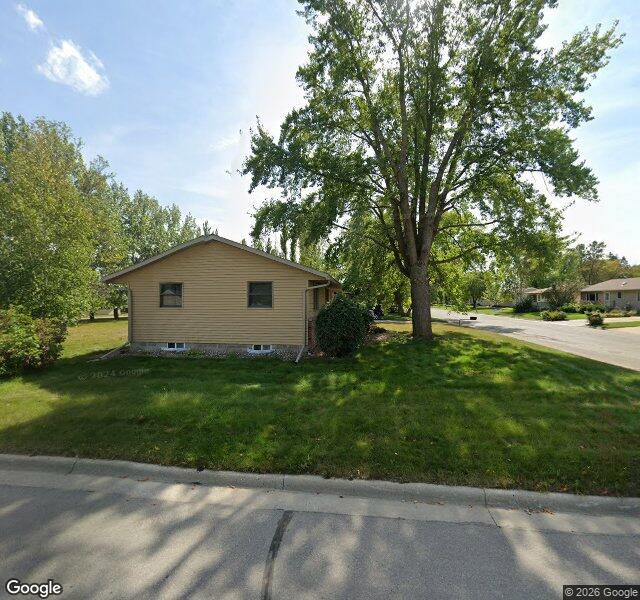
Overview and key essentials
State license
Active
MN MDH
Google reviews
Not available
Public reviews not linked
Size & payment
Ask directly
Confirm pricing & payment
Public records for this community are limited. Use the checklist below when you call or visit to confirm pricing, services, and openings.
Cost, payment & care details
Updated Nov 28, 2026| Monthly cost | Not published | Ask for the full monthly cost, including care fees and one-time charges. |
|---|---|---|
| Payment options | Ask directly | Payment details are not confirmed in our records. Ask about private pay, long-term care insurance, veterans benefits, and Medicaid waivers. |
| Size & availability | Confirm directly | We don't publish live openings. Ask about current availability, waitlist length, and move-in timing. |
| Care & support | Assisted livingMemory care certified | Usually offers housing and help with everyday tasks, such as bathing and dressing. What to confirm about care levelsThis describes the licensed category. Ask how care plans adjust if mobility, nursing, or memory needs change over time. Read the family care guide → |
State licensing
State inspection history
7inspections
29deficiencies listed
Oct 17, 2025Complaint1 deficiency reported1
1 deficiency reported
View official state report (opens in a new tab)
Substantiated, facility responsibility. The alleged perpetrator (AP), a nurse, neglected the resident when the AP failed to obtain orders for extended antibiotic use for the resident’s UTI (Urinary Tract Infection.) As a result, the resident’s medication was not started timely requiring a clinic visit. As a result, the resident’s cancer treatment was delayed for two weeks
severeHL303425082M
The alleged perpetrator (AP), a nurse, neglected the resident when the AP failed to obtain orders for extended antibiotic use for the resident’s UTI (Urinary Tract Infection.) As a result, the resident’s medication was not started timely requiring a clinic visit. As a result, the resident’s cancer treatment was delayed for two weeks. The Minnesota Department of Health determined neglect was substantiated. The facility was responsible for the maltreatment. Facility staff failed to follow their system in place of what to do when medications arrived at the facility from the pharmacy without orders. As a result, the resident did not receive her antibiotic medication treatment for a UTI timely. The resident was seen by a medical provider in a clinic, received an injection of antibiotic, and the resident’s scheduled cancer treatment was canceled due to elevated white blood cell count related to the infection. Page 2 of 5 The investigator conducted interviews with facility staff members, including administrative staff, nursing staff, unlicensed staff, and the AP. The investigation included review of the resident records, pharmacy records, a personnel file, related facility policy and procedures. Also, the investigator observed the resident and staff interactions with the resident. The resident resided in an assisted living memory care unit. The resident’s diagnoses included bladder cancer, bladder resection (surgical procedure to treat bladder cancer,) and chemo to bladder/implant. The resident’s service plan included assistance with medication administration and coordination of care by the nurse and with other providers. The resident’s assessment indicated a licensed nurse was responsible for monitoring medication supply, reviewing new medication orders, and made changes to the medication administration record as needed. The resident was oriented to person, place, and time with a memory problem. The same assessment indicated a nurse helped with health issues, scheduling, and follow-ups. The resident’s record indicated the resident had chemotherapy treatment (infusion therapy) scheduled weekly for bladder cancer. Records indicated the resident’s blood and urine would be looked at for signs of infection and this may be done three to four days prior to the appointment. If the resident had signs of infection cancer treatment may be delayed. The resident’s record indicated one day the resident’s provider ordered an antibiotic, a supply of 14 capsules to take 1 capsule twice daily for seven days to treat the resident’s UTI. Orders provided by the facility included an E-prescription (electronic prescription from a medical provider to a pharmacy). Pharmacy delivery records indicated the resident’s 14 capsules of antibiotics were delivered to the facility the same day the...
Jul 18, 2025Routine20 deficiencies reported20
20 deficiencies reported
View official state report (opens in a new tab)
144G. 41 Subdivision 1 Minimum requirements0470
SS= F (11) develop and implement a staffing plan for determining its staffing level that: (i) includes an evaluation, to be conducted at least twice a year, of the appropriateness of staffing levels in the facility; (ii) ensures sufficient staffing at all times to meet the scheduled and reasonably foreseeable unscheduled needs of each resident as required by the residents' assessments and service plans STATE FORM
144G. 12, Subd. 1 Application for Licensure0130
SS= C Each application for an assisted living facility license, including provisional and renewal applications, must include information sufficient to show that the applicant meets the requirements of licensure, including: (1) the business name and legal entity name of address of the facility; (2) the names, e-mail addresses, telephone numbers, and mailing addresses of all owners, controlling individuals, managerial officials, and the assisted living director; (3) the name and e-mail address of the managing agent and manager, if applicable; (4) the licensed resident capacity and the license category; STATE FORM left the apartment except ULP-R. ULP-R stated she had been living in the apartment for about a month with her sister (ULP-M), and her daughter (ULP-F). Furthermore, ULP-R stated her son and daughter, ages 16- and 18-year- olds, respectively, arrived three days ago. ULP-R stated ULP-R and the others living at the facility did not have a contract with the licensee for the apartment. ULP-R stated they will be moving out on July 28, 2025, as ULP-R had secured an apartment in town. Minnesota Assisted Living Statutes 144G. 08 definitions indicated: - Subd. 2. Adult - "Adult" means a natural person who has attained the age of eighteen years. - Subd. 5. Assisted living contract - "Assisted living contract" means the legal agreement between a resident and an assisted living facility for housing, and if applicable, assisted living services; " - Subd. 7. Assisted living facility - "Assisted living facility" means a facility that provides sleeping accommodations and assisted living services to one or more adults. Refer to clauses 1-15 for exclusions. - Subd. 59. Resident. - "Resident" means an adult living in an assisted living facility who has executed an assisted living contract. No further information was provided. TIME PERIOD FOR CORRECTION: Two (2) days
144G. 50 Subdivision 1 Contract required0900
SS= D (a) An assisted living facility may not offer or provide housing or assisted living services to any individual unless it has executed a written contract with the resident. (b) The contract must contain all the terms concerning the provision of: (1) housing; (2) assisted living services, whether provided directly by the facility or by management agreement or other agreement; and (3) the resident' s service plan, if applicable. (c) A facility must: (1) offer to prospective residents and provide to the Office of Ombudsman for Long-Term Care a complete unsigned copy of its contract; and (2) give a complete copy of any signed contract and any addendums, and all supporting documents and attachments, to the resident promptly after a contract and any addendum has been signed. (d) A contract under this section is a consumer contract under sections 325G. 29 to 325G. 37. (e) Before or at the time of execution of the contract, the facility must offer the resident the opportunity to identify a designated representative according to subdivision 3. (f) The resident must agree in writing to any additions or amendments to the contract. STATE FORM
144G. 41 Subdivision 1.a (a) Minimum0485
SS= C requirements; required food services STATE FORM (a) All assisted living facilities must offer to provide or make available at least three nutritious meals daily with snacks available seven days per week, according to the recommended dietary allowances in the United States Department of Agriculture (USDA) guidelines, including seasonal fresh fruit and fresh vegetables. The menus must be prepared at least one week in advance and made available to all residents. The facility must encourage residents' involvement in menu planning. Meal substitutions must be of similar nutritional value if a resident refuses a food that is served. Residents must be informed in advance of menu changes. The facility must not require a resident to include and pay for meals in the resident' s contract. This MN Requirement is not met as evidenced by: Based on observation and interview, the licensee failed to ensure weekly menus were made available to the residents at least a week in advance in the secured unit of the facility. This had the potential to affect all 14 residents residing in the secured unit. This practice resulted in a level one violation (a violation that has no potential to cause more than a minimal impact on the resident and does not affect health or safety) and was issued at a widespread scope (when problems are pervasive or represent a systemic failure that has affected or has potential to affect a large portion or all of the residents) . The findings include: STATE FORM
144G. 40 Subdivision 1 Responsibility for housing0420
SS= I and services The facility is directly responsible to the resident for all housing and service- related matters provided, irrespective of a management contract. Housing and service- related matters include but are not limited to the handling of complaints, the provision of notices, and the initiation of any adverse action against the resident involving housing or services provided by the facility. This MN Requirement is not met as evidenced by: Based on interview and record review, the licensee failed to provide sufficient management, control, and operation of the housing and STATE FORM
144G. 42 Subd. 8 (a) Staff records0650
SS= D (a) The facility must maintain current records of each paid staff member, each regularly scheduled volunteer providing services, and each individual contractor providing services. The records must include the following infomation: (1) evidence of current professional licensure, registration, or certification if licensure, registration, or certification is required by this chapter or rules; (2) records of orientation, required annual training and infection control training, and competency evaluations; (3) current job description, including qualifications, responsibilities, and identification of staff persons providing supervision; (4) documentation of annual performance reviews that identify areas of improvement needed and training needs; (5) for individuals providing assisted living services, verification that required health screenings under subdivision 9 have taken place and the dates of those screenings; and (6) documentation of the background study as required under section 144. 057. This MN Requirement is not met as evidenced by: STATE FORM
144G. 41 Subdivision 1b Minimum requirements;0490
SS= F other required services All assisted living facilities must offer to provide or make available the following services to residents: (1) weekly housekeeping; (2) weekly laundry service; (3) upon the request of the resident, provide direct or reasonable assistance with arranging for transportation to medical and social services appointments, shopping, and other recreation, and provide the name of or other identifying information about the persons responsible for providing this assistance; (4) upon the request of the resident, provide reasonable assistance with accessing community resources and social services available in the community, and provide the name of or other identifying information about persons responsible STATE FORM TIME PERIOD FOR CORRECTION: Twenty-one (21) days
144G. 42 Subd. 7 Posting information for0640
SS= F reporting suspected c The facility shall support protection and safety through access to the state' s systems for reporting suspected criminal activity and suspected vulnerable adult maltreatment by: (1) posting the 911 emergency number in common areas and near telephones provided by the assisted living facility; (2) posting information and the reporting number for the Minnesota Adult Abuse Reporting Center to report suspected maltreatment of a vulnerable adult under section 626. 557; and STATE FORM
144G. 42 Subd. 6 (a) / 626. 557, Subd. 30620
SS= E Compliance with requirements for reporting ma (a) The assisted living facility must comply with the requirements for the reporting of maltreatment of vulnerable adults in section 626. 557. The facility must establish and implement a written procedure to ensure that all cases of suspected maltreatment are reported. The requirement in Minnesota Statute section 626. 557, Subd. 3 is: (a) A mandated reporter who has reason to believe that a vulnerable adult is being or has been maltreated, or who has knowledge that a vulnerable adult has sustained a physical injury which is not reasonably explained shall immediately report the information to the common entry point. If an individual is a vulnerable adult solely because the individual is admitted to a facility, a mandated reporter is not required to report suspected maltreatment of the individual that occurred prior to admission, unless: (1) the individual was admitted to the facility from another facility and the reporter has reason to believe the vulnerable adult was maltreated in the previous facility; or (2) the reporter knows or has reason to believe that the individual is a vulnerable adult as defined in section 626. 5572, subdivision 21, paragraph (a), clause (4). (b) A person not required to report under the provisions of this section may voluntarily report as described above. STATE FORM complication of an infection of the urinary system) , ULPs would contact RN-Q if R1 reported pain or R1 was not up and walking, nor had the facility instructed ULPs on what specifically to monitor for regarding signs and symptoms of urosepsis. RN-Q stated RN-Q was going to call the facility to check on R1, to see if R1's family wanted R1 to go to the emergency room for antibiotics, or make an appointment for R1 tomorrow (July 18, 2025) to see about R1 receiving Cipro 250 mg. On July 18, 2025, from 8:11 a. m. through 8:18 a. m., the surveyor received a return call from CNS- B for interview. CNS- B stated CNS- B did not realize R1's Cipro hadn' t arrived from the pharmacy since R1 returned from the hospital on a Friday and CNS- B does not work on the weekend. CNS- B further stated usually the ULPs will contact the pharmacy for any medication that had not arrived at the facility or contact the nurse on call, however, for "some reason" that (ULPs did not contact the pharmacy or nurse on call) did not happen and it is an "unfortunate" situation. CNS- B stated CNS- B reached out to the provider via telephone and fax on or around July 15, 2025, or July 16, 2025, however, CNS- B would have to pull fax records to know for sure what date CNS- B called and faxed the provider. CNS- B stated when CNS- B completed R1's assessment on July 11, 2025, at 12:03 p.m., CNS- B must have forgot to check the box under genitourinary to include R1 was diagnosed with a bladder infection and kidney infection. CNS- B further stated the facility relies heavily on ULPs to report any changes in resident condition, however, CNS- B stated CNS- B did not put any interventions in place to address ULPs monitoring R1 for urosepsis, such as checking vital signs or R1's temperature. CNS- B stated no additional STATE FORM assessments were assigned to R1 to assess for a change of condition since the RNs relied on the ULPs to report any change of condition for R1. CNS- B further stated the RN on call over the night and weekends was required to come onsite to the facility to complete a change of condition assessments on residents as...
144G. 30 Subd. 5. (c)(2), (d) Correction orders0345
SS= C (c)(2) make available, in a manner readily accessible to residents and others, including STATE FORM provision of a paper copy upon request, the most recent plan of correction documenting the actions taken by the facility to comply with the correction order. (d) After the plan of correction is made available under paragraph (c), clause (2), the facility must provide a copy of the facility's most recent plan of correction to any individual who requests it. A copy of the most recent plan of correction must be provided within 30 days after the request and in a format determined by the facility, except the facility must make reasonable accommodations in providing the plan of correction in another format, including a paper copy, upon request. This MN Requirement is not met as evidenced by: Based on interview and record review, the licensee failed to have sufficient documentation with actions taken to comply with correction orders (tag identification: 0480, 0510, 900, 1370, 1380, 1420, 1440, 1490, 1750, and 1910) for a survey completed on September 15, 2022. This had the potential to affect all residents, staff, and visitors at the facility. This practice resulted in a level one violation (a violation that has no potential to cause more than a minimal impact on the resident and does not affect health or safety) and was issued at a widespread scope (when problems are pervasive or represent a systemic failure that has affected or has potential to affect a large portion or all of the residents) . The findings include: During the entrance conference on July 14, 2025, at 12:00 p.m., consultant (C)-C stated the STATE FORM
144G. 45 Subd. 2. (a) Fire protection and physical0775
SS= F environment Each assisted living facility must comply with the State Fire Code in Minnesota Rules, chapter 7511, and: This MN Requirement is not met as evidenced by: Based on observation and interview, the licensee failed to comply with the requirements of the Minnesota State Fire Code. This had the potential STATE FORM The surveyor explained to AD-E, that all cigarette butts shall be properly discarded into an approved container and that cigarette smoking should take place outside in the designated area away from the structure. The deficient condition was visually verified by AD-E accompanying on the tour. TIME PERIOD FOR CORRECTION: Seven (7) days.
144G. 42 Subd. 9 Tuberculosis prevention and0660
SS= D control (a) The facility must establish and maintain a comprehensive tuberculosis infection control program according to the most current tuberculosis infection control guidelines issued by the United States Centers for Disease Control and Prevention (CDC), Division of Tuberculosis Elimination, as published in the CDC's Morbidity and Mortality Weekly Report. The program must include a tuberculosis infection control plan that covers all paid and unpaid employees, contractors, students, and regularly scheduled volunteers. The commissioner shall provide technical assistance regarding implementation of the guidelines. (b) The facility must maintain written evidence of compliance with this subdivision. This MN Requirement is not met as evidenced by: Based on observation, interview, and record review, the licensee failed to establish and maintain a tuberculosis (TB) prevention program based on the most current guidelines issued by the Centers for Disease Control and Prevention STATE FORM
144G. 45 Subd. 2 (b-f) Fire protection and0810
SS= F physical environment (b) Each assisted living facility shall develop and maintain fire safety and evacuation plans. The plans shall include but are not limited to: (1) location and number of resident sleeping rooms; (2) staff actions to be taken in the event of a fire or similar emergency; (3) fire protection procedures necessary for residents; and (4) procedures for resident movement, evacuation, or relocation during a fire or similar emergency including the identification of unique or unusual resident needs for movement or evacuation. (c) Staff of assisted living facilities shall receive training on the fire safety and evacuation plans upon hiring and at least twice per year thereafter. (d) Fire safety and evacuation plans shall be readily available at all times within the facility. (e) Residents who are capable of assisting in their own evacuation shall be trained on the proper actions to take in the event of a fire to include movement, evacuation, or relocation. The training shall be made available to residents at least once per year. (f) Evacuation drills are required for staff twice per year per shift with at least one evacuation drill every other month. Evacuation of the residents is not required. Fire alarm system activation is not required to initiate the evacuation drill. This MN Requirement is not met as evidenced by: STATE FORM
144G. 45 Subd. 2 (a) (4) Fire protection and0800
SS= F physical environment (4) keep the physical environment, including walls, floors, ceiling, all furnishings, grounds, systems, and equipment in a continuous state of good repair and operation with regard to the health, safety, comfort, and well-being of the residents in accordance with a maintenance and repair program. This MN Requirement is not met as evidenced by: Based on observation and interview, the licensee failed to maintain the physical environment, including walls, floors, ceiling, all furnishings, grounds, systems, and equipment in a continuous state of good repair and operation with regard to the health, safety, comfort, and well-being of the residents. This deficient condition had the potential to affect all staff, residents, and visitors. This practice resulted in a level two violation (a STATE FORM
144G. 42 Subd. 10 Disaster planning and0680
SS= F emergency preparedness (a) The facility must meet the following requirements: (1) have a written emergency disaster plan that contains a plan for evacuation, addresses elements of sheltering in place, identifies temporary relocation sites, and details staff assignments in the event of a disaster or an emergency; (2) post an emergency disaster plan prominently; (3) provide building emergency exit diagrams to all residents; (4) post emergency exit diagrams on each floor; and (5) have a written policy and procedure regarding missing residents. (b) The facility must provide emergency and disaster training to all staff during the initial staff orientation and annually thereafter and must make emergency and disaster training annually available to all residents. Staff who have not received emergency and disaster training are allowed to work only when trained staff are also working on site. (c) The facility must meet any additional requirements adopted in rule. This MN Requirement is not met as evidenced by: Based on observation, interview, and record review, the licensee failed to develop and post a written emergency preparedness plan (EPP) with all the required content as defined in Appendix Z. In addition, the licensee failed to ensure the missing resident plan was reviewed quarterly. This had the potential to affect all residents, staff, and visitors of the facility. STATE FORM This practice resulted in a level two violation (a violation that did not harm a resident' s health or safety but had the potential to have harmed a resident' s health or safety, but was not likely to cause serious injury, impairment, or death) , and was issued at a widespread scope (when problems are pervasive or represent a systemic failure that has affected or has potential to affect a large portion or all of the residents) . The findings include: During the entrance conference on July 14, 2025, at 12:00 p.m., consultant (C)-C stated the licensee was familiar with the current minimum assisted living requirements. During the entrance tour on July 14, 2025, from 12:45 p.m. through 1:45 p.m., the surveyor did not observe signage posted in any common areas of the assisted living of where to locate the licensee' s EPP. C-C verified C-C did not see the EPP signage or the written EPP plan. The licensee' s electronic EPP dated June 28, 2024, signed by assisted living director in residency (ALDIR)-A, lacked the following content and/ or policies and procedures to address: - an EPP available for all staff, residents, and volunteers to access; - annual review of the EPP; - a missing resident plan that was reviewed quarterly: Missing Resident policy provided was reviewed March 2024, July 2024, and July 2025, respectively; - a description of the population served by the licensee; - the medical record documentation system the facility has developed to preserve resident STATE FORM plan at least quarterly and document any changes to the plan. Per Assisted Living Facilities: Minnesota Rules Chapter 4659. 0100, sections A and B, effective October 2022, assisted living facilities shall comply with the federal emergency preparedness regulations for long-term care facilities under Code of Federal Regulations, title 42, section 483. 73, or successor requirements. This part references documents, specifications, methods, and standards in "State Operations Manual Appendix Z - Emergency Preparedness for All Providers and Certified Supplier Types: Interpretive Guidance, " which is...
144G. 10 Subdivision 1a Assisted living director0110
SS= I license required Each assisted living facility must employ an assisted living director who is licensed or permitted by the Board of Executives for Long Term Services and Supports and affiliated as the director of record with the board. This MN Requirement is not met as evidenced by: Based on interview and record review, the licensee failed to ensure employment of a licensed assisted living director (LALD), licensed by the Board of Executives for Long Term Services and Supports (BELTSS) . This had the potential to affect all residents and staff. This practice resulted in a level three violation (a violation that harmed a resident' s health or safety, not including serious injury, impairment, or death, STATE FORM
U7G2116899
scope and level remains at level 3/Widespread (I). An immediate correction order was identified on July 18, 2025, issued for SL30342016- 0, tag identification 1730. The licensee took action on July 18, 2025, to mitigate the risk; however, the scope and level remains at level 3/Isolated (G). An immediate correction order was identified on July 18, 2025, issued for SL30342016- 0, tag identification 1620. The licensee took action on July 18, 2025, and July 20, 2025, to mitigate the risk; however, the scope and level remains at level 3/Pattern (H). U7G211 or a violation that has the potential to lead to serious injury, impairment, or death) and was issued at a widespread scope (when problems are pervasive or represent a systemic failure that has affected or has potential to affect a large portion or all of the residents) . The findings include: This resulted in an immediate correction order issued on July 16, 2025. The licensee held an assisted living facility with dementia care (ALFDC) license issued on November 1, 2024, through October 31, 2025. On entering the facility on July 14, 2025, at 10:45 a. m. ,clinical nurse supervisor (CNS) -B stated a new consultant was hired to mentor the licensee' s assisted living director in residency (ALDIR)-A. CNS- B further stated a change in management recently occurred in June 2025. During the entrance conference on July 14, 2025, at 12:00 p.m., consultant (C)-C stated previous LALD-O was listed as the current LALD for the licensee and mentor had worked for the license through the previous management company that is no longer affiliated with the licensee. C-C stated she was hired as a consultant for the facility, and planned to mentor ALDIR-A, however the application was denied and is currently working with BELTSS to resolve the denial. On July 14, 2025, at 3:00 p.m., the BELTSS website indicated previous LALD-O was listed as the director of record for the facility effective October 9, 2024. On July 14, 2025, at 3:03 p.m., the BELTSS STATE FORM U7G211 website indicated C-C was listed as the director of record for the licensee effective June 8, 2025, and expired July 1, 2025. On July 14, 2025, at 3:05 p.m., the BELTSS website indicated A-N had a shared residency permit effective October 10, 2023, and expired October 9, 2024, for the licensee. On July 15, 2025, at 12:40 p.m., ombudsman (O)-P who was at the facility for a resident council meeting, stated she had been coming to the facility every two weeks for several weeks and was not aware there was a mentor for ALDIR-A. O-P further stated she had never met or seen her at the facility. No further information was provided. TIME PERIOD FOR CORRECTION: Immediate U7G211 (5) the license fee in the amount specified in section 144. 122; (6) documentation of compliance with the background study requirements in section 144G. 13 for the owner, controlling individuals, and managerial officials. Each application for a new license must include documentation for the applicant and for each individual with five percent or more direct or indirect ownership in the applicant; (7) evidence of workers' compensation coverage as required by sections 176. 181 and 176. 182; (8) documentation that the facility has liability coverage; (9) a copy of the executed lease agreement between the landlord and the licensee, if applicable; (10) a copy of the management agreement, if applicable; (11) a copy of the operations transfer agreement or similar agreement, if applicable; (12)...
144G. 41 Subdivision 1 Subd. 1a (a-b) Minimum0480
SS= F requirements; required food services (a) Except as provided in paragraph (b), food must be prepared and served according to the Minnesota Food Code, Minnesota Rules, chapter 4626. (b) For an assisted living facility with a licensed capacity of ten or fewer residents: STATE FORM
144G. 43 Subd. 3 Contents of resident record0730
SS= F Contents of a resident record include the following for each resident: (1) identifying information, including the resident' s name, date of birth, address, and telephone number; (2) the name, address, and telephone number of the resident' s emergency contact, legal representatives, and designated representative; (3) names, addresses, and telephone numbers of the resident' s health and medical service providers, if known; (4) health information, including medical history, allergies, and when the provider is managing medications, treatments or therapies that require documentation, and other relevant health STATE FORM (morning) ; -July 15 indicated R1 did not receive housekeeping- Full; -July 15 indicated R1 did not receive light housekeeping; -July 14, 15, and 16, respectively, indicated R1 did not attend the AM meal; -July 14, 15, 16, and 17, respectively, indicated no bowel movements were recorded in the AM; -July 14, 15, and 16, respectively, indicated R1 did not receive transfer assistance in the AM; -July 14, 15, and 16, respectively, indicated R1 did not receive washing/ grooming assistance in the AM; -July 14, 15, and 16, respectively, indicated R1 did not receive water pass in the AM; -July 15 indicated R1 did not receive a whirlpool bath; -July 14, 15, and 16, respectively, indicated R1 did not receive a safety check at 8:00 a.m.; -July 14, 15, and 16, respectively, indicated R1 did not receive behavior management at 8:30 a. m.; -July 14, 15, and 16, respectively, indicated R1 did not receive safety checks at 9:00 a.m., 10:00 a. m., 11:00 a.m., or 12:00 p.m.; -July 14, 15, 16, and 17, respectively, indicated R1 did not receive behavior management at 12:00 p.m.; -July 14, 15, and 16, respectively, indicated R1 did not attend the midday meal; -July 13 indicated R1 did not receive dressing assistance at bedtime; -July 13 indicated R1 did not receive washing/ grooming at bedtime; -July 13 indicated R1 did not receive a safety check at 8:00 p.m., or 9:00 p.m.; and -July 12, 13, and 15, respectively, indicated R1 did not receive medication administration at 10:00 a. m. STATE FORM R2 R2's diagnoses included congestive heart failure and hypertension (high blood pressure) . R2's unsigned Service Plan (Private) - FFS Addendum to Contract dated July 17, 2025, (four days after survey initiation) indicated R2's services included medication administration, activity assistance, meal attendance, escorts, oxygen management, safety checks, laundry and housekeeping. R2's Service Recap Summary - Month dated July 2025, indicated the following: -July 6, 7, and 13 respectively, indicated R2 did not receive oxygen management in AM; -July 10 indicated R2 did not receive supervision: oxygen management in AM; -July 3 indicated R2 did not receive housekeeping- full at 8:00 a.m.; -July 6, and 13 respectively, indicated R2 did not receive meal attendance in AM; -July 15 indicated R1 did not receive additional cares level 1 (one) up to 1 (one) hour weekly; -July 5, 6, 12, and 13 respectively, indicated R2 did not receive escorts at 12:00 p.m.; -July 6, and 13 respectively, indicated R2 did not receive meal attendance at 12:00 p.m.; -July 5, 6, 7, 8, 12 and 13 respectively, indicated R2 did not receive activity assistance at 2:00 p.m.; -July 1, 3, 4, 5, 6, 12, and 13 respectively, indicated R2 did not receive light housekeeping 2:00 p.m.; and July 4, 5, 6, 7, 12, and 13 respectively, indicated R2 did not receive a safety check at 2:00 p.m. R6 R6's...
Greenwood Street E1006
Thief River Falls, MN 56701 Pennington County Parcel: License Info License: HFID 30342 Risk: License: Expires on: CFPM: KELLY L CORNEILLIE CFPM #: 38691; Exp: 9/22/2026 Phone: New Order: 2-100 Supervision 2-103.11B Priority Level: Priority 2 CFP#: 1 MN Rule 4626.0035B The person in charge must ensure only authorized persons are permitted in food preparation, food storage, and warewashing areas of the establishment. COMMENT: AT TIME OF INSPECTION WAS INFORMED THAT RESIDENTS WERE FOUND IN THE KITCHEN ACCESSING REFRIGERATORS Comply By: 7/15/2025 Originally Issued On: 7/15/2025 ! New Order: 3-300B Protection from Contamination: cross-contamination, eggs 3-302.11A(1) Priority Level: Priority 1 CFP#: 15 MN Rule 4626.0235A(1) Separate raw animal foods during storage, preparation, holding, and display from ready-to-eat foods to prevent cross-contamination. COMMENT: OBSERVED RAW PASTEURIZED EGGS STORED ABOVE READY TO EAT COLESLAW Comply By: 7/15/2025 Originally Issued On: 7/15/2025 ! New Order: 3-500B Microbial Control: hot and cold holding 3-501.16A2 Priority Level: Priority 1 CFP#: 22 MN Rule 4626.0395A2 Maintain all cold, TCS foods at 41 degrees F (5 degrees C) or below under mechanical refrigeration. COMMENT: OBSERVED MILK IN MEMORY CARE UNIT AT 48F IN MINI FRIDGE, OBSERVED DISPOSAL OF MILK AND INSTRUCTED TO NOT KEEP MILK AND OTHER TCS ITEMS IN MINI FRIDGE. MILK GALLONS AND JUICE PITCHER ARE KEPT OUT DURING MEAL SERVICE IN ICE FOR OVER AN HOUR WHILE ON ICE, INSTRUCTED TO TOSS AFTER EACH SERVICE IF USING ICE TO KEEP COLD. Comply By: Complied On Site Originally Issued On: 7/15/2025 New Order: 4-200 Equipment Design and Construction 4-201.11AMN Priority Level: Priority 3 CFP#: 47 MN Rule 4626.0506A Provide or replace food service equipment with equipment that is certified or classified for sanitation by an American National Standards Institute (ANSI) accredited certification program. COMMENT: OBSERVED DOMESTIC FRIDGE BEING USED TO STORE MILK IN MAIN KITCHEN, AND MILK IN MEMORY CARE UNIT. ALSO OBSERVED ROASTER/SLOW COOKER BEING USED TO HOT HOLD ITEMS UNTIL SERVICE IN MAIN KITCHEN (UNSERVED ITEMS ARE TOSSED AFTER EACH SERVICE) Comply By: 8/15/2025 Originally Issued On: 7/15/2025 New Order: 4-300 Equipment Numbers and Capacities 4-302.14 Priority Level: Priority 2 CFP#: 48 MN Rule 4626.0715 Provide an appropriate test kit to accurately measure sanitizing solutions. COMMENT: AT TIME OF INSPECTION NO LACTIC ACID TEST STRIPS AVAILABLE Comply By: 7/18/2025 Originally Issued On: 7/15/2025 NOTE: All new food equipment must meet the applicable standards of the American National Standards Institute (ANSI). Plans and specifications must be submitted for review and approval prior to new construction, remodeling or alterations. I acknowledge receipt of the Bemidji District Office inspection report number F1040251026 from 7/15/2025 DIANA FOOD SERVICE Temperature Observations/Recordings Page: 1 Establishment Info Minnesota Greenleaf Thief River Falls County/Group: Pennington County Food Temperature: Product/Item/Unit: MEMORY CARE MINI FRIDGE, MILK; Temperature Process: Cold-Holding Location: COOLER at 48F Degrees F. Comment: Violation Issued?: Yes Food Temperature: Product/Item/Unit: COOKED FRIED CHICKEN; Temperature Process: Cooking Location: Oven at 180 Degrees F. Comment: Violation Issued?: No Food Temperature: Product/Item/Unit: 2-DOOR COOLER, JELLO; Temperature Process: Cold-Holding Location: Upright Cooler at 41F Degrees F. Comment: Violation...
Mar 25, 2025ComplaintNo deficiencies reportedNone
No deficiencies reported
View official state report (opens in a new tab)
Inconclusive. The alleged perpetrator (AP) abused the resident which resulted in a purple bruise on the resident’s left breast. The resident displayed a change in behavior by isolating more to her room and flinched during personal cares during that time
Mar 21, 2025ComplaintNo deficiencies reportedNone
No deficiencies reported
View official state report (opens in a new tab)
Not Substantiated. The facility neglected the resident when it failed to adequately assess and monitor the resident’s lower leg injury resulting in swelling, redness and pain
Sep 9, 2024Complaint1 deficiency reported1
1 deficiency reported
View official state report (opens in a new tab)
Substantiated, facility responsibility. The facility neglected the resident when the facility failed to provide supervision. The resident eloped from the locked memory care unit and was found several blocks away
severeHL303424582M
The facility neglected the resident when the facility failed to provide supervision. The resident eloped from the locked memory care unit and was found several blocks away. The Minnesota Department of Health determined neglect was substantiated. The facility was responsible for the maltreatment. The facility staff were unaware the resident had eloped from the locked memory care unit until law enforcement arrived asking if the resident resided at the facility. The resident was found blocks away under a bridge underpass, had an unwitnessed fall, and sustained a left elbow contusion (bruise.) The investigator conducted interviews with facility staff members, including administrative staff and nursing staff. The investigation included review of the resident records, hospital record, incident report, law enforcement report, and related facility policy and procedures. Also, the investigator observed the resident and the facility’s locked memory care unit. Page 2 of 4 The resident resided in an assisted living memory care unit. The resident’s diagnoses included dementia. The resident’s service plan included safety checks at 7:00 a.m., 10:00 a.m., 1:00 p.m., 3:00 p.m., 7:00 p.m., 9:00 p.m., 11:00 p.m., 1:00 a.m., 4:00 a.m. The resident’s assessment indicated the resident wandered hallways and paced during evening time, walked independently, was disoriented to place, time, had moderately impaired decision making, and had no history of elopement. The resident’s record indicated one day staff reported the resident was last observed by staff around 5:30 p.m. during the evening meal. The door alarm went off between 6:00 p.m. and 6:30 p.m., staff checked the doors but did not see anything of concern. Around 7:00 p.m., law enforcement arrived and asked if the facility knew who the resident was. The resident was found blocks away under a bridge underpass. Law enforcement informed the facility the resident was transported to the emergency room. The law enforcement report indicated law enforcement received multiple calls of a woman passed out in the street under the underpass at 6:31 p.m. and arrived at 6:35 p.m. A passersby assisted the resident off the roadway. When law enforcement arrived, the resident was up on her feet and conscious. The resident was only able to say her last name, told law enforcement she did not know where she was, was from out of town, and was just there visiting. Emergency medical services transported the resident to the hospital. Law enforcement checked with the facility to see if the resident lived there. Law enforcement was able to identify the resident, learned that she lived at the...
Show all 7 inspections
Nov 6, 2023ComplaintNo deficiencies reportedNone
No deficiencies reported
View official state report (opens in a new tab)
No deficiencies are reported in this inspection record.
Sep 15, 2022Routine7 deficiencies reported7
7 deficiencies reported
View official state report (opens in a new tab)
moderate0800
physical environment (4) keep the physical environment, including walls, floors, ceiling, all furnishings, grounds, systems, and equipment in a continuous state of good repair and operation with regard to the health, safety, comfort, and well-being of the residents in accordance with a maintenance and repair program. This MN Requirement is not met as evidenced by: Based on observation and interview, the licensee failed to maintain the facility physical environment in a continuous state of good repair and operation regarding the health, safety, and well-being of the residents. This had the potential to directly affect all residents, staff, and visitors. This practice resulted in a level two violation (a violation that did not harm a resident's health or safety but had the potential to have harmed a resident's health or safety, but was not likely to cause serious injury, impairment, or death), and was issued at a widespread scope (when problems are pervasive or represent a systemic failure that has affected or has the potential to affect a large portion or all residents). The findings include: On September 13, 2022, from approximately 10:30 a.m. to 12:30 p.m., survey staff toured the facility with Assisted Living Director (ALD)-C. During the facility tour, survey staff observed and verified the following maintenance issues: 1. Shower curtain rod, in resident bathroom 102, was falling off the wall. 2. The fire rated doors in some of the residents' rooms and in the hallway by the mechanical room was propped open with a door wedge. ALD-C verbally confirmed survey staff observations during the facility tour. No further information provided. TIME PERIOD FOR CORRECTION: Twenty-one (21) days
moderate0510
(a) All assisted living facilities must establish and maintain an infection control program that complies with accepted health care, medical, and nursing standards for infection control. (b)The facility's infection control program must be consistent with current guidelines from the national Centers for Disease Control and Prevention (CDC) for infection prevention and control in long-term care facilities and, as applicable, for infection prevention and control in assisted living facilities. (c) The facility must maintain written evidence of compliance with this subdivision. This MN Requirement is not met as evidenced by: Based on observation, interview, and record review, the licensee failed to ensure infection control standards were followed for three of three unlicensed personnel ((ULP)-B, (ULP)-E, (ULP)-F) providing personal cares. In addition, the licensee failed to establish and maintain an effective infection control program that complies with accepted health care, medical and nursing standards for infection control related to COVID-19. This had the potential to affect all fifty-three (53) residents, staff, and visitors. This practice resulted in a level two violation (a violation that did not harm a client's health or safety but had the potential to have harmed a resident's health or safety, but was not likely to cause serious injury, impairment, or death), and was issued at a widespread scope (when problems are pervasive or represent a systemic failure that has affected or has potential to affect a large portion or all of the residents). The findings include: COVID-19 SCREENING On September 13, 2022, at 9:00 a.m., the surveyor entered the licensee's establishment and walked into the common entry area. There were no staff present at the time the surveyor entered building. The surveyor began walking toward a door that was labeled office and was greeted by a staff member wearing a face mask covering their nose and mouth. The staff member did not screen the surveyor for signs and symptoms of COVID-19 or perform a temperature check. The surveyor then was told to wait in area and the staff member would get assisted living director (ALD)-D. ALD-D was wearing a face mask covering the nose and mouth. During entrance conference on September 13, 2022, at 9:45 a.m., registered nurse (RN)-A stated she believed that current guidelines indicated staff were to wear a mask and eye protection. RN-A stated she had not reviewed the current transmission rates for COVID-19 cases. RN-A stated everyone entering the establishment were to self-screen for COVID-19 and complete a form that was at the reception desk. During observation on September 13, 2022, at approximately 10:35 a.m., a visitor entered the building, was not wearing a mask, walked past the reception desk, and proceeded to go through a closed-door area. PERSONAL PROTECTIVE EQUIPMENT (PPE): GLOVES/HANDWASHING On September 13, 2022, at 11:10 a.m., ULP-E performed medication administration and blood glucose testing for R4. ULP-E stated she washed her hands before the surveyor began observation. ULP-E stated the licensee was out of hand sanitizer, so she washed her hands with soap and water. ULP-E gathered blood glucose testing supplies. ULP-E applied one glove to her non dominant hand and proceeded to walk to R4. ULP-E opened an alcohol wipe and wiped R4's middle right finger. Using gloved hand, ULP-E squeezed finger until blood was visible and using non gloved hand placed blood collection...
moderate0480
requirements 0 480 (13) offer to provide or make available at least the following services to residents: (i) at least three nutritious meals daily with snacks available seven days per week, according to the recommended dietary allowances in the United States Department of Agriculture (USDA) guidelines, including seasonal fresh fruit and fresh vegetables. The following apply: (B) food must be prepared and served according to the Minnesota Food Code, Minnesota Rules, chapter 4626; and This MN Requirement is not met as evidenced by: Based on observation, interview, and record review, the licensee failed to ensure food was prepared and served according to the Minnesota Food Code. This had the potential to affect all residents in the Assisted Living facility. This practice resulted in a level two violation (a violation that did not harm a resident's health or safety but had the potential to have harmed a resident's health or safety) and was issued at a widespread scope (when problems are pervasive or represent a systemic failure that has affected or has the potential to affect a large portion or all the residents). The findings include: Please refer to the included document titled, Food and Beverage Establishment Inspection Report, dated September 14, 2022 , for the specific Minnesota Food Code deficiencies. TIME PERIOD FOR CORRECTION: Twenty-one (21) days
moderate0900
(a) An assisted living facility may not offer or provide housing or assisted living services to any individual unless it has executed a written contract with the resident. (b) The contract must contain all the terms concerning the provision of: (1) housing; (2) assisted living services, whether provided directly by the facility or by management agreement or other agreement; and (3) the resident's service plan, if applicable. (c) A facility must: (1) offer to prospective residents and provide to the Office of Ombudsman for Long-Term Care a complete unsigned copy of its contract; and (2) give a complete copy of any signed contract and any addendums, and all supporting documents and attachments, to the resident promptly after a contract and any addendum has been signed. (d) A contract under this section is a consumer contract under sections 325G.29 to 325G.37. (e) Before or at the time of execution of the contract, the facility must offer the resident the opportunity to identify a designated representative according to subdivision 3. (f) The resident must agree in writing to any additions or amendments to the contract. Upon agreement between the resident and the facility, a new contract or an addendum to the existing contract must be executed and signed. This MN Requirement is not met as evidenced by: Based on interview and record review, the licensee failed to develop and execute a written contract with the required content for one of one resident (R1). This practice resulted in a level two violation (a violation that did not harm a resident's health or safety but had the potential to have harmed a resident's health or safety, but was not likely to cause serious injury, impairment, or death), and was issued at a widespread scope (when problems are pervasive or represent a systemic failure that has affected or has potential to affect a large portion or all of the residents). The findings include: R1 was admitted on February 11, 2019, and discharged to another location on August 8, 2021. R1's records lacked a written contract which included all of the terms concerning the provisions of the following as required: (1) housing and (2) assisted living services, whether provided directly by the licensee or by management agreement or other agreement. In addition, R1's records lacked evidence that the contract had been fully executed as the licensee must: - offer to prospective residents and provide to the Office of Ombudsman for Long-Term Care a completed unsigned copy of its contract; - give a completed copy of any signed contract and any addendums, and all supporting documents and attachments, to the resident promptly after a contract and any addendum has been signed; and - the licensee must offer the resident the opportunity to identify a designated representative. On September 13, 2022, at approximately 3:15 p.m., registered nurse (RN)-A, acknowledged R1 lacked a current written contract for the current Assisted Living Dementia Care licensure requirements. RN-A stated all residents received a new contract when the statutes had changed in August 2021. RN-A was not sure why R1 didn't receive a new contract at that time. No further information was provided. TIME PERIOD FOR CORRECTION: Twenty-One (21) days 01370 144G.61 Subd. 2 (a) Training and evaluation of unlicensed personn SS=D (a) Training and competency evaluations for all unlicensed personnel must include the following: (1) documentation requirements for all services provided; (2)...
moderate0730
Contents of a resident record include the following for each resident: (1) identifying information, including the resident's name, date of birth, address, and telephone number; (2) the name, address, and telephone number of the resident's emergency contact, legal representatives, and designated representative; (3) names, addresses, and telephone numbers of the resident's health and medical service providers, if known; (4) health information, including medical history, allergies, and when the provider is managing medications, treatments or therapies that require documentation, and other relevant health records; (5) the resident's advance directives, if any; (6) copies of any health care directives, guardianships, powers of attorney, or conservatorships; (7) the facility's current and previous assessments and service plans; (8) all records of communications pertinent to the resident's services; (9) documentation of significant changes in the resident's status and actions taken in response to the needs of the resident, including reporting to the appropriate supervisor or health care professional; (10) documentation of incidents involving the resident and actions taken in response to the needs of the resident, including reporting to the appropriate supervisor or health care professional; (11) documentation that services have been provided as identified in the service plan; (12) documentation that the resident has received and reviewed the assisted living bill of rights; (13) documentation of complaints received and any resolution; (14) a discharge summary, including service termination notice and related documentation, when applicable; and (15) other documentation required under this chapter and relevant to the resident's services or status. This MN Requirement is not met as evidenced by: Based on interview and record review, the licensee failed to ensure the resident record included a discharge summary for one of one resident (R5). This practice resulted in a level two violation (a violation that did not harm a resident's health or safety but had the potential to have harmed a resident's health or safety) and was issued at an isolated scope (when one or a limited number of residents are affected or one or a limited number of staff are involved, or the situation has occurred only occasionally). The findings include: R5 admitted for services on September 11, 2021, and discharged on October 29, 2021. R5's record contained a progress note that indicated the resident had discharged but lacked the following required content: -a summary of the resident's stay that includes diagnoses, courses of illnesses, allergies, treatments and therapies, and pertinent lab, radiology, and consultation results; -a final summary of the resident's status from the latest assessment or review under Minnesota Statutes, section 144G.70, if applicable, that includes the resident status, including baseline and current mental, behavioral, and functional status; and -a post discharge plan that is developed with the resident and, with the resident's consent, the resident's representatives, which will help the resident adjust to a new living environment. The post discharge plan must indicate where the resident plans to reside, any arrangements that have been made for the resident's follow-up care, and any post discharge medical and non-medical services the resident will need. On September 13, 2022, at approximately 3:00 p.m., registered nurse (RN)-A confirmed...
Greenwood Street East1006
Thief River Falls, MN56701 Pennington County, 57 License Categories: Operator: Expires on: / / The violations listed in this report include any previously issued orders and deficiencies identified during this inspection. Compliance dates are shown for each item. The following orders were issued during this inspection. 3-500B Microbial Control: hot and cold holding 3-501.16A2 ** Priority 1 ** MN Rule 4626.0395A2 Maintain all cold, TCS foods at 41 degrees F (5 degrees C) or below under mechanical refrigeration. REPEAT VIOLATION FROM 6/3/21: MILK IN ARCTIC AIR COOLER WAS MEASURED TO BE GREATER THAN 41 dF. 9/14/22: MILK IN ARCTIC AIR COOLER WAS MEASURED TO BE BETWEEN 44-46 dF. ITEMS WERE DISCARDED AT TIME OF INSPECTION. Comply By: 09/14/22 4-300 Equipment Numbers and Capacities 4-302.12B ** Priority 2 ** MN Rule 4626.0705B Provide a readily accessible food temperature measuring device with a small diameter probe to measure the temperature in thin foods such as meat patties and fish fillets. VIOLATION ISSUED ON 5/1/19: PROVIDE A THERMOMETER WITH A THIN PROBE. Comply By: 09/21/22 4-300 Equipment Numbers and Capacities 4-302.13B 4-302.14 ** Priority 2 ** MN Rule 4626.0715 Provide an appropriate test kit to accurately measure sanitizing solutions. NO SANITIZER TEST KIT AVAILABLE AT TIME OF INSPECTION TO MEASURE THE CONCENTRATION OF THE QUARTERNARY AMMONIUM-BASED SANITIZER SOLUTION. Comply By: 09/21/22 2-100 Supervision 2-102.12AMN MN Rule 4626.0033A Employ a certified food protection manager (CFPM) for the establishment. REPEAT VIOLATION FROM 6/3/21: THIS ESTABLISHMENT DOES NOT CURRENTLY HAVE A DESIGNATED CFPM. Comply By: 11/14/22 4-500 Equipment Maintenance and Operation 4-501.11AB MN Rule 4626.0735AB All equipment and components must be in good repair and maintained and adjusted in accordance with manufacturer's specifications. REPEAT VIOLATION FROM 6/3/21: REPAIR OR REPLACE THE ARCTIC AIR COOLER TO ENSURE PROPER COLD HOLDING TEMPERATURES. 9/14/22: THERE IS VISIBLE DAMAGE TO THE DOOR/GASKET OF THIS COOLER. DISCONTINUE STORING TCS FOODS IN THIS UNIT UNTIL ISSUE IS RESOLVED. Comply By: 10/14/22 Surface and Equipment Sanitizers Utensil Surface Temp: = at 160 Degrees Fahrenheit Location: THERMOLABEL - DISH MACHINE Violation Issued: No Quaternary Ammonia: = 200 PPM at Degrees Fahrenheit Location: DISPENSER @ 3 COMP SINK Violation Issued: No Food and Equipment Temperatures Process/Item: Upright Freezer Temperature: 0 Degrees Fahrenheit - Location: AMBIENT TEMP - AURORA FREEZER Violation Issued: No Process/Item: Upright Freezer Temperature: 0 Degrees Fahrenheit - Location: AMBIENT TEMP - SATURN FREEZER Violation Issued: No Temperature: 43 Degrees Fahrenheit - Location: GRAPE JUICE (NON-TCS) - DANBY COOLER Violation Issued: No Process/Item: Upright Cooler Temperature: 44-46 Degrees Fahrenheit - Location: MILK - ARCTIC AIR COOLER Violation Issued: Yes Process/Item: Upright Cooler Temperature: 40 Degrees Fahrenheit - Location: PASTA SALAD - BEV AIR COOLER Violation Issued: No Priority 1 Priority 3 1 2 3 Priority 2 Total Orders In This Report Discussion: Handwashing - fact sheet and sign provided with report Employee illness - fact sheet, decision guide and log provided with report Safe cleaning, sanitizing and warewashing - fact sheet and sign provided with report Safe times and temperatures of TCS foods - fact sheet provided with report Food safety among highly susceptible populations - fact sheet provided with report Thermometer calibration -...
STATE FORM6899
H1BF11 STATE FORM H1BF11 STATE FORM H1BF11 STATE FORM H1BF11 STATE FORM H1BF11 STATE FORM H1BF11 STATE FORM H1BF11 STATE FORM H1BF11 STATE FORM H1BF11 STATE FORM H1BF11 STATE FORM H1BF11 STATE FORM H1BF11 STATE FORM H1BF11 STATE FORM H1BF11 01370 01370 (iv) dressing and assisting with toileting; (6) training on the prevention of falls; (7) standby assistance techniques and how to perform them; (8) medication, exercise, and treatment reminders; (9) basic nutrition, meal preparation, food safety, and assistance with eating; (10) preparation of modified diets as ordered by a licensed health professional; (11) communication skills that include preserving the dignity of the resident and showing respect for the resident and the resident's preferences, cultural background, and family; (12) awareness of confidentiality and privacy; (13) understanding appropriate boundaries between staff and residents and the resident's family; (14) procedures to use in handling various emergency situations; and (15) awareness of commonly used health technology equipment and assistive devices. This MN Requirement is not met as evidenced by: Based on interview and record review, the licensee failed to ensure training and competency was completed for one of one unlicensed personnel ((ULP)-B), to include all required content. This practice resulted in a level two violation (a violation that did not harm a resident's health or safety but had the potential to have harmed a resident's health or safety, but was not likely to cause serious injury, impairment, or death), and was issued at an isolated scope (when one or a limited number of residents are affected or one or a limited number of staff are involved or the situation has occurred only occasionally). STATE FORM H1BF11 01370 01370 The findings include: ULP- B was hired on August 25, 2022. ULP-B's training record lacked documentation of completed training and competency for the following: -maintenance of a clean and safe environment and -commonly used assistive devices. On September 13, 2022, at approximately 11:20 a.m., registered nurse (RN)-A acknowledged ULP-B's record lacked documentation of the required training. RN-A stated the training documentation lacking would have been completed onsite during orientation and orientation was conducted by an RN that was previously employed for licensee. The licensee's training and competency policy were requested but not received. No further information provided. TIME PERIOD FOR CORRECTION: Twenty-one (21) days 01380 144G.61 Subd. 2 (b) Training and evaluation of unlicensed personn SS=D (b) In addition to paragraph (a), training and competency evaluation for unlicensed personnel providing assisted living services must include: (1) observing, reporting, and documenting resident status; (2) basic knowledge of body functioning and changes in body functioning, injuries, or other observed changes that must be reported to STATE FORM H1BF11 01380 01380 appropriate personnel; (3) reading and recording temperature, pulse, and respirations of the resident; (4) recognizing physical, emotional, cognitive, and developmental needs of the resident; (5) safe transfer techniques and ambulation; (6) range of motioning and positioning; and (7) administering medications or treatments as required. This MN Requirement is not met as evidenced by: Based on interview and record review, the licensee failed to ensure training and competency was completed for one of one unlicensed personnel...
Neighborhood & resident support
Emergency access, hazards & advocacy
Nearest hospital
Sanford Med Ctr Thief Rvr Fall
0.8 mi · Thief River Falls, MN
Emergency room
FEMA hazard risk
Relatively LowPennington County, MN
- Wildfire
- Winter Weather
- Drought
Free resident advocacy
Minnesota Office of Ombudsman for Long-Term Care
More neighborhood context (specialists, VA, dialysis, air & affordability)
VA & dialysis access
Fargo VA Medical Center
87.8 mi · Fargo, ND · VA 5/5 ★
Sanford Dialysis Thief River Falls
1.7 mi · 3/5 ★ · Home dialysis
Specialists within 15 mi
- Geriatricians
- 0
- Neurologists
- 1
- Palliative care
- 0
- PM&R rehab
- 0
Environment & mobility
- EPA Walkability
- 6.5/20 (Below Average)
- USDA Grocery Access
- Moderate Grocery Access
- Primary care access
- HRSA Shortage Area
County demographics
- Age 65+ median income
- $51,362/yr
- Rent-burdened households
- 37%
- Cognitive disability (2023)
- 14.6%
- Mobility disability
- 10.7%
Call & tour checklist
Questions to ask Minnesota Greenleaf
Check off questions as you call or tour. Your progress stays private in this browser.
Show 3 more suggested questions
Verification & public records
Official records & sources
Licensing & contact
- License #
- 30342
- Status
- active
- Phone
- (701) 936-9680
- Federal OIG LEIE
- Clear (2026-11-27)
Original public sources
Verify licensing, ratings, and inspection reports directly with each official source.
- MN MDH official record (opens in a new tab)MN Dept. of Health
- Google Maps (opens in a new tab)Directions, photos & neighborhood
- Google Reviews (opens in a new tab)Read public reviews
EveryPlace is an independent research directory. Information is compiled from public Medicare.gov, state licensing, Google Places, and street-level imagery sources. Some summaries, suggested questions, and pricing notes are AI-generated or AI-assisted and may contain errors or omissions. We do not accept payment for placement. Confirm all details directly with the community and official sources. Research Policy.
Keep exploring
Nearby communities to compare
- Cap. 66HUD Senior Housing< 1 miRiverside TerraceThief River Falls, MN
- Medicare 1/53.9(8)35 bedsMedicaidNursing Home< 1 miOakland Park Nursing HomeThief River Falls, MN
- 3.9(8)Assisted Living< 1 miOakland Park Communities INCThief River Falls, MN
- Medicare 2/54.1(9)70 bedsMedicaidNursing Home< 1 miThief River Care CenterThief River Falls, MN
- Cap. 26HUD Senior Housing< 1 miGreenwood TerraceThief River Falls, MN
- 3.2(5)Assisted Living< 1 miValley Assisted LivingThief River Falls, MN