Loading EveryPlace content…
Assisted LivingActive licenseMemory care certified
Valley Assisted Living
523 Arnold Avenue South, Thief River Falls, MN 56701View map (opens in a new tab)
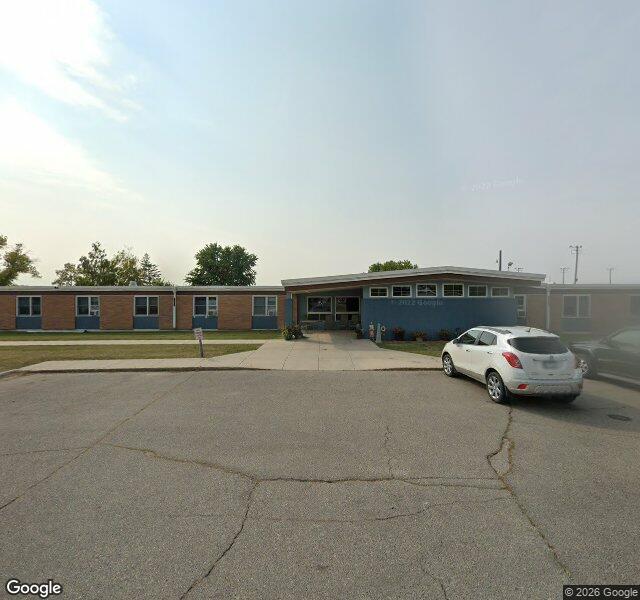
Overview and key essentials
State license
Active
MN MDH
Google reviews
3.2/ 5
5 reviews
Size & payment
Ask directly
Confirm pricing & payment
Mixed signals — tour closely
Public Google reviews reflect mixed experiences (3.2/5). Compare recent reviews and tour in person.
Cost, payment & care details
Updated Nov 28, 2026| Monthly cost | Not published | Ask for the full monthly cost, including care fees and one-time charges. |
|---|---|---|
| Payment options | Ask directly | Payment details are not confirmed in our records. Ask about private pay, long-term care insurance, veterans benefits, and Medicaid waivers. |
| Size & availability | Confirm directly | We don't publish live openings. Ask about current availability, waitlist length, and move-in timing. |
| Care & support | Assisted livingMemory care certified | Usually offers housing and help with everyday tasks, such as bathing and dressing. What to confirm about care levelsThis describes the licensed category. Ask how care plans adjust if mobility, nursing, or memory needs change over time. Read the family care guide → |
State licensing
State inspection history
3inspections
37deficiencies listed
Aug 21, 2025ComplaintNo deficiencies reportedNone
No deficiencies reported
View official state report (opens in a new tab)
Inconclusive. The facility neglected the resident when it failed to immediately notify the registered nurse of a change in condition, resulting in a delay of care. The resident displayed stroke like symptoms when he woke up and reported it to an unlicensed personnel (ULP). The ULP failed to take action and the resident called his family, who brought him to the emergency room. The resident was diagnosed with a TIA (transient ischemic attack, often referred to as a mini stroke)
Jul 16, 2025Routine15 deficiencies reported15
15 deficiencies reported
View official state report (opens in a new tab)
144G.41 Subdivision 1 Subd. 1a (a-b) Minimum0480
SS=F requirements; required food services STATE FORM (a) Except as provided in paragraph (b), food must be prepared and served according to the Minnesota Food Code, Minnesota Rules, chapter 4626. (b) For an assisted living facility with a licensed capacity of ten or fewer residents: (1) notwithstanding Minnesota Rules, part 4626.0033, item A, the facility may share a certified food protection manager (CFPM) with one other facility located within a 60-mile radius and under common management provided the CFPM is present at each facility frequently enough to effectively administer, manage, and supervise each facility's food service operation; (2) notwithstanding Minnesota Rules, part 4626.0545, item A, kick plates that are not removable or cannot be rotated open are allowed unless the facility has been issued repeated correction orders for violations of Minnesota Rules, part 4626.1565 or 4626.1570; (3) notwithstanding Minnesota Rules, part 4626.0685, item A, the facility is not required to provide integral drainboards, utensil racks, or tables large enough to accommodate soiled and clean items that may accumulate during hours of operation provided soiled items do not contaminate clean items, surfaces, or food, and clean equipment and dishes are air dried in a manner that prevents contamination before storage; (4) notwithstanding Minnesota Rules, part 4626.1070, item A, the facility is not required to install a dedicated handwashing sink in its existing kitchen provided it designates one well of a two-compartment sink for use only as a handwashing sink; (5) notwithstanding Minnesota Rules, parts 4626.1325, 4626.1335, and 4626.1360, item A, STATE FORM 144G. 41 Subdivision 1 Subd. 1a (a-b) Minimum SS= F requirements; required food services (a) Except as provided in paragraph (b), food must be prepared and served according to the Minnesota Food Code, Minnesota Rules, chapter 4626. (b) For an assisted living facility with a licensed capacity of ten or fewer residents: (1) notwithstanding Minnesota Rules, part 4626. 0033, item A, the facility may share a certified food protection manager (CFPM) with one other facility located within a 60-mile radius and under common management provided the CFPM is present at each facility frequently enough to effectively administer, manage, and supervise each facility's food service operation; (2) notwithstanding Minnesota Rules, part 4626. 0545, item A, kick plates that are not removable or cannot be rotated open are allowed unless the facility has been issued repeated correction orders for violations of Minnesota Rules, part 4626. 1565 or 4626. 1570; (3) notwithstanding Minnesota Rules, part 4626. 0685, item A, the facility is not required to provide integral drainboards, utensil racks, or tables large enough to accommodate soiled and clean items that may accumulate during hours of operation provided soiled items do not contaminate clean items, surfaces, or food, and STATE FORM
144G.50 Subd. 5 Waivers of liability prohibited0970
SS=C The contract must not include a waiver of facility liability for the health and safety or personal property of a resident. The contract must not include any provision that the facility knows or should know to be deceptive, unlawful, or unenforceable under state or federal law, nor include any provision that requires or implies a lesser standard of care or responsibility than is required by law. This MN Requirement is not met as evidenced by: Based on interview and record review, the licensee failed to ensure the assisted living contract did not include language waiving the STATE FORM 144G. 50 Subd. 5 Waivers of liability prohibited SS= C The contract must not include a waiver of facility liability for the health and safety or personal property of a resident. The contract must not include any provision that the facility knows or should know to be deceptive, unlawful, or unenforceable under state or federal law, nor include any provision that requires or implies a lesser standard of care or responsibility than is required by law. This MN Requirement is not met as evidenced by: Based on interview and record review, the licensee failed to ensure the assisted living contract did not include language waiving the facility's liability for health, safety, or personal property of a resident. This had the potential to STATE FORM
144G.41 Subdivision 1b Minimum requirements;0490
SS=F other required services All assisted living facilities must offer to provide or make available the following services to residents: (1) weekly housekeeping; (2) weekly laundry service; (3) upon the request of the resident, provide direct or reasonable assistance with arranging for transportation to medical and social services appointments, shopping, and other recreation, and provide the name of or other identifying information about the persons responsible for providing this assistance; (4) upon the request of the resident, provide reasonable assistance with accessing community resources and social services available in the community, and provide the name of or other identifying information about persons responsible for providing this assistance; (5) provide culturally sensitive programs; and (6) have a daily program of social and recreational activities that are based upon individual and group interests, physical, mental, and psychosocial needs, and that creates opportunities for active participation in the community at large. This MN Requirement is not met as evidenced by: Based on observation, interview, and record review, the licensee failed to have daily programs STATE FORM 144G. 41 Subdivision 1b Minimum requirements; SS= F other required services All assisted living facilities must offer to provide or make available the following services to residents: (1) weekly housekeeping; (2) weekly laundry service; (3) upon the request of the resident, provide direct or reasonable assistance with arranging for transportation to medical and social services appointments, shopping, and other recreation, and provide the name of or other identifying information about the persons responsible for providing this assistance; (4) upon the request of the resident, provide reasonable assistance with accessing community resources and social services available in the community, and provide the name of or other identifying information about persons responsible for providing this assistance; (5) provide culturally sensitive programs; and (6) have a daily program of social and recreational activities that are based upon STATE FORM During the survey on July 14, 2025, through July 16, 2025, the surveyor did not observe any planned or offered activities for residents to attend. The surveyor observed residents sitting in the hallway or watching television in the dining room, while some residents remained in their rooms most of the day. On July 15, 2025, at 9:35 a.m., administrative assistant (AA)-A stated the licensee did not have an activity coordinator, nor had the licensee developed an activity calendar. AA-A stated the licensee was doing the best to provide an activity such as bingo or offer a church service. On July 16, 2025, at 12:58 p.m., clinical nurse supervisor (CNS) -B stated the licensee use to have an activity calendar posted in the kitchen, however, the kitchen was under construction and not accessible by residents or staff. CNS- B further stated administration was working on an activities program for residents and the licensee' s activity program was "poor. " CNS- B further stated CNS- B was new to the CNS role and was using the survey process for an opportunity to learn. No further information was provided. TIME PERIOD FOR CORRECTION: Twenty-one (21) days
144G.41 Subdivision 1 Minimum requirements0470
SS=F (11) develop and implement a staffing plan for determining its staffing level that: (i) includes an evaluation, to be conducted at least twice a year, of the appropriateness of staffing levels in the facility; (ii) ensures sufficient staffing at all times to meet the scheduled and reasonably foreseeable unscheduled needs of each resident as required by the residents' assessments and service plans on a 24-hour per day basis; and (iii) ensures that the facility can respond promptly and effectively to individual resident emergencies STATE FORM 144G. 41 Subdivision 1 Minimum requirements SS= F (11) develop and implement a staffing plan for determining its staffing level that: (i) includes an evaluation, to be conducted at least twice a year, of the appropriateness of staffing levels in the facility; (ii) ensures sufficient staffing at all times to meet the scheduled and reasonably foreseeable unscheduled needs of each resident as required by the residents' assessments and service plans on a 24-hour per day basis; and (iii) ensures that the facility can respond promptly and effectively to individual resident emergencies and to emergency, life safety, and disaster situations affecting staff or residents in the facility; (12) ensure that one or more persons are available 24 hours per day, seven days per week, who are responsible for responding to the requests of residents for assistance with health or safety needs. Such persons must be: (i) awake; (ii) located in the same building, in an attached building, or on a contiguous campus with the facility in order to respond within a reasonable amount of time; (iii) capable of communicating with residents; (iv) capable of providing or summoning the appropriate assistance; and (v) capable of following directions; This MN Requirement is not met as evidenced by: Based on interview and record review, the licensee failed to ensure the clinical nurse supervisor (CNS) developed and implemented a staffing plan to determine staffing levels to meet the needs of all residents. This had the potential to affect all residents, staff, and visitors. STATE FORM
144G.45 Subd. 2 (a) (4) Fire protection and0800
SS=F physical environment (4) keep the physical environment, including walls, floors, ceiling, all furnishings, grounds, systems, and equipment in a continuous state of good repair and operation with regard to the health, safety, comfort, and well-being of the residents in accordance with a maintenance and repair program. This MN Requirement is not met as evidenced by: STATE FORM Resident room (unoccupied) #15 was under construction due to water damage done to the ceiling. CC-R stated they understood the above-listed deficiencies. Electrical Hazards: On August 5, 2025, at 10:30 a.m., it was observed that there was a portable space heater that was being powered through an extension cord resident room #13. The plug end of the extension cord had been replaced from the original manufacturer plug end. Space heaters shall only be used in nonsleeping staff and employee areas. Extension cords shall be maintained in good condition without splices, deterioration or damage. Ammunition components storage: On August 5, 2025, at 10:30 a.m., a 100-count box of large rifle primers was observed on top of a folding table in resident room #13. The storage of black powder, smokeless propellants, and small arms primers is prohibited. TIME PERIOD FOR CORRECTION: Twenty-one (21) days 144G. 45 Subd. 2 (a) (4) Fire protection and SS= F physical environment (4) keep the physical environment, including walls, floors, ceiling, all furnishings, grounds, systems, and equipment in a continuous state of good repair and operation with regard to the health, safety, comfort, and well-being of the residents in accordance with a maintenance and repair program. This MN Requirement is not met as evidenced by: STATE FORM
144G.40 Subdivision 1 Responsibility for housing0420
SS=I and services The facility is directly responsible to the resident for all housing and service-related matters provided, irrespective of a management contract. Housing and service-related matters include but are not limited to the handling of complaints, the provision of notices, and the initiation of any adverse action against the resident involving housing or services provided by the facility. This MN Requirement is not met as evidenced by: Based on interview and record review, the licensee failed to provide sufficient management, control, and operation of the housing and services provided by the facility. This had the potential to affect all residents. This practice resulted in a level three violation (a STATE FORM 144G. 40 Subdivision 1 Responsibility for housing SS= I and services The facility is directly responsible to the resident for all housing and service- related matters provided, irrespective of a management contract. Housing and service- related matters include but STATE FORM
144G.45 Subd. 2 (b-f) Fire protection and0810
SS=F physical environment (b) Each assisted living facility shall develop and maintain fire safety and evacuation plans. The plans shall include but are not limited to: (1) location and number of resident sleeping STATE FORM This practice resulted in a level two violation (a violation that did not harm a resident's health or safety but had the potential to have harmed a resident's health or safety) and was issued at a widespread scope (when problems are pervasive or represent a systemic failure that has affected or has potential to affect a large portion or all of the residents). The findings include: On July 15, 2025, at 2:50 p.m. consultant (C)-C was unable to provide documents on the fire safety and evacuation plan (FSEP), fire safety and evacuation training, and evacuation drills for the facility. C-C stated that she understood the requirements of maintaining this plan. TRAINING: The licensee failed to provide evacuation training to staff and residents as required. C-C stated that she understood the requirements for training the employees and residents. DRILLS: The licensee failed to conduct evacuation drills for employees as required. C-C stated that she understood the requirements for employees conducting evacuation drills twice per year per shift with at least one evacuation drill every other month. TIME PERIOD FOR CORRECTION: Twenty-one (21) days STATE FORM 144G. 45 Subd. 2 (b-f) Fire protection and SS= F physical environment (b) Each assisted living facility shall develop and maintain fire safety and evacuation plans. The plans shall include but are not limited to: (1) location and number of resident sleeping rooms; STATE FORM
144G.42 Subd. 10 Disaster planning and0680
SS=F emergency preparedness (a) The facility must meet the following requirements: (1) have a written emergency disaster plan that contains a plan for evacuation, addresses elements of sheltering in place, identifies temporary relocation sites, and details staff assignments in the event of a disaster or an emergency; (2) post an emergency disaster plan prominently; (3) provide building emergency exit diagrams to all residents; (4) post emergency exit diagrams on each floor; and (5) have a written policy and procedure regarding missing residents. (b) The facility must provide emergency and disaster training to all staff during the initial staff orientation and annually thereafter and must make emergency and disaster training annually available to all residents. Staff who have not received emergency and disaster training are allowed to work only when trained staff are also working on site. (c) The facility must meet any additional requirements adopted in rule. STATE FORM This MN Requirement is not met as evidenced by: Based on observation, interview, and record review, the licensee failed to develop and post a written emergency preparedness plan (EPP) with all the required content as defined in Appendix Z. In addition, the licensee failed to ensure the missing resident plan was reviewed quarterly. This had the potential to affect all residents, staff, and visitors of the facility. This practice resulted in a level two violation (a violation that did not harm a resident's health or safety but had the potential to have harmed a resident's health or safety, but was not likely to cause serious injury, impairment, or death), and was issued at a widespread scope (when problems are pervasive or represent a systemic failure that has affected or has potential to affect a large portion or all of the residents). The findings include: During the entrance conference on July 14, 2025, at 10:47 a.m., consultant (C)-C stated the licensee was familiar with the current minimum assisted living requirements. During a self-guided tour on July 14, 2025, from 12:05 p.m. until 12:15 p.m., the surveyor did not observe signage posted in any common areas of the assisted living of where to locate the licensee's EPP. The licensee's electronic EPP dated June 1, 2024, signed by administrator (A)-N, lacked the following content and/or policies and procedures to address: STATE FORM reviewing and updating the EPP annually. AA-A further stated AA-A was not sure how often the missing resident was reviewed or if the licensee had completed any test exercises. AA-A stated AA-A was not sure how staff, residents, or visitors would access the current EPP if it was stored on a computer or online. AA-A further stated AA-A had recalled the licensee had discussed MOAs, however, AA-A was not sure where the MOAs were located. On July 16, 2025, at 9:34 a.m., C-C stated C-C had provided the surveyor with all the licensee's documentation C-C was able to locate. On July 16, 2025, at 12:48 p.m., clinical nurse supervisor (CNS)-B stated CNS-B was not sure who was responsible for the EPP, however, CNS-B had thought it was the responsibility of the administration. The licensee's Emergency Preparedness Program dated July 2025, indicated the facility will develop a facility-specific emergency plan to be activated according to its emergency threat and will review it (EPP) annually. In addition, training will occur minimally each year and the facility must conduct exercises to test...
144G.42 Subd. 8 (a) Staff records0650
SS=D (a) The facility must maintain current records of each paid staff member, each regularly scheduled volunteer providing services, and each individual contractor providing services. The records must include the following infomation: (1) evidence of current professional licensure, registration, or certification if licensure, registration, or certification is required by this chapter or rules; (2) records of orientation, required annual training and infection control training, and competency evaluations; (3) current job description, including qualifications, responsibilities, and identification of staff persons providing supervision; (4) documentation of annual performance reviews that identify areas of improvement needed and training needs; (5) for individuals providing assisted living services, verification that required health screenings under subdivision 9 have taken place and the dates of those screenings; and (6) documentation of the background study as required under section 144.057. This MN Requirement is not met as evidenced by: STATE FORM 144G. 42 Subd. 8 (a) Staff records SS= D (a) The facility must maintain current records of each paid staff member, each regularly scheduled volunteer providing services, and each individual contractor providing services. The records must include the following infomation: (1) evidence of current professional licensure, registration, or certification if licensure, registration, or certification is required by this chapter or rules; (2) records of orientation, required annual training and infection control training, and competency evaluations; (3) current job description, including qualifications, responsibilities, and identification of staff persons providing supervision; (4) documentation of annual performance reviews that identify areas of improvement needed and training needs; (5) for individuals providing assisted living services, verification that required health STATE FORM
144G.42 Subd. 9 Tuberculosis prevention and0660
SS=D control (a) The facility must establish and maintain a comprehensive tuberculosis infection control program according to the most current tuberculosis infection control guidelines issued by the United States Centers for Disease Control and Prevention (CDC), Division of Tuberculosis Elimination, as published in the CDC's Morbidity and Mortality Weekly Report. The program must include a tuberculosis infection control plan that covers all paid and unpaid employees, contractors, students, and regularly scheduled volunteers. The commissioner shall provide technical assistance regarding implementation of the guidelines. (b) The facility must maintain written evidence of compliance with this subdivision. This MN Requirement is not met as evidenced by: STATE FORM ULP-H's employee record contained a negative Baseline TB Screening Tool for Healthcare Workers (HCWs) dated June 20, 2025. ULP-H's employee record lacked evidence of completion of a two-step TST or other evidence of TB screening such as a blood test. On July 16, 2025, at 1:22 p.m., clinical nurse supervisor (CNS)-B stated ULP-H was supposed to have completed a two-step TST upon hire, however, the licensee was aware ULP-H had not completed a two-step TST. CNS-B further stated the license previously administered two-step TST at the facility, however, the licensee could no longer obtain tuberculin to complete the two-step TSTs and referred new employees to go to the local clinic to complete the two-step TST. The licensee's TB and Staff Screening policy dated June 2021, indicated new staff shall have a two-step TST conducted with results document on the Baseline TB Screening Tool for HCWs. In addition, a blood test shall be an acceptable substitute for a two-step TST. The Regulations for TB Control in Minnesota Health Care Settings dated July 2013, indicated a baseline TB screening is required for all HCWs upon hire, and included administering a two-step TST or single blood draw to screen for active TB. The MDH TB Screening and Education Requirements for Assisted Living Facilities and Home Care Providers dated February 3, 2022, indicated baseline TB screening is required at the time of hire for all health care personnel in Minnesota. Baseline TB screening includes STATE FORM 144G. 42 Subd. 9 Tuberculosis prevention and SS= D control (a) The facility must establish and maintain a comprehensive tuberculosis infection control program according to the most current tuberculosis infection control guidelines issued by the United States Centers for Disease Control and Prevention (CDC), Division of Tuberculosis Elimination, as published in the CDC's Morbidity and Mortality Weekly Report. The program must include a tuberculosis infection control plan that covers all paid and unpaid employees, contractors, students, and regularly scheduled volunteers. The commissioner shall provide technical assistance regarding implementation of STATE FORM
144G. 10 Subdivision 1 License required0100
SS= F (a)(1) Beginning August 1, 2021, no assisted living facility may operate in Minnesota unless it is licensed under this chapter. (2) No facility or building on a campus may provide assisted living services until obtaining the required license under paragraphs (c) to (e). (b) The licensee is legally responsible for the management, control, and operation of the facility, regardless of the existence of a management agreement or subcontract. Nothing in this chapter shall in any way affect the rights and remedies available under other law. (c) Upon approving an application for an assisted living facility license, the commissioner shall issue a single license for each building that is operated by the licensee as an assisted living facility and is located at a separate address, except as provided under paragraph (d) or (e). If a portion of a licensed assisted living facility building is utilized by an unlicensed entity or an entity with a license type not granted under this chapter, the licensed assisted living facility must ensure there is at least a vertical two-hour fire barrier as defined by the National Fire Protection Association Standard 101, Life Safety Code, between any licensed assisted living facility areas and unlicensed entity areas of the building and between the licensed assisted living facility areas and any licensed areas subject to another license type. (d) Upon approving an application for an assisted living facility license, the commissioner may issue a single license for two or more buildings on a STATE FORM The findings include: On July 14, 2025, at 10:28 a. m., the surveyor arrived at the licensee and entered door number six. A construction worker stopped the surveyor, stated the wing of the building was under construction to build a daycare, and directed the surveyor to the other side of the building. During the entrance conference on July 14, 2025, at 10:47 a.m., consultant (C)-C stated the licensee was familiar with the current minimum assisted living requirements. The licensee' s Quality Meeting Notes dated May 14, 2025, indicated the ribbon cutting ceremony target date for the daycare was the last week in July. The licensee' s Quality Meeting Notes dated June 11, 2025, indicated the new target date was August 11, 2025, for opening the daycare. A ribbon cutting ceremony the week of August 4, 2025, through August 8, 2025. During facility tour on July 14, 2025, at 1:47 p.m., C-C stated the licensee had rented out a wing of the facility, which was under construction, and the spaced was going to be used to run a daycare. C-C stated the wing rented out was in the same building as the licensee and was accessible to any staff, residents, or visitors. C-C further stated C-C did not believe the licensee had filed for a variance with the Minnesota Department of Health (MDH). On July 14, 2025, at 2:01 p.m., clinical nurse supervisor (CNS) -B stated the area under construction was rented out to have a daycare for STATE FORM
144G.45 Subd. 3 Local laws apply0830
SS=F Assisted living facilities shall comply with all applicable state and local governing laws, regulations, standards, ordinances, and codes for fire safety, building, and zoning requirements, except a facility with a licensed resident capacity of six or fewer is exempt from rental licensing regulations imposed by any town, municipality, or county. This MN Requirement is not met as evidenced by: Based on observation, record review and interview, the licensee failed to comply with all state and local governing laws, and codes for fire safety, building, and zoning requirements. This had the potential to affect all staff, residents, and visitors. This practice resulted in a level two violation (a violation that did not harm a resident's health or safety but had the potential to have harmed a resident's health or safety) and was issued at a widespread scope (when problems are pervasive or represent a systemic failure that has affected or has the potential to affect a large portion or all of the residents). The findings include: On July 15, 2025, at 2:30 p.m., survey staff toured the facility with construction consultant (CC)-R. At the time of the survey, the kitchen, dining and activities rooms was under various forms of construction. CC-R stated that they had to renovate these rooms due to some water STATE FORM 144G. 45 Subd. 3 Local laws apply SS= F STATE FORM Assisted living facilities shall comply with all applicable state and local governing laws, regulations, standards, ordinances, and codes for fire safety, building, and zoning requirements, except a facility with a licensed resident capacity of six or fewer is exempt from rental licensing regulations imposed by any town, municipality, or county. This MN Requirement is not met as evidenced by: Based on observation, record review and interview, the licensee failed to comply with all state and local governing laws, and codes for fire safety, building, and zoning requirements. This had the potential to affect all staff, residents, and visitors. This practice resulted in a level two violation (a violation that did not harm a resident' s health or safety but had the potential to have harmed a resident' s health or safety) and was issued at a widespread scope (when problems are pervasive or represent a systemic failure that has affected or has the potential to affect a large portion or all of the residents) . The findings include: On July 15, 2025, at 2:30 p.m., survey staff toured the facility with construction consultant (CC)-R. At the time of the survey, the kitchen, dining and activities rooms was under various forms of construction. CC-R stated that they had to renovate these rooms due to some water damage and a newly added on daycare added to the facility. STATE FORM CC-R was not able to provide a floorplan at the time of survey, so the extent of construction/ renovation was not able to be determined. Building permits and approvals and MDH approvals for renovation were not able to be provided. Facilities undergoing construction and renovation must get proper approvals from MDH and MN DLI or local building authority prior to starting construction or renovation. CC-R stated he understood no residents could occupy the house and stated there were no plans to move anyone into that space until it was finished. TIME PERIOD FOR CORRECTION: Twenty-one (21) days
144G.10 Subdivision 1a Assisted living director0110
SS=I license required Each assisted living facility must employ an assisted living director who is licensed or permitted by the Board of Executives for Long Term Services and Supports and affiliated as the director of record with the board. This MN Requirement is not met as evidenced by: Based on interview and record review, the licensee failed to ensure employment of a licensed assisted living director (LALD), licensed by the Board of Executives for Long Term Services and Supports (BELTSS). This had the potential to affect all residents and staff. This practice resulted in a level three violation (a violation that harmed a resident's health or safety, not including serious injury, impairment, or death, or a violation that has the potential to lead to serious injury, impairment, or death) and was issued at a widespread scope (when STATE FORM 144G. 10 Subdivision 1a Assisted living director SS= I license required Each assisted living facility must employ an assisted living director who is licensed or permitted by the Board of Executives for Long Term Services and Supports and affiliated as the director of record with the board. STATE FORM On July 14, 2025, at 1:06 p.m., clinical nurse supervisor (CNS) -B stated PLALD-O was no longer employed with the licensee and administrator (A)-N was going to be the LALD for the licensee. On July 15, 2025, at 9:48 a.m., administrative assistant (AA)-A stated AA-A had never met or seen PLALD-O in the building or spoke with PLALD-O since AA-A started in January 2025. On July 14, 2025, at 1:37 p.m., the BELTSS website indicated C-C was listed as the director of record for the licensee effective June 8, 2025, and expired July 1, 2025. On July 14, 2025, at 1:40 p.m., the BELTSS website indicated A-N had a shared residency permit effective October 10, 2023, and expired October 9, 2024, for the licensee. On July 14, 2025, at 1:42 p.m., C-C stated C-C was going to be LALD mentor for A-N, however, A-N's BELTSS application was denied, and the licensee was in the process of completing an appeal with BELTSS. No further information was provided. TIME PERIOD FOR CORRECTION: Immediate
0MQ3116899
July 16, 2025, issued for SL30224016-0, tag identification 0110. The licensee took action on July 16, 2025, to mitigate the risk; however, the scope and level remains at level 3/Widespread (I). An immediate correction order was identified on July 16, 2025, issued for SL30224016-0, tag identification 1290. The licensee took action on July 16, 2025, to mitigate the risk; however, the scope and level remains at level 3/Widespread (I). 0MQ311 problems are pervasive or represent a systemic failure that has affected or has potential to affect a large portion or all of the residents). The findings include: This resulted in an immediate correction order issued on July 16, 2025. The licensee held an assisted living facility with dementia care (ALFDC) license issued on November 1, 2024, through October 31, 2025. During the entrance conference on July 14, 2025, at 10:44 a.m., consultant (C)-C stated previous (P)LALD-O was listed as the current LALD for the licensee and PLALD-O had worked for the license through the previous management company that is no longer affiliated with the licensee. On July 14, 2025, at 11:22 a.m., the BELTSS website indicated PLALD-O was listed as the director of record for the facility effective October 9, 2024. On July 14, 2025, at 1:06 p.m., clinical nurse supervisor (CNS)-B stated PLALD-O was no longer employed with the licensee and administrator (A)-N was going to be the LALD for the licensee. On July 15, 2025, at 9:48 a.m., administrative assistant (AA)-A stated AA-A had never met or seen PLALD-O in the building or spoke with PLALD-O since AA-A started in January 2025. On July 14, 2025, at 1:37 p.m., the BELTSS website indicated C-C was listed as the director STATE FORM 0MQ311 of record for the licensee effective June 8, 2025, and expired July 1, 2025. On July 14, 2025, at 1:40 p.m., the BELTSS website indicated A-N had a shared residency permit effective October 10, 2023, and expired October 9, 2024, for the licensee. On July 14, 2025, at 1:42 p.m., C-C stated C-C was going to be LALD mentor for A-N, however, A-N's BELTSS application was denied, and the licensee was in the process of completing an appeal with BELTSS. No further information was provided. TIME PERIOD FOR CORRECTION: Immediate 0MQ311 violation that harmed a resident's health or safety, not including serious injury, impairment, or death, or a violation that has the potential to lead to serious injury, impairment, or death) and was issued at a widespread scope (when problems are pervasive or represent a systemic failure that has affected or has potential to affect a large portion or all of the residents). The findings include: During the entrance conference on July 14, 2025, at 10:47 a.m., consultant (C)-C stated the licensee was familiar with the current minimum assisted living requirements. The licensee held an assisted living license with dementia care license effective November 1, 2024, with an expiration date of October 31, 2025. The licensee's renewal "Application for Assisted Living License", section titled "Official Verification of Owner or Authorized Agent", (page four and five of the application), identified an affirmative checkmark next to the statement, "I declare that, as the owner or authorized agent, I attest that I have read Minn. Stat. chapter 144G, and Minnesota Rules, chapter 4659, governing the provision of assisted living facilities, and understand as the licensee I am legally responsible for the management, control,...
144G.42 Subd. 7 Posting information for0640
SS=F reporting suspected c The facility shall support protection and safety through access to the state's systems for reporting suspected criminal activity and suspected vulnerable adult maltreatment by: (1) posting the 911 emergency number in common areas and near telephones provided by the assisted living facility; (2) posting information and the reporting number for the Minnesota Adult Abuse Reporting Center to report suspected maltreatment of a vulnerable adult under section 626.557; and (3) providing reasonable accommodations with information and notices in plain language. STATE FORM This MN Requirement is not met as evidenced by: Based on observation, interview, and record review, the licensee failed to post required content in common areas to include posting the 911 emergency number in common areas at the assisted living. This had the potential to affect all residents, staff, and visitors. This practice resulted in a level two violation (a violation that did not harm a resident's health or safety but had the potential to have harmed a resident's health or safety) and was issued at a widespread scope (when problems are pervasive or represent a systemic failure that has affected or has the potential to affect a large portion or all of the residents). The findings include: During a self-guided tour on July 14, 2025, from 12:05 p.m., until 12:15 p.m., the surveyor did not observe 911 posted in any common areas of the assisted living. On July 15, 2025, at 6:16 a.m., unlicensed personnel (ULP)-F stated 911 was posted on the bulletin board in the ULP/nurse office, however, ULP-F stated residents or visitors would not be able to observe the 911 posting. On July 15, 2025, at 9:35 a.m., administrative assistant (AA)-A stated the licensee only posted the 911 number in the ULP/nurse office that was not accessible by any residents or visitors. The licensee's Required Postings in Licensed Assisted Living Policy dated February 2022, STATE FORM 144G. 42 Subd. 7 Posting information for SS= F reporting suspected c The facility shall support protection and safety through access to the state' s systems for reporting suspected criminal activity and suspected vulnerable adult maltreatment by: STATE FORM (1) posting the 911 emergency number in common areas and near telephones provided by the assisted living facility; (2) posting information and the reporting number for the Minnesota Adult Abuse Reporting Center to report suspected maltreatment of a vulnerable adult under section 626. 557; and (3) providing reasonable accommodations with information and notices in plain language. This MN Requirement is not met as evidenced by: Based on observation, interview, and record review, the licensee failed to post required content in common areas to include posting the 911 emergency number in common areas at the assisted living. This had the potential to affect all residents, staff, and visitors. This practice resulted in a level two violation (a violation that did not harm a resident' s health or safety but had the potential to have harmed a resident' s health or safety) and was issued at a widespread scope (when problems are pervasive or represent a systemic failure that has affected or has the potential to affect a large portion or all of the residents) . The findings include: During a self-guided tour on July 14, 2025, from 12:05 p.m., until 12:15 p.m., the surveyor did not observe 911 posted in any common areas of the assisted living. On July 15, 2025,...
Apr 20, 2023Routine22 deficiencies reported22
22 deficiencies reported
View official state report (opens in a new tab)
On April 20, 2023, at 8:28 a.m., immediacy of correction order 1290 was removed as confirmed by evaluation supervisor, however, non-compliance remained at a scope and level of G.
144G.11 APPLICABILITY OF OTHER LAWS0120
SS=C Assisted living facilities: (1) are subject to and must comply with chapter 504B; (2) must comply with section 325F.72; and (3) are not required to obtain a lodging license under chapter 157 and related rules. This MN Requirement is not met as evidenced by: Based on observation, interview, and record review, the licensee failed to ensure the assisted living facility website and marketing information did not advertise the facility provided specialty in dementia care. This had the potential to affect all current and prospective residents. This practice resulted in a level one violation (a violation that has no potential to cause more than a minimal impact on the resident and does not affect health or safety) and was issued at a widespread scope (when problems are pervasive or represent a systemic failure that has affected or has potential to affect a large portion or all of the residents). The findings include: The facility currently held an Assisted Living with Dementia Care license. STATE FORM
144G.41 Subd. 7 Resident grievances; reporting0550
SS=F maltreatment All facilities must post in a conspicuous place information about the facilities' grievance procedure, and the name, telephone number, and email contact information for the individuals who are responsible for handling resident grievances. The notice must also have the contact information for the Office of Ombudsman for Long-Term Care and the Office of Ombudsman for Mental Health and Developmental Disabilities and must have information for reporting suspected maltreatment to the Minnesota Adult Abuse Reporting Center. The notice must also state that if an individual has a complaint about the facility or person providing services, the individual may contact the Office of Health Facility STATE FORM
144G.50 Subd. 3 Designation of representative0950
SS=C (a) Before or at the time of execution of an assisted living contract, an assisted living facility must offer the resident the opportunity to identify a designated representative in writing in the contract and must provide the following verbatim notice on a document separate from the contract: "RIGHT TO DESIGNATE A REPRESENTATIVE FOR CERTAIN PURPOSES. You have the right to name anyone as your "Designated Representative." A Designated Representative can assist you, receive certain information and notices about you, including some information related to your health care, and advocate on your behalf. A Designated Representative does not take the place of your guardian, conservator, power of attorney ("attorney-in-fact"), or health care power of attorney ("health care agent"), if applicable." (b) The contract must contain a page or space for the name and contact information of the designated representative and a box the resident must initial if the resident declines to name a designated representative. Notwithstanding subdivision 1, paragraph (f), the resident has the right at any time to add, remove, or change the name and contact information of the designated STATE FORM execution of an assisted living contract the licensee will discuss with the resident the Designated Representative section. The Designated Representative form must provide the following verbatim notice: "RIGHT TO DESIGNATE A REPRESENTATIVE FOR CERTAIN PURPOSES. You have the right to name anyone as your "Designated Representative." A Designated Representative can assist you, receive certain information and notices about you, including some information related to your health care, and advocate on your behalf. A Designated Representative does not take the place of your guardian, conservator, power of attorney ("attorney-in-fact"), or health care power of attorney ("health care agent"), if applicable." No further information was provided. TIME PERIOD FOR CORRECTION: Twenty-One (21) days
OBLY126899
504B; (2) must comply with section 325F.72; and (3) are not required to obtain a lodging license under chapter 157 and related rules. This MN Requirement is not met as evidenced by: No further action required. {0 250} 144G.20 Subdivision 1 Conditions SS=F (a) The commissioner may refuse to grant a provisional license, refuse to grant a license as a result of a change in ownership, refuse to renew a license, suspend or revoke a license, or impose a conditional license if the owner, controlling individual, or employee of an assisted living facility: (1) is in violation of, or during the term of the license has violated, any of the requirements in this chapter or adopted rules; (2) permits, aids, or abets the commission of any illegal act in the provision of assisted living services; (3) performs any act detrimental to the health, safety, and welfare of a resident; (4) obtains the license by fraud or misrepresentation; (5) knowingly makes a false statement of a material fact in the application for a license or in any other record or report required by this chapter; (6) denies representatives of the department access to any part of the facility's books, records, files, or employees; (7) interferes with or impedes a representative of the department in contacting the facility's residents; (8) interferes with or impedes ombudsman STATE FORM OBLY12 {0 250} access according to section 256.9742, subdivision 4, or interferes with or impedes access by the Office of Ombudsman for Mental Health and Developmental Disabilities according to section 245.94, subdivision 1; (9) interferes with or impedes a representative of the department in the enforcement of this chapter or fails to fully cooperate with an inspection, survey, or investigation by the department; (10) destroys or makes unavailable any records or other evidence relating to the assisted living facility's compliance with this chapter; (11) refuses to initiate a background study under section 144.057 or 245A.04; (12) fails to timely pay any fines assessed by the commissioner; (13) violates any local, city, or township ordinance relating to housing or assisted living services; (14) has repeated incidents of personnel performing services beyond their competency level; or (15) has operated beyond the scope of the assisted living facility's license category. (b) A violation by a contractor providing the assisted living services of the facility is a violation by the facility. This MN Requirement is not met as evidenced by: Based on interview and record review, the licensee failed to show they met the requirements of licensure, by developing and/or implementing current policies and procedures as required with records reviewed. This had the potential to affect all residents, staff, and visitors. This practice resulted in a level two violation (a violation that did not harm a resident's health or safety but had the potential to have harmed a resident's health or safety, but was not likely to STATE FORM OBLY12 cause serious injury, impairment, or death), and is issued at a widespread scope (when problems are pervasive or represent a systemic failure that has affected or has the potential to affect a large portion or all of the residents). The findings include: The licensee's Application for Assisted Living License, section titled Official Verification of Owner or Authorized Agent, identified, I certify I have read and understand the following: - I attest to have all required policies and procedures...
144G.41 Subd 1. (13) (i) (A) and (C) Minimum0485
SS=C Requirements (13) offer to provide or make available at least the following services to residents: (i) at least three nutritious meals daily with snacks available seven days per week, according to the recommended dietary allowances in the United States Department of Agriculture (USDA) guidelines, including seasonal fresh fruit and fresh vegetables. The following apply: (A) menus must be prepared at least one week in advance and made available to all residents. The facility must encourage residents' involvement in menu planning. Meal substitutions must be of similar nutritional value if a resident refuses a food that is served. Residents must be informed in advance of menu changes; and (C) the facility cannot require a resident to include and pay for meals in their contract; (ii) weekly housekeeping; (iii) weekly laundry service; This MN Requirement is not met as evidenced by: Based on observation, interview and record review, the licensee failed to ensure the Assisted Living contract did not require any resident to include and pay for meals as part of their assisted living package fee for one of three residents (R9) and the licensee failed to post a menu a week in advance that was made available to all residents. This had the potential to affect all residents. STATE FORM This practice resulted in a level one violation (a violation that has no potential to cause more than a minimal impact on the resident and does not affect health or safety), and was issued at a widespread scope (when problems are pervasive or represent a systemic failure that has affected or has potential to affect a large portion or all of the residents). The findings include: CONTRACT The licensee's contract lacked an option for residents to opt out of payment for meals residents would not want. During the entrance conference on April 17, 2023, at approximately 1:00 p.m., licensed assisted living director (LALD)-A stated the licensee provided three meals per day to the residents. R9's Assisted Living With Dementia Care Service Contract dated January 3, 2023, noted "We offer the option to opt in or opt out of the meal program at the facility." It also had a box to check either "I will participate in the meal program at the facility. This includes snacks and three meals per day.", or "I will not participate in the meal program at the facility. I will supply and prepare all of my own meals and snacks. By selecting this option, you/your loved one will be responsible for all of your/their own meal and snack purchasing and preparation. If you select foregoing the meal plan, you will receive a monthly credit to your account for $200.00." The contract had two sections for this option, with the second option for residents participating in public funding. On April 17, 2023, at 3:55 p.m., R9 stated the STATE FORM
144G.41 Subd 1 (13) (ii)-(vii) Minimum0490
SS=F requirements (iv) upon the request of the resident, provide direct or reasonable assistance with arranging for transportation to medical and social services appointments, shopping, and other recreation, and provide the name of or other identifying information about the persons responsible for providing this assistance; (v) upon the request of the resident, provide reasonable assistance with accessing community resources and social services available in the community, and provide the name of or other identifying information about persons responsible for providing this assistance; (vi) provide culturally sensitive programs; and (vii) have a daily program of social and recreational activities that are based upon individual and group interests, physical, mental, and psychosocial needs, and that creates opportunities for active participation in the community at large; and This MN Requirement is not met as evidenced by: Based on observation, interview and record review, the licensee failed to have daily programs of social and recreational activities based on individual and group interests, physical, mental, and psychosocial needs. This had the potential to affect all residents who were being provided services at the facility. This practice resulted in a level two violation (a violation that did not harm a resident's health or safety but had the potential to have harmed a resident's health or safety) and was issued at a widespread scope (when problems are pervasive or represent a systemic failure that has affected STATE FORM No further information was provided. TIME PERIOD FOR CORRECTION: Twenty-One (21) days
144G.41 Subdivision 1 Minimum requirements0470
SS=F (11) develop and implement a staffing plan for determining its staffing level that: (i) includes an evaluation, to be conducted at least twice a year, of the appropriateness of staffing levels in the facility; (ii) ensures sufficient staffing at all times to meet the scheduled and reasonably foreseeable unscheduled needs of each resident as required by the residents' assessments and service plans on a 24-hour per day basis; and (iii) ensures that the facility can respond promptly and effectively to individual resident emergencies and to emergency, life safety, and disaster situations affecting staff or residents in the facility; (12) ensure that one or more persons are available 24 hours per day, seven days per week, who are responsible for responding to the requests of residents for assistance with health or safety needs. Such persons must be: (i) awake; (ii) located in the same building, in an attached building, or on a contiguous campus with the facility in order to respond within a reasonable amount of time; (iii) capable of communicating with residents; STATE FORM
144G.50 Subd. 5 Waivers of liability prohibited0970
SS=C The contract must not include a waiver of facility liability for the health and safety or personal property of a resident. The contract must not include any provision that the facility knows or should know to be deceptive, unlawful, or unenforceable under state or federal law, nor include any provision that requires or implies a lesser standard of care or responsibility than is required by law. This MN Requirement is not met as evidenced by: Based on interview and record review, the licensee failed to ensure the assisted living STATE FORM
144G.20 Subdivision 1 Conditions0250
SS=F (a) The commissioner may refuse to grant a STATE FORM provisional license, refuse to grant a license as a result of a change in ownership, refuse to renew a license, suspend or revoke a license, or impose a conditional license if the owner, controlling individual, or employee of an assisted living facility: (1) is in violation of, or during the term of the license has violated, any of the requirements in this chapter or adopted rules; (2) permits, aids, or abets the commission of any illegal act in the provision of assisted living services; (3) performs any act detrimental to the health, safety, and welfare of a resident; (4) obtains the license by fraud or misrepresentation; (5) knowingly makes a false statement of a material fact in the application for a license or in any other record or report required by this chapter; (6) denies representatives of the department access to any part of the facility's books, records, files, or employees; (7) interferes with or impedes a representative of the department in contacting the facility's residents; (8) interferes with or impedes ombudsman access according to section 256.9742, subdivision 4, or interferes with or impedes access by the Office of Ombudsman for Mental Health and Developmental Disabilities according to section 245.94, subdivision 1; (9) interferes with or impedes a representative of the department in the enforcement of this chapter or fails to fully cooperate with an inspection, survey, or investigation by the department; (10) destroys or makes unavailable any records or other evidence relating to the assisted living facility's compliance with this chapter; STATE FORM 0780, 0800, 0810, 0820, 0900, 0950, 0970, 1290, 1880, 1890, 1910, 2040, 2110, 2140, 2310, indicating the licensee's understanding of the Minnesota statutes were limited, or not evident for compliance with Minnesota Statutes, section 144G.08 to 144G.95. No further information was provided. TIME PERIOD FOR CORRECTION: Twenty-one (21) days
144G.42 Subd. 9 Tuberculosis prevention and0660
SS=D control (a) The facility must establish and maintain a comprehensive tuberculosis infection control program according to the most current tuberculosis infection control guidelines issued by the United States Centers for Disease Control and Prevention (CDC), Division of Tuberculosis Elimination, as published in the CDC's Morbidity and Mortality Weekly Report. The program must include a tuberculosis infection control plan that covers all paid and unpaid employees, contractors, students, and regularly scheduled STATE FORM ULP-C's employee record contained a TST record, which indicated ULP-C had the first step TST administered on January 12, 2022, and read as negative on January 14, 2022. It also indicated ULP-C had the second step TST administered on January 14, 2022, the same day the first TST was read. The form noted if results were negative, the second step would be performed in one to three weeks. On April 19, 2023, at approximately 2:35 p.m., licensed assisted living director (LALD)-A stated the second step TST should not have been given the same date the first step TST was read. The licensee's Tuberculosis & Staff Screening policy dated October 22, 2021, noted the second step must be completed within three weeks of the first test. guidelines, Regulations for Tuberculosis Control in Minnesota Health Care Settings, dated July 2013, and based on CDC guidelines, indicated on the Baseline TB Screening Tool for HCWs Template (page 17), if results were negative, perform the second step in one to three weeks. No further information was provided. TIME PERIOD FOR CORRECTION: Twenty-one (21) days
144G.50 Subdivision 1 Contract required0900
SS=F (a) An assisted living facility may not offer or provide housing or assisted living services to any individual unless it has executed a written contract with the resident. (b) The contract must contain all the terms concerning the provision of: (1) housing; (2) assisted living services, whether provided directly by the facility or by management agreement or other agreement; and (3) the resident's service plan, if applicable. (c) A facility must: (1) offer to prospective residents and provide to the Office of Ombudsman for Long-Term Care a STATE FORM
144G.45 Subd. 2 (a) (4) Fire protection and0800
SS=F physical environment (4) keep the physical environment, including walls, floors, ceiling, all furnishings, grounds, systems, and equipment in a continuous state of good repair and operation with regard to the health, safety, comfort, and well-being of the residents in accordance with a maintenance and repair program. This MN Requirement is not met as evidenced by: Based on observation, the licensee failed to maintain the physical environment, including walls, floors, ceiling, all furnishings, grounds, systems, and equipment in a continuous state of good repair and operation regarding the health, safety, comfort, and well-being of the residents. This deficient condition had the ability to affect a limited number of staff and residents. STATE FORM This practice resulted in a level two violation (a violation that did not harm a resident's health or safety but had the potential to have harmed a resident's health or safety) and was issued at a widespread scope (when problems are pervasive or represent a systemic failure that has affected or has potential to affect a large portion or all of the residents). Findings include: On facility tour with the Maintenance Director (M)-E, between approximately 9:00 AM and 11:30 AM on April 18, 2023, it was observed while standing in exit corridors that exit signs were not visible or illuminated. It is required that exit signs are visible at all times to ensure that exits are locatable in emergency events. This deficient condition was visually verified by M-E accompanying on the tour. Additionally, ceiling tiles throughout the facility had damage or were removed. Ceiling tiles must be maintained to prevent accidental failure and to ensure proper system operations within the facility. This deficient condition was visually verified by M-E accompanying on the tour. TIME PERIOD FOR CORRECTION: Seven (7) days
144G.42 Subd. 10 Disaster planning and0680
SS=F emergency preparedness (a) The facility must meet the following requirements: STATE FORM (1) have a written emergency disaster plan that contains a plan for evacuation, addresses elements of sheltering in place, identifies temporary relocation sites, and details staff assignments in the event of a disaster or an emergency; (2) post an emergency disaster plan prominently; (3) provide building emergency exit diagrams to all residents; (4) post emergency exit diagrams on each floor; and (5) have a written policy and procedure regarding missing residents. (b) The facility must provide emergency and disaster training to all staff during the initial staff orientation and annually thereafter and must make emergency and disaster training annually available to all residents. Staff who have not received emergency and disaster training are allowed to work only when trained staff are also working on site. (c) The facility must meet any additional requirements adopted in rule. This MN Requirement is not met as evidenced by: Based on observation, interview and record review, the licensee failed to develop and post a written emergency preparedness plan (EPP) with all the required content. This had the potential to affect all residents, staff, and visitors of the facility. This practice resulted in a level two violation (a violation that did not harm a resident's health or safety but had the potential to have harmed a resident's health or safety), and was issued at a widespread scope (when problems are pervasive or represent a systemic failure that has affected or has the potential to affect a large portion or all STATE FORM
144G.42 Subd. 7 Posting information for0640
SS=F reporting suspected c STATE FORM The facility shall support protection and safety through access to the state's systems for reporting suspected criminal activity and suspected vulnerable adult maltreatment by: (1) posting the 911 emergency number in common areas and near telephones provided by the assisted living facility; (2) posting information and the reporting number for the Minnesota Adult Abuse Reporting Center to report suspected maltreatment of a vulnerable adult under section 626.557; and (3) providing reasonable accommodations with information and notices in plain language. This MN Requirement is not met as evidenced by: Based on observation, interview, and record review, the licensee failed to support protection and safety through access to the state's systems for reporting suspected criminal activity and suspected vulnerable adult maltreatment as required. This had the potential to affect all current residents, staff, and visitors. This practice resulted in a level two violation (a violation that did not harm a resident's health or safety but had the potential to have harmed a resident's health or safety, but was not likely to cause serious injury, impairment, or death), and was issued at a widespread scope (when problems are pervasive or represent a systemic failure that has affected or has potential to affect a large portion or all of the residents). The findings include: The licensee failed to post information and the reporting number for the Minnesota Adult Abuse Reporting Center (MAARC). STATE FORM During the facility tour on April 17, 2023, at approximately 2:25 p.m., the surveyors observed the entry area, common areas, and dining area within the facility with licensed assisted living director (LALD)-A, and noted the required information for MAARC was not posted. On April 17, 2023, at 2:59 p.m., LALD-A stated the information for MAARC had not been posted, and said the incorrect information for Department of Human Services (DHS) reporting had been posted instead. The licensee's Mandated Reporting-Vulnerable Adult policy dated June 2021, noted report suspected maltreatment of a vulnerable adult to MAARC at 1-844-880-1574, or online at https://mn.gov/dhs/report-abuse. No further information was provided. TIME PERIOD FOR CORRECTION: Twenty-one (21) days
144G.42 Subd. 2 Quality management0580
SS=F The facility shall engage in quality management appropriate to the size of the facility and relevant to the type of services provided. "Quality management activity" means evaluating the quality of care by periodically reviewing resident services, complaints made, and other issues that have occurred and determining whether changes in services, staffing, or other procedures need to be made in order to ensure safe and competent services to residents. Documentation about quality management activity must be available for two years. Information about quality management must be available to the commissioner at the time of the survey, investigation, or renewal. This MN Requirement is not met as evidenced by: Based on interview and record review, the licensee failed to engage in and maintain documentation of quality management activity appropriate to the size and relevant to the type of services provided by the assisted living. This had the potential to affect all residents receiving assisted living services. This practice resulted in a level two violation (a violation that did not harm a resident's health or safety but had the potential to have harmed a resident's health or safety) and was issued at a widespread scope (when problems are pervasive or represent a systemic failure that has affected or has the potential to affect a large portion or all of the residents). The findings include: During the entrance conference on April 17, 2023, at 1:55 p.m., the surveyor asked licensed STATE FORM
144G.42 Subd. 6 (b) Compliance with0630
SS=E requirements for reporting ma (b) The facility must develop and implement an individual abuse prevention plan for each vulnerable adult. The plan shall contain an individualized review or assessment of the person's susceptibility to abuse by another individual, including other vulnerable adults; the person's risk of abusing other vulnerable adults; and statements of the specific measures to be taken to minimize the risk of abuse to that person and other vulnerable adults. For purposes of the abuse prevention plan, abuse includes self-abuse. This MN Requirement is not met as evidenced by: Based on observation, interview and record review, the licensee failed to ensure an individual STATE FORM R2 R2's diagnoses included hypertension and depression. R2's service plan dated January 1, 2023, indicated the resident received services which included medication administration, assistance with bathing, and assistance with dressing. On April 18, 2023, at 7:51 a.m., the surveyor observed ULP-C administer medications to R2 in the dining room. R2's IAPP dated February 27, 2023, identified areas of vulnerability with interventions and a review of the resident's susceptibility to be abused by another individual, including other vulnerable adults. R2's IAPP did not include a review of the resident's risk of abusing other vulnerable adults. On April 19, 2023, at 1:23 p.m., administrator (A)-F and licensed assisted living director (LALD)-A reviewed R1 and R2's IAPPs and stated there may be a problem with their electronic documentation system which was not prompting the review of a complete IAPP. A-F and LALD-A stated R1 and R2's IAPPs did not include a review of the residents' risk of abusing other vulnerable adults. No further information was provided. TIME PERIOD FOR CORRECTION: Seven (7) days
144G.45 Subd. 2 (b)-(f) Fire protection and0810
SS=F physical environment (b) Each assisted living facility shall develop and maintain fire safety and evacuation plans. The plans shall include but are not limited to: (1) location and number of resident sleeping STATE FORM
144G.45 Subd. 2 (a) (1) Fire protection and0780
SS=D physical environment (a) Each assisted living facility must comply with the State Fire Code in Minnesota Rules, chapter 7511, and: (1) for dwellings or sleeping units, as defined in the State Fire Code: (i) provide smoke alarms in each room used for sleeping purposes; STATE FORM On facility tour with the Maintenance Director (M)-E on April 18, 2023, at approximately 11:30 a.m., it was observed that the smoke alarms in the apartment were missing. This condition was due to this apartment being unoccupied and under remodel, but no devices were evident for connection. With no devices available, the detectors also were not interconnected so that the actuation of one smoke alarm would cause the other alarms to actuate. These deficient conditions were visually verified by M-E accompanying on the tour. TIME PERIOD FOR CORRECTION: Seven (7) days.
144G.45 Subd. 2 (g) Fire protection and physical0820
SS=E environment STATE FORM (g) Existing construction or elements, including assisted living facilities that were registered as housing with services establishments under chapter 144D prior to August 1, 2021, shall be permitted to continue in use provided such use does not constitute a distinct hazard to life. Any existing elements that an authority having jurisdiction deems a distinct hazard to life must be corrected. The facility must document in the facility's records any actions taken to comply with a correction order, and must submit to the commissioner for review and approval prior to correction. This MN Requirement is not met as evidenced by: Based on observation and interview, the licensee failed to provide required egress windows in numerous rooms within the assisted living area. This deficient condition had the ability to affect a portion of the staff and residents. This practice resulted in a level two distinct hazard violation (a violation that did not harm a resident's health or safety but had the potential to have harmed a resident's health or safety, but was not likely to cause serious injury, impairment, or death), and was issued at a pattern scope (when more than a limited number of residents are affected, more than a limited number of staff are involved, or the situation has occurred repeatedly; but is not found to be pervasive). Findings include: On facility tour with Maintenance Director (M)-E on April 18, 2023, at approximately 10:30 a.m., it was observed that windows within an unoccupied STATE FORM assisted living area did not meet egress requirements. The windows measured 31 inches by 19 inches when fully opened for a total of 589 square inches. After discussion and viewing other windows, Rooms 50 through 81(totaling 31 rooms) in the assisted living area of the facility did not have windows that met the minimum requirements. Windows used for egress purposes in sleeping rooms must not have less than 20 inches of height and 20 inches of width of openable area and not less than 648 total square inches in openable area. All windows must meet these requirements prior to a resident occupying the room. These deficient conditions were visually verified by M-E accompanying on the tour and during interview by Administrator-F. TIME PERIOD FOR CORRECTION: Seven (7) days.
144G.41 Subd 1 (13) (i) (B) Minimum0480
SS=F requirements (13) offer to provide or make available at least the following services to residents: (B) food must be prepared and served according to the Minnesota Food Code, Minnesota Rules, chapter 4626; and This MN Requirement is not met as evidenced by: Based on observation, interview and record review, the licensee failed to ensure food was prepared and served according to the Minnesota Food Code. This practice resulted in a level two violation (a violation that did not harm a resident's health or safety but had the potential to have harmed a resident's health or safety) and was issued at a widespread scope (when problems are pervasive or represent a systemic failure that has affected or has the potential to affect a large portion or all the residents). The findings include: Please refer to the included document titled, Food STATE FORM
144G.43 Subd. 3 Contents of resident record0730
SS=D Contents of a resident record include the following for each resident: (1) identifying information, including the resident's name, date of birth, address, and telephone number; (2) the name, address, and telephone number of the resident's emergency contact, legal representatives, and designated representative; (3) names, addresses, and telephone numbers of the resident's health and medical service providers, if known; (4) health information, including medical history, allergies, and when the provider is managing medications, treatments or therapies that require documentation, and other relevant health records; (5) the resident's advance directives, if any; (6) copies of any health care directives, guardianships, powers of attorney, or conservatorships; (7) the facility's current and previous assessments and service plans; (8) all records of communications pertinent to the resident's services; (9) documentation of significant changes in the resident's status and actions taken in response to the needs of the resident, including reporting to the appropriate supervisor or health care professional; (10) documentation of incidents involving the resident and actions taken in response to the needs of the resident, including reporting to the appropriate supervisor or health care professional; STATE FORM
144G.41 Subd. 3 Infection control program0510
SS=F (a) All assisted living facilities must establish and maintain an infection control program that complies with accepted health care, medical, and nursing standards for infection control. (b)The facility's infection control program must be consistent with current guidelines from the national Centers for Disease Control and Prevention (CDC) for infection prevention and control in long-term care facilities and, as applicable, for infection prevention and control in assisted living facilities. (c) The facility must maintain written evidence of compliance with this subdivision. This MN Requirement is not met as evidenced by: Based on observation, interview, and record review, the licensee failed to ensure infection control standards were followed for one of two unlicensed personnel (ULP-C) during medication administration and one of one ULP (ULP)-C by disinfecting shared equipment in between resident use. This practice resulted in a level two violation (a violation that did not harm a resident's health or safety but had the potential to have harmed a resident's health or safety) and was issued at a widespread scope (when problems are pervasive or represent a systemic failure that has affected or has the potential to affect a large portion or all STATE FORM The licensee's Medication Administration Oral policy dated June 1, 2019, noted the following procedure for oral medication administration: wash hands; check orders on the resident's medication administration record; introduce self and explain procedure; provide privacy as appropriate; watch client take medication; wash hands; and document administration. The licensee's Cleaning Equipment, Storage and Usage dated June 1, 2019, noted all equipment and all environmental and work surfaces must be cleaned immediately if visibly soiled, between use and/or as needed. No further information was provided. TIME PERIOD FOR CORRECTION: Seven (7) days
Neighborhood & resident support
Emergency access, hazards & advocacy
Nearest hospital
Sanford Med Ctr Thief Rvr Fall
0.5 mi · Thief River Falls, MN
Emergency room
FEMA hazard risk
Relatively LowPennington County, MN
- Wildfire
- Winter Weather
- Drought
Free resident advocacy
Minnesota Office of Ombudsman for Long-Term Care
More neighborhood context (specialists, VA, dialysis, air & affordability)
VA & dialysis access
Fargo VA Medical Center
87.7 mi · Fargo, ND · VA 5/5 ★
Sanford Dialysis Thief River Falls
0.8 mi · 3/5 ★ · Home dialysis
Specialists within 15 mi
- Geriatricians
- 0
- Neurologists
- 1
- Palliative care
- 0
- PM&R rehab
- 0
Environment & mobility
- EPA Walkability
- 6.5/20 (Below Average)
- USDA Grocery Access
- Moderate Grocery Access
- Primary care access
- HRSA Shortage Area
County demographics
- Age 65+ median income
- $51,362/yr
- Rent-burdened households
- 37%
- Cognitive disability (2023)
- 14.6%
- Mobility disability
- 10.7%
Call & tour checklist
Questions to ask Valley Assisted Living
Check off questions as you call or tour. Your progress stays private in this browser.
Show 3 more suggested questions
Verification & public records
Official records & sources
Licensing & contact
- License #
- 30224
- Status
- active
- Phone
- (701) 936-9680
- Federal OIG LEIE
- Clear (2026-11-27)
Original public sources
Verify licensing, ratings, and inspection reports directly with each official source.
- MN MDH official record (opens in a new tab)MN Dept. of Health
- Google Maps (opens in a new tab)Directions, photos & neighborhood
- Google Reviews (opens in a new tab)5 public reviews
EveryPlace is an independent research directory. Information is compiled from public Medicare.gov, state licensing, Google Places, and street-level imagery sources. Some summaries, suggested questions, and pricing notes are AI-generated or AI-assisted and may contain errors or omissions. We do not accept payment for placement. Confirm all details directly with the community and official sources. Research Policy.
Keep exploring
Nearby communities to compare
- Cap. 66HUD Senior Housing< 1 miRiverside TerraceThief River Falls, MN
- Medicare 2/54.1(9)70 bedsMedicaidNursing Home< 1 miThief River Care CenterThief River Falls, MN
- Medicare 1/53.9(8)35 bedsMedicaidNursing Home< 1 miOakland Park Nursing HomeThief River Falls, MN
- 3.9(8)Assisted Living< 1 miOakland Park Communities INCThief River Falls, MN
- Medicare 2/5Home Health< 1 miPennington & Red Lake County Public Health & Home CareThief River Falls, MN
- Medicare 3/5Cap. 6Dialysis Center< 1 miSanford Dialysis Thief River FallsThief River Falls, MN