Loading EveryPlace content…
Assisted LivingActive license
Medicalodges Goddard
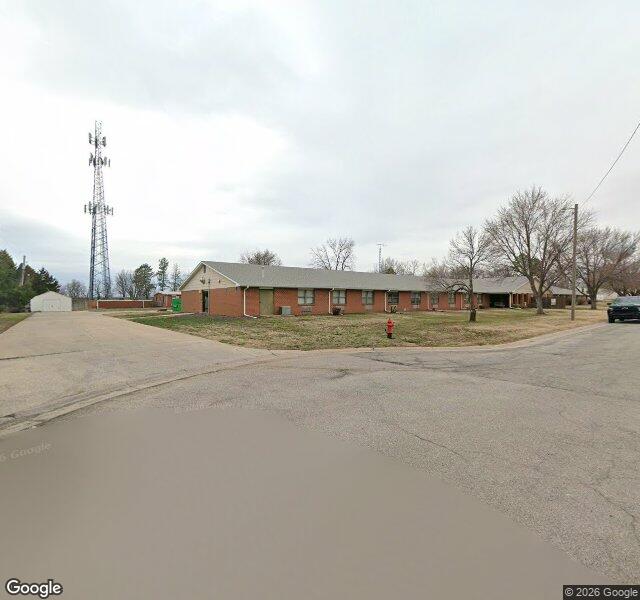
501 Easy Street, Goddard, KS 67052View map (opens in a new tab)
Overview and key essentials
State license
Active
KS KDADS
Google reviews
Not available
Public reviews not linked
Size & payment
Ask directly
Confirm pricing & payment
Public records for this community are limited. Use the checklist below when you call or visit to confirm pricing, services, and openings.
Cost, payment & care details
Updated Nov 28, 2026| Monthly cost | Not published | Ask for the full monthly cost, including care fees and one-time charges. |
|---|---|---|
| Payment options | Ask directly | Payment details are not confirmed in our records. Ask about private pay, long-term care insurance, veterans benefits, and Medicaid waivers. |
| Size & availability | Confirm directly | We don't publish live openings. Ask about current availability, waitlist length, and move-in timing. |
| Care & support | Assisted living | Usually offers housing and help with everyday tasks, such as bathing and dressing. What to confirm about care levelsThis describes the licensed category. Ask how care plans adjust if mobility, nursing, or memory needs change over time. Read the family care guide → |
State licensing
State inspection history
14inspections
42deficiencies listed
Mar 24, 2026Routine1 deficiency reported1
1 deficiency reported
View official state report (opens in a new tab)
INITIAL COMMENTS The following represent the findings of a resurvey for the above-named Residential Health Care Facility conducted on 03/23/26 and 03/24/26.
moderateS 3085
CFR(s): 26-41-202 (a) (a) The administrator or operator of each assisted living facility or residential health care facility shall ensure the development of a written negotiated service agreement for each resident, based on the resident ' s functional capacity screening, service needs, and preferences, in collaboration with the resident or the resident ' s legal representative, the case manager, and, if agreed to by the resident or the resident ' s legal representative, the resident ' s family. The negotiated service agreement shall provide the following information: (1) A description of the services the resident will receive; (2) identification of the provider of each service; and (3) identification of each party responsible for payment if outside resources provide a service. This LICENSURE REQUIREMENT is NOT MET as evidenced by: The facility reported a census of eight residents with three residents included in the sample. Based on interview, and record review the operator failed to ensure the "Negotiated Service Agreement" (NSA) was fully developed based on the resident's "Functional Capacity Screen" (FCS), service needs, and preferences for Resident (R)102 and R103. KAR 26-41-202 (a) (1) Findings included: - R102's medical record revealed she moved into the SS = E facility on 09/19/24 with a diagnosis of heart failure. The 03/14/26 FCS identified R102 was frequently incontinent of urine, had issues with short term memory, memory/recall and decision-making, and was assessed as having impaired vision and impaired hearing. The 03/14/26 NSA did not address what services staff provided R102 concerning her incontinence, cognitive issues, impaired vision, and impaired hearing. On 03/24/26 at 10:51 AM Administrative Staff A confirmed R102's NSA did not address what services staff provided for all that triggered on her FCS. The operator failed to ensure R102's NSA was fully developed to include all items that triggered on the FCS, her service needs, and preferences. - R103's medical record revealed he moved into the facility on 09/10/25 with a diagnosis atherosclerotic heart disease. The 02/23/26 FCS identified R103 was frequently incontinent of urine, had visual impairment and hearing impairment. The 02/23/26 NSA did not address what services staff provided R103 concerning his incontinence, visual impairment and hearing impairment. On 03/24/26 at 11:27 AM Administrative Staff A confirmed R103's NSA did not address all that triggered on the FCS. The operator failed to ensure R103's NSA was fully developed to include all items that triggered on the FCS, his service needs, and preferences.
Jan 15, 2026Routine11 deficiencies reported11
11 deficiencies reported
View official state report (opens in a new tab)
INITIAL COMMENTS The following citations represent the findings of a Health Recertification Survey and complaint survey regarding allegations in 2697010, 2694991, 2680998, 2673282, 2596530, 2592546, 2574408, 2570842, 1423076.
minorF 0732
CFR(s): 483.35(i)(1)-(4) §483.35(i) Nurse Staffing Information. §483.35(i)(1) Data requirements. The facility must post the following information on a daily basis: (i) Facility name. (ii) The current date. (iii) The total number and the actual hours worked by the following categories of licensed and unlicensed nursing staff directly responsible for resident care per shift: (A) Registered nurses. (B) Licensed practical nurses or licensed vocational nurses (as defined under State law). (C) Certified nurse aides. (iv) Resident census. §483.35(i)(2) Posting requirements. (i) The facility must post the nurse staffing data specified in paragraph (i)(1) of this section on a daily basis at the beginning of each shift. (ii) Data must be posted as follows: (A) Clear and readable format. (B) In a prominent place readily accessible to residents, staff, and visitors. §483.35(i)(3) Public access to posted nurse staffing data. The facility must, upon oral or written request, make nurse staffing data available to the public for review at a cost not to exceed the community standard. SS = C This REQUIREMENT is NOT MET as evidenced by: The facility reported a census of 45 residents. Based on observation, interview, and record review, the facility failed to ensure the posted daily nurse staffing sheets included accurate and identifiable information to include actual staff hours, as required. Findings included: - During an observation on 01/14/26 at 11:27 AM, the daily staffing sheet hung on the wall near the nurse's station. The daily nurse staffing form for 01/13/26 and 01/14/26 was posted and lacked the actual hours worked per shift for licensed and unlicensed staff providing resident care. Review of the daily staffing sheets from September 2025 through January 14, 2026, revealed some of September’s staff sheets were filled out correctly. There were no staffing sheets for October 2025. November’s staffing sheets lacked actual hours. December’s staffing sheets lacked actual hours. January 1 through 6 staffing sheets lacked actual hours worked. January 7 through 12 had actual hours worked. On 01/14/26 at 11:27 AM, Administrative Nurse E stated she filled out the staff sheet and did not put actual hours on the posted sheet; the business office completed it later. On 01/14/26 at 2:48 PM, Administrative Nurse D stated she was not aware of the requirement to have actual hours posted on the daily staff sheet. The business office took care of it later. The facility’s “Benefits Improvement Protection Act (BIPA) Nurse Staff Posting,” revised 12/2019, documented the total hours worked this shift will be completed by the charge nurse at the end of the shift. The actual hours worked will be verified by the business office.
moderateF 0688
CFR(s): 483.25(c)(1)-(3) §483.25(c) Mobility. §483.25(c)(1) The facility must ensure that a resident who enters the facility without limited range of motion does not experience reduction in range of motion unless the resident's clinical condition demonstrates that a reduction in range of motion is unavoidable; and §483.25(c)(2) A resident with limited range of motion receives appropriate treatment and services to increase range of motion and/or to prevent further decrease in range of motion. §483.25(c)(3) A resident with limited mobility receives appropriate services, equipment, and assistance to maintain or improve mobility with the maximum practicable independence unless a reduction in mobility is demonstrably unavoidable. This REQUIREMENT is NOT MET as evidenced by: The facility identified a census of 45. The sample included 13 residents with one resident reviewed for mobility or range of motion (ROM - the full movement potential of a joint, usually its range of flexion and extension). Based on observation, record review, and interviews, the facility failed to implement an assistive program to help maintain ROM and prevent a potential decrease in ROM/mobility for Resident (R) 22. Findings included: SS = D (an impairment in organization, sequencing, attention, memory, planning, problem-solving, and safety awareness) and a paralytic gait (a walking pattern characterized by stiffness, decreased coordination, and muscle weakness). R22’s "Significant Change Minimum Data Set" (MDS) documented a Brief Interview of Mental Status (BIMS) score of 99, which indicated R22 was unable to complete the interview. Per staff interview, he had short-term and long-term memory deficits. The MDS documented R22 had an impaired ability to make himself understood through verbal and non-verbal expression of ideas and/or wants because he was rarely or never understood. The MDS documented R22 had received antidepressant (a class of medications used to treat mood disorders) and antipsychotic (a class of medications used to treat major mental conditions which cause a break from reality) medications. R22's "Care Plan," created on 01/22/21 and revised on 11/26/25, documented the nursing staff would monitor for tearful behavior. R22’s “Care Plan,” created on 01/22/21 and revised on 04/03/24, documented R22 was dependent with all activities of daily living (ADLs) except eating, for which he required maximum assistance. R22's EMR, including under the “Tasks” section, lacked evidence active or passive ROM or restorative care was provided. Observation on 01/13/26 at 09:30 AM revealed R22 sat in the television room in a high-backed wheelchair. His hands were curled inwards with fingers extended and held close to his chest. Observation on 01/13/26 at 11:25 AM revealed R22 remained in the television room. His hands were in the same position as in the previous observation. The television showed only a blue screen. SS = D On 01/14/226 at12:03 PM, staff fed R22 his meal while the resident’s arms and hands remained under a blanket. On 01/15/26 at 07:49 AM, R22 sat in his wheelchair in the television room/. His right hand was clenched shut and rested in his lap. R22 had very limited ability to open and close his right hand, and he nodded yes when asked if it was difficult to open and close his hands. On 01/14/26 at 11:02 AM, Certified Nurse Aide (CNA) P said she felt all residents should have a restorative program. On 01/14/26 at 11:04 AM, CNA N stated she felt residents...
moderateF 0947
CFR(s): 483.95(g)(1)-(4) §483.95(g) Required in-service training for nurse aides. In-service training must- §483.95(g)(1) Be sufficient to ensure the continuing competence of nurse aides, but must be no less than 12 hours per year. §483.95(g)(2) Include dementia management training and resident abuse prevention training. SS = F §483.95(g)(4) For nurse aides providing services to individuals with cognitive impairments, also address the care of the cognitively impaired. This REQUIREMENT is NOT MET as evidenced by: The facility reported a census of 45 residents. Based on interview and record review, the facility failed to develop, implement, and permanently maintain an in-service training program for Certified Nurse Aide (CNAs) with the required topics and no less than 12 hours per year. Two of the five nurse aides sampled lacked the required training topics. Two of five nurse aides sampled lacked the required 12 hours per year of in-service training. Findings included: - On 01/14/26 at 03:05 PM, review of training records for five CNAs employed by the facility for more than one year revealed two CNAs had less than 12 hours of documented in-service training for the previous 12 months. CNA HH had one hour of documented training, and CNA II had eight hours of documented training. On 01/14/26 at 03:05 PM, review of training records for five CNAs employed by the facility for more than one year revealed CNA HH and CNA II did not have the required topics for in-service training for the previous 12 months. On 01/14/26 3:05 PM, Administrative Nurse D confirmed the CNAs were required to have 12 hours of training annually and stated there were no records of additional training for those CNAs. Administrative Nurse D added that the staff members were working to complete the training. The facility did not provide a policy.
moderateF 0880
CFR(s): 483.80(a)(1)(2)(4)(e)(f) §483.80 Infection Control The facility must establish and maintain an infection prevention and control program designed to provide a safe, sanitary and comfortable environment and to help prevent the development and transmission of communicable diseases and infections. §483.80(a) Infection prevention and control program. The facility must establish an infection prevention and control program (IPCP) that must include, at a minimum, the following elements: SS = E volunteers, visitors, and other individuals providing services under a contractual arrangement based upon the facility assessment conducted according to §483.71 and following accepted national standards; §483.80(a)(2) Written standards, policies, and procedures for the program, which must include, but are not limited to: (i) A system of surveillance designed to identify possible communicable diseases or infections before they can spread to other persons in the facility; (ii) When and to whom possible incidents of communicable disease or infections should be reported; (iii) Standard and transmission-based precautions to be followed to prevent spread of infections; (iv)When and how isolation should be used for a resident; including but not limited to: (A) The type and duration of the isolation, depending upon the infectious agent or organism involved, and (B) A requirement that the isolation should be the least restrictive possible for the resident under the circumstances. (v) The circumstances under which the facility must prohibit employees with a communicable disease or infected skin lesions from direct contact with residents or their food, if direct contact will transmit the disease; and (vi)The hand hygiene procedures to be followed by staff involved in direct resident contact. §483.80(a)(4) A system for recording incidents identified under the facility's IPCP and the corrective actions taken by the facility. §483.80(e) Linens. SS = E The facility will conduct an annual review of its IPCP and update their program, as necessary. This REQUIREMENT is NOT MET as evidenced by: The facility reported a census of 45 residents. The sample included 13 residents with four residents reviewed for accident. Based on observation, interview and record review, the facility failed to clean reusable shared equipment between residents and failed to use proper Enhanced Barrier Precautions (EBP-infection control interventions designed to reduce transmission of resistant organisms which employ targeted gown and glove use during high contact care) for R1 who had an indwelling catheter (tube placed in the bladder to drain urine into a collection bag) and wounds. Findings included: - On 01/14/26 at 07:55 AM, Certified Nurse Aide (CNA) N and CNA O entered Resident(R)1’s room to transfer him with a mechanical lift. There was no visible EBP notification on the door. R1 had an indwelling catheter visible, with the tubing visible. CNA P and CNA O did not wear gowns during the care. SS = E On 01/14/26 at 10:40 AM, CMA S stated she was not aware that the glucometer was to be cleaned between residents. She has not been doing it and said she was never taught it needed to be done. On 01/15/26 at 10:58 AM, Administrative Nurse D stated she expected the CNAs to utilize EBP every time a resident with a wound or artificial opening was present. On 01/15/26 at 11:58 AM, Administrative Nurse D and Administrative Nurse E stated they expected staff to clean glucometers between each...
moderateF 0607
CFR(s): 483.12(b)(1)-(5)(ii)(iii) §483.12(b) The facility must develop and implement written policies and procedures that: §483.12(b)(1) Prohibit and prevent abuse, neglect, and exploitation of residents and misappropriation of resident property, §483.12(b)(2) Establish policies and procedures to investigate any such allegations, and §483.12(b)(3) Include training as required at paragraph §483.95, §483.12(b)(4) Establish coordination with the QAPI program required under §483.75. §483.12(b)(5) Ensure reporting of crimes occurring in federally-funded long-term care facilities in accordance with section 1150B of the Act. The policies and procedures must include but are not limited to the following elements. SS = E retaliation, as defined at section 1150B(d)(1) and (2) of the Act. This REQUIREMENT is NOT MET as evidenced by: The facility reported a census of 45 residents. Five staff were reviewed for background checks. Based on interview and record review, the facility failed to implement their policy when facility failed to ensure background checks were completed for one staff. Findings included: - On 01/14/26 at 3:05 PM, Administrative Nurse D stated she was unable to locate the background check for Certified Nurse Aide (CNA) HH. She said she was aware it was a requirement for all staff to have a background check. On 01/15/26 at 10:23 AM, Administrative Staff A stated it was the expectation that all staff have background checks, per the facility’s policy. The facility’s policy “Abuse, Neglect, and Exploitation,” dated 10/02/22, documented all new employees will be investigated prior to employment for a previous history of abuse, neglect, or exploitation.
moderateF 0689
CFR(s): 483.25(d)(1)(2) §483.25(d) Accidents. The facility must ensure that - §483.25(d)(1) The resident environment remains as free of accident hazards as is possible; and §483.25(d)(2)Each resident receives adequate supervision and assistance devices to prevent accidents. This REQUIREMENT is NOT MET as evidenced by: The facility reported a census of 45 residents; the sample included three residents reviewed for accidents. Based on observation, interview, and record review, the facility failed to follow an intervention to prevent further falls after a fall for Resident (R) 6. This placed the residents at risk for further falls and related injuries. Findings included: - R6’s Electronic Medical Records (EMR) documented diagnoses which included anxiety (a mental or emotional reaction characterized by apprehension, uncertainty, and irrational fear), dialysis (a procedure where impurities or wastes are removed from the blood), and hyperextension (movement at a joint to a position beyond the joint’s normal maximum extension). R6's 03/25/25 "Admission Minimum Data Set (MDS)" documented a Brief Interview for Mental Status (BIMS) score of 14, indicating intact cognition. The MDS documented R6 had no falls within the last six months or while admitted. SS = D R6’s "Care Plan" documented she was at risk for falls related to confusion; initiated on 03/19/25. Staff were to place R6’s wheelchair by her bed, and anti-roll back brakes were attached on 02/07/24. A bed alarm was placed on 09/01/24. Staff were to frequently check on R6, initiated on 12/10/24, and lower the bed to the lowest position, initiated on 06/04/25. R6’s “Care Plan” directed staff to ensure her fall mat was in place, initiated on 03/25/25. R6‘s “Fall Risk Assessment V1.0,” dated 01/05/26, documented she had a high risk of falls. On 01/13/26 at 09:43 AM, R6 laid in bed with the wheelchair beside her bed. She had a large bruise on the left side of her face from her forehead to her neck. R6 was lying toward the side of the bed closest to the wheelchair. There was no fall mat on the floor beside her bed. On 01/13/26 at 03:54 PM, R6 was sleeping on the side of the bed. There was no fall mat in place. On 01/14/26 at 08:47 AM, Certified Nurse Aide (CNA) M assisted R6 to her room and assisted her to her bed. CNA M placed the wheelchair in the bathroom and did not place the fall mat on the floor beside her bed. On 01/14/26 at10:15 AM, R6 laid in bed. No floor mat was on the floor beside the bed. On 01/14/26 at 03:42 PM, CNA N stated R6 was a high risk for falls. CNA N stated staff were to put a fall mat on the floor on the side of the bed. SS = D documented the resident’s person-centered plan of care was an active working document that reflects the care needs and resident voice. The facility’s undated policy “Falls Management” documented the facility strives to minimize the risk for resident falls and to reduce injuries associated with resident falls.
moderateF 0692
CFR(s): 483.25(g)(1)-(3) §483.25(g) Assisted nutrition and hydration. (Includes naso-gastric and gastrostomy tubes, both percutaneous endoscopic gastrostomy and percutaneous endoscopic jejunostomy, and enteral fluids). Based on a resident's comprehensive assessment, the facility must ensure that a resident- §483.25(g)(1) Maintains acceptable parameters of nutritional status, such as usual body weight or desirable body weight range and electrolyte balance, unless the resident's clinical condition demonstrates that this is not possible or resident preferences indicate otherwise; §483.25(g)(2) Is offered sufficient fluid intake to maintain proper hydration and health; §483.25(g)(3) Is offered a therapeutic diet when there is a nutritional problem and the health care provider orders a therapeutic diet. This REQUIREMENT is NOT MET as evidenced by: The facility identified a census of 45 residents. The sample included 13 residents with three sampled for nutrition. Based on observation, interview and record review, the facility failed to promote Resident (R) 3's highest practicable nutritional status when staff failed to weigh the resident upon admission and readmission after hospitals stays in order to establish a baseline and/or identify weight loss. SS = D diagnosis of paraplegia (paralysis characterized by motor or sensory loss in the lower limbs and trunk), osteomyelitis (local or generalized infection of the bone and bone marrow), right leg above-the-knee amputation (surgical removal of a body part), and left leg below-the-knee amputation. R3's 12/05/25 “Quarterly Minimum Data Set" (MDS) documented a Brief Interview for Mental Status (BIMS) of 15, indicating intact cognition. The MDS recorded R3 had a weight loss of five percent (%) or more in the last month or 10% or more in the last six months. R3’s "Care Plan," dated 08/26/25, documented R3 was at risk of weight loss or gain due to the disease process and directed staff to weigh him as the physician ordered. R3’s “Physician’s Order” documented an order for a weekly weight with a start date on 09/01/25. R3’s “Physician’s Order” documented an order for a daily weight for three days with a start date on 10/04/25. R3’s “Physician’s Order” documented an order for a daily weight with a start date on 10/10/25. R3’s “Physician’s Order” documented an order for a weekly weight with a start date on 10/15/25. R3’s “Physician’s Order” documented an order for a weekly weight for four weeks with a start date on 11/2625. R3’s EMR documented an admission date of 08/25/25. R3’s EMR lacked an admission weight until 09/09/25. The weight recorded for 09/09/25 was 259.6 pounds (lbs). R3 was discharged from the hospital on 09/13/25. SS = D R3 readmitted on 10/09/25. R3’s EMR lacked evidence of a weight assessment at that time or for the next 19 days. R3’s EMR recorded a weight dated 10/29/25 prior to discharge back to the hospital that day. R3’s weight on 10/29/25 was 249.4 lbs., showing a 10 lb. weight loss. R3 readmitted on 11/19//25 and discharged on 11/23/25 with no weight obtained during the stay. R3 readmitted on 12/02/25. R3’s EMR lacked evidence of a weight assessment at that time and did not record a weight until 12/11/25, when his weight was measured at 222.2 lbs. On 01/14/26 at 07:50 AM, R3 reclined in bed with his bedside table over him. He ate breakfast at that time. His eggs were partially eaten. R3 stated he was feeling a little better than the previous day. On 01/14/26 at 3:42 PM,...
moderateF 0550
CFR(s): 483.10(a)(1)(2)(b)(1)(2) §483.10(a) Resident Rights. The resident has a right to a dignified existence, self-determination, and communication with and access to persons and services inside and outside the facility, including those specified in this section. §483.10(a)(1) A facility must treat each resident with respect and dignity and care for each resident in a manner and in an environment that promotes maintenance or enhancement of his or her quality of life, recognizing each resident's individuality. The facility must protect and promote the rights of the resident. §483.10(a)(2) The facility must provide equal access to quality care regardless of diagnosis, severity of condition, or payment source. A facility must establish and maintain identical policies and practices regarding transfer, discharge, and the provision of services under the State plan for all residents regardless of payment source. §483.10(b) Exercise of Rights. The resident has the right to exercise his or her rights as a resident of the facility and as a citizen or resident of the United States. §483.10(b)(1) The facility must ensure that the resident can exercise his or her rights without interference, coercion, discrimination, or reprisal from the facility. SS = D §483.10(b)(2) The resident has the right to be free of interference, coercion, discrimination, and reprisal from the facility in exercising his or her rights and to be supported by the facility in the exercise of his or her rights as required under this subpart. This REQUIREMENT is NOT MET as evidenced by: The facility reported a census of 45 residents; the sample included 13 residents. Based on interview, observation, and record review, the facility failed to protect the dignity of Resident (R) 33 when staff was argumentative and used foul language while speaking to R33. Findings included: - During an observation and interview on 01/13/26 at 12:10 PM, R33 sat in her wheelchair. R33 stated she had requested the staff to perform additional vaginal area cleaning due to itching and irritation, and one of the staff members started to argue with her and used foul language. R33 requested her to leave several times, and the staff member said R33 was not her mother and left. R33 said she has had issues with that Certified Nurse Aide (CNA) before. During an interview on 01/15/26 at 09:04 AM, Licensed Nurse (LN) G reported R33 had reported to her that an evening aide was not handling her gently during cares and was not speaking to her appropriately, and she had requested for the CNA to leave. LN G said the CNA did not leave, and R33 had to tell her several times to leave. LN G said the CNA told R33 that R33 was not her “mama,” and the CNA was argumentative with R33. LN G also said R33 reported the CNA was no longer allowed in her room. During an interview on 01/15/26 at 09:53 AM, Administrative Nurse D reported she had been informed about the CNA interaction with R33, and she had re-arranged the schedule so the CNA would not be part of R33's care, and then the problem had corrected itself when the CNA abruptly quit without notice before working again. SS = D Medicalodges, Inc., to treat each resident with respect, kindness, dignity, and care, and to keep them free from abuse and neglect and to take swift and immediate action to investigate and adjudicate alleged abuse and neglect.
moderateF 0552
CFR(s): 483.10(c)(1)(4)(5) §483.10(c) Planning and Implementing Care. The resident has the right to be informed of, and participate in, his or her treatment, including: §483.10(c)(1) The right to be fully informed in language that he or she can understand of his or her total health status, including but not limited to, his or her medical condition. §483.10(c)(4) The right to be informed, in advance, of the care to be furnished and the type of care giver or professional that will furnish care. §483.10(c)(5) The right to be informed in advance, by the physician or other practitioner or professional, of the risks and benefits of proposed care, of treatment and treatment alternatives or treatment options and to choose the alternative or option he or she prefers. This REQUIREMENT is NOT MET as evidenced by: The facility reported a census of 45 residents; the sample included 13 residents. Based on interview, observation, and record review, the facility failed to inform Resident (R) 18 and/or his representative regarding the risks related to psychotropic (alters mood or thoughts) medications. Findings included: SS = D R18’s "Annual Minimum Data Set (MDS)," dated 01/02/26, documented a Brief Interview of Mental Status (BIMS) score of 15, which indicated intact cognition. The assessment documented R18’s pain frequency was almost constant. The "Psychotropic Drug Use Care Area assessment (CAA)," dated 01/02/26, documented R18 had been administered antidepressant (a class of medications used to treat mood disorders) medications. The "Pain CAA," dated 01/02/26, documented R18 had reported pain almost constantly with a pain value of 7 to 10 on a numeric rating scale of zero to 10. R18's "Care Plan," dated 03/18/24, documented R18 had been taking medication to manage his chronic and acute pain. An intervention dated 12/19/25 included the administration of ordered Lyrica (an anticonvulsant and analgesic drug used for nerve pain) 50 milligrams (mg), one capsule three times a day for pain. R18’s EHR revealed a psychotropic consent signed and dated 05/08/25 which listed Lyrica 50 mg to be given twice daily. R18's EHR documented a new order, dated 12/15/25, for Lyrica 50 mg, three times daily for pain related to chronic pain. R18's EHR lacked evidence R18 or his representative received education and/or informed consent regarding the Lyrica dose and frequency increase. During an interview on 01/15/26 at 10:34 AM, Licensed Nurse (LN) G stated psychotropic consent was for the purpose of informing the resident and/or legal representative of risk/benefits of medications and then to approve the medication. She then said she was unsure when those consents were done and unsure who was responsible for having them done. SS = D psychotropic medication consents. She stated the consents were done on admission if the resident was admitted on a psychotropic medication, before starting a psychotropic medication, and any time there was a change in the medication. She confirmed R18's consent was not accurate. The facility policy “Behavior Management & Psychotropic Medications,” dated 04/2025, documented informed consent was to be completed for the use of psychotropic medications and off-label use of medication which affects brain activity for the residents prior to initial administration of the medication and with a dose increase of psychotropic medication.
moderateF 0759
SS = E The facility must ensure that its- §483.45(f)(1) Medication error rates are not 5 percent or greater; This REQUIREMENT is NOT MET as evidenced by: The facility had a census of 45 residents; the sample included 13 residents. Twenty-nine medications administrations were observed with three errors identified resulting in a medication error rate of 10.34 %. Based on observation, record review, and interview, the facility failed to ensure a medication error rate below five percent. Findings included: - Review of the Electronic Health Record (EHR) for Resident (R) 46 revealed the following orders: 1. Citalopram (a medication used to treat depression) 10 milligrams (mg), give one tablet by mouth one time a day. 2. Folic acid (a supplemental vitamin) one mg, give one tablet by mouth once daily. 3. Senna (a medication used to treat constipation) 8.6 mg, give two tablets by mouth two times daily. R46’s EHR lacked orders for medications to be crushed and mixed. Observed on 01/15/26 at 07:12 AM, Certified Medication Aide (CMA) R, crushed together citalopram 10 mg, folic acid one mg, and senna 8.6 mg, and then gave them to R46. During an interview on 01/15/26 at 07:15 AM, CMA R stated R46’s medications were always crushed together and then given to R46. SS = E mixed together. During an interview on 01/15/26 at 07:56 AM, Licensed Nurse (LN) G stated there should have been an order to crush and mix the medications; if this happened without an order, then it was a medication error. LN G verified R46 had no order to crush medications, and she was not listed as a resident who required medications to be crushed. During an interview on 01/15/26 at 08:00 AM, Administrative Nurse D stated there should have been an order to crush medications and if there are specific warnings about medications being crushed, then there should have been an order related to the specific medication. Administrative Nurse D also said if medications were crushed and given with no crush order, it was not a medication error. The facility's policy "Medication Administration General Guidelines," dated 01/24, documented the need for crushing medications was to be indicated on the resident’s orders and the medication administration record (MAR) so all were aware of the need, and the consultant pharmacist could advise on safety and alternatives, if appropriate, during medication regimen reviews (MRR).
moderateF 0628
CFR(s): 483.15(c)(2)(iii)(3)-(6)(8)(d)(1)(2); 483.21(c)(2) §483.15(c)(2) Documentation. When the facility transfers or discharges a resident under any of the circumstances specified in paragraphs (c)(1)(i)(A) through (F) of this section, the facility must ensure that the transfer or discharge is documented in the resident's medical record and appropriate information is communicated to the receiving health care institution or provider. (iii) Information provided to the receiving provider must include a minimum of the following: SS = D (C) Advance Directive information (D) All special instructions or precautions for ongoing care, as appropriate. (E) Comprehensive care plan goals; (F) All other necessary information, including a copy of the resident's discharge summary, consistent with §483.21(c)(2) as applicable, and any other documentation, as applicable, to ensure a safe and effective transition of care. §483.15(c)(3) Notice before transfer. Before a facility transfers or discharges a resident, the facility must- (i) Notify the resident and the resident's representative(s) of the transfer or discharge and the reasons for the move in writing and in a language and manner they understand. The facility must send a copy of the notice to a representative of the Office of the State Long-Term Care Ombudsman. (ii) Record the reasons for the transfer or discharge in the resident's medical record in accordance with paragraph (c)(2) of this section; and (iii) Include in the notice the items described in paragraph (c)(5) of this section. §483.15(c)(4) Timing of the notice. (i) Except as specified in paragraphs (c)(4)(ii) and (c)(8) of this section, the notice of transfer or discharge required under this section must be made by the facility at least 30 days before the resident is transferred or discharged. (ii) Notice must be made as soon as practicable before transfer or discharge when- (A) The safety of individuals in the facility would be endangered under paragraph (c)(1)(i)(C) of this section; SS = D (C) The resident's health improves sufficiently to allow a more immediate transfer or discharge, under paragraph (c)(1)(i)(B) of this section; (D) An immediate transfer or discharge is required by the resident's urgent medical needs, under paragraph (c)(1)(i)(A) of this section; or (E) A resident has not resided in the facility for 30 days. §483.15(c)(5) Contents of the notice. The written notice specified in paragraph (c)(3) of this section must include the following: (i) The reason for transfer or discharge; (ii) The effective date of transfer or discharge; (iii) The location to which the resident is transferred or discharged; (iv) A statement of the resident's appeal rights, including the name, address (mailing and email), and telephone number of the entity which receives such requests; and information on how to obtain an appeal form and assistance in completing the form and submitting the appeal hearing request; (v) The name, address (mailing and email) and telephone number of the Office of the State Long-Term Care Ombudsman; (vi) For nursing facility residents with intellectual and developmental disabilities or related disabilities, the mailing and email address and telephone number of the agency responsible for the protection and advocacy of individuals with developmental disabilities established under Part C of the Developmental Disabilities Assistance and Bill of Rights Act of 2000 (Pub. L. 106-402, codified at 42 U.S.C. 15001 et...
Jan 14, 2025Routine1 deficiency reported1
1 deficiency reported
View official state report (opens in a new tab)
INITIAL COMMENTS The following citations represent the findings of complaint investigations KS00192730 and KS00192089. The 2567 was electronically sent on 1/28/25.
Free of Accident Hazards/Supervision/DevicesF 689
CFR(s): 483.25(d)(1)(2) SS=D §483.25(d) Accidents. The facility must ensure that - §483.25(d)(1) The resident environment remains as free of accident hazards as is possible; and §483.25(d)(2)Each resident receives adequate supervision and assistance devices to prevent accidents. This REQUIREMENT is not met as evidenced by: The facility reported a census of 44 residents with three residents included in the sample. Based on observation, interview, and record review the facility failed to ensure an environment free of accident hazards on 01/14/25 when Certified Nurse Aide (CNA) M did not follow the standard of care and utilize another staff member assistance during the transfer of Resident (R) 1 from his wheelchair to his bed, using a Hoyer Lift (a mechanical device that helps people with limited mobility be transferred safely with minimal physical effort). Findings included: - The "Quarterly Minimum Data Set" (MDS) dated 11/01/24 revealed R1 had a "Brief Interview for Mental Status" (BIMS) score of 14, indicating intact cognition. The "Care Plan" revision dated 12/31/24 revealed R1 required assistance from staff with all transfers. An observation on 01/14/25 at 12:35 PM revealed CNA M transferred R1 from his wheelchair to his bed using the Hoyer lift by herself. An interview on 01/14/25 at 12:35 PM with CNA M revealed if the resident was light, they could use the Hoyer and lift the resident by themselves. An interview on 01/14/25 at 01:25 PM with Administrative Nurse D revealed the protocol for transfers of a resident using the Hoyer lift was two staff members to always be present to assist with transfers. An interview on 01/14/25 at 02:50 PM with CNA N revealed the facility provided training on the Hoyer and Sit-to-Stand lifts and noted they were to always have two staff members while using the lifts. On 01/14/25 at 03:00 PM Administrative Nurse D stated the facility did not have a policy regarding "Transfers" and further stated staff were to follow known standards of care utilizing two staff to transfer residents using a Hoyer lift. The facility failed to ensure an environment free of accident hazards on 01/14/25 when CNA M transferred R1 from his wheelchair to his bed with the use of a Hoyer lift and did not have an additional staff member present for the transfer. 5HZJ11
Sep 24, 2024Routine2 deficiencies reported2
2 deficiencies reported
View official state report (opens in a new tab)
The following citation represents the findings of a Re-Licensure Survey with complaint investigation 87616 for the above named Assisted Living Facility conducted on 09/24/24.
STATE FORM6899
3JSN11 STATE FORM 3JSN11 STATE FORM 3JSN11
moderateS 3082
Accurate d) Designated facility staff shall ensure that each resident ' s functional capacity at the time of screening is accurately reflected on that resident ' s screening form. This REQUIREMENT is not met as evidenced by: K.A.R 26-41-201 (d) The facility reported a census of 10 residents(R). The sample included three residents. Based on interview and record review, the operator failed to ensure designated staff completed three (R3, R4, and R5) sample residents "Functional Capacity Screen" accurately to reflect their functional ability related to management of medications, medical treatments, and falls. Findings Included: - Review of R3's medical record revealed she moved into the facility on 10/21/22 with diagnoses of major depression and chronic pain. R3's "Functional Capacity Screen" (FCS) dated 07/30/24 staff coded R3 as independent with management of medications and medical treatments and did not identify her at risk for falls. Review of R3's September 2024 Medication Administration Record revealed staff initialed administration of medications to indicate staff administered them. Review of R3's nursing progress notes included documentation of R3 having a non-injury fall on 07/12/24, less than a month prior to completion of the FCS. Interview on 09/24/24 at 01:58 PM Certified Medication Aide B acknowledged the staff administered medications and any treatments to R3. Interview on 09/24/24 at 12:50 PM Operator/Certified Medication Aide A reported she coded a 0 for medications and treatments because the resident is taking the cup and doing the act of taking the medications herself. Operator/Certified Medication Aide A also reported falls should have been marked as a concern because she had a fall shortly before the FCS was completed. Operator/Certified Medication Aide A acknowledged she had not coded R3's FCS accurately for medications, treatments, or falls. - R4's record revealed she moved into the facility on 09/19/24 with diagnosis of insomnia and osteoporosis. R4's "Functional Capacity Screen" (FCS) dated 09/19/24 staff coded R4 as independent with management of medications and management of medical treatments. Review of R4's September 2024 Medication Administration Record revealed staff initialed for administration of medications. Interview on 09/24/24 at 02:30 PM Certified Medication Aide B acknowledged facility staff administered R4's medications. - Review of R5's medical record revealed she moved into the facility on 02/01/21 with diagnosis of heart failure. R5's "Functional Capacity Screen" (FCS) dated 09/18/24 staff coded R5 as independent with management of medications and medical treatments. Review of R5's September 2024 Medication Administration Record included staff initials to indicate staff administered R5 her medications. Interview on 09/24/24 at 03:59 PM resident stated that she is very knowledgeable of her medications and is very involved but the staff administer them to her. Interview on 09/24/24 at 02:45 PM Certified Medication Aide B acknowledged staff administer medications and treatments for R5. Interview on 09/24/24 at 04:12 Operator/Certified Medication Aide A acknowledged she had not coded R3, R4, or R5's FCS accurately according to manual definitions.
Sep 9, 2024Routine1 deficiency reported1
1 deficiency reported
View official state report (opens in a new tab)
INITIAL COMMENTS A complaint survey was conducted regarding the allegations in KS00190351, KS00190333, KS000190204, KS00189680, and KS00189348 The investigation revealed noncompliance was found related to the allegations and the following deficiencies were cited. This 2567 was electronically sent to the facility on 09/12/24.
Infection Prevention & ControlF 880
CFR(s): 483.80(a)(1)(2)(4)(e)(f) SS=D §483.80 Infection Control The facility must establish and maintain an infection prevention and control program designed to provide a safe, sanitary and comfortable environment and to help prevent the development and transmission of communicable diseases and infections. §483.80(a) Infection prevention and control program. The facility must establish an infection prevention and control program (IPCP) that must include, at a minimum, the following elements: §483.80(a)(1) A system for preventing, identifying, reporting, investigating, and controlling infections and communicable diseases for all residents, staff, volunteers, visitors, and other individuals providing services under a contractual arrangement based upon the facility assessment conducted according to §483.71 and following accepted national standards; §483.80(a)(2) Written standards, policies, and procedures for the program, which must include, but are not limited to: (i) A system of surveillance designed to identify possible communicable diseases or infections before they can spread to other persons in the facility; (ii) When and to whom possible incidents of communicable disease or infections should be reported; (iii) Standard and transmission-based precautions to be followed to prevent spread of infections; (iv)When and how isolation should be used for a resident; including but not limited to: (A) The type and duration of the isolation, depending upon the infectious agent or organism involved, and (B) A requirement that the isolation should be the least restrictive possible for the resident under the circumstances. (v) The circumstances under which the facility must prohibit employees with a communicable disease or infected skin lesions from direct contact with residents or their food, if direct contact will transmit the disease; and (vi)The hand hygiene procedures to be followed by staff involved in direct resident contact. §483.80(a)(4) A system for recording incidents identified under the facility's IPCP and the corrective actions taken by the facility. §483.80(e) Linens. Personnel must handle, store, process, and transport linens so as to prevent the spread of infection. §483.80(f) Annual review. The facility will conduct an annual review of its IPCP and update their program, as necessary. 4I2Y11 This REQUIREMENT is not met as evidenced by: The facility reported a census of 43 with 3 residents selected for review. Based on observation, interview, and record review, the facility failed to implement infection control measurements by the failure to cleansing hands between glove changes during a wound dressing change on Resident (R) 2. Findings included: - The "Physicians Order" dated 08/29/24 revealed R2 had diagnosis that included chronic multifocal osteomyelitis of multiple sites (local or generalized infection of the bone and bone marrow), and pressure ulcer (localized injury to the skin and/or underlying tissue usually over a bony prominence as results of pressure or pressure in combination with shear and/or friction). The "Quarterly Minimum Data Set" (MDS) dated 07/19/24, revealed a "Brief interview for Mental Status" (BIMS) of 15, that indicated intact cognition. R2 had one stage three pressure ulcer injury over bony prominence upon admission. R2 used a pressure reducing device for chair and bed and was on a turning repositioning program. The "Care Plan" dated 08/16/24, revealed R2 was at risk for alteration in skin integrity...
Show all 14 inspections
Feb 26, 2024Routine16 deficiencies reported16
16 deficiencies reported
View official state report (opens in a new tab)
INITIAL COMMENTS The following citations represent the findings of a Health Resurvey and Complaint Investigation # KS00185772, KS00184588, and KS00182494. This 2567 was electronically sent to the facility on 03/04/24.
Required In-Service Training for Nurse AidesF 947
CFR(s): 483.95(g)(1)-(4) SS=D §483.95(g) Required in-service training for nurse aides. In-service training must- §483.95(g)(1) Be sufficient to ensure the continuing competence of nurse aides, but must be no less than 12 hours per year. §483.95(g)(2) Include dementia management training and resident abuse prevention training. §483.95(g)(3) Address areas of weakness as determined in nurse aides' performance reviews and facility assessment at § 483.70(e) and may address the special needs of residents as determined by the facility staff. §483.95(g)(4) For nurse aides providing services to individuals with cognitive impairments, also address the care of the cognitively impaired. This REQUIREMENT is not met as evidenced by: The facility reported a census of 38 residents. Based on interview and record review, the facility failed to ensure no less than 12 hours per year required in-service training to ensure the continuing competence of nurse aides for one of the two nurse aides employed for a year or more. 3A0611 Findings included: - During review of employment records for the two Certified Nurse Aides (CNA), employed by the facility for over a year, the facility failed to ensure no less than 12 hours per year required in-service training to ensure the continuing competence for Certified Nurse Aide (CNA) K, hired 09/29/2015. Review of her education profile revealed the CNA with 10.5 hours of continuing in-service training in the previous year. On 02/22/24 at 10:30 AM, Administrative Nurse B verified CNA K lacked the required 12 hours of continuing education to ensure competency. She reported the facility lacked a policy regarding the required 12 hours of in-service training annually for CNAs, but she was aware it was a regulatory requirement. The facility lacked a policy to address the required 12 hours of in-service training annually for CNAs. The facility failed to ensure no less than 12 hours per year required in-service training to ensure the continuing competence of nurse aides which provided care for the residents of the facility. 3A0611
Care Plan Timing and RevisionF 657
CFR(s): 483.21(b)(2)(i)-(iii) SS=D §483.21(b) Comprehensive Care Plans §483.21(b)(2) A comprehensive care plan must be- (i) Developed within 7 days after completion of the comprehensive assessment. (ii) Prepared by an interdisciplinary team, that includes but is not limited to-- (A) The attending physician. (B) A registered nurse with responsibility for the resident. (C) A nurse aide with responsibility for the resident. (D) A member of food and nutrition services staff. (E) To the extent practicable, the participation of the resident and the resident's representative(s). An explanation must be included in a resident's medical record if the participation of the resident and their resident representative is determined not practicable for the development of the 3A0611 resident's care plan. (F) Other appropriate staff or professionals in disciplines as determined by the resident's needs or as requested by the resident. (iii)Reviewed and revised by the interdisciplinary team after each assessment, including both the comprehensive and quarterly review assessments. This REQUIREMENT is not met as evidenced by: The facility reported a census of 38 residents. The sample included 13 residents. Based on observation, interview and record review, the facility failed to review and revise one resident's care plans, related to adequate monitoring and care of Resident (R)26's multiple skin areas/wounds. Findings included: - Review of Resident (R)26's undated "Physician Orders," (POS) documentation included diagnoses of multiple sclerosis (MS- progressive disease of the nerve fibers of the brain and spinal cord) , anxiety disorder (mental or emotional reaction disorder characterized by apprehension, uncertainty and irrational fear) , chronic inflammation (a normal body's response to injury or infection) polyneuritis (inflammation of several peripheral nerves at the same time), and diabetes (DM-when the body cannot use glucose, not enough insulin made or the body cannot respond to the insulin). The "Annual Minimum Data Set," (MDS) dated 04/21/23, documentation included a "Brief Interview for Mental Status," score (BIMS) of 14, indicating cognitively intact. The resident required extensive assistance of staff with his bed mobility. 3A0611 He had a formal skin assessment completed which identified him as not at risk for pressure ulcer/injury and without skin care issues. The "Pressure Ulcer/Injury Care Area Assessment," (CAA), dated 05/10/23, documentation included the resident required staff assistance with bed mobility, transfers, walking, locomotion, dressing, toileting, personal hygiene, and bathing during his look back period. The resident was incontinent of bladder and frequently incontinent of bowel during his look back period. The CAA contributing factors which included Activities of daily living (ADL)/functional/mobility impairment and incontinence. Risk factors included pain, the development of Pressure ulcer/skin condition, and fluid deficit risk. A licensed nurse to assess the resident's skin each week and put proper interventions in place to prevent skin breakdown. Skin is also assessed by caregivers with each bath and each time the resident is dressed. Notify the physician of any abnormal findings and treatment orders obtained. His caregivers assist with repositioning at least every two hours and as needed for comfort. The "Care Plan" dated 01/28/24, directed staff the resident was at risk for skin breakdown. Staff were to provide skin...
Payroll Based JournalF 851
CFR(s): 483.70(q)(1)-(5) SS=F §483.70(q) Mandatory submission of staffing information based on payroll data in a uniform format. Long-term care facilities must electronically submit to CMS complete and accurate direct care 3A0611 staffing information, including information for agency and contract staff, based on payroll and other verifiable and auditable data in a uniform format according to specifications established by CMS. §483.70(q)(1) Direct Care Staff. Direct Care Staff are those individuals who, through interpersonal contact with residents or resident care management, provide care and services to allow residents to attain or maintain the highest practicable physical, mental, and psychosocial well-being. Direct care staff does not include individuals whose primary duty is maintaining the physical environment of the long term care facility (for example, housekeeping). §483.70(q)(2) Submission requirements. The facility must electronically submit to CMS complete and accurate direct care staffing information, including the following: (i) The category of work for each person on direct care staff (including, but not limited to, whether the individual is a registered nurse, licensed practical nurse, licensed vocational nurse, certified nursing assistant, therapist, or other type of medical personnel as specified by CMS); (ii) Resident census data; and (iii) Information on direct care staff turnover and tenure, and on the hours of care provided by each category of staff per resident per day (including, but not limited to, start date, end date (as applicable), and hours worked for each individual). §483.70(q)(3) Distinguishing employee from agency and contract staff. When reporting information about direct care 3A0611 staff, the facility must specify whether the individual is an employee of the facility, or is engaged by the facility under contract or through an agency. §483.70(q)(4) Data format. The facility must submit direct care staffing information in the uniform format specified by CMS. §483.70(q)(5) Submission schedule. The facility must submit direct care staffing information on the schedule specified by CMS, but no less frequently than quarterly. This REQUIREMENT is not met as evidenced by: The facility reported a census of 38 residents. Based on interview and record review, the facility failed to electronically submit to "Centers for Medicare and Medicaid Services", (CMS) complete and accurate direct care staffing information, including information for agency and contract staff, based on payroll and other verifiable and auditable data in a uniform format according to specifications established by CMS (i.e., "Payroll Base Journal" [PBJ]), related to weekend staffing data is excessively low. Findings included: - Review of the "Payroll Based Journal" (PBJ) Staffing Data Report submitted revealed weekend staffing data excessively low as follows: 1. The first quarter of fiscal year (FY) 2023, (10/01/22 through 12/31/22). 2. The second quarter of FY 2023, (January 01,2023 through March 31/2023). 3A0611 3. The third quarter of FY 2023, (04/01/2023 through 06/30/2023). 4. The fourth quarter of FY 2023 (July 01/2023 through September 30, 2023). Review of the nursing staff schedule, agency staff, and staff postings for direct care on the weekends identified above were inaccurate and did not capture the direct care time delivered by licensed nurses, certified department heads, and agency staff. Additionally, review of the agency staff...
Bowel/Bladder Incontinence, Catheter, UTIF 690
CFR(s): 483.25(e)(1)-(3) SS=D §483.25(e) Incontinence. §483.25(e)(1) The facility must ensure that resident who is continent of bladder and bowel on admission receives services and assistance to maintain continence unless his or her clinical condition is or becomes such that continence is not possible to maintain. 3A0611 §483.25(e)(2)For a resident with urinary incontinence, based on the resident's comprehensive assessment, the facility must ensure that- (i) A resident who enters the facility without an indwelling catheter is not catheterized unless the resident's clinical condition demonstrates that catheterization was necessary; (ii) A resident who enters the facility with an indwelling catheter or subsequently receives one is assessed for removal of the catheter as soon as possible unless the resident's clinical condition demonstrates that catheterization is necessary; and (iii) A resident who is incontinent of bladder receives appropriate treatment and services to prevent urinary tract infections and to restore continence to the extent possible. §483.25(e)(3) For a resident with fecal incontinence, based on the resident's comprehensive assessment, the facility must ensure that a resident who is incontinent of bowel receives appropriate treatment and services to restore as much normal bowel function as possible. This REQUIREMENT is not met as evidenced by: The facility reported a census of 38 residents with 13 residents sampled, that included two reviewed for urinary catheter (a tube inserted into the bladder to drain urine into a collection bag) care. Based on interview, observation, and record review, the facility failed to provide appropriate treatment and services of Resident (R)95 when resident was transported with the urinary collection bag above the level of his bladder. This deficient practice had the potential to negatively affect R95. 3A0611 Findings include: - Resident (R) 95's signed physician orders dated 02/09/24, revealed the diagnosis that included bladder neck obstruction (lack of ability to urinate and empty the bladder). The "Admission Minimum Data Set" (MDS) dated 02/14/24 revealed a "Brief Interview for Mental Status" (BIMS) score of 11, indicating moderate cognitive impairment. The resident required moderate assist with toileting and supervision with mobility. The resident had an indwelling urinary catheter (insertion of a catheter into the bladder to drain the urine into a collection bag). The "Urinary Incontinence and Indwelling Catheter Care Area Assessment" (CAA) dated 02/14/24, revealed R95 required assistance with toileting needs and actual incontinent episodes. Contributing factors included weakness, impaired mobility, and cognitive loss. The risk factors included skin breakdown, falls, and recurrent UTIs (urinary tract infections). A care plan will be initiated/reviewed to improve/maintain current toileting skills and ability to transfer to the commode, continence status, decrease fall and pressure ulcer risk, and decrease risk for UTI. The CAA lacked documentation of the resident having an indwelling urinary catheter on admission to the facility due to bladder neck obstruction. R95's "Care Plan" dated 02/06/24, revealed the resident had an indwelling urinary catheter. Staff were to change the catheter every eight to ten days related to bladder obstruction and to monitor the output every shift. 3A0611 Review of the physician's admission orders, dated 02/08/24, revealed orders for a Foley catheter...
Label/Store Drugs and BiologicalsF 761
CFR(s): 483.45(g)(h)(1)(2) SS=F §483.45(g) Labeling of Drugs and Biologicals Drugs and biologicals used in the facility must be labeled in accordance with currently accepted professional principles, and include the appropriate accessory and cautionary instructions, and the expiration date when applicable. §483.45(h) Storage of Drugs and Biologicals §483.45(h)(1) In accordance with State and Federal laws, the facility must store all drugs and biologicals in locked compartments under proper temperature controls, and permit only authorized personnel to have access to the keys. §483.45(h)(2) The facility must provide separately locked, permanently affixed compartments for storage of controlled drugs listed in Schedule II of the Comprehensive Drug Abuse Prevention and Control Act of 1976 and other drugs subject to abuse, except when the facility uses single unit package drug distribution systems in which the 3A0611 quantity stored is minimal and a missing dose can be readily detected. This REQUIREMENT is not met as evidenced by: The facility reported a census of 38 residents. Based on observation, interview, and record review, the facility failed to store "Controlled Medications" (medications which fall under US Drug Enforcement Agency (DEA) Schedules II-V), have a potential for abuse, ranging from low to high, and may also lead to physical or psychological dependence), permitting only authorized personnel to have access related to diversion of "controlled medication" for three residents. Resident (R)145 for unknown quantity of Lorazepam, 0.5 milligram(mg) tablets (anti-anxiety medication), R 146 for unknown quantity of Oxycodone 10/325 mg. tablets (a narcotic/pain medication), and R 147 for unknown quantity of Lorazepam. Additionally, the facility failed to provide a safe environment for all residents by the failure to ensure one of two medication carts, used to store resident's medications remained locked when not in direct line of vision of the licensed nurse passing medications from their carts. Findings included: - On 02/22/24 at 10:29 AM, Administrative Nurse B confirmed the diversion of controlled medications reported on 12/08/23 of two residents, (R)145 and R 146 resulting in the discovery of an additional missing controlled medication card for resident R 147. She reported the events as follows: On 12/08/23 at 12:23 PM, Licensed Nurse (LN) N called Administrative Nurse B and reported during 3A0611 the shift change medication reconciliation between LN N and LN P they identified a discrepancy. Two medication cards of controlled medications were missing. The card count (vacuum sealed cards which contained up to 31 tablets) for Lorazepam 0.5 mg Ativan for Resident (R)146 and Oxycodone 10/325 for (R) 145. There were two missing cards with unknown quantities of controlled medication. The total tablet count was not established due to the alleged perpetrator (AP Administrative Nurse O,) removed the count sheet used for reconciliation which contained the number of tablets in each medication card. LN N reported he asked LN P (no longer employed) the day shift nurse why the cards were missing, and LN P informed him Administrative Nurse O (no longer employed) had taken them out of the locked narcotic medication drawer earlier in the day to destroy them. Administrative Nurse B stated the facility protocol required both Administrative Nurse B and Administrative Nurse O to be present when removing controlled medication from the medication cart...
must maintain a temperature range of 71 to1990
81°F; and §483.10(i)(7) For the maintenance of comfortable sound levels. This REQUIREMENT is not met as evidenced by: The facility had a census of 38 residents. Based on observation, record review, and interview, the 3A0611
Accuracy of AssessmentsF 641
CFR(s): 483.20(g) SS=D §483.20(g) Accuracy of Assessments. The assessment must accurately reflect the resident's status. This REQUIREMENT is not met as evidenced by: The facility reported a census of 38 residents with 13 residents selected for review. Based on observation, interview, and record review, the facility failed to accurately complete the Minimum Data Set (MDS) for one sampled resident, Resident (R)195, related to the use of indwelling urinary catheter (a tube inserted into the bladder to drain urine into a collection bag). This placed the resident at risk for uncommunicated care needs. Findings include: - R195's Electronic Health Record (EHR) revealed diagnoses that included the following: urinary tract infection (UTI-an infection in any part of the urinary system), lack of coordination, overactive bladder, encounter following surgical amputation (surgical removal of a body part), 3A0611 osteomyelitis (local or generalized infection of the bone and bone marrow), need for assistance with personal care and generalized weakness. R195's "Admission Minimum Data Set" (MDS) dated 09/21/23 documented a "Brief Interview for Mental Status" (BIMS) score of 15, which indicated intact cognition. R195 required total care of two persons for all cares except eating which required supervision. R195 had an indwelling urinary catheter (a tube inserted into the bladder to drain urine into a collection bag). R195's "Quarterly MDS", dated 01/24/24 documented a BIMS score of 13, which indicated intact cognition. R195 was occasionally incontinent of urine and had no indwelling or external urinary catheters. R195's "Urinary Incontinence and Indwelling Catheter Care Area Assessment" (CAA) documented R195 was incontinent of urine and at risk for recurrent UTIs with contributing factors of weakness, impaired mobility and cognitive loss. The "Care Plan", dated 01/07/24, revealed that On 01/19/24, staff were to flush the catheter every night at bedtime. On 01/20/24, staff were to change the catheter every 30 days. The EHR "Physician Orders" documented the following: 1. On 01/11/24, to insert indwelling urinary catheter and lacked indication for use. 2. On 02/15/24, to flush urinary catheter every night at bedtime for wound care management. 3. On 02/15/24, to change the indwelling urinary catheter every 30 days for wound care management. The "Progress Notes" documented the following: On 01/06/24 at 12:12 PM, that staff had spoken with resident and family about changing from a condom catheter (a tube attached to a sheath for the penis used to carry urine to a collection bag) to indwelling catheter On 01/10/24 at 03:45 PM, that staff had spoken to wound clinic who had sent the resident from the wound clinic to the Emergency Department (ED) and staff explained that they had put in an indwelling catheter (at undocumented date/time) due to condom catheter being insufficient to control urinary incontinence. Review of EHR "Tasks" documented 39 entries that indicated the completion of catheter care between 01/06/24 and 02/22/24. 3A0611 On 02/22/24 at 02:30 PM, Administrative Nurse B revealed that the resident had a condom catheter changed to indwelling catheter some time on 01/06/24. On 02/26/24 at 12:57 PM, Administrative Nurse B confirmed that R195's "Quarterly MDS", dated 01/24/24 incorrectly documented no indwelling or external urinary catheters. Further stated that her expectation was for all assessments including MDS assessments to be accurate. The...
Resident Rights/Exercise of RightsF 550
CFR(s): 483.10(a)(1)(2)(b)(1)(2) SS=D §483.10(a) Resident Rights. The resident has a right to a dignified existence, self-determination, and communication with and access to persons and services inside and outside the facility, including those specified in this section. §483.10(a)(1) A facility must treat each resident with respect and dignity and care for each resident in a manner and in an environment that promotes maintenance or enhancement of his or her quality of life, recognizing each resident's individuality. The facility must protect and promote the rights of the resident. §483.10(a)(2) The facility must provide equal access to quality care regardless of diagnosis, severity of condition, or payment source. A facility must establish and maintain identical policies and practices regarding transfer, discharge, and the provision of services under the State plan for all residents regardless of payment source. §483.10(b) Exercise of Rights. The resident has the right to exercise his or her rights as a resident of the facility and as a citizen or resident of the United States. §483.10(b)(1) The facility must ensure that the resident can exercise his or her rights without interference, coercion, discrimination, or reprisal from the facility. §483.10(b)(2) The resident has the right to be free of interference, coercion, discrimination, and reprisal from the facility in exercising his or her rights and to be supported by the facility in the exercise of his or her rights as required under this subpart. This REQUIREMENT is not met as evidenced by: The facility reported a census of 38 residents with 13 residents sampled, that included five residents selected for review related to dignity. Based on interview, observation, and record review, the facility failed to protect the privacy and dignity of Residents (R)40 and R95. This deficient practice led to R40's and R95's respective urinary catheter (a tube inserted into the bladder to drain urine and into a collection bag) bags to be visible to visitors and other residents. This practice had the potential to lead to negative psychosocial effects related to dignity. Findings included: - R40's Electronic Health Record (EHR) revealed a diagnosis of benign prostatic hyperplasia (BPH, a non-cancerous enlargement of the prostate which can lead to interference with urine flow, urinary frequency and urinary tract infections). The "Admission Minimum Data Set" (MDS) dated 11/12/23, documented a "Brief Interview for Mental Status" (BIMS) of 13, which indicated intact cognition. R40 had an indwelling urinary catheter (a tube inserted into the bladder to drain 3A0611 urine and into a collection bag) and required substantial or maximal assistance with all cares except eating, which he was independent. The "Quarterly MDS" dated 01/19/24, documented a BIMS of 13, which indicated intact cognition and that R40 had an indwelling urinary catheter. The "Urinary Incontinence and Indwelling Catheter Care Area Assessment" (CAA) dated 11/12/23 documented that R40 required assistance with toileting needs and actual incontinent episodes. The "Care Plan", dated 11/20/23, revealed R40 had an indwelling catheter related to urinary retention (lack of ability to urinate and empty the bladder) and included the following interventions: On 11/20/23, staff were to change the catheter every 30 days. On 11/20/23, staff were to change the catheter as needed. On 11/20/23, staff were to monitor catheter output every shift. On...
had an indwelling urinary catheter andR 195
included the following interventions: On 09/16/24, staff were to provide assistance with pericare (care of the skin of the area of the body between the anus and genitals) and catheter care. On 01/07/24, staff were to change the catheter as needed. On 01/07/24, staff were to monitor catheter output every shift. 3A0611 had an indwelling urinary catheter and included the following interventions: On 09/16/24, staff were to provide assistance 3A0611
Develop/Implement Comprehensive Care PlanF 656
CFR(s): 483.21(b)(1)(3) SS=D §483.21(b) Comprehensive Care Plans §483.21(b)(1) The facility must develop and implement a comprehensive person-centered care plan for each resident, consistent with the resident rights set forth at §483.10(c)(2) and §483.10(c)(3), that includes measurable objectives and timeframes to meet a resident's medical, nursing, and mental and psychosocial needs that are identified in the comprehensive assessment. The comprehensive care plan must describe the following - (i) The services that are to be furnished to attain or maintain the resident's highest practicable physical, mental, and psychosocial well-being as 3A0611 required under §483.24, §483.25 or §483.40; and (ii) Any services that would otherwise be required under §483.24, §483.25 or §483.40 but are not provided due to the resident's exercise of rights under §483.10, including the right to refuse treatment under §483.10(c)(6). (iii) Any specialized services or specialized rehabilitative services the nursing facility will provide as a result of PASARR recommendations. If a facility disagrees with the findings of the PASARR, it must indicate its rationale in the resident's medical record. (iv)In consultation with the resident and the resident's representative(s)- (A) The resident's goals for admission and desired outcomes. (B) The resident's preference and potential for future discharge. Facilities must document whether the resident's desire to return to the community was assessed and any referrals to local contact agencies and/or other appropriate entities, for this purpose. (C) Discharge plans in the comprehensive care plan, as appropriate, in accordance with the requirements set forth in paragraph (c) of this section. §483.21(b)(3) The services provided or arranged by the facility, as outlined by the comprehensive care plan, must- (iii) Be culturally-competent and trauma-informed. This REQUIREMENT is not met as evidenced by: The facility identified a census of 38 residents, with 13 residents selected for review. Based on observation, record review and interview, the facility failed to develop a comprehensive person-centered care plan for Resident (R)39, regarding the need for isolation. 3A0611 Findings included: - Resident (R)39's signed physician orders, dated 02/16/24 revealed the diagnosis included respiratory syncytial virus (RSV is a contagious virus that causes infections of the respiratory tract). The "Admission Minimum Data Set" (MDS) dated 08/08/23, revealed a "Brief Interview for Mental Status" (BIMS) score of 14, indicating intact cognition. The resident required extensive assistance of two for daily care and was non-ambulatory. The resident received pain medication on an as needed basis for pain of 6/10 scale. The "Quarterly MDS" dated 12/22/23, revealed no significant changes in cognition or cares. R39's "Care Plan" dated 08/03/23 revealed the following: R39 required staff assistance with daily cares related to physical limitations. R39 required assistance of two staff for toileting ad transfers. R39 could occasionally self-propel the wheelchair around the facility, and other times, required staff assistance for propelling the wheelchair. The care plan lacked interventions for isolation for RSV care of the resident. Review of the physician orders dated 02/18/24 revealed: 3A0611 On 02/18/24, Quarantine (isolation) for 10 days due to RSV. Observation on 02/20/24 at 08:30 AM, revealed the resident dressed and well-groomed sitting in his...
Nurse Aide Peform Review-12 hr/yr In-ServiceF 730
CFR(s): 483.35(d)(7) SS=D §483.35(d)(7) Regular in-service education. The facility must complete a performance review of every nurse aide at least once every 12 months, and must provide regular in-service education based on the outcome of these reviews. In-service training must comply with the requirements of §483.95(g). This REQUIREMENT is not met as evidenced by: The facility reported a census of 38 residents. Based on interview and record review, the facility failed to conduct annual performance reviews for one of the two Certified Nurse Aides that the facility had employed over a year. Findings included: - During review of employment records for the two Certified Nurse Aides (CNA), employed by the facility for over a year, the facility failed to complete one of the two CNA's annual performance review for Certified Nurse Aide (CNA) K, hired 09/29/2015. The most recent unsigned performance evaluation for CNA K, dated 08/31/2022 (six months past due). On 02/22/24 at 10:30 AM, Administrative Nurse B verified CNA K lacked an annual performance evaluation, which should have been completed 3A0611 within 12 months. She reported the facility lacked a policy regarding completion of annual performance evaluations for employees, but she was aware it was a regulatory requirement. The facility lacked a policy to address the completion of annual performance evaluations. The facility failed to conduct annual performance reviews for one of the two Certified Nurse Aides that the facility had employed over a year which provided care for the residents of the facility.
Infection Prevention & ControlF 880
CFR(s): 483.80(a)(1)(2)(4)(e)(f) SS=F §483.80 Infection Control The facility must establish and maintain an infection prevention and control program designed to provide a safe, sanitary and comfortable environment and to help prevent the development and transmission of communicable diseases and infections. §483.80(a) Infection prevention and control program. The facility must establish an infection prevention and control program (IPCP) that must include, at a minimum, the following elements: §483.80(a)(1) A system for preventing, identifying, reporting, investigating, and controlling infections and communicable diseases for all residents, staff, volunteers, visitors, and other individuals providing services under a contractual arrangement based upon the facility assessment conducted according to §483.70(e) and following accepted national standards; §483.80(a)(2) Written standards, policies, and procedures for the program, which must include, 3A0611 but are not limited to: (i) A system of surveillance designed to identify possible communicable diseases or infections before they can spread to other persons in the facility; (ii) When and to whom possible incidents of communicable disease or infections should be reported; (iii) Standard and transmission-based precautions to be followed to prevent spread of infections; (iv)When and how isolation should be used for a resident; including but not limited to: (A) The type and duration of the isolation, depending upon the infectious agent or organism involved, and (B) A requirement that the isolation should be the least restrictive possible for the resident under the circumstances. (v) The circumstances under which the facility must prohibit employees with a communicable disease or infected skin lesions from direct contact with residents or their food, if direct contact will transmit the disease; and (vi)The hand hygiene procedures to be followed by staff involved in direct resident contact. §483.80(a)(4) A system for recording incidents identified under the facility's IPCP and the corrective actions taken by the facility. §483.80(e) Linens. Personnel must handle, store, process, and transport linens so as to prevent the spread of infection. §483.80(f) Annual review. The facility will conduct an annual review of its IPCP and update their program, as necessary. 3A0611 This REQUIREMENT is not met as evidenced by: The facility reported a census of 38 residents with 13 residents sampled. Based on observation, interview, and record review, the facility failed to maintain an effective infection control program with the failure of staff to follow infection control standards when delivering laundry to resident rooms and failure to follow the standard of practice when performing a partial bed bath to Resident (R) 195's perineum (the area of skin between the anus and the genitals). This deficient practice has the potential to lead to cross contamination between residents, and to place the residents receiving bed baths at increased risk of developing infections. Findings include: - On 02/20/24 at 12:46 PM, Laundry Staff I observed with an uncovered linen cart with clean linen being transported down the hallway, and Laundry Staff I delivered linens to several resident rooms while wearing the same gloves, no hand hygiene or glove change performed between contacts with resident rooms. On 02/20/24 at 12:50 PM, Laundry Staff I reported the linen cart could be covered or uncovered, depending on the preference...
Resident Records - Identifiable InformationF 842
SS=D 3A0611 CFR(s): 483.20(f)(5), 483.70(i)(1)-(5) §483.20(f)(5) Resident-identifiable information. (i) A facility may not release information that is resident-identifiable to the public. (ii) The facility may release information that is resident-identifiable to an agent only in accordance with a contract under which the agent agrees not to use or disclose the information except to the extent the facility itself is permitted to do so. §483.70(i) Medical records. §483.70(i)(1) In accordance with accepted professional standards and practices, the facility must maintain medical records on each resident that are- (i) Complete; (ii) Accurately documented; (iii) Readily accessible; and (iv) Systematically organized §483.70(i)(2) The facility must keep confidential all information contained in the resident's records, regardless of the form or storage method of the records, except when release is- (i) To the individual, or their resident representative where permitted by applicable law; (ii) Required by Law; (iii) For treatment, payment, or health care operations, as permitted by and in compliance with 45 CFR 164.506; (iv) For public health activities, reporting of abuse, neglect, or domestic violence, health oversight activities, judicial and administrative proceedings, law enforcement purposes, organ donation purposes, research purposes, or to coroners, medical examiners, funeral directors, and to avert 3A0611 a serious threat to health or safety as permitted by and in compliance with 45 CFR 164.512. §483.70(i)(3) The facility must safeguard medical record information against loss, destruction, or unauthorized use. §483.70(i)(4) Medical records must be retained for- (i) The period of time required by State law; or (ii) Five years from the date of discharge when there is no requirement in State law; or (iii) For a minor, 3 years after a resident reaches legal age under State law. §483.70(i)(5) The medical record must contain- (i) Sufficient information to identify the resident; (ii) A record of the resident's assessments; (iii) The comprehensive plan of care and services provided; (iv) The results of any preadmission screening and resident review evaluations and determinations conducted by the State; (v) Physician's, nurse's, and other licensed professional's progress notes; and (vi) Laboratory, radiology and other diagnostic services reports as required under §483.50. This REQUIREMENT is not met as evidenced by: The facility reported a census of 38 residents with 13 residents sampled, that included two reviewed for urinary catheter (a tube inserted into the bladder to drain urine into a collection bag) care. Based on interview, observation, and record review, the facility failed to provide appropriate treatment and services of Resident (R)195 from lack of documented catheter care. This deficient practice had the potential to negatively affect R195. 3A0611 Findings included: - R195's Electronic Health Record (EHR) revealed diagnoses that included the following: urinary tract infection (UTI-an infection in any part of the urinary system), lack of coordination, overactive bladder, encounter following surgical amputation (surgical removal of a body part), osteomyelitis (local or generalized infection of the bone and bone marrow), need for assistance with personal care and generalized weakness. R195's "Admission Minimum Data Set" (MDS) dated 09/21/23 documented a "Brief Interview for Mental Status" (BIMS) score of 15, which indicated intact...
Quality of CareF 684
CFR(s): 483.25 SS=D § 483.25 Quality of care Quality of care is a fundamental principle that applies to all treatment and care provided to facility residents. Based on the comprehensive assessment of a resident, the facility must ensure that residents receive treatment and care in accordance with professional standards of practice, the comprehensive person-centered care plan, and the residents' choices. This REQUIREMENT is not met as evidenced by: The facility reported a census of 38 residents. The sample included 13 residents with one resident sampled for skin condition, not related to pressure ulcer/injury. Based on observation, interview and record review, the facility failed to ensure adequate monitoring of one Resident (R)26's skin condition, to ensure resolution of multiple skin areas/wounds (20). Findings included: - Review of Resident (R)26's undated "Physician Orders," (POS) documentation included diagnoses of multiple sclerosis (MS- progressive disease of the nerve fibers of the brain and spinal cord) , anxiety disorder (mental or emotional reaction disorder characterized by apprehension, uncertainty and irrational fear) , chronic inflammation (a normal body's response to injury or infection) polyneuritis (inflammation of several peripheral nerves at the same time), and diabetes 3A0611 (DM-when the body cannot use glucose, not enough insulin made or the body cannot respond to the insulin). The "Annual Minimum Data Set," (MDS) dated 04/21/23, documentation included a "Brief Interview for Mental Status," score (BIMS) of 14, indicating cognitively intact. The resident required extensive assistance of staff with his bed mobility. He had a formal skin assessment completed which identified him as not at risk for pressure ulcer/injury and without skin care issues. The "Pressure Ulcer/Injury Care Area Assessment," (CAA), dated 05/10/23, documentation included the resident required staff assistance with bed mobility, transfers, walking, locomotion, dressing, toileting, personal hygiene, and bathing during his look back period. The resident was completely incontinent of bladder and frequently incontinent of bowel during his look back period. The CAA contributing factors which included Activities of daily living (ADL)/functional/mobility impairment and incontinence. Risk factors included pain, the development of Pressure ulcer/skin condition, and fluid deficit risk. A licensed nurse to assess the resident's skin each week and put proper interventions in place to prevent skin breakdown. Skin is also assessed by caregivers with each bath and each time the resident is dressed. Notify the physician of any abnormal findings and treatment orders obtained. His caregivers assist with repositioning at least every two hours and as needed for comfort. The "Care Plan" dated 01/28/24, directed staff the resident was at risk for skin breakdown. Staff were to provide skin assessments per 3A0611 protocol and as indicated. Additionally, to monitor and report any changes, skin tears, or bruising while providing daily cares, and assisting the resident with his bathing. The care plan lacked address of the resident scratching his legs that resulted in multiple scabbed areas on his legs. The care plan lacked interventions for monitoring the areas or treatment for the multiple scabbed areas on his bilateral (both) legs. Review of the resident's "Skin Condition Note," dated 09/08/2023 at 08:57 AM, documented the resident's skin as warm and dry. The...
Safe/Clean/Comfortable/Homelike EnvironmentF 584
CFR(s): 483.10(i)(1)-(7) SS=E §483.10(i) Safe Environment. The resident has a right to a safe, clean, comfortable and homelike environment, including but not limited to receiving treatment and 3A0611 supports for daily living safely. The facility must provide- §483.10(i)(1) A safe, clean, comfortable, and homelike environment, allowing the resident to use his or her personal belongings to the extent possible. (i) This includes ensuring that the resident can receive care and services safely and that the physical layout of the facility maximizes resident independence and does not pose a safety risk. (ii) The facility shall exercise reasonable care for the protection of the resident's property from loss or theft. §483.10(i)(2) Housekeeping and maintenance services necessary to maintain a sanitary, orderly, and comfortable interior; §483.10(i)(3) Clean bed and bath linens that are in good condition; §483.10(i)(4) Private closet space in each resident room, as specified in §483.90 (e)(2)(iv); §483.10(i)(5) Adequate and comfortable lighting levels in all areas; §483.10(i)(6) Comfortable and safe temperature levels. Facilities initially certified after October 1, facility failed to maintain a clean, comfortable and homelike environment to the residents that resided in the facility. Findings included: - On 02/22/24 at 04:00 PM, initial walk through of the facility with Administrative Staff A, identified a broken fiberglass reinforced panel (FRP - a waterproof plasticized product that is often used on high-contact surfaces such as walls or doors to prevent damage to the structural integrity of the material underneath), with a jagged edge approximately 10-12 inches off the floor on the door to the shower room on 100 hall that was only utilized by the residents on the 100 hall. On 02/22/24 at 04:05 PM, Administrative Staff A stated that the shower room would be removed from service until the door had been repaired and notified the appropriate personnel to remove and replace the panel. On 02/26/24 at 07:30 AM, surveyor verified with Administrative Staff A that the door panel had been replaced and with visual inspection of the shower room door on the 100 hall. On 02/26/24 at 01:30 PM, environmental tour with Maintenance Supervisor J revealed and confirmed the following areas of concern: 1. Seventeen (17) areas of concern where the carpet had frayed at the seams in the dining area, main hallway, nurses station area, 100 hall carpet and 200 hall carpeting. 2. A broken transition and frayed carpeting between the hallway and the shower room on 200 3A0611 hall that was only utilized by residents of the 200 hall. 3. Numerous broken tiles in shower room on 200 hall that was only utilized by residents of the 200 hall. 4. The ceiling in the nursing station area immediately inside the main entry that led to the 200 hall had a seam where the drywall panels separated, and the seam had fallen away from the ceiling but was still attached to the ceiling. 5. Multiple areas on numerous visible walls in the residents' rooms, and hallways with wallpaper peeling away from the wall. 6. An area on the ceiling and the wall of 200 hall that transitioned from the nursing station where the wallpaper was held in place with scotch tape. On 02/26/24 at 01:45 PM, Maintenance Supervisor J was unable to provide an explanation why the identified items had not been replaced and/or repaired by the facility. The facility's undated "Housekeeping, Laundry and Maintenance" policy...
Safe/Functional/Sanitary/Comfortable EnvironF 921
CFR(s): 483.90(i) SS=F §483.90(i) Other Environmental Conditions The facility must provide a safe, functional, sanitary, and comfortable environment for residents, staff and the public. This REQUIREMENT is not met as evidenced by: The facility reported a census of 38 residents. Based on observation, interview, and record review the facility failed to ensure a safe sanitary environment for the residents and staff in the facility laundry. Findings included: 3A0611 - On 02/22/24 at 08:04 AM, the tour of the laundry with Maintenance Staff J and Laundry Staff I revealed the following concerns: 1. The linoleum floor with multiple raised, unsealed, and unsanitizable areas throughout the laundry area. 2. The ceiling with an approximate six-foot brown stain. 3. An approximate four-to-five-foot section of the sheetrock wall had missing and bubbling paint. The wall with the bubbling paint measured approximately a 4 by 5-foot section. 4. A unpainted, unsealed, irregular textured epoxy patch along the wall which was unsanitizable. 5. Approximately one to two feet of torn sheetrock behind the soiled linen barrels storage. 6. Multiple broken and missing floor tiles. On 02/22/24 at 08:24 AM, the tour of the laundry with Maintenance Staff J and Laundry Staff I confirmed and agreed with the above identified concerns . On 02/22/24 at 08:45, Administrative Staff A confirmed the above concerns related to the laundry environment and sanitation. He reported the maintenance supervisor should address the noted concerns. The facility policy "Housekeeping, Laundry, and Maintenance," dated 06/03/2014, documentation included the goals of the Housekeeping, Laundry, 3A0611 and Maintenance are to maintain a sanitary, comfortable environment and help prevent the development and transmission of infection. The facility failed to ensure a safe sanitary environment for the residents and staff in the facility laundry.
May 25, 2023Routine1 deficiency reported1
1 deficiency reported
View official state report (opens in a new tab)
INITIAL COMMENTS The following citations represent the findings of complaint investigations #KS00176726, KS00176980, and KS00180331. This 2567 was electronically set to the facility on 06/05/23.
Free of Accident Hazards/Supervision/DevicesF 689
CFR(s): 483.25(d)(1)(2) SS=G §483.25(d) Accidents. The facility must ensure that - §483.25(d)(1) The resident environment remains as free of accident hazards as is possible; and §483.25(d)(2)Each resident receives adequate supervision and assistance devices to prevent accidents. This REQUIREMENT is not met as evidenced by: The facility reported a census of 48 residents, with four residents sampled, including three reviewed for accident hazards. Based on observation, interview, and record review, the facility failed to ensure staff performed a safe transfer for Resident (R) 4, when the sling (unknown age) ripped and R4 fell three feet from a mechanical lift and resulted in a laceration to the back of her head that required two staples. Findings included: - R4's diagnoses from the "Electronic Health Record" (EHR) documented obesity, gout (inflammation of the joints), depression (abnormal emotional state characterized by exaggerated feelings of sadness, worthlessness, and emptiness), and respiratory failure (lack of oxygen). The 03/27/23 "Admission Minimum Data Set" (MDS) documented a "Brief Interview for Mental Status" (BIMS) score of 15, indicating intact cognition. R4 required extensive assistance of two staff for transfers. R4 had no falls since the prior assessment. The 03/10/23 "Care Plan" documented R4 was at risk for falls. R4 required the use of a mechanical lift and two staff for transfers. The "Care Plan" did not include interventions related to sling use until a revision on 05/21/23, after the fall, which directed staff to audit slings prior to use. Review of the "Fall Investigation" dated 05/21/23, documented at approximately 10:00 AM, R4 was in bed and facility staff used a full body mechanical lift to transfer the resident to her recliner. As staff moved R4 in the mechanical lift, the sling (the harness-type material that connects to the lift and is used to hold the resident during transfers) broke and R4 fell about three feet to the floor. R4 had hit her head and sustained a laceration to the back of her head. Staff applied pressure to the laceration which took approximately 20 minutes to stop the bleeding. R4 was transported to the emergency room by emergency services, where R4 received staples to close the laceration. R4 returned to the facility. All slings in use were audited after the fall. The "Witness Statement" for the incident on 05/21/23 for R4, by Certified Nurse Aid (CNA) E, documented CNA D asked her to assist in getting R4 up. R4 was already in the sling. CNA D lifted R4 with the mechanical lift and the top strap on the sling snapped. CNA E noted R4 was in the air 4NS511 and fell to the floor. CNA D stayed with R4, and CNA E went to get the LN. The "Witness Statement" for the incident on 05/21/23 for R4, by CNA D, documented another staff member assisted with putting R4 in the sling. CNA D started to maneuver the mechanical lift over the recliner, the sling ripped, and R4 fell and hit her head on the leg part of the mechanical lift. Review of "Progress Note" dated 05/21/23, documented R4 did not lose consciousness, was alert and oriented. R4 complained of head and back pain, and she had a large bump to the back of her head. The bleeding subsided and R4's head was wrapped in a pressure dressing. R4 was being transferred in a mechanical lift when the strap gave way, and R4 fell from about three feet. Two CNAs were present during this and immediately got Licensed Nurse (LN) C for help. LN J entered R4's room...
Mar 6, 2023Routine7 deficiencies reported7
7 deficiencies reported
View official state report (opens in a new tab)
The following citations represent the findings of a resurvey at the above named assisted living/residential health care facility conducted on 03/02/23 and 03/06/23.
moderateS 3280
Preparedness (d) Each administrator or operator shall ensure disaster and emergency preparedness by ensuring the performance of the following: (1) Orientation of new employees at the time of employment to the facility ' s emergency management plan; (2) education of each resident upon admission to the facility regarding emergency procedures; (3) quarterly review of the facility ' s emergency management plan with employees and residents; and (4) an emergency drill, which shall be conducted at least annually with staff and residents. This drill shall include evacuation of the residents to a secure location. This REQUIREMENT is not met as evidenced by: KAR 26-41-104(d)(3) The facility reported a census of 12 residents. Based on record review and interview for all residents and all facility employees, the administrator failed to ensure disaster and emergency preparedness by ensuring performance of quarterly review of the facility's emergency management plan with employees and residents. Findings included: - Review of the staff in-service records provided by "Administrative Staff" C on 03/02/23 at 09:21 AM revealed the following; March 2022 - fire drill full evacuation drill - listed only 7 employee names- April 2022 - Tornado drill / full evacuation - listed only 7 employee names- September 2022- in-service/review of emergency action plan book and location full evacuation drill The in-services lacked evidence to show the emergency management plan was reviewed with employees quarterly. On 03/02/23 at 09:55 AM - requested evidence that the EMP was reviewed with residents and the staff quarterly. - On 03/02/23 at 09:55 AM "Administrative Nurse" B reported "Administrative Staff" C reviewed the emergency management plan with residents during resident council meetings. Review of the resident council book revealed the following - 01/11/22 - 6 residents - disaster plan reviewed - 03/17/22 - 10 residents - tornado review and fire safety 04/27/22 - 9 residents - tornado safety and fire safety - 05/24/22 - 10 residents - tornado safety / fire safety 06/20/22 - 10 residents - tornado and fire safety Resident council meeting records for July 2022 through January 2023 lacked record of any disaster review topics with residents. On 03/02/23 at 10:42 AM "Administrative Staff" C acknowledged the resident council minutes did not reflect review of the eight required disaster reviews with residents. The administrator failed to ensure disaster preparedness by reviewing the emergency management plan with all assisted living staff and residents quarterly.
STATE FORM6899
0SBY11 STATE FORM 0SBY11 STATE FORM 0SBY11 STATE FORM 0SBY11 STATE FORM 0SBY11 STATE FORM 0SBY11 STATE FORM 0SBY11 STATE FORM 0SBY11 STATE FORM 0SBY11 STATE FORM 0SBY11 STATE FORM 0SBY11 STATE FORM 0SBY11 STATE FORM 0SBY11 STATE FORM 0SBY11
moderateS 3248
Records (d) The employee records and agency staff records shall contain the following documentation: (1) Evidence of licensure, registration, certification, or a certificate of successful completion of a training course for each employee performing a function that requires specialized education or training; (2) supporting documentation for criminal background checks of facility staff and contract staff, excluding any staff licensed or registered by a state agency, pursuant to K.S.A. 39-970 and amendments thereto; (3) supporting documentation from the Kansas nurse aide registry that the individual does not have a finding of having abused, neglected, or exploited a resident in an adult care home; and (4) supporting documentation that the individual does not have a finding of having abused, neglected, or exploited any resident in an adult care home, from the nurse aide registry in each state in which the individual has been known to have worked as a certified nurse aide. This REQUIREMENT is not met as evidenced by: KAR 26-41-102(d)(1)(2) The facility reported a census of 12 residents. Based on record review of three newly hired employees, the administrator failed to have evidence of registration, and certification of training for three newly hired staff who required specialized education and training verified upon hire. The administrator also failed to ensure three of three newly hired employees file contained evidence the facility completed a criminal background check upon hire by the required state agency, pursuant to K.S.A.39-970 and amendments thereto. The findings included: - On 03/02/23, review of the three newly hired employee records provided by "Administrative Staff" A, revealed the following concerns: "Administrative Staff" C (Certified Medication Aide / Operator), hired on 03/01/22 had a registry check completed on 07/18/2014 which was conducted at another sister facility. "Certified Medication Aide" D hired on 12/26/19 and then transferred to work in the assisted living on 02/24/22. The registry check provided by "Administrative Staff" A did not have a date on it to verify when it was checked. "Certified Medication Aide" E hired on 07/15/22 had a registry/certification check completed late on 07/25/22. On 03/02/23 at 01:28 PM "Administrative Staff" A acknowledged a new registry check was not completed on "Administrative Staff" C and said he knew the office checked registries but just not sure if they print them. Review of the HCBS Background Check Policy dated 10/7/22 revealed a license verification check, state and national registries shall be completed prior to start of employment. - On 03/02/23, review of the three newly hired employee records provided by "Administrative Staff" A, revealed the following concerns: "Administrative Staff" C (Certified Medication Aide / Operator), hired on 03/01/22 had criminal background check completed on 10/04/15 while working at a sister facility. "Certified Medication Aide" D was hired on 12/26/19, and then transferred to work in the facility assisted living unit on 02/24/22. She had a criminal background submitted later on 04/19/22. "Administrative Staff" A did not produce a criminal background check for when she was initially hired. On 03/02/23 at 01:28 PM "Administrative Staff" A did not think he needed to complete a new criminal background check for "Administrative Staff" C since she worked at a sister facility. The administrator failed to ensure designated staff completed criminal...
moderateS 3211
DRUGS (3) A licensed nurse or medication aide may accept over-the-counter medication only in its original, unbroken manufacturer ' s package. A licensed pharmacist or licensed nurse shall place the full name of the resident on the package. If the original manufacturer ' s package of an over-the-counter medication contains a medication in a container, bottle, or tube that can be removed from the original package, the licensed pharmacist or a licensed nurse shall place the full name of the resident on both the original manufacturer ' s medication package and the medication container. This REQUIREMENT is not met as evidenced by: KAR 26-41-205 (g)(3) The facility reported a census of 12 residents. Based on observation and interviews for all residents, the administrator failed to ensure a licensed pharmacist or licensed nurse placed the full name of the resident on all over the counter medications. Findings included: - Review of the Resident roster provided on 03/02/23 by "Administrative Staff" C revealed the facility was responsible for the administration of medications for all residents who lived on the assisted living side of the facility. On 03/02/23 at 08:59 AM "Administrative Staff" C unlocked the medication cart for inspection. Observations revealed the following over the counter medications without a residents full name on them: One each open bottle of folic acid, melatonin 3mg (milligram), and cetirizine 10 mg did not have a resident name on them. "Administrative Staff" A reported staff used those bottles for when a resident did not have the medication in a "card" from the pharmacy. Other over the counter medications in the cart included acetaminophen 325 mg without a resident name, women's multivitamin gummies, melatonin gummies, acidophilus, Systane eye drops and refresh eye drops. On 03/02/23 at 12:32 PM "Administrative Nurse" B acknowledged over the counter medications needed labeled with the resident's full name. The administrator failed to ensure all over the counter medications were labeled with the resident's full name.
moderateS 3165
(d) The negotiated service agreement shall contain a description of the health care services to be provided and the name of the licensed nurse responsible for the implementation and supervision of the plan. This REQUIREMENT is not met as evidenced by: KAR 26-41-204 (d) The facility reported a census of 12 residents(R). The sample included three residents. Based on record review and interview for all residents in the facility, the administrator failed to ensure three (R3, R4, R5) of three sampled resident's "Negotiated Service Agreement" included the name of the licensed nurse responsible for the implementation and supervision of the service plan. Findings included: - On 03/06/22 at 04:06 PM "Administrative Nurse" B reported all residents in the assisted living had the same format for their "Negotiated Service Agreements". - Review of R3's medical record revealed she moved into the facility on 10/21/22 with diagnoses of anxiety disorder, hypertension, chronic pain, and major depressive disorder. R3's "Functional Capacity Screen" (FCS) dated 10/21/22 identified the resident required supervision with bathing and dressing and was unable to manager her medications and medical treatments. R3's "Negotiated Service Agreement" (NSA) dated 10/21/22 failed to identify the name of the licensed nurse responsible for the implementation and supervision of the nursing plan. - Review of R4's medical record revealed he moved into the facility on 08/30/21 with diagnoses of heart failure and hypertension. R4's FCS dated 11/28/22 revealed the resident was independent with activities of daily living but at risk for falls and needed assistance with medication management. R4's "Negotiated Service Agreement" (NSA) dated 11/28/22 failed to identify the name of the licensed nurse responsible for the implementation and supervision of the nursing plan. - Review of R5's medical record revealed she moved into the facility on 11/30/20 with diagnoses of anemia, chronic pain, and major depressive disorder. R5's "Functional Capacity Screen" dated 08/31/22 revealed the resident needed physical assistance with bathing, supervision with dressing and management of medications. She also had a risk for falls. R5's "Negotiated Service Agreement" (NSA) Dated 06/23/22 failed to identify the name of the licensed nurse responsible for the implementation and supervision of the nursing plan. For R3, R4 and R5, on 01/04/23 "Licensed Nurse" D reported acknowledged they did not include the name of the licensed nurse responsible for the implementation of the nursing plan. The executive director failed to ensure the name of the licensed nurse responsible for the implementation and supervision of the health care service plan was included in the negotiated service agreement.
moderateS 3092
Revisions (d) Each administrator or operator shall ensure the review and, if necessary, revision of each negotiated service agreement according to the following requirements:(1) At least once every 365 days; (2) following any significant change in condition, as defined in K.A.R. 26-39-100; (3) at least quarterly, if the resident receives assistance with eating from a paid nutrition assistant; and (4) if requested by the resident or the resident ' s legal representative, facility staff, the case manager, or, if agreed to by the resident or the resident ' s legal representative, the resident ' s family. This REQUIREMENT is not met as evidenced by: KAR 26-41-202 (d)(1)(2) The facility reported a census of 12 residents (R). The sample included three residents. Based on interview and record review the administrator failed to ensure staff reviewed and revised the "Negotiated Service Agreement" if necessary, for two (R3 and R4) of three sampled residents who experienced a significant change in status related to initiation of therapy services and additional outside services. Findings included: - Review of R3's medical record revealed she moved into the facility on 10/21/22 with diagnoses of anxiety disorder, hypertension, chronic pain, and major depressive disorder. R3's "Functional Capacity Screen" dated 10/21/22 revealed she required supervision with bathing and dressing, was unable to manage her medications and medical treatments, had bladder incontinence and impaired cognition. R3's "Negotiated Service Agreement" (NSA) dated 10/21/22 identified staff provided stand by assist with bathing and a "Certified Medication Aide" or "Licensed Nurse" administered all medications. The resident's record failed to include evidence the resident's NSA was reviewed and revised when she started on Home Health and podiatry services on 11/04/22. On 03/06/23 at 12:11 PM "Administrative Staff" C stated they go in and put in the progress notes any addendum to the NSA. Did not know changes needed to be signed by resident/legal representative. On 03/06/23 at 12:23 PM "Administrative Nurse" B reported she did not know they had to do a new NSA when a resident started therapy or had a new outside service. The administrator failed to ensure designated staff reviewed and revised R3's NSA when she initiated physical therapy services and podiatry services from an outside resource. - Review of R4's medical record revealed he moved into the facility on 08/30/21 with diagnoses of heart failure, glaucoma, and hypertension. R4's "Functional Capacity Screen" dated 11/28/22 identified the resident was independent with activities of daily living but needed assistance with management of medications, had impaired cognition and at risk for falls. R4's "Negotiated Service Agreement" (NSA) dated 11/28/22 revealed the "Certified Medication Aide" would administer medication, the resident used a cane and included interventions to reduce risk for falls. Review of the resident's progress notes included a note dated 02/13/23 that the resident was discharged from physical therapy. The resident's record failed to include evidence the resident's NSA was reviewed and revised when he started physical therapy and stopped physical therapy with an outside resource. On 03/06/23 at 12:11 PM "Administrative Staff" C stated they go in and put in the progress notes any addendum to the NSA. Did not know changes needed to be signed by resident/legal representative. On 03/06/23 at 12:23 PM...
moderateS 3310
(b) (5) prohibiting any employee with a communicable disease or any infected skin lesions from coming in direct contact with any resident, any resident ' s food, or resident care equipment until the condition is no longer infectious; (6) providing orientation to new employees and employee in-service education at least annually on the control of infections in a health care setting; and (c) Each administrator or operator shall ensure the facility ' s compliance with the department ' s tuberculosis guidelines for adult care homes adopted by reference in K.A.R. 26-39-105 This REQUIREMENT is not met as evidenced by: K.A.R 26-41-207(c) The facility reported a census of 12 residents(R). Based on interview and record review for three of three newly hired employees the administrator failed to ensure the facility remained in compliance with the department's tuberculosis (TB) guidelines for adult care homes adopted by reference in K.A.R. 26-39-105. Findings included: - Review of three newly hired employees revealed the following: "Administrative Staff" C hired on 03/01/22 as a "Certified Medication Aide/Operator" lacked evidence of a TB symptom screen completed within 7 days of hire. "Certified Medication Aide" (CMA) D hired on 12/26/19 lacked evidence of a TB symptom screen completed within 7 days of hire. . CMA E hired on 07/15/22 lacked evidence of a TB symptom screen and had a two-step TB skin test initiated on 08/13/22, more than seven days after hire date. Review of the "Tuberculosis (TB) Guidelines for Adult Care Homes" dated June 2013 revealed: each employee shall receive a TB symptom screen and a two-step skin test within seven days of employment. The administrator failed to ensure designated staff completed TB symptom screen and skin testing according to TB guidelines.
Nov 30, 2022Routine2 deficiencies reported2
2 deficiencies reported
View official state report (opens in a new tab)
INITIAL COMMENTS The following citations represent the findings of complaint investigation #176274. This 2567 was electronically sent to the facility on 12/06/2022.
Quality of CareF 684
CFR(s): 483.25 SS=D § 483.25 Quality of care Quality of care is a fundamental principle that applies to all treatment and care provided to facility residents. Based on the comprehensive assessment of a resident, the facility must ensure that residents receive treatment and care in accordance with professional standards of practice, the comprehensive person-centered care plan, and the residents' choices. This REQUIREMENT is not met as evidenced by: The facility reported a census of 47 residents with three residents reviewed for assessment after change in condition. Based on record review and interview, the facility failed to ensure that one of the three sampled residents, Resident (R)1, received an appropriate nursing assessment with vital signs (clinical measurements, specifically pulse rate, temperature, respiration rate, and blood pressure, that indicate the state of a patient's essential body functions), when the resident was having chest pains which sent R1 to the emergency room (ER). The facility also failed to provide skilled nursing assessments and update the resident's medical record with those assessments, including vital signs. Findings included: - The signed "Physician Orders" (PO), dated 11/15/22, for R1, documented the resident with diagnoses of Non-ST Elevation (NSTEMI) Myocardial Infarction (partial blockage of one of the coronary arteries, causing reduced flow of oxygen-rich blood to the heart muscle), Atherosclerotic heart disease of native coronary artery (build-up of plaque (fats) inside the artery walls), and essential (primary) hypertension (occurs when you have abnormally high blood pressure that's not the result of a medical condition). Review of resident's electronic medical records (EMR) revealed the staff assessed and documented the resident's vital signs on 11/15/22. Further review revealed no other documentation that facility staff assessed vital signs during the time the resident was in the facility through discharge to the ER on 11/16/22. The resident admitted with skilled nursing care and there were no skilled progress notes with nursing assessments in the documentation. A "Nurse's Note," dated 11/17/22 at 05:22 AM, by Licensed Nurse (LN) G, revealed R1's family came to the nurse's station and reported the resident was having chest pains and they wanted him to go to the hospital. LN G obtained orders from the physician to send R1 to the ER and notified Administrative Nurse D, that the resident was sent to the hospital. Further review of resident's EMR revealed lack of documentation of assessment by LN G before he was sent to the ER on 11/16/22. Interview, on 11/29/22 at 02:08 PM, Certified Nurse Aide (CNA) M reported she came on shift D7BB11 at 02:00 PM and the resident was fine and had no complaints. CNA M went to the dining room to assist residents with their meals, between 05:30 and 06:00 PM. She was also helping with call lights. She went down the hallway to answer a call light and there were two visitors in R1's room. One visitor angrily asked CNA M to take R1's vital signs. CNA M reported this to LN G who stated she was headed to R1's room anyway and she would take his vitals. Later, while answering call lights, she saw LN G in R1's room with the visitors but did not see LN G take the resident's vitals. The next thing she knew, R1 was being transported to the hospital by emergency staff. Interview, on 11/30/22 at 08:26 PM, Administrative Nurse D stated when the residents have a change in...
Pharmacy Srvcs/Procedures/Pharmacist/RecordsF 755
CFR(s): 483.45(a)(b)(1)-(3) SS=D §483.45 Pharmacy Services The facility must provide routine and emergency drugs and biologicals to its residents, or obtain them under an agreement described in §483.70(g). The facility may permit unlicensed personnel to administer drugs if State law permits, but only under the general supervision of a licensed nurse. §483.45(a) Procedures. A facility must provide pharmaceutical services (including procedures that assure the accurate acquiring, receiving, dispensing, and administering of all drugs and biologicals) to meet the needs of each resident. §483.45(b) Service Consultation. The facility must employ or obtain the services of a licensed pharmacist who- §483.45(b)(1) Provides consultation on all aspects of the provision of pharmacy services in the facility. §483.45(b)(2) Establishes a system of records of receipt and disposition of all controlled drugs in sufficient detail to enable an accurate reconciliation; and D7BB11 §483.45(b)(3) Determines that drug records are in order and that an account of all controlled drugs is maintained and periodically reconciled. This REQUIREMENT is not met as evidenced by: The facility reported a census of 47 residents with three residents reviewed for pharmaceutical services. Based on record review and interview, the facility failed to ensure a system to ensure that two of the three sampled residents, Resident (R) 1 and R2 received medications as ordered by the physician for timely administration. Findings included: - The "Physician Orders" (PO), dated 11/15/22, for R1, documented the resident admitted on 11/15/22 with diagnoses of Non-ST Elevation (NSTEMI) Myocardial Infarction (partial blockage of one of the coronary arteries, causing reduced flow of oxygen-rich blood to the heart muscle), atherosclerotic heart disease of native coronary artery (build-up of plaque (fats) inside the artery walls), and essential (primary) hypertension (occurs when you have abnormally high blood pressure that's not the result of a medical condition). The "Care Plan," dated 11/16/22, documented the resident with a Brief Interview for Mental Status (BIMS) score of 10, indicating moderately impaired cognition. He required assistance of one staff member for bed mobility, toileting, and transfer due to physical limitations and was ambulatory with a walker. The resident also received continuous oxygen at 1 Liter (L)/minute (min) via nasal cannula. D7BB11 The PO, dated 11/15/22, documented the following orders: 1. Nitro-Dur Patch 24 Hour (Nitroglycerin) (antianginal [chest pain]), apply one patch transdermally (to skin) one time a day related to Non-ST Elevation (NSTEMI) Myocardial Infarction. Ordered 11/16/22. 2. Ranolazine ER (extended release) (antianginal) 12 hour 500 milligrams (mg), give one tablet by mouth two times a day related to Non-ST Elevation (NSTEMI) Myocardial Infarction. Ordered on 11/16/22. 3. Sertraline HCI (antidepressant) tablet 50 mg, give one tablet by mouth two times a day related to Major Depressive Disorder, recurrent (mood disorder that causes a persistent feeling of sadness and loss of interest). Ordered on 11/16/22. 4. Clopidogrel Bisulfate tablet 75 mg (antiplatelet [blood thinner]), give one tablet by mouth one time a day related to atherosclerotic heart disease of native coronary artery. Ordered on 11/16/22. 5. Valsartan tablet 40 mg (antihypertensive [lowers blood pressure]), give one tablet by mouth two times a day related to essential...
May 26, 2022RoutineNo deficiencies reportedNone
No deficiencies reported
View official state report (opens in a new tab)
6qyh11 medicalodges goddard rscp2567 05-26-22
Aug 5, 2021RoutineNo deficiencies reportedNone
No deficiencies reported
View official state report (opens in a new tab)
ml goddard nguu11 08-05-21 sl rs st2567
Oct 22, 2020RoutineNo deficiencies reportedNone
No deficiencies reported
View official state report (opens in a new tab)
15kw11 goddard rsficscp 2567 10-22-20
Sep 17, 2020RoutineNo deficiencies reportedNone
No deficiencies reported
View official state report (opens in a new tab)
mrdicalodge 2567 revised TG9R11.pdf
Jun 30, 2020RoutineNo deficiencies reportedNone
No deficiencies reported
View official state report (opens in a new tab)
medicalodges goddard alf covid 6.30.2020
Neighborhood & resident support
Emergency access, hazards & advocacy
Nearest hospital
Via Christi Hospital Wichita St Teresa Inc
5.9 mi · Wichita, KS · Medicare 4/5 ★
Emergency room
FEMA hazard risk
Relatively HighSedgwick County, KS
- Ice Storm
- Cold Wave
- Tornado
Free resident advocacy
Kansas Office of the State Long-Term Care Ombudsman
More neighborhood context (specialists, VA, dialysis, air & affordability)
VA & dialysis access
Wichita VA Medical Center
16.8 mi · Wichita, KS · VA 5/5 ★
Renal Care Group - Wichita West
8.4 mi · 4/5 ★
Specialists within 15 mi
- Geriatricians
- 1
- Neurologists
- 12
- Palliative care
- 5
- PM&R rehab
- 4
Environment & mobility
- EPA Air (2025)
- 58% good days · AQI 48
- EPA Walkability
- 10.2/20 (Below Average)
- USDA Grocery Access
- Moderate Grocery Access
- Primary care access
- HRSA Shortage Area
County demographics
- Age 65+ median income
- $54,659/yr
- Rent-burdened households
- 44%
- Cognitive disability (2023)
- 15.3%
- Mobility disability
- 13.0%
Call & tour checklist
Questions to ask Medicalodges Goddard
Check off questions as you call or tour. Your progress stays private in this browser.
Show 3 more suggested questions
Verification & public records
Official records & sources
Licensing & contact
- License #
- N087012
- Status
- active
- Phone
- (316) 794-8635
- Federal OIG LEIE
- Clear (2026-11-27)
Operator & ownership
- Operator
- Ml-Op Goddard, LLC
Original public sources
Verify licensing, ratings, and inspection reports directly with each official source.
- KS KDADS official record (opens in a new tab)Kansas Dept. for Aging & Disability Services
- Google Maps (opens in a new tab)Directions, photos & neighborhood
- Google Reviews (opens in a new tab)Read public reviews
EveryPlace is an independent research directory. Information is compiled from public Medicare.gov, state licensing, Google Places, and street-level imagery sources. Some summaries, suggested questions, and pricing notes are AI-generated or AI-assisted and may contain errors or omissions. We do not accept payment for placement. Confirm all details directly with the community and official sources. Research Policy.
Keep exploring
Nearby communities to compare
- Cap. 24HUD Senior Housing< 1 miGoddard Senior HomesGoddard, KS
- Medicare 2/54.1(14)60 bedsMedicaidNursing Home< 1 miMedicalodges GoddardGoddard, KS
- Cap. 12HUD Senior Housing< 1 miGoddard Senior AptsGoddard, KS
- Assisted Living< 1 miSilver Linings Senior Living LLCGoddard, KS
- Assisted Living< 1 miCommunity Life Assisted Living LLCGoddard, KS
- Assisted Living1.7 miDove Estates Memory HavenGoddard, KS