Loading EveryPlace content…
Assisted LivingActive license
Dove Estates Memory Haven
1500 S 183rd St W, Goddard, KS 67052View map (opens in a new tab)
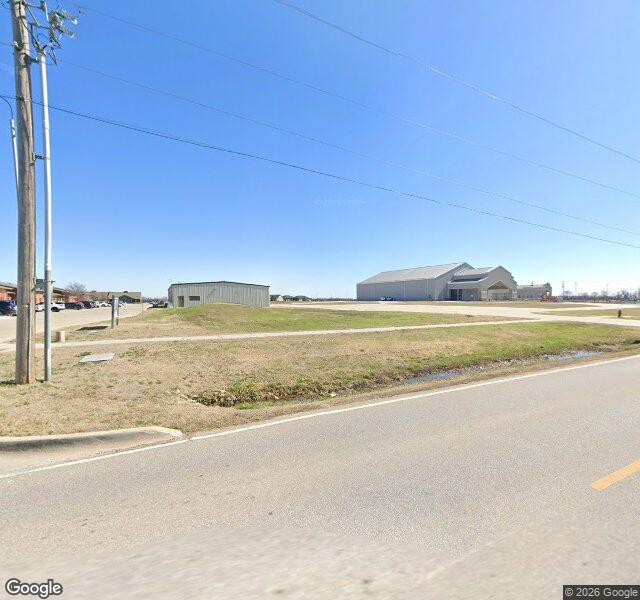
Overview and key essentials
State license
Active
KS KDADS
Google reviews
Not available
Public reviews not linked
Size & payment
Ask directly
Confirm pricing & payment
Public records for this community are limited. Use the checklist below when you call or visit to confirm pricing, services, and openings.
Cost, payment & care details
Updated Nov 28, 2026| Monthly cost | Not published | Ask for the full monthly cost, including care fees and one-time charges. |
|---|---|---|
| Payment options | Ask directly | Payment details are not confirmed in our records. Ask about private pay, long-term care insurance, veterans benefits, and Medicaid waivers. |
| Size & availability | Confirm directly | We don't publish live openings. Ask about current availability, waitlist length, and move-in timing. |
| Care & support | Assisted living | Usually offers housing and help with everyday tasks, such as bathing and dressing. What to confirm about care levelsThis describes the licensed category. Ask how care plans adjust if mobility, nursing, or memory needs change over time. Read the family care guide → |
State licensing
State inspection history
7inspections
27deficiencies listed
Mar 4, 2026Routine2 deficiencies reported2
2 deficiencies reported
View official state report (opens in a new tab)
The following citations represent the findings of a Re-Licensure Survey with complaint investigations 193417 and 196272 for the above named assisted living facility conducted on 03/03/26 and 03/04/26.
STATE FORM6899
Y9XZ11 STATE FORM Y9XZ11
moderateS 3050
(k) Ombudsman. Each administrator or operator shall ensure the posting of the names, addresses, and telephone numbers of the Kansas department on aging and the office of the long-term care ombudsman with information that these agencies can be contacted to report actual or potential abuse, neglect, or exploitation of residents or to register complaints concerning the operation of the facility. The administrator or operator shall ensure that this information is posted in an area readily accessible to all residents and the public. This REQUIREMENT is not met as evidenced by: KAR 26-41-101(k) The facility reported a census of 16 residents. Based on observation, interview, and record review the administrator failed to ensure the posting of names, address, and telephone numbers of the Kansas Department for Aging and Disability Services (KDADS) that anyone can contact to report actual or potential abuse, neglect, or exploitation of residents, or to register complaints concerning the operation of the facility. This information is to be posted in a public area readily accessible to all residents and the public. Findings included: During initial tour on 03/04/26 from 09:30 to 11:00 AM the surveyor saw one posting of Ombudsman information. This poster was around the corner of the northwest hall by the mailboxes that residents and visitors could only see if they walked down that hall. On 03/04/26 at 11:20 AM Administrative Staff A confirmed the poster was the only one she had observed in the facility. She then reported she thought the number on the poster was the same number for the KDADS hotline. Surveyor called both numbers on the poster and they both went directly to the Kansas State Ombudsman office. The administrator failed to ensure a posting of names, addresses, and contact information for KDADS and the Long-term Care Ombudsman to report abuse, neglect, and exploitation and complaints regarding operation of the facility was posted in an area readily accessible for all residents and the public.
Sep 10, 2024Routine11 deficiencies reported11
11 deficiencies reported
View official state report (opens in a new tab)
The following citations represent the findings of a Re-Licensure survey with complaint investigation KS00186951 for the above named facility conducted on 09/05/24 and 09/10/24.
moderateS 3082
Accurate d) Designated facility staff shall ensure that each resident ' s functional capacity at the time of screening is accurately reflected on that resident ' s screening form. This REQUIREMENT is not met as evidenced by: K.A.R 26-41-201 (d) The facility reported a census of 14 residents(R). The sample included three residents and two focused record reviews. Based on interview and record review, the executive director failed to ensure designated staff completed two (R3 and R4) of three sampled residents "Functional Capacity Screen" accurately to reflect their functional ability and need for health care services. Findings Included: - R3's Electronic Medical Record revealed she moved into the facility on 10/09/23 with a diagnosis of dementia. R3's "Functional Capacity Screen" (FCS) dated 03/26/24 failed to identify R3 was at risk or had a current problem with falls/unsteadiness and did not identify any ordered therapies or treatments. Review of the nursing "Progress Notes" included documentation of the resident having falls on 10/26/23, 12/21/23, 01/22/24, and on 02/11/24. The notes also included documentation she had a pressure sore on her left heel and needed to have a daily dressing change completed by a local Home Health agency. Interview on 09/10/24 at 10:01 AM Administrative Licensed Nurse C acknowledged the FCS should have identified the resident at risk for falls and that she received treatments for a left heel wound. The executive director failed to ensure designated staff completed R3s FCS accurately to identify her functional ability and need for health care services. - Review of R4's Electronic Medical Record revealed she moved into the facility on 10/09/19 with a diagnosis of major neurocognitive disorder with behavioral disturbance. R4's "Functional Capacity Screen" dated 10/08/23 failed to identify R4 was at risk or had a current problem related to falls/unsteadiness. Review of R4's nursing progress notes included documentation of R4 having falls on 05/19/23 and 09/01/23. Interview on 09/10/24 at 08:24 AM Administrative Licensed Nurse A acknowledged the FCS should have identified R4 at risk for falls. The executive director failed to ensure designated staff completed R3's FCS accurately to identify her functional ability and need for health care services.
moderateS 3101
(h) Each individual involved in the development of the negotiated service agreement shall sign the agreement. The administrator or operator shall ensure that a copy of the initial agreement and any subsequent revisions are provided to the resident or the resident's legal representative. This REQUIREMENT is not met as evidenced by: KAR 26-41-202 (h) The facility reported a census of 14 residents (R). The sample included three residents and two closed record reviews. Based on interview and record review for two (R3 and R5) of three sampled residents, the executive director failed to ensure that everyone involved in the development of the Negotiated Service Agreement signed the agreement. Findings included: - R3's Electronic Medical Record revealed she moved into the facility on 10/9/23 with a diagnosis of dementia. R3's "Functional Capacity Screen" (FCS) dated 03/26/24 identified she required physical assistance with bathing, dressing, toileting, and management of medications. The FCS identified she required supervision with transfers, walking/mobility and was independent with eating. R3's "Negotiated Service Agreement and Health Care Service Plan" dated 05/09/24 indicated staff would provide physical assistance of one staff for toileting, transfers, and walking/mobility with a gait belt, and provide supervision with eating. The "Negotiated Service Agreement and Health Care Service Plan" was signed by R3's legal representative but Administrative Licensed Nurse C had not signed it. Interview on 09/10/24 at 09:53 AM Administrative Licensed Nurse C reported she completes the "Negotiated Service Agreement and Health Care Service Plan" on the day of admission with family and the resident. Administrative Licensed Nurse C reported she will leave the completed document on her desk for family to sign if they leave before it is completed. On 09/10/24 at 10:06 AM Administrative Licensed Nurse C viewed R3's "Negotiated Service Agreement and Health Care Service Plan" and acknowledged she had not signed it. - R5's Electronic Medical Record revealed she moved into the facility on 08/26/24 with a diagnosis of dementia. R5's "Functional Capacity Screen dated 08/22/24 identified she needed physical assistance with all areas of daily living except for eating and had impaired cognition. R5's "Negotiated Service Agreement and Health Care Service Plan" dated 08/26/24 indicated one nursing staff would assist R5 with completing activities of daily living. The "Negotiated Service Agreement and Health Care Service Plan" was signed by Administrative Licensed Nurse C but R5's legal representative had not signed it. Interview on 09/10/24 at 09:53 AM Administrative Licensed Nurse C reported she completes the "Negotiated Service Agreement and Health Care Service Plan" on the day of admission with family and the resident. Administrative Licensed Nurse C reported she will leave the completed document on her desk for family to sign if they leave on the day of admission before it is completed. Administrative Licensed Nurse C reviewed R5's "Negotiated Service Agreement and Health Care Service Plan" and acknowledged R5's legal representative had not signed it. The executive director failed to ensure all who participated in the development of R5's "Negotiated Service Agreement and Health Care Service Plan" signed it.
STATE FORM6899
X5ZF11 STATE FORM X5ZF11 STATE FORM X5ZF11 STATE FORM X5ZF11 STATE FORM X5ZF11 STATE FORM X5ZF11 STATE FORM X5ZF11 STATE FORM X5ZF11 STATE FORM X5ZF11 STATE FORM X5ZF11 STATE FORM X5ZF11 STATE FORM X5ZF11 STATE FORM X5ZF11 STATE FORM X5ZF11 STATE FORM X5ZF11 STATE FORM X5ZF11 STATE FORM X5ZF11 STATE FORM X5ZF11 STATE FORM X5ZF11 STATE FORM X5ZF11 STATE FORM X5ZF11 STATE FORM X5ZF11 STATE FORM X5ZF11 STATE FORM X5ZF11 STATE FORM X5ZF11 STATE FORM X5ZF11
moderateS 3280
Preparedness (d) Each administrator or operator shall ensure disaster and emergency preparedness by ensuring the performance of the following: (1) Orientation of new employees at the time of employment to the facility ' s emergency management plan; (2) education of each resident upon admission to the facility regarding emergency procedures; (3) quarterly review of the facility ' s emergency management plan with employees and residents; and (4) an emergency drill, which shall be conducted at least annually with staff and residents. This drill shall include evacuation of the residents to a secure location. This REQUIREMENT is not met as evidenced by: KAR 26-41-104(d)(3) The facility reported a census of 14 residents. Based on record review and interview for all residents, the executive director failed to ensure disaster and emergency preparedness by ensuring performance of quarterly reviews of the facility's emergency management plan with all residents. Findings included: - Interview on 09/05/24 at 11:05AM Executive Director A reported the resident training was started and they had developed a flyer with simple directions for the residents identifying that staff will come and get them to a safe place in the even of an emergency. On 09/05/24 at 11:07 AM Executive Director A provided a notebook that had one review conducted March of 2024. Executive Director a acknowledged the facility had not been done quarterly reviews with the residents. The executive director failed to ensure disaster preparedness by completing quarterly reviews with all residents.
moderateS 3081
Reassessment (c) Designated facility staff shall conduct a screening to determine each resident ' s functional capacity according to the following requirements: (1) At least once every 365 days; (2) following any significant change in condition as defined in K.A.R. 26-39-100; and (3) at least quarterly if the resident receives assistance with eating from a paid nutrition assistant. This REQUIREMENT is not met as evidenced by: KAR 26-41-201 (c)(2) The facility reported a census of 14 residents (R). The sample included three residents and two closed record reviews. Based on observation, interview, and record review the operator failed to ensure staff completed a "Functional Capacity Screen" for two (R3 and R4) of three sampled residents when they experienced a significant change in status. Findings Included: - R3's Electronic Medical Record revealed she moved into the facility on 10/09/23 with a diagnosis of dementia. R3's "Functional Capacity Screen" (FCS) dated 03/26/24 identified she required physical assistance with bathing, dressing, toileting, and management of medications. The FCS identified she required supervision with transfers and walking/mobility and was independent with eating. Review of the nursing "Progress Notes" dated 04/06/24 indicated R3 was very weak and needed two staff to transfer her. Observation on 09/05/24 at 08:25AM Certified Nurse Aide (CNA) E sat beside R3 and fed her breakfast. R3 held her cup of fluids, but CMA E would raise it up for her to take a drink out of the straw. Observation on 09/05/24 at 12:00 PM R3 sat at the dining room table waiting for lunch. R3's family member arrived, sat beside her, and proceeded to feed her lunch. Observation on 09/05/24 at 12:57 PM residents' family took R3 back to her room via wheelchair. Certified Medication Aide (CMA) D and CNA E transferred R3 onto the toilet lifting her under each arm, provided peri-care when finished and then transfered her back into her wheelchair. Staff pushed her to the recliner and then lifted her out of the wheelchair, one under each arm, and sat her in the recliner. Interview on 09/05/24 at 01:07 PM CMA E reported R3 doesn't help with getting dressed or other cares any more, and she is a two-person transfer. CMA E reported staff feed her most of the time, but once in a great while she will feed herself part of the meal but that is rare. Interview on 09/05/24 at 03:07 PM CMA F reported staff had to do all her care and it took two staff for all transfers. CMA F reported she could not feed herself, so staff feed her meals. Interview on 09/10/24 at 10:02 AM Administrative Licensed Nurse C reviewed R3's current FCS and acknowledged the resident has had a decline and should have had a new FCS completed. The Executive Director failed to ensure designated staff completed a FCS for R3 after she experienced a decline in status. - Review of R4's Electronic Medical Record revealed she moved into the facility on 10/09/19 with a diagnosis of major neurocognitive disorder with behavioral disturbance. R4's "Functional Capacity Screen" dated 10/08/23 revealed she needed physical assistance with all activities of daily living except she only needed supervision with eating. It did not identify her at risk for falls or as having any behaviors. Review of R4's nursing progress notes revealed documentation on 08/14/2024 R4 was re-evaluated for hospice due to a recent decline, not eating or drinking much and she is generally weak and sleeping more with incoherent...
moderateS 3085
(a) The administrator or operator of each assisted living facility or residential health care facility shall ensure the development of a written negotiated service agreement for each resident, based on the resident ' s functional capacity screening, service needs, and preferences, in collaboration with the resident or the resident ' s legal representative, the case manager, and, if agreed to by the resident or the resident ' s legal representative, the resident ' s family. The negotiated service agreement shall provide the following information: (1) A description of the services the resident will receive; (2) identification of the provider of each service; and (3) identification of each party responsible for payment if outside resources provide a service. This REQUIREMENT is not met as evidenced by: KAR 26-41-202(a)(1) The facility reported a census of 14 residents(R). The sample included three residents and two closed record reviews. Based on interview and record review the executive director failed to ensure designated staff completed one (R3) of three sampled residents "Negotiated Service Agreement and Health Care Service Plan" based on their "Functional capacity Screen" and their dependence on staff to exit the facility in case of an emergency. Findings included: - R3's Electronic Medical Record revealed she moved into the facility on 10/9/23 with a diagnosis of dementia. R3's "Functional Capacity Screen" (FCS) dated 03/26/24 identified R3 had impaired cognition, required physical assistance mobility and used a wheelchair as an assistive device. R3's "Negotiated Service Agreement and Health Care Service Plan" dated 05/09/24 indicated staff provided physical assistance with mobility and she had significant impaired cognition. Observations during survey on 09/05/24 and 09/10/24 staff took R3 to and from meals and activities via wheelchair. Interview on 09/05/24 at 01:07 PM Certified Nurse Aide E reported staff must take her from one place to another including exiting the facility. Interview on 09/05/24 at 03:07 PM Certified Medication Aide F reported R3 would not be able to exit the facility without staff assistance. Interview on 09/10/24 at 10:08 AM Administrative Licensed Nurse C acknowledged R3 was dependent on staff to exit the facility. She reviewed R3's "Negotiated Service Agreement and Health Care Service Plan" and acknowledged it did not identify how R3 would exit the facility. The executive director failed to ensure R3's "Negotiated Service Agreement and Health Care Service Plan" included services to meet R3's need for assistance to exit the facility due to her dependence on another person to exit.
moderateS 3171
Practice (i) All health care services shall be provided to residents by qualified staff in accordance with acceptable standards of practice. This REQUIREMENT is not met as evidenced by: KAR 26-41-204(i) The facility reported a census of 14 resident's (R). The sample included 3 residents and 2 closed record reviews. Based on observation, interview, and record review the operator failed to ensure staff assessed the safety and use of bed assistive devices for R4 and R7 according to standards of practice. Findings included: - During initial tour on 09/05/24 between 09:20 AM and 09:30 PM observations revealed R4 and R7 had bed assistive devices attached to their beds. Observation on 09/50/24 at 10:23 AM revealed R7 had a bed cane attached to the upper end of the bed that was secure and had no large gaps. R4's bed had half rails secured to the frame of the bed that were down on one side and up on the other side. On 09/05/24 at 10:09 AM Administrative Licensed Nurses B and C stated they do not do assessments on bed rails or bed canes. The operator failed to ensure designated staff assessed bed assistive devices to ensure the resident could safely use the device, it was safely secured to the bed, did not have large gaps to potentially cause entrapment, and it did not restrain the resident from getting in or out of the bed.
moderateS 3261
Documentation of Incidents (f) (11) documentation of all incidents, symptoms, and other indications of illness or injury including the date, time of occurrence, action taken, and results of the action This REQUIREMENT is not met as evidenced by: KAR 26-41-105(f)(11) The facility reported a census of 14 residents(R). The sample included three residents and two closed record reviews. Based on interview and record review the operator failed to ensure two (R3 and R4) of three sampled residents records contained documentation of all incidents, symptoms, and other indications of illness or injury, what was done, and the results of action taken. Findings included: - R3's Electronic Medical Record revealed she moved into the facility on 10/9/23 with a diagnosis of dementia. R3's "Functional Capacity Screen" (FCS) dated 03/26/24 identified she required physical assistance with bathing, dressing, toileting, and management of medications. The FCS identified she required supervision with transfers and walking/mobility and was independent with eating. The FCS did not identify R3 was at risk or had a current problem with falls/unsteadiness. R3's "Negotiated Service Agreement and Health Care Service Plan" dated 05/09/24 indicated staff would provide physical assistance of 1 staff for toileting, transfers, and walking/mobility with a gait belt, and provide supervision with eating. Review of R3's nursing progress notes revealed the following documentation: 10/30/23 - new order to discontinue Ativan (antianxiety), start Alprazolam (antianxiety) and increase Seroquel (antipsychotic). It included staff to evaluate room for possible changes to decrease hallucinations. The record lacked follow up on the results of medication changes and if staff made any changes to R3's room. 12/21/23 - resident had a fall with no follow-up. 01/22/24 - resident had a fall with no follow-up. 02/11/24 - resident had a fall with no follow-up 02/22/24 - new order for antibiotic for urinary tract infection. The record lacked follow up if R3's symptoms related to infection resolved after starting antibiotic. 03/05/24 - pressure sore on left heel The record lacked any documentation as to treatments of the pressure sore, description of the sore including measurements. 03/29/24 - Late Entry for 03/05/24 - went to emergency room. The record lacked any documentation as to why she went to the emergency room. 03/29/24 - returned to facility staff report confused and swelling to bilateral lower legs. The record lacked follow-up related to hospital return which indicated per hospital discharge note the resident had multiple pulmonary embolisms (blood clots in lungs) for which she was treated during her hospital stay. The nursing progress notes lacked evidence of nursing assessment post hospital return in which staff reported the resident was confused and had swelling to both her lower legs. 04/02/24 - new order to start baby aspirin daily and to decrease Seroquel. The record lacked follow up related to the decrease in Seroquel and still no assessment related to swelling in bilateral legs. 04/02/24 - residents family expressed concern related to swelling and discoloration of legs and had resident sent to emergency room for evaluation. Residents' family called and reported resident would have a procedure to remove blood clot. 04/06/24 - returned from hospital very weak and requires two person transfers - home health notified of resident's return to resume services. 04/07/24 - resident...
moderateS 3092
Revisions (d) Each administrator or operator shall ensure the review and, if necessary, revision of each negotiated service agreement according to the following requirements:(1) At least once every 365 days; (2) following any significant change in condition, as defined in K.A.R. 26-39-100; (3) at least quarterly, if the resident receives assistance with eating from a paid nutrition assistant; and (4) if requested by the resident or the resident ' s legal representative, facility staff, the case manager, or, if agreed to by the resident or the resident ' s legal representative, the resident ' s family. This REQUIREMENT is not met as evidenced by: KAR 26-41-202(d)(2) The facility reported a census of 14 residents (R). The sample included 3 residents and 2 closed record reviews. Based on interview and record review the operator failed to ensure designated staff reviewed/revised two (R3 and R4) of three resident's negotiated service agreement following a significant change in condition requiring changes in service needs and service provided. Findings Included: - R3's Electronic Medical Record revealed she moved into the facility on 10/09/23 with a diagnosis of dementia. R3's "Functional Capacity Screen" (FCS) dated 03/26/24 identified she required physical assistance with bathing, dressing, toileting, and management of medications. The FCS identified she required supervision with transfers and walking/mobility and was independent with eating. R3's "Negotiated Service Agreement and Health Care Service Plan" dated 05/09/24 indicated staff would provide physical assistance of 1 staff for toileting, transfers, and walking/mobility with a gait belt, and provide supervision with eating. Review of the nursing "Progress Notes" dated 04/06/24 included documentation R3 was very weak and needed two staff to transfer her. Observation on 09/05/24 at 08:25AM Certified Nurse Aide (CNA) E sat beside R3 and fed her breakfast. Observation on 09/05/24 at approximately 12:00 PM R3's family member arrived, sat beside her, and proceeded to feed her lunch. Observation on 09/05/24 at 12:57 PM R3's family took R3 back to her room via wheelchair. Certified Medication Aide (CMA) D and CNA E transferred R3 onto the toilet lifting her under each arm and then transferred her back into her wheelchair when finished CMA D then pushed her in the wheelchair to the recliner and then lifted her out of the wheelchair, one under each arm, and sat her in the recliner. Interview on 09/05/24 at 01:07 PM CMA E reported R3 doesn't help with getting dressed or other cares any more, and she is a two-person transfer. CMA E reported staff feed her most of the time, but once in a great while she will feed herself part of the meal but that is rare. Interview on 09/05/24 at 03:07 PM CMA F reported staff had to do all her care, transfers take two staff, and staff also have to feed her now. Interview on 09/10/24 at 10:02 AM Administrative Licensed Nurse C acknowledged the resident should have had a new Negotiated Service Agreement and Health Care Service Plan completed when she had a significant decline in status. The executive director failed to ensure designated staff reviewed and revised R3's Negotiated Service Agreement and Health Care Service Plan after she had a significant decline in status. - Review of R4's Electronic Medical Record revealed she moved into the facility on 10/09/19 with a diagnosis of major neurocognitive disorder with behavioral disturbance. R4's "Functional...
moderateS 3248
Records (d) The employee records and agency staff records shall contain the following documentation: (1) Evidence of licensure, registration, certification, or a certificate of successful completion of a training course for each employee performing a function that requires specialized education or training; (2) supporting documentation for criminal background checks of facility staff and contract staff, excluding any staff licensed or registered by a state agency, pursuant to K.S.A. 39-970 and amendments thereto; (3) supporting documentation from the Kansas nurse aide registry that the individual does not have a finding of having abused, neglected, or exploited a resident in an adult care home; and (4) supporting documentation that the individual does not have a finding of having abused, neglected, or exploited any resident in an adult care home, from the nurse aide registry in each state in which the individual has been known to have worked as a certified nurse aide. This REQUIREMENT is not met as evidenced by: KAR 26-41-102(d)(1) The facility reported a census of 14 residents. Based on record review of five newly hired employees, the operator failed to have evidence of registration, and certification of training for two of five newly hired staff who required specialized education and training verified upon hire. The findings included: - On 09/05/24 at approximately 12:15 PM with Executive Director A, review of five newly hired certified staff records who required specialized education and training verification revealed the following: Certified Medication Aide (CMA) G, hired on 09/03/23 had her CMA certification/registration check completed on 07/24/24, more than six months after her hire date. CMA H, hired on 02/14/23 had her CMA certification/registration check completed on 04/28/23, more than 30 days after hire date. . On 09/05/24 at approximately 12:15 PM Executive Director A acknowledged CMA G and CMA H did not have their registry checks completed upon hire. The Executive Director failed to ensure designated staff conducted registry check for verification of certification for certified and licensed staff prior to working at the facility.
moderateS 3200
Medications (d) Facility administration of resident ' s medications. If a facility is responsible for the administration of a resident ' s medications, the administrator or operator shall ensure that all medications and biologicals are administered to that resident in accordance with a medical care provider ' s written order, professional standards of practice, and each manufacturer ' s recommendations. The administrator or operator shall ensure that all of the following are met: (1) Only licensed nurses and medication aides shall administer and manage medications for which the facility has responsibility. (2) Medication aides shall not administer medication through the parenteral route. This REQUIREMENT is not met as evidenced by: KAR 26-41-205 (d) The facility reported a census of 14 residents (R). The sample included three residents and two closed record reviews. Based on interview and record review the executive director failed to ensure facility staff administered one (R3) of three sampled resident's medications and biologicals in accordance with a medical care providers written order. Findings included: - R3's Electronic Medical Record revealed she moved into the facility on 10/09/23 with a diagnosis of dementia. R3's "Functional Capacity Screen" (FCS) dated 03/26/24 identified she required physical assistance with management of her medications and medical treatments. R3's "Negotiated Service Agreement and Health Care Service Plan" dated 05/09/24 indicated nurses and certified medication aides would administer R3 her medications. Review of R3's medical record revealed on 03/06/24 she went to the hospital and returned to the facility on 03//28/24. Review of R3's March 2024 medication Administration Record revealed when R3 returned to the facility from the hospital staff initiated the administration of the same medications as she was taking prior to hospitalization on 03/28/24. The residents record failed to include medical care provider orders for R3 when she returned to the facility on 03/28/24. Interview on 09/10/24 at 10:38 AM Administrative Licensed Nurse C reported from 03/13/24 to 03/28/24 resident was at a rehabilitation facility after having treatment for her pulmonary embolisms (blood clot in lungs). R3 returned to the facility on 03/28/24 and did not have any orders so Administrative Licensed Nurse C stated she just used her previous medications and sent to the medical provider for clarification. From 03/28/24 when the resident returned status post hospitalization and treatment for pulmonary embolism, the facility failed to obtain medical provider orders until 04/04/24. The executive direct failed to ensure R3's medications for which the facility was responsible for, were administered according to a physician's written order.
May 10, 2023Complaint2 deficiencies reported2
2 deficiencies reported
View official state report (opens in a new tab)
The following citations represents the findings of an Abbreviated Survey for complaints 179844 and 179917 for the above named Assisted Living facility conducted on 05/09/23 and 05/10/23.
STATE FORM6899
PKC311 STATE FORM PKC311
moderateS 3240
(c) If the facility admits residents with dementia, the administrator or operator shall ensure the provision of staff orientation and in-service education on the treatment and appropriate response to persons who exhibit behaviors associated with dementia. This REQUIREMENT is not met as evidenced by: KAR 26-41-103 (c) The Memory Care facility reported a census of 14 residents and identified all 14 residents with cognitive impairment. Based on interview and record review for two of four newly hired direct care staff, the executive director failed to ensure the provision of staff orientation and in-service education on the treatment and appropriate responses to persons who may exhibit behaviors associated with dementia. On 05/10/23 at 08:15 AM Administrative Nurse B provided dementia training for Certified Medication Aide (CMA) F and stated CMA E had checked out the dementia training but had not completed the test yet. She also reported CMA E only worked one night shift for the facility. Administrative Nurse B was not able to provide evidence of dementia training for CMA C who had a hire date of 02/15/23 or CMA D who had a hire dated 04/26/23. The executive director failed to ensure the provision of staff orientation and in-service education on the treatment and appropriate responses to residents regarding dementia training.
Dec 7, 2022Routine12 deficiencies reported12
12 deficiencies reported
View official state report (opens in a new tab)
The following citations represent the findings of a resurvey with complaint investigation #162039 for the above named Assisted Living facility conducted on 12/05, 12/06 and 12/07/2022.
severeS 3171
Practice (i) All health care services shall be provided to residents by qualified staff in accordance with acceptable standards of practice. This REQUIREMENT is not met as evidenced by: KAR 26-41-204(i) The facility reported a census of 13 residents (R). The sample included 3 residents and 1 closed record review. Based on observation, interview, and record review, the administrator failed to ensure a licensed nurse provided or coordinated the provision of necessary health care services for 2 (R4 and R5) of three sampled residents who had unplanned weight loss and failed to notify the medical provider of each resident's weight loss in a timely manner in accordance with acceptable standards of practice. Findings included: - Review of R4's electronic medical record revealed she moved into the facility on 02/22/21 with a diagnosis of dementia. R4's admission "Functional Capacity Screen" (FCS) dated 02/22/21 identified the resident was independent with eating, required physical assistance with all other activities of daily living, had a total cognitive score of 4, indicating impaired short and long-term memory, impaired memory recall, and impaired decision-making ability. R4's annual FCS dated 02/22/22 identified the resident needed physical assistance with eating, bathing, dressing, and transfers and was unable to perform toileting and walking/mobility. Her cognitive score remained a 4 (impaired). She also had socially inappropriate disruptive behaviors. The FCS also identified the resident disliked eggs for breakfast and preferred yogurt/fruit or toast with peanut butter. R4's admission "Negotiated Service Agreement/Health Care Service Plan" (NSA/HCSP) dated 02/22/21 identified the resident was independent with eating, and staff would provide three meals per day. It identified the resident had cognitive impairment but lacked interventions to help R4 with daily decision making and memory impairment. It also identified the resident did not like eggs, and for breakfast she preferred toast with peanut butter, yogurt, or fruit. R4's significant change NSA/HCSP dated 04/20/21 included the above information and added resident would receive Hospice services from a local agency. It did not include services related to nutritional status/or potential for weight loss. R4's current NSA/HCSP dated 02/22/22 identified the resident was on a mechanical soft diet and required physical assistance of 1 nursing staff for eating and remained on Hospice services. It did not include interventions related to cognitive deficit, impaired decision making, or for staff to provide nutritional supplement shakes with each meal. Review of the resident's electronic medical record included a medical provider's order dated 02/23/21 to obtain monthly weights. R4's electronic record included an admission weight on 02/22/21 of 160.6 pounds. The next weight staff obtained was not until 02/04/22 when she weighed 104.8 pounds (a loss of 55.8 pounds, a 35% weight loss). Staff weighed the resident again on 10/04/22 and she weighed 98.2 pounds (a loss of an additional 6.6 pounds). According to her electronic record, R4 lost 62.4 pounds between 02/22/21 and 10/04/22, a 38.85% total weight loss. R4's record also had an order dated 05/26/21 for staff to provide the resident "Ensure" or "Boost" nutritional shakes with each meal. Review of her "Medication Administration Record" from May did not give the shakes as ordered 13 times "due to condition", twice because shake not...
moderateS 3310
(b) (5) prohibiting any employee with a communicable disease or any infected skin lesions from coming in direct contact with any resident, any resident ' s food, or resident care equipment until the condition is no longer infectious; (6) providing orientation to new employees and employee in-service education at least annually on the control of infections in a health care setting; and (c) Each administrator or operator shall ensure the facility ' s compliance with the department ' s tuberculosis guidelines for adult care homes adopted by reference in K.A.R. 26-39-105 This REQUIREMENT is not met as evidenced by: K.A.R 26-41-207(c) The facility reported a census of 13 residents(R). The sample included three residents and one closed record review. Based on interview and record review for three sampled residents (R3, R4, and R5), and two of five newly hired staff, the administrator failed to ensure the facility remained in compliance with the department's tuberculosis (TB) guidelines for adult care homes adopted by reference in K.A.R. 26-39-105. Findings included: - Review of R3's electronic medical record revealed she moved into the facility on 09/08/21. The electronic medical record revealed the resident did not receive a TB symptom screen or her TB two-step skin test until 10/12/21, more than 7 days after admission. - Review of R4's electronic medical record revealed she moved into the facility on 02/22/21. The electronic medical record revealed the resident did not receive a TB symptom screen or her TB two-step skin test until 03/26/21, more than 7 days after admission. - Review of R5's electronic medical record revealed she moved into the facility on 04/28/21. The record failed to include a TB two-step TB skin test. On 12/7/22 at 01:01 PM Administrative staff A acknowledged TB symptom screens and TB skin testing are to be initiated within the first seven days of employment. Review of the "Tuberculosis (TB) Guidelines for Adult Care Homes" dated June 2013 revealed each new resident shall have an initial TB symptom screen that includes the components of the TB symptom screen questionnaire within seven days of residency. Each new resident shall receive a two-step skin test within seven days of residency. The administrator failed to ensure designated staff completed TB symptom screens and skin testing according to TB guidelines. - Review of five newly hired employees revealed the following: Licensed Nurse C hired on 11/01/21, record lacked a symptom screen in her employee file and lacked TB skin testing until 06/21/22. Dietary staff M hired on 06/11/21 record lacked a TB symptom screen until 06/11/22 and her two-step TB skin test not initiated until 06/28/22. On 12/06/22 at 08:58 AM administrative staff A acknowledged the facility had completed an audit for TB monitoring and identified some had not been completed. Review of the "Tuberculosis (TB) Guidelines for Adult Care Homes" dated June 2013 revealed each new resident shall have an initial TB symptom screen that includes the components of the TB symptom screen questionnaire within seven days of residency. Each new resident shall receive a two-step skin test within seven days of residency. The administrator failed to ensure designated staff completed TB symptom screen and skin testing according to TB guidelines.
STATE FORM6899
PING11 STATE FORM PING11 STATE FORM PING11 STATE FORM PING11 STATE FORM PING11 STATE FORM PING11 STATE FORM PING11 STATE FORM PING11 STATE FORM PING11 STATE FORM PING11 STATE FORM PING11 STATE FORM PING11 STATE FORM PING11 STATE FORM PING11 STATE FORM PING11 STATE FORM PING11 STATE FORM PING11 STATE FORM PING11 STATE FORM PING11 STATE FORM PING11 STATE FORM PING11 STATE FORM PING11 STATE FORM PING11 STATE FORM PING11 STATE FORM PING11 STATE FORM PING11 STATE FORM PING11 STATE FORM PING11 STATE FORM PING11 STATE FORM PING11 STATE FORM PING11 STATE FORM PING11 STATE FORM PING11 STATE FORM PING11 STATE FORM PING11
to December 2021, revealed recorded2021
shakes were given as ordered, however it did not record the percentage of shake intake. In January 2022 staff documented 21 times they did not give her shakes as ordered due to her eating her meal or "due to condition". In February 2022 staff documented 26 times they did not give the shakes as ordered, five times for refusal and 21 times not administered "due to condition". In March of 2022 staff documented 16 times they
to December 2022 staff gave the resident2022
her shakes as ordered. The record lacked evidence the licensed nurse notified the medical provider that certified medication aides held the nutritional supplement shakes "due to condition" of the resident or because she ate her meal. The record lacked a medical provider's order to hold the shakes if the resident ate her meal or depending on her "condition". R4's progress notes from 02/23/21 to 12/05/22 included the following documentation related to nutritional status: 02/26/21 - Resident appears to be very shaky, during meals, resident tends to struggle keeping food on silverware. Resident may benefit from having weighted silverware and perhaps a weighted cup. 02/27/21 - The resident had tremors, which hindered her ability to manage her own eating. 05/26/21 - New orders to add "Ensure" or "Boost" to meals.
moderateS 3240
(c) If the facility admits residents with dementia, the administrator or operator shall ensure the provision of staff orientation and in-service education on the treatment and appropriate response to persons who exhibit behaviors associated with dementia. This REQUIREMENT is not met as evidenced by: KAR 26-41-103 (c) The memory care facility reported a census of 13 residents and identified 12 of those residents had cognitive impairment. The sample include three residents and 1 closed record review. Based on interview and record review for three of four direct care staff, the executive director failed to ensure the provision of staff orientation and in-service education on the treatment and appropriate responses to persons who may exhibit behaviors associated with dementia. On 12/07/22 at 02:18 PM "Administrative Nurse" B provided dementia training for CMA G who had a hire date of 08/25/21 but the training was not completed until 10/13/21, 2 months after hire date. She was not able to provide orientation on dementia training for "Licensed Nurse" C, "Certified Medication Aide" J and "Certified Nurse Aide" N. On 12/07/22 at 02:18 PM "Administrative Nurse" B reported for dementia training they had in-services annually and upon hire and have a DVD that staff are supposed to watch. There were problems with getting staff to be able to watch the DVD for orientation so now the information is on a thumb drive that they can take and watch during their orientation period. The executive director failed to ensure the provision of staff orientation and in-service education on the treatment and appropriate responses to residents regarding dementia training.
moderateS 3085
(a) The administrator or operator of each assisted living facility or residential health care facility shall ensure the development of a written negotiated service agreement for each resident, based on the resident ' s functional capacity screening, service needs, and preferences, in collaboration with the resident or the resident ' s legal representative, the case manager, and, if agreed to by the resident or the resident ' s legal representative, the resident ' s family. The negotiated service agreement shall provide the following information: (1) A description of the services the resident will receive; (2) identification of the provider of each service; and (3) identification of each party responsible for payment if outside resources provide a service. This REQUIREMENT is not met as evidenced by: KAR 26-41-202 (a)(1)(2) The facility reported a census of 13 residents (R). The sample included three residents and one focused record review. Based on record review and interview, the executive director failed to ensure designated staff completed the Negotiated Service Agreement/Health Care Service Plan for three (R3, R4, R5) of three sampled residents based on the resident's "Functional Capacity Screen" and service needs, which included a description of the services the resident received and the provider of each service. Findings included: - Review of R3's medical record revealed she moved into the facility on 09/08/21 with diagnoses of dementia. R3's "Functional Capacity Screen" (FCS) dated 10/12/22 identified the resident had impaired cognition, and impaired decision making ability. It also identified the resident required physical assistance of staff with walking/mobility. R3's "Negotiated Service Agreement/Health Care Service Plan" (NSA/HCSP) dated 10/12/22 identified the resident had short term memory problems, memory recall problems and problems with decision making ability but did not address health care services related to the identified problems. On 12/06/22 at 10:20 AM "Certified Nurse Aide" F reported staff gave her a couple of choices on clothing to wear, they had to help her get dressed. She had special weighted silverware she used and staff cued and reminded her, but sometimes had to feed her. On 12/7/22 at 12:51 PM "Administrative Nurse" A acknowledged if a problem is identified on the FCS it needed to be addressed on the NSA/HCSP as to what services were being provided for the problem. The executive director failed to ensure designated staff developed a NSA/HCSP to address all identified service needs according the R3's FCS. - Review of R4's electronic medical record revealed she moved into the facility on 02/22/21 with a diagnosis of dementia. R4's annual "Functional Capacity Screen" (FCS) dated 02/22/22 identified the resident needed physical assistance with eating, bathing, dressing, and transfers and was unable to perform toileting and walking/mobility. She also had impaired cognition, impaired vision and impaired decision making ability. R4's "Negotiated Service Agreement/Health Care Service Plan" (NSA/HCSP) dated 02/22/22 failed to identify services for impaired cognition, impaired vision and impaired decision making ability. On 12/06/22 at 10:15 AM "Certified Nurse Aide" F reported staff offered her different clothing to wear and she would nod if she wanted to wear something. We had to help her eat and when she tried to eat on her own we had to cue and remind her to eat. On 12/7/22 at 12:51 PM "Administrative...
moderateS 3248
Records (d) The employee records and agency staff records shall contain the following documentation: (1) Evidence of licensure, registration, certification, or a certificate of successful completion of a training course for each employee performing a function that requires specialized education or training; (2) supporting documentation for criminal background checks of facility staff and contract staff, excluding any staff licensed or registered by a state agency, pursuant to K.S.A. 39-970 and amendments thereto; (3) supporting documentation from the Kansas nurse aide registry that the individual does not have a finding of having abused, neglected, or exploited a resident in an adult care home; and (4) supporting documentation that the individual does not have a finding of having abused, neglected, or exploited any resident in an adult care home, from the nurse aide registry in each state in which the individual has been known to have worked as a certified nurse aide. This REQUIREMENT is not met as evidenced by: KAR 26-41-102(d)(1) The facility reported a census of 13 residents. Based on record review of five newly hired employees, the executive director failed to have evidence of licensure, registration, and certification of training for two newly hired staff who required specialized education and training verified upon hire. The findings included: - On 12/06/22, review of the five selected employee records provided by "Administrative Staff" A, revealed the following concerns: - "Licensed Nurse" (LN) ,C hired on 11/01/21 did not have her licensure checked until 11/08/21. - "Certified Medication Aide" (CMA) G hired on 08/25/21 did not have her registration/certification checked until 08/31/21. - CMA J hired on 01/17/22 did not have her registration/certification checked until 01/18/22. On 12/6/22 at 09/18/22 "Administrative Staff" A acknowledged designated staff were running a little behind on getting registry and licensure checks completed upon hire. The executive director failed to ensure staff who required specialized education and training were verified to provide health care services upon hire.
moderateS 3261
Documentation of Incidents (f) (11) documentation of all incidents, symptoms, and other indications of illness or injury including the date, time of occurrence, action taken, and results of the action This REQUIREMENT is not met as evidenced by: KAR 26-41-105(f)(11) The facility reported a census of 13 residents (R). The sample included three residents and one focused record review. Based on interview and record review the operator failed to ensure the record contained documentation of all incidents, symptoms, and other indications of illness or injury, what actions, and the results of actions taken for three (R3, R4, R5,) of three sampled residents. Findings included: - Review of R3's medical record revealed she moved into the facility on 09/08/21 with diagnoses of dementia. R3's "Functional Capacity Screen" dated 10/12/22 identified the resident needed physical assistance with all activities of daily living including eating, had bladder incontinence, impaired cognition, and at risk for falls/unsteadiness. R3's "Negotiated Service Agreement/Health Care Service Plan" dated 10/12/22 identified the resident required assistance of one nursing staff for activities of daily living and assistance of two staff for transfers. Review of R3's nursing progress notes included the following documentation: 12/07/21 - Resident complained of ears feeling full and everything sounded muffled. New orders for Debrox drops to both ears for three days and flush on day four. The record lacked follow up as to the effectiveness of flushing her ears. 01/12/22 - Resident still complained of muffled sounds. No further assessment on ears and concerns with hearing. 03/31/22 - New order for Sertraline (antidepressant) 25 milligrams daily for depression and anxiety. The record lacked follow up as to the effectiveness of the antidepressant. 06/01/22 - New order for Nystatin powder topically for 10 days due to yeast under breast. Staff failed to follow up if the Nystatin was effective. 10/31/22 - Resident had a non injury fall. The record lacked follow up as to status post fall. 11/03/22 - New order for Ativan (for anxiety) twice a day for anxiety/restlessness. The record lacked follow up on effectiveness. On 12/07/22 at 12:31 PM "Licensed Nurse" (LN) C reported when psychotropic medications are changed there should be a follow up in a couple of weeks as to the effectiveness of the medication change and should follow up any time when a resident has a change in condition. The executive director failed to ensure designated staff documented all incidents and symptoms of illness, what was done, and the results of the action taken for R3 related to follow up after falls and when new medications were initiated. - Review of R4's electronic medical record revealed she moved into the facility on 02/22/21 with a diagnosis of dementia. R4's annual FCS dated 02/22/22 identified the resident needed physical assistance with eating, bathing, dressing, and transfers and was unable to perform toileting and walking/mobility. Her cognitive score remained a 4 (impaired). She had socially inappropriate disruptive behaviors. The FCS identified the resident disliked eggs for breakfast and preferred yogurt/fruit or toast with peanut butter. R4's current NSA/HCSP dated 02/22/22 identified the resident was on a mechanical soft diet and required physical assistance of one nursing staff for eating and remained on Hospice services. It did not include interventions related to her cognitive...
moderateS 3215
(h) Storage. Licensed nurses and medication aides shall ensure that all medications and biologicals are securely and properly stored in accordance with each manufacturer ' s recommendations or those of the pharmacy provider and with federal and state laws and regulations. (1) Licensed nurses or medication aides shall store non-controlled medications and biologicals managed by the facility in a locked medication room, cabinet, or medication cart. Licensed nurses and medication aides shall store controlled medications managed by the facility in separately locked compartments within a locked medication room, cabinet, or medication cart. Only licensed nurses and medication aides shall have access to the stored medications and biologicals. (2) Each resident managing and self-administering medication shall store medications in a place that is accessible only to the resident, licensed nurses, and medication aides. (3) Any resident who self-administers medication and is unable to provide proper storage as recommended by the manufacturer or pharmacy provider may request that the medication be stored by the facility. (4) A licensed nurse or medication aide shall not administer medication beyond the manufacturer ' s or pharmacy provider ' s recommended date of expiration. This REQUIREMENT is not met as evidenced by: KAR 26-41-205(h)(1) The facility reported a census of 13 residents. Based on observation and interview the executive director failed to ensure all medications and biologicals managed by the facility were kept in a locked medication room, cabinet, or medication cart with only licensed nurses and medications aides having access to the stored medications and biologicals. Findings included: - Observation on 12/6/22 at 02:22 PM the door to the medication room was open and no staff present in the medication room. This allowed anyone, including visitors who were doing activities with residents, access to medications in the medication room. Surveyor went into the medication room, left the door open and observations revealed the counter in the med room had two large drawers full of overflow medication for residents and another drawer with some medications in it. No staff entered the medication room while surveyor was in it. There were two facility staff and three volunteers in the dining room doing activities with residents. On 12/06/22 at 02:32 PM "Certified Medication Aide" (CMA) L left the dining room to check on a resident and returned at 02:40 PM going into the medication room. Surveyor followed CMA L who stated the door is probably supposed to be shut when no staff are in the room. On 12/08/22 at 04:57 PM "Administrative Nurse" B confirmed the medication room is to be shut and locked when staff are not in the room. The administrator failed to ensure a licensed nurse dated the Tubersol to ensure it was not used beyond the manufacturer's recommended date of expiration once the vial had been opened and entered.
moderateS 3280
Preparedness (d) Each administrator or operator shall ensure disaster and emergency preparedness by ensuring the performance of the following: (1) Orientation of new employees at the time of employment to the facility ' s emergency management plan; (2) education of each resident upon admission to the facility regarding emergency procedures; (3) quarterly review of the facility ' s emergency management plan with employees and residents; and (4) an emergency drill, which shall be conducted at least annually with staff and residents. This drill shall include evacuation of the residents to a secure location. This REQUIREMENT is not met as evidenced by: KAR 26-41-104(d)(3) The facility reported a census of 13 residents. Based on record review and interview for all facility residents, the executive director failed to ensure disaster and emergency preparedness by ensuring performance of quarterly reviews of the facility's emergency management plan with all residents. Findings include: - On 12/05/22 at 03:30 PM "Administrative Staff" A acknowledged he had not done disaster reviews with residents in memory care because he believed he did not need to, as the residents with dementia would not be able to recall what had been discussed. For all residents in the memory care facility, the executive director failed to ensure the completion of quarterly reviews of the emergency management plan with all residents.
moderateS 3200
Medications (d) Facility administration of resident ' s medications. If a facility is responsible for the administration of a resident ' s medications, the administrator or operator shall ensure that all medications and biologicals are administered to that resident in accordance with a medical care provider ' s written order, professional standards of practice, and each manufacturer ' s recommendations. The administrator or operator shall ensure that all of the following are met: (1) Only licensed nurses and medication aides shall administer and manage medications for which the facility has responsibility. (2) Medication aides shall not administer medication through the parenteral route. This REQUIREMENT is not met as evidenced by: KAR 26-41-205 (d) The facility reported a census of 13 residents (R). The sample included three residents and one focused record review. Based on record review and interview one (R6) of one focused record review, the executive director failed to ensure all medications were administered in accordance with a medical care provider's written order. Findings included: - R6's electronic medical record revealed she moved into the facility on 10/07/19 with diagnosis of malnutrition and right knee and shoulder pain. R6's "Functional capacity Screen" dated 10/07/20 identified the resident needed physical assistance with management of her medications and medical treatments. R6's "Negotiated Service Agreement/ Health Care Service Plan" dated 10/07/20 identified a Licensed Nurse or Certified Medication would provide physical assistance with management of her medications and medical treatments. Review of the resident's record included a physician's order dated 01/09/20 for staff to apply Cerave Cream to the resident's whole body daily for dry skin. Review of the resident's "Medication Administration Record / Treatment Records" (MAR/TAR) revealed the Cerave Cream was not put on the MAR/TAR for administration until 07/28/20 and first administered on 07/29/20, 6 months after the facility received the physician's order. On 12/07/22 at 03:39 PM "Administrative Nurse" B looked through the electronic record and identified the Cerave Cream had been entered into the electronic system incorrectly, so it did not show up on the MAR/TAR for certified staff to administer. The executive director failed to ensure all medications were administered as ordered.
Oct 27, 2020RoutineNo deficiencies reportedNone
Show all 7 inspections
Sep 29, 2020RoutineNo deficiencies reportedNone
No deficiencies reported
View official state report (opens in a new tab)
dove estates memory haven 9.30.2020
Jun 30, 2020RoutineNo deficiencies reportedNone
No deficiencies reported
View official state report (opens in a new tab)
dove estates memory haven covid 6-30-2020
Neighborhood & resident support
Emergency access, hazards & advocacy
Nearest hospital
Via Christi Hospital Wichita St Teresa Inc
4.6 mi · Wichita, KS · Medicare 4/5 ★
Emergency room
FEMA hazard risk
Relatively HighSedgwick County, KS
- Ice Storm
- Cold Wave
- Tornado
Free resident advocacy
Kansas Office of the State Long-Term Care Ombudsman
More neighborhood context (specialists, VA, dialysis, air & affordability)
VA & dialysis access
Wichita VA Medical Center
15.1 mi · Wichita, KS · VA 5/5 ★
Renal Care Group - Wichita West
6.7 mi · 4/5 ★
Specialists within 15 mi
- Geriatricians
- 1
- Neurologists
- 12
- Palliative care
- 5
- PM&R rehab
- 7
Environment & mobility
- EPA Air (2025)
- 58% good days · AQI 48
- EPA Walkability
- 10.2/20 (Below Average)
- USDA Grocery Access
- Moderate Grocery Access
- Primary care access
- HRSA Shortage Area
County demographics
- Age 65+ median income
- $54,659/yr
- Rent-burdened households
- 44%
- Cognitive disability (2023)
- 15.3%
- Mobility disability
- 13.0%
Call & tour checklist
Questions to ask Dove Estates Memory Haven
Check off questions as you call or tour. Your progress stays private in this browser.
Show 3 more suggested questions
Verification & public records
Official records & sources
Licensing & contact
- License #
- N087087
- Status
- active
- Phone
- (316) 339-7050
- Federal OIG LEIE
- Clear (2026-11-27)
Operator & ownership
- Operator
- 1400 South 183rd St Ks Opco LLC
Original public sources
Verify licensing, ratings, and inspection reports directly with each official source.
- KS KDADS official record (opens in a new tab)Kansas Dept. for Aging & Disability Services
- Google Maps (opens in a new tab)Directions, photos & neighborhood
- Google Reviews (opens in a new tab)Read public reviews
EveryPlace is an independent research directory. Information is compiled from public Medicare.gov, state licensing, Google Places, and street-level imagery sources. Some summaries, suggested questions, and pricing notes are AI-generated or AI-assisted and may contain errors or omissions. We do not accept payment for placement. Confirm all details directly with the community and official sources. Research Policy.
Keep exploring
Nearby communities to compare
- Assisted Living< 1 miDove Estates Senior Living CommunityGoddard, KS
- Assisted Living1.3 miSilver Linings Senior Living LLCGoddard, KS
- Assisted Living1.5 miCommunity Life Assisted Living LLCGoddard, KS
- Cap. 12HUD Senior Housing1.6 miGoddard Senior AptsGoddard, KS
- Cap. 24HUD Senior Housing1.7 miGoddard Senior HomesGoddard, KS
- Assisted Living1.7 miMedicalodges GoddardGoddard, KS