Loading EveryPlace content…
Assisted LivingActive license
Ihome Care
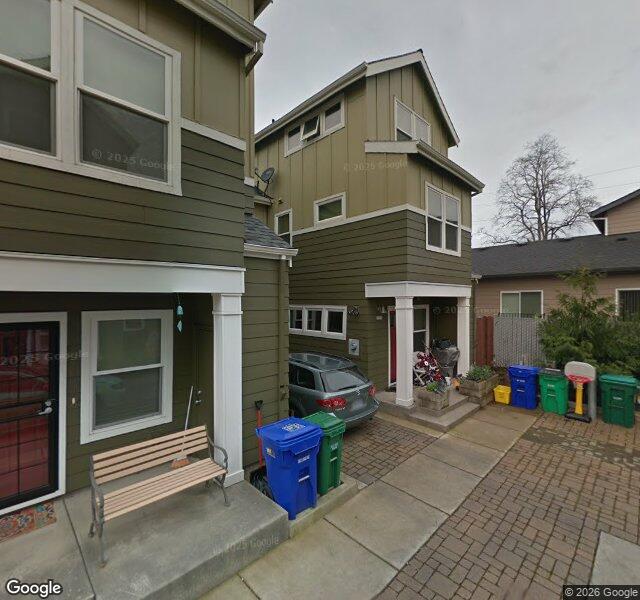
12032 Se Holgate Blvd, Southeast Portland, Portland, OR 97266View map (opens in a new tab)
Overview and key essentials
State license
Active
OR ODHS
Google reviews
5.0/ 5
1 reviews
Size & payment
64 residents
Medicaid listed
Cost, payment & care details
Updated Nov 28, 2026| Monthly cost | Not published | Ask for the full monthly cost, including care fees and one-time charges. |
|---|---|---|
| Payment options | Medicaid | Participation is reported in our source data. Confirm eligibility, covered services, and any private-pay costs. Verified Medicaid waiver: Oregon Medicaid APD Long-Term Services (Oregon Dept. of Human Services (ODHS)). |
| Size & availability | 64 residents | We don't publish live openings. Ask about current availability, waitlist length, and move-in timing. |
| Care & support | Assisted living | Usually offers housing and help with everyday tasks, such as bathing and dressing. What to confirm about care levelsThis describes the licensed category. Ask how care plans adjust if mobility, nursing, or memory needs change over time. Read the family care guide → |
State licensing
State inspection history
7inspections
56deficiencies listed
May 7, 2026Routine14 deficiencies reported14
14 deficiencies reported
View official state report (opens in a new tab)
Re-Licensure
moderateC0510
OAR 411-054-0200 (3) General Building Exterior (3) GENERAL BUILDING EXTERIOR.(a) All exterior pathways and accesses to the RCF common-use areas, entrance, and exit ways must be made of hard, smooth material, be accessible, and maintained in good repair.(b) A RCF must take measures to prevent the entry of rodents, flies, mosquitoes, and other insects. There must be locked storage for all poisons, chemicals, rodenticides, and other toxic materials. All materials must be properly labeled.(c) RCF grounds must be kept orderly and free of litter and refuse. Garbage must be stored in covered refuse containers.(d) As described in OAR 411, division 057, memory care communities licensed as a RCF must be located on the ground floor. A CF cannot be endorsed as a memory care community.(e) A RCF must provide storage for all maintenance equipment, including yard maintenance tools, if not provided by a third-party contract.(f) A RCF must provide an accessible outdoor recreation area. The outdoor recreation area must be available to all residents. Lighting must be equal to a minimum of five foot candles. Memory Care Communities must provide residents with direct access to a secure outdoor recreation area as described in OAR chapter 411, division 057.(g) Outdoor perimeter fencing may not be secured to prevent exit unless the RCF has written approval from the Department for an exception or the RCF is in compliance with OAR chapter 411, division 057 (Memory Care Communities) or OAR 309-019-0100 through 309-019-0220.(h) A RCF must have an entry and exit drive to and from the main building entrance that allows for a vehicle to pick up and drop off residents and mail deliveries without the need for vehicles to back up. This Rule is not met as evidenced by:
moderateC0372
OAR 411-054-0070 (5 & 9-10) Training Within 30 Days of Hire ? Direct Care Staff (5) TRAINING WITHIN 30 DAYS OF HIRE FOR DIRECT CARE STAFF. (a) The facility is responsible to verify that direct care staff have demonstrated satisfactory performance in any duty they are assigned. (b) Knowledge and performance must be demonstrated in all areas within the first 30 days of hire, including, but not limited to: (A) The role of service plans in providing individualized resident care. (B) Providing assistance with the activities of daily living. (C) Changes associated with normal aging. (D) Identification of changes in the resident's physical, emotional and mental functioning and documentation and reporting on the resident's changes of condition. (E) Conditions that require assessment, treatment, observation and reporting. (F) General food safety, serving and sanitation. (G) If the direct care staff person’s duties include the administration of medication or treatments, appropriate facility staff, in accordance with OAR 411-054-0055 (Medications and Treatments) must document that they have observed and evaluated the individual’s ability to perform safe medication and treatment administration unsupervised. (9) ADDITIONAL REQUIREMENTS. Staff: (a) Under 18 years of age may not perform medication administration or delegated nursing tasks. Staff under the age of 18 must be directly supervised when providing bathing, toileting, incontinence care or transferring services. (b) Must be trained in the use of the abdominal thrust and First Aid. Cardiopulmonary resuscitation (CPR) training is recommended, but not required. (c) Must have sufficient communication and language skills to enable them to perform their duties and communicate with residents, other staff, family members, and health care professionals, as needed. (10) Contractors who provide services or supports directly to residents must complete the required LGBTQIA2S+ trainings outlined in paragraph (6)(b)(C) of this rule. (a) Contractors who must be trained include, but are not limited to, RN and administrative consultants, housekeeping services, dietary services, beauticians, barbers, or other contractors who provide services or supports directly to residents. This Rule is not met as evidenced by:
moderateC0301
OAR 411-054-0055 (1)(b-d) Systems: Medication Administration (b) Medications administered by the facility must be set-up or poured and documented by the same person who administers the medications.(c) The staff person who administers the medication must visually observe the resident take (e.g., ingest, inhale, apply) the medication unless the prescriber's order for that specific medication states otherwise.(d) Medications must be kept secure between set-up and administration of medications. This Rule is not met as evidenced by:
moderateC0370
OAR 411-054-0070 (3-4) Staffing Requirements and Training ? Pre-service (3) PRE-SERVICE ORIENTATION FOR ALL EMPLOYEES. Prior to beginning their job responsibilities, all employees must complete orientation training regarding: (a) A review of their written position description with their job responsibilities. (b) RESIDENTS’ RIGHTS. Residents' rights and the values of community-based care, including the Department-approved LGBTQIA2S+ trainings. (A) Effective December 31, 2024, all staff must have completed the required training. All new staff, hired on and after January 1, 2025, must complete the required training prior to beginning job responsibilities. (B) The Department-approved LGBTQIA2S+ trainings shall address the elements described in paragraph (6)(b) of this rule. (c) Abuse and reporting requirements. (d) Fire safety and emergency procedures. (e) INFECTIOUS DISEASE PREVENTION. Prior to beginning their job responsibilities, unless the employee received the training described below within the 24-month period prior to the time of hiring, all employees must complete training addressing the prevention, recognition, control and reporting of the spread of infectious disease. (A) The Department, in consultation with the Oregon Health Authority, has determined this training must address the following curricula: (i) Transmission of communicable disease and infections, including development of a policy with criteria directing staff to stay home when ill with a communicable disease, so as not to transmit disease. (ii) Policy addressing respiratory hygiene and coughing etiquette. (iii) Standard precautions. (iv) Hand hygiene. (v) Use of personal protective equipment. (vi) Cleaning of physical environment, including, but not limited to disinfecting high-touch surfaces and equipment, and handling, storing, processing and transporting linens to prevent the spread of infection. (vii) Isolating and cohorting of residents during a disease outbreak. (viii) Employees must also receive training on the rights and responsibilities of employees to report disease outbreaks under ORS 433.004 and safeguards for employees who report disease outbreaks. (B) INFECTIOUS DISEASE TRAINING CURRICULUM. Pre-service infectious disease training curriculum must be approved by the Department before facilities may offer training to staff. (i) The pre-service training may be provided in person, in writing, by webinar or by other electronic means. (ii) Facilities or other entities that want to provide training curriculum to facilities must first present that curriculum to the Department for review and approval. (f) HOME AND COMMUNITY-BASED SERVICES (HCBS) TRAINING. All staff are required to complete the Department-approved HCBS training, as provided below: (A) Effective March 31, 2024, all staff must have completed the required training. (B) All new staff, hired on or after April 1, 2024, must complete the required training prior to beginning job responsibilities. (g) FOOD HANDLING. If the staff member's duties include preparing food, they must have a food handler's certificate. (4) PRE-SERVICE TRAINING FOR ALL DIRECT CARE STAFF. (a) DEMENTIA. Prior to providing care to residents, all direct care staff must complete an approved pre-service dementia training. (A) Documentation of dementia training: (i) A certificate of completion shall be issued to direct care staff who satisfactorily complete approved dementia training. Facilities shall also maintain records of all...
moderateC0260
OAR 411-054-0036 (1-4) Service Plan: General (1) If the resident has a Person-Centered Service Plan pursuant to 411- 004-0030, the facility must incorporate all elements identified in the person centered service plan into the resident's service plan. (2) SERVICE PLAN. The service plan must reflect the resident's needs as identified in the evaluation and include resident preferences that support the principles of dignity, privacy, choice, individuality, and independence. (a) The service plan must be completed: (A) Before resident move-in, with updates and changes as appropriate within the first 30-days; and (B) Following quarterly evaluations. (b) The service plan must be readily available to staff and provide clear direction regarding the delivery of services. (c) The service plan must include a written description of who shall provide the services and what, when, how, and how often the services shall be provided. (d) Changes and entries made to the service plan must be dated and initialed. (e) When the resident experiences a significant change of condition the service plan must be reviewed and updated as needed. (f) A copy of the service plan, including each update, must be offered to the resident or to the resident's legal representative. (g) The facility administrator is responsible for ensuring the implementation of services. (h) Changes to the service plan, including updates due to a significant change of condition and quarterly updates must be reflected in the facility’s ABST care elements. (3) SERVICE PLAN REQUIREMENTS BEFORE MOVE-IN. (a) Based on the resident evaluation performed before move-in, an initial service plan must be developed before move-in that reflects the identified needs and preferences of the resident. (b) The initial service plan must be reviewed within 30-days of movein to ensure that any changes made to the plan during the initial 30- days, accurately reflect the resident's needs and preferences. (c) Staff must document and date adjustments or changes as applicable. (4) QUARTERLY SERVICE PLAN REQUIREMENTS. (a) Service plans must be completed quarterly after the resident moves into the facility. (b) The quarterly evaluation is the basis of the resident's quarterly service plan. (c) If the resident's service plan is revised and updated at the quarterly review, changes must be dated and initialed, and prior historical information must be maintained. This Rule is not met as evidenced by:
moderateC0455
OAR 411-054-0105 (2-4) Inspections and Investigation: Insp Interval (Amended 12/15/21)(2) The facility shall not interfere with a good faith disclosure of information by an employee or volunteer concerning abuse or other action affecting a resident's safety or welfare, as described in OAR 411-054-0028(4).(3) Staff of the Department shall visit and inspect every facility at least but not limited to once every two years for a full in-person survey to determine whether the facility is maintained and operated in accordance with these rules.(a) For each year during which a facility does not have a full survey, the Department shall conduct an in-person inspection of the kitchen and other areas where food is prepared for residents.(b) Subsection (a) will not go into effect until July 1, 2022.(c) Facilities not in compliance with these rules must submit, within ten days of receipt of the inspection report, a plan of correction that satisfies the Department.(d) The Department may impose sanctions for failure to comply with these rules.(4) Department staff may consult with and advise the facility administrator concerning methods of care, records, housing, equipment, and other areas of operation. This Rule is not met as evidenced by:
moderateC0513
OAR 411-054-0200 (4)(d-i) Doors, Walls, Elevators, Odors (d) INTERIOR DOORS. Lever-type door handles must be provided on all doors used by residents.(e) EXIT DOORS. Exit doors may not include locks that delay evacuation except as specified by the building codes. Such locks may not be installed except with written approval of the Department.(A) Exit doors may not include locks that prevent evacuation.(B) If an electronic code must be entered to use an exit door that code must be clearly posted for residents, visitors, and staff use.(f) WALLS AND CEILINGS. Walls and ceilings must be cleanable in kitchen, laundry, and bathing areas. Kitchen walls must be finished smooth per OAR 333-150-0000 (Food Sanitation Rules).(g) ELEVATORS. A RCF with residents on more than one floor must provide at least one elevator that meets Oregon Elevator Specialty Code (OESC) requirements.(h) The interior of the facility must be free from unpleasant odors.(i) All interior and exterior materials and surfaces (e.g., floors, walls, roofs, ceilings, windows, and furniture) and all equipment necessary for the health, safety, and comfort of the resident will be kept clean and in good repair. This Rule is not met as evidenced by:
moderateC0150
OAR 411-054-0025 (1) Facility Administration: Operation (1) FACILITY OPERATION. (a) The licensee is responsible for the operation of the facility and the quality of services rendered in the facility. (b) The licensee is responsible for the supervision, training, and overall conduct of staff when staff are acting within the scope of their his or her employment duties.(c) The licensee is responsible for ensuring that the facility complies with the tuberculosis screening recommendations in OAR 333-019-0041.(d) The licensee is responsible for obtaining background checks on all subject individuals. This Rule is not met as evidenced by:
moderateL0370
OAR 411-054-0070 (3)(b)(A)(B)(C) Staffing Requirements and Training ? Pre-service (3) PRE-SERVICE ORIENTATION FOR ALL EMPLOYEES. Prior to beginning their job responsibilities, all employees must complete orientation training regarding: (b) RESIDENTS’ RIGHTS. Residents' rights and the values of community-based care, including the Department-approved LGBTQIA2S+ trainings. (A) Effective December 31, 2024, all staff must have completed the required training. All new staff, hired on and after January 1, 2025, must complete the required training prior to beginning job responsibilities. (B) Facilities must select the LGBTQIA2S+ training to be used by the facility by either: (i) Choosing to use the standard Department-approved biennial LGBTQIA2S+ training, or (ii) Applying to the Department to request approval of a biennial LGBTQIA2S+ training to be provided by the facility. (C) ORS 441.116 requires all LGBTQIA2S+ trainings address: (i) Caring for LGBTQIA2S+ residents and residents living with human immunodeficiency virus. (ii) Preventing discrimination based on a resident’s sexual orientation, gender identity, gender expression or human immunodeficiency virus status. (iii) The defined terms commonly associated with LGBTQIA2S+ individuals and human immunodeficiency virus status. (iv) Best practices for communicating with or about LGBTQIA2S+ residents and residents living with human immunodeficiency virus, including the use of an individual’s chosen name and pronouns. (v) A description of the health and social challenges historically experienced by LGBTQIA2S+ residents and residents living with human immunodeficiency virus, including discrimination when seeking or receiving care at care facilities and the demonstrated physical and mental health effects within the LGBTQIA2S+ community associated with such discrimination. (vi) Strategies to create a safe and affirming environment for LGBTQIA2S+ residents and residents living with human immunodeficiency virus, including suggested changes to care facility policies and procedures, forms, signage, communication between residents and their families, activities, in-house services and staff training. The Department-approved LGBTQIA2S+ trainings shall address the elements described in paragraph (6)(b) of this rule. This Rule is not met as evidenced by:
moderateC0360
OAR 411-054-0070 (1) Staffing Requirements and Training: Staffing (Amended 6/9/21)(1) STAFFING REQUIREMENTS. Facilities must have qualified awake direct care staff, sufficient in number to meet the 24-hour scheduled and unscheduled needs of each resident. Direct care staff provide services for residents that include assistance with activities of daily living, medication administration, resident-focused activities, supervision, and support.(a) If a facility employs universal workers whose duties include other tasks (e.g., housekeeping, laundry, food service), in addition to direct resident care, staffing must be increased to maintain adequate resident care and services.(b) Prior to providing care and services to residents, direct care staff must be trained as required in sections (2) - (4) of this rule.(c) The following facility employees are ancillary to the caregiver requirements in this section:(A) Individuals whose duties are exclusively housekeeping, building maintenance, clerical, administrative, or food preparation.(B) Licensed nurses who provide services as specified in OAR 411-054-0045 (Resident Health Services).(C) Administrators.(d) The Department retains the right to require minimum staffing standards based on acuity, complaint investigation or survey inspection.(e) Based on resident acuity and facility structural design there must be adequate direct care staff present at all times, to meet the fire safety evacuation standards as required by the fire authority or the Department.(f) The licensee is responsible for assuring that staffing is increased to compensate for the evaluated care and service needs of residents at move-in and for the changing physical or mental needs of the residents.(g) A minimum of two direct care staff must be scheduled and available at all times whenever a resident requires the assistance of two direct care staff for scheduled and unscheduled needs.(h) In facilities where residents are hosed in two or more detached buildings, or if a building has distinct and segregated areas, a designated caregiver must be awake and available in each building and each segregated area at all times.(i) Facilities must have a written, defined system to determine appropriate numbers of direct care staff and general staffing based on resident acuity and service needs. Such systems may be either manual or electronic.(A) Guidelines for systems must also consider physical elements of a building, use of technology if applicable and staff experience.(B) Facilities must be able to demonstrate how their staffing systems work. This Rule is not met as evidenced by:
moderateC0262
OAR 411-054-0036 (5) Service Plan: Service Planning Team (5) SERVICE PLANNING TEAM. The service plan must be developed by a Service Planning Team that consists of the resident, the resident's legal representative, if applicable, any person of the resident's choice, the facility administrator or designee and at least one other staff person who is familiar with, or who is going to provide services to the resident. Involved family members and case managers must be notified in advance of the service-planning meeting.(a) As applicable, the Service Planning Team must also include:(A) Local APD or AAA case managers and family invited by the resident, as available.(B) A licensed nurse if the resident shall need, or is receiving nursing services or experiences a significant change of condition as required in 411-054-0045(1)(f)(D) (Resident Health Services).(C) The resident's physician or other health practitioner.(b) Each resident must actively participate in the development of the service plan to the extent of the resident's ability and willingness to do so. If resident participation is not possible, documentation must reflect the facility's attempts to determine the resident's preferences. This Rule is not met as evidenced by:
moderateC0303
OAR 411-054-0055 (1)(f-h) Systems: Treatment Orders (f) Medication and treatment orders must be carried out as prescribed.(g) Written, signed physician or other legally recognized practitioner orders must be documented in the resident's facility record for all medications and treatments that the facility is responsible to administer.(h) Only a physician or other legally recognized prescribing practitioner is authorized to make changes in a medication or treatment order. This Rule is not met as evidenced by:
moderateH1510
OAR411-004-0020(1)(c) Individual Rights Settings: Privacy, Dignity (1) Residential and non-residential HCB settings must have all of the following qualities: (c) The setting ensures individual rights of privacy, dignity, respect, and freedom from coercion and restraint. This Rule is not met as evidenced by:
moderateC0200
OAR 411-054-0027 (1) Resident Rights and Protection - General (1) GENERAL RIGHTS. The facility must implement a residents' Bill of Rights. Each resident and the resident's designated representative, if appropriate, must be given a copy of the resident's rights and responsibilities before moving into the facility. The Bill of Rights must state that residents have the right: (a) To be treated with dignity and respect. (b) To be given informed choice and opportunity to select or refuse service and to accept responsibility for the consequences. (c) To be given informed consent before any nontherapeutic examination, observation or treatment is provided. (d) To participate in the development of their initial service plan and any revisions or updates at the time those changes are made. (e) To receive information about the method for evaluating their service needs and assessing costs for the services provided. (f) To exercise individual rights that do not infringe upon the rights or safety of others. (g) To be free from neglect, financial exploitation, verbal, mental, physical, or sexual abuse. (h) To receive services in a manner that protects privacy and dignity. (i) To have prompt access to review all of their records and to purchase photocopies. Photocopied records must be promptly provided, but in no case require more than two business days (excluding Saturday, Sunday, and holidays). (j) To have medical and other records kept confidential except as otherwise provided by law. (k) To associate and communicate privately with any individual of choice, to send and receive personal mail unopened, and to have reasonable access to the private use of a telephone. (l) To be free from physical restraints and inappropriate use of psychoactive medications. (m) To manage personal financial affairs unless legally restricted. (n) To have access to, and participate in, social activities. (o) To be encouraged and assisted to exercise rights as a citizen. (p) To be free of any written contract or agreement language with the facility that purports to waive their rights or the facility's liability for negligence. (q) To voice grievances and suggest changes in policies and services to either staff or outside representatives without fear of retaliation. (r) To be free of retaliation after they have exercised their rights provided by law or rule. (s) To have a safe and homelike environment. (t) To be free of discrimination in regard to race, color, national origin, gender, sexual orientation, or religion. (u) To receive proper notification if requested to move-out of the facility, and to be required to move-out only for reasons stated in OAR 411-054-0080 (Involuntary Move-out Criteria) and have the opportunity for an administrative hearing, if applicable. This Rule is not met as evidenced by:
Apr 22, 2026Inspection4 deficiencies reported4
4 deficiencies reported
View official state report (opens in a new tab)
Kitchen
moderateC0295
OAR 411-054-0050(1-5) Infection Prevention & Control (Amended 03/18/2022)(1) Facilities must establish and maintain infection prevention and control protocols to provide a safe, sanitary and comfortable environment. This includes protocols to prevent the development and transmission of communicable diseases.(2) Each facility must designate an individual to be the facility ' s "Infection Control Specialist" responsible for carrying out the infection prevention and control protocols and serving as the primary point of contact for the Department regarding disease outbreaks. The Infection Control Specialist must:(a) Be qualified by education, training and experience or certification; and(b) Complete specialized training in infection prevention and control protocols within three months of being designated under this paragraph, unless the designee has received the specialized training within the 24-month period prior to the time of the designation. The Department will describe trainings that will be acceptable to meet the specialized training requirement in rule, by January 1, 2022.(3) Each facility must establish infection prevention and control protocols and have an Infection Control Specialist, trained as required in this rule, by July 1, 2022.(4) Facilities must comply with masking requirements as prescribed in OAR 333-019-1011 or, if applicable, OAR 437-001-0744, to control the spread of COVID-19.(5) Facilities must comply with vaccination requirements for COVID-19 as prescribed in OAR 333-019-1010.Stat. Auth.: ORS 410.070, 443.004, 443.012, 443.450Stats. Implemented: ORS 443.004, 443.400-443.455, 443.991 This Rule is not met as evidenced by:
moderateC0455
OAR 411-054-0105 (2-4) Inspections and Investigation: Insp Interval (Amended 12/15/21)(2) The facility shall not interfere with a good faith disclosure of information by an employee or volunteer concerning abuse or other action affecting a resident's safety or welfare, as described in OAR 411-054-0028(4).(3) Staff of the Department shall visit and inspect every facility at least but not limited to once every two years for a full in-person survey to determine whether the facility is maintained and operated in accordance with these rules.(a) For each year during which a facility does not have a full survey, the Department shall conduct an in-person inspection of the kitchen and other areas where food is prepared for residents.(b) Subsection (a) will not go into effect until July 1, 2022.(c) Facilities not in compliance with these rules must submit, within ten days of receipt of the inspection report, a plan of correction that satisfies the Department.(d) The Department may impose sanctions for failure to comply with these rules.(4) Department staff may consult with and advise the facility administrator concerning methods of care, records, housing, equipment, and other areas of operation. This Rule is not met as evidenced by:
moderateC0150
OAR 411-054-0025 (1) Facility Administration: Operation (1) FACILITY OPERATION. (a) The licensee is responsible for the operation of the facility and the quality of services rendered in the facility. (b) The licensee is responsible for the supervision, training, and overall conduct of staff when staff are acting within the scope of their his or her employment duties.(c) The licensee is responsible for ensuring that the facility complies with the tuberculosis screening recommendations in OAR 333-019-0041.(d) The licensee is responsible for obtaining background checks on all subject individuals. This Rule is not met as evidenced by:
moderateC0240
OAR 411-054-0030 (1)(a) Resident Services Meals, Food Sanitation Rule (1) The residential care or assisted living facility must provide a minimum scope of services as follows: (a) Three daily nutritious, palatable meals with snacks available seven days a week, in accordance with the recommended dietary allowances found in the United States Department of Agriculture (USDA) guidelines, including seasonal fresh fruit and fresh vegetables; (A) Modified special diets that are appropriate to residents' needs and choices. The facility must encourage residents' involvement in developing menus. (B) Menus must be prepared at least one week in advance, and must be made available to all residents. Meal substitutions must be of similar nutritional value if a resident refuses a food that is served. Residents must be informed in advance of menu changes. (C) Food must be prepared and served in accordance with OAR 333-150-0000 (Food Sanitation Rules). This Rule is not met as evidenced by:
Jul 28, 2025Inspection1 deficiency reported1
1 deficiency reported
View official state report (opens in a new tab)
Kitchen
moderateC0370
OAR 411-054-0070 (3-4) Staffing Requirements and Training – Pre-service (3) PRE-SERVICE ORIENTATION FOR ALL EMPLOYEES. Prior to beginning their job responsibilities, all employees must complete orientation training regarding: (a) A review of their written position description with their job responsibilities. (b) RESIDENTS’ RIGHTS. Residents' rights and the values of community-based care, including the Department-approved LGBTQIA2S+ trainings. (A) Effective December 31, 2024, all staff must have completed the required training. All new staff, hired on and after January 1, 2025, must complete the required training prior to beginning job responsibilities. (B) The Department-approved LGBTQIA2S+ trainings shall address the elements described in paragraph (6)(b) of this rule. (c) Abuse and reporting requirements. (d) Fire safety and emergency procedures. (e) INFECTIOUS DISEASE PREVENTION. Prior to beginning their job responsibilities, unless the employee received the training described below within the 24-month period prior to the time of hiring, all employees must complete training addressing the prevention, recognition, control and reporting of the spread of infectious disease. (A) The Department, in consultation with the Oregon Health Authority, has determined this training must address the following curricula: (i) Transmission of communicable disease and infections, including development of a policy with criteria directing staff to stay home when ill with a communicable disease, so as not to transmit disease. (ii) Policy addressing respiratory hygiene and coughing etiquette. (iii) Standard precautions. (iv) Hand hygiene. (v) Use of personal protective equipment. (vi) Cleaning of physical environment, including, but not limited to disinfecting high-touch surfaces and equipment, and handling, storing, processing and transporting linens to prevent the spread of infection. (vii) Isolating and cohorting of residents during a disease outbreak. (viii) Employees must also receive training on the rights and responsibilities of employees to report disease outbreaks under ORS 433.004 and safeguards for employees who report disease outbreaks. (B) INFECTIOUS DISEASE TRAINING CURRICULUM. Pre-service infectious disease training curriculum must be approved by the Department before facilities may offer training to staff. (i) The pre-service training may be provided in person, in writing, by webinar or by other electronic means. (ii) Facilities or other entities that want to provide training curriculum to facilities must first present that curriculum to the Department for review and approval. (f) HOME AND COMMUNITY-BASED SERVICES (HCBS) TRAINING. All staff are required to complete the Department-approved HCBS training, as provided below: (A) Effective March 31, 2024, all staff must have completed the required training. (B) All new staff, hired on or after April 1, 2024, must complete the required training prior to beginning job responsibilities. (g) FOOD HANDLING. If the staff member's duties include preparing food, they must have a food handler's certificate. (4) PRE-SERVICE TRAINING FOR ALL DIRECT CARE STAFF. (a) DEMENTIA. Prior to providing care to residents, all direct care staff must complete an approved pre-service dementia training. (A) Documentation of dementia training: (i) A certificate of completion shall be issued to direct care staff who satisfactorily complete approved dementia training. Facilities shall also maintain records of all...
Jan 2, 2024Inspection4 deficiencies reported4
4 deficiencies reported
View official state report (opens in a new tab)
State Licensure
moderateC0240Corrected Jun 15, 2024
There are no detail notes for this visit.
moderateC0455Corrected Jun 15, 2024
There are no detail notes for this visit.
CommentC0000
The findings of the third re-visit to the re-licensure kitchen inspection of 01/02/24, conducted on 07/15/24, are documented in this report. It was determined the facility was in substantial compliance with the OARs 411-054-0030 for Residential Care and Assisted Living Facilities for Resident Services- Meals, and Oregon Health Service Food Sanitation Rules OARs 333-150-0000.
moderateC0150Corrected Jun 15, 2024
There are no detail notes for this visit.
May 22, 2023Complaint4 deficiencies reported4
4 deficiencies reported
View official state report (opens in a new tab)
Complaint Investig.
moderateC0260
Based on observation, interview and record review during a site visit on 05/22/23, it was confirmed the facility failed to ensure service plans were reflective of the resident's current status and care needs and provided clear instructions for care staff regarding the delivery of services for 2 of 3 sampled residents (#s 1 and 2) whose service plans were reviewed. Findings include, but are not limited to: 1. Resident 1 was observed to ambulate with a walker, had long finger nails and appeared to be clean. In an interview with Resident 1, s/he stated the facility was not providing Epsom salt foot soaks or toenail care. Resident 1 stated, that he was seeing a home health RN the date of the site visit to view his/her toenails. Resident 1's current service plan dated 03/02/23, noted the resident was to have his/her feet monitored daily, and did not provide clear direction to staff on who would provide toenail care. The need to ensure service plans were reflective of residents current status and provided clear direction to staff related to the provision of care regarding toenail care was discussed with Staff 1 (Administrator) on 05/22/23. S/he acknowledged the findings. The facility failed to provide clear directions to staff on Resident 1's toenail care. Facility Verbal Plan of Correction: The facility will review and update Resident 1's service plans to ensure it's reflective of the resident current care needs. 2. During the site visit Resident 2 was observed in bed. Resident 2's service plan, dated 03/06/23 noted the resident was "mostly" bed bound. The service plan was not reflective of the resident's current status nor did it provide clear direction to staff in the following areas: * The level of assistance needed with bathing, grooming, dressing, oral care, housekeeping and transfers; * Assistive/adaptive devices needed; and * Activity preferences and accommodations needed to participate. Progress notes for Resident 2, dated 04/10/23 through 05/20/23, were reviewed. On 04/27/23, the facility nurse instructed staff to reposition the resident at least every two hours to prevent further skin breakdown. During an interview on 05/22/23, Staff 4 (CG) stated Resident 2 received assistance in the morning with waking, washing eyes, getting up to receive breakfast and water, then the resident goes back to bed. The need to ensure service plans were reflective of residents current status and provided clear direction to staff related to the provision of care was discussed with Staff 1 (Administrator) on 05/22/23. S/he acknowledged the findings. The facility failed to provide clear directions to staff on Resident 2's ADL care. Facility Verbal Plan of Correction: The facility will review and update Resident 2's service plans to ensure it's reflective of the resident current care needs. 3. During the site visit on 5/22/23, residents were not observed to be left in bed all day.
moderateC0270
Based on observation, interview and record review during a site visit on 05/22/23, it was confirmed that the facility failed to evaluate changes of condition, determine resident-specific actions or interventions, provide written communication of those interventions to staff on each shift, and monitor the condition to resolution for 1 of 2 sampled residents (# 1) who experienced changes of condition. Findings include, but are not limited to: Resident 1 was observed to be alert and oriented and ambulate around the facility. During an interview with the resident, s/he stated they had foot pain. Resident 1's current service plan, dated 03/02/23, progress notes from 04/2023 through 5/22/23, and MARs from 04/2023 through 05/22/23, were reviewed. Resident 1's records revealed s/he experienced a significant change of condition related to increased pain. The MAR, noted on 04/24/23 the resident requested PRN pain medication consistently and from 04/24/23 - 05/22/23 the resident requested pain medication 32 time due to increased pain. There was no documented evaluation regarding the resident increase in pain, no intervention put in place or a referral to the RN for the resident's change of condition. The need to ensure a system for documenting and monitoring changes of condition through resolution and communicating changes and interventions to staff was discussed with Staff 1 (Administrator) 05/23/23. She acknowledged the findings. The facility failed to evaluate resident after a change of condition. Facility Verbal Plan of Correction The administrator, facility nurse, and/or resident care coordinator will be responsible to monitor Resident 1's care and ensure that any significant change of conditions are evaluated timely.
moderateC0010
The findings of the on-site investigation, conducted 05/22/23, are documented in this report. The investigation was conducted to determine compliance with the OARs 411 Division 54 for Residential Care and Assisted Living Facilities. Abbreviations possibly used in this document: ADL: activities of daily living CBG: capillary blood glucose or blood sugar CG: caregiver CS: Compliance Specialist cm: centimeter ED: Executive Director F: Fahrenheit HH: Home Health LPN: Licensed Practical Nurse MT: Medication Tech MAR: Medication Administration Record MCC: Memory Care Community OT: Occupational Therapist PT: Physical Therapist PRN: as needed RCC: Resident Care Coordinator RN: Registered Nurse
moderateC0303
Based on interview and record review during a site visit on 05/22/23, it was confirmed that the facility failed to ensure physician orders were carried out as prescribed for 2 of 3 sampled residents (#s 1 and 3) whose orders were reviewed. Findings include, but are not limited to: 1. Resident 1's clinical records noted an order, dated 03/10/23 to receive gabapentin one capsule three times a day for diabetic neuropathic pain. Review of Resident 1's 04/2023 through 05/22/23 MAR revealed the resident was receiving the medication two time a day instead of the ordered three times a day. In an interview on 05/22/23, Resident 1 stated s/he had arthritis in his/her feet causing pain. In an interview on 05/22/23, Staff 3 (RCC) stated there was a new order for Resident 1's gabapentin to be administered twice a day. Facility was unable to find documentation of corrected or updated order. The findings of the investigation were reviewed with and acknowledged by Staff 1 (Administrator) on 05/22/23. The facility failed to administer Resident 1's medication as prescribed. 2. Resident 3's clinical records noted an order, dated 03/30/23 for sennosides docusate sodium two tablets by mouth twice a day. Resident 3's 04/2023 MAR noted on 04/15/23 at 5 pm the medication was not available and on 04/19/23 medication not reordered, "will reorder today". In an interview on 05/22/23, Staff 3 (RCC) stated the facility relies on the family to provide Resident 3's over-the-counter medications. Staff 3 further stated they were attempting to get the medication from the family prior to running out. Facility was unable to provide documented evidence of correspondence with family or the attempts made to fill the prescription before the resident's medication ran out. The findings were reviewed with Staff 1 (Administrator) on 05/22/23. S/he acknowledged the findings. The facility failed to administer Resident 3's medication as prescribed. Facility Verbal Plan of Correction: The physician's orders will be sent to the prescriber for review routinely every 90 days to ensure that all medications are being carried out as prescribed. The administrator, facility nurse, and/or resident care coordinator will be responsible in monitoring that system.
Show all 7 inspections
Jan 3, 2023Inspection27 deficiencies reported27
27 deficiencies reported
View official state report (opens in a new tab)
Validation
moderateC0240Corrected Mar 7, 2023
There are no detail notes for this visit.
moderateC0295Corrected Mar 7, 2023
There are no detail notes for this visit.
moderateC0455Corrected Feb 16, 2024
There are no detail notes for this visit.
moderateC0422Corrected Mar 7, 2023
There are no detail notes for this visit.
moderateC0374Corrected Mar 7, 2023
There are no detail notes for this visit.
moderateC0252Corrected Mar 7, 2023
There are no detail notes for this visit.
moderateC0150Corrected Jul 30, 2023
There are no detail notes for this visit.
CommentC0000
The findings of the third revisit, to the re-licensure survey of 01/26/23, conducted 03/20/24, are documented in this report. It was determined the facility was in substantial compliance with the OARs 411 Division 54 for Residential Care and Assisted Living Facilities and OARs 411 Division 004 for Home and Community Based Services Regulations.
moderateC0370Corrected Mar 7, 2023
There are no detail notes for this visit.
moderateC0305Corrected Mar 7, 2023
There are no detail notes for this visit.
moderateC0200Corrected Jul 30, 2023
There are no detail notes for this visit.
moderateC0513Corrected Feb 16, 2024
There are no detail notes for this visit.
moderateC0152Corrected Mar 7, 2023
There are no detail notes for this visit.
moderateC0310Corrected Jul 30, 2023
There are no detail notes for this visit.
moderateC0555Corrected Mar 7, 2023
There are no detail notes for this visit.
moderateC0360Corrected Feb 16, 2024
There are no detail notes for this visit.
moderateC0530Corrected Mar 7, 2023
There are no detail notes for this visit.
moderateC0154Corrected Mar 7, 2023
There are no detail notes for this visit.
moderateC0361Corrected Feb 16, 2024
There are no detail notes for this visit.
moderateC0270Corrected Feb 16, 2024
There are no detail notes for this visit.
moderateC0260Corrected Jul 30, 2023
There are no detail notes for this visit.
moderateC0510Corrected Mar 7, 2023
There are no detail notes for this visit.
moderateC0372Corrected Mar 7, 2023
There are no detail notes for this visit.
moderateC0280Corrected Feb 16, 2024
There are no detail notes for this visit.
moderateC0303Corrected Jul 30, 2023
There are no detail notes for this visit.
moderateC0522Corrected Mar 7, 2023
There are no detail notes for this visit.
moderateC0301Corrected Mar 7, 2023
There are no detail notes for this visit.
Aug 3, 2022Complaint2 deficiencies reported2
2 deficiencies reported
View official state report (opens in a new tab)
Complaint Investig.
moderateC0010
Assisted Living and Residential Care Facilities must operate and provide services in compliance with all applicable State and local laws, regulations and codes. This report reflects the findings of the complaint investigation conducted 08/03/2022. The facility was evaluated for compliance with Oregon Administrative Rule 411, Division 54 and if applicable, Oregon Administrative Rule 411, Division 57. The following deficiencies were identified: Abbreviations possibly used in this document: ADL: activities of daily living bid: twice a day CBG: capillary blood glucose or blood sugar cc: cubic centimeter CG: caregiver cm: centimeter F: Fahrenheit HH: Home Health HS or hs: hour of sleep LPN: Licensed Practical Nurse MA: Medication Aide MAR: Medication Administration Record MCC Memory Care Community mg: milligram ml: milliliter O2 sats: oxygen saturation in the blood OT: Occupational Therapist PT: Physical Therapist PRN: as needed qd: every day or daily qid: four times a day RN: Registered Nurse SP: service plan TAR: Treatment Administration Record tid: three times a day
moderateC0151
Based on record review and interview it was confirmed that the facility failed to submit background checks for a criminal fitness determination on all subject individuals. Findings include the following: During an unannounced site visit on 08/03/2022 Compliance Specialist reviewed Background checks for Staff #2 (S2). S2 had 2 completed background checks the initial dated 12/09/2009 and the second dated 02/16/2012. In separate interviews with Staff #1 and Staff #3 (S1 & S3) the following was stated: · I believe S2 worked here through 2019 · S2 was hired in December 2019 and employment ended November 2020. · The 2012 background check appears to be the last background check we have on file for S2
Neighborhood & resident support
Emergency access, hazards & advocacy
Nearest hospital
Adventist Medical Center
1.9 mi · Portland, OR · Medicare 4/5 ★
Emergency room
FEMA hazard risk
Relatively HighMultnomah County, OR
- Earthquake
- Landslide
- Heat Wave
Free resident advocacy
Oregon Office of the Long-Term Care Ombudsman
More neighborhood context (specialists, VA, dialysis, air & affordability)
VA & dialysis access
Portland VA Medical Center
7.1 mi · Portland, OR · VA 5/5 ★
Usrc East Portland Home Dialysis
2.0 mi · Home dialysis
Specialists within 15 mi
- Geriatricians
- 39
- Neurologists
- 401
- Palliative care
- 54
- PM&R rehab
- 77
Environment & mobility
- EPA Air (2025)
- 78% good days · AQI 37
- EPA Walkability
- 15.2/20 (Above Average)
- USDA Grocery Access
- High Grocery Access
- Primary care access
- HRSA Shortage Area
County demographics
- Age 65+ median income
- $63,812/yr
- Rent-burdened households
- 52%
- Cognitive disability (2023)
- 14.6%
- Mobility disability
- 10.3%
Call & tour checklist
Questions to ask Ihome Care
Check off questions as you call or tour. Your progress stays private in this browser.
Show 3 more suggested questions
Verification & public records
Official records & sources
Licensing & contact
- License #
- 50R316
- Status
- active
- Phone
- (503) 760-3919
- Federal OIG LEIE
- Clear (2026-11-27)
Original public sources
Verify licensing, ratings, and inspection reports directly with each official source.
- OR ODHS official record (opens in a new tab)OR Dept. of Human Services
- Google Maps (opens in a new tab)Directions, photos & neighborhood
- Google Reviews (opens in a new tab)1 public reviews
EveryPlace is an independent research directory. Information is compiled from public Medicare.gov, state licensing, Google Places, and street-level imagery sources. Some summaries, suggested questions, and pricing notes are AI-generated or AI-assisted and may contain errors or omissions. We do not accept payment for placement. Confirm all details directly with the community and official sources. Research Policy.
Keep exploring
Nearby communities to compare
- Cap. 31HUD Senior Housing< 1 miFir Grove ApartmentsPortland, OR
- Cap. 58HUD Senior Housing< 1 miWoodland Heights Retirement CommunityPortland, OR
- Cap. 16MedicaidAssisted Living< 1 miPremier Living CenterPortland, OR
- Medicare 3/54.7(20)40 bedsMedicaidNursing Home< 1 miAvalon Care Center - PortlandPortland, OR
- 3.8(24)Cap. 34MedicaidAssisted Living< 1 miAdvocate CarePortland, OR
- Medicare 2/53.5(63)105 bedsMedicaidNursing Home< 1 miCascade Terrace Post AcutePortland, OR