Loading EveryPlace content…
Assisted LivingActive license
Holton House
315 E Holton St, Tomah, WI 54660View map (opens in a new tab)
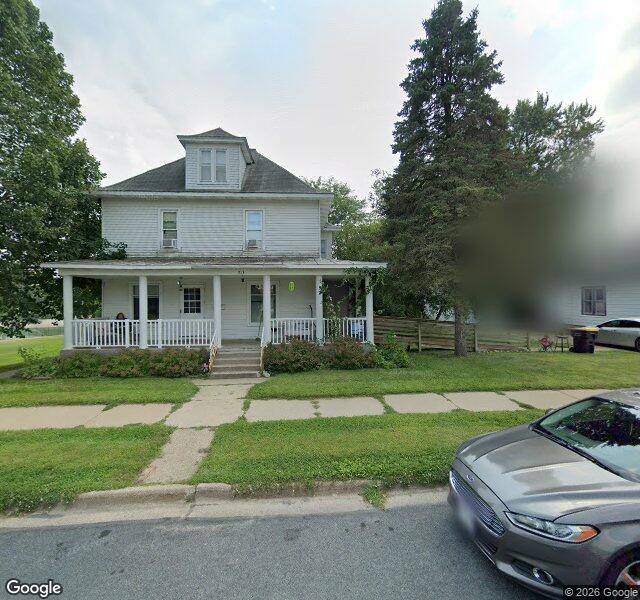
Overview and key essentials
State license
Active
WI DHS
Google reviews
Not available
Public reviews not linked
Monthly cost
$4,034–$10,000/ mo
AI-assisted estimate
Public records for this community are limited. Use the checklist below when you call or visit to confirm pricing, services, and openings.
Cost, payment & care details
Updated Nov 28, 2026| Monthly cost | $4,034–$10,000AI-assisted estimate | Research may contain errors. Request a current quote from the provider. Source: AI-assisted online research, Nov 2026. |
|---|---|---|
| Payment options | Medicaid | Participation is reported in our source data. Confirm eligibility, covered services, and any private-pay costs. Verified Medicaid waiver: Wisconsin Family Care / IRIS Medicaid Waiver (WI Dept. of Health Services (DHS DQA)). |
| Size & availability | Confirm directly | We don't publish live openings. Ask about current availability, waitlist length, and move-in timing. |
| Care & support | Assisted living | Usually offers housing and help with everyday tasks, such as bathing and dressing. What to confirm about care levelsThis describes the licensed category. Ask how care plans adjust if mobility, nursing, or memory needs change over time. Read the family care guide → |
Safety screening & compliance
State licensing depth & federal screening
HHS OIG LEIE: Clear (2026-11-27)OIG database ↗ (opens in a new tab)
WI DHS directory details (CBRF)
Class: CLASS AA (AMBULATORY)Public Funding (Family Care / IRIS)HCBS CompliantWI DHS rates: $4,034–$10,000/mo
State licensing
State inspection history
2inspections
6deficiencies listed
Oct 1, 2026EnforcementEnforcement actionPenalty
Enforcement action
View official state report (opens in a new tab)
No deficiencies are reported in this inspection record.
Oct 1, 2026Complaint6 deficiencies reported6
6 deficiencies reported
View official state report (opens in a new tab)
On 09/22/2026, Surveyor conducted a two-complaint investigation and abbreviated survey at Holton House. Data collection continued through 10/01/2026. Two of the 2 complaints were unsubstantiated. Five deficiencies were identified. Census: 6
83.22(1)-(4) Task specific training.N 247
The CBRF shall provide, obtain or otherwise ensure adequate training for employees performing job duties in all of the following: Assessment of residents. All employees responsible for resident assessment shall successfully complete training in the assessment of residents prior to assuming these job duties. Specific training topics shall include: assessment methodology, assessment of changes in condition, sources of assessment information, and documentation of the assessment. Individual service plan development. All employees responsible for service plan development shall successfully complete training in individual service plan development prior to assuming these job duties. Specific training topics shall include: identification of the resident ' s needs and desired outcomes, development of goals and interventions, service plan evaluation and review of progress. Provision of personal care. All employees responsible for providing assistance with activities of daily living shall successfully complete training prior to assuming these job duties. Specific training topics shall include, as appropriate: bathing, eating, dressing, oral hygiene, nail and foot care, toileting and incontinence care, positioning and body alignment, and mobility and transferring. Dietary training. All employees performing dietary duties shall complete dietary training within 90 days after assuming these job duties. Specific training topics shall include: determining nutritional needs, menu planning, food preparation and food sanitation. This Rule is not met as evidenced by: Based on record review and interview, the provider did not ensure 1 of 2 employees obtained all task specific training. Caregiver C, who had responsibilities for helping residents with activities of daily living, did not have training in the provision of personal care prior to assuming these duties. Findings include: On 09/22/2026, Surveyor conducted a review of 1 of 2 employees reviewed employees to verify compliance with task specific training requirements. Surveyor requested training records from Administrator A. Provision of Personal Care On 09/22/2026 at approximately 2:00 PM, Surveyor interviewed Administrator A and Manager B. Manager B indicated they had 1 staff working per shift that was responsible for helping residents with personal cares. Manager B stated Caregiver C started working on his/her own in the middle of July 2026 and 75% was completed for personal cares training on their electronic training program. The record for Caregiver C, hired 06/05/2026, did not contain evidence of training or evidence of meeting an exemption for personal care training. The staff schedule indicated Caregiver C started working on his/her own on 07/15/2026. On 10/01/2026 at 8:30 AM, Surveyor interviewed Administrator A and Owner D. Administrator A confirmed Caregiver C was responsible for providing personal care for one resident within the home. Administrator A confirmed the provider did not have evidence Caregiver C completed or met an exemption for provision of personal care training prior to assuming these job duties.
83.37(3)(c) Medication storage: locked cabinet.N 419
Administered by facility. The CBRF shall keep medicine cabinets locked and the key available only to personnel identified by the CBRF. This Rule is not met as evidenced by: Based on observation, record review, and interview, the provider did not ensure resident prescription medications were securely stored in 1 of 1 area. Resident 1 and Resident 2 each had a medication kept in a unsecured mini refrigerator. Findings include: The provider is licensed to provide services for up to 6 residents within the following client groups: developmentally disabled, physically disabled, and emotionally disturbed/mental illness. On 09/22/2026 at approximately 2:30 PM, Surveyor observed an unsecured mini refrigerator located next to the staff desk in an open community space. The labels on the medications indicated they were Florajen capsules for Resident 1 and Resident 2. On 09/22/2026, Surveyor reviewed Resident 1's and Resident 2's records. Resident 1 was admitted on 04/15/2020 and had a guardian. Resident 1's face sheet indicated s/he was prescribed on 03/17/2026 Florajen to be given 1 capsule daily. Resident 2 was admitted on 11/22/2019 and had a guardian. Resident 2's face sheet indicated s/he was prescribed on 02/09/2026 Florajen 4 Kids to be given 1 capsule daily. On 09/22/2026 from 10:34 AM to 2:47 PM, Surveyor observed residents moving freely throughout the facility. On 10/01/2026 at 8:30 AM, Surveyor interviewed Administrator A and Owner D who indicated they understood all medications should be stored securely.
83.48(3)(a) Fire detection systems inspectedN 538
annually. After the first year following installation, fire detection systems shall be inspected, cleaned and tested annually by certified or trained and qualified personnel in accordance with the specifications in NFPA 72 and the manufacturer ' s specifications and procedures. This Rule is not met as evidenced by: Based on record review and interview, the provider did not ensure the fire detection system was inspected, cleaned and tested annually by certified or trained and qualified personnel. Findings include: The provider is licensed to provide services for up to 6 residents within the following client groups: developmentally disabled, physically disabled, and emotionally disturbed/mental illness. On 09/22/2026, Surveyor requested the annual smoke detector and heat inspection. Records indicated on 01/01/2025 the local fire department inspected the facility's fire detection system. The document did not indicate if the fire detection system was cleaned and tested. Administrator A reached out to the fire department to find out. On 09/22/2026 at approximately 2:00 PM, Surveyor interviewed Administrator A and Manager B. Administrator A stated the fire department did get back to them and indicated they did not test and clean each unit of the fire detection system within the facility during their annual inspection. An email from Administrator A on 09/23/2026 at 2:28 PM, read in part, "[Local Fire Department] handles the inspections. If a problem requires cleaning or fixing, the inspection report will document it, and then we hire someone or maintenance department addresses it." On 10/01/2026 at 8:30 AM, Surveyor interviewed Administrator A and Owner D. Owner D indicated s/he tested the fire detection system monthly and cleaned the units as needed but did not have formal training. Owner D stated they had already reached out to a company that would provide this service for them in the future.
STATE FORM6899
OPFC11 STATE FORM OPFC11 STATE FORM OPFC11 STATE FORM OPFC11 STATE FORM OPFC11 STATE FORM OPFC11 STATE FORM OPFC11 STATE FORM OPFC11
83.39(5) Pets vaccinated.N 443
The CBRF shall ensure that pets are vaccinated against diseases, including rabies, if appropriate. This Rule is not met as evidenced by: Based on observation, record review, and interview, the provider did not ensure all pets were vaccinated. Findings include: The provider is licensed to provide services for up to 6 residents within the following client groups: developmentally disabled, physically disabled, and emotionally disturbed/mental illness. On 09/22/2026 at approximately 10:55 AM, Surveyors interviewed Manager B and inquired if there were any pets residing in the facility. Manager B stated Resident 3 had a cat. Surveyor requested vaccination records for the cat. Manager B stated Resident 3 refused to give the provider copies of pet vaccines for his/her cat. On 09/22/2026 at 11:03 AM, Surveyor observed a black cat in Resident 3's room in a cage. On 09/22/2026 at approximately 2:00 PM, Surveyor interviewed Administrator A and Manager B. Manager B stated most of a their facilities did not except pets, but they made an exception with Resident 3's cat due to it being an emotional support animal. At the end of survey on 09/22/2026 at 2:47 PM, Surveyor had not received vaccination records for Resident 3's cat. On 10/01/2026 at 8:30 AM, Surveyor interviewed Administrator A and Owner D. Owner D stated Resident 3 was not willing to give them his/her cat's vaccine records and confirmed they did not have any on file. Owner D stated due to this incident, they had created a new pet policy and procedure addressing this issue.
83.17(2)(a) Employees screened forN 220
communicable disease. The CBRF shall obtain documentation from a physician, physician assistant, clinical nurse practitioner or a licensed registered nurse indicating all employees have been screened for clinically apparent communicable disease including tuberculosis. Screening for tuberculosis shall be conducted using centers for disease control and prevention standards. The screening and documentation shall be completed within 90 days before the start of employment. The CBRF shall keep screening documentation confidential, except the department shall have access to the screening documentation for verification purposes. This Rule is not met as evidenced by: Based on record review and interview, the provider did not ensure 1 of 2 employees reviewed were screened for communicable disease including tuberculosis (TB) using standards set by the Centers for Disease Control and Prevention (CDC) within 90 days before the start of their employment. Findings include: On 09/22/2026, Surveyor reviewed Caregiver C's record. Caregiver C's date of hire was 06/05/2026. Caregiver C had a TB test completed on 05/26/2026. Surveyor did not find evidence in Caregiver C's file that a communicable disease screening was completed. On 10/01/2026 at 8:30 AM, Surveyor interviewed Administrator A and Owner D. Administrator A confirmed Caregiver C did not have a communicable disease screening completed upon hire if the TB test screening questions would not count for the communicable disease screening. Administrator A stated moving forward they would have a communicable disease screening completed for each new hire with the TB test or by their company nurse.
Neighborhood & resident support
Emergency access, hazards & advocacy
Nearest hospital
Tomah Mem Hsptl
1.0 mi · Tomah, WI
Emergency room
FEMA hazard risk
Relatively LowMonroe County, WI
- Cold Wave
- Landslide
- Hail
Free resident advocacy
Wisconsin Board on Aging & Long Term Care Ombudsman
More neighborhood context (specialists, VA, dialysis, air & affordability)
VA & dialysis access
Tomah VA Medical Center
1.9 mi · Tomah, WI
Gundersen Lutheran Renal Dialysis - Tomah
0.8 mi · 3/5 ★
Specialists within 15 mi
- Geriatricians
- 2
- Neurologists
- 0
- Palliative care
- 1
- PM&R rehab
- 0
Environment & mobility
- EPA Walkability
- 6.4/20 (Below Average)
- Primary care access
- HRSA Shortage Area
County demographics
- Age 65+ median income
- $48,329/yr
- Rent-burdened households
- 40%
- Cognitive disability (2023)
- 15.3%
- Mobility disability
- 13.4%
Call & tour checklist
Questions to ask Holton House
Check off questions as you call or tour. Your progress stays private in this browser.
Show 3 more suggested questions
Verification & public records
Official records & sources
Licensing & contact
- License #
- 16508
- Status
- active
Original public sources
Verify licensing, ratings, and inspection reports directly with each official source.
- WI DHS official record (opens in a new tab)WI Dept. of Health Services
- Google Maps (opens in a new tab)Directions, photos & neighborhood
- Google Reviews (opens in a new tab)Read public reviews
EveryPlace is an independent research directory. Information is compiled from public Medicare.gov, state licensing, Google Places, and street-level imagery sources. Some summaries, suggested questions, and pricing notes are AI-generated or AI-assisted and may contain errors or omissions. We do not accept payment for placement. Confirm all details directly with the community and official sources. Research Policy.
Keep exploring
Nearby communities to compare
- 4.0(1)Assisted Living< 1 miOur Town TomahTomah, WI
- Cap. 72HUD Senior Housing< 1 miThe Courtyard at Willow WoodsTomah, WI
- Medicare 1/53.5(26)74 bedsMedicaidNursing Home< 1 miTomah Nursing and RehabTomah, WI
- 4.0(4)MedicaidAssisted Living< 1 miWindy Ridge Care INC Hollister HouseTomah, WI
- Medicare 3/5Cap. 16Dialysis Center< 1 miGundersen Lutheran Renal Dialysis - TomahTomah, WI
- Medicare 5/5MedicaidHospice Care< 1 miHospice TouchTomah, WI