Loading EveryPlace content…
Assisted LivingActive license
Windy Ridge Care INC Hollister House
325 Hollister Ave, Tomah, WI 54660View map (opens in a new tab)
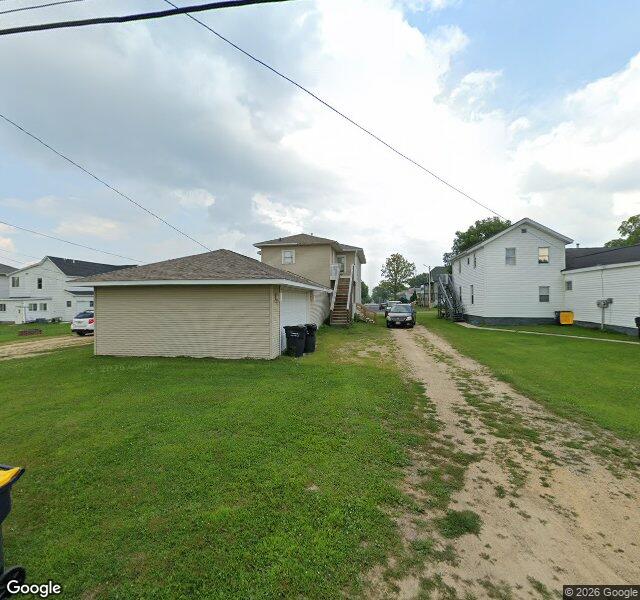
Overview and key essentials
State license
Active
WI DHS
Google reviews
4.0/ 5
4 reviews
Monthly cost
$3,867–$10,000/ mo
AI-assisted estimate
Cost, payment & care details
Updated Nov 28, 2026| Monthly cost | $3,867–$10,000AI-assisted estimate | Research may contain errors. Request a current quote from the provider. Source: AI-assisted online research, Nov 2026. |
|---|---|---|
| Payment options | Medicaid | Participation is reported in our source data. Confirm eligibility, covered services, and any private-pay costs. Verified Medicaid waiver: Wisconsin Family Care / IRIS Medicaid Waiver (WI Dept. of Health Services (DHS DQA)). |
| Size & availability | Confirm directly | We don't publish live openings. Ask about current availability, waitlist length, and move-in timing. |
| Care & support | Assisted living | Usually offers housing and help with everyday tasks, such as bathing and dressing. What to confirm about care levelsThis describes the licensed category. Ask how care plans adjust if mobility, nursing, or memory needs change over time. Read the family care guide → |
Safety screening & compliance
State licensing depth & federal screening
HHS OIG LEIE: Clear (2026-11-27)OIG database ↗ (opens in a new tab)
WI DHS directory details (CBRF)
Class: CLASS AA (AMBULATORY)Public Funding (Family Care / IRIS)HCBS CompliantWI DHS rates: $3,867–$10,000/mo
State licensing
State inspection history
6inspections
12deficiencies listed
Jul 23, 2026Routine7 deficiencies reported7
7 deficiencies reported
View official state report (opens in a new tab)
83.28(4)(a) Resident health screening andN 302
documentation Resident health screening. 1. Within 90 days before or 7 days after admission, a physician, physician assistant, clinical nurse practitioner or a licensed registered nurse shall screen each person admitted to the CBRF for clinically apparent communicable disease, including tuberculosis, and document the results of the screening. 2. Screening for tuberculosis and all immunizations shall be conducted using centers for disease control and prevention standards. 3. The CBRF shall maintain the screening documentation in each resident ' s record. This Rule is not met as evidenced by: Based on record review and interview, the provider did not ensure 1 of 1 resident admitted was screened for clinically apparent communicable disease, including tuberculosis (TB) within 90 days before or 7 days after admission. Findings include: On 07/17/2026, Surveyor reviewed Resident 1's record. Resident 1 was admitted on 07/03/2026. The record indicated Resident 1 had a TB test completed on 07/30/2024; 27 days after his/her admission. The record did not have evidence Resident 1 was screened for clinically apparent communicable disease upon admission. On 07/23/2026 at 10:30 AM, Surveyor interviewed Administrator B. Administrator B confirmed they did not have a communicable disease screening documented for Resident 1.
83.35(1)(a) Pre-admission and ongoingN 381
assessments. Scope. The CBRF shall assess each resident ' s needs, abilities, and physical and mental condition before admitting the person to the CBRF, when there is a change in needs, abilities or condition, and at least annually. The assessment shall include all areas listed under par. (c). This requirement includes individuals receiving respite care in the CBRF. For emergency admissions the CBRF shall conduct the assessment within 5 days after admission. This Rule is not met as evidenced by: Based on record review and interview, the provider did not ensure an assessment was completed before admitting a person to the CBRF and at least annually for 1 of 1 resident reviewed. Findings include: On 07/17/2026, Surveyor reviewed Resident 1's record. Resident 1 was admitted on 07/03/2026. Resident 1's record did not have evidence of a pre-admission assessment. On 07/23/2026 at 10:30 AM, Surveyor interviewed Administrator B. Administrator B stated Resident 1 had been at another provider recovering from surgery for approximately 90 days. Administrator B stated the recovery took longer than expected and s/he had not completed a pre-admission assessment prior to Resident 1 being admitted back.
83.35(4) Resident satisfaction evaluation.N 392
Satisfaction evaluation. At least annually, the CBRF shall provide the resident and the resident ' s legal representative the opportunity to complete an evaluation of the resident ' s level of satisfaction with the CBRF ' s services. The evaluation shall be completed on either a department form or a form developed by the CBRF and approved by the department. This Rule is not met as evidenced by: Based on record review and interview, the provider did not provide the resident and the resident's legal representative the opportunity to complete an evaluation, at least annually, of the resident's level of satisfaction with the provider's services, for 1 of 1 resident reviewed Findings include: On 07/17/2026, Surveyor reviewed Resident 2's record. Resident 2 was admitted on 10/22/2019. The record did not have evidence to show that a satisfaction survey was sent to Resident 2 or Resident 2's representative at least annually. On 07/23/2026 at 10:30 AM, Surveyor interviewed Administrator B. Administrator B indicated they had a satisfaction survey form and used it to speak with residents last year. Administrator B stated s/he did not document those conversations last year.
STATE FORM6899
DZXD13 STATE FORM DZXD13 STATE FORM DZXD13 STATE FORM DZXD13 STATE FORM DZXD13 STATE FORM DZXD13 STATE FORM DZXD13 STATE FORM DZXD13 STATE FORM DZXD13
83.42(1) Resident record maintained.N 454
The CBRF shall maintain a record for each resident at the CBRF. Each record shall include all of the following: (a) Resident ' s full name, sex, date of birth, admission date and last known address; (b) Name, address and telephone number of designated contact person, and legal representative, if any; (c) Medical, social, and, if any, psychiatric history; (d) Current personal physician, if any; (e) Results of the initial health screening under s. DHS 83.28(4) and subsequent health examinations under s. DHS 83.38(1)(g); (f)Admission agreement; (g) Documentation of significant incidents and illnesses, including the dates, times and circumstances; (h) Assessments completed as required under s. DHS 83.35(1); (i) Individual service plan and resident satisfaction evaluation; (j) Documentation to accurately describe the resident's condition, significant changes in condition, changes in treatment and response to treatment; (k) Results of the annual resident evacuation evaluation; (l) Documentation of sensory impairment of the resident as required under s. DHS 83.48(7)(b); (m) Summary of discharge information as required under s.DHS 83.31(7); (n) Any department-approved resident-specific waiver, variance or approval; (o) Physician ' s orders or other authorized practitioner ' s written orders for nursing care, medications, rehabilitation services and therapeutic diets; (p) Current list of the type and dosage of medications or supplements; (q) Results of the quarterly psychotropic medication assessments as required in s. DHS 83.37(1)(h)1; (r) Documentation of administration of all medications, supplements, the person administering the medications or supplements, any side effects observed by the employee or symptoms reported by the resident, the need for PRN medications and the resident ' s response, refusal to take medication, omissions of medications, errors in the administration of medications and drug reactions; (s) Photocopy of any court order or other document authorizing another person to speak or act on behalf of the resident, or other legal documents as required which affect the care and treatment of a resident; (t) Documentation of all other services including rehabilitation services, treatments and therapeutic diets; (u) Completed notice of pre-admission assessment requirement under s. DHS 83.30; (v) Nursing care procedures and the amount of time spent each week by a registered nurse or licensed practical nurse in performing the nursing care procedures. Only time actually spent by the nurse with the resident may be included in the calculation of nursing care time; (w) Plans of care for terminally ill residents; (x) Date, time and circumstances of the resident's death, including the name of the person to whom the body is released. This Rule is not met as evidenced by: Based on record review and interview, the provider did not maintain Resident 2's record by not having scheduled psychotropic medication reviews. Findings include: The facility is licensed to provide services for up to 6 residents within the client groups of alcohol/drug dependent, correctional clients, developmentally disabled, emotionally disturbed/mental illness, physically disabled, terminally ill, and traumatic brain injury. On 07/17/2026, Surveyor reviewed Resident 2's record. Resident 2 was admitted on 10/22/2019. Resident 2's record did not contain any scheduled psychotropic reviews completed in 2025 or 2026. Resident 2's face sheet indicated s/he was prescribed...
83.17(2)(a) Employees screened forN 220
communicable disease. The CBRF shall obtain documentation from a physician, physician assistant, clinical nurse practitioner or a licensed registered nurse indicating all employees have been screened for clinically apparent communicable disease including tuberculosis. Screening for tuberculosis shall be conducted using centers for disease control and prevention standards. The screening and documentation shall be completed within 90 days before the start of employment. The CBRF shall keep screening documentation confidential, except the department shall have access to the screening documentation for verification purposes. This Rule is not met as evidenced by: Based on record review and interview, the provider did not ensure 1 of 1 employee reviewed was screened for communicable disease including tuberculosis (TB) using standards set by the Centers for Disease Control and Prevention (CDC) within 90 days before the start of their employment. Findings include: On 07/17/2026, Surveyor reviewed the employee files for Caregiver A. Caregiver A's date of hire was 01/30/2024. Caregiver A had a TB test completed on 02/12/2024. Surveyor did not find evidence in Caregiver A's file that a communicable disease screening was completed. On 07/23/2026 at 10:30 AM, Surveyor interviewed Administrator B. Administrator B confirmed Caregiver A did not have a communicable disease screening completed upon hire.
83.28(3) Provide admission agreement asN 301
required. Admission agreement. Before or at the time of admission, the CBRF shall provide the admission agreement as required under s. DHS 83.29(2). This Rule is not met as evidenced by: Based on record review and interview, the provider did not provide Resident 1 with an admission agreement as required under s. DHS 83.29(2). Findings include: On 07/17/2026, Surveyor reviewed Resident 1's record. Resident 1 was admitted on 07/03/2026. Resident 1's record did not have evidence of an admission agreement signed by Resident 1's representative and the facility representative. On 07/23/2026 at 10:30 AM, Surveyor interviewed Administrator B. Administrator B stated Resident 1 had been at another provider recovering from surgery for approximately 90 days. Administrator B stated the recovery took longer than expected and s/he had not completed a new admission agreement when Resident 1 was admitted back.
Jul 23, 2026EnforcementEnforcement actionPenalty
Enforcement action
View official state report (opens in a new tab)
No deficiencies are reported in this inspection record.
Dec 2, 2025EnforcementEnforcement actionPenalty
Enforcement action
View official state report (opens in a new tab)
No deficiencies are reported in this inspection record.
Dec 2, 2025Follow-up1 deficiency reported1
1 deficiency reported
View official state report (opens in a new tab)
STATE FORM6899
DZXD12 {N 358} {N 358} This is a repeat deficiency. See Statement of Deficiency (SOD) MZB311, dated 10/08/2029 and SOD DZXD11, dated 07/16/2024. Findings include: The provider is licensed to care for up to 6 residents in the following client groups: developmental disabilities, terminally ill, emotionally disturbed/mental illness, traumatic brain injury, alcohol/drug dependent, correctional clients, and physically disabled. On 11/25/2024, at 1:07 PM, Surveyor observed the provider's front entryway steps leading to the main entrance of the home. There were 5 steps constructed of wooden material. The steps did not include a handrail on either side. At approximately 1:15 PM, Surveyor interviewed House Manager (HM) A. HM A stated they replaced the front and back entrance steps after the last survey was completed. HM A stated the railings were removed over the summer and had not been reinstalled. HM A stated Administrator C planned to replace the railings but had not gotten to it yet. At approximately 1:30 PM, Surveyor interviewed Senior House Manager (SHM) B. SHM B stated they took down the railings immediately after the last survey and planned to replace them. SHM B stated Administrator C planned to replace them but was delayed. At 1:37 PM, Surveyor observed the secondary exit of the home that included 5 wooden steps. The steps did not include a handrail on either side. STATE FORM DZXD12 {N 358} {N 358} At approximately 1:40 PM, Surveyor interviewed HM A and SHM B. Surveyor shared concerns regarding the lack of handrail on the front and back entrance steps. SHM B stated s/he would be discussing the concerns with Administrator C and the railings would be up by next week. On 12/02/2024, at 10:00 AM, Surveyor interviewed Administrator C by phone. Administrator C stated s/he would be replacing the rails and understood the requirements moving forward. {N 617} 83.55(6)(b) Bath and toilet areas: water temperature The CBRF shall set the temperature of all water heaters connected to sinks, showers and tubs used by residents at a temperature of at least 140°F. The temperature of water at fixtures used by residents shall be automatically regulated by valves and may not exceed 115°F, except for CBRFs serving residents recovering from alcohol or drug dependency or clients of a government correctional agency. This Rule is not met as evidenced by: Based on observation and interview, the provider did not ensure the hot water temperature at fixtures used by residents did not exceed 115 ° Fahrenheit (F). This had the potential to affect all 6 residents. This is a repeat deficiency. See Statement of Deficiency (SOD) DZXD11, dated 07/16/2024. Findings include: STATE FORM DZXD12 {N 617} {N 617} The provider is licensed to care for up to 6 residents in the following client groups: developmental disability, terminally ill, emotionally disturbed/mental illness, traumatic brain injury, alcohol/drug dependent, correctional clients, and physically disabled. The Bureau of Quality Assurance (BQA) and the Bureau of Assisted Living (BAL) issued, respectively, BQA Memo-98-021 (1998) and DQA publication P-01942 (2017) regarding hot water temperatures. These documents listed hot water temperature thresholds and the harm hot water temperatures can inflict on consumers with physical or psychological conditions that prevent instant recoil from dangerously hot water. This document reaffirms the temperature thresholds listed in BQA Memo-98-021 and DQA P-01942. Exposure to...
Jul 16, 2024Complaint4 deficiencies reported4
4 deficiencies reported
View official state report (opens in a new tab)
On 07/12/2024, Surveyor conducted a self-report review and a standard licensure survey at Windy Ridge Care INC Hollister House. Data for this survey was received and reviewed through 07/16/2024. The self-report needed no further action from the provider. Three deficiencies related to the standard licensure survey were identified. One of the 3 was a repeat deficiency. See Statement of Deficiency (SOD) MZB311, dated 10/08/2019. Census: 6
83.55(6)(b) Bath and toilet areas: waterN 617
temperature The CBRF shall set the temperature of all water heaters connected to sinks, showers and tubs used by residents at a temperature of at least 140°F. The temperature of water at fixtures used by residents shall be automatically regulated by valves and may not exceed 115°F, except for CBRFs serving residents recovering from alcohol or drug dependency or clients of a government correctional agency. This Rule is not met as evidenced by: Based on observation and interview, the provider did not ensure the hot water temperatures in both facility bathroom sinks and kitchen sink did not exceed 115 degrees Fahrenheit (F). Findings include: The provider is licensed to care for up to 6 residents in the client groups of developmental disability, terminally ill, emotionally disturbed/mental illness, traumatic brain injury, alcohol/drug dependent, correctional clients, and physically disabled. The Bureau of Quality Assurance (BQA) and the Bureau of Assisted Living (BAL) issued, respectively, BQA Memo-98-021 (1998) and DQA publication P-01942 (2017) regarding hot water temperatures. These documents listed hot water temperature thresholds and the harm hot water temperatures can inflict on consumers with physical or psychological conditions that prevent instant recoil from dangerously hot water. This document reaffirms the temperature thresholds listed in BQA Memo-98-021 and DQA P-01942. Exposure to hot water is a potential environmental danger for clients. Elderly clients and clients with mental and physical disabilities may have neurological conditions that prevent instant recoil from hot water. Because these individuals do not instantly react to dangerous temperature levels, they are at particular risk for injury. Hot water can cause scalding, e.g., second and third degree burns in which the skin blisters and swells. In such instances, skin does not return to normal and forms scar tissue upon healing. These burns may lead to permanent disability. (DQA publication P-01942, Hot Water Temperatures in Adult Family Homes, 08/2017). Sustained contact with dangerously hot water can result in second and third degree burns according to the following thresholds: 110 degrees F is 13 minutes. 120 degrees F is 10 minutes. 127 degrees F is 1 minute. 130 degrees F is 30 seconds. On 07/12/2024 at approximately 10:30 AM, Surveyor tested the temperature of the water at the sink in the kitchen. The water temperature was 130 degrees F. Surveyor then checked the downstairs resident bathroom and the upstairs resident bathroom. The downstairs bathroom hot water was 131 degrees F. The temperature of the hot water in the upstairs bathroom was 131 degrees F. Surveyor discussed this concern with Administrator A on 07/12/2024 at approximately 1:30, and asked that the temperature of the water be reduced to 115 degrees F. Administrator A acknowledged the hot water temperatures and adjusted the temperatures the same day.
83.44(1)(c) Clothes dryers enclosed and ventedN 488
Clothes dryers. The CBRF shall enclose any clothes dryer having a rated capacity of more than 37,000 Btu/hour in a one-hour fire resistive rated enclosure. If the clothes dryer requires a vent, the CBRF shall use dryer vent tubing that is of rigid material with a fire rating that exceeds the temperature rating of the dryer. The dryer vent tubing shall be clean and maintained. This Rule is not met as evidenced by: Based on observation and interview, the provider did not ensure the clothes dryer vents were rigid metal material. Findings include: The provider is licensed to care for up to 6 residents in the client groups of developmental disability, terminally ill, emotionally disturbed/mental illness, traumatic brain injury, alcohol/drug dependent, correctional clients and physically disabled. On 07/12/2024 at approximately 10:40 A.M., Surveyor observed the laundry room located on the second floor. Surveyor noted the dryer vent was a flexible tube and not rigid metal material. On 07/12/2024 at approximately 1:30 PM, during interview with Administrator A, Surveyor shared these concerns with Administrator A. Administrator A acknowledged the concern and stated the venting would be replaced.
83.32(3)(n) Rights of Residents: SafeN 358
environment In addition to the rights under s. 50.09, Stats., each resident shall have all of the following rights: Safe environment. Live in a safe environment. The CBRF shall safeguard residents from environmental hazards to which it is likely the residents will be exposed, including both conditions that are hazardous to anyone and conditions that are hazardous to the resident because of the residents ' conditions or disabilities. This Rule is not met as evidenced by: Based on observation and interview, the provider did not ensure a safe environment for residents that cannot safeguard themselves from environmental hazards. This is a repeat deficiency. See Statement of Deficiency (SOD) MZB311, dated 10/08/2019. Findings include: The provider is licensed to care for up to 6 residents in the client groups of developmental disabilities, terminally ill, emotionally disturbed/mental illness, traumatic brain injury, alcohol/drug dependent, correctional clients, and physically disabled. On 07/12/2024 at approximately 10:00 AM, Surveyor entered the facility to conduct a licensure survey. Surveyor stepped on the first step leading to the front door. Surveyor noticed the board on the front step was loose and the step moved when weight was placed on it. Surveyor then noted two of the rail spindles on the left side of the steps were loose and there were screws exposed, facing upward. Surveyor interviewed Administrator A on 07/12/2024 at approximately 1:30 PM. During interview with Administrator A, Surveyor shared the concern with the step and spindles on the steps. Surveyor asked him/her how long the step and spindles had been in need of replacement. Administrator A stated they've needed replacement for approximately two weeks and repairs had been on the schedule for about two weeks. These steps are at the main entrance to the facility. Surveyor stated to Administrator A that due to the sharp screws facing skyward, the steps are a risk to anyone entering the facility. Administrator A stated the steps would be repaired immediately.
STATE FORM6899
DZXD11 STATE FORM DZXD11 STATE FORM DZXD11 STATE FORM DZXD11 STATE FORM DZXD11
Show all 6 inspections
Jul 16, 2024EnforcementEnforcement actionPenalty
Enforcement action
View official state report (opens in a new tab)
No deficiencies are reported in this inspection record.
Neighborhood & resident support
Emergency access, hazards & advocacy
Nearest hospital
Tomah Mem Hsptl
0.3 mi · Tomah, WI
Emergency room
FEMA hazard risk
Relatively LowMonroe County, WI
- Cold Wave
- Landslide
- Hail
Free resident advocacy
Wisconsin Board on Aging & Long Term Care Ombudsman
More neighborhood context (specialists, VA, dialysis, air & affordability)
VA & dialysis access
Tomah VA Medical Center
1.2 mi · Tomah, WI
Gundersen Lutheran Renal Dialysis - Tomah
0.2 mi · 3/5 ★
Specialists within 15 mi
- Geriatricians
- 5
- Neurologists
- 1
- Palliative care
- 3
- PM&R rehab
- 1
Environment & mobility
- EPA Walkability
- 6.4/20 (Below Average)
- Primary care access
- HRSA Shortage Area
County demographics
- Age 65+ median income
- $48,329/yr
- Rent-burdened households
- 40%
- Cognitive disability (2023)
- 15.3%
- Mobility disability
- 13.4%
Call & tour checklist
Questions to ask Windy Ridge Care INC Hollister House
Check off questions as you call or tour. Your progress stays private in this browser.
Show 3 more suggested questions
Verification & public records
Official records & sources
Licensing & contact
- License #
- 17143
- Status
- active
Original public sources
Verify licensing, ratings, and inspection reports directly with each official source.
- WI DHS official record (opens in a new tab)WI Dept. of Health Services
- Google Maps (opens in a new tab)Directions, photos & neighborhood
- Google Reviews (opens in a new tab)4 public reviews
EveryPlace is an independent research directory. Information is compiled from public Medicare.gov, state licensing, Google Places, and street-level imagery sources. Some summaries, suggested questions, and pricing notes are AI-generated or AI-assisted and may contain errors or omissions. We do not accept payment for placement. Confirm all details directly with the community and official sources. Research Policy.
Keep exploring
Nearby communities to compare
- MedicaidAssisted Living< 1 miAnn St HouseTomah, WI
- Medicare 3/5Cap. 16Dialysis Center< 1 miGundersen Lutheran Renal Dialysis - TomahTomah, WI
- Medicare 5/5MedicaidHospice Care< 1 miHospice TouchTomah, WI
- MedicaidAssisted Living< 1 miJackson St HouseTomah, WI
- MedicaidAssisted Living< 1 miLake Tomah CenterTomah, WI
- 4.0(1)Assisted Living< 1 miOur Town TomahTomah, WI