Loading EveryPlace content…
Assisted LivingActive license
Doris Faye Homes
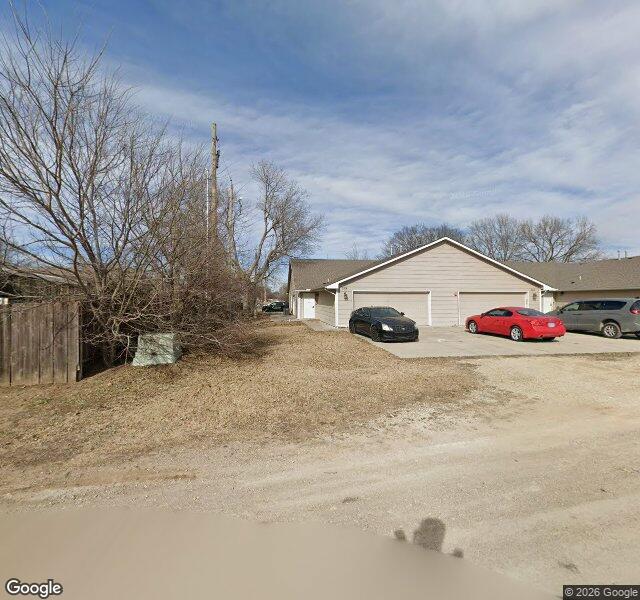
3506 W Donna Ave, Wichita, KS 67203View map (opens in a new tab)
Overview and key essentials
State license
Active
KS KDADS
Google reviews
Not available
Public reviews not linked
Size & payment
Ask directly
Confirm pricing & payment
Public records for this community are limited. Use the checklist below when you call or visit to confirm pricing, services, and openings.
Cost, payment & care details
Updated Nov 28, 2026| Monthly cost | Not published | Ask for the full monthly cost, including care fees and one-time charges. |
|---|---|---|
| Payment options | Ask directly | Payment details are not confirmed in our records. Ask about private pay, long-term care insurance, veterans benefits, and Medicaid waivers. |
| Size & availability | Confirm directly | We don't publish live openings. Ask about current availability, waitlist length, and move-in timing. |
| Care & support | Assisted living | Usually offers housing and help with everyday tasks, such as bathing and dressing. What to confirm about care levelsThis describes the licensed category. Ask how care plans adjust if mobility, nursing, or memory needs change over time. Read the family care guide → |
State licensing
State inspection history
2inspections
27deficiencies listed
Sep 8, 2025Routine16 deficiencies reported16
16 deficiencies reported
View official state report (opens in a new tab)
The following citations represent the findings of a Re-Licensure Survey for the above named Home Plus Facility conducted on 09/04/25 and 09/08/25.
moderateS 5246
(c) Each administrator or operator shall ensure the safeguarding of resident records against the following: (1) Loss; (2) destruction; (3) fire; (4) theft; and (5) unauthorized use. This REQUIREMENT is not met as evidenced by: KAR 26-42-105(c)(1) The facility reported a census of eight residents. The sample include three residents. Based on observation, interview for all residents, and record review the operator failed to ensure all facility resident's medical records were safeguarded against loss. Findings included: -- Review of R3's medical record revealed she moved into the facility on 07/22/25 with a diagnosis diabetes mellitus type II with neuropathy (nerve damage). Review of R3's paper chart lacked an admission agreement, resident notification of resident rights, their right to formulate advanced directives and nursing progress notes. Interview on 09/04/25 at 10:31 AM Administrative Certified Medication Aide/Operator A reported she did not keep the admission agreements in the resident charts and would look for them. Operator A looked for Nurses Notes in an expandable folder for notes and stated sometimes they are kept in the folder for communication purposes. Interview on 09/04/25 at 12:13 PM Administrative Nurse B reported she documents nursing notes on her personal computer when she is at the facility and then prints them off at the end of the month. She reported she had gotten a little behind on getting them printed off and in the charts but would get that done this weekend. Interview on 09/08/25 at 03:00 PM Operator A reported she could not find the admission agreement. The operator failed to ensure all information in R3's record was kept safe from loss. - R4 moved into the facility on 04//01/24 with a diagnosis of chronic obstructive pulmonary disease. R4's record included one "Functional Capacity Screen" (FCS) dated 10/29/24. R4's record included one "Negotiated Service Agreement / Health Care Service Plan" (NSA/HCSP) dated 03/20/25. On 09/04/25 at 03:35 PM Surveyor requested R4's admission FCS and NSA/HCSP for review. Operator A reported she would have to look in the overflow record for it. On 09/08/25 at 10:30 AM Operator A reported she could not find the admission FCS or NSA/HCSP or an NSA/HCSP to match the FCS dated 10/29/24 and stated she thought a nurse may have shredded them when she asked her to clean out the charts. The operator failed to ensure staff kept records for R4 safe from loss. - R5 moved into the facility on 04/01/25 with a diagnosis of diabetes mellitus type II. R5's record did not include an admission agreement, resident notification of resident rights, and their right to formulate advanced directives. R5's record included one "Functional Capacity Screen" (FCS) dated 10/31/24, and one "Negotiated Service Agreement/Health Care Service Plan" (NSA/HCSP) dated 10/31/24. It lacked an admission FCS, an admission NSA/HCSP, and any revisions necessary related to changes in service needs such as receiving physical therapy services. On 09/08/25 at 12:35 PM Surveyor requested to review R5's admission FCS and admission NSA/HCSP. Operator A reported she would have to look for them. On 09/08/25 at 04:35 PM Operator A looked through the overflow bin and reported the admission agreement, FCS, and his admission NSA/HCSP were not in the overflow so she did not know what had happened to them. The operator failed to ensure staff kept the records for R5 free from loss.
moderateS 5085
Reassessment (c) Designated staff shall conduct a screening to determine each resident ' s functional capacity according to the following requirements: (1) At least once every 365 days; (2) following any significant change in condition as defined in K.A.R. 26-39-100; and (3) at least quarterly if the resident receives assistance with eating from a paid nutrition assistant. This REQUIREMENT is not met as evidenced by: KAR 26-42-201 (c)(2) The facility reported a census of eight residents(R). The sample included three residents. Based on observation, interview, and record review the operator failed to ensure designated staff completed a resident "Functional Capacity Screen" for two (R4, R5) of three sampled residents following a significant change in condition as defined in KAR 26-39-100. Findings Included: - Review of R4's medical record revealed she moved into the facility on 04/01/24 with a diagnosis of chronic obstructive pulmonary disease. R4's only "Functional Capacity Screen" (FCS) dated 10/29/24 identified she was unable to participate in any part of dressing, toileting, transfers, walk/mobility, or management of her medications and medical treatments. She needed physical assistance with bathing and used a wheelchair and mechanical lift. R4's only "Negotiated Service Agreement/Health Care Service Plan" (NSA/HCSP) dated 03/20/25 identified the following improvements in R4's functional ability: Physical assistance of one with verbal cueing for dressing. Physical ssistance of two for transfers onto toilet. Sit to stand for transfers, uses a wheelchair for mobility. Interview on 09/08/25 at 06:57 AM Certified Medication Aide (CMA) C reported she uses the sit to stand for all transfers. For dressing she helps and will put on her nightgown at night but staff still have to help her with getting dressed. She can tell us when she needs to use the restroom and we use the sit-to-stand lift to help her onto the toilet. CMA C reported R4 also has an electric scooter she uses to get around once she is up and out of bed. Interview on 09/08/25 at 03:28 PM Operator A confirmed R4 has been helping staff with cares and has improved in her ability to participate in daily activities. She confirmed a new FCS should have been completed when R4 had an improvement in functional ability. The operator failed to ensure designated staff completed a FCS for R4 when she had an improvement in functional ability and was able to start participating in daily activities. - R5's record revealed he moved into the facility on 04/01/24 with diagnosis of osteoarthritis and a right below the knee amputation. R5's current "Functional capacity Screen" dated 10/31/24 identified he was unable to participate in mobility and had bladder incontinence. R5's nursing documentation include he went to the hospital and returned on 03/31/25 with an indwelling urinary catheter. Observation / Interview on 09/04/25 at 11:55 AM resident lay in bed watching TV. He had an indwelling catheter bag hanging on the side of the bed with clear yellow urine draining. He stated he uses his power scooter when he goes out of the facility and staff get him up using the lift to help him take his showers. Interview on 09/08/25 at 06:58 AM Certified Medication Aide (CMA) C reported R5 stays in bed a lot but gets up for his showers and if going out and will use his electric scooter. She confirmed he did have a catheter and Home Health changes it when needed. Interview on 09/08/25 at 03:50 PM Operator...
moderateS 5327
Variance Report (l) (2) The licensed pharmacist or licensed nurse shall notify the medical care provider upon discovery of any variance identified in the medication regimen review that requires immediate action by the medical care provider. The licensed pharmacist shall notify a licensed nurse within 48 hours of any variance identified in the resident ' s regimen review that does not require immediate action by the medical care provider and specify a time within which the licensed nurse must notify the resident ' s medical care provider. The licensed nurse shall seek a response from the medical care provider within five working days of the medical care provider ' s notification of a variance. This REQUIREMENT is not met as evidenced by: KAR 26-42-205 (l)(2) The facility reported a census of eight residents. The sample included three residents. Based on interview and record review the operator failed to ensure the licensed nurse notified the medical provider and attempted to get a response from the medical provider for pharmacy recommendations for two (R4 and R5) of three sampled residents within five days. Findings included: - Review of R4's medical record revealed she moved into the facility on 04/01/24 with diagnosis of chronic obstructive pulmonary disease. R4's "Functional Capacity Screen dated 10/29/24 identified she was unable to participate in management of her medications of medical treatments. R4's "Negotiated Service Agreement/Health Care Service Plan dated 03/20/25 identified Certified Medication Aides and Licensed Nurse would administer and manage R4's medications and medical treatments. R4's record included medication regimen review log from a local pharmacist with physician and nurse recommendations identified on 10/30/24 and 04/17/25. These recommendations included need to either get lab results or obtain labs, and medications without appropriate diagnoses. R4's record lacked evidence the pharmacist recommendations were sent to the physician and the nurse attempted to obtain a response. - Review of R5's medical record revealed he moved into the facility on 04/01/24 with diagnoses of diabetes mellitus type two and dementia. R5's current "Functional Capacity Screen dated 10/31/24 revealed he was unable to participate in management of his medications or medical treatments. R5's current "Negotiated Service Agreement/Health Care Service Plan" dated 10/31/24 identified Certified Medication Aide or Licensed Nurse would manage his medications and medical treatments. R5's record included medication regimen review log which identified the pharmacist made physician recommendations on 10/30/24, 04/17/25 and 07/11/25. These recommendations included obtaining labs related to medications, appropriate indications/diagnosis for medications and questioned need to discontinue antibiotics. R5's record lacked evidence that the pharmacist recommendations had been sent to the physician and the nurse attempted to obtain a response. Review of the pharmacy report notebook provided by Administrative CMA/Operator A on 09/08/25 included the 2025 pharmacy recommendations but none had been reviewed or signed by the physician. Interview on 09/08/25 at 03:45 PM Administrative CMA/Operator A reported the pharmacist provided the recommendation and she put them in a notebook for the physician to review the next time they are in the facility. The operator failed to ensure a licensed nurse notified the physician and attempted to seek a response from the...
STATE FORM6899
WE3N11 STATE FORM WE3N11 STATE FORM WE3N11 STATE FORM WE3N11 STATE FORM WE3N11 STATE FORM WE3N11 STATE FORM WE3N11 STATE FORM WE3N11 STATE FORM WE3N11 STATE FORM WE3N11 STATE FORM WE3N11 STATE FORM WE3N11 STATE FORM WE3N11 STATE FORM WE3N11 STATE FORM WE3N11 STATE FORM WE3N11 STATE FORM WE3N11 STATE FORM WE3N11 STATE FORM WE3N11 STATE FORM WE3N11 STATE FORM WE3N11 STATE FORM WE3N11 STATE FORM WE3N11 STATE FORM WE3N11 STATE FORM WE3N11 STATE FORM WE3N11 STATE FORM WE3N11 STATE FORM WE3N11 STATE FORM WE3N11 STATE FORM WE3N11 STATE FORM WE3N11 STATE FORM WE3N11 STATE FORM WE3N11 STATE FORM WE3N11
moderateS 5155
(a) The administrator or operator in each home plus shall ensure that a licensed nurse provides or coordinates the provision of necessary health care services that meet the needs of each resident and are in accordance with the functional capacity screening and the negotiated service agreement. This REQUIREMENT is not met as evidenced by: KAR 26-42-204(a) The facility reported a census of eight residents (R). The sample included three residents. Based on interview, and record review the operator failed to ensure a licensed nurse provided or coordinated the provision of necessary health care services to meet the needs of two (R3, R5) of three sampled residents related to monitoring of skin and implementation of measures to reduce risk/prevent pressure ulcers. Findings included: -- Review of R3's medical record revealed she moved into the facility on 07/22/25 with a diagnosis diabetes mellitus type II with neuropathy (nerve damage). R3's "Functional Capacity Screen" (FCS) dated 07/31/25 identified she was unable to participate in all of her activities of daily living, had bladder incontinence and impaired decision making. It also identified she was unable to manage her medications or medical treatments. R3's Negotiated Service Agreement/Health Care Service Plan (NSA/HCSP) dated 07/31/25 directed staff to provide physical assistance with activities of daily living with two staff to assist with incontinence, check and change every two hours as needed, and assistance of two staff with mechanical lift. It identified she was wheelchair bound and unable to bear weight. R3's NSA/HCSP lacked intervnetions to promote the healing of R3's current coccyx wound and interventions to reduce the risk for development of additional skin wounds related to pressure. R3's Nursing Notes revealed the following documentation: 07/22/25 revealed upon admission she had two superficial skin openings noted to coccyx area and left butocks. 07/28/25 - one superficial skin opening remains near the coccyx with the one on her left buttock had healed. 08/19/25 - open area remains near coccyx and continues to receive wound care from skilled nursing. Interview on 09/08/25 at 05:00 PM Administrative CMA/Operator A confirmed R3 had a couple open areas when she moved in and the NSA/HCSP should have included interventions related to management R3's coccyx wound and reducing the risk of additional skin damage. The operator failed to ensure the licensed nurse coordinated services related to promoting healing of coccyx and buttock wound for R3. - R5 moved into the facility on 04/01/25 with diganoses of diabetes melitus type II, chronic kidney disease, and had a right below the knee amputee. R5's "Functional Capacity Screen dated 10/31/24 identified he was unable to participate in activities of daily living including transfers and mobility, had bladder incontinence and impaired decision making ability. It also identified he could not manage his medications or medical treatments. R5's "Negotiated Service Agreement/Health Care Service Plan" dated 10/31/24 included interventions directing staff to help resident with transfers and mobility. It also identified he was wheelchair boung related to his right below the knee amputee and left foot amputee. Review of R5's "Skin Monitoring..." sheet dated on 05/11/24 and signed by Registered Nurse (RN) I revealed R5 had an open area to his left ankle. It had 90% dead tissue and 10% pink tissue in the wound bed. The wound edges were bright red....
moderateS 5251
Documentation of Incidents (f) (11) documentation of all incidents, symptoms, and other indications of illness or injury including the date, time of occurrence, action taken, and results of the action. This REQUIREMENT is not met as evidenced by: KAR 26-42-105(f)(11) The facility reported a census of eight residents(R). The sample included three residents. Based on interview, and record review the operator failed to ensure the medical record contained documentation of all incidents, symptoms, and other indications of illness or injury including the date and time, action taken, and results of the action for one (R4) of three sampled residents. Findings included: - Review of R4's medical record revealed she moved into the facility on04/01/24 with a diagnosis chronic obstructive pulmonary disease. R4's only "Functional Capacity Screen" (FCS) dated 10/29/24 identified she was unable to participate in any part of dressing, toileting, transfers, walk/mobility, or management of her medications and medical treatments. She needed physical assistance with bathing and used a wheelchair and mechanical lift. R4's only "Negotiated Service Agreement/Health Care Service Plan" (NSA/HCSP) dated 03/20/25 identified staff would provide physical assistance with activities of daily living, us a sit to stand lift or full body lift for transfers depending on need, and would administer her medications. R4's record included the following physician orders: 06/03/24 - order for Hydrocodone (narcotic pain medication) 10 milligrams (mg) 1 tab four times a day - hold for signs of sedation The record lacked documentation of symptoms as to why medication was initiated and follow up if the medication was effective. 06/25/24 - take Doxycycline (antibiotic) twice a day until out. The record lacked documentation that new medication was initiated and follow up on effectiveness of medication. 08/19/24 - Doxycycline Monohydrate (antibiotic) 100 mg for one month - Mupirocin (antibiotic ointment) 2% topical ointment apply thin layer to affected area up to three times per day. The record lacked documentation of the symptoms of need for antibiotic medications and results of treatment. 09/25/24 - Pramipexole (for restless leg) .125mg at bedtime for 30 days The record lacked documentation of symptoms the resident had to initiated need for medication and follow up on results of medication. 09/25/24 - Temazepam (benzodiazepine -for insomnia) 7.5 mg one cap at bedtime for 30 days. The record lacked documentation of symptoms for medication and results of medication. 09/30/34 - Doxycycline (antibiotic) 100 milligrams (mg) one capsule daily The record lacked documentation of symptoms for need for antibiotic and results of treatment. 06/13/25 - Advair Diskus (combination inhaler) 250 mcg one puff twice a day The record lacked documentation if starting new medication helped in improving her breathing. Review of Nursing Progress Notes revealed the following documentation: 07/10/24 - resident fell out of wheelchair and wanted to go to hospital for shoulder pain. The record lacked documentation of her returning to the facility and nurse follow up post fall. The record included multiple handwritten Nursing Progress Notes that did not include the full date, time, or signature of the person documenting in the record. Electronic interview on 09/08/25 at 03:20 PM Administrative Nurse B reported she expected documentation to provide a clear clinical picture of the resident, including any...
moderateS 5080
Admission (a) On or before each individual ' s admission to a home plus, a licensed nurse, a licensed social worker, or the administrator or operator shall conduct a screening to determine the individual ' s functional capacity and shall record all findings on a screening form specified by the department. The administrator or operator may integrate the department ' s screening form into a form developed by the home, which shall include each element and definition specified by the department. (b) A licensed nurse shall assess any resident whose functional capacity screening indicates the need for health care services. This REQUIREMENT is not met as evidenced by: KAR 26-42-201(a) The facility reported a census of eight residents (R). The sample included three residents. Based on record review for one (R3) of three sampled residents the operator failed to ensure designated staff completed R3's "Functional Capacity Screen" on or before admission to the home plus. Findings included: - Review of R3's medical record revealed she moved into the facility on 07/22/25 with a diagnosis of bipolar disorder. R3's admission "Functional Capacity Screen" (FCS) was dated and signed 07/31/25, nine days after moving into the facility. Interview on 09/08/25 at 03:00 PM Operator A reported that she and the nurse complete the FCS together if only one can go and assess a new resident, then just one does it. Electronic interview on 09/08/25 at 03:26 PM Administrative Nurse B reported she completes the FCS herself and aims to complete it as soon as possible after the admission note. Administrative Nurse B reported she completed the FCS as soon as she is able to accurately assess the resident for each section of the FCS. The operator failed to ensure designated staff completed R3's FCS on or before admission to the facility.
moderateS 5258
Records (d) The employee records and agency staff records shall contain the following information: (1) Evidence of licensure, registration, certification, or a certificate of successful completion of a training course for each employee performing a function that requires specialized education or training; (2) supporting documentation for criminal background checks of facility staff and contract staff, excluding any staff licensed or registered by a state agency, pursuant to K.S.A. 39-970 and amendments thereto; (3) supporting documentation from the Kansas nurse aide registry that the individual does not have a finding of having abused, neglected, or exploited a resident in an adult carehome; and (4) supporting documentation that the individual does not have a finding of having abused, neglected, or exploited any resident in an adult care home, from the nurse aide registry in each state in which the individual has been known to work as a certified nurse aide. This REQUIREMENT is not met as evidenced by: KAR 26-42-102(d)(1) The facility reported a census of eight residents. Based on record review and interview for one of four newly hired certified staff, the operator failed to ensure certified employee records contained evidence of registration/certification for staff which require specialized education and training. Findings included: - Review of Certified Nurse Aide (CNA) F's employee record revealed it lacked evidence the operator checked the Kansas Nurse Aide registry to ensure CNA F had an active certification. Interview on 09/04/25 at 02:30 PM Operator A reported she would look more to see if she might have just misplaced. On 09/08/25 at 07:59 AM Operator A provided employee files again for review. Review of CNA F's record still lacked evidence of the Kansas Nurse Aide Registry for certification. Interview on 09/08/25 at 05:35 PM Operator A confirmed the registry was not in her record. The operator failed to ensure newly hired employee records contained evidence designated staff completed Kansas Registry Check upon hire for CNA F.
moderateS 5055
l) Survey report and plan of correction. Each administrator or operator shall ensure that a copy of the most recent survey report and plan of correction is available in a common area to residents and any other individuals wishing to examine survey results. This REQUIREMENT is not met as evidenced by: KAR 26-42-101(l) The facility reported a census of eight residents. Based on observation and interview the operator failed to have the most recent survey report and plan of correction available in a common area for residents and others to review upon their discretion. Findings included: - Observations during initial tour on 09/04/25 at 08:30 AM lacked a notice of availability of most recent survey results for review. During tour surveyor observed survey results were not available for residents or others to review at their own discretion. Interview on 09/04/25 at 02:11 PM Operator/CMA A confirmed she had not had the last survey available for residents or others to review. The operator failed to ensure the most recent survey and plan of correction was available in a common area for people to review at their discretion.
moderateS 5126
(h) Each individual involved in the development of the negotiated service agreement shall sign the agreement. The administrator or operator shall ensure that a copy of the initial agreement and any subsequent revisions are provided to the resident or the resident's legal representative. This REQUIREMENT is not met as evidenced by: KAR 26-42-202 (h) The facility reported a census of eight residents (R). The sample included three resident. Based on record review and interview for one (R3) of three sampled residents the operator failed to ensure that everyone involved in the development of the "Negotiated Service Agreement" signed the agreement. Findings included: - Review of R3's medical record revealed she moved into the facility on 07/22/25 with a diagnosis diabetes mellitus type II with neuropathy (nerve damage). R3's "Functional Capacity Screen" (FCS) dated 07/31/25 identified she was unable to participate in all of her activities of daily living, had bladder incontinence and impaired decision making. It also identified she was unable to manage her medications or medical treatments. R3's Negotiated Service Agreement/Health Care Service Plan (NSA/HCSP) dated 07/31/25 directed staff to provide physical assistance with activities of daily living with two staff to assist with incontinence and check and change every two hours as needed, and assistance of two staff with mechanical lift. It identified she was wheelchair bound and unable to bear weight. It identified Certified Medication Aide (CMA) and Licensed Nurse would administer medications and medical treatments. It also identified Home Health would check her blood sugars and administer her insulin. R3's NSA/HCSP included the signature of the facility Nurse but failed to include the signature of R3's legal representative. Review of R3's record lacked documentation that her NSA/HCSP had been reviewed with her legal representative and mailed for signatures. Interview on 09/08/25 at 03:01 PM Operator A reported she had sent the NSA/HCSP to R3's legal representative for her signature. The operator failed to ensure each person involved in the development of R3's NSA/HCSP signed it.
moderateS 5230
(b)(5) prohibiting any employee with a communicable disease or any infected skin lesions from coming in direct contact with any resident, any resident ' s food, or resident care equipment until the condition is no longer infectious; (6) providing orientation to new employees and employee in-service education at least annually on the control of infections in a health care setting; (c) Each administrator or operator shall ensure the home ' s compliance with the department ' s tuberculosis guidelines for adult care homes adopted by reference in K.A.R. 26-39-105. This REQUIREMENT is not met as evidenced by: K.A.R 26-42-207(c) The facility reported a census of eight residents(R). The sample included three residents and five newly hired staff. Based on interview and record review for four of five newly hired staff and three (R3, R4, R5) of three sampled residents the operator failed to ensure the facility remained in compliance with the department's tuberculosis (TB) guidelines for adult care homes adopted by reference in K.A.R. 26-39-105. Findings included: - Review of five newly hired employee records revealed the following: Maintenance staff D hired on 03/10/25 lacked evidence of having a TB symptom screen or a two-step TB skin test completed. Certified Medication Aide E hired on 07/18/25 did not have her TB symptom screen or TB skin test initiated until 18 days after her hire date. Certified Nurse Aide F hired on 04/07/25 did not have a TB symptom screen completed until 43 days after she was hired and did not have a second TB skin test completed. Certified Medication Aide G hired on 08/02/25 did not have a TB symptom screen completed or a second TB skin test completed. Interview on 09/04/25 at 02:22 PM Administrative CMA/Operator reported TB symptom screening for employees is done yearly and confirmed staff were supposed to have a two-step TB skin test upon hire. - Review of three sampled resident records revealed the following: - R3 moved into the facility on 07/22/25 records lacked an initial TB symptom screen and two-step TB skin test initiated until 16 days after moving into the facility. - R4 moved into the facility on 04/01/24. Record lacked an annual TB symptom screen. - R5 moved into the facility on 04/01/24 record lacked an admission TB symptom screen and an annual TB symptom screen. Interview on 09/08/25 at 03:21 PM Administrative Nurse B confirmed employees and residents were to have a TB symptom screen completed and a two-step skin test completed when they move into the facility or start working. Review of the "Tuberculosis (TB) Guidelines for Adult Care Homes" June 2013 revealed each new resident, and new employee shall have an initial TB symptom screen that includes the components of the TB symptom screen questionnaire within seven days of residency or employment. Each new resident and new employee shall receive a two-step skin test or alternate testing within seven days of residency or employment. The guidelines also direct that each resident and employee shall have an annual TB symptom screen review completed. The operator failed to ensure four of five newly hired staff, and three of three sampled residents had a TB symptom screen completed and a two-step TB skin tests or equivalent completed according to TB guidelines.
moderateS 5116
(d) Each administrator or operator shall ensure the review and, if necessary, revision of each negotiated service agreement according to the following requirements: (1) At least once every 365 days;(2) following any significant change in condition, as defined in K.A.R. 26-39-100; (3) at least quarterly if the resident receives assistance with eating from a paid nutrition assistant; and (4) if requested by the resident or the resident ' s legal representative, staff, the case manager, or, if agreed to by the resident or the resident ' s legal representative, the resident ' s family. This REQUIREMENT is not met as evidenced by: KAR 26-42-202(d)(2) The facility reported a census of eight residents(R). The sample included three residents. Based on observation, interview and record review, the operator failed to ensure the review and if necessary, the revision of one (R5) of three sampled resident's negotiated service agreement when the resident had a significant change in condition, as defined in KAR 26-39-100. Findings Included: - R5 moved into the facility on 04/01/25 with diagnoses of diabetes mellitus type II, chronic kidney disease, and had a right below the knee amputee. R5's "Functional Capacity Screen dated 10/31/24 identified he was unable to participate in activities of daily living including transfers and mobility and identified as lacking control of his bladder and having multiple episodes of urinary incontinence per day. R5's "Negotiated Service Agreement/Health Care Service Plan" dated 10/31/24 included interventions directing staff to help resident with transfers and mobility. It also identified he was incontinent an needed physical assistance of two staff with toileting. It did not identify if he wore any type of incontinent products. Review of R5's nursing notes revealed he had returned from the hospital on 03/31/25 with an indwelling urinary catheter. R5's record lacked a revised NSA/HCSP to identify he had an indwelling urinary catheter and services needed to properly maintain the catheter. Interview on 09/08/25 at 04:28 PM with Operator A, she confirmed the NSA/HCSP should have been revised when he got his catheter. The operator failed to ensure designated staff reviewed and revised R5's NSA/HCSP when he returned from the hospital with an indwelling urinary catheter.
moderateS 5115
Agreement (c) Each administrator or operator shall ensure the development of an initial negotiated service agreement at admission. This REQUIREMENT is not met as evidenced by: KAR 26-42-202 (c) The facility reported a census of eight residents (R). The sample included three residents. Based on interview and record review the operator failed to ensure the development of an initial "Negotiated Service Agreement" for one (R3) of three residents upon admission to the facility. Findings included: - Review of R3's medical record revealed she moved into the facility on 07/22/25 with a diagnosis of bipolar disorder. R3's admission "Functional Capacity Screen" (FCS) dated and signed 07/31/25 identified R3 could not participate in any activities of daily living and was totally dependent on staff to complete bathing, dressing, toileting, transfers, mobility, and eating. R3's admission "Negotiated Service Agreement/Health Care Service Plan was dated and signed on 07/31/25, nine days after moving into the facility. Interview on 09/08/25 at 03:18 PM Operator A reported the NSA/HCSP should be completed when a resident moved into the facility. Electronic interview on 09/08/25 at 03:26 PM Administrative Nurse B reported she completes the NSA/HCSP herself and aims to complete them as soon as possible after the admission note. Administrative Nurse B reported she completes the NSA/HCSP as soon as she is able to accurately assess the resident. The operator failed to ensure R3's "Negotiated Service Agreement/Health Care Service Plan" was completed upon day of admission.
moderateS 5225
a) The administrator or operator of each home plus shall ensure the provision of a safe, sanitary, and comfortable environment for residents. (b) Each administrator or operator shall ensure the development of policies and implementation of procedures to prevent the spread of infections. These policies and procedures shall include the following requirements: (1) Using universal precautions to prevent the spread of blood-borne pathogens; (2) techniques to ensure that hand hygiene meets professional health care standards; (3) techniques to ensure that the laundering and handling of soiled and clean linens meet professional health care standards; (4) providing sanitary conditions for food service; This REQUIREMENT is not met as evidenced by: KAR 26-42-207(b)(1) The facility reported a census of eight residents. The sample included three residents. Based on observation, interview and record review the operator failed to ensure certified staff followed proper infection control measures related to management of an indwelling catheter for one (R5) of three sampled residents. Findings included: - Review of R5's medical record revealed he moved into the facility on 04/01/24 with diagnoses of diabetes mellitus type two and dementia. R5's current "Functional Capacity Screen dated 10/31/24 revealed he required was unable to participate in the task of toileting ad was incontinent. R5's current "Negotiated Service Agreement/Health Care Service PLan" dated 10/31/24 did not identify R5 had an indwelling catheter. Observation on 09/04/25 at 08:59 AM resident lay in bed and his indwelling catheter bag lay on the floor under his bed. Observation on 09/04/25 at 11:55 AM residents indwelling catheter bag hung on the side of his bed. Observation on 09/08/25 at 07:04 AM resident's indwelling catheter bag lay on the floor under his bed. Interview on 09/08/25 at 07:10 AM Certified Medication Aide (CMA) C reported the catheter bag was on the floor because it did not have a clip on it. CMA C picked it up and laid it across the bed frame. Interview on 09/08/25 at 07:12 AM Operator A reported the catheter bag was not supposed to be on the floor. Review of CDC (Centers for Disease Control) "Indwelling Urinary Catheter Insertion and Maintenance" education revealed maintenance of an indwelling urinary catheter bag included keeping the bag below the level of the bladder and keeping the urine bag off the floor. The operator failed to ensure certified staff followed proper infection control measure related to management of R5's indwelling catheter bag.
moderateS 5335
(a) Each home-plus facility shall be designed, constructed, equipped, and maintained to protect the health and safety of residents, personnel, and the public. (b) All new construction, renovation, remodeling, and changes in building use in existing buildings shall comply with building and fire codes, ordinances, and regulations enforced by city, county, and state jurisdictions, including the state fire marshal. This REQUIREMENT is not met as evidenced by: KAR 28-39-437 (a) The facility reported a census of eight residents. Based on observation and interview the operator failed to ensure staff-maintained chemicals in secured areas to maintain the safety of all residents and the public. Findings included: - Observation during initial tour on 09/04/25 at 08:44 AM the double door closet with notice on it identified "storage closet to be kept locked at all times. Surveyor opened unlocked left door which revealed the following cleaning supplies: a squirt bottle of toilet bowl cleaner, 2 spray bottles of bathroom cleaner, spray bottle of mold and mildew remover, plastic containers of disinfectant wipes and plastic container of antibacterial wipes. It also contained a bottle of Fabuloso multipurpose cleanser, a bottle of Mr. Clean, toilet bowl spray, and pet odor eliminator spray. All chemicals had different types of warning related to ingestion, eyes, and skin, along with a "keep out of reach of children" warning. Interview on 09/04/25 at 08:51 AM Certified Nurse Aide H confirmed the door was supposed to be kept locked. The operator failed to ensure staff kept chemicals safely secured to maintain safety for all residents and the public.
moderateS 5215
Preparedness Education (d) Each administrator or operator shall ensure disaster and emergency preparedness by ensuring the performance of the following: (1) Orientation of new employees at the time of employment to the home ' s emergency management plan; (2) education of each resident upon admission to the home regarding emergency procedures; (3) quarterly review of the home ' s emergency management plan with employees and residents; and (4) an emergency drill, which shall be conducted at least annually with staff and residents. This drill shall include evacuation of the residents to a secure location. This REQUIREMENT is not met as evidenced by: KAR 26-42-104 (d)(3) The facility reported a census of eight residents. Based on record review and interview the operator failed to ensure disaster and emergency preparedness by the failure to ensure designated staff conducted quarterly reviews of the home's emergency management plan with all residents and employees. Findings included: - Review of information notebook provided by Administrative CMA/Operator A on 09/04/25 included two pages titled "Quarterly Review of the Disaster Plan' with the eight required possible disasters, a place for the date, residents, staff and staff signatures. The pages were dated January 2025 and June 2025. The June 2025 review lacked evidence it was reviewed with residents. Surveyor requested the reviews for 2024 which revealed designated staff reviewed the disaster plan in March 2024 but lacked any additional reviews of the disaster plan. On 09/08/25 at 02:55 PM Operator A confirmed facility documents lacked reviews for the third and fourth quarter of 2024. The operator failed to ensure disaster and emergency preparedness by the failure to conduct quarterly reviews of the emergency management plan with all residents and staff.
Mar 12, 2024Routine11 deficiencies reported11
11 deficiencies reported
View official state report (opens in a new tab)
The following citations represent the findings of an Initial Licensure Survey for the above named Home Plus facility conducted on 03/11/24 and 03/12/24.
moderateS 5258
Records (d) The employee records and agency staff records shall contain the following information: (1) Evidence of licensure, registration, certification, or a certificate of successful completion of a training course for each employee performing a function that requires specialized education or training; (2) supporting documentation for criminal background checks of facility staff and contract staff, excluding any staff licensed or registered by a state agency, pursuant to K.S.A. 39-970 and amendments thereto; (3) supporting documentation from the Kansas nurse aide registry that the individual does not have a finding of having abused, neglected, or exploited a resident in an adult carehome; and (4) supporting documentation that the individual does not have a finding of having abused, neglected, or exploited any resident in an adult care home, from the nurse aide registry in each state in which the individual has been known to work as a certified nurse aide. This REQUIREMENT is not met as evidenced by: KAR 26-42-102(d)(1) The facility reported a census of two residents. Based on record review and interview, the operator failed to ensure five of five newly hired employee records contained evidence of licensure, registration to show successful completion of training to perform cares for resident's that require specialized education/training. Findings included: - Review of five newly hired employee records revealed the following: Licensed Nurse B was hired on 10/13/23 and her employee record lacked evidence licensure verification. Certified Medication Aide (CMA) C was hired in October 2023 and her employee record lacked evidence registry verification. Certified Nurse Aide (CNA) D was hired on 11/13/23 and her employee record lacked evidence of registry verification. CNA E was hired on 10/05/23 and her employee record lacked evidence of registry verification. Registered Nurse F was hired on 10/05/23 and her employee record lacked evidence of the required orientation education. On 03/12/24 at 09:16 AM Operator/CMA A stated she got onto the web site and looked and for staff to be on the registry but she did not print any of their verification or licensure verifications. The operator failed to ensure newly hired employee records contained evidence licensure and registry verifications.
moderateS 5230
(b)(5) prohibiting any employee with a communicable disease or any infected skin lesions from coming in direct contact with any resident, any resident ' s food, or resident care equipment until the condition is no longer infectious; (6) providing orientation to new employees and employee in-service education at least annually on the control of infections in a health care setting; (c) Each administrator or operator shall ensure the home ' s compliance with the department ' s tuberculosis guidelines for adult care homes adopted by reference in K.A.R. 26-39-105. This REQUIREMENT is not met as evidenced by: K.A.R 26-42-207(c) The facility reported a census of two residents(R). The sample included two residents and review of five newly hired staff records. Based on interview and record review for four of five newly hired staff, the operator failed to ensure the facility remained in compliance with the department's tuberculosis (TB) guidelines for adult care homes adopted by reference in K.A.R. 26-39-105. Findings included: - Review of the five newly hired employee files revealed the following irregularities: Licensed Nurse B was hired on 10/13/23, Certified Medication Aide (CMA) C was hired in October 2023, CNA E was hired on 10/05/23, and Registered Nurse F was hired on 10/05/23. Each of the listed employee files lacked evidence of have had a TB symptom screen and a two-step TB skin test initiated within seven days of employment. On 03/11/24 at 03:37 PM Licensed Nurse B and Operator/CMA A confirmed they did not have TB symptom screens or two-step skin tests for employees. Review of the "Tuberculosis (TB) Guidelines for Adult Care Homes" June 2013 revealed each new resident and new employee shall have an initial TB symptom screen that includes the components of the TB questionnaire within seven days of residency or employment. Each new resident or new employee shall receive a two-stop skin test within seven days of residency or employment unless specific conditions are met. The operator failed to ensure four of five newly hired staff completed TB symptom screens and TB skin testing in accordance with TB guidelines to ensure the facility remained in compliance of infection control guidelines.
moderateS 5215
Preparedness Education (d) Each administrator or operator shall ensure disaster and emergency preparedness by ensuring the performance of the following: (1) Orientation of new employees at the time of employment to the home ' s emergency management plan; (2) education of each resident upon admission to the home regarding emergency procedures; (3) quarterly review of the home ' s emergency management plan with employees and residents; and (4) an emergency drill, which shall be conducted at least annually with staff and residents. This drill shall include evacuation of the residents to a secure location. This REQUIREMENT is not met as evidenced by: KAR 26-42-104 (d)(3) The facility reported a census of two residents. Based on record review and interview the operator failed to ensure disaster and emergency preparedness by the failure to conduct quarterly reviews of the home's emergency management plan with all residents and all staff. Findings included: - On 03/11/24 at 03:49 PM Operator/Certified Medication Aide A reported the welcome packet contains the facility's emergency plans but they have not done quarterly reviews with residents or employees. The operator failed to ensure disaster and emergency preparedness by the failure to conduct quarterly reviews of the emergency management plan with all residents and staff.
Final ObservationsS 9999
KAR 26-42-103 (c) persons who exhibit behaviors associated with dementia. The facility reported a census of two residents. Based on interview and record review, the operator failed to ensure staff education on dementia when the facility admitted residents with diagnoses of dementia. Findings included: - Review of 5 newly hired employee files lacked information related to the required orientation training. On 03/12/24 at 09:16 AM Operator/Certified Medication Aide (CMA) A reported she did not have anything to show that she had reviewed the required orientation with newly hired staff. The operator failed to provide and implement education at orientation to new employees and regular in-service education for all employees to ensure services provided by facility staff were done in a manner to assist residents to attain and maintain their dignity while living in a home environment. - R4's medical record revealed she moved into the facility on 10/05/23 with a diagnosis of dementia with agitation. R4's "Functional Capacity Screen" dated 09/28/23 revealed she needed physical assistance with bathing, dressing, toileting, was unable to manage her medications or medical treatments, had impaired cognition and decision-making ability, had wandering and inappropriate behaviors. R4's "Negotiated Service Agreement and Health Care Service Plan" identified R4 needed reminders to attend meals and use the call light system but did not address services related to impaired decision-making, wandering, or inappropriate behaviors. Review of the staff communication log for R4 included the following behaviors/staff concerns: yelling throughout the night to get up, started sundowning asking to go home and pulling on doorknobs; yelling and cursing at staff, and combative with staff. Review of 5 newly hired employee files lacked evidence of dementia training at orientation to the facility. On 03/12/24 at 09:18 AM Operator/Certified Medication Aide (CMA) A reported she had gone to in-services that discussed dementia and then would come back to the facility and discuss with staff. She stated she did not have anything regarding dementia training at orientation or thereafter. Review of the "Staff Development" policy dated October 2022 revealed all staff and volunteers shall undergo comprehensive training during their orientation process. For Resident R4, the operator failed to ensure staff education on dementia when the facility admitted a resident with diagnoses of dementia.
moderateS 5220
(e) Each administrator or operator shall make the emergency management plan available to the staff, residents, and visitors. This REQUIREMENT is not met as evidenced by: KAR 26-42-104(e) The facility reported a census of two residents. Based on observation and interview the operator failed to ensure the emergency management plan was available to the staff, residents, and visitors. - On 03/11/24 at 08:37 AM during initial tour observations were made of drawers in the living rooms and in both kitchen cabinets and drawers and surveyor did not observe a notebook or other document titled "Emergency Management Plan". On the "family" side of the house, a corner shelving unit contained a communication notebook, two hospice notebooks, and other facility paperwork but did not find an Emergency management Plan. On 03/11/23 at 09:36 AM Operator/Certified Medication Aide (CMA) A reported Licensed Nurse B had taken the plan home and was going to review and update it if needed. On 03/11/23 at 01:12 PM Licensed Nurse B arrived at the facility and put a stack of papers on the kitchen counter. Operator/CMA A went through the papers and provided the policies and procedures manual which included the emergency management plan. Review of the "Disaster and Emergency Preparedness" policy did not specify that the plan would be available for staff, residents, and visitors. The operator failed to ensure the Emergency Management Plan was kept in the facility and available for staff, residents, and visitors if needed.
STATE FORM6899
8NY111 STATE FORM 8NY111 STATE FORM 8NY111 STATE FORM 8NY111 STATE FORM 8NY111 STATE FORM 8NY111 STATE FORM 8NY111 STATE FORM 8NY111 STATE FORM 8NY111 STATE FORM 8NY111 STATE FORM 8NY111 STATE FORM 8NY111 STATE FORM 8NY111 STATE FORM 8NY111 STATE FORM 8NY111 STATE FORM 8NY111 STATE FORM 8NY111 STATE FORM 8NY111
moderateS 5105
a) The administrator or operator of each home plus shall ensure the development of a written negotiated service agreement for each resident, based on the resident ' s functional capacity screening, service needs, and preferences, in collaboration with the resident or the resident ' s legal representative, the case manager, and, if agreed to by the resident or the resident ' s legal representative, the resident ' s family. The negotiated service agreement shall provide the following information: (1) A description of the services the resident will receive; (2) identification of the provider of each service; and (3) identification of each party responsible for payment if outside resources provide a service. This REQUIREMENT is not met as evidenced by: KAR 26-42-202(a)(1)(2) The facility reported a census of two residents(R), with both residents included in the sample. Based on interview, and record review for two (R3 and R4) of two sampled residents, the operator failed to ensure designated staff developed a "Negotiated Service Agreement" based on the resident's "Functional Capacity Screen" and service needs that included identification of services provided and who provided the service. Findings included: - R3's medical record revealed he moved into the facility on 03/04/24 with diagnosis of heart failure and hemiparesis (right sided). R3's "Functional Capacity Screen" (FCS) completed on 02/26/24 revealed he had occasional bladder incontinence, was unable to participate in meal preparation, shopping, laundry, housekeeping, needed physical assistance with managing his money and using his phone, and he also had impaired hearing. R3's "Negotiated Service Agreement" (NSA) dated 03/02/24 failed to include services or who provided services related to dietary services/meal preparation, shopping or ordering supplies, money management, transportation, telephone use, housekeeping or laundry services. It also failed to include services related to R3's impaired hearing. On 03/11/24 at 02:51 PM Licensed Nurse B reviewed R3's FCS and NSA. She acknowledged it did not address services or who provided the services related to his bladder incontinence and use of urinal, or meal preparations, shopping needs, money management, transportation, telephone use, housekeeping, laundry services, or services needed to be provided related to his impaired hearing. The operator failed to ensure designated staff completed R3's NSA to include a description for services provided and who provided the service as identified in his Functional Capacity Screen. - R4's medical record revealed she moved into the facility on 10/05/23 with a diagnosis of dementia with agitation. R4's "Functional Capacity Screen" dated 09/28/23 revealed she had impaired cognition, impaired decision-making ability, wandering and inappropriate behaviors. R4's "Negotiated Service Agreement" (NSA) dated 10/05/23 failed to identify services or who provided the services related to impaired cognition, wandering, inappropriate behaviors and impaired decision making ability. On 03/11/24 at 02:06 PM Licensed Nurse B reviewed R4's NSA and confirmed it did not include a description of services or who provided services for impaired decision-making ability, wandering, behaviors and impaired cognition. The operator failed to ensure designated staff completed R4's NSA to include a description for services provided and who provided the service according to service needs identified on R4's Functional Capacity Screen.
S/S of D9999
(c) If the home plus admits residents with dementia, the administrator or operator shall ensure the provision of staff education, at orientation and at least annually thereafter, on the treatment and appropriate response to
moderateS 5095
Accurate (d) Designated staff shall ensure that each resident ' s functional capacity at the time of screening is accurately reflected on that resident ' s screening form. This REQUIREMENT is not met as evidenced by: KAR 26-42-201(d) The facility reported a census of two residents(R) with both residents were included in the sample. Based on observation, interview, and record review the operator failed to ensure designated staff completed one (R3) of two sampled resident's "Functional Capacity Screen" accurately to reflect the resident's functional ability to participate in activities of daily living. Findings Included: - R3's medical record revealed he moved into the facility on 03/04/24 with diagnoses of heart failure and hemiparesis (right sided). R3's admission "Functional Capacity Screen" (FCS) dated 03/02/24 revealed the resident was unable to participate in bathing, dressing, toileting, transfers, or eating. R3's admission Negotiated Service Agreement revealed R3 needed physical assistance with activities of daily living, used a mechanical lift for transfers, wheelchair for mobility, and did not need assistance with eating. Observation on 03/11/24 at 09:55 AM Operator/Certified Medication Aide (CMA) and CMA B pushed R3 to his room via wheelchair and he denied the need to use the commode. Staff then proceeded to remove his wheelchair foot pedals, position full mechanical lift in front of R3, connect the sling to the lift and then raised him out of the wheelchair and transferred him into his recliner. On 03/11/24 at 01:37AM CMA B reported at night R3 used the urinal when he needed to, and staff just emptied his urinal for him. She stated R3 would let staff know when he needed to sit on the commode or needed other cares. CMA B reported he can use his good arm to help with dressing and other cares, but he cannot do any of it himself. On 03/11/24 at 02:57 PM Licensed Nurse B reviewed R3's Functional capacity screen and confirmed R3 can help some with his good arm as far as dressing and bathing, he uses the urinal and sits on commode when needed, uses a wheelchair to get from place to place, and is able to feed himself except staff cut up his meat for him. The operator failed to ensure designated staff completed R3's FCS accurately to reflect his functional ability to assist in completion of his activities of daily living.
moderateS 5300
Medications (d) Home administration of resident ' s medications. If a home is responsible for the administration of a resident ' s medications, the administrator or operator shall ensure that all medications and biologicals are administered to that resident in accordance with a medical care provider ' s written order, professional standards of practice, and each manufacturer ' s recommendations. The administrator or operator shall ensure that all of the following are met: (1) Only licensed nurses and medication aides shall administer and manage medications for which the home has responsibility. (2) Medication aides shall not administer medication through the parenteral route. This REQUIREMENT is not met as evidenced by: KAR 26-42-205 (d) The facility reported a census of two residents(R) with both residents included in the sample record review. Based on record review and interview the operator failed to ensure staff administered medications according to a Medical Providers written order and professional standards of practice for two (R3 and R4) of two sampled residents for whom the facility was responsible for administering medications. Findings included: - R3's medical record revealed he moved into the facility on 03/04/24 with diagnosis of heart failure and hemiparesis (right sided). R3's "Functional Capacity Screen" (FCS) completed on 02/26/24 revealed he could not manage his medications or medical treatments. R3's "Negotiated Service Agreement" (NSA) dated 03/02/24 identified Certified Medication aides or a Licensed Staff would manage R3's medications. Review of R4's March 2024 "Medication Administration Record" (MAR) revieled facility staff administered R4 the following medications since admission to the facility on 03/04/24: Lasix (diuretic) 40 milligrams (mg) daily Zoloft (antidepressant) 25 mg daily Tylenol 325 mg twice daily Coreg (heart medication) 6.25 mg daily Neurontin (anticonvulsant) 300 mg three times a day Duoneb (asthma medication) 0.5-3 mg/milliliter three times a day Melatonin (for insomnia) 3 mg at bedtime Review of R3's medical record included a list of medications from Hospice but did not include signed medical providers orders for medications the facility staff had been administering. On 03/11/24 at 01:49 PM Licensed Nurse B reviewed the physicians paperwork from Hospice and confirmed it was not signed by a medical provider. On 03/11/24 at 01:50 PM Operator/Certified Medication Aide A reported the hospice nurse was at the facility on 03/08/24 and stated she would go through the MAR and get orders for his medications. The operator failed to ensure a medical providers order was obtained for R3's medications the facility was responsible for administering. - R4's medical record revealed she moved into the facility on 10/05/23 with a diagnosis of dementia with agitation. R4's "Functional Capacity Screen" dated 09/28/23 revealed she could not manage her medications or medical treatments. R4's "Negotiated Service Agreement" (NSA) dated 10/05/23 identified Certified Medication aides or a Licensed Staff would manage R4's medications. Review of R4's Narcotic count sheets included Lorazepam (antianxiety) 0.5mg, give 1/2 tablet every two house as needed for agitation. The count sheet revealed on 03/07/23 staff gave her one tablet at 07:23 PM. Review of R4's March 2024 Medication Administration Record (MAR) included the following medications administered by facility staff: Cranberry 450 milligrams (mg) tablet...
moderateS 5211
Preparedness c) Each administrator or operator shall ensure the establishment of written agreements that will provide for the following if an emergency or disaster occurs: (1) Fresh water; (2) evacuation site; and (3) transportation of residents to an evacuation site. This REQUIREMENT is not met as evidenced by: KAR 26-42-104(c)(1)(2)(3) The facility reported a census of two residents. Based on interview for all residents, the operator failed to ensure written agreements with appropriate sources to provide fresh water, evacuation site, and transportation of residents to the evacuation site. Findings included: - Interview on 03/11/24 at 09:32 PM Operator/Certified Medication Aide A stated she had not gotten written agreements from a provider for fresh water should the facility water go bad to drink, had not obtained a written agreement with a provider for an evacuation site or transportation to the evacuation site. The operator failed to obtain written agreements for the services of fresh water, evacuation site, and transportation to the site should there be an emergency or disaster.
Neighborhood & resident support
Emergency access, hazards & advocacy
Nearest hospital
Wesley Medical Center
4.7 mi · Wichita, KS · Medicare 4/5 ★
Emergency roomTrauma Level I
FEMA hazard risk
Relatively HighSedgwick County, KS
- Ice Storm
- Cold Wave
- Tornado
Free resident advocacy
Kansas Office of the State Long-Term Care Ombudsman
More neighborhood context (specialists, VA, dialysis, air & affordability)
VA & dialysis access
Wichita VA Medical Center
5.9 mi · Wichita, KS · VA 5/5 ★
DaVita Air Capital Dialysis
2.1 mi · 1/5 ★
Specialists within 15 mi
- Geriatricians
- 2
- Neurologists
- 24
- Palliative care
- 7
- PM&R rehab
- 13
Environment & mobility
- EPA Air (2025)
- 58% good days · AQI 48
- EPA Walkability
- 10.2/20 (Below Average)
- USDA Grocery Access
- Moderate Grocery Access
- Primary care access
- HRSA Shortage Area
County demographics
- Age 65+ median income
- $54,659/yr
- Rent-burdened households
- 44%
- Cognitive disability (2023)
- 15.3%
- Mobility disability
- 13.0%
Call & tour checklist
Questions to ask Doris Faye Homes
Check off questions as you call or tour. Your progress stays private in this browser.
Show 3 more suggested questions
Verification & public records
Official records & sources
Licensing & contact
- License #
- B087262
- Status
- active
- Phone
- (316) 364-4993
- Federal OIG LEIE
- Clear (2026-11-27)
Operator & ownership
- Operator
- Doris Faye Homes LLC
Original public sources
Verify licensing, ratings, and inspection reports directly with each official source.
- KS KDADS official record (opens in a new tab)Kansas Dept. for Aging & Disability Services
- Google Maps (opens in a new tab)Directions, photos & neighborhood
- Google Reviews (opens in a new tab)Read public reviews
EveryPlace is an independent research directory. Information is compiled from public Medicare.gov, state licensing, Google Places, and street-level imagery sources. Some summaries, suggested questions, and pricing notes are AI-generated or AI-assisted and may contain errors or omissions. We do not accept payment for placement. Confirm all details directly with the community and official sources. Research Policy.
Keep exploring
Nearby communities to compare
- Assisted Living< 1 miDoris Faye Homes Maryjo HouseWichita, KS
- Cap. 32HUD Senior Housing< 1 miCentral Park ResidencesWichita, KS
- Cap. 62HUD Senior Housing< 1 miWoodlake Senior ResidencesWichita, KS
- Cap. 296MedicaidMedicare PACE< 1 miAscension Living HopeWichita, KS
- Medicare 4/54.8(117)36 bedsMedicaidNursing Home< 1 miAscension Living Via Christi Village McleanWichita, KS
- Assisted Living< 1 miAscension Living Via Christi Village McleanWichita, KS