Loading EveryPlace content…
Assisted LivingActive license
Ascension Living Via Christi Village Mclean
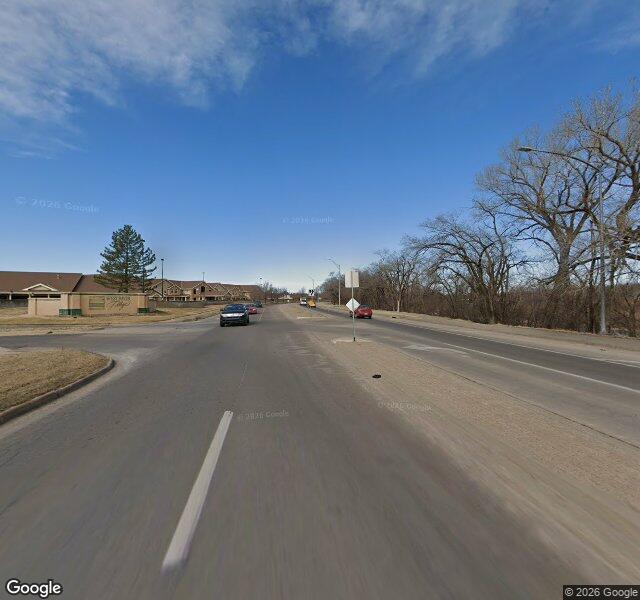
777 N Mclean Blvd, Wichita, KS 67203View map (opens in a new tab)
Overview and key essentials
State license
Active
KS KDADS
Google reviews
Not available
Public reviews not linked
Size & payment
Ask directly
Confirm pricing & payment
Public records for this community are limited. Use the checklist below when you call or visit to confirm pricing, services, and openings.
Cost, payment & care details
Updated Nov 28, 2026| Monthly cost | Not published | Ask for the full monthly cost, including care fees and one-time charges. |
|---|---|---|
| Payment options | Ask directly | Payment details are not confirmed in our records. Ask about private pay, long-term care insurance, veterans benefits, and Medicaid waivers. |
| Size & availability | Confirm directly | We don't publish live openings. Ask about current availability, waitlist length, and move-in timing. |
| Care & support | Assisted living | Usually offers housing and help with everyday tasks, such as bathing and dressing. What to confirm about care levelsThis describes the licensed category. Ask how care plans adjust if mobility, nursing, or memory needs change over time. Read the family care guide → |
State licensing
State inspection history
15inspections
28deficiencies listed
Sep 29, 2026Routine2 deficiencies reported2
2 deficiencies reported
View official state report (opens in a new tab)
INITIAL COMMENTS The Risk-Based Survey Process was used to conduct a federal recertification survey. The following citations represent the findings of a Health Recertification Survey. The census was 39. The sample included 6 residents.
moderateF 0689
CFR(s): 483.25(d)(1)(2) §483.25(d) Accidents. The facility must ensure that - §483.25(d)(1) The resident environment remains as free of accident hazards as is possible; and §483.25(d)(2)Each resident receives adequate supervision and assistance devices to prevent accidents. This REQUIREMENT is NOT MET as evidenced by: Based on observation, interview, and record review, the facility failed to ensure an environment free from accident hazards when staff failed to utilize foot pedals when propelling Resident (R) 8 in her wheelchair. Findings included: - R8's electronic medical record (EMR) documented a diagnosis of arthritis (inflammation of a joint characterized by pain, swelling, redness, and limitation of movement). R8's "Significant Change Minimum Data Set" (MDS), dated 10/01/2025, documented that she had a Brief Interview for Mental Status (BIMS) score of 13, which indicated intact cognition. She required substantial to maximum staff assistance with mobilization in her wheelchair. R8's "Activity of Daily Living (ADL)/Rehabilitation Potential Care Area Assessment" (CAA), dated SS = D 10/01/2025, documented that she required assistance with activities of daily living (ADLs). R8's "Quarterly MDS," dated 08/31/2026, documented a BIMS score of 12, which indicated moderately impaired cognition. She required partial to moderate staff assistance with mobilization in her wheelchair. R8's "Care Plan", revised 08/22/2026, instructed staff that she was able to self-propel her wheelchair for short distances but required staff assistance at times. R8's EMR from 08/30/2026 through 09/29/2026 (30 days) documented that she utilized a wheelchair for locomotion daily. On 09/20/2026 at 10:00 AM, Certified Medication Aide (CMA) R propelled R8 in her wheelchair out of the dining room. R8's feet skimmed the floor, and her wheelchair lacked foot pedals. On 09/29/2026 at 02:04 PM, CMA R stated that staff were not to propel residents in their wheelchairs without foot pedals. On 09/29/2026 at 02:21 PM, Licensed Nurse (LN) G stated that staff were to use foot pedals when propelling residents in their wheelchairs, for safety. On 09/29/2026 at 03:07 PM, Administrative Nurse D stated that it was the expectation for staff to utilize foot pedals while propelling residents in their wheelchairs. The facility policy for “Reasonable Accommodation of Needs”, revised 06/2023, included: Wheelchairs shall be maintained by the facility and used safely by staff.
moderateF 0757
SS = D three times per day (TID), for a diagnosis of HTN, ordered 08/10/2025. Staff were to hold the medication and notify the physician if her SBP was greater than 180 mm/Hg or less than 100 mm/Hg, or if her DBP was greater than 90 mm/Hg or less than 60 mm/Hg, or if her pulse (P) was less than 60 beats per minute (BPM). Review of the "Medication Administration Record" (MAR) for August and September 2026 revealed the staff had not obtained R5's BP or P before administering either of the medications. On 09/29/2026 at 02:17 PM, Certified Medication Aide (CMA) R stated that the staff did not obtain a BP or P from the resident before administering either of the HTN medications. On 09/29/2026 at 02:21 PM, Licensed Nurse (LN) G stated that the staff did not obtain a BP or P from the resident before administering either of the HTN medications. On 09/29/2026 at 03:05 PM, Administrative Nurse D stated that it was the expectation for staff to obtain a BP and P before administering the HTN medications, as ordered. The facility policy for "Guidelines for Notifying Physicians of Clinical Problems", revised 04/2007, included: The staff shall notify the physician when a resident's vital signs "VS" are outside of the ordered parameters.
Sep 22, 2026Routine4 deficiencies reported4
4 deficiencies reported
View official state report (opens in a new tab)
INITIAL COMMENTS The following citations represent the findings of a Health Licensure Resurvey conducted on 09/21/26 and 09/22/26. The facility reported a census of 55 residents. The sample included 3 residents.
moderateS 3211
package and the medication container. This LICENSURE REQUIREMENT is NOT MET as evidenced by: K.A.R. 26-41-205 (g)(3) Medication Management Based on observation and interview, the facility failed to ensure the licensed pharmacist or the licensed nurse placed the full name of the resident on the over-the-counter medication containers. On 09/21/26, at approximately 02:00 PM the surveyor observed Licensed Nurse D unlock the medication cart located on the first floor at the north end of the hall, and revealed the following overt the counter medications, which lacked the full name of the resident: 1 bottle Bayer Aspirin 81 milligram (mg) tablets 1 bottle Neuro Elite 1 bottle Zinc 50 mg 1 bottle Vitamin E 180 mg 1 bottle Vitamin D3 1000 international unit (IU) 1 bottle equate stool softener 1 bottle Acetaminophen tablets 325mg 1 bottle Allegra 1 bottle MiraLAX powder On 09/21/26 at approximately 02:15 PM Administrator A and Licensed Nurse D confirmed the over-the-counter medication containers lacked the full name of the resident. This failure placed residents at risk for their over-the-counter medication to be administered to other residents with the same over-the-counter medication orders.
moderateS 3165
The 04/19/26 Negotiated Service Agreement revealed nursing staff would assist with daily medication and treatment management. R2 admitted on 04/07/25 and facility staff were instructed to manage and administer R2’s medications and medical treatments. The negotiated service agreement lacked the name of the nurse responsible for the supervision and implementation of the health service plan. R 3 Diagnoses included Type 2 Diabetes Mellites, Neuropathy, Chronic Kidney Disease and Depression. The 06/03/26 Functional Capacity Screen revealed R3 was independent with Activities of Daily Living, she required assistance with medication management and medical treatments. R3 was cognitively intact, and was identified at risk for falls, R3 used a walker mobility device. The 06/03/26 Negotiated Service Agreement revealed facility staff will administer and manage R 3’s medications. R 3 admitted on 06/01/26 and required medication management. The negotiated service agreement lacked the name of the nurse responsible for the supervision and implementation of the health service plan. On 09/22/26 at 02:30 PM Licensed nurse B confirmed the Negotiated Service Agreements for R’s1, 2, and 3 lacked the name of the nurse responsible for the implementation and supervision of the health service plan.
moderateS 3085
CFR(s): 26-41-202 (a) (a) The administrator or operator of each assisted living facility or residential health care facility shall ensure the development of a written negotiated service agreement for each resident, based on the resident ' s functional capacity screening, service needs, and preferences, in collaboration with the resident or the resident ' s legal representative, the case manager, and, if agreed to by the resident or the resident ' s legal representative, the resident ' s family. The negotiated service agreement shall provide the following information: (1) A description of the services the resident will receive; (2) identification of the provider of each service; and (3) identification of each party responsible for payment if outside resources provide a service. This LICENSURE REQUIREMENT is NOT MET as evidenced by: K.A.R. 26-41-202 (a) Negotiated Service Agreement Based on interview and record review the facility failed to ensure the development of a written Negotiated Service Agreement based on the residents reviewed for the Negotiated Service Agreement, Resident (R) 1. R1 diagnoses included chronic obstructive pulmonary disease and fatigue. The 06/26/26 Functional Capacity Screen revealed R1 was cognitively intact. The 06/29/26 Resident Service Plan in the section titled "Cognition and Psychological" revealed R1 had occasional confusion and some difficulty recalling details. R1 admitted on 06/26/26 and required the facility staff to provide occasional prompting and/or redirection. Review of the "Office Clinic Notes" dated 06/10/26 which showed R1 was alert and oriented to person, place, and time. On 09/22/26 at 02:30 PM Administrator A and Licensed Nurse B confirmed R1 had confusion at times. They continued to confirm the confusion was not included on R1's Functional Capacity Screen. As a result, the Negotiated Service Agreement was not based on R1's screening that determined her functional capacity.
moderateS 3101
CFR(s): 26-41-202 (h) (h) Each individual involved in the development of the negotiated service agreement shall sign the agreement. The administrator or operator shall ensure that a copy of the initial agreement and any subsequent revisions are provided to the resident or the resident's legal representative. This LICENSURE REQUIREMENT is NOT MET as evidenced by: KAR- 26-41-202 (h) Negotiated Service Agreement Based on interview and record review, the facility failed to ensure each individual involved in the development of the negotiated service agreement, signed the agreement for 3 of 3 residents reviewed for negotiated service agreement, Resident (R)’s 1, 2, and 3. R1 diagnoses included Chronic constructive pulmonary disease and fatigue. The 06/26/26 Functional Capacity Screen revealed R1 was cognitively intact. Independently with activities of daily living and was independent with medication management. The 06/29/26 Negotiated Service Agreement revealed R1 administered her own medication, and facility staff were instructed to provide occasional prompting and redirection. R1 admitted on 06/26/26, facility staff were instructed to provide occasional prompting and redirection. The surveyor reviewed the 06/29/26 Negotiated Service Agreement. In the section titled “Signatures”, it revealed Licensed Nurse B signed the Negotiated Service Agreement. SS = F SS = F plan. On 09/22/26 at 02:30 PM Licensed nurse B confirmed the Negotiated Service Agreements for R’s1, 2, and 3 lacked the signatures of all individuals who were involved in development of the Negotiated Service Agreements.
Aug 14, 2025Routine8 deficiencies reported8
8 deficiencies reported
View official state report (opens in a new tab)
INITIAL COMMENTS The following citations are the result of a Health Recertification Survey and complaint investigation 2566030.
moderateF 0658
CFR(s): 483.21(b)(3)(i) §483.21(b)(3) Comprehensive Care Plans The services provided or arranged by the facility, as outlined by the comprehensive care plan, must- (i) Meet professional standards of quality. This REQUIREMENT is NOT MET as evidenced by: The facility had a census of 32 residents. The sample included 12 residents. Based on observations, interviews, and record review, the facility failed to provide services to meet professional standards of care when staff signed a treatment order as completed but did not complete the treatment for Resident (R) 15. This placed the resident at risk for delayed healing and infection. Findings included: - R15 's Electronic Health Record (EHR) revealed diagnoses of depression (a mood disorder that causes a persistent feeling of sadness and loss of interest), and diabetes mellitus (DM-when the body cannot use glucose, not enough insulin is made, or the body cannot respond to the insulin). R15’s 05/27/25 "Annual Minimum Data Set" (MDS) documented a Brief Interview of Mental Status (BIMS) score of seven, which indicated severely impaired cognition. The MDS documented R15 required moderate assistance for bathing, toileting, lower body dressing, and footwear. The MDS documented R15 had one venous stasis ulcer (lesion of the lower leg due to poor circulation) and required a non-surgical dressing and application of ointment/medication. SS = D activities and when to complete activities of daily living (ADLs). R15’s 10/01/24 "Care Plan" documented R15 was anticipated to have persistent and/or recurring wounds to both lower extremities related to diabetes and lymphedema (swelling caused by accumulation of lymph). R15’s 06/16/25 "Care Plan" documented staff were to provide treatment as ordered. R15's "Physician Orders" ordered the wounds to anterior(front) left lower extremity, medical (towards the middle) right lower extremity, and right medial ankle were cleansed with wound cleanser and soaked gauze for 10 minutes, then apply Skin-prep (liquid skin protectant) to peri-wound (skin surrounding the wound), apply Opticell AG (antibacterial wound dressing) to wound bed, cover with pad dressing, secure with kerlix and tape, change daily and as needed until resolved, dated ordered 06/21/25. R15’s 08/13/25 “Treatment Administration Record” documented that Licensed Nurse (LN) G signed off completed treatment at 01:36 PM in the EHR for both lower extremities' wound care. During an observation on 08/13/25 at 09:38 AM, R15 pulled down her dressing on her left leg. Observation revealed serosanguineous (semi-thick blood-tinged) drainage on the dressing as she pulled it towards her left foot from her knee. R15 then scratched at the area, removed the ace wrap, and placed the dressing and wraps on the dining room table. Certified Nurse Aide (CNA) M walked by R15 two times but did not intervene. During an observation on 08/13/25 at 10:10 AM, CNA N removed the ace wrap and dressing from the dining room table and took them to R15's room; the tablecloth remained on the table. CNA N reported that R15’s dressing was still intact on R15’s legs. During an observation on 08/13/25 at 01:55 PM, R15 sat in the dining room for lunch, then for an activity. Her left lower leg dressing remained off, and serosanguinous drainage remained on her left leg. During an interview on 08/13/2025 04:12 PM, CNA O reported that if a wound was missing a dressing, the staff would let the nurse know. SS = D and confirmed she had not completed the...
moderateF 0677
CFR(s): 483.24(a)(2) §483.24(a)(2) A resident who is unable to carry out activities of daily living receives the necessary services to maintain good nutrition, grooming, and personal and oral hygiene; This REQUIREMENT is NOT MET as evidenced by: The facility reported a census of 32 residents. The sample included 12 residents with one dependent resident reviewed for activities of daily living (ADLs). Based on observation, interviews, and record review the facility failed to provide ADL care including grooming of facial hair for Resident (R) 9. This placed the resident at risk for impaired dignity and poor hygiene. Findings included: SS = D R9's 11/26/24 "Annual Minimum Data Set" (MDS) documented a Brief Interview for Mental Status (BIMS) score of 12, which indicated moderately impaired cognition. The MDS noted R9 required set-up assistance for personal hygiene and oral care. The MDS noted R9 required moderate assistance with toileting, standing, and transfers. The 12/05/24 "Functional Abilities (Self-Care and Mobility) Care Area Assessment" (CAA) documented R9 continued occupational therapy and has been on and off therapy for a significant amount of time. With the progression of his Parkinson's, R9 was anticipated to continue to decline in function, which may be significant if he or his representative decide to discontinue therapy services; there may be a decline despite therapy interventions as well. The 05/27/25 "Quarterly MDS" documented a BIMS of 12, R9 required supervision with bathing and walking. R9 was independent in the remainder of ADLs. R9’s “Care Plan” documented an intervention dated 06/06/24, which directed the resident required limited assistance from one of the staff with “HYGIENE/ORAL CARE.” The plan lacked direction related to having or removal of facial hair. R9’s “Point of Care” documentation for tasks documented R9 had a shower completed on 08/02/25 and 08/06/25, and R9 required total assistance. A “N,” which indicated no, was documented under showers from 08/07/25 through 08/17/25. R9’s “Point of Care” documentation for facial hair removal tasks from 08/01/25 through 08/14/25 was documented as “Y,” which indicated yes. The task directed staff to check and trim facial hair as necessary. R9’s “Point of Care” documentation for refusal of care from 08/01/25 through 08/14/25 was documented as “N”. SS = D dining room for his lunch. During an observation on 08/14/25 at 07:30 AM, R9 was at the dining room table eating breakfast. R9 still had prominent beard stubble on his face. During an interview on 08/12/25 at 02:31 PM, R9 reported he wished he could shave himself and stated he would not do well because his hands shake. He stated he would need help from the staff. During an interview on 08/14/25 at 07:46 AM, CNA M reported residents were offered shaves on their bath days. During an interview on 08/14/25 at 10:50 AM, CNA N reported R9 could not shave himself; he would be shaved on shower days. CNA N said, R9 was showered and shaved on that day. CNA N stated staff should offer R9 a shave or shave him when requested. During an interview on 08/14/25 at 02:27 PM, Administrative Nurse F reported R9 would refuse a shower often. She expected staff to offer and complete facial hair on residents who required assistance. Administrative Nurse F reported that R9’s personal hygiene for shaving was not addressed on his care plan. Administrative Nurse F reported that a “Y” charted in point of care documentation in HER would be a yes...
moderateF 0628
CFR(s): 483.15(c)(2)(iii)(3)-(6)(8)(d)(1)(2); 483.21(c)(2) §483.15(c)(2) Documentation. SS = D must include a minimum of the following: (A) Contact information of the practitioner responsible for the care of the resident. (B) Resident representative information including contact information (C) Advance Directive information (D) All special instructions or precautions for ongoing care, as appropriate. (E) Comprehensive care plan goals; (F) All other necessary information, including a copy of the resident's discharge summary, consistent with §483.21(c)(2) as applicable, and any other documentation, as applicable, to ensure a safe and effective transition of care. §483.15(c)(3) Notice before transfer. Before a facility transfers or discharges a resident, the facility must- (i) Notify the resident and the resident's representative(s) of the transfer or discharge and the reasons for the move in writing and in a language and manner they understand. The facility must send a copy of the notice to a representative of the Office of the State Long-Term Care Ombudsman. (ii) Record the reasons for the transfer or discharge in the resident's medical record in accordance with paragraph (c)(2) of this section; and (iii) Include in the notice the items described in paragraph (c)(5) of this section. §483.15(c)(4) Timing of the notice. (i) Except as specified in paragraphs (c)(4)(ii) and (c)(8) of this section, the notice of transfer or discharge required under this section must be made by the facility at least 30 days before the resident is transferred or discharged. SS = D endangered under paragraph (c)(1)(i)(C) of this section; (B) The health of individuals in the facility would be endangered, under paragraph (c)(1)(i)(D) of this section; (C) The resident's health improves sufficiently to allow a more immediate transfer or discharge, under paragraph (c)(1)(i)(B) of this section; (D) An immediate transfer or discharge is required by the resident's urgent medical needs, under paragraph (c)(1)(i)(A) of this section; or (E) A resident has not resided in the facility for 30 days. §483.15(c)(5) Contents of the notice. The written notice specified in paragraph (c)(3) of this section must include the following: (i) The reason for transfer or discharge; (ii) The effective date of transfer or discharge; (iii) The location to which the resident is transferred or discharged; (iv) A statement of the resident's appeal rights, including the name, address (mailing and email), and telephone number of the entity which receives such requests; and information on how to obtain an appeal form and assistance in completing the form and submitting the appeal hearing request; (v) The name, address (mailing and email) and telephone number of the Office of the State Long-Term Care Ombudsman; SS = D address and telephone number of the agency responsible for the protection and advocacy of individuals with a mental disorder established under the Protection and Advocacy for Mentally Ill Individuals Act. §483.15(c)(6) Changes to the notice. If the information in the notice changes prior to effecting the transfer or discharge, the facility must update the recipients of the notice as soon as practicable once the updated information becomes available. §483.15(c)(8) Notice in advance of facility closure In the case of facility closure, the individual who is the administrator of the facility must provide written notification prior to the impending closure to the State Survey Agency,...
moderateF 0578
CFR(s): 483.10(c)(6)(8)(g)(12)(i)-(v) §483.10(c)(6) The right to request, refuse, and/or discontinue treatment, to participate in or refuse to participate in experimental research, and to formulate an advance directive. §483.10(c)(8) Nothing in this paragraph should be construed as the right of the resident to receive the provision of medical treatment or medical services deemed medically unnecessary or inappropriate. §483.10(g)(12) The facility must comply with the requirements specified in 42 CFR part 489, subpart I (Advance Directives). (i) These requirements include provisions to inform and provide written information to all adult residents concerning the right to accept or refuse medical or surgical treatment and, at the resident's option, formulate an advance directive. (ii) This includes a written description of the facility's policies to implement advance directives and applicable State law. (iii) Facilities are permitted to contract with other entities to furnish this information but are still legally responsible for ensuring that the requirements of this section are met. (iv) If an adult individual is incapacitated at the time of admission and is unable to receive information or articulate whether or not he or she has executed an advance directive, the facility may give advance directive information to the individual's resident representative in accordance with State law. SS = D (v) The facility is not relieved of its obligation to provide this information to the individual once he or she is able to receive such information. Follow-up procedures must be in place to provide the information to the individual directly at the appropriate time. This REQUIREMENT is NOT MET as evidenced by: The facility reported a census of 32 residents, with 12 residents sampled for advanced directives (a written document, which indicates the medical decisions for health care professionals when the person could not make their own decisions). Based on observation, interview and record review, the facility failed to ensure one resident's advanced directives were thoroughly completed when Resident (R)34 had a do not resuscitate (DNR- or no code, a legal document or order that means the person does not desire resuscitative measures) which was only signed by two licensed nurses as a verbal order and lacked a physician signature rendering it invalid. This placed the resident at risk for an impaired right to have advance directives honored. Findings included: - R34 's Electronic Health Record (EHR) revealed diagnoses of dementia (progressive mental disorder characterized by failing memory, confusion), depression (a mood disorder that causes a persistent feeling of sadness and loss of interest), and anxiety (mental or emotional reaction characterized by apprehension, uncertainty, and irrational fear). R34's "Annual Minimum Data Set" (MDS), dated 11/05/24, documented the resident had a Brief Interview for Mental Status (BIMS) score of zero, which indicated severely impaired cognition. The MDS recorded no behaviors. R34 was totally dependent with activities of daily living (ADL) including bathing, toileting, dressing, footwear, transfers, and personal hygiene. The MDS recorded R34 required maximal assistance with oral care and moderate with assistance with eating. The MDS recorded R34 received an antianxiety (a class of medications that calm and relax people), and an antidepressant (class of medications used to treat mood disorders) on a routine basis. SS...
moderateF 0582
CFR(s): 483.10(g)(17)(18)(i)-(v) §483.10(g)(17) The facility must-- (i) Inform each Medicaid-eligible resident, in writing, at the time of admission to the nursing facility and when the resident becomes eligible for Medicaid of- (A) The items and services that are included in nursing facility services under the State plan and for which the resident may not be charged; (B) Those other items and services that the facility offers and for which the resident may be charged, and the amount of charges for those services; and (ii) Inform each Medicaid-eligible resident when changes are made to the items and services specified in §483.10(g)(17)(i)(A) and (B) of this section. §483.10(g)(18) The facility must inform each resident before, or at the time of admission, and periodically during the resident's stay, of services available in the facility and of charges for those services, including any charges for services not covered under Medicare/ Medicaid or by the facility's per diem rate. (i) Where changes in coverage are made to items and services covered by Medicare and/or by the Medicaid State plan, the facility must provide notice to residents of the change as soon as is reasonably possible. (ii) Where changes are made to charges for other items and services that the facility offers, the facility must inform the resident in writing at least 60 days prior to implementation of the change. SS = D rate, for the days the resident actually resided or reserved or retained a bed in the facility, regardless of any minimum stay or discharge notice requirements. (iv) The facility must refund to the resident or resident representative any and all refunds due the resident within 30 days from the resident's date of discharge from the facility. (v) The terms of an admission contract by or on behalf of an individual seeking admission to the facility must not conflict with the requirements of these regulations. This REQUIREMENT is NOT MET as evidenced by: The facility reported a census of 32 residents. The sample included 12 residents. Based on interview and record review, the facility failed to ensure the correct and complete Beneficiary Protection Notification forms were issued to one of three residents reviewed, Resident (R) 27. This placed the resident at risk for uninformed decisions. Findings included: - On 08/13/25 a review of the "Skilled Nursing Facility Advance Beneficiary Notice of Non-Coverage Form CMS-20052" (SNF ABN) revealed the facility lacked a completed form for R27. R27’s "Notification of Medicare Non-Coverage Form 10123”"(NOMNC- the form used to notify Medicare A participants of their rights to appeal and the last covered date of service) was signed on 05/21/25. Last covered day of service was 05/23/25. R27 remained in the facility for long-term care. R27’s 05/08/25 “Progress Note” at 01:48 PM documented R27 was admitted from hospital for skilled nursing care/rehab. R27’s 05/23/25 "Physical Therapy Discharge Summary" documented R27 was discharged from physical therapy to reside in this long-term care facility. Goal partially met with level of assistance with the use of a front-wheeled walker, stand-stepping with cues for safety awareness to decrease risk for falls. SS = D The facility did not provide a policy on Beneficiary Protection Notifications.
moderateF 0880
CFR(s): 483.80(a)(1)(2)(4)(e)(f) §483.80 Infection Control The facility must establish and maintain an infection prevention and control program designed to provide a safe, sanitary and comfortable environment and to help prevent the development and transmission of communicable diseases and infections. §483.80(a) Infection prevention and control program. The facility must establish an infection prevention and control program (IPCP) that must include, at a minimum, the following elements: SS = D §483.80(a)(2) Written standards, policies, and procedures for the program, which must include, but are not limited to: (i) A system of surveillance designed to identify possible communicable diseases or infections before they can spread to other persons in the facility; (ii) When and to whom possible incidents of communicable disease or infections should be reported; (iii) Standard and transmission-based precautions to be followed to prevent spread of infections; (iv)When and how isolation should be used for a resident; including but not limited to: (A) The type and duration of the isolation, depending upon the infectious agent or organism involved, and (B) A requirement that the isolation should be the least restrictive possible for the resident under the circumstances. (v) The circumstances under which the facility must prohibit employees with a communicable disease or infected skin lesions from direct contact with residents or their food, if direct contact will transmit the disease; and (vi)The hand hygiene procedures to be followed by staff involved in direct resident contact. §483.80(a)(4) A system for recording incidents identified under the facility's IPCP and the corrective actions taken by the facility. §483.80(e) Linens. Personnel must handle, store, process, and transport linens so as to prevent the spread of infection. §483.80(f) Annual review. SS = D The facility reported a census of 32 residents. The sample included 12 residents. Based on interviews, observation and record review, the facility failed to utilize Enhanced Barrier Precautions (EBP-infection control interventions designed to reduce transmission of resistant organisms which employ targeted gown and glove use during high contact care) when providing direct care to a Resident (R) 42 with a peripherally inserted central catheter (PICC-a thin, flexible tube that is inserted into a vein in the upper arm and threaded into a large vein above the heart). The facility further failed to ensure adequate hand hygiene during personal care for R3 when staff failed to complete proper hand hygiene. The facility failed to store respiratory equipment in a sanitary manner for R6. These deficient practices had the potential to spread infections to the residents in the facility. Findings included: - Observation on 08/12/25 At 11:54 AM, R6 had oxygen tubing dated 08/03/25 stored in a plastic bag attached to an oxygen concentrator. The plastic bag had a large hole noted on the bottom and side of the bag and the plastic bag laid on R6’s floor. Observation on 08/12/25 at 11:59 AM, Certified Nurse Aide (CNA) P provided peri-care to R3. CNA P removed her gloves and applied a clean pair of gloves, but did not perform hand hygiene prior to donning the clean gloves. Observation on 08/13/25 at 09:32 AM, Licensed Nurse (LN) H, applied gloves but no gown, then administered Cefazoline (antibiotic) 2 grams (gm), 100 milliliters (ml) normal saline, every 8 hours for sepsis (a life-threatening systemic...
moderateF 0605
CFR(s): 483.10(e)(1),483.12(a)(2),483.45(c)(3)(d)(e) §483.10(e) Respect and Dignity. The resident has a right to be treated with respect and dignity, including: §483.10(e)(1) The right to be free from any . . . chemical restraints imposed for purposes of discipline or convenience, and not required to treat the resident's medical symptoms, consistent with §483.12(a)(2). §483.12 The resident has the right to be free from abuse, neglect, misappropriation of resident property, and exploitation as defined in this subpart. This includes but is not limited to freedom from corporal punishment, involuntary seclusion and any physical or chemical restraint not required to treat the resident's medical symptoms. §483.12(a) The facility must-. . . §483.12(a)(2) Ensure that the resident is free from . . . chemical restraints imposed for purposes of discipline or convenience and that are not required to treat the resident's medical symptoms. . . . . SS = D (i) Anti-psychotic; (ii) Anti-depressant; (iii) Anti-anxiety; and (iv) Hypnotic. §483.45(d) Unnecessary drugs-General. Each resident's drug regimen must be free from unnecessary drugs. An unnecessary drug is any drug when used- (1) In excessive dose (including duplicate drug therapy); or (2) For excessive duration; or (3) Without adequate monitoring; or (4) Without adequate indications for its use; or (5) In the presence of adverse consequences which indicate the dose should be reduced or discontinued; or (6) Any combinations of the reasons stated in paragraphs (d)(1) through (5) of this section. §483.45(e) Psychotropic Drugs. Based on a comprehensive assessment of a resident, the facility must ensure that-- §483.45(e)(1) Residents who have not used psychotropic drugs are not given these drugs unless the medication is necessary to treat a specific condition as diagnosed and documented in the clinical record; §483.45(e)(2) Residents who use psychotropic drugs receive gradual dose reductions, and behavioral interventions, unless clinically contraindicated, in an effort to discontinue these drugs; SS = D limited to 14 days. Except as provided in §483.45(e)(5), if the attending physician or prescribing practitioner believes that it is appropriate for the PRN order to be extended beyond 14 days, he or she should document their rationale in the resident's medical record and indicate the duration for the PRN order. §483.45(e)(5) PRN orders for anti-psychotic drugs are limited to 14 days and cannot be renewed unless the attending physician or prescribing practitioner evaluates the resident for the appropriateness of that medication. This REQUIREMENT is NOT MET as evidenced by: The facility reported a census of 32 residents. The sample included 12 residents, which included five residents reviewed for unnecessary medications. Based on observation, interview, and record review, the facility failed to ensure that Resident (R) 34's as-needed antianxiety (a class of medications that calm and relax people) medication had a 14-day stop date, or a specified duration, and physician rationale for the extended duration. This deficient practice placed the affected resident at risk for adverse effects associated with the use of psychotropic (alters mood or thoughts) medications. Findings included: R34 's Electronic Health Record (EHR) revealed diagnoses of dementia (progressive mental disorder characterized by failing memory, confusion), depression (a mood disorder that causes a persistent feeling of sadness and loss...
moderateF 0684
CFR(s): 483.25 § 483.25 Quality of care SS = D resident, the facility must ensure that residents receive treatment and care in accordance with professional standards of practice, the comprehensive person-centered care plan, and the residents' choices. This REQUIREMENT is NOT MET as evidenced by: The facility reported a census of 32 residents; the sample included 12 with five residents reviewed for unnecessary medications and related monitoring. Based on observation, interview, and record review revealed the facility failed to monitor and respond to Resident (R)14 and R36 for lack of bowel movements. This placed the residents at risk for complications including constipation and bowel obstruction. Findings included: - R14's Electronic Health Records (EHR), under the "Physician Orders" (POS), documented diagnoses which included dementia (a progressive mental disorder characterized by failing memory and confusion), hypothyroidism (a condition characterized by decreased activity of the thyroid gland), hypovolemia (abnormally low circulating blood volume), and constipation (difficulty passing stools), R14's 4/15/25 "Annual Minimum Data Set" (MDS) documented a Brief Interview for Mental Status (BIMS) score of nine, indicating moderate cognitive impairment. The MDS noted R14 was frequently incontinent of bowel, without a toileting program, and/or constipation. The “Urinary Continence and Indwelling Catheter Care Area Assessment” (CAA), dated 04/20/25, documented the resident was incontinent of bowel and bladder. She did not usually know when she needed to be toileted. R14's "Care Plan" dated 7/13/25, directed staff to provide check and change for incontinent episodes. R14's POS listed in the EHR documented the resident had an order for MiraLAX Powder (laxative), 17grams (gm)/scoop, by mouth, daily, mixed in 8eight ounces of water or liquid for constipation ordered 10/29/24. SS = D On 08/12/25 at 01:48 PM, R14 sat at the dining room table adjacent to her room. She verbalized no concerns. On 08/14/25 at 08:30 AM, Licensed Nurse (LN) H administered R14's morning medication. She confirmed the resident was taking routine medications to treat constipation, but frequently refused her medications. LN H stated the administrative nursing staff generated a report daily to inform the nursing staff of residents that failed to have a bowel movement every three days. She stated when staff were made aware of the lack of a bowel movement within that timeframe, the nurses should initiate interventions to treat constipation, which included an assessment and Milk of Magnesium (laxative- a substance that eases the passage of stool). On 08/14/25 at 09:46 AM, Certified Nurse Aide (CNA) P reported sometimes R14 would refuse care. CNA P stated the CNAs should notify the nurse if the resident does not have a bowel movement during the shift, and document it in the EHR. She reported she was not aware R36 had issues with constipation. CNA P said the administrative nursing staff created a report for the nurses to monitor the frequency of bowel movements, and the nurses then initiated treatment if the resident did not have a bowel movement in three days. On 08/14/25 at 10:53 AM, Administrative Nurse D confirmed R14 lacked a bowel movement as noted above, which exceeded the three-day period where she would expect the nursing staff to intervene and initiate treatment in accordance with the standard of care. Administrative Nurse D stated staff should initiate interventions...
Feb 25, 2025Routine2 deficiencies reported2
2 deficiencies reported
View official state report (opens in a new tab)
The following citation represents the findings of a Re-Licensure Survey for the above named Assisted Living Facility conducted on 02/24/25 and 02/25/25.
STATE FORM6899
C8Y711 STATE FORM C8Y711 STATE FORM C8Y711
moderateS 3215
(h) Storage. Licensed nurses and medication aides shall ensure that all medications and biologicals are securely and properly stored in accordance with each manufacturer ' s recommendations or those of the pharmacy provider and with federal and state laws and regulations. (1) Licensed nurses or medication aides shall store non-controlled medications and biologicals managed by the facility in a locked medication room, cabinet, or medication cart. Licensed nurses and medication aides shall store controlled medications managed by the facility in separately locked compartments within a locked medication room, cabinet, or medication cart. Only licensed nurses and medication aides shall have access to the stored medications and biologicals. (2) Each resident managing and self-administering medication shall store medications in a place that is accessible only to the resident, licensed nurses, and medication aides. (3) Any resident who self-administers medication and is unable to provide proper storage as recommended by the manufacturer or pharmacy provider may request that the medication be stored by the facility. (4) A licensed nurse or medication aide shall not administer medication beyond the manufacturer ' s or pharmacy provider ' s recommended date of expiration. This REQUIREMENT is not met as evidenced by: KAR 26-41-205(h)(1)(4) The facility reported a census of 42 residents. Based on observation and interview, the executive director failed to ensure staff stored insulin pens according to manufacturer's recommendations to ensure staff did not administer the medication beyond the manufacturer's recommended date of expiration. Findings included: - Observation on 02/24/25 at 03:16 PM Certified Medication Aide (CMA) C unlocked the North first floor medication cart for inspection which revealed the following: Lantus insulin pen that included an open date of 01/03/25. Interview on 02/24/25 at 03:16 PM CMA C reported the medication aides can dial the pen to what dosage he gets and then he sticks himself. Interview on 02/25/25 at 02:28 PM Administrative Licensed Nurse B reported for the Lantus in the evening he prepares the insulin syringe, leaves it in the lock box in R6's refrigerator and the CMA will get it out of the box and hand it to the resident to self inject. He acknowledged the pen should have been discarded when the resident returned from skilled nursing as it would have been expired. Review of the Lantus manufacturer recommendations revealed to store at room temperature and discard after 28 days. The executive director failed to ensure designated staff discarded R6's Lantus insulin after 28 days to ensure staff did not use it past the manufacturers recommended date of expiration.
Nov 15, 2023Routine6 deficiencies reported6
6 deficiencies reported
View official state report (opens in a new tab)
INITIAL COMMENTS The following citations represent the findings of a Health Resurvey and Complaint Investigations #184046 and #183654. This 2567 was electronically sent to the facility on 11/21/23.
Infection Prevention & ControlF 880
CFR(s): 483.80(a)(1)(2)(4)(e)(f) SS=F §483.80 Infection Control The facility must establish and maintain an infection prevention and control program designed to provide a safe, sanitary and comfortable environment and to help prevent the development and transmission of communicable diseases and infections. JG7Q11 §483.80(a) Infection prevention and control program. The facility must establish an infection prevention and control program (IPCP) that must include, at a minimum, the following elements: §483.80(a)(1) A system for preventing, identifying, reporting, investigating, and controlling infections and communicable diseases for all residents, staff, volunteers, visitors, and other individuals providing services under a contractual arrangement based upon the facility assessment conducted according to §483.70(e) and following accepted national standards; §483.80(a)(2) Written standards, policies, and procedures for the program, which must include, but are not limited to: (i) A system of surveillance designed to identify possible communicable diseases or infections before they can spread to other persons in the facility; (ii) When and to whom possible incidents of communicable disease or infections should be reported; (iii) Standard and transmission-based precautions to be followed to prevent spread of infections; (iv)When and how isolation should be used for a resident; including but not limited to: (A) The type and duration of the isolation, depending upon the infectious agent or organism involved, and (B) A requirement that the isolation should be the least restrictive possible for the resident under the circumstances. (v) The circumstances under which the facility must prohibit employees with a communicable disease or infected skin lesions from direct JG7Q11 contact with residents or their food, if direct contact will transmit the disease; and (vi)The hand hygiene procedures to be followed by staff involved in direct resident contact. §483.80(a)(4) A system for recording incidents identified under the facility's IPCP and the corrective actions taken by the facility. §483.80(e) Linens. Personnel must handle, store, process, and transport linens so as to prevent the spread of infection. §483.80(f) Annual review. The facility will conduct an annual review of its IPCP and update their program, as necessary. This REQUIREMENT is not met as evidenced by: The facility reported a census of 35 residents. Based on observation, interview and record review, the facility failed to maintain an effective infection control program with the failure to ensure sanitary storage of clean linen in the beauty shop, lack of housekeeping staff knowledge of cleaning products for clostridium difficile (a spore producing highly transmissible bacteria), use of expired sanitizing wipes, and unsanitary catheter care for resident (R)33. Findings included: - Observation, on 11/15/23 at 09:30 AM, during the environmental tour of the facility, revealed the beauty shop contained plastic wrapped clean towels placed directly on the floor. Administrative Staff A stated she would expect all staff to ensure towels were stored off the floor to prevent contamination. JG7Q11 Furthermore, interview, on 11/15/23 at 11:30 AM, with Housekeeping Staff W, revealed she did not know what cleaning solutions were required to clean an isolation room for clostridium difficile and thought the nursing staff would provide the cleaning supplies. Housekeeping Staff W obtained a container...
Free of Accident Hazards/Supervision/DevicesF 689
CFR(s): 483.25(d)(1)(2) SS=G §483.25(d) Accidents. The facility must ensure that - §483.25(d)(1) The resident environment remains as free of accident hazards as is possible; and §483.25(d)(2)Each resident receives adequate supervision and assistance devices to prevent accidents. This REQUIREMENT is not met as evidenced by: The facility reported a census of 35 residents with 15 selected for review which included three residents reviewed for accidents. Based on observation, interview and record review, the facility failed to ensure staff safely transferred two sampled residents, including Resident (R)27 with the required mechanical sit to stand lift which resulted in three metatarsal (bone in toe) fractures and failed to use a gait belt for R10. Findings included: - Review of Resident (R)27's "Physician Order Sheet," dated 11/08/23, revealed diagnosis included atrial fibrillation (rapid, irregular heartbeat), chronic kidney disease, congestive heart failure (a condition with low heart output and the body becomes congested with fluid), and history of back fracture. The "Admission Minimum Data Set" (MDS), dated 04/27/23, assessed the resident with a Brief Interview for Mental Status (BIMS) Score of 15 which indicated normal cognitive function. The resident required extensive assistance of two staff for transfer. The "Fall Care Area Assessment" dated 04/27/23 assess the resident had multiple falls in the past six months and was working with therapy services to address her physical and safety awareness status. The Quarterly MDS dated 07/27/23 assessed the resident with a BIMS score of 8 which indicated moderate cognitive impairment and required extensive assistance of two staff for transfers. The "Care Plan" revised 10/23/23, contained an entry dated 07/24/23, which instructed staff the resident required extensive assistance of two persons with the sit to stand lift. On 10/23/23, the resident required a full body mechanical lift for transfers. The Care plan updated 10/24/23, instructed staff the resident could bear weight as tolerated with the surgical shoe in place to prevent adverse reaction to her fractured toes. Staff instructed to ensure the resident had nonskid footwear on and to use the sit to stand mechanical lift for transfers. Review of the "Facility Complaint Investigation Report" number 3654, completed 10/31/23, revealed the following: On 10/22/23, the resident reported pain in her left foot and voiced concern it occurred during a transfer. The resident's physician instructed staff to obtain an x-ray, which JG7Q11 showed a possible fracture of her left foot (toes two through four) and was referred to an orthopedics/podiatry for confirmation of the fracture. Upon further questioning, the resident stated to Administrative Nursing Staff E, that CNA MM transferred her without the use of the sit-to-stand lift. Administrative Nursing Staff E and Administrative Staff A interviewed CNA MM, who admitted to transferring the resident without use of the sit-to-stand lift. CNA MM stated the resident's foot got caught in the front wheel of her wheelchair. A "Nurse's Note," dated 10/22/23 at 08:34 PM, revealed the resident voiced pain in her left lateral foot, rated an 8 out of 10 with movement or touch. The resident reported to the nurse that her foot was injured during a transfer with the sit to stand lift. A "Nurse's Note," dated 10/23/22 at 10:15 AM, revealed the physician assistant made rounds and ordered an x ray of the residents left...
Food Procurement,Store/Prepare/Serve-SanitaryF 812
CFR(s): 483.60(i)(1)(2) SS=F JG7Q11 §483.60(i) Food safety requirements. The facility must - §483.60(i)(1) - Procure food from sources approved or considered satisfactory by federal, state or local authorities. (i) This may include food items obtained directly from local producers, subject to applicable State and local laws or regulations. (ii) This provision does not prohibit or prevent facilities from using produce grown in facility gardens, subject to compliance with applicable safe growing and food-handling practices. (iii) This provision does not preclude residents from consuming foods not procured by the facility. §483.60(i)(2) - Store, prepare, distribute and serve food in accordance with professional standards for food service safety. This REQUIREMENT is not met as evidenced by: The facility reported a census of 35 residents. Based on observation, record review and interview, the facility failed to prepare and serve food under sanitary conditions, to the residents of the facility appropriately to prevent the potential for food borne bacteria. Findings included: - During an initial tour of the kitchen on 11/14/23 at 10:03 AM, the following areas of concern were noted: 1. The white freezer had food debris on the bottom shelf. 2. The ice machine drainage pipe lacked an air JG7Q11 gap and rested directly touching on the grate of the floor drain. 3. The stationary can opener had dried, sticky food debris on the tip and on the surrounding holding device. 4. A large fan which blew directly onto the shelf where pots and pans were placed to dry, had a heavy build-up of dust and debris on the cage surrounding the blades. The fan was on and blowing at the time of the initial tour and again on a follow up visit to the kitchen. The facility policy for "Sanitation and Infection Prevention/Control", revised 01/2023, included: A basic sanitation inspection is conducted at least once per month to ensure that established procedures are being followed and that sanitation standards are maintained. Cleaning schedules and frequencies are revised based on inspection findings. The facility failed to prepare and serve food under sanitary conditions, to the residents of the facility appropriately to prevent the potential for food borne bacteria.
Label/Store Drugs and BiologicalsF 761
CFR(s): 483.45(g)(h)(1)(2) SS=D §483.45(g) Labeling of Drugs and Biologicals Drugs and biologicals used in the facility must be labeled in accordance with currently accepted JG7Q11 professional principles, and include the appropriate accessory and cautionary instructions, and the expiration date when applicable. §483.45(h) Storage of Drugs and Biologicals §483.45(h)(1) In accordance with State and Federal laws, the facility must store all drugs and biologicals in locked compartments under proper temperature controls, and permit only authorized personnel to have access to the keys. §483.45(h)(2) The facility must provide separately locked, permanently affixed compartments for storage of controlled drugs listed in Schedule II of the Comprehensive Drug Abuse Prevention and Control Act of 1976 and other drugs subject to abuse, except when the facility uses single unit package drug distribution systems in which the quantity stored is minimal and a missing dose can be readily detected. This REQUIREMENT is not met as evidenced by: The facility reported a census of 35 residents with 15 selected for review which included six residents observed for medication administration. Based on observation, interview and record review, the facility failed to ensure appropriate storage of one Resident (R)19's inhaler of the six residents observed. Findings included: - Review of Resident (R) 19 "Physician Order Sheet," dated 11/10/23, instructed staff to administer Advair disckus (an inhaled medication containing a steroid and broncho dilator) 100/50 micrograms one inhalation twice a day for chronic JG7Q11 obstructive pulmonary disease (COPD- progressive and irreversible condition characterized by diminished lung capacity and difficulty or discomfort in breathing). Observation, on 11/14/23 at 08:08 AM, revealed Licensed Nurse (LN) H, prepared to administer morning medications to Resident (R)19. LN H could not find the resident's inhaler in R19's box in the medication cart. LN H looked in the resident's room and was unable to find the inhaler. The resident was sitting at the common dining room table. LN H noted the inhaler in a flower arrangement on the table the resident sat at. Interview, with the resident revealed she used the inhaler at supper 11/13/23, and staff must have picked it up and placed it in the flower arrangement. Interview, on 11/15/23 at 11:30 AM, with Administrative Nurse E, revealed she would expect staff to store medications appropriately. The facility policy "Storage of Medications," dated 12/2021, instructed staff to store medications in an order manner in resident assigned cabinets and drawers of carts to prevent the possibility of mixing of medications of several residents. Staff were responsible for maintaining medication storage and preparation areas in a clean, safe, and sanitary manner. The facility failed to ensure staff stored this resident's inhaler in a safe, sanitary manner to prevent the spread of infection, or inadvertent use by another resident.
VentilationF 923
CFR(s): 483.90(i)(2) SS=E §483.90(i)(2) Have adequate outside ventilation by means of windows, or mechanical ventilation, or a combination of the two. This REQUIREMENT is not met as evidenced JG7Q11 by: The facility reported a census of 35 residents. Based on observation and interview, the facility failed to ensure the beauty shop exhaust ventilation remained in good working order for the residents of the facility. Findings included: - Observation, on 11/14/23 at 02:30 PM, with Beauty Shop Operator V, revealed she did not know if the beauty shop had an exhaust fan, but that she provided very few permanents that would create foul odors. Observation, on 11/15/23 at 09:03 AM, with Maintenance Staff U and Administrative Staff A during the environmental tour, revealed the ventilation exhaust fan was non-working. Administrative Staff A stated the fan was checked once a year and staff did not report that fan was not working, and the damper was probably non-functioning. The facility lacked a policy for maintenance of the beauty shop exhaust fan. The facility failed to ensure the beauty shop exhaust fan was maintained in good working order as required for the residents of the facility who utilize the beauty shop. JG7Q11
Safe/Functional/Sanitary/Comfortable EnvironF 921
CFR(s): 483.90(i) SS=E §483.90(i) Other Environmental Conditions The facility must provide a safe, functional, JG7Q11 sanitary, and comfortable environment for residents, staff and the public. This REQUIREMENT is not met as evidenced by: The facility reported a census of 35 residents. Based on observation, interview and record review, the facility failed to provide a safe, functional, sanitary, and comfortable environment for residents and staff regarding the parameter of the kitchen floor containing trash and debris. Findings included: - During an initial tour of the kitchen on 11/14/23 at 10:03 AM, the following area of concern was noted: The parameter of the kitchen floor contained food and trash debris throughout. On 11/15/23 at 10:01 AM, Dietary staff BB confirmed the kitchen floor needed to be cleaned around the parameter. The cleaning schedule for the kitchen, used as a cleaning policy, revealed the kitchen floor was to be mopped every shift. The facility failed to provide a safe, functional, sanitary and comfortable environment for residents and staff.
Show all 15 inspections
Aug 31, 2023Routine6 deficiencies reported6
6 deficiencies reported
View official state report (opens in a new tab)
The following citations represent the findings of a Re-Licensure survey conducted for the above named assisted living facility on 08/30/23 and 08/31/23.
moderateS 3082
Accurate d) Designated facility staff shall ensure that each resident ' s functional capacity at the time of screening is accurately reflected on that resident ' s screening form. This REQUIREMENT is not met as evidenced by: K.A.R 26-41-201 (d) The facility reported a census of 46 residents(R). The sample included three residents. Based on observation, record review and interview the executive director failed to ensure designated facility staff completed two (R3 and R4) of three sampled resident's "Functional Capacity Screen" accurately to reflect their functional ability and need for assistance. Findings included: - Review of R3's electronic medial record revealed the resident moved into the facility on 07/15/21 with diagnoses hypertension, coronary artery disease, and congestive heart failure. R3's "Functional Capacity Screen" (FCS) dated 07/05/23 failed to identify the resident had a current problem/risk for falls, needed staff assistance with toileting, had bladder incontinence, and received medical treatments for wound care. On 08/30/23 at 05:15 PM Administrative Licensed Nurse C reported the facilities "Negotiated Service Agreement" and the "Health Care Service Plan" (NSA/HCSP) are one document. Review of R3's NSA/HCSP dated 07/05/23 identified the resident "May ask for assistance with pulling up pullups and cleaning after loose stools". It also included for staff to monitor for risk of falls and encourage and remind R3 to use her walker. Review of the observation documentation from 10/3/22 revealed the resident had falls on 10/03/22, 04/21/23, 07/16/23, and 07/28/23. It also included documentation in the months of June and July when the resident had increased episodes of bladder incontinence as well as documentation of Home Health agency providing wound care. On 08/31/23 at 09:25 AM R3 reported she still has a wound on her left leg that is taking a long time to heal and staff manage the wound treatments. On 08/31/23 at 10:50 AM Certified Medication Aide D reported the resident was incontinent of urine and needed staff assistance with changing her clothing and helping her to the bathroom, especially in the mornings. On 08/31/23 at 12:26 PM Administrative Licensed Nurse C reported R3 received more help in the mornings compared to the rest of the day. Administrative Licensed Nurse C acknowledged the resident's most recent FCS should have identified her need for physical assistance with toileting and her risk for falls. He also acknowledged the resident had declined related to bladder continence since July and the FCS should have identified it as such. The administrator failed to ensure designated staff completed R3's FCS accurately related to her need for physical assistance of staff with toileting and bladder incontinence and recent falls risk. - Review of R4's medical record revealed he moved into the facility on 09/27/21 with diagnosis of diabetes mellitus type two. R4's "Functional Capacity Screen" dated 03/21/23 failed to identify the resident needed physical assistance with dressing. On 08/30/23 at 05:15 PM Administrative Licensed Nurse C reported the facilities "Negotiated Service Agreement" and the "Health Care Service Plan" (NSA/HCSP) are one document. R4's NSA/HCSP dated 03/21/23 identified the resident needed assistance with putting on his ace wraps and his shoes and socks. On 08/31/23 at 12:20 PM R4 reported staff helped him in the mornings with putting on his "tight socks". On 08/31/23 at 07:26 AM Certified...
moderateS 3085
(a) The administrator or operator of each assisted living facility or residential health care facility shall ensure the development of a written negotiated service agreement for each resident, based on the resident ' s functional capacity screening, service needs, and preferences, in collaboration with the resident or the resident ' s legal representative, the case manager, and, if agreed to by the resident or the resident ' s legal representative, the resident ' s family. The negotiated service agreement shall provide the following information: (1) A description of the services the resident will receive; (2) identification of the provider of each service; and (3) identification of each party responsible for payment if outside resources provide a service. This REQUIREMENT is not met as evidenced by: KAR 26-41-202 (a)(1)(2)(3) The facility reported a census of 57 residents (R). The sample included three residents and four focused record reviews. Based on record review and interview for one (R6) of three sampled residents and one (R4) of four focused reviews, the administrator failed to ensure designated staff completed the "Negotiated Service Agreement" based on the resident's "Functional Capacity Screen" and service needs, which included a description of the service provided, identification of "who" provided the service and if provided by an outside source who was responsible for payment of the service. Findings included: - Review of R3's electronic medial record revealed the resident moved into the facility on 07/15/21 with diagnoses hypertension, coronary artery disease, and congestive heart failure. R3's "Functional Capacity Screen" (FCS) dated 07/05/23 revealed the resident required physical assistance with showers, dressing and management of medications and medical treatments. On 08/30/23 at 05:15 PM Administrative Licensed Nurse C reported the facilities "Negotiated Service Agreement" and the "Health Care Service Plan" (NSA/HCSP) are one document. R3's NSA/HCSP dated 07/05/23 failed to identify the resident received services from outside resources for podiatry, and Skilled Nursing for wound care through a local Home Health agency, who the agency and who was responsible for payment for the service. Review of R3's observation documentation included documentation of the wound nurse coming to the facility to provide wound care for the resident prior to and through the time her NSA/HCSP was completed. The administrator failed to ensure designated staff included a description of the services the resident received based upon the FCS and service needs as well as including who provided the service and who was responsible for the service if it was provided by an outside resource.
STATE FORM6899
P17511 STATE FORM P17511 STATE FORM P17511 STATE FORM P17511 STATE FORM P17511 STATE FORM P17511 STATE FORM P17511 STATE FORM P17511 STATE FORM P17511 STATE FORM P17511 STATE FORM P17511 STATE FORM P17511 STATE FORM P17511 STATE FORM P17511
moderateS 3215
(h) Storage. Licensed nurses and medication aides shall ensure that all medications and biologicals are securely and properly stored in accordance with each manufacturer ' s recommendations or those of the pharmacy provider and with federal and state laws and regulations. (1) Licensed nurses or medication aides shall store non-controlled medications and biologicals managed by the facility in a locked medication room, cabinet, or medication cart. Licensed nurses and medication aides shall store controlled medications managed by the facility in separately locked compartments within a locked medication room, cabinet, or medication cart. Only licensed nurses and medication aides shall have access to the stored medications and biologicals. (2) Each resident managing and self-administering medication shall store medications in a place that is accessible only to the resident, licensed nurses, and medication aides. (3) Any resident who self-administers medication and is unable to provide proper storage as recommended by the manufacturer or pharmacy provider may request that the medication be stored by the facility. (4) A licensed nurse or medication aide shall not administer medication beyond the manufacturer ' s or pharmacy provider ' s recommended date of expiration. This REQUIREMENT is not met as evidenced by: KAR 26-41-205 (h)(1)(4) The facility reported a census of 46 residents (R). Based on observation and interview the administrator failed to ensure medications the facility was responsible for were kept in a locked medication room, cabinet, or medication cart with only licensed nurses and medication aides having access to the stored medications. Staff also failed to store medications so that licensed nurses and certified medication aides could not administer medications beyond the medication manufacturer's or pharmacy provider's recommended date of expiration by a failure to ensure staff dated insulin pens once opened. Findings included: - During initial tour on 08/30/23 at 04:46 PM in the upstairs hall the unlocked closet labeled "linen closet" contained nursing supplies. It also contained a small plastic tub with the following medications in it: package of Caltrate chews, bottle of Carbamide Peroxide ear drops and a bottle of Ofloxacin ear solution. It also contained five prepackaged pouches with medications that included the following multiple medications: Ibuprofen, Levothyroxine, Acetaminophen, Aspirin, Carbamazepine extended release, Lisinopril, Olanzapine, Omega-3, PreserVision AREDs, Atorvastatin, and Melatonin. On 08/30/23 at 04:53 PM Certified Medication Aide F stated the medication should have been in the medication room downstairs ready to be disposed of. On 08/30/23 at 05:08 PM Administrative Licensed Nurse C acknowledged the medications should not have been put in the closet and were to be kept locked at all times. The administrator failed to ensure medications were stored in a locked medication cart, medication room, or cabinet that only a licensed nurse or certified medication aide had access to. - During initial tour on 08/30/23 at 04:25 PM Certified Medication Aide (CMA) D unlocked the First north hall one medication cart which included two insulin pens, Novolog and Tresiba. The Novolog pen included the date it was first used but the Tresiba pen lacked the name of the resident the pen belonged to or the date the pen was first used for administration. CMA D reported the pen should have had the date that staff...
moderateS 3092
Revisions (d) Each administrator or operator shall ensure the review and, if necessary, revision of each negotiated service agreement according to the following requirements:(1) At least once every 365 days; (2) following any significant change in condition, as defined in K.A.R. 26-39-100; (3) at least quarterly, if the resident receives assistance with eating from a paid nutrition assistant; and (4) if requested by the resident or the resident ' s legal representative, facility staff, the case manager, or, if agreed to by the resident or the resident ' s legal representative, the resident ' s family. This REQUIREMENT is not met as evidenced by: KAR 26-41-202 (d)(2) The facility reported a census of 46 residents (R). The sample included three residents. Based on interview and record review the administrator failed to ensure designated staff reviewed and revised the combined "Negotiated Service Agreement/Health Care Service Plan" if necessary, for two (R3 and R4) of three sampled residents when the resident experienced a significant change in status related to the starting and stopping of services provided by outside resources. Findings included: - Review of R3's electronic medial record revealed the resident moved into the facility on 07/15/21 with diagnoses hypertension, coronary artery disease, and congestive heart failure. R3's "Functional Capacity Screen" (FCS) dated 07/05/23 revealed the resident required physical assistance with showers, dressing and management of medications and medical treatments. On 08/30/23 at 05:15 PM Administrative Licensed Nurse C reported the facilities "Negotiated Service Agreement" and the "Health Care Service Plan" (NSA/HCSP) are one document. Review of R3's record revealed she received occupational and physical therapy two different times from 04/28/23 through 06/14/23. She also received Wound care from a local Home Health Agency which was discontinued to start Hospice services on 08/16/23. R3's electronic record lacked revision or addendums of the NSA/HCSP for when the resident started and stopped therapy services, started and stopped skilled nursing for wound care and for when she signed onto Hospice services. On 08/31/23 at 12:33 PM Administrative Licensed Nurse acknowledged he should have revised the NSA/HCSP when changes with outside services were done. The administrator failed to ensure designated staff reviewed and revised R3's NSA/HCSP when she started and stopped services from outside resources. - Review of R4's electronic medical record revealed the resident moved into the facility on 09/27/21 with diagnosis of diabetes mellitus type two. R4's "Functional Capacity Screen" dated 03/21/23 identified the resident needed physical assistance with bathing, management of medications and medical treatments. He also had a risk for falls/unsteadiness. On 08/30/23 at 05:15 PM Administrative Licensed Nurse C reported the facilities "Negotiated Service Agreement" and the "Health Care Service Plan" (NSA/HCSP) are one document. R4's electronic record lacked revisions or addendums of the NSA/HCSP related to changes in services from outside resources for occupational and physical therapy. Review of R4's electronic record revealed he received occupational therapy services from 07/10/23 to 07/25/23 and physical therapy from 07/21/23 to 07/28/23. On 08/31/23 at 02:22 PM Administrative Licensed Nurse C acknowledged R4's NSA/HCSP should have been revised when he received occupational and physical therapy services.
moderateS 3211
DRUGS (3) A licensed nurse or medication aide may accept over-the-counter medication only in its original, unbroken manufacturer ' s package. A licensed pharmacist or licensed nurse shall place the full name of the resident on the package. If the original manufacturer ' s package of an over-the-counter medication contains a medication in a container, bottle, or tube that can be removed from the original package, the licensed pharmacist or a licensed nurse shall place the full name of the resident on both the original manufacturer ' s medication package and the medication container. This REQUIREMENT is not met as evidenced by: KAR 26-41-205 (g)(3) The facility reported a census of 46 residents. Based on observation and interview, the administrator failed to ensure all over-the-counter medications were labeled with the resident's full name. This includes the need for the resident's full name to be on the original manufacturer's medication package and the medication container/insert. Findings included: - During initial tour on 08/30/23 at 04:25 PM Certified Medication Aide (CMA) D unlocked the First North Hall medication cart which contained the following bottles of over-the-counter medications that lacked the resident's full name on them: Vitamin D3, Alachlor, Aspirin, Milk of magnesia, and Vision Shield eye health. On 08/30/23 at 04:31 PM CMA E unlocked the First South Hall medication cart which contained the following bottles of over-the-counter medications that lacked the resident's full name on them: Calcium, Ag-Zinc, and Super B Complex. On 08/30/23 at 05:06 PM Administrative Licensed Nurse C acknowledged all over-the-counter medications needed to have the residents full name written on each bottle/container. The administrator failed to ensure all over-the-counter medications included the full name of the resident they belonged to and included the name on the original manufacturer's medication package and the medication container.
May 31, 2022RoutineNo deficiencies reportedNone
No deficiencies reported
View official state report (opens in a new tab)
bnld11 vcv mclean rs2567 05-31-22
Dec 28, 2020RoutineNo deficiencies reportedNone
Dec 9, 2020RoutineNo deficiencies reportedNone
No deficiencies reported
View official state report (opens in a new tab)
2567 2 McLean.pdf 2567 1 McLean.pdf
Jul 7, 2020RoutineNo deficiencies reportedNone
No deficiencies reported
View official state report (opens in a new tab)
via christi village mclean alf covid 7.7.2020
Jun 30, 2020RoutineNo deficiencies reportedNone
No deficiencies reported
View official state report (opens in a new tab)
5TJJ11 VCV McLean HMS FICS 2567 06-30-20 5TJJ11 VCV McLean HMS EP 2567 06-30-20
Sep 11, 2019RoutineNo deficiencies reportedNone
No deficiencies reported
View official state report (opens in a new tab)
RWSO11 VCV McLean CP 2567 09-11-19
Aug 21, 2019RoutineNo deficiencies reportedNone
No deficiencies reported
View official state report (opens in a new tab)
via christi mclean alf 8.21.19
Jul 8, 2019RoutineNo deficiencies reportedNone
No deficiencies reported
View official state report (opens in a new tab)
F3BI11 VCV McLean 2567 RS 7-8-19
Oct 11, 2017RoutineNo deficiencies reportedNone
No deficiencies reported
View official state report (opens in a new tab)
via christi village mclean 10 11 2017
Neighborhood & resident support
Emergency access, hazards & advocacy
Nearest hospital
Wesley Medical Center
4.1 mi · Wichita, KS · Medicare 4/5 ★
Emergency roomTrauma Level I
FEMA hazard risk
Relatively HighSedgwick County, KS
- Ice Storm
- Cold Wave
- Tornado
Free resident advocacy
Kansas Office of the State Long-Term Care Ombudsman
More neighborhood context (specialists, VA, dialysis, air & affordability)
VA & dialysis access
Wichita VA Medical Center
5.4 mi · Wichita, KS · VA 5/5 ★
DaVita Air Capital Dialysis
2.1 mi · 1/5 ★
Specialists within 15 mi
- Geriatricians
- 2
- Neurologists
- 24
- Palliative care
- 7
- PM&R rehab
- 13
Environment & mobility
- EPA Air (2025)
- 58% good days · AQI 48
- EPA Walkability
- 10.2/20 (Below Average)
- USDA Grocery Access
- Moderate Grocery Access
- Primary care access
- HRSA Shortage Area
County demographics
- Age 65+ median income
- $54,659/yr
- Rent-burdened households
- 44%
- Cognitive disability (2023)
- 15.3%
- Mobility disability
- 13.0%
Call & tour checklist
Questions to ask Ascension Living Via Christi Village Mclean
Check off questions as you call or tour. Your progress stays private in this browser.
Show 3 more suggested questions
Verification & public records
Official records & sources
Licensing & contact
- License #
- N087056
- Status
- active
- Phone
- (316) 942-7000
- Federal OIG LEIE
- Clear (2026-11-27)
Operator & ownership
- Operator
- Via Christi Village Mclean INC
Original public sources
Verify licensing, ratings, and inspection reports directly with each official source.
- KS KDADS official record (opens in a new tab)Kansas Dept. for Aging & Disability Services
- Google Maps (opens in a new tab)Directions, photos & neighborhood
- Google Reviews (opens in a new tab)Read public reviews
EveryPlace is an independent research directory. Information is compiled from public Medicare.gov, state licensing, Google Places, and street-level imagery sources. Some summaries, suggested questions, and pricing notes are AI-generated or AI-assisted and may contain errors or omissions. We do not accept payment for placement. Confirm all details directly with the community and official sources. Research Policy.
Keep exploring
Nearby communities to compare
- Medicare 4/54.8(117)36 bedsMedicaidNursing Home< 1 miAscension Living Via Christi Village McleanWichita, KS
- Cap. 296MedicaidMedicare PACE< 1 miAscension Living HopeWichita, KS
- Medicare 3/5Home Health< 1 miStellar Home Health, LLCWichita, KS
- MedicaidHospice Care< 1 miSerene Palliative Care & Hospice, INC.Wichita, KS
- Home Health< 1 miPediatric Home ServiceWichita, KS
- Hospice Care< 1 miEnnoble CareWichita, KS