Loading EveryPlace content…
Assisted LivingActive license
Covered Bridge LLC
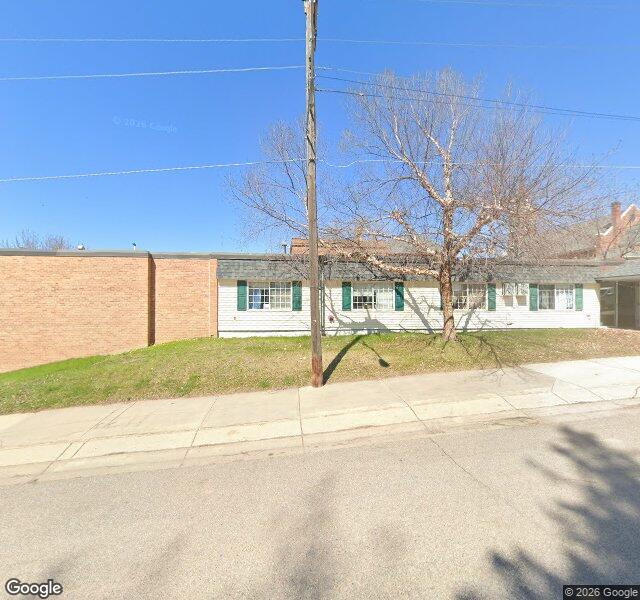
231 Washington Street, Holdingford, MN 56340View map (opens in a new tab)
Overview and key essentials
State license
Active
MN MDH
Google reviews
4.0/ 5
1 reviews
Size & payment
Ask directly
Confirm pricing & payment
Cost, payment & care details
Updated Nov 28, 2026| Monthly cost | Not published | Ask for the full monthly cost, including care fees and one-time charges. |
|---|---|---|
| Payment options | Ask directly | Payment details are not confirmed in our records. Ask about private pay, long-term care insurance, veterans benefits, and Medicaid waivers. |
| Size & availability | Confirm directly | We don't publish live openings. Ask about current availability, waitlist length, and move-in timing. |
| Care & support | Assisted living | Usually offers housing and help with everyday tasks, such as bathing and dressing. What to confirm about care levelsThis describes the licensed category. Ask how care plans adjust if mobility, nursing, or memory needs change over time. Read the family care guide → |
State licensing
State inspection history
9inspections
44deficiencies listed
Jun 24, 2026ComplaintNo deficiencies reportedNone
No deficiencies reported
View official state report (opens in a new tab)
No deficiencies are reported in this inspection record.
Mar 12, 2026ComplaintNo deficiencies reportedNone
No deficiencies reported
View official state report (opens in a new tab)
No deficiencies are reported in this inspection record.
Oct 21, 2025ComplaintNo deficiencies reportedNone
No deficiencies reported
View official state report (opens in a new tab)
No deficiencies are reported in this inspection record.
Jul 10, 2025ComplaintNo deficiencies reportedNone
No deficiencies reported
View official state report (opens in a new tab)
No deficiencies are reported in this inspection record.
Oct 25, 2024Routine18 deficiencies reported18
18 deficiencies reported
View official state report (opens in a new tab)
144G.41 Subdivision 1. (13)(i)(A)and(C) Minimum0485
SS=C Requirements (13) offer to provide or make available at least the following services to residents: (i) at least three nutritious meals daily with snacks available seven days per week, according to the recommended dietary allowances in the United States Department of Agriculture (USDA) guidelines, including seasonal fresh fruit and fresh vegetables. The following apply: (A) menus must be prepared at least one week in advance and made available to all residents. The STATE FORM
144G.50 Subd. 2 (c) Contract information0920
SS=B (c) The contract must include: (1) a disclosure of the category of assisted living facility license held by the facility and, if the facility is not an assisted living facility with dementia care, a disclosure that it does not hold an assisted living facility with dementia care license; (2) a description of all the terms and conditions of the contract, including a description of and any limitations to the housing or assisted living services to be provided for the contracted amount; (3) a delineation of the cost and nature of any other services to be provided for an additional STATE FORM R1's Lease Agreement dated September 27, 2022, lacked a delineation and description of any additional fees the resident may be required to pay if the resident's condition changed during the term of the contract. On October 25, 2024, at 8:05 a.m., licensed assisted living director (LALD)-B stated the same template was used for all but one resident, and the contract lacked the above required content. No further information was provided. TIME PERIOD FOR CORRECTION: Twenty-one (21) days
144G.41 Subd 1 (13) (i) (B) Minimum0480
SS=F requirements (13) offer to provide or make available at least the following services to residents: (B) food must be prepared and served according to the Minnesota Food Code, Minnesota Rules, chapter 4626; and This MN Requirement is not met as evidenced by: Based on observation, interview, and record STATE FORM
144G.20 Subdivision 1 Conditions0250
SS=F 0 250 STATE FORM legally required to supply the requested information; however, failure to provide information or the submission of false or misleading information may delay the processing of my application or may be grounds for denying a license. I understand that information submitted to the commissioner in the application may, in some circumstances, be disclosed to the appropriate state, federal or local agency, and law enforcement office to enhance investigative or enforcement efforts or further a public health protective process. Types of offices include Adult Protective Services, offices of the ombudsmen, health-licensing boards, Department of Human Services, county or city attorneys' offices, police, local or county public health offices. - I understand in accordance with Minn. Stat. sect. 144.051 Data Relating to Licensed and Registered Persons (opens in a new window), all data submitted on this application shall be classified as public information upon issuance of a provisional license. All data submitted are considered private until MDH issues a license. - I declare that, as the owner or authorized agent, I attest that I have read Minn. Stat. chapter 144G (opens in a new window), and Minnesota Rules, chapter 4659 (opens in a new window), governing the provision of assisted living facilities, and understand as the licensee I am legally responsible for the management, control, and operation of the facility, regardless of the existence of a management agreement or subcontract. - I have examined this application and all attachments and checked the above boxes indicating my review and understanding of Minnesota Statutes, Rules, and requirements related to assisted living licensure. To the best of my knowledge and believe, this information is true, correct and complete. I will notify MDH, in STATE FORM
144G.42 Subd. 6 (b) Compliance with0630
SS=I requirements for reporting ma (b) The facility must develop and implement an individual abuse prevention plan for each vulnerable adult. The plan shall contain an individualized review or assessment of the person's susceptibility to abuse by another individual, including other vulnerable adults; the person's risk of abusing other vulnerable adults; STATE FORM person, place, or time, had behaviors including physical and verbal, was resistive to care, and had socially inappropriate behavior which required redirection, yells and swears at others, and comes out unpreventable in the community with redirection needed. It noted a monthly evaluation of behavior management needs by the nurse. It noted R4 was a high fall risk and required fall risk safety checks. It noted R4 denied pain. However, it also noted R4 had phantom left knee pain, and "Pain may interfere with resident mood and demeanor at times. Does have pain controller prescribed when needed." It also noted past traumatic brain injury (TBI) which effects R4's mood and memory. It noted missing teeth, and R4 became agitated when dentures were discussed and noted R4 was incontinent of urine. R4's record included the following incidents: - February 14, 2024, at 4:50 p.m. - incident report (IR) of resident to staff altercation. R4 yelling at a peer in the dining room. R4 was asked to go to his room and started to kick staff and yell at staff while going to his room. No injuries noted. R4's provider not notified. RN not notified. LALD notified. The IR section "Incident Investigation" was left blank. The form was signed as completed by unlicensed staff, but not signed by LALD or clinical nurse supervisor (CNS); - February 16, 2024, at 8:52 a.m. - progress note (PN) R4 was screaming at a peer in the dining room and proceeded to move towards her in her wheelchair. Staff intervened and R4 screamed at and kicked staff; - February 16, 2024, at 9:29 a.m. - PN peer reported to staff R4 had placed items in front of his door. Staff approached R4 and asked if he had things in the hallway. R4 began yelling and in front of peer's door and said "I put it there so STATE FORM that he would trip on it." Staff asked R4 to remove items, and he continued to yell "I'll throw it in the fucking hallway". Staff removed the broken toaster oven; - February 16, 2024, at 2:48 p.m., - PN LALD-B heard R4 screaming from the office (on opposite corners of the building). When approached, R4 stated he had tipped his wheelchair over. When asked to keep in mind other people lived here, R4 screamed "Good I hope they all fucking hear me."; - February 19, 2024, at 12:22 p.m., - PN noted a neighbor had been complaining to staff about R4's behavior, and staff reported R4 was yelling at and threatening a peer, telling peer he was going to "beat his ass" and told staff they better call the police before he does something and added "I hope I get assault charges." It also noted over the weekend there were many reports of R4 yelling and screaming, kicking things in his room, and telling staff to "go to hell." - February 19, 2024, at 12:25 p.m., - PN noted R4 got upset with a peer and yelled "get out of my way you little dwarf". R4 backed his wheelchair up and ran over the scale, got upset and picked it up and threw the scale, breaking it; - February 26, 2024, at 2:15 p.m. - PN noted overnight R4 continued to kick his fridge in his room for about an hour; - March 11, 2024, at 8:09 a.m. - PN noted R4 yelling and screaming and...
144G.42 Subd. 9 Tuberculosis prevention and0660
SS=F control (a) The facility must establish and maintain a comprehensive tuberculosis infection control program according to the most current tuberculosis infection control guidelines issued by the United States Centers for Disease Control and Prevention (CDC), Division of Tuberculosis Elimination, as published in the CDC's Morbidity and Mortality Weekly Report. The program must include a tuberculosis infection control plan that covers all paid and unpaid employees, contractors, students, and regularly scheduled volunteers. The commissioner shall provide technical assistance regarding implementation of the guidelines. (b) The facility must maintain written evidence of compliance with this subdivision. STATE FORM This MN Requirement is not met as evidenced by: Based on interview and record review, the licensee failed to establish and maintain a tuberculosis (TB) prevention program, based on the most current guidelines issued by the Centers for Disease Control and Prevention (CDC), which included a current facility TB risk assessment. This had the potential to affect all residents, staff and visitors. This practice resulted in a level two violation (a violation that did not harm a resident's health or safety but had the potential to have harmed a resident's health or safety, but was not likely to cause serious injury, impairment, or death), and is issued at a widespread scope (when problems are pervasive or represent a systemic failure that has affected or has the potential to affect a large portion or all of the residents). The findings include: The licensee's TB Risk Assessment was dated October 13, 2023, and indicated the licensee was a low risk for TB transmission. On October 24, 2024, at 8:45 a.m., licensed assisted living director (LALD)-B stated the assessment had not been completed in 2024. The licensee's TB Prevention and Control policy dated August 1, 2021, noted the licensee would complete a written TB risk assessment and an annual review and revision as needed. guidelines, Regulations for Tuberculosis Control in Minnesota Health Care Settings, dated July STATE FORM
144G.42 Subd. 10 Disaster planning and0680
SS=F emergency preparedness (a) The facility must meet the following requirements: (1) have a written emergency disaster plan that contains a plan for evacuation, addresses elements of sheltering in place, identifies temporary relocation sites, and details staff assignments in the event of a disaster or an emergency; (2) post an emergency disaster plan prominently; (3) provide building emergency exit diagrams to all residents; (4) post emergency exit diagrams on each floor; and (5) have a written policy and procedure regarding missing residents. (b) The facility must provide emergency and disaster training to all staff during the initial staff orientation and annually thereafter and must make emergency and disaster training annually available to all residents. Staff who have not received emergency and disaster training are allowed to work only when trained staff are also working on site. (c) The facility must meet any additional requirements adopted in rule. This MN Requirement is not met as evidenced STATE FORM - policy and procedure to address food, water, medical supplies, and pharmaceutical supplies whether evacuated or sheltered in place for staff and residents; - alternate sources of energy to maintain temperatures to protect resident health and safety, safe and sanitary storage of provisions, emergency lighting, fire detection, extinguishing, alarm systems, and sewage and waste disposal; - policy and procedure to include a system to track the location of on-duty staff and sheltered residents, and if on-duty staff and sheltered residents are relocated, the facility must document the specific name/location of the receiving facility or other location; - policy and procedure to address safe evacuation from the facility, including consideration of care and treatment needs of evacuees, staff responsibilities, transportation, identification of evacuation locations, primary / alternative communication means with external sources of assistance; - policy and procedure to address the use of volunteers, including the process/role for integration; - policy and procedure to address the development of arrangements with other facilities/providers to receive residents in the event of limitations/cessation of operations to maintain the continuity of services to residents; - policy and procedure to address the role of the facility under a waiver declared by the Secretary in accordance with section 1135 of the Act; - a written communication plan including: - the names and contact information of staff, entities providing services under agreement, residents' physicians, other facilities, and volunteers; - means to providing information about the facility's occupancy, needs, and its ability to STATE FORM Per Assisted Living Facilities: Minnesota Rules Chapter 4695, 4659.0100, sections A and B, effective October 2022, assisted living facilities shall comply with the federal emergency preparedness regulations for long-term care facilities under Code of Federal Regulations, title 42, section 483.73, or successor requirements. This part references documents, specifications, methods, and standards in "State Operations Manual Appendix Z - Emergency Preparedness for All Providers and Certified Supplier Types: Interpretive Guidance," which is incorporated by reference. No further information was provided. TIME PERIOD FOR CORRECTION: Twenty-one (21) days
144G.50 Subd. 5 Waivers of liability prohibited0970
SS=B The contract must not include a waiver of facility liability for the health and safety or personal property of a resident. The contract must not include any provision that the facility knows or should know to be deceptive, unlawful, or unenforceable under state or federal law, nor include any provision that requires or implies a lesser standard of care or responsibility than is required by law. This MN Requirement is not met as evidenced by: Based on interview and record review, the licensee failed to ensure the assisted living contract did not include language waiving the facility's liability for health, safety, or personal property of a resident. This practice resulted in a level one violation (a violation that has no potential to cause more than STATE FORM
144G.45 Subd. 2 (a) (1) Fire protection and0780
SS=F physical environment (a) Each assisted living facility must comply with the State Fire Code in Minnesota Rules, chapter 7511, and: (1) for dwellings or sleeping units, as defined in the State Fire Code: (i) provide smoke alarms in each room used for sleeping purposes; (ii) provide smoke alarms outside each separate sleeping area in the immediate vicinity of bedrooms; (iii) provide smoke alarms on each story within a dwelling unit, including basements, but not including crawl spaces and unoccupied attics; (iv) where more than one smoke alarm is STATE FORM
144G.41 Subd. 3 Infection control program0510
SS=F (a) All assisted living facilities must establish and maintain an infection control program that complies with accepted health care, medical, and nursing standards for infection control. (b)The facility's infection control program must be consistent with current guidelines from the national Centers for Disease Control and Prevention (CDC) for infection prevention and control in long-term care facilities and, as applicable, for infection prevention and control in assisted living facilities. (c) The facility must maintain written evidence of compliance with this subdivision. This MN Requirement is not met as evidenced by: Based on observation, interview, and record review, the licensee failed to establish and maintain an infection control program to comply with accepted health care, medical, and nursing standards for infection control for one of one employee (unlicensed personnel/ULP-C) observed to provide medication administration. This had the potential to affect all residents, visitors and staff. This practice resulted in a level two violation (a violation that did not harm a resident's health or STATE FORM
144G.50 Subd. 2 (e; 5-7) Contract information0940
SS=B (5) a description of the facility's policies related to medical assistance waivers under chapter 256S and section 256B.49 and the housing support program under chapter 256I, including: (i) whether the facility is enrolled with the commissioner of human services to provide customized living services under medical assistance waivers; (ii) whether the facility has an agreement to provide housing support under section 256I.04, subdivision 2, paragraph (b); (iii) whether there is a limit on the number of people residing at the facility who can receive customized living services or participate in the housing support program at any point in time. If so, the limit must be provided; (iv) whether the facility requires a resident to pay privately for a period of time prior to accepting payment under medical assistance waivers or the housing support program, and if so, the length of time that private payment is required; (v) a statement that medical assistance waivers provide payment for services, but do not cover the cost of rent; (vi) a statement that residents may be eligible for assistance with rent through the housing support program; and (vii) a description of the rent requirements for people who are eligible for medical assistance STATE FORM including: - whether the facility is enrolled with the commissioner of human services to provide customized living services under medical assistance waivers; - whether the facility has an agreement to provide housing support under section 256I.04, subdivision 2, paragraph (b); - whether there is a limit on the number of people residing at the facility who can receive customized living services or participate in the housing support program at any point in time. If so, the limit must be provided; - whether the facility requires a resident to pay privately for a period of time prior to accepting payment under medical assistance waivers or the housing support program, and if so, the length of time that private payment is required; - a statement that medical assistance waivers provide payment for services, but do not cover the cost of rent; - a statement that residents may be eligible for assistance with rent through the housing support program; and - a description of the rent requirements for people who are eligible for medical assistance waivers but who are not eligible for assistance through the housing support program. On October 25, 2024, at 8:05 a.m., licensed assisted living director (LALD)-B stated the same template was used for all but one resident, and the contract lacked the above required content. No further information was provided. TIME PERIOD FOR CORRECTION: Twenty-One (21) days STATE FORM
144G.43 Subd. 3 Contents of resident record0730
SS=E Contents of a resident record include the following for each resident: (1) identifying information, including the resident's name, date of birth, address, and telephone number; (2) the name, address, and telephone number of the resident's emergency contact, legal representatives, and designated representative; (3) names, addresses, and telephone numbers of the resident's health and medical service providers, if known; (4) health information, including medical history, allergies, and when the provider is managing medications, treatments or therapies that require documentation, and other relevant health records; (5) the resident's advance directives, if any; STATE FORM On October 23, 2024, at 11:10 a.m., LALD-B and CNS-A stated all services provided by staff should be signed off, and stated the numbers listed on the service delivery indicated the number of times provided by staff. In addition, LALD-B stated hospice staff used to have a binder with information and were better about checking in with facility staff with each visit, but it has not been good lately. The licensee's Clinical Records policy dated revised November 11, 2019, noted the clinical record would include documentation of communication/coordination pertinent to the resdient's services. No further information was provided. TIME PERIOD FOR CORRECTION: Twenty-one (21) days
144G.41 Subdivision 1 Minimum requirements0450
SS=D All assisted living facilities shall: (1) distribute to residents the assisted living bill of rights; (2) provide services in a manner that complies with the Nurse Practice Act in sections 148.171 to 148.285; (3) utilize a person-centered planning and service delivery process; (4) have and maintain a system for delegation of health care activities to unlicensed personnel by a registered nurse, including supervision and evaluation of the delegated activities as required by the Nurse Practice Act in sections 148.171 to 148.285; This MN Requirement is not met as evidenced by: Based on observation, interview, and record review, the licensee failed to provide services in a person-centered manner for one of two residents (R2). STATE FORM This practice resulted in a level two violation (a violation that did not harm a resident's health or safety but had the potential to have harmed a resident's health or safety) and was issued at an isolated scope (when one or a limited number of residents are affected or one or a limited number of staff are involved, or the situation has occurred only occasionally). The findings include: R2's diagnoses included peripheral vascular disease, alcohol dependence, generalized idiopathic epilepsy, and anemia. On October 23, 2024, at 9:40 a.m., the surveyor observed unlicensed personnel (ULP)-C administer R2's scheduled morning medications. R2's Service Plan Agreement dated May 17, 2023, indicated R2 received services including dining reminders, nail care, and bed making. It also indicated services to include: - wellness checks, noting "Locate [R2] and check on him face-to-face to ensure he is alive and well... Community to check on resident and address any needs."; and - alcohol use: Monitor, noting "FYI if resident returns from the bar, appears intoxicated, slurs there [sic] room staff must monitor them hourly. Vital signs of respirations, pulse and oxygen should be obtained as well as noting if they are arousable [sic]. Indicate in communication note if resident appears intoxicated and time hourly monitoring is initiated. If the resident is not responsive, unable to communicate, agitated or combative and unable to be directed call 911. The community to provide a safe environment if the Resident chooses to consume alcohol. The STATE FORM
144G.42 Subd. 8 Employee records0650
SS=D (a) The facility must maintain current records of each paid employee, each regularly scheduled volunteer providing services, and each individual contractor providing services. The records must include the following information: (1) evidence of current professional licensure, registration, or certification if licensure, registration, or certification is required by this chapter or rules; (2) records of orientation, required annual training and infection control training, and competency evaluations; (3) current job description, including qualifications, responsibilities, and identification of staff persons providing supervision; (4) documentation of annual performance STATE FORM
144G.50 Subd. 3 Designation of representative0950
SS=C (a) Before or at the time of execution of an assisted living contract, an assisted living facility must offer the resident the opportunity to identify a designated representative in writing in the contract and must provide the following verbatim notice on a document separate from the contract: "RIGHT TO DESIGNATE A REPRESENTATIVE FOR CERTAIN PURPOSES. You have the right to name anyone as your "Designated Representative." A Designated Representative can assist you, receive certain information and notices about you, including some information related to your health care, and advocate on your behalf. A Designated Representative does not take the place of your guardian, conservator, power of attorney ("attorney-in-fact"), or health care power of attorney ("health care agent"), if applicable." (b) The contract must contain a page or space for the name and contact information of the designated representative and a box the resident must initial if the resident declines to name a designated representative. Notwithstanding subdivision 1, paragraph (f), the resident has the right at any time to add, remove, or change the name and contact information of the designated representative. This MN Requirement is not met as evidenced by: Based on interview and record review, the licensee failed to offer the resident the opportunity to identify a designated representative in writing for two of two residents (R1, R2). STATE FORM
R78I126899
{0 480} (a) Except as provided in paragraph (b), food must be prepared and served according to the Minnesota Food Code, Minnesota Rules, chapter 4626. (b) For an assisted living facility with a licensed capacity of ten or fewer residents: (1) notwithstanding Minnesota Rules, part 4626.0033, item A, the facility may share a certified food protection manager (CFPM) with one other facility located within a 60-mile radius and under common management provided the CFPM is present at each facility frequently enough to effectively administer, manage, and supervise each facility's food service operation; (2) notwithstanding Minnesota Rules, part 4626.0545, item A, kick plates that are not removable or cannot be rotated open are allowed unless the facility has been issued repeated correction orders for violations of Minnesota Rules, part 4626.1565 or 4626.1570; (3) notwithstanding Minnesota Rules, part 4626.0685, item A, the facility is not required to provide integral drainboards, utensil racks, or tables large enough to accommodate soiled and clean items that may accumulate during hours of operation provided soiled items do not contaminate clean items, surfaces, or food, and clean equipment and dishes are air dried in a manner that prevents contamination before storage; (4) notwithstanding Minnesota Rules, part 4626.1070, item A, the facility is not required to install a dedicated handwashing sink in its existing kitchen provided it designates one well of a two-compartment sink for use only as a handwashing sink; (5) notwithstanding Minnesota Rules, parts 4626.1325, 4626.1335, and 4626.1360, item A, existing floor, wall, and ceiling finishes are STATE FORM R78I12 allowed provided the facility keeps them clean and in good condition; (6) notwithstanding Minnesota Rules, part 4626.1375, shielded or shatter-resistant lightbulbs are not required, but if a light bulb breaks, the facility must discard all exposed food and fully clean all equipment, dishes, and surfaces to remove any glass particles; and (7) notwithstanding Minnesota Rules, part 4626.1390, toilet rooms are not required to be provided with a self-closing door. This MN Requirement is not met as evidenced by: Based on observation, interview, and record review, the licensee failed to ensure food was prepared and served according to the Minnesota Food Code. This practice resulted in a level two violation (a violation that did not harm a resident's health or safety but had the potential to have harmed a resident's health or safety, but was not likely to cause serious injury, impairment, or death), and is issued at a widespread scope (when problems are pervasive or represent a systemic failure that has affected or has the potential to affect a large portion or all of the residents). The findings include: Please refer to the document titled, Food and Beverage Establishment Inspection Report (FBEIR) dated February 18, 2025, for the specific Minnesota Food Code violations. The Inspection Report was provided to the licensee within 24 hours of the inspection. TIME PERIOD FOR CORRECTION: Please refer STATE FORM R78I12 to the FBEIR for any compliance dates. STATE FORM R78I12 IMPOSITION OF FINES In accordance with Minn. Stat. § 144G.31, Subd. 4, fines and enforcement actions may be imposed based on the level and scope of the violations and may be imposed immediately with no opportunity to correct the violation first as follows: St - 0 - 0510 - 144g.41 Subd. 3 - Infection Control Program -...
144G.50 Subd. 2 (a-b) Contract information0910
SS=B (a) The contract must include in a conspicuous place and manner on the contract the legal name and the health facility identification of the facility. (b) The contract must include the name, telephone number, and physical mailing address, which may not be a public or private post office box, of: STATE FORM
144G.50 Subd. 2 (d-e; 1-4) Contract information0930
SS=B (d) The contract must include a description of the facility's complaint resolution process available to residents, including the name and contact information of the person representing the facility who is designated to handle and resolve complaints. (e) The contract must include a clear and conspicuous notice of: (1) the right under section 144G.54 to appeal the termination of an assisted living contract; (2) the facility's policy regarding transfer of residents within the facility, under what circumstances a transfer may occur, and the circumstances under which resident consent is required for a transfer; (3) contact information for the Office of Ombudsman for Long-Term Care, the Ombudsman for Mental Health and Developmental Disabilities, and the Office of Health Facility Complaints; STATE FORM
Show all 9 inspections
Mar 14, 2024ComplaintNo deficiencies reportedNone
No deficiencies reported
View official state report (opens in a new tab)
No deficiencies are reported in this inspection record.
Apr 20, 2023Complaint1 deficiency reported1
1 deficiency reported
View official state report (opens in a new tab)
Substantiated, facility responsibility. The facility abused a resident when they restrained the resident in his room using a baby gate
severeHL286865783M
The facility abused a resident when they restrained the resident in his room using a baby gate. The Minnesota Department of Health determined abuse was substantiated. The facility was responsible for the maltreatment. One month after the resident was admitted to the facility the resident was found alone outside. The facility determined the resident required one on one staff supervision to ensure the residents safety. The facility was unable to provide one to one staffing for the resident and instead restrained the resident in his room using a baby gate. The facility lacked documentation of physician orders for the restraint, documentation of alternative interventions attempted, and specific unsafe behaviors related to the use of the restraint. The restraint was in place for over eight months. Page 2 of 5 The investigator conducted interviews with facility staff members, including administrative staff, nursing staff, and unlicensed staff. The investigator contacted the resident’s county case manager and medical provider. The investigation included review of resident’s medical record, medication and treatment administration records, incident reports, after visit summaries, signed provider orders, and facility policies and procedures. In addition, the investigator observed the baby gate restraint in use, and staff provision of cares. The resident resided in an assisted living facility with diagnoses including developmental delay, non-verbal, blindness, and Diabetes Meletus type II. The resident’s most recent assessment, indicated the resident was developmentally delayed, had a language barrier and was not able to communicate, was legally blind, had poor safety awareness, and was unable to walk without staff assistance and scooted on his bottom on the floor to mobilize. The assessment identified the resident was at risk for elopement, wandered and required frequent redirection. A facility incident report indicated one month after admission to the facility the resident eloped and was found outside alone. The incident report indicated staff were to provide one to one supervision to the resident to prevent recurrence. The following day the resident’s service plan was updated and indicated if staff were unable to provide one to one supervision, the resident should be in his room with a baby gate up to ensure his safety. The service plan identified the resident wandered with elopement tendencies and indicated staff would provide redirection and supervision when he was out of his room. Three months later, the resident’s signed...
Oct 20, 2021ComplaintNo deficiencies reportedNone
No deficiencies reported
View official state report (opens in a new tab)
No deficiencies are reported in this inspection record.
Aug 19, 2021Routine25 deficiencies reported25
25 deficiencies reported
View official state report (opens in a new tab)
moderate0630
for reporting ma (b) The facility must develop and implement an individual abuse prevention plan for each vulnerable adult. The plan shall contain an individualized review or assessment of the person's susceptibility to abuse by another individual, including other vulnerable adults; the person's risk of abusing other vulnerable adults; and statements of the specific measures to be taken to minimize the risk of abuse to that person and other vulnerable adults. For purposes of the abuse prevention plan, abuse includes self-abuse. This MN Requirement is not met as evidenced by: Based on interview and record review, the licensee failed to ensure an individual abuse prevention plan was updated for one of two residents (R1) with records reviewed. This practice resulted in a level two violation (a violation that did not harm a client's health or safety but had the potential to have harmed a client's health or safety, but was not likely to cause serious injury, impairment, or death), and was issued at an isolated scope (when one or a limited number of clients are affected or one or a limited number of staff are involved or the situation has occurred only occasionally). The findings include: R1's most recent nursing assessment dated July 7, 2021, completed by registered nurse (RN)-B identified the resident was high risk for falls and required fall risk safety checks. R1's "Vulnerability, Safety & Risk" admission assessment dated July 13, 2020, was not updated to included staff identified vulnerabilities. R1's service plan dated August 5, 2021, indicated R1 was independent with transfers, but needed physical assist of one for ambulation. R1's "Progress notes" dated August 1, 2021, through August 17, 2021, included multiple entries of R1 leaving the facility with his girlfriend. On August 6, 2021, unlicensed personnel (ULP)-A documented in the progress notes that R1 had gotten into an argument with his significant other and she dropped him off on the side of the road and resident was walking back to Hyatt House when he fell, hit his head and lost consciousness. On August 18, 2021, at 3:45 p.m. RN-B verified R1's individual abuse prevention plan was not updated to address newly identified vulnerabilities related to the significant other. The licensee's "Vulnerable Adult/Child Protection" policy dated August 8, 2021, included, "In compliance with Minnesota statutes, all Hyatt House, LLC employees are required to individually assess residents to determine vulnerability to abuse or neglect and develop a specific plan to minimize the risk of abuse to that resident." No further information was provided. TIME PERIOD FOR CORRECTION: Twenty-one (21) days
STATE FORM6899
REC115 {0 340} {0 340} the commissioner finds upon survey or during a complaint investigation that a facility, a managerial official, or an employee of the facility is not in compliance with this chapter. The correction order shall cite the specific statute and document areas of noncompliance and the time allowed for correction. (b) The commissioner shall mail or e-mail copies of any correction order to the facility within 30 calendar days after the survey exit date. A copy of each correction order and copies of any documentation supplied to the commissioner shall be kept on file by the facility and public documents shall be made available for viewing by any person upon request. Copies may be kept electronically. (c) By the correction order date, the facility must document in the facility's records any action taken to comply with the correction order. The commissioner may request a copy of this documentation and the facility's action to respond to the correction order in future surveys, upon a complaint investigation, and as otherwise needed. This MN Requirement is not met as evidenced by: Based on interview and record review, the licensee failed to have sufficient documentation with actions taken to comply with the correction orders for a revisit survey completed on March 2, 2022, with records reviewed. This practice resulted in a level two violation (a violation that did not harm a resident's health or safety but had the potential to have harmed a resident's health or safety), and was issued at a widespread scope (when problems are pervasive or represent a systemic failure that has affected or has the potential to affect a large portion or all STATE FORM REC115 {0 340} {0 340} of the residents). The findings include: On April 5, 2022, at approximately 10:10 a.m., licensed assisted living director (LALD)-A stated she felt all corrections had been made. During the revisit survey on April 5, 2022, a review of the licensee's policies and procedures, employee records, and interviews with LALD-A lacked evidence to indicate the licensee corrected all orders issued on March 2, 2022. No further information was provided. {0 480} SS=F 144G.41 Subd 1 (13) (i) (B) Minimum requirements (13) offer to provide or make available at least the following services to residents: (i) at least three nutritious meals daily with snacks available seven days per week, according to the recommended dietary allowances in the United States Department of Agriculture (USDA) guidelines, including seasonal fresh fruit and fresh vegetables. The following apply: (B) food must be prepared and served according to the Minnesota Food Code, Minnesota Rules, chapter 4626; and This MN Requirement is not met as evidenced by: STATE FORM REC115 {0 480} {0 480} No further information required. {0 680} SS=F 144G.42 Subd. 10 Disaster planning and emergency preparedness (a) The facility must meet the following requirements: (1) have a written emergency disaster plan that contains a plan for evacuation, addresses elements of sheltering in place, identifies temporary relocation sites, and details staff assignments in the event of a disaster or an emergency; (2) post an emergency disaster plan prominently; (3) provide building emergency exit diagrams to all residents; (4) post emergency exit diagrams on each floor; and (5) have a written policy and procedure regarding missing tenant residents. (b) The facility must provide emergency and disaster training to all staff during the initial...
moderate0640
reporting suspected c The facility shall support protection and safety through access to the state's systems for reporting suspected criminal activity and suspected vulnerable adult maltreatment by: (1) posting the 911 emergency number in common areas and near telephones provided by the assisted living facility; (2) posting information and the reporting number for the Minnesota Adult Abuse Reporting Center to report suspected maltreatment of a vulnerable adult under section 626.557; and (3) providing reasonable accommodations with information and notices in plain language. This MN Requirement is not met as evidenced by: Based on observation and interview, the licensee failed to support protection and safety by not posting information and phone numbers for reporting to the Minnesota Adult Abuse Reporting Center and failed to post the 911 emergency number in common areas and near telephones provided by the assisted living facility. This had the potential to affect all nine residents receiving assisted living services. This practice resulted in a level two violation (a violation that did not harm a client's health or safety but had the potential to have harmed a client's health or safety, but was not likely to cause serious injury, impairment, or death), and was issued at a widespread scope (when problems are pervasive or represent a systemic failure that has affected or has potential to affect a large portion or all of the clients). The findings include: The licensee lacked the following: - post the 911 emergency number in common areas and near telephones provided by the Assisted Living facility - post information and the reporting number for the Minnesota Adult Abuse Reporting Center to report suspected maltreatment of a vulnerable adult under section 626.557 On August 17, 2021, at approximately 10:00 a.m. upon arriving at the facility, an observation was made of the main entry area and common area and noted to lack the required posted information. On August 18, 2021, at approximately 3:50 p.m., RN-B confirmed the required content noted above had not been posted as required. The licensee lacked a policy related to posting of the adult abuse reporting and emergency numbers. No further information was provided. TIME PERIOD FOR CORRECTION: Seven (7) days
severe0110
license required Each assisted living facility must employ an assisted living director licensed or permitted by the Board of Executives for Long Term Services and Supports. This MN Requirement is not met as evidenced by: Based on interview and record review, the licensee failed to ensure employment of a licensed assisted living director (LALD). This had the potential to affect all eleven (11) residents receiving Assisted Living services. This practice resulted in a level three violation (a violation that harmed a resident's health or safety, not including serious injury, impairment, or death, or a violation that has the potential to lead to serious injury, impairment, or death), and was issued at a widespread scope (when problems are pervasive or represent a systemic failure that has affected or has potential to affect a large portion or all of the residents). This resulted in an immediate correction order. The findings include: On October 26, 2021, at 9:00 a.m. the Minnesota Board of Executives for Long-Term Services and Support website was checked for verification of unlicensed personnel (ULP)-A assisted living director licensure verification. ULP-A was not listed as having a current LALD license. On October 26, 2021, at 9:15 a.m. ULP-A confirmed her licensure application for assisted living director was still pending and was not sure why it was not yet approved. The licensee lacked a LALD to manage and supervise Assisted Living services for the eleven current residents receiving assisted living services. ULP-A was hired on February 12, 2015, with the current title of housing manager. Licensing follow up survey conducted on October 25 through October 26, 2021, revealed a lack of oversight, supervision and management, as evidenced by: Issuance of Immediate correction order on October 25, 2021, at 144G42 (Business Operations) subdivision ten, related to fire hazards and lack of emergency disaster planning. ULP-A did not ensure space heaters were implemented according to manufacture's instructions and important safety warnings. ULP-A did not monitor the temperature of the facility to ensure resident comfort and safety, during failure of facility heating system. ULP-A did not take into consideration actions needed to ensure residents were free from fire hazards. ULP-A did not ensure an emergency disaster plan was developed and implemented to ensure safety of residents when the heating system failed, as far back as March, 2021. On October 26, 2021, at 11:15 a.m. ULP-A verified the above listed failures of management. The licensee's policy related to Assisted Living Directors was requested but not provided. On October 26, 2021, at 11:00 am. Registered Nurse (RN)-B confirmed the licensee lacked a policy related to Assisted Living Directors. No further information was provided Time Period to correct: IMMEDIATE The immediacy of this order was not removed at the time of exit on October 27th, 2021.
moderate0900
(a) An assisted living facility may not offer or provide housing or assisted living services to any individual unless it has executed a written contract with the resident. (b) The contract must contain all the terms concerning the provision of: (1) housing; (2) assisted living services, whether provided directly by the facility or by management agreement or other agreement; and (3) the resident's service plan, if applicable. (c) A facility must: (1) offer to prospective residents and provide to the Office of Ombudsman for Long-Term Care a complete unsigned copy of its contract; and (2) give a complete copy of any signed contract and any addendums, and all supporting documents and attachments, to the resident promptly after a contract and any addendum has been signed. (d) A contract under this section is a consumer contract under sections 325G.29 to 325G.37. (e) Before or at the time of execution of the contract, the facility must offer the resident the opportunity to identify a designated representative according to subdivision 3. (f) The resident must agree in writing to any additions or amendments to the contract. Upon agreement between the resident and the facility, a new contract or an addendum to the existing contract must be executed and signed. This MN Requirement is not met as evidenced by: Based on interview and record review, the licensee failed to execute an Assisted Living contract to include all required content for nine of nine residents receiving assisted living services. This practice resulted in a level two violation (a violation that did not harm a client's health or safety but had the potential to have harmed a client's health or safety, but was not likely to cause serious injury, impairment, or death), and was issued at a widespread scope (when problems are pervasive or represent a systemic failure that has affected or has potential to affect a large portion or all of the clients). The findings include: R1's record lacked a written contract with the following required content: (a) An assisted living facility may not offer or provide housing or assisted living services to any individual unless it has executed a written contract with the resident. (b) The contract must contain all the terms concerning the provision of: (1) housing; (2) assisted living services, whether provided directly by the facility or by management agreement or other agreement; and (3) the resident's service plan, if applicable. (c) A facility must: (1) offer to prospective residents and provide to the Office of Ombudsman for Long-Term Care a complete unsigned copy of its contract; and (2) give a complete copy of any signed contract and any addendums, and all supporting documents and attachments, to the resident promptly after a contract and any addendum has been signed. (d) A contract under this section is a consumer contract under sections 325G.29 to 325G.37. (e) Before or at the time of execution of the contract, the facility must offer the resident the opportunity to identify a designated representative according to subdivision 3. (f) The resident must agree in writing to any additions or amendments to the contract. Upon agreement between the resident and the facility, a new contract or an addendum to the existing contract must be executed and signed. On August 18, 2021, at 3:40 p.m. registered nurse (RN)-B confirmed a contract had not been developed or implemented for the licensee's nine current client. The licensee lacked a policy related...
moderate0580
The facility shall engage in quality management appropriate to the size of the facility and relevant to the type of services provided. "Quality management activity" means evaluating the quality of care by periodically reviewing resident services, complaints made, and other issues that have occurred and determining whether changes in services, staffing, or other procedures need to be made in order to ensure safe and competent services to residents. Documentation about quality management activity must be available for two years. Information about quality management must be available to the commissioner at the time of the survey, investigation, or renewal. This MN Requirement is not met as evidenced by: Based on interview and record review, the licensee failed to engage in and maintain documentation of quality management activity. This had the potential to affect all nine residents receiving assisted living services. This practice resulted in a level two violation (a violation that did not harm a client's health or safety but had the potential to have harmed a client's health or safety, but was not likely to cause serious injury, impairment, or death), and was issued at a widespread scope (when problems are pervasive or represent a systemic failure that has affected or has potential to affect a large portion or all of the clients). The findings include: On August 17, 2021, at 10:30 a.m. the licensees "QA Binder" was reviewed and the last documentation of any quality management activity was dated December 18, 2017, and was titled "Quality Improvement Committee Meeting." On August 18, 2021, at 3:40 p.m. registered nurse (RN)-B confirmed there was no current documentation of quality management activity. The licensee's Quality management policy was requested but not provided. No further information was provided. TIME PERIOD FOR CORRECTION: Twenty-one (21) days
moderate0650
(a) The facility must maintain current records of each paid employee, each regularly scheduled volunteer providing services, and each individual contractor providing services. The records must include the following information: (1) evidence of current professional licensure, registration, or certification if licensure, registration, or certification is required by this chapter or rules; (2) records of orientation, required annual training and infection control training, and competency evaluations; (3) current job description, including qualifications, responsibilities, and identification of staff persons providing supervision; (4) documentation of annual performance reviews that identify areas of improvement needed and training needs; (5) for individuals providing assisted living services, verification that required health screenings under subdivision 9 have taken place and the dates of those screenings; and (6) documentation of the background study as required under section 144.057. (b) Each employee record must be retained for at least three years after a paid employee, volunteer, or contractor ceases to be employed by, provide services at, or be under contract with the facility. If a facility ceases operation, employee records must be maintained for three years after facility operations cease. This MN Requirement is not met as evidenced by: Based on observation, interview and record review, the licensee failed to ensure employee records included all required content for two of two employees (ULP-F, ULP-D) with employee records reviewed. This practice resulted in a level two violation (a violation that did not harm a client's health or safety but had the potential to have harmed a client's health or safety, but was not likely to cause serious injury, impairment, or death), and was issued at an isolated scope (when one or a limited number of clients are affected or one or a limited number of staff are involved or the situation has occurred only occasionally). The findings include: During the entrance conference on August 17, 2021, at approximately 10:29 a.m., unlicensed personnel (ULP)-A stated the licensee provided assisted living services, among which included: medication management, housekeeping and laundry and assistance with activities of daily living. Employee A said the licensee also provided treatment management services including things like oxygen and monitoring residents' blood sugars. Employee A stated medication administration and treatments were performed by unlicensed personnel, who were trained and signed off by the registered nurse to do those tasks. Employee A added employees should have in their file a record of having been trained. ULP-F's employee record lacked evidence he had been trained and competency tested on delegated nursing tasks of medication administration or any treatments. ULP-F was assigned the night shift. On August 18, 2021, at 3:50 p.m. registered nurse (RN)-B confirmed ULP-F was assigned medication administration and verified the employee record lacked training and competency testing on core skills and the delegated nursing task of medication administration. ULP-D's record lacked evidence of having been trained and competency tested on injections, to include the administration of insulin. On August 17, 2021, at approximately 2:15 p.m., ULP-D was observed to provide assisted living services for R2 when she assisted with toileting and changing of the resident's brief, then later transferred the...
moderate0910
(a) The contract must include in a conspicuous place and manner on the contract the legal name and the license number of the facility. (b) The contract must include the name, telephone number, and physical mailing address, which may not be a public or private post office box, of: (1) the facility and contracted service provider when applicable; (2) the licensee of the facility; (3) the managing agent of the facility, if applicable; and (4) the authorized agent for the facility. This MN Requirement is not met as evidenced by: Based on interview and record review, the licensee failed to execute a written assisted living contract with the required content for nine of nine residents. This practice resulted in a level two violation (a violation that did not harm a client's health or safety but had the potential to have harmed a client's health or safety, but was not likely to cause serious injury, impairment, or death), and was issued at a widespread scope (when problems are pervasive or represent a systemic failure that has affected or has potential to affect a large portion or all of the clients). The findings include: R1's record lacked a written contract with the following required content: (a) The contract must include in a conspicuous place and manner on the contract the legal name and the license number of the facility. (b) The contract must include the name, telephone number, and physical mailing address, which may not be a public or private post office box, of: (1) the facility and contracted service provider when applicable; (2) the licensee of the facility; (3) the managing agent of the facility, if applicable; and (4) the authorized agent for the facility. On August 18, 2021, at 3:45 p.m. registered nurse (RN)-B confirmed a contract had not been developed or implemented for the licensee's nine residents. The licensee lacked a policy related to Assisted Living Contract contents. No further information was provided. TIME PERIOD FOR CORRECTION: Twenty-One (21) days
severe0820
environment (g) Existing construction or elements, including assisted living facilities that were registered as housing with services establishments under chapter 144D prior to August 1, 2021, shall be permitted to continue in use provided such use does not constitute a distinct hazard to life. Any existing elements that an authority having jurisdiction deems a distinct hazard to life must be corrected. The facility must document in the facility's records any actions taken to comply with a correction order, and must submit to the commissioner for review and approval prior to correction. This MN Requirement is not met as evidenced by: Based on observations and staff interview, the licensee failed to provide and maintain the building electrical system in a continuous state of good repair and operation for health, comfort, and well-being of residents. In addition, the licensee failed to provide and maintain the building smoke alarms in a continuous state of good repair and operation for health, comfort, and well-being of residents. This has the potential to directly affect all residents and staff. This practice resulted in a level three violation (a violation that harmed a client's health or safety, not including serious injury, impairment, or death, or a violation that has the potential to lead to serious injury, impairment, or death), and was issued at a widespread scope (when problems are pervasive or represent a systemic failure that has affected or has potential to affect a large portion or all of the clients). The findings include: BUILDING ELECTRICAL SYSTEM On August 17, 2021, at 12:45 p.m., survey staff began the facility tour. In the lower day room, an open electrical wire was observed extending out of an electrical outlet next to the fireplace. In an interview with unlicensed personnel (ULP)-A indicated she did not know there was an open electrical wire in this location. BUILDING SMOKE ALARMS On August 17, 2021, at 12:45 p.m., survey staff began the facility tour. In resident room one, a smoke alarm was not provided, there was an empty smoke alarm bracket on the ceiling. In an interview with ULP-A indicated, she did not know the smoke alarm was missing. Smoke alarm green lights were not illuminated indicating that the smoke alarms were working property in resident rooms 4, 6, 7, 9 and 10. In an interview with employee A indicated she thought the smoke alarms were battery operated and did not know the green lights were not illuminated. Smoke alarms were not provided outside the sleeping areas in the immediate vicinity of bedrooms for resident rooms eight, nine, ten and eleven. TIME PERIOD TO CORRECT-IMMEDIATE
moderate0730
Contents of a resident record include the following for each resident: (1) identifying information, including the resident's name, date of birth, address, and telephone number; (2) the name, address, and telephone number of the resident's emergency contact, legal representatives, and designated representative; (3) names, addresses, and telephone numbers of the resident's health and medical service providers, if known; (4) health information, including medical history, allergies, and when the provider is managing medications, treatments or therapies that require documentation, and other relevant health records; (5) the resident's advance directives, if any; (6) copies of any health care directives, guardianships, powers of attorney, or conservatorships; (7) the facility's current and previous assessments and service plans; (8) all records of communications pertinent to the resident's services; (9) documentation of significant changes in the resident's status and actions taken in response to the needs of the resident, including reporting to the appropriate supervisor or health care professional; (10) documentation of incidents involving the resident and actions taken in response to the needs of the resident, including reporting to the appropriate supervisor or health care professional; (11) documentation that services have been provided as identified in the service plan; (12) documentation that the resident has received and reviewed the assisted living bill of rights; (13) documentation of complaints received and any resolution; (14) a discharge summary, including service termination notice and related documentation, when applicable; and (15) other documentation required under this chapter and relevant to the resident's services or status. This MN Requirement is not met as evidenced by: Based on observation, interview and record review, the licensee failed to ensure the client record included documentation of significant changes in the residents status and action taken in response to the needs of the resident after a change in condition, for one of one resident (R1) with record reviewed. This practice resulted in a level two violation (a violation that did not harm a client's health or safety but had the potential to have harmed a client's health or safety, but was not likely to cause serious injury, impairment, or death), and was issued at an isolated scope (when one or a limited number of clients are affected or one or a limited number of staff are involved or the situation has occurred only occasionally). The findings include: R1 was hospitalized on August 6, 2021, after sustaining a fall with injury. R1's record lacked documentation of significant changes in R1's condition and actions taken in response to the needs of R1. R1's most recent nursing assessment dated July 7, 2021, completed by registered nurse (RN)-B identified the resident was high risk for falls and required fall risk safety checks. R1's service plan dated August 5, 2021, indicated R1 was independent with transfers, but needed physical assist of one for ambulation. A Resident Incident Report dated August 6, 2021, at 6:30 p.m. indicated R1 sustained an unwitnessed fall in the "Common Area: Building Grounds." The incident report included, "Were there apparent injuries?" and, "Yes, abrasion, hit head, pain." The report identified R1 reported: to have lost balance, fell and lost consciousness, and had pain on right side of face pain in neck and pain in right knee. The...
moderate0800
environment (4) keep the physical environment, including walls, floors, ceiling, all furnishings, grounds, systems, and equipment in a continuous state of good repair and operation with regard to the health, safety, comfort, and well-being of the residents in accordance with a maintenance and repair program. This MN Requirement is not met as evidenced by: Based on observations and staff interview, facility failed to provide and maintain the building physical environment including walls, floors, ceiling, furnishings, equipment including air handling system in a continuous state of good repair and operation for health, comfort, and well-being of residents in accordance with a maintenance and repair program. This has the potential to directly affect all residents and staff. This practice resulted in a level two violation (a violation that did not harm a client's health or safety but had the potential to have harmed a client's health or safety, but was not likely to cause serious injury, impairment, or death), and was issued at a widespread scope (when problems are pervasive or represent a systemic failure that has affected or has potential to affect a large portion or all of the clients). The findings include: On August 17, 2021, at 12:45 pm, survey staff began the facility tour. 1. The building air handling system is not functioning based on: a. An interview with unlicensed personnel (ULP)-A, she explained the building air handling system has not been working since last winter (as she recalled) and that space heaters and portable air conditioning units have been used. b. The front entry door and kitchen exterior door were observed in an open position for outside air. c. Space heaters were found located in the lower day room next to an exit door, in the dining room and in resident room #4. d. Portable air conditioning units were utilized in resident bedrooms. e. Due to the air handling unit not functioning, the exterior doors were held in the open position, flies were observed inside the building along with sticky fly traps hanging from the ceiling in multiple locations with dead flies. 2. Exhaust fan in resident room #7 has no cover and not functioning order. 3. Furnishings, ceiling, lighting, and flooring were not in continuous state of good repair and maintenance: a. Carpeting was stained throughout building and resident rooms. b. Ceiling tiles were stained from leakage throughout building and resident rooms. c. Coved base near tubs in rooms 1 & 6 broken and chipped creating potential for injuries on foot. d. Light bulbs were out in the mop room, upper day room, and shared restrooms. e. Resident rooms 2 & 7 were missing toilet paper holders. 4. Building roof and day room wall conditions are structurally compromised due to leakages throughout the building: a. Ceiling tiles had water stains consistently throughout the building including the lower day room, and bedrooms. One tile in corner of the lower day room was missing, and one sagging heavily. Interview with facility house manager, she stated that it's not uncommon to have someone come to repair the roof every year and leaking roof has been an ongoing problem in many areas of the building. b. Wall of the lower day room on the exit door side is damaged. This is transparent based on findings of two plastic 1-gallon rectangular containers placed on windowsills to catch leaking water and windowsills heaving from absorbing water from leaks. Staff tour of the exterior of the building...
severe0810
environment (b) Each assisted living facility shall develop and maintain fire safety and evacuation plans. The plans shall include but are not limited to: (1) location and number of resident sleeping rooms; (2) employee actions to be taken in the event of a fire or similar emergency; (3) fire protection procedures necessary for residents; and (4) procedures for resident movement, evacuation, or relocation during a fire or similar emergency including the identification of unique or unusual resident needs for movement or evacuation. (c) Employees of assisted living facilities shall receive training on the fire safety and evacuation plans upon hiring and at least twice per year thereafter. (d) Fire safety and evacuation plans shall be readily available at all times within the facility. (e) Residents who are capable of assisting in their own evacuation shall be trained on the proper actions to take in the event of a fire to include movement, evacuation, or relocation. The training shall be made available to residents at least once per year. (f) Evacuation drills are required for employees twice per year per shift with at least one evacuation drill every other month. Evacuation of the residents is not required. Fire alarm system activation is not required to initiate the evacuation drill. This MN Requirement is not met as evidenced by: Based on the review of the emergency plan provided for the facility and interview with housing manager, the facility failed to provide the required documentation on fire safety and evacuation plans and the required training and records. This has the potential to directly affect safety of all nine residents and all staff. This practice resulted in a level three violation (a violation that harmed a client's health or safety, not including serious injury, impairment, or death, or a violation that has the potential to lead to serious injury, impairment, or death), and was issued at a widespread scope (when problems are pervasive or represent a systemic failure that has affected or has potential to affect a large portion or all of the clients). The findings include: On August 17, 2021, at 12:45 pm, survey staff began the facility tour. The facility emergency documentation failed to provide: 1. Details of evacuation routes for fire and emergency safety on their emergency exit building plans. 2. Documentation on specific procedures for employee fire drill actions, fire protection procedures necessary for the residents including procedures for their movements, and relocation during a fire or similar, and no written instructions for addressing any unique situation during evacuation especially for residents who are wheelchair bound and needing assistance during evacuation. 3. The required minimum total number of six employee evacuation drills. The facility document indicates twice a year. 4. The required records on training of employees on fire safety and evacuation. 5. The required records on training of residents who are capable of assisting their own evacuation on proper actions to take in the event of a fire for their safety including movement, evacuation, or relocation. TIME PERIOD FOR CORRECTION: Seven (7) days
at approximately 11:15 a.m., ULP-A2021
explained that the facility was not provided with
moderate0490
requirements (iv) upon the request of the resident, provide direct or reasonable assistance with arranging for transportation to medical and social services appointments, shopping, and other recreation, and provide the name of or other identifying information about the persons responsible for providing this assistance; (v) upon the request of the resident, provide reasonable assistance with accessing community resources and social services available in the community, and provide the name of or other identifying information about persons responsible for providing this assistance; (vi) provide culturally sensitive programs; and (vii) have a daily program of social and recreational activities that are based upon individual and group interests, physical, mental, and psychosocial needs, and that creates opportunities for active participation in the community at large; and (14) provide staff access to an on-call registered nurse 24 hours per day, seven days per week. This MN Requirement is not met as evidenced by: Based on observation, interview and record review, the licensee failed to have daily programs of social and recreational activities based on individual and group interests, physical, mental, and psychosocial needs, that create opportunities for active participation in the community at large. This had the potential to affect all nine residents of the facility. This practice resulted in a level two violation (a violation that did not harm a client's health or safety but had the potential to have harmed a client's health or safety, but was not likely to cause serious injury, impairment, or death), and was issued at a widespread scope (when problems are pervasive or represent a systemic failure that has affected or has potential to affect a large portion or all of the clients). The findings include: The licensee lacked a daily program of activities as required. Observations on August 17, 18, and 19, 2021, revealed no activities were planned or offered. Some residents remained in their room all day and some sat outside the front door all day. On August 17, 2021, at 2:20 p.m. R4, R5 and R6 confirmed there were no activities offered. On August 18, 2021, at approximately 3:30 p.m., registered nurse (RN)-B confirmed an activity program had not been developed with the required content. The licensee lacked policies to include the new Assisted Living Licensure requirements, that went into effect August 1, 2021. No further information was provided. TIME PERIOD FOR CORRECTION: Twenty-one (21) days
moderate0770
Requirements The following are required for all assisted living facilities: (1) public utilities must be available, and working or inspected and approved water and septic systems must be in place; (2) the location must be publicly accessible to fire department services and emergency medical services; (3) the location's topography must provide sufficient natural drainage and is not subject to flooding; (4) all-weather roads and walks must be provided within the lot lines to the primary entrance and the service entrance, including employees' and visitors' parking at the site; and (5) the location must include space for outdoor activities for residents. This MN Requirement is not met as evidenced by: Based on observations and interview, the facility failed to provide space for outdoor activities for residents. This had the potential to directly affect the well-being of all nine residents. This practice resulted in a level two violation (a violation that did not harm a client's health or safety but had the potential to have harmed a client's health or safety, but was not likely to cause serious injury, impairment, or death), and was issued at a widespread scope (when problems are pervasive or represent a systemic failure that has affected or has potential to affect a large portion or all of the clients). The findings include: On August 17, 2021, at 12:45 pm survey staff began the tour. Staff toured the exterior of the building and observed that there was not a designated outdoor activities area for residents. Further interview with unlicensed personnel (ULP)-B she explained the designated space was at the main entrance of the building under the vestibule. Staff also observed during the tour, residents gathered under at the paved front entrance vestibule which leads to a sloped sidewalk then street parking. The licensee lacked a policy related to outdoor activity space. No further information was provided. TIME PERIOD FOR CORRECTION: Twenty-one (21) days
moderate0460
0 460 (5) provide a means for residents to request assistance for health and safety needs 24 hours per day, seven days per week; (6) allow residents the ability to furnish and decorate the resident's unit within the terms of the assisted living contract; (7) permit residents access to food at any time; (8) allow residents to choose the resident's visitors and times of visits; (9) allow the resident the right to choose a roommate if sharing a unit; (10) notify the resident of the resident's right to have and use a lockable door to the resident's unit. The licensee shall provide the locks on the unit. Only a staff member with a specific need to enter the unit shall have keys, and advance notice must be given to the resident before entrance, when possible. An assisted living facility must not lock a resident in the resident's unit; This MN Requirement is not met as evidenced by: Based on observation, interview and record review, the licensee failed to provide residents access to food at any time. This had the potential to affect all nine residents. This practice resulted in a level two violation (a violation that did not harm a client's health or safety but had the potential to have harmed a client's health or safety, but was not likely to cause serious injury, impairment, or death), and was issued at a widespread scope (when problems are pervasive or represent a systemic failure that has affected or has potential to affect a large portion or all of the clients). The findings include: Resident (R1) and R2 had diagnoses including but not limited to diabetes. During observations in the dining room on August 17, 2021, through out the day, no snacks were offered to residents in between meals. On August 17, 2021, at 2:20 p.m., R4, R5, and R6 confirmed they do not have access to snacks in between meals. They stated they were instructed by staff to wait until 9:00 p.m. for a snack. When asked about water, R4 indicated they can get water whenever they want from the tap but there was no ice/water machine or pop machine. R4 indicated the tap water tastes better if it is refrigerated first. On August 18, 2021, at 2:00 p.m., unlicensed personnel (ULP)-A confirmed staff put tap water in the refrigerator for residents. ULP-A stated they were not aware staff were telling residents they had to wait till 9:00 p.m. for a snack. The licensee's undated Minnesota Bill of Rights for Assisted Living Residents policy, indicated under Rights #15, "Residents have the right to access food at any time." No further information was provided. TIME PERIOD FOR CORRECTION: Seven (7) days
moderate0340
(a) A correction order may be issued whenever the commissioner finds upon survey or during a complaint investigation that a facility, a managerial official, or an employee of the facility is not in compliance with this chapter. The correction order shall cite the specific statute and document areas of noncompliance and the time allowed for correction. (b) The commissioner shall mail or e-mail copies of any correction order to the facility within 30 calendar days after the survey exit date. A copy of each correction order and copies of any documentation supplied to the commissioner shall be kept on file by the facility and public documents shall be made available for viewing by any person upon request. Copies may be kept electronically. (c) By the correction order date, the facility must document in the facility's records any action taken to comply with the correction order. The commissioner may request a copy of this documentation and the facility's action to respond to the correction order in future surveys, upon a complaint investigation, and as otherwise needed. This MN Requirement is not met as evidenced by: Based on interview and record review, the licensee failed to have sufficient documentation and actions taken to comply with the correction orders for a survey completed on August 19, 2021. This had the potential to affect all eleven residents, staff, and visitors. This practice resulted in a level two violation (a violation that did not harm a resident's health or safety but had the potential to have harmed a resident's health or safety), and was issued at a widespread scope (when problems are pervasive or represent a systemic failure that has affected or has the potential to affect a large portion or all of the residents). The findings include: An Assisted Living licensing follow up survey was initiated on October, 25, 2021, to follow up on orders issued pursuant to an Assisted Living survey completed on August 19, 2021. On October 25, 2021, at 10:00 a.m., the surveyor requested documentation of actions taken to comply with the correction orders issued. An eighty-seven page 2567 report was presented, however, the documentation of actions taken to comply only addressed one order (0480). On October 25, 2021, at 10:15 a.m., unlicensed personnel (ULP)-A confirmed there was no documentation of actions taken to comply with the remaining thirty-four correction orders.ULP-A stated some orders were corrected without documentation of actions taken to comply. No further information was provided. {0 470} SS=F 144G.41 Subdivision 1 Minimum requirements (11) develop and implement a staffing plan for
moderate0830
Assisted living facilities shall comply with all applicable state and local governing laws, regulations, standards, ordinances, and codes for fire safety, building, and zoning requirements. This MN Requirement is not met as evidenced by: Based on observations and staff interview, facility failed to comply with applicable state and local governing laws. This has the potential to directly affect all nine residents and all staff. This practice resulted in a level two violation (a violation that did not harm a client's health or safety but had the potential to have harmed a client's health or safety, but was not likely to cause serious injury, impairment, or death), and was issued at a widespread scope (when problems are pervasive or represent a systemic failure that has affected or has potential to affect a large portion or all of the clients). The findings include: On August 17, 2021, at 12:45 pm survey staff began the tour. Fire extinguishers were not provided on lower level of building. Staff observations noted during tour: a. In laundry room, the clothes dryer vent duct runs through wood cabinets and then out a window. b. Several portable and window air conditioning units obstruct egress windows in resident rooms, these rooms are provided with automatic fire sprinklers. TIME PERIOD FOR CORRECTION: Seven (7) days
moderate0660
control (a) The facility must establish and maintain a comprehensive tuberculosis infection control program according to the most current tuberculosis infection control guidelines issued by the United States Centers for Disease Control and Prevention (CDC), Division of Tuberculosis Elimination, as published in the CDC's Morbidity and Mortality Weekly Report. The program must include a tuberculosis infection control plan that covers all paid and unpaid employees, contractors, students, and regularly scheduled volunteers. The commissioner shall provide technical assistance regarding implementation of the guidelines. (b) The facility must maintain written evidence of compliance with this subdivision. This MN Requirement is not met as evidenced by: Based on observation, interview, and record review, the licensee failed to maintain a tuberculosis (TB) prevention and control program, based on the most current guidelines issued by the Centers for Disease Control and Prevention (CDC). The licensee failed to ensure history and symptoms screening and screening for active TB (either a two-step tuberculin skin test (TST) or blood test) were completed and documented for two of two employees (ULP-D, ULP-F) with employee records reviewed. This practice resulted in a level two violation (a violation that did not harm a client's health or safety but had the potential to have harmed a client's health or safety, but was not likely to cause serious injury, impairment, or death), and was issued at an isolated scope (when one or a limited number of clients are affected or one or a limited number of staff are involved or the situation has occurred only occasionally). The findings include: Unlicensed personnel (ULP)-D was hired by the licensee on October 22, 2020, to provide direct care services. On August 17, 2021, at approximately 2:17 p.m., ULP-D was observed to provide assisted living services and assisted R2 with toileting. ULP-D's employee records lacked evidence of baseline TB history and symptoms screens or having evidence of being screened for active TB with either a two-step TST or blood test. ULP-F had a hire date of January 25, 2021, and currently worked the night shift (10:00 p.m. to 7:00 a.m.). ULP-F's record included a TB history and symptom screen, however is was dated June 7, 2021, six months after hire. ULP-F had one negative TST dated June 7, 2021. ULP-F did not have a second TST. On August 18, 2021, at 2:48 p.m. ULP-A verified the TB symptom screen for ULP-F was completed six months post hire and confirmed the employee did not have a second TST completed. On August 19, 2021, at approximately 10:45 a.m., ULP-A verified the employees' required screenings were likely "an oversight." The owner was also present during the interview, stated "we need to be on that." The licensee's policy, "TB Prevention and Control," effective August 1, 2021, indicated the agency would establish and maintain a TB prevention and control program based on the most current guidelines issued by the Center for Disease Control and Prevention (CDC) and the Minnesota Depart of Health guidelines would be followed. The policy indicated there would be completion of a written TB risk assessment for the agency and annual review and revision as needed. Further, the policy indicated there would be screening of assisted living staff for TB and reports of TB screening would be in the personnel files of assisted living employees. No further information was provided. TIME PERIOD...
severe0780
environment (a) Each assisted living facility must comply with the State Fire Code in Minnesota Rules, chapter 7511, and: (1) for dwellings or sleeping units, as defined in the State Fire Code: (i) provide smoke alarms in each room used for sleeping purposes; (ii) provide smoke alarms outside each separate sleeping area in the immediate vicinity of bedrooms; (iii) provide smoke alarms on each story within a dwelling unit, including basements, but not including crawl spaces and unoccupied attics; (iv) where more than one smoke alarm is required within an individual dwelling unit or sleeping unit, interconnect all smoke alarms so that actuation of one alarm causes all alarms in the individual dwelling unit or sleeping unit to operate; and (v) ensure the power supply for existing smoke alarms complies with the State Fire Code, except that newly introduced smoke alarms in existing buildings may be battery operated; This MN Requirement is not met as evidenced by: Based on observation, interview and record review, the licensee failed to comply with the State Fire Code. This had the potential to affect all nine residents receiving assisted living services and all staff. This resulted in an immediate correction order. This practice resulted in a level three violation (a violation that harmed a client's health or safety, not including serious injury, impairment, or death, or a violation that has the potential to lead to serious injury, impairment, or death), and was issued at a widespread scope (when problems are pervasive or represent a systemic failure that has affected or has potential to affect a large portion or all of the clients). The findings include: On August 17, 2021, at 12:45 pm survey staff began the tour. 1. The integrity of the occupancy separation of abandoned building is unknown and/or compromised. a. A 1 ½ - hour fire rated door separates assisted living facility from the abandoned building. One leaf panel of the fire door does not self-close. Door closer device was not working. b.The fire protection riser and fire alarm system panel are located in the abandoned building in an unprotected location. 2. In interview with employee A (unlicensed personnel/housing manager), she explained that the lower level of assisted living facility is not currently being used as living quarters. Lower level of building is accessible by stairway from main level of facility. a. Hard wired smoke detector removed from bracket in hall corridor. b. Two smoke alarms were not illuminated indicating that the alarms were not working properly. c. Enclosed area under exit stairs used for storage, creating a potential fire hazard. 3. Exit door discharging out onto abandoned driveway does not auto-latch after opening. 4. Kitchen ANSUL system not inspected biannually, dates of most recent inspections are 02/05/2021 and 02/17/2021. Staff observations noted during tour: Two types of sprinklers were installed on the ceiling in the main corridor hallway, this does not comply with Chapter 8 of NFPA 13. The licensee's policies related to environmental health concerns was requested but none provided. R1's "Hyatt House Lease Agreement" dated July 13, 2020, and signed by R1 and unlicensed personnel (ULP)-A under V. (B) on page seven, indicated Hyatt House would maintain the residents room in a fit and habitable condition, would maintain all common areas in a clean and structurally safe condition and would maintain all equipment, appliances and fixtures, and...
moderate0510
(a) All assisted living facilities must establish and maintain an infection control program that complies with accepted health care, medical, and nursing standards for infection control. (b)The facility's infection control program must be consistent with current guidelines from the national Centers for Disease Control and Prevention (CDC) for infection prevention and control in long-term care facilities and, as applicable, for infection prevention and control in assisted living facilities. (c) The facility must maintain written evidence of compliance with this subdivision. This MN Requirement is not met as evidenced by: Based on observation, interview and record review, the licensee failed to establish and maintain an infection control program that complied with accepted health care, medical and nursing standards for infection control. This had the potential to affect all eleven residents and all staff working at the facility. This practice resulted in a level two violation (a violation that did not harm a resident's health or safety but had the potential to have harmed a resident's health or safety, but was not likely to cause serious injury, impairment, or death), and was issued at a widespread scope (when problems are pervasive or represent a systemic failure that has affected or has potential to affect a large portion or all of the residents). The findings include: The following substandard infection control issues were identified: Inadequate Covid-19 infection control practices. Presence of flies with no pest control plan in place. Mold visible from leaking roof. Inadequate Covid-19 Infection Control Practices. On October 25, 2021, at 11:20 a.m., unlicensed personnel (ULP)-J was observed to provide direct patient care (medication administration) for R1 without the use of eye protection. On October 25, 2021, at 11:40 a.m., registered nurse (RN)-B stated all staff were supposed to be wearing eye protection while in resident care areas. Personal Protective Equipment (PPE) Grid for Congregate Care Settings dated June 30, 2021, instructed health care workers (HCW) with face-to-face contact with COVID-19 negative residents to wear a medical grade, well-fitting facemask and eye protection. Toolkit, Information for Long-Term Care Facilities dated March 8, 2021, indicated to prevent unseen spread of COVID-19 staff actions to include, "use of eye protection (e.g., face shield, goggles) during all resident care encounters as a way to reduce COVID-19 exposure risk to staff. Eye protection is recommended when staff are in a resident care areas. Use of appropriate PPE can reduce staff exposures that might lead to exclusion from work". On October 25, 2021, at 2:00 p.m., a visitor was allowed to enter the facility without prior symptom screening at the front door. Staff did not prompt the visitor to screen for Covid-19 symptoms. The licensee's "COVID-19 Preparedness Plan" revised August 11, 2021, lacked instruction for PPE use. The plan indicated visitors would be screened for COVID-19 symptoms prior to entrance. Pest Control On October, 25 and 26, 2021, throughout the day, multiple flies were observed in the activity room. On October 26, 2021, at 8:10 a.m., ULP-A confirmed there was no pest control contract in place and no traps had been placed in the kitchen. She also verified the trash bin directly outside of the kitchen was overflowing, stating trash removal would occur that day. The kitchen door was observed to be propped open as...
moderate0470
(11) develop and implement a staffing plan for determining its staffing level that: (i) includes an evaluation, to be conducted at least twice a year, of the appropriateness of staffing levels in the facility; (ii) ensures sufficient staffing at all times to meet the scheduled and reasonably foreseeable unscheduled needs of each resident as required by the residents' assessments and service plans on a 24-hour per day basis; and (iii) ensures that the facility can respond promptly and effectively to individual resident emergencies and to emergency, life safety, and disaster situations affecting staff or residents in the facility; (12) ensure that one or more persons are available 24 hours per day, seven days per week, who are responsible for responding to the requests of residents for assistance with health or safety needs. Such persons must be: (i) awake; (ii) located in the same building, in an attached building, or on a contiguous campus with the facility in order to respond within a reasonable amount of time; (iii) capable of communicating with residents; (iv) capable of providing or summoning the appropriate assistance; and (v) capable of following directions; This MN Requirement is not met as evidenced by: Based on observation, interview and record review, the licensee failed to ensure the required staffing plan was developed and posted as required. This had the potential to affect all nine residents, staff, and visitors. This practice resulted in a level two violation (a violation that did not harm a client's health or safety but had the potential to have harmed a client's health or safety, but was not likely to cause serious injury, impairment, or death), and was issued at a widespread scope (when problems are pervasive or represent a systemic failure that has affected or has potential to affect a large portion or all of the clients). The findings include: The licensee lacked a daily staffing schedule developed by the clinical nurse supervisor to: - include direct-care staff work schedules for each direct-care staff member showing all work shifts, including days and hours worked - identify the direct-care staff member's resident assignments or work location - be posted after redacting direct-care staff member's resident assignments, at the beginning of each work shift in a central location in each building On August 17, 2021, at 10:00 a.m., no posted staff schedule was observed in the main entry area of the facility or two hallway areas. On August 18, 2021, at approximately 3:30 p.m., regisered nurse (RN)-B confirmed no staffing plan had been developed or staffing schedule posted as required. The licensee lacked policies to include the new Assisted Living Licensure requirements, that went into effect August 1, 2021. No further information was provided. TIME PERIOD FOR CORRECTION: Twenty-one (21) days
moderate0480
(13) offer to provide or make available at least the following services to residents: (i) at least three nutritious meals daily with snacks available seven days per week, according to the recommended dietary allowances in the United States Department of Agriculture (USDA) guidelines, including seasonal fresh fruit and fresh vegetables. The following apply: (A) menus must be prepared at least one week in advance, and made available to all residents. The facility must encourage residents' involvement in menu planning. Meal substitutions must be of similar nutritional value if a resident refuses a food that is served. Residents must be informed in advance of menu changes; (B) food must be prepared and served according to the Minnesota Food Code, Minnesota Rules, chapter 4626; and (C) the facility cannot require a resident to include and pay for meals in their contract; (ii) weekly housekeeping; (iii) weekly laundry service; This MN Requirement is not met as evidenced by: Based on observation, interview and record review, the licensee failed to ensure food was prepared according to the Minnesota Food Code. This had the potential to affect all nine residents. This practice resulted in a level two violation (a violation that did not harm a client's health or safety but had the potential to have harmed a client's health or safety, but was not likely to cause serious injury, impairment, or death), and was issued at a widespread scope (when problems are pervasive or represent a systemic failure that has affected or has potential to affect a large portion or all of the clients). The findings include: Please refer to the additional documentation included in the Food and Beverage Establishment Inspection Reports, dated August 17, 2021. TIME PERIOD FOR CORRECTION: Twenty-one (21) days
moderate0680
emergency preparedness (a) The facility must meet the following requirements: (1) have a written emergency disaster plan that contains a plan for evacuation, addresses elements of sheltering in place, identifies temporary relocation sites, and details staff assignments in the event of a disaster or an emergency; (2) post an emergency disaster plan prominently; (3) provide building emergency exit diagrams to all residents; (4) post emergency exit diagrams on each floor; and (5) have a written policy and procedure regarding missing tenant residents. (b) The facility must provide emergency and disaster training to all staff during the initial staff orientation and annually thereafter and must make emergency and disaster training annually available to all residents. Staff who have not received emergency and disaster training are allowed to work only when trained staff are also working on site. (c) The facility must meet any additional requirements adopted in rule. This MN Requirement is not met as evidenced by: Based on observation, interview and record review, the licensee failed to have a written emergency disaster plan with all required content and failed to post an emergency plan prominently. This had the potential to affect all nine residents receiving assisted living services. This practice resulted in a level two violation (a violation that did not harm a client's health or safety but had the potential to have harmed a client's health or safety, but was not likely to cause serious injury, impairment, or death), and was issued at a widespread scope (when problems are pervasive or represent a systemic failure that has affected or has potential to affect a large portion or all of the clients). The findings include: During tour upon entrance to the facility on August 17, 2021, at approximately 10:10 a.m., there was no observed signage posted or information regarding the licensee's emergency plan. Except for posting of emergency exits, nothing regarding an emergency preparedness plan was posted at the facility entrance, on any of the two main hallways, near the nursing station, in the dining area or in the living area. During the entrance conference on August 17, 2021, at approximately 10:45 a.m., a request was made to view the licensee's emergency preparedness plan, which was later reviewed by the surveyor. The plan, contained in a three-ringed binder, included an undated, generic policy titled "Emergency Preparedness in Assisted Living, Plans Based on Specific Emergency Situations"; however the plan referenced state statutes and identified a date of January 1, 2016. The plan included a "Hazard Vulnerability Assessment," dated April 23, 2018. The policy contained within provided direction on making an emergency plan and its policies listed various emergency situations (such as heat, several weather emergencies, emergency evaluations, plan activations); however, the procedures spelled out in the plan were generic, lacking specificity to the licensee's site. Additionally, there was a phone calling tree; a document "Communications," with facility name, address and phone numbers of incident commander staff (undated); a fire safety policy and procedure; a missing resident policy and procedure; and a one-page document addressing steps to be taken to address medical emergency, power outage, tornado, hazardous materials, threat of violence, suspicious person and emergency lookdown. On August 19, 2021, at approximately 10:15 a.m., the...
moderate0550
maltreatment All facilities must post in a conspicuous place information about the facilities' grievance procedure, and the name, telephone number, and e-mail contact information for the individuals who are responsible for handling resident grievances. The notice must also have the contact information for the state and applicable regional Office of Ombudsman for Long-Term Care and the Office of Ombudsman for Mental Health and Developmental Disabilities, and must have information for reporting suspected maltreatment to the Minnesota Adult Abuse Reporting Center. This MN Requirement is not met as evidenced by: Based on observation and interview, the licensee failed to post in a conspicuous place, information about the facilities' grievance procedure, and the name, telephone number, and e-mail contact information for the individuals who are responsible for handling resident grievances. The notice must also have the contact information for the state and applicable regional Office of Ombudsman for Long-Term Care and the Office of Ombudsman for Mental Health and Developmental Disabilities, and must have information for reporting suspected maltreatment to the Minnesota Adult Abuse Reporting Center. This had the potential to affect all nine residents receiving assisted living services. This practice resulted in a level two violation (a violation that did not harm a client's health or safety but had the potential to have harmed a client's health or safety, but was not likely to cause serious injury, impairment, or death), and was issued at a widespread scope (when problems are pervasive or represent a systemic failure that has affected or has potential to affect a large portion or all of the clients). The findings include: On August 17, 2021, at 10:10 a.m. observations revealed the licensee lacked a posting of the above required content. On August 18, 2021, at 3:35 p.m. registered nurse (RN)-B confirmed the required content noted above had not been posted as required. The licensee's "Complaint Policy and Procedure" dated August 16, 2021, lacked information regarding posting of the facility's grievance procedure. No further information was provided. TIME PERIOD FOR CORRECTION: Seven (7) days
Neighborhood & resident support
Emergency access, hazards & advocacy
Nearest hospital
St Gabriels Hospital
17.3 mi · Little Falls, MN · Medicare 4/5 ★
Emergency room
FEMA hazard risk
Relatively ModerateStearns County, MN
- Strong Wind
- Hail
- Tornado
Free resident advocacy
Minnesota Office of Ombudsman for Long-Term Care
More neighborhood context (specialists, VA, dialysis, air & affordability)
VA & dialysis access
St Cloud VA Medical Center
16.4 mi · St. Cloud, MN
Fresenius Kidney Care St. Cloud
16.4 mi · 3/5 ★ · Home dialysis
Specialists within 15 mi
- Geriatricians
- 0
- Neurologists
- 0
- Palliative care
- 0
- PM&R rehab
- 2
Environment & mobility
- EPA Air (2025)
- 76% good days · AQI 37
- EPA Walkability
- 7.3/20 (Below Average)
- USDA Grocery Access
- Moderate Grocery Access
- Primary care access
- HRSA Shortage Area
County demographics
- Age 65+ median income
- $53,139/yr
- Rent-burdened households
- 46%
- Cognitive disability (2023)
- 14.4%
- Mobility disability
- 10.6%
Call & tour checklist
Questions to ask Covered Bridge LLC
Check off questions as you call or tour. Your progress stays private in this browser.
Show 3 more suggested questions
Verification & public records
Official records & sources
Licensing & contact
- License #
- 28686
- Status
- active
- Phone
- (320) 746-9902
- Federal OIG LEIE
- Clear (2026-11-27)
Original public sources
Verify licensing, ratings, and inspection reports directly with each official source.
- MN MDH official record (opens in a new tab)MN Dept. of Health
- Google Maps (opens in a new tab)Directions, photos & neighborhood
- Google Reviews (opens in a new tab)1 public reviews
EveryPlace is an independent research directory. Information is compiled from public Medicare.gov, state licensing, Google Places, and street-level imagery sources. Some summaries, suggested questions, and pricing notes are AI-generated or AI-assisted and may contain errors or omissions. We do not accept payment for placement. Confirm all details directly with the community and official sources. Research Policy.
Keep exploring
Nearby communities to compare
- 4.6(10)Assisted Living7.0 miVitality Living of Upsala LLCUpsala, MN
- Cap. 25HUD Senior Housing8.1 miMercy Manor IIAlbany, MN
- Cap. 41HUD Senior Housing8.1 miMercy ManorAlbany, MN
- 3.3(15)Assisted Living8.3 miMother of MercyAlbany, MN
- Medicare 2/53.3(15)76 bedsMedicaidNursing Home8.3 miMother of Mercy Senior LivingAlbany, MN
- Assisted Living8.3 miSerenity Village Assisted LiviAvon, MN