Loading EveryPlace content…
Assisted LivingActive licenseMemory care certified
Vitality Living of Upsala LLC
200 Walnut Avenue West, Upsala, MN 56384View map (opens in a new tab)
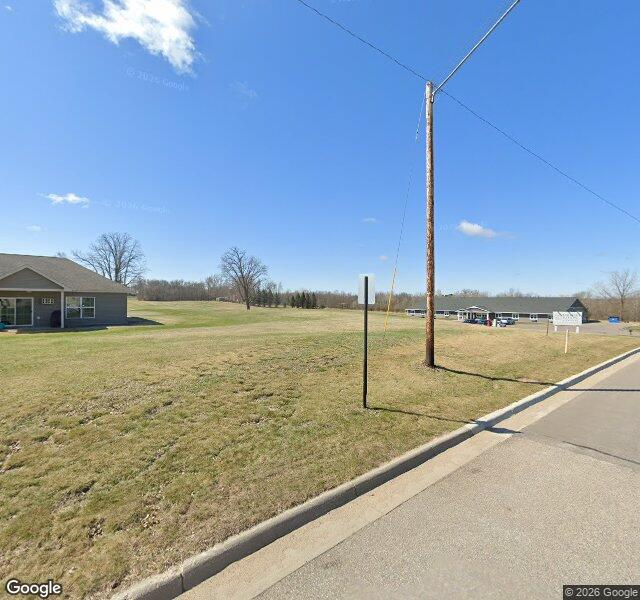
Overview and key essentials
State license
Active
MN MDH
Google reviews
4.6/ 5
10 reviews
Size & payment
Ask directly
Confirm pricing & payment
Strong public signals
Rated 4.6/5 across 10 public Google reviews. Visit in person to confirm daily care and pricing.
Cost, payment & care details
Updated Nov 28, 2026| Monthly cost | Not published | Ask for the full monthly cost, including care fees and one-time charges. |
|---|---|---|
| Payment options | Ask directly | Payment details are not confirmed in our records. Ask about private pay, long-term care insurance, veterans benefits, and Medicaid waivers. |
| Size & availability | Confirm directly | We don't publish live openings. Ask about current availability, waitlist length, and move-in timing. |
| Care & support | Assisted livingMemory care certified | Usually offers housing and help with everyday tasks, such as bathing and dressing. What to confirm about care levelsThis describes the licensed category. Ask how care plans adjust if mobility, nursing, or memory needs change over time. Read the family care guide → |
State licensing
State inspection history
2inspections
4deficiencies listed
Oct 14, 2025Routine3 deficiencies reported3
3 deficiencies reported
View official state report (opens in a new tab)
ZTPK116899
(a) All assisted living facilities must establish and maintain an infection control program that complies with accepted health care, medical, and nursing standards for infection control. (b)The facility's infection control program must be consistent with current guidelines from the national Centers for Disease Control and Prevention (CDC) for infection prevention and control in long-term care facilities and, as applicable, for infection prevention and control in assisted living facilities. (c) The facility must maintain written evidence of compliance with this subdivision. This MN Requirement is not met as evidenced by: Based on observation, interview, and record review, the licensee failed to establish and maintain an infection control program to comply with accepted health care, medical, and nursing standards for infection control for two of two employees (unlicensed personnel/ULP-E, ULP-G). This practice resulted in a level two violation (a violation that did not harm a resident's health or safety but had the potential to have harmed a resident's health or safety, but was not likely to cause serious injury, impairment, or death), and was issued at a widespread scope (when problems are pervasive or represent a systemic failure that has affected or has potential to affect a large portion or all of the residents). The findings include: ULP-E On October 14, 2025, at 7:30 a.m., the surveyor observed ULP-E assist R1 with toileting. With STATE FORM ZTPK11 ZTPK11 On October 14, 2025, at 10:12 a.m., registered nurse (RN)-C stated she expected staff to perform hand hygiene after toileting a resident, after removing gloves, and between tasks. The licensee's Hand Hygiene policy dated December 3, 2024, noted the use of gloves does not replace hand washing. It also noted hands should be washed before and after direct contact with a resident, and after removing gloves. The Centers for Disease Control's (CDC), "CDC's Core Infection Prevention and Control Practices for Safe Healthcare Delivery in All Settings" dated April 12, 2024, under section 5a.1 indicated: 1). Require healthcare personnel to perform hand hygiene in accordance with Centers for Disease Control and Prevention (CDC) recommendations. 2.) Use an alcohol-based hand rub or wash with soap and water for the following clinical indications: a.) Immediately before touching a patient; b.) Before performing an aseptic task (e.g., placing an indwelling device) or handling invasive medical devices; c.) Before moving from work on a soiled body site to a clean body site on the same patient; d.) After touching a patient or the patient's immediate environment; e.) After contact with blood, body fluids or contaminated surfaces; and f.) Immediately after glove removal. No further information was provided. TIME PERIOD FOR CORRECTION: Seven (7) days STATE FORM ZTPK11 ZTPK11 by: Based on observation, interview, and record review, the licensee failed to develop the fire safety and evacuation plan with the required content and provide the required training and drills. This had the potential to directly affect all residents, staff, and visitors. This practice resulted in a level two violation (a violation that did not harm a resident's health or safety but had the potential to have harmed a resident's health or safety, but was not likely to cause serious injury, impairment, or death), and was issued at a widespread scope (when problems are pervasive or represent a systemic failure that has affected or...
144G.45 Subd. 2 (b-f) Fire protection and0810
SS=F physical environment (b) Each assisted living facility shall develop and maintain fire safety and evacuation plans. The plans shall include but are not limited to: (1) location and number of resident sleeping rooms; (2) staff actions to be taken in the event of a fire or similar emergency; (3) fire protection procedures necessary for residents; and (4) procedures for resident movement, evacuation, or relocation during a fire or similar emergency including the identification of unique or unusual resident needs for movement or evacuation. (c) Staff of assisted living facilities shall receive training on the fire safety and evacuation plans upon hiring and at least twice per year thereafter. (d) Fire safety and evacuation plans shall be readily available at all times within the facility. (e) Residents who are capable of assisting in their own evacuation shall be trained on the proper actions to take in the event of a fire to include movement, evacuation, or relocation. The training shall be made available to residents at least once per year. (f) Evacuation drills are required for staff twice per year per shift with at least one evacuation drill every other month. Evacuation of the residents is not required. Fire alarm system activation is not required to initiate the evacuation drill. This MN Requirement is not met as evidenced STATE FORM MW-D stated that they understood what was lacking in this plan. TIME PERIOD FOR CORRECTION: Twenty-one (21) days. 01540 144G.64 (a) (3) Training in Dementia, Mental SS=D Illness, and De- (3) for assisted living facilities with dementia care, direct-care staff must have completed at least eight hours of initial training on topics specified under paragraph (b) within 80 working hours of the employment start date. Until this initial training is complete, the staff member must not provide direct care unless there is another staff member on site who has completed the initial eight hours of training on topics related to dementia and two hours of training on topics related to mental illness and de-escalation and who can act as a resource and assist if issues arise. A trainer of the requirements under paragraph (b) or a supervisor meeting the requirements in clause (1) must be available for consultation with the new staff member until the training requirement is complete. Direct-care staff must have at least two hours of training on topics related to dementia and one hour of training on topics related to mental illness and de-escalation for each 12 months of employment thereafter; This MN Requirement is not met as evidenced by: Based on interview and record review, the licensee failed to ensure one of two employees (clinical nurse supervisor/CNS-A) received the STATE FORM
144G.41 Subd. 3 Infection control program0510
SS=F 0 510 STATE FORM gloved hands, ULP-E assisted R1 to stand, provided perineal care with a wipe, removed both gloves, pulled up the incontinent brief, adjusted R1's skirt, placed the package of wipes in her pant pocket, and assisted R1 to walk to the wheelchair outside the bathroom while holding onto the transfer belt. ULP-E then assisted R1 to sit in the wheelchair, lifted R1's feet to place them on the footrest, removed the transfer belt, opened the closet door and removed a brush, brushed R1's hair, returned the brush and closed the closet door, opened the apartment door, and performed hand hygiene with hand sanitizer located on the wall the hallway. On October 14, 2025, at 8:55 a.m., ULP-E stated she performed hand hygiene after exiting the room. ULP-E stated they previously had paper towels in resident rooms, but resident were flushing them down the toilet causing sewer problems, so they were removed. ULP-G On October 14, 2025, at 7:40 a.m., the surveyor observed ULP-G provide medications to R2 in her apartment. With gloved hands, ULP-G wiped R2's right abdomen with an alcohol wipe, handed the insulin pen to R2 to independently administer the insulin, took the pen back and placed the needle in the sharps container, removed both gloves, exited R2's apartment, went to the medication cart and performed hand hygiene with hand sanitizer on the medication cart. On October 14, 2025, at 9:50 a.m., ULP-G stated she performed hand hygiene with sanitizer from the hallway after exiting the resident's room since there was no sanitizer inside resident rooms. STATE FORM
Sep 27, 2023Routine1 deficiency reported1
1 deficiency reported
View official state report (opens in a new tab)
IU3X116899
that services are first provided, an assisted living facility shall finalize a current written service plan. (b) The service plan and any revisions must include a signature or other authentication by the facility and by the resident documenting agreement on the services to be provided. The service plan must be revised, if needed, based on resident reassessment under subdivision 2. The facility must provide information to the resident about changes to the facility's fee for services and how to contact the Office of Ombudsman for Long-Term Care and the Office of Ombudsman for Mental Health and Developmental Disabilities. (c) The facility must implement and provide all services required by the current service plan. (d) The service plan and the revised service plan must be entered into the resident record, including notice of a change in a resident's fees when applicable. (e) Staff providing services must be informed of the current written service plan. This MN Requirement is not met as evidenced by: Based on observation, interview, and record review, the licensee failed to ensure the service plan was revised to reflect the current services provided for one of two residents (R3). This practice resulted in a level two violation (a violation that did not harm a resident's health or safety but had the potential to have harmed a resident's health or safety, but was not likely to cause serious injury, impairment, or death), and was issued at an isolated scope (when one or a limited number of residents are affected or one or a limited number of staff are involved or the situation has occurred only occasionally). The findings include: STATE FORM IU3X11 01640 R3's diagnoses included chronic obstructive pulmonary disease (COPD-difficulty breathing), diabetes, and congestive heart failure (CHF). On September 26, 2023, at 10:48 a.m., the surveyor observed unlicensed personnel (ULP)-E complete a blood glucose check for R3. R3's prescriber orders dated September 20, 2023, indicated to provide an ace wrap to R3's right knee daily for pain and remove the ace wrap at bedtime. In addition, the prescriber orders indicated to obtain blood glucose check as needed for symptomatic blood sugar concerns. R3's Treatment Recap Summary dated September 2023, indicated ULPs were applying ace wraps on at 8:00 a.m. daily, removing ace wraps at 8:00 p.m. every night, and completing blood glucose checks daily. R3's Service Plan dated May 2, 2023, lacked ace wrap services. In addition, the service plan indicated blood glucose readings twice per day and not as needed per prescriber orders. On September 27, 2023, at 11:27 a.m., director (D)-B and registered nurse (RN)-D stated R3's service plan had not been revised to reflect ace wraps daily, blood glucose monitoring as needed, and the service plan should have been updated. The licensee's undated Safety- Service Plan Modification policy, indicated when a resident at this facility receives assisted living services and a change(s) to the service plan occurs, the service plan must be amended in writing and signed by the resident or the resident's designated representative. STATE FORM IU3X11 01640 No further information was provided. TIME PERIOD FOR CORRECTION: Twenty-One (21) days STATE FORM IU3X11 Inspection Report Location: Upsala Senior Living 200 Walnut Avenue W Upsala, MN56384 Morrison County, 49 License Categories: Operator: Expires on: / / Phone #: ID #: The violations listed in this report include any previously...
Neighborhood & resident support
Emergency access, hazards & advocacy
Nearest hospital
St Gabriels Hospital
15.2 mi · Little Falls, MN · Medicare 4/5 ★
Emergency room
FEMA hazard risk
Relatively LowMorrison County, MN
- Lightning
- Inland Flooding
- Wildfire
Free resident advocacy
Minnesota Office of Ombudsman for Long-Term Care
More neighborhood context (specialists, VA, dialysis, air & affordability)
VA & dialysis access
St Cloud VA Medical Center
23.4 mi · St. Cloud, MN
Fresenius Kidney Care Little Falls
17.0 mi · 3/5 ★
Environment & mobility
- EPA Walkability
- 5.9/20 (Below Average)
- USDA Grocery Access
- Limited Grocery Access
- Primary care access
- HRSA Shortage Area
County demographics
- Age 65+ median income
- $40,891/yr
- Rent-burdened households
- 35%
- Cognitive disability (2023)
- 14.8%
- Mobility disability
- 11.0%
Call & tour checklist
Questions to ask Vitality Living of Upsala LLC
Check off questions as you call or tour. Your progress stays private in this browser.
Show 3 more suggested questions
Verification & public records
Official records & sources
Licensing & contact
- License #
- 39080
- Status
- active
- Phone
- (218) 670-2310
- Federal OIG LEIE
- Clear (2026-11-27)
Original public sources
Verify licensing, ratings, and inspection reports directly with each official source.
- MN MDH official record (opens in a new tab)MN Dept. of Health
- Google Maps (opens in a new tab)Directions, photos & neighborhood
- Google Reviews (opens in a new tab)10 public reviews
EveryPlace is an independent research directory. Information is compiled from public Medicare.gov, state licensing, Google Places, and street-level imagery sources. Some summaries, suggested questions, and pricing notes are AI-generated or AI-assisted and may contain errors or omissions. We do not accept payment for placement. Confirm all details directly with the community and official sources. Research Policy.
Keep exploring