Loading EveryPlace content…
Assisted LivingActive license
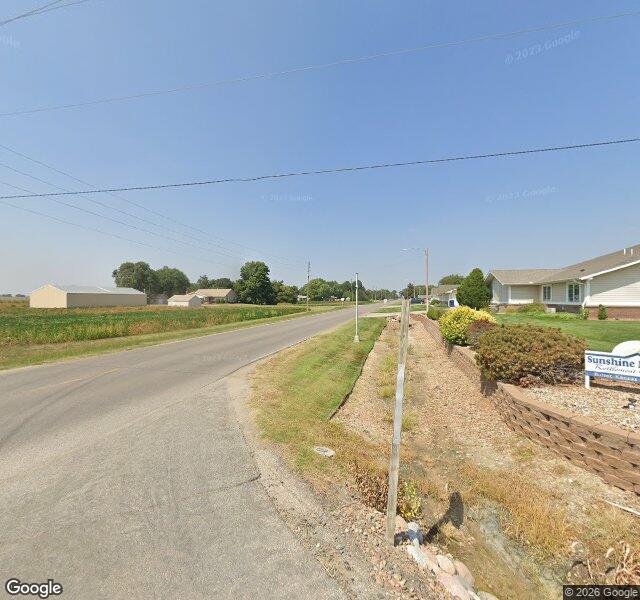
Buhler Sunshine Home
400 S Buhler Rd, Buhler, KS 67522View map (opens in a new tab)
Overview and key essentials
State license
Active
KS KDADS
Google reviews
Not available
Public reviews not linked
Size & payment
Ask directly
Confirm pricing & payment
Public records for this community are limited. Use the checklist below when you call or visit to confirm pricing, services, and openings.
Cost, payment & care details
Updated Nov 28, 2026| Monthly cost | Not published | Ask for the full monthly cost, including care fees and one-time charges. |
|---|---|---|
| Payment options | Ask directly | Payment details are not confirmed in our records. Ask about private pay, long-term care insurance, veterans benefits, and Medicaid waivers. |
| Size & availability | Confirm directly | We don't publish live openings. Ask about current availability, waitlist length, and move-in timing. |
| Care & support | Assisted living | Usually offers housing and help with everyday tasks, such as bathing and dressing. What to confirm about care levelsThis describes the licensed category. Ask how care plans adjust if mobility, nursing, or memory needs change over time. Read the family care guide → |
State licensing
State inspection history
15inspections
17deficiencies listed
Nov 19, 2025RoutineNo deficiencies reportedNone
No deficiencies reported
View official state report (opens in a new tab)
INITIAL COMMENTS The Licensure Resurvey and Complaint Investigation 1548800, 1548796, 1548797, 1548798 of the above-named facility resulted in a finding of no deficiency citations.
Feb 13, 2025Routine7 deficiencies reported7
7 deficiencies reported
View official state report (opens in a new tab)
INITIAL COMMENTS The following citations represent the findings of a Health Resurvey. The 2567 was sent out electronically on 02/25/25.
Free from Unnec Psychotropic Meds/PRN UseF 758
CFR(s): 483.45(c)(3)(e)(1)-(5) SS=D §483.45(e) Psychotropic Drugs. §483.45(c)(3) A psychotropic drug is any drug that affects brain activities associated with mental processes and behavior. These drugs include, but are not limited to, drugs in the following categories: (i) Anti-psychotic; (ii) Anti-depressant; (iii) Anti-anxiety; and (iv) Hypnotic Based on a comprehensive assessment of a resident, the facility must ensure that--- YLVX11 §483.45(e)(1) Residents who have not used psychotropic drugs are not given these drugs unless the medication is necessary to treat a specific condition as diagnosed and documented in the clinical record; §483.45(e)(2) Residents who use psychotropic drugs receive gradual dose reductions, and behavioral interventions, unless clinically contraindicated, in an effort to discontinue these drugs; §483.45(e)(3) Residents do not receive psychotropic drugs pursuant to a PRN order unless that medication is necessary to treat a diagnosed specific condition that is documented in the clinical record; and §483.45(e)(4) PRN orders for psychotropic drugs are limited to 14 days. Except as provided in §483.45(e)(5), if the attending physician or prescribing practitioner believes that it is appropriate for the PRN order to be extended beyond 14 days, he or she should document their rationale in the resident's medical record and indicate the duration for the PRN order. §483.45(e)(5) PRN orders for anti-psychotic drugs are limited to 14 days and cannot be renewed unless the attending physician or prescribing practitioner evaluates the resident for the appropriateness of that medication. This REQUIREMENT is not met as evidenced by: The facility had a census of 50 residents. The sample included 13 residents, with five reviewed for unnecessary medication. Based on observation, interview, and record review the YLVX11 facility failed to obtain an approved indication for use for Seroquel (antipsychotic -class of medications used to treat psychosis and other mental emotional conditions), and the required physician-written clinical rationale for why any attempted dose reeducation would be likely to impair the resident's function or cause psychiatric instability for Resident (R) 18. This deficient practice placed R18 at risk of receiving unnecessary antipsychotic drugs. Findings included: - R18's Electronic Medical Record (EMR) documented a diagnosis of Alzheimer's disease (progressive mental deterioration characterized by confusion and memory failure) with late-onset. The "Quarterly Minimum Data Set" (MDS), dated 12/04/24, documented a Brief Interview for Mental Status (BIMS) score of 99, short and long-term memory loss with severely impaired cognition. The MDS documented R18 was dependent on staff for all activities of daily living. R18 received antipsychotic medication without a gradual dose reduction (GDR) and the MDS stated the physician had documented a clinical rationale on 12/04/24. The care plan, dated 12/17/24, directed staff to obtain lab work, and vital signs as ordered by the physician, and request GDRs per regulations with physician review for possible dose reduction. The care plan directed staff to observe R18 for changes or decline in cognitive status, provide one-to-one observation when indicated, and a psychiatric evaluation as indicated. The "Physician Order," dated 05/21/24, directed YLVX11 staff to administer Seroquel 25 milligrams (mg), by mouth, at bedtime for severe anxiety. The "Pharmacist Reviews," dated...
Infection Prevention & ControlF 880
CFR(s): 483.80(a)(1)(2)(4)(e)(f) SS=F §483.80 Infection Control The facility must establish and maintain an infection prevention and control program YLVX11 designed to provide a safe, sanitary and comfortable environment and to help prevent the development and transmission of communicable diseases and infections. §483.80(a) Infection prevention and control program. The facility must establish an infection prevention and control program (IPCP) that must include, at a minimum, the following elements: §483.80(a)(1) A system for preventing, identifying, reporting, investigating, and controlling infections and communicable diseases for all residents, staff, volunteers, visitors, and other individuals providing services under a contractual arrangement based upon the facility assessment conducted according to §483.71 and following accepted national standards; §483.80(a)(2) Written standards, policies, and procedures for the program, which must include, but are not limited to: (i) A system of surveillance designed to identify possible communicable diseases or infections before they can spread to other persons in the facility; (ii) When and to whom possible incidents of communicable disease or infections should be reported; (iii) Standard and transmission-based precautions to be followed to prevent spread of infections; (iv)When and how isolation should be used for a resident; including but not limited to: (A) The type and duration of the isolation, depending upon the infectious agent or organism involved, and (B) A requirement that the isolation should be the YLVX11 least restrictive possible for the resident under the circumstances. (v) The circumstances under which the facility must prohibit employees with a communicable disease or infected skin lesions from direct contact with residents or their food, if direct contact will transmit the disease; and (vi)The hand hygiene procedures to be followed by staff involved in direct resident contact. §483.80(a)(4) A system for recording incidents identified under the facility's IPCP and the corrective actions taken by the facility. §483.80(e) Linens. Personnel must handle, store, process, and transport linens so as to prevent the spread of infection. §483.80(f) Annual review. The facility will conduct an annual review of its IPCP and update their program, as necessary. This REQUIREMENT is not met as evidenced by: The facility had a census of 50 residents. Based on observation, record review, and interview, the facility failed to implement a water management program for Legionella disease (Legionella is a bacterium spread through mist, such as air-conditioning units in large buildings. Adults over the age of 50 and people with weak immune systems, chronic lung disease, or heavy tobacco use are most at risk of developing pneumonia caused by legionella). This deficient practice placed the residents at risk of contracting infectious processes. Findings included: YLVX11 - On 02/13/25 at 10:17 AM, Maintenance Staff U stated he was not aware of whom managed the waterborne pathogen prevention program that included the prevention of Legionella disease. On 02/13/25 at 10:43 AM, Administrative Staff A reported he was not aware of further monitoring programs for Legionella disease. Administrative Staff A stated the facility had not mapped the water system for possible dead-end water sources. Upon request, the facility failed to provide a waterborne pathogen policy. The facility failed to implement a...
Free of Accident Hazards/Supervision/DevicesF 689
CFR(s): 483.25(d)(1)(2) SS=D §483.25(d) Accidents. The facility must ensure that - §483.25(d)(1) The resident environment remains as free of accident hazards as is possible; and §483.25(d)(2)Each resident receives adequate supervision and assistance devices to prevent accidents. This REQUIREMENT is not met as evidenced by: The facility had a census of 50 residents. The sample included 13 residents, with eight reviewed for falls. Based on observation, record review, and interview, the facility failed to evaluate the effectiveness of fall interventions and change or modify the ineffective interventions at preventing falls for Resident (R) 16. This placed the resident at risk for further falls and injury. Findings included: - The Electronic Medical Record (EMR) for R16 documented diagnoses of dementia (a YLVX11 progressive mental disorder characterized by failing memory and confusion), hypertension (high blood pressure), anxiety (mental or emotional reaction characterized by apprehension, uncertainty, and irrational fear), arteriosclerotic heart disease (buildup of plaque in the arteries [blood vessels that carry blood away from the heart]), and edema (swelling resulting from an excessive accumulation of fluid in the body tissues). The "Quarterly Minimum Data Set" (MDS), dated 01/24/24, documented R16's moderately impaired cognition. R16 required supervision with transfers but was independent with eating, dressing, mobility, personal hygiene, mobility, and ambulation. The MDS documented R16's no functional impairment, two or more falls with injury, and daily use of a bed and chair alarm. The "Quarterly MDS," dated 01/15/25, documented R16 had severely impaired cognition. R16 required supervision with personal hygiene, transfers, dressing, and ambulation, and was independent with mobility. The MDS documented R16 had no functional impairment, had two or more falls with injury, and used a bed and chair alarm daily. The "Fall Risk Assessments," dated 01/22/24, 04/22/24, 07/11/24, 10/11/24, and 01/09/25, documented R16 was at risk for falls. R16's "Care Plan" dated 01/28/25, initiated on 05/03/23, directed staff to provide gripper socks when barefoot in his room and ensure R16 laid on top of his blankets to decrease slipping. The update, dated 05/01/23, directed staff to remind R16 to ask for assistance with long-distance YLVX11 mobility, keep personal frequently used items within reach, and provide proper, well-maintained footwear. The update, dated 05/22/23, directed staff to educate R16 to slow down and take his time. The update, dated 10/03/23, directed staff to place non-skid socks on after he returned from supper. The update, dated 01/02/24, directed staff to place silent pressure alarms on while in bed and chair. The update, dated 03/09/24, directed staff to educate R16 on making sure gripper socks were on properly before attempting to ambulate. The update, dated 04/29/24, directed staff to place a stop sign in view of the recliner to call for assistance. The update, dated 06/07/24, directed staff to educate R16 on calling and waiting for assistance. The update, dated 09/21/24, directed staff to educate R16 on the risk of falling when he ambulates independently and for staff to continue to provide verbal reminders. The update, dated 10/15/24, directed staff to offer R16 a drink after he toilets during the night. The update, dated 01/14/25, directed staff to review with R16 the importance of staff assistance with ambulation. The "Risk...
Drug Regimen Review, Report Irregular, Act OnF 756
CFR(s): 483.45(c)(1)(2)(4)(5) SS=D §483.45(c) Drug Regimen Review. §483.45(c)(1) The drug regimen of each resident must be reviewed at least once a month by a licensed pharmacist. §483.45(c)(2) This review must include a review of the resident's medical chart. §483.45(c)(4) The pharmacist must report any irregularities to the attending physician and the facility's medical director and director of nursing, and these reports must be acted upon. (i) Irregularities include, but are not limited to, any drug that meets the criteria set forth in paragraph (d) of this section for an unnecessary drug. (ii) Any irregularities noted by the pharmacist during this review must be documented on a separate, written report that is sent to the attending physician and the facility's medical director and director of nursing and lists, at a minimum, the resident's name, the relevant drug, YLVX11 and the irregularity the pharmacist identified. (iii) The attending physician must document in the resident's medical record that the identified irregularity has been reviewed and what, if any, action has been taken to address it. If there is to be no change in the medication, the attending physician should document his or her rationale in the resident's medical record. §483.45(c)(5) The facility must develop and maintain policies and procedures for the monthly drug regimen review that include, but are not limited to, time frames for the different steps in the process and steps the pharmacist must take when he or she identifies an irregularity that requires urgent action to protect the resident. This REQUIREMENT is not met as evidenced by: The facility had a census of 50 residents. The sample included 13 residents, with five reviewed for unnecessary medication. Based on observation, interview, and record review, the facility's pharmacist consultant failed to request an approved indication for the use of Seroquel (an antipsychotic -class of medications used to treat psychosis and other mental-emotional conditions), and the required physician-written clinical rationale for the continued use of Seroquel for Resident (R) 18. This deficient practice placed R18 at risk of receiving unnecessary antipsychotic drugs. Findings included: - R18's Electronic Medical Record (EMR) documented a diagnosis of Alzheimer's disease (progressive mental deterioration characterized by confusion and memory failure) with late-onset. YLVX11 The "Quarterly Minimum Data Set" (MDS), dated 12/04/24, documented a Brief Interview for Mental Status (BIMS) score of 99, short and long-term memory loss with severely impaired cognition. The MDS documented R18 was dependent on staff for all activities of daily living. R18 received antipsychotic medication without a gradual dose reduction (GDR) and the MDS stated the physician had documented a clinical rationale on 12/04/24. R18's "Care Plan," dated 12/17/24, directed staff to obtain lab work, and vital signs as ordered by the physician, and request GDRs per regulations with physician review for possible dose reduction. The care plan directed staff to observe R18 for changes or decline in cognitive status, provide one-to-one observation when indicated, and a psychiatric evaluation as indicated. The "Physician Order," dated 05/21/24, directed staff to administer Seroquel 25 milligrams (mg), by mouth, at bedtime for severe anxiety. The "Pharmacist Reviews," dated 11/25/24, recommended a GDR for Seroquel. The physician declined to perform a GDR and...
Residents are Free of Significant Med ErrorsF 760
SS=D YLVX11 CFR(s): 483.45(f)(2) The facility must ensure that its- §483.45(f)(2) Residents are free of any significant medication errors. This REQUIREMENT is not met as evidenced by: The facility had a census of 50 residents. The sample included 13 residents. Based on observation, interview, and record review, the facility failed to administer the correct physician-ordered dose of Ativan (antianxiety drug - a class of medications that calm and relax people) at the scheduled time for Resident (R) 20, placing R20 at risk for adverse effects resulting from the incorrect dose. Findings included: - R20's Electronic Medical Record (EMR) documented diagnoses of dementia (a progressive mental disorder characterized by failing memory, and confusion) and anxiety disorder (mental or emotional reaction characterized by apprehension, uncertainty, and irrational fear). The "Quarterly Minimum Data Set" (MDS), dated 01/29/25, documented a Brief Interview for Mental Status (BIMS) score of 00, indicating severe cognitive impairment. The MDS documented R20 required supervision to maximum staff assistance with activities of daily living and received antianxiety medication. R20's "Care Plan," dated 02/11/25, directed staff to observe for anxiety or restlessness, strange noises, getting up or down, delusions or hallucinations, resisting cares, being stiff with YLVX11 cares or grabbing, obsession over items, or paranoia. R20's care plan directed staff to inform the nurse for documentation and notify hospice, and his physician as indicated. The "Physician Order," dated 08/02/24, directed staff to administer Ativan 0.5mg, (1/2 tablet 0.25mg) two times per day (AM and 1 PM) for anxiety/ restlessness. The "Physician Order," dated 11/07/24, directed staff to administer the following: Ativan 0.5mg daily at HS (bedtime) for anxiety for anxiety disorder. Ativan 0.5mg, (1/2 tablet 0.25mg) two times per day (AM and PM) for anxiety or restlessness. The "Physician Order," dated 12/04/24, had the following: Ativan 0.5mg, daily at bedtime for anxiety for anxiety disorder. Ativan 0.5mg, (1/2 tablet 0.25mg) two times per day (AM and 4 PM) for anxiety or restlessness. Ativan 0.5mg, under tongue every 4 hours as needed for anxiety or restlessness for 6 months. The "Progress Note" dated 09/05/24 at 02:12 PM, documented a Certified Medication Aide (CMA) alerted this nurse that R20's noon dose of Ativan was not administered yesterday by error. R20 had not shown any increased anxiety or restlessness from the missed dose at that time. The "Progress Note" dated 10/08/24 at 10:34 AM, documented a CMA alerted this nurse of finding a medication error from last night. R20 had Ativan 0.5mg at bedtime scheduled but received Ativan 0.25mg last night. R20 had some restlessness this morning without being able to redirect. R20 YLVX11 had been climbing out of chairs and trying to walk. Staff tried to redirect with a magazine, 1:1, and a busy box. R20 continued to be restless and "trying to leave for work." Staff attempted multiple times to redirect and the nurse instructed the CMA to give as needed (PRN) Ativan to help manage anxiety. The "Progress Note" dated 11/05/24 at 09:20 AM documented R20 had not received the scheduled dose of Ativan on 11/03/2024 at 02:00 PM. Staff education was performed, and the time of administration was adjusted. The "Progress Note" dated 12/16/24 at 08:25 AM, documented a CMA reported to this nurse that the narcotic book showed that R20 received Ativan 1 mg...
Care Plan Timing and RevisionF 657
SS=D YLVX11 CFR(s): 483.21(b)(2)(i)-(iii) §483.21(b) Comprehensive Care Plans §483.21(b)(2) A comprehensive care plan must be- (i) Developed within 7 days after completion of the comprehensive assessment. (ii) Prepared by an interdisciplinary team, that includes but is not limited to-- (A) The attending physician. (B) A registered nurse with responsibility for the resident. (C) A nurse aide with responsibility for the resident. (D) A member of food and nutrition services staff. (E) To the extent practicable, the participation of the resident and the resident's representative(s). An explanation must be included in a resident's medical record if the participation of the resident and their resident representative is determined not practicable for the development of the resident's care plan. (F) Other appropriate staff or professionals in disciplines as determined by the resident's needs or as requested by the resident. (iii)Reviewed and revised by the interdisciplinary team after each assessment, including both the comprehensive and quarterly review assessments. This REQUIREMENT is not met as evidenced by: The facility had a census of 50 residents. The sample included 13 residents. Based on observation, record review, and interview, the facility failed to revise a care plan with direction to staff for interventions when one resident has periods of syncope and lightheadedness, Resident (R) 32. This placed the resident at risk for decline. YLVX11 Findings included: - The Electronic Medical Record (EMR) documented R32 had diagnoses of Alzheimer's disease (progressive mental deterioration characterized by confusion and memory failure), anxiety (mental or emotional reaction characterized by apprehension, uncertainty, and irrational fear), diabetes mellitus (DM - when the body cannot use glucose, not enough insulin is made, or the body cannot respond to the insulin) type two, and arteriosclerotic heart disease (buildup of plaque in the arteries [blood vessels that carry blood away from the heart]). The "Significant Change Minimum Data Set" (MDS), dated 04/03/24, documented R32 had intact cognition. R32 was dependent upon staff for transfers and toileting. R32 required substantial assistance with dressing and did not ambulate. The MDS documented R32 was frequently incontinent of bladder and bowel and had lower functional impairment on one side. The "Quarterly MDS," dated 01/01/25, documented R32 had moderately impaired cognition. R32 was dependent upon staff for dressing, transfers, mobility, and toileting. The MDS documented R32 was frequently incontinent of bladder and bowel and had lower functional impairment on one side. R32 "Care Plan" dated 01/14/25, initiated on 06/14/23, directed staff to use a sit-to-stand lift for all transfers. The update, dated 06/17/24, directed staff to use a full mechanical lift (a medical device used to assist individuals with mobility limitations in transferring between YLVX11 surfaces) and two staff members. The care plan lacked direction to staff if the resident should become lightheaded or have a syncope episode during transfers. The "Nurse's Note" dated 06/07/24 at 05:50 PM, documented, R32 was sat up in the sit-to-stand lift and because lightheaded. Staff sat R32 down and R32 stated that she felt strange, Staff encouraged R32 to drink more water and rest. The EMR lacked documentation the physician was notified of the episode. The "Nurse's Note" dated 06/17/24, documented during a transfer with the...
Notify of Changes (Injury/Decline/Room, etc.)F 580
CFR(s): 483.10(g)(14)(i)-(iv)(15) SS=D §483.10(g)(14) Notification of Changes. (i) A facility must immediately inform the resident; consult with the resident's physician; and notify, consistent with his or her authority, the resident representative(s) when there is- (A) An accident involving the resident which results in injury and has the potential for requiring physician intervention; (B) A significant change in the resident's physical, mental, or psychosocial status (that is, a deterioration in health, mental, or psychosocial status in either life-threatening conditions or clinical complications); (C) A need to alter treatment significantly (that is, a need to discontinue an existing form of treatment due to adverse consequences, or to commence a new form of treatment); or (D) A decision to transfer or discharge the resident from the facility as specified in §483.15(c)(1)(ii). (ii) When making notification under paragraph (g) (14)(i) of this section, the facility must ensure that all pertinent information specified in §483.15(c)(2) is available and provided upon request to the physician. (iii) The facility must also promptly notify the resident and the resident representative, if any, when there is- (A) A change in room or roommate assignment as specified in §483.10(e)(6); or (B) A change in resident rights under Federal or State law or regulations as specified in paragraph (e)(10) of this section. (iv) The facility must record and periodically update the address (mailing and email) and phone number of the resident representative(s). §483.10(g)(15) Admission to a composite distinct part. A facility that is a composite distinct part (as defined in §483.5) must disclose in its admission agreement its physical configuration, including the various locations that comprise the composite distinct part, and must specify the policies that apply to room changes between its different locations under §483.15(c)(9). This REQUIREMENT is not met as evidenced by: The facility had a census of 50 residents. The sample included 13 residents. Based on observation, record review, and interview, the facility failed to notify the physician of episodes of syncope (fainting or passing out) and lightheadedness of one resident, Resident (R) 32. This placed the resident at risk for further decline and a delay in treatment. Findings included: - The "Electronic Medical Record" (EMR) documented R32 had diagnoses of Alzheimer's disease (progressive mental deterioration characterized by confusion and memory failure), anxiety (mental or emotional reaction characterized by apprehension, uncertainty, and irrational fear), diabetes mellitus (DM - when the body cannot use glucose, not enough insulin is made, or the body cannot respond to the insulin) YLVX11 type two, and arteriosclerotic heart disease (buildup of plaque in the arteries [blood vessels that carry blood away from the heart]). The "Significant Change Minimum Data Set" (MDS), dated 04/03/24, documented R32 had intact cognition. R32 was dependent upon staff for transfers and toileting. R32 required substantial assistance with dressing and did not ambulate. The MDS documented R32 was frequently incontinent of bladder and bowel and had lower functional impairment on one side. The "Quarterly MDS," dated 01/01/25, documented R32 had moderately impaired cognition. R32 was dependent upon staff for dressing, transfers, mobility, and toileting. The MDS documented R32 was frequently incontinent of bladder and bowel...
May 1, 2024Routine3 deficiencies reported3
3 deficiencies reported
View official state report (opens in a new tab)
The following citations represent the findings of a Re-Licensure Survey for the above named Assisted Living facility conducted on 5/01/24.
moderateS 5230
(b)(5) prohibiting any employee with a communicable disease or any infected skin lesions from coming in direct contact with any resident, any resident ' s food, or resident care equipment until the condition is no longer infectious; (6) providing orientation to new employees and employee in-service education at least annually on the control of infections in a health care setting; (c) Each administrator or operator shall ensure the home ' s compliance with the department ' s tuberculosis guidelines for adult care homes adopted by reference in K.A.R. 26-39-105. This REQUIREMENT is not met as evidenced by: K.A.R 26-42-207(c) The facility reported a census of 22 residents(R). The sample included three residents and three newly hired staff. Based on interview and record review for three of three newly hired staff, the administrator failed to ensure the facility remained in compliance with the department's tuberculosis (TB) guidelines for adult care homes adopted by reference in K.A.R. 26-39-105. Findings included: - Review of the three newly hired employee files revealed the following: Certified Medication Aide (CMA) B, hired on 08/08/23 had a TB symptom screen completed on 08/08/23 but did not have a two-stop TB skin test within seven days of hire. CMA C, hired on 01/24/24 did not have a TB symptom screen completed upon hire and did not receive a TB skin test within seven days of hire. CMA D hired on 12/28/23 had a blank TB symptom screen in her file and did not have a two step TB skin test completed within seven days of hire. On 05/01/24 at 01:57 Administrative Staff E reported she had looked and did not have TB skin testing for all three of the CMAs. Review of the "Tuberculosis (TB) Guidelines for Adult Care Homes" June 2013 revealed each new resident and new employee shall have an initial TB symptom screen that includes the components of the TB questionnaire within seven days of residency or employment. Each new resident or new employee shall receive a two-stop skin test within seven days of residency or employment unless specific conditions are met. The administrator failed to ensure three of three newly hired staff completed TB symptom screens and TB skin testing in accordance with TB guidelines to ensure the facility remained in compliance of infection control guidelines.
STATE FORM6899
CBHE11 STATE FORM CBHE11 STATE FORM CBHE11 STATE FORM CBHE11
moderateS 5165
(e) A licensed nurse may delegate nursing procedures not included in the nurse aide or medication aide curriculums to nurse aides or medication aides, respectively, under the Kansas nurse practice act, K.S.A. 65-1124 and amendments thereto. This REQUIREMENT is not met as evidenced by: KAR 26-42-204(e) The facility reported a census of 22 residents (R) . Based on interview and record review for three of three newly hired Certified Medications Aides (CMA) , the operator failed to ensure the delegated nursing procedure for monitoring blood glucose via glucometer for each CMA was completed by a licensed nurse under the Kansas nurse practice act, K.S.A. 65-1124 and amendments thereto prior to them checking a resident's blood sugar. . Findings included: - Review of employee records for Certified Medication Aide (CMA) B, CMA C, and CMA D lacked evidence of a licensed nurse delegation for the checking of a resident's blood sugar via glucometer. Review of R6 Medication Administration Record from September 2023 to May 2024 revealed CMA B, CMA C, and CMA D all documented they had checked his blood sugars. Interview on 05/01/24 at 01:23 PM Certified Medication Aide G reported when she started the CMA who oriented her trained her how to check blood sugars and later had a skills fair later on where we did it. Interview on 05/01/24 at 01:57 PM Administrative Staff E reported she and Administrative Staff F were not able to find the delegation training forms for the three newly hired CMAs. The operator failed to ensure certified medication aides were properly trained on the procedure monitoring blood glucose.
Apr 19, 2023Routine7 deficiencies reported7
7 deficiencies reported
View official state report (opens in a new tab)
INITIAL COMMENTS The following citations represent the findings of a Health Resurvey. This 2567 was electronically emailed to the facility on 04/24/23.
Food Procurement,Store/Prepare/Serve-SanitaryF 812
CFR(s): 483.60(i)(1)(2) SS=F §483.60(i) Food safety requirements. The facility must - FSAX11 §483.60(i)(1) - Procure food from sources approved or considered satisfactory by federal, state or local authorities. (i) This may include food items obtained directly from local producers, subject to applicable State and local laws or regulations. (ii) This provision does not prohibit or prevent facilities from using produce grown in facility gardens, subject to compliance with applicable safe growing and food-handling practices. (iii) This provision does not preclude residents from consuming foods not procured by the facility. §483.60(i)(2) - Store, prepare, distribute and serve food in accordance with professional standards for food service safety. This REQUIREMENT is not met as evidenced by: The facility reported a census of 45 residents. The facility had one main kitchen. The kitchen served food to two dining areas. Based on observation, interview, and record review, the facility failed to properly store food in the main kitchen refrigerators due to foods left uncovered, boxes placed directly on the floor in the kitchen area, and staff failed to discard expired foods in accordance with professional standards for food service safety, to prevent food borne illness to the residents. Findings included: - During the brief initial tour of the kitchen, on 04/17/23 at 08:27 AM, observation revealed the following concerns: 1. The walk-in refrigerator had six 16-ounce (oz) containers of grated parmesan cheese with a use by date of 04/07/23. FSAX11 2. The kitchen had approximately four various food boxes stored directly on the floor with 14 boxes stacked on top of those boxes. 3. The refrigerator had an undated box of lettuce, open to air and wilted. 4. The kitchen had five cutting boards with scratches that covered most of the surface of each of them (making them uncleanable). 5. The kitchen refrigerator had a tray of four oz juice cups with various dates, the front two stacks dated 04/16/23, with the following rows had 10 cups of juice dated 03/28/23, and five cups of juice dated 03/30/23. The juice in the back revealed a date of 04/17/23. On 04/17/23 at 08:45 AM, Dietary Staff D stated staff should date and seal any unused food products. She stated the juice cups were dated when they were taken out of the freezer. She verified the boxes of food should not be stored directly on the floor. On 04/18/23 at 02:22 PM, Dietary Manager (DM) C confirmed boxes should not be stored directly on the floor. DM C confirmed staff should discard the expired cheese. DM C stated the juices being in the refrigerator were only good for two to three days. In addition, staff should rotate the juice in the refrigerator. The facility's policy "Food Storage" revised in The facility failed to properly store food in the main kitchen refrigerators due to the boxes being directly on the floor and the open food items, also the expired food items for food service to the residents of this facility. FSAX11
Develop/Implement Comprehensive Care PlanF 656
CFR(s): 483.21(b)(1)(3) SS=D §483.21(b) Comprehensive Care Plans §483.21(b)(1) The facility must develop and implement a comprehensive person-centered care plan for each resident, consistent with the resident rights set forth at §483.10(c)(2) and §483.10(c)(3), that includes measurable objectives and timeframes to meet a resident's medical, nursing, and mental and psychosocial needs that are identified in the comprehensive assessment. The comprehensive care plan must describe the following - (i) The services that are to be furnished to attain or maintain the resident's highest practicable physical, mental, and psychosocial well-being as required under §483.24, §483.25 or §483.40; and (ii) Any services that would otherwise be required under §483.24, §483.25 or §483.40 but are not provided due to the resident's exercise of rights under §483.10, including the right to refuse treatment under §483.10(c)(6). (iii) Any specialized services or specialized rehabilitative services the nursing facility will provide as a result of PASARR recommendations. If a facility disagrees with the findings of the PASARR, it must indicate its rationale in the resident's medical record. (iv)In consultation with the resident and the resident's representative(s)- (A) The resident's goals for admission and desired outcomes. (B) The resident's preference and potential for future discharge. Facilities must document whether the resident's desire to return to the community was assessed and any referrals to local contact agencies and/or other appropriate entities, for this purpose. (C) Discharge plans in the comprehensive care plan, as appropriate, in accordance with the requirements set forth in paragraph (c) of this section. §483.21(b)(3) The services provided or arranged by the facility, as outlined by the comprehensive care plan, must- (iii) Be culturally-competent and trauma-informed. This REQUIREMENT is not met as evidenced by: The facility had a census of 45 residents with 12 included in the sample. Based on observation, interview, and record review the facility failed to develop a comprehensive care plan for one Resident (R) 10 of the 12 sampled residents, related to comfort care status. Findings included: - Resident (R) 10's signed physician orders dated 04/06/23, included the following diagnoses: dementia (progressive mental disorder characterized by failing memory, confusion), chronic kidney disease (inability of the kidneys to excrete wastes, concentrate urine and conserve electrolytes), hypertension (elevated blood pressure), history of alcohol dependence, major depressive disorder (abnormal emotional state characterized by exaggerated feelings of sadness, worthlessness and emptiness) and anxiety (mental or emotional reaction characterized by apprehension, uncertainty and FSAX11 irrational fear). The Quarterly Minimum Data Set (MDS) dated 12/13/22 revealed the resident required supervision with daily cares including personal hygiene. No dental concerns noted. The resident received antipsychotic (class of medications used to treat psychosis and other mental emotional conditions), antidepressant (class of medications used to treat mood disorders and relieve symptoms of depression), and antibiotic daily through the seven-day look-back observation period. Review of the annual MDS dated 03/02/23 revealed intact cognition. The resident was independent for activities of daily living (ADL's). No dental issues and received the same medications with no changes...
Care Plan Timing and RevisionF 657
CFR(s): 483.21(b)(2)(i)-(iii) SS=D §483.21(b) Comprehensive Care Plans §483.21(b)(2) A comprehensive care plan must be- (i) Developed within 7 days after completion of FSAX11 the comprehensive assessment. (ii) Prepared by an interdisciplinary team, that includes but is not limited to-- (A) The attending physician. (B) A registered nurse with responsibility for the resident. (C) A nurse aide with responsibility for the resident. (D) A member of food and nutrition services staff. (E) To the extent practicable, the participation of the resident and the resident's representative(s). An explanation must be included in a resident's medical record if the participation of the resident and their resident representative is determined not practicable for the development of the resident's care plan. (F) Other appropriate staff or professionals in disciplines as determined by the resident's needs or as requested by the resident. (iii)Reviewed and revised by the interdisciplinary team after each assessment, including both the comprehensive and quarterly review assessments. This REQUIREMENT is not met as evidenced by: The facility reported a census of 45 residents, with 12 sampled, including four residents sampled for activities of daily living (ADL). Based on observation, interview, and record review, the facility failed to review and revise the care plan for Resident (R) 29 regarding shower preferences. Findings included: - The 09/29/22 "Electronic Health Record" (EHR) documented R29 had the following diagnoses of Alzheimer's (progressive mental deterioration characterized by confusion and memory failure) and anxiety (mental or emotional reaction FSAX11 characterized by apprehension, uncertainty, and irrational fear). The 09/28/22 "Admission Minimum Data Set" (MDS) documented a brief interview for mental status (BIMS) of six, indicating severely impaired cognition. R29 was independent with set up assistance of one staff for all ADL, and no bathing occurred in the seven-day look-back period. The 09/28/22 "ADL Functional/Rehabilitation Potential Care Area Assessment" (CAA) documented R29 was independent with ADL. The 03/31/23 "Care Plan" documented R29 preferred early morning showers twice weekly, R29 required one assist for bathing transfers, with clothing management and drying off. The "Spa Documentation Sheet" for January through April 2023 documented R29 was on the schedule for the evening shift. On 04/17/23 at 10:36 AM, R 29 observed sitting in his room in his recliner with long facial hair growth, greasy/oily appearing hair, and a dirty shirt. On 04/18/23 at 01:24 PM, Certified Nurse Aide (CNA) R revealed R29 was on the evening shift schedule. On 04/18/23 at 03:45 PM, CNA E confirmed R29 was on the evening bathing schedule, but she had not given him a shower. On 04/18/23 at 04:02 PM, Licensed Nurse (LN) G revealed the admission nurse would obtain the resident's preferences and add them to the care FSAX11 plan. LN G stated whichever nurse talked to the family or resident concerning a change in their care would be responsible for updating the care plan. LN G reported she remembered hearing the resident wanted showers in the evening, and staff placed him on the evening schedule, however, she verified the care plan indicated he preferred morning showers. On 04/06/23 at 10:14 AM, Administrative Nurse D revealed she expected her staff to update and follow the care plan for the care of the residents. The facility "Comprehensive Care Plan"...
Bowel/Bladder Incontinence, Catheter, UTIF 690
SS=D FSAX11 CFR(s): 483.25(e)(1)-(3) §483.25(e) Incontinence. §483.25(e)(1) The facility must ensure that resident who is continent of bladder and bowel on admission receives services and assistance to maintain continence unless his or her clinical condition is or becomes such that continence is not possible to maintain. §483.25(e)(2)For a resident with urinary incontinence, based on the resident's comprehensive assessment, the facility must ensure that- (i) A resident who enters the facility without an indwelling catheter is not catheterized unless the resident's clinical condition demonstrates that catheterization was necessary; (ii) A resident who enters the facility with an indwelling catheter or subsequently receives one is assessed for removal of the catheter as soon as possible unless the resident's clinical condition demonstrates that catheterization is necessary; and (iii) A resident who is incontinent of bladder receives appropriate treatment and services to prevent urinary tract infections and to restore continence to the extent possible. §483.25(e)(3) For a resident with fecal incontinence, based on the resident's comprehensive assessment, the facility must ensure that a resident who is incontinent of bowel receives appropriate treatment and services to restore as much normal bowel function as possible. This REQUIREMENT is not met as evidenced by: The facility census totaled 45 residents with 12 FSAX11 included in the sample, with one resident sampled for catheter care. Based on observation, interview, and record review, the facility failed to provide necessary services to decrease the risk of a urinary tract infection by the failure to ensure the catheter tubing remained below the level of the bladder for one resident. Resident (R) 6. Findings included: - Resident (R) 6's signed physician orders dated 04/06/23 revealed the following diagnoses: traumatic subdural hemorrhage (collection of blood on the surface of the brain) without loss of consciousness, chronic obstructive pulmonary disease- COPD (progressive and irreversible condition characterized by diminished lung capacity and difficulty or discomfort in breathing), type 2 diabetes mellitus (when the body cannot use glucose, not enough insulin is made or the body cannot respond to the insulin) benign prostatic hyperplasia with lower urinary tract symptoms (non-cancerous enlargement of the prostate which can lead to interference with urine flow, urinary frequency and urinary tract infections (UTI). The "Significant Change in Status Minimum Data Set" (MDS) dated 03/02/23 revealed a "Brief Interview for Mental Status" (BIMS) score of 12 indicating moderate cognitive impairment. The resident required total dependence with daily cares. The resident had an indwelling urinary catheter. The "Urinary Incontinence Indwelling Catheter Care Area Assessment" (CAA) dated 03/16/23 revealed the resident fatigued easily with repositioning side to side for linen changes and FSAX11 catheter care. The resident received Levaquin (an antibiotic medication) for UTI. Review of the "Care Plan" dated 02/23/23 revealed R 6 required an indwelling urinary catheter related to urinary retention. The care plan guided staff to report symptoms of UTI, avoid obstructions, change the catheter monthly, keep the catheter system in a closed system as much as possible, manipulate the tubing as little as possible during cares, position the bag below the level of the bladder, and provide...
ADL Care Provided for Dependent ResidentsF 677
CFR(s): 483.24(a)(2) SS=D §483.24(a)(2) A resident who is unable to carry out activities of daily living receives the necessary services to maintain good nutrition, grooming, and personal and oral hygiene; This REQUIREMENT is not met as evidenced by: The facility reported a census of 45 residents, with 12 sampled, including four residents sampled for activities of daily living (ADL). Based on observation, interview, and record review, the FSAX11 facility failed to provide care consistent with standard of practice for Resident (R) 29 to maintain good grooming and personal hygiene related to showers and facial hair removal. Findings included: - The 09/29/22 "Electronic Health Record" (EHR) documented R29 had the following diagnoses of Alzheimer's (progressive mental deterioration characterized by confusion and memory failure) and anxiety (mental or emotional reaction characterized by apprehension, uncertainty, and irrational fear). The 09/28/22 "Admission Minimum Data Set" (MDS) documented a brief interview for mental status (BIMS) of six, indicating severely impaired cognition. R29 was independent with set up assistance of one staff for all ADL. The 09/28/22 "ADL Functional/Rehabilitation Potential Care Area Assessment" (CAA) documented R29 was independent with ADL, and that bathing did not occur. The 3/17/23 "Quarterly MDS" documented R29 required physical help in part of bathing by one staff. The 03/31/23 "Care Plan" documented R29 preferred early morning showers twice weekly, R29 required one assist for bathing transfers, with clothing management and drying off. The "Progress Notes" from January 2023 through March 2023, lacked documentation of the resident's refusals of showers/baths. FSAX11 The "Spa Documentation Sheet" for January evening shift schedule. On 04/18/23 at 03:45 PM, CNA E revealed there was not one CNA assigned to give showers on the evening shift, they would just give them per the bath schedule. CNA E stated staff should document them in the electronic record and on the shower sheet whether the resident received a bath or refused. CNA E confirmed R29 was on the evening schedule, and she had not given him a shower. On 04/18/23 at 04:02 PM, Licensed Nurse (LN) G revealed staff should document showers in the electronic record as well as on Spa documentation sheets. LN G confirmed R29 had long facial hair. On 04/06/23 at 10:14 AM, Administrative Nurse D revealed she expected her staff to provide bathing as per the residents' preference, to document it in the electronic record, and on the Spa documentation sheet. The facility "Bathing" policy dated 03/14/15, documented team members who assist residents with bathing would focus on making the bathing experience enjoyable for the resident. Staff were to review the information about bathing found on the resident's bath sheet regarding if the resident wanted a bath or shower. The facility failed to provide care consistent with professional standard of practice, for this resident that required assistance with bathing and facial hair removal, to maintain good grooming, and personal hygiene.
documented all food items would be stored2015
on shelves. All packaged food items would be properly sealed. Refrigerated items should follow a rotation procedure. FSAX11
documented out of nine scheduled2023
opportunities, R29 received five showers, with no shaving noted. The "Spa Documentation Sheet" for February documented out of eight scheduled opportunities, R29 received five showers, two with shaving noted, and one refusal noted. The "Spa Documentation Sheet" for March 2023 documented out of nine scheduled opportunities, R29 received six showers, three with shaving noted, and no refusals noted. On 04/17/23 at 10:36 AM, R29 observed sitting in his room in his recliner with long facial hair growth, greasy/oily appearing hair, and a dirty shirt. On 04/17/23 at 10:36 AM, R29 stated he would like assistance with showering and shaving. On 04/18/23 at 08:02 AM, R29 observed sitting in his room in his recliner with long facial hair growth, greasy/oily appearing hair, and the same dirty shirt. On 04/17/23 at 08:02 AM, R29 revealed he had gotten no help to shave or shower. On 04/18/23 at 01:24 PM, certified nurse's aide (CNA) F, revealed she was the shower aide assigned to showers for the day. She stated she would try three times to give a shower to a resident, if they refused all three, she would get the charge nurse. She stated showers were to be documented in the electronic record and on a shower sheet. CNA F revealed R29 was on the FSAX11
Oct 31, 2022RoutineNo deficiencies reportedNone
Show all 15 inspections
Oct 21, 2021RoutineNo deficiencies reportedNone
No deficiencies reported
View official state report (opens in a new tab)
54ik11 buhler rs 2567 10-21-21 revised 11-12-21
Jan 28, 2021RoutineNo deficiencies reportedNone
No deficiencies reported
View official state report (opens in a new tab)
buhler sunshine home alf 01.28.2021
Dec 14, 2020RoutineNo deficiencies reportedNone
Nov 18, 2020RoutineNo deficiencies reportedNone
Jul 23, 2020RoutineNo deficiencies reportedNone
No deficiencies reported
View official state report (opens in a new tab)
buhler sunshine home covid 7.23.2020
Dec 18, 2019RoutineNo deficiencies reportedNone
No deficiencies reported
View official state report (opens in a new tab)
THDB11 Buhler RS 2567 12-18-19
Aug 2, 2018RoutineNo deficiencies reportedNone
Jul 9, 2018RoutineNo deficiencies reportedNone
No deficiencies reported
View official state report (opens in a new tab)
buhler sunshine home 7 9 2018
May 21, 2018RoutineNo deficiencies reportedNone
Jun 12, 2017ComplaintNo deficiencies reportedNone
No deficiencies reported
View official state report (opens in a new tab)
Buhler Sunshine complaint 06122017
Neighborhood & resident support
Emergency access, hazards & advocacy
Nearest hospital
Hutchinson Regional Medical Center Inc
7.2 mi · Hutchinson, KS · Medicare 2/5 ★
Emergency roomTrauma Level Iii
FEMA hazard risk
Relatively LowReno County, KS
- Ice Storm
- Strong Wind
- Wildfire
Free resident advocacy
Kansas Office of the State Long-Term Care Ombudsman
More neighborhood context (specialists, VA, dialysis, air & affordability)
VA & dialysis access
Wichita VA Medical Center
41.3 mi · Wichita, KS · VA 5/5 ★
DaVita Dialysis Center of Hutchinson
8.4 mi · 3/5 ★ · Home dialysis
Specialists within 15 mi
- Geriatricians
- 0
- Neurologists
- 21
- Palliative care
- 0
- PM&R rehab
- 3
Environment & mobility
- EPA Walkability
- 7.1/20 (Below Average)
- USDA Grocery Access
- High Grocery Access
- Primary care access
- HRSA Shortage Area
County demographics
- Age 65+ median income
- $44,990/yr
- Rent-burdened households
- 43%
- Cognitive disability (2023)
- 16.5%
- Mobility disability
- 13.4%
Call & tour checklist
Questions to ask Buhler Sunshine Home
Check off questions as you call or tour. Your progress stays private in this browser.
Show 3 more suggested questions
Verification & public records
Official records & sources
Licensing & contact
- License #
- N078009
- Status
- active
- Phone
- (620) 543-2251
- Federal OIG LEIE
- Clear (2026-11-27)
Original public sources
Verify licensing, ratings, and inspection reports directly with each official source.
- KS KDADS official record (opens in a new tab)Kansas Dept. for Aging & Disability Services
- Google Maps (opens in a new tab)Directions, photos & neighborhood
- Google Reviews (opens in a new tab)Read public reviews
EveryPlace is an independent research directory. Information is compiled from public Medicare.gov, state licensing, Google Places, and street-level imagery sources. Some summaries, suggested questions, and pricing notes are AI-generated or AI-assisted and may contain errors or omissions. We do not accept payment for placement. Confirm all details directly with the community and official sources. Research Policy.
Keep exploring
Nearby communities to compare
- Medicare 3/54.7(31)55 bedsMedicaidNursing Home< 1 miBuhler Sunshine HomeBuhler, KS
- Home Health6.9 miPleasant View Home HealthInman, KS
- Medicare 4/54.3(29)122 bedsMedicaidNursing Home7.1 miPleasant View HomeInman, KS
- Cap. 12HUD Senior Housing7.2 miEast View VillaInman, KS
- Assisted Living7.3 miWaldron Place Assisted LivingHutchinson, KS
- Assisted Living7.6 miRl EileenHutchinson, KS