Loading EveryPlace content…
Assisted LivingActive license
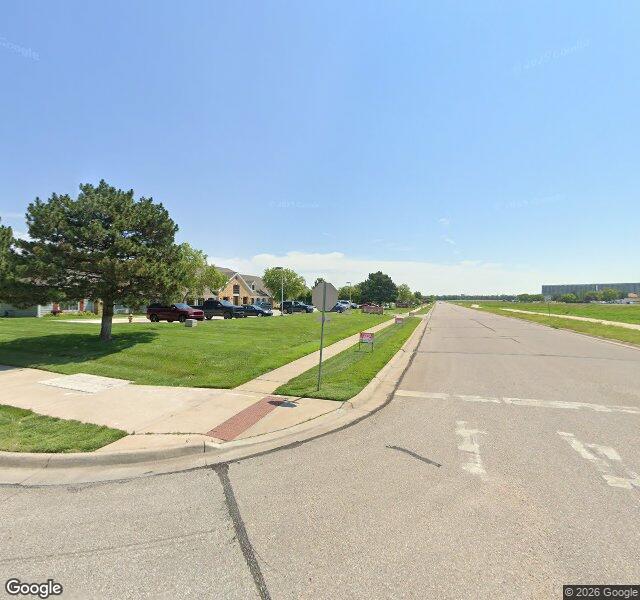
Waldron Place Assisted Living
1700 E 23rd, Hutchinson, KS 67502View map (opens in a new tab)
Overview and key essentials
State license
Active
KS KDADS
Google reviews
Not available
Public reviews not linked
Size & payment
Ask directly
Confirm pricing & payment
Public records for this community are limited. Use the checklist below when you call or visit to confirm pricing, services, and openings.
Cost, payment & care details
Updated Nov 28, 2026| Monthly cost | Not published | Ask for the full monthly cost, including care fees and one-time charges. |
|---|---|---|
| Payment options | Ask directly | Payment details are not confirmed in our records. Ask about private pay, long-term care insurance, veterans benefits, and Medicaid waivers. |
| Size & availability | Confirm directly | We don't publish live openings. Ask about current availability, waitlist length, and move-in timing. |
| Care & support | Assisted living | Usually offers housing and help with everyday tasks, such as bathing and dressing. What to confirm about care levelsThis describes the licensed category. Ask how care plans adjust if mobility, nursing, or memory needs change over time. Read the family care guide → |
State licensing
State inspection history
15inspections
19deficiencies listed
Oct 27, 2026Routine3 deficiencies reported3
3 deficiencies reported
View official state report (opens in a new tab)
The following citations represent the findings of a Health Licensure Resurvey and Complaint survey regarding allegations in the following complaints:199768, 196663, 196650, 196652, and 195778, conducted on 10/26/26 and 10/27/26. The facility reported a census of 56 residents. The sample included 6 residents.
moderateS 3201
Medication (3) A licensed nurse or medication aide shall perform the following: (A) Administer only the medication that the licensed nurse or medication aide has personally prepared; (B) identify the resident before medication is administered; (C) remain with the resident until the medication is ingested or applied; and (D) document the administration of each resident ' s medication in the resident ' s medication administration record immediately before or following completion of the task. If the medication administration record identifies only time intervals or events for the administration of medication, the licensed nurse or medication aide shall document the actual clock time the medication is administered. This REQUIREMENT is not met as evidenced by: K.A.R. 26-41-205 (d) (1) (D) Medication Management Based on record review and interview, the facility failed to ensure the facility's Certified Medication Aide's (CMA)'s documented the administration of each resident's medication in the resident's medication administration record immediately before or following completion of the task for two of six sampled residents reviewed for medication management, Residents (R)'s 2 and 3. R2 admitted on 09/02/14 with diagnoses of personal history of other diseases of the nervous system and sense organs, generalized anxiety disorder, unspecified convulsions, and type two diabetes mellitus with diabetic neuropathy. The 07/20/26 Functional Capacity Screen (FCS) revealed R2 required supervision with managing her own medications. The 07/20/26 combined Negotiated Service Agreement (NSA)/Health Service Plan (HSP) revealed the facility would prepare R2's medications in advance and supervise R2's administration of her medications. The surveyor reviewed the October 2026 "Medication Administration Record" (MAR) which showed an order for Novolog solution inject 6 units subcutaneously in the evening. The record lacked documentation on 10/11/26 as being administered. On 10/27/26 Operator A and Licensed Nurse B confirmed the facility CMA's dial the insulin pen for R2 and R2 would then self-inject her insulin. They further confirmed October 2026 MAR for R2 lacked documentation of R2 being supervised administering her own insulin. R3 admitted on 05/26/26 with diagnoses of demyelinating disease of the central nervous system, anxiety, malignant neoplasm of the right breast, and major depressive disorder. The 05/26/26 FCS revealed R3 required supervision with managing her own medications. The 05/26/26 combined NSA/HSP revealed facility staff would supervise R3 during medication administration. The surveyor reviewed the October 2026 "Medication Administration Record" (MAR) which showed an order for Levothyroxine Sodium Oral Tablet 50 MCG, give 50 MCG by mouth one time a day. The record lacked documentation on the following dates of being administered: 10/02/26 10/13/26 10/19/26 10/23/26 On 10/27/26 Operator A and Licensed Nurse B confirmed the October 2026 MAR lacked documentation the Levothyroxine Sodium oral tablet was administered daily. The facility failed to ensure the facility's CMA's documented the administration of each resident's medication in the resident's medication administration record immediately before or following completion of the task.
STATE FORM6899
RSZ011 STATE FORM RSZ011 STATE FORM RSZ011 STATE FORM RSZ011 STATE FORM RSZ011 STATE FORM RSZ011
moderateS 3155
. (a) The administrator or operator in each assisted living facility or residential health care facility shall ensure that a licensed nurse provides or coordinates the provision of necessary health care services that meet the needs of each resident and are in accordance with the functional capacity screening and the negotiated service agreement. This REQUIREMENT is not met as evidenced by: K.A.R. 26-41-204 (a) Health Care Services Based on record review and interview, the facility failed to ensure the licensed nurse provided the necessary health care services that met the needs for each resident for skin preservation for two of the six sampled residents reviewed for health care services, Resident's (R)'s 2 and 3. R2 admitted on 09/02/14 with diagnoses of personal history of other diseases of the nervous system and sense organs, generalized anxiety disorder, unspecified convulsions, and type two diabetes mellitus with diabetic neuropathy. The 07/20/26 Functional Capacity Screen (FCS) revealed R2 required physical assistance with bathing and dressing. R2 was independent with walking and mobility. R2 was able to make herself understood and she understood others. R2 used a walker and wheelchair mobility device. The 07/20/26 combined Negotiated Service Agreement (NSA)/Health Service Plan (HSP) revealed the facility would assist R2 with bathing, dressing, and observe R2 for instability and potential fall risks. The 07/30/26 Amended Negotiated Service Agreement revealed a local home health company would provide physical therapy and wound care. R2's Amended Negotiated Service agreement lacked health care services to prevent wound worsening and skin preservation. On 10/27/26 Operator A and Licensed Nurse B confirmed R2's wound is a chronic diabetic wound with delayed healing due to impaired perfusion, they further confirmed R2's NSA/HSP and amended NSA lacked health care services to prevent wound worsening and skin preservation. R3 admitted on 05/26/26 with diagnoses of demyelinating disease of the central nervous system, anxiety, malignant neoplasm of the right breast, and major depressive disorder. The 05/26/26 FCS revealed R3 required physical assistance with bathing, dressing, toileting, transferring, mobility, and eating. R3 was incontinent, could usually make herself understood and she usually could understand others. R3 used a wheelchair mobility device. The 05/26/26 combined NSA/HSP revealed facility staff would provide physical assistance with bathing, dressing, and assist to the toilet every two hours. R3 could self-propel her own wheelchair and provide one staff assist when ambulating with her walker. The surveyor reviewed the 09/17/26 "Physicians Order" which showed a signed order for R3 to receive services for a local home health agency to assess R3's right great toe and to treat as indicated. On 10/27/26 Operator A and Licensed Nurse C confirmed R3 was at risk for a pressure ulcer to the buttocks and to a pressure area to the top of the right foot, they continued to confirm R3's combined NSA/HSP lacked health care services for pressure wound prevention. This failure placed R2 and R3 at risk of wound development.
Apr 21, 2025Routine9 deficiencies reported9
9 deficiencies reported
View official state report (opens in a new tab)
The following citations represent the findings of a Re-Licensure Survey with complaint investigations 187923, 189969, and 194239 for the above named Assisted Living facility conducted on 04/15/25, 04/16/25, 04/17/25, and 04/21/25.
immediate_jeopardyS 3026
ANE (f)The administrator or operator shall ensure that all of the following requirements are met: (1) No resident shall be subjected to any of the following: (A) Verbal, mental, sexual, or physical abuse, including corporal punishment and involuntary seclusion; (B) neglect; or (C) exploitation. This REQUIREMENT is not met as evidenced by: KAR 26-41-101(f)(1)(B) The facility reported a census of 51 residents (R), with 30 residents residing in the unsecured Assisted Living House and 21 residents residing in the secured Memory Care House. The sample included four residents and two closed record reviews. Based on observation, interview, and record review, the operator failed to protect R3, a cognitively impaired resident who exited the facility without staff knowledge. She walked outside, unsupervised, for 1.3 miles which included crossing a busy four lane street with a speed limit of 35 miles per hour. A citizen who lived in the area found the resident and contacted local police who then transported R3 to the hospital for evaluation. This failure placed R3 in Immediate Jeopardy. Findings included: - Review of R3's medical record revealed she moved into the facility on 03/03/25 with diagnoses of Alzheimer's disease, diabetes mellitus type II, anxiety disorder, and glaucoma. R3's "Functional Capacity Screen" (FCS) dated 03/03/25 identified she had cognitive impairment including short-term and long-term memory, impaired memory/recall ability, and impaired decision-making ability. Interview on 04/15/25 at 12:38 PM Executive Director A reported the "Negotiated Service Agreement" and the "Health Care Service Plan" were a combined document (NSA/HCSP) R3's "Negotiated Service Agreement/Health Care Service Plan" (NSA/HCSP) dated 03/03/25 identified she required reminders and cueing, dressing and bathing. It identified R3 was independent with mobility without use of an assistive device, and when she went shopping, she required physical assistance and needed to be accompanied by care giver or family member. The NSA included she had both mild and moderate cognitive impairment related to short and long-term memory loss and had trouble making decisions. R3's record lacked revision to her NSA/HCSP to include any interventions for her increased exit seeking behaviors. On 03/03/25 Administrative Licensed Nurse B completed an "Elopement Risk Evaluation" which identified R3 was occasionally disoriented, ambulatory, and did not have a history of wandering or attempting to leave. It also identified R3 was "content" with her admission to the facility. R3's admission "Progress Notes" dated 03/03/25 identified the resident arrived with her family, was alert and oriented to self and was "tearful". Between 03/03/25 and 03/10/25 the only documentation in the "Progress Notes" was related to medication orders. R3's Progress Notes revealed with the following documentation: 03/10/25 at 06:50 PM Certified Medication Aide (CMA) D documented R3 tried to exit the courtyard gate. CMA D then redirected R3 to her room and shortly after R3 was visibly upset asking why she was placed in the facility. R3 slammed her fist on the medication cart and then returned to her room and slammed the door. 03/10/25 at 10:26 PM CMA D took the resident back to her room and noticed R3 had packed most of her belongings and told CMA it was so she can leave tomorrow. 03/11/25 at 03:04 PM Administrative Licensed Nurse B noted a new order to start Ativan (antianxiety) 1 milligram (mg) at bedtime...
STATE FORM6899
ACFF11 STATE FORM ACFF11 STATE FORM ACFF11 STATE FORM ACFF11 STATE FORM ACFF11 STATE FORM ACFF11 STATE FORM ACFF11 STATE FORM ACFF11 STATE FORM ACFF11 STATE FORM ACFF11 STATE FORM ACFF11 STATE FORM ACFF11 STATE FORM ACFF11 STATE FORM ACFF11 STATE FORM ACFF11 STATE FORM ACFF11 STATE FORM ACFF11 STATE FORM ACFF11 STATE FORM ACFF11 STATE FORM ACFF11 STATE FORM ACFF11 STATE FORM ACFF11 STATE FORM ACFF11 STATE FORM ACFF11 STATE FORM ACFF11 STATE FORM ACFF11 STATE FORM ACFF11 STATE FORM ACFF11 STATE FORM ACFF11 STATE FORM ACFF11 STATE FORM ACFF11 STATE FORM ACFF11 STATE FORM ACFF11 STATE FORM ACFF11 STATE FORM ACFF11 STATE FORM ACFF11
moderateS 3082
Accurate d) Designated facility staff shall ensure that each resident ' s functional capacity at the time of screening is accurately reflected on that resident ' s screening form. This REQUIREMENT is not met as evidenced by: K.A.R 26-41-201 (d) The facility reported a census of 51 residents(R). The sample included three residents and two closed record reviews. Based on observation, record review and interview the executive director failed to ensure designated facility staff completed one (R3) of three sampled residents "Functional Capacity Screen" accurately to reflect their functional ability and need for assistance. Findings included: - Review of R3's medical record revealed she moved into the facility on 03/03/25 with diagnoses of Alzheimer's disease, diabetes mellitus type II, anxiety disorder, and glaucoma. R3's "Functional Capacity Screen" (FCS) dated 03/03/25 identified she had cognitive impairment including short-term and long-term memory, impaired memory/recall ability, and impaired decision-making ability. R3's FCS dated 03/16/25 failed to identify R3 had a current problem/concern with wandering. Observation on 04/16/25 at 01:19 PM R3 walked over to the activity table and helped a resident who was painting and then walked over to the side exit door with another resident and staff redirected them back into the main area of the facility. R3 walked briskly and independently without an assistive device. Interview on 04/17/25 at 10:15 AM Administrative Licensed Nurse C acknowledged R3 wanders throughout the facility, and should have marked wandering on her FCS. The executive director failed to ensure designated staff completed R3's FCS accurately related to concerns to her wandering.
moderateS 3310
(b) (5) prohibiting any employee with a communicable disease or any infected skin lesions from coming in direct contact with any resident, any resident ' s food, or resident care equipment until the condition is no longer infectious; (6) providing orientation to new employees and employee in-service education at least annually on the control of infections in a health care setting; and (c) Each administrator or operator shall ensure the facility ' s compliance with the department ' s tuberculosis guidelines for adult care homes adopted by reference in K.A.R. 26-39-105 This REQUIREMENT is not met as evidenced by: K.A.R 26-41-207(c) The facility reported a census of 51 residents (R). The sample for infection control included three residents and five newly hired staff. Based on interview and record review for two (R3, R5) of three sampled residents the executive director failed to ensure the facility remained in compliance with the department's TB guidelines for adult care homes adopted by reference in K.A.R. 26-39-105. Findings included: - Review of R3's "Electronic Medical Record" (EMR) revealed he moved into the facility on 03/03/25 with a diagnosis of Alzheimer's disease. R3's EMR indicated she received a two-step TB skin test, but it failed to include the date staff read the results of either test or the induration (thickening or hardening of skin). - Review of R5's EMR revealed he moved into the facility on 01/07/25 with a diagnosis of cognitive impairment. R5's EMR indicated he received a two-step TB skin test, but it failed to include the date staff read the results of either test or the induration (thickening or hardening of skin). Interview on 04/17/25 at 03:49 PM Administrative Licensed Nurse B looked at the residents EMR and acknowledged the information did not include the date staff read the tests or the size of induration. Review of the departments "Tuberculosis (TB) Guidelines for Adult Care Homes" June 2013 revealed required documentation for TB skin testing included: Two-Step TST (TB skin test)- 1. Name and address of entity where testing took place. 2. Date each TST was administered. 3. Date each TST was read. 4. Results of each TST in millimeters (mm) of induration. 5. Signature of representative verifying the two-step TST was administered and read. The executive director failed to ensure the facility remained in compliance with the department's tuberculosis guidelines for adult care homes adopted by reference in K.A.R. 26-39-105by the failure to ensure designated staff included the date each TB skin test was read.
moderateS 3092
Revisions (d) Each administrator or operator shall ensure the review and, if necessary, revision of each negotiated service agreement according to the following requirements:(1) At least once every 365 days; (2) following any significant change in condition, as defined in K.A.R. 26-39-100; (3) at least quarterly, if the resident receives assistance with eating from a paid nutrition assistant; and (4) if requested by the resident or the resident ' s legal representative, facility staff, the case manager, or, if agreed to by the resident or the resident ' s legal representative, the resident ' s family. This REQUIREMENT is not met as evidenced by: KAR 26-41-202 (d)(2) The facility reported a census of 51 residents(R). The sample included three residents and two closed record reviews. Based on observation, interview, and record review the executive director failed to ensure designated staff reviewed and revised the "Negotiated Service Agreement" for two (R4, R5) of three sampled residents when the resident had a significant change in service needs related to skilled therapy. Findings included: - Review of R4's "Electronic Medical Record" (EMR) revealed she moved into the Assisted Living house on 05/01/18 and then into the Memory Care house on 01/15/14 with diagnoses of vascular dementia and anxiety. R4's significant change "Functional Capacity Screen" dated 03/21/25 revealed R4 now needed physical assistance with transfers and mobility and had increased bladder incontinence and impaired cognition. Interview on 04/15/25 at 12:38 PM Executive Director A reported the "Negotiated Service Agreement", and the "Health Care Service Plan" were a combined document (NSA/HCSP). R4's annual NSA/HCSP dated 01/28/25 included physical therapy/occupational therapy/speech therapy to eval and treat as ordered, but it did not indicate who provided the service or which of the three services she received. R4's significant change NSA/HCSP dated 03/21/25 included the same therapy services as R4's annual NSA/HCSP. Review of R4's EMR lacked an Amended NSA/HCSP to show reviewing/revision for when she started services for Physical Therapy on 03/14/25. Review of R4's physical therapy notes revealed she started services on 03/14/25 with the last documented visit in her record being 03/27/25. Observation on 04/16/25 at 03:03 PM Certified Medication Aides (CMA) G and N assisted R4 to transfer from the recliner to her wheelchair. CMA G put the walker in front of her and the wheelchair beside the recliner. R4 kept trying to get up on her own without assistance and staff reminded her not to get up yet because she could not bear weight on her bad leg . R4 did not follow directions and stood up, holding onto her walker. With staff standing beside her she took a couple of side steps to her left and then sat in the wheelchair. Interview on 04/16/25 at 04:05 PM CMA G reported R4 had received physical therapy, and they showed us how to transfer R4 since she does not follow the directions well. Interview on 04/17/25 at 08:43 AM Administrative Licensed Nurse C reviewed R4's NSA/HCSP and acknowledged she did not complete an amended NSA/HCSP for when R4 initially started physical therapy services on 03/14/25. The executive director failed to ensure designated staff reviewed and revised R4's NSA when initiated physical therapy services from a local Home Health Company. - Review of R5's medical record revealed he moved into the Assisted Living house on 01/07/25 and then moved to...
moderateS 3085
(a) The administrator or operator of each assisted living facility or residential health care facility shall ensure the development of a written negotiated service agreement for each resident, based on the resident ' s functional capacity screening, service needs, and preferences, in collaboration with the resident or the resident ' s legal representative, the case manager, and, if agreed to by the resident or the resident ' s legal representative, the resident ' s family. The negotiated service agreement shall provide the following information: (1) A description of the services the resident will receive; (2) identification of the provider of each service; and (3) identification of each party responsible for payment if outside resources provide a service. This REQUIREMENT is not met as evidenced by: KAR 26-41-202(a)(1) The facility reported a census of 51 residents (R) with three sampled residents and two closed record reviews. Based on interview and record review the executive director failed to ensure the "Negotiated Service Agreements" (NSA) for one (R4) of three sampled residents described the services they received based on their "Functional Capacity Screen". Findings included: - Record review for R4's "Electronic Medical Record" (EMR) an admission date of 05/01/18 with a diagnosis of vascular dementia. R4's "Functional Capacity Screen" (FCS) dated 03/21/25 identified R4 had impaired vision, impaired hearing, and impaired decision-making ability. Interview on 04/15/25 at 12:38 PM Executive Director A reported the "Negotiated Service Agreement" and the "Health Care Service Plan" were a combined document (NSA/HCSP). R4's NSA/HCSP dated 03/21/25 failed to include a description of services related to impaired vision and hearing, and impaired decision-making ability. Interview 04/16/24 at 04:02 PM Administrative Licensed Nurse C reported R4 had glasses, but she did not wear them and is hard of hearing in noisy places and staff may have to repeat what they say to make sure she hears correctly. Administrative Licensed Nurse C acknowledged R4's NSA/HCSP did not include a description of services related to her impaired vision, hearing, and impaired decision-making. The executive director failed to ensure designated staff completed R4's NSA/HCSP based on service needs identified in her FCS.
moderateS 3261
Documentation of Incidents (f) (11) documentation of all incidents, symptoms, and other indications of illness or injury including the date, time of occurrence, action taken, and results of the action This REQUIREMENT is not met as evidenced by: KAR 26-41-105(f)(11) The facility reported a census of 51 residents(R). The sample included three residents and one closed record review. Based on interview and record review the executive director failed to ensure three (R3, R4, R5) of three sampled residents and one (R6) closed record record contained documentation of all incidents, symptoms, and other indications of illness or injury, what action was taken, and the results of action taken. Findings included: - Review of R3's medical record revealed she moved into the facility on 03/03/25 with diagnoses of Alzheimer's disease, diabetes mellitus type II, anxiety disorder, and glaucoma. R3's "Functional Capacity Screen" (FCS) dated 03/16/25 identified she had cognitive impairment including short-term and long-term memory, impaired memory/recall ability, impaired decision-making ability, and required physical assistance with managements of medications and medical treatments. Interview on 04/15/25 at 12:38 PM Executive Director A reported the "Negotiated Service Agreement", and the "Health Care Service Plan" were a combined document (NSA/HCSP) R3's (NSA/HCSP) dated 03/16/25 staff were to provide cueing and supervision with bathing and dressing and had a wanderguard due to her increased wandering. It also identified facility staff would assist with management of medications and medical treatments. R3's electronic nursing "Progress Notes" included the following documentation: 03/10/25 at 06:50 PM Certified Medication Aide (CMA) D documented R3 tried to exit the courtyard gate. CMA D then redirected R3 to her room and shortly after R3 was visibly upset asking why she was placed in the facility. R3 slammed her fist on the medication cart and then returned to her room and slammed the door. 03/10/25 at 10:26 PM CMA D took the resident back to her room and noticed R3 had packed most of her belongings and told CMA it was so she can leave tomorrow. 03/11/25 at 09:27 PM CMA E documented R3 was extremely agitated, poking the CMA in the chest and demanding CMA E take her to town. R3 refused to go to her room or stay in her room. 03/13/25 at 11:30 PM CMA J documented another resident guided R3 to the CMA explaining R3 was in her room looking for car keys. CMA redirected resident back to her room and told her we will figure out what is wrong with your car tomorrow. The (EMR) "Electronic Medical Record" failed to include documentation of the resident's increased wandering and multiple attempts to exit the facility a few days after she moved in. Including documentation of staff having to go get her when she went out the facility doors. Interview on 04/15/25 at 02:29 PM CMA I stated in the afternoons, R3 would pace the halls, try to find staff and would be redirected her to her room or some activity. Interview on 04/15/25 at 03:07 PM CMA E reported the CMA's were to document in the "Progress Notes" if anything notable and out of the ordinary occurred. CMA E reported R3 was constantly exit seeking and wanting someone to take her to town and would go out the back door and staff would have to go out and get her. CMA E stated R3's exit seeking was a lot worse in the evenings, and she was trying to go out a lot. CMA E stated the exit seeking was R3's...
moderateS 3101
(h) Each individual involved in the development of the negotiated service agreement shall sign the agreement. The administrator or operator shall ensure that a copy of the initial agreement and any subsequent revisions are provided to the resident or the resident's legal representative. This REQUIREMENT is not met as evidenced by: KAR 26-41-202 (h) The facility reported a census of 51 residents (R). The sample included three residents and two closed record reviews. Based on interview and record review for one (R3) of three sampled residents, the executive director failed to ensure that everyone involved in the development of the admission "Negotiated Service Agreement" signed the agreement. Findings included: - Review of R3's medical record revealed she moved into the facility on 03/03/25 with diagnoses of Alzheimer's disease. R3's "Functional Capacity Screen" (FCS) dated 03/03/25 identified she had cognitive impairment including short-term and long-term memory, impaired memory/recall ability, and impaired decision-making ability. Interview on 04/15/25 at 12:38 PM Executive Director A reported the "Negotiated Service Agreement", and the "Health Care Service Plan" were a combined document (NSA/HCSP) R3's Admission "Negotiated Service Agreement/Health Care Service Plan" (NSA/HCSP) dated 03/03/25 identified she required reminders and cueing, dressing and bathing, and required physical assistance with management of medications and medical treatments. R3's Admission NSA/HCSP had not been signed by her legal representative. Interview on 04/15/25 at 03:00 PM Administrative Licensed Nurse acknowledged R3's legal representative had not signed the admission NSA/HCSP. The executive director failed to ensure all who participated in the development of R6's initial admission NSA/HCSP signed it.
moderateS 3171
Practice (i) All health care services shall be provided to residents by qualified staff in accordance with acceptable standards of practice. This REQUIREMENT is not met as evidenced by: KAR 26-41-204(i) The facility reported a census of 51 resident's (R). The sample included three residents and two closed records. Based on interview and record review, the operator failed to ensure staff followed standards of practice related to monitoring and reporting skin conditions when providing peri-care with incontinence, and assessing the resident's feet when R6 complained of foot pain. This failure resulted in the delayed medical treatment and implementation of interventions to promotion healing for pressure ulcers (localized injury to the skin and/or underlying tissue usually over a bony prominence, as a result of pressure, or pressure in combination with shear and/or friction) and deep tissue injuries (damage that occurs beneath the skin's surface, affecting muscles, bones, or connective tissues) that were not identified until the family took R6 to the emergency room for evaluation. Findings included: - R6's record revealed she moved into the assisted living portion of the facility on 11/07/22 with diagnoses of vascular dementia, and peripheral vascular disease (abnormal condition affecting the blood vessels). On 03/20/24, her record identified an additional diagnosis of lymphedema (swelling caused by accumulation of protein-rich fluid in lymph nodes). R6's "Quarterly Assessment" dated 01/03/24, included an area for skin assessment with no concerns identified. R6's "Functional Capacity Screen" dated 03/25/24 identified R6 needed physical assistance with bathing, dressing, toileting, had bladder incontinence, and impaired cognition. It also identified she had current problems/risks for impaired decision-making and wandering. Interview on 04/15/25 at 12:38 PM Executive Director A reported the "Negotiated Service Agreement", and the "Health Care Service Plan" were a combined document (NSA/HCSP). R6's NSA/HCSP dated 03/25/24 directed staff to provide physical assistance getting in and out of the shower and help with washing hard to reach areas. It directed staff to assist her with toileting and reminders to use the restroom, to help her change her incontinent products and make sure she was clean and dry. It identified she was at high risk for falls and staff needed to ensure she had on proper footwear and do frequent visual checks. R6's "Initial Admission Assessment" for admission to the memory care portion of the facility, dated 03/25/24 identified the resident had weight gain but just started Lasix (diuretic) for edema. It also identified R6 had no skin problems noted, had 2+ edema to both of her lower legs, had problems with diarrhea and had urgency/frequency problems with urination. R6's electronic "Progress Notes" included the following documentation: 03/23/24 at 04:24 PM CMA L documented R6's family visited and brought new socks due to the edema in her ankles. The family brought in Depends (incontinence product) and during cares CMA L noticed R6 had BM incontinence in her underwear and helped her clean up. CMA L noticed there was blood on the wipes and documented R6 was "excessively raw under her stomach" and administered the nystatin (antifungal) cream and then finished redressing R6. The record lacked documentation of a Licensed nurse assessing the resident after the CMA had identified blood on the wipe when providing incontinent...
Feb 5, 2024Routine1 deficiency reported1
1 deficiency reported
View official state report (opens in a new tab)
The following represent the findings of a complaint investigation #185602 at the above named Assisted Living conducted on 02/05/24 which resulted in no citations.
STATE FORM6899
Z43611
Dec 5, 2023Routine3 deficiencies reported3
3 deficiencies reported
View official state report (opens in a new tab)
The following represents the findings of a resurvey with attached complaints #184364, #181705, #181511, and #181527 at the above named assisted living facility conducted on 12/04/23 and 12/05/23.
moderateS 3085
(a) The administrator or operator of each assisted living facility or residential health care facility shall ensure the development of a written negotiated service agreement for each resident, based on the resident ' s functional capacity screening, service needs, and preferences, in collaboration with the resident or the resident ' s legal representative, the case manager, and, if agreed to by the resident or the resident ' s legal representative, the resident ' s family. The negotiated service agreement shall provide the following information: (1) A description of the services the resident will receive; (2) identification of the provider of each service; and (3) identification of each party responsible for payment if outside resources provide a service. This REQUIREMENT is not met as evidenced by: KAR 26-41-202(a)(1) The facility reported a census of 54 residents with three residents included in the sample and two closed record reviews. Based on interview and record review the operator failed to ensure the "Negotiated Service Agreements" (NSA) for Residents (R) 1, R2, R3, and R4 described the services they received based on their "Functional Capacity Screens" (FCS). Findings included: - Record review for R1 revealed an admission date of 10/24/23 with a diagnosis of Alzheimer's disease. The 11/30/23 "FCS" identified R1 had short-term and long-term memory, memory recall, and decision-making cognitive difficulties, and was marked for impaired hearing and impaired decision-making. The 11/30/23 "NSA" failed to identify the services provided R1 for cognitive difficulties, impaired hearing and impaired decision-making. - Record review for R2 revealed an admission date of 11/04/21 with diagnoses of polyp of colon and personal history of malignant neoplasm of breast. The 12/12/22 "FCS" identified R2 had short-term memory, memory/recall, and decision-making cognitive difficulties, and was marked for impaired vision, impaired hearing, and impaired decision-making. The 12/12/22 "NSA" failed to identify the services provided R2 for short-term memory, memory/recall, and decision-making cognitive difficulties, and was marked for impaired vision, impaired hearing, and impaired decision-making. - Record review for R3 revealed an admission date of 07/06/23 with diagnoses of acute embolism and thrombosis of unspecified deep veins of left-lower extremity and pararenal abdominal aortic aneurysm, without rupture. The 07/06/23 "FCS" identified R3 had short-term memory, memory/recall, and decision-making cognitive difficulties, and was marked for falls, impaired vision, and impaired decision-making. The 07/06/23 "NSA" failed to identify the services provided R3 for short-term memory, memory/recall, and decision-making cognitive difficulties, impaired vision, impaired decision-making, and to prevent injury from falls. - Record review for R4 revealed an admission date of 05/27/22 with diagnoses of dementia, malignant neoplasm of right breast, and secondary malignant neoplasm of bone. The 05/22/23 "FCS" identified R4 had short-term and long-term memory, memory/recall, and decision-making cognitive difficulties, and was marked for falls, impaired vision, impaired hearing, and impaired decision-making. The 05/22/23 "NSA" failed to identify the services provided R4 for short-term and long-term memory, memory/recall, and decision-making cognitive difficulties, impaired vision, impaired hearing, impaired decision-making and to prevent injury from falls. On...
immediate_jeopardyS 3026
ANE (f)The administrator or operator shall ensure that all of the following requirements are met: (1) No resident shall be subjected to any of the following: (A) Verbal, mental, sexual, or physical abuse, including corporal punishment and involuntary seclusion; (B) neglect; or (C) exploitation. This REQUIREMENT is not met as evidenced by: KAR 26-41-101(f)(1)(B) The facility reported a census of 54 residents with 18 residents residing in the secured memory care unit. There were 3 residents included in the sample and two closed records reviewed. Based on observation, interview, and record review the operator failed to protect Resident (R) 1 when staff failed to respond appropriately when the exit door and elopement bracelet system activated. This failure placed R1 in immediate jeopardy on 11/28/23 when the cognitively impaired resident exited the facility through the front door without staff knowledge. He walked outside, unsupervised, for approximately three blocks and was eventually found near an intersection by a family member. R1 returned to the facility with a family member approximately 45 minutes after he left. Findings included: - Record review for R1 revealed an admission date of 10/24/23 with a diagnosis of Alzheimer's disease, restlessness and agitation. The 11/30/23 "Functional Capacity Screen" (FCS) identified R1 required supervision for transfers and walking/mobility with no assistive devices; he had short-term and long-term memory, memory/recall, and decision-making cognitive impairments; and was marked for wandering. The 11/30/23 combined "Negotiated Service Agreement/Healthcare Service Plan" (NSA/HSP) identified R1 was independent with transfers; staff would provide frequent visual checks and assist with ambulation when sick or weak; and staff would offer toileting assistance or redirect by offering an activity for wandering. Services provided for cognitive difficulties was not addressed on R1's "NSA/HSP." R1's record lacked evidence of documentation of an "Elopement Risk Assessment" completed before the elopement. The 10/24/23 "Wanderguard Information" form documented R1 was provided an elopement bracelet to his left ankle upon admission on 10/24/23. The 11/28/23 late entry "Incident Note" documented the following: At approximately 03:30 PM, the housekeeper informed the unidentified Certified Medication Aide (CMA) on duty the door alarm had activated, and the housekeeper was unable to shut it off. Meanwhile, R1's unidentified family member arrived and was looking for R1. The CMA and an unidentified Certified Nurse Aide (CNA) began looking for the resident inside the building. At 04:15 PM staff were notified R1 had been located and was on his way back to the facility. The 11/28/23 at 07:12 PM late entry "Nurses Note" documented she had been informed at 04:09 PM that R1 was missing. Staff checked all rooms inside the facility and then started searching outside. Approximately 15 minutes later, R1 was found on the north side (opposite the facility) of an intersection three blocks away. R1's daughters were present and his elopement at a previous facility was discussed. Staff were informed to provide 15-minute checks until further notice to ensure R1's safety. The "Procedural Steps for Missing Resident" form documented R1 was last seen in the common area at 03:00 PM wearing a blue and brown plaid long-sleeved button-down shirt with jeans, shoes, and a red hat. His daughter arrived at the facility at 03:55 PM and R1...
STATE FORM6899
0Y5811 STATE FORM 0Y5811 STATE FORM 0Y5811 STATE FORM 0Y5811 STATE FORM 0Y5811 STATE FORM 0Y5811 STATE FORM 0Y5811 STATE FORM 0Y5811 STATE FORM 0Y5811 STATE FORM 0Y5811 STATE FORM 0Y5811
Dec 27, 2022Routine3 deficiencies reported3
3 deficiencies reported
View official state report (opens in a new tab)
The following citations represent the findings of a resurvey with attached complaints (#171800, #169619, #167621, #163325) at the above named facility conducted on 12/27/22.
moderateS 3298
(d) Food preparation. Food shall be prepared using safe methods that conserve the nutritive value, flavor, and appearance and shall be served at the proper temperature. (1) Food used by facility staff to serve to the residents, including donated food, shall meet all applicable federal, state, and local laws and regulations. (2) Food in cans that have significant defects, including swelling, leakage, punctures, holes, fractures, pitted rust, or denting severe enough to prevent normal stacking or opening with a manual, wheel-type can opener, shall not be used. (3) Food provided by a resident ' s family or friends for individual residents shall not be required to meet federal, state, and local laws and regulations. This REQUIREMENT is not met as evidenced by: KAR 26-41-206 (d) The census equaled 49 residents. The sample included 3 residents, 1 focused review resident and 4 closed record review residents. Based on record review, observation, and interview for all residents living in the facility and receiving meal services Operator/ Licensed Nurse (LN) A failed to ensure the facility staff served food at the proper temperature. Findings included: - During the initial tour on 12/27/22 at 10:37 AM, facility food temperature monitoring logs were requested in assisted living kitchen, and Dietary Staff D failed to provide food temperature monitoring logs for December 2022. On 12/27/22 at 11:02 AM, facility food temperature monitoring logs were requested in the memory care unit kitchen, Dietary Staff E provided food temperature monitoring logs for December 2022. Record lacked breakfast, lunch, and supper food temperatures for the following dates: 12/01/22, 12/02/22, 12/03/22, 12/04/22, 12/05/22, 12/06/22, 12/07/22, 12/08/22, 12/09/22, 12/10/22, 12/11/22, 12/12/22, 12/13/22, 12/14/22, 12/15/22, 12/16/22, 12/17/22, 12/25/22. Record lacked supper food temperatures for the following dates: 12/18/22, 12/19/22, 12/20/22, 12/21/22, 12/22/22, 12/23/22, 12/24/22, Interview on 12/27/22 at 11:02 AM with Administrative Staff B confirmed the temperature monitoring logs in the memory care unit kitchen were missing dates for December 2022. Interview on 12/27/22 at 11:30 AM with LN F confirmed all residents eat at facility. Interview on 12/27/22 at 04:07 PM with Operator/LN A confirmed unable to locate food temperature monitoring logs for assisted living kitchen for December 2022. Kansas Department of Agriculture Food Safety guidelines records hot food must be maintained at a temperature of 135 degrees Fahrenheit or above, cold foods at 41 degrees Fahrenheit or below. Facility's "Kitchen Services" dated 05/07 recorded, "8 ...Hot food is served from the kitchen 140 degrees or slightly above; cold food is served at or below 40 degrees. Perishable food should not remain out longer than 30 minutes." For all residents of the facility, Operator/LN A failed to ensure facility staff served food at the proper temperature.
moderateS 3299
(e) Food storage. Facility staff shall store all food under safe and sanitary conditions. (1) Containers of poisonous compounds and cleaning supplies shall not be stored in the areas used for food storage, preparation, or serving. This REQUIREMENT is not met as evidenced by: KAR 26-41-206 (e) The census equaled 49 residents. The sample included 3 residents, 1 focused review resident and 4 closed record review residents. Based on record review, interview, and observation for all residents receiving meal services, Operator/Licensed Nurse (LN) A failed to ensure the facility staff stored all food under safe and sanitary conditions. Findings included: - Observation during the initial tour with Administrative Staff B on 12/27/22 at 10:37 AM revealed the assisted living kitchen. Observation of the refrigerator/freezers in the kitchen revealed the following foods, which were not sealed or dated: one bag of shredded cheese, one bag of frozen beef burgers and one bag of frozen egg noodles. Observation of the refrigerator in the kitchen revealed the following food, which was not sealed: one pan of green bean casserole. Observation of the pantry in the kitchen revealed the following foods, which was not sealed, dated or labeled: one unidentifiable bag of chocolate powder. Observation of the pantry in the kitchen revealed a measuring cup inside the container of sugar. Interview on 12/27/22 with Administrative Staff B confirmed the food in the assisted living kitchen was not sealed, dated and labeled correctly. Observation on 12/27/22 at 10:56 AM with Administrative Staff B revealed the memory care unit kitchen. Observation of the freezer revealed the following foods, which were not sealed or dated: one bag of frozen chicken fried steaks and one bag of frozen waffles. Interview on 12/27/22 with Administrative Staff B confirmed the food in the memory care unit kitchen was not sealed and dated correctly. Interview on 12/27/22 at 11:30 AM with LN F confirmed all residents eat at facility. Facility's "Kitchen Services" dated 05/07 recorded, "Foods should be prepared to maintain nutritional value, good color, and consistency and meet the portions recommended on the standardized recipe. Successful kitchen practices shall include requirements for cleanliness, food storage, food handling, and sanitation ... 6. Will maintain proper storage of food, dry and refrigerated. Dry food items will be separate from food items. Leftovers will include proper storage containers, labeling and dating. For all residents of the facility, Operator/LN A failed to ensure the facility staff stored all food under safe and sanitary conditions.
STATE FORM6899
OCEZ11 STATE FORM OCEZ11 STATE FORM OCEZ11 STATE FORM OCEZ11 STATE FORM OCEZ11
Show all 15 inspections
Jun 16, 2021RoutineNo deficiencies reportedNone
May 18, 2021RoutineNo deficiencies reportedNone
Jul 27, 2020RoutineNo deficiencies reportedNone
No deficiencies reported
View official state report (opens in a new tab)
waldron place covid 7.27.2020
Jan 24, 2019RoutineNo deficiencies reportedNone
Oct 1, 2018RoutineNo deficiencies reportedNone
Dec 1, 2017RoutineNo deficiencies reportedNone
Feb 28, 2017RoutineNo deficiencies reportedNone
Feb 28, 2017RoutineNo deficiencies reportedNone
Feb 1, 2017RoutineNo deficiencies reportedNone
Jul 7, 2016RoutineNo deficiencies reportedNone
Neighborhood & resident support
Emergency access, hazards & advocacy
Nearest hospital
Hutchinson Regional Medical Center Inc
0.2 mi · Hutchinson, KS · Medicare 2/5 ★
Emergency roomTrauma Level Iii
FEMA hazard risk
Relatively LowReno County, KS
- Ice Storm
- Strong Wind
- Wildfire
Free resident advocacy
Kansas Office of the State Long-Term Care Ombudsman
More neighborhood context (specialists, VA, dialysis, air & affordability)
VA & dialysis access
Wichita VA Medical Center
43.6 mi · Wichita, KS · VA 5/5 ★
DaVita Dialysis Center of Hutchinson
3.8 mi · 3/5 ★ · Home dialysis
Specialists within 15 mi
- Geriatricians
- 0
- Neurologists
- 21
- Palliative care
- 0
- PM&R rehab
- 3
Environment & mobility
- EPA Walkability
- 7.1/20 (Below Average)
- USDA Grocery Access
- High Grocery Access
- Primary care access
- HRSA Shortage Area
County demographics
- Age 65+ median income
- $44,990/yr
- Rent-burdened households
- 43%
- Cognitive disability (2023)
- 16.5%
- Mobility disability
- 13.4%
Call & tour checklist
Questions to ask Waldron Place Assisted Living
Check off questions as you call or tour. Your progress stays private in this browser.
Show 3 more suggested questions
Verification & public records
Official records & sources
Licensing & contact
- License #
- N078016
- Status
- active
- Phone
- (620) 662-4114
- Federal OIG LEIE
- Clear (2026-11-27)
Operator & ownership
- Operator
- Hutchinson Homestead Assisted Living LLC
Original public sources
Verify licensing, ratings, and inspection reports directly with each official source.
- KS KDADS official record (opens in a new tab)Kansas Dept. for Aging & Disability Services
- Google Maps (opens in a new tab)Directions, photos & neighborhood
- Google Reviews (opens in a new tab)Read public reviews
EveryPlace is an independent research directory. Information is compiled from public Medicare.gov, state licensing, Google Places, and street-level imagery sources. Some summaries, suggested questions, and pricing notes are AI-generated or AI-assisted and may contain errors or omissions. We do not accept payment for placement. Confirm all details directly with the community and official sources. Research Policy.
Keep exploring
Nearby communities to compare
- Assisted Living< 1 miRl EileenHutchinson, KS
- Assisted Living< 1 miRl BloomHutchinson, KS
- Medicare 5/53.5(31)73 bedsMedicaidNursing Home< 1 miDiversicare of HutchinsonHutchinson, KS
- Assisted Living< 1 miLegend of HutchinsonHutchinson, KS
- Medicare 1/54.7(67)45 bedsMedicaidNursing Home1.1 miHutchinson Operator, LLCHutchinson, KS
- Medicare 4/54.1(71)65 bedsMedicaidNursing Home1.2 miGood Samaritan Society - Hutchinson VillageHutchinson, KS