Loading EveryPlace content…
Assisted LivingActive license
Brookdale Rosehill
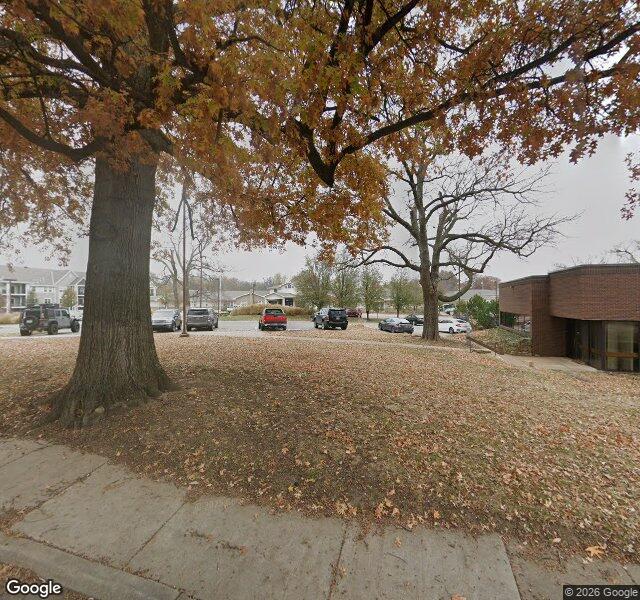
12802 Johnson Dr, Shawnee, KS 66216View map (opens in a new tab)
Overview and key essentials
State license
Active
KS KDADS
Google reviews
Not available
Public reviews not linked
Size & payment
Ask directly
Confirm pricing & payment
Public records for this community are limited. Use the checklist below when you call or visit to confirm pricing, services, and openings.
Cost, payment & care details
Updated Nov 28, 2026| Monthly cost | Not published | Ask for the full monthly cost, including care fees and one-time charges. |
|---|---|---|
| Payment options | Ask directly | Payment details are not confirmed in our records. Ask about private pay, long-term care insurance, veterans benefits, and Medicaid waivers. |
| Size & availability | Confirm directly | We don't publish live openings. Ask about current availability, waitlist length, and move-in timing. |
| Care & support | Assisted living | Usually offers housing and help with everyday tasks, such as bathing and dressing. What to confirm about care levelsThis describes the licensed category. Ask how care plans adjust if mobility, nursing, or memory needs change over time. Read the family care guide → |
State licensing
State inspection history
15inspections
54deficiencies listed
Sep 30, 2026Routine4 deficiencies reported4
4 deficiencies reported
View official state report (opens in a new tab)
INITIAL COMMENTS The Risk-Based Survey Process was used to conduct a federal recertification survey. The following citations represent the findings of a Health Recertification Survey and complaint survey regarding allegations in 3186420 and 2986449. The census was 71. The sample included six residents.
moderateF 0550
SS = D On 09/30/2026 at 02:28 PM, LN J stated staff should never stand over a resident. She stated staff should grab a chair and sit beside the resident when helping the resident with drinks and food. On 09/30/2026, Administrative Nurse D stated staff should have sat beside R8 when offering her drinks. The facility’s “Quality of Life-Dignity” policy dated 03/2026 documented residents should be cared for in a manner that promotes and enhances their sense of well-being level of satisfaction with life, and feelings of self –worth and self-esteem.
moderateF 0554
experienced muscle weakness and needed assistance with personal care. R4’s “Care Plan” documented the following: 05/02/2025-Staff were to educate R4 and caregivers on the risk, benefits potential side effects, and the reason for the medication. Staff were to administer medication as ordered by the physician. 09/22/2026-R4 received medication that was listed on the Black Box Warning (BBW- highest safety-related warning that medications can have assigned by the Food and Drug Administration). On 09/30/2026 at 07:53 AM, R4 sat in her chair in her room. R4 stated she had time to talk. She said she was taking her medication which were observed in a clear plastic medication cup on her bedside table. R4 stated she had nine pills in the morning, and she had taken one pill. R4’s medication cup had eight pills in the cup on her bedside table. R4’s EMR lacked evidence of an assessment to ensure R4 could safely administer medications and lacked a physician’s order to leave medications at bedside. On 09/30/2026 at 02:28 PM, Licensed Nurse (LN) J stated nursing staff should stay with the resident while the resident takes their medication. On 09/30/2026 at 02:01 PM, Administrative Nurse D stated R4 did not have a self-administration assessment for medication. She stated medication should not be left in a resident’s room. Administrative Nurse D stated the nurse giving the medication should have stayed with R4 to ensure the medication was taken. The facility’s “Self-Administration of Medications” dated 03/2019 documented it was the policy of the facility that those residents who desire to self-administer medications may do so if the review determines the resident was capable.
moderateF 0558
SS = D On 09/30/2026 at 01:58 PM, Licensed Nurse (LN) K stated a resident’s call light should always be within their reach when in the room. LN K confirmed R6’s call light was outside her reach and then placed the call light inR6’s reach. On 09/30/2026 at 02:01 PM, Administrative Nurse D stated a call light should always be placed within residents reach. She stated it was everyone’s responsibility to ensure the call light was placed within reach of the residents. The facility’s “Quality of Life- Accommodation of Needs” policy last revised 10/2021 documented the facility's environment and associate behaviors are directed toward assisting the resident in maintaining and/or achieving independent functioning, dignity and well-being.
moderateF 0880
CFR(s): 483.80(a)(1)(2)(4)(e)(f) §483.80 Infection Control The facility must establish and maintain an infection prevention and control program designed to provide a safe, sanitary and comfortable environment and to help prevent the development and transmission of communicable diseases and infections. §483.80(a) Infection prevention and control program. The facility must establish an infection prevention and control program (IPCP) that must include, at a minimum, the following elements: §483.80(a)(1) A system for preventing, identifying, reporting, investigating, and controlling infections and communicable diseases for all residents, staff, volunteers, visitors, and other individuals providing services under a contractual arrangement based upon the facility assessment conducted according to §483.71 and following accepted national standards; §483.80(a)(2) Written standards, policies, and procedures for the program, which must include, but are not limited to: (i) A system of surveillance designed to identify possible communicable diseases or infections before they can spread to other persons in the facility; SS = E SS = E
Dec 10, 2025Routine5 deficiencies reported5
5 deficiencies reported
View official state report (opens in a new tab)
INITIAL COMMENTS The following citations represent the findings of a Health Recertification Survey and complaint survey regarding allegations in KS2676035, KS2583781, and KS2582113. The 2567 was sent electronically on 12/22/25.
moderateF 0880
CFR(s): 483.80(a)(1)(2)(4)(e)(f) §483.80 Infection Control The facility must establish and maintain an infection prevention and control program designed to provide a safe, sanitary and comfortable environment and to help prevent the development and transmission of communicable diseases and infections. §483.80(a) Infection prevention and control program. The facility must establish an infection prevention and control program (IPCP) that must include, at a minimum, the following elements: §483.80(a)(1) A system for preventing, identifying, reporting, investigating, and controlling infections and communicable diseases for all residents, staff, volunteers, visitors, and other individuals providing services under a contractual arrangement based upon the facility assessment conducted according to §483.71 and following accepted national standards; §483.80(a)(2) Written standards, policies, and procedures for the program, which must include, but are not limited to: SS = F (ii) When and to whom possible incidents of communicable disease or infections should be reported; (iii) Standard and transmission-based precautions to be followed to prevent spread of infections; (iv)When and how isolation should be used for a resident; including but not limited to: (A) The type and duration of the isolation, depending upon the infectious agent or organism involved, and (B) A requirement that the isolation should be the least restrictive possible for the resident under the circumstances. (v) The circumstances under which the facility must prohibit employees with a communicable disease or infected skin lesions from direct contact with residents or their food, if direct contact will transmit the disease; and (vi)The hand hygiene procedures to be followed by staff involved in direct resident contact. §483.80(a)(4) A system for recording incidents identified under the facility's IPCP and the corrective actions taken by the facility. §483.80(e) Linens. Personnel must handle, store, process, and transport linens so as to prevent the spread of infection. §483.80(f) Annual review. The facility will conduct an annual review of its IPCP and update their program, as necessary. This REQUIREMENT is NOT MET as evidenced by: SS = F (BIPAP- a device that helps with breathing), nebulizer (a device that changes liquid medication into a mist easily inhaled into the lungs), and an oxygen cannula were stored in a sanitary container when not in use. The facility further failed to ensure the blood pressure cuff, pulse monitor, and temporal thermometer on a monitoring machine were sanitized after each resident's use. Findings included: - On 12/08/25 at 07:24 AM, an inspection the 400-hallway revealed clean towels placed on a portable toilet outside of empty room 403. On 12/08/25 at 07:45 AM, a walkthrough of the secured “Long-term Care” unit was completed. An inspection of R69’s room revealed three bags of soiled linen sat directly on the floor. Two soiled hospital gowns lay directly on the floor next to the bags. An inspection of R22’s room revealed clean towels placed directly on the personal protective equipment (PPE) cart outside his room. An inspection of R71’s room revealed two clean towels placed on the handrails next to her room’s entry door. An inspection of R42’s room revealed a clean hospital gown placed on the handrail next to her room’s entry door. An inspection of R24’s room revealed clean towels placed directly on the counter outside her room. - On 12/08/25 at...
moderateF 0757
CFR(s): 483.45(d)(1)-(6) §483.45(d) Unnecessary Drugs-General. Each resident's drug regimen must be free from unnecessary drugs. An unnecessary drug is any drug when used- §483.45(d)(1) In excessive dose (including duplicate drug therapy); or §483.45(d)(2) For excessive duration; or §483.45(d)(3) Without adequate monitoring; or §483.45(d)(4) Without adequate indications for its use; or SS = D discontinued; or §483.45(d)(6) Any combinations of the reasons stated in paragraphs (d)(1) through (5) of this section. This REQUIREMENT is NOT MET as evidenced by: The facility identified a census of 75 residents. The sample included 18 residents, with six residents reviewed for unnecessary medications. Based on interviews, observation, and record review, the facility failed to ensure dosing instructions for Voltaren (topical pain reliever medication) gel for Resident (R) 10. Findings included: - R10's Electronic Medical Record (EMR) from the "Diagnosis" tab documented diagnoses of osteoarthrosis (chronic arthritis without inflammation), atrial fibrillation (rapid, irregular heartbeat), and diabetes mellitus (DM- when the body cannot use glucose, not enough insulin is made, or the body cannot respond to the insulin). The “Quarterly Minimum Data Set (MDS)” dated 11/13/25 documented a Brief Interview for Mental Status (BIMS) score of 15, which indicated intact cognition. The MDS documented R10 had occasional pain during the observation period. R10's "Pain Care Area Assessment (CAA)” dated 05/14/25 documented after a recent hospitalization R10 required more assistance with the activities of daily living. R10's “Care Plan” dated 11/05/25 documented: 11/05/25 - Staff would administer R10’s pain medication as ordered. R10‘s EMR under the “Orders” tab revealed the following physician orders: Voltaren external gel (an anti-inflammatory class of medication used to reduce inflammation), one percent (%) (diclofenac sodium) (topical), apply to lower to mid buttocks topically two times a day for pain, dated 2/07/25. The order lacked a dose for administration. SS = D On 12/10/25 at 10:04 AM, Licensed Nurse (LN) I stated every medication required a dosage for administration. LN I stated Voltaren gel needed a dose for administration. LN I stated she would notify the physician to clarify an order that lacked a dose. On 12/10/25 at 10:38 AM, Administrative Nurse D stated she would expect all medication orders would have a dose to be administered as ordered by the physician. Administrative Nurse D stated she would expect the nurse to clarify the medication order with the physician. The facility was unable to provide a policy, as requested on 10/10/25.
moderateF 0693
CFR(s): 483.25(g)(4)(5) §483.25(g)(4)-(5) Enteral Nutrition (Includes naso-gastric and gastrostomy tubes, both percutaneous endoscopic gastrostomy and percutaneous endoscopic jejunostomy, and enteral fluids). Based on a resident's comprehensive assessment, the facility must ensure that a resident- §483.25(g)(4) A resident who has been able to eat enough alone or with assistance is not fed by enteral methods unless the resident's clinical condition demonstrates that enteral feeding was clinically indicated and consented to by the resident; and SS = D This REQUIREMENT is NOT MET as evidenced by: The facility identified a census of 75 residents. The sample included 18 residents, with one resident reviewed for tube feeding complications. Based on observation, record review, and interviews, the facility failed to ensure Resident (R) 8’s tube feeding bags were marked with the date, time, and contents in the feeding bag. Findings included: - R8’s Electronic Medical Record (EMR) from the "Diagnosis" tab documented diagnoses of myasthenia gravis (an abnormal condition that causes muscles to tire and weaken easily), muscle weakness, chronic obstructive pulmonary disease (COPD- a progressive and irreversible condition characterized by diminished lung capacity and difficulty or discomfort in breathing), and need for assistance with personal care. The "Admission Minimum Data Set" (MDS) for R8 dated 11/20/25 recorded a Brief Interview for Mental Status (BIMS) score of 13, which indicated intact cognition. The MDS documented supervision or touching assistance from staff for eating. R8's "Feeding Tube Care Area Assessment" (CAA) dated 11/20/25 documented R8 was admitted to the facility with multiple nutrition related comorbidities. The CAA documented R8 received tube feeding (tube for introducing high-calorie fluids into the stomach) three times a day after his meals, due to R8’s consuming less than 25 percent of his meals. R8's “Care Plan” documented the following feeding tube interventions: 11/15/25 - Enteral tube feeding order every shift, staff to monitor for adverse effects. 11/15/25 - Enteral tube feeding site care, clean area with soap and water, observe for skin breakdown. 11/15/25 - Staff to check tube feeding placement before beginning feeding and administration of medication. R8’s EMR under the “Orders” tab documented the following physicians’ orders: SS = D Enteral Feed Order one time a day for nutritional maintenance, continuous feed from 6 PM to 7 AM 40 milliliters (ml)/ hour (hr.) increasing by 20 ml/hr. every 4 hours until the goal of 80 ml/hr. for 12 hours was reached, dated 12/05/25. On 12/09/25 at 09:33 AM, R8’s enteral feeding bags were hung on the pole next to R8. R8’s bag had water in one bag, and the line to R8’s feeding bag had brown colored substance in the feeding tube. R8’s bags were not dated with the content, date, time, or the staff initials. On 12/10/25 at 10:04 AM, Licensed Nurse (LN) I stated feeding tube bags should be labeled with content, date, and time. She stated when the feeding bags were hung, the bags should be labeled. On 12/10/25 at 10:37 AM, Administrative Nurse D stated the enteral feeding tube bags should be labeled with the date, time, contents, and the nurse's initials. She stated education would be given to nursing. The facility’s “Enteral Nutrition” revised 09/2025 documented adequate nutritional support enteral nutrition would be provided to residents as ordered.
moderateF 0558
CFR(s): 483.10(e)(3) §483.10(e)(3) The right to reside and receive services in the facility with reasonable accommodation of resident needs and preferences except when to do so would endanger the health or safety of the resident or other residents. This REQUIREMENT is NOT MET as evidenced by: The facility identified a census of 75 residents. The sample included 18 residents, with two residents sampled for reasonable accommodations of needs. Based on observation, record review, and interview, the facility failed to ensure Resident (R) 2’s plate guard was applied to his breakfast plate. Findings included: - R2's Electronic Medical Record (EMR) from the "Diagnosis" tab documented diagnoses of transient ischemic attack (TIA- temporary episode of inadequate blood supply to the brain), cerebral infarction (stroke - sudden death of brain cells due to lack of oxygen caused by impaired blood flow to the brain by blockage or rupture of an artery to the brain), and cognitive communication deficit (an impairment in organization, sequencing, attention, memory, planning, problem-solving, and safety awareness). The "Quarterly Minimum Data Set" (MDS) dated 10/30/25 documented a Brief Interview for Mental Status (BIMS) score of ten, which indicated moderately impaired cognition. The MDS documented R2 had an impairment on one side of his upper body. The MDS documented R2 needed supervision or touching assistance with eating. SS = D The "Functional Abilities (Self-Care and Mobility) Care Area Assessment" (CAA) dated 09/04/25 documented R2 had a decline with activities of daily living (ADL) due to a significant change due to falls with injury. R2’s CAA documented due to the progression of R2 disease therapy was to start training on wheelchair therapy. The CAA documented R2 received speech therapy for oropharyngeal dysphagia (difficulty starting a swallow, involving problems moving food/liquid from the mouth to the esophagus), where the long-term goal was to improve swallow abilities to independence, modified independence. R2’s “Care Plan” documented the following interventions: 07/14/25 - Encourage swallow strategies/ positions, small bites, small sips, and slow rate of oral intake. 10/30/25 - Encourage R2 to use and set up the plate guard at meals. 12/01/25 - Diet as ordered. On 12/08/25 at 08:37 AM, R2 sat at the dining room table. R2 had his breakfast tray with a fried egg. R2 was cutting up the egg. R2’s egg was sliding on his plate. R2 did not have a plate guard. On 12/10/25 at 10:04 AM, Licensed Nurse (LN) I stated the plate guard was something new for R2. The LN I stated there was a process to ensure R2 had his plate guard. She stated the dietary ticket should state plate guard, the staff member taking R2’s tray should do a second check, and nursing staff should be monitoring to ensure the plate guard was in place. On 12/10/25 at 10:37 AM, Administrative Nurse D stated R2’s plate guard should be on his meal ticket. She stated nursing staff would ensure the plate guard was in place. The facility did not provide a policy for adaptive equipment, as requested on 12/10/25.
moderateF 0658
CFR(s): 483.21(b)(3)(i) SS = D (i) Meet professional standards of quality. This REQUIREMENT is NOT MET as evidenced by: The facility identified a census of 75 residents. The sample included 18 residents, with five residents reviewed for medication administration. Based on observation, record review, and interviews, the facility failed to meet professional standards when staff failed to administer Resident (R) 21’s medication. Findings included: - R21’s Electronic Medical Record (EMR) from the “Diagnosis” tab documented diagnoses of hypertension (HTN- elevated blood pressure), falls, Alzheimer’s disease (progressive mental deterioration characterized by confusion and memory failure), and dementia (a progressive mental disorder characterized by failing memory and confusion). R21’s “Quarterly Minimum Data Set (MDS)” dated 11/05/25 noted a Brief Interview for Mental Status (BIMS) score of zero, indicating severely impaired cognition. The MDS documented R21 was dependent on staff assistance for all activities of daily living (ADL) except eating, which R21 needed supervision of touching assistance from staff. R21’s “Functional Abilities (Self-Care Mobility) Care Area Assessment (CAA)" dated 12/23/24 documented R21 received therapy service and had opted for hospice services due to his comorbidities. R21 had dementia and other debilities that impaired his ability to perform ADLs. R21 had a history of falls, and the nursing staff were to monitor him and initiate interventions as needed. R21’s “Care Plan” documented the following interventions: 10/21/24 - Nursing staff to give R21’s medications as ordered by the physician and monitor side effects and effectiveness. 12/18/24 - Staff to observe R21 closely for signs of pain and administer pain medications as ordered. SS = D on R21’s overhead table in his doorway. There was no nursing staff in the area to monitor R21’s medication. On 12/08/25 at 07:26 AM, Licensed Nurse (LN) H stated she had stepped away to look at another resident’s skin. She stated the process was to ensure medications meant for a resident were given to the resident and not sat down out of her view. On 12/10/25 at 10:04 AM, LN I stated R21 did not have a self-administration assessment and was unable to give himself his medications. LN I stated medication that was not in the nurse’s view should be wasted. She stated medication meant for a specific resident should be given to the resident after they are popped. On 12/10/25 at 10:36 AM, Administrative Nurse D stated medication should never be out of the view of the nurse. The facility’s “Resident Self-Administration of Medication” revised 03/2019 documented it was the policy of the facility that those residents who desired to self-administer medication could do so if the review determined the resident was capable.
Nov 19, 2024Routine9 deficiencies reported9
9 deficiencies reported
View official state report (opens in a new tab)
The following represents the findings of a resurvey with attached complaint 184289, 186905, 186985, 189374, 191441 at the above named assisted living facility conducted on 11/18/24 and 11/19/24.
moderateS 3280
Preparedness (d) Each administrator or operator shall ensure disaster and emergency preparedness by ensuring the performance of the following: (1) Orientation of new employees at the time of employment to the facility ' s emergency management plan; (2) education of each resident upon admission to the facility regarding emergency procedures; (3) quarterly review of the facility ' s emergency management plan with employees and residents; and (4) an emergency drill, which shall be conducted at least annually with staff and residents. This drill shall include evacuation of the residents to a secure location. This REQUIREMENT is not met as evidenced by: KAR 26-41-104(d)(3) The facility reported a census of 36 residents. Based on interview and record review the administrator failed to provide evidence of documentation quarterly reviews of the facility's emergency management plan were completed with all residents and staff. Findings included: - Review of the facility's emergency plan records lacked evidence of documentation quarterly reviews were completed with all residents and staff since the last survey. On 11/19/24 at approximately 04:39 PM Staff D confirmed the facility's record lacked documentation reviews of the emergency management plan were completed quarterly with all residents. On 11/19/24 at approximately 04:41 PM Administrative Staff A confirmed the facility's record lacked documentation reviews of the emergency management plan were completed quarterly with staff. The administrator failed to provide evidence of documentation quarterly reviews of the facility's emergency management plan were completed with all residents and staff.
moderateS 3320
(a) The assisted living facility or residential health care facility shall be designed, constructed, equipped and maintained to protect the health and safety of residents, personnel and the public. (b) All new construction, renovation, remodeling and changes in building use in existing buildings shall comply with building and fire codes, ordinances and regulations enforced by city, county, and state jurisdictions, including the state fire marshal. (c) New construction, modifications and equipment shall conform to the following codes and standards: (1) Title III of the Americans with disabilities act, 42 U.S.C. 12181, effective as of January 26, 1992; and (2) "Food Service Sanitation Manual," health, education, and welfare (HEW) publication no. FDA 78-2081, as in effect on July 1, 1981. This REQUIREMENT is not met as evidenced by: KAR 28-39-254(a) The facility reported a census of 36 residents. Based on observation and interview the administrator failed to ensure the facility was maintained to protect the health and safety of the residents and visitors by ensuring all chemicals were stored within locked areas. Findings included: - Observation on 11/18/24 at 01:28 PM of the basement revealed a propped open door to storage room that contained seven bottles of 32 fluid ounce lemon-ese cleaner with labels that said "Keep out of reach of children." On 11/18/24 at approximately 01:33 PM Maintenance Staff E confirmed chemicals were not stored in a locked area. - Observation on 11/18/24 at 01:58 PM of the unlocked spa room revealed a housekeeping cart which was stored unlocked with the following chemicals located inside: Two spray bottles Ecolab peroxide multi surface cleaner and disinfectant One aerosol can Ecolab Radiance furniture polish, 17 ounce One bottle lemon-eze bathroom crème cleaner, 32 fluid ounces One aerosol can stainless steel cleaner and polish, 17 ounces One aerosol can boardwalk stainless steel cleaner, 18 ounces One spray bottle Ecolab ZephAir citrus cucumber odor remover, 32 fluid ounces On 11/18/24 at approximately 02:08 PM Administrative Nurse B confirmed chemicals were not stored in a locked area. - Observation on 11/19/24 at 10:18 AM of the front desk area revealed an unlocked cabinet with one aerosol can of Endust, 15.5 ounces with label that said, "Keep out of reach of children." On 11/19/24 at approximately 05:05 PM Administrative Nurse B confirmed chemical was not stored in a locked area. The facility's "Operations/Environmental Services" manual dated December 2023 documented all housekeeping carts should always be locked when unattended and all supply closets that store chemicals should be locked when not in use. The administrator failed to ensure the building was maintained to protect the health and safety of the residents and visitors by ensuring all chemicals were stored within locked areas.
STATE FORM6899
F1WP11 STATE FORM F1WP11 STATE FORM F1WP11 STATE FORM F1WP11 STATE FORM F1WP11 STATE FORM F1WP11 STATE FORM F1WP11 STATE FORM F1WP11 STATE FORM F1WP11 STATE FORM F1WP11 STATE FORM F1WP11 STATE FORM F1WP11 STATE FORM F1WP11 STATE FORM F1WP11 STATE FORM F1WP11 STATE FORM F1WP11
moderateS 3310
(b) (5) prohibiting any employee with a communicable disease or any infected skin lesions from coming in direct contact with any resident, any resident ' s food, or resident care equipment until the condition is no longer infectious; (6) providing orientation to new employees and employee in-service education at least annually on the control of infections in a health care setting; and (c) Each administrator or operator shall ensure the facility ' s compliance with the department ' s tuberculosis guidelines for adult care homes adopted by reference in K.A.R. 26-39-105 This REQUIREMENT is not met as evidenced by: KAR 26-41-207(c) The facility reported a census of 36 residents with three residents included in the sample and two closed record reviews. Based on interview and record review the administrator failed to ensure the facility remained in compliance with the department's tuberculosis (TB) guidelines for adult care homes adopted by reference in KAR 26-39-105 for six residents and one staff. Findings included: - Review of resident census revealed Resident (R) 6 was admitted 10/04/24, R7 on 08/30/24, R8 on 10/22/24, R9 on 10/26/24, and R10 on 10/08/24. Records were requested 11/19/24 at 11:17 AM for TB two-step tests (TST) for residents admitted since 08/04/24 due to tuberculin opened on that date. On 11/19/24 at approximately 03:49 PM Administrative Staff A confirmed R6, R7, R8, R9, and R10's TST were not completed. - Record review for R2 revealed admission date of 07/16/24 with diagnoses of anxiety, transient cerebral ischemic attack, and atrial fibrillation. The 08/21/24 (36 days after admission) first step of the two-step TB skin test for R2 was negative. R2's record lacked evidence of documentation an initial TB skin test was administered within seven days of residency. On 11/19/24 at approximately 11:35 AM Administrative Staff B confirmed R2's initial TB skin test was not administered within seven days of residency. - Review of Licensed Nurse (LN) F's employee record revealed a hire date of 05/15/24. The first Mantoux skin test was "Date Given" on 05/18/24 and read 05/20/24. The second TST was administered on 05/21/24 (next day after first step read). On 11/18/24 at approximately 03:58 PM Administrative Staff B confirmed LN F's second step of TST was not completed one to three weeks after first step. The June 2013 department's "Tuberculosis (TB) Guidelines for Adult Care Homes" documented each new employee and each new resident shall receive a two-step TB skin test within seven days of employment or admission and after a negative first step, the second TST shall be administered with one to three weeks. The facility's "Tuberculosis Screening/Testing Policy - Residents" policy last revised 10/2024 stated testing should be performed within one week of admission or per state regulation. The administrator failed to ensure the facility remained in compliance with the state department's tuberculosis guidelines for adult care homes adopted by reference in KAR 26-39-105.
moderateS 3165
(d) The negotiated service agreement shall contain a description of the health care services to be provided and the name of the licensed nurse responsible for the implementation and supervision of the plan. This REQUIREMENT is not met as evidenced by: KAR 26-41-204(d) The facility reported a census of 36 residents with three residents included in the sample and two closed chart reviews. Based on record review and interview the administrator failed to ensure the Negotiated Service Agreement (NSA) for all residents listed the licensed nurse responsible for implementing and supervising their Healthcare Service Plans (HSP). Findings included: - Record review for Resident (R)1, R2, and R3 revealed the NSAs failed to name the licensed nurse responsible for implementing and supervising the HSPs. Review of personnel hired since last survey provided by facility reveals Administrative Staff B was hired 04/09/23 as "Health and Wellness Director." On 11/18/24 at 11:01 AM Administrative Nurse B confirmed she had not seen or documented anywhere within the NSAs that she was the licensed nurse responsible for the HSPs since her hire date. On 11/18/24 at 11:03 AM Administrative Staff B confirmed R1, R2 and R3's NSAs did not list the licensed nurse responsible for the HSPs, stating that all residents' NSAs do not identify licensed nurse responsible for the HSPs. The administrator failed to ensure all residents' NSAs named the licensed nurse responsible for implementing and supervising their HSPs.
moderateS 3211
DRUGS (3) A licensed nurse or medication aide may accept over-the-counter medication only in its original, unbroken manufacturer ' s package. A licensed pharmacist or licensed nurse shall place the full name of the resident on the package. If the original manufacturer ' s package of an over-the-counter medication contains a medication in a container, bottle, or tube that can be removed from the original package, the licensed pharmacist or a licensed nurse shall place the full name of the resident on both the original manufacturer ' s medication package and the medication container. This REQUIREMENT is not met as evidenced by: KAR 26-41-205(g)(3) The facility reported a census of 36 residents. Based on observation and interview the administrator failed to ensure a licensed pharmacist or licensed nurse placed the full names of residents on the original packages of nine over-the-counter (OTC) medications in the medication carts. Findings included: - Observation on 11/18/24 at 12:50 PM revealed the cabinets in the pharmacy room contained the following OTC medications were not labeled with residents' full names: One tube Voltaren gel, 5.29 ounces One bottle miconazole powder 2%, 65 grams One tube vitamin A&D ointment, 4 ounces On 11/18/24 at approximately 12:54 PM Administrative Nurse B confirmed the OTC medications were not labeled with residents' full names. - Observation on 11/18/24 at 01:02 PM revealed the second floor medication cart contained the following OTC medications were not labeled with resident's full names: One bottle aspirin 81 milligram (mg), 120 tablets Two boxes omeprazole 20mg, 14 tablets One bottle dimenhydrinate 50mg, 100 tablets On 11/18/24 at approximately 01:06 PM Administrative Nurse B confirmed the OTC medications were not labeled with resident's full names. - Observation on 11/18/24 at 01:15 PM revealed the first floor medication cart contained the following OTC medications were not labeled with residents' full names: One bottle acetaminophen 325mg, 100 tablets One container Blue-emu super strength topical cream, 12 ounces On 11/18/24 at approximately 03:07 PM Administrative Nurse B confirmed the OTC medications were not labeled with residents' full names. A policy regarding labeling of medications was requested on 11/18/24 at 04:34 PM which the facility failed to provide. The administrator failed to ensure a licensed pharmacist or licensed nurse placed the full names of residents on the original packages of nine OTC medications.
moderateS 3081
Reassessment (c) Designated facility staff shall conduct a screening to determine each resident ' s functional capacity according to the following requirements: (1) At least once every 365 days; (2) following any significant change in condition as defined in K.A.R. 26-39-100; and (3) at least quarterly if the resident receives assistance with eating from a paid nutrition assistant. This REQUIREMENT is not met as evidenced by: KAR 26-41-201(c)(1) The facility reported a census of 36 residents with three residents included in the sample and two closed record reviews. Based on observation, interview, and record review the administrator failed to ensure designated staff completed a Functional Capacity Screen (FCS) for Resident (R) 2 after a significant change of condition. Findings included: - Record review for R2 revealed admission date of 07/16/24 with diagnoses of anxiety, transient cerebral ischemic attack, and atrial fibrillation. The 07/16/24 (most recent) FCS identified R2 was independent with dressing, toileting, transferring, walking, and eating; supervision was needed with bathing; physical assistance was needed for management of medications and treatments; and had no cognitive or communication difficulties. The 10/15/24 "Personal Service Plan" [the facility's combined Negotiated Service Agreement and Healthcare Service Plan (NSA/HSP)] identified facility clinical staff would order, administer and store all R2's medications; provide physical assistance with washing upper and lower body and shampooing hair; provide physical assistance with putting on and taking off clothing; assistance with toileting tasks; physical assistance with mobility; and encouragement in program participation to increase observation. The NSA/HSP identified that R2 had fallen with fall management plan in place. R2's record lacked evidence of an FCS completed upon readmission from a hospital stay and a significant change in condition. Observation of R2 on 11/19/24 at 12:58 PM revealed facility staff provided physical assistance and cues to reposition resident in recliner and then further assisted resident to eat lunch meal. Interview on 11/19/24 at 11:36 AM of Administrative Nurse B revealed R2 was admitted to the hospital and returned on 10/15/24. Administrative Nurse B confirmed an FCS was not completed upon a significant change in condition when the resident was readmitted from the hospital and hospice services commenced. Interview on 11/19/24 at approximately 01:05 PM of Certified Medication Aide (CMA) G revealed R2 had to "be fed more times than not since hospitalization." CMA G stated that staff now has to dress and bathe R2. The administrator failed to ensure designated staff completed an FCS for R2 after a significant change in condition.
moderateS 3082
Accurate d) Designated facility staff shall ensure that each resident ' s functional capacity at the time of screening is accurately reflected on that resident ' s screening form. This REQUIREMENT is not met as evidenced by: KAR 26-41-201(d) The facility reported a census of 36 residents with three residents included in the sample and two closed record reviews. Based on observation, interview, and record review the administrator failed to ensure designated facility staff ensured the "Functional Capacity Screen" (FCS) for Resident (R) 3 accurately reflected her functional capacity for impaired hearing, bladder incontinence, management of medications, and falls or unsteadiness. Findings included: - Record review for R3 revealed an admission date of 08/19/24 with diagnoses of cerebral infarction, muscle weakness, dysphagia, heart failure and acute respiratory failure with hypoxia. The 08/19/24 FCS failed to identify R3 was at risk of falls or had impaired hearing. The FCS stated she was independent with management of medications and identified her as continent of bladder. The 09/23/24 "Personal Service Plan" (the facility's combined Negotiated Service Agreement and Healthcare Service Plan) identified R3 as heightened fall risk with fall precautions; was incontinent of bladder; facility's clinical staff ordered, stored and administered medications; and failed to provide services for impaired hearing. Review of October 2024 and November 2024 medication administration records revealed facility staff documented administration of all ordered medications. Review of progress notes revealed a "General Progress Note" by Licensed Nurse (LN) H on 09/21/24 at 12:22 PM that stated R3's ears were both flushed and R3 stated "seems better" but that the LN noted R3 was hard of hearing at baseline. On 11/19/24 at 02:45 PM R3 stated she had difficulty with hearing. She stated that without wax build-up she has difficulty hearing people, and it was more difficult to hear when in a group. On 11/19/24 at approximately 11:39 AM Administrative Nurse B confirmed R3's FCS failed to identify R3 needed physical assistance with management of medications and that she was occasionally incontinent of bladder. The administrator failed to ensure designated facility staff ensured the FCS for R3 accurately reflected her functional capacity for impaired hearing, bladder incontinence, management of medications, and falls or unsteadiness.
moderateS 3215
(h) Storage. Licensed nurses and medication aides shall ensure that all medications and biologicals are securely and properly stored in accordance with each manufacturer ' s recommendations or those of the pharmacy provider and with federal and state laws and regulations. (1) Licensed nurses or medication aides shall store non-controlled medications and biologicals managed by the facility in a locked medication room, cabinet, or medication cart. Licensed nurses and medication aides shall store controlled medications managed by the facility in separately locked compartments within a locked medication room, cabinet, or medication cart. Only licensed nurses and medication aides shall have access to the stored medications and biologicals. (2) Each resident managing and self-administering medication shall store medications in a place that is accessible only to the resident, licensed nurses, and medication aides. (3) Any resident who self-administers medication and is unable to provide proper storage as recommended by the manufacturer or pharmacy provider may request that the medication be stored by the facility. (4) A licensed nurse or medication aide shall not administer medication beyond the manufacturer ' s or pharmacy provider ' s recommended date of expiration. This REQUIREMENT is not met as evidenced by: KAR 26-41-205(h) The facility reported a census of 36 residents. Based on observation and interview the administrator failed to ensure medications were stored in accordance with each manufacturer's recommendations. Findings included: - Observation on 11/18/24 at 01:24 PM revealed the pharmacy had a refrigerator with an opened box that contained an unsealed vial of tuberculin. The vial was dated as opened 08/03/24. The box and the vial of Tuberculin contained instructions that a vial of tuberculin which had been opened for 30 days should be discarded. On 11/18/24 at approximately 01:24 PM Certified Medication Aide E confirmed the tuberculin vial was opened and dated 08/03/24. The administrator failed to ensure medications were stored in accordance with each manufacturer's recommendations.
Jan 30, 2024Routine2 deficiencies reported2
2 deficiencies reported
View official state report (opens in a new tab)
INITIAL COMMENTS The following citations represent the findings of complaint investigation #KS00185035. The 2567 was sent electronically on 02/09/24.
Quality of CareF 684
CFR(s): 483.25 SS=D § 483.25 Quality of care Quality of care is a fundamental principle that applies to all treatment and care provided to facility residents. Based on the comprehensive assessment of a resident, the facility must ensure that residents receive treatment and care in accordance with professional standards of practice, the comprehensive person-centered care plan, and the residents' choices. This REQUIREMENT is not met as evidenced by: The facility identified a census of 76 residents. The sample included three residents reviewed for medications. Based on record review and interviews, the facility failed to ensure staff accurately transcribed orders from the hospital on admission and failed to follow the physician's orders for Resident (R) 1. This deficient practice placed R1 at risk for unwarranted physical complications and less-than-therapeutic effects related to medication use. Findings included: - R1 admitted to the facility on 12/27/23, discharged to the hospital on 01/04/24, readmitted to the facility on 01/09/24, and discharged home 01/24/24. R1's Electronic Medical Record (EMR) documented diagnoses of generalized muscle weakness and Hashimoto's encephalopathy (a rare disease that involves impaired brain function and is a steroid-responsive acute or subacute encephalopathy characterized by autoimmune thyroiditis [autoimmune disorder where the immune system attacks the thyroid gland] associated with elevated levels of antithyroid antibodies). The "Admission Minimum Data Set (MDS)" dated 01/15/24, documented R1 had a Brief Interview for Mental Status (BIMS) score of 15 which indicated intact cognition. The "Functional Abilities Care Area Assessment (CAA)" dated 01/23/24, documented R1 had a decline in activities of daily living (ADLs) from her previous level of functioning related to multiple hospitalizations with the most recent due to head pressure, slurred speech, vision changes, confusion, hallucinations, and urinary tract infection. R1's "Care Plan" last revised 01/23/24, documented R1 had a cerebral vascular accident (stroke- sudden death of brain cells due to lack of oxygen caused by impaired blood flow to the brain by blockage or rupture of an artery to the brain) and Hashimoto's encephalopathy. The care plan documented an intervention, dated 01/10/24, that directed staff to give medications as ordered by the physician and monitored/documented side effects and effectiveness. R1's EMR revealed a "Discharge Order Report" dated 12/27/23, that documented an order for prednisone 10 milligrams (mg) in the morning. JX0T11 R1's EMR lacked evidence the prednisone order from 12/27/23 was entered and administered. R1's EMR revealed a "Consultation Report" on 12/28/23 that documented R1 recently admitted to the facility and the medication review process revealed the following discrepancies on the admission orders: there was an order for prednisone, but there was no current order in THE EMR. Recommendation to consider clarifying the medication orders and communicate with the prescriber and pharmacy as appropriate. The "Notes" tab of R1's EMR revealed the following: A "Physician Progress Note" on 12/28/23 at 11:08 AM, documented R1 had chronic steroid use and Hashimoto's encephalopathy with a plan to continue prednisone 10 mg. A "Physician Progress Note" on 01/02/24 at 04:30 PM, documented R1 had chronic steroid use and Hashimoto's encephalopathy with a plan to continue prednisone 10 mg. R1's EMR revealed "Consult Notes"...
Drug Regimen Review, Report Irregular, Act OnF 756
CFR(s): 483.45(c)(1)(2)(4)(5) SS=D §483.45(c) Drug Regimen Review. §483.45(c)(1) The drug regimen of each resident must be reviewed at least once a month by a licensed pharmacist. §483.45(c)(2) This review must include a review of the resident's medical chart. §483.45(c)(4) The pharmacist must report any irregularities to the attending physician and the facility's medical director and director of nursing, JX0T11 and these reports must be acted upon. (i) Irregularities include, but are not limited to, any drug that meets the criteria set forth in paragraph (d) of this section for an unnecessary drug. (ii) Any irregularities noted by the pharmacist during this review must be documented on a separate, written report that is sent to the attending physician and the facility's medical director and director of nursing and lists, at a minimum, the resident's name, the relevant drug, and the irregularity the pharmacist identified. (iii) The attending physician must document in the resident's medical record that the identified irregularity has been reviewed and what, if any, action has been taken to address it. If there is to be no change in the medication, the attending physician should document his or her rationale in the resident's medical record. §483.45(c)(5) The facility must develop and maintain policies and procedures for the monthly drug regimen review that include, but are not limited to, time frames for the different steps in the process and steps the pharmacist must take when he or she identifies an irregularity that requires urgent action to protect the resident. This REQUIREMENT is not met as evidenced by: The facility identified a census of 76 residents. The sample included three residents reviewed for medications. Based on record review and interviews, the facility failed to address the admission medication regimen review for Resident (R) 1 when the Consultant Pharmacist (CP) found irregularities with her admission orders. This deficient practice had the risk for unwarranted physical complications and unnecessary medication use for R1. JX0T11 Findings included: R1 admitted to the facility on 12/27/23, discharged to the hospital on 01/04/24, readmitted to the facility on 01/09/24, and discharged home 01/24/24. R1's Electronic Medical Record (EMR) documented diagnoses of generalized muscle weakness and Hashimoto's encephalopathy (a rare disease that involves impaired brain function and is a steroid-responsive acute or subacute encephalopathy characterized by autoimmune thyroiditis [autoimmune disorder where the immune system attacks the thyroid gland] associated with elevated levels of antithyroid antibodies). The "Admission Minimum Data Set (MDS)" dated 01/15/24, documented R1 had a Brief Interview for Mental Status (BIMS) score of 15 which indicated intact cognition. The "Functional Abilities Care Area Assessment (CAA)" dated 01/23/24, documented R1 had a decline in activities of daily living (ADLs) from her previous level of functioning related to multiple hospitalizations with the most recent due to head pressure, slurred speech, vision changes, confusion, hallucinations, and urinary tract infection. R1's "Care Plan" last revised 01/23/24, documented R1 had a cerebral vascular accident (stroke- sudden death of brain cells due to lack of oxygen caused by impaired blood flow to the brain by blockage or rupture of an artery to the brain) and Hashimoto's encephalopathy. The care plan documented an intervention,...
Dec 19, 2023Routine26 deficiencies reported26
26 deficiencies reported
View official state report (opens in a new tab)
INITIAL COMMENTS The following citations represent the findings of a Health Resurvey and complaint investigation KS00183559. The 2567 was sent electronically on 01/02/24.
Free from Unnec Psychotropic Meds/PRN UseF 758
CFR(s): 483.45(c)(3)(e)(1)-(5) SS=D §483.45(e) Psychotropic Drugs. §483.45(c)(3) A psychotropic drug is any drug that affects brain activities associated with mental processes and behavior. These drugs include, but are not limited to, drugs in the following categories: (i) Anti-psychotic; (ii) Anti-depressant; (iii) Anti-anxiety; and (iv) Hypnotic Based on a comprehensive assessment of a resident, the facility must ensure that--- §483.45(e)(1) Residents who have not used psychotropic drugs are not given these drugs unless the medication is necessary to treat a specific condition as diagnosed and documented in the clinical record; §483.45(e)(2) Residents who use psychotropic drugs receive gradual dose reductions, and behavioral interventions, unless clinically contraindicated, in an effort to discontinue these drugs; §483.45(e)(3) Residents do not receive psychotropic drugs pursuant to a PRN order unless that medication is necessary to treat a diagnosed specific condition that is documented in the clinical record; and §483.45(e)(4) PRN orders for psychotropic drugs are limited to 14 days. Except as provided in PYX711 §483.45(e)(5), if the attending physician or prescribing practitioner believes that it is appropriate for the PRN order to be extended beyond 14 days, he or she should document their rationale in the resident's medical record and indicate the duration for the PRN order. §483.45(e)(5) PRN orders for anti-psychotic drugs are limited to 14 days and cannot be renewed unless the attending physician or prescribing practitioner evaluates the resident for the appropriateness of that medication. This REQUIREMENT is not met as evidenced by: The facility identified a census of 76 residents. The sample included 18 residents with five residents reviewed for unnecessary medications. Based on observation, record review, and interviews, the facility failed to ensure an appropriate indication or documented physician rationale which included the multiple unsuccessful attempts for nonpharmacological symptom management and risk versus benefit for the continued use of antipsychotic (class of medications used to treat major mental conditions which cause a break from reality testing) for Resident (R)115 and R37. This deficient practice placed these residents at risk for unnecessary psychotropic medication and related complications. Findings included: - R115's Electronic Medical Record (EMR) from the "Diagnoses" tab documented diagnoses of weakness, disorder of kidney and ureter (duct that urine passes from the kidney to the bladder), femur (thigh bone) fracture (broken bone) of left leg, and encounter for fitting and adjustment of PYX711 urinary device. The "Admission Minimum Data Set" (MDS) was in progress. R115's "Care Area Assessment" (CAA) was in progress. R115's "Care Plan" dated 12/11/23 documented staff would administer medication as ordered and monitor/document side effects and effectiveness. R115's "Care Plan" also documented the facility would consult with the pharmacy and physician to consider dose reduction, if clinically appropriate, and ongoing need for use. Review of the EMR under "Orders" tab revealed physician orders: Quetiapine fumarate (antipsychotic) oral tablet 25 milligrams (mg) give one tablet by mouth at bedtime for insomnia (inability to sleep) dated 12/09/23. R115's clinical record lacked a physician documented rationale which included the multiple unsuccessful attempts for nonpharmacological interventions and risk...
GrievancesF 585
CFR(s): 483.10(j)(1)-(4) SS=E §483.10(j) Grievances. §483.10(j)(1) The resident has the right to voice grievances to the facility or other agency or entity that hears grievances without discrimination or reprisal and without fear of discrimination or reprisal. Such grievances include those with respect to care and treatment which has been furnished as well as that which has not been furnished, the behavior of staff and of other residents, and other concerns regarding their LTC facility stay. §483.10(j)(2) The resident has the right to and the facility must make prompt efforts by the facility to resolve grievances the resident may have, in accordance with this paragraph. §483.10(j)(3) The facility must make information PYX711 on how to file a grievance or complaint available to the resident. §483.10(j)(4) The facility must establish a grievance policy to ensure the prompt resolution of all grievances regarding the residents' rights contained in this paragraph. Upon request, the provider must give a copy of the grievance policy to the resident. The grievance policy must include: (i) Notifying resident individually or through postings in prominent locations throughout the facility of the right to file grievances orally (meaning spoken) or in writing; the right to file grievances anonymously; the contact information of the grievance official with whom a grievance can be filed, that is, his or her name, business address (mailing and email) and business phone number; a reasonable expected time frame for completing the review of the grievance; the right to obtain a written decision regarding his or her grievance; and the contact information of independent entities with whom grievances may be filed, that is, the pertinent State agency, Quality Improvement Organization, State Survey Agency and State Long-Term Care Ombudsman program or protection and advocacy system; (ii) Identifying a Grievance Official who is responsible for overseeing the grievance process, receiving and tracking grievances through to their conclusions; leading any necessary investigations by the facility; maintaining the confidentiality of all information associated with grievances, for example, the identity of the resident for those grievances submitted anonymously, issuing written grievance decisions to the resident; and coordinating with state and federal agencies as necessary in light of specific allegations; PYX711 (iii) As necessary, taking immediate action to prevent further potential violations of any resident right while the alleged violation is being investigated; (iv) Consistent with §483.12(c)(1), immediately reporting all alleged violations involving neglect, abuse, including injuries of unknown source, and/or misappropriation of resident property, by anyone furnishing services on behalf of the provider, to the administrator of the provider; and as required by State law; (v) Ensuring that all written grievance decisions include the date the grievance was received, a summary statement of the resident's grievance, the steps taken to investigate the grievance, a summary of the pertinent findings or conclusions regarding the resident's concerns(s), a statement as to whether the grievance was confirmed or not confirmed, any corrective action taken or to be taken by the facility as a result of the grievance, and the date the written decision was issued; (vi) Taking appropriate corrective action in accordance with State law if the alleged violation of the residents'...
Cardio-Pulmonary Resuscitation (CPR)F 678
CFR(s): 483.24(a)(3) SS=E §483.24(a)(3) Personnel provide basic life support, including CPR, to a resident requiring such emergency care prior to the arrival of emergency medical personnel and subject to related physician orders and the resident's advance directives. This REQUIREMENT is not met as evidenced by: The facility reported a census of 76 residents. The sample included 18 residents. Based on interview and record review, the facility failed to establish and maintain a system to ensure nursing staff maintained current cardiopulmonary resuscitation (CPR- a life-saving medical procedure that consists of chest compressions to allow oxygenated blood to circulate to vital organs, such as the brain and heart and artificial ventilation) certification for healthcare providers. This deficient practice placed all residents who desired CPR at risk for inadequate resuscitative measures. Findings included: - On 12/19/23 Licensed Nurse (LN) K's CPR certification had an issue date of 10/11/21 and a renew (expiration) date of 10/2023. On 12/19/23 at 03:43 PM Administrative Staff A stated LN K was a newer nurse and had previously worked at the facility as a Certified Nurse Aide. Administrative Staff A stated that LN K's CPR certification expired at the end of October. Administrative Staff A stated the facility had had not self-identified LN K's expired CPR certification. PYX711 The facility failed to establish and maintain a system to ensure nursing staff maintained current CPR certification for healthcare providers. This deficient practice placed all residents who desired CPR at risk for inadequate resuscitative measures.
initiated on 11/21/23 directed staff to doR 164
weight monitoring as ordered. Staff was directed to obtain daily weight and notify physician if weight gain or loss of three pounds in 24 hours or five pounds in one week. Staff was to monitor/document/report to physician any signs/symptoms of CHF (swelling of legs and feet, shortness of breath upon exertion, cool skin, dry cough, distended neck veins, weakness, weight gain unrelated to intake). The "Orders" tab of R164's EMR documented a physician's order dated 11/21/23 for a daily weight- notify physician or loss of three pounds in 24 hours or five pounds in one week related to CHF. Review of R164's November 2023 "Medication Administration Record (MAR)/Treatment Administration Record (TAR)" lacked evidence R164's daily weight was obtained and documented on seven of 10 opportunities. Review of R164's December 2023 MAR/TAR lacked evidence R164's daily weight was obtained and recorded on 12 of 18 opportunities. On 12/18/23 at 12:04 PM R164 sat in her wheelchair at the dining table. R164 was provided with a built-up plate and utensils to assist her with eating. R164 had two drinks provided with her meal. On 12/19/23 at 09:27 AM, Certified Nurse Aide (CNA) Q stated that daily weight was done by the aides and reported to the nurse to put into the MAR/TAR. CNA Q stated R164 was a daily PYX711
Treatment/Svcs to Prevent/Heal Pressure UlcerF 686
CFR(s): 483.25(b)(1)(i)(ii) SS=D §483.25(b) Skin Integrity §483.25(b)(1) Pressure ulcers. Based on the comprehensive assessment of a resident, the facility must ensure that- (i) A resident receives care, consistent with professional standards of practice, to prevent pressure ulcers and does not develop pressure ulcers unless the individual's clinical condition demonstrates that they were unavoidable; and (ii) A resident with pressure ulcers receives necessary treatment and services, consistent with professional standards of practice, to promote healing, prevent infection and prevent new ulcers from developing. This REQUIREMENT is not met as evidenced by: PYX711 The facility identified a census of 76 residents. The sample included 18 residents with five residents reviewed for treatment/services to prevent/heal pressure ulcers (localized injury to the skin and/or underlying tissue usually over a bony prominence, because of pressure, or pressure in combination with shear and/or friction). Based on observation, record review, and interviews, the facility failed to ensure staff implemented appropriate infection control practices during wound care for Resident (R) 52, who had a history of a wound infection. The facility also failed to ensure pressure reducing measures were in place for R34. This deficient practice placed these residents at risk of development of pressure ulcers, of wound worsening and complications related to infections. Findings included: - R52's Electronic Medical Record (EMR) from the "Diagnoses" tab documented diagnoses of congestive heart failure (CHF-a condition with low heart output and the body becomes congested with fluid), diabetes mellitus (DM-when the body cannot use glucose, not enough insulin made or the body cannot respond to the insulin), and osteomyelitis (local or generalized infection of the bone and bone marrow). The "Admission Minimum Data Set" (MDS) dated 10/28/23 documented a Brief Interview of Mental Status (BIMS) score of 15 which indicated intact cognition. The MDS documented that R52 required partial/moderate assistance with moving from a sitting position to standing. The MDS documented R52 had an infection of her foot. The MDS documented R52 had a pressure reducing device on her bed and in her chair. PYX711 R52's "Pressure Ulcer Care Area Assessment" (CAA) dated 11/01/23 documented R52 was monitored regularly by the physician for current wound. R52's "Care Plan" dated 10/21/23 documented staff would cleanse R52's wound on her right foot with wound cleanser, apply Skin-prep (liquid skin protectant) to peri-wound, apply drape to peri-wound. Cut black foam to fit wound and secure with drape. Change every Monday, Wednesday, Friday and as needed for wound care. R52's EMR under "Orders" tab revealed physician orders: Right foot wound: cleanse with wound cleanser, apply Skin-prep to peri-wound, apply drape to peri-wound. Cut black foam to fit wound and secure with drape. Change every Monday, Wednesday, Friday, and as needed for wound care and osteomyelitis dated 10/20/23. Cefazolin sodium (antibiotic) injection solution reconstituted two grams give two grams intravenously (directly into the blood stream via a vein) every morning and at bedtime for infection dated 12/16/23. Observation on 12/18/23 at 01:01 PM R52 sat in a recliner next to the bed with bilateral lower extremities elevated. Administrative Nurse E washed her hands in the bathroom, donned clean gloves, then unplugged the wound vac from...
Drug Regimen is Free from Unnecessary DrugsF 757
CFR(s): 483.45(d)(1)-(6) SS=D §483.45(d) Unnecessary Drugs-General. Each resident's drug regimen must be free from unnecessary drugs. An unnecessary drug is any drug when used- §483.45(d)(1) In excessive dose (including duplicate drug therapy); or §483.45(d)(2) For excessive duration; or §483.45(d)(3) Without adequate monitoring; or §483.45(d)(4) Without adequate indications for its use; or §483.45(d)(5) In the presence of adverse consequences which indicate the dose should be reduced or discontinued; or §483.45(d)(6) Any combinations of the reasons stated in paragraphs (d)(1) through (5) of this section. This REQUIREMENT is not met as evidenced by: The facility identified a census of 76 residents. The sample included 18 residents with five residents reviewed for unnecessary medication. Based on observation, record review, and interviews, the facility failed to ensure dosing instructions for Voltaren (topical pain reliever medication) gel for Resident (R) 52. This deficient practice R52 at risk for unnecessary medication use and physical complications for the affected resident. PYX711 Findings included: - R52's Electronic Medical Record (EMR) from the "Diagnoses" tab documented diagnoses of congestive heart failure (CHF-a condition with low heart output and the body becomes congested with fluid), diabetes mellitus (DM-when the body cannot use glucose, not enough insulin made or the body cannot respond to the insulin), and osteomyelitis (local or generalized infection of the bone and bone marrow). The "Admission Minimum Data Set" (MDS) dated 10/28/23 documented a Brief Interview of Mental Status (BIMS) score of 15 which indicated intact cognition. The MDS documented that R52 required partial/moderate assistance with moving from a sitting position to standing. The MDS documented R52 had an infection of her foot. The MDS documented R52 had a pressure reducing device on her bed and in her chair. R52's "Pressure Ulcer Care Area Assessment" (CAA) dated 11/01/23 documented R52 was monitored regularly by the physician for current wound. R52's "Care Plan" dated 10/20/23 documented staff would evaluate the effectiveness of R52's pain interventions and review for compliance, alleviating of symptoms, dosing schedules and her satisfaction with results, impact on functional ability and impact on cognition. Review of the EMR under "Orders" tab revealed physician orders: Voltaren external gel (anti-inflammatory class of medication used to reduce inflammation) one PYX711 percent (%) (diclofenac sodium) (topical), apply to affected area every four hours as needed dated 11/21/23. The order lacked a dose. Observation on 12/18/23 at 12:12 PM R52 wheeled herself in a wheelchair to the dining room. On 12/19/23 at 11:39 AM Licensed Nurse (LN) J stated every medication should have a dosage to be administered as ordered by the physician. LN J stated if a medication lacked a dose to be administered, she would clarify the order with physician. LN J stated R52's Voltaren order lacked have a dose ordered for administration after she reviewed R52's "Medication Administration Record" (MAR). On 12/19/23 at 11:52 AM Administrative Nurse D stated she would except all medication orders would have a dose to be administered as ordered by the physician. Administrative Nurse D stated she would except the nurse would clarify the medication order with physician. The facility's "Physician Medication Orders" policy lasted revised 04/2021 documented medications would be...
Activities Daily Living (ADLs)/Mntn AbilitiesF 676
CFR(s): 483.24(a)(1)(b)(1)-(5)(i)-(iii) SS=D §483.24(a) Based on the comprehensive assessment of a resident and consistent with the resident's needs and choices, the facility must provide the necessary care and services to ensure that a resident's abilities in activities of daily living do not diminish unless circumstances of the individual's clinical condition demonstrate that such diminution was unavoidable. This includes the facility ensuring that: §483.24(a)(1) A resident is given the appropriate treatment and services to maintain or improve his or her ability to carry out the activities of daily living, including those specified in paragraph (b) of this section ... §483.24(b) Activities of daily living. The facility must provide care and services in accordance with paragraph (a) for the following activities of daily living: §483.24(b)(1) Hygiene -bathing, dressing, grooming, and oral care, §483.24(b)(2) Mobility-transfer and ambulation, including walking, §483.24(b)(3) Elimination-toileting, §483.24(b)(4) Dining-eating, including meals and snacks, §483.24(b)(5) Communication, including PYX711 (i) Speech, (ii) Language, (iii) Other functional communication systems. This REQUIREMENT is not met as evidenced by: The facility identified a census of 76 residents. The sample included 18 residents. Based on observation, record review, and interviews, the facility failed to provide adequate care and services for activities of daily living (ADL) when staff failed to provide supervision with eating during meals for Resident (R)43. This deficient practice placed R43 at risk for complication related to aspiration (inhaling liquid or food into the lungs) and decline of overall abilities. Findings included: - The electronic medical record (EMR) for R43 documented diagnoses of hemiplegia (paralysis of one side of the body), dysphagia (difficulty swallowing), cerebral infarction (stroke- sudden death of brain cells due to lack of oxygen caused by impaired blood flow to the brain by blockage or rupture of an artery to the brain), aphasia (condition with disordered or absent language function), and hemiparesis (muscular weakness of one half of the body). R43 "Quarterly Minimum Data Set (MDS)" completed 11/16/23 noted a Brief Interview for Mental Status (BIMS) assessment could not be completed due to severe impairment. The MDS indicated she required setup or clean-up assistance with her meals. The MDS indicated no swallowing disorders. The MDS indicated she was totally dependent on staff assistance for toileting, dressing, and bed mobility. The MDS indicated R43 was rarely or never understood. PYX711 R43's "Cognitive Loss Care Area Assessment (CAA)" completed 06/15/23 indicated she was non-verbal and frequently lacked psychical responses or reactions to questions. The CAA noted she had a cognitive communication deficit related to her medical diagnoses. The CAA indicated staff will anticipate her care needs. R43's "Functional Abilities CAA" completed 06/15/23 indicated she had right sided hemiplegia, aphasia, and cognitive communication deficits. The CAA noted she had functional limitations in her range of motion. The CAA noted she had decreased independence and safety, right lower extremity weakness, and right facial drooping. The CAA noted she communicated by nodding her head when asked questions. The CAA noted she required extensive assistance from two staff related to toileting, personal hygiene, and bathing. The CAA noted she required...
Notice Requirements Before Transfer/DischargeF 623
CFR(s): 483.15(c)(3)-(6)(8) SS=D §483.15(c)(3) Notice before transfer. Before a facility transfers or discharges a resident, the facility must- (i) Notify the resident and the resident's representative(s) of the transfer or discharge and the reasons for the move in writing and in a language and manner they understand. The facility must send a copy of the notice to a representative of the Office of the State Long-Term Care Ombudsman. (ii) Record the reasons for the transfer or discharge in the resident's medical record in accordance with paragraph (c)(2) of this section; and (iii) Include in the notice the items described in paragraph (c)(5) of this section. §483.15(c)(4) Timing of the notice. (i) Except as specified in paragraphs (c)(4)(ii) and (c)(8) of this section, the notice of transfer or discharge required under this section must be made by the facility at least 30 days before the resident is transferred or discharged. (ii) Notice must be made as soon as practicable before transfer or discharge when- (A) The safety of individuals in the facility would be endangered under paragraph (c)(1)(i)(C) of this section; PYX711 (B) The health of individuals in the facility would be endangered, under paragraph (c)(1)(i)(D) of this section; (C) The resident's health improves sufficiently to allow a more immediate transfer or discharge, under paragraph (c)(1)(i)(B) of this section; (D) An immediate transfer or discharge is required by the resident's urgent medical needs, under paragraph (c)(1)(i)(A) of this section; or (E) A resident has not resided in the facility for 30 days. §483.15(c)(5) Contents of the notice. The written notice specified in paragraph (c)(3) of this section must include the following: (i) The reason for transfer or discharge; (ii) The effective date of transfer or discharge; (iii) The location to which the resident is transferred or discharged; (iv) A statement of the resident's appeal rights, including the name, address (mailing and email), and telephone number of the entity which receives such requests; and information on how to obtain an appeal form and assistance in completing the form and submitting the appeal hearing request; (v) The name, address (mailing and email) and telephone number of the Office of the State Long-Term Care Ombudsman; (vi) For nursing facility residents with intellectual and developmental disabilities or related disabilities, the mailing and email address and telephone number of the agency responsible for the protection and advocacy of individuals with developmental disabilities established under Part C of the Developmental Disabilities Assistance and Bill of Rights Act of 2000 (Pub. L. 106-402, codified at 42 U.S.C. 15001 et seq.); and PYX711 (vii) For nursing facility residents with a mental disorder or related disabilities, the mailing and email address and telephone number of the agency responsible for the protection and advocacy of individuals with a mental disorder established under the Protection and Advocacy for Mentally Ill Individuals Act. §483.15(c)(6) Changes to the notice. If the information in the notice changes prior to effecting the transfer or discharge, the facility must update the recipients of the notice as soon as practicable once the updated information becomes available. §483.15(c)(8) Notice in advance of facility closure In the case of facility closure, the individual who is the administrator of the facility must provide written notification prior to the impending...
Quality of CareF 684
CFR(s): 483.25 SS=D § 483.25 Quality of care Quality of care is a fundamental principle that applies to all treatment and care provided to facility residents. Based on the comprehensive assessment of a resident, the facility must ensure that residents receive treatment and care in accordance with professional standards of practice, the comprehensive person-centered care plan, and the residents' choices. This REQUIREMENT is not met as evidenced by: The facility identified a census of 76 residents. The sample included 18 residents. Based on observation, record review, and interview, the PYX711 facility failed to ensure staff physician ordered daily weights were obtained and monitored for Resident (R) 164 who had congestive heart failure (CHF - a condition with low heart output and the body becomes congested with fluid). The facility also failed to ensure staff applied R52's thrombo-embolic deterrent (TED - a stocking that helps prevent blood clots and swelling in your legs) hose. This deficient practice placed R164 at risk for unwanted weight/fluid gain and R52 at risk for swelling and possible complications. Findings included: - The electronic medical record (EMR) for R164 documented diagnoses of hypertension (elevated blood pressure), atrial fibrillation (rapid, irregular heartbeat), and CHF. The "Admission Minimum Data Set (MDS)" dated 11/24/23 documented R164 had a Brief Interview for Mental Status (BIMS) score of 13 which indicated intact cognition. R164 was dependent on staff for toileting, showering, and lower body dressing. R164 utilized a manual wheelchair for mobility. R164 was on a therapeutic diet. R164 received a diuretic (medication to promote the formation and excretion of urine) and an anticoagulant (a class of medications that thin the blood) medication. The "Nutrition Care Area Assessment (CAA)" dated 11/29/23 documented R164 had altered nutrition related to obesity (excessively overweight) and was on a therapeutic diet for CHF. R164 was to continue with weights as ordered, two-gram sodium diet to reduce water retention, aid blood pressure, and promote overall health. PYX711 The "Congestive Heart Failure Care Plan" for weight. On 12/19/23 at 10:13 AM Licensed Nurse (LN) H stated the unit nurse made out a list of who was a daily weight and gave the list to the CNAs to obtain the weights. LN H stated the CNAs would then give the list of weights to the nurse to input into the MAR/TAR and the nurse should notify the physician of weight changes as needed. On 12/19/23 at 03:16 PM Administrative Nurse D stated she expected that a resident who was a daily weight would be weighed daily. Administrative Nurse D stated that the aides should be reporting the weights to the unit nurse for the nurse to chart and notify the physician as needed. The facility policy "Weight and Height Policy" last revised February 2018 documented: resident should be weighed upon admission/re-admission, weekly for three weeks, and as needed. Daily/weekly weight monitors - residents identified at risk should be weighed daily/weekly based on recommendations by the Interdisciplinary Team (IDT) or health care provider. Notify the health care provider and the resident and/or legal representative of any significant weight changes as indicated. The facility failed to ensure staff obtained a physician ordered daily weight for R164 who had CHF. This deficient practice placed R164 at risk for fluid overload and other possible complications. - R52's Electronic...
Baseline Care PlanF 655
CFR(s): 483.21(a)(1)-(3) SS=D §483.21 Comprehensive Person-Centered Care Planning §483.21(a) Baseline Care Plans §483.21(a)(1) The facility must develop and implement a baseline care plan for each resident that includes the instructions needed to provide effective and person-centered care of the resident that meet professional standards of quality care. The baseline care plan must- (i) Be developed within 48 hours of a resident's admission. (ii) Include the minimum healthcare information necessary to properly care for a resident including, but not limited to- (A) Initial goals based on admission orders. (B) Physician orders. (C) Dietary orders. (D) Therapy services. (E) Social services. (F) PASARR recommendation, if applicable. §483.21(a)(2) The facility may develop a comprehensive care plan in place of the baseline care plan if the comprehensive care plan- (i) Is developed within 48 hours of the resident's admission. (ii) Meets the requirements set forth in paragraph PYX711 (b) of this section (excepting paragraph (b)(2)(i) of this section). §483.21(a)(3) The facility must provide the resident and their representative with a summary of the baseline care plan that includes but is not limited to: (i) The initial goals of the resident. (ii) A summary of the resident's medications and dietary instructions. (iii) Any services and treatments to be administered by the facility and personnel acting on behalf of the facility. (iv) Any updated information based on the details of the comprehensive care plan, as necessary. This REQUIREMENT is not met as evidenced by: The facility identified a census of 76 residents. The sample included 18 residents with one resident reviewed for baseline care plan. Based on observation, record review, and interviews, the facility failed to develop a person-centered baseline care plan to include an indwelling catheter (a flexible tube inserted through a narrow opening into a body cavity, particularly the bladder, for removing fluid) for Resident (R) 115. This deficient practice placed R115 at risk of impaired care related to uncommunicated care needs. Findings included: - R115's Electronic Medical Record (EMR) from the "Diagnoses" tab documented diagnoses of weakness, disorder of kidney and ureter (duct that urine passes from the kidney to the bladder), femur (thigh bone) fracture (broken bone) of left leg, and encounter for fitting and adjustment of urinary device. PYX711 The "Admission Minimum Data Set" (MDS) was in progress. R115's "Care Area Assessment" (CAA) was in progress. R115's "Baseline Care Plan" dated 12/10/23 documented staff would provide catheter care per facility policy. R115's "Care Plan" dated 12/13/23 documented staff would place catheter drainage bag below the level of R115's bladder every shift related left femur fracture. The plan of care for would review the baseline plan of care to make revision and additions added to the plan of care from each department to develop a person-centered care plan for each resident. Administrative Nurse D stated the care plan information was what would build the information for the Kardex for the staff to know what care was needed for each resident. The facility's "Interim Care Plan Policy" last revised 02/2023 documented an Interim baseline care plan would be developed for each resident within forty-eight (48) hours of admission to the skilled healthcare community. Within forty-eight (48) hours of admission to the skilled healthcare community, an interim...
lacked reason for the indwelling catheter.R 115
R115's clinical record lacked evidence of catheter cares provided for the indwelling catheter. On 12/19/23 at 11:39 AM Certified Nurse Aide (CNA) P stated she had access to the Kardex (nursing tool that gives a brief overview of the care needs of each resident) which would provide the information for each resident's care needs. On 12/19/23 at 11:52 AM Licensed Nurse (LN) J stated the admission nurse would start the baseline care plan which would include an information related an indwelling catheter care. LN J stated the baseline care plan would include the type of indwelling catheter and diagnosis for the catheter. LN J stated the care plan information was what information was on the Kardex that directed the staff to meet the resident's individual care needs. On 12/19/23 at 03:15 PM Administrative Nurse D stated the baseline care plan was started on each resident at the time of admission. Administrative Nurse D stated the interdisciplinary team (IDT) PYX711 lacked reason for the indwelling catheter. R115's EMR under the "Orders" tab lacked a physician order for a foley catheter placement and the medical indication and catheter related care. R115's clinical record lacked evidence of catheter cares provided for the indwelling catheter. Observation on 12/19/23 at 09:34 AM R115 laid on the bed. Certified Nurse Aide (CNA) P entered R115's room, washed her hands, donned gloves, and explained the procedure to R115 for catheter PYX711 for insomnia. This deficient practice placed him at risk for unnecessary psychotropic medication and related complications. - R37's Electronic Medical Record (EMR) from the "Diagnoses" tab documented diagnoses of Alzheimer's disease (progressive mental deterioration characterized by confusion and memory failure), depression (a mood disorder that causes a persistent feeling of sadness and loss of interest), dementia (progressive mental disorder characterized by failing memory, confusion), and anxiety (mental or emotional reaction characterized by apprehension, uncertainty, and irrational fear). The "Admission Minimum Data Set" (MDS) dated 01/11/23 documented a Brief Interview of Mental Status (BIMS) score of nine which indicated moderately impaired cognition. The MDS documented bathing activity itself did not occur during the observation period. The MDS documented R37 received antipsychotic medication and antidepressant (class of medications used to treat mood disorders) medication for seven days during the observation period. The "Quarterly MDS" dated 10/14/23 documented a BIMS score of six which indicated severely impaired cognition. The MDS documented that R37 required set up or clean up assistance for bathing activity during the observation period. The MDS documented R37 received PYX711 for catheter care. CNA P removed two wipes from the package and placed the wipes on R115's right thigh. CNA P used one wipe to clean R115's foreskin and around the base of the penis. CNA P placed the soiled wipe on the bed between R115's legs. CNA P used the second wipe to clean the tip of R115's penis and wiped away from the tip of the penis down the tubing with the wipe. CNA P removed the soiled wipes and placed items into the trash can next to the bed. With the same gloves, CNA P assisted R115 onto his left side, provided peri-care, and placed a clean incontinent brief under R115. CNA P doffed her right-hand glove only, donned a clean glove without performing hand hygiene, then adjusted R115's clothes, and bedding....
Notice of Bed Hold Policy Before/Upon TrnsfrF 625
CFR(s): 483.15(d)(1)(2) SS=D §483.15(d) Notice of bed-hold policy and return- §483.15(d)(1) Notice before transfer. Before a nursing facility transfers a resident to a hospital or the resident goes on therapeutic leave, the nursing facility must provide written information to the resident or resident representative that specifies- (i) The duration of the state bed-hold policy, if any, during which the resident is permitted to return and resume residence in the nursing facility; (ii) The reserve bed payment policy in the state plan, under § 447.40 of this chapter, if any; (iii) The nursing facility's policies regarding bed-hold periods, which must be consistent with paragraph (e)(1) of this section, permitting a resident to return; and (iv) The information specified in paragraph (e)(1) of this section. §483.15(d)(2) Bed-hold notice upon transfer. At the time of transfer of a resident for hospitalization or therapeutic leave, a nursing facility must provide to the resident and the resident representative written notice which specifies the duration of the bed-hold policy described in paragraph (d)(1) of this section. PYX711 This REQUIREMENT is not met as evidenced by: The facility had a census of 76 residents. The sample included 18 residents. Based on observation, interview, and record review the facility failed to provide a copy of the "Bed Hold" notice to Resident (R)63, or her representative, upon discharge to a hospital in November 2023. This deficient practice placed R63 at risk to not be allowed to return to their same room upon discharge from the hospital. Findings included: - R63's Electronic Medical Record documented diagnoses of cerebral infarction (stroke - sudden death of brain cells due to lack of oxygen caused by impaired blood flow to the brain by blockage or rupture of an artery to the brain), muscle weakness, difficulty walking and reduced mobility. R63's "Entry Tracker" documented she admitted on 10/30/23. R63's "Care Plan" with an initiated date of 10/31/23 documented R63 had an activities of daily living (ADLs) self-care performance deficit. An "eINTERACT SBAR Summary for Providers" note dated 11/02/23, documented R63 had an unwitnessed fall in her room. The note further documented R63 was found on the floor on her left side with no injury at the time of assessment. A "Nursing Progress Note" dated 11/02/23, documented R63 developed a bruise to her left eyebrow and side of her head. The note further documented R63 was sent to the hospital for further evaluation per R63's daughter's request. PYX711 The note documented R63 left the facility at 11:00 AM via Emergency Medical Services (EMS). R63's clinical record lacked evidence and the facility failed to provide evidence the resident or representative was provided a "Bed Hold" notice after discharge to a hospital. On 12/19/23 02:43 PM Social Services X stated she handled the written notice for transfers if a resident was being discharged home. She said the nurses were supposed to have completed the written notice for transfer and bed hold notifications if a resident discharged to a hospital. Social Services X stated if a resident was discharged to a hospital the notifications did not always make it onto the sheet, they used to track them to ensure they were done. On 12/19/23 at 03:17 PM Administrative Nurse D stated nurses completed notification of discharge and "Bed Hold" notifications when residents were discharged to the hospital. Administrative Nurse D stated nurse...
readmitted after return from the hospital.R 165
The facility lacked written notification of transfer for R165's facility-initiated transfer to the hospital on 11/19/23. On 12/18/23 at 12:01 PM staff propelled R165 in her wheelchair to the dining room for lunch. R165 had her supplemental oxygen on via nasal cannula (a hollow tube used to deliver supplemental oxygen) that was connected to a PYX711
Food Procurement,Store/Prepare/Serve-SanitaryF 812
CFR(s): 483.60(i)(1)(2) SS=F §483.60(i) Food safety requirements. The facility must - §483.60(i)(1) - Procure food from sources approved or considered satisfactory by federal, state or local authorities. (i) This may include food items obtained directly from local producers, subject to applicable State and local laws or regulations. (ii) This provision does not prohibit or prevent facilities from using produce grown in facility PYX711 gardens, subject to compliance with applicable safe growing and food-handling practices. (iii) This provision does not preclude residents from consuming foods not procured by the facility. §483.60(i)(2) - Store, prepare, distribute and serve food in accordance with professional standards for food service safety. This REQUIREMENT is not met as evidenced by: The facility identified a census of 76 residents. The facility identified one main kitchen and five satellite kitchenette areas. Based on observation, record review and interview, the facility failed to ensure kitchen staff appropriately sanitized a probe-type thermometer used to check food temperatures prior to meal service. The facility failed to ensure staff cleaned and maintained a satellite kitchen ice machine. This deficient practice left residents at risk for food borne illnesses and cross-contamination. Findings included: - During the initial tour of the facility on 12/14/23 shortly after 07:00 AM, the ice machine on the 400 hall had a brown gooey substance on the inside drain. The outside of the ice machine was visibly soiled. On 12/18/23 at 12:01 PM Dietary Staff DD prepared to check the temperature of the hot foods she placed on the steam table for meal service on the long-term care unit of the facility. Dietary Staff DD put on gloves without performing hand hygiene and grabbed a probe-type thermometer. Dietary Staff DD removed the cover of the probe and placed the probe end of thermometer into the metal container with the PYX711 Salisbury steaks without sanitizing it first. Dietary Staff DD removed the probe from the steaks and then inserted the probe into the metal container that contained chicken breasts. Dietary Staff DD then removed the probe from the chicken breasts. Dietary Staff DD continued to check the temperature of each food item on the steam table (corn, Brussel sprouts, macaroni and cheese, mashed potatoes, and brown gravy) without sanitizing the probe of the thermometer after insertion into each food. On 12/18/23 at 12:05 PM Dietary Staff DD stated she did not have any of the sanitizing wipes to sanitize the thermometer probe and was not sure where to find them. On 12/19/23 at 08:51 AM Dietary Staff BB stated that the servers were expected to sanitize the thermometer after temperatures were obtained of each food item. Dietary Staff BB stated she would do some more education with her staff on proper procedure when checking the temperatures of the foods. Dietary Staff BB stated she expected the ice machines to be wiped down daily and cleaned weakly. Dietary Staff BB stated she would go over the policies and procedures again to re-educate her staff on the cleaning of the ice machines. The undated facility policy "Food Temperatures" documented: Foods should be served at proper temperatures to ensure food safety and palatability. Wash, rinse and sanitize a dial face, metal probe-type thermometer with an alcohol wipe. Re-sanitize the thermometer after each use. The undated facility policy "Ice Machine" documented: Sanitation of...
Influenza and Pneumococcal ImmunizationsF 883
CFR(s): 483.80(d)(1)(2) SS=D §483.80(d) Influenza and pneumococcal immunizations §483.80(d)(1) Influenza. The facility must develop policies and procedures to ensure that- (i) Before offering the influenza immunization, each resident or the resident's representative receives education regarding the benefits and potential side effects of the immunization; (ii) Each resident is offered an influenza PYX711 immunization October 1 through March 31 annually, unless the immunization is medically contraindicated or the resident has already been immunized during this time period; (iii) The resident or the resident's representative has the opportunity to refuse immunization; and (iv)The resident's medical record includes documentation that indicates, at a minimum, the following: (A) That the resident or resident's representative was provided education regarding the benefits and potential side effects of influenza immunization; and (B) That the resident either received the influenza immunization or did not receive the influenza immunization due to medical contraindications or refusal. §483.80(d)(2) Pneumococcal disease. The facility must develop policies and procedures to ensure that- (i) Before offering the pneumococcal immunization, each resident or the resident's representative receives education regarding the benefits and potential side effects of the immunization; (ii) Each resident is offered a pneumococcal immunization, unless the immunization is medically contraindicated or the resident has already been immunized; (iii) The resident or the resident's representative has the opportunity to refuse immunization; and (iv)The resident's medical record includes documentation that indicates, at a minimum, the following: (A) That the resident or resident's representative was provided education regarding the benefits and potential side effects of pneumococcal PYX711 immunization; and (B) That the resident either received the pneumococcal immunization or did not receive the pneumococcal immunization due to medical contraindication or refusal. This REQUIREMENT is not met as evidenced by: The facility identified a census of 76 residents. The sample included 18 residents with five reviewed for influenza (highly contagious viral infection) and pneumococcal (type of bacterial infection) immunizations. Based on record review and interviews, the facility failed to provide pneumococcal vaccinations or informed refusals for Residents (R)13 and provide influenza vaccinations or informed refusals for R53. This deficient practice placed the residents at risk for complication related to infectious diseases. Findings included: - R13's clinical record lacked evidence indicating she or her representative was offered, consented, refused, or had received the pneumonia vaccination since her admission in 2019. R53's clinical record lacked evidence indicating she or her representative was offered, consented, refused, or had received the Influenza vaccination since her admission on 05/25/23. On 12/19/23 at 02:23PM Administrative Nurse F stated she recently took over from the previous infection preventionist and the facility was catching up with all the infection control tasks. She stated each resident's immunizations should be reviewed upon admission and offered either at admission or during the next administration cycle. She stated the missing immunization consents PYX711 would be completed and offered. A review of the facility's "Influenza Immunization" policy...
Resident Rights/Exercise of RightsF 550
CFR(s): 483.10(a)(1)(2)(b)(1)(2) SS=D §483.10(a) Resident Rights. The resident has a right to a dignified existence, self-determination, and communication with and access to persons and services inside and outside the facility, including those specified in this section. §483.10(a)(1) A facility must treat each resident with respect and dignity and care for each resident in a manner and in an environment that promotes maintenance or enhancement of his or her quality of life, recognizing each resident's individuality. The facility must protect and promote the rights of the resident. §483.10(a)(2) The facility must provide equal access to quality care regardless of diagnosis, severity of condition, or payment source. A facility must establish and maintain identical policies and practices regarding transfer, discharge, and the provision of services under the State plan for all residents regardless of payment source. §483.10(b) Exercise of Rights. The resident has the right to exercise his or her rights as a resident of the facility and as a citizen or resident of the United States. §483.10(b)(1) The facility must ensure that the resident can exercise his or her rights without interference, coercion, discrimination, or reprisal from the facility. §483.10(b)(2) The resident has the right to be free of interference, coercion, discrimination, and reprisal from the facility in exercising his or her rights and to be supported by the facility in the exercise of his or her rights as required under this subpart. This REQUIREMENT is not met as evidenced by: The facility identified a census of 76 residents. The sample included 18 residents with one resident reviewed for dignity. Based on observation, interview and record review, the facility failed to ensure a dignified care environment for Resident (R) 47 related to her incontinence management. This deficient practice placed R47 at risk unnecessary embarrassment and decreased psychosocial wellbeing. Findings included: - On 12/14/23 at 02:05 PM an inspection of R47's room revealed a heavy urine smell. R47's room floor had a wet substance leading around the room and into the restroom. Parts of R47's floor had a dried / sticky substance covering it. On 12/18/23 at 12:34 PM R47 was in her room standing next to the closet in her room. R47 had a pair of white pants on the floor next to her recliner. R47 stated she just changed her pants and was going to lunch. R47 had a pile of clothing in her laundry basket. She reported she could do most things for herself but needed staff assistance from time to time. Staff were not in the room to assist her changing. R47 smelled of urine PYX711 as she went to the dining room. On 12/19/23 at 12:31PM Certified Nurse Aid (CNA) stated she was not sure if R47 was incontinent, but all residents were checked on every three hours. She stated if a resident or their room smelled like bladder or bowel incontinence staff was to immediately ask the resident if they need assistance using the restroom and check them. She stated soiled clothing and linen should be immediately sent to the laundry services to be washed to prevent the room from smelling. At 12/19/23 at 01:08PM Administrative Nurse D stated staff should be assisting residents with incontinence and providing frequent toileting to prevent incontinent episodes. She stated if a resident or their rooms smells of urine the staff should assess them to ensure they were not incontinent. A review of the facility's "Dignity"...
Resident/Family Group and ResponseF 565
CFR(s): 483.10(f)(5)(i)-(iv)(6)(7) SS=E §483.10(f)(5) The resident has a right to organize and participate in resident groups in the facility. PYX711 (i) The facility must provide a resident or family group, if one exists, with private space; and take reasonable steps, with the approval of the group, to make residents and family members aware of upcoming meetings in a timely manner. (ii) Staff, visitors, or other guests may attend resident group or family group meetings only at the respective group's invitation. (iii) The facility must provide a designated staff person who is approved by the resident or family group and the facility and who is responsible for providing assistance and responding to written requests that result from group meetings. (iv) The facility must consider the views of a resident or family group and act promptly upon the grievances and recommendations of such groups concerning issues of resident care and life in the facility. (A) The facility must be able to demonstrate their response and rationale for such response. (B) This should not be construed to mean that the facility must implement as recommended every request of the resident or family group. §483.10(f)(6) The resident has a right to participate in family groups. §483.10(f)(7) The resident has a right to have family member(s) or other resident representative(s) meet in the facility with the families or resident representative(s) of other residents in the facility. This REQUIREMENT is not met as evidenced by: The facility reported a census of 76. Based on observations, record review, and interviews, the facility failed to adequately address and resolve recurring issues reported by the Resident Council. This deficient practice placed the PYX711 residents at risk for decreased psychosocial wellbeing and impaired quality of life. Findings included: - A review of the facility's "Resident Council Minutes" from 12/2022 through 11/2023 indicated the council had recurring concerns with call light response times. The "Resident Council Minutes" for 01/2023 noted under new business concerns over call light response time. The form did not list actions taken or resolutions provided. No other issues were reported on the minutes. The "Resident Council Minutes" for 02/2023 noted under old business the previous call light concern was resolved and noted no other new/old concerns. No other issues were reported on the minutes. The "Resident Council Minutes" for 03/2023 noted long call light waits under new business concerns. The form did not list actions taken or resolutions provided. No other issues were reported on the minutes. The "Resident Council Minutes" for 04/2023 noted under old business the previous the long call light wait was "better." The form did not list actions taken or resolutions provided. No other issues were reported on the minutes. The "Resident Council Minutes" for 05/2023 noted under old business the previous the long call light wait was resolved. The form did not list actions taken or resolutions provided. No other issues were reported on the minutes. PYX711 The "Resident Council Minutes" for 06/2023 noted under new business concerns the Hoyer (full body mechanical lift) lifts were being left in the resident's rooms. The form did not list actions taken or resolutions provided. This issue was not addressed by the facility. No other issues were reported on the minutes. The "Resident Council Minutes" for 08/2023 noted long call light waits under new...
ADL Care Provided for Dependent ResidentsF 677
CFR(s): 483.24(a)(2) SS=D §483.24(a)(2) A resident who is unable to carry out activities of daily living receives the necessary services to maintain good nutrition, grooming, and personal and oral hygiene; This REQUIREMENT is not met as evidenced by: The facility identified a census of 76 residents. The sample included 18 residents with four reviewed for activities of daily living (ADL). Based on observation, record review, and interviews, The facility failed to provide consistent bathing opportunities for Residents (R)19, R13, and R37. This deficient practice placed the residents at risk for complications related to hygiene and infections and impaired psychosocial wellbeing. Findings included: - The electronic medical record (EMR) for R19 documented diagnoses of type two diabetes mellitus (DM-when the body cannot use glucose, not enough insulin made or the body cannot respond to the insulin), irritable bowel syndrome PYX711 (IBS- abnormally increased motility of the small and large intestines), chronic kidney disease, depression (a mood disorder that causes a persistent feeling of sadness and loss of interest), and congestive heart failure (CHF-a condition with low heart output and the body becomes congested with fluid). R19 "Significant Change Minimum Data Set (MDS)" completed 11/03/23 noted a Brief Interview for Mental Status (BIMS) score of 10 indicating mild cognitive impairment. The MDS noted she was totally dependent on staff for toileting, bathing, dressing, grooming, and transfers. The MDS indicated she was always incontinent of bowel and frequently incontinent of bladder with no toileting program. The MDS indicated she was at risk for developing pressure ulcers (localized injury to the skin and/or underlying tissue usually over a bony prominence, as a result of pressure, or pressure in combination with shear and/or friction) and utilized pressure reducing devices (chair and bed) as preventative treatments. The MDS indicated she started hospice services. R19's "Cognitive Loss Care Area Assessment (CAA)" completed 11/03/23 indicated she displayed moderate cognitive impairment related to poor memory recall. The CAA noted staff were to provide cues and guidance. R19's "Functional Abilities CAA" completed 11/10/23 indicated she was at risk for potential decline of her ADL related to her prior level of function. The CAA noted she recently started hospice services. The CAA noted she was dependent on staff assistance for toileting, bathing, bed mobility, transfers, and personal PYX711 hygiene. R19's "Care Plan" initiated 09/29/23 indicated she required assistant from staff for bed mobility, grooming, bathing, transfers, and personal hygiene. The plan noted she required a Hoyer (full body mechanical lift) lift and two staff for transfers. The plan noted staff were to provide a bed bath or sponge bath if R19 could not tolerate transferring. The plan indicated R19 preferred her bathing on Mondays and Thursdays during day shift. R19's plan indicated she began hospice services on 12/03/23 and was provided bathing opportunities as preferred by R19. R19's "Documentation Survey Report" from 11/01/2023 through 12/18/23 (48 days reviewed) indicated she received a bath on three occasions (11/09/23, 11/27/23, and 11/30/23) with no refusals documented. On 12/14/23 at 01:10PM R19 reported the facility was slow to get her up and had not given her a bath in weeks. She stated the only one who bathed her was hospice services because the facility...
Infection Prevention & ControlF 880
CFR(s): 483.80(a)(1)(2)(4)(e)(f) SS=F §483.80 Infection Control The facility must establish and maintain an infection prevention and control program designed to provide a safe, sanitary and comfortable environment and to help prevent the development and transmission of communicable diseases and infections. §483.80(a) Infection prevention and control program. The facility must establish an infection prevention and control program (IPCP) that must include, at a minimum, the following elements: §483.80(a)(1) A system for preventing, identifying, reporting, investigating, and controlling infections and communicable diseases for all residents, PYX711 staff, volunteers, visitors, and other individuals providing services under a contractual arrangement based upon the facility assessment conducted according to §483.70(e) and following accepted national standards; §483.80(a)(2) Written standards, policies, and procedures for the program, which must include, but are not limited to: (i) A system of surveillance designed to identify possible communicable diseases or infections before they can spread to other persons in the facility; (ii) When and to whom possible incidents of communicable disease or infections should be reported; (iii) Standard and transmission-based precautions to be followed to prevent spread of infections; (iv)When and how isolation should be used for a resident; including but not limited to: (A) The type and duration of the isolation, depending upon the infectious agent or organism involved, and (B) A requirement that the isolation should be the least restrictive possible for the resident under the circumstances. (v) The circumstances under which the facility must prohibit employees with a communicable disease or infected skin lesions from direct contact with residents or their food, if direct contact will transmit the disease; and (vi)The hand hygiene procedures to be followed by staff involved in direct resident contact. §483.80(a)(4) A system for recording incidents identified under the facility's IPCP and the corrective actions taken by the facility. PYX711 §483.80(e) Linens. Personnel must handle, store, process, and transport linens so as to prevent the spread of infection. §483.80(f) Annual review. The facility will conduct an annual review of its IPCP and update their program, as necessary. This REQUIREMENT is not met as evidenced by: The facility identified a census of 76 residents. The sample included 18 residents. The facility identified two COVID-19 (highly contagious, potentially life-threatening respiratory virus) positive residents. Based on record review, observations, and interviews, the facility failed to ensure infection control standards were followed related to COVID-19 isolation precautions, clean supply/equipment storage, and hand hygiene during cares. This deficient practice placed the residents at risk for infectious diseases. Findings included: - On 12/14/23 at 07:05AM an unidentified staff member at the front desk wore her face mask around her chin while seated at the desk. The facility identified Residents (R)52 and R116 as positive for Covid-19. On 12/14/23 at 07:20AM an inspection of the clean linen rooms on the 300 and 400 halls revealed dirty vacuums stored next to the uncovered linen. Green lift slings sat directly on the floor in both rooms. On 12/14/23 at 08:22AM R119's supplemental oxygen nasal cannula (oxygen mask supplying air to both nostrils) and oxygen tubing rested...
Activities Meet Interest/Needs Each ResidentF 679
CFR(s): 483.24(c)(1) SS=E §483.24(c) Activities. §483.24(c)(1) The facility must provide, based on the comprehensive assessment and care plan and the preferences of each resident, an ongoing program to support residents in their choice of activities, both facility-sponsored group and individual activities and independent activities, designed to meet the interests of and support the physical, mental, and psychosocial well-being of each resident, encouraging both independence and interaction in the community. This REQUIREMENT is not met as evidenced by: The facility identified a census of 76 residents. The sample include 18 residents. Based on observation, record review, and interviews, the facility failed to provide consistent weekend activities. This deficient practice placed the affected residents at risk for decreased psychosocial wellbeing and boredom. Findings included: - A review of the facility's "Activity Calendar" for September, October, and November 2023 was completed. The review revealed two consistent activities of "movie matinee" and "activities connection" as shown for both Saturday and Sundays. The calendar indicated church services PYX711 were provided Sunday mornings. The calendar indicated the activity "B-fit" was provided by the therapy department on weekends. On 12/18/23 at 02:05PM, Resident Council members reported activities minimally occurred on weekends compare to the weekdays. The council reported due to the low staffing in the facility and limited activities provided, the resident usually watched television or wheeled themselves around to see each other. The council reported the facility did provide an "Activities Connection" basket that had crossword puzzles and coloring pages the residents could complete. The council reported they wanted the facility to provide more engagement activities like Bingo or interactive groups for the residents on the weekend. On 12/14/23 at 08:12AM Resident (R)216 sat in her room. She reported she was not aware the facility provided activity on the weekend. She stated she did attend some of the activities during the week. She reported she did not have a calendar in her room to know there were activities on Saturday and Sunday. An inspection of her room revealed no activity calendar. On 12/18/23 at 11:30AM the facility had a "Caroling" group singing next to the piano area for the 300 hallway residents. R19 reported she was not informed about the event and would have liked to see it. On 12/19/23 at 12:35PM Certified Nurses Aid (CNA) O stated some activities staff do come in on the weekends. She stated the residents were often provided with the activity connection stuff or therapy would come in the have exercise (B-fit) groups. She stated movies would be played on PYX711 television. On 12/19/23 at 02:34 Activities Staff Z reported stated weekend activities were mainly one-one with the residents and completing activities assessments. She stated the facility was often staffed less on the weekends and residents were frequently provided solitary activities such as coloring, puzzle, and electronic tablets to play games. A review of the facility's "Quality of Life" policy revised 10/2021 indicated the residents will be provided and encourage to attend activities that meet each resident's interest, hobbies, worship, beliefs, and social needs. The facility failed to provide consistent activities for the residents during weekends. This deficient practice placed the affected residents at...
Lab Reports in Record - Lab Name/AddressF 775
CFR(s): 483.50(a)(2)(iv) SS=D §483.50(a)(2) The facility must- (iv) File in the resident's clinical record laboratory reports that are dated and contain the name and address of the testing laboratory. This REQUIREMENT is not met as evidenced by: The facility identified a census of 76 residents. The sample included 18 residents. Based on observation, record review, and interviews, the facility failed to ensure physician ordered laboratory test results for Resident (R) 37 were included the clinical record. This deficient practice could result in unnecessary tests and delayed treatment. Findings included: - R37's Electronic Medical Record (EMR) under the "Orders" tab revealed physician order: Complete Blood Count (CBC) laboratory test to be obtained monthly per physician order. Notify the physician of results dated 04/27/23. R37's EMR lacked laboratory tests obtained on 08/25/23, 09/25/23 and 10/25/23. On 12/19/23 at 03:15 PM Administrative Nurse D stated outside laboratory obtained the lab tests PYX711 ordered by the physician. Administrative Nurse D stated the results were faxed to the facility and the physician was notified of the results, then the nurse would initial and dated the results. Administrative Nurse D stated the laboratory results were then sent to medical records, and scanned into the results are then scanned into the resident's EMR under the "Misc." tab. Administrative Nurse D stated she was not sure what the time frame before the results were scanned into the resident's EMR, but she expected the results to scanned quickly to be reviewed by the physician and nurses. The facility's "Electronic Medical Records" policy last revised 06/2020 documented Electronic Medical Records may be used in lieu of paper records. The facility failed to ensure physician ordered laboratory test results for R37 were signed and included in the clinical record. This deficient practice could result in unnecessary tests and delayed treatment.
Medicaid/Medicare Coverage/Liability NoticeF 582
CFR(s): 483.10(g)(17)(18)(i)-(v) SS=C §483.10(g)(17) The facility must-- (i) Inform each Medicaid-eligible resident, in writing, at the time of admission to the nursing facility and when the resident becomes eligible for Medicaid of- (A) The items and services that are included in nursing facility services under the State plan and for which the resident may not be charged; (B) Those other items and services that the facility offers and for which the resident may be charged, and the amount of charges for those services; and PYX711 (ii) Inform each Medicaid-eligible resident when changes are made to the items and services specified in §483.10(g)(17)(i)(A) and (B) of this section. §483.10(g)(18) The facility must inform each resident before, or at the time of admission, and periodically during the resident's stay, of services available in the facility and of charges for those services, including any charges for services not covered under Medicare/ Medicaid or by the facility's per diem rate. (i) Where changes in coverage are made to items and services covered by Medicare and/or by the Medicaid State plan, the facility must provide notice to residents of the change as soon as is reasonably possible. (ii) Where changes are made to charges for other items and services that the facility offers, the facility must inform the resident in writing at least 60 days prior to implementation of the change. (iii) If a resident dies or is hospitalized or is transferred and does not return to the facility, the facility must refund to the resident, resident representative, or estate, as applicable, any deposit or charges already paid, less the facility's per diem rate, for the days the resident actually resided or reserved or retained a bed in the facility, regardless of any minimum stay or discharge notice requirements. (iv) The facility must refund to the resident or resident representative any and all refunds due the resident within 30 days from the resident's date of discharge from the facility. (v) The terms of an admission contract by or on behalf of an individual seeking admission to the facility must not conflict with the requirements of these regulations. PYX711 This REQUIREMENT is not met as evidenced by: The facility identified a census of 76 residents. The sample included 18 residents with three residents reviewed for Beneficiary Notification. Based on record review and interview the facility failed to ensure they issued the correct CMS (Center for Medicare/Medicaid Services) form 10055 "Advance Beneficiary Notice of Non-coverage (ABN)" form for Resident (R) 25 and R53. Findings included: - Review of R25's Electronic Medical Record (EMR) documented the Medicare Part A episode began on 05/08/23 and ended on 06/03/23. R25 remained in the facility. The facility-issued R25 form CMS-R-131 instead of the required CMS 10055. Review of R53's EMR documented the Medicare Part A episode began on 05/25/23 and ended on 07/24/23. R53 remained in the facility. The facility-issued R53 form CMS-R-131 instead of the required CMS 10055. On 12/19/23 at 11:40 AM Social Services X stated the ABN form she provided (CMS-R-131) was the form that was on her hard drive and the one that the facility used. On 12/19/23 at 12:00 PM Administrative Staff A stated that the ABN form that was used for R25 and R53 was the form that the corporate office provided them. Administrative Staff A stated staff were not provided with the correct form. The facility policy "Advanced...
Drug Regimen Review, Report Irregular, Act OnF 756
CFR(s): 483.45(c)(1)(2)(4)(5) SS=D §483.45(c) Drug Regimen Review. §483.45(c)(1) The drug regimen of each resident must be reviewed at least once a month by a licensed pharmacist. §483.45(c)(2) This review must include a review of the resident's medical chart. PYX711 §483.45(c)(4) The pharmacist must report any irregularities to the attending physician and the facility's medical director and director of nursing, and these reports must be acted upon. (i) Irregularities include, but are not limited to, any drug that meets the criteria set forth in paragraph (d) of this section for an unnecessary drug. (ii) Any irregularities noted by the pharmacist during this review must be documented on a separate, written report that is sent to the attending physician and the facility's medical director and director of nursing and lists, at a minimum, the resident's name, the relevant drug, and the irregularity the pharmacist identified. (iii) The attending physician must document in the resident's medical record that the identified irregularity has been reviewed and what, if any, action has been taken to address it. If there is to be no change in the medication, the attending physician should document his or her rationale in the resident's medical record. §483.45(c)(5) The facility must develop and maintain policies and procedures for the monthly drug regimen review that include, but are not limited to, time frames for the different steps in the process and steps the pharmacist must take when he or she identifies an irregularity that requires urgent action to protect the resident. This REQUIREMENT is not met as evidenced by: The facility identified a census of 76 residents. The sample included 18 residents with five residents reviewed for unnecessary medications. Based on observation, record review, and interviews, the facility failed to ensure the Consultant Pharmacist (CP) recommendations for physician documented rationale for the PYX711 continued use of the antipsychotic medication (class of medications used to treat major mental conditions which cause a break from reality testing) for Resident (R) 37 were addressed by the physician. This deficient practice placed R37 at risk for unnecessary psychotropic medication and related complications. Findings included: - R37's Electronic Medical Record (EMR) from the "Diagnoses" tab documented diagnoses of Alzheimer's disease (progressive mental deterioration characterized by confusion and memory failure), depression (a mood disorder that causes a persistent feeling of sadness and loss of interest), dementia (progressive mental disorder characterized by failing memory, confusion), and anxiety (mental or emotional reaction characterized by apprehension, uncertainty, and irrational fear). The "Admission Minimum Data Set" (MDS) dated 01/11/23 documented a Brief Interview of Mental Status (BIMS) score of nine which indicated moderately impaired cognition. The MDS documented bathing activity itself did not occur during the observation period. The MDS documented R37 received antipsychotic medication and antidepressant (class of medications used to treat mood disorders) medication for seven days during the observation period. The "Quarterly MDS" dated 10/14/23 documented a BIMS score of six which indicated severely impaired cognition. The MDS documented that R37 required set up or clean up assistance for bathing activity during the observation period. PYX711 The MDS documented R37 received antipsychotic...
Label/Store Drugs and BiologicalsF 761
CFR(s): 483.45(g)(h)(1)(2) SS=E §483.45(g) Labeling of Drugs and Biologicals Drugs and biologicals used in the facility must be labeled in accordance with currently accepted professional principles, and include the appropriate accessory and cautionary instructions, and the expiration date when applicable. §483.45(h) Storage of Drugs and Biologicals §483.45(h)(1) In accordance with State and Federal laws, the facility must store all drugs and biologicals in locked compartments under proper temperature controls, and permit only authorized personnel to have access to the keys. §483.45(h)(2) The facility must provide separately locked, permanently affixed compartments for storage of controlled drugs listed in Schedule II of the Comprehensive Drug Abuse Prevention and Control Act of 1976 and other drugs subject to abuse, except when the facility uses single unit package drug distribution systems in which the PYX711 quantity stored is minimal and a missing dose can be readily detected. This REQUIREMENT is not met as evidenced by: The facility identified a census of 76 resident. The facility had three medication storage rooms and five medication carts. Based on observation, record review and interview, the facility failed to ensure safe and secure storage of medications and biologicals. This deficient practice created a risk for adverse side effects and ineffective medication administration. Findings included: - On 12/14/23 at 09:25 AM the medication cart on the 300 hallway was left unsecured and unlocked in an area where residents were present. Licensed Nurse (LN) J came running out of a resident's room in the 300 hall when she realized she left the medication cart unlocked. On 12/14/23 at 09:45 AM the treatment cart in the 400 hall was left unsecured and unlocked. On 12/14/23 at 09:25 AM LN J stated the medication and treatment carts should be secured when not in use. On 12/19/23 at 03:16 PM Administrative Nurse D stated that the medication cart, medication room, and treatment carts should all be securely locked when staff was not using them. The facility policy "Storage and Expiration of Medications, Biologicals, Syringes and Needles" revised 01/01/13 documented the facility should ensure that all medications and biologicals, including treatment items, were securely stored in PYX711 a locked cabinet/cart or locked medication room that was inaccessible by residents and visitors. The facility failed to ensure safe and secure storage of medications and biologicals. This deficient practice created a risk for adverse side effects and ineffective medication administration.
Bowel/Bladder Incontinence, Catheter, UTIF 690
CFR(s): 483.25(e)(1)-(3) SS=D §483.25(e) Incontinence. §483.25(e)(1) The facility must ensure that resident who is continent of bladder and bowel on admission receives services and assistance to maintain continence unless his or her clinical condition is or becomes such that continence is not possible to maintain. §483.25(e)(2)For a resident with urinary incontinence, based on the resident's comprehensive assessment, the facility must ensure that- (i) A resident who enters the facility without an indwelling catheter is not catheterized unless the resident's clinical condition demonstrates that catheterization was necessary; (ii) A resident who enters the facility with an indwelling catheter or subsequently receives one is assessed for removal of the catheter as soon as possible unless the resident's clinical condition demonstrates that catheterization is necessary; and (iii) A resident who is incontinent of bladder receives appropriate treatment and services to prevent urinary tract infections and to restore continence to the extent possible. §483.25(e)(3) For a resident with fecal incontinence, based on the resident's PYX711 comprehensive assessment, the facility must ensure that a resident who is incontinent of bowel receives appropriate treatment and services to restore as much normal bowel function as possible. This REQUIREMENT is not met as evidenced by: The facility identified a census of 76 residents. The sample included 18 residents with five reviewed for bowel and bladder management and/or urinary catheter (tube inserted into the bladder to drain urine). Based on interviews, observations, and record review, the facility failed to identify changes in Resident (R) 47's bowel and bladder incontinence patterns and implement individualized toileting interventions. The facility additionally failed to ensure R115's indwelling catheter had an appropriate indication and physician's order to provide catheter and related care. This deficient practice placed both residents at risk for complications related to bladder management and incontinence. Findings included: - The electronic medical record (EMR) for R47 documented diagnoses of dementia (progressive mental disorder characterized by failing memory, confusion), cerebral infarction (stroke - sudden death of brain cells due to lack of oxygen caused by impaired blood flow to the brain by blockage or rupture of an artery to the brain), type two diabetes mellitus (DM-when the body cannot use glucose, not enough insulin made or the body cannot respond to the insulin), major depressive disorder (major mood disorder), and chronic kidney disease. R47 "Significant Change Minimum Data Set PYX711 (MDS)" completed 11/27/23 noted a Brief Interview for Mental Status (BIMS) score of 14 indicating mild cognitive impairment. The MDS indicated she required supervision or touch assistance for toileting, and lower body dressing. The MDS indicated she was occasionally incontinent of urine and frequently incontinent of bowel with no toileting program. R47's "Cognitive Loss Care Area Assessment (CAA)" completed 08/18/23 indicated she had dementia with cognitive communication deficits. The CAA indicated she was independent of all self-care activities prior to her hospitalization for her cerebral infarction. R47's "Functional Abilities CAA" completed 08/18/23 indicated she was at risk for a decline in her activities of daily living (ADLs) related to her medical diagnoses, weakness, and reduced mobility. The...
Sufficient Nursing StaffF 725
CFR(s): 483.35(a)(1)(2) SS=F §483.35(a) Sufficient Staff. The facility must have sufficient nursing staff with the appropriate competencies and skills sets to provide nursing and related services to assure resident safety and attain or maintain the highest practicable physical, mental, and psychosocial well-being of each resident, as determined by resident assessments and individual plans of care and considering the number, acuity and diagnoses of the facility's resident population in accordance with the facility assessment required at §483.70(e). §483.35(a)(1) The facility must provide services by sufficient numbers of each of the following types of personnel on a 24-hour basis to provide PYX711 nursing care to all residents in accordance with resident care plans: (i) Except when waived under paragraph (e) of this section, licensed nurses; and (ii) Other nursing personnel, including but not limited to nurse aides. §483.35(a)(2) Except when waived under paragraph (e) of this section, the facility must designate a licensed nurse to serve as a charge nurse on each tour of duty. This REQUIREMENT is not met as evidenced by: The facility identified a census of 78 residents. The sample included 18 residents. Based on record review, interviews, and observations, the facility failed to ensure sufficient staffing was provided to maintain the residents' physical and psychosocial wellbeing. This placed the residents at risk for impaired quality of life. Findings Included: - The Payroll Based Journaling (PBJ) report Services (CMS) for Fiscal Year (YR) 2023 Quarter 1 and 3 indicated the facility had excessively low weekend staffing. Review of the facility's "Resident Council Minutes" from 12/2022 through 11/2023 indicated the council had recurring concerns with call light response times. (The complaint of slow call lights was not on the 01/23, 03/23, and 08/2023 council minutes). (Refer to F565) On 12/18/23 at 12:43PM R43 sat in her bed with her bedside table pulled overlap. Staff delivered and prepped her meal. Staff then left the room PYX711 with the door slightly propped open. R43 had bit sized meat and cut potatoes on her tray. R43 began eating her meal. From 12:45PM to 01:20PM no supervision or check-in was provided to R43 during her meal. On 12/19/23 at 07:20AM R43 ate her breakfast without staff supervision in her room with her door barely open. Observation on 12/19/23 at 01:06 PM R37 laid on her right side on the bed. R37's was uncombed and matted upward. On 12/14/23 at 01:10PM Resident (R)19 reported the facility was slow to get her up and had not given her a bath in weeks. She stated the only one who bathed her was hospice services because the facility staff repeatedly told her they didn't have enough staff. She stated since starting hospice services, the visiting nurse ensured she was bathed and provided hygiene care. R19 reported she preferred to be bathed more than twice weekly and did not understand why the facility could not do it. (Refer to F677) On 12/18/23 at 02:00PM, the Resident Council reported ongoing concerns with staffing, call light response times, and activities of daily living not being completed. The council reported it took sometimes over 30 to 45 minutes for staff to respond to call lights. The council reported the facility staffing was lower on weekends and the wait times could go up to an hour. The council reported the facility was working on finding permanent staff and getting rid of agency staff. The council...
Show all 15 inspections
Feb 22, 2023Routine8 deficiencies reported8
8 deficiencies reported
View official state report (opens in a new tab)
The following citations represent the findings of the licensure resurvey with attached complaint numbers 178183, 178157, 174714, 163581, and 163499 for the above named facility conducted on 2/20/23, 2/21/23, and 2/22/23.
moderateS 3210
Standing Orders (e) Medication orders. Only a licensed nurse or a licensed pharmacist may receive verbal orders for medication from a medical care provider. The licensed nurse shall ensure that all verbal orders are signed by the medical care provider within seven working days of receipt of the verbal order. (f) Standing orders. Only a licensed nurse shall make the decision for implementation of standing orders for specified medications and treatments formulated and signed by the resident ' s medical care provider. Standing orders of medications shall not include orders for the administration of schedule II medications or psychopharmacological medications. This REQUIREMENT is not met as evidenced by: K.A.R. 26-41-205 (e) The facility reported a census of 42 residents. The sample included 3 "Residents'" (R's) (R1, R2, and R3), and 3 focused reviews (R4, R5, and R6). Based on interview and record review the administrator failed to ensure the "Licensed Nurse" (LN) obtained the physicians written signature on all verbal orders within seven working days of receipt of the verbal order for R1. Findings included: - Record review on 02/21/23 at 08:12 AM for R1 revealed an admission date of 10/08/20, with diagnoses of acute respiratory failure with hypoxial encounter for surgical aftercare following surgery on the skin and subcutaneous tissue, encounter for surgical after care following surgery on the circulatory system, difficulty in walking, muscle weakness, hypertension, nonrheumatic aortic valve stenosis, chronic atrial fibrillation, benign prostatic hyperplasia with lower urinary tract symptoms, retention of urine, long term use of anticoagulants, heart failure, cutaneous abscess chronic kidney disease stage 3, cellulitis, and localized edema. Record review of R1 "Functional Capacity Screen" (FCS) dated 09/01/22 identified R1 required physical assistance with bathing, dressing, toileting, transferring, and walking/mobility. He was frequently incontinent, had impaired short- and long-term memory, and lacked the ability to manage his own medications. He was able to make himself understood and he understood others, he was marked at risk for falls and had impaired vision and impaired decision making. He used a walker and wheelchair mobility devices. Record review of R1 "Negotiated Service Agreement (NSA)/ Health Service Plan (HSP)" instructed staff to perform the following health care services: facility staff to manage physician ordered medications, provide physical assistance with dressing, grooming, bathing, toileting, and assist of one staff member for transferring. Record review of R1 nursing progress notes dated 11/16/22 revealed the following entry: 11/16/2022 at 3:15PM general progress note: "Spoke with wound care nurse who made the following suggestions for the resident. "Discontinue all current wound care orders. Start foam protection dressing to left inner thigh. Change Mondays, Fridays, and as needed. Cleanse bilateral lower extremities with wound cleanser, apply Xeroform to any open areas, apply abdominal pads, wrap with Kerlix, wrap with edema wraps and change Tuesday and Friday. Nurse Practitioner notified, ok with the new orders". Record review on 02/21/23 of the facility printed order sheets revealed the following unsigned orders: 11/16/22 at 01:02 PM verbal order stamped as a duplicate, for metolazone Oral Tablet 5 milligrams (Metolazone) Give 1 tablet by mouth in the morning for edema. The orders lacked a physician...
moderateS 3261
Documentation of Incidents (f) (11) documentation of all incidents, symptoms, and other indications of illness or injury including the date, time of occurrence, action taken, and results of the action This REQUIREMENT is not met as evidenced by: K.A.R. 26-41-105 (f) (11) The facility reported a census of 42 residents. The sample included 3 "Residents'" (R's) (R1, R2, and R3), and 3 focused reviews (R4, R5, and R6). Based on interview and record review the administrator failed to ensure that each resident record contained documentation of all incidents, symptoms, and other indications of illness or injury including the date, time, action taken and results of the action for R1 and R2. Findings included: - Record review on 02/21/23 at 8:12 AM for R1 revealed an admission date of 10/08/20, with diagnoses of acute respiratory failure with hypoxial encounter for surgical aftercare following surgery on the skin and subcutaneous tissue, encounter for surgical after care following surgery on the circulatory system, difficulty in walking, muscle weakness, hypertension, nonrheumatic aortic valve stenosis, chronic atrial fibrillation, benign prostatic hyperplasia with lower urinary tract symptoms, retention of urine, long term use of anticoagulants, heart failure, cutaneous abscess chronic kidney disease stage 3, cellulitis, and localized edema. Record review of R1 "Functional Capacity Screen" (FCS) dated 09/01/22 identified R1 required physical assistance with bathing, dressing, toileting, transferring, and walking/mobility. He was frequently incontinent, had impaired short- and long-term memory, and lacked the ability to manage his own medications. He was able to make himself understood and he understood others, he was marked at risk for falls and had impaired vision and impaired decision making. He used a walker and wheelchair mobility devices. Record review of R1 "Negotiated Service Agreement (NSA)/ Health Service Plan (HSP)" instructed staff to perform the following health care services: facility staff to manage physician ordered medications, provide physical assistance with dressing, grooming, bathing, toileting, and assist of one staff member for transferring. Record review of R1 electronic "Progress Notes" dated 09/01/22 thru 02/10/23 revealed the following entries: 09/01/22 at 01:29 PM Move in / admission note: R1 arrived at the facility on 09/01/22 at 01:10 PM from a skilled facility in a wheelchair. R1 appeared happy to be back in the facility. R1 looked "great" and his legs "have gotten so much better". Resident used wheelchair for mobility and is a one person assist. 09/23/22 at 09:35 PM general progress note: at 02:50 PM certified nurse aide reported that resident was on the floor in the middle of the floor. R1 stated he was going to the bathroom with his walker when he lost his balance and fell to the floor. Stated his head landed on the blankets under the table of the south base. Stated he was not in pain. Could squeeze hands without pain. Head was checked with no finding of hematoma nor bruising. R1 was assisted with a gait belt and two staff in the wheelchair. Reminded the resident to use call light when needing to go to the bathroom or getting into the wheelchair. Physician notified and he stated to observe R1. R1 son notified. The record lacked entry to follow up on resident status after fall, or if intervention was effective. 11/03/22 at 11:45 AM alert charting note: "at 11:30 AM this nurse was called to residents' room due...
STATE FORM6899
67V711 STATE FORM 67V711 STATE FORM 67V711 STATE FORM 67V711 STATE FORM 67V711 STATE FORM 67V711 STATE FORM 67V711 STATE FORM 67V711 STATE FORM 67V711 STATE FORM 67V711 STATE FORM 67V711 STATE FORM 67V711 STATE FORM 67V711 STATE FORM 67V711 STATE FORM 67V711 STATE FORM 67V711 STATE FORM 67V711 STATE FORM 67V711 STATE FORM 67V711 STATE FORM 67V711 STATE FORM 67V711 STATE FORM 67V711 STATE FORM 67V711 STATE FORM 67V711 STATE FORM 67V711 STATE FORM 67V711 STATE FORM 67V711 STATE FORM 67V711 STATE FORM 67V711 STATE FORM 67V711 STATE FORM 67V711
moderateS 3105
Outside Resource (j) If a resident's negotiated service agreement includes the use of outside resources, the designated facility staff shall perform the following: (1) Provide the resident, the resident's legal representative, the case manager, and, if agreed to by the resident or the resident ' s legal representative, the resident ' s family, with a list of providers available to provide needed services; (2) assist the resident, if requested, in contacting outside resources for services; and (3) monitor the services provided by outside resources and act as an advocate for the resident if services do not meet professional standards of practice This REQUIREMENT is not met as evidenced by: K.A.R. 26-41-202 (j) (3) The facility reported a census of 42 residents. The sample included 3 "Residents'" (R's) (R1, R2, and R3), and 3 focused reviews (R4, R5, and R6). Based on interview and record review the administrator failed to ensure that the licensed nurse monitored and coordinated services with the outside provider for R1, which resulted in a lack of coordination of services for the preservation of R1 skin. Findings included: - Record review on 02/21/23 at 8:12 AM for R1 revealed an admission date of 10/08/20, with diagnoses of acute respiratory failure with hypoxial encounter for surgical aftercare following surgery on the skin and subcutaneous tissue, encounter for surgical after care following surgery on the circulatory system, difficulty in walking, muscle weakness, hypertension, nonrheumatic aortic valve stenosis, chronic atrial fibrillation, benign prostatic hyperplasia with lower urinary tract symptoms, retention of urine, long term use of anticoagulants, heart failure, cutaneous abscess chronic kidney disease stage 3, cellulitis, and localized edema. Record review of R1 "Functional Capacity Screen" (FCS) dated 09/01/22 identified R1 required physical assistance with bathing, dressing, toileting, transferring, and walking/mobility. He was frequently incontinent, had impaired short- and long-term memory, and lacked the ability to manage his own medications. He was able to make himself understood and he understood others, he was marked at risk for falls and had impaired vision and impaired decision making. He used a walker and wheelchair mobility devices. Record review of R1 "Negotiated Service Agreement (NSA)/ Health Service Plan (HSP)" instructed staff to perform the following health care services: facility staff to manage physician ordered medications, provide supervision to physical assistance with showering. Associate will provide assistance with washing areas resident cannot reach and assist with washing hair. He required further physical assistance with dressing, grooming, bathing, toileting, and assist of one staff member for transferring. Under the section titled "Skin Care" it stated resident had fragile skin, and in the comments "wound resolved on 8/17/22. Community to provide preventative wound care". Under the section titled "Service coordination" "Communication will be done when and if needed related to heme health and therapy/nursing services". The NSA/HSP lacked documentation of home health services. Record review of the facility documents titled 'Skin Observation Form" Revealed the following: 09/28/22 skin observation was marked as intact no open areas. 09/28/22 resident scored a 15 on the Braden Scale with instructions at the bottom of the document "if Braden Score is 16 or less, prevention strategies...
moderateS 3186
Medications (b) Administration of select medications. Any resident who self-administers medication may select some medications to be administered by a licensed nurse or medication aide. The negotiated service agreement shall reflect this service and identify who is responsible for the administration and management of selected medications. This REQUIREMENT is not met as evidenced by: K.A.R. 26-41-205 (b) The facility reported a census of 42 residents. The sample included 3 "Residents'" (R's) (R1, R2, and R3), and 3 focused reviews (R4, R5, and R6). Based on interview and record review the administrator failed to ensure the" Licensed Nurse" (LN) included in the "Negotiated Service Agreement" (NSA) the person responsible for the administration and management of selected medications for R2 and R3. Findings included: - Record review on 2/21/23 for R2 revealed an admission date of 05/20/21 with diagnoses of anxiety, ventricular tachycardia, presence of a cardiac pacemaker, acute on chronic diastolic congestive heart failure, pericardial effusion, dependence on supplemental oxygen, shortness of breath, chronic kidney disease stage 3, and type 2 diabetes mellitus. Record review of R2 "Functional Capacity Screen" (FCS) dated 10/14/22 identified R2 as independent with bathing, dressing, transferring, mobility, and eating. He required physical assistance with toileting and managing his medications. He had impaired long term memory, impaired short-term memory, impaired memory recall, and impaired decision making. He was marked with falls, and impaired hearing, and used a wheelchair mobility device. He was able to make himself understood and he understood others. Record review of R2 "Negotiated Service Agreement" (NSA) / "Health Service Plan" (HSP) dated 01/10/23 instructed staff to provide the following health care services: under the section titled "Medications" in the comments it stated the following "May self-administer medications; resident to administer certain medications and community medical staff to administer some medications." Under the section titled "Cognitive/Psychosocial" it stated "R2 is alert and oriented he is able to communicate his needs effectively. Short term memory, long term memory, memory recall and decision making are intact". The NSA/HSP lacked the names of the medications the resident would administer, and further lacked the names of the medications the licensed/certified facility staff would administer Record review of the facility documents titled "Self - Administration of Medications Review" dated 07/28/22 revealed the resident was marked able with assist to administer subcutaneous injections, and able to with assist glucose testing with a glucometer. The NSA and, the facility documents titled "Self - Administration of Medications Review" did not instruct or define what the resident was able to do by himself, and further lacked instructions on what the licensed/certified facility staff would assist the resident with. Interview on 2/22/23 at 03:35 PM with LN B, she confirmed the NSA/HSP for R2 lacked the identification of the selected medications R2 would self-administer, and further confirmed the NSA/HSP lacked the identification of selected medications and instructions of staff for the selected medications. - Record review for R3 revealed an admission date of 03/08/2018 with diagnoses of acute kidney failure, hypertensive chronic kidney disease with stage 1 through stage 4 chronic kidney disease, atherosclerotic...
moderateS 3211
DRUGS (3) A licensed nurse or medication aide may accept over-the-counter medication only in its original, unbroken manufacturer ' s package. A licensed pharmacist or licensed nurse shall place the full name of the resident on the package. If the original manufacturer ' s package of an over-the-counter medication contains a medication in a container, bottle, or tube that can be removed from the original package, the licensed pharmacist or a licensed nurse shall place the full name of the resident on both the original manufacturer ' s medication package and the medication container. This REQUIREMENT is not met as evidenced by: K.A.R. 26-41-205 (g) (3) The facility reported a census of 42 residents. Based on observation and interview the administrator failed to ensure a "Licensed Nurse" (LN), or the "Licensed Pharmacist" labeled the "Over the Counter" (OTC) medication bottles with the resident full name. Findings included: - Observation on 02/20/22 at 01:27 PM during the initial facility tour LN B unlocked the locked medication cart identified as "Medication cart assisted living 100 hall", which revealed the following unlabeled OTC medication bottles: In the top right drawer: 1 opened bottle of Equate Allergy relief (Loratadine) 10 milligrams, 1 opened bottle of Gericare Acetaminophen 325 milligrams. In the third drawer down on the right side: 1 bottle of Vitamin D3 50 micrograms, and 1 bottle of Iron 65 milligrams. In the fourth drawer down on the right side were: 1 bottle of Geritussin sugar free, 1 bottle of Equate laxative Sennosides 25 milligrams, 1 bottle of Bayer low dose aspirin 81 milligrams and 1 bottle of Tylenol rapid release 500milligrams. In the top left drawer: 3 packages of Xiidra Lifitegrast ophthalmic solution 5%. 4 packages of lantanprost ophthalmic solution 0.005%, Timolol Maleate ophthalmic solution o.5%. In the second drawer down on the left side of the cart were the following unlabeled OTC's: 1 bottle of complete multivitamins, 1 bottle Spring Valley Vitamin D3 50 micrograms, 1 bottle Spring Valley Vitamin C 500 milligrams with Rose Hips, 1 bottle of Ocuvite, and 1 bottle of Equate Low Dose aspirin. In the third drawer down on the left side of the cart were the following: 1 bottle of Senokot, 1 bottle of Preser Vision AREDS2, Equate Acetaminophen 500 milligrams, Alive women's 50 plus gummy vitamin, 1 bottle of Spring Valley Melatonin 5 mg, and 1 bottle of Spring Valley vitamin D3 25 microgram. In the 4th drawer down on the left side 1 bottle of MiraLAX 26.9 ounces, 1 bottle of MiraLAX 8.3 oz, and 1 bottle of Equate stool softener 100milligrams. Interview on 02/20/23 at 01:30 PM with Regional Nurse A and LN B, the confirmed the OTC bottles located in the medication cart identified as "Medication cart assisted living 100 hall", lacked the full names of the residents. The administrator failed to ensure a "Licensed Nurse" (LN), or the "Licensed Pharmacist" labeled the "Over the Counter" (OTC) medication bottles with the resident full name.
moderateS 3085
(a) The administrator or operator of each assisted living facility or residential health care facility shall ensure the development of a written negotiated service agreement for each resident, based on the resident ' s functional capacity screening, service needs, and preferences, in collaboration with the resident or the resident ' s legal representative, the case manager, and, if agreed to by the resident or the resident ' s legal representative, the resident ' s family. The negotiated service agreement shall provide the following information: (1) A description of the services the resident will receive; (2) identification of the provider of each service; and (3) identification of each party responsible for payment if outside resources provide a service. This REQUIREMENT is not met as evidenced by: K.A.R. 26-41-202 (a) The facility reported a census of 42 residents. The sample included 3 "Residents'" (R's) (R1, R2, and R3), and 3 focused reviews (R4, R5, and R6). Based on interview and record review the administrator failed to ensure that the resident's "Negotiated Service Agreement" (NSA) was based on the resident's "Functional Capacity Screen" (FCS) for R2 and R3. Findings included: - Record review on 2/21/23 for R2 revealed an admission date of 05/20/21 with diagnoses of anxiety, ventricular tachycardia, presence of a cardiac pacemaker, acute on chronic diastolic congestive heart failure, pericardial effusion, dependence on supplemental oxygen, shortness of breath, chronic kidney disease stage 3, and type 2 diabetes mellitus. Record review of R2 "Functional Capacity Screen" (FCS) dated 10/14/22 identified R2 as independent with bathing, dressing, transferring, mobility, and eating. He required physical assistance with toileting and managing his medications. He had impaired long term memory, impaired short-term memory, impaired memory recall, and impaired decision making. He was marked with falls, and impaired hearing, and used a wheelchair mobility device. He was able to make himself understood and he understood others. Record review of R2 "Negotiated Service Agreement" (NSA) / "Health Service Plan" (HSP) dated 01/10/23 instructed staff to provide the following health care services: under the section titled "Medications" in the comments it stated the following "May self-administer medications; resident to administer certain medications and community medical staff to administer some medications." Under the section titled "Cognitive/Psychosocial" it stated "R2 is alert and oriented he is able to communicate his needs effectively. Short term memory, long term memory, memory recall and decision making are intact". Interview on 02/22/23 at 03:25 PM with "Licensed Nurse B", she confirmed the date of the FCS was 10/14/22 and the date of the NSA/HSP was 01/10/23, and she further confirmed she did not do a FCS at the time she developed the NSA/HSP dated 01/10/23. - Record review for R3 revealed an admission date of 03/08/2018 with diagnoses of acute kidney failure, hypertensive chronic kidney disease with stage 1 through stage 4 chronic kidney disease, atherosclerotic heart disease of coronary artery, chronic systolic heart failure, ischemic cardiomyopathy, hypertension, difficulty in walking, anemia, muscle spasm, retention of urine, personal history of transient ischemic attack and cerebral infarction without residual deficits, and history of falling. Record review of R3 "Functional Capacity Screen" (FCS) dated 07/14/22 identified...
moderateS 3082
Accurate d) Designated facility staff shall ensure that each resident ' s functional capacity at the time of screening is accurately reflected on that resident ' s screening form. This REQUIREMENT is not met as evidenced by: K.A.R. 26-41-201 (d) The facility reported a census of 42 residents. The sample included 3 "Residents'" (R's) (R1, R2, and R3), and 3 focused reviews (R4, R5, and R6). Based on interview and record review the administrator failed to ensure that the resident's "Functional Capacity Screen at the time of the screening is accurately reflected on that resident's screening form for R2 and R3. Findings included: - Record review on 2/21/23 for R2 revealed an admission date of 05/20/21 with diagnoses of anxiety, ventricular tachycardia, presence of a cardiac pacemaker, acute on chronic diastolic congestive heart failure, pericardial effusion, dependence on supplemental oxygen, shortness of breath, chronic kidney disease stage 3, and type 2 diabetes mellitus. Record review of R2 "Functional Capacity Screen" (FCS) dated 10/14/22 identified R2 as independent with bathing, dressing, transferring, mobility, and eating. He required physical assistance with toileting and managing his medications. He had impaired long term memory, impaired short-term memory, impaired memory recall, and impaired decision making. He was marked with falls, and impaired hearing, and used a wheelchair mobility device. He was able to make himself understood and he understood others. Record review of R2 "Negotiated Service Agreement" (NSA) / "Health Service Plan" (HSP) dated 01/10/23 instructed staff to provide the following health care services: under the section titled "Medications" in the comments it stated the following "May self-administer medications; resident to administer certain medications and community medical staff to administer some medications." Under the section titled "Cognitive/Psychosocial" it stated "R2 is alert and oriented he is able to communicate his needs effectively. Short term memory, long term memory, memory recall and decision making are intact". - Record review for R3 revealed an admission date of 03/08/2018 with diagnoses of acute kidney failure, hypertensive chronic kidney disease with stage 1 through stage 4 chronic kidney disease, atherosclerotic heart disease of coronary artery, chronic systolic heart failure, ischemic cardiomyopathy, hypertension, difficulty in walking, anemia, muscle spasm, retention of urine, personal history of transient ischemic attack and cerebral infarction without residual deficits, and history of falling. Record review of R3 "Functional Capacity Screen" (FCS) dated 07/14/22 identified R3 required physical assistance with bathing, and dressing. She was independent with toileting, transferring, walking, eating, and managing her own medications. She was marked with impaired short-term memory, impaired long-term memory, impaired memory recall and impaired decision making. She was able to make herself understood and she understood others. Record review of R3 "Negotiated Service Agreement" (NSA) / "Health Service Plan" (HSP) dated 01/18/23 identified the following health care services and instructed staff to provide assist with oversight with bathing for safety and staff to assist R3 with putting on her shoes, socks, and leg brace. Under the section titled "Medications" it stated "Resident self-manages their medications including self-administering, ordering, coordinating and safe storage....
Feb 17, 2022RoutineNo deficiencies reportedNone
No deficiencies reported
View official state report (opens in a new tab)
jqlr11 rs brookdale rosehill 2.17.22.pdf
Apr 29, 2021RoutineNo deficiencies reportedNone
No deficiencies reported
View official state report (opens in a new tab)
brookdale rosehill alf 04.29.2021
Nov 18, 2020RoutineNo deficiencies reportedNone
No deficiencies reported
View official state report (opens in a new tab)
9J4811 Brookdale Rosehill FICS 11.18.20
Oct 28, 2020RoutineNo deficiencies reportedNone
No deficiencies reported
View official state report (opens in a new tab)
ELD211 Brookdale Rosehill FICS 10.28.20
Aug 7, 2020RoutineNo deficiencies reportedNone
No deficiencies reported
View official state report (opens in a new tab)
brookdale rosehill covid 8.7.2020
Aug 6, 2020RoutineNo deficiencies reportedNone
No deficiencies reported
View official state report (opens in a new tab)
1SGI11 Brookdale Rosehill 8.6.20
Apr 27, 2020RoutineNo deficiencies reportedNone
No deficiencies reported
View official state report (opens in a new tab)
PDOI11 brookdale Rosehill FICS 4.27.20
Mar 21, 2019RoutineNo deficiencies reportedNone
Jul 24, 2018RoutineNo deficiencies reportedNone
Neighborhood & resident support
Emergency access, hazards & advocacy
Nearest hospital
Shawnee Mission Medical Center
2.9 mi · Shawnee Mission, KS · Medicare 3/5 ★
Emergency room
FEMA hazard risk
Relatively HighJohnson County, KS
- Winter Weather
- Tornado
- Hail
Free resident advocacy
Kansas Office of the State Long-Term Care Ombudsman
More neighborhood context (specialists, VA, dialysis, air & affordability)
VA & dialysis access
Kansas City VA Medical Center
11.5 mi · Kansas City, MO · VA 4/5 ★
DaVita Johnson County Dialysis
4.2 mi · 3/5 ★ · Home dialysis
Specialists within 15 mi
- Geriatricians
- 43
- Neurologists
- 341
- Palliative care
- 62
- PM&R rehab
- 125
Environment & mobility
- EPA Air (2025)
- 69% good days · AQI 44
- EPA Walkability
- 10.3/20 (Below Average)
- USDA Grocery Access
- High Grocery Access
- Primary care access
- HRSA Shortage Area
County demographics
- Age 65+ median income
- $76,388/yr
- Rent-burdened households
- 41%
- Cognitive disability (2023)
- 11.5%
- Mobility disability
- 8.7%
Call & tour checklist
Questions to ask Brookdale Rosehill
Check off questions as you call or tour. Your progress stays private in this browser.
Show 3 more suggested questions
Verification & public records
Official records & sources
Licensing & contact
- License #
- N046063
- Status
- active
- Phone
- (913) 962-7600
- Federal OIG LEIE
- Clear (2026-11-27)
Operator & ownership
- Operator
- Arc Sweet Life Rosehill LLC
Original public sources
Verify licensing, ratings, and inspection reports directly with each official source.
- KS KDADS official record (opens in a new tab)Kansas Dept. for Aging & Disability Services
- Google Maps (opens in a new tab)Directions, photos & neighborhood
- Google Reviews (opens in a new tab)Read public reviews
EveryPlace is an independent research directory. Information is compiled from public Medicare.gov, state licensing, Google Places, and street-level imagery sources. Some summaries, suggested questions, and pricing notes are AI-generated or AI-assisted and may contain errors or omissions. We do not accept payment for placement. Confirm all details directly with the community and official sources. Research Policy.
Keep exploring
Nearby communities to compare
- Medicare 5/53.3(72)92 bedsMedicaidNursing Home< 1 miBrookdale RosehillShawnee, KS
- Assisted Living< 1 miGoshen Home Care Dan HouseShawnee, KS
- Assisted Living< 1 miSerenity Springs LLCShawnee, KS
- MedicaidHospice Care< 1 miPrairie Wind Hospice LLCShawnee, KS
- Medicare 1/53.1(78)130 bedsMedicaidNursing Home< 1 miShawnee Gardens Healthcare & Rehab CenterShawnee, KS
- Assisted Living< 1 miGolden Hearts Home Care LLCShawnee, KS