Loading EveryPlace content…
Assisted LivingActive license
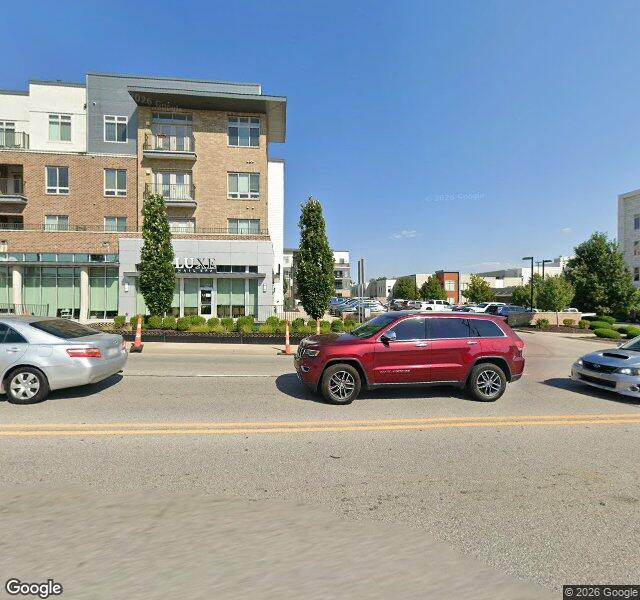
Avenue 81
8055 Metcalf Ave, Overland Park, KS 66204View map (opens in a new tab)
Overview and key essentials
State license
Active
KS KDADS
Google reviews
Not available
Public reviews not linked
Size & payment
Ask directly
Confirm pricing & payment
Public records for this community are limited. Use the checklist below when you call or visit to confirm pricing, services, and openings.
Cost, payment & care details
Updated Nov 28, 2026| Monthly cost | Not published | Ask for the full monthly cost, including care fees and one-time charges. |
|---|---|---|
| Payment options | Ask directly | Payment details are not confirmed in our records. Ask about private pay, long-term care insurance, veterans benefits, and Medicaid waivers. |
| Size & availability | Confirm directly | We don't publish live openings. Ask about current availability, waitlist length, and move-in timing. |
| Care & support | Assisted living | Usually offers housing and help with everyday tasks, such as bathing and dressing. What to confirm about care levelsThis describes the licensed category. Ask how care plans adjust if mobility, nursing, or memory needs change over time. Read the family care guide → |
State licensing
State inspection history
7inspections
16deficiencies listed
Oct 14, 2025Routine3 deficiencies reported3
3 deficiencies reported
View official state report (opens in a new tab)
The following represents the findings of a resurvey with attached complaints 196541, 194924, 190804, and 188167 at the above named assisted living conducted on 10/14/25.
moderateS 3261
Documentation of Incidents (f) (11) documentation of all incidents, symptoms, and other indications of illness or injury including the date, time of occurrence, action taken, and results of the action This REQUIREMENT is not met as evidenced by: KAR 26-41-105(f)(11) The facility reported a census of 45 residents with three residents included in the sample. Based on observation, interview, and record review the administrator failed to ensure licensed staff documented all incidents, symptoms, indications of illness or injury including the dates, times, actions taken, and results of the actions for Resident (R) 2 during an on-going skin wound and infection. Findings included: - Review of R2's record revealed an admission date of 08/01/23 with diagnoses of mild cognitive impairment, chronic kidney disease stage three, and hypertension. The 06/27/25 "Functional Capacity Screen" (FCS) identified R2 required physical assistance with bathing and management of treatments. She had short-term and long-term memory, memory recall, and impaired decision-making cognitive difficulties. The 09/30/25 "Negotiated Service Agreement" (NSA) identified facility staff provided physical assistance and monitored R2's skin for bathing. Facility staff obtained monthly vital signs for management of treatments. R2's "NSA" failed to describe services she received and the provider of the services for a skin wound. Review of R2s nursing progress notes from 04/04/25 to 08/25/25 revealed the following: The 07/09/25 "Nurses Note" documented staff reported R2 had bruising on the front of her right lower leg. A wound approximately 13.5 centimeters (cm) across with no drainage or open areas noted. Wound care orders prescribed treatment be administered twice weekly by a home health provider. Facility staff to monitor the affected area for changes. The 07/11/25 "Nurses Note" documented R2 began antibiotic treatment for a wound infection on her right lower leg. The wound appeared deep blue purple in color with no drainage. Wound was treated by a home health provider twice a week. From 07/14/25 to 07/17/25 "Nurses Notes" documented four days in a row licensed staff assessed R2's skin wound for pain. She continued to receive antibiotic treatment and wound treatments by a home health provider. The 07/29/25 (12 days since previous note) "Nurses Note" documented R2 completed antibiotic treatment for a wound infection. She denied pain and continued to receive wound treatments by a home health provider. The 08/13/25 (15 days since previous note) "Nurses Note" documented R2 started antibiotic treatment for a wound infection. She denied pain and continued to receive wound treatments by a home health provider twice a week. The 08/15/25 "Nurses Note" documented R2's wound was 5.0 cm. She continued to receive antibiotic treatment and wound treatment by a home health provider. The 08/27/25 "Nurses Note" documented R2 completed antibiotic treatment and continued to receive wound treatment by a home health provider two times a week. Review of R2's record from 08/27/25 to 10/14/25 (48 days at start of survey) lacked evidence of documentation of symptoms, wound measurements and characteristics, actions taken and results of the actions for R2's wound. On 10/14/25 at 03:22 PM Administrative Nurse B stated licensed staff assessed and documented current open wounds weekly. She confirmed R2's record lacked evidence of wound documentation. The administrator failed to ensure licensed facility...
STATE FORM6899
XCLF11 STATE FORM XCLF11 STATE FORM XCLF11 STATE FORM XCLF11 STATE FORM XCLF11
moderateS 3299
(e) Food storage. Facility staff shall store all food under safe and sanitary conditions. (1) Containers of poisonous compounds and cleaning supplies shall not be stored in the areas used for food storage, preparation, or serving. This REQUIREMENT is not met as evidenced by: KAR 26-41-206(e) The facility reported a census of 45 residents. Based on observation and interview the operator failed to ensure designated staff stored food items under safe conditions. Findings included: - Observation on 10/14/25 at approximately 10:22 AM revealed a locked refrigerator within a locked medication room on the lower level of the building. The refrigerator contained seven thawed fortified nutritional shakes for residents. The shakes had labels which read "Store frozen. Thaw at or below 40 degrees F. Use thawed product within 14 days." The thawed shakes lacked date marking when they were thawed. On 10/14/25 at approximately 10:22 AM Administrative Nurse B confirmed fortified nutritional shakes for the residents lacked a thaw date. The administrator failed to ensure designated staff stored food items under safe conditions.
May 1, 2024Complaint3 deficiencies reported3
3 deficiencies reported
View official state report (opens in a new tab)
The following citations represent the findings of an abbreviated survey for complaint #186866 of the above named facility conducted on 04/15/24 and 04/16/24.
STATE FORM6899
0FMY11 STATE FORM 0FMY11 STATE FORM 0FMY11 STATE FORM 0FMY11 STATE FORM 0FMY11 STATE FORM 0FMY11 STATE FORM 0FMY11
moderateS 3261
Documentation of Incidents (f) (11) documentation of all incidents, symptoms, and other indications of illness or injury including the date, time of occurrence, action taken, and results of the action This REQUIREMENT is not met as evidenced by: K.A.R. 26-41-105 (f) (11) The facility reported a census of 42 residents. The sample included 1 "Resident" (R). Based on interview and record review the administrator failed to ensure the resident record for R1 contained documentation of all incidents, and other indications of illness or injury including the date, time, actions taken and results of actions taken when the decision was made to remove the elopement device from R1's "Negotiated Service Agreement" (NSA), due to staff observation of R1 not leaving the elopement device on her person. Findings included: - Record review on 04/15/24 for R1 revealed an admission date of 05/05/21 and diagnoses of Frontotemporal dementia, osteoarthritis, cardiac murmur, and chest pain on breathing. Review of R1's "Functional Capacity Screen" (FCS) dated 01/21/24 revealed R1 required physical assistance with bathing, and supervision with dressing. She was independent with her toileting, transferring, walking/mobility, and eating. She required supervision with her medication management, was continent of her bladder, and she had impaired short-term memory, impaired-long term memory, impaired memory recall and impaired decision making. She was able to make herself understood and she usually understood others. She was marked with socially inappropriate disruptive behavior and impaired decision making. She used no mobility device. The FCS did not indicate R1 was a risk for wandering. Review of R1's combined NSA/" Health Service Plan" (HSP) dated 01/21/24 instructed the facility staff to provide the following health services: physically assist with washing, rinsing, and drying the areas R1 could not reach, and provide supervision with dressing in the morning and evening. Under the section titled "Elopement/Wandering" the facility staff were instructed to keep R1 busy with activities to "Decrease the chance of wandering", make sure all staff members were aware of R1's safety risks, "Make sure an elopement bracelet is on and is functioning properly every shift." R1 preferred not to wear the elopement device, and it had been attached to a facility name badge. Staff were instructed to ensure R1 was wearing the badge daily. Staff were to take R1 outside for walks when the weather was nice, and if staff noticed her by the doors to "Get her interested in something else" to prevent her from trying to exit the door. Facility staff were instructed to use the facility's safety system to alert everyone in case R1 tries to leave and monitor that it is functioning properly. There is a revision on the NSA in the "Elopement/Wandering" section dated 02/06/24 cancelled the service for the elopement bracelet. Review of R1 "Electronic Medical Record" Under the forms tab revealed a document titled "Assisted Living Elopement Risk" and was dated 01/31/24. In the notes section it was typed " ...high risk for wandering/elopement. Staff is aware of risk and attempt to redirect ...All doors are alarmed and will alarm when opened without the code." Review of R1 "Electronic Medical Record" under the "Progress Notes" tab revealed the following: The notes for 01/14/24 to 02/13/24 revealed the following three entries: On 01/19/24 R1 Received the COVID 19 vaccine. On 02/02/24 the pharmacist...
moderateS 3101
(h) Each individual involved in the development of the negotiated service agreement shall sign the agreement. The administrator or operator shall ensure that a copy of the initial agreement and any subsequent revisions are provided to the resident or the resident's legal representative. This REQUIREMENT is not met as evidenced by: K.A.R. 26-41-202 (h) The facility reported a census of 42 residents. The sample included 1 "Resident" (R). Based on interview and record review the administrator failed to ensure any subsequent revisions on R1's "Negotiated Service Agreement" (NSA) were provided to the R1's legal representative acknowledging the removal of the elopement device from the services provided due to R1's refusal to wear the device on her person. Findings included: - Record review on 04/15/24 for R1 revealed an admission date of 05/05/21 and diagnoses of Frontotemporal dementia, osteoarthritis, cardiac murmur, and chest pain on breathing. Review of R1's "Functional Capacity Screen" (FCS) dated 01/21/24 revealed R1 required physical assistance with bathing, and supervision with dressing. She was independent with her toileting, transferring, walking/mobility, and eating. She required supervision with her medication management, was continent of her bladder, and she had impaired short-term memory, impaired-long term memory, impaired memory recall and impaired decision making. She was able to make herself understood and she usually understood others. She was marked with socially inappropriate disruptive behavior and impaired decision making. She used no mobility device. The FCS did not indicate R1 was a risk for wandering. Review of R1's combined NSA/" Health Service Plan" (HSP) dated 01/21/24 instructed the facility staff to provide the following health services: physically assist with washing, rinsing, and drying the areas R1 could not reach, and provide supervision with dressing in the morning and evening. Under the section titled "Elopement/Wandering" the facility staff were instructed to keep R1 busy with activities to "Decrease the chance of wandering", make sure all staff members were aware of R1's safety risks, "Make sure an elopement bracelet is on and is functioning properly every shift." R1 preferred not to wear the elopement device, and it had been attached to a facility name badge. Staff were instructed to ensure R1 was wearing the badge daily. Staff were to take R1 outside for walks when the weather was nice, and if staff noticed her by the doors to "Get her interested in something else" to prevent her from trying to exit the door. Facility staff were instructed to use the facility's safety system to alert everyone in case R1 tries to leave and monitor that it is functioning properly. There is a revision on the NSA in the "Elopement/Wandering" section dated 02/06/24 cancelled the service for the elopement bracelet. Review of R1 "Electronic Medical Record" Under the forms tab revealed a document titled "Assisted Living Elopement Risk" and was dated 01/31/24. In the notes section it was typed " ...high risk for wandering/elopement. Staff is aware of risk and attempt to redirect ...All doors are alarmed and will alarm when opened without the code." Review of R1 "Electronic Medical Record" under the "Progress Notes" tab revealed the following: The notes for 01/14/24 to 02/13/24 revealed the following three entries: On 01/19/24 R1 Received the COVID 19 vaccine. On 02/02/24 the pharmacist reviewed R1's medical record and...
Apr 16, 2024Complaint3 deficiencies reported3
3 deficiencies reported
View official state report (opens in a new tab)
The following citations represent the findings of an abbreviated survey for complaint #186866 of the above named facility conducted on 04/15/24 and 04/16/24.
STATE FORM6899
0FMY11 STATE FORM 0FMY11 STATE FORM 0FMY11 STATE FORM 0FMY11 STATE FORM 0FMY11 STATE FORM 0FMY11 STATE FORM 0FMY11
moderateS 3101
(h) Each individual involved in the development of the negotiated service agreement shall sign the agreement. The administrator or operator shall ensure that a copy of the initial agreement and any subsequent revisions are provided to the resident or the resident's legal representative. This REQUIREMENT is not met as evidenced by: K.A.R. 26-41-202 (h) The facility reported a census of 42 residents. The sample included 1 "Resident" (R). Based on interview and record review the administrator failed to ensure any subsequent revisions on R1's "Negotiated Service Agreement" (NSA) were provided to the R1's legal representative acknowledging the removal of the elopement device from the services provided due to R1's refusal to wear the device on her person. Findings included: - Record review on 04/15/24 for R1 revealed an admission date of 05/05/21 and diagnoses of Frontotemporal dementia, osteoarthritis, cardiac murmur, and chest pain on breathing. Review of R1's "Functional Capacity Screen" (FCS) dated 01/21/24 revealed R1 required physical assistance with bathing, and supervision with dressing. She was independent with her toileting, transferring, walking/mobility, and eating. She required supervision with her medication management, was continent of her bladder, and she had impaired short-term memory, impaired-long term memory, impaired memory recall and impaired decision making. She was able to make herself understood and she usually understood others. She was marked with socially inappropriate disruptive behavior and impaired decision making. She used no mobility device. The FCS did not indicate R1 was a risk for wandering. Review of R1's combined NSA/" Health Service Plan" (HSP) dated 01/21/24 instructed the facility staff to provide the following health services: physically assist with washing, rinsing, and drying the areas R1 could not reach, and provide supervision with dressing in the morning and evening. Under the section titled "Elopement/Wandering" the facility staff were instructed to keep R1 busy with activities to "Decrease the chance of wandering", make sure all staff members were aware of R1's safety risks, "Make sure an elopement bracelet is on and is functioning properly every shift." R1 preferred not to wear the elopement device, and it had been attached to a facility name badge. Staff were instructed to ensure R1 was wearing the badge daily. Staff were to take R1 outside for walks when the weather was nice, and if staff noticed her by the doors to "Get her interested in something else" to prevent her from trying to exit the door. Facility staff were instructed to use the facility's safety system to alert everyone in case R1 tries to leave and monitor that it is functioning properly. There is a revision on the NSA in the "Elopement/Wandering" section dated 02/06/24 cancelled the service for the elopement bracelet. Review of R1 "Electronic Medical Record" Under the forms tab revealed a document titled "Assisted Living Elopement Risk" and was dated 01/31/24. In the notes section it was typed " ...high risk for wandering/elopement. Staff is aware of risk and attempt to redirect ...All doors are alarmed and will alarm when opened without the code." Review of R1 "Electronic Medical Record" under the "Progress Notes" tab revealed the following: The notes for 01/14/24 to 02/13/24 revealed the following three entries: On 01/19/24 R1 Received the COVID 19 vaccine. On 02/02/24 the pharmacist reviewed R1's medical record and...
moderateS 3261
Documentation of Incidents (f) (11) documentation of all incidents, symptoms, and other indications of illness or injury including the date, time of occurrence, action taken, and results of the action This REQUIREMENT is not met as evidenced by: K.A.R. 26-41-105 (f) (11) The facility reported a census of 42 residents. The sample included 1 "Resident" (R). Based on interview and record review the administrator failed to ensure the resident record for R1 contained documentation of all incidents, and other indications of illness or injury including the date, time, actions taken and results of actions taken when the decision was made to remove the elopement device from R1's "Negotiated Service Agreement" (NSA), due to staff observation of R1 not leaving the elopement device on her person. Findings included: - Record review on 04/15/24 for R1 revealed an admission date of 05/05/21 and diagnoses of Frontotemporal dementia, osteoarthritis, cardiac murmur, and chest pain on breathing. Review of R1's "Functional Capacity Screen" (FCS) dated 01/21/24 revealed R1 required physical assistance with bathing, and supervision with dressing. She was independent with her toileting, transferring, walking/mobility, and eating. She required supervision with her medication management, was continent of her bladder, and she had impaired short-term memory, impaired-long term memory, impaired memory recall and impaired decision making. She was able to make herself understood and she usually understood others. She was marked with socially inappropriate disruptive behavior and impaired decision making. She used no mobility device. The FCS did not indicate R1 was a risk for wandering. Review of R1's combined NSA/" Health Service Plan" (HSP) dated 01/21/24 instructed the facility staff to provide the following health services: physically assist with washing, rinsing, and drying the areas R1 could not reach, and provide supervision with dressing in the morning and evening. Under the section titled "Elopement/Wandering" the facility staff were instructed to keep R1 busy with activities to "Decrease the chance of wandering", make sure all staff members were aware of R1's safety risks, "Make sure an elopement bracelet is on and is functioning properly every shift." R1 preferred not to wear the elopement device, and it had been attached to a facility name badge. Staff were instructed to ensure R1 was wearing the badge daily. Staff were to take R1 outside for walks when the weather was nice, and if staff noticed her by the doors to "Get her interested in something else" to prevent her from trying to exit the door. Facility staff were instructed to use the facility's safety system to alert everyone in case R1 tries to leave and monitor that it is functioning properly. There is a revision on the NSA in the "Elopement/Wandering" section dated 02/06/24 cancelled the service for the elopement bracelet. Review of R1 "Electronic Medical Record" Under the forms tab revealed a document titled "Assisted Living Elopement Risk" and was dated 01/31/24. In the notes section it was typed " ...high risk for wandering/elopement. Staff is aware of risk and attempt to redirect ...All doors are alarmed and will alarm when opened without the code." Review of R1 "Electronic Medical Record" under the "Progress Notes" tab revealed the following: The notes for 01/14/24 to 02/13/24 revealed the following three entries: On 01/19/24 R1 Received the COVID 19 vaccine. On 02/02/24 the pharmacist...
Feb 6, 2024Routine2 deficiencies reported2
2 deficiencies reported
View official state report (opens in a new tab)
The following citations represent the findings of the licensure resurvey with attached complaint numbers 185361, 183146, and 182244, for the above named facility conducted on 02/05/24 and 02/06/24.
moderateS 3310
(b) (5) prohibiting any employee with a communicable disease or any infected skin lesions from coming in direct contact with any resident, any resident ' s food, or resident care equipment until the condition is no longer infectious; (6) providing orientation to new employees and employee in-service education at least annually on the control of infections in a health care setting; and (c) Each administrator or operator shall ensure the facility ' s compliance with the department ' s tuberculosis guidelines for adult care homes adopted by reference in K.A.R. 26-39-105 This REQUIREMENT is not met as evidenced by: KAR 26-41-207(c) The facility reported a census of 37 residents. The sample included 5 ("Residents'" (R)'s 1, 2, 3, 4, 5), and 5 newly hired employees ("Certified Medication Aide's" (CMA)'s F and G, and "Certified Nurse Aide's" (CNA)'s H, I and J) . Based on interview and record review the administrator failed to ensure the facility remained in compliance with the department's "Tuberculosis" (TB) guidelines for adult care homes adopted by reference in KAR 26-39-105 for R3, CMA's F and G, and CNA's H, I and J. Findings included: - Review of CMA F's employee record revealed a hire date of 06/06/23 and the personnel record lacked evidence of the required two step TB testing being completed. Review of CMA G's employee record revealed a hire date of 12/07/23 and the personnel record lacked evidence of TB testing being completed. Review of CNA H's employee record revealed a hire date of 10/02/23 and the personnel record lacked evidence of TB testing being completed. Review of CNA I's employee record revealed a hire date of 10/16/23 and the personnel record lacked evidence of TB testing being completed. Review of CNA J's employee record revealed a hire date of 11/13/23 and the personnel record lacked evidence of TB testing being completed. - Record review for R3 revealed and admission date of 06/09/23 the electronic medical record revealed under the "Immunization" tab the first step of the two step was read on 06/10/23 with a negative result. The documented undated second step, was documented as "not eligible". Interview 02/06/23 at approximately 02:00 PM with Administrative Staff A and Administrative Licensed Nurse B confirmed that the personnel records lacked the required documentation that TB testing had been completed upon hire according to the department's guidelines, and further confirmed the electronic record for R3 lacked the required second step TB test. The June 2013 department's "Tuberculosis (TB) Guidelines for Adult Care Homes" documented each new resident or new employee shall receive a two-step TB skin test within seven days of residency employment. The administrator failed to ensure the facility remained in compliance with the department's tuberculosis guidelines for adult care homes adopted by reference in KAR 26-39-105 for R3, and newly hired CMA's F, G and CNA's H, I, and J .
STATE FORM6899
LD6F11 STATE FORM LD6F11 STATE FORM LD6F11
May 23, 2023Routine5 deficiencies reported5
5 deficiencies reported
View official state report (opens in a new tab)
The following citations represent the findings of the licensure resurvey with attached complaint #'s 177846, 176430, 176301, 173778, and 172179, for the above named facility conducted on 05/22/23 and 05/23/23.
moderateS 3081
Reassessment (c) Designated facility staff shall conduct a screening to determine each resident ' s functional capacity according to the following requirements: (1) At least once every 365 days; (2) following any significant change in condition as defined in K.A.R. 26-39-100; and (3) at least quarterly if the resident receives assistance with eating from a paid nutrition assistant. This REQUIREMENT is not met as evidenced by: K.A.R. 26-41-201 (c)(2) The facility reported a census of 26 residents. The sample included 3 "Residents'" ((R's)1, 2, 3) and 4 focused reviews. Based on observation, interview and record review, the operator failed to ensure a designated facility staff conducted a "Functional Capacity Screening" (FCS) to determine the level of functioning for R2 when he experienced a change of condition and was placed on hospice services. Findings include: Record review on 05/23/22 for R2 revealed and admission date of 09/07/22 with diagnoses of unspecified dementia with behavioral disturbances, hypertension, depression, retention of urine, paroxysmal atrial fibrillation, osteoarthritis, and hypothyroidism. Review of R2 combined FCS/" Negotiated Service Agreement" (NSA) dated 04/02/22 revealed he required physical assistance with bathing, dressing, toileting, and walking/mobility. He was marked as unable to perform transferring. He required supervision with eating. he lacked the ability to manage his own mediations and medical treatments, and he was usually incontinent of bladder. He was marked with impaired short-term memory, impaired long-term memory, impaired memory recall and impaired decision making. He used a walker and wheelchair mobility device. The section identified as "A4d" stand up lift was not marked. Under the section "Support/Ancillary Services" Section 2 listed "b. Hospice provider" the box was left blank. Review of R2 combined NSA/" Health Service Plan" (HSP) dated 09/07/22 and updated continuously, identified, and instructed staff to provide the following health services: staff to provide physical assistance with dressing in the morning and at night, staff to manage resident medications, provide a 2 person assist with transfers, and physically assist with activities of daily living. Under the section titled "Focus" date initiated on 04/20/23 "Hospice" had the following interventions: "05/01/23 all transfers will be done vie sit to stand lift." "Focus" date initiated 05/01/23 "wound and skin issues" had the following interventions: "05/01/23 current wound location left heel. Hospice manages all wound treatments and measurements". Review of facility document titled "Hospice Order" and signed by the provider on 04/11/23 stated the following: "Hospice to evaluate and treat accordingly for increasing symptoms of vascular dementia, an increase in falls, increase in medication adherence refusal, uncontrolled pain, trending weight loss and agitation. Observation on 05/23/23 at 12:03 of R2 room revealed a sit to stand automatic lift. Interview on 05/24/23 at 04:16 PM with licensed nurse A, she confirmed she did not perform a new FCS/NSA identifying the need for R2 to use a sit to stand, and when he showed the decline and was admitted to hospice services.
STATE FORM6899
RG5Q11 STATE FORM RG5Q11 STATE FORM RG5Q11 STATE FORM RG5Q11 STATE FORM RG5Q11 STATE FORM RG5Q11 STATE FORM RG5Q11 STATE FORM RG5Q11 STATE FORM RG5Q11
moderateS 3320
(a) The assisted living facility or residential health care facility shall be designed, constructed, equipped and maintained to protect the health and safety of residents, personnel and the public. (b) All new construction, renovation, remodeling and changes in building use in existing buildings shall comply with building and fire codes, ordinances and regulations enforced by city, county, and state jurisdictions, including the state fire marshal. (c) New construction, modifications and equipment shall conform to the following codes and standards: (1) Title III of the Americans with disabilities act, 42 U.S.C. 12181, effective as of January 26, 1992; and (2) "Food Service Sanitation Manual," health, education, and welfare (HEW) publication no. FDA 78-2081, as in effect on July 1, 1981. This REQUIREMENT is not met as evidenced by: K.A.R 28-39-254 (a) The facility reported a census of 26 residents. 16 residents resided in the assisted living and 10 residents resided in a secured memory care unit. Based on observation and interview the operator failed to ensure the secured memory care unit was maintained to protect the health and safety of the residents, personnel and the public when unsecured chemicals, a claw hammer, and an electric power drill with a bit in place in were found during the initial facility tour and tour of sampled resident rooms. Findings include: - Observation during the initial facility tour on 05/22/23 at 01:02 PM of the common/dining area in the secured memory care unit revealed a buffet on the north wall directly across from a dining room table that seated 4 residents. The cabinet freely opened and revealed the following unsecured chemicals: 1 bottle of Micro Kill, 1 container of Sani Cloths, 1 can of Clorox surface disinfectant, and 1 Bottle of Brighton Surface disinfectant. Observation of sampled resident rooms on 05/23/22 at 11:54 AM revealed the following unsecured items found in resident rooms: in one resident room in the cabinets above the kitchenette sink, it freely opened and revealed the following unsecured items: 1 box of Clorox toilet wand refills, 1 bottle of Lysol spray, 1 can of Pledge multi surface spray, and Lysol wipes. Observation of the bathroom cabinet that freely opened it revealed a container of disinfectant wipes, Clorox wipes and fingernail polish remover. In another resident room in the cabinet above the kitchenette sink, it freely opened and revealed: a claw hammer with a wooden handle, a Craftsman cordless power drill with a battery and drill bit in place, and a small round container with free drill bits. Interview on 05/23/22 at 04:31 PM with Regional RN A, operator E, Licensed Nurse A, and Regional Director G, they confirmed the chemicals and tools should be secured in the secured memory care unit. The operator failed to ensure the secured memory care unit was maintained to protect the health and safety of the residents, personnel and the public when unsecured chemicals, a claw hammer, and an electric power drill with a bit in place in were found during the initial facility tour and tour of sampled resident rooms.
moderateS 3310
(b) (5) prohibiting any employee with a communicable disease or any infected skin lesions from coming in direct contact with any resident, any resident ' s food, or resident care equipment until the condition is no longer infectious; (6) providing orientation to new employees and employee in-service education at least annually on the control of infections in a health care setting; and (c) Each administrator or operator shall ensure the facility ' s compliance with the department ' s tuberculosis guidelines for adult care homes adopted by reference in K.A.R. 26-39-105 This REQUIREMENT is not met as evidenced by: K.A.R. 26-41-207 (c) The facility reported a census of 26 residents. The sample included 3 residents and 5 newly hired employees. Based on record review and interview the operator failed to ensure the facility's compliance with the department's "tuberculosis" (TB) guidelines for adult care homes adopted by reference in K.A.R. 26-39-105, for 4 of the 5 newly hired employees ("Licensed Nurse" (LN)A, "Certified Nurse Aide'" (CNA's)B, and D, and "Certified Medication Aide" (CMA)C. Findings include: - Record review on 05/23/22 for newly hired LN A revealed she began employment on 01/02/23. The record lacked documentation of the required two-step TB test within seven days of employment. Record review for newly hired CNA B revealed she began employment on 06/30/22. The record lacked documentation of the required two-step TB test within seven days of employment. Record review for newly hired CNA D revealed she began employment on 03/09/23. The record lacked documentation of the required two-step TB test within seven days of employment. Record review for newly hired CMA C revealed she began employment on 02/25/23. The record lacked documentation of the required two-step TB test within seven days of employment. Interview on 05/23/23 at 03:02 PM with Regional Nurse F, operator E, and LN A, they confirmed the newly hired employee records lacked documentation of the required two-step TB test within seven days of employment. The operator failed to ensure the facility's compliance with the department's TB guidelines for adult care homes adopted by reference in K.A.R. 26-39-105, for 4 newly hired employees: LN A, CNA's B and D and CMA C.
moderateS 3166
(e) A licensed nurse may delegate nursing procedures not included in the nurse aide or medication aide curriculums to nurse aides or medication aides, respectively, under the Kansas nurse practice act, K.S.A. 65-1124 and amendments thereto. This REQUIREMENT is not met as evidenced by: K.A.R.26-41-204 (e) The facility reported a census of 26 residents. Based on record review and interview the operator failed to ensure the "Licensed Nurse" (LN) provided training and documentation for the delegation of the nursing procedure not included in the "Certified Medication Aide" (CMA) curriculum respectively under the Kansas Nurse Practice Act K.S.A. 65-1124 of dialing an insulin pen, for newly hired employee CMA H. Findings include: - Record review on 05/22/23 of the facility provided resident roster revealed two residents marked with insulin injections. Record review on 05/23/23 of newly hired CMA H revealed she began employment on 04/10/23, her record contained a signed delegation training for obtaining a blood glucose. The record lacked a signed delegation training for dialing an insulin pen. Interview on 05/23/23 at 04:16 PM with operator E, LN A, and Regional RN F, they confirmed residents self-inject the insulin after the CMA dials the insulin pen. They further confirmed CMA H employee record lacked the signed delegation training for dialing an insulin pen. The operator failed to ensure the LN provided training and documentation for the delegation of the nursing procedure not included in the CMA curriculum respectively under the Kansas Nurse Practice Act K.S.A. 65-1124 of dialing an insulin pen, for newly hired employee CMA H.
Show all 7 inspections
May 26, 2022RoutineNo deficiencies reportedNone
Sep 7, 2021RoutineNo deficiencies reportedNone
Neighborhood & resident support
Emergency access, hazards & advocacy
Nearest hospital
Shawnee Mission Medical Center
1.6 mi · Shawnee Mission, KS · Medicare 3/5 ★
Emergency room
FEMA hazard risk
Relatively HighJohnson County, KS
- Winter Weather
- Tornado
- Hail
Free resident advocacy
Kansas Office of the State Long-Term Care Ombudsman
More neighborhood context (specialists, VA, dialysis, air & affordability)
VA & dialysis access
Kansas City VA Medical Center
9.5 mi · Kansas City, MO · VA 4/5 ★
DaVita Johnson County Dialysis
2.8 mi · 3/5 ★ · Home dialysis
Specialists within 15 mi
- Geriatricians
- 46
- Neurologists
- 347
- Palliative care
- 62
- PM&R rehab
- 132
Environment & mobility
- EPA Air (2025)
- 69% good days · AQI 44
- EPA Walkability
- 10.3/20 (Below Average)
- USDA Grocery Access
- High Grocery Access
- Primary care access
- HRSA Shortage Area
County demographics
- Age 65+ median income
- $76,388/yr
- Rent-burdened households
- 41%
- Cognitive disability (2023)
- 11.5%
- Mobility disability
- 8.7%
Call & tour checklist
Questions to ask Avenue 81
Check off questions as you call or tour. Your progress stays private in this browser.
Show 3 more suggested questions
Verification & public records
Official records & sources
Licensing & contact
- License #
- N046107
- Status
- active
- Phone
- (913) 246-3690
- Federal OIG LEIE
- Clear (2026-11-27)
Operator & ownership
- Operator
- Avenue 81 Iaop LLC
Original public sources
Verify licensing, ratings, and inspection reports directly with each official source.
- KS KDADS official record (opens in a new tab)Kansas Dept. for Aging & Disability Services
- Google Maps (opens in a new tab)Directions, photos & neighborhood
- Google Reviews (opens in a new tab)Read public reviews
EveryPlace is an independent research directory. Information is compiled from public Medicare.gov, state licensing, Google Places, and street-level imagery sources. Some summaries, suggested questions, and pricing notes are AI-generated or AI-assisted and may contain errors or omissions. We do not accept payment for placement. Confirm all details directly with the community and official sources. Research Policy.
Keep exploring
Nearby communities to compare
- Assisted Living< 1 miMorningside PlaceOverland Park, KS
- Cap. 252HUD Senior Housing< 1 miSanta Fe Towers ApartmentsOverland Park, KS
- Medicare 2/54.8(45)102 bedsMedicaidNursing Home< 1 miAspen Health and WellnessOverland Park, KS
- Medicare 4/5Home Health< 1 miAdventhealth Home HealthShawnee Mission, KS
- Assisted Living1.1 miShawnee Post Acute Rehabilitation CenterOverland Park, KS
- Medicare 1/53.6(116)101 bedsMedicaidNursing Home1.2 miShawnee Post Acute Rehabilitation CenterOverland Park, KS