Loading EveryPlace content…
Assisted LivingActive license
Willow Place
1307 N College, Newberg, OR 97132View map (opens in a new tab)
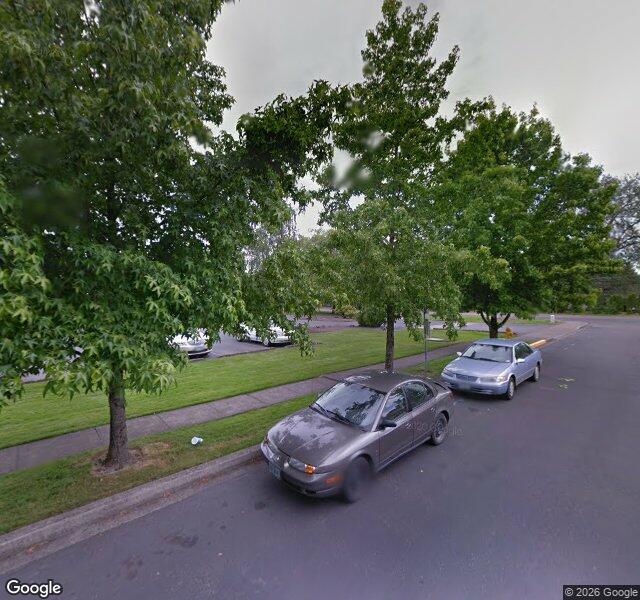
Overview and key essentials
State license
Active
OR ODHS
Google reviews
5.0/ 5
2 reviews
Size & payment
30 residents
Medicaid listed
Cost, payment & care details
Updated Nov 28, 2026| Monthly cost | Not published | Ask for the full monthly cost, including care fees and one-time charges. |
|---|---|---|
| Payment options | Medicaid | Participation is reported in our source data. Confirm eligibility, covered services, and any private-pay costs. Verified Medicaid waiver: Oregon Medicaid APD Long-Term Services (Oregon Dept. of Human Services (ODHS)). |
| Size & availability | 30 residents | We don't publish live openings. Ask about current availability, waitlist length, and move-in timing. |
| Care & support | Assisted living | Usually offers housing and help with everyday tasks, such as bathing and dressing. What to confirm about care levelsThis describes the licensed category. Ask how care plans adjust if mobility, nursing, or memory needs change over time. Read the family care guide → |
State licensing
State inspection history
5inspections
24deficiencies listed
May 20, 2026Routine7 deficiencies reported7
7 deficiencies reported
View official state report (opens in a new tab)
Re-Licensure
moderateC0363
OAR 411-054-0037 (4-6) Acuity Based Staffing Tool - Updates & Staffing Plan (4) FREQUENCY OF UPDATES. Facilities must complete or update and review the ABST evaluation for each resident according to the following schedule. (a) Before a resident moves in. (b) Whenever there is a significant change of condition as defined in OAR 411-054-0040(1)(b). (c) No less than quarterly at the same time the resident’s service plan is updated as required by OAR 411-054-0034. (5) DEVELOP AND MAINTAIN UPDATED POSTED STAFFING PLAN. Each facility should use the results of an ABST to develop and routinely update the facility’s posted staffing plan. The staffing plan must outline the staffing numbers required to meet the scheduled and unscheduled needs of all residents in the facility, for each shift. The ABST and staffing plan must be reviewed at the frequency required in paragraph (4) of this rule. The facility must review the following and ensure accuracy between the posted staffing plan and ABST: (a) The total ABST care time required for the individual care elements as referenced in paragraph (3) of this rule. (b) Staffing plan must account for unscheduled care needs. (c) Documentation of consistently staffing to meet or exceed the posted staffing plan 24 hours a day, seven days a week. (d) The staffing requirements outlined in OAR 411-054-0070(1). (e) Any other applicable factors to be considered. (e.g., disruptions to normal facility operations.) (f) Time for paid or unpaid staff meal breaks must be accounted for and should not be included in the total scheduled staff time per shift. (g) Distinct posted staffing plans for segregated areas as outlined in OAR 411-054-0070(1) to meet the scheduled and unscheduled needs of residents who reside in each segregated area. (h) The staffing needs required under the Specific Needs Contracts, if applicable. (6) ABST REPORTING OF SPECIFIC NEEDS CONTRACTS AND EXCEPTIONAL PAYMENTS. Staffing required by a Specific Needs Contract (Contract), as described in OAR chapter 411, division 027, must be included in a facility’s ABST. (a) If all residents within the facility are receiving service through a Contract: (A) The facility’s staffing plan must include the number of staff required by the Contract and additional staff time, if required to meet the scheduled and unscheduled needs of the residents. (B) If the ABST staffing analysis indicates numbers higher than the Contract, the facility must staff to the numbers indicated by the ABST. (b) If certain residents within the facility are served under Contract, and other residents are not served by a Contract: (A) The facility must maintain a posted staffing plan that includes the staffing required for residents served by the Contract as well as the staffing required for residents not served by the Contract. (B) The facility must prepare two distinct ABST reports: one for residents served by the Contract and the other for residents not served by the Contract. (C) If the ABST indicates higher staffing numbers than the Contract for residents who are served by the Contract, the facility must staff to numbers indicated by the ABST. (c) If the facility has any residents funded by an exceptional payment, as provided in OAR 411-027-0050, that must be included in the ABST and the facility must staff to the greater of the exception or the ABST. This Rule is not met as evidenced by:
moderateC0330
OAR 411-054-0055 (6) Systems: Psychotropic Medication (6) PSYCHOTROPIC MEDICATION. Psychotropic medications may be used only pursuant to a prescription that specifies the circumstances, dosage and duration of use.(a) Facility administered psychotropic medications may be used only when required to treat a resident's medical symptoms or to maximize a resident's functioning.(b) The facility must not request psychotropic medication to treat a resident's behavioral symptoms without a consultation from a physician, nurse practitioner, registered nurse, or mental health professional. This does not apply when a resident is enrolled in a hospice program as defined in OAR 333-035-0050.(c) Prior to requesting a psychotropic medication, the facility must demonstrate through the evaluation and service planning process that non-pharmacological interventions have been attempted.(d) Prior to administering any psychotropic medications to treat a resident's behavior, all direct care staff administering medications for the resident must know:(A) The specific reasons for the use of the psychotropic medication for that resident.(B) The common side effects of the medications.(C) When to contact a health professional regarding side effects.(e) When a psychotropic medication is ordered by a health care practitioner other than the resident's primary care provider, the facility is responsible for notifying the resident's primary care provider of that medication order within 72 hours of when the facility was notified of the order. This includes weekends and holidays. Notification may be either by telephone or electronic submission and should be documented by the facility.(f) Medications that are administered p.r.n. that are given to treat a resident's behavior must have written, resident-specific parameters.(A) These p.r.n. medications may be used only after documented; non-pharmacological interventions have been tried with ineffective results.(B) All direct care staff must have knowledge of non-pharmacological interventions.(g) Psychotropic medications must not be given to discipline a resident, or for the convenience of the facility. This Rule is not met as evidenced by:
moderateC0422
OAR 411-054-0090 (5) Fire and Life Safety: Training for Residents (5) TRAINING FOR RESIDENTS. Residents must be instructed about the facility's fire and life safety procedures per OFC. (a) Each resident must be instructed within 24 hours of admission and re-instructed, at least annually, in general safety procedures, evacuation methods, responsibilities during fire drills, and designated meeting places outside the building or within the fire safe area in the event of an actual fire. This requirement does not apply to residents whose mental capability does not allow for following such instruction. (b) A written record of fire safety training, including content of the training sessions and the residents attending, must be kept. This Rule is not met as evidenced by:
moderateC0372
OAR 411-054-0070 (5 & 9-10) Training Within 30 Days of Hire – Direct Care Staff (5) TRAINING WITHIN 30 DAYS OF HIRE FOR DIRECT CARE STAFF. (a) The facility is responsible to verify that direct care staff have demonstrated satisfactory performance in any duty they are assigned. (b) Knowledge and performance must be demonstrated in all areas within the first 30 days of hire, including, but not limited to: (A) The role of service plans in providing individualized resident care. (B) Providing assistance with the activities of daily living. (C) Changes associated with normal aging. (D) Identification of changes in the resident's physical, emotional and mental functioning and documentation and reporting on the resident's changes of condition. (E) Conditions that require assessment, treatment, observation and reporting. (F) General food safety, serving and sanitation. (G) If the direct care staff person’s duties include the administration of medication or treatments, appropriate facility staff, in accordance with OAR 411-054-0055 (Medications and Treatments) must document that they have observed and evaluated the individual’s ability to perform safe medication and treatment administration unsupervised. (9) ADDITIONAL REQUIREMENTS. Staff: (a) Under 18 years of age may not perform medication administration or delegated nursing tasks. Staff under the age of 18 must be directly supervised when providing bathing, toileting, incontinence care or transferring services. (b) Must be trained in the use of the abdominal thrust and First Aid. Cardiopulmonary resuscitation (CPR) training is recommended, but not required. (c) Must have sufficient communication and language skills to enable them to perform their duties and communicate with residents, other staff, family members, and health care professionals, as needed. (10) Contractors who provide services or supports directly to residents must complete the required LGBTQIA2S+ trainings outlined in paragraph (6)(b)(C) of this rule. (a) Contractors who must be trained include, but are not limited to, RN and administrative consultants, housekeeping services, dietary services, beauticians, barbers, or other contractors who provide services or supports directly to residents. This Rule is not met as evidenced by:
moderateC0420
OAR 411-054-0090 (1-2) Fire and Life Safety: Safety (1) FIRE DRILLS. All fire drills shall be conducted according to the Oregon Fire Code (OFC). (a) Unannounced fire drills must be conducted and recorded every other month at different times of the day, evening, and night shifts. (b) Fire and life safety instruction to staff must be provided on alternate months. (c) The Fire Authority may develop an alternative fire drill plan for the facility. Any such plan must be submitted to the Department. (d) A written fire drill record must be kept to document fire drills that include: (A) Date and time of day; (B) Location of simulated fire origin; (C) The escape route used; (D) Problems encountered and comments relating to residents who resisted or failed to participate in the drills; (E) Evacuation time period needed; (F) Staff members on duty and participating; and (G) Number of occupants evacuated. (e) Alternate exit routes must be used during fire drills to react to varying potential fire origin points. (f) The evacuation capability of the residents and staff is a function of both the ability of the residents to evacuate and the assistance provided by the staff. (g) Staff must provide fire evacuation assistance to residents from the building to a designated point of safety as determined by the Fire Authority having jurisdiction. Points of safety may include, outside the building, through a horizontal exit, or other areas as determined by the Fire Authority having jurisdiction. (h) The fire alarm system shall be activated during each fire drill, unless otherwise directed by the Fire Authority having jurisdiction. (2) If the facility is unable to meet the applicable evacuation level, the facility must make an immediate effort to make changes to ensure the evacuation standard is met. Changes must include, but not be limited to: (a) Increasing staff levels, (b) Changing staff assignments, (c) Requesting change in resident rooms, and (d) Arranging for special equipment. After making necessary changes, if the facility fails to meet the applicable evacuation level, the facility must issue an involuntary move-out notice to the residents in accordance with OAR 411-054-0080. This Rule is not met as evidenced by:
moderateC0303
OAR 411-054-0055 (1)(f-h) Systems: Treatment Orders (f) Medication and treatment orders must be carried out as prescribed.(g) Written, signed physician or other legally recognized practitioner orders must be documented in the resident's facility record for all medications and treatments that the facility is responsible to administer.(h) Only a physician or other legally recognized prescribing practitioner is authorized to make changes in a medication or treatment order. This Rule is not met as evidenced by:
moderateC0242
OAR 411-054-0030 (1)(c-d) Resident Services: Activities (c) A daily program of social and recreational activities that are based upon individual and group interests, physical, mental, and psychosocial needs, and creates opportunities for active participation in the community at large; (d) Equipment, supplies and space to meet individual and group activity needs; This Rule is not met as evidenced by:
Jan 28, 2026Inspection1 deficiency reported1
1 deficiency reported
View official state report (opens in a new tab)
Kitchen
moderateC0240
OAR 411-054-0030 (1)(a) Resident Services Meals, Food Sanitation Rule (1) The residential care or assisted living facility must provide a minimum scope of services as follows: (a) Three daily nutritious, palatable meals with snacks available seven days a week, in accordance with the recommended dietary allowances found in the United States Department of Agriculture (USDA) guidelines, including seasonal fresh fruit and fresh vegetables; (A) Modified special diets that are appropriate to residents' needs and choices. The facility must encourage residents' involvement in developing menus. (B) Menus must be prepared at least one week in advance, and must be made available to all residents. Meal substitutions must be of similar nutritional value if a resident refuses a food that is served. Residents must be informed in advance of menu changes. (C) Food must be prepared and served in accordance with OAR 333-150-0000 (Food Sanitation Rules). This Rule is not met as evidenced by: Based on observation and interview, it was determined the facility failed to ensure kitchen practices and protocols were in accordance with the Food Sanitation Rules OARs 333-150-0000. Findings include, but are not limited to: On 01/28/26 at 11:15 am, the facility kitchen was observed to need cleaning in the following areas: * Interior of microwave – food splatters; * Bottom shelf of freezer – frozen on food debris/loose food debris; * Floor beneath dishwasher booster and dishwasher – debris build up; * Wall above backsplash behind spray hose and dishwasher and wall beneath sink/dishwasher – build up of black matter; * Ceiling vents near door in dishwashing area – heavy layer of dust; and * Floor underneath and around stove/oven – significant food debris. Other concerns included: * Kitchen Aide mixer paddle – plastic coating peeling off and * Blade on commercial can opener – black matter build up and finish worn off. The areas of concern were observed and discussed with Staff 1 (Lead Cook) and discussed with Staff 2 (Executive Director) on 01/28/26. The findings were acknowledged by Staff 1 and Staff 2 at 12:30 pm.
Apr 2, 2025Routine12 deficiencies reported12
12 deficiencies reported
View official state report (opens in a new tab)
Re-Licensure
moderateC0374
OAR 411-054-0070 (6-8) Annual and Biennial Inservice for All Staff (6) ANNUAL AND BIENNIAL INSERVICE FOR ALL STAFF. (a) Annual infectious disease training requires the following: (A) Administrators and employees will be required to complete annual training on infectious disease outbreak and infection control. Such training will be included within the current number of required annual training hours and will not necessitate additional hours of training. (B) Annual in-service training must be documented in the employee record. (b) Biennial LGBTQIA2S+ training requires the following: (A) Administrators and employees shall be required to complete biennial training addressing LGBTQIA2S+ protections, as described in this section. The facility is responsible for the cost of providing this training to all facility staff. (i) Each facility shall designate two employees, one who represents management and one who represents direct care staff by July 1, 2024. It is acceptable for the designated employee representing management to generally be housed offsite, but the direct care representative must be onsite. (ii) The designated employees shall serve as points of contact for the facility regarding compliance with the preservice and biennial training requirements. These individuals shall develop a general training plan for the facility. (B) Facilities must select the LGBTQIA2S+ training to be used by the facility by either: (i) Choosing to use the standard Department-approved biennial LGBTQIA2S+ training, or (ii) Applying to the Department to request approval of a biennial LGBTQIA2S+ training to be provided by the facility. (C) ORS 441.116 requires all LGBTQIA2S+ trainings address: (i) Caring for LGBTQIA2S+ residents and residents living with human immunodeficiency virus. (ii) Preventing discrimination based on a resident’s sexual orientation, gender identity, gender expression or human immunodeficiency virus status. (iii) The defined terms commonly associated with LGBTQIA2S+ individuals and human immunodeficiency virus status. (iv) Best practices for communicating with or about LGBTQIA2S+ residents and residents living with human immunodeficiency virus, including the use of an individual’s chosen name and pronouns. (v) A description of the health and social challenges historically experienced by LGBTQIA2S+ residents and residents living with human immunodeficiency virus, including discrimination when seeking or receiving care at care facilities and the demonstrated physical and mental health effects within the LGBTQIA2S+ community associated with such discrimination. (vi) Strategies to create a safe and affirming environment for LGBTQIA2S+ residents and residents living with human immunodeficiency virus, including suggested changes to care facility policies and procedures, forms, signage, communication between residents and their families, activities, in-house services and staff training. (vii) The facility, individual or entity providing the training must demonstrate a commitment to advancing quality care for LGBTQIA2S+ residents and residents living with human immunodeficiency virus in this state. (D) The proposal for training submitted by a facility, entity, or individual shall include: (i) The regulatory criteria described in paragraph (C) of this section as part of the proposal. (ii) The following elements must be included in the proposal: (I) A statement of the qualifications and training experience of the facility, individual or entity...
moderateC0325
OAR 411-054-0055 (5) Systems: Self-Administration of Meds (5) SELF ADMINISTRATION OF MEDICATION.(a) Residents who choose to self-administer their medications must be evaluated upon move-in and at least quarterly thereafter, to assure ability to safely self-administer medications.(b) Residents must have a physician's or other legally recognized practitioner's written order of approval for self-administration of prescription medications.(c) Residents able to administer their own medication regimen may keep prescription medications in their unit.(d) If more than one resident resides in the unit, an evaluation must be made of each person and the resident's ability to safely have medications in the unit. If safety is a factor, the medications must be kept in a locked container in the unit.(e) Unless contraindicated by a physician or resident evaluation, residents may keep and use over-the-counter medications in their unit without a written order. This Rule is not met as evidenced by:
moderateC0260
OAR 411-054-0036 (1-4) Service Plan: General (1) If the resident has a Person-Centered Service Plan pursuant to 411- 004-0030, the facility must incorporate all elements identified in the person centered service plan into the resident's service plan. (2) SERVICE PLAN. The service plan must reflect the resident's needs as identified in the evaluation and include resident preferences that support the principles of dignity, privacy, choice, individuality, and independence. (a) The service plan must be completed: (A) Before resident move-in, with updates and changes as appropriate within the first 30-days; and (B) Following quarterly evaluations. (b) The service plan must be readily available to staff and provide clear direction regarding the delivery of services. (c) The service plan must include a written description of who shall provide the services and what, when, how, and how often the services shall be provided. (d) Changes and entries made to the service plan must be dated and initialed. (e) When the resident experiences a significant change of condition the service plan must be reviewed and updated as needed. (f) A copy of the service plan, including each update, must be offered to the resident or to the resident's legal representative. (g) The facility administrator is responsible for ensuring the implementation of services. (h) Changes to the service plan, including updates due to a significant change of condition and quarterly updates must be reflected in the facility’s ABST care elements. (3) SERVICE PLAN REQUIREMENTS BEFORE MOVE-IN. (a) Based on the resident evaluation performed before move-in, an initial service plan must be developed before move-in that reflects the identified needs and preferences of the resident. (b) The initial service plan must be reviewed within 30-days of movein to ensure that any changes made to the plan during the initial 30- days, accurately reflect the resident's needs and preferences. (c) Staff must document and date adjustments or changes as applicable. (4) QUARTERLY SERVICE PLAN REQUIREMENTS. (a) Service plans must be completed quarterly after the resident moves into the facility. (b) The quarterly evaluation is the basis of the resident's quarterly service plan. (c) If the resident's service plan is revised and updated at the quarterly review, changes must be dated and initialed, and prior historical information must be maintained. This Rule is not met as evidenced by:
moderateC0262
OAR 411-054-0036 (5) Service Plan: Service Planning Team (5) SERVICE PLANNING TEAM. The service plan must be developed by a Service Planning Team that consists of the resident, the resident's legal representative, if applicable, any person of the resident's choice, the facility administrator or designee and at least one other staff person who is familiar with, or who is going to provide services to the resident. Involved family members and case managers must be notified in advance of the service-planning meeting.(a) As applicable, the Service Planning Team must also include:(A) Local APD or AAA case managers and family invited by the resident, as available.(B) A licensed nurse if the resident shall need, or is receiving nursing services or experiences a significant change of condition as required in 411-054-0045(1)(f)(D) (Resident Health Services).(C) The resident's physician or other health practitioner.(b) Each resident must actively participate in the development of the service plan to the extent of the resident's ability and willingness to do so. If resident participation is not possible, documentation must reflect the facility's attempts to determine the resident's preferences. This Rule is not met as evidenced by:
moderateC0420
OAR 411-054-0090 (1-2) Fire and Life Safety: Safety (1) FIRE DRILLS. All fire drills shall be conducted according to the Oregon Fire Code (OFC). (a) Unannounced fire drills must be conducted and recorded every other month at different times of the day, evening, and night shifts. (b) Fire and life safety instruction to staff must be provided on alternate months. (c) The Fire Authority may develop an alternative fire drill plan for the facility. Any such plan must be submitted to the Department. (d) A written fire drill record must be kept to document fire drills that include: (A) Date and time of day; (B) Location of simulated fire origin; (C) The escape route used; (D) Problems encountered and comments relating to residents who resisted or failed to participate in the drills; (E) Evacuation time period needed; (F) Staff members on duty and participating; and (G) Number of occupants evacuated. (e) Alternate exit routes must be used during fire drills to react to varying potential fire origin points. (f) The evacuation capability of the residents and staff is a function of both the ability of the residents to evacuate and the assistance provided by the staff. (g) Staff must provide fire evacuation assistance to residents from the building to a designated point of safety as determined by the Fire Authority having jurisdiction. Points of safety may include, outside the building, through a horizontal exit, or other areas as determined by the Fire Authority having jurisdiction. (h) The fire alarm system shall be activated during each fire drill, unless otherwise directed by the Fire Authority having jurisdiction. (2) If the facility is unable to meet the applicable evacuation level, the facility must make an immediate effort to make changes to ensure the evacuation standard is met. Changes must include, but not be limited to: (a) Increasing staff levels, (b) Changing staff assignments, (c) Requesting change in resident rooms, and (d) Arranging for special equipment. After making necessary changes, if the facility fails to meet the applicable evacuation level, the facility must issue an involuntary move-out notice to the residents in accordance with OAR 411-054-0080. This Rule is not met as evidenced by:
moderateC0422
OAR 411-054-0090 (5) Fire and Life Safety: Training for Residents (5) TRAINING FOR RESIDENTS. Residents must be instructed about the facility's fire and life safety procedures per OFC. (a) Each resident must be instructed within 24 hours of admission and re-instructed, at least annually, in general safety procedures, evacuation methods, responsibilities during fire drills, and designated meeting places outside the building or within the fire safe area in the event of an actual fire. This requirement does not apply to residents whose mental capability does not allow for following such instruction. (b) A written record of fire safety training, including content of the training sessions and the residents attending, must be kept. This Rule is not met as evidenced by:
moderateC0363
OAR 411-054-0037 (4-6) Acuity Based Staffing Tool - Updates & Staffing Plan (4) FREQUENCY OF UPDATES. Facilities must complete or update and review the ABST evaluation for each resident according to the following schedule. (a) Before a resident moves in. (b) Whenever there is a significant change of condition as defined in OAR 411-054-0040(1)(b). (c) No less than quarterly at the same time the resident’s service plan is updated as required by OAR 411-054-0034. (5) DEVELOP AND MAINTAIN UPDATED POSTED STAFFING PLAN. Each facility should use the results of an ABST to develop and routinely update the facility’s posted staffing plan. The staffing plan must outline the staffing numbers required to meet the scheduled and unscheduled needs of all residents in the facility, for each shift. The ABST and staffing plan must be reviewed at the frequency required in paragraph (4) of this rule. The facility must review the following and ensure accuracy between the posted staffing plan and ABST: (a) The total ABST care time required for the individual care elements as referenced in paragraph (3) of this rule. (b) Staffing plan must account for unscheduled care needs. (c) Documentation of consistently staffing to meet or exceed the posted staffing plan 24 hours a day, seven days a week. (d) The staffing requirements outlined in OAR 411-054-0070(1). (e) Any other applicable factors to be considered. (e.g., disruptions to normal facility operations.) (f) Time for paid or unpaid staff meal breaks must be accounted for and should not be included in the total scheduled staff time per shift. (g) Distinct posted staffing plans for segregated areas as outlined in OAR 411-054-0070(1) to meet the scheduled and unscheduled needs of residents who reside in each segregated area. (h) The staffing needs required under the Specific Needs Contracts, if applicable. (6) ABST REPORTING OF SPECIFIC NEEDS CONTRACTS AND EXCEPTIONAL PAYMENTS. Staffing required by a Specific Needs Contract (Contract), as described in OAR chapter 411, division 027, must be included in a facility’s ABST. (a) If all residents within the facility are receiving service through a Contract: (A) The facility’s staffing plan must include the number of staff required by the Contract and additional staff time, if required to meet the scheduled and unscheduled needs of the residents. (B) If the ABST staffing analysis indicates numbers higher than the Contract, the facility must staff to the numbers indicated by the ABST. (b) If certain residents within the facility are served under Contract, and other residents are not served by a Contract: (A) The facility must maintain a posted staffing plan that includes the staffing required for residents served by the Contract as well as the staffing required for residents not served by the Contract. (B) The facility must prepare two distinct ABST reports: one for residents served by the Contract and the other for residents not served by the Contract. (C) If the ABST indicates higher staffing numbers than the Contract for residents who are served by the Contract, the facility must staff to numbers indicated by the ABST. (c) If the facility has any residents funded by an exceptional payment, as provided in OAR 411-027-0050, that must be included in the ABST and the facility must staff to the greater of the exception or the ABST. This Rule is not met as evidenced by:
moderateC0370
OAR 411-054-0070 (3-4) Staffing Requirements and Training – Pre-service (3) PRE-SERVICE ORIENTATION FOR ALL EMPLOYEES. Prior to beginning their job responsibilities, all employees must complete orientation training regarding: (a) A review of their written position description with their job responsibilities. (b) RESIDENTS’ RIGHTS. Residents' rights and the values of community-based care, including the Department-approved LGBTQIA2S+ trainings. (A) Effective December 31, 2024, all staff must have completed the required training. All new staff, hired on and after January 1, 2025, must complete the required training prior to beginning job responsibilities. (B) The Department-approved LGBTQIA2S+ trainings shall address the elements described in paragraph (6)(b) of this rule. (c) Abuse and reporting requirements. (d) Fire safety and emergency procedures. (e) INFECTIOUS DISEASE PREVENTION. Prior to beginning their job responsibilities, unless the employee received the training described below within the 24-month period prior to the time of hiring, all employees must complete training addressing the prevention, recognition, control and reporting of the spread of infectious disease. (A) The Department, in consultation with the Oregon Health Authority, has determined this training must address the following curricula: (i) Transmission of communicable disease and infections, including development of a policy with criteria directing staff to stay home when ill with a communicable disease, so as not to transmit disease. (ii) Policy addressing respiratory hygiene and coughing etiquette. (iii) Standard precautions. (iv) Hand hygiene. (v) Use of personal protective equipment. (vi) Cleaning of physical environment, including, but not limited to disinfecting high-touch surfaces and equipment, and handling, storing, processing and transporting linens to prevent the spread of infection. (vii) Isolating and cohorting of residents during a disease outbreak. (viii) Employees must also receive training on the rights and responsibilities of employees to report disease outbreaks under ORS 433.004 and safeguards for employees who report disease outbreaks. (B) INFECTIOUS DISEASE TRAINING CURRICULUM. Pre-service infectious disease training curriculum must be approved by the Department before facilities may offer training to staff. (i) The pre-service training may be provided in person, in writing, by webinar or by other electronic means. (ii) Facilities or other entities that want to provide training curriculum to facilities must first present that curriculum to the Department for review and approval. (f) HOME AND COMMUNITY-BASED SERVICES (HCBS) TRAINING. All staff are required to complete the Department-approved HCBS training, as provided below: (A) Effective March 31, 2024, all staff must have completed the required training. (B) All new staff, hired on or after April 1, 2024, must complete the required training prior to beginning job responsibilities. (g) FOOD HANDLING. If the staff member's duties include preparing food, they must have a food handler's certificate. (4) PRE-SERVICE TRAINING FOR ALL DIRECT CARE STAFF. (a) DEMENTIA. Prior to providing care to residents, all direct care staff must complete an approved pre-service dementia training. (A) Documentation of dementia training: (i) A certificate of completion shall be issued to direct care staff who satisfactorily complete approved dementia training. Facilities shall also maintain records of all...
moderateC0372
OAR 411-054-0070 (5 & 9-10) Training Within 30 Days of Hire – Direct Care Staff (5) TRAINING WITHIN 30 DAYS OF HIRE FOR DIRECT CARE STAFF. (a) The facility is responsible to verify that direct care staff have demonstrated satisfactory performance in any duty they are assigned. (b) Knowledge and performance must be demonstrated in all areas within the first 30 days of hire, including, but not limited to: (A) The role of service plans in providing individualized resident care. (B) Providing assistance with the activities of daily living. (C) Changes associated with normal aging. (D) Identification of changes in the resident's physical, emotional and mental functioning and documentation and reporting on the resident's changes of condition. (E) Conditions that require assessment, treatment, observation and reporting. (F) General food safety, serving and sanitation. (G) If the direct care staff person’s duties include the administration of medication or treatments, appropriate facility staff, in accordance with OAR 411-054-0055 (Medications and Treatments) must document that they have observed and evaluated the individual’s ability to perform safe medication and treatment administration unsupervised. (9) ADDITIONAL REQUIREMENTS. Staff: (a) Under 18 years of age may not perform medication administration or delegated nursing tasks. Staff under the age of 18 must be directly supervised when providing bathing, toileting, incontinence care or transferring services. (b) Must be trained in the use of the abdominal thrust and First Aid. Cardiopulmonary resuscitation (CPR) training is recommended, but not required. (c) Must have sufficient communication and language skills to enable them to perform their duties and communicate with residents, other staff, family members, and health care professionals, as needed. (10) Contractors who provide services or supports directly to residents must complete the required LGBTQIA2S+ trainings outlined in paragraph (6)(b)(C) of this rule. (a) Contractors who must be trained include, but are not limited to, RN and administrative consultants, housekeeping services, dietary services, beauticians, barbers, or other contractors who provide services or supports directly to residents. This Rule is not met as evidenced by:
moderateC0270
OAR 411-054-0040 (1-2) Change of Condition and Monitoring (1) CHANGE OF CONDITION. These rules define a resident's change of condition as either short term or significant with the following meanings: (a) Short term change of condition means a change in the resident's health or functioning that is expected to resolve or be reversed with minimal intervention or is an established, predictable, cyclical pattern associated with a previously diagnosed condition. (b) Significant change of condition means a major deviation from the most recent evaluation that may affect multiple areas of functioning or health that is not expected to be short term and imposes significant risk to the resident.(c) If a resident experiences a significant change of condition that is a major deviation in the resident's health or functional abilities, the facility must evaluate the resident, refer to the facility nurse, document the change, and update the service plan as needed. (d) If a resident experiences a short-term change of condition that is expected to resolve or reverse with minimal intervention, the facility must determine and document what action or intervention is needed for the resident. (A) The determined action or intervention must be communicated to staff on each shift. (B) The documentation of staff instructions or interventions must be resident specific and made part of the resident record with weekly progress noted until the condition resolves. (2) MONITORING. The facility must have written policies to ensure a resident monitoring and reporting system is implemented 24-hours a day. The policies must specify staff responsibilities and identify criteria for notifying the administrator, registered nurse, or healthcare provider. The facility must: (a) Monitor each resident consistent with his or her evaluated needs and service plan; (b) Train staff to identify changes in the resident's physical, emotional and mental functioning and document and report on the resident's changes of condition; (c) Have a reporting protocol with access to a designated staff person, 24-hours a day, seven days a week, who can determine if a change in the resident's condition requires further action; and (d) Provide written communication of a resident's change of condition, and any required interventions, for caregivers on each shift. This Rule is not met as evidenced by:
moderateC0252
OAR 411-054-0034 (1-6) Resident Move-in & Evaluation: Res Evaluation (1) INITIAL SCREENING AND MOVE-IN. (a) The facility must determine whether a potential resident meets the facility's admission requirements. (b) Before the resident moving in, the facility must conduct an initial screening to determine the prospective resident's service needs and preferences. The screening must determine the ability of the facility to meet the potential resident's needs and preferences, while considering the needs of the other residents and the facility's overall service capability. (c) Each resident record must, before move-in and when updated, include the following information: (A) Legal name for billing purposes. (B) To promote person-centered care, any variance from legal records, as indicated by the resident, regarding: (i) Name. (ii) Pronouns. (iii) Gender identity. (C) Prior living arrangements; (D) Emergency contacts; (E) Service plan involvement - resident, family, and social supports; (F) Financial and other legal relationships, if applicable, including, but not limited to: (i) Advance directives; (ii) Guardianship; (iii) Conservatorship; and (iv) Power of attorney. (G) Primary language; (H) Community connections; and (I) Health and social service providers. (2) RESIDENT EVALUATION - GENERAL. The resident evaluation identifies the resident's preferences, strengths, and relationships, as well as activities that are meaningful to the individual. The evaluation describes the resident's physical health status, mental status, and the environmental factors that help the individual function at their optimal level. The evaluation is the foundation that a facility uses to develop the resident's service plan. The evaluation information may be collected using tools and protocols established by the facility, but must contain the elements stated in this rule. (a) Resident evaluations must be: (A) Performed before the resident moves into the facility, with updates and changes as appropriate within the first 30 days; and (B) Performed at least quarterly, to correspond with the quarterly service plan updates. (C) Reviewed and any updates must be documented each time a resident has a significant change in condition. (D) Done in person and the facility must gather data that is relevant to the needs and current condition of the resident. (E) Documented, dated, and indicate who was involved in the evaluation process. (b) 24 months of past evaluations must be kept in the resident's files in an accessible, on-site location. (c) The facility administrator is responsible for assuring only trained and experienced staff perform resident evaluations. (3) EVALUATION REQUIREMENTS AT MOVE-IN. (a) The resident evaluation must be completed before the resident moves into the facility. This evaluation provides baseline information of the resident's physical and mental condition at move-in. (b) If there is an urgent need and the evaluation is not completed before move-in, the facility must document the reasons and complete the evaluation within eight hours of move-in. (c) The initial evaluation must contain the elements specified in section (5) of this rule and address sufficient information to develop an initial service plan to meet the resident's needs. (d) The initial evaluation must be updated and modified as needed during the 30 days following the resident's move into the facility. (e) After the initial 30 day move-in period, the initial evaluation must be retained in...
moderateL0252
OAR 411-054-0034 (1)(c)(B)&(5)(a)(A-C) Resident Move-in & Evaluation: Res Evaluation (1) INITIAL SCREENING AND MOVE-IN. (c) Each resident record must, before move-in and when updated, include the following information: (B) To promote person-centered care, any variance from legal records, as indicated by the resident, regarding: (i) Name. (ii) Pronouns. (iii) Gender identity. (5) The resident evaluation must address the following elements: (a) For service planning purposes, if indicated by the resident, (A) Name (B) Pronouns. (C) Gender identity. This Rule is not met as evidenced by:
Oct 18, 2023Inspection2 deficiencies reported2
2 deficiencies reported
View official state report (opens in a new tab)
State Licensure
moderateC0240Corrected Dec 17, 2023
There are no detail notes for this visit.
CommentC0000
The findings of the re-visit to the kitchen inspection survey of 10/18/23, conducted on 01/05/24, are documented in this report. It was determined the facility was in substantial compliance with the OARs 411-054-0030 for Residential Care and Assisted Living Facilities for Resident Services - Meals and Oregon Health Service Food Sanitation Rules OARs 333-150-0000.
Sep 21, 2022Inspection2 deficiencies reported2
2 deficiencies reported
View official state report (opens in a new tab)
State Licensure
moderateC0240Corrected Dec 10, 2022
There are no detail notes for this visit.
CommentC0000
The findings of the re-visit to the kitchen inspection survey of 09/21/22, conducted on 12/22/22, are documented in this report. It was determined the facility was in substantial compliance with the OARs 411-054-0030 for Residential Care and Assisted Living Facilities for Resident Services - Meals and Oregon Health Service Food Sanitation Rules OARs 333-150-0000.
Neighborhood & resident support
Emergency access, hazards & advocacy
Nearest hospital
Providence Newberg Medical Center
1.9 mi · Newberg, OR · Medicare 4/5 ★
Emergency room
FEMA hazard risk
Relatively ModerateYamhill County, OR
- Earthquake
- Heat Wave
- Landslide
Free resident advocacy
Oregon Office of the Long-Term Care Ombudsman
More neighborhood context (specialists, VA, dialysis, air & affordability)
VA & dialysis access
Portland VA Medical Center
19.1 mi · Portland, OR · VA 5/5 ★
Pnrs Newberg Dialysis Center
1.2 mi · 2/5 ★
Specialists within 15 mi
- Geriatricians
- 5
- Neurologists
- 46
- Palliative care
- 3
- PM&R rehab
- 14
Environment & mobility
- EPA Walkability
- 11.3/20 (Above Average)
- USDA Grocery Access
- Moderate Grocery Access
- Primary care access
- HRSA Shortage Area
County demographics
- Age 65+ median income
- $63,813/yr
- Rent-burdened households
- 55%
- Cognitive disability (2023)
- 15.4%
- Mobility disability
- 11.6%
Call & tour checklist
Questions to ask Willow Place
Check off questions as you call or tour. Your progress stays private in this browser.
Show 3 more suggested questions
Verification & public records
Official records & sources
Licensing & contact
- License #
- 70M043
- Status
- active
- Phone
- (503) 537-9100
- Federal OIG LEIE
- Clear (2026-11-27)
Original public sources
Verify licensing, ratings, and inspection reports directly with each official source.
- OR ODHS official record (opens in a new tab)OR Dept. of Human Services
- Google Maps (opens in a new tab)Directions, photos & neighborhood
- Google Reviews (opens in a new tab)2 public reviews
EveryPlace is an independent research directory. Information is compiled from public Medicare.gov, state licensing, Google Places, and street-level imagery sources. Some summaries, suggested questions, and pricing notes are AI-generated or AI-assisted and may contain errors or omissions. We do not accept payment for placement. Confirm all details directly with the community and official sources. Research Policy.
Keep exploring
Nearby communities to compare
- 4.2(11)Cap. 169Memory Care< 1 miFriendsview Retirement CommunityNewberg, OR
- Medicare 1/53.9(117)84 bedsMedicaidNursing Home< 1 miChehalem Post AcuteNewberg, OR
- 3.4(29)Cap. 22MedicaidMemory Care< 1 miAvamere at NewbergNewberg, OR
- 3.4(29)Cap. 70MedicaidAssisted Living< 1 miAvamere Living at NewbergNewberg, OR
- Medicare 2/5Cap. 12Dialysis Center1.2 miPnrs Newberg Dialysis CenterNewberg, OR
- 3.9(47)Cap. 110MedicaidAssisted Living1.8 miBrookdale NewbergNewberg, OR