Loading EveryPlace content…
Assisted LivingActive licenseMemory care certified
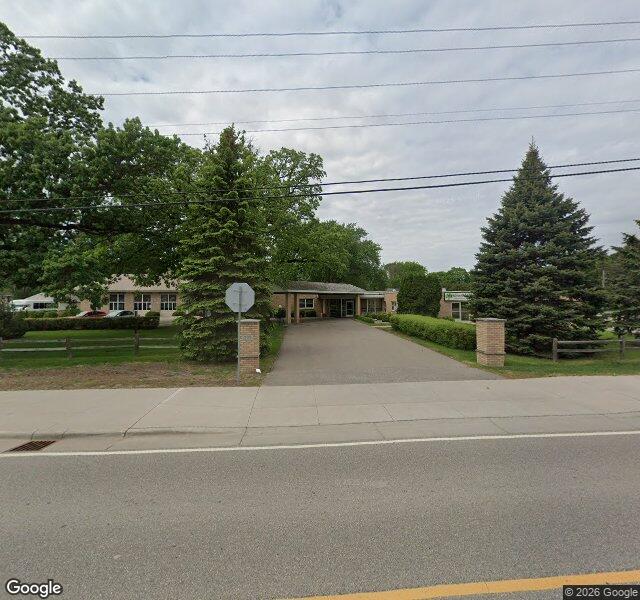
Westwood Place INC
209 Jefferson Avenue Sw, Watertown, MN 55388View map (opens in a new tab)
Overview and key essentials
State license
Active
MN MDH
Google reviews
3.3/ 5
7 reviews
Size & payment
Ask directly
Confirm pricing & payment
Mixed signals — tour closely
Public Google reviews reflect mixed experiences (3.3/5). Compare recent reviews and tour in person.
Cost, payment & care details
Updated Nov 28, 2026| Monthly cost | Not published | Ask for the full monthly cost, including care fees and one-time charges. |
|---|---|---|
| Payment options | Ask directly | Payment details are not confirmed in our records. Ask about private pay, long-term care insurance, veterans benefits, and Medicaid waivers. |
| Size & availability | Confirm directly | We don't publish live openings. Ask about current availability, waitlist length, and move-in timing. |
| Care & support | Assisted livingMemory care certified | Usually offers housing and help with everyday tasks, such as bathing and dressing. What to confirm about care levelsThis describes the licensed category. Ask how care plans adjust if mobility, nursing, or memory needs change over time. Read the family care guide → |
State licensing
State inspection history
3inspections
33deficiencies listed
Sep 12, 2025Routine19 deficiencies reported19
19 deficiencies reported
View official state report (opens in a new tab)
LTL1136899
{0 810} (b) Each assisted living facility shall develop and maintain fire safety and evacuation plans. The plans shall include but are not limited to: (1) location and number of resident sleeping rooms; (2) staff actions to be taken in the event of a fire or similar emergency; (3) fire protection procedures necessary for residents; and (4) procedures for resident movement, evacuation, or relocation during a fire or similar emergency including the identification of unique or unusual resident needs for movement or evacuation. (c) Staff of assisted living facilities shall receive training on the fire safety and evacuation plans upon hiring and at least twice per year thereafter. (d) Fire safety and evacuation plans shall be readily available at all times within the facility. (e) Residents who are capable of assisting in their own evacuation shall be trained on the proper actions to take in the event of a fire to include movement, evacuation, or relocation. The training shall be made available to residents at least once per year. (f) Evacuation drills are required for staff twice per year per shift with at least one evacuation drill every other month. Evacuation of the residents is not required. Fire alarm system activation is not required to initiate the evacuation drill. This MN Requirement is not met as evidenced by: Based on observation, interview, and record review, the licensee failed to develop the fire safety and evacuation plan with the required content, to provide the required training, and to STATE FORM LTL113 conduct evacuation drills. This had the potential to directly affect all residents, staff, and visitors. This practice resulted in a level two violation (a violation that did not harm a resident' s health or safety but had the potential to have harmed a resident' s health or safety, but was not likely to cause serious injury, impairment, or death) and was issued at a widespread scope (when problems are pervasive or represent a systemic failure that has affected or has the potential to affect a large portion or all of the residents) . The findings include: On June 1st, 2026, the licensed assisted living director (LALD)-A emailed the requested documentation for review of the fire safety and evacuation plan FSEP. No documentation of staff and resident training was provided. A policy called "Training Emergency Prep" was submitted, but the policy did not indicate training had been completed. Findings from the previous follow-up survey. TRAINING: The licensee failed to provide evacuation training to residents at least once per year. In the email received on September 8, 2025, LALD-C indicated residents receive the resident handbook upon admission and are able to participate in evacuation drills. LALD-C lacked documentation showing any training was offered or training was scheduled for a future date for residents on the fire safety and evacuation plan. The licensee failed to provide training to employees on the FSEP upon hire and at least twice per year. In the email received on STATE FORM LTL113 September 8, 2025, LALD-C indicated staff receive emergency training through a third-party online platform and other staff meetings, but did not provide documentation showing any training was completed or training was scheduled for a future date for employees on the fire safety and evacuation plan. No further information was provided. STATE FORM LTL113 April 22, 2026 Licensee Westwood Place Inc 209 Jefferson Avenue...
144G.42 Subd. 8 (a) Staff records0650
SS=F (a) The facility must maintain current records of each paid staff member, each regularly scheduled volunteer providing services, and each individual contractor providing services. The records must include the following infomation: (1) evidence of current professional licensure, registration, or certification if licensure, registration, or certification is required by this chapter or rules; (2) records of orientation, required annual training and infection control training, and competency evaluations; (3) current job description, including qualifications, responsibilities, and identification of staff persons providing supervision; (4) documentation of annual performance reviews that identify areas of improvement STATE FORM needed and training needs; (5) for individuals providing assisted living services, verification that required health screenings under subdivision 9 have taken place and the dates of those screenings; and (6) documentation of the background study as required under section 144.057. This MN Requirement is not met as evidenced by: Based on observation, interview, and record review, the licensee failed to ensure employee records included all required content for three of three employees (unlicensed personnel (ULP)-A and ULP-B, and contracted maintenance engineer (CME)-E) with employee records reviewed. This practice resulted in a level two violation (a violation that did not harm a resident's health or safety but had the potential to have harmed a resident's health or safety, but was not likely to cause serious injury, impairment, or death), and was issued at a widespread scope (when problems are pervasive or represent a systemic failure that has affected or has potential to affect a large portion or all of the residents). The findings include: ULP-A ULP-A was hired on April 3, 2025, to perform direct care services to residents. On September 8, 2025, at 7:22 a.m. surveyor observed ULP-A assisting residents throughout the facility. ULP-A employee record lacked a job description. STATE FORM ULP-B ULP-B was hired on August 24, 2025, to perform direct care services to residents. On September 9, 2025, at 2:00 p.m. surveyor observed ULP-B assisting residents throughout the facility. ULP-B employee record lacked a job description. CME-E CME-E was contracted to work for the licensee on an as needed basis for the past 14 years. Licensee was unable to locate the date contracted services began. On September 8, 2025, at 12:50 p.m., CME-E was observed working for the licensee and providing engineer staff with a tour of the facility. CME-E lacked an employee record. On September 9, 2025, at 12:38 p.m., licensed assisted living director (LALD)-C stated, "I don't have a start date for [CME-E], its 14 years ago he has been here for a long time, I have a file on him, but I looked for it and I can't seem to find it. I don't know where I put the job descriptions for staff right now, I will have to keep digging." No further information was provided. TIME PERIOD FOR CORRECTION: Twenty-one (21) days
144G.30 Subd. 5. (c)(2), (d) Correction orders0345
SS=C (c)(2) make available, in a manner readily accessible to residents and others, including provision of a paper copy upon request, the most recent plan of correction documenting the actions taken by the facility to comply with the correction order. (d) After the plan of correction is made available under paragraph (c), clause (2), the facility must provide a copy of the facility's most recent plan of correction to any individual who requests it. A copy of the most recent plan of correction must be provided within 30 days after the request and in a format determined by the facility, except the facility must make reasonable accommodations in providing the plan of correction in another format, including a paper copy, upon request. This MN Requirement is not met as evidenced by: Based on interview and record review, the licensee failed to make available the most recent plan of correction in a manner readily accessible to residents and others, including provision of a paper copy upon request, documenting the actions taken by the facility to comply with the correction orders, after a survey conducted on March 8, 2022, through March 11, 2022. This practice resulted in a level one violation (a STATE FORM
144G.41 Subdivision 1 Minimum requirements0470
SS=F (11) develop and implement a staffing plan for determining its staffing level that: (i) includes an evaluation, to be conducted at least twice a year, of the appropriateness of staffing levels in the facility; (ii) ensures sufficient staffing at all times to meet the scheduled and reasonably foreseeable unscheduled needs of each resident as required by the residents' assessments and service plans on a 24-hour per day basis; and (iii) ensures that the facility can respond promptly and effectively to individual resident emergencies and to emergency, life safety, and disaster situations affecting staff or residents in the facility; (12) ensure that one or more persons are available 24 hours per day, seven days per week, who are responsible for responding to the STATE FORM
144G.42 Subd. 7 Posting information for0640
SS=F reporting suspected c The facility shall support protection and safety through access to the state's systems for reporting suspected criminal activity and suspected vulnerable adult maltreatment by: (1) posting the 911 emergency number in common areas and near telephones provided by the assisted living facility; (2) posting information and the reporting number for the Minnesota Adult Abuse Reporting Center to report suspected maltreatment of a vulnerable adult under section 626.557; and (3) providing reasonable accommodations with information and notices in plain language. This MN Requirement is not met as evidenced by: Based on observation and interview, the licensee failed to post the 911 emergency number in common areas and near telephones provided by the assisted living facility. This had the potential to affect all residents, staff, and visitors. This practice resulted in a level two violation (a violation that did not harm a resident's health or safety but had the potential to have harmed a resident's health or safety, but was not likely to cause serious injury, impairment, or death), and was issued at a widespread scope (when problems are pervasive or represent a systemic failure that has affected or has potential to affect a large portion or all of the residents). The findings include: On September 9, 2025, at 12:45 p.m., the surveyor observed a community phone in the entrance room common areas. The surveyor STATE FORM
144G.42 Subd. 10 Disaster planning and0680
SS=F emergency preparedness (a) The facility must meet the following requirements: (1) have a written emergency disaster plan that contains a plan for evacuation, addresses elements of sheltering in place, identifies temporary relocation sites, and details staff STATE FORM
dated May 16, 2019, indicated all health2019
care personnel should have a baseline TB screening including an individual risk assessment. No further information was provided. TIME PERIOD FOR CORRECTION: Twenty-one (21) days
144G.41 Subd. 2 Policies and procedures0500
SS=F Each assisted living facility must have policies and procedures in place to address the following and keep them current: (1) requirements in section 626.557, reporting of maltreatment of vulnerable adults; (2) conducting and handling background studies on employees; (3) orientation, training, and competency evaluations of staff, and a process for evaluating staff performance; (4) handling complaints regarding staff or services provided by staff; (5) conducting initial evaluations of residents' needs and the providers' ability to provide those services; (6) conducting initial and ongoing resident evaluations and assessments of resident needs, including assessments by a registered nurse or appropriate licensed health professional, and how changes in a resident's condition are identified, managed, and communicated to staff and other health care providers as appropriate; (7) orientation to and implementation of the assisted living bill of rights; STATE FORM
144G.42 Subd. 9 Tuberculosis prevention and0660
SS=F control STATE FORM
144G.42 Subdivision 1 Display of license0570
SS=C The original current license must be displayed at the main entrance of each assisted living facility. The facility must provide a copy of the license to any person who requests it. This MN Requirement is not met as evidenced by: Based on observation and interview, the licensee failed to display its current assisted living license in the main entrance of the facility. This had the potential to affect all residents, staff and visitors to the facility. This practice resulted in a level one violation (a violation that has no potential to cause more than a minimal impact on the resident and does not affect health or safety), and was issued at a widespread scope (when problems are pervasive or represent a systemic failure that has affected or has potential to affect a large portion or all of the residents). The findings include: On September 8, 2025, at 10:30 a.m., the surveyor entered the facility and was not able to see the facility's current license posted. Licensed STATE FORM
144G.45 Subd. 2 (a) (2-3) Fire protection and0790
SS=C physical environment (2) install and maintain portable fire extinguishers in accordance with the State Fire Code; (3) install portable fire extinguishers having a minimum 2-A:10-B:C rating within Group R-3 occupancies, as defined by the State Fire Code, located so that the travel distance to the nearest fire extinguisher does not exceed 75 feet, and maintained in accordance with the State Fire Code; and This MN Requirement is not met as evidenced by: Based on observation and interview, the licensee failed to maintain the portable fire extinguishers. This had the potential to directly affect all residents, staff, and visitors. STATE FORM
144G.41 Subd. 7 Resident grievances; reporting0550
SS=F maltreatment All facilities must post in a conspicuous place information about the facilities' grievance procedure, and the name, telephone number, and email contact information for the individuals who are responsible for handling resident grievances. The notice must also have the contact information for the Office of Ombudsman for Long-Term Care and the Office of Ombudsman for Mental Health and Developmental Disabilities and must have information for reporting suspected maltreatment to the Minnesota Adult Abuse Reporting Center. The notice must also state that if an individual has a complaint about the facility or person providing services, the individual may contact the Office of Health Facility Complaints at the STATE FORM
144G.45 Subd. 2. (a) Fire protection and physical0775
SS=F environment Each assisted living facility must comply with the State Fire Code in Minnesota Rules, chapter 7511, and: This MN Requirement is not met as evidenced by: Based on observation and interview, the licensee failed to comply with the Minnesota State Fire Code (MSFC) in Minnesota Rules, chapter 7511. This had the potential to directly affect all STATE FORM
144G.41 Subd. 3 Infection control program0510
SS=F (a) All assisted living facilities must establish and maintain an infection control program that complies with accepted health care, medical, and nursing standards for infection control. (b)The facility's infection control program must be consistent with current guidelines from the national Centers for Disease Control and Prevention (CDC) for infection prevention and control in long-term care facilities and, as applicable, for infection prevention and control in assisted living facilities. (c) The facility must maintain written evidence of compliance with this subdivision. This MN Requirement is not met as evidenced STATE FORM in fact we don't even have any wipes (disinfectant wipes) up here to clean them." On September 9, 2025, at 8:48 a.m., clinical nurse supervisor (CNS)-D brought ULP-H a container of disinfectant wipes and stated, "They are trained to clean them after every use, we will work on that." The surveyor requested but was not provided with a policy that identified when shared equipment would be cleaned. No further information was provided. TIME PERIOD FOR CORRECTION: Seven (7) days
144G.41 Subdivision 1.a (a) Minimum0485
SS=C requirements; required food services (a) All assisted living facilities must offer to provide or make available at least three nutritious meals daily with snacks available seven days per week, according to the recommended dietary allowances in the United States Department of Agriculture (USDA) guidelines, including seasonal fresh fruit and fresh vegetables. The menus must be prepared at least one week in advance and made available to all residents. The facility must encourage residents' involvement in menu planning. Meal substitutions must be of similar nutritional value if a resident refuses a food that is served. Residents must be informed in advance of menu changes. The facility must not require a resident to include and pay for meals in the resident's contract. This MN Requirement is not met as evidenced by: Based on interview and record review, the licensee failed to ensure the assisted living contract did not require any resident to include and pay for meals as a part of their assisted living contract. This had the potential to affect all STATE FORM Living Resources and Frequently Asked Questions (FAQs) website, last updated December 13, 2024, indicated the provider cannot have a blanket "one size fits all" meal charge. No further information was provided. TIME PERIOD FOR CORRECTION: Twenty-one (21) days
144G.45 Subd. 2 (b-f) Fire protection and0810
SS=I physical environment (b) Each assisted living facility shall develop and maintain fire safety and evacuation plans. The plans shall include but are not limited to: (1) location and number of resident sleeping rooms; (2) staff actions to be taken in the event of a fire STATE FORM
144G.45 Subd. 2 (a) (1) Fire protection and0780
SS=E physical environment (a) Each assisted living facility must comply with the State Fire Code in Minnesota Rules, chapter 7511, and: (1) for dwellings or sleeping units, as defined in the State Fire Code: (i) provide smoke alarms in each room used for sleeping purposes; (ii) provide smoke alarms outside each separate sleeping area in the immediate vicinity of bedrooms; (iii) provide smoke alarms on each story within a dwelling unit, including basements, but not STATE FORM
144G.42 Subd. 2 Quality management0580
SS=F The facility shall engage in quality management appropriate to the size of the facility and relevant to the type of services provided. "Quality management activity" means evaluating the quality of care by periodically reviewing resident services, complaints made, and other issues that have occurred and determining whether changes in services, staffing, or other procedures need to be made in order to ensure safe and competent services to residents. Documentation about quality management activity must be available for two years. Information about quality management must be available to the commissioner at the time of the survey, investigation, or renewal. This MN Requirement is not met as evidenced STATE FORM
144G.43 Subd. 3 Contents of resident record0730
SS=F Contents of a resident record include the following for each resident: (1) identifying information, including the resident's name, date of birth, address, and telephone number; (2) the name, address, and telephone number of the resident's emergency contact, legal STATE FORM
Apr 1, 2024ComplaintNo deficiencies reportedNone
No deficiencies reported
View official state report (opens in a new tab)
Inconclusive. The facility neglected the resident by failing to provide thickened liquids as required for his thickened liquid diet
Mar 11, 2022Routine14 deficiencies reported14
14 deficiencies reported
View official state report (opens in a new tab)
minor0570
The original current license must be displayed at the main entrance of each assisted living facility. The facility must provide a copy of the license to any person who requests it. This MN Requirement is not met as evidenced by: Based on observation and interview, the licensee failed to display its current assisted living license in the main entrance of the facility. This had the potential to affect all 20 current residents, staff and visitors to the facility. This practice resulted in a level one violation (a violation that has no potential to cause more than a minimal impact on the resident and does not affect health or safety), and was issued at a widespread scope (when problems are pervasive or represent a systemic failure that has affected or has potential to affect a large portion or all of the residents). The findings include: On March 8, 2022, at approximately 10:13 a.m., the surveyor entered the facility and did not see the facility's current license posted. Later, the surveyor observed the license displayed inside the main office near the entrance and noted horizontal blinds in the office window, which obscured the license from outside the office at the entry. During the exit conference on March 11, 2022, at approximately 9:07 a.m., office manager (OM)-B verified the location of the license and confirmed it would be difficult for one to see. OM-B suggested they could take down the shade or perhaps move the license and place it against the window. No further information provided. TIME PERIOD FOR CORRECTION: Twenty-one (21) days.
moderate0680
emergency preparedness (a) The facility must meet the following requirements: (1) have a written emergency disaster plan that contains a plan for evacuation, addresses elements of sheltering in place, identifies temporary relocation sites, and details staff assignments in the event of a disaster or an emergency; (2) post an emergency disaster plan prominently; (3) provide building emergency exit diagrams to all residents; (4) post emergency exit diagrams on each floor; and (5) have a written policy and procedure regarding missing tenant residents. (b) The facility must provide emergency and disaster training to all staff during the initial staff orientation and annually thereafter and must make emergency and disaster training annually available to all residents. Staff who have not received emergency and disaster training are allowed to work only when trained staff are also working on site. (c) The facility must meet any additional requirements adopted in rule. This MN Requirement is not met as evidenced by: Based on interview and record review, the licensee failed to have a written emergency preparedness plan with all required content and failed to post an emergency preparedness plan prominently. This had the potential to affect all 20 residents, staff and visitors. This practice resulted in a level two violation (a violation that did not harm a resident's health or safety but had the potential to have harmed a resident's health or safety), and was issued at a widespread scope (when problems are pervasive or represent a systemic failure that has affected or has the potential to affect a large portion or all of the residents). The findings include: During a brief tour of the main entry way and common area of the facility on March 8, 2022, at approximately 10:15 a.m., there was no posted information regarding the licensee's emergency preparedness plan. Later, during faciltiy observations, the surveyor observed building diagrams which highlighted emergency exits. The licensee's Emergency Preparedness Plan, held in a three-ringed binder, titled "Emergency Preparedness Book" contained several policies (revised in 2014, 2015 or 2018); Fire & Smoke Emergency Procedures (referenced location of residents' medication and treatment profiles and administration records, current services, and also information about the licensee's electronic health record) and General Evacuation Information section (llisted where staff were to lead residents). The licensee's plan lacked the following required content: -current, all-hazards approach facility assessment; -description of the population served by licensee; -development of additional policies for: -potential evacuation; -sheltering in place; -handling medical documents; -handling and use of volunteers; -process for EP collaboration with local, tribal, regional, state and federal emergency preparedness officials; -subsistence needs for staff and residents (food, water, medical supplies, pharmacy); -alternate source of energy and waste disposal; -procedures for tracking of staff and residents; -arrangement with other facilities or entities (e.g.. food vendors, transportation); -roles declared under a waiver; -development of a communication plan: -methods for sharing information; -names and contact information of staff, emergency officials, residents; -primary and alternate means for communication; -methods for sharing information; -sharing occupancy needs; -notifications of family; -EP training program;...
moderate0790
physical environment (2) install and maintain portable fire extinguishers in accordance with the State Fire Code; (3) install portable fire extinguishers having a minimum 2-A:10-B:C rating within Group R-3 occupancies, as defined by the State Fire Code, located so that the travel distance to the nearest fire extinguisher does not exceed 75 feet, and maintained in accordance with the State Fire Code; and This MN Requirement is not met as evidenced by: Based on observation and interview, the licensee failed to ensure installation and maintenance of portable fire extinguishers at the facility. This had the potential to directly affect all residents, staff, and visitors. This practice resulted in a level two violation (a violation that did not harm a resident's health or safety but had the potential to have harmed a resident's health or safety) and was issued at a widespread scope (when problems are pervasive or represent a systemic failure that has affected or has the potential to affect a large portion or all residents). The findings include: On March 08, 2022, from approximately 11:20 a.m. to 1:00 p.m., survey staff toured the facility with the office manager (OM)-B. During the facility tour, survey staff observed the inspection tags on the fire extinguishers were from May 2020. OM-B verbally confirmed survey staff observations during the facility tour. Survey staff requested fire extinguisher inspection records, but the licensee did not provide the requested documentation. No further information was provided. TIME PERIOD FOR CORRECTION: Twenty-one (21) days
moderate0660
control (a) The facility must establish and maintain a comprehensive tuberculosis infection control program according to the most current tuberculosis infection control guidelines issued by the United States Centers for Disease Control and Prevention (CDC), Division of Tuberculosis Elimination, as published in the CDC's Morbidity and Mortality Weekly Report. The program must include a tuberculosis infection control plan that covers all paid and unpaid employees, contractors, students, and regularly scheduled volunteers. The commissioner shall provide technical assistance regarding implementation of the guidelines. (b) The facility must maintain written evidence of compliance with this subdivision. This MN Requirement is not met as evidenced by: Based on interview and record review, the licensee failed to maintain a tuberculosis (TB) prevention and control program, based on the most current guidelines issued by the Centers for Disease Control and Prevention (CDC). The licensee failed to ensure TB history and symptoms screening was documented for one of two employees (RN-C) with employee records reviewed. This practice resulted in a level two violation (a violation that did not harm a resident's health or safety but had the potential to have harmed a resident's health or safety, but was not likely to cause serious injury, impairment, or death), and was issued at an isolated scope (when one or a limited number of residents are affected or one or a limited number of staff are involved or the situation has occurred only occasionally). The findings include: RN-C had a hire date of September 28, 2019, to provide direct care services, complete nursing assessments of the licensee's residents and also provide supervisory oversight of unlicensed personnel. RN-C's employee record lack a completed TB history and symptoms screen. On March 11, 2022, at approximately 9:29 a.m., office manager (OM)-B stated a TB screening form should be completed for all employees and the missing screening for RN-C was an oversight. No further information was provided. A policy regarding screening of staff for TB and documentation requirements was requested, but not provided. TIME PERIOD FOR CORRECTION: Twenty-One (21) days
moderate0650
(a) The facility must maintain current records of each paid employee, each regularly scheduled volunteer providing services, and each individual contractor providing services. The records must include the following information: (1) evidence of current professional licensure, registration, or certification if licensure, registration, or certification is required by this chapter or rules; (2) records of orientation, required annual training and infection control training, and competency evaluations; (3) current job description, including qualifications, responsibilities, and identification of staff persons providing supervision; (4) documentation of annual performance reviews that identify areas of improvement needed and training needs; (5) for individuals providing assisted living services, verification that required health screenings under subdivision 9 have taken place and the dates of those screenings; and (6) documentation of the background study as required under section 144.057. (b) Each employee record must be retained for at least three years after a paid employee, volunteer, or contractor ceases to be employed by, provide services at, or be under contract with the facility. If a facility ceases operation, employee records must be maintained for three years after facility operations cease. This MN Requirement is not met as evidenced by: Based on observation, interview and record review, the licensee failed to ensure employee records included all required content for two of two employees (unlicensed personnel (ULP)-E and registered nurse (RN)-C) with employee records reviewed. This practice resulted in a level two violation (a violation that did not harm a resident's health or safety but had the potential to have harmed a resident's health or safety, but was not likely to cause serious injury, impairment, or death), and was issued at a pattern scope (when more than a limited number of residents are affected, more than a limited number of staff are involved, or the situation has occurred repeatedly; but is not found to be pervasive). The findings include: ULP-E ULP-E had a hire date of October 16, 2017, and provided direct care services to the licensee's residents. On March 9, 2022, between approximately 6:57 a.m., and 8:00 a.m., the surveyor observed ULP-E administer medications and complete treatments for several residents. ULP-E's employee record contained an annual performance review dated February 8, 2019. The record lacked evidence of a more recent annual performance review that identified areas of improvement needed and training needs. RN-C RN-C had a hire date of September 28, 2019, to provide direct care services and complete nursing assessments of the licensee's residents and also provider supervisory oversight of unlicensed personnel. RN-C's employee record lacked evidence of an annual performance review that identified areas of improvement needed and training needs. On March 11, 2022, at approximately 9:23 a.m., licensed assisted living director (LALD)-A stated typically employees would have two reviews each year and acknowledged there may not be a current review for the nurse. LALD-A stated that although some evaluations were completed, reviews were not happening in the past year due to COVID, staff shortages and needing to take care of priorities. The licensee's Personnel Files/Employee Records policy, undated, indicated every employee shall have personnel file created upon hire. The policy indicated contents of...
minor0430
services (a) All assisted living facilities must provide to prospective residents: (1) a disclosure of the categories of assisted living licenses available and the category of license held by the facility; (2) a written checklist listing all services permitted under the facility's license, identifying all services the facility offers to provide under the assisted living facility contract, and identifying all services allowed under the license that the facility does not provide; and (3) an oral explanation of the services offered under the contract. (b) The requirements of paragraph (a) must be completed prior to the execution of the assisted living contract. (c) The commissioner must, in consultation with all interested stakeholders, design the uniform checklist disclosure form for use as provided under paragraph (a). This MN Requirement is not met as evidenced by: Based on interview and record review, the licensee failed to provide a copy of the uniform checklist disclosure of services with the required content to three of three residents (R1, R2, R3) with records reviewed. This practice resulted in a level one violation (a violation that has no potential to cause more than a minimal impact on the resident and does not affect health or safety), and was issued at a widespread scope (when problems are pervasive or represent a systemic failure that has affected or has potential to affect a large portion or all of the residents). The findings include: R1's, R2's and R3's records lacked evidence they had been provided the licensee's uniform checklist disclosure of services (UDALSA) document or had acknowledgement the residents received the UDASLA. R1 R1's Service Plan, dated September 3, 2021, indicated services included: bathing assistance, COVID 19 prevention, dressing and grooming supervision and reminding, housekeeping and laundry services, night checks and medication management. R1's "Acknowledgments" form, was signed by the resident on September 3, 2021. The form did not list the uniform disclosure of services listed among the documents received by R1. R2 R2's Service Plan, dated February 21, 2022, indicated services included: assistance with C-PAP, weekly bathing, weekly vital signs, COVID 19 prevention, assistance with dressing and grooming, housekeeping and laundry service night checks and medication management services. R2's "Acknowledgments" form, was signed by R2 on July 10, 2017. The form did not list the uniform disclosure of services listed among the documents received by R2. R2's records lacked any more recent acknowledgment of receipt of the licensee's documents, including the UDALSA. R3 R3's Service Plan, dated July 27, 2021, indicated services included: daily activities, bathing assistance, COVID 19 prevention, cues and minimal assistance with dressing and grooming, housekeeping and laundry services, glucose monitoring and assistance with TED (thrombo-embolism deterrent or compression stockings, worn to prevent blood clots from forming) hose, and medication management services. R3's "Acknowledgments" form, was signed by R3 on October 16, 2014. The form did not list the uniform disclosure of services listed among the documents received by R3. R3's records lacked any more recent acknowledgment of receipt of the licensee's documents, including the UDALSA. On March 11, 2022, at approximately 9:04 a.m., licensed assisted living director (LALD)-A stated their acknowledgement form of documents received was not updated and...
moderate0620
for reporting ma 144G.42 Subd. 6. Compliance with requirements for reporting maltreatment of vulnerable adults; abuse prevention plan. (a) The assisted living facility must comply with the requirements for the reporting of maltreatment of vulnerable adults in section 626.557. The facility must establish and implement a written procedure to ensure that all cases of suspected maltreatment are reported. This MN Requirement is not met as evidenced by: Based on observation, interview and record review, the licensee failed to ensure an allegation of suspected maltreatment was reported to Minnesota Adult Abuse Reporting Center (MARRC) for one of one resident (R3) who reported missing money. This practice resulted in a level two violation (a violation that did not harm a resident's health or safety but had the potential to have harmed a resident's health or safety, but was not likely to cause serious injury, impairment, or death), and was issued at an isolated scope (when one or a limited number of residents are affected or one or a limited number of staff are involved or the situation has occurred only occasionally). The findings include: During the entrance conference on March 8, 2022, at approximately 12:54 p.m., the surveyor requested the licensee's MAARC reports from the past 6 months. Licensed assisted living director (LALD)-A and registered nurse (RN)-C stated the licensee had filed no reports since the new license went into effect August 1, 2021. R3's service plan, dated August 3, 2021, indicated the resident's services including medication management, glucose monitoring and TED (thrombo-embolism deterrent or compression stockings, worn to prevent blood clots from forming) hose assistance, bathing assistance, COVID 19 prevention, minimal assistance with dressing and grooming, meals, housekeeping and laundry services. R3's Vulnerability Assessment & Individual Abuse Prevention Plan, revised March 10, 2021, indicated R3 was unable to manage finances due to memory issues and R3's responsible party would manage finances. On March 9, 2022, at approximately 11:49 a.m., R3 told the surveyor she had reported $300 of her money as missing. R3 said one night, sometime before Christmas last year, R3 pulled money out from a safe under the bed and placed the cash on a small table next to the recliner. R3 said the next morning, the money was gone. R3 stated "I should have" put it away in my purse and "I blamed myself." R3 said she reported this to LALD-A and also recalled RN-C looking for the money, but that nothing that came of it. On March 11, 2022, at approximately 9:13 a.m., RN-C verified R3's report about missing money. RN-C stated because of R3's memory issues, she thought the money was misplaced. RN-C verified the licensee did not file a MAARC report, conduct an investigation or document in the record about R3's missing money. RN-C later stated the licensee should have reported the incident and done an investigation right away. The licensee's Vulnerable Adults and Maltreatment - Communication, Prevention and Reporting policy, undated, indicated the licensee prohibits maltreatment and defined that to include theft. The policy indicated all staff are provided training regarding reporting of suspected maltreatment and their obligations to report suspected maltreatment to the Minnesota Adult Abuse Reporting Center (MAARC). Further, the policy indicated all staff are provided training on the handling of resident complaints internally as well as...
moderate0470
(11) develop and implement a staffing plan for determining its staffing level that: (i) includes an evaluation, to be conducted at least twice a year, of the appropriateness of staffing levels in the facility; (ii) ensures sufficient staffing at all times to meet the scheduled and reasonably foreseeable unscheduled needs of each resident as required by the residents' assessments and service plans on a 24-hour per day basis; and (iii) ensures that the facility can respond promptly and effectively to individual resident emergencies and to emergency, life safety, and disaster situations affecting staff or residents in the facility; (12) ensure that one or more persons are available 24 hours per day, seven days per week, who are responsible for responding to the requests of residents for assistance with health or safety needs. Such persons must be: (i) awake; (ii) located in the same building, in an attached building, or on a contiguous campus with the facility in order to respond within a reasonable amount of time; (iii) capable of communicating with residents; (iv) capable of providing or summoning the appropriate assistance; and (v) capable of following directions; This MN Requirement is not met as evidenced by: Based on observation and interview, the licensee failed to develop and implement a staffing plan to determine staffing levels to meet the needs of all residents. Additionally, the licensee failed to post the daily work schedule in a central location in the building. This had the potential to affect all 20 residents and staff. This practice resulted in a level two violation (a violation that did not harm a resident's health or safety but had the potential to have harmed a resident's health or safety), and was issued at a widespread scope (when problems are pervasive or represent a systemic failure that has affected or has the potential to affect a large portion or all of the residents). The findings include: During the entrance conference on March 8, 2020, at approximately 12:03 p.m., licensed assisted living director (LALD)-A stated they usually scheduled two unlicensed personnel (ULPs) on the day and evening shift, one on night shift, and the registered nurse at least four days each week. Following the entrance conference, LALD-A and the surveyor toured the facility; the surveyor observed no posted staffing schedule. LALD-A said there was a schedule, but not for all to see. On March 11, 2022, at approximately 9:05 a.m., LALD-A acknowledged they had not put together a staffing plan. No further information was provided. TIME PERIOD FOR CORRECTION: Twenty-one (21) days
moderate0800
physical environment (4) keep the physical environment, including walls, floors, ceiling, all furnishings, grounds, systems, and equipment in a continuous state of good repair and operation with regard to the health, safety, comfort, and well-being of the residents in accordance with a maintenance and repair program. This MN Requirement is not met as evidenced by: Based on observation and interview, the licensee failed to maintain the facility's physical environment in a continuous state of good repair and operation regarding the health, safety, and well-being of the residents. This had the potential to directly affect all residents, staff, and visitors. This practice resulted in a level two violation (a violation that did not harm a resident's health or safety but had the potential to have harmed a resident's health or safety) and was issued at a widespread scope (when problems are pervasive or represent a systemic failure that has affected or has the potential to affect a large portion or all residents). The findings include: On March 08, 2022, from approximately 11:20 a.m. to 1:00 p.m., survey staff toured the facility with the office manager (OM)-B. During the facility tour, survey staff observed the following: 1. The cover place by the fire sprinkler valve was missing and there was exposed insulation. 2. Room #111 did not have a smoke alarm installed. 3. The air duct and smoke detector outside the laundry room were covered in lint. 4. The shower door in shower room #1 was delaminating. 5. All exhaust fans in shower suite #1 were covered in dust and lint. 6. There was furniture in front of the electrical box in the TV Lounge. Electrical boxes should have 3'-0" clear floor space in front of them. 7. There was an open area of wall in the TV Lounge where exposed wires were located. Wires had caps on them but were accessible to residents and staff. 8. The cover for the light fixture in the salon bathing area was missing. 9. All resident rooms with shared bathrooms had a light fixture behind a door that was free to swing 180 degrees. OM-B stated that some of the doors had broken these light fixtures in the past creating a hazard for the resident in those units. 10. There was a hole in the ceiling of the mechanical room by the dining area that was open to the roof structure. 11. Ashtray by smoking area was not a UL-rated ashtray. 12. Rooms that were not occupied had dry traps and the smell of sewer gas was present. OM-B verbally confirmed survey staff observations during the facility tour. No further information was provided. TIME PERIOD FOR CORRECTION: Twenty-one (21) days
moderate0550
maltreatment All facilities must post in a conspicuous place information about the facilities' grievance procedure, and the name, telephone number, and e-mail contact information for the individuals who are responsible for handling resident grievances. The notice must also have the contact information for the state and applicable regional Office of Ombudsman for Long-Term Care and the Office of Ombudsman for Mental Health and Developmental Disabilities, and must have information for reporting suspected maltreatment to the Minnesota Adult Abuse Reporting Center. This MN Requirement is not met as evidenced by: Based on observation and interview, the licensee failed to post the required information related to its grievance procedure, with all required content. This had the potential to affect all residents, staff, and visitors to the facility. This practice resulted in a level two violation (a violation that did not harm a resident's health or safety but had the potential to have harmed a resident's health or safety), and was issued at a widespread scope (when problems are pervasive or represent a systemic failure that has affected or has the potential to affect a large portion or all of the residents). The findings include: The licensee lacked a posting to include all the required content about the facility's grievance procedure to include the name, telephone number and email contact information for the individuals who are responsible for handling grievances. Upon entrance into the facility on March 8, 2022, at approximately 10:13 a.m., the surveyor found no information of display informing about the licensee's grievance procedure near the main entrance or adjacent common areas. On March 9, 2022, at approximately 9:55 p.m., the surveyor and unlicensed personnel (ULP)-D conducted a brief tour of the main entryway, common areas, hallway near the nursing and medication areas and hallway leading to the dining area; there was no signage or information regarding grievance procedures displayed. ULP-D verified the information was not displayed or disclosed. On March 11, 2022, at approximately 9:06 a.m., licensed assisted living director (LALD)-A stated she thought all the required resident advocacy information was included in the display in the main common area. LALD-D stated they would have to get that changed. Policies regarding resident grievances and required postings in assisted living were requested, but none provided. No further information was provided. TIME PERIOD FOR CORRECTION: Twenty-One (21) days
moderate0480
requirements (13) offer to provide or make available at least the following services to residents: (i) at least three nutritious meals daily with snacks available seven days per week, according to the recommended dietary allowances in the United States Department of Agriculture (USDA) guidelines, including seasonal fresh fruit and fresh vegetables. The following apply: (B) food must be prepared and served according to the Minnesota Food Code, Minnesota Rules, chapter 4626; and This MN Requirement is not met as evidenced by: Based on observation and interview, the licensee failed to ensure food was prepared and served according to the Minnesota Food Code. This practice resulted in a level two violation (a violation that did not harm a resident's health or safety but had the potential to have harmed a resident's health or safety) and was issued at a widespread scope (when problems are pervasive or represent a systemic failure that has affected or has the potential to affect a large portion or all the residents). The findings include: On March 8, 2022, at approximately 2:38 p.m., the surveyor observed the evening menu written on a white board located in the hallway between the nursing station and dining room, it read: hamburger hotdish, fresh grapes and coleslaw. The evening cook (CK)-M said the weekly menu was not posted, but what was being served that day was put on the white board. On March 9, 2022, at approximately 3:15 p.m., registered nurse (RN)-G stated the weekly menu "used to be posted" and showed the surveyor where it was, on the wall across from the medication room. RN-G stated, "come to think of it, I have not seen it for a while, but it used to be displayed." On March 11, 2022, at about 9:40 a.m., licensed assisted living director (LALD)-A said weekly menus had been posted in the past but acknowledged of late they had not been. LALD-A said when the cook schedules changed, so did what was on the menu, and it's frustrating. The director (DIR)-L stated they could post the menu but add "subject to change" and still write down the daily menu on the board. Please refer to the included document titled, Food and Beverage Establishment Inspection Report dated March 10, 2022, for the specific Minnesota Food Code deficiencies. TIME PERIOD FOR CORRECTION: Twenty-one (21) days
moderate0810
physical environment (b) Each assisted living facility shall develop and maintain fire safety and evacuation plans. The plans shall include but are not limited to: (1) location and number of resident sleeping rooms; (2) employee actions to be taken in the event of a fire or similar emergency; (3) fire protection procedures necessary for residents; and (4) procedures for resident movement, evacuation, or relocation during a fire or similar emergency including the identification of unique or unusual resident needs for movement or evacuation. (c) Employees of assisted living facilities shall receive training on the fire safety and evacuation plans upon hiring and at least twice per year thereafter. (d) Fire safety and evacuation plans shall be readily available at all times within the facility. (e) Residents who are capable of assisting in their own evacuation shall be trained on the proper actions to take in the event of a fire to include movement, evacuation, or relocation. The training shall be made available to residents at least once per year. (f) Evacuation drills are required for employees twice per year per shift with at least one evacuation drill every other month. Evacuation of the residents is not required. Fire alarm system activation is not required to initiate the evacuation drill. This MN Requirement is not met as evidenced by: Based on observation, interview, and record review, the licensee failed to provide the required fire safety training and evacuation plans for residents and staff. This has the potential to directly affect all residents, staff, and visitors. This practice resulted in a level two violation (a violation that did not harm a resident's health or safety but had the potential to have harmed a resident's health or safety, but was not likely to cause serious injury, impairment, or death), and was issued at a widespread scope (when problems are pervasive or represent a systemic failure that has affected or has the potential to affect a large portion or all residents). The findings include: On March 08, 2022, from approximately 11:20 a.m. to 1:00 p.m., survey staff toured the facility with the office manager (OM)-B. During the facility tour, survey staff observed no posted exit diagrams in public areas. Exit plans were posted on the back of doors in resident rooms but did not show the location and number of resident rooms. OM-B verbally confirmed survey staff observations during the facility tour. During the interview on March 08, 2022, at 1:00 p,.m., OM-B and the director (DIR)-L stated they had done one training for both staff and residents in August 2021 but had not started doing the evacuation drills required by statute. A review of the "Fire and Smoke Emergency" and "General Evacuation Information" plans showed the following: 1. No written instructions for addressing any unique situation during evacuation, especially for residents who are wheelchair-bound and need assistance during an evacuation. 2. No record of required employee evacuation drills. 3. No fire safety and evacuation plan that showed the location and number of resident rooms. Posted evacuation diagrams showed exit routes, but did not identify building spaces. No further information was provided. TIME PERIOD FOR CORRECTION: Twenty-one (21) days
STATE FORM6899
EBGJ11 STATE FORM EBGJ11 STATE FORM EBGJ11 STATE FORM EBGJ11 STATE FORM EBGJ11 STATE FORM EBGJ11 STATE FORM EBGJ11 STATE FORM EBGJ11 STATE FORM EBGJ11 STATE FORM EBGJ11 STATE FORM EBGJ11 STATE FORM EBGJ11 STATE FORM EBGJ11 STATE FORM EBGJ11 STATE FORM EBGJ11 STATE FORM EBGJ11 STATE FORM EBGJ11 STATE FORM EBGJ11 STATE FORM EBGJ11 STATE FORM EBGJ11 STATE FORM EBGJ11 STATE FORM EBGJ11 STATE FORM EBGJ11 STATE FORM EBGJ11 STATE FORM EBGJ11 STATE FORM EBGJ11 STATE FORM EBGJ11 STATE FORM EBGJ11 01440 01440 01440 SS=D 144G.62 Subd. 4 Supervision of staff providing delegated nurs (a) Staff who perform delegated nursing or therapy tasks must be supervised by an appropriate licensed health professional or a registered nurse according to the assisted living facility's policy where the services are being provided to verify that the work is being performed competently and to identify problems and solutions related to the staff person's ability to perform the tasks. Supervision of staff performing medication or treatment administration shall be provided by a registered nurse or appropriate licensed health professional and must include observation of the staff administering the medication or treatment and the interaction with the resident. (b) The direct supervision of staff performing delegated tasks must be provided within 30 calendar days after the date on which the individual begins working for the facility and first performs the delegated tasks for residents and thereafter as needed based on performance. This requirement also applies to staff who have not performed delegated tasks for one year or longer. This MN Requirement is not met as evidenced by: Based on observation, interview and record review, the licensee failed to ensure the registered nurse (RN) conducted and documented direct supervision of staff performing delegated nursing tasks within 30 days of first providing those services for one of two unlicensed personnel (ULP)-D with employee records reviewed. This practice resulted in a level two violation (a violation that did not harm a resident's health or STATE FORM EBGJ11 01440 01440 safety but had the potential to have harmed a resident's health or safety, but was not likely to cause serious injury, impairment, or death), and was issued at an isolated scope (when one or a limited number of residents are affected or one or a limited number of staff are involved or the situation has occurred only occasionally). The findings include: ULP-D was hired February 22, 2021, to provide direct-care services to the licensee's residents. On March 9, 2022, at approximately 7:23 a.m., the surveyor observed ULP-D place a compression sock hose on R3. ULP-D stated it was one of the tasks the RN trained him to complete. ULP-D said he is trained to pass medications, check blood sugars, do COVID screenings and assist residents with bathing, dressing or "whatever is required." ULP-D's employee record lacked evidence the RN supervised ULP-D within 30 days after performing delegated tasks. On March 11, 2022, at approximately 9:55 a.m., RN-C stated ULP-D was oriented and trained to do those tasks (blood sugar, putting on TED hose) but was unsure about and questioned the 30-day supervision requirement. RN-C expressed understanding of the need to supervise staff to make sure they were performing the tasks correctly but indicated it may not have been documented. A policy regarding supervision of unlicensed personnel was requested, but none was provided. No...
moderate0970
The contract must not include a waiver of facility liability for the health and safety or personal property of a resident. The contract must not include any provision that the facility knows or should know to be deceptive, unlawful, or unenforceable under state or federal law, nor include any provision that requires or implies a lesser standard of care or responsibility than is required by law. This MN Requirement is not met as evidenced by: Based on interview and record review, the licensee failed to ensure the assisted living contract did not include language waiving the facility's liability for health, safety, or personal property of a resident. This had the potential to affect all residents. This practice resulted in a level two violation (a violation that did not harm a resident's health or safety but had the potential to have harmed a resident's health or safety), and was issued at a widespread scope (when problems are pervasive or represent a systemic failure that has affected or has the potential to affect a large portion or all of the residents). The findings include: On March 8, 2022, at approximetely 1:00 p.m., the surveyor requested a copy of the facility's assisted living contract. The assisted living contract included two clauses that indicated the resident would waive the facility's liability for health, safety, or personal property of a resident. Page 15 (section VI, no. 2) of the contract indicated: Resident would indemnify and hold harmless the provider, its employees and agents from and against any and all claims, actions, damages, and liability and expense in connection with loss of life, personal injury or damage to property, arising from or out of the use by resident of the rented premises or any other part of the provider's property, or caused wholly or in part by an act or omission of resident or resident's guests or agents. On page 15-16 (section VI, no. 4) the contract indicated: Provider is not liable to resident or resident's guests for any injury, death or property damage occurring in the apartment unit or on provider's premises unless such injury, death or property damage occurred as a result of an equipment malfunction or hazardous conditions within the building not caused by the resident or resident's guests. On March 11, 2022, at approximately 10:47 a.m., licensed assisted living director (LALD)-A said the contract they had residents sign was drawn up by the lawyers. LALD-A said if there is legal issue with the contracts, maybe we should hold off on getting them all signed so we don't have to go through this many more times. No further information was provided. TIME PERIOD FOR CORRECTION: Twenty-one (21) days
Neighborhood & resident support
Emergency access, hazards & advocacy
Nearest hospital
Ridgeview Medical Center
8.9 mi · Waconia, MN · Medicare 4/5 ★
Emergency room
FEMA hazard risk
Relatively LowCarver County, MN
- Strong Wind
- Hail
- Tornado
Free resident advocacy
Minnesota Office of Ombudsman for Long-Term Care
More neighborhood context (specialists, VA, dialysis, air & affordability)
VA & dialysis access
Minneapolis VA Medical Center
32.1 mi · Minneapolis, MN · VA 5/5 ★
Fresenius Medical Care - Waconia Dialysis
7.9 mi · 1/5 ★
Specialists within 15 mi
- Geriatricians
- 0
- Neurologists
- 19
- Palliative care
- 2
- PM&R rehab
- 2
Environment & mobility
- EPA Walkability
- 7.3/20 (Below Average)
- USDA Grocery Access
- High Grocery Access
County demographics
- Age 65+ median income
- $67,675/yr
- Rent-burdened households
- 41%
- Cognitive disability (2023)
- 11.1%
- Mobility disability
- 8.0%
Call & tour checklist
Questions to ask Westwood Place INC
Check off questions as you call or tour. Your progress stays private in this browser.
Show 3 more suggested questions
Verification & public records
Official records & sources
Licensing & contact
- License #
- 30328
- Status
- active
- Phone
- (952) 955-1399
- Federal OIG LEIE
- Clear (2026-11-27)
Original public sources
Verify licensing, ratings, and inspection reports directly with each official source.
- MN MDH official record (opens in a new tab)MN Dept. of Health
- Google Maps (opens in a new tab)Directions, photos & neighborhood
- Google Reviews (opens in a new tab)7 public reviews
EveryPlace is an independent research directory. Information is compiled from public Medicare.gov, state licensing, Google Places, and street-level imagery sources. Some summaries, suggested questions, and pricing notes are AI-generated or AI-assisted and may contain errors or omissions. We do not accept payment for placement. Confirm all details directly with the community and official sources. Research Policy.
Keep exploring
Nearby communities to compare
- 3.0(4)Assisted Living< 1 miRiver Oaks at WatertownWatertown, MN
- Assisted Living6.5 miThe Legacy of DelanoDelano, MN
- Cap. 30HUD Senior Housing6.6 miDelano CommonsDelano, MN
- Medicare 5/52.9(20)39 bedsMedicaidNursing Home6.8 miThe Estates at Delano LLCDelano, MN
- Medicare 3/5Home Health7.9 miRidgeview Home Care ServicesWaconia, MN
- Medicare 1/5Cap. 10Dialysis Center7.9 miFresenius Medical Care - Waconia DialysisWaconia, MN