Loading EveryPlace content…
Assisted LivingActive license
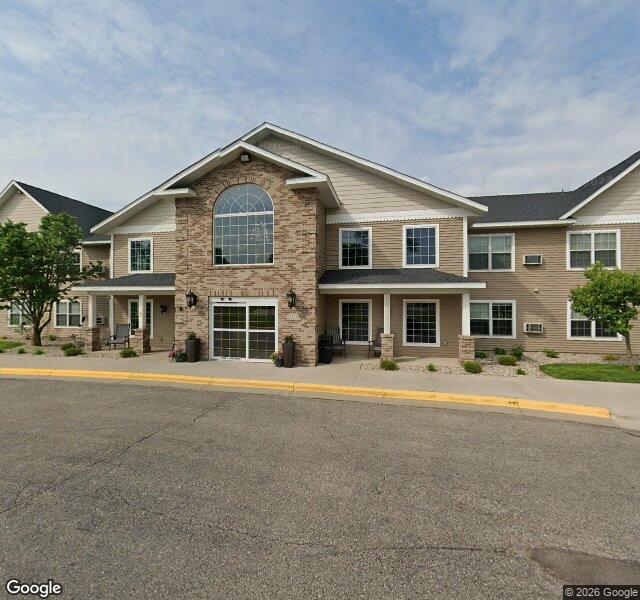
Vista Prairie at North Pointe
2135 Lor Ray Drive, North Mankato, MN 56003View map (opens in a new tab)
Overview and key essentials
State license
Active
MN MDH
Google reviews
4.1/ 5
28 reviews
Size & payment
Ask directly
Confirm pricing & payment
Strong public signals
Rated 4.1/5 across 28 public Google reviews. Visit in person to confirm daily care and pricing.
Cost, payment & care details
Updated Nov 28, 2026| Monthly cost | Not published | Ask for the full monthly cost, including care fees and one-time charges. |
|---|---|---|
| Payment options | Ask directly | Payment details are not confirmed in our records. Ask about private pay, long-term care insurance, veterans benefits, and Medicaid waivers. |
| Size & availability | Confirm directly | We don't publish live openings. Ask about current availability, waitlist length, and move-in timing. |
| Care & support | Assisted living | Usually offers housing and help with everyday tasks, such as bathing and dressing. What to confirm about care levelsThis describes the licensed category. Ask how care plans adjust if mobility, nursing, or memory needs change over time. Read the family care guide → |
State licensing
State inspection history
4inspections
26deficiencies listed
Aug 28, 2025Routine5 deficiencies reported5
5 deficiencies reported
View official state report (opens in a new tab)
144G.45 Subd. 2. (a) Fire protection and physical0775
SS=F environment Each assisted living facility must comply with the State Fire Code in Minnesota Rules, chapter STATE FORM
IIWO116899
Each application for an assisted living facility license, including provisional and renewal applications, must include information sufficient to show that the applicant meets the requirements of licensure, including: (1) the business name and legal entity name of address of the facility; (2) the names, e-mail addresses, telephone numbers, and mailing addresses of all owners, controlling individuals, managerial officials, and the assisted living director; (3) the name and e-mail address of the managing agent and manager, if applicable; (4) the licensed resident capacity and the license category; (5) the license fee in the amount specified in section 144.122; (6) documentation of compliance with the background study requirements in section 144G.13 for the owner, controlling individuals, and managerial officials. Each application for a new license must include documentation for the applicant and for each individual with five percent or more direct or indirect ownership in the applicant; (7) evidence of workers' compensation coverage as required by sections 176.181 and 176.182; (8) documentation that the facility has liability coverage; (9) a copy of the executed lease agreement between the landlord and the licensee, if applicable; (10) a copy of the management agreement, if applicable; (11) a copy of the operations transfer agreement or similar agreement, if applicable; (12) an organizational chart that identifies all organizations and individuals with an ownership STATE FORM IIWO11 interest in the licensee of five percent or greater and that specifies their relationship with the licensee and with each other; (13) whether the applicant, owner, controlling individual, managerial official, or assisted living director of the facility has ever been convicted of: (i) a crime or found civilly liable for a federal or state felony level offense that was detrimental to the best interests of the facility and its resident within the last ten years preceding submission of the license application. Offenses include: felony crimes against persons and other similar crimes for which the individual was convicted, including guilty pleas and adjudicated pretrial diversions; financial crimes such as extortion, embezzlement, income tax evasion, insurance fraud, and other similar crimes for which the individual was convicted, including guilty pleas and adjudicated pretrial diversions; any felonies involving malpractice that resulted in a conviction of criminal neglect or misconduct; and any felonies that would result in a mandatory exclusion under section 1128(a) of the Social Security Act; (ii) any misdemeanor conviction, under federal or state law, related to: the delivery of an item or service under Medicaid or a state health care program, or the abuse or neglect of a patient in connection with the delivery of a health care item or service; (iii) any misdemeanor conviction, under federal or state law, related to theft, fraud, embezzlement, breach of fiduciary duty, or other financial misconduct in connection with the delivery of a health care item or service; (iv) any felony or misdemeanor conviction, under federal or state law, relating to the interference with or obstruction of any investigation into any criminal offense described in Code of Federal STATE FORM IIWO11 Regulations, title 42, section 1001.101 or 1001.201; (v) any felony or misdemeanor conviction, under federal or state law, relating to the unlawful manufacture, distribution, prescription,...
144G.41 Subdivision 1 Subd. 1a (a-b) Minimum0480
SS=F requirements; required food services (a) Except as provided in paragraph (b), food must be prepared and served according to the Minnesota Food Code, Minnesota Rules, chapter 4626. (b) For an assisted living facility with a licensed capacity of ten or fewer residents: (1) notwithstanding Minnesota Rules, part 4626.0033, item A, the facility may share a certified food protection manager (CFPM) with STATE FORM
LOR RAY DRIVE2135
North Mankato, MN 56003 Nicollet County Parcel: License Info License: HFID 30703 Risk: License: Expires on: CFPM: Melody Schott CFPM #: CFPM- 56616; Exp: 3/3/2028 Phone: ! New Order: 3-500B Microbial Control: hot and cold holding 3-501. 16A2 Priority Level: Priority 1 CFP# : 22 MN Rule 4626. 0395A2 Maintain all cold, TCS foods at 41 degrees F (5 degrees C) or below under mechanical refrigeration. COMMENT: Cooler D temped at 43 degrees F. TCS foods were moved to other coolers and appliance repair company was called during inspection. Cooler was adjusted by repair company in the afternoon and PIC communicated to inspector that cooler temperature was in range in the evening. Comply By: Complied On Site Originally Issued On: 8/26/2025 Food & Beverage General Comment Inspection conducted in conjunction with HRD. Facility has a satellite kitchen that is only used for serving, storing certain drinks and condiments, and washing dishes. All food preparation is done in main kitchen. Temperature logs and chemical logs are used. Kitchen uses an employee illness log. NOTE: All new food equipment must meet the applicable standards of the American National Standards Institute (ANSI). Plans and specifications must be submitted for review and approval prior to new construction, remodeling or alterations. I acknowledge receipt of the Mankato District Office inspection report number F1034251128 from 8/26/2025 Melody Schott McKenna Mathews, RS Public Health Sanitarian 2 507- 344- 2729 mckenna. mathews@ state. mn. us Temperature Observations/ Recordings Page: 1 Establishment Info VISTA PRAIRIE AT NORTH POINTE North Mankato County/ Group: Nicollet County Food Temperature: Product/ Item/ Unit: Hard Boiled Egg ; Temperature Process: Cold-Holding Location: 2-Door Cooler D at 43.5 Degrees F. Comment: Violation Issued? : Yes Food Temperature: Product/ Item/ Unit: Cheese ; Temperature Process: Cold-Holding Location: 2-Door Cooler D at 43.2 Degrees F. Comment: Violation Issued? : Yes Food Temperature: Product/ Item/ Unit: Salad ; Temperature Process: Cold-Holding Location: 2-Door Cooler at 33.0 Degrees F. Comment: Violation Issued? : No Food Temperature: Product/ Item/ Unit: Tomato ; Temperature Process: Cold-Holding Location: 2-Door Cooler at 38.7 Degrees F. Comment: Violation Issued? : No Food Temperature: Product/ Item/ Unit: Rice ; Temperature Process: Hot-Holding Location: Steam Table at 207 Degrees F. Comment: Violation Issued? : No Food Temperature: Product/ Item/ Unit: Beans ; Temperature Process: Hot-Holding Location: Steam Table at 184 Degrees F. Comment: Violation Issued? : No Food Temperature: Product/ Item/ Unit: Ranch ; Temperature Process: Cold-Holding Location: 2-Door Cooler at 37.8 Degrees F. Comment: Violation Issued? : No Food Temperature: Product/ Item/ Unit: Beans ; Temperature Process: Hot-Holding Location: Steam Table at 174 Degrees F. Comment: Violation Issued? : No Sanitizer Observations/ Recordings Page: 1 Establishment Info VISTA PRAIRIE AT NORTH POINTE North Mankato County/ Group: Nicollet County Sanitizing Equipment: Product: Hot Water ; Sanitizing Process: Dish Machine Location: Dishwashing Area Equal To 163. 3 Degrees F. Comment: Measured with irreversible thermometer. Violation Issued? : No Sanitizing Chemical: Product: Quaternary Ammonia ; Sanitizing Process: Wiping Cloth Bucket Location: Kitchen Equal To 200 PPM Comment: Violation Issued? : No Sanitizing Chemical: Product: Chlorine ; Sanitizing Process: Dish Machine Location:...
144G.12, Subd. 1 Application for Licensure0130
SS=C 0 130 STATE FORM
Feb 25, 2025Complaint1 deficiency reported1
1 deficiency reported
View official state report (opens in a new tab)
Substantiated, facility responsibility. The facility neglected the resident by failing to follow up on the family’s request to check on the resident when his legs were swelling. Additionally, the facility did not follow up or notify the head nurse that the resident had gained 20 pounds (lbs.) within two weeks
severeOHFC
The facility neglected the resident by failing to follow up on the family’s request to check on the resident when his legs were swelling. Additionally, the facility did not follow up or notify the head nurse that the resident had gained 20 pounds (lbs.) within two weeks. The Minnesota Department of Health determined neglect was substantiated. The facility was responsible for the maltreatment. Between the resident’s admission and hospitalization approximately a month later for congestive heart failure which required diuresis to treat, the resident gain more than 20 lbs. The facility neither set up nor offered interventions to monitor his fluid status such as scheduled weight checks. Page 2 of 5 Additionally, regarding the weights the facility did obtain, it did not follow up on those. When the resident developed shortness of breath, family took him to the urgent care for treatment. The investigator conducted interviews with facility staff members, including administrative staff, nursing staff, and unlicensed staff. The investigation included review of the resident’s records, internal investigation documentation, incident reports, personnel files, staff schedules, policies, and procedures. The resident resided in an assisted living facility. The resident’s diagnoses upon admission included dementia, atherosclerotic heart disease, and hypertensive chronic kidney disease. The resident’s service plan included assist with medication administration and wellness checks three time a day. A concern arose the resident had a weight gain of over 20 lbs. from possible fluid retention from the resident’s admission to the facility to his hospitalization approximate one month later. Eventually, the resident developed shortness of breath, admitted to the hospital, and required diuresis (removal of excess fluids) as part of his treatment. The admission assessment indicated the assessment was completed in the resident’s home and was completed a day before the resident admitted to the hospital. The same document listed the resident’s weight as 151 lbs. but does not clarify if the weight was obtained in the resident’s home or how. The progress notes indicated the resident admitted the following day because his main caregiver was not available, and the admission was for respite care in the meantime. Upon admission, the prescribed medications indicated torsemide 10 milligrams (mg) was prescribed (a medication used to treat fluid retention and swelling due to causes including kidney disease). A review of the admission orders from the medical provider included an order for torsemide but did not include the associated diagnosis on the admission paperwork. The EMAR indicated listed the reason for torsemide as...
Feb 21, 2025ComplaintNo deficiencies reportedNone
No deficiencies reported
View official state report (opens in a new tab)
Not Substantiated. The facility neglected the resident when he was found unresponsive in his recliner chair, which was saturated with urine and feces. At the hospital, the resident was found to have developed new skin concerns including a pressure injury and dermatitis
Oct 21, 2022Routine20 deficiencies reported20
20 deficiencies reported
View official state report (opens in a new tab)
minor0970
The contract must not include a waiver of facility liability for the health and safety or personal property of a resident. The contract must not include any provision that the facility knows or should know to be deceptive, unlawful, or unenforceable under state or federal law, nor include any provision that requires or implies a lesser standard of care or responsibility than is required by law. This MN Requirement is not met as evidenced by: Based on interview and record review, the licensee failed to ensure the assisted living contract did not include language waiving the facility's liability for health, safety, or personal property of a resident. This had the potential to affect all 82 residents. This practice resulted in a level one violation (a violation that has no potential to cause more than a minimal impact on the resident and does not affect health or safety) and was issued at a widespread scope (when problems are pervasive or represent a systemic failure that has affected or has potential to affect a large portion or all of the residents). The findings included: The licensee had an assisted living license effective August 1, 2021, and was renewed August 1, 2022. R1's Assisted Living Contract was signed June 29, 2022. R2's Assisted Living Contract was signed July 28, 2022. R3's Assisted Living Contract was signed July 1, 2022. R4's Assisted Living Contract was signed July 1, 2022. R5's Assisted Living Contract was signed July 1, 2022. The Assisted Living Contract included the following: -page eighteen (18) Indemnification "resident will indemnify and hold harmless provider, its employees and agents from and against any and all claims, actions, damages, and liability and expense in connection with loss of life, personal injury or damage to property, arising from or out of the use by resident of the rented premises or any other part of the provider's property, or caused wholly or in part by an act or omission of resident". -page nineteen (19) Liability "provider is not liable to resident" for any injury, death or property damage occurring in the apartment unit or on provider's premises unless such injury, death or property damage occurs as the result of an equipment malfunction or hazardous conditions within the building not caused by resident. Provider is also not liable for any injury, death or damage occurring as the result of resident's receipt of health-related, supportive or other services from third party providers. Provider may be liable to resident for its own negligent actions or those of its employees or agents. Unless caused by one of the afore mentioned excepted reasons, resident agrees to hold provider harmless from any and all claims for injuries, property damage or any other loss resulting from an accident or other occurrence in the apartment unit or on provider's premises. On October 21, 2022, at 3:28 p.m. executive director (ED)-A verified the licensee's Residence and Services Agreement for all residents included the above content. No further information was provided. TIME PERIOD FOR CORRECTION: Twenty-One (21) days 01440 144G.62 Subd. 4 Supervision of staff providing delegated nurs SS=D (a) Staff who perform delegated nursing or therapy tasks must be supervised by an appropriate licensed health professional or a registered nurse according to the assisted living facility's policy where the services are being provided to verify that the work is being performed competently and to identify problems and...
minor0940
(5) a description of the facility's policies related to medical assistance waivers under chapter 256S and section 256B.49 and the housing support program under chapter 256I, including: (i) whether the facility is enrolled with the commissioner of human services to provide customized living services under medical assistance waivers; (ii) whether the facility has an agreement to provide housing support under section 256I.04, subdivision 2, paragraph (b); (iii) whether there is a limit on the number of people residing at the facility who can receive customized living services or participate in the housing support program at any point in time. If so, the limit must be provided; (iv) whether the facility requires a resident to pay privately for a period of time prior to accepting payment under medical assistance waivers or the housing support program, and if so, the length of time that private payment is required; (v) a statement that medical assistance waivers provide payment for services, but do not cover the cost of rent; (vi) a statement that residents may be eligible for assistance with rent through the housing support program; and (vii) a description of the rent requirements for people who are eligible for medical assistance waivers but who are not eligible for assistance through the housing support program; (6) the contact information to obtain long-term care consulting services under section 256B.0911; and (7) the toll-free phone number for the Minnesota Adult Abuse Reporting Center. This MN Requirement is not met as evidenced by: Based on interview and record review, the licensee failed to execute a written contract with the required content for five of five residents (R1, R2, R3, R4, R5). This practice resulted in a level one violation (a violation that has no potential to cause more than a minimal impact on the resident and does not affect health or safety) and was issued at a widespread scope (when problems are pervasive or represent a systemic failure that has affected or has potential to affect a large portion or all of the residents). The findings include: The licensee had an assisted living license effective August 1, 2022. R1's Assisted Living Contract was signed June 29, 2022. R2's Assisted Living Contract was signed July 28, 2022. R3's Assisted Living Contract was signed July 1, 2022. R4's Assisted Living Contract was signed July 1, 2022. R5's Assisted Living Contract was signed July 1, 2022. R1, R2, R3, R4 and R5's Assisted Living Contract lacked the following required content: -whether the facility has an agreement to provide housing support under section 256I.04, subdivision 2, paragraph (b); -whether the facility requires a resident to pay privately for a period of time prior to accepting payment under medical assistance waivers or the housing support program, and if so, the length of time that private payment is required. On October 21, 2022, at 3:28 p.m. executive director (ED)-A stated he would need to check further if the contract for all residents included the above content. No further information was provided by ED-A. No further information was provided. TIME PERIOD FOR CORRECTION: Twenty-One (21) days
moderate0550
maltreatment All facilities must post in a conspicuous place information about the facilities' grievance procedure, and the name, telephone number, and e-mail contact information for the individuals who are responsible for handling resident grievances. The notice must also have the contact information for the state and applicable regional Office of Ombudsman for Long-Term Care and the Office of Ombudsman for Mental Health and Developmental Disabilities, and must have information for reporting suspected maltreatment to the Minnesota Adult Abuse Reporting Center. This MN Requirement is not met as evidenced by: Based on observation, interview, and record review, the licensee failed to post information related to the grievance procedure. This had the potential to affect all residents, staff, and visitors. This practice resulted in a level two violation (a violation that did not harm a resident's health or safety but had the potential to have harmed a resident's health or safety, but was not likely to cause serious injury, impairment, or death), and was issued at a widespread scope (when problems are pervasive or represent a systemic failure that has affected or has potential to affect a large portion or all of the residents). The findings include: The licensee lacked postings in a conspicuous location and a disclosure of resident advocacy to include: -information about the facilities' grievance procedure; -the name, telephone number, and e-mail contact information for the individuals who are responsible for handling resident grievances; and -the contact information for the state and applicable regional Office of Ombudsman for Long-Term Care and the Office of Ombudsman for Mental Health and Developmental Disabilities, and must have information for reporting suspected maltreatment to the Minnesota Adult Abuse Reporting Center On October 18, 2022, at 12:42 p.m. observation of the facility with registered nurse/organizational director of health care (RN/ODOHC)-B identified no posted facility grievance procedure was observed in any area of the facility. On October 18, 2022, at 12:47 p.m. observation of the facility with executive director (ED)-A identified no posted facility grievance procedure was observed in any area of the facility. The licensee's Complaint/Grievance Posting policy dated August 2021, indicated the licensee would post, in a conspicuous place, the information about the licensee's complaint/grievance procedure, including the required content as above. No further information was provided. TIME PERIOD FOR CORRECTION: Twenty-one (21) days
moderate0660
control (a) The facility must establish and maintain a comprehensive tuberculosis infection control program according to the most current tuberculosis infection control guidelines issued by the United States Centers for Disease Control and Prevention (CDC), Division of Tuberculosis Elimination, as published in the CDC's Morbidity and Mortality Weekly Report. The program must include a tuberculosis infection control plan that covers all paid and unpaid employees, contractors, students, and regularly scheduled volunteers. The commissioner shall provide technical assistance regarding implementation of the guidelines. (b) The facility must maintain written evidence of compliance with this subdivision. This MN Requirement is not met as evidenced by: Based on observation, interview, and record review, the licensee failed to establish and maintain a TB (tuberculosis) prevention and control program based on the most current guidelines issued by the centers for Disease Control and Prevention (CDC) guidelines. This had the potential to affect all residents, staff, and visitors. This practice resulted in a level two violation (a violation that did not harm a resident's health or safety but had the potential to have harmed a resident's health or safety, but was not likely to cause serious injury, impairment, or death), and was issued at a widespread scope (when problems are pervasive or represent a systemic failure that has affected or has potential to affect a large portion or all of the residents). The findings include: The licensee's TB facility risk assessment dated December 18, 2020, indicated the licensee was a low risk. TB PLAN/EDUCATION The licensee's TB Prevention and Control policy dated August 1, 2021, indicated "h. If a case of suspected or confirmed TB disease is identified among staff or residents, we assure that appropriate actions will be taken immediately which may include assistance with agreement for transfer of the resident to an inpatient facility while collaborating and cooperating with local and public health and MDH [Minnesota Department of Health]." The licensee lacked a written TB infection control plan for the procedures to address early recognition, isolation and referral for handling residents with suspected or confirmed active TB; therefore, none of the licensee's employees had received training on their role in the procedure. On October 21, 2022, at 1:19 p.m. registered nurse (RN)-C verified the licensee's TB policy lacked a written TB infection control plan for the procedures to address early recognition, isolation and referral for handling residents with suspected or confirmed active TB. TB SCREEN AND TESTING ULP-H Unlicensed personnel (ULP)-H had a hire date of August 17, 2021, and provided direct care and services to the licensee's residents. On October 18, 2022, at 9:02 a.m. ULP-H was observed to administer medications to R2. ULP-H's record lacked documented evidence of TB screen and two step Tuberculin Skin Testing (TST) upon hire. On October 19, 2022, at 1:15 p.m. executive director (ED)-A stated he "could not find" TB screening or TST for ULP-H. The MDH guidelines, "Regulations for Tuberculosis Control in Minnesota Health Care Settings" dated July 2013, and based on CDC guidelines, indicated all health care settings in Minnesota should have an up-to-date TB infection control program that included: Written TB infection control procedures; Health care worker (HCW) education. A TB infection control...
Lor Ray Drive2135
North Mankato, MN 56003 RE: Project Number(s) SL30703015 Dear Licensee: facility to determine correction of orders found on the evaluation completed on October 21, 2022. This follow‐up evaluation determined your facility had not corrected all of the state licensing orders issued pursuant to the October 21, 2022 evaluation. In accordance with Minn. Stat. § 144G.31 Subd. 4 (a), state licensing orders issued pursuant to the last evaluation completed on October 21, 2022, found not corrected at the time of the January 20, 2023, follow‐up evaluation and/or subject to penalty assessment are as follows: 0250‐Conditions‐144g.20 Subdivision 1‐ $500.00 0510‐Infection Control Program‐144g.41 Subd. 3 ‐ $500.00 0620‐Compliance With Requirements For Reporting Ma‐144g.42 Subd. 6 (a) 0660‐Tuberculosis Prevention And Control‐144g.42 Subd. 9 ‐ $500.00 0730‐Contents Of Resident Record‐144g.43 Subd. 3 ‐ $500.00 1440‐Supervision Of Staff Providing Delegated Nurs‐144g.62 Subd. 4 1530‐Training In Dementia Care Required‐144g.64 ‐ $500.00 1620‐Initial Reviews, Assessments, And Monitoring‐144g.70 Subd. 2 (c‐E) ‐ $3,000.00 1640‐Service Plan, Implementation And Revisions To‐144g.70 Subd. 4 (a‐E) 1650‐Service Plan, Implementation And Revisions To‐144g.70 Subd. 4 (f) 1700‐Provision Of Medication Management Services‐144g.71 Subd. 2 1730‐Individualized Medication Management Plan‐144g.71 Subd. 5 1760‐Documentation Of Administration Of Medication‐144g.71 Subd. 8 1940‐Individualized Treatment Or Therapy Managemen‐144g.72 Subd. 3 1950‐Administration Of Treatments And Therapy‐144g.72 Subd. 4 1970‐Treatment And Therapy Orders‐144g.72 Subd. 6 3000‐Timing Of Report‐626.557 Subd. 3 Also, at the time of this follow‐up evaluation completed on January 20, 2023, we identified the following violation(s): 1690‐Medication Management Services‐144g.71 Subdivision 1 The details of the violation(s) noted at the time of this follow‐up evaluation are delineated on the attached State Form. Only the ID Prefix Tag in the left hand column without brackets will identify these licensing orders. It is not necessary to develop a plan of correction. Therefore, in accordance with Minn. Stat. §§ 144G.01 to 144G.9999, the total amount you are assessed is $5,500.00. You will be invoiced after 15 days of the receipt of this notice, subject to appeal. DOCUMENTATION OF ACTION TO COMPLY In accordance with Minn. Stat. § 144G.30, Subd. 5(c), by the correction order date, the licensee must document in the provider's records any action taken to comply with the correction order by the correction order date. The commissioner may request a copy of this documentation and the assisted living facility's action to respond to the correction orders in future evaluations, upon a complaint investigation, and as otherwise needed. IMPOSITION OF FINES: Level 1: no fines or enforcement. Level 2: a fine of $500 per violation, in addition to any enforcement mechanism authorized in §144G.20 for widespread violations; Level 3: a fine of $3,000 per violation per incident, in addition to any enforcement mechanism authorized in §144G.20. Level 4: a fine of $5,000 per incident, in addition to any enforcement mechanism authorized in §144G.20. CORRECTION ORDER RECONSIDERATION PROCESS In accordance with Minn. Stat. § 144G.32, Subd. 2, you have one opportunity to challenge the correction order issued, including the level and scope, and any fine assessed through the correction within 15 calendar days of the correction order receipt ...
moderate0480
requirements (13) offer to provide or make available at least the following services to residents: (i) at least three nutritious meals daily with snacks available seven days per week, according to the recommended dietary allowances in the United States Department of Agriculture (USDA) guidelines, including seasonal fresh fruit and fresh vegetables. The following apply: (B) food must be prepared and served according to the Minnesota Food Code, Minnesota Rules, chapter 4626; and This MN Requirement is not met as evidenced by: Based on observation, interview, and record review, the licensee failed to ensure food was prepared and served according to the Minnesota Food Code. This practice resulted in a level two violation (a violation that did not harm a resident's health or safety but had the potential to have harmed a resident's health or safety) and was issued at a widespread scope (when problems are pervasive or represent a systemic failure that has affected or has the potential to affect a large portion or all the residents). The findings include: Please refer to the included document titled, Food and Beverage Establishment Inspection Report dated October 17, 2022, for the specific Minnesota Food Code deficiencies. No further information was provided. TIME PERIOD FOR CORRECTION: Twenty-one (21) days
minor0920
(c) The contract must include: (1) a disclosure of the category of assisted living facility license held by the facility and, if the facility is not an assisted living facility with dementia care, a disclosure that it does not hold an assisted living facility with dementia care license; (2) a description of all the terms and conditions of the contract, including a description of and any limitations to the housing or assisted living services to be provided for the contracted amount; (3) a delineation of the cost and nature of any other services to be provided for an additional fee; (4) a delineation and description of any additional fees the resident may be required to pay if the resident's condition changes during the term of the contract; (5) a delineation of the grounds under which the resident may be discharged, evicted, or transferred or have services terminated; (6) billing and payment procedures and requirements; and (7) disclosure of the facility's ability to provide specialized diets. This MN Requirement is not met as evidenced by: Based on interview and record review, the licensee failed to ensure the licensee's contract included a disclosure of the category of assisted living facility license held by the facility for five of five residents (R1, R2, R3, R4, R5). This practice resulted in a level one violation (a violation that has no potential to cause more than a minimal impact on the resident and does not affect health or safety) and was issued at a widespread scope (when problems are pervasive or represent a systemic failure that has affected or has potential to affect a large portion or all of the residents). The findings include: The licensee had an assisted living license effective August 1, 2021, and renewed on August 1, 2022. R1's Assisted Living Contract was signed June 29, 2022. R2's Assisted Living Contract was signed July 28, 2022. R3's Assisted Living Contract was signed July 1, 2022. R4's Assisted Living Contract was signed July 1, 2022. R5's Assisted Living Contract was signed July 1, 2022. The contracts identified on page 2. the licensee "is an assisted living facility with dementia care The licensee's Assisted Living Contract being provided to all residents lacked accurate disclosure of the category of assisted living facility license held by the facility and lacked disclosure that the licensee does not hold an assisted living facility with dementia care license. On October 21, 2022, at 3:28 p.m. executive director (ED)-A verified the contract being provided to all residents of the facility did not disclose the category of assisted living facility license held by the facility, which was an assisted living license, and did not disclose the licensee did not hold an assisted living facility with dementia care license. No further information was provided. TIME PERIOD FOR CORRECTION: Twenty-One (21) days
moderate0810
physical environment (b) Each assisted living facility shall develop and maintain fire safety and evacuation plans. The plans shall include but are not limited to: (1) location and number of resident sleeping rooms; (2) employee actions to be taken in the event of a fire or similar emergency; (3) fire protection procedures necessary for residents; and (4) procedures for resident movement, evacuation, or relocation during a fire or similar emergency including the identification of unique or unusual resident needs for movement or evacuation. (c) Employees of assisted living facilities shall receive training on the fire safety and evacuation plans upon hiring and at least twice per year thereafter. (d) Fire safety and evacuation plans shall be readily available at all times within the facility. (e) Residents who are capable of assisting in their own evacuation shall be trained on the proper actions to take in the event of a fire to include movement, evacuation, or relocation. The training shall be made available to residents at least once per year. (f) Evacuation drills are required for employees twice per year per shift with at least one evacuation drill every other month. Evacuation of the residents is not required. Fire alarm system activation is not required to initiate the evacuation drill. This MN Requirement is not met as evidenced by: Based on a record review and interview, the licensee failed to develop a fire safety and evacuation plan with required elements, failed to provide required employee training on fire safety and evacuation, and failed to conduct required evacuation drills. This had the potential to affect all staff, residents, and visitors. This practice resulted in a level two violation (a violation that did not harm a resident's health or safety but had the potential to have harmed a resident 's health or safety, but was not likely to cause serious injury, impairment, or death), and was issued at a widespread scope (when problems are pervasive or represent a systemic failure that has affected or has potential to affect a large portion or all of the residents). Findings include: A record review and interview were conducted on October 18, 2022, at approximately 10:20 a.m. with Executive Director (ED)-A and Maintenance Manager (MM)-K on the fire safety and evacuation plan, fire safety and evacuation training, and evacuation drills for the facility. Record review of the available documentation indicated that the licensee did not have employee actions to be taken in the event of a fire or similar emergency. During interview, ED-A and MM-K verified that the fire safety and evacuation plan for the facility lacked these provisions. Record review of the available documentation indicated that the licensee did not have fire protection procedures necessary for residents included in the fire safety and evacuation plan. During interview, ED-A and MM-K verified that the fire safety and evacuation plan for the facility lacked these provisions. Record review of available documentation indicated that the licensee did not provide employee training on the fire safety and evacuation plan twice per year after the training it initial hire. During interview, MM-K stated that the licensee did not have documentation or a policy on employee training. Record review of the available documentation indicated that the licensee did not conduct evacuation drills twice per year per shift and every other month as required by statute. Provided...
STATE FORM6899
UH4W13 {0 480} {0 480} following services to residents: (B) food must be prepared and served according to the Minnesota Food Code, Minnesota Rules, chapter 4626; and This MN Requirement is not met as evidenced by: No Further Action Required {0 730} 144G.43 Subd. 3 Contents of resident record SS=D Contents of a resident record include the following for each resident: (1) identifying information, including the resident's name, date of birth, address, and telephone number; (2) the name, address, and telephone number of the resident's emergency contact, legal representatives, and designated representative; (3) names, addresses, and telephone numbers of the resident's health and medical service providers, if known; (4) health information, including medical history, allergies, and when the provider is managing medications, treatments or therapies that require documentation, and other relevant health records; (5) the resident's advance directives, if any; (6) copies of any health care directives, guardianships, powers of attorney, or conservatorships; (7) the facility's current and previous assessments and service plans; (8) all records of communications pertinent to the resident's services; (9) documentation of significant changes in the resident's status and actions taken in response to the needs of the resident, including reporting to the appropriate supervisor or health care STATE FORM UH4W13 {0 730} {0 730} professional; (10) documentation of incidents involving the resident and actions taken in response to the needs of the resident, including reporting to the appropriate supervisor or health care professional; (11) documentation that services have been provided as identified in the service plan; (12) documentation that the resident has received and reviewed the assisted living bill of rights; (13) documentation of complaints received and any resolution; (14) a discharge summary, including service termination notice and related documentation, when applicable; and (15) other documentation required under this chapter and relevant to the resident's services or status. This MN Requirement is not met as evidenced by: Based on interview and record review, the licensee failed to ensure one of eight resident records (R26) included documentation of services provided and of reporting a change to the registered nurse as directed per the service plan. This practice resulted in a level two violation (a violation that did not harm a resident's health or safety but had the potential to have harmed a resident's health or safety, but was not likely to cause serious injury, impairment, or death), and was issued at an isolated scope (when one or a limited number of residents are affected or one or a limited number of staff are involved or the situation has occurred only occasionally). The findings include: R26's diagnoses included congestive heart failure STATE FORM UH4W13 {0 730} {0 730} and hypertension (high blood pressure). R26's Service Plan Agreement dated April 4, 2023, included a service that directed staff to weigh R26 before breakfast and verbally report a weight change of three pounds (up or down) to the nurse. The nurse will evaluate weight changes and will communicate with the primary care provider as indicted. R26's Service Checkoff List dated April 2023, included the service to weigh the resident every day before breakfast and verbally report weight changes of three pounds (up or down) to the nurse. A review of the documentation...
moderate0470
(11) develop and implement a staffing plan for determining its staffing level that: (i) includes an evaluation, to be conducted at least twice a year, of the appropriateness of staffing levels in the facility; (ii) ensures sufficient staffing at all times to meet the scheduled and reasonably foreseeable unscheduled needs of each resident as required by the residents' assessments and service plans on a 24-hour per day basis; and (iii) ensures that the facility can respond promptly and effectively to individual resident emergencies and to emergency, life safety, and disaster situations affecting staff or residents in the facility; (12) ensure that one or more persons are available 24 hours per day, seven days per week, who are responsible for responding to the requests of residents for assistance with health or safety needs. Such persons must be: (i) awake; (ii) located in the same building, in an attached building, or on a contiguous campus with the facility in order to respond within a reasonable amount of time; (iii) capable of communicating with residents; (iv) capable of providing or summoning the appropriate assistance; and (v) capable of following directions; This MN Requirement is not met as evidenced by: Based on observation, interview, and record review, the licensee failed to ensure the staffing schedule was posted as required, potentially affecting the licensee's current residents, staff and any visitors. This practice resulted in a level two violation (a violation that did not harm a resident's health or safety but had the potential to have harmed a resident's health or safety, but was not likely to cause serious injury, impairment, or death), and was issued at a widespread scope (when problems are pervasive or represent a systemic failure that has affected or has potential to affect a large portion or all of the residents). The findings include: The licensee held an assisted living facility license, and at the time of the survey had a census of 82 residents. Building A On October 18, 2022, at 12:42 p.m. observation of the facility with registered nurse/organizational director of health care (RN/ODOHC)-B identified the staffing schedule posted for building A was posted in the entrance way and was not posted in a central location (residents and staff would have to go through entrance doors to view). RN/ODOHC-B verified the schedule was not posted in a central location inside of building A. On October 18, 2022, at 12:47 p.m. observation of the facility with executive director (ED)-A identified the staffing schedule posted for building A was posted in the entrance way and was not posted in a central location (residents and staff would have to go through entrance doors to view). ED-A then moved the staffing schedule for building A from the entrance way of building A inside building A in a central area where other information for residents was posted. Building B On October 17, 2022, at 1:00 p.m. during the facility tour in building B, the surveyor observed a schedule posted on the wall outside of the nurse's office. The staff schedules were dated from October 14, 2022, through October 16, 2022. The schedule did not reflect the staff working on October 17, 2022. Registered nurse (RN)-C was reported out ill. On October 19, 2022, at 11:45 a.m. unlicensed personnel (ULP)-D stated normally the receptionist in building A would post the daily staffing plan on the wall in building A, and the RN posted the schedule outside of the...
moderate0630
requirements for reporting ma (b) The facility must develop and implement an individual abuse prevention plan for each vulnerable adult. The plan shall contain an individualized review or assessment of the person's susceptibility to abuse by another individual, including other vulnerable adults; the person's risk of abusing other vulnerable adults; and statements of the specific measures to be taken to minimize the risk of abuse to that person and other vulnerable adults. For purposes of the abuse prevention plan, abuse includes self-abuse. This MN Requirement is not met as evidenced by: Based on observation, interview, and record review, the licensee failed to develop and implement an individual abuse prevention plan that included an individualized review or assessment of the person's susceptibility to abuse by another individual, including other vulnerable adults and the person's risk of abusing other vulnerable adults for five of five residents (R1, R2, R3, R4, R5). This practice resulted in a level two violation (a violation that did not harm a resident's health or safety but had the potential to have harmed a resident's health or safety, but was not likely to cause serious injury, impairment, or death) and was issued at a pattern scope (when more than a limited number of residents are affected, more than a limited number of staff are involved, or the situation has occurred repeatedly; but is not found to be pervasive). The findings include: R1 began receiving services on June 29, 2022. On October 19, 2022, at 8:43 a.m. unlicensed personnel (ULP)-D was observed to check R1's blood sugar and provide wound dressing changes to R1's left and right lower extremities, umbilical area, coccyx area and right and left buttocks. ULP-D removed ace wrap (long stretch bandages used for compression) from both of R1's lower legs/feet. R1's Individualized Abuse Prevention Plan (IAPP) dated June 29, 2022, indicated for "able to report abuse or neglect" the resident was not vulnerable in this area. The plan failed to address R1's susceptibility to abuse by another individual, including other vulnerable adults and R1's risk of abusing other vulnerable adults. On October 21, 2022, at 11:30 a.m. registered nurse (RN)-C verified R1's IAPP lacked an assessment of R1's susceptibility to abuse by another individual, including other vulnerable adults and R1's risk of abusing other vulnerable adults. R2 R2 began receiving services on July 28, 2022. On October 18, 2022, at 8:08 a.m. ULP-G, ULP-I and ULP-D were observed to provide nephrostomy tube (a plastic tube passed from the back, through the skin and kidney to the point where urine collects) site care (right and left sides), empty drainage bag for nephrostomy sites, empty drainage bag for urostomy observed to be located on R2's right side abdomen area, assist R2 with hygiene/dressing and transfer R2 using sling and Hoyer lift. R2's IAPP dated July 28, 2022, indicated for "able to report abuse or neglect" the resident was not vulnerable in this area. The plan failed to address R2's susceptibility to abuse by another individual, including other vulnerable adults, R2's risk of abusing other vulnerable adults and lacked signature by and RN for completion of assessment of R2's vulnerabilities. On October 21, 2022, at 12:48 p.m. RN-C verified R2's IAPP lacked assessment of R2's susceptibility to abuse by another individual, including other vulnerable adults and R2's risk of abusing other vulnerable...
moderate0250
0 250 (a) The commissioner may refuse to grant a provisional license, refuse to grant a license as a result of a change in ownership, refuse to renew a license, suspend or revoke a license, or impose a conditional license if the owner, controlling individual, or employee of an assisted living facility: (1) is in violation of, or during the term of the license has violated, any of the requirements in this chapter or adopted rules; (2) permits, aids, or abets the commission of any illegal act in the provision of assisted living services; (3) performs any act detrimental to the health, safety, and welfare of a resident; (4) obtains the license by fraud or misrepresentation; (5) knowingly makes a false statement of a material fact in the application for a license or in any other record or report required by this chapter; (6) denies representatives of the department access to any part of the facility's books, records, files, or employees; (7) interferes with or impedes a representative of the department in contacting the facility's residents; (8) interferes with or impedes ombudsman access according to section 256.9742, subdivision 4; (9) interferes with or impedes a representative of the department in the enforcement of this chapter or fails to fully cooperate with an inspection, survey, or investigation by the department; (10) destroys or makes unavailable any records or other evidence relating to the assisted living facility's compliance with this chapter; (11) refuses to initiate a background study under section 144.057 or 245A.04; (12) fails to timely pay any fines assessed by the commissioner; (13) violates any local, city, or township ordinance relating to housing or assisted living services; (14) has repeated incidents of personnel performing services beyond their competency level; or (15) has operated beyond the scope of the assisted living facility's license category. (b) A violation by a contractor providing the assisted living services of the facility is a violation by the facility. This MN Requirement is not met as evidenced by: Based on interview and record review, the licensee failed to show they met the requirements of licensure, by attesting the managerial officials who oversaw the day-to-day operations understood applicable statutes and rules; nor developed and/or implemented current policies and procedures as required with records reviewed. This had the potential to affect all residents, staff, and visitors. This practice resulted in a level two violation (a violation that did not harm a resident's health or safety but had the potential to have harmed a resident's health or safety, but was not likely to cause serious injury, impairment, or death), and is issued at a widespread scope (when problems are pervasive or represent a systemic failure that has affected or has the potential to affect a large portion or all of the residents). The findings include: During the entrance conference on October 17, 2022, at 11:31 a.m. executive director (ED)-A and registered nurse/organizational director of Health Care (RN/ODOHC)-B stated the licensee's employees in charge of the facility were familiar with the assisted living regulations and the licensee provided medication and treatment management services. The licensee's Application for Assisted Living License, section titled Official Verification of Owner or Authorized Agent, (page four and five of the application), identified, I certify I have read and understand the following: [a...
moderate0620
requirements for reporting ma 144G.42 Subd. 6. Compliance with requirements for reporting maltreatment of vulnerable adults; abuse prevention plan. (a) The assisted living facility must comply with the requirements for the reporting of maltreatment of vulnerable adults in section 626.557. The facility must establish and implement a written procedure to ensure that all cases of suspected maltreatment are reported. This MN Requirement is not met as evidenced by: Based on interview and record review, the licensee failed to immediately report to the Minnesota Adult Abuse Reporting Center (MAARC) a significant medication error for one of one resident (R9). This practice resulted in a level two violation (a violation that did not harm a resident's health or safety but had the potential to have harmed a resident's health or safety, but was not likely to cause serious injury, impairment, or death), and was issued at an isolated scope (when one or a limited number of residents are affected or one or a limited number of staff are involved or the situation has occurred only occasionally). The findings include: R9's Service Plan Agreement unsigned, included medication setup and administration. R9's clinic note dated May 17, 2022, indicated results/data for anticoagulation management on May 12, 2022, for INR (international normalized ratio/lab calculation based on prothrombin test results; a test measuring how long it takes a blood clot to form in a blood sample) was "2.2" and "anticoag [anticoagulation] dosing goal INR" was "2.0 - 3.0". Continue warfarin (used to prevent blood clots) 8 milligrams (mg) daily. R9's Medication Incident Report dated June 2, 2022, indicated "resident was to be given a 6 mg tablet and a 2 mg tablet to equal 8 mg total. Medication was to be held on 5/26/22 [May 26, 2022] and the INR was to be redrawn. New order was to be started upon new dosage obtained from pharmacy. Medication was not given on 5/28/22-5/30/22 [May 28, 2022, through May 30, 2022]. Resident assistant working on 5/31/22 [May 31, 2022] administered medication correctly upon finding medication in medication room. Resident went to prescheduled clinic visit on 6/2/22 [June 2, 2022] for INR recheck and it was noted to be '1.2'. Clinic staff contacted nurse to discuss results and it was at that time determined that the resident had indeed missed 3 scheduled doses. Resident remained asymptomatic throughout duration of incident. Medication dose has been adjusted to address current concerns." R9's Medication Administration Record dated May 2022, identified the licensee's staff were administering medications to R9. On October 21, 2022, at 1:44 p.m. registered nurse (RN)-C stated regarding R9 not receiving coumadin for three doses, "Yes, definitely a significant med error". RN-C stated she would "look" to see if the incident was reported to MAARC; however, no further information was provided. The licensee's Vulnerable Adult Maltreatment Policy dated August 1, 2021, indicated any staff person who witnesses or suspects maltreatment of a vulnerable adult would report the incident immediately to their "LALD" (licensed assisted living director), director of health services or designee and that person would complete and incident report. If the incident appears to be suspected abuse, neglect or financial exploitation, the LALD, director of health services or designee would immediately report tot he "CEP" (common entry point). No further information was provided. TIME...
moderate0640
reporting suspected c The facility shall support protection and safety through access to the state's systems for reporting suspected criminal activity and suspected vulnerable adult maltreatment by: (1) posting the 911 emergency number in common areas and near telephones provided by the assisted living facility; (2) posting information and the reporting number for the Minnesota Adult Abuse Reporting Center to report suspected maltreatment of a vulnerable adult under section 626.557; and (3) providing reasonable accommodations with information and notices in plain language. This MN Requirement is not met as evidenced by: Based on observation and interview, the licensee failed to support protection and safety by not posting information and phone numbers for reporting to the Minnesota Adult Abuse Reporting Center (MAARC) and failed to post the 911 emergency number in common areas and near telephones provided by the assisted living facility. This had the potential to affect all 17 residents receiving assisted living services, staff, and visitors. This practice resulted in a level two violation (a violation that did not harm a resident's health or safety but had the potential to have harmed a resident's health or safety, but was not likely to cause serious injury, impairment, or death), and was issued at a widespread scope (when problems are pervasive or represent a systemic failure that has affected or has potential to affect a large portion or all of the residents). The findings include: On October 18, 2022, at 12:42 p.m. observation of the facility with registered nurse/organizational director of health care (RN/ODOHC)-B identified no 911 emergency number or the required MAARC information was posted in common areas. On October 18, 2022, at 12:47 p.m. observation of the facility with executive director (ED)-A identified no 911 emergency number or the required MAARC information was posted in common areas. No further information was provided. TIME PERIOD FOR CORRECTION: Twenty-one (21) days
and 3000 indicating the licensee's1970
understanding of the Minnesota statutes were limited, or not evident for compliance with Minnesota Statutes, section 144G.08 to 144G.95. No further information was provided. {0 480} SS=F 144G.41 Subd 1 (13) (i) (B) Minimum requirements (13) offer to provide or make available at least the following services to residents: (i) at least three nutritious meals daily with snacks available seven days per week, according to the recommended dietary allowances in the United States Department of Agriculture (USDA) guidelines, including seasonal fresh fruit and fresh vegetables. The following apply: (B) food must be prepared and served according to the Minnesota Food Code, Minnesota Rules, chapter 4626; and This MN Requirement is not met as evidenced by: No further action required. {0 510} SS=F 144G.41 Subd. 3 Infection control program (a) All assisted living facilities must establish and
minor0485
Requirements (13) offer to provide or make available at least the following services to residents: (i) at least three nutritious meals daily with snacks available seven days per week, according to the recommended dietary allowances in the United States Department of Agriculture (USDA) guidelines, including seasonal fresh fruit and fresh vegetables. The following apply: (A) menus must be prepared at least one week in advance, and made available to all residents. The facility must encourage residents' involvement in menu planning. Meal substitutions must be of similar nutritional value if a resident refuses a food that is served. Residents must be informed in advance of menu changes; (C) the facility cannot require a resident to include and pay for meals in their contract; This MN Requirement is not met as evidenced by: Based on observation, interview, and record review, the licensee failed to post a menu a week in advance that was made available to all residents. This had the potential to affect all residents. This practice resulted in a level one violation (a violation that has no potential to cause more than a minimal impact on the resident and does not affect health or safety) and was issued at a widespread scope (when problems are pervasive or represent a systemic failure that has affected or has potential to affect a large portion or all of the residents). The findings include: The licensee's facility had two attached buildings, each with a dining room. On October 17, 2022, the facility's census was 82 residents. On October 17, 2022, during observation of noon meal service in building A and building B, the current day's menu was posted on a white board hanging on a wall in each dining room. No other menu postings were observed. On October 18, 2022, during observation of breakfast meal service in building A, the current day's menu was posted on a white board on a wall in each dining room. No other menu postings were observed. On October 18, 2022, at 9:30 a.m. cook (C)-F stated the chef managed the weekly menu and printed out multiple copies of that week's menu to be placed in a designated clear plastic holder in each dining room and were available for residents to take. This was usually done each Monday morning. Additionally C-F stated there were "rate your meal cards" available for residents to provide feedback regarding the meals. C-F verified there were no weekly menus posted in either building. The licensee's Food Service and Menu Planning (12.01) dated August 2021, indicated Menus would be prepared at least one (1) week in advance and made available to all residents. No further information was provided. TIME PERIOD FOR CORRECTION: Twenty-One (21) days
moderate0510
(a) All assisted living facilities must establish and maintain an infection control program that complies with accepted health care, medical, and nursing standards for infection control. (b)The facility's infection control program must be consistent with current guidelines from the national Centers for Disease Control and Prevention (CDC) for infection prevention and control in long-term care facilities and, as applicable, for infection prevention and control in assisted living facilities. (c) The facility must maintain written evidence of compliance with this subdivision. This MN Requirement is not met as evidenced by: Based on observation, interview, and record review, the licensee failed to establish and maintain an effective infection control program that complies with accepted health care, medical and nursing standards for infection control related to handwashing during treatment and medication administration for three of six residents (R2, R8, R1). This practice resulted in a level two violation (a violation that did not harm a resident's health or safety but had the potential to have harmed a resident's health or safety, but was not likely to cause serious injury, impairment, or death) and was issued at a pattern scope (when more than a limited number of residents are affected, more than a limited number of staff are involved, or the situation has occurred repeatedly; but is not found to be pervasive). The findings include: R2 On October 18, 2022, at 8:08 a.m. R2 laid in bed and was observed to have a urostomy (right side abdomen) and nephrostomy tubes on right and left sides (kidney areas). Unlicensed personnel (ULP)-G and ULP-I entered R2's room with gloves on. ULP-G cleansed the urostomy drain spout of R2's catheter drainage bag and drained the urine into a container. ULP-I poured the urine from the container into the toilet. ULP-I's gloves remained on. -ULP-G and ULP-I failed to wash hands upon entering R2's room and ULP-I failed to remove gloves and wash hands after assisting with the catheter. ULP-G wiped the nephrostomy drain spout of catheter drainage bag and drained the contents into a container. With the same gloves, ULP-G wiped the drain spout (already being drained by ULP-I) with the same alcohol pad while the contents of the bag was draining out of the spout. ULP-G removed gloves and applied new gloves. ULP-G removed dressing from left nephrostomy site. The surveyor intervened and asked ULP-G to wash hands. ULP-G stated, "Even though I have new gloves on. I didn't know that." ULP-G washed hands with soap and water. ULP-G applied gloves, cleansed around the site with an alcohol pad. ULP-G folded a 4 x 4 gauze pad in half and placed the folded gauze underneath the tube and secured it with tape. ULP-I assisted to hold the dressing while ULP-G taped into place. ULP-G removed gloves and washed hands. ULP-I removed gloves and applied clean gloves. -ULP-G failed to remove gloves and wash hands after cleansing around the nephrostomy site. ULP-I failed to wash hands after removal of gloves. With gloves on, ULP-D removed the dressing from right side nephrostomy tube site, cleansed around the site with acetic acid using a gauze pad, used scissors to cut a slit into a non-stick pad, placed the non-stick pad around the tube site and secured the pad with tape. ULP-D removed the dressing from around the right tube site which ULP-G had applied, cleansed around the site with the same gauze (with acetic acid on it) and applied a...
(three total) signed by RN-C, indicated2022
"pendent or other device within easy reach" for intervention implemented. R7's record lacked evidence the RN had conducted comprehensive assessment of the resident for a change in condition related to falls, including implementation of interventions from review of causative factors to minimize the risk for future falls and potential injury. R7's Progress Notes/Resident Incident Reports/Incident Investigation identified changes in status for the following dates: -June 23, 2022, Progress Note was sent to ER last night by staff. Resident complaining of leg pain, swelling and legs are warm to touch. Seen in ER and discharge back to facility this morning with a new order for Lasix 20 mg daily for 10 days. -July 24, 2022, Resident Incident Report at 10:26 p.m. found lying in bed shaking uncontrollably and not responding. Resident sent to ER for evaluation. -July 25, 2022, Progress Note seen in ER last night after being found lying in bed shaking and non-responsive for about 15 minutes. Resident diagnosed with general headache without cause. -August 18, 2022, Progress note sent to ER on the evening of August 14, 202 for suicidal intentions and self injury behavior. Subsequently admitted to psychiatric services unit for safety and stabilization. Medications were changed. At the time of her discharge today symptoms had improved adequately. Suicidal ideation reduced for gluteal wound. -May 27, 2022, Medication Management Assessment -September 7, 2022, VPC Assessment 90 day- incomplete assessment with missing content to include skin/wound assessment information. R5's record included the following information: -April 1, 2022, Therapy note R5 was seen on March 31, 2022, Did see one day for strengthening and balance. -April 6, 2022, Therapy note-(R5) seen on March 29, 2022, by Occupational Therapy (OT). Gave daughter information on types of pressure relief cushions for recliner. -April 8, 2022, Therapy note-R5 was seen yesterday by PT. She was seen twice this week to work on strengthening, fall prevention and over all endurance. Reminders to avoid getting tangled in blanket in recliner. -April 11, 2022, Therapy note- R5 was seen on April 5, 2022, gave daughter information on types of pressure relief cushions for recliner. -April 15, 2022, Therapy note-Resident was seen on April 14, 2022, Worked on ambulation from the
minor0930
(d) The contract must include a description of the facility's complaint resolution process available to residents, including the name and contact information of the person representing the facility who is designated to handle and resolve complaints. (e) The contract must include a clear and conspicuous notice of: (1) the right under section 144G.54 to appeal the termination of an assisted living contract; (2) the facility's policy regarding transfer of residents within the facility, under what circumstances a transfer may occur, and the circumstances under which resident consent is required for a transfer; (3) contact information for the Office of Ombudsman for Long-Term Care, the Ombudsman for Mental Health and Developmental Disabilities, and the Office of Health Facility Complaints; (4) the resident's right to obtain services from an unaffiliated service provider; This MN Requirement is not met as evidenced by: Based on interview and record review, the licensee failed to execute a written contract with the required content for five of five residents (R1, R2, R3, R4, R5). This practice resulted in a level one violation (a violation that has no potential to cause more than a minimal impact on the resident and does not affect health or safety) and was issued at a widespread scope (when problems are pervasive or represent a systemic failure that has affected or has potential to affect a large portion or all of the residents). The findings include: The licensee had an assisted living license effective August 1, 2021, and renewed on August 1, 2022. R1's Assisted Living Contract was signed June 29, 2022. R2's Assisted Living Contract was signed July 28, 2022. R3's Assisted Living Contract was signed July 1, 2022. R4's Assisted Living Contract was signed July 1, 2022. R5's Assisted Living Contract was signed July 1, 2022. The contracts identified on page page 18. 1. Complaint Procedure/Nondiscrimination "Questions, concerns and complaints should be addressed first with the appropriate staff person in charge of the area about which resident has a question, concern or complaint. If the matter remains unresolved, resident or resident's responsible person should contact the LALD" (licensed assisted living director). The contract further referenced the licensee's "Resident Handbook" indicating by signing the contract you agree to abide by the handbook. The licensee's Resident Handbook indicated on page 18. Complaint Resolution "please see your lease agreement, section 18, for information on complaint procedure/nondiscrimination. Customer concern feedback forms are available throughout the community and from the business office and may be placed in the suggestion box, given to the business office staff, or mailed to: Resident Complaints". The licensee's contract lacked the name and contact information of the person representing the facility who was designated to handle and resolve complaints. On October 21, 2022, at 3:28 p.m. executive director (ED)-A verified the contract provided to all residents of the facility did not address the name and contact information of the person representing the facility who was designated to handle and resolve complaints. No further information was provided. TIME PERIOD FOR CORRECTION: Twenty-One (21) days
moderate0730
Contents of a resident record include the following for each resident: (1) identifying information, including the resident's name, date of birth, address, and telephone number; (2) the name, address, and telephone number of the resident's emergency contact, legal representatives, and designated representative; (3) names, addresses, and telephone numbers of the resident's health and medical service providers, if known; (4) health information, including medical history, allergies, and when the provider is managing medications, treatments or therapies that require documentation, and other relevant health records; (5) the resident's advance directives, if any; (6) copies of any health care directives, guardianships, powers of attorney, or conservatorships; (7) the facility's current and previous assessments and service plans; (8) all records of communications pertinent to the resident's services; (9) documentation of significant changes in the resident's status and actions taken in response to the needs of the resident, including reporting to the appropriate supervisor or health care professional; (10) documentation of incidents involving the resident and actions taken in response to the needs of the resident, including reporting to the appropriate supervisor or health care professional; (11) documentation that services have been provided as identified in the service plan; (12) documentation that the resident has received and reviewed the assisted living bill of rights; (13) documentation of complaints received and any resolution; (14) a discharge summary, including service termination notice and related documentation, when applicable; and (15) other documentation required under this chapter and relevant to the resident's services or status. This MN Requirement is not met as evidenced by: Based on interview and record review, the licensee failed to ensure documentation of content in the resident's record as required for five of five residents (R1, R2, R3, R4, R5). This practice resulted in a level two violation (a violation that did not harm a resident's health or safety but had the potential to have harmed a resident's health or safety, but was not likely to cause serious injury, impairment, or death) and was issued at an isolated scope (when one or a limited number of residents are affected or one or a limited number of staff are involved or the situation has occurred only occasionally). The findings include: R1 R1's record lacked documented information for emergency contact and medical service providers. R1's Face Sheet printed October 18, 2022, included an emergency contact name and phone number, but lacked the address and phone number for the emergency contact listed; included medical doctor (MD) name and phone number, but lacked the address of the MD listed; included the name and phone number for the pharmacy, but lacked the address of the pharmacy listed; and included the name of hospital preference and transportation, but lacked the address and telephone number for the hospital and transportation preferences listed. R2 R2's record lacked documented information for legal representatives, and designated representative and medical service providers. R2's Face Sheet printed October 18, 2022, included a name and phone number for a case worker and responsible party, but lacked the address for the persons listed; and included the name and phone number for the pharmacy, but lacked the address of the pharmacy listed. R3 R3's record...
Neighborhood & resident support
Emergency access, hazards & advocacy
Nearest hospital
Mayo Clinic Health Sys Mankato
3.5 mi · Mankato, MN · Medicare 5/5 ★
Emergency roomTrauma Iii
FEMA hazard risk
Relatively LowNicollet County, MN
- Strong Wind
- Winter Weather
- Hail
Free resident advocacy
Minnesota Office of Ombudsman for Long-Term Care
More neighborhood context (specialists, VA, dialysis, air & affordability)
VA & dialysis access
Minneapolis VA Medical Center
63.9 mi · Minneapolis, MN · VA 5/5 ★
DaVita Mankato Uptown Dialysis
3.0 mi · 3/5 ★ · Home dialysis
Specialists within 15 mi
- Geriatricians
- 1
- Neurologists
- 13
- Palliative care
- 3
- PM&R rehab
- 5
Environment & mobility
- EPA Walkability
- 6.7/20 (Below Average)
- USDA Grocery Access
- Limited Grocery Access
County demographics
- Age 65+ median income
- $55,898/yr
- Rent-burdened households
- 42%
- Cognitive disability (2023)
- 13.7%
- Mobility disability
- 10.0%
Call & tour checklist
Questions to ask Vista Prairie at North Pointe
Check off questions as you call or tour. Your progress stays private in this browser.
Show 3 more suggested questions
Verification & public records
Official records & sources
Licensing & contact
- License #
- 30703
- Status
- active
- Phone
- (952) 837-0540
- Federal OIG LEIE
- Clear (2026-11-27)
Original public sources
Verify licensing, ratings, and inspection reports directly with each official source.
- MN MDH official record (opens in a new tab)MN Dept. of Health
- Google Maps (opens in a new tab)Directions, photos & neighborhood
- Google Reviews (opens in a new tab)28 public reviews
EveryPlace is an independent research directory. Information is compiled from public Medicare.gov, state licensing, Google Places, and street-level imagery sources. Some summaries, suggested questions, and pricing notes are AI-generated or AI-assisted and may contain errors or omissions. We do not accept payment for placement. Confirm all details directly with the community and official sources. Research Policy.
Keep exploring
Nearby communities to compare
- 4.1(18)Assisted Living1.4 miBirchwood CottagesNorth Mankato, MN
- 4.0(22)Assisted Living1.5 miOak Terrace Assisted Living ofNorth Mankato, MN
- Medicare 2/52.5(33)69 bedsMedicaidNursing Home2.2 miPathstone LivingMankato, MN
- 2.5(33)Assisted Living2.2 miPathstone CrossingMankato, MN
- Cap. 86HUD Senior Housing2.7 miWalnut Towers Aka the AlmaMankato, MN
- Cap. 108HUD Senior Housing2.8 miGus Johnson PlazaMankato, MN