Loading EveryPlace content…
Assisted LivingActive license
Victory Vision Community Living East
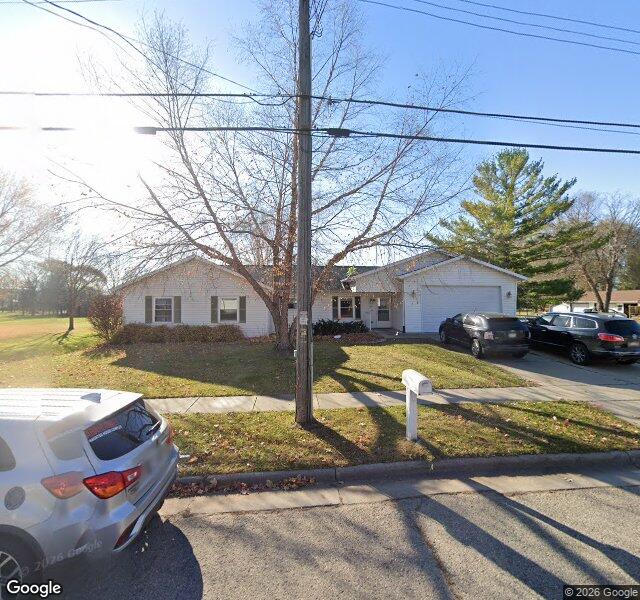
968 E Madison Street, Waterloo, WI 53594View map (opens in a new tab)
Overview and key essentials
State license
Active
WI DHS
Google reviews
Not available
Public reviews not linked
Monthly cost
$4,000–$18,000/ mo
AI-assisted estimate
Public records for this community are limited. Use the checklist below when you call or visit to confirm pricing, services, and openings.
Cost, payment & care details
Updated Nov 28, 2026| Monthly cost | $4,000–$18,000AI-assisted estimate | Research may contain errors. Request a current quote from the provider. Source: AI-assisted online research, Nov 2026. |
|---|---|---|
| Payment options | Medicaid | Participation is reported in our source data. Confirm eligibility, covered services, and any private-pay costs. Verified Medicaid waiver: Wisconsin Family Care / IRIS Medicaid Waiver (WI Dept. of Health Services (DHS DQA)). |
| Size & availability | Confirm directly | We don't publish live openings. Ask about current availability, waitlist length, and move-in timing. |
| Care & support | Assisted living | Usually offers housing and help with everyday tasks, such as bathing and dressing. What to confirm about care levelsThis describes the licensed category. Ask how care plans adjust if mobility, nursing, or memory needs change over time. Read the family care guide → |
Safety screening & compliance
State licensing depth & federal screening
HHS OIG LEIE: Clear (2026-11-27)OIG database ↗ (opens in a new tab)
WI DHS directory details (CBRF)
Class: CLASS CNA (NONAMBULATORY)Public Funding (Family Care / IRIS)HCBS CompliantWI DHS rates: $4,000–$18,000/mo
State licensing
State inspection history
10inspections
5deficiencies listed
Jun 2, 2026EnforcementEnforcement actionPenalty
Enforcement action
View official state report (opens in a new tab)
No deficiencies are reported in this inspection record.
Jun 2, 2026Follow-upNo deficiencies reportedNone
No deficiencies reported
View official state report (opens in a new tab)
No deficiencies are reported in this inspection record.
Dec 12, 2025EnforcementEnforcement actionPenalty
Enforcement action
View official state report (opens in a new tab)
No deficiencies are reported in this inspection record.
Dec 12, 2025Complaint5 deficiencies reported5
5 deficiencies reported
View official state report (opens in a new tab)
STATE FORM6899
N7X615 STATE FORM N7X615 STATE FORM N7X615 STATE FORM N7X615 STATE FORM N7X615 STATE FORM N7X615 STATE FORM N7X615 STATE FORM N7X615 STATE FORM N7X615 STATE FORM N7X615 STATE FORM N7X615 STATE FORM N7X615 STATE FORM N7X615 STATE FORM N7X615 STATE FORM N7X615 STATE FORM N7X615 STATE FORM N7X615 STATE FORM N7X615 STATE FORM N7X615 STATE FORM N7X615 STATE FORM N7X615 STATE FORM N7X615 STATE FORM N7X615 STATE FORM N7X615 STATE FORM N7X615 STATE FORM N7X615 STATE FORM N7X615 STATE FORM N7X615 STATE FORM N7X615 STATE FORM N7X615 STATE FORM N7X615 STATE FORM N7X615 STATE FORM N7X615 STATE FORM N7X615 STATE FORM N7X615 STATE FORM N7X615 STATE FORM N7X615 STATE FORM N7X615 STATE FORM N7X615
83.35(3)(d) Service plans updated annually or onN 389
changes Individual service plan review. Annually or when there is a change in a resident ' s needs, abilities or physical or mental condition, the individual service plan shall be reviewed and revised based on the assessment under sub. (1). All reviews of the individual service plan shall include input from the resident or legal representative, case manager, resident care staff, and other service providers as appropriate. The resident or resident ' s legal representative shall sign the individual service plan, acknowledging their involvement in, understanding of and agreement with the individual service plan. This Rule is not met as evidenced by: Based on record review and interview, the provider did not ensure that Resident 10's individual service plan (ISP) was updated to reflect his/her changing needs and physical condition when s/he experienced an onset of physical aggression towards others until approximately 9 months after the behaviors started. His/her ISP was not updated to reflect his/her changing needs when s/he began utilizing an electronic fitness monitoring device in the context of his/her unintended weight loss concerns. This is a repeat deficiency. See Statement of Deficiency (SOD) N7X611, dated 10/27/2023, and SOD N7X612, dated 05/16/2024. Findings include: On 12/02/2025, at approximately 12:25 p.m., Surveyor interviewed Caregiver Coordinator C and Supervisor N about the needs of Resident 10, who had formerly resided with the provider. Supervisor N reported that Resident 10 was known to be resistive to toileting and would hit staff "a lot." Supervisor N reported that Resident 10 would sometimes hit staff on the head as s/he walked by them. Caregiver Coordinator C reported that Resident 10 was known to be "sometimes" aggressive as evidenced by hitting, pulling, pinching behaviors which were mostly directed towards staff. Caregiver Coordinator C reported that Resident 10 was known to walk a lot and did not prefer to sit. Caregiver Coordinator C reported that Resident 10 would walk on and off throughout the day. Supervisor N reported that Resident 10 did not like to sit. Both Caregiver Coordinator C and Supervisor N reported there were some weight loss concerns for Resident 10 and as part of this Resident 10 wore an electronic fitness monitoring device. Supervisor N reported that use of the device specifically had been initiated due to concerns of the calories Resident 10 was burning and to monitor his/her daily steps due to all his/her walking. Both reported that Resident 10's family wanted him/her to wear the device all the time but that the device could be taken off at night. At approximately 12:54 p.m., Surveyor interviewed Caregiver F regarding Resident 10. Caregiver F reported that Resident 10 sometimes hit at staff but that it didn't hurt. On 12/10/2025, Surveyor reviewed Resident 1's record. Resident 10's resided with the provider from 07/08/2024 to 06/25/2025. Resident 10 was identified as having legal co-guardians. Resident 10's diagnoses included autism. Resident 10's record contained 2 individual service plans (ISPs) that had been created during his/her admission - one signed on 07/30/2024 and one signed on 04/14/2025. Regarding Resident 10's behaviors, the following was documented under both ISPs: - Under the "Wandering Risk" heading: "Requires supervision and redirection from staff to help prevent wandering episodes. Not exit-seeking/no previous occurrences of elopement." Goal: "To have proper supervision...
83.12(3)(a) Investigate injuries of unknownN 161
source. Investigating injuries of unknown source. A CBRF shall investigate any of the following: 1. An injury that was not observed by any person. 2. The source of an injury to a resident that cannot be adequately explained by the resident. 3. An injury to a resident that appears suspicious because of the extent of the injury or the location of the injury on the resident. This Rule is not met as evidenced by: Based on record review and interview, the provider did not ensure that 7 different occasions of injuries sustained by Resident 10 throughout his/her admission, which were either not observed and/or could not be adequately explained by him/her, were investigated. Findings include: On 12/02/2025, Surveyor conducted a complaint investigation into allegations of residents sustaining injuries of unclear origins. At approximately 12:25 p.m., Surveyor interviewed Caregiver Coordinator C and Supervisor N about the needs of Resident 10, who had formerly resided with the provider. Caregiver Coordinator C reported that Resident 10 required staff assistance for all toileting and showering and sometimes feeding. Caregiver Coordinator C reported that Resident 10 was known to experience incontinence for which s/he required staff assistance to manage with brief changing. Caregiver Coordinator C reported that Resident 10 was non-verbal and generally non-communicative. As part of the interview, Supervisor N reported that Resident 10 was known to be resistive to cares, including toileting, and would demonstrate aggressive behaviors towards staff. Supervisor N reported that Resident 10 was known to have self-injurious behaviors, which included hitting his/her own head with an open palm or closed fist, slapping his/her lower extremities with an open palm or heels of his/her hands, and hitting his/her elbows on the back of the toilet or the toilet bars. Supervisor N reported recalling occasions of there being marks on Resident 10's body and reported Resident 10 was known to bruise. Supervisor N reported that staff would update Resident 10's family when injuries/marks were observed, "but for awhile it seemed like every day." Supervisor N reported that the process for when an injury was observed or noted on residents was that staff were to make upper management aware and also fill out an incident report. At approximately 12:50 p.m., Surveyor requested from Caregiver Coordinator C all injury documentation for Resident 10 throughout his/her admission as part of an overall request for his/her records. At approximately 12:54 p.m., Surveyor interviewed Caregiver F regarding Resident 10. Caregiver F reported having seen "maybe a couple times" where Resident 10 hit him/herself on the sides of his/her head but reported that it was not hard. Caregiver F reported that Resident 10's balance "was off" and that s/he was known to run into things. On 12/10/2025, at approximately 9:00 a.m., Surveyor interviewed Guardian R who was one of Resident 10's legal guardians. Guardian R reported that Resident 10 had autism and was both non-verbal and unable to communicate his/her needs. Guardian R confirmed Resident 10 required assistance from others for all his/her cares, including showering and toileting. Guardian R reported s/he was concerned about several injuries - mostly as bruises - that s/he observed Resident 10 to have sustained throughout his/her admission with the provider. Guardian R reported having concerns because there were occasions where either him/herself or...
83.38(1)(g) Health monitoring.N 431
As appropriate, the CBRF shall teach residents the necessary skills to achieve and maintain the resident ' s highest level of functioning. In addition to the assessed needs as determined under s. DHS 83.35(1), the CBRF shall provide or arrange services adequate to meet the needs of the residents in all of the following areas: Health monitoring. 1. The CBRF shall monitor the health of residents and make arrangements for physical health, oral health or mental health services unless otherwise arranged for by the resident. Each resident shall have an annual physical health examination completed by a physician or an advanced practice nurse as defined in s. N 8.02(1), unless seen by a physician or an advanced practice nurse as defined in s. N 8.02(1) more frequently. 2. When indicated, a CBRF shall observe residents ' food and fluid intake and acceptance of diet. The CBRF shall report significant deviations from normal food and fluid intake patterns to the resident ' s physician or dietician. 3. The CBRF shall document communication with the resident ' s physician and other health care providers, and shall record any changes in the resident ' s health or mental health status in the resident ' s record. This Rule is not met as evidenced by: Based on record review and interview, the provider did not ensure that Resident 10's health was monitored when s/he experienced an unintended weight loss during his/her admission. This is a repeat deficiency. See Statement of Deficiency (SOD) N7X611, dated 10/27/2023. Findings include: On 12/02/2025, Surveyor conducted a complaint investigation into allegations of residents experiencing unintended weight loss. At approximately 12:25 p.m., Surveyor interviewed Caregiver Coordinator C and Supervisor N about the needs of Resident 10, who had formerly resided with the provider. Caregiver Coordinator C reported that Resident 10 loved walking and was known to walk near constantly from the time s/he was awake until the time s/he was asleep because s/he did not like to sit. Supervisor N reported that there were some concerns about Resident 10's weight due to his/her activity level but that Resident 3 was known to eat a lot, including 3 daily meals that were double portioned and snacks. Supervisor N reported s/he was unsure if Resident 10 had specifically experienced weight loss during his/her admission. At approximately 12:54 p.m., Surveyor interviewed Caregiver F regarding Resident 10. Caregiver F reported that Resident 10 walked a lot. Caregiver F confirmed that Resident 10 received double-portions for each meal. On 12/10/2025, Surveyor reviewed Resident 1's record. Resident 10's resided with the provider from 07/08/2024 to 06/25/2025. Resident 10 was identified as having legal guardians. Resident 10's diagnoses included autism. Resident 10's record contained 2 individual service plans (ISPs) that had been created during his/her admission - one signed on 07/30/2024 and one signed on 04/14/2025. Both ISPs identified that staff assistance was required for eating and that staff were to document intake for each meal and snack. The ISP from 04/14/2025 added that fluid intake monitoring was to be documented as well. Both ISPs documented that Resident 10 was a "wandering risk" and required staff supervision and redirection "to help prevent wandering episodes" six times daily "and as needed." Neither ISP contained information regarding to weight management needs (including weight tracking) or concerns of weight loss....
83.35(3)(c) Implement, follow the individualN 388
service plan Implementation. The CBRF shall implement and follow the individual service plan as written. This Rule is not met as evidenced by: Based on record review and interview, the provider did not ensure that the individual service plan (ISP) for Resident 10, which directed for food and fluid intake tracking, was implemented and followed as written. This is a repeat deficiency. See Statement of Deficiency (SOD) N7X611, dated 10/27/2023, and SOD N7X613, dated 11/08/2024. Findings include: On 12/02/2025, at approximately 12:25 p.m., Surveyor interviewed Caregiver Coordinator C and Supervisor N about Resident 10's needs. Caregiver Coordinator C reported that Resident 10 was non-verbal and generally non-communicative. Caregiver Coordinator C reported recalling that there were some concerns about weight loss experienced by Resident 10 during his/her admission but that s/he was known to eat a lot between 3 daily meals consisting of double portions and snacks throughout the day. Both Caregiver Coordinator C and Supervisor N reported not being sure if Resident 10's food or fluid intakes were monitored or documented during his/her admission. At approximately 12:54 p.m., Surveyor interviewed Caregiver F. Supervisor N was present during the interview as well. Caregiver F denied that food or fluid intake monitoring or documentation was required for Resident 10. Supervisor N reported that for a period Resident 10's guardian requested staff to document Resident 10's caloric intake, which staff documented as entries in his/her task administration record (TAR). Supervisor N reported that after some time this stopped because it was determined that Resident 10 was eating/drinking enough and there weren't any more concerns about his/her intake. At approximately 12:50 p.m., Surveyor requested from Caregiver Coordinator C all TARs throughout Resident 10's admission as well as any existing records of all routine monitoring cares done for Resident 10 throughout his/her admission, including intake. On 12/10/2025, Surveyor reviewed Resident 1's record. Resident 10's resided with the provider from 07/08/2024 to 06/25/2025. Resident 10 was identified as having legal co-guardians. Resident 10's diagnoses included autism and an unspecified vitamin deficiency. Resident 10's record contained 2 individual service plans (ISPs) that had been created during his/her admission - one signed on 07/30/2024 and one signed on 04/14/2025. Within his/her first ISP, the following was documented under the "Eating" heading: - Resident's needs: "Assistance required in eating meals. Staff to document consumption monitoring per meal." Goal: "To maintain proper food eating habits." - Resident's needs: "Monitoring and documentation of food intake outside of their scheduled meal times." Goal: "To maintain an appropriate amount of intake per day outside of meal times." The second ISP, from 04/14/2025, identified the same meal and snack consumption monitoring and documentation needs with the addition of, "And Fluids [sic] as well." In reviewing TARs for Resident 10, Surveyor observed a heading for "Eating" with separate entries for breakfast, lunch, and dinner, with the directive that staff were to, "Monitor percentage consumed." Another heading for "Snack Monitor" contained the directive, "Monitor and document food intake outside of scheduled meal times as it occurs." Timed snack entries were listed as 10:00 a.m., 2:00 p.m., and 7:00 p.m. From 05/05/2025 through 06/25/2025,...
Aug 26, 2025EnforcementEnforcement actionPenalty
Enforcement action
View official state report (opens in a new tab)
No deficiencies are reported in this inspection record.
Show all 10 inspections
Aug 26, 2025Follow-upNo deficiencies reportedNone
No deficiencies reported
View official state report (opens in a new tab)
No deficiencies are reported in this inspection record.
Nov 8, 2024RoutineNo deficiencies reportedNone
No deficiencies reported
View official state report (opens in a new tab)
No deficiencies are reported in this inspection record.
Nov 8, 2024EnforcementEnforcement actionPenalty
Enforcement action
View official state report (opens in a new tab)
No deficiencies are reported in this inspection record.
May 16, 2024Follow-upNo deficiencies reportedNone
No deficiencies reported
View official state report (opens in a new tab)
No deficiencies are reported in this inspection record.
May 16, 2024EnforcementEnforcement actionPenalty
Enforcement action
View official state report (opens in a new tab)
No deficiencies are reported in this inspection record.
Neighborhood & resident support
Emergency access, hazards & advocacy
Nearest hospital
Columbus Com Hsptl
10.0 mi · Columbus, WI · Medicare 4/5 ★
Emergency room
Free resident advocacy
Wisconsin Board on Aging & Long Term Care Ombudsman
More neighborhood context (specialists, VA, dialysis, air & affordability)
VA & dialysis access
Madison VA Medical Center
24.0 mi · Madison, WI · VA 5/5 ★
Fresenius Kidney Care Sun Prairie
11.6 mi · 2/5 ★
Specialists within 15 mi
- Geriatricians
- 0
- Neurologists
- 4
- Palliative care
- 0
- PM&R rehab
- 1
Call & tour checklist
Questions to ask Victory Vision Community Living East
Check off questions as you call or tour. Your progress stays private in this browser.
Show 3 more suggested questions
Verification & public records
Official records & sources
Licensing & contact
- License #
- 18368
- Status
- active
Original public sources
Verify licensing, ratings, and inspection reports directly with each official source.
- WI DHS official record (opens in a new tab)WI Dept. of Health Services
- Google Maps (opens in a new tab)Directions, photos & neighborhood
- Google Reviews (opens in a new tab)Read public reviews
EveryPlace is an independent research directory. Information is compiled from public Medicare.gov, state licensing, Google Places, and street-level imagery sources. Some summaries, suggested questions, and pricing notes are AI-generated or AI-assisted and may contain errors or omissions. We do not accept payment for placement. Confirm all details directly with the community and official sources. Research Policy.
Keep exploring
Nearby communities to compare
- MedicaidAssisted Living< 1 miVictory Vision Community Living NorthWaterloo, WI
- 2.7(3)MedicaidAssisted Living< 1 miRiverwalk Senior LivingWaterloo, WI
- 1.0(1)MedicaidAssisted Living4.1 miSienna Crest MarshallMarshall, WI
- Medicare 2/52.6(19)50 bedsMedicaidNursing Home7.8 miLake Mills Health ServicesLake Mills, WI
- 4.9(20)MedicaidAssisted Living7.9 miLakehouse Lake MillsLake Mills, WI
- 4.3(25)MedicaidAssisted Living8.0 miLilac Springs Assisted Living LLCLake Mills, WI