Loading EveryPlace content…
Assisted LivingActive license
Topcare Home Plus LLC
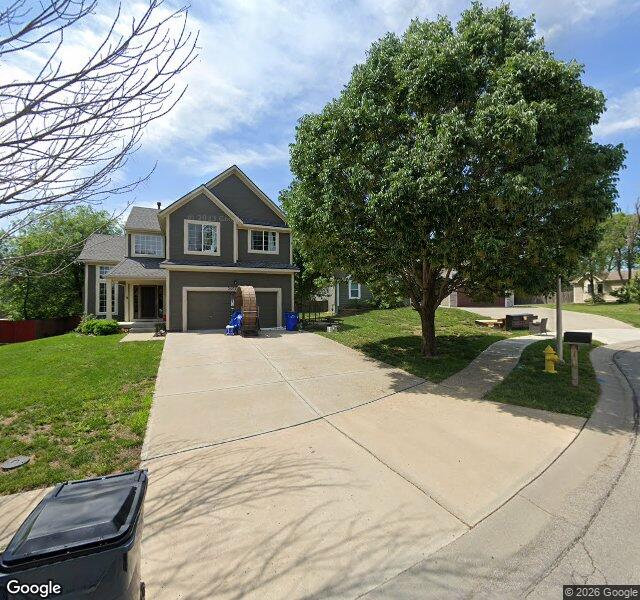
20687 W 125th Ct, Olathe, KS 66061View map (opens in a new tab)
Overview and key essentials
State license
Active
KS KDADS
Google reviews
Not available
Public reviews not linked
Size & payment
Ask directly
Confirm pricing & payment
Public records for this community are limited. Use the checklist below when you call or visit to confirm pricing, services, and openings.
Cost, payment & care details
Updated Nov 28, 2026| Monthly cost | Not published | Ask for the full monthly cost, including care fees and one-time charges. |
|---|---|---|
| Payment options | Ask directly | Payment details are not confirmed in our records. Ask about private pay, long-term care insurance, veterans benefits, and Medicaid waivers. |
| Size & availability | Confirm directly | We don't publish live openings. Ask about current availability, waitlist length, and move-in timing. |
| Care & support | Assisted living | Usually offers housing and help with everyday tasks, such as bathing and dressing. What to confirm about care levelsThis describes the licensed category. Ask how care plans adjust if mobility, nursing, or memory needs change over time. Read the family care guide → |
State licensing
State inspection history
3inspections
15deficiencies listed
Jul 16, 2026Routine2 deficiencies reported2
2 deficiencies reported
View official state report (opens in a new tab)
The following citations represent the findings of the licensure resurvey for the above named facility conducted on 07/15/26 and 07/16/26.
moderateS 5215
Preparedness Education (d) Each administrator or operator shall ensure disaster and emergency preparedness by ensuring the performance of the following: (1) Orientation of new employees at the time of employment to the home ' s emergency management plan; (2) education of each resident upon admission to the home regarding emergency procedures; (3) quarterly review of the home ' s emergency management plan with employees and residents; and (4) an emergency drill, which shall be conducted at least annually with staff and residents. This drill shall include evacuation of the residents to a secure location. This REQUIREMENT is not met as evidenced by: K.A.R. 26-42-104 (d) (3) The facility reported a census of 6 residents. The sample included 3 residents. Based on interview the operator failed to ensure to provide a quarterly review of the homes emergency management plan to all residents. Findings Included: - Review of the facility "Emergency Management Plan" revealed the plan contained procedures to manage potential emergencies and disasters including fire, flood, severe weather, tornado, explosion, natural gas leak, lack of electrical, or water service and missing resident. Interview on 07/16/26 at approximately 09:55 AM with Operator A confirmed she did not have documentation she provided quarterly reviews of the home's emergency management plan with residents. The operator failed to ensure to provide a quarterly review of the homes emergency management plan to all residents.
STATE FORM6899
L31D11 STATE FORM L31D11
Oct 31, 2024Routine8 deficiencies reported8
8 deficiencies reported
View official state report (opens in a new tab)
The following represent the findings of a resurvey for the above named home plus conducted on 10/31/24.
moderateS 5313
(g) (3) A licensed nurse or medication aide may accept over-the-counter medication only in its original, unbroken manufacturer ' s package. A licensed pharmacist or licensed nurse shall place the full name of the resident on the package. If the original manufacturer ' s package of an over-the-counter medication contains a medication in a container, bottle, or tube that can be removed from the original package, the licensed pharmacist or a licensed nurse shall place the full name of the resident on both the original manufacturer ' s medication package and the medication container. This REQUIREMENT is not met as evidenced by: KAR 26-42-205(g)(3) The facility reported a census of five residents. Based on observation and interview the operator failed to ensure a licensed pharmacist or licensed nurse placed the full names of the residents on the original packages of all over-the-counter (OTC) medications. Findings included: - Observation on 10/31/24 at 09:57 AM revealed the medication cart was unlocked and state surveyor was able to open all the drawers where the medications for the residents were stored. The following over-the-counter medications were not labeled with residents' full names: One bottle of Tums 330; chewable tablets One bottle of Vitamin D3 25 micrograms (mcg); 300 softgels Two bottles of calcium 600 milligrams (mg); 220 tablets One bottle of Myrbetriq 50 mg, 90 tablets One bottle of EPAQ krill oil; 60 softgels One bottle of Chondro-Flex; 90 capsules One bottle of Midocore; 60 capsules One box of Pepto Bismol Chewables; 30 tablets One bottle of Aspercreme with 4% lidocaine roll on; 2.5 ounces One bottle of acetaminophen 500 mg; 250 caplets One bottle of Indigo Greens; 8.0 ounces On 10/31/24 at 10:17 AM Certified Medication Aide (CMA) B confirmed the OTC medications were not labeled with residents' full names. The operator failed to ensure all OTC medications were labeled with the residents' full names.
moderateS 5171
Practice (i) All health care services shall be provided to residents by qualified staff in accordance with acceptable standards of practice. This REQUIREMENT is not met as evidenced by: KAR 26-42-204(i) The facility reported a census of five residents with three included in the sample. Based on observation, interview, and record review the operator failed to ensure health care services were provided by qualified staff by 1) the failure to ensure a licensed nurse completed an assessment for the purpose to use a bed assist device, ability to use a bed assist device safely without risk of entrapment, and to confirm the bed assist device was not a restraint for Residents (R) 2 and R3; and 2) the failure to ensure a gap greater than 4.75 inches between the rails of the bed devices for R2 and R3 were covered to prevent entrapment. Findings included: - Record review for R2 revealed an admission date of 08/18/21 with a diagnosis of dementia. The 08/27/23 (most recent) "Functional Capacity Screen" (FCS) identified R2 required physical assistance with bathing, dressing, toileting, and walking/mobility; and was marked at risk for falls. The 08/27/23 (most recent) "Negotiated Service Agreement" (NSA) identified facility staff provided R2 physical assistance with bathing, dressing, toileting, transfers, and walking/mobility; and R2 used a wheelchair to prevent falls. R2's record lacked evidence of documentation of an assessment for the purpose to use a bed assist device, ability to use a bed assist device safely without risk of entrapment, and to confirm the bed assist device was not a restraint for R2. Observation on 10/31/24 at 12:44 PM revealed R2's bed had a U-rail shaped bed assist device attached to one side that did not have a cover to prevent entrapment. On 10/31/24 at approximately 12:45 PM Administrative Staff A confirmed R2's record lacked evidence of documentation designated staff completed a bed assist device assessment and R2's bed had a U-rail shaped bed assist device attached to one side that did not have a cover to prevent entrapment. - Record review for R3 revealed an admission date of 12/22/23 with a diagnosis of Alzheimer's disease. The 12/22/24 "FCS" identified R3 required physical assistance for bathing and dressing and was marked at risk for falls. The 12/22/24 "NSA" identified facility staff provided R3 physical assistance with bathing and dressing and she had a bed assist device attached to the side of her bed to prevent falls when getting in and out of bed. R3's record lacked evidence of documentation of an assessment for the purpose to use a bed assist device, ability to use a bed assist device safely without risk of entrapment, and to confirm the bed assist device was not a restraint for R3. Observation on 10/31/24 at 12:43 PM revealed R3's bed had a U-rail shaped bed assist device attached to one side that did not have a cover to prevent entrapment. On 10/31/24 at approximately 12:45 PM Administrative Staff A confirmed R3's record lacked evidence of documentation designated staff completed a bed assist device assessment and R3's bed had a U-rail shaped bed assist device attached to one side that did not have a cover to prevent entrapment. The operator failed to ensure health care services were provided by qualified staff by 1) the failure to ensure a licensed nurse completed an assessment for the purpose to use a bed assist device, ability to use a bed assist device safely without risk of entrapment, and to confirm...
moderateS 5335
(a) Each home-plus facility shall be designed, constructed, equipped, and maintained to protect the health and safety of residents, personnel, and the public. (b) All new construction, renovation, remodeling, and changes in building use in existing buildings shall comply with building and fire codes, ordinances, and regulations enforced by city, county, and state jurisdictions, including the state fire marshal. This REQUIREMENT is not met as evidenced by: KAR 28-39-437(a) The facility reported a census of five residents. Based on observation and interview the operator failed to ensure the building was maintained to protect the health and safety of the residents by ensuring all chemicals were stored within a locked area. Findings included: - Observation on 10/31/24 at approximately 10:10 AM revealed the door to the laundry area was unlocked. The following chemicals were in the laundry area with labels that read "Keep out of reach of children:" One bottle of Shout Triple Acting Spray; 22 ounces (oz) One bottle of Radiance Bathroom Cleaner with Bleach; 32 oz spray bottle One bottle of Hoover Carpet Cleaner; 64 oz One bottle of Great Value glass cleaner; 32 oz spray bottle One bottle of Pine Glo Kitchen and Bathroom Cleaner and Disinfectant; 40 oz On 10/31/24 at approximately 10:33 AM Administrative Staff A confirmed the chemicals were not in a locked area. The operator failed to ensure the building was maintained to protect the health and safety of the residents by ensuring all chemicals were stored within a locked area.
STATE FORM6899
N6GT11 STATE FORM N6GT11 STATE FORM N6GT11 STATE FORM N6GT11 STATE FORM N6GT11 STATE FORM N6GT11 STATE FORM N6GT11 STATE FORM N6GT11 STATE FORM N6GT11 STATE FORM N6GT11 STATE FORM N6GT11 STATE FORM N6GT11 STATE FORM N6GT11 STATE FORM N6GT11
moderateS 5116
(d) Each administrator or operator shall ensure the review and, if necessary, revision of each negotiated service agreement according to the following requirements: (1) At least once every 365 days;(2) following any significant change in condition, as defined in K.A.R. 26-39-100; (3) at least quarterly if the resident receives assistance with eating from a paid nutrition assistant; and (4) if requested by the resident or the resident ' s legal representative, staff, the case manager, or, if agreed to by the resident or the resident ' s legal representative, the resident ' s family. This REQUIREMENT is not met as evidenced by: KAR 26-42-202(d)(1) The facility reported a census of five residents with three residents included in the sample. Based on interview and record review the operator failed to ensure the review and if necessary, revision of the "Negotiated Service Agreement" (NSA) for Resident (R) 2 every 365 days. Findings included: - Record review for R2 revealed an admission date of 08/18/21 with a diagnosis of dementia. The 08/27/23 (most recent) "Functional Capacity Screen" (FCS) identified R2 required physical assistance with bathing, dressing, toileting, and walking/mobility; was unable to perform management of medications and treatments; was occasionally incontinent of bladder; and was marked at risk for falls and impaired decision-making. The 08/27/23 (most recent) "NSA" identified facility staff provided R2 physical assistance with bathing, dressing, toileting, transfers, and walking/mobility; facility staff provided management of medications and treatments and assisted with bladder incontinence; R2 used a wheelchair to prevent falls; and she had power of attorney (POA). R2's record lacked evidence of documentation of an "NSA" since 08/27/23 which was 431 days at the start of the survey and 66 days passed 365 days. On 10/31/24 at approximately at 12:09 PM Administrative Staff A confirmed R2's record lacked evidence of documentation an "NSA" was completed every 365 days. The operator failed to ensure the review and if necessary, revision of the "NSA" for R2 every 365 days.
moderateS 5315
(h) Storage. Licensed nurses and medication aides shall ensure that all medications and biologicals are securely and properly stored in accordance with each manufacturer ' s recommendations or those of the pharmacy provider and with federal and state laws and regulations. (1) Licensed nurses or medication aides shall store non-controlled medications and biologicals managed by the home in a locked medication room, cabinet, or medication cart. Licensed nurses and medication aides shall store controlled medications managed by the home in separately locked compartments within a locked medication room, cabinet, or medication cart. Only licensed nurses and medication aides shall have access to the stored medications and biologicals. (2) Each resident managing and self-administering medication shall store medications in a place that is accessible only to the resident, licensed nurses, and medication aides. (3) Any resident who self-administers medication and is unable to provide proper storage as recommended by the manufacturer or pharmacy provider may request that the medication be stored by the home. (4) A licensed nurse or medication aide shall not administer medication beyond the manufacturer ' s or pharmacy provider ' s recommended date of expiration. This REQUIREMENT is not met as evidenced by: KAR 26-42-205(h)(1) The facility reported a census of five residents. Based on observation and interview the operator failed to ensure facility staff kept the medication cart locked and failed to ensure only licensed nurses and medication aides had access to medications. Findings included: - Observation on 10/31/24 at 09:53 AM revealed a facility staff left the medication cart unlocked and unattended. On 10/31/24 at 09:57 the medication cart remained unlocked. Certified Medication Aide (CMA) B (only staff present) was in the kitchen preparing a breakfast meal for a resident. A resident ambulated independently passed the unlocked medication cart from the hallway to the dining area. State surveyor opened and shut all drawers to the medication cart. On 10/31/24 at 10:17 AM CMA B confirmed she left the medication unlocked and locked it. The operator failed to ensure facility staff kept the medication cart locked and failed to ensure only licensed nurses and medication aides had access to medications.
moderateS 5161
(d) The negotiated service agreement shall contain a description of the health care services to be provided and the name of the licensed nurse responsible for the implementation and supervision of the plan. This REQUIREMENT is not met as evidenced by: KAR 26-42-204(d) The facility reported a census of five residents with three residents included in the sample. Based on interview and record review the operator failed to ensure the resident's "Negotiated Service Agreements" (NSA) named the licensed nurse responsible for implementing and supervising their "Healthcare Service Plans" (HSP). Findings included: - Record review for R1 revealed an admission date of 03/08/21 with diagnoses of dementia and diabetes mellitus. The 08/10/24 "Functional Capacity Screen" (FCS) identified R1 required physical assistance with bathing; was unable to perform management of medications and treatments; was occasionally incontinent of bladder; had short-term memory, memory/recall, and decision-making cognitive difficulties and was marked at risk for impaired vision and impaired decision-making. The 08/10/24 "NSA" identified facility staff would provide physical assistance with bathing; management of medications and treatments; assistance with bladder incontinence; she was independent with glasses for impaired for vision, and she had power of attorney (POA) for impaired decision-making. The "NSA" failed to describe the services she received for cognitive difficulties. R1's "NSA" failed to name the licensed nurse responsible for implementing and supervising her "HSP." - Record review for R2 revealed an admission date of 08/18/21 with a diagnosis of dementia. The 08/27/23 (most recent) "FCS" identified R2 required physical assistance with bathing, dressing, toileting, and walking/mobility; was unable to perform management of medications and treatments; was occasionally incontinent of bladder; and was marked at risk for falls and impaired decision-making. The 08/27/23 (most recent) "NSA" identified facility staff provided R2 physical assistance with bathing, dressing, toileting, transfers, and walking/mobility; facility staff provided management of medications and treatments and assisted with bladder incontinence; R2 used a wheelchair to prevent falls; and she had a POA for impaired decision-making. R2's "NSA" failed to name the licensed nurse responsible for implementing and supervising his "HSP." - Record review for R3 revealed an admission date of 12/22/23 with a diagnosis of Alzheimer's disease. The 12/22/24 "FCS" identified R3 required physical assistance for bathing and dressing; was unable to perform management of medications and treatments; was occasionally incontinent of bladder; and was marked at risk for falls, impaired vision; and impaired decision-making. The 12/22/24 "NSA" identified facility staff provided R3 physical assistance with bathing and dressing; management of medications and treatments; assistance with bladder incontinence; she had a bed assist device attached to the side of her bed to prevent falls when getting in and out of bed; and had a POA for impaired decision-making. Services provided for impaired vision were not described on R3's NSA. R3's "NSA" failed to name the licensed nurse responsible for implementing and supervising her "HSP." On 10/31/24 at 12:41 PM Administrative Staff A confirmed the residents' "NSAs" failed to name the nurse responsible for implementing and supervising their "HSPs." The operator failed to ensure the...
moderateS 5085
Reassessment (c) Designated staff shall conduct a screening to determine each resident ' s functional capacity according to the following requirements: (1) At least once every 365 days; (2) following any significant change in condition as defined in K.A.R. 26-39-100; and (3) at least quarterly if the resident receives assistance with eating from a paid nutrition assistant. This REQUIREMENT is not met as evidenced by: KAR 26-42-201(c)(1) The facility reported a census of five residents with three included in the sample. Based on interview and record review the operator failed to complete a "Functional Capacity Screen" (FCS) for Resident (R) 2 every 365 days. Findings included: - Record review for R2 revealed an admission date of 08/18/21 with a diagnosis of dementia. The 08/27/23 (most recent) "FCS" identified R2 required physical assistance with bathing, dressing, toileting, and walking/mobility; was unable to perform management of medications and treatments; was occasionally incontinent of bladder; and was marked at risk for falls and impaired decision-making. R2's record lacked evidence of documentation of an "FCS" since 08/27/23 which was 431 days at the start of the survey and 66 days passed 365 days. The 08/27/23 (most recent) "Negotiated Service Agreement" (NSA) identified facility staff provided R2 physical assistance with bathing, dressing, toileting, transfers, and walking/mobility; facility staff provided management of medications and treatments and assisted with bladder incontinence; R2 used a wheelchair to prevent falls; and she had power of attorney (POA). On 10/31/24 at approximately at 12:09 PM Administrative Staff A confirmed R2's record lacked evidence of documentation a "FCS" was completed every 365 days. The operator failed to ensure designated staff completed an "FCS" for R2 every 365 days.
Apr 6, 2023Routine5 deficiencies reported5
5 deficiencies reported
View official state report (opens in a new tab)
The following citations represent the findings of an initial licensure survey for the above named Home Plus facility conducted on 04/05/23 and 04/06/23.
moderateS 5085
Reassessment (c) Designated staff shall conduct a screening to determine each resident ' s functional capacity according to the following requirements: (1) At least once every 365 days; (2) following any significant change in condition as defined in K.A.R. 26-39-100; and (3) at least quarterly if the resident receives assistance with eating from a paid nutrition assistant. This REQUIREMENT is not met as evidenced by: KAR 26-42-201 (c)(2) The facility reported a census of four residents(R). The sample included three residents. Based on observation, interview, and record review the operator failed to ensure designated staff completed a resident "Functional Capacity Screen" for one (R3) of three sampled residents following a significant change in condition as defined in KAR 26-39-100. Findings Included: - Review of R3s medical record revealed he moved into the facility on 10/19/21 with diagnoses of hypertension, anxiety, and edema R3's most recent "Functional Capacity Screen" (FCS) dated 01/12/23 identified the resident needed physical assistance with bathing but was independent with dressing, toileting, transfers, and walking. An interview on 04/06/23 at 08:41 AM Certified Medication Aide B reported staff help give R3 his showers, when he is incontinent, they help change his clothes and brief, they help him with using his urinal during the night by holding it because he is afraid he is going to fall. They also help him get dressed and walk with him when he feels weak or dizzy. On 04/06/23 at 12:09 PM Administrative Licensed Nurse A reported R3's need for help varies depending on if he is anxious or scared of falling. Staff A acknowledged that there are times staff must provide physical assistance for R3 with dressing, toileting, transfers and walking and that she should have completed a new FCS. The operator failed to ensure designated staff completed R3's FCS when he started to require physical assistance with cares.
moderateS 5105
a) The administrator or operator of each home plus shall ensure the development of a written negotiated service agreement for each resident, based on the resident ' s functional capacity screening, service needs, and preferences, in collaboration with the resident or the resident ' s legal representative, the case manager, and, if agreed to by the resident or the resident ' s legal representative, the resident ' s family. The negotiated service agreement shall provide the following information: (1) A description of the services the resident will receive; (2) identification of the provider of each service; and (3) identification of each party responsible for payment if outside resources provide a service. This REQUIREMENT is not met as evidenced by: KAR 26-42-202(a)(1) The facility reported a census of four residents(R). The sample included three residents. Based on interview and record review for three (R3, R4, R5) of three sampled residents the operator failed to ensure designated staff developed a "Negotiated Service Agreement" that included what services would be provided based on the "Functional Capacity Screen" and the resident's service needs. For all residents, the operator failed to ensure their "Negotiated Service Agreement included the identification of the provider of each service. Findings included: - Review of R3s medical record revealed he moved into the facility on 10/19/21 with diagnoses of hypertension, anxiety, and edema R3's "Functional Capacity Screen" (FCS) dated 01/12/23 identified the resident needed physical assistance with bathing but was independent with dressing, toileting, transfers, and walking. He was also at risk for falls and unable to manage his medications or medical treatments. R3's "Negotiated Service Agreement" (NSA) dated 01/12/23 at the top of the page included "In this negotiated service agreement you will find the services that we provide to you/loved ones." The NSA included check marks as to the level of assistance the resident needed but did not identify "who" provided the service. For management of medications, it identified "staff" would administer medications and failed to identify Certified Medication Aides and/or a Licensed Nurse were the only "staff" qualified to administer medications. The NSA failed to include "who" provided the services. Review of R3's progress notes included documentation of receiving foot care in the facility, but the NSA failed to include R3 received the service, who provide the service and since it was from an outside resource who paid for the service. On 04/06/23 at 12:20 PM Administrative Licensed Nurse A acknowledged the NSA did not clearly identify who provided different services and did not include the services R3 received for foot care. Administrative Staff A also reported that all residents had basically the same format for their NSA and would just say "staff" instead of identifying specifically if it was certified staff or not providing the care. The operator failed to ensure R3's NSA was developed based on his service needs and identified what service would be provided, who provided the service and if provided by an outside resource it included who paid for the service. - Review of R4's medical record revealed she moved into the facility on 08/25/21 with diagnoses of delusions and dementia. R4's "Functional Capacity Screen" dated 05/06/22 identified the resident needed physical assistance with bathing, dressing, toileting, transfers, and mobility. She...
moderateS 5258
Records (d) The employee records and agency staff records shall contain the following information: (1) Evidence of licensure, registration, certification, or a certificate of successful completion of a training course for each employee performing a function that requires specialized education or training; (2) supporting documentation for criminal background checks of facility staff and contract staff, excluding any staff licensed or registered by a state agency, pursuant to K.S.A. 39-970 and amendments thereto; (3) supporting documentation from the Kansas nurse aide registry that the individual does not have a finding of having abused, neglected, or exploited a resident in an adult carehome; and (4) supporting documentation that the individual does not have a finding of having abused, neglected, or exploited any resident in an adult care home, from the nurse aide registry in each state in which the individual has been known to work as a certified nurse aide. This REQUIREMENT is not met as evidenced by: KAR 26-42-102(d)(1)(2) The facility reported a census of four residents. Based on record review and interview, the operator failed to provide evidence of registration, and certification check completion upon hire for five of five newly hired staff that required specialized education and training. The operator also failed to have evidence of completing the required criminal background check upon hire for one of five newly hired staff. This had the potential to affect all residents who resided in the facility. Findings included: - Review of five newly hired employee records revealed the following: Administrative Licensed Nurse A hired on 08/02/21 had a licensure check completed on 01/30/22, 4 months after her hire date. Certified Nurse Aide C was hired on 08/28/21 and her employee record included a registry check without a date on it to verify when it was completed. Certified Medication Aide D was hired on 02/20/22 and her employee record included a registry check without a date on it to verify when it was completed. Her record also failed to include evidence of completion of the required criminal background check. Certified Medication Aide E was hired on 07/08/22 and her employee file included a registry check without a date on it to verify when it was completed. Certified Nurse Aide F was hired on 11/14/22 and her employee file included a registry check without a date on it to verify when it was completed. On 04/05/23 at 01:49 PM Administrative Licensed Nurse A acknowledged the registry checks and the required criminal background checks needed to be completed when someone is hired. The operator failed to ensure newly hired employee records contained evidence of registration/certification check and completion of the required criminal background checks to be completed upon hire.
moderateS 5116
(d) Each administrator or operator shall ensure the review and, if necessary, revision of each negotiated service agreement according to the following requirements: (1) At least once every 365 days;(2) following any significant change in condition, as defined in K.A.R. 26-39-100; (3) at least quarterly if the resident receives assistance with eating from a paid nutrition assistant; and (4) if requested by the resident or the resident ' s legal representative, staff, the case manager, or, if agreed to by the resident or the resident ' s legal representative, the resident ' s family. This REQUIREMENT is not met as evidenced by: KAR 26-42-202(d)(2) The facility reported a census of four residents (R). The sample included three residents. Based on observation, interview and record review the operator failed to ensure the review and if necessary, the revision of the negotiated service agreement for one (R3) of three sampled residents following any significant change in condition, as defined in KAR 26-39-100. Findings Included: - Review of R3s medical record revealed he moved into the facility on 10/19/21 with diagnoses of hypertension, anxiety, and edema R3's most recent "Functional Capacity Screen" (FCS) dated 01/12/23 identified the resident needed physical assistance with bathing but was independent with dressing, toileting, transfers, and walking/mobility. R3's most recent 'Negotiated Service Agreement" (NSA) dated 01/12/23 identified staff would provide moderate assistance with bathing and dressing but identified he was independent with toileting, transfes and walking/mobility. An interview on 04/06/23 at 08:41 AM Certified Medication Aide B reported staff had to help give R3 his showers, when he is incontinent, they help change his clothes and brief, they help him with using his urinal during the night by holding it because he is afraid, he is going to fall. They also must help him get dressed and walk with him when he feels weak or dizzy. On 04/06/23 at 12:09 PM Administrative Licensed Nurse A reported R3's need for help varies depending on if he is anxious or scared of falling. Staff A acknowledged she should have revised the NSA to identify staff were helping with toileting, transfers, walking/mobility when he was dizzy or anxious about possible falling. The operator failed to ensure the review and if necessary, the revision of each negotiated service agreement for R3 following any significant change in condition, as defined in KAR 26-39-100.
STATE FORM6899
789611 STATE FORM 789611 STATE FORM 789611 STATE FORM 789611 STATE FORM 789611 STATE FORM 789611 STATE FORM 789611 STATE FORM 789611 STATE FORM 789611 STATE FORM 789611 STATE FORM 789611
Neighborhood & resident support
Emergency access, hazards & advocacy
Nearest hospital
Olathe Medical Center
3.3 mi · Olathe, KS · Medicare 4/5 ★
Emergency room
FEMA hazard risk
Relatively HighJohnson County, KS
- Winter Weather
- Tornado
- Hail
Free resident advocacy
Kansas Office of the State Long-Term Care Ombudsman
More neighborhood context (specialists, VA, dialysis, air & affordability)
VA & dialysis access
Kansas City VA Medical Center
19.7 mi · Kansas City, MO · VA 4/5 ★
DaVita Olathe Dialysis
3.0 mi · 4/5 ★
Specialists within 15 mi
- Geriatricians
- 21
- Neurologists
- 89
- Palliative care
- 24
- PM&R rehab
- 54
Environment & mobility
- EPA Air (2025)
- 69% good days · AQI 44
- EPA Walkability
- 10.3/20 (Below Average)
- USDA Grocery Access
- High Grocery Access
- Primary care access
- HRSA Shortage Area
County demographics
- Age 65+ median income
- $76,388/yr
- Rent-burdened households
- 41%
- Cognitive disability (2023)
- 11.5%
- Mobility disability
- 8.7%
Call & tour checklist
Questions to ask Topcare Home Plus LLC
Check off questions as you call or tour. Your progress stays private in this browser.
Show 3 more suggested questions
Verification & public records
Official records & sources
Licensing & contact
- License #
- B046075
- Status
- active
- Phone
- (908) 938-9793
- Federal OIG LEIE
- Clear (2026-11-27)
Original public sources
Verify licensing, ratings, and inspection reports directly with each official source.
- KS KDADS official record (opens in a new tab)Kansas Dept. for Aging & Disability Services
- Google Maps (opens in a new tab)Directions, photos & neighborhood
- Google Reviews (opens in a new tab)Read public reviews
EveryPlace is an independent research directory. Information is compiled from public Medicare.gov, state licensing, Google Places, and street-level imagery sources. Some summaries, suggested questions, and pricing notes are AI-generated or AI-assisted and may contain errors or omissions. We do not accept payment for placement. Confirm all details directly with the community and official sources. Research Policy.
Keep exploring
Nearby communities to compare
- Assisted Living< 1 miHeritage Avonlea of Olathe LLCOlathe, KS
- Assisted Living1.1 miRococo Healthcare Services LLCOlathe, KS
- Assisted Living1.2 miThe Crestone Senior LivingOlathe, KS
- Cap. 67HUD Senior Housing1.3 miPoplar CourtOlathe, KS
- Assisted Living1.6 miGracehealth Senior Homes LLCOlathe, KS
- Cap. 65HUD Senior Housing1.6 miRidgeview Village IIOlathe, KS