Loading EveryPlace content…
Assisted LivingActive license
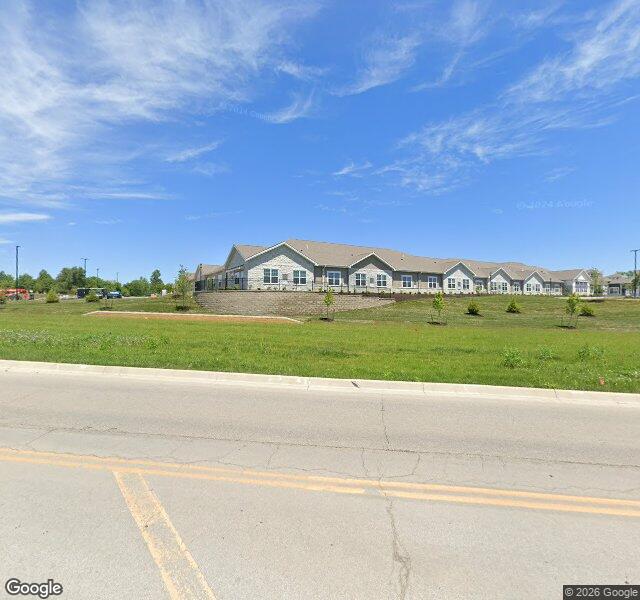
The Crestone Senior Living
21810 W. 119th Street, Olathe, KS 66061View map (opens in a new tab)
Overview and key essentials
State license
Active
KS KDADS
Google reviews
Not available
Public reviews not linked
Size & payment
Ask directly
Confirm pricing & payment
Public records for this community are limited. Use the checklist below when you call or visit to confirm pricing, services, and openings.
Cost, payment & care details
Updated Nov 28, 2026| Monthly cost | Not published | Ask for the full monthly cost, including care fees and one-time charges. |
|---|---|---|
| Payment options | Ask directly | Payment details are not confirmed in our records. Ask about private pay, long-term care insurance, veterans benefits, and Medicaid waivers. |
| Size & availability | Confirm directly | We don't publish live openings. Ask about current availability, waitlist length, and move-in timing. |
| Care & support | Assisted living | Usually offers housing and help with everyday tasks, such as bathing and dressing. What to confirm about care levelsThis describes the licensed category. Ask how care plans adjust if mobility, nursing, or memory needs change over time. Read the family care guide → |
State licensing
State inspection history
2inspections
22deficiencies listed
Oct 5, 2026Routine10 deficiencies reported10
10 deficiencies reported
View official state report (opens in a new tab)
The following represents the findings of a resurvey with attached complaint 196680, 196967, 197111, 199802, and 199850 at the above-named assisted living facility conducted on 09/30/26 and 10/05/26. The facility reported a census of 66 residents with five included in the sample.
moderateS 3215
(h) Storage. Licensed nurses and medication aides shall ensure that all medications and biologicals are securely and properly stored in accordance with each manufacturer ' s recommendations or those of the pharmacy provider and with federal and state laws and regulations. (1) Licensed nurses or medication aides shall store non-controlled medications and biologicals managed by the facility in a locked medication room, cabinet, or medication cart. Licensed nurses and medication aides shall store controlled medications managed by the facility in separately locked compartments within a locked medication room, cabinet, or medication cart. Only licensed nurses and medication aides shall have access to the stored medications and biologicals. (2) Each resident managing and self-administering medication shall store medications in a place that is accessible only to the resident, licensed nurses, and medication aides. (3) Any resident who self-administers medication and is unable to provide proper storage as recommended by the manufacturer or pharmacy provider may request that the medication be stored by the facility. (4) A licensed nurse or medication aide shall not administer medication beyond the manufacturer ' s or pharmacy provider ' s recommended date of expiration. This REQUIREMENT is not met as evidenced by: KAR 26-41-205(h) Based on observation and interview, the facility failed to ensure medications were stored in accordance with each pharmacy or manufacturer's recommendations or those of federal and state laws and regulations. Findings included: - Record review for R2 revealed an admission date of 07/20/26 with the following diagnoses: vitamin D deficiency, hypertension, and atrial fibrillation. The 07/28/26 Functional Capacity Screen (FCS) identified R2 required physical assistance with management of medications. The 07/28/26 "Comprehensive Resident Evaluation" which indicated it was the facility's combined Negotiated Service Agreement (NSA) and Healthcare Service Plan (HSP). The NSA/HSP identified facility staff ordered, prepared, and administered medications. Observation on 10/05/26 at 01:25 PM of R1's bathroom revealed the following medications: One bottle acetaminophen 650 (milligrams) mg, 100 caplets One bottle calamine lotion Two boxes lidocaine 4% patches, 6 patches One bottle adult multivitamin, 160 gummies One bottle magnesium 200 mg, 90 gummies One bottle vitamin D3 2000 international units, 150 gummies One bottle B 12 3,000 mcg, 90 gummies One bottle calcium 600 mg, 150 softgels One 6.1 ounce container Metamucil One bottle calcium carbonate 1000 mg, 72 chewable tablets One box Systane lubricant eye drops, 3 bottles 10 milliliter each On 10/05/26 at 01:25 PM Certified Medication Aide D confirmed staff administered R1's medications and R1 should not have medications in her bathroom. - Observation on 09/30/26 at 11:21 AM revealed the medication room had a refrigerator with an opened box that contained an unsealed vial of Tubersol. The vial lacked a date to indicate when it was opened. The box and the vial of Tuberculin read to discard 30 days after opening. On 09/30/26 at approximately 11:33 AM Administrative Staff A confirmed the Tubersol vial was opened and not dated. The facility's 03/17/26 "Medications" policy and procedure stated medications were stored in a locked area, failing to indicate who would have access to the locked medications. The policy further instructed staff to store medications in accordance to labeled...
moderateS 3101
(h) Each individual involved in the development of the negotiated service agreement shall sign the agreement. The administrator or operator shall ensure that a copy of the initial agreement and any subsequent revisions are provided to the resident or the resident's legal representative. This REQUIREMENT is not met as evidenced by: KAR 26-41-202(h) Based on interview and record review the facility failed to ensure that each individual involved in the development of the Negotiated Service Agreement (NSA) signed the agreements for Resident (R) 2 and R3. Findings included: - Record review for R2 revealed an admission date of 07/20/26 with a diagnosis of atrial fibrillation. The 07/28/26 Functional Capacity Screen (FCS) FCS identified R2 required physical assistance with bathing, dressing, mobility, and management of medications. She was at risk of falls and had impaired vision and hearing. The 07/28/26 combined NSA and Healthcare Service Plan (HSP) indicated staff managed medications, provided partial assistance with dressing, and provided clutter free walkways to prevent falls; hospice provided bathing service. The NSA/HSP indicated the resident and her daughter participated in the development of the document and failed to include signatures of the those individuals. An NSA/HSP signed by all individuals involved in the development was requested on 10/05/26 at 10:50 AM which the facility failed to provide. - Record review for R3 revealed an admission date of 05/30/25 with a diagnosis of hypertension. The 08/10/26 FCS identified R3 was independent with bathing, dressing, toileting, transfers, mobility, eating, and management of medications. She was at risk of falls and had impaired vision. The 08/10/26 NSA/HSP indicated R3 would establish a routine in the community and had an apartment with a fall indicator in place to prevent falls. The NSA/HSP indicated the resident participated in the establishment of the NSA/HSP and failed to include her signature. On 10/05/26 at approximately 01:44 PM Administrative Nurse B confirmed R2 and R3's NSAs lacked signature pages including all those involved in the development of the agreements. A policy regarding NSAs or HSPs was requested on 10/05/26 at 02:30 PM which the facility failed to provide. The facility failed to ensure that each individual involved in the development of the NSA signed the agreements for R2 and R3.
moderateS 3400
(d) Dietary areas. A dietary area or areas shall provide for sanitary meal preparation or service for residents. (1) The facility shall provide disposal of waste by incineration, mechanical destruction, removal or a combination of these. The facility shall use containers with tightly fitting lids to store waste. (2) Ceilings in the dietary areas shall be cleanable by dustless methods, such as vacuum cleaning or wet cleaning. These areas shall not have exposed or unprotected sewer lines. This REQUIREMENT is not met as evidenced by: KAR 28-39-255(d) Based on observation and interview the facility failed to ensure the dietary area provided for sanitary meal preparation. Findings included: - Observation on 09/30/26 at 02:58 PM of the main kitchen revealed the doors and handles of four refrigerator and freezer units were visibly soiled and sticky to touch. The floor tile and grout had multiple variations in colors indicating layers of grime and debris. A "chef's cleaning" schedule was initialed with a line drawn straight down for "organizing and cleaning refrigerators" each day for the previous 5 days. Interview on 09/30/26 at approximately 03:15 PM of Administrative Staff A confirmed the dietary area was not sanitary. The facility failed to ensure the dietary area provided for sanitary meal preparation.
moderateS 3280
Preparedness (d) Each administrator or operator shall ensure disaster and emergency preparedness by ensuring the performance of the following: (1) Orientation of new employees at the time of employment to the facility ' s emergency management plan; (2) education of each resident upon admission to the facility regarding emergency procedures; (3) quarterly review of the facility ' s emergency management plan with employees and residents; and (4) an emergency drill, which shall be conducted at least annually with staff and residents. This drill shall include evacuation of the residents to a secure location. This REQUIREMENT is not met as evidenced by: KAR 26-41-104(d)(3)(4) Based on record review and interview, the facility failed to ensure disaster and emergency preparedness by ensuring quarterly review of the facility's emergency management plan with all staff and residents and the performance of an emergency drill annually with staff and residents to include an evacuation of the residents to a secure location. Findings included: - Quarterly reviews of the facility's Emergency Management Plan with all residents and staff were requested verbally and via email on 09/30/26 at 10:53 AM. The facility failed to provide quarterly reviews with residents since the last survey. Review of in-service logs for staff revealed the following reviews of the emergency management plan: The unsigned and undated "July 2025" "In-Service Record" revealed the facility reviewed emergency policies and procedures. On 10/03/25, the facility reviewed elopement drills. On 01/09/26, the facility completed a disaster drill walk through and discussed winter weather. On 03/06/26, the facility failed to review any part of the emergency management plan. On 07/10/26, the facility reviewed emergency policies and procedures. On 09/11/26, the facility reviewed "topic points for fire drills." The facility failed to review the entire emergency management plan for the fourth quarter of 2025, and the first and second quarters of 2026. On 09/30/26 at 01:44 PM Administrator A confirmed the in-services each quarter did not cover the entire emergency management plan. The facility failed to provide documentation an annual emergency drill was conducted since last survey including all residents, and the minimum number of staff on duty at one time that included an evacuation of all residents to a secure location. Interview on 09/30/26 at 01:44 PM with Administrator A confirmed she was unable to locate an annual emergency drill completed in 2025, one had not been completed yet in 2026, the next was scheduled for October of 2026. The facility's "TRAINING FOR A POTENTIAL EMERGENCY Orientation and Training Guide" indicated all new employees were to be trained responsibilities during emergencies. The guide had a section for local training requirements when more stringent requirements were needed and failed to indicate continued training to be quarterly for all staff members. The facility failed to ensure disaster and emergency preparedness by ensuring quarterly review of the facility's emergency management plan with all staff and residents and an annual evacuation drill of all residents to a secure location.
moderateS 3165
(d) The negotiated service agreement shall contain a description of the health care services to be provided and the name of the licensed nurse responsible for the implementation and supervision of the plan. This REQUIREMENT is not met as evidenced by: KAR 26-41-204(d) Based on record review and interview, the facility failed to ensure the Negotiated Service Agreement (NSA) for Residents (R) 2 and R3 named the licensed nurse responsible for implementing and supervising their Healthcare Service Plans (HSPs). Findings included: - Record review for R2 revealed an admission date of 07/20/26 with a diagnosis of atrial fibrillation. The 07/28/26 Functional Capacity Screen (FCS) FCS identified R2 required physical assistance with bathing, dressing, mobility, and management of medications. She was at risk of falls and had impaired vision and hearing. The 07/28/26 combined NSA/HSP listed Administrative Nurse J as the licensed nurse responsible for supervising the HSP. - Record review for R3 revealed an admission date of 05/30/25 with a diagnosis of hypertension. The 08/10/26 FCS identified R3 was independent with bathing, dressing, toileting, transfers, mobility, eating, and management of medications. She was at risk of falls and had impaired vision. The 08/10/26 NSA/HSP for R3 listed Administrative Nurse J as licensed nurse responsible for implementing and supervising the HSP. During entrance interview on 09/30/26 at 11:12 AM Administrative Staff A stated Administrative Nurse B was responsible for completing and supervising all resident FCSs, NSAs, and HSPs. On 10/05/26 at approximately 12:02 PM Administrative Nurse B confirmed that she had not revised the NSAs for all residents to list her as the nurse responsible and Administrative Nurse J no longer worked for the facility. A policy regarding NSAs was requested on 10/05/26 at 02:30 PM which the facility failed to provide. The facility failed to ensure R2 and R3's NSAs named the licensed nurse responsible for implementing and supervising their HSPs.
STATE FORM6899
XJ2B11 STATE FORM XJ2B11 STATE FORM XJ2B11 STATE FORM XJ2B11 STATE FORM XJ2B11 STATE FORM XJ2B11 STATE FORM XJ2B11 STATE FORM XJ2B11 STATE FORM XJ2B11 STATE FORM XJ2B11 STATE FORM XJ2B11 STATE FORM XJ2B11 STATE FORM XJ2B11 STATE FORM XJ2B11 STATE FORM XJ2B11 STATE FORM XJ2B11 STATE FORM XJ2B11 STATE FORM XJ2B11 STATE FORM XJ2B11
moderateS 3310
(b) (5) prohibiting any employee with a communicable disease or any infected skin lesions from coming in direct contact with any resident, any resident ' s food, or resident care equipment until the condition is no longer infectious; (6) providing orientation to new employees and employee in-service education at least annually on the control of infections in a health care setting; and (c) Each administrator or operator shall ensure the facility ' s compliance with the department ' s tuberculosis guidelines for adult care homes adopted by reference in K.A.R. 26-39-105 This REQUIREMENT is not met as evidenced by: KAR 26-41-207 (c) Based on interview and record review the facility failed to ensure compliance with the department's tuberculosis (TB) guidelines for adult care homes adopted by reference in KAR 26-39-105 for two residents and three staff. Findings included: - Record review for Resident (R) 1 revealed an admission date of 05/22/26 with a diagnosis of dementia. R1's record lacked evidence of documentation a TB skin test was administered within seven days of residency. - Record review for R2 revealed an admission date of 07/20/26 and diagnosis of atrial fibrillation. The first step of the two-step TB skin test (TST) for R2 was administered on 07/20/26, read 07/22/26, and was negative. R2's record lacked evidence of documentation a second step of the TB skin test was administered. On 10/05/26 at approximately 01:40 PM Administrative Nurse B confirmed R1's TB TST was not administered and R2's second step of TB TST was not administered. - Review of Certified Nurse Aide (CNA) G's employee record revealed a hire date of 09/18/25. Review of CNA G's record revealed an initial step of the TB TST was administered 09/09/26 and second step on 09/25/26. CNA G's record lacked evidence of documentation a TST was administered within seven days of employment. On 09/30/26 at 04:05 PM Administrative Staff A confirmed CNA G's record lacked evidence of documentation TB testing was completed within seven days of employment. - Review of Certified Medication Aide (CMA) H's employee record revealed a hire date of 04/30/26. CMA H's record lacked documentation a TST was completed within seven days of employment. On 09/30/26 at 04:05 PM Administrative Staff A confirmed CMA H's record lacked evidence of documentation TB testing was completed within seven days of employment. - Review of CMA I's employee record revealed a hire date of 09/10/26. CMA I's record lacked documentation a TST was completed within seven days of employment. On 09/30/26 at 04:05 PM Administrative Staff A confirmed CMA I's record lacked evidence of documentation TB testing was completed within seven days of employment. The facility's 03/17/26 "TB Tracking: Residents" policy indicated an initial TB skin test was to be administered no later than the day of move in and a second step one to three weeks later. The facility's 06/10/26 "TB Tracking: Employee" policy indicated each employee would have an initial TB skin test completed and read prior to working in the facility. The June 2013 department's "Tuberculosis (TB) Guidelines for Adult Care Homes" documented each new employee and each new resident was to receive a two-step TB skin test within seven days of employment or admission. The facility failed to ensure compliance with the department's tuberculosis guidelines for adult care homes adopted by reference in KAR 26-39-105.
moderateS 3299
(e) Food storage. Facility staff shall store all food under safe and sanitary conditions. (1) Containers of poisonous compounds and cleaning supplies shall not be stored in the areas used for food storage, preparation, or serving. This REQUIREMENT is not met as evidenced by: KAR 26-41-206 (e) The facility had a main kitchen where food was stored and prepared for all residents with a satellite kitchen in memory care for serving to memory care residents. Based on observation and policy review the facility failed to ensure food items were stored under safe conditions. Findings included: - Observation on 09/30/26 at 11:58 AM in the memory care kitchen revealed one one-pound bag marshmallows and one two-pound bag of light brown sugar unsealed allowing the food to be exposed to contaminants and pests. On 09/30/26 at approximately 11:59 AM Administrative Staff A confirmed the foods were unsealed. - Observation on 09/30/26 at 02:58 PM in the main kitchen revealed a reach-in refrigerator labeled "kitchen cooler" with the following foods with no date opened or prepared: One 16-ounce squeezable whipped topping One five-pound container cottage cheese One individual serving size container of cheesecake Two to-go containers with salad On 09/30/26 at approximately 03:00 PM Dietary Staff F confirmed the foods lacked dates they were opened or prepared. - Observation on 09/30/26 at approximately 03:15 PM in the main kitchen revealed the kitchen line refrigerator stored the following foods with no label indicating what it was and/or the date opened or prepared: One squeezable container Dietary Staff F called Mayo One five-pound bag of shredded parmesan cheese 13 containers of prepared foods in facility storage containers On 09/30/26 at approximately 03:00 PM Dietary Staff F stated three containers prepared yesterday, the cheeses were two days ago, and the rest were today. He confirmed the foods lacked dates they were opened or prepared. A policy for food storage was requested on 10/05/26 at 02:30 PM which the facility failed to provide. The facility failed to ensure foods were stored under safe conditions.
moderateS 3060
(a) The administrator or operator of each assisted living facility or residential health care facility shall ensure the facilitation of the organization of at least one resident council, each of which shall meet at least quarterly to provide residents with a forum to provide input into community governance. (b) Each administrator or operator shall ensure the accommodation of the council process by providing space for the meetings, posting notices of the meetings, and assisting residents who wish to attend the meetings. (c) In order to permit a free exchange of ideas and concerns, each administrator or operator shall ensure that all meetings are conducted without the presence of facility staff, unless allowed by the residents. (d) Each administrator or operator shall respond to each written idea and concern received from the council, in writing, within 30 days after the meeting at which the written ideas and concerns were collected. The administrator or operator shall ensure that a copy of each written idea or concern and each response is available to surveyors. This REQUIREMENT is not met as evidenced by: KAR 26-41-106(a) Based on interview and record review the facility failed to ensure the facilitation of quarterly resident council with a forum to ensure input into community governance. Findings included: - During entrance interview on 09/30/26, Administrative Staff A stated there is "no official resident council." On 09/30/26 at approximately 10:55 AM Administrative Staff A confirmed no meetings have been held for community governance. The facility failed to ensure the facilitation of quarterly resident council with a forum to ensure input into community governance.
moderateS 3298
(d) Food preparation. Food shall be prepared using safe methods that conserve the nutritive value, flavor, and appearance and shall be served at the proper temperature. (1) Food used by facility staff to serve to the residents, including donated food, shall meet all applicable federal, state, and local laws and regulations. (2) Food in cans that have significant defects, including swelling, leakage, punctures, holes, fractures, pitted rust, or denting severe enough to prevent normal stacking or opening with a manual, wheel-type can opener, shall not be used. (3) Food provided by a resident ' s family or friends for individual residents shall not be required to meet federal, state, and local laws and regulations. This REQUIREMENT is not met as evidenced by: KAR 26-41-206 (d) The facility had a main kitchen where food was stored and prepared for all residents with a satellite kitchen in memory care for serving to memory care residents. Based on interview and record review the facility failed to ensure food was served at the proper temperature to memory care residents. Findings included: - Review of the food temperature logs for 08/02/26 through 09/25/26 revealed food breakfast meals, 29 of 54 lunch meals, and 36 of 54 dinner meals. On 09/30/26 at 11:58 AM Dietary Staff E stated the food is brought from the main kitchen to memory care around 11:30 AM with a plan to start serving at 12:00 PM therefore the expectation was to take temperature again prior to serving. On 09/30/26 at approximately 12:05 PM Administrative Staff A confirmed the food temperature logs were not completed for each meal. Dietary guidelines for Americans 2005 recommended using a clean thermometer that measured the internal temperature of cooked food to make sure food is cooked to and held at proper temperatures and to keep food out of the "danger zone" (40 degrees Fahrenheit to 140 degrees Fahrenheit) where bacteria can multiply rapidly. A policy regarding taking food temperatures was requested which the facility failed to provide. The facility failed to ensure food was served at the proper temperature.
May 6, 2025Routine12 deficiencies reported12
12 deficiencies reported
View official state report (opens in a new tab)
The following represents the findings of the inital survey with attached complaints #194559, #193321, #192814, #192183, #192101, and #191318 at the above named assisted living conducted on 04/30/25, 05/01/25, 05/05/25, 05/06/25.
moderateS 3085
(a) The administrator or operator of each assisted living facility or residential health care facility shall ensure the development of a written negotiated service agreement for each resident, based on the resident ' s functional capacity screening, service needs, and preferences, in collaboration with the resident or the resident ' s legal representative, the case manager, and, if agreed to by the resident or the resident ' s legal representative, the resident ' s family. The negotiated service agreement shall provide the following information: (1) A description of the services the resident will receive; (2) identification of the provider of each service; and (3) identification of each party responsible for payment if outside resources provide a service. This REQUIREMENT is not met as evidenced by: KAR 26-41-202(a)(2) The facility reported a census of 56 residents with three residents included in the sample and three focused reviews. Based on interview and record review the administrator failed to ensure the "Negotiated Service Agreements" (NSA) for Resident (R) 7 identified the provider of each service. Findings included: - Record review for R7 revealed an admission date of 08/15/24 with diagnoses of dementia, weakness, repeated falls, and dysphagia. The 11/20/24 "FCS" identified R7 was unable to perform bathing, dressing, toileting, transfers, walking/mobility, eating, and management of medications; she was rarely or never understandable and rarely or never understood others during communication; and was at risk for falls and impaired vision. The cognition section of the "FCS" was blank. The 11/25/24 "NSA" identified R7 received complete assistance for bathing, dressing, and toileting; two-persons assisted with transfers; someone propelled her wheelchair to and from meal, around the community, and to activities for walking/mobility; she received set-up assistance for eating and her husband routinely fed her. Facility staff managed R7's medications. R7 recieved complete assistance to change briefs every two hours for bladder incontinence, physical therapy and/or occupational therapy and was on a toileting schedule to prevent injury from falls; and she managed her impaired vision independently. The "NSA" failed to identify the provider of services for bathing, dressing, toileting, transfers, walking/mobility, and bladder incontinence. On 05/06/25 at approximately 01:02 PM Administrative Staff A stated the "NSA" was also the "Service Plan." On 05/06/25 at 02:10 PM Administrative Staff A confirmed R7's "NSA" failed to identify the provider of services for bathing, dressing, toileting, transfers, walking/mobility, and bladder incontinence. The 05/31/23 facility's "Individualized Service Plan (ISP)" policy documented an "ISP" would be maintained for each resident. The administrator failed to ensure the "NSA" for R7 identified the provider of each service.
moderateS 3299
(e) Food storage. Facility staff shall store all food under safe and sanitary conditions. (1) Containers of poisonous compounds and cleaning supplies shall not be stored in the areas used for food storage, preparation, or serving. This REQUIREMENT is not met as evidenced by: KAR 26-41-206(e) The facility reported a census of 56 residents. The facility had a main kitchen where dietary staff stored, prepared, and served food, one satellite kitchen where staff stored and served food, and one service station where staff stored and served food. Based on observation and interview the administrator failed to ensure designated staff stored food items under safe conditions. Findings included: - Observation on 04/30/25 at approximately 02:17 PM of the memory care kitchen revealed two refrigerators. The following items in refrigerator #1 contained the following food items for the residents that lacked date labels when they were opened or prepared: One five-pound container of Daisy sour cream Four 11.5-ounce (oz) bottles of mayonnaise One plastic gallon carton of milk One metal pan of shredded cheese covered with plastic wrap The following items in refrigerator #2 lacked date labels when they were opened or prepared: One 11.5 oz bottle of mayonnaise One 64 oz bottle of cranberry/grape juice One 56 oz bottle of Sunny D beverage One plastic square container with a white semi-liquid substance covered with a plastic lid. The container lacked a label identifying what was inside. On 04/30/25 at approximately 02:17 PM Administrative Staff F stated the white substance was most likely house made ranch dressing. Observation on 04/30/25 at approximately 02:29 PM of the main kitchen revealed the following: 1. Inside the freezer was plastic bag of what appeared to some kind meat patties. The bag was open and one patty laid by itself on a shelf. 2. Inside the refrigerator was a plastic bag of what appeared to be prepared biscuits. The bag was open with biscuits falling out of the bag. There were also two plastic containers covered in plastic wrap that contained what appeared to be salad with meat. The containers lacked date labels when they were prepared. 3. In the corner of the kitchen were shelves containing paper goods. On one of the shelves was an opened container of minced garlic and one 32 oz bottle of opened lemon juice with a label that read "Refrigerate after opening." 4. The dry goods pantry had a clear, rectangular, plastic container that stored dry rice. The top of the container had two side-by-side lids that did not fit, leaving an approximate two-inch opening. Observation on 04/30/25 at 02:49 PM of the service station revealed a refrigerator with a temperature log attached the front. The log lacked documentation of refrigerator temperatures from 04/01/25 to 04/30/25. Inside the refrigerator were the following items that lacked date labels when they were opened or prepared: One 11.5 oz bottle of mayonnaise One plastic gallon carton of milk One metal pitcher was uncovered and contained what appeared to be a red substance. The Pitcher lacked a label of what was inside. On 04/30/25 at approximately 02:49 PM Administrative Staff I stated the red substance appeared to be V-8 juice. She confirmed the items in refrigerator lacked date labels. The 2015 facility's "Culinary Policies and Procedures" did not address food storage. The Kansas Department of Agriculture's 2024 "Focus on Food Safety" booklet documented food items must be date marked if they...
STATE FORM6899
UPFZ11 STATE FORM UPFZ11 STATE FORM UPFZ11 STATE FORM UPFZ11 STATE FORM UPFZ11 STATE FORM UPFZ11 STATE FORM UPFZ11 STATE FORM UPFZ11 STATE FORM UPFZ11 STATE FORM UPFZ11 STATE FORM UPFZ11 STATE FORM UPFZ11 STATE FORM UPFZ11 STATE FORM UPFZ11 STATE FORM UPFZ11 STATE FORM UPFZ11 STATE FORM UPFZ11 STATE FORM UPFZ11 STATE FORM UPFZ11 STATE FORM UPFZ11 STATE FORM UPFZ11 STATE FORM UPFZ11 STATE FORM UPFZ11 STATE FORM UPFZ11 STATE FORM UPFZ11 STATE FORM UPFZ11 STATE FORM UPFZ11 STATE FORM UPFZ11 STATE FORM UPFZ11 STATE FORM UPFZ11 STATE FORM UPFZ11 STATE FORM UPFZ11
moderateS 3298
(d) Food preparation. Food shall be prepared using safe methods that conserve the nutritive value, flavor, and appearance and shall be served at the proper temperature. (1) Food used by facility staff to serve to the residents, including donated food, shall meet all applicable federal, state, and local laws and regulations. (2) Food in cans that have significant defects, including swelling, leakage, punctures, holes, fractures, pitted rust, or denting severe enough to prevent normal stacking or opening with a manual, wheel-type can opener, shall not be used. (3) Food provided by a resident ' s family or friends for individual residents shall not be required to meet federal, state, and local laws and regulations. This REQUIREMENT is not met as evidenced by: KAR 26-41-206(d) The facility reported a census of 56 residents. The facility had a main kitchen where dietary staff stored, prepared, and served food and one satellite kitchen where staff stored and served food. Based on interview and record review, the administrator failed to ensure dietary staff served food at the proper temperature to avoid bacterial growth. Findings included: - On 04/30/25 at approximately 02:30 PM food temperature logs for the main kitchen and satellite kitchen was requested which the facility failed to provide. On 04/30/25 at approximately 02:30 PM Administrative Staff I confirmed the facility lacked a food temperature log. The facility's 2015 "Culinary Policies and Procedures" documented the temperatures of foods would be checked prior to serving and documented on a form. The Kansas Department of Agriculture's "Focus on Food Safety" booklet documented "minimum hot holding temperature is 135 degrees Fahrenheit (F)." and "maximum cold holding temperature is 41 degrees F. The administrator failed to ensure dietary staff served food at the proper temperature to avoid bacterial growth.
moderateS 3270
(b) Each administrator or operator shall ensure the development of a detailed written emergency management plan to manage potential emergencies and disasters, including the following: (1) Fire; (2) flood; (3) severe weather; (4) tornado; (5) explosion; (6) natural gas leak; (7) lack of electrical or water service; (8) missing residents; and (9) any other potential emergency situations. This REQUIREMENT is not met as evidenced by: KAR 26-41-104(b)(6)(8) The facility reported a census of 56 residents. Based on interview and record review the administrator failed to ensure the written emergency management plan included how to manage a potential emergency during a natural gas leak or if a resident went missing from the facility. Findings included: - Review of the facility's emergency management preparedness plan lacked evidence of detailed written plans to manage a natural gas leak emergency and missing resident emergency. On 05/06/25 at approximately at 02:55 PM Administrative Staff A confirmed the emergency management plan lacked evidence of detailed written plans to manage a natural gas leak emergency and missing resident emergency. The facility's 05/01/25 "Elopement Policy" documented elopement drills were completed monthly. On 05/06/25 at approximately 05:05 PM Administrative Staff wrote in an email the facility was currently working on a policy to address natural gas leaks. The administrator failed to ensure the written emergency management plan included how to manage a potential emergency during a natural gas leak or if a resident went missing from the facility.
moderateS 3080
Admission a) On or before each individual ' s admission to an assisted living facility or residential health care facility, a licensed nurse, a licensed social worker, or the administrator or operator shall conduct a screening to determine the individual ' s functional capacity and shall record all findings on a screening form specified by the department. The administrator or operator may integrate the department ' s screening form into a form developed by the facility, which shall include each element and definition specified by the department. (b) A licensed nurse shall assess any resident whose functional capacity screening indicates the need for health care services. This REQUIREMENT is not met as evidenced by: KAR 26-41-201(a) The facility reported a census of 56 residents with three residents included in the sample and three focused reviews. Based on interview and record review the administrator failed to ensure designated staff recorded all findings of functional capacity on the screening forms for Resident (R) 7 and R8. Findings included: - Record review for R7 revealed an admission date of 08/15/24 with diagnoses of dementia, weakness, repeated falls, and dysphagia. The 11/20/24 "FCS" identified R7 was unable to perform bathing, dressing, toileting, transfers, walking/mobility, eating, and management of medications; she was rarely or never understandable and rarely or never understood others during communication; and was at risk for falls and impaired vision. The 11/20/24 "FCS" cognition section was blank. The 11/25/24 "NSA" identified R7 received complete assistance for bathing, dressing, and toileting; two-persons assisted with transfers; someone propelled her wheelchair to and from meal, around the community, and to activities for walking/mobility; she received set-up assistance for eating and her husband routinely fed her. Facility staff managed R7's medications. R7 received complete assistance to change briefs every two hours for bladder incontinence, physical therapy and/or occupational therapy and was on a toileting schedule to prevent injury from falls; and she managed her impaired vision independently. On 05/06/25 at 02:17 PM Administrative Staff A confirmed R7's "FCS" failed to document all findings of her functional capacity. - Record review for R8 revealed an admission date of 03/31/25 with diagnoses of dementia, type 2 diabetes mellitus, and muscle weakness. The 03/27/25 "FCS" identified R8 required physical assistance with bathing and dressing, she was occasionally incontinent of bladder, she was rarely or understandable and always understood others during communication; and was at risk for falls, impaired vision, and impaired hearing. The 03/27/25 "FCS" management of medications and treatments and cognition sections were blank. The undated "NSA" identified R8 received management of medications by facility staff and checking her mobility device for appropriate height, adequate condition, and her ability to use it safely. The "NSA" failed to describe services R8 received for bathing, dressing, bladder incontinence, cognitive difficulties, communication, impaired vision and impaired hearing. On 05/06/25 at 02:21 PM Administrative Staff A confirmed R8's "FCS" failed to document all findings of her functional capacity. On 11/13/24 at approximately 10:34 AM Administrative Staff A confirmed R8's "NSA" failed to document the findings of her functional capacity for management of treatments. The administrator failed to...
moderateS 3305
(a) The administrator or operator of each assisted living facility or residential health care facility shall ensure the provision of a safe, sanitary, and comfortable environment for residents. (b) Each administrator or operator shall ensure the development of policies and implementation of procedures to prevent the spread of infections. These policies and procedures shall include the following requirements: (1) Using universal precautions to prevent the spread of blood-borne pathogens; (2) techniques to ensure that hand hygiene meets professional health care standards; (3) techniques to ensure that the laundering and handling of soiled and clean linens meet professional health care standards; (4) providing sanitary conditions for food service; (5) prohibiting any employee with a communicable disease or any infected skin lesions from coming in direct contact with any resident, any resident ' s food, or resident care equipment until the condition is no longer infectious; (6) providing orientation to new employees and employee in-service education at least annually on the control of infections in a health care setting; and (7) transferring a resident with an infectious disease to an appropriate health care facility if the administrator or operator is unable to provide the isolation precautions necessary to protect the health of other residents. This REQUIREMENT is not met as evidenced by: KAR 26-41-207(b)(4) The facility reported a census of 56 residents. Based on observation and interview the administrator failed to ensure designated staff maintained sanitary conditions for food service. Findings included: - Review of the facility's culinary cleaning log revealed it was blank. Observation on 04/30/25 at approximately 02:30 PM of the main kitchen revealed a food preparation counter with three fresh bell peppers and a wireless ear bud. An unidentified dietary staff stated the ear bud was his and removed it. On a shelf near the same food preparation counter was a plastic uncovered box with clean food service utensils inside. The outside of the box closest to the food preparation area appeared visibly soiled with what appeared to be dried spots of splashed liquids. The doors and handles of the refrigerator and upright freezer were visibly soiled and felt sticky to touch. On 05/01/25 at approximately 11:25 AM Administrative Staff A confirmed the cleaning was blank. She looked in the kitchen and could not find one that staff filled out. The facility's 2015 "Culinary Policies and Procedures" documented a sanitary environment to protect residents, staff, and visitors from food-borne illness. The administrator failed to ensure designated staff maintained sanitary conditions for food service.
moderateS 3280
Preparedness (d) Each administrator or operator shall ensure disaster and emergency preparedness by ensuring the performance of the following: (1) Orientation of new employees at the time of employment to the facility ' s emergency management plan; (2) education of each resident upon admission to the facility regarding emergency procedures; (3) quarterly review of the facility ' s emergency management plan with employees and residents; and (4) an emergency drill, which shall be conducted at least annually with staff and residents. This drill shall include evacuation of the residents to a secure location. This REQUIREMENT is not met as evidenced by: KAR 26-41-104(d)(3)(4) The facility reported a census of 56 residents. Based on interview and record review the administrator failed to provide evidence of documentation designated staff provided reviews of the facility's emergency management plan with residents every quarter. Findings included: - Review of the facility's emergency management plan from opening revealed designated staff failed to conduct quarterly reviews of the plan with residents in the assisted living and memory care units. On 04/30/25 at 04:12 PM Administrative Staff A confirmed facility records lacked evidence of documentation designated staff provided reviews of the facility's emergency management plan with residents every quarter. The administrator failed to provide evidence of documentation designated staff provided reviews of the facility's emergency management plan with residents every quarter.
moderateS 3211
DRUGS (3) A licensed nurse or medication aide may accept over-the-counter medication only in its original, unbroken manufacturer ' s package. A licensed pharmacist or licensed nurse shall place the full name of the resident on the package. If the original manufacturer ' s package of an over-the-counter medication contains a medication in a container, bottle, or tube that can be removed from the original package, the licensed pharmacist or a licensed nurse shall place the full name of the resident on both the original manufacturer ' s medication package and the medication container. This REQUIREMENT is not met as evidenced by: KAR 26-41-205 (g)(3) The facility reported a census of 56 residents. Based on observation and interview the administrator failed to ensure a licensed pharmacist or licensed nurse placed the full names of residents on the original packages of six over-the-counter (OTC) medications. Findings included: - Observation on 04/30/25 at 01:56 PM revealed Certified Medication Aide (CMA) J unlocked and opened assisted living medication cart #2. The following OTC medications lacked residents' full names: One bottle of acetaminophen 500 milligrams (mg), 100 caplets One bottle of Zyrtec 10 mg, 25 liqui-gels On 04/30/25 at approximately 01:56 PM CMA J confirmed two OTC medications in medication cart #2 lacked residents' full names. On 04/30/25 at 02:02 PM revealed CMA J unlocked and opened assisted living medication cart #1. The following OTC medications lacked residents' full names: Two bottles of Macular Health 60 softgels One bottle of Robitussin DM, eight ounces (oz) On 04/30/25 at approximately 02:02 PM CMA J confirmed three OTC medications in medication cart #1 lacked residents' full names. On 04/30/25 at 02:12 Licensed Nurse C unlocked and opened the memory care medication cart. The following OTC medications lacked residents' full names: One bottle of Restore Eye Health, 60 softgels On 04/30/25 at approximately 02:12 Licensed Nurse C confirmed one OTC medication in memory care medication cart lacked residents' full names. The administrator failed to ensure a licensed pharmacist or licensed nurse placed the full names of residents on the original packages of six OTC medications.
moderateS 3101
(h) Each individual involved in the development of the negotiated service agreement shall sign the agreement. The administrator or operator shall ensure that a copy of the initial agreement and any subsequent revisions are provided to the resident or the resident's legal representative. This REQUIREMENT is not met as evidenced by: KAR 26-41-202(h) The facility reported a census of 56 residents with three residents included in the sample and three focused reviews. Based on interview and record review the administrator failed to ensure designated staff ensured each individual involved in the development of the "Negotiated Service Agreement" (NSA) signed the agreement for Resident (R) 3, R4, R6, R7, and R8. Findings included: - Record review for R3 revealed an admission date of 04/01/25 with a diagnosis of Alzheimer's Disease. The 04/01/25 "FCS" identified R3 required physical assistance with bathing; was unable to perform management of medications and treatments; had short-term and long-term memory, memory/recall, and decision-making cognitive difficulties; and was at risk for falls, impaired vision, impaired hearing, impaired decision-making, wandering, and inappropriate behavior. The 04/01/25 "NSA" identified R3 received assistance by facility staff for bathing, management of medications, encouragement to take breaks and sit often to prevent injury from falls, and checking her wander monitoring device for placement and function each shift. R3 was independent with impaired vision and impaired hearing. She had a power of attorney (POA) for impaired decision-making. Services R3 received for management of treatments, cognitive difficulties, and inappropriate behavior were not described on the "NSA." The 04/01/25 "NSA" lacked signatures. On 05/05/25 at 12:42 PM Administrative Staff A confirmed R3's "NSA" lacked signatures. - Record review for R4 revealed an admission date of 09/05/24 with diagnoses of dementia and paraplegia. The 10/31/24 "FCS" identified R4 was unable to perform management of medications and was occasionally incontinent of bladder. The 12/13/24 "NSA" identified R4 received management of medications by facility staff and she was independent with incontinence care. The 04/01/25 "NSA" lacked signatures. On 05/05/25 at approximately 01:39 PM Administrative Staff A confirmed R4's "NSA" lacked signatures. - Record review for R6 revealed an admission date of 09/27/24 with diagnoses of dementia, wandering, and Alzheimer's Disease. The 12/10/24 "FCS" identified R6 was unable to perform management of medications, was occasionally incontinent of bladder, and was at risk for wandering. The 02/26/25 "NSA" identified R6 received management of medications by facility staff, reminders from staff for bladder incontinence, and assistance to minimize elopement risk. The "NSA" failed to describe services provided for wandering. The 02/26/25 "NSA" lacked signatures. On 05/06/25 at 02:06 PM Administrative Staff A confirmed R6's "NSA" lacked signatures. - Record review for R7 revealed an admission date of 08/15/24 with diagnoses of dementia, weakness, repeated falls, and dysphagia. The 11/20/24 "FCS" identified R7 was unable to perform bathing, dressing, toileting, transfers, walking/mobility, eating, and management of medications; she was rarely or never understandable and rarely or never understood others during communication; and was at risk for falls and impaired vision. The cognition section of the "FCS" was blank. The 11/25/24 "NSA"...
immediate_jeopardyS 3026
ANE (f)The administrator or operator shall ensure that all of the following requirements are met: (1) No resident shall be subjected to any of the following: (A) Verbal, mental, sexual, or physical abuse, including corporal punishment and involuntary seclusion; (B) neglect; or (C) exploitation. This REQUIREMENT is not met as evidenced by: KAR 26-41-101(f)(1)(B) The facility reported a census of 56 residents with three residents included in the sample and three focused reviews. Based on observation, interview, and record review the administrator failed to protect Resident (R) 3 from neglect by the failure to ensure staff responded timely to an alarm activation on 04/01/25 at 08:37 PM when cognitively impaired R3 exited the facility through an egress door to the outside. The local police department found R3 at approximately 10:00 PM (one hour and 23 minutes later) in the parking lot of a nearby school. This placed R3 in Immediate Jeopardy. Findings included: - Record review for R3 revealed an admission date of 04/01/25 with a diagnosis of Alzheimer's Disease. The 04/01/25 "Functional Capacity Screen" (FCS) documented R3 as independent with transfers and walking mobility and was at risk for falls and wandering. The 04/01/25 "Negotiated Service Agreement" (NSA) identified facility staff provided R3 encouragement to take breaks, sit often to prevent injury from falls, and checked her wandering monitor device each shift for placement and functioning. The 04/01/25 at 03:37 PM "Progress Note" documented R3 moved into the memory care unit of the facility. She ambulated independently without any assistive devices. The 04/01/25 at 11:48 PM "Progress Note" documented at approximately 09:47 PM facility staff reported they could not find R3 in the memory care unit. R3 was thankful to the police for assisting her back to the facility. She exhibited no signs of injury or adverse reactions to the incident. Her daughter assisted R3 to bed and stayed until R3 fell asleep. The 04/01/25 and 04/02/25 "15 Minute Checks" form documented facility staff visually checked R3 every 15 minutes from 04/02/25 at 12:30 AM to 04/02/25 at 11:45 PM. The 04/09/25 facility "Investigation Report" to the department reported the following: On 04/01/25 at 08:37 PM - an alarm in the memory care unit activated while Certified Nurse Aide (CNA) D and CNA E were busy providing care to other residents in their apartments. 08:51 PM - (14 minutes after the alarm activated) CNA D acknowledged the alarm. 09:05 PM - R3 knocked on an independent living resident's patio door. 09:08 PM - R3 exited out the front door of the building. 09:25 PM - (34 minutes after the alarm activated) CNA D reported R3 was missing. The nurse instructed CNA D and CNA E to begin an immediate search of the memory care unit. They failed to find R3. 09:40 PM - (one hour and three minutes after the alarm activated) Licensed Nurse C notified Administrative Staff F R3 was missing and the search for R3 expanded to other areas of the building. 09:45 PM - facility staff notified Administrative Staff A R3 was missing. Administrative Staff A notified the local police department. 10:00 PM- (one hour and 23 minutes after the alarm activated) - The police found R3 in a parking lot of a school west of the facility. The 04/02/25 "Training and In-Service Agenda" documented facility staff participated in an elopement training in-service. Review of facility records revealed facility staff participated in missing resident drills...
moderateS 3310
(b) (5) prohibiting any employee with a communicable disease or any infected skin lesions from coming in direct contact with any resident, any resident ' s food, or resident care equipment until the condition is no longer infectious; (6) providing orientation to new employees and employee in-service education at least annually on the control of infections in a health care setting; and (c) Each administrator or operator shall ensure the facility ' s compliance with the department ' s tuberculosis guidelines for adult care homes adopted by reference in K.A.R. 26-39-105 This REQUIREMENT is not met as evidenced by: KAR 26-41-207(c) The facility reported a census of 56 residents with three residents included in the sample. Based on interview and record review for 3 Residents (R) 4 R6 and R8, the administrator failed to ensure the facility remained in compliance with the department's tuberculosis (TB) guidelines for adult care homes adopted by reference in KAR 26-39-105 for three residents. Findings included: - Record review for R4 revealed an admission date of 09/05/24 with diagnoses of dementia and paraplegia. The 10/18/24 first step of a two-step TB skin test was negative which was 43 days after admission. The second step on 10/30/24 was also negative. R4's record lacked evidence of documentation designated staff provided a TB symptom screen questionnaire and a TB skin test within seven days of admission. - Record review for R6 revealed an admission date of 09/27/24 with diagnoses of dementia, wandering, and Alzheimer's Disease. The 10/18/24 first step of a two-step TB skin test was negative which was 21 days after admission. The second step on 11/01/24 was also negative. R6's record lacked evidence of documentation designated staff provided a TB symptom screen questionnaire and a TB skin test within seven days of admission. On 05/06/25 at 01:10 PM Administrative Staff A confirmed R4 and R6's records lacked evidence of documentation designated staff provided a TB symptom screen questionnaire and a TB skin test within seven days of admission. - Record review for R8 revealed an admission date of 03/31/25 with diagnoses of dementia, type 2 diabetes mellitus, and muscle weakness. The 03/31/25 first step of a two-step TB skin test was administered to R8. Her record lacked evidence of documentation designated staff read results of the first-step TB skin test, provided a second step of the test and provided a TB symptom screen questionnaire. On 05/06/25 at 02:00 PM Administrative Staff A confirmed R8's record lacked evidence of documentation designated staff read results of the first-step TB skin test, provided a second step of the test and provided a TB symptom screen questionnaire. The 05/13/23 facility's "TB Tracking: Residents" policy documented a licensed nurse would administer the first step of a two-step TB skin test at move in or on the date of the pre-assessment. The second step must be administered no less than seven days after the initial step results were read. The June 2013 department's "Tuberculosis (TB) Guidelines for Adult Care Homes" documented each new resident shall receive a two-step TB skin test and symptom screen questionnaire within seven days of admission. The administrator failed to ensure the facility remained in compliance with the department's tuberculosis guidelines for adult care homes adopted by reference in KAR 26-39-105.
Neighborhood & resident support
Emergency access, hazards & advocacy
Nearest hospital
Shawnee Mission Prairie Star
3.1 mi · Lenexa, KS
Emergency room
FEMA hazard risk
Relatively HighJohnson County, KS
- Winter Weather
- Tornado
- Hail
Free resident advocacy
Kansas Office of the State Long-Term Care Ombudsman
More neighborhood context (specialists, VA, dialysis, air & affordability)
VA & dialysis access
Kansas City VA Medical Center
19.8 mi · Kansas City, MO · VA 4/5 ★
DaVita Olathe Dialysis
2.6 mi · 4/5 ★
Specialists within 15 mi
- Geriatricians
- 23
- Neurologists
- 91
- Palliative care
- 25
- PM&R rehab
- 55
Environment & mobility
- EPA Air (2025)
- 69% good days · AQI 44
- EPA Walkability
- 10.3/20 (Below Average)
- USDA Grocery Access
- High Grocery Access
- Primary care access
- HRSA Shortage Area
County demographics
- Age 65+ median income
- $76,388/yr
- Rent-burdened households
- 41%
- Cognitive disability (2023)
- 11.5%
- Mobility disability
- 8.7%
Call & tour checklist
Questions to ask The Crestone Senior Living
Check off questions as you call or tour. Your progress stays private in this browser.
Show 3 more suggested questions
Verification & public records
Official records & sources
Licensing & contact
- License #
- N046109
- Status
- active
- Phone
- (913) 600-2250
- Federal OIG LEIE
- Clear (2026-11-27)
Operator & ownership
- Operator
- Olathe Senior Community, LLC
Original public sources
Verify licensing, ratings, and inspection reports directly with each official source.
- KS KDADS official record (opens in a new tab)Kansas Dept. for Aging & Disability Services
- Google Maps (opens in a new tab)Directions, photos & neighborhood
- Google Reviews (opens in a new tab)Read public reviews
EveryPlace is an independent research directory. Information is compiled from public Medicare.gov, state licensing, Google Places, and street-level imagery sources. Some summaries, suggested questions, and pricing notes are AI-generated or AI-assisted and may contain errors or omissions. We do not accept payment for placement. Confirm all details directly with the community and official sources. Research Policy.
Keep exploring
Nearby communities to compare
- Assisted Living1.2 miTopcare Home Plus LLCOlathe, KS
- Assisted Living1.7 miHeritage Avonlea of Olathe LLCOlathe, KS
- Cap. 65HUD Senior Housing2.0 miRidgeview Village IIOlathe, KS
- Cap. 42HUD Senior Housing2.1 miRidgeview VillageOlathe, KS
- Assisted Living2.2 miRococo Healthcare Services LLCOlathe, KS
- Cap. 67HUD Senior Housing2.5 miPoplar CourtOlathe, KS