Loading EveryPlace content…
Assisted LivingActive license
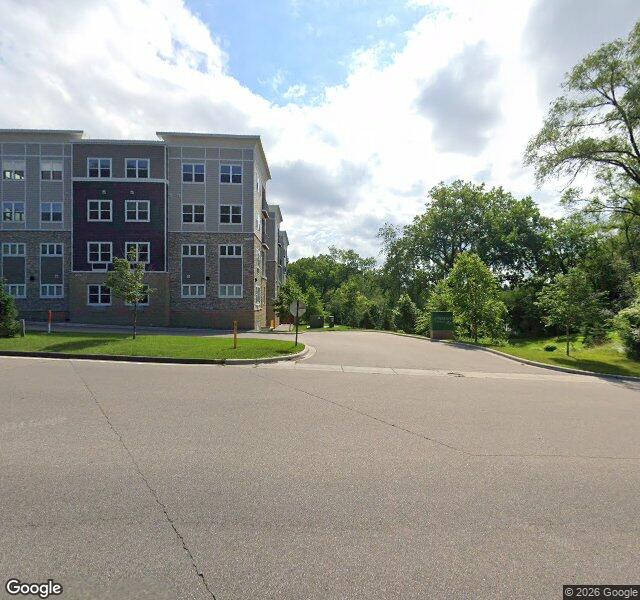
The Preserve of Roseville
2600 Dale Street North, Roseville, MN 55113View map (opens in a new tab)
Overview and key essentials
State license
Active
MN MDH
Google reviews
4.5/ 5
62 reviews
Size & payment
Ask directly
Confirm pricing & payment
Strong public signals
Rated 4.5/5 across 62 public Google reviews. Visit in person to confirm daily care and pricing.
Cost, payment & care details
Updated Nov 28, 2026| Monthly cost | Not published | Ask for the full monthly cost, including care fees and one-time charges. |
|---|---|---|
| Payment options | Ask directly | Payment details are not confirmed in our records. Ask about private pay, long-term care insurance, veterans benefits, and Medicaid waivers. |
| Size & availability | Confirm directly | We don't publish live openings. Ask about current availability, waitlist length, and move-in timing. |
| Care & support | Assisted living | Usually offers housing and help with everyday tasks, such as bathing and dressing. What to confirm about care levelsThis describes the licensed category. Ask how care plans adjust if mobility, nursing, or memory needs change over time. Read the family care guide → |
State licensing
State inspection history
7inspections
15deficiencies listed
Dec 17, 2025ComplaintNo deficiencies reportedNone
No deficiencies reported
View official state report (opens in a new tab)
Not Substantiated. The alleged perpetrator (AP) neglected the resident when the resident did not receive medication according to physician orders, resulting in dehydration and passing away
Oct 9, 2024Routine2 deficiencies reported2
2 deficiencies reported
View official state report (opens in a new tab)
Dale Street North2600
Roseville, MN55113 Ramsey County, 62 License Categories: Operator: Expires on: / / Phone #: 6122020708 ID #: The violations listed in this report include any previously issued orders and deficiencies identified during this inspection. Compliance dates are shown for each item. No NEW orders were issued during this inspection. Surface and Equipment Sanitizers Quaternary Ammonia: = 300 PPM at Degrees Fahrenheit Location: 3 compartment sink Violation Issued: No Hot Water: = at 160 Degrees Fahrenheit Location: 190 R 160 Contact Violation Issued: No Food and Equipment Temperatures Process/Item: Deli meat Temperature: 40 Degrees Fahrenheit - Location: Walk-in cooler Violation Issued: No Process/Item: Ambient Temperature: 50 Degrees Fahrenheit - Location: Front snack cooler Violation Issued: No Process/Item: Deli ham Temperature: 41 Degrees Fahrenheit - Location: Prep cooler Violation Issued: No Process/Item: Sausage Temperature: 45 Degrees Fahrenheit - Location: Prep cooler, cooling < 6 hrs Violation Issued: No 0 Items discussed include cleaning and sanitizing of surfaces (juice machine, front upright cooler, can opener), dry storage containers for dry goods, cooling (reported most food is cooked and served without leftovers), equipment operation, sanitizing verification, employee health and hygiene. If the 2nd Floor Memory Care unit is used in the future (currently unoccupied), verifying the cooler and dish machine are operating properly prior to being put back into service. Discussed refrigerators in memory care neighborhood kitchens (non NSF/ANSI), do not store TCS/perishable foods in these refrigerators. Dish machine – check the connection of the detergent dispensing hose to prevent leaks NOTE: Plans and specifications must be submitted for review and approval prior to new construction, remodeling or alterations. number 1025241197 of 10/08/24. Certified Food Protection Manager:Steven Ramlow Certification Number: FM30524 Expires: 11/15/25 Inspection report reviewed with person in charge and emailed. Signed: Establishment Representative 0039254 FOODBORNE ILLNESS RISK FACTORS AND PUBLIC HEALTH INTERVENTIONS Circle designated compliance status (IN, OUT, N/O, N/A) for each numbered item Mark "X" in appropriate box for COS and/or R IN= in compliance OUT= not in compliance N/O= not observed N/A= not applicable COS=corrected on-site during inspection R= repeat violation Compliance Status COS R Surpervision PIC knowledgeable; duties & oversight Certified food protection manager, duties 1 IN OUT 2 IN OUT N/A Employee Health 3 IN OUT 4 IN OUT Mgmt/Staff;knowledge,responsibilities&reporting Proper use of reporting, restriction & exclusion Procedures for responding to vomiting & diarrheal events 5 IN OUT Good Hygenic Practices N/O Proper eating, tasting, drinking, or tobacco use 6 IN OUT 7 IN OUT N/O No discharge from eyes, nose, & mouth Preventing Contamination by Hands 8 IN OUT N/O Hands clean & properly washed 9 IN No bare hand contact with RTE foods or pre-approved OUT N/A N/O alternate pprocedure properly followed 10 IN OUT Adequate handwashing sinks supplied/accessible Approved Source Food obtained from approved source 11 IN OUT 12 IN OUT N/A N/O Food received at proper temperature 13 IN OUT Food in good condition, safe, & unadulterated 14 Required records available; shellstock tags, IN OUT N/A N/O parasite destruction Protection from Contamination 15 IN OUT N/A N/O Food separated and protected 16 IN OUT N/A Food contact surfaces: cleaned &...
JO8F116899
topics: (1) an overview of this chapter; (2) an introduction and review of the facility's policies and procedures related to the provision of assisted living services by the individual staff person; (3) handling of emergencies and use of emergency services; (4) compliance with and reporting of the maltreatment of vulnerable adults under section 626.557 to the Minnesota Adult Abuse Reporting Center (MAARC); (5) the assisted living bill of rights and staff responsibilities related to ensuring the exercise and protection of those rights; (6) the principles of person-centered planning and service delivery and how they apply to direct support services provided by the staff person; (7) handling of residents' complaints, reporting of complaints, and where to report complaints, including information on the Office of Health Facility Complaints; (8) consumer advocacy services of the Office of Ombudsman for Long-Term Care, Office of Ombudsman for Mental Health and Developmental Disabilities, Managed Care Ombudsman at the Department of Human Services, county-managed care advocates, or other relevant advocacy services; and (9) a review of the types of assisted living services the employee will be providing and the facility's category of licensure. (b) In addition to the topics in paragraph (a), orientation may also contain training on providing services to residents with hearing loss. Any training on hearing loss provided under this subdivision must be high quality and research based, may include online training, and must include training on one or more of the following STATE FORM JO8F11 topics: (1) an explanation of age-related hearing loss and how it manifests itself, its prevalence, and the challenges it poses to communication; (2) health impacts related to untreated age-related hearing loss, such as increased incidence of dementia, falls, hospitalizations, isolation, and depression; or (3) information about strategies and technology that may enhance communication and involvement, including communication strategies, assistive listening devices, hearing aids, visual and tactile alerting devices, communication access in real time, and closed captions. This MN Requirement is not met as evidenced by: Based on interview and record review, the licensee failed to ensure all required orientation content was provided to employees prior to the provision of services for two of two unlicensed personnel ((ULP)-A, ULP-B). This practice resulted in a level two violation (a violation that did not harm a resident's health or safety but had the potential to have harmed a resident's health or safety) and was issued at a widespread scope (when problems are pervasive or represent a systemic failure that has affected or has the potential to affect a large portion or all of the residents). The findings include: ULP-A and ULP-B were hired on January 11, 2024, and April 22, 2024, respectively. ULP-A's undated My Transcript was provided by clinical nurse supervisor (CNS)-D as evidence of all orientation ULP-A had completed. ULP-A's STATE FORM JO8F11 orientation lacked evidence ULP-A was provided the following required orientation: - Overview of assisted living statutes; - Review of the licensee's policies and procedures; - Consumer advocacy services; and - Services the licensee would provide and licensee's scope of practice. ULP-B's undated My Transcript was provided by CNS-D as evidence of all orientation ULP-B had completed. ULP-B's orientation lacked evidence ULP-B...
May 2, 2024ComplaintNo deficiencies reportedNone
No deficiencies reported
View official state report (opens in a new tab)
Inconclusive. The alleged perpetrator (AP) neglected the resident during a shower. The resident slipped, went to the hospital and suffered a fractured tibia
Jan 16, 2024ComplaintNo deficiencies reportedNone
No deficiencies reported
View official state report (opens in a new tab)
No deficiencies are reported in this inspection record.
Jan 16, 2024Complaint1 deficiency reported1
1 deficiency reported
View official state report (opens in a new tab)
Substantiated, facility responsibility. The facility neglected a resident when the facility failed to follow the resident’s plan of care, which resulted in the resident having falls with injuries over the course of three weeks, hospitalizations, a decline in health and was not able to return to the facility
severeHL360217667M
The facility neglected a resident when the facility failed to follow the resident’s plan of care, which resulted in the resident having falls with injuries over the course of three weeks, hospitalizations, a decline in health and was not able to return to the facility. The Minnesota Department of Health determined neglect was substantiated. The facility was responsible for the maltreatment. The resident sustained an unspecified number of falls over the course of one month, resulting in injuries and hospitalizations. The facility failed to provide documentation to assist in the investigation including incident reports, assessments, progress notes, care plans and/or service plans for the resident. There was no evidence the facility reassessed the resident following falls with injuries and implemented interventions to ensure the resident’s safety and prevent future falls. The facility failed to provide accurate and complete staff contact information for previous staff so it could not be determined which staff were assisting the resident when the falls/injuries occurred. Page 2 of 4 The investigator conducted interviews with facility staff members, including administrative staff, nursing staff, and unlicensed staff. The investigator also interviewed family members. The investigation included review of resident’s medical records, facility schedules, hospital records, and facility policies. Also, the investigator completed a facility tour. The resident resided in an assisted living memory care unit. The resident’s diagnoses included dementia, abnormalities of gait and mobility, and spondylosis (degeneration of bones and discs of the neck.) The resident’s service plan provided by the facility was dated prior to the first fall with injury and included assistance with toileting, transfers, and wheelchair mobility. The resident’s care plan indicated the resident was wheelchair bound and at high risk for falls. The resident’s hospital record indicated the resident was evaluated at the hospital after falling forward out of her wheelchair onto her face. The resident required a nose clamp for a bloody nose and returned to the facility the same day. Approximately three weeks later, the resident’s hospital record indicated the resident arrived at the hospital with left leg pain and an increased inability to transfer. The hospital record indicated the resident fell that same day when ambulating to the bathroom with staff. The resident complained of right and left leg pain following the fall. The hospital record also indicated the resident had multiple falls over two weeks and was unable to stand one day. The resident was diagnosed with both a right and left pelvic fractures. A non-surgical treatment plan was...
Show all 7 inspections
Feb 23, 2023Complaint1 deficiency reported1
1 deficiency reported
View official state report (opens in a new tab)
Substantiated, facility responsibility. Alleged perpetrator (AP)1 and AP2 abused a resident when they held the resident down and forced a wanderguard alarm bracelet (a device that notified staff when a resident was out of a certain area) onto the resident’s wrist, leaving bruises
severeHL360213705M
Alleged perpetrator (AP)1 and AP2 abused a resident when they held the resident down and forced a wanderguard alarm bracelet (a device that notified staff when a resident was out of a certain area) onto the resident’s wrist, leaving bruises. The Minnesota Department of Health determined abuse was substantiated. The facility was responsible for the maltreatment. The resident clearly recalled staff restraining her to place a wanderguard alarm bracelet on her wrist, even though the resident told them no. The resident’s family member stated the staff involved told her an administrative staff directed staff to hold the resident to get the wanderguard on. The resident’s legal representative (who held power of attorney) stated the administrative staff verified she told staff to place the wanderguard. The nurse at the facility at the time of the incident stated the administrative staff directed staff to restrain the resident. The facility failed to provide documentation to assist in the investigation, such as contact information of the staff involved in the restraint, names of Page 2 of 5 staff involved, or other relevant documentation, so it was inconclusive as to which staff were involved in the restraint. The investigator conducted interviews with facility staff members, including administrative staff, nursing staff, and unlicensed staff. The investigator contacted the resident’s family and POA. The investigation included review of the resident’s facility record, incident reports, personnel files, policies, and procedures related to resident belongings, wandering, elopement, and maltreatment of vulnerable adults. (Multiple documents requested for the investigation were not provided by the facility, including contact information for AP1 and the identity of AP2.) Also, the investigator observed staff/resident interaction on the locked memory care units. The resident lived in an assisted living memory care unit. The resident’s diagnoses included mild cognitive impairment, generalized anxiety, and primary insomnia. The resident’s service plan included assistance with orientation, medication administration, encouragement to participate in activities, providing supplies for bathing/grooming/hygiene, meals, safety checks during the night, encouragement to use her walker, housekeeping, and laundry. The resident’s care plan indicated the resident bathed independently, groomed independently, ate independently in her apartment, toileted independently, and used her cell phone independently. The care plan indicated the resident received “24-hour supervision and visual checks in the memory care unit”. The resident’s abuse prevention plan did not identify elopement or wandering as a...
Mar 24, 2022Routine11 deficiencies reported11
11 deficiencies reported
View official state report (opens in a new tab)
moderate0660
control (a) The facility must establish and maintain a comprehensive tuberculosis infection control program according to the most current tuberculosis infection control guidelines issued by the United States Centers for Disease Control and Prevention (CDC), Division of Tuberculosis Elimination, as published in the CDC's Morbidity and Mortality Weekly Report. The program must include a tuberculosis infection control plan that covers all paid and unpaid employees, contractors, students, and regularly scheduled volunteers. The commissioner shall provide technical assistance regarding implementation of the guidelines. (b) The facility must maintain written evidence of compliance with this subdivision. This MN Requirement is not met as evidenced by: Based on interview and record review, the licensee failed to establish and maintain a tuberculosis (TB) prevention program based on the most current guidelines issued by the Centers for Disease Control and Prevention (CDC) which employees (unlicensed personnel (ULP)-F, ULP-G) with employee records reviewed. This practice resulted in a level two violation (a violation that did not harm a resident's health or safety but had the potential to have harmed a resident's health or safety) and was issued at a pattern scope (when more than a limited number of residents are affected, more than a limited number of staff are involved, or the situation has occurred repeatedly; but is not found to be pervasive). The findings include: The Facility TB Risk Assessment dated October 1, 2021, identified the facility was at a medium risk for transmission. ULP-F was hired December 29, 2021, and provided direct cares for residents of the facility. ULP-F's employee record included a Tuberculin skin test (TST) dated December 27, 2021, however lacked a second step TST. ULP-G was hired September 29, 2021, and provided direct cares for residents of the facility. ULP-G's employee record included a TST dated September 27, 2021, however lacked a second step TST. On March 23, 2022, at 5:05 p.m. staffing coordinator (SC)-M confirmed both ULP-F and ULP-G lacked a second step TST. The Regulations for Tuberculosis Control in Minnesota Health Care Settings dated July 2013 noted training was required at the time of hire and included: pathogenesis, signs symptoms, and the licensee's infection control plan. In addition, baseline screening for all health care workers (HCW) included a history and symptom screen and testing for the presence of TB infection. The regulations noted a blood test should include the date of the test. According to the regulations, if a HCW had documentation for latent TB, that documentation could be substituted for documentation of a previous positive TST or blood test. The licensee's Tuberculosis Screening policy dated August 1, 2021, indicated all newly hired staff would receive a Interferon-Gamma Release Assays (IGRA) blood test or a two-step Mantoux (TST) with negative documentation prior to assisting residents. No further information was provided. TIME PERIOD FOR CORRECTION: Twenty-one (21) days
moderate0250
(a) The commissioner may refuse to grant a provisional license, refuse to grant a license as a result of a change in ownership, refuse to renew a license, suspend or revoke a license, or impose a conditional license if the owner, controlling individual, or employee of an assisted living facility: (1) is in violation of, or during the term of the license has violated, any of the requirements in this chapter or adopted rules; (2) permits, aids, or abets the commission of any illegal act in the provision of assisted living services; (3) performs any act detrimental to the health, safety, and welfare of a resident; (4) obtains the license by fraud or misrepresentation; (5) knowingly makes a false statement of a material fact in the application for a license or in any other record or report required by this chapter; (6) denies representatives of the department access to any part of the facility's books, records, files, or employees; (7) interferes with or impedes a representative of the department in contacting the facility's residents; (8) interferes with or impedes ombudsman access according to section 256.9742, subdivision 4; (9) interferes with or impedes a representative of the department in the enforcement of this chapter or fails to fully cooperate with an inspection, survey, or investigation by the department; (10) destroys or makes unavailable any records or other evidence relating to the assisted living facility's compliance with this chapter; (11) refuses to initiate a background study under section 144.057 or 245A.04; (12) fails to timely pay any fines assessed by the commissioner; (13) violates any local, city, or township ordinance relating to housing or assisted living services; (14) has repeated incidents of personnel performing services beyond their competency level; or (15) has operated beyond the scope of the assisted living facility's license category. (b) A violation by a contractor providing the assisted living services of the facility is a violation by the facility. This MN Requirement is not met as evidenced by: Based on interview and record review, the licensee failed to show they met the requirements of licensure, by attesting the managerial officials who oversaw the day-to-day operations understood applicable statutes and rules; nor developed and/or implemented current policies and procedures as required with records reviewed. This had the potential to affect all residents, staff, and visitors. This practice resulted in a level two violation (a violation that did not harm a resident's health or safety but had the potential to have harmed a resident's health or safety, but was not likely to cause serious injury, impairment, or death), and is issued at a widespread scope (when problems are pervasive or represent a systemic failure that has affected or has the potential to affect a large portion or all of the residents). The findings include: During the entrance conference on March 21, 2022, at approximately 10:45 a.m., registered nurse (RN)-B stated the licensee's employees in charge of the facility were familiar with the assisted living regulations and the licensee provided medication and treatment management services. The licensee's Application for Assisted Living License, section titled Official Verification of Owner or Authorized Agent, (page four and five of the application), identified, I certify I have read and understand the following: [a check mark was placed before each of the following]: - I have read...
moderate0510
(a) All assisted living facilities must establish and maintain an infection control program that complies with accepted health care, medical, and nursing standards for infection control. (b)The facility's infection control program must be consistent with current guidelines from the national Centers for Disease Control and Prevention (CDC) for infection prevention and control in long-term care facilities and, as applicable, for infection prevention and control in assisted living facilities. (c) The facility must maintain written evidence of compliance with this subdivision. This MN Requirement is not met as evidenced by: Based on observation, interview and record review the licensee failed to establish and maintain an effective infection control program to comply with accepted health care, medical, and nursing standards for infection control and current recommendations for COVID-19. This had the potential to affect all 90 residents, staff and visitors. This practice resulted in a level two violation (a violation that did not harm a resident's health or safety but had the potential to have harmed a resident's health or safety), and was issued at a widespread scope (when problems are pervasive or represent a systemic failure that has affected or has the potential to affect a large portion or all of the residents). The findings include: EMPLOYEE EYE PROTECTION On March 22, 2022, at 7:58 a.m., unlicensed personnel (ULP)-F was observed to administer medications to resident (R)-2. ULP-F was observed not wearing eye protection while in R2's room administering medications. During an interview on March 22, 2022, at 8:20 a.m., ULP-F stated caregivers always wear a mask when in the facility. ULP-F further stated they normally wear eye protection, but forgot to put it on today. ULP-F indicated they should wear eye protection when in resident areas, in resident rooms, and when passing meds. During an interview on March 22, 2022, at approximately 10:45 a.m., registered nurse (RN)-B stated eye protection should be worn when a caregiver is within six feet of a resident. The provided COVID-19 and infection control policies did not address the use of eye protection when providing resident cares. HAND HYGIENE/GLOVES On March 22, 2022, at approximately 7:33 a.m., during a continuous medication and treatment administration observation, the surveyor made the following observations: -at 7:33 a.m., ULP-G failed to perform hand hygiene prior to medication administration and failed to don gloves prior to administering an insulin injection of Humolog 7 units (u) for R4. -at 7:38 a.m., ULP-G failed to perform HH prior to proceeding to R13's room and administering medication to R13. -at 7:48 a.m., ULP-G failed to perform HH prior to proceeding to R14's room and provide an escort to dining room for R14. -at 7:59 a.m., ULP-G failed to perform HH prior to proceeding to R15's room and administering medication to R15. -at 8:18 a.m., ULP-G failed to perform HH prior to proceeding to R7's room and administering medication to R7. -at 8:25 a.m., ULP-G performed a blood glucose test on R7 without use of gloves. -at 8:26 a.m., ULP-G failed to don gloves prior to administering insulin injections of 35u of Lantus and 10u of insulin lispro for R7. On March 22, 2022, at approximately 8:33 a.m., ULP-G acknowledged they did not perform hand hygiene during medication administration, until they completed medication administration for R7. ULP-G further acknowledged they did not...
STATE FORM6899
VUYQ12 {0 660} {0 660} and Prevention (CDC), Division of Tuberculosis Elimination, as published in the CDC's Morbidity and Mortality Weekly Report. The program must include a tuberculosis infection control plan that covers all paid and unpaid employees, contractors, students, and regularly scheduled volunteers. The commissioner shall provide technical assistance regarding implementation of the guidelines. (b) The facility must maintain written evidence of compliance with this subdivision. This MN Requirement is not met as evidenced by: Based on interview and record review, the licensee failed to establish and maintain a tuberculosis (TB) prevention program based on the most current guidelines issued by the Centers for Disease Control and Prevention (CDC) which included baseline testing for four of four employees (unlicensed personnel (ULP)-G, ULP-P, ULP-R, and assisted living director (ALD)-Q) with employee records reviewed. This practice resulted in a level two violation (a violation that did not harm a resident's health or safety but had the potential to have harmed a resident's health or safety) and was issued at a pattern scope (when more than a limited number of residents are affected, more than a limited number of staff are involved, or the situation has occurred repeatedly; but is not found to be pervasive). The findings include: The Facility TB Risk Assessment dated October 1, 2021, identified the facility was at a medium risk for transmission. STATE FORM VUYQ12 {0 660} {0 660} ULP-G was hired September 29, 2021, and provided direct cares for residents of the facility. ULP-G's employee record included a (tuberculin skin test) TST dated September 27, 2021, however lacked a second step TST. ULP-P was hired May 10, 2022, and provided direct cares for residents of the facility. ULP-P's employee record included a chest radiograph (x-ray) dated April 12, 2022, however lacked documentation of a positive TST. ALD-Q was hired April 25, 2022, and provided on-site supervisory services for the licensee. ALD-Q's employee record included a TB symptom screening form, but lacked documentation of a negative TB test. ULP-R was hired April 6, 2022, and provided direct cares for residents of the facility. ULP-R's employee record included a TB symptom screening form, but lacked documentation of a negative TB test. TB testing documentation for ULP-G, ULP-P, ULP-R and ALD-Q was requested June 28, 2022, at 7:55 a.m., and 5:50 p.m., and July 4, 2022, at 1:05 p.m., but was not provided. The Regulations for Tuberculosis Control in Minnesota Health Care Settings dated July 2013 noted training was required at the time of hire and included: pathogenesis, signs symptoms, and the licensee's infection control plan. In addition, baseline screening for all health care workers (HCW) included a history and symptom screen and testing for the presence of TB infection. The regulations noted a blood test should include the date of the test. According to the regulations, if a HCW had documentation for latent TB, that STATE FORM VUYQ12 {0 660} {0 660} documentation could be substituted for documentation of a previous positive TST or blood test. The licensee's Tuberculosis Screening policy dated August 1, 2021, indicated all newly hired staff would receive an Interferon-Gamma Release Assays (IGRA) blood test or a two-step Mantoux (TST) with negative documentation prior to assisting residents. No further information was provided. {0 790} 144G.45 Subd. 2 (a) (2)-(3)...
moderate0580
The facility shall engage in quality management appropriate to the size of the facility and relevant to the type of services provided. "Quality management activity" means evaluating the quality of care by periodically reviewing resident services, complaints made, and other issues that have occurred and determining whether changes in services, staffing, or other procedures need to be made in order to ensure safe and competent services to residents. Documentation about quality management activity must be available for two years. Information about quality management must be available to the commissioner at the time of the survey, investigation, or renewal. This MN Requirement is not met as evidenced by: Based on interview and record review, the licensee failed to implement and maintain a quality management program appropriate to the size of the facility and relevant to the type of services provided. This had the potential to affect all 90 residents, staff and visitors. This practice resulted in a level two violation (a violation that did not harm a resident's health or safety but had the potential to have harmed a resident's health or safety) and was issued at a widespread scope (when problems are pervasive or represent a systemic failure that has affected or has the potential to affect a large portion or all the residents). The findings include: On March 21, 2022, at approximately 11:00 a.m., registered nurse (RN)-B stated the licensee had a quality management program and would provide surveyors with information. On March 24, 2022, at approximately 11:55 a.m., the surveyor requested a copy of the quality management meeting minutes from Clinical Care Specialist (CCS)-C, RN-B and RN-E. No quality management meeting minutes were provided throughout the survey. The licensee's Quality Management Project policy, dated August 21, 2022, indicated licensee would maintain at least one documented quality management project and retain records of project(s) for two years. No further information provided. TIME PERIOD FOR CORRECTION: Twenty-one (21) days
moderate0970
The contract must not include a waiver of facility liability for the health and safety or personal property of a resident. The contract must not include any provision that the facility knows or should know to be deceptive, unlawful, or unenforceable under state or federal law, nor include any provision that requires or implies a lesser standard of care or responsibility than is required by law. This MN Requirement is not met as evidenced by: Based on interview and record review, the licensee failed to ensure the assisted living contract did not include language waiving the facility's liability for health, safety, or personal property of a resident for five of five residents (R3, R2, R4, R6, R7) with records reviewed. This practice resulted in a level two violation (a violation that did not harm a resident's health or safety but had the potential to have harmed a resident's health or safety) and was issued at a widespread scope (when problems are pervasive or represent a systemic failure that has affected or has the potential to affect a large portion or all of the residents). The findings include: R3, R2, R4, R6, and R7 were admitted under the Comprehensive license: R3 in 2020, and R2, R4, R6, R7 in 2021. The records for these residents included Resident Agreements signed August 1, 2021, October 11, 2021, July 30, 2021, August 1, 2021, and July 30, 2021, respectively. The licensee began providing Assited Living services on August 1, 2021. R3, R2, R4, R6, and R7's Resident Agreement, page 16, number 33. Indemnification, indicated the resident waived liability (responsibility) of the licensee for damages and liability and expense in connection with loss of life, personal injury or damage to property. On March 23, 2022, at 11:59 a.m. registered nurse (RN)-B acknowledged the indemnification clause was present in the contract given to all residents as of August 1, 2021 No further information provided. TIME PERIOD FOR CORRECTION: Twenty-One (21) days
moderate0800
physical environment (4) keep the physical environment, including walls, floors, ceiling, all furnishings, grounds, systems, and equipment in a continuous state of good repair and operation with regard to the health, safety, comfort, and well-being of the residents in accordance with a maintenance and repair program. This MN Requirement is not met as evidenced by: Based on observation, interview, and record review, the licensee failed to maintain the physical environment of the facility in a continuous state of good repair and operation. This has the potential to directly affect the health, safety, and well-being of all residents and staff. This practice resulted in a level two violation (a violation that did not harm a resident's health or safety but had the potential to have harmed a resident's health or safety) and was issued at a widespread scope (when problems are pervasive or represent a systemic failure that has affected or has the potential to affect a large portion or all of the residents). On March 23, 2022, between the hours of 10:10 a.m. and 1:20 p.m., survey staff toured the facility with the maintenance director (MD)-K. At the start of the tour, survey staff collected building construction information from MD-K and received floor plans of the building. The building was opened in 2019 and is a 4-story with an underground parking garage and fully protected by a fire suppression system. Resident room types for assisted living were studio, one-bedroom, and two-bedroom designs, and for memory care were studio design type. The following findings were observed by survey staff: -The fire-rated door from stair B to the underground parking garage did not latch properly when closed. MD-K explained that it may be from the building settling since the facility was only a couple of years old. -The latch hardware for the fire-rated doors to the trash rooms in the facility were removed and failed to close and latch properly to protect the corridor for building safe exit access. Further investigation, survey staff noticed the hardware were tampered with and asked MD-K about the removal and tampering of the latches on the fire-rated doors. MD-K explained that residents had difficulty opening the doors to drop off trash and therefore, the door hardware were removed for easier resident access to and from the trash rooms. Survey staff explained that the trash rooms are considered hazardous storage rooms and by tampering with the rated-fire doors also comprises the integrity of the building fire safety plan for exit access to protect the residents, staff, and visitors. Survey staff also suggested exploring other code-approved options without tampering with the door hardware on fire-rated doors. - Record review of the facility's Water Temperature Testing Documentation, dated November 29, 2021, indicated readings recorded temperatures for public restroom lavatories (memory care floors) at the outlet of faucets were at 115.3 degrees F, 112.9 degrees F, and 111.3 degrees F, which exceeded the maximum water temperatures allowed by state standards. Water temperatures for lavatories (handwashing sinks) in public restrooms must be limited to a maximum of 110 degrees F or less for safe handwashing temperature by adjusting the dedicated temperature mixing devices serving the public lavatories (See Minn. Rules, part 4714.0407 at https://www.revisor.mn.gov/rules/4714.0407/ ). On March 23, 2022, at approximately 2:50 p.m., MD-K acknowledged the above...
moderate0790
physical environment (2) install and maintain portable fire extinguishers in accordance with the State Fire Code; (3) install portable fire extinguishers having a minimum 2-A:10-B:C rating within Group R-3 occupancies, as defined by the State Fire Code, located so that the travel distance to the nearest fire extinguisher does not exceed 75 feet, and maintained in accordance with the State Fire Code; and This MN Requirement is not met as evidenced by: Based on observation, interview, and record review, the licensee failed to maintain portable fire extinguishers in accordance with the State Fire Code as required by MN Statute 144G.45 Subd(a)(2). This had the potential to directly affect all residents, visitors, and staff. This practice resulted in a level two violation (a violation that did not harm a resident's health or safety but had the potential to have harmed a resident's health or safety) and was issued at a widespread scope (when problems are pervasive or represent a systemic failure that has affected or has the potential to affect a large portion or all of the residents). The findings include: On March 23, 2022, between the hours of 10:10 a.m. and 1:20 p.m., survey staff toured the facility with the maintenance director (MD)-K. During the tour, survey staff observed that portable fire extinguishers located throughout the facility were not annually serviced as required. The review of the tags on the extinguishers indicated the last annual service date was consistently dated November 2019. Survey staff explained to MD-K that each portable fire extinguisher was required to be serviced annually by a trained person/vendor to ensure proper operating conditions and recharged. Thereafter, quick monthly inspections of portable fire extinguishers are required by the facility's employees to ensure they are readily available, designated at their installed location, no obvious physical damage or condition to the unit to prevent their operation when needed. MD-K verified the findings during the tour. On March 23, 2022, at approximately 2:50 p.m., MD-K acknowledged the above findings at the exit interview. No further information was provided. TIME PERIOD FOR CORRECTION: Fourteen (14) days
moderate0810
physical environment (b) Each assisted living facility shall develop and maintain fire safety and evacuation plans. The plans shall include but are not limited to: (1) location and number of resident sleeping rooms; (2) employee actions to be taken in the event of a fire or similar emergency; (3) fire protection procedures necessary for residents; and (4) procedures for resident movement, evacuation, or relocation during a fire or similar emergency including the identification of unique or unusual resident needs for movement or evacuation. (c) Employees of assisted living facilities shall receive training on the fire safety and evacuation plans upon hiring and at least twice per year thereafter. (d) Fire safety and evacuation plans shall be readily available at all times within the facility. (e) Residents who are capable of assisting in their own evacuation shall be trained on the proper actions to take in the event of a fire to include movement, evacuation, or relocation. The training shall be made available to residents at least once per year. (f) Evacuation drills are required for employees twice per year per shift with at least one evacuation drill every other month. Evacuation of the residents is not required. Fire alarm system activation is not required to initiate the evacuation drill. This MN Requirement is not met as evidenced by: Based on observation, interview, and record review, the licensee failed to provide all required content on the fire safety and evacuation plan, evacuation drills, and the minimum required training of staff on fire safety and evacuation. This has the potential to directly affect the safety of staff and all residents receiving care. This practice resulted in a level two violation (a violation that did not harm a resident's health or safety but had the potential to have harmed a resident's health or safety), and was issued at a widespread scope (when problems are pervasive or represent a systemic failure that has affected or has the potential to affect a large portion or all of the residents). The findings include: On March 23, 2022, between the hours of 10:10 a.m. and 1:20 p.m., survey staff toured the facility with the maintenance director (MD)-K. On March 23, 2022, at approximately 1:30 pm, survey staff received the facility fire safety and evacuation plan and related documentation for review: FIRE SAFETY AND EVACUATION PLAN -The documentation lacked employee actions to be taken in the event of a fire or similar emergency. -The documentation lacked the specific fire protection procedures necessary for addressing all residents including any unique or unusual resident needs including memory care residents during an evacuation as well as a relocation of the resident plan for a full evacuation. Unique resident-specific needs may include cognitive impairment, wheelchair-bound, on walkers, non-ambulatory, bedridden, and needing assistance during an evacuation. The evacuation plan needs to address partial and total movements and evacuations. -The documentation lacked fire protection procedures for the residents. TRAINING -The training policy lacked the content of employee training on the fire safety and evacuation at least twice per year after the new hire onboard training. Training must be specific to the facility's fire safety and evacuation. -The training policy lacked the content of resident training for residents who are capable of assisting in their own evacuation on proper actions to take during a...
moderate0950
(a) Before or at the time of execution of an assisted living contract, an assisted living facility must offer the resident the opportunity to identify a designated representative in writing in the contract and must provide the following verbatim notice on a document separate from the contract: "RIGHT TO DESIGNATE A REPRESENTATIVE FOR CERTAIN PURPOSES. You have the right to name anyone as your "Designated Representative." A Designated Representative can assist you, receive certain information and notices about you, including some information related to your health care, and advocate on your behalf. A Designated Representative does not take the place of your guardian, conservator, power of attorney ("attorney-in-fact"), or health care power of attorney ("health care agent"), if applicable." (b) The contract must contain a page or space for the name and contact information of the designated representative and a box the resident must initial if the resident declines to name a designated representative. Notwithstanding subdivision 1, paragraph (f), the resident has the right at any time to add, remove, or change the name and contact information of the designated representative. This MN Requirement is not met as evidenced by: Based on interview and record review, the licensee failed to ensure the assisted living contract included designation of representatives in writing with the required statutory language for five of five residents (R3, R2, R4, R6, R7) with records reviewed. This practice resulted in a level two violation (a violation that did not harm a resident's health or safety but had the potential to have harmed a resident's health or safety) and was issued at a widespread scope (when problems are pervasive or represent a systemic failure that has affected or has the potential to affect a large portion or all of the residents). The findings include: R3, R2, R4, R6, and R7 were admitted under the Comprehensive license: R3 in 2020, and R2, R4, R6, R7 in 2021. The records for these residents included Resident Agreements signed August 1, 2021, October 11, 2021, July 30, 2021, August 1, 2021, and July 30, 2021, respectively. The licensee began providing Assited Living services on August 1, 2021. R3, R2, R4, R6, and R7's Resident Agreements lacked the opportunity to designate a representative and the verbatim "right to designate a representative for certain purposes" notice. On March 23, 2022, at 11:59 a.m. registered nurse (RN)-B verified the right to designate a representative form was not in the resident agreements. Although RN-B stated the forms could be located elsewhere, the requested forms were not provided. No further information provided. TIME PERIOD FOR CORRECTION: Twenty-One (21) days
Dale Street North2600
Roseville, MN55113 Ramsey County, 62 License Categories: Operator: Expires on: / / The violations listed in this report include any previously issued orders and deficiencies identified during this inspection. Compliance dates are shown for each item. The following orders were issued during this inspection. 3-500C Microbial Control: date marking 3-501.17A ** Priority 2 ** MN Rule 4626.0400A Mark the refrigerated, ready-to-eat, TCS food prepared and held for more than 24 hours in the food establishment using an effective method to indicate the date by which the food must be consumed on the premises, sold, or discarded. HARD BOILED EGGS IN THE MEMORY CARE SERVICE KITCHEN COOLER OBSERVED WITHOUT DATE MARK. EGGS WERE DISCARDED BY KITCHEN MANAGER DURING THE INSPECTION. Corrected on Site Surface and Equipment Sanitizers Quaternary Ammonia: = 200PPM at Degrees Fahrenheit Location: SANI BUCKET Violation Issued: No Quaternary Ammonia: = 400PPM at Degrees Fahrenheit Location: 3 COMPARTMENT SINK Violation Issued: No Hot Water: = at 166 Degrees Fahrenheit Location: DISHWASHER Violation Issued: No Temperature: 37 Degrees Fahrenheit - Location: SERVICE KITCHEN COOLER Violation Issued: No Process/Item: Cold Holding/ BUTTER Temperature: 40 Degrees Fahrenheit - Location: PREP COOLER Violation Issued: No Process/Item: Cold Holding/ SAUSAGE Temperature: 39 Degrees Fahrenheit - Location: PREP COOLER Violation Issued: No Process/Item: Cold Holding/ CHEESE Temperature: 40 Degrees Fahrenheit - Location: PREP COOLER Violation Issued: No Process/Item: Cold Holding/ TOMATO Temperature: 38 Degrees Fahrenheit - Location: PREP COOLER Violation Issued: No Process/Item: Cold Holding/ HAM Temperature: 39 Degrees Fahrenheit - Location: WALK IN COOLER Violation Issued: No Process/Item: Cold Holding/ HAM SALAD Temperature: 38 Degrees Fahrenheit - Location: WALK IN COOLER Violation Issued: No Process/Item: Cold Holding/ SOUP Temperature: 40 Degrees Fahrenheit - Location: WALK IN COOLER Violation Issued: No Priority 1 Priority 3 0 0 1 Priority 2 Total Orders In This Report VIEWED ILLNESS LOG AND DISCUSSED ILLNESS POLICY. VIEWED COOKING TEMPERATURE LOGS. OBSERVED PROPER COOLING AND THAWING. number 1018221039 of 03/22/22. KEITH DEWAYNE SIMMONS Certified Food Protection Manager: Certification Number: Expires: FM72977 08/27/22 Inspection report reviewed with person in charge and emailed. Signed: Signed: KEITH SIMMONS KITCHEN MANAGER
Neighborhood & resident support
Emergency access, hazards & advocacy
Nearest hospital
Healtheast St Johns Hospital
4.5 mi · St Paul, MN · Medicare 5/5 ★
Emergency room
FEMA hazard risk
Relatively HighRamsey County, MN
- Cold Wave
- Hail
- Tornado
Free resident advocacy
Minnesota Office of Ombudsman for Long-Term Care
More neighborhood context (specialists, VA, dialysis, air & affordability)
VA & dialysis access
Minneapolis VA Medical Center
9.0 mi · Minneapolis, MN · VA 5/5 ★
Fmc Dialysis - Roseville
1.4 mi · 4/5 ★ · Home dialysis
Specialists within 15 mi
- Geriatricians
- 71
- Neurologists
- 504
- Palliative care
- 82
- PM&R rehab
- 218
Environment & mobility
- EPA Air (2025)
- 70% good days · AQI 34
- EPA Walkability
- 13.0/20 (Above Average)
- USDA Grocery Access
- Moderate Grocery Access
- Primary care access
- HRSA Shortage Area
County demographics
- Age 65+ median income
- $61,775/yr
- Rent-burdened households
- 50%
- Cognitive disability (2023)
- 13.4%
- Mobility disability
- 11.0%
Call & tour checklist
Questions to ask The Preserve of Roseville
Check off questions as you call or tour. Your progress stays private in this browser.
Show 3 more suggested questions
Verification & public records
Official records & sources
Licensing & contact
- License #
- 36021
- Status
- active
- Phone
- (952) 952-6720
- Federal OIG LEIE
- Clear (2026-11-27)
Original public sources
Verify licensing, ratings, and inspection reports directly with each official source.
- MN MDH official record (opens in a new tab)MN Dept. of Health
- Google Maps (opens in a new tab)Directions, photos & neighborhood
- Google Reviews (opens in a new tab)62 public reviews
EveryPlace is an independent research directory. Information is compiled from public Medicare.gov, state licensing, Google Places, and street-level imagery sources. Some summaries, suggested questions, and pricing notes are AI-generated or AI-assisted and may contain errors or omissions. We do not accept payment for placement. Confirm all details directly with the community and official sources. Research Policy.
Keep exploring
Nearby communities to compare
- Assisted Living< 1 miRecovery Home Health CareRoseville, MN
- 5.0(1)Assisted Living< 1 miSkyview HousingRoseville, MN
- Assisted Living< 1 miSafecare Homes INCRoseville, MN
- 4.5(60)Assisted Living< 1 miStorypoint Lake OwassoRoseville, MN
- 5.0(5)Assisted Living< 1 miArkhaven Healthcare LLCRoseville, MN
- Medicare 2/52.9(88)140 bedsMedicaidNursing Home< 1 miThe Estates at Roseville LLCRoseville, MN