Loading EveryPlace content…
Assisted LivingActive license
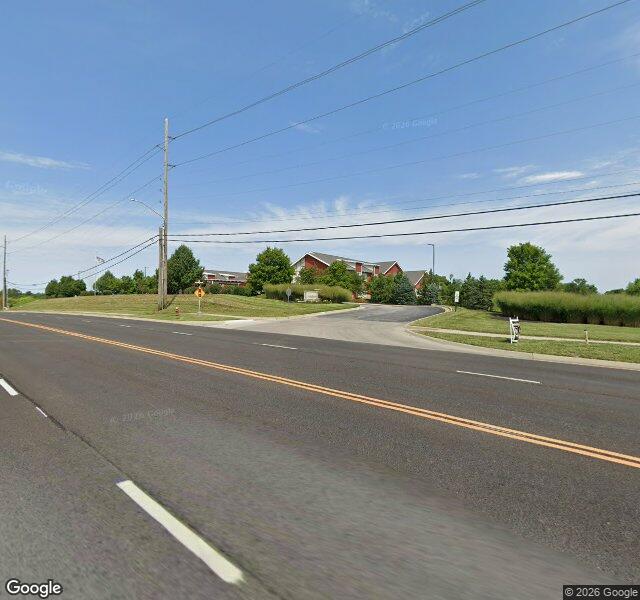
The Healthcare Resort of Kansas City
8900 Parallel Parkway, Kansas City, KS 66112View map (opens in a new tab)
Overview and key essentials
State license
Active
KS KDADS
Google reviews
Not available
Public reviews not linked
Size & payment
Ask directly
Confirm pricing & payment
Public records for this community are limited. Use the checklist below when you call or visit to confirm pricing, services, and openings.
Cost, payment & care details
Updated Nov 28, 2026| Monthly cost | Not published | Ask for the full monthly cost, including care fees and one-time charges. |
|---|---|---|
| Payment options | Ask directly | Payment details are not confirmed in our records. Ask about private pay, long-term care insurance, veterans benefits, and Medicaid waivers. |
| Size & availability | Confirm directly | We don't publish live openings. Ask about current availability, waitlist length, and move-in timing. |
| Care & support | Assisted living | Usually offers housing and help with everyday tasks, such as bathing and dressing. What to confirm about care levelsThis describes the licensed category. Ask how care plans adjust if mobility, nursing, or memory needs change over time. Read the family care guide → |
State licensing
State inspection history
13inspections
54deficiencies listed
May 14, 2026Routine26 deficiencies reported26
26 deficiencies reported
View official state report (opens in a new tab)
INITIAL COMMENTS A partial extended recertification survey with complaint investigation was conducted on 05/12/2026-05/14/2026 to determine compliance with 42 CFR Part 483, Requirements for Long Term Care Facilities. Complaint reference numbers 2991620 and 2790734 were investigated. The facility census on the first day of the survey was 66. The sample included 17 residents. Based on this survey, deficiencies were identified under 42 CFR Part 483, Requirements for Long Term Care Facilities. The facility’s noncompliance with F609 and F610 constituted Substandard Quality of Care as defined at 42 CFR 488.301.
moderateF 0584
SS = E and comfortable lighting levels in all areas (adequate lighting means levels of illumination suitable to tasks the resident chooses to perform or the facility staff must perform).
moderateF 0941
Based on record review and interviews, the facility failed to ensure agency staff received the required communication training. Findings included: - On 05/14/26 at 10:40 AM, a review of the training provided by the facility for agency Certified Nurse Aide (CNA) P, CNA Q, and Licensed Nurse (LN) K revealed the following: The facility was unable to provide documentation that CNA P had completed the communication training. The facility was unable to provide documentation that CNA Q had completed the communication training. The facility was unable to provide documentation that LN K had completed the communication training. On 05/14/26 at 01:23 PM, Administrative Staff B stated she was responsible for scheduling the agency staff. Administrative Staff B stated the facility expected the agency had provided the required training and in-services to their agency staff prior to scheduling the staff at the facility. The facility was unable to provide a policy related to staff required in-services as requested on 05/14/26.
SS = SQC-FF 0610
SS = SQC-F SS = SQC-F SS = SQC-F The facility’s policy “Abuse: Prevention of and Prohibition Against” dated 04/2026 documented after receiving the allegation, and during and after the investigation, the Administrator will ensure that all residents are protected from physical and psychosocial harm. A licensed nurse will immediately examine the resident upon receiving reports of alleged physical or sexual abuse. The findings of the examination shall be recorded in the resident's medical record. If an allegation of abuse, neglect, misappropriation of resident property, or exploitation is reported, discovered or suspected, the Facility will take the following steps to protect all residents from physical and psychosocial harm during and after the investigation: Make room or staffing changes, if necessary, to protect the resident(s) from the alleged perpetrator and protect the involved persons from retaliation.
moderateF 0949
training and in-services to their agency staff prior to scheduling the staff at the facility. The facility was unable to provide a policy related to staff required in-services as requested on 05/14/26.
moderateF 0744
SS = D assistant. On 05/14/26 at 01:59 PM, Certified Nurse Aide (CNA) N stated she had worked with R10 some, and he did not attend any activities. She was unsure who would do one-to-one activities with the residents, she thought that would be activities. On 05/14/26 at 02:25 PM, Licensed Nurse (LN) J stated any staff could take a resident to or provide activities. She stated the residents’ preference for activities should be on the care plan. LN J stated if a resident had an activity bag in their room, staff should make sure the resident had something from the bag. On 05/14/26 at 02:51 PM, Administrative Nurse D stated all staff should be interacting with all residents. She stated residents with a diagnosis of dementia should be offered activities or provided 1:1 interaction. The facility’s “Care of Dementia” dated 03/25 documented It was the policy of the facility that all residents would have an individualized plan of care and have the least restrictive approaches to care. Staff were offered specialized training in the care of the dementia population, appropriate approaches to care, and managing behaviors.
moderateF 0730
signature. CMA S, hired 03/27/25, had no yearly performance evaluation upon request. On 05/14/26 at 01:23 PM, Administrative Staff B stated each of the department heads were responsible for ensuring the yearly evaluations were completed. Administrative Staff B stated she would assist with tracking the due dates for the employees’ yearly evaluations. The facility was unable to provide a policy related to yearly performance evaluation as requested on 05/14/26.
moderateF 0688
SS = D (CNA) N stated R6 had a sign hanging in his room to apply his brace. She stated she did not know who would put the brace on. She started nursing or therapy. CNA N stated she had never applied R6’s brace to his left hand. On 05/14/25 at 02:25 PM, Licensed Nurse (LN) J stated it was the CNA’s duty to apply R6’s splint. She stated the LN working that hall should check to ensure R6 had his brace on. 05/14/25 at 02:51 PM Administrative Nurse D stated if a resident should have a brace placed daily, that should be on the residents care plan. She stated it would be the CNA's responsibility to apply the splint. She stated the nurse should double check to ensure the brace was on the resident. The facility’s “Quality of Care” policy dated 03/26 documented it was the policy of the facility that residents were given the appropriate treatment and services to maintain or improve his or her abilities.
severeF 0600
CFR(s): 483.12(a)(1) §483.12 Freedom from Abuse, Neglect, and Exploitation The resident has the right to be free from abuse, neglect, misappropriation of resident property, and exploitation as defined in this subpart. This includes but is not limited to freedom from corporal punishment, involuntary seclusion and any physical or chemical restraint not required to treat the resident's medical symptoms. §483.12(a) The facility must- §483.12(a)(1) Not use verbal, mental, sexual, or physical abuse, corporal punishment, or involuntary seclusion; This REQUIREMENT is NOT MET as evidenced by: Based on observation, record review, and interview, the facility failed to ensure residents remained free from staff-to-resident verbal and/or mental abuse when Resident (R)9 reported during the resident council meeting attended by staff in 11/2025 that Licensed Nurse (LN) K and Certified Nurse Aide (CNA) QQ made fun of him. The abuse resulted in SS = G SS = G SS = G SS = G N stated she had Abuse and Neglect training on 05/13/26, during the survey. She stated she had never heard any staff member yell or make fun of a resident. CNA N stated if she heard or witnessed abuse, she would call her administrator at that moment. On 05/14/26 at 02:51 PM, LN J stated she received Abuse and Neglect training on 05/13/26, during the survey. She stated she had not heard a staff member yell or make fun of a resident. She stated she would call the director of nursing and the administrator and report the incident. On 05/14/26 at 02:51 PM, Administrative Nurse D stated she did not follow up on the resident council minutes prior to when she became the director of nursing. She stated that when the nursing department heads were put in place, the department heads picked five of what they felt were the most important care areas to work on. She stated the department heads should have read the resident council minutes and followed up. The facility’s “Abuse: Prevention of and Prohibition Against” dated 04/26 documented that it was the policy of the facility that each resident had the right to be free from abuse, neglect, misappropriation of resident property, exploitation, and mistreatment. It was also the policy of the facility to recognize the residents' right to personal privacy and confidentiality of their physical body, personal care, and personal space or accommodations. This included, but was not limited to, freedom from corporal punishment, involuntary seclusion, and any physical or chemical restraint not required to treat the residents’ medical symptoms. This also includes taking, keeping, using, or distributing photographs or video recordings of residents in any manner that would demean or humiliate a resident, regardless of consent provided or the resident's cognitive status.
moderateF 0694
SS = D SS = D On 05/13/26 at 09:34 AM, Administrative Nurse E stated she was in the facility when LN I stated R4’s antibiotic had ended. Administrative Nurse E stated LN I had an order for the removal of R4’s PICC line. She stated she should have charted the removal and what the site looked like. Administrative Nurse E stated she should do a late entry of charting for the removal of R4’s PICC line removal. On 05/13/26 at 09:35 AM, Administrative Nurse D stated the office personnel had taken the order off the scanner. She stated the office personnel had sent the order out to all department heads. Administrative Nurse D stated nursing had not done anything with the order. She stated the office personnel scanned the order into R4’s chart. Administrative Nurse D stated it should be the practice of the facility to document the removal of the PICC line, and any monitoring or complications. The facility’s “Quality of Care” dated 03/26 it was the policy of the facility that residents were given the appropriate treatment and services to maintain or improve their abilities.
moderateF 0693
SS = D dated 02/03/26, documented she had suffered a CVA and was dependent on staff assistance for ADL and gastrostomy nutrition. R43's “Care Plan” documented the following interventions: 01/27/26- elevate R43’s head of bed at least 30-45 degrees at all times during feeding. R43‘s EMR under the “Orders” tab revealed the following physician orders: Enteral feed orders every shift and elevate head of bed at least 30-45 degrees at all times during feeding and 1 hour after, dated 01/21/26. On 05/13/26 at 2:37 PM, R43 laid on the bed with the head of her bed only elevated slightly, but less than 30-45 degrees. R43’s gastrostomy was infusing. R43’s call light was attached to her bed, and the call light cord and button hung behind her bed. R43’s bilateral heels rested directly on the mattress. On 05/14/26 at 09:25 AM, Administrative Nurse E stated R43’s head of bed should be elevated at least 30 to 45 degrees at all times. The facility’s “Gastrostomy Tube Care and Management” policy dated 04/2026 documented it was the policy of this facility to provide proper care and maintenance of gastrostomy tubes.
moderateF 0695
SS = D SS = D wheelchair, eating her breakfast. R77’s BIPAP mask laid draped over her BIPAP machine, and R77’s nasal cannula was wrapped around the portable oxygen tank. On 05/13/26 at 08:25 AM, R77 stated she did not wear her BIPAP mask every night. She stated the nurses do not know what the settings should be on, or the nurse cannot find the mask for the BIPAP. R77 stated she would just wear her nasal cannula at night. On 05/14/26 at 01:59 PM, Certified Nurse Aide (CNA) N stated nasal cannulas and BIPAP mask should be placed in a dated bag when not in use. She stated anyone can place the mask or nasal cannula in a bag. 05/14/26 at 02:25 PM, Licensed Nurse (LN) J stated oxygen mask should be in a dated bag. She stated the bags were changed every Wednesday by the night shift. LNJ stated that all nursing staff can put the respiratory equipment in a bag when not in use. She stated it was the nurse on duty’s responsibility to ensure the mask and oxygen tubing were not placed on the floor. On 05/14/26 at 02:51 PM, Administrative Nurse D stated all respiratory equipment not in use should be in a plastic bag. She stated all staff had been trained in the importance of keeping respiratory equipment off the floor and in a bag during the infection control training. The facility’s “Oxygen Equipment” policy dated 01/26 documented it was the policy of the facility to maintain all oxygen therapy equipment in a clean and sanitary manner and to use humidifiers, tubing, masks, and cannulas for residents receiving oxygen. The equipment was to be discarded after use by a resident. The facility would maintain clean tanks, connectors, and concentrators.
moderateF 0880
SS = F SS = F linens on a PPE cart. LN J stated hands should be washed anytime you leave a resident’s room, when taking trash, from clean to dirty, and dirty to clean. She stated nursing should have laid a paper towel down before laying down the glucose monitor in a resident’s room. She stated staff should always take wet briefs out of a resident’s room. On 05/14/26 at 02:51 PM, Administrative Nurse D stated respiratory equipment should be placed in a bag with the date. She stated hands should be washed or use sanitizer between clean and dirty, and clean linens should not be left on a PPE cart. Administrative Nurse D stated dirty linens should not be placed on the floor. She stated nursing should sanitize the glucose monitor and use a sanitary barrier in residents’ rooms. “The facility’s “Infection Prevention and Control Program” dated 04/26 documented the infection prevention and control program was a facility -wide effort involving all disciplines and individuals, and was an internal part of the quality assurance performance improvement program the elements of infection prevention and control program consist of coordination, oversight, surveillance and data analysis. The facility’s “Hand Hygiene” dated 02/26 documented it was the policy of the facility to provide the necessary supplies, education, and oversight to ensure healthcare workers perform hand hygiene, which was one of the most effective measures to prevent the spread of infection, based on accepted standards. The facility’s “Oxygen Equipment” policy dated 01/26 documented it was the policy of the facility to maintain all oxygen therapy equipment in a clean and sanitary manner and to use humidifiers, tubing, masks, and cannulas for residents receiving oxygen. The equipment was to be discarded after use by a resident. The facility would maintain clean tanks, connectors and concentrators.
moderateF 0689
SS = D SS = D bed. R16’s bed was in a high position. R16’s call light was wrapped around the right-hand side rail of his bed and dangling down. R16 stated he could not reach or find his call light, and he did not like his bed in a high position. R16 stated staff put his bed in a high position when doing his care. On 05/14/26 at 01:59 PM, Certified Nurse Aide (CNA) N stated call lights should always be within the resident’s reach. She stated a resident’s bed could be in a high position if the resident wanted the bed in a high position. CNA N stated R16 was a fall risk and his bed should be in a lower position. On 05/14/26 at 02:25 PM, Licensed Nurse (LN) J stated call lights should be within the resident’s reach. She stated all residents' beds should be in a lower position. LN J stated R16 was a fall risk and staff should place his bed in a low position, if he was agreeable. LN J stated the oxygen storage room should always be kept locked and any oxygen cylinders should be stored on an oxygen cart. LN J stated everyone was responsible for ensuring fall interventions are in place to prevent future falls. On 05/14/26 at 02:51 PM, Administrative Nurse D stated call lights should be within the resident’s reach. She stated beds should be in a low position. Administrative Nurse D stated oxygen should be stored behind a locked door when not in use and secured on an oxygen cart. Administrative Nurse D stated that it was everyone’s responsibility to ensure fall interventions were in place. Administrative Nurse D stated, but ultimately, it was her responsibility. The facility’s “Fall Management System,” dated 03/26, documented it was the policy of the facility to provide an environment that remains as free of accident hazards as possible. It was also the policy of the facility to provide each resident with appropriate assessment and interventions to prevent falls and minimize complications if a fall occurs.
moderateF 0628
SS = D SS = D SS = D 04/10/26 at 03:06 PM, that documented R83 was to be discharged home with his medications and all his personal belongings. Discharge instructions were reviewed with R83 and voiced no concerns. The Facility provided the Ombudsman notification for the past three months. Review of the items provided by the facility revealed the facility had sent copies of the bed-hold and hospital transfers to the state ombudsman’s office. On 05/13/26 at 09:25 AM, Administrative Staff C stated she was unable to locate a discharge summary to have R83’s recapitulation of his stay. On 05/14/26 at 11:10 AM, Social Services X stated she had only sent the list of residents who had transferred to the hospital. On 05/14/26 at 02:51 PM, Administrative Nurse D stated social services would start the discharge process and open the discharge summary form in the resident’s EMR. Administrative Nurse D stated the charge nurse on duty would complete the discharge summary at the time of the discharge. The facility’s “Admission, Transfer, and Discharge” policy dated 03/03/26 documented it was the policy of the Facility that each resident would remain in the Facility and not be transferred or discharged unless the discharge or transfer was appropriate as per the existing criteria. When the Facility transferred or discharged a resident, the Facility would ensure that the transfer or discharge was documented in the resident's medical record and appropriate information was communicated to the receiving health care institution or provider.
moderateF 0677
SS = E SS = E SS = E On 05/14/26 at 09:22 AM, Certified Nurse’s Aide (CNA) M stated he was not sure of the R77’s bathing schedule. He stated when he answered her call light, she asked if she could have a shower today. CNA M stated he was an agency and did not work at the facility. He stated if a resident wanted a shower, he would give the resident a shower. On 05/14/26 at 01:59 PM, Certified Nurses Aide (CNA)N stated she was unsure if bathing had been done on the evening shift. She stated she had talked to management and voiced her concerns about a bath aide to help with bathing for the residents. CNA N stated a bath sheet was done on each resident on the days the resident was to have a shower, and signed by the nurse if the resident refused. On 05/14/26 at 08:15 AM, Licensed Nurse (LN) I stated that residents had scheduled bath days/times per their preference. LN I stated that R47 did have scheduled bathing days and preferred them in the evening, but would frequently refuse. On 05/14/26 at 02:51 PM, Administrative Nurse D stated what was supposed to happen was the CNA was to give the shower, fill out a shower sheet, then sign the shower sheet after the shower was given. She stated if the resident refused the shower, the nurse was to talk to the resident later to see if another time worked better for the resident. Administrative Nurse D stated she would expect the nurse to chart in the residents chart if a shower was refused or offered. Administrative Nurse D stated the facility was aware there were problems with bathing. She stated staff have been educated about the importance of bathing. Administrative Nurse D stated that “NA” should not be used when documenting a shower or bath. The Facility’s “Activities of Daily Living (ADL), Services to carry out” policy dated March 2026 documented it was the policy of this facility that residents were given the appropriate treatment and services to maintain or improve his/her abilities. Residents who were unable to carry out ADLs would receive necessary services to maintain: good nutrition; grooming; personal hygiene; and oral hygiene.
documented it was the policy of this facility to2026
provide an environment free of pests. The facility would have a pest contract that provided frequent treatment of the environment for pests. It would allow for additional visits when a problem was detected. Monitoring of the environment would be done by the facility’s staff.
moderateF 0883
following: (A) That the resident or resident's representative was provided education regarding the benefits and potential side effects of pneumococcal immunization; and (B) That the resident either received the pneumococcal immunization or did not receive the pneumococcal immunization due to medical contraindication or refusal. This REQUIREMENT is NOT MET as evidenced by: Based on record reviews and interviews, the facility failed to offer and administer or obtain an informed declination for the Pneumococcal Conjugate Vaccine (PCV20- vaccination for bacterial pneumonia infections) and influenza (highly contagious viral infection) vaccination for Resident (R)3. Findings included: - Review of R3’s clinical record revealed refusals for PCV20 and influenza vaccines. R3’s clinical record lacked documentation the PCV20, and influenza was offered or declined, and lacked documentation of a historical administration or a physician documented contraindication. 05/13/26 at 08:40 AM, Administrative Nurse C stated she was unable to find R3’s declination. On 05/14/26 at 02:51 PM, Administrative Nurse D stated the nurse that was admitting the resident was responsible to ensure the resident or family signed a consent or declination for immunizations. She stated the facility had changes in the administration, and the infection preventionist should be the one following up on any consent or declination of immunizations. The facility did not provide an immunization policy as requested on 05/14/26.
minorF 0732
SS = C Based on observation, record review, and interviews, the facility failed to ensure the daily nurse staffing data was posted and failed to ensure the daily posted nursing staffing included the required information. Findings included: - On 05/12/26 at 08:01 AM, review of the daily posted nursing staffing sheet revealed a date of 05/08/26. Review of the posted staffing sheets from 05/11/24 to 05/11/26 revealed the form used 05/01/26 to 05/07/26 lacked a daily census on the posted sheets. On 05/13/26 at 08:06 AM, Administrative Nurse D stated Administrative Staff B was responsible for ensuring the daily posted nursing staff sheets were posted. Administrative Nurse D stated the on the weekend receptionist would post the daily nursing sheets that had been provided by Administrative Staff B, and the daily census information should be included. The facility’s “Posted Direct Care Daily Staffing Numbers” policy last revised 08/2022, documented the facility would post on a daily basis for each shift nurse staffing data, including the number of nursing personnel responsible for providing direct care to residents.
moderateF 0697
SS = D SS = D residents were assessed and provided what each resident needed. The facility’s “Quality of Care” dated 03/26, it was the policy of the facility that residents were given the appropriate treatment and services to maintain or improve their abilities.
SS = SQC-FF 0609
SS = SQC-F SS = SQC-F SS = SQC-F time anyone had visited him about the incident. On 05/14/26 at 07:35 AM, Administrative Staff C stated the facility had just begun an investigation of the allegation, and LN K had been suspended. She stated the facility did not look at the past resident council minutes and should have ensured resident concerns were followed up on. On 05/14/26 at 02:51 PM, Administrative Nurse D stated she did not follow up on the resident council minutes prior to when she became the director of nursing. She stated that when the nursing department heads were put in place, the department heads picked five of what they felt were the most important care areas to work on. She stated the department heads should have read the resident council minutes and followed up. The facility’s policy “Abuse: Prevention Of and Prohibition Against” dated 04/2026 documented all allegations of abuse, neglect, misappropriation of resident property, or exploitation should be reported immediately to the Administrator. Allegations of abuse, neglect, misappropriation of resident property, or exploitation will be reported outside the Facility and to the appropriate State or Federal agencies in the applicable timeframes, as per this policy and applicable regulations. The Facility will ensure that all individuals who are involved in the reporting or investigation process are free from retaliation or reprisal.
moderateF 0925
On 05/13/26 at 09:15 AM, Administrative Staff C stated pest control came to the facility monthly and as needed when pests were noted in between the visits. Administrative Staff C stated an order was put in the TELS (a building management platform designed for senior living with integrated asset management, life safety, and maintenance solutions). On 05/13/26 at 01:30 PM, Maintenance U stated that he had been notified by a resident in the dining room and by staff of the ants yesterday. Maintenance U stated pest control came to the facility monthly and as needed. The pest control was called and would be coming tomorrow to spray for the ants in the dining room and to look for any other pests in the areas. Maintenance U stated it was spring, and the ants were looking for food, and it was possible for them to get inside the building. The facility’s “Pest Control” policy dated March
moderateF 0686
SS = D SS = D SS = D SS = D SS = D hurt after sitting in the wheelchair.
moderateF 0679
SS = D SS = D he had not been to many activities. Activities Director Z stated she had placed a red bag in R6’s room. She stated staff could give him anything in the bag to occupy him. She stated she had not had a lot of time to do one-to-one activities with residents, because it was just her. Activities Director Z stated the facility was looking to get her an assistant. On 05/14/26 at 01:59 PM, Certified Nurses Aide (CNA) N stated R6 did not come out of his room for many activities. She stated he had behaviors when he was at activities. She was unsure who would do one to one activities with the residents, she thought that would be activities. CNA N stated she knew R6 had a red bag of things he could be given to keep him busy. She stated she knew her co-worker had given him something from the bag once. On 05/14/26 at 02:25 PM, Licensed Nurse (LN) J stated any staff can take a resident to activities. She stated the residents’ preference for activities should be on the care plan. LNJ stated if a resident had an activity bag in their room, staff should make sure the resident had something from the bag. On 05/14/26 at 02:51 PM, Administrative Nurse D stated staff should be interacting with all residents. She stated she knew R6 had behaviors while he was at activities. She stated R6 should still be offered activities and interactions. Administrative Nurse D stated staff should be giving R6 something from his red bag for distractions if he was not going out to activities. The facility’s “Care of Dementia” dated 03/25 documented It was the policy of the facility that all residents would have an individualized plan of care and have the least restrictive approaches to care. Staff were offered specialized training in the care of the dementia population, appropriate approaches to care, and managing behaviors.
moderateF 0761
the Comprehensive Drug Abuse Prevention and Control Act of 1976 and other drugs subject to abuse, except when the facility uses single unit package drug distribution systems in which the quantity stored is minimal and a missing dose can be readily detected. This REQUIREMENT is NOT MET as evidenced by: Based on observation, record review, and interview, the facility failed to store medication and biologicals adequately when staff failed to lock and secure an unattended medication cart. Findings included: - On 05/13/26 at 08:15 AM, the medication aide cart on the northeast hall was left unlocked and unattended when Certified Medication Aide (CMA) R stepped away from his cart to go into a resident’s room. On 05/13/26 at 02:07 PM, the medication cart for the northeast hall was left unlocked. The cart was CMA R’s, who was cleaning up the medication cart for the southeast hall. Administrative Nurse E walked up to the cart and locked the cart. On 05/13/26 at 08:17 AM, CMA R stated he only stepped away from his cart briefly, but he should have locked it when he stepped away from it. On 05/13/26 at 08:18 AM, Licensed Nurse (LN) H stated the medication cart should be locked anytime you walk away from the cart or when not being used. On 05/13/26 at 02:07 PM, Administrative Nurse E stated that the medication carts should always be locked when staff walk away from the cart. Administrative Nurse E stated this medication cart did not have any narcotic medications in it. The facility's “Medication Access and Storage” policy dated October 2025 documented it was the policy of this facility to store all drugs and biologicals in locked compartments under proper temperature controls. Medication carts are locked when the person administering medications steps away from the cart. All medications are kept secured in the cart or medication storage room until they are used.
moderateF 0942
provided by the facility for agency Certified Nurse Aide (CNA) P, CNA Q, and Licensed Nurse (LN) K revealed the following: The facility was unable to provide documentation that CNA P had completed the resident rights training. The facility was unable to provide documentation that CNA Q had completed the resident rights training. The facility was unable to provide documentation that LN K had completed the resident rights training. On 05/14/26 at 01:23 PM, Administrative Staff B stated she was responsible for scheduling the agency staff. Administrative Staff B stated the facility expected the agency had provided the required training and in-services to their agency staff prior to scheduling the staff at the facility. The facility was unable to provide a policy related to staff required in-services as requested on 05/14/26.
moderateF 0759
SS = E by mouth in the morning before breakfast. The medications scheduled time was 07:00 AM to 09:00 am, the medication was given late at 10:11 AM. 5. Baclofen (a medication used to relax muscles of the body) 15 mg tablet by mouth three times a day. The medication was scheduled to be given between 07:00 AM and 09:00 AM and was given late at 10:11 AM. 6. Systane ophthalmic solution 0.6% (eye drops used to prevent tear evaporation), one drop in both eyes three times a day. The eye drops were scheduled for 07:00 AM to 09:00 AM, the eye drops were given late at 10:11 AM. 7. Ipratropium bromide nasal solution 0.03% (a nasal spray used for relief of a runny nose due to allergies), two sprays in each nostril two times a day. This medication was scheduled to be administered from 07:00 AM to 09:00 AM but was not administered until 10:11 AM. On 05/13/26 at 09:35 AM, Certified Medications Aide (CMA) R stated he was running behind that day and trying to get the residents’ medications given correctly and efficiently. CMA R stated that a couple of R1’s medications.
Nov 5, 2025RoutineNo deficiencies reportedNone
No deficiencies reported
View official state report (opens in a new tab)
INITIAL COMMENTS The Health Licensure Resurvey of the above-named facility resulted in a finding of no deficiency citations.
Nov 4, 2025RoutineNo deficiencies reportedNone
No deficiencies reported
View official state report (opens in a new tab)
INITIAL COMMENTS The Licensure Resurvey and Complaint Investigations 2570424 and 2636022 of the above-named facility resulted in a finding of no deficiency citations.
Jul 10, 2024Routine19 deficiencies reported19
19 deficiencies reported
View official state report (opens in a new tab)
INITIAL COMMENTS The following citations represent the findings of a Health Resurvey and Complaint Investigation #KS00188088 and #KS00188009. The 2567 was sent electronically on 07/18/24.
Investigate/Prevent/Correct Alleged ViolationF 610
CFR(s): 483.12(c)(2)-(4) SS=D BXX311 §483.12(c) In response to allegations of abuse, neglect, exploitation, or mistreatment, the facility must: §483.12(c)(2) Have evidence that all alleged violations are thoroughly investigated. §483.12(c)(3) Prevent further potential abuse, neglect, exploitation, or mistreatment while the investigation is in progress. §483.12(c)(4) Report the results of all investigations to the administrator or his or her designated representative and to other officials in accordance with State law, including to the State Survey Agency, within 5 working days of the incident, and if the alleged violation is verified appropriate corrective action must be taken. This REQUIREMENT is not met as evidenced by: The facility identified a census of 66 residents. The sample included 19 residents with two residents reviewed for abuse. Based on observation, record review, and interview, the facility failed to ensure a resident-to-resident altercation was fully investigated and interventions implemented to prevent further abuse after R31 threw hot coffee on R40. This placed the residents on the west hall at risk of possible harm and or injury and impaired quality of life. Findings included: - The electronic medical record (EMR) for R31 documented diagnoses of hemiplegia and hemiparesis (muscular weakness and paralysis of one side of the body), diabetes mellitus (DM- BXX311 -when the body cannot use glucose, not enough insulin made or the body cannot respond to the insulin), hypertension (HTN- elevated blood pressure), and peripheral vascular disease (PVD- slow and progressive circulation disorder causing narrowing, blockage, or spasms in a blood vessel). The "Annual Minimum Data Set (MDS)" dated 10/07/23 for R31 documented a Brief Interview for Mental Status (BIMS) score of 15 which indicated intact cognition. R31 had impairment to one side of his upper extremities and impairment to both lower extremities. R31 required the use of a motorized wheelchair for mobility. R31 was independent of his functional abilities. R31 received antidepressant (a class of medications used to treat mood disorders), hypnotic (a class of medications used to induce sleep), and opioid (a broad group of pain-relieving medicines that work with your brain cells) medications. The "Functional Abilities Care Area Assessment (CAA)" dated 10/12/23 for R31 documented R31 had DM and staff monitors and administers his insulins (a hormone that lowers the level of glucose in the blood) as ordered. R31 remained at the facility with no plans to discharge at this time. R31 remained fairly independent and asked for assistance as needed. R31 worked with occupational and physical therapy. R31 had a bilateral lower extremity amputation (surgical removal of a body part) and had right-sided hemiparesis/hemiplegia. R31 is transferred with a slide board and has a trapeze (a bar used to assist the patient with a means of self-help to change position, to move from the bed, or to transfer to and from a wheelchair) on his bed to help with bed mobility. R31 used an electric BXX311 wheelchair for locomotion. R31's "Care Plan" last updated 04/30/24 documented R31 was independent with locomotion of his power wheelchair. The staff was directed to approach the resident in a calm manner. Staff was to intervene as necessary to protect the rights and safety of others. Staff was directed to approach/speak in a calm manner. Staff was directed to divert attention, remove the resident from...
Reasonable Accommodations Needs/PreferencesF 558
CFR(s): 483.10(e)(3) SS=D §483.10(e)(3) The right to reside and receive services in the facility with reasonable accommodation of resident needs and preferences except when to do so would endanger the health or safety of the resident or other residents. This REQUIREMENT is not met as evidenced by: The facility identified a census of 66 residents. The sample included 19 residents. Based on observation, record review, and interview, the facility failed to provide Resident (R)39 foot pedals for her wheelchair. This deficient practice left R39 vulnerable to possible injury due to unmet care needs. Findings included: - R39's Electronic Medical Record (EMR) from the "Diagnoses" tab documented diagnoses of dysarthria (weak speech), pacemaker( and artificial device to stimulate the heart muscle), transient ischemic attack (a temporary blockage of blood flow to the brain), diabetes mellitus (DM-when the body cannot use glucose, not enough insulin made or the body cannot respond to the insulin), hemiparesis/hemiplegia (weakness and paralysis on one side of the body), difficulty in walking, cerebral infarction (stroke - the sudden death of brain cells due to lack of oxygen caused by impaired blood flow to the brain by blockage or rupture of an artery to the brain) affect right dominant side, depression (a mood disorder that causes a persistent depression feeling of sadness and loss of interest), and cerebrovascular accident (CVA-stroke- sudden death of brain cells due to lack of oxygen caused by impaired blood flow to the brain by blockage or rupture of an artery to the brain). The "Quarterly Minimum Data Set" (MDS) dated 04/19/24 documented a Brief Interview of Mental Status (BIMS) score of eight which indicated moderately impaired cognition. The MDS documented R39 had an impairment to one side. The MDS documented R39 was dependent on staff to put on and take off footwear. R39's "Cognitive Loss Care Area Assessment" (CAA) dated 10/18/23 documented R39 shows alterations in cognition related to a diagnosis of dementia (a progressive mental disorder characterized by failing memory, and confusion), cognitive-communication deficit, and a history of CVA and was evident by memory impairments and intermittent delusions. R39's "Care Plan" dated 01/18/23 documented R39 was at risk for impaired cognitive function or impaired thought processes related to the diagnosis of dementia. Staff were to orient R39 to the facility's surroundings, time, and location as needed. Staff to explain care and procedures as needed. The plan of care dated 08/03/23 documented R39 had a contracture (abnormal fixation of a joint or muscle) of her right upper and lower extremity. BXX311 On 07/09/24 at 07:36 AM R39 rolled herself to breakfast using her left hand. Certified Medication Aide (CNA) R asked R39 if she wanted to be pushed to breakfast and said R39 should raise her legs. R39 lifted her legs. R39 was not wearing her foot/ankle brace and was wearing her white tennis shoes. R39's right foot hit the floor twice while CNA R propelled the wheelchair. On 07/10/24 at 11:05 PM in an interview, Certified Nurse's Aide (CNA) M stated pedals should be provided if staff were going to push R39 and said R39 would have made it to the breakfast table alone. On 07/10/24 at 11:15 PM in an interview, Licensed Nurse (LN) G stated R39 should have pedals on her wheelchair if staff were pushing her to ensure she doesn't get hurt when her feet touch the ground. On 07/10/24 at 04:20 PM in an...
DialysisF 698
CFR(s): 483.25(l) SS=D §483.25(l) Dialysis. The facility must ensure that residents who require dialysis receive such services, consistent with professional standards of practice, the comprehensive person-centered care plan, and the residents' goals and preferences. This REQUIREMENT is not met as evidenced by: The facility identified a census of 66 residents. The sample included 19 residents with two residents reviewed for hemodialysis (a procedure using a machine to remove excess water, solutes, and toxins from the blood in people whose kidneys can no longer perform these functions naturally). Based on observation, record review, and interviews, the facility failed to consistently communicate Resident (R) 6's medical condition prior to and post-hemodialysis. This deficient practice placed R6 at risk of potential adverse outcomes and physical complications related to dialysis. Findings included: - R6's Electronic Medical Record (EMR) from the "Diagnoses" tab documented diagnoses of diabetes mellitus (DM-when the body cannot use glucose, not enough insulin made or the body cannot respond to the insulin), hypotension (low blood pressure), end-stage renal disease (ESRD-a terminal disease of the kidneys) with BXX311 dialysis (procedure where impurities or wastes were removed from the blood), peripheral vascular disease (PVD- slow and progressive circulation disorder causing narrowing, blockage, or spasms in a blood vessel), hypertension (HTN-elevated blood pressure), muscle weakness, repeated falls, cognitive communication deficit, difficulty in walking, unsteadiness on his feet, and dysphagia (swallowing difficulty). The "Annual Minimum Data Set" (MDS) for R6 dated 06/12/24 recorded a Brief Interview for Mental Status (BIMS) score of 14 which indicated intact cognition. The MDS documented R6 required dialysis during the observation period. R6's "Functional Abilities CAA" dated 06/12/24 documented R6 was a long-term resident due to being legally blind, R6 was able to see shadows. R6 had an alteration in functional abilities and required assistance from staff. R6 was at an increased risk of decline due to his need for assistance with activities of daily living (ADLs). The CAA documented nursing would continue to assist with ADLs to reduce decline. R6's "Care Plan" dated 07/23/23 documented R6 required hemodialysis related to end-stage renal failure. Nursing staff were to check R6's fistula (abnormal passage from an internal organ to the body surface or between two internal organs) every day for bruit (blowing or swishing sound heard when blood flows through a shunt) and thrill (a fine vibration felt which reflects the blood flow by a dialysis resident's shunt). The plan directed the facility was to save a lunch tray for R6 on dialysis days; nursing staff were to monitor, document, and report to the physician as needed BXX311 (PRN) any signs or symptoms of infection to the access site. The plan of care dated 10/28/23 documented that the nursing staff was to obtain pre and post-dialysis vitals and report to the physician as needed. Staff were to offer an afternoon snack after dialysis as desired. The plan of care documented R6 would sit for dialysis on Tuesdays, Thursdays, and Saturdays. R6's EMR under the "Orders" tab dated 08/04/23 revealed the following physician's order: nursing to assess dialysis shunt every shift for signs and symptoms of bleeding. R6's EMR under the "Orders" tab dated 08/04/23 revealed the following physician's...
Nutrition/Hydration Status MaintenanceF 692
CFR(s): 483.25(g)(1)-(3) SS=G §483.25(g) Assisted nutrition and hydration. (Includes naso-gastric and gastrostomy tubes, BXX311 both percutaneous endoscopic gastrostomy and percutaneous endoscopic jejunostomy, and enteral fluids). Based on a resident's comprehensive assessment, the facility must ensure that a resident- §483.25(g)(1) Maintains acceptable parameters of nutritional status, such as usual body weight or desirable body weight range and electrolyte balance, unless the resident's clinical condition demonstrates that this is not possible or resident preferences indicate otherwise; §483.25(g)(2) Is offered sufficient fluid intake to maintain proper hydration and health; §483.25(g)(3) Is offered a therapeutic diet when there is a nutritional problem and the health care provider orders a therapeutic diet. This REQUIREMENT is not met as evidenced by: The facility identified a census of 66 residents. The sample included 19 residents with six reviewed for nutrition. Based on observation, record review, and interviews, the facility failed to monitor weights consistently in order to identify loss and immediately involve the registered dietician and physician to evaluate if nutritional needs were met for Resident (R) 27's enteral nutrition regimen (provision of nutrients through the gastrointestinal tract when the resident cannot ingest, chew or swallow food) to prevent a significant, unplanned weight loss of 11.74 percent (%) within two months. Findings Included: - The "Medical Diagnosis" section within R27's Electronic Medical Records (EMR) included BXX311 diagnoses of aphasia (condition with disordered or absent language function) muscle weakness, dysphagia (difficulty swallowing), hemiplegia/hemiparesis (weakness and paralysis on one side of the body), and cerebral infarction (stroke - sudden death of brain cells due to lack of oxygen caused by impaired blood flow to the brain by blockage or rupture of an artery to the brain). R27's "Admission Minimum Data Set (MDS)" completed 06/09/24 noted a Brief Interview for Mental Status (BIMS) assessment could not be completed due to severe cognitive impairment. The MDS indicated she was dependent on staff for bed mobility, transfers, dressing, bathing, and personal hygiene. The MDS indicated she received enteral nutrition through a feeding tube. The MDS indicated she weighed 155 pounds (lbs.) upon admission. R27's "Functional Abilities Care Area Assessment (CAA)" completed 06/13/24 indicated she admitted to the facility for therapy services related to her medical diagnoses. The CAA indicated she was dependent on staff for all her activities of daily living (ADL). R27's "Feeding Tube CAA" completed 06/13/24 indicated she was unable to swallow or chew her food safely. The CAA noted she had a percutaneous endoscope gastrostomy tube (PEG-a tube inserted through the wall of the abdomen directly into the stomach) for all nutritional intake and was on a nothing by mouth diet (NPO). The CAA indicated she was at risk for complication related to her PEG tube. The CAA indicated the enteral nutrition will be monitored by the registered dietician and medical provider. BXX311 R27's "Nutrition CAA" was not triggered upon her admission. R27's "Care Plan" initiated 06/04/24 indicated she was at risk for alterations with her functional abilities related to her medical diagnoses. The plan noted she was dependent on staff for transfers, dressing, bed mobility, toileting, dressing, bathing, and personal...
Drug Regimen is Free from Unnecessary DrugsF 757
CFR(s): 483.45(d)(1)-(6) SS=D §483.45(d) Unnecessary Drugs-General. Each resident's drug regimen must be free from unnecessary drugs. An unnecessary drug is any drug when used- §483.45(d)(1) In excessive dose (including duplicate drug therapy); or §483.45(d)(2) For excessive duration; or §483.45(d)(3) Without adequate monitoring; or §483.45(d)(4) Without adequate indications for its use; or §483.45(d)(5) In the presence of adverse consequences which indicate the dose should be reduced or discontinued; or §483.45(d)(6) Any combinations of the reasons stated in paragraphs (d)(1) through (5) of this section. This REQUIREMENT is not met as evidenced by: The facility identified a census of 66 residents. The sample included 19 residents with five sampled residents reviewed for unnecessary medications. Based on observation, record review, and interview, the facility failed to ensure staff followed physician-ordered parameters for Resident (R) 41 's antihypertensive (class of medication used to treat high blood pressure) medication monitoring. This placed the resident at risk of unnecessary medication administration and possible adverse side effects. Findings included: BXX311 - R41's Electronic Medical Record (EMR) documented diagnoses of congestive heart failure (CHF-a condition with low heart output and the body becomes congested with fluid), myocardial infarction (heart attack), diabetes mellitus (DM-when the body cannot use glucose, not enough insulin made or the body cannot respond to the insulin), and chronic kidney disease (inability of the kidneys to excrete wastes, concentrate urine and conserve electrolytes). R41's "Significant Change Minimum Data Set (MDS)" dated 01/04/24 documented R41 had a Brief Interview for Mental Status (BIMS) score of 14 which indicated intact cognition. R41 had impairment to both upper extremities. R41 required the use of a wheelchair for mobility. R41 required substantial/maximal dependence on staff for functional abilities. R41 required the administration of multiple medications. R41 required oxygen therapy and received hospice services. R41's "Quarterly MDS" dated 06/22/24 documented a BIMS score of 11 which indicated moderately impaired cognition. R41 had impairment to both upper extremities. R41 required the use of a wheelchair for mobility. R41 required substantial/maximal dependence on staff for functional abilities. R41 required the administration of multiple medications. R41 required oxygen therapy and received hospice services. R41's "Functional Abilities Care Area Assessment (CAA)" dated 01/08/24 documented R41 was a long-term resident and was recently placed on BXX311 hospice. R41 had an alteration in self-care related to numerous comorbidities. R41 required assistance with his functional abilities from the staff. R41 required a stand-up lift for transfers. R41's "Care Plan" lacked staff direction specific to antihypertensive medications. R41's "Order Summary Report" documented an order dated 04/09/23 for metoprolol succinate (a beta blocker antihypertensive medication) to give one-half tablet by mouth one time a day for HTN hold for systolic blood pressure (SBP- top number, the force your heart exerts on the walls of your arteries each time it beats) less than 110 or a pulse less than 60. This order was discontinued on 05/26/24. R41's "Order Summary" documented an order dated 05/26/24 for metoprolol succinate ER oral tablet extended Release 24 Hour 25 MG (metoprolol succinate) to give half a...
Treatment/Service for DementiaF 744
CFR(s): 483.40(b)(3) SS=D §483.40(b)(3) A resident who displays or is diagnosed with dementia, receives the appropriate treatment and services to attain or maintain his or her highest practicable physical, mental, and psychosocial well-being. This REQUIREMENT is not met as evidenced by: The facility identified a census of 66 residents. The sample included 19 with one reviewed for dementia (a progressive mental disorder characterized by failing memory, and confusion) care. Based on interviews, record review, and observations, the facility failed to identify a pattern of dementia-related behaviors for Resident (R)29 and implement meaningful interventions to promote quality of life. This deficient practice placed R29 at risk for preventable injuries and the inability to maintain her highest practicable level of functioning. Findings Included: - The "Medical Diagnosis" section within R29's Electronic Medical Records (EMR) included diagnoses of dementia, cognitive communication deficit, insomnia (difficulty sleeping), and dysphagia (difficulty swallowing). R29's "Significant Change Minimum Data Set (MDS)" completed 04/25/24 noted a Brief Interview for Mental Status (BIMS) score of nine BXX311 indicating moderate cognitive impairment. The MDS indicated no behaviors. The MDS indicated she required substantial to maximal assistance with bed mobility, bathing, dressing, toileting, and personal hygiene. The MDS indicated she required set-up assistance with her meals. The MDS indicated she weighed 251 pounds (lbs.). The MDS indicated she was at risk for skin breakdown and utilized pressure-reducing devices in her bed and wheelchair. R29's "Dementia Care Area Assessment (CAA)" completed 04/30/24 indicated she had an alteration in her cognition. The CAA noted she had poor memory recall and impaired decision-making. R29's "Functional Abilities CAA" completed 04/03/24 indicated she required staff assistance with all her activities of daily living (ADLs). The CAA indicated a care plan will be completed to reduce the risks related to her falls, skin care, incontinence, and nutrition. R29's "Care Plan" initiated 07/01/22 indicated she was at risk for alterations in her functional abilities related to her medical diagnoses. The plan indicated she was dependent on staff for transfers, bed mobility, dressing, toileting, bathing, and personal hygiene. The plan indicated she required meal set-up and supervision (07/01/22). The plan noted she was able to manage hot liquids (10/14/22). The plan indicated she had a history of behaviors related to verbal aggression, sexual inappropriateness, and banging on things (10/15/23). The plan instructed staff to approach her in a calm manner, give redirection, and intervene if she is exhibiting behaviors that may injure herself or others BXX311 (10/15/23). R29's EMR under "Progress Notes" revealed a note dated 06/20/24. The note revealed R29 was in the dining room for her meal at dinner service. The note revealed she threw her plate on the floor upon receiving her food. The note revealed upon replacing her food plate, R29 began chewing and spitting her food down her shirt. R29's EMR under "Progress Notes" revealed a note dated 06/25/24. The note revealed staff observed R29 spitting her food down her shirt while yelling for help. The note indicated state brought R29 to the nurse's station and assessed her. The note revealed R29 informed staff she didn't need help and began mocking the nurses. R29's EMR under "Progress...
Free of Accident Hazards/Supervision/DevicesF 689
SS=E BXX311 CFR(s): 483.25(d)(1)(2) §483.25(d) Accidents. The facility must ensure that - §483.25(d)(1) The resident environment remains as free of accident hazards as is possible; and §483.25(d)(2)Each resident receives adequate supervision and assistance devices to prevent accidents. This REQUIREMENT is not met as evidenced by: The facility had a census of 66 residents. The sample included 19 residents with five reviewed for accidents. Based on observation, record review and interview the facility failed to ensure a safe environment free from potential hazards out of reach of the five cognitively impaired, independently mobile residents. The facility additionally failed to follow the fall prevention interventions care planned for Residents (R)29 and R58. The facility additionally failed to ensure R6's room was free from physical hazards. These deficient practices placed the residents at risk for preventable accidents and injuries. Findings Included: -On 07/08/24 at 07:09 AM an inspection of the main lobby's kitchenette next to the receptionist revealed an accessible kitchenette entrance with a cleaning chemical bottle and Microkill wipes. All the cleaning products identified contained the warning, "Keep out of reach of children, hazardous to humans can cause eye irritation, harmful if swallowed". A pressurized carbon dioxide (CO2 - pressurized gas) sat unsecured in a cabinet under the sink. BXX311 On 07/08/24 at 07:11 AM an inspection of the west hall revealed an unlocked oxygen storage room. The room contained four large pressurized canisters and two small pressurized canisters left in the room. On 07/08/24 at 07:19 AM an inspection of the west dining hall revealed a large leak in front of the drink station covered with soiled wet towels on the floor. The area had no "Wet Floor" sign in place for the leaking on the floor. On 07/08/24 at 08:00 AM an inspection of R53's room revealed an unsecured pressurized supplemental oxygen cannister sat directly on the floor next to his wheelchair. At 08:05 AM an unidentified staff member entered the room and stated "That's not supposed to be left here" and removed the canister. On 07/08/24 at 09:00 AM Administrator A stated the facility was currently having the kitchenette remodeled and the towels were on the floor due to a leak. On 07/11/24 at 02:55 PM Administrative Nurse D stated the oxygen tanks and oxygen rooms should be secured in a locked room and placed on a rack. She stated the tanks should never be left free-standing in resident areas. She stated cleaning chemicals should be locked in the utility closets or storage area. She stated they should never be left out accessible to the residents. The facility's "Chemical Storage" policy revised 02/2024 indicated the facility will ensure safe storage of chemicals that may be hazardous to the residents. The policy indicated cleaning supplies will be stored and kept in locked storage BXX311 closets and supervised when in use. The facility failed to ensure a safe environment free from potential hazards out of reach of the five cognitively impaired, independently mobile residents. These deficient practices placed the residents at risk for preventable accidents and injuries. -The "Medical Diagnosis" section within R29's Electronic Medical Records (EMR) included diagnoses of dementia, cognitive communication deficit, insomnia (difficulty sleeping), and dysphagia (difficulty swallowing). R29's "Significant Change Minimum Data Set (MDS)" completed...
Label/Store Drugs and BiologicalsF 761
SS=E BXX311 CFR(s): 483.45(g)(h)(1)(2) §483.45(g) Labeling of Drugs and Biologicals Drugs and biologicals used in the facility must be labeled in accordance with currently accepted professional principles, and include the appropriate accessory and cautionary instructions, and the expiration date when applicable. §483.45(h) Storage of Drugs and Biologicals §483.45(h)(1) In accordance with State and Federal laws, the facility must store all drugs and biologicals in locked compartments under proper temperature controls, and permit only authorized personnel to have access to the keys. §483.45(h)(2) The facility must provide separately locked, permanently affixed compartments for storage of controlled drugs listed in Schedule II of the Comprehensive Drug Abuse Prevention and Control Act of 1976 and other drugs subject to abuse, except when the facility uses single unit package drug distribution systems in which the quantity stored is minimal and a missing dose can be readily detected. This REQUIREMENT is not met as evidenced by: The facility reported a census of 66 residents. The facility identified one medication room and four medication carts. Based on observations, record reviews, and interviews, the facility failed to secure its medication and treatment carts. This deficient practice placed the residents at risk for unnecessary medication and administration errors. Findings Included- BXX311 - On 07/08/24 at 07:06 AM an inspection of the East Hall nursing station revealed an unlocked skin treatment cart. The cart contained assorted medicated lotions with the "avoid ingestion and contact poison control" warnings. At 07:20 AM an inspection of the West Hall station revealed an unsecured medication cart. The cart contained R39's Cefdinir (medication used to treat bacterial infections) and Junuvia (medication used to lower blood glucose) pill packs left unsecured on top of the cart. The medication cart was not secured. The cart stored stock medication and prescription medications for residents in the West Hall. At 07:25 AM Licensed Nurse (LN) J verified the unsecured medications and medication carts. He stated the carts were to be locked when unsupervised and medication should never be left unattended. He secured the cart. On 07/10/24 at 02:55 PM Administrative Nurse D stated the medication carts were to be locked when not in use or supervised. The facility's "Medication Access and Storage" policy (undated) indicated all medications and biologicals were to be stored in a safe manner following the manufacturer's storage recommendations. The policy indicated medications should be properly labeled with the recommended expiration dates and stored in a manner appropriate for the specific medication. The facility failed to secure its medication and treatment carts. This deficient practice placed the residents at risk for unnecessary medication and administration errors. BXX311
Bowel/Bladder Incontinence, Catheter, UTIF 690
CFR(s): 483.25(e)(1)-(3) SS=D §483.25(e) Incontinence. §483.25(e)(1) The facility must ensure that resident who is continent of bladder and bowel on admission receives services and assistance to maintain continence unless his or her clinical condition is or becomes such that continence is not possible to maintain. §483.25(e)(2)For a resident with urinary incontinence, based on the resident's comprehensive assessment, the facility must ensure that- BXX311 (i) A resident who enters the facility without an indwelling catheter is not catheterized unless the resident's clinical condition demonstrates that catheterization was necessary; (ii) A resident who enters the facility with an indwelling catheter or subsequently receives one is assessed for removal of the catheter as soon as possible unless the resident's clinical condition demonstrates that catheterization is necessary; and (iii) A resident who is incontinent of bladder receives appropriate treatment and services to prevent urinary tract infections and to restore continence to the extent possible. §483.25(e)(3) For a resident with fecal incontinence, based on the resident's comprehensive assessment, the facility must ensure that a resident who is incontinent of bowel receives appropriate treatment and services to restore as much normal bowel function as possible. This REQUIREMENT is not met as evidenced by: The facility identified a census of 66 residents. The sample included 19 residents with two residents observed for bowel and bladder. Based on observation, record reviews, and interviews the facility failed to ensure the standard of care was provided for Resident (R)39, who had a history of urinary tract infection (UTI-an infection in any part of the urinary system). This deficient practice placed R39 at risk of complications and further UTIs. Finding included: - R39's Electronic Medical Record (EMR) from the "Diagnoses" tab documented diagnoses of BXX311 dysarthria (weak speech), pacemaker( and artificial device to stimulate the heart muscle), transient ischemic attack (a temporary blockage of blood flow to the brain), diabetes mellitus (DM-when the body cannot use glucose, not enough insulin made or the body cannot respond to the insulin), hemiparesis/hemiplegia (weakness and paralysis on one side of the body), difficulty in walking, cerebral infarction (stroke - the sudden death of brain cells due to lack of oxygen caused by impaired blood flow to the brain by blockage or rupture of an artery to the brain) affect right dominant side, depression (a mood disorder that causes a persistent depression feeling of sadness and loss of interest), and cerebrovascular accident (CVA-stroke- sudden death of brain cells due to lack of oxygen caused by impaired blood flow to the brain by blockage or rupture of an artery to the brain). The "Quarterly Minimum Data Set" (MDS) dated 04/19/24 documented a Brief Interview of Mental Status (BIMS) score of eight which indicated moderately impaired cognition. The MDS documented that R39 was dependent on staff for all toileting hygiene. R39's "Urinary Incontinence and Indwelling Catheter Care Area Assessment" (CAA) dated 10/18/23 documented R39 was frequently incontinent of bowel and bladder, and staff would assist as needed with toileting and peri care. R39's "Care Plan" dated 10/31/23 documented R39 had bowel and bladder incontinence. Nursing should monitor and document for signs and symptoms of UTIs, pain, temperature, urinary frequency, and...
Free from Abuse and NeglectF 600
CFR(s): 483.12(a)(1) SS=D §483.12 Freedom from Abuse, Neglect, and Exploitation The resident has the right to be free from abuse, neglect, misappropriation of resident property, and exploitation as defined in this subpart. This includes but is not limited to freedom from corporal punishment, involuntary seclusion and any physical or chemical restraint not required to treat the resident's medical symptoms. §483.12(a) The facility must- §483.12(a)(1) Not use verbal, mental, sexual, or physical abuse, corporal punishment, or involuntary seclusion; This REQUIREMENT is not met as evidenced by: The facility identified a census of 66 residents. The sample included 19 residents with two residents reviewed for abuse. Based on observation, record review, and interview, the facility failed to ensure that residents were free from resident-to-resident abuse when Resident (R) 31 threw hot coffee on R40. This placed R40 and other residents on the west hall at risk of possible harm and or injury and impaired quality of life. Findings included: - The electronic medical record (EMR) for R31 documented diagnoses of hemiplegia and BXX311 hemiparesis (muscular weakness and paralysis of one side of the body), diabetes mellitus (DM- -when the body cannot use glucose, not enough insulin made or the body cannot respond to the insulin), hypertension (HTN- elevated blood pressure), and peripheral vascular disease (PVD- slow and progressive circulation disorder causing narrowing, blockage, or spasms in a blood vessel). The "Annual Minimum Data Set (MDS)" dated 10/07/23 for R31 documented a Brief Interview for Mental Status (BIMS) score of 15 which indicated intact cognition. R31 had impairment to one side of his upper extremities and impairment to both lower extremities. R31 required the use of a motorized wheelchair for mobility. R31 was independent of his functional abilities. R31 received antidepressant (a class of medications used to treat mood disorders), hypnotic (a class of medications used to induce sleep), and opioid (a broad group of pain-relieving medicines that work with your brain cells) medications. The "Functional Abilities Care Area Assessment (CAA)" dated 10/12/23 for R31 documented R31 had DM and staff monitors and administers his insulins (a hormone that lowers the level of glucose in the blood) as ordered. R31 remained at the facility with no plans to discharge at this time. R31 remained fairly independent and asked for assistance as needed. R31 worked with occupational and physical therapy. R31 had a bilateral lower extremity amputation (surgical removal of a body part) and had right-sided hemiparesis/hemiplegia. R31 is transferred with a slide board and has a trapeze (a bar used to assist the patient with a means of self-help to change position, to move from the bed, or to BXX311 transfer to and from a wheelchair) on his bed to help with bed mobility. R31 used an electric wheelchair for locomotion. R31's "Care Plan" last updated 04/30/24 documented R31 was independent with locomotion of his power wheelchair. The staff was directed to approach the resident in a calm manner. Staff was to intervene as necessary to protect the rights and safety of others. Staff was directed to approach/speak in a calm manner. Staff was directed to divert attention, remove the resident from the situation, and take the resident to an alternate location as needed. Staff was directed that R31 would get upset easily if he felt that other residents impeded on his...
Behavioral Health ServicesF 740
CFR(s): 483.40 SS=D §483.40 Behavioral health services. Each resident must receive and the facility must provide the necessary behavioral health care and services to attain or maintain the highest practicable physical, mental, and psychosocial well-being, in accordance with the comprehensive assessment and plan of care. Behavioral health encompasses a resident's whole emotional and mental well-being, which includes, but is not limited to, the prevention and treatment of mental and substance use disorders. This REQUIREMENT is not met as evidenced by: The facility reported a census of 66 residents. The sample included 19 with one reviewed for behavioral health services. Based on record review, observations, and interviews, the facility failed to adequately meet Resident (R)46's behavioral health needs related to utilizing non-pharmacological care approaches resulting in repeated behavioral episodes. This deficient practice placed R46 at risk for continued behavioral episodes and unmet care needs. BXX311 Findings Included: - The "Medical Diagnosis" section within R46's Electronic Medical Records (EMR) included diagnoses of metabolic encephalopathy (brain disorder resulting in confusion, agitation, and thought dysfunction), cognitive-communication disorder, unsteadiness on her feet, muscle weakness, insomnia (difficulty sleeping), and a need for assistance with personal cares. R46's "Admission Minimum Data Set (MDS)" completed 05/09/24 noted a Brief Interview for Mental Status (BIMS) score of nine indicating moderate cognitive impairment. The MDS indicated she exhibited verbal and physically aggressive behaviors one to three days of the assessment period. The behavioral assessment indicated her behaviors put her at risk for injury, interfered with her care, and disrupted the care environment. The MDS indicated she required substantial to maximal staff assistance for bed mobility, transfers, bathing, toileting, dressing, and personal hygiene. R47's "Behavioral Symptoms Care Area Assessments (CAA)" completed 05/13/24 indicated she was at risk for injury related to resisting and refusing care. The CAA noted she had a history of verbal and physical aggression. The CAA indicated her behaviors and risks would be addressed in her care plan. R47's "Functional Abilities CAA" completed 05/16/24 indicated she had an alteration of her functional abilities and required assistance from staff. The CAA indicated her care needs and risks would be addressed in her care plan. BXX311 R47's "Care Plan" initiated 05/06/24 indicated she was at risk for impaired cognitive function related to her medical diagnoses. The plan indicated she had difficulty with communication and instructed staff to make eye contact, identify themselves, eliminate distractions, provide orientation to her surroundings, and allow her to choose by limiting choices (05/06/24). The plan indicated she required substantial to total staff dependence for transfers, dressing, bed mobility, bathing, and toileting (05/06/24). The plan indicated staff was to offer non-pharmacological interventions of reapproaching, repositioning, offering snacks, assessing for pain, offering activities, and providing reassurance when depressed or agitated (05/23/24). The plan lacked interventions related to R47's continued refusal or resistance to care. R47's EMR under "Progress Note" revealed a nurse's note dated 06/06/24. The note indicated that R47 was still aggressive and verbally abusive towards staff. The...
Posted Nurse Staffing InformationF 732
CFR(s): 483.35(g)(1)-(4) SS=C §483.35(g) Nurse Staffing Information. §483.35(g)(1) Data requirements. The facility must post the following information on a daily basis: (i) Facility name. (ii) The current date. (iii) The total number and the actual hours worked by the following categories of licensed and unlicensed nursing staff directly responsible for resident care per shift: (A) Registered nurses. (B) Licensed practical nurses or licensed vocational nurses (as defined under State law). (C) Certified nurse aides. (iv) Resident census. §483.35(g)(2) Posting requirements. (i) The facility must post the nurse staffing data specified in paragraph (g)(1) of this section on a daily basis at the beginning of each shift. (ii) Data must be posted as follows: (A) Clear and readable format. (B) In a prominent place readily accessible to residents and visitors. §483.35(g)(3) Public access to posted nurse staffing data. The facility must, upon oral or written request, make nurse staffing data available to the public for review at a cost not to exceed the community standard. §483.35(g)(4) Facility data retention requirements. The facility must maintain the BXX311 posted daily nurse staffing data for a minimum of 18 months, or as required by State law, whichever is greater. This REQUIREMENT is not met as evidenced by: The facility identified a census of 66 residents. The sample included 19 residents. Based on observation, record review, and interview, the facility failed to ensure nurse staffing data was posted daily with the required information and failed to ensure the facility retained the posted daily staffing data as required. Findings included: - On the initial tour of the facility on 07/08/24 at 08:03 AM it was observed that the daily posted staffing hours were from 07/07/24 and the facility census number was omitted. Daily staffing hour sheets were requested from the past 15 months. The facility provided staffing sheets from December 2023 to the present. The review of the sheets revealed the lack of daily sheets from 03/01/24 to 03/21/24, 04/01/24 to 04/09/24, and 04/16/24 to 04/29/24. The daily staffing sheets reviewed from 05/01/24 to the present lacked the daily facility census number. On 07/10/24 at 11:45 AM Administrative Nurse D stated that the front desk staff was responsible for ensuring the daily posted staffing hours was posted. Administrative Nurse D stated the floor charge nurse was responsible on the weekend for ensuring daily staffing was posted. Administrative Nurse D stated she was not aware that the daily staffing hours had omitted the census number. On 07/10/24 at 03:30 PM Administrative Staff A BXX311 stated the facility did not have a policy specific to the daily posted staffing hours. Administrative Staff A stated staffing ranges were included in the facility assessment and the daily posted staffing hours sheet was posted daily at the front reception desk. The facility failed to ensure nurse staffing data was posted daily with the required information and failed to ensure the facility retained the posted daily staffing data as required.
Quality of CareF 684
CFR(s): 483.25 SS=D BXX311 § 483.25 Quality of care Quality of care is a fundamental principle that applies to all treatment and care provided to facility residents. Based on the comprehensive assessment of a resident, the facility must ensure that residents receive treatment and care in accordance with professional standards of practice, the comprehensive person-centered care plan, and the residents' choices. This REQUIREMENT is not met as evidenced by: The facility identified a census of 66 residents. The sample included 19 residents. Based on observation, record review and interview the facility failed to ensure staff obtained physician-ordered labs for Resident (R) 45 and the facility failed to notify the physician of the delay in R45's labs being obtained. This placed R45 at risk of delayed care and related complications. Findings included: - The electronic medical record (EMR) for R45 documented diagnoses of hypertension (HTN- elevated blood pressure), urinary tract infection (UTI-an infection in any part of the urinary system), and compression fracture (occurs when one or more bones in the spine weaken and crumple) of the lumbar vertebra. R45's "Admission Minimum Data Set (MDS)" dated 06/12/24 documented that R45 had a Brief Interview for Mental Status (BIMS) score of 13 which indicated intact cognition. R45 required partial/moderate assistance from staff for functional abilities. R45 was dependent on staff for toileting and bathing. R45 was frequently incontinent of the bladder and occasionally BXX311 incontinent of bowel. R45 had not been on a trial toileting program. R45 was taking an antibiotic (medication used to treat infections). R45's "Urinary Care Area Assessment (CAA)" dated 06/17/24 documented R45 was at the facility for a skilled stay after a hospitalization for a fall with a fracture to the lumbar spine. R45 had an alteration in functional abilities and requires assistance from staff. R45 was at risk for alteration in nutrition. R45 tolerated his current diet without difficulty. R45 needed set-up assistance to eat. R45's weight had been stable. R45 will continue to monitor weights and labs as ordered and report to the physician as needed. R45's "Care Plan" directed staff to monitor and document for signs and symptoms of a UTI. Staff was to monitor, document, and report to the physician as needed signs and symptoms of dehydration. Staff was directed to obtain and monitor lab and diagnostic work as ordered. Staff was directed to report results to the physician and follow up as indicated. A "Nursing" note dated 07/05/24 at 06:20 PM under the Progress Notes tab of the EMR documented R45 presented with an altered mental status and was diaphoretic (sweating heavily). An order was received for immediate (STAT) labs for urinalysis (UA-lab analysis of urine), complete metabolic panel (CMP-laboratory blood test), and complete blood count (CBC- laboratory blood test) with differential. Straight catheterization (a process involving a tube inserted directly into the urethra, to drain urine) was completed for the UA. A thick off-white sediment-like discharge was noted in R45's brief and the sample in the urine cup was very thick BXX311 and off-white. The lab order was placed online, and a message was left with the lab company to notify them of the STAT labs and request a return phone call. A "Nursing" note dated 07/07/24 at 07:21 AM documented that staff called the lab on 07/07/24 at 09:00 AM for a STAT lab draw for R45. The...
Infection Prevention & ControlF 880
CFR(s): 483.80(a)(1)(2)(4)(e)(f) SS=E §483.80 Infection Control The facility must establish and maintain an infection prevention and control program designed to provide a safe, sanitary and comfortable environment and to help prevent the development and transmission of communicable diseases and infections. §483.80(a) Infection prevention and control program. The facility must establish an infection prevention and control program (IPCP) that must include, at a minimum, the following elements: §483.80(a)(1) A system for preventing, identifying, reporting, investigating, and controlling infections and communicable diseases for all residents, staff, volunteers, visitors, and other individuals providing services under a contractual arrangement based upon the facility assessment conducted according to §483.70(e) and following accepted national standards; §483.80(a)(2) Written standards, policies, and procedures for the program, which must include, but are not limited to: (i) A system of surveillance designed to identify possible communicable diseases or infections before they can spread to other persons in the facility; (ii) When and to whom possible incidents of communicable disease or infections should be reported; (iii) Standard and transmission-based precautions to be followed to prevent spread of infections; (iv)When and how isolation should be used for a resident; including but not limited to: BXX311 (A) The type and duration of the isolation, depending upon the infectious agent or organism involved, and (B) A requirement that the isolation should be the least restrictive possible for the resident under the circumstances. (v) The circumstances under which the facility must prohibit employees with a communicable disease or infected skin lesions from direct contact with residents or their food, if direct contact will transmit the disease; and (vi)The hand hygiene procedures to be followed by staff involved in direct resident contact. §483.80(a)(4) A system for recording incidents identified under the facility's IPCP and the corrective actions taken by the facility. §483.80(e) Linens. Personnel must handle, store, process, and transport linens so as to prevent the spread of infection. §483.80(f) Annual review. The facility will conduct an annual review of its IPCP and update their program, as necessary. This REQUIREMENT is not met as evidenced by: The facility identified a census of 66 residents. The facility identified eight residents on Enhanced Barrier Precautions (EBP-infection control interventions designed to reduce transmission of resistant organisms which employs targeted gown and glove use during high contact care). Based on record review, observations, and interviews, the facility failed to follow sanitary infection control standards related to the handling of soiled laundry, medication administration, and disposal of personal protective equipment (PPE). BXX311 These deficient practices placed the residents at risk for infectious diseases. Included Findings: - On 07/08/24 at 07:21 AM soiled towels were placed on the ground for a large leak in front of the drink station of the West Hall kitchenette. On 07/08/24 at 08:01 AM a soiled glove and broken facemask were left on top of the EBP cart outside of R48's room. On 07/09/24 at 07:25 AM a pile of bed linen was on the floor of R39's floor. On 07/09/24 at 07:28 AM, soiled damp towels and clothing were placed on the floor of R6's room next to the bathroom. On 07/09/24 at 12:15 PM...
Communication TrainingF 941
CFR(s): 483.95(a) SS=F §483.95(a) Communication. A facility must include effective communications as mandatory training for direct care staff. This REQUIREMENT is not met as evidenced by: The facility identified a census of 66 residents. Based on record review and interviews, the facility failed to ensure agency direct care staff had received the required communication training. This placed the residents at risk for impaired care and decreased quality of life. Finding included: - On 07/10/24 at 10:40 AM a review of the training for agency Certified Nurses Aid (CNA) P, CNA Q, and CNA LL revealed the following: CNA P's facility-provided credentialling file lacked evidence training was completed for BXX311 communication training. CNA Q's facility-provided credentialling file lacked evidence training was completed for communication training. CNA LL's facility-provided credentialling file lacked evidence training was completed for communication training. On 07/10/24 at 10:45 AM Administrative Staff A stated during orientation with the agency employees, staff go over the curriculum with agency staff which included timekeeping and meal breaks, the smoking policy, cell phone and social media, the dress code, dietary services, fall prevention, infection control, abuse, customer service and information related to the protected health information and electronic medical record. Administrative Staff A stated he assumed that the staffing agency made sure that agency staff had completed the required in-services for nurse aides. Administrative Staff A stated he would ensure that communication, resident rights, and dementia training were added to the curriculum for agency staff. The facility failed to ensure agency direct care staff had received communication training. This placed the residents at risk for impaired care and decreased quality of life.
Increase/Prevent Decrease in ROM/MobilityF 688
CFR(s): 483.25(c)(1)-(3) SS=D §483.25(c) Mobility. §483.25(c)(1) The facility must ensure that a resident who enters the facility without limited range of motion does not experience reduction in range of motion unless the resident's clinical condition demonstrates that a reduction in range of motion is unavoidable; and §483.25(c)(2) A resident with limited range of motion receives appropriate treatment and services to increase range of motion and/or to prevent further decrease in range of motion. §483.25(c)(3) A resident with limited mobility receives appropriate services, equipment, and assistance to maintain or improve mobility with the maximum practicable independence unless a reduction in mobility is demonstrably unavoidable. BXX311 This REQUIREMENT is not met as evidenced by: The facility identified a census of 66 residents. The sample included 19 residents with two residents reviewed for position and mobility. Based on observation, record review, and interview, the facility failed to ensure Resident (R) 39's leg/ankle brace was applied to her right leg when she was out of bed to prevent her contractures (abnormal permanent fixation of a joint or muscle) from worsening. This deficient practice left R39 at risk for further decline and decreased range of motion (ROM- the full movement potential of a joint, usually its range of flexion and extension). or mobility. Findings included: - R39's Electronic Medical Record (EMR) from the "Diagnoses" tab documented diagnoses of dysarthria (weak speech), pacemaker( and artificial device to stimulate the heart muscle), transient ischemic attack (a temporary blockage of blood flow to the brain), diabetes mellitus (DM-when the body cannot use glucose, not enough insulin made or the body cannot respond to the insulin), hemiparesis/hemiplegia (weakness and paralysis on one side of the body), difficulty in walking, cerebral infarction (stroke - the sudden death of brain cells due to lack of oxygen caused by impaired blood flow to the brain by blockage or rupture of an artery to the brain) affect right dominant side, depression (a mood disorder that causes a persistent depression feeling of sadness and loss of interest), and cerebrovascular accident (CVA-stroke- sudden death of brain cells due to lack of oxygen caused by impaired blood flow to the brain by blockage or rupture of an artery to BXX311 the brain). The "Quarterly Minimum Data Set" (MDS) dated 04/19/24 documented a Brief Interview of Mental Status (BIMS) score of eight which indicated moderately impaired cognition. The MDS documented R39 was dependent on staff putting on and taking off footwear. R39's "Functional Abilities Care Area Assessment" (CAA) dated 10/18/23 documented R39 had an alteration in her self-care functional abilities related to DM and CVA with right-sided hemiparesis, R39 required total assistance with her activities of daily living (ADLs). R39's "Care Plan" revised 10/25/23 documented that R39 had an alteration in self-care related to a diagnosis of right-side hemiplegia following a CVA. The plan of care documented R39 requires assistance with functional abilities. The plan of care dated 08/03/23 documented R39 had a contracture of her right upper and lower extremity. R39 's EMR under the "Orders" tab dated 05/10/23 revealed the following physician order: staff to apply a right leg brace on the foot/ ankle when R39 is out of her bed every shift. A review of R39's clinical record documented no refusals of staff...
Required In-Service Training for Nurse AidesF 947
CFR(s): 483.95(g)(1)-(4) SS=F §483.95(g) Required in-service training for nurse aides. In-service training must- §483.95(g)(1) Be sufficient to ensure the continuing competence of nurse aides, but must be no less than 12 hours per year. §483.95(g)(2) Include dementia management training and resident abuse prevention training. §483.95(g)(3) Address areas of weakness as determined in nurse aides' performance reviews and facility assessment at § 483.70(e) and may address the special needs of residents as determined by the facility staff. §483.95(g)(4) For nurse aides providing services to individuals with cognitive impairments, also address the care of the cognitively impaired. This REQUIREMENT is not met as evidenced by: The facility identified a census of 66 residents. Based on record review and interviews, the BXX311 facility failed to ensure agency direct care staff had received the required dementia training for nurse aides. This placed the residents at risk for impaired care and decreased quality of life. Finding included: - On 07/10/24 at 10:40 AM a review of the training for agency Certified Nurses Aid (CNA) P, CNA Q, and CNA LL revealed the following: CNA P's facility-provided credentialling file lacked evidence the required in-service training was completed for nurse aides. CNA Q's facility-provided credentialling file lacked evidence the required in-service training was completed for nurse aides. CNA LL's facility-provided credentialling file lacked evidence the required in-service training was completed for nurse aides. On 07/10/24 at 10:45 AM Administrative Staff A stated during orientation with the agency employees, staff go over the curriculum with agency staff which included timekeeping and meal breaks, the smoking policy, cell phone and social media, the dress code, dietary services, fall prevention, infection control, abuse, customer service and information related to the protected health information and electronic medical record. Administrative Staff A stated he assumed that the staffing agency made sure that agency staff had completed the required in-services for nurse aides. Administrative Staff A stated he would ensure that communication, resident rights, and dementia training were added to the curriculum for agency staff. BXX311 The facility failed to ensure agency direct care staff had received the required in-service for nurse aide training. This placed the residents at risk for impaired care and decreased quality of life. BXX311
Resident Rights TrainingF 942
CFR(s): 483.95(b) SS=F §483.95(b) Resident's rights and facility responsibilities. A facility must ensure that staff members are educated on the rights of the resident and the BXX311 responsibilities of a facility to properly care for its residents as set forth at §483.10, respectively. This REQUIREMENT is not met as evidenced by: The facility identified a census of 66 residents. Based on record review and interviews, the facility failed to ensure agency direct care staff had received the required resident's rights training. This placed the residents at risk for impaired care and decreased quality of life. Finding included: - On 07/10/24 at 10:40 AM a review of the training for agency Certified Nurses Aid (CNA) P, CNA Q, and CNA LL revealed the following: CNA P's facility-provided credentialling file lacked evidence training was completed for resident's rights training. CNA Q's facility-provided credentialling file lacked evidence training was completed for resident's rights training. CNA LL's facility-provided credentialling file lacked evidence training was completed for resident's rights training. On 07/10/24 at 10:45 AM Administrative Staff A stated during orientation with the agency employees, staff go over the curriculum with agency staff which included timekeeping and meal breaks, the smoking policy, cell phone and social media, the dress code, dietary services, fall prevention, infection control, abuse, customer service and information related to the protected health information and electronic medical record. Administrative Staff A stated he assumed that the BXX311 staffing agency made sure that agency staff had completed the required in-services for nurse aides. Administrative Staff A stated he would ensure that communication, resident rights, and dementia training were added to the curriculum for agency staff. The facility failed to ensure agency direct care staff had received resident's rights training. This placed the residents at risk for impaired care and decreased quality of life.
MAR lacked blood pressure or pulse2024
monitoring prior to administration from 05/27/24 to 05/31/24. R41's June 2024 MAR revealed a lack of blood pressure or pulse monitoring prior to administration from 06/01/24 to 06/21/24. BXX311
Mar 28, 2024Routine1 deficiency reported1
1 deficiency reported
View official state report (opens in a new tab)
INITIAL COMMENTS The following citations represent the findings of complaint investigation #KS00186552. The 2567 was sent electronically on 04/10/24.
Quality of CareF 684
CFR(s): 483.25 SS=G § 483.25 Quality of care Quality of care is a fundamental principle that applies to all treatment and care provided to facility residents. Based on the comprehensive assessment of a resident, the facility must ensure that residents receive treatment and care in accordance with professional standards of practice, the comprehensive person-centered care plan, and the residents' choices. This REQUIREMENT is not met as evidenced by: The facility identified a census of 55 residents. The sample included three residents reviewed for foot care. Based on record review and interviews, the facility failed to ensure Resident (R) 1, who had a history of diabetes mellitus (DM-when the body cannot use glucose, not enough insulin is made or the body cannot respond to the insulin) and amputations of his right leg and his left fifth toe related to DM, received appropriate wound care and services to prevent complications from his medical conditions. As a result, R1's toe wound became progressively worse and infected and ultimately required surgical removal. This also placed R1 at risk for increased pain and decreased mobility. Findings included: - R1 admitted to the facility on 02/05/24 and transferred to the hospital on 03/14/24. The "Diagnoses" tab of R1's Electronic Medical Record (EMR) documented diagnoses of DM, unsteadiness on feet, peripheral vascular disease (PVD- slow and progressive circulation disorder causing narrowing, blockage, or spasms in a blood vessel), acquired absence of right leg below the knee, dementia (a progressive mental disorder characterized by failing memory, confusion) without behavioral disturbance, and amputation of the right leg below the knee. R1's "Admission Minimum Data Set (MDS)" dated 02/11/24, documented R1 had a Brief Interview for Mental Status (BIMS) score of three, which indicated severe cognitive impairment. The MDS recorded R1 had no behaviors and no rejection of care. R1 had impairment on one side for upper and lower extremities and required substantial/maximal assistance with bathing. R1 required supervision with upper body dressing and partial/moderate staff assistance with lower body dressing and with his footwear. R1 required partial/moderate assistance from staff to walk 10 feet. The MDS recorded R1 had medically complex conditions that included DM but did not have a terminal (a life expectancy of less than six months) diagnosis. R1 had skin tears and moisture-associated skin damage (MASD- inflammation or skin erosion caused by prolonged exposure to a source of moisture such as urine, stool, sweat, wound drainage, saliva, or mucous) but no vascular wounds. R1 did not receive treatments or ointments for his feet during the assessment period. The "Pressure Ulcer (localized injury to the skin and/or underlying tissue usually over a bony M8M211 prominence, as a result of pressure, or pressure in combination with shear and/or friction)/Injury Care Area Assessment (CAA)" dated 02/17/24, documented R1 had an alteration in functional abilities and required assistance from staff. R1 had a risk of an alteration in his skin integrity. The CAA documented R1 had redness and MASD to his groin and skin tears to bilateral knees and left forearm. The CAA indicated staff would assess R1's skin as ordered and report to the physician as needed. R1's "Care Plan" dated 02/05/24 and revised on 02/22/23 documented R1 had an alteration in functional abilities due to DM, PVD and R1 had a right below knee...
Show all 13 inspections
Mar 14, 2024Complaint2 deficiencies reported2
2 deficiencies reported
View official state report (opens in a new tab)
The following citations represent the findings of an abbreviated survey for complaints #186491 and #186077 at the above named facility conducted on 03/14/24.
STATE FORM6899
RMX011 STATE FORM RMX011
moderateS 3080
Admission a) On or before each individual ' s admission to an assisted living facility or residential health care facility, a licensed nurse, a licensed social worker, or the administrator or operator shall conduct a screening to determine the individual ' s functional capacity and shall record all findings on a screening form specified by the department. The administrator or operator may integrate the department ' s screening form into a form developed by the facility, which shall include each element and definition specified by the department. (b) A licensed nurse shall assess any resident whose functional capacity screening indicates the need for health care services. This REQUIREMENT is not met as evidenced by: KAR 26-41-201(a)(b) The facility reported a census of 21 residents with two residents included in the sample. Based on interview and record review the operator failed to ensure evidence of documentation the "Functional Capacity Screen" (FCS) for R2 was conducted by an administrator or operator, a licensed social worker, or a licensed nurse; and that a licensed nurse conducted an assessment for R2 when her "FCS" indicated health care services were required. Findings included: - Record review for R2 revealed an admission date of 02/01/23 with a diagnosis of muscle weakness. The 01/26/24 "FCS" identified R2 required physical assistance with management of medications and was unable to perform management of treatments. The 01/26/24 "FCS" lacked a signature to confirm assessment was completed by the administrator or operator, a licensed social worker, or a licensed nurse. On 03/14/24 at approximately 03:21 PM Administrative Staff A and B confirmed R2's "FCS" lacked a signature to confirm it was completed by the administrator or operator, a licensed social worker, or a licensed nurse. The operator failed to ensure evidence of documentation the "FCS" for R2 was conducted by an administrator or operator, a licensed social worker, or a licensed nurse; and that a licensed nurse conducted an assessment for R2 when her "FCS" indicated health care services were required.
Feb 6, 2024Routine4 deficiencies reported4
4 deficiencies reported
View official state report (opens in a new tab)
The following represents the findings of a resurvey with attached complaint #181149 at the above named assisted living conducted on 02/05/24 and 02/06/24.
moderateS 3280
Preparedness (d) Each administrator or operator shall ensure disaster and emergency preparedness by ensuring the performance of the following: (1) Orientation of new employees at the time of employment to the facility ' s emergency management plan; (2) education of each resident upon admission to the facility regarding emergency procedures; (3) quarterly review of the facility ' s emergency management plan with employees and residents; and (4) an emergency drill, which shall be conducted at least annually with staff and residents. This drill shall include evacuation of the residents to a secure location. This REQUIREMENT is not met as evidenced by: KAR 26-41-104(d)(3) The facility reported a census of 21 residents. Based on interview and record review the administrator failed to provide evidence of documentation quarterly reviews of the facility's emergency management plan with staff and residents were completed. Findings included: - Review of the facility's emergency plan records lacked evidence of documentation quarterly reviews were completed with staff during the third and fourth quarter of 2023 and with residents for all quarters of 2023. On 02/05/24 at 03:46 PM Administrative Staff A confirmed the facility's record lacked documentation reviews of the emergency management plan were completed quarterly with staff and residents. The administrator failed to provide evidence of documentation quarterly reviews of the facility's emergency management plan with staff and residents were completed.
moderateS 3310
(b) (5) prohibiting any employee with a communicable disease or any infected skin lesions from coming in direct contact with any resident, any resident ' s food, or resident care equipment until the condition is no longer infectious; (6) providing orientation to new employees and employee in-service education at least annually on the control of infections in a health care setting; and (c) Each administrator or operator shall ensure the facility ' s compliance with the department ' s tuberculosis guidelines for adult care homes adopted by reference in K.A.R. 26-39-105 This REQUIREMENT is not met as evidenced by: KAR 26-41-207(c) The facility reported a census of 21 residents. Based on interview and record review the administrator failed to ensure the facility remained in compliance with the department's tuberculosis (TB) guidelines for adult care homes adopted by reference in KAR 26-39-105 for two out of five sampled staff. Findings included: - Review of Certified Medication Aide (CMA) F's employee record revealed a hire date of 01/16/23 and lacked evidence of documentation of TB testing. Review of CMA G's employee record revealed a hire date of 09/07/23 and lacked evidence of TB testing. On 02/06/24 at approximately 10:19 AM Administrative Staff B confirmed CMA F and G's records lacked evidence of documentation TB testing had been completed according to the department's guidelines. The June 2013 department's "Tuberculosis (TB) Guidelines for Adult Care Homes" documented each new employee shall receive a two-step TB skin test within seven days of employment. The administrator failed to ensure the facility remained in compliance with the department's tuberculosis guidelines for adult care homes adopted by reference in KAR 26-39-105.
STATE FORM6899
803T11 STATE FORM 803T11 STATE FORM 803T11 STATE FORM 803T11 STATE FORM 803T11
moderateS 3211
DRUGS (3) A licensed nurse or medication aide may accept over-the-counter medication only in its original, unbroken manufacturer ' s package. A licensed pharmacist or licensed nurse shall place the full name of the resident on the package. If the original manufacturer ' s package of an over-the-counter medication contains a medication in a container, bottle, or tube that can be removed from the original package, the licensed pharmacist or a licensed nurse shall place the full name of the resident on both the original manufacturer ' s medication package and the medication container. This REQUIREMENT is not met as evidenced by: KAR 26-41-205(g)(3) The facility reported a census of 21 residents. Based on observation and interview the operator failed to ensure a licensed pharmacist or licensed nurse placed the full names of residents on the original packages of over-the-counter medications (OTC's). Findings included: - Observation on 02/05/24 at 03:13 PM revealed Certified Medication Aide (CMA) E unlocked and opened the east hall medication cart which contained medications for the residents. The following OTC medications lacked resident's full names: One bottle of Kirkland Laxaclear, propylene glycol, 29.9 oz One bottle of vitamin B12 1000 micrograms (mcg) 300 tablets One box of Pepcid 20 milligrams (mg), 25 tablets Observation on 02/05/24 at 03:18 PM revealed CMA B unlocked and opened the west hall medication cart, which contained medications for the residents. The following OTC medication lacked resident's full name: One bottle of Miralax, 45 doses. On 02/05/24 at approximately 03:13 PM CMA E stated the CMA's labeled OTC medications with residents' names. On 02/05/24 at approximately 03:13 PM Administrative Staff C confirmed CMA's labeled OTC medications with residents' names. The administrator failed to ensure a licensed pharmacist or licensed nurse placed the full names of residents on the original packages of OTC medications.
Mar 20, 2023Routine2 deficiencies reported2
2 deficiencies reported
View official state report (opens in a new tab)
INITIAL COMMENTS The following citations represent the findings of complaint investigation #KS00178881. The 2567 was sent electronically on 03/27/23.
Residents are Free of Significant Med ErrorsF 760
CFR(s): 483.45(f)(2) SS=D The facility must ensure that its- §483.45(f)(2) Residents are free of any significant medication errors. ZXDP11 This REQUIREMENT is not met as evidenced by: The facility identified a census of 64 residents. The sample included three residents reviewed for medication errors. Based on interview and record review, the facility failed to prevent a significant medication error when the facility failed to administer medications as ordered by the physician for Resident (R)1 who had elevated blood pressures (BP). This deficient practice placed R1 at increased risk for cardiac complications and/or high blood pressure Findings included: - R1's Electronic Medical Record (EMR) under the "Diagnosis" tab listed diagnoses of sepsis (a systemic reaction that develops when the chemicals in the immune system release into the blood stream to fight an infections which cause inflammation throughout the entire body instead. Severe cases of sepsis can lead to the medical emergency, septic shock), acute respiratory failure, chronic pulmonary edema (accumulation of extravascular fluid in the lung tissues), acute chronic diastolic heart failure (a condition in which your heart's main pumping chamber becomes stiff and unable to fill properly), and hypertension (elevated blood pressure). The "Five Day Minimum Data Set" (MDS), dated 03/06/23, recorded a Brief Interview for Mental Status (BIMS) score of 14 which indicated intact cognition. R1 required limited assistance of one staff member with transfers, locomotion on the unit, dressing, and toilet use. R1 required supervision of one staff member for bed mobility, eating and personal hygiene. ZXDP11 The "Care Plan" lacked direction related to medication orders or when to notify the physician. Review of the "Hospital Discharge Orders" dated 02/28/23 at 11:44 AM documented the following orders: Aspirin 81 milligrams (mg) by mouth daily. Carvedilol (medications used to treat hypertension) 25 mg by mouth twice a day. Hydralazine (medications used to treat hypertension) 100 mg by mouth twice a day. Isosorbide mononitrate extended release (medications used to treat hypertension) 120 mg by mouth daily. Lisinopril (medications used to treat hypertension) 40 mg by mouth daily. Review of the "Pharmacy Shipping Manifest" dated 02/28/23 at 07:19 PM documented the facility received Carvedilol 25 mg tablets 28 tablets in total for R1. The manifest was signed by an unidentified (illegible) staff member on 02/28/23 verifying receipt. The "Orders" tab documented the following orders: Aspirin enteric coating (EC) tablet delayed release 81 mg give one tablet by mouth one time a day ordered 02/28/23. Hydralazine HCL oral tablet 100 mg give one tablet by mouth twice a day ordered 02/28/23. Isosorbide Mononitrate extended release (ER)120 mg give one tablet by mouth daily ordered 02/28/23. Lisinopril tablet 40 mg give one tablet by mouth daily, hold for BP less than 110 or pulse less than 60 ordered 02/28/23. R1's clinical record lacked evidence staff ZXDP11 transcribed, and administered, the Carvedilol as ordered. Review of the "Vitals Tab: BP" documented the following: 02/28/23 02:06 PM 162/98 millimeters of Mercury (mmHg) 02/28/23 06:11 PM 206/113 mmHg 03/01/23 09:33 AM 179/114 mmHg 03/01/23 03:37 PM 170/111 mmHg 03/02/23 09:49 AM 227/118 mmHg 03/02/23 05:34 PM 158/118 mmHg 03/03/23 11:24 AM 159/81 mmHg 03/03/23 05:00 PM 158/93 mmHg 03/04/23 07:10 AM 189/80 mmHg 03/04/23 04:34 PM 166/92 mmHg 03/05/23...
Notify of Changes (Injury/Decline/Room, etc.)F 580
CFR(s): 483.10(g)(14)(i)-(iv)(15) SS=D §483.10(g)(14) Notification of Changes. (i) A facility must immediately inform the resident; consult with the resident's physician; and notify, consistent with his or her authority, the resident representative(s) when there is- (A) An accident involving the resident which results in injury and has the potential for requiring physician intervention; (B) A significant change in the resident's physical, mental, or psychosocial status (that is, a deterioration in health, mental, or psychosocial status in either life-threatening conditions or clinical complications); (C) A need to alter treatment significantly (that is, a need to discontinue an existing form of treatment due to adverse consequences, or to commence a new form of treatment); or (D) A decision to transfer or discharge the resident from the facility as specified in §483.15(c)(1)(ii). (ii) When making notification under paragraph (g) (14)(i) of this section, the facility must ensure that all pertinent information specified in §483.15(c)(2) is available and provided upon request to the physician. (iii) The facility must also promptly notify the resident and the resident representative, if any, when there is- (A) A change in room or roommate assignment as specified in §483.10(e)(6); or (B) A change in resident rights under Federal or State law or regulations as specified in paragraph (e)(10) of this section. (iv) The facility must record and periodically update the address (mailing and email) and phone number of the resident representative(s). §483.10(g)(15) Admission to a composite distinct part. A facility that is a composite distinct part (as defined in §483.5) must disclose in its admission agreement its physical configuration, including the various locations that comprise the composite distinct part, and must specify the policies that apply to room changes between its different locations under §483.15(c)(9). This REQUIREMENT is not met as evidenced by: The facility identified a census of 64 residents. The sample included three residents. Based on interviews and record review the facility failed to inform Resident (R)1's physician of a change in condition. This placed R1 at risk for health complications due to delayed physician involvement or uncommunicated care needs. Findings included: - R1's Electronic Medical Record (EMR) under the "Diagnosis" tab listed diagnoses of sepsis (a systemic reaction that develops when the chemicals in the immune system release into the blood stream to fight an infections which cause inflammation throughout the entire body instead. Severe cases of sepsis can lead to the medical emergency, septic shock), acute respiratory failure, chronic pulmonary edema (accumulation of extravascular fluid in the lung tissues), acute ZXDP11 chronic diastolic heart failure (a condition in which your heart's main pumping chamber becomes stiff and unable to fill properly), and hypertension (elevated blood pressure). The "Five Day Minimum Data Set" (MDS), dated 03/06/23, recorded a Brief Interview for Mental Status (BIMS) score of 14 which indicated intact cognition. R1 required limited assistance of one staff member with transfers, locomotion on the unit, dressing, and toilet use. R1 required supervision of one staff member for bed mobility, eating and personal hygiene. The "Care Plan" lacked direction related to medication orders or when to notify the physician. Review of the "Vitals Tab: Blood Pressure (BP)" documented...
Nov 2, 2022RoutineNo deficiencies reportedNone
No deficiencies reported
View official state report (opens in a new tab)
QBK311 The Healthcare resort of KC RS 11.02.22
Aug 3, 2022RoutineNo deficiencies reportedNone
No deficiencies reported
View official state report (opens in a new tab)
GUJN11 The HCR of KC CP 08.03.22
Jun 14, 2022RoutineNo deficiencies reportedNone
No deficiencies reported
View official state report (opens in a new tab)
the healthcare resort of kc rs 6-14-22 st2567.pdf
Feb 7, 2022RoutineNo deficiencies reportedNone
No deficiencies reported
View official state report (opens in a new tab)
XT2M11 The HCR of KC CP 02.07.22
Dec 15, 2021RoutineNo deficiencies reportedNone
No deficiencies reported
View official state report (opens in a new tab)
VD7R11 The HCR of KC cp 12.15.21
Neighborhood & resident support
Emergency access, hazards & advocacy
Nearest hospital
Providence Medical Center
0.1 mi · Kansas City, KS · Medicare 3/5 ★
Emergency roomTrauma Level Iv
FEMA hazard risk
Relatively ModerateWyandotte County, KS
- Strong Wind
- Winter Weather
- Heat Wave
Free resident advocacy
Kansas Office of the State Long-Term Care Ombudsman
More neighborhood context (specialists, VA, dialysis, air & affordability)
VA & dialysis access
Kansas City VA Medical Center
14.5 mi · Kansas City, MO · VA 4/5 ★
DaVita Wyandotte West Dialysis
3.4 mi · 4/5 ★
Specialists within 15 mi
- Geriatricians
- 34
- Neurologists
- 298
- Palliative care
- 53
- PM&R rehab
- 90
Environment & mobility
- EPA Air (2025)
- 62% good days · AQI 45
- EPA Walkability
- 10.5/20 (Below Average)
- USDA Grocery Access
- Limited Grocery Access
- Primary care access
- HRSA Shortage Area
County demographics
- Age 65+ median income
- $49,394/yr
- Rent-burdened households
- 49%
- Cognitive disability (2023)
- 17.2%
- Mobility disability
- 15.4%
Call & tour checklist
Questions to ask The Healthcare Resort of Kansas City
Check off questions as you call or tour. Your progress stays private in this browser.
Show 3 more suggested questions
Verification & public records
Official records & sources
Licensing & contact
- License #
- N105019
- Status
- active
- Phone
- (913) 788-2100
- Federal OIG LEIE
- Clear (2026-11-27)
Operator & ownership
- Operator
- Golden Oaks Healthcare INC
Original public sources
Verify licensing, ratings, and inspection reports directly with each official source.
- KS KDADS official record (opens in a new tab)Kansas Dept. for Aging & Disability Services
- Google Maps (opens in a new tab)Directions, photos & neighborhood
- Google Reviews (opens in a new tab)Read public reviews
EveryPlace is an independent research directory. Information is compiled from public Medicare.gov, state licensing, Google Places, and street-level imagery sources. Some summaries, suggested questions, and pricing notes are AI-generated or AI-assisted and may contain errors or omissions. We do not accept payment for placement. Confirm all details directly with the community and official sources. Research Policy.
Keep exploring
Nearby communities to compare
- Medicare 2/52.3(80)70 bedsMedicaidNursing Home< 1 miThe Healthcare Resort of Kansas CityKansas City, KS
- Medicare 4/53.9(71)45 bedsMedicaidNursing Home< 1 miProvidence PlaceKansas City, KS
- Cap. 80HUD Senior Housing< 1 miPemberton Senior LivingKansas City, KS
- Home Health1.3 miTrinity Home Health Services INCKansas City, KS
- Cap. 40Long-Term Care Hospital1.3 miSelect Specialty Hospital of Ks CityKansas City, KS
- Medicare 3/53.8(60)131 bedsMedicaidNursing Home1.3 miRiverbend Post Acute RehabilitationKansas City, KS