Loading EveryPlace content…
Assisted LivingActive licenseMemory care certified
The Encore at North Branch
38610 14th Avenue, North Branch, MN 55056View map (opens in a new tab)
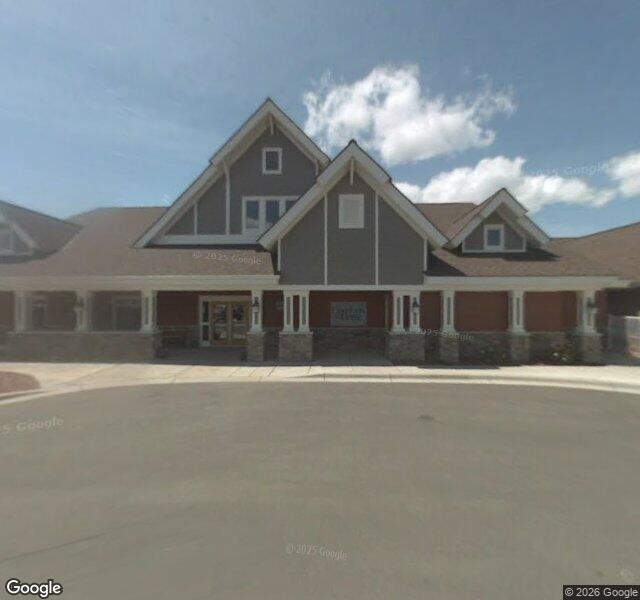
Overview and key essentials
State license
Active
MN MDH
Google reviews
4.4/ 5
9 reviews
Size & payment
Ask directly
Confirm pricing & payment
Strong public signals
Rated 4.4/5 across 9 public Google reviews. Visit in person to confirm daily care and pricing.
Cost, payment & care details
Updated Nov 28, 2026| Monthly cost | Not published | Ask for the full monthly cost, including care fees and one-time charges. |
|---|---|---|
| Payment options | Ask directly | Payment details are not confirmed in our records. Ask about private pay, long-term care insurance, veterans benefits, and Medicaid waivers. |
| Size & availability | Confirm directly | We don't publish live openings. Ask about current availability, waitlist length, and move-in timing. |
| Care & support | Assisted livingMemory care certified | Usually offers housing and help with everyday tasks, such as bathing and dressing. What to confirm about care levelsThis describes the licensed category. Ask how care plans adjust if mobility, nursing, or memory needs change over time. Read the family care guide → |
State licensing
State inspection history
3inspections
12deficiencies listed
Jan 30, 2025Routine5 deficiencies reported5
5 deficiencies reported
View official state report (opens in a new tab)
ZYYQ146899
{0 510} maintain an infection control program that complies with accepted health care, medical, and nursing standards for infection control. (b)The facility's infection control program must be consistent with current guidelines from the national Centers for Disease Control and Prevention (CDC) for infection prevention and control in long-term care facilities and, as applicable, for infection prevention and control in assisted living facilities. (c) The facility must maintain written evidence of compliance with this subdivision. This MN Requirement is not met as evidenced by: Not reviewed during this survey. {0 775} 144G. 45 Subd. 2. (a) Fire protection and physical {0 775} SS= F environment Each assisted living facility must comply with the State Fire Code in Minnesota Rules, chapter 7511, and: This MN Requirement is not met as evidenced by: Based on observation and interview, the licensee failed to keep the facility in compliance with Minnesota State Fire Code. The deficient condition has the ability to affect all staff and residents. This practice resulted in a level two violation (a violation that did not harm a resident' s health or safety but had the potential to have harmed a resident' s health or safety, but was not likely to cause serious injury, impairment, or death) , and was issued at a widespread scope (when prob- lems are pervasive or represent a systemic STATE FORM ZYYQ14 failure that has affected or has potential to affect a large portion or all of the residents) . The findings include: On a facility tour on October 22, 2025, between 1:30 p.m. and 2:15 p.m. with director of mainte- nance (DM)-C, the surveyor observed the following condition: MEANS OF EGRESS: The surveyor observed a special locking system throughout the building and that there was a not lock/button/ switch to unlock all the doors in the facility in the dementia care wing nor the assisted living wing. The surveyor was told by the with DM-C that the contractor was out and worked on the system. One side of the front door did not release when tested. The deficient condition was visually verified by the DM-C accompanying on the tour. {0 810} 144G. 45 Subd. 2 (b-f) Fire protection and SS= F physical environment (b) Each assisted living facility shall develop and maintain fire safety and evacuation plans. The plans shall include but are not limited to: (1) location and number of resident sleeping rooms; (2) staff actions to be taken in the event of a fire or similar emergency; (3) fire protection procedures necessary for residents; and (4) procedures for resident movement, STATE FORM ZYYQ14 {0 810} evacuation, or relocation during a fire or similar emergency including the identification of unique or unusual resident needs for movement or evacuation. (c) Staff of assisted living facilities shall receive training on the fire safety and evacuation plans upon hiring and at least twice per year thereafter. (d) Fire safety and evacuation plans shall be readily available at all times within the facility. (e) Residents who are capable of assisting in their own evacuation shall be trained on the proper actions to take in the event of a fire to include movement, evacuation, or relocation. The training shall be made available to residents at least once per year. (f) Evacuation drills are required for staff twice per year per shift with at least one evacuation drill every other month. Evacuation of the residents is not required. Fire alarm system activation is...
at 10:34 a.m., licensed assisted living2025
director (LALD)-A stated the licensee was familiar with current minimum assisted living requirements. R1 admitted to the licensee and began receiving assisted living services on December 30, 2023. R1's diagnoses included diabetes, dementia, and hypertension (HTN-high blood pressure). STATE FORM
144G.45 Subd. 2 (b-f) Fire protection and0810
SS=F physical environment STATE FORM (b) Each assisted living facility shall develop and maintain fire safety and evacuation plans. The plans shall include but are not limited to: (1) location and number of resident sleeping rooms; (2) staff actions to be taken in the event of a fire or similar emergency; (3) fire protection procedures necessary for residents; and (4) procedures for resident movement, evacuation, or relocation during a fire or similar emergency including the identification of unique or unusual resident needs for movement or evacuation. (c) Staff of assisted living facilities shall receive training on the fire safety and evacuation plans upon hiring and at least twice per year thereafter. (d) Fire safety and evacuation plans shall be readily available at all times within the facility. (e) Residents who are capable of assisting in their own evacuation shall be trained on the proper actions to take in the event of a fire to include movement, evacuation, or relocation. The training shall be made available to residents at least once per year. (f) Evacuation drills are required for staff twice per year per shift with at least one evacuation drill every other month. Evacuation of the residents is not required. Fire alarm system activation is not required to initiate the evacuation drill. This MN Requirement is not met as evidenced by: Based on observation, interview, and record review, the licensee failed to develop the fire safety and evacuation plan with the required content and the licensee failed to document STATE FORM
144G.41 Subd. 3 Infection control program0510
SS=D 0 510 (a) All assisted living facilities must establish and STATE FORM
144G.45 Subd. 2. (a) Fire protection and physical0775
SS=F environment Each assisted living facility must comply with the State Fire Code in Minnesota Rules, chapter 7511, and: This MN Requirement is not met as evidenced by: Based on observation and interview, the licensee failed to keep the facility in compliance with Minnesota State Fire Code. The deficient condition has the ability to affect all staff and residents. This practice resulted in a level two violation (a violation that did not harm a resident's health or safety but had the potential to have harmed a resident's health or safety, but was not likely to cause serious injury, impairment, or death), and was issued at a widespread scope (when problems are pervasive or represent a systemic failure that has affected or has potential to affect a large portion or all of the residents). The findings include: On a facility tour on January 28, 2025, between 12:45 p.m. and 4:00 p.m. with maintenance (DM)-C and the licensed assisted living director (LALD)-A, the surveyor observed the following STATE FORM The surveyor explained to the DM-C and LALD-A that the smoke detector shall be installed. The surveyor did review the fire alarm construction documents and it is on the plan. EMERGENCY/EXIT LIGHTS: The surveyor observed that a few exit/emergency lights failed to operate when push button tested. The surveyor explained to the DM-C and LALD-A that the exit/emergency lights shall be fixed and that all the lights shall push button tested monthly and the 30-minute test completed annually. This shall be documented. MEANS OF EGRESS: The surveyor observed a special locking system throughout the building. The surveyor explained to the DM-C and LALD-A that they need to work with their contractor to have them explain what type of system they have and comply with the fire code that pertains to that type of system. All these documents and further tests shall be reviewed by the Department of Health. It appears like they have a delayed egress system throughout the facility, but some doors did not operate that way. The deficient conditions were visually verified by DM-C and LALD-A accompanying on the tour. TIME PERIOD FOR CORRECTION: Seven (7) days.
Mar 27, 2024ComplaintNo deficiencies reportedNone
No deficiencies reported
View official state report (opens in a new tab)
No deficiencies are reported in this inspection record.
Dec 23, 2022Routine7 deficiencies reported7
7 deficiencies reported
View official state report (opens in a new tab)
moderate0770
Requirements The following are required for all assisted living facilities: (1) public utilities must be available, and working or inspected and approved water and septic systems must be in place; (2) the location must be publicly accessible to fire department services and emergency medical services; (3) the location's topography must provide sufficient natural drainage and is not subject to flooding; (4) all-weather roads and walks must be provided within the lot lines to the primary entrance and the service entrance, including employees' and visitors' parking at the site; and (5) the location must include space for outdoor activities for residents. This MN Requirement is not met as evidenced by: Based on observation and interview, the licensee failed to provide all-weather walks within the lot lines to the primary entrance. This deficient condition had the potential to affect all staff, residents, and visitors. This practice resulted in a level two violation (a violation that did not harm a resident's health or safety but had the potential to have harmed a resident's health or safety) and was issued at a widespread scope (when problems are pervasive or represent a systemic failure that has affected or has the potential to affect a large portion or all of the residents). Findings include: On December 19, 2022, between 11:30 a.m. and 12:30 p.m., survey staff toured the facility with the administrator (A)-D. During the facility tour, survey staff observed an all-weather walk covered with snow outside the marked exit across from resident room 116. An all-weather walk was not being maintained within the lot lines to the primary entrance. This deficient condition was verified by A-D accompanying on the facility tour. TIME PERIOD FOR CORRECTION: Two (2) days
moderate0680
emergency preparedness (a) The facility must meet the following requirements: (1) have a written emergency disaster plan that contains a plan for evacuation, addresses elements of sheltering in place, identifies temporary relocation sites, and details staff assignments in the event of a disaster or an emergency; (2) post an emergency disaster plan prominently; (3) provide building emergency exit diagrams to all residents; (4) post emergency exit diagrams on each floor; and (5) have a written policy and procedure regarding missing tenant residents. (b) The facility must provide emergency and disaster training to all staff during the initial staff orientation and annually thereafter and must make emergency and disaster training annually available to all residents. Staff who have not received emergency and disaster training are allowed to work only when trained staff are also working on site. (c) The facility must meet any additional requirements adopted in rule. This MN Requirement is not met as evidenced by: Based on interview and record review, the licensee failed to have a written emergency preparedness plan with all the required content. This had the potential to affect all residents, staff, and visitors. This practice resulted in a level two violation (a violation that did not harm a resident's health or safety but had the potential to have harmed a resident's health or safety) and was issued at a widespread scope (when problems are pervasive or represent a systemic failure that has affected or has the potential to affect a large portion or all the residents). The findings include: On December 19, 2022, at 2:15 p.m., administrator (A)-D stated the licensee had not developed a written emergency preparedness plan with all the required content. No additional information provided. TIME PERIOD FOR CORRECTION: Twenty-one (21) days
moderate0480
requirements (13) offer to provide or make available at least the following services to residents: (i) at least three nutritious meals daily with snacks available seven days per week, according to the recommended dietary allowances in the United States Department of Agriculture (USDA) guidelines, including seasonal fresh fruit and fresh vegetables. The following apply: (B) food must be prepared and served according to the Minnesota Food Code, Minnesota Rules, chapter 4626; and This MN Requirement is not met as evidenced by: Based on observation, interview and record review, the licensee failed to ensure food was prepared according to the Minnesota Food Code. This had the potential to affect all 30 current residents of the facility. This practice resulted in a level two violation (a violation that did not harm a resident's health or safety but had the potential to have harmed a resident's health or safety, but was not likely to cause serious injury, impairment, or death), and was issued at a widespread scope (when problems are pervasive or represent a systemic failure that has affected or has potential to affect a large portion or all of the residents). The findings include: Please refer to the additional documentation included in the Food and Beverage Establishment Inspection Reports, dated December 19, 2022. TIME PERIOD FOR CORRECTION: Twenty-one (21) days
moderate0800
physical environment (4) keep the physical environment, including walls, floors, ceiling, all furnishings, grounds, systems, and equipment in a continuous state of good repair and operation with regard to the health, safety, comfort, and well-being of the residents in accordance with a maintenance and repair program. This MN Requirement is not met as evidenced by: Based on observation and interview, the licensee failed to maintain the physical environment, including walls, floors, ceiling, all furnishings, grounds, systems, and equipment in a continuous state of good repair and operation with regard to the health, safety, comfort, and well-being of the residents. This deficient condition had the potential to affect all staff, residents, and visitors. This practice resulted in a level two violation (a violation that did not harm a resident's health or safety but had the potential to have harmed a resident's health or safety) and was issued at a widespread scope (when problems are pervasive or represent a systemic failure that has affected or has the potential to affect a large portion or all of the residents). Findings include: On December 19, 2022, between 11:30 a.m. and 12:30 p.m., survey staff toured the facility with the administrator (A)-D. During the facility tour, survey staff observed the following: 1. Space heaters were plugged into power strips in resident rooms 101 and 118. 2. The space heater in resident room 118 was not listed or marked for safety standards. 3. The smoke alarm had tape adhered to the cover in the mechanical room across from resident room 114. 4. A smoke alarm was hanging loose from the ceiling in resident sleeping room 120. Dementia care unit: 1. The access panel under the fireplace was missing in the dining room. Capped electrical wires were observed underneath the fireplace. A replacement panel was installed on the fireplace during the facility survey on December 19, 2022. 2. One light was not working in the bathing room. 3. Electrical panels were obstructed in the mechanical room. 4. A smoke alarm was hanging loose from the ceiling in resident sleeping room 125. These deficient conditions were verified by A-D accompanying on the facility tour. TIME PERIOD FOR CORRECTION: Two (2) days
moderate0730
Contents of a resident record include the following for each resident: (1) identifying information, including the resident's name, date of birth, address, and telephone number; (2) the name, address, and telephone number of the resident's emergency contact, legal representatives, and designated representative; (3) names, addresses, and telephone numbers of the resident's health and medical service providers, if known; (4) health information, including medical history, allergies, and when the provider is managing medications, treatments or therapies that require documentation, and other relevant health records; (5) the resident's advance directives, if any; (6) copies of any health care directives, guardianships, powers of attorney, or conservatorships; (7) the facility's current and previous assessments and service plans; (8) all records of communications pertinent to the resident's services; (9) documentation of significant changes in the resident's status and actions taken in response to the needs of the resident, including reporting to the appropriate supervisor or health care professional; (10) documentation of incidents involving the resident and actions taken in response to the needs of the resident, including reporting to the appropriate supervisor or health care professional; (11) documentation that services have been provided as identified in the service plan; (12) documentation that the resident has received and reviewed the assisted living bill of rights; (13) documentation of complaints received and any resolution; (14) a discharge summary, including service termination notice and related documentation, when applicable; and (15) other documentation required under this chapter and relevant to the resident's services or status. This MN Requirement is not met as evidenced by: Based on interview and record review, the licensee failed to ensure resident records included documentation of services provided as identified in the service plan for three of five residents (R3, R5, R6). This practice resulted in a level two violation (a violation that did not harm a resident's health or safety but had the potential to have harmed a resident's health or safety) and was issued at a widespread scope (when problems are pervasive or represent a systemic failure that has affected or has the potential to affect a large portion or all of the residents). The findings include: R3 R3's diagnoses included bipolar disorder, anxiety disorder, and depression. R3's service plan dated November 22, 2022, indicated R3 received assistance with showers, housekeeping, laundry, and safety checks. R3's record lacked documentation of services provided for all services at various times of the day on the following days: December 1, 4, 6, 8, 11, 13-15, 17, and 18, 2022. R5 R5's diagnosis included cerebral infarction (stroke), history of falls, dizziness, and depression. R5's service plan dated October 18, 2022, indicated R5 received assistance with toileting, bathing, dressing, grooming, and mobility. R5's record lacked documentation of services provided for all services at various times of the day on the following days: December 1, 4, 6, 8, 11, 13-15, 17 and 20, 2022. R6 R6's diagnoses included chronic obstructive pulmonary disease (difficulty breathing), fibromyalgia, kidney disease and heart disease. R6's service plan dated September 22, 2022, indicated R6 received assistance with dressing, grooming, bathing, toileting, transfers, mobility, and...
moderate0810
physical environment (b) Each assisted living facility shall develop and maintain fire safety and evacuation plans. The plans shall include but are not limited to: (1) location and number of resident sleeping rooms; (2) employee actions to be taken in the event of a fire or similar emergency; (3) fire protection procedures necessary for residents; and (4) procedures for resident movement, evacuation, or relocation during a fire or similar emergency including the identification of unique or unusual resident needs for movement or evacuation. (c) Employees of assisted living facilities shall receive training on the fire safety and evacuation plans upon hiring and at least twice per year thereafter. (d) Fire safety and evacuation plans shall be readily available at all times within the facility. (e) Residents who are capable of assisting in their own evacuation shall be trained on the proper actions to take in the event of a fire to include movement, evacuation, or relocation. The training shall be made available to residents at least once per year. (f) Evacuation drills are required for employees twice per year per shift with at least one evacuation drill every other month. Evacuation of the residents is not required. Fire alarm system activation is not required to initiate the evacuation drill. This MN Requirement is not met as evidenced by: Based on observation, record review, and interview, the licensee failed to develop a fire safety and evacuation plan with the required elements; failed to provide required employee training on the fire safety and evacuation plans; failed to provide training on fire safety and evacuation to residents capable of self-evacuation; and failed to complete required employee evacuation drills. This deficient condition had the potential to affect all staff, residents, and visitors. This practice resulted in a level two violation (a violation that did not harm a resident's health or safety but had the potential to have harmed a resident's health or safety) and was issued at a widespread scope (when problems are pervasive or represent a systemic failure that has affected or has the potential to affect a large portion or all of the residents). Findings include: On December 19, 2022, between 11:30 a.m. and 12:30 p.m., survey staff toured the facility with the administrator (A)-D. During the facility tour, survey staff observed that posted evacuation plans did not identify the location and number of resident sleeping rooms. On December 19, 2022, at approximately 1:00 p.m., records were provided for review. Records were reviewed by survey staff on December 19, 2022, between 1:00 p.m. and 1:45 p.m. Record review of the available documentation indicated that the licensee had not developed the fire safety and evacuation plans for the facility location. The fire safety and evacuation plans were templates from Encore. The plans reference an evacuation map which was not included with the plans. Record review of the available documentation indicated that the fire safety and evacuation plans included general employee actions, but the plans did not specify how to move or evacuate residents in the event of a fire or similar emergency from this facility location. Record review of the available documentation indicated that the fire safety and evacuation plans included some fire protection provisions for residents but did not specify procedures for resident movement, evacuation and relocation for this facility location. The...
STATE FORM6899
831011 STATE FORM 831011 STATE FORM 831011 STATE FORM 831011 STATE FORM 831011 STATE FORM 831011 STATE FORM 831011 STATE FORM 831011 STATE FORM 831011 STATE FORM 831011 STATE FORM 831011 STATE FORM 831011 STATE FORM 831011 01060 01060 (a) A facility may remove a resident from the facility in an emergency if necessary due to a resident's urgent medical needs or an imminent risk the resident poses to the health or safety of another facility resident or facility staff member. An emergency relocation is not a termination. (b) In the event of an emergency relocation, the facility must provide a written notice that contains, at a minimum: (1) the reason for the relocation; (2) the name and contact information for the location to which the resident has been relocated and any new service provider; (3) contact information for the Office of Ombudsman for Long-Term Care; (4) if known and applicable, the approximate date or range of dates within which the resident is expected to return to the facility, or a statement that a return date is not currently known; and (5) a statement that, if the facility refuses to provide housing or services after a relocation, the resident has the right to appeal under section 144G.54. The facility must provide contact information for the agency to which the resident may submit an appeal. (c) The notice required under paragraph (b) must be delivered as soon as practicable to: (1) the resident, legal representative, and designated representative; (2) for residents who receive home and community-based waiver services under chapter 256S and section 256B.49, the resident's case manager; and (3) the Office of Ombudsman for Long-Term Care if the resident has been relocated and has not returned to the facility within four days. (d) Following an emergency relocation, a facility's refusal to provide housing or services constitutes a termination and triggers the termination process STATE FORM 831011 01060 01060 in this section. This MN Requirement is not met as evidenced by: Based on interview and record review, the licensee failed to provide a written notice with required content for an emergency relocation and failed to notify the Office of Ombudsman for Long-Term Care of the emergency relocation for one of one resident (R7). This practice resulted in a level two violation (a violation that did not harm a resident's health or safety but had the potential to have harmed a resident's health or safety) and was issued at a widespread scope (when problems are pervasive or represent a systemic failure that has affected or has the potential to affect a large portion or all the residents). The findings include: R7 started receiving services on May 2, 2022. R7's service plan dated October 12, 2022, indicated R7 received assistance with medication administration, safety checks, housekeeping, and laundry. R7's record indicated R7 went to the emergency room on October 20, 2022, and was admitted to the hospital. R7's record lacked a written notice including: - the name and contact information for the location to which the resident has been relocated and any new service provider - contact information for the Office of Ombudsman for Long-Term Care - if known and applicable, the approximate date STATE FORM 831011 01060 01060 or range of dates within which the resident is expected to return to the facility, or a statement that a return date is not currently known; and - a statement that, if the facility refuses to provide housing or...
Neighborhood & resident support
Emergency access, hazards & advocacy
Nearest hospital
Cambridge Medical Center
12.2 mi · Cambridge, MN · Medicare 4/5 ★
Emergency room
FEMA hazard risk
Relatively LowChisago County, MN
- Strong Wind
- Hail
- Wildfire
Free resident advocacy
Minnesota Office of Ombudsman for Long-Term Care
More neighborhood context (specialists, VA, dialysis, air & affordability)
VA & dialysis access
Minneapolis VA Medical Center
43.1 mi · Minneapolis, MN · VA 5/5 ★
DaVita Wyoming Dialysis
13.1 mi · 4/5 ★
Specialists within 15 mi
- Geriatricians
- 1
- Neurologists
- 18
- Palliative care
- 2
- PM&R rehab
- 5
Environment & mobility
- EPA Walkability
- 6.2/20 (Below Average)
- USDA Grocery Access
- High Grocery Access
- Primary care access
- HRSA Shortage Area
County demographics
- Age 65+ median income
- $57,337/yr
- Rent-burdened households
- 52%
- Cognitive disability (2023)
- 13.4%
- Mobility disability
- 9.9%
Call & tour checklist
Questions to ask The Encore at North Branch
Check off questions as you call or tour. Your progress stays private in this browser.
Show 3 more suggested questions
Verification & public records
Official records & sources
Licensing & contact
- License #
- 30608
- Status
- active
- Phone
- (651) 243-5299
- Federal OIG LEIE
- Clear (2026-11-27)
Original public sources
Verify licensing, ratings, and inspection reports directly with each official source.
- MN MDH official record (opens in a new tab)MN Dept. of Health
- Google Maps (opens in a new tab)Directions, photos & neighborhood
- Google Reviews (opens in a new tab)9 public reviews
EveryPlace is an independent research directory. Information is compiled from public Medicare.gov, state licensing, Google Places, and street-level imagery sources. Some summaries, suggested questions, and pricing notes are AI-generated or AI-assisted and may contain errors or omissions. We do not accept payment for placement. Confirm all details directly with the community and official sources. Research Policy.
Keep exploring
Nearby communities to compare
- 3.3(26)Assisted Living< 1 miEcumen North BranchNorth Branch, MN
- Medicare 3/53.4(27)50 bedsMedicaidNursing Home< 1 miEcumen North BranchNorth Branch, MN
- 3.9(14)Assisted Living< 1 miBoka Haven INCNorth Branch, MN
- Cap. 49HUD Senior Housing< 1 miShields PlazaNorth Branch, MN
- 5.0(4)Assisted Living3.8 miBethel Haven CareNorth Branch, MN
- Cap. 17HUD Senior Housing5.7 miPinewood ApartmentsHarris, MN