Loading EveryPlace content…
Memory CareActive license
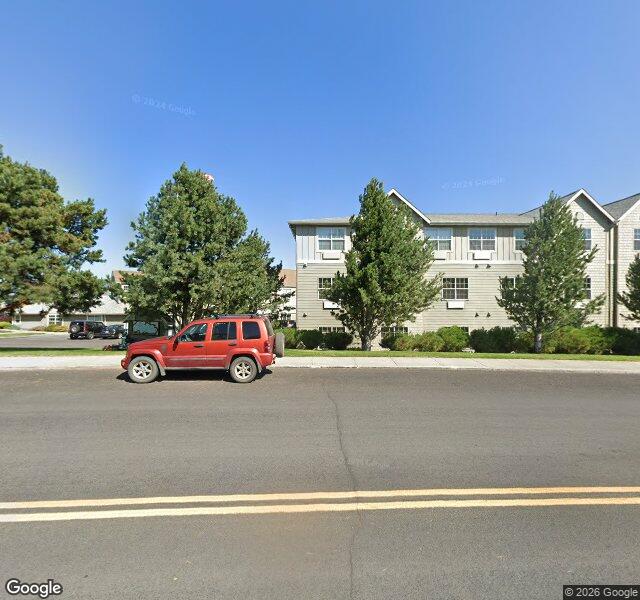
The Atrium at Flagstone
3325 Columbia View Dr, The Dalles, OR 97058View map (opens in a new tab)
Overview and key essentials
State license
Active
OR ODHS
Google reviews
4.0/ 5
42 reviews
Size & payment
33 residents
Medicaid listed
Strong public signals
Rated 4.0/5 across 42 public Google reviews. Visit in person to confirm daily care and pricing.
Cost, payment & care details
Updated Nov 28, 2026| Monthly cost | Not published | Ask for the full monthly cost, including care fees and one-time charges. |
|---|---|---|
| Payment options | Medicaid | Participation is reported in our source data. Confirm eligibility, covered services, and any private-pay costs. Verified Medicaid waiver: Oregon Medicaid APD Long-Term Services (Oregon Dept. of Human Services (ODHS)). |
| Size & availability | 33 residents | We don't publish live openings. Ask about current availability, waitlist length, and move-in timing. |
| Care & support | Memory care | Designed for people living with dementia who need a supported daily routine. What to confirm about care levelsThis describes the licensed category. Ask how care plans adjust if mobility, nursing, or memory needs change over time. Read the family care guide → |
State licensing
State inspection history
4inspections
39deficiencies listed
Nov 17, 2025Inspection2 deficiencies reported2
2 deficiencies reported
View official state report (opens in a new tab)
Kitchen
moderateC0240
OAR 411-054-0030 (1)(a) Resident Services Meals, Food Sanitation Rule (1) The residential care or assisted living facility must provide a minimum scope of services as follows: (a) Three daily nutritious, palatable meals with snacks available seven days a week, in accordance with the recommended dietary allowances found in the United States Department of Agriculture (USDA) guidelines, including seasonal fresh fruit and fresh vegetables; (A) Modified special diets that are appropriate to residents' needs and choices. The facility must encourage residents' involvement in developing menus. (B) Menus must be prepared at least one week in advance, and must be made available to all residents. Meal substitutions must be of similar nutritional value if a resident refuses a food that is served. Residents must be informed in advance of menu changes. (C) Food must be prepared and served in accordance with OAR 333-150-0000 (Food Sanitation Rules). This Rule is not met as evidenced by:
moderateZ0142
OAR 411-057-0140(2) Administration Compliance (2) The licensee of a memory care community must comply with both the licensing rules for the facility and Chapter 411, Division 57. This Rule is not met as evidenced by:
Apr 16, 2025Routine5 deficiencies reported5
5 deficiencies reported
View official state report (opens in a new tab)
Re-Licensure
moderateH1517
OAR411-004-0020(2)(d) Individual Privacy: Own Unit (2) Provider owned, controlled, or operated residential settings must have all of the following qualities: (d) Each individual has privacy in his or her own unit. This Rule is not met as evidenced by:
moderateC0422
OAR 411-054-0090 (5) Fire and Life Safety: Training for Residents (5) TRAINING FOR RESIDENTS. Residents must be instructed about the facility's fire and life safety procedures per OFC. (a) Each resident must be instructed within 24 hours of admission and re-instructed, at least annually, in general safety procedures, evacuation methods, responsibilities during fire drills, and designated meeting places outside the building or within the fire safe area in the event of an actual fire. This requirement does not apply to residents whose mental capability does not allow for following such instruction. (b) A written record of fire safety training, including content of the training sessions and the residents attending, must be kept. This Rule is not met as evidenced by:
moderateZ0142
OAR 411-057-0140(2) Administration Compliance (2) The licensee of a memory care community must comply with both the licensing rules for the facility and Chapter 411, Division 57. This Rule is not met as evidenced by:
moderateC0295
OAR 411-054-0050(1-5) Infection Prevention & Control (Amended 03/18/2022)(1) Facilities must establish and maintain infection prevention and control protocols to provide a safe, sanitary and comfortable environment. This includes protocols to prevent the development and transmission of communicable diseases.(2) Each facility must designate an individual to be the facility ' s "Infection Control Specialist" responsible for carrying out the infection prevention and control protocols and serving as the primary point of contact for the Department regarding disease outbreaks. The Infection Control Specialist must:(a) Be qualified by education, training and experience or certification; and(b) Complete specialized training in infection prevention and control protocols within three months of being designated under this paragraph, unless the designee has received the specialized training within the 24-month period prior to the time of the designation. The Department will describe trainings that will be acceptable to meet the specialized training requirement in rule, by January 1, 2022.(3) Each facility must establish infection prevention and control protocols and have an Infection Control Specialist, trained as required in this rule, by July 1, 2022.(4) Facilities must comply with masking requirements as prescribed in OAR 333-019-1011 or, if applicable, OAR 437-001-0744, to control the spread of COVID-19.(5) Facilities must comply with vaccination requirements for COVID-19 as prescribed in OAR 333-019-1010.Stat. Auth.: ORS 410.070, 443.004, 443.012, 443.450Stats. Implemented: ORS 443.004, 443.400-443.455, 443.991 This Rule is not met as evidenced by:
moderateZ0155
OAR 411-057-0155(1-6) Staff Training Requirements (1) A memory care community must ensure staff who provide support to residents with dementia have a basic understanding and fundamental knowledge of the residents' emotional and unique health care needs prior to providing services to residents. The training requirements for staff who work in memory care communities are described in the following sections. (2) ALL STAFF TRAINING REQUIREMENTS. All staff who work in memory care communities licensed as residential care facilities or assisted living facilities must complete the following: (a) Orientation as required in OAR 411-054-0070(3) before performing any job duties. (b) Pre-service dementia care training as required before independently providing personal care or other services. The dementia care training must address these topics: (A) Education on the dementia disease process, including the progression of the disease, memory loss and psychiatric and behavioral symptoms. (B) Techniques for understanding, communicating and responding to distressful behavioral symptoms; including but not limited to, reducing the use of antipsychotic medications for non-standard uses when responding to distressful behavioral symptoms. (C) Strategies for addressing social needs of persons with dementia and engaging them with meaningful activities; (D) Information concerning specific aspects of dementia care and ensuring safety of residents with dementia including, but not limited to, how to: (i) Identify and address pain; (ii) Provide food and fluid; (iii) Prevent wandering and elopement; (iv) Use a person-centered approach. (c) Additional pre-service training topics that must be completed before independently providing personal care to residents: (A) Environmental factors that are important to resident ' s well-being (e.g. noise, staff interactions, lighting, room temperature, etc.); (B) Family support and the role the family may have in the care of the resident; (C) How to recognize behaviors that indicate a change in the resident ' s condition and report behaviors that require on-going assessment. (3) DIRECT CARE STAFF TRAINING REQUIREMENTS. Direct care staff must be directly supervised by a qualified staff person until they have successfully demonstrated satisfactory performance in any task assigned in the provision of individualized resident services. In addition to training required for all staff as described in paragraph (2): (a) Before independently providing personal care or other services to residents, direct care staff must complete training on: (A) How to provide personal care to a resident with dementia, including an orientation to the resident and the resident ' s service plan, as required in OAR 411-054-0070(4). (B) The use of supportive devices with restraining qualities in memory care communities. (b) Within 30 days after hire, direct care staff must complete training as outlined in OAR 411-054-0070(5). (c) Direct care staff who work in memory care communities licensed as residential care facilities or assisted living facilities must complete a total of 16 hours of in-service training annually. The six hours of annual dementia care training required pursuant to OAR 411-054-0070(6) may be included in the 16 hours of in-service training. Annual in-service hours required of each staff are due by the anniversary date of that person ' s hire. All completed trainings must be documented by the facility. (4) NURSING FACILITY STAFF. Staff who...
Aug 28, 2024Inspection2 deficiencies reported2
2 deficiencies reported
View official state report (opens in a new tab)
Kitchen
moderateC0240
OAR 411-054-0030 (1)(a) Resident Services Meals, Food Sanitation Rule (1) The residential care or assisted living facility must provide a minimum scope of services as follows: (a) Three daily nutritious, palatable meals with snacks available seven days a week, in accordance with the recommended dietary allowances found in the United States Department of Agriculture (USDA) guidelines, including seasonal fresh fruit and fresh vegetables; (A) Modified special diets that are appropriate to residents' needs and choices. The facility must encourage residents' involvement in developing menus. (B) Menus must be prepared at least one week in advance, and must be made available to all residents. Meal substitutions must be of similar nutritional value if a resident refuses a food that is served. Residents must be informed in advance of menu changes. (C) Food must be prepared and served in accordance with OAR 333-150-0000 (Food Sanitation Rules). This Rule is not met as evidenced by:
moderateZ0142
OAR 411-057-0140(2) Administration Compliance (2) The licensee of a memory care community must comply with both the licensing rules for the facility and Chapter 411, Division 57. This Rule is not met as evidenced by:
Aug 29, 2022Inspection30 deficiencies reported30
30 deficiencies reported
View official state report (opens in a new tab)
Validation
moderateC0455Corrected Feb 23, 2024
There are no detail notes for this visit.
moderateC0540Corrected Oct 31, 2023
There are no detail notes for this visit.
moderateZ0163Corrected Oct 31, 2023
There are no detail notes for this visit.
moderateZ0162Corrected Oct 31, 2023
There are no detail notes for this visit.
moderateC0282Corrected Dec 31, 2022
There are no detail notes for this visit.
moderateZ0155Corrected Dec 31, 2022
Based on interview and record review, it was determined that the facility failed to ensure 1 of 4 newly hired direct care staff (# ) completed pre-service orientation topics and all areas of pre-service dementia care training. This is a repeat citation. Findings include, but are nit limited to: Training records were reviewed with Staff (Business Office Assistance) on 08/08/23. The following were identified: a. There was no documentation that Staff (MT) hired on 02/06/23 completed and the Infectious Disease Training. b. There was no documented evidence Staff (MT ) hired on 02/06/23 had completed pre-service dementia care training for: * Family support and the role family may have in resident care; * How to recognize behaviors that indicate a change in resident's condition; and * Use of supportive devices with restraining qualities in memory care communities. The need to ensure newly-hired, direct care staff completed all orientation training prior to beginning any job duties and pre-service training was completed prior to working independently was reviewed with Staff (BOA) and Staff (ID) on 08/08/23. They acknowledged the findings.
moderateC0240Corrected Dec 31, 2022
Based on observation and interview, it was determined the facility failed to ensure food was prepared in accordance with the Food Sanitation Rules OAR 333-150-000. Findings include, but are not limited to: Observations of the kitchen, food storage, prep and service areas were made on 08/29/22 and 08/30/22. The following was observed: a. Food Storage * The door leading into the walk-in cooler had built-up debris present; * The fan inside the walk-in cooler was dusty; * The racks inside the walk-in cooler had debris present throughout; * The walk-in freezer had frozen food on the floor; * The dry storage floor was in need of deep cleaning; and * The reach in refrigerator had food debris on the outside of the door and inside on the bottom shelf. b. Food Service * Staff did not use alcohol wipes after taking the temperature of the food, they wiped it with a cloth out of a sanitation bucket; * Staff were observed to unwrap frozen chicken fried steaks, push the garbage down into the receptacle, take a chicken fried steak out of a metal container located in the steam table, cut up the steak then placed the food on a plate, this was done wearing the same pair of gloves; and * Observations were made of staff touching a garbage can with her bare hands, getting tongs and then serving fruit with the tongs in bowls without washing her hands after touching the garbage can. c. Sanitation and Equipment * The attached cutting board on the cold food storage unit had gouges and knife score marks present; * All four drawers had built up debris inside and outside in the back of the kitchen's food prep area; * The sugar and potato bins had debris on the inside and outside; * The flour and oatmeal bins had debris on the outside; * There was debris on the standing mixer, the guard and the table it was sitting on; * The oven, stove and hood were in need of deep cleaning; * The shelf directly above the food storage area in the steam table had food debris under it; * The lower shelf to the left of the stove had debris on it: * There was brownish black matter in the drain to the left of the stove; * There were multiple areas in the janitorial closet in need of cleaning and repair; * Observations of staff who were washing dishes touched the dirty dishes, sprayed them with water, then took clean plates out of the clean warewasher rack and put them away without washing her hands; * The warewashing machine did not get up to sanitizing temperature and the strips to test the chemicals did not work for the machine; * There was black matter in the drain under the warewashing machine; * The walls throughout the area were in need of cleaning and repair; * The windowsill had dust and debris on it and there was blue tape on the window; * The vent on the ice machine had built up dust present; * Garbage cans were not covered; * There was brownish black matter throughout the kitchen's tile baseboards; * Kitchen doors (e.g. office, exits, janitorial closet, dry storage) were in need of cleaning, painting and repair; and * There were multiple cutting boards that were gouged, had knife scores and were stained. d. Memory Care Kitchenette * The toaster had built-up food debris visible; * The floor was sticky throughout the kitchenette; * There were multiple drawers throughout kitchenette that were sticky and had food debris on the outside and inside; * Window sills had brown and black matter on them; * The mixer, blender and microwave had built-up food debris on and inside of...
Outside AreaZ0168Corrected Oct 31, 2023
There are no detail notes for this visit.
moderateZ0165Corrected Oct 31, 2023
There are no detail notes for this visit.
moderateC0555Corrected Dec 31, 2022
There are no detail notes for this visit.
moderateC0231Corrected Feb 23, 2024
There are no detail notes for this visit.
moderateC0510Corrected Dec 31, 2022
Based on observation and interview, it was determined the facility failed to ensure all chemicals and toxic materials were maintained in a locked storage unit and all exterior pathways and accesses to the facility's common use areas were maintained in good repair. Findings include, but are not limited to: The interior and exterior of the MCC were toured on 08/29/22. The following issues were noted: * The pathways throughout the locked courtyard had 1-2" drop-offs from pathway to garden bed; * During the initial tour on 08/29/22 at 11:49 am, the housekeeping storage room was unlocked with multiple chemical cleaning agents accessible to residents and no staff in the area; * During a second observation on 08/29/22 at 12:59 pm, the storage room was unlocked; * On 08/29/22 at 1:19 pm, the need to ensure all toxic materials were maintained in locked storage was discussed with Staff 2 (MCC Administrator) who reported she would address the issue immediately. The findings were acknowledged at that time. Follow-up observation confirmed the door was locked; and * During the environmental walk through on 08/30/22 with Staff 1 (ED) and Staff 2, the housekeeping storage unit was unlocked. Staff 1 instructed Staff 5 (Director of Maintenance) to fix the locking mechanism immediately. The need to ensure all toxic materials were maintained in locked storage and common use areas were free from drop-offs was discussed with Staff 1 and Staff 2 on 08/30/22. They acknowledged the findings.
moderateC0262Corrected Oct 31, 2023
There are no detail notes for this visit.
moderateC0303Corrected Dec 31, 2022
There are no detail notes for this visit.
moderateC0270Corrected Oct 31, 2023
There are no detail notes for this visit.
moderateZ0176Corrected Oct 31, 2023
There are no detail notes for this visit.
moderateZ0142Corrected Feb 23, 2024
There are no detail notes for this visit.
moderateC0300Corrected Dec 31, 2022
There are no detail notes for this visit.
moderateC0420Corrected Oct 31, 2023
There are no detail notes for this visit.
moderateC0252Corrected Oct 31, 2023
There are no detail notes for this visit.
moderateZ0164Corrected Oct 31, 2023
There are no detail notes for this visit.
moderateC0515Corrected Dec 31, 2022
Based on observation and interview, it was determined the facility failed to ensure each resident unit had no more than two residents and residents did not enter a room through another resident's bedroom. Findings include, but are not limited to: The MCC was toured on 08/29/22 at 11:49 am and revealed three residents were living in room M109. Upon further investigation, it was determined two of the residents had to enter and walk through the third resident's room to get to their own unit. The need to ensure each resident unit be limited to no more than two residents and that residents may not enter a room through another resident's bedroom was discussed with Staff 1 (ED) and Staff 2 (MCC Administrator) on 08/30/22. They acknowledged the findings.
moderateZ0173Corrected Dec 31, 2022
Based on observation and interview, it was determined the facility failed to ensure furniture in the outdoor recreation area was of sufficient weight and design to prevent resident injury and the doors to the secured outdoor area remained unlocked during the daytime. Findings include, but are not limited to: The facility was toured on 08/29/22 at 11:49 am. The secured courtyard area had two chairs that were easily moveable and not of sufficient weight or design to prevent resident injury. On 08/29/22 at 12:26 pm one of the two doors to the outdoor courtyard was locked from the inside. An interview with Staff 12 (CG) confirmed the courtyard doors were usually open. A second inspection on 08/29/22 at 2:59 pm revealed one of the two doors to the outdoor courtyard remained locked. A final inspection on 08/30/22 at 8:47 am revealed both doors to the outdoor courtyard were locked. The need to ensure furniture in the outdoor recreation area was of sufficient weight and design as to prevent resident injury and the doors to the secured courtyard were unlocked during the daytime was discussed with Staff 1 (ED) and Staff 2 (MCC Administrator) on 08/30/22. They acknowledged the findings. On 08/31/22 at 8:55 am, one of the two lightweight chairs remained in the courtyard. Staff 1 was informed the lightweight chair in the courtyard was still present.
moderateC0530Corrected Dec 31, 2022
Based on observation and interview, it was determined the facility failed to ensure a one-way flow of soiled linens and soiled clothing from the soiled area to the clean area, access to a flushing rim clinical sink with a handheld rinsing device in the soiled linen area and soiled clothing and linens were laundered in a washing machine with a minimum rinse temperature of 140 degrees Fahrenheit or with a chemical disinfectant. Findings include, but are not limited to: During a tour of the MCC laundry room on 08/29/22 at 11:49 am, it was observed there were two washing machines, two dryers, one utility sink and one point of entry. In an interview with Staff 12 (CG) on 08/29/22 at 1:03 pm, she stated soiled linens were brought to the community laundry room, rinsed in the utility sink if really soiled and then washed separately with laundry detergent in one of the two washing machines. In an interview with Staff 5 (Director of Maintenance) on 08/29/22, he confirmed the facility water temperatures were set between 114 and 115 degrees Fahrenheit, the soiled bed linens were washed in the industrial machines located in the ALF and other soiled linens were washed in the community laundry room. This surveyor and Staff 5 confirmed together the detergent used in the facility lacked disinfectant. The need to properly launder soiled clothing and linens was reviewed with Staff 5 on 08/29/22 and with Staff 1 (ED) and Staff 2 (MCC Administrator) on 08/30/22. They acknowledged these findings.
moderateC0513Corrected Feb 23, 2024
There are no detail notes for this visit.
moderateC0350Corrected Oct 31, 2023
There are no detail notes for this visit.
CommentC0000
The findings of the third re-visit to the re-licensure survey of 08/31/22, conducted 04/15/24, are documented in this report. It was determined the facility was in substantial compliance with the OARs 411 Division 54 for Residential Care and Assisted Living Facilities, OARs 411 Division 57 for Memory Care Communities and OARs 411 Division 004 Home and Community Based Services Regulations.
moderateC0260Corrected Oct 31, 2023
There are no detail notes for this visit.
moderateC0280Corrected Oct 31, 2023
There are no detail notes for this visit.
moderateC0310Corrected Dec 31, 2022
There are no detail notes for this visit.
Neighborhood & resident support
Emergency access, hazards & advocacy
Nearest hospital
Mid-Columbia Medical Center
1.7 mi · The Dalles, OR · Medicare 4/5 ★
Emergency roomTrauma Level Iii
FEMA hazard risk
Relatively LowWasco County, OR
- Wildfire
- Ice Storm
- Earthquake
Free resident advocacy
Oregon Office of the Long-Term Care Ombudsman
More neighborhood context (specialists, VA, dialysis, air & affordability)
VA & dialysis access
Portland VA Medical Center
75.3 mi · Portland, OR · VA 5/5 ★
Pnrs Columbia River The Dalles
3.4 mi · 4/5 ★ · Home dialysis
Specialists within 15 mi
- Geriatricians
- 0
- Neurologists
- 1
- Palliative care
- 0
- PM&R rehab
- 1
Environment & mobility
- EPA Air (2025)
- 86% good days · AQI 25
- EPA Walkability
- 9.6/20 (Below Average)
- USDA Grocery Access
- Moderate Grocery Access
- Primary care access
- HRSA Shortage Area
County demographics
- Age 65+ median income
- $51,605/yr
- Rent-burdened households
- 45%
- Cognitive disability (2023)
- 17.4%
- Mobility disability
- 13.3%
Call & tour checklist
Questions to ask The Atrium at Flagstone
Check off questions as you call or tour. Your progress stays private in this browser.
Show 3 more suggested questions
Verification & public records
Official records & sources
Licensing & contact
- License #
- 50R327
- Status
- active
- Phone
- (541) 298-5656
- Federal OIG LEIE
- Clear (2026-11-27)
Original public sources
Verify licensing, ratings, and inspection reports directly with each official source.
- OR ODHS official record (opens in a new tab)OR Dept. of Human Services
- Google Maps (opens in a new tab)Directions, photos & neighborhood
- Google Reviews (opens in a new tab)42 public reviews
EveryPlace is an independent research directory. Information is compiled from public Medicare.gov, state licensing, Google Places, and street-level imagery sources. Some summaries, suggested questions, and pricing notes are AI-generated or AI-assisted and may contain errors or omissions. We do not accept payment for placement. Confirm all details directly with the community and official sources. Research Policy.
Keep exploring
Nearby communities to compare
- 4.0(42)Cap. 50MedicaidAssisted Living< 1 miFlagstone Retirement and Assisted LivingThe Dalles, OR
- Cap. 2MedicaidAssisted Living2.0 miValley View Adult Care LLCThe Dalles, OR
- Cap. 24HUD Senior Housing2.3 miThe Commodore Apts IIThe Dalles, OR
- Cap. 22HUD Senior Housing2.8 miWest Park OrchardsThe Dalles, OR
- 4.3(12)Cap. 25MedicaidMemory Care3.2 miFootsteps at Mill CreekThe Dalles, OR
- 4.3(12)Cap. 75MedicaidAssisted Living3.2 miThe Springs at Mill CreekThe Dalles, OR