Loading EveryPlace content…
Assisted LivingActive license
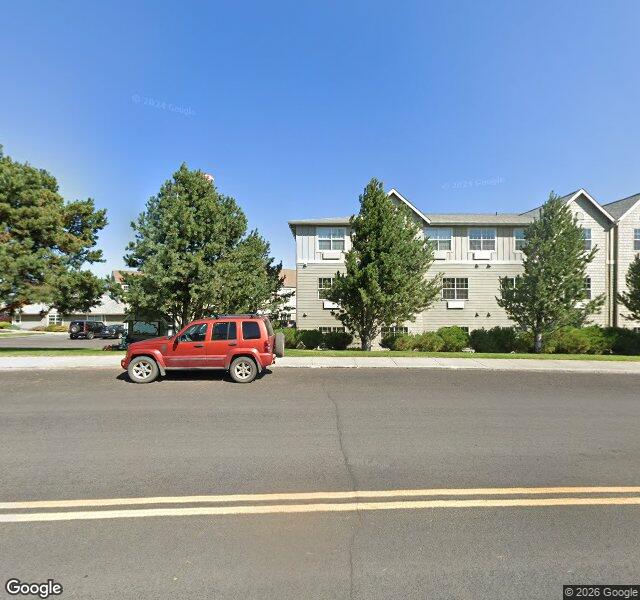
Flagstone Retirement and Assisted Living
3325 Columbia View Dr, The Dalles, OR 97058View map (opens in a new tab)
Overview and key essentials
State license
Active
OR ODHS
Google reviews
4.0/ 5
42 reviews
Size & payment
50 residents
Medicaid listed
Strong public signals
Rated 4.0/5 across 42 public Google reviews. Visit in person to confirm daily care and pricing.
Cost, payment & care details
Updated Nov 28, 2026| Monthly cost | Not published | Ask for the full monthly cost, including care fees and one-time charges. |
|---|---|---|
| Payment options | Medicaid | Participation is reported in our source data. Confirm eligibility, covered services, and any private-pay costs. Verified Medicaid waiver: Oregon Medicaid APD Long-Term Services (Oregon Dept. of Human Services (ODHS)). |
| Size & availability | 50 residents | We don't publish live openings. Ask about current availability, waitlist length, and move-in timing. |
| Care & support | Assisted living | Usually offers housing and help with everyday tasks, such as bathing and dressing. What to confirm about care levelsThis describes the licensed category. Ask how care plans adjust if mobility, nursing, or memory needs change over time. Read the family care guide → |
State licensing
State inspection history
5inspections
50deficiencies listed
Nov 17, 2025Inspection1 deficiency reported1
1 deficiency reported
View official state report (opens in a new tab)
Kitchen
moderateC0240
OAR 411-054-0030 (1)(a) Resident Services Meals, Food Sanitation Rule (1) The residential care or assisted living facility must provide a minimum scope of services as follows: (a) Three daily nutritious, palatable meals with snacks available seven days a week, in accordance with the recommended dietary allowances found in the United States Department of Agriculture (USDA) guidelines, including seasonal fresh fruit and fresh vegetables; (A) Modified special diets that are appropriate to residents' needs and choices. The facility must encourage residents' involvement in developing menus. (B) Menus must be prepared at least one week in advance, and must be made available to all residents. Meal substitutions must be of similar nutritional value if a resident refuses a food that is served. Residents must be informed in advance of menu changes. (C) Food must be prepared and served in accordance with OAR 333-150-0000 (Food Sanitation Rules). This Rule is not met as evidenced by:
May 2, 2025Routine16 deficiencies reported16
16 deficiencies reported
View official state report (opens in a new tab)
Re-Licensure
moderateC0262
OAR 411-054-0036 (5) Service Plan: Service Planning Team (5) SERVICE PLANNING TEAM. The service plan must be developed by a Service Planning Team that consists of the resident, the resident's legal representative, if applicable, any person of the resident's choice, the facility administrator or designee and at least one other staff person who is familiar with, or who is going to provide services to the resident. Involved family members and case managers must be notified in advance of the service-planning meeting.(a) As applicable, the Service Planning Team must also include:(A) Local APD or AAA case managers and family invited by the resident, as available.(B) A licensed nurse if the resident shall need, or is receiving nursing services or experiences a significant change of condition as required in 411-054-0045(1)(f)(D) (Resident Health Services).(C) The resident's physician or other health practitioner.(b) Each resident must actively participate in the development of the service plan to the extent of the resident's ability and willingness to do so. If resident participation is not possible, documentation must reflect the facility's attempts to determine the resident's preferences. This Rule is not met as evidenced by:
moderateC0362
OAR 411-054-0037 (1)(b-g) Acuity Based Staffing Tool - ABST Time (1) DEVELOP AND MAINTAIN ACUITY-BASED STAFFING (b) Accurately capture care time and care elements that staff are providing to each resident as outlined in each individual service plan. Established care time must be resident specific, rather than a predetermined average. (c) Develop a staffing plan for each shift, that meets the scheduled and unscheduled needs of all residents. (d) Develop ABST reports and posted staffing plans that reflect distinct and segregated areas as outlined in OAR 411-054-0070(1). (e) If applicable, determine ABST time for residents on a Specific Needs Settings Contract and residents not on a Specific Needs Setting Contract to build posted staffing plan as outlined in this rule. (f) Develop written policies and procedures to accurately and consistently implement the ABST. The policy must explain how a facility evaluates and accounts for both scheduled and unscheduled resident needs. (g) Provide the relevant ABST information for a specific resident if requested by the Department, that specific resident, that specific resident’s legal representative, or the Long-Term Care Ombudsman. This Rule is not met as evidenced by:
immediate_jeopardyC0372
OAR 411-054-0070 (5 & 9-10) Training Within 30 Days of Hire – Direct Care Staff (5) TRAINING WITHIN 30 DAYS OF HIRE FOR DIRECT CARE STAFF. (a) The facility is responsible to verify that direct care staff have demonstrated satisfactory performance in any duty they are assigned. (b) Knowledge and performance must be demonstrated in all areas within the first 30 days of hire, including, but not limited to: (A) The role of service plans in providing individualized resident care. (B) Providing assistance with the activities of daily living. (C) Changes associated with normal aging. (D) Identification of changes in the resident's physical, emotional and mental functioning and documentation and reporting on the resident's changes of condition. (E) Conditions that require assessment, treatment, observation and reporting. (F) General food safety, serving and sanitation. (G) If the direct care staff person’s duties include the administration of medication or treatments, appropriate facility staff, in accordance with OAR 411-054-0055 (Medications and Treatments) must document that they have observed and evaluated the individual’s ability to perform safe medication and treatment administration unsupervised. (9) ADDITIONAL REQUIREMENTS. Staff: (a) Under 18 years of age may not perform medication administration or delegated nursing tasks. Staff under the age of 18 must be directly supervised when providing bathing, toileting, incontinence care or transferring services. (b) Must be trained in the use of the abdominal thrust and First Aid. Cardiopulmonary resuscitation (CPR) training is recommended, but not required. (c) Must have sufficient communication and language skills to enable them to perform their duties and communicate with residents, other staff, family members, and health care professionals, as needed. (10) Contractors who provide services or supports directly to residents must complete the required LGBTQIA2S+ trainings outlined in paragraph (6)(b)(C) of this rule. (a) Contractors who must be trained include, but are not limited to, RN and administrative consultants, housekeeping services, dietary services, beauticians, barbers, or other contractors who provide services or supports directly to residents. This Rule is not met as evidenced by:
moderateC0200
OAR 411-054-0027 (1) Resident Rights and Protection - General (1) GENERAL RIGHTS. The facility must implement a residents' Bill of Rights. Each resident and the resident's designated representative, if appropriate, must be given a copy of the resident's rights and responsibilities before moving into the facility. The Bill of Rights must state that residents have the right: (a) To be treated with dignity and respect. (b) To be given informed choice and opportunity to select or refuse service and to accept responsibility for the consequences. (c) To be given informed consent before any nontherapeutic examination, observation or treatment is provided. (d) To participate in the development of their initial service plan and any revisions or updates at the time those changes are made. (e) To receive information about the method for evaluating their service needs and assessing costs for the services provided. (f) To exercise individual rights that do not infringe upon the rights or safety of others. (g) To be free from neglect, financial exploitation, verbal, mental, physical, or sexual abuse. (h) To receive services in a manner that protects privacy and dignity. (i) To have prompt access to review all of their records and to purchase photocopies. Photocopied records must be promptly provided, but in no case require more than two business days (excluding Saturday, Sunday, and holidays). (j) To have medical and other records kept confidential except as otherwise provided by law. (k) To associate and communicate privately with any individual of choice, to send and receive personal mail unopened, and to have reasonable access to the private use of a telephone. (l) To be free from physical restraints and inappropriate use of psychoactive medications. (m) To manage personal financial affairs unless legally restricted. (n) To have access to, and participate in, social activities. (o) To be encouraged and assisted to exercise rights as a citizen. (p) To be free of any written contract or agreement language with the facility that purports to waive their rights or the facility's liability for negligence. (q) To voice grievances and suggest changes in policies and services to either staff or outside representatives without fear of retaliation. (r) To be free of retaliation after they have exercised their rights provided by law or rule. (s) To have a safe and homelike environment. (t) To be free of discrimination in regard to race, color, national origin, gender, sexual orientation, or religion. (u) To receive proper notification if requested to move-out of the facility, and to be required to move-out only for reasons stated in OAR 411-054-0080 (Involuntary Move-out Criteria) and have the opportunity for an administrative hearing, if applicable. This Rule is not met as evidenced by:
moderateC0363
OAR 411-054-0037 (4-6) Acuity Based Staffing Tool - Updates & Staffing Plan (4) FREQUENCY OF UPDATES. Facilities must complete or update and review the ABST evaluation for each resident according to the following schedule. (a) Before a resident moves in. (b) Whenever there is a significant change of condition as defined in OAR 411-054-0040(1)(b). (c) No less than quarterly at the same time the resident’s service plan is updated as required by OAR 411-054-0034. (5) DEVELOP AND MAINTAIN UPDATED POSTED STAFFING PLAN. Each facility should use the results of an ABST to develop and routinely update the facility’s posted staffing plan. The staffing plan must outline the staffing numbers required to meet the scheduled and unscheduled needs of all residents in the facility, for each shift. The ABST and staffing plan must be reviewed at the frequency required in paragraph (4) of this rule. The facility must review the following and ensure accuracy between the posted staffing plan and ABST: (a) The total ABST care time required for the individual care elements as referenced in paragraph (3) of this rule. (b) Staffing plan must account for unscheduled care needs. (c) Documentation of consistently staffing to meet or exceed the posted staffing plan 24 hours a day, seven days a week. (d) The staffing requirements outlined in OAR 411-054-0070(1). (e) Any other applicable factors to be considered. (e.g., disruptions to normal facility operations.) (f) Time for paid or unpaid staff meal breaks must be accounted for and should not be included in the total scheduled staff time per shift. (g) Distinct posted staffing plans for segregated areas as outlined in OAR 411-054-0070(1) to meet the scheduled and unscheduled needs of residents who reside in each segregated area. (h) The staffing needs required under the Specific Needs Contracts, if applicable. (6) ABST REPORTING OF SPECIFIC NEEDS CONTRACTS AND EXCEPTIONAL PAYMENTS. Staffing required by a Specific Needs Contract (Contract), as described in OAR chapter 411, division 027, must be included in a facility’s ABST. (a) If all residents within the facility are receiving service through a Contract: (A) The facility’s staffing plan must include the number of staff required by the Contract and additional staff time, if required to meet the scheduled and unscheduled needs of the residents. (B) If the ABST staffing analysis indicates numbers higher than the Contract, the facility must staff to the numbers indicated by the ABST. (b) If certain residents within the facility are served under Contract, and other residents are not served by a Contract: (A) The facility must maintain a posted staffing plan that includes the staffing required for residents served by the Contract as well as the staffing required for residents not served by the Contract. (B) The facility must prepare two distinct ABST reports: one for residents served by the Contract and the other for residents not served by the Contract. (C) If the ABST indicates higher staffing numbers than the Contract for residents who are served by the Contract, the facility must staff to numbers indicated by the ABST. (c) If the facility has any residents funded by an exceptional payment, as provided in OAR 411-027-0050, that must be included in the ABST and the facility must staff to the greater of the exception or the ABST. This Rule is not met as evidenced by:
moderateC0303
OAR 411-054-0055 (1)(f-h) Systems: Treatment Orders (f) Medication and treatment orders must be carried out as prescribed.(g) Written, signed physician or other legally recognized practitioner orders must be documented in the resident's facility record for all medications and treatments that the facility is responsible to administer.(h) Only a physician or other legally recognized prescribing practitioner is authorized to make changes in a medication or treatment order. This Rule is not met as evidenced by:
moderateC0295
OAR 411-054-0050(1-5) Infection Prevention & Control (Amended 03/18/2022)(1) Facilities must establish and maintain infection prevention and control protocols to provide a safe, sanitary and comfortable environment. This includes protocols to prevent the development and transmission of communicable diseases.(2) Each facility must designate an individual to be the facility ' s "Infection Control Specialist" responsible for carrying out the infection prevention and control protocols and serving as the primary point of contact for the Department regarding disease outbreaks. The Infection Control Specialist must:(a) Be qualified by education, training and experience or certification; and(b) Complete specialized training in infection prevention and control protocols within three months of being designated under this paragraph, unless the designee has received the specialized training within the 24-month period prior to the time of the designation. The Department will describe trainings that will be acceptable to meet the specialized training requirement in rule, by January 1, 2022.(3) Each facility must establish infection prevention and control protocols and have an Infection Control Specialist, trained as required in this rule, by July 1, 2022.(4) Facilities must comply with masking requirements as prescribed in OAR 333-019-1011 or, if applicable, OAR 437-001-0744, to control the spread of COVID-19.(5) Facilities must comply with vaccination requirements for COVID-19 as prescribed in OAR 333-019-1010.Stat. Auth.: ORS 410.070, 443.004, 443.012, 443.450Stats. Implemented: ORS 443.004, 443.400-443.455, 443.991 This Rule is not met as evidenced by:
moderateC0374
OAR 411-054-0070 (6-8) Annual and Biennial Inservice for All Staff (6) ANNUAL AND BIENNIAL INSERVICE FOR ALL STAFF. (a) Annual infectious disease training requires the following: (A) Administrators and employees will be required to complete annual training on infectious disease outbreak and infection control. Such training will be included within the current number of required annual training hours and will not necessitate additional hours of training. (B) Annual in-service training must be documented in the employee record. (b) Biennial LGBTQIA2S+ training requires the following: (A) Administrators and employees shall be required to complete biennial training addressing LGBTQIA2S+ protections, as described in this section. The facility is responsible for the cost of providing this training to all facility staff. (i) Each facility shall designate two employees, one who represents management and one who represents direct care staff by July 1, 2024. It is acceptable for the designated employee representing management to generally be housed offsite, but the direct care representative must be onsite. (ii) The designated employees shall serve as points of contact for the facility regarding compliance with the preservice and biennial training requirements. These individuals shall develop a general training plan for the facility. (B) Facilities must select the LGBTQIA2S+ training to be used by the facility by either: (i) Choosing to use the standard Department-approved biennial LGBTQIA2S+ training, or (ii) Applying to the Department to request approval of a biennial LGBTQIA2S+ training to be provided by the facility. (C) ORS 441.116 requires all LGBTQIA2S+ trainings address: (i) Caring for LGBTQIA2S+ residents and residents living with human immunodeficiency virus. (ii) Preventing discrimination based on a resident’s sexual orientation, gender identity, gender expression or human immunodeficiency virus status. (iii) The defined terms commonly associated with LGBTQIA2S+ individuals and human immunodeficiency virus status. (iv) Best practices for communicating with or about LGBTQIA2S+ residents and residents living with human immunodeficiency virus, including the use of an individual’s chosen name and pronouns. (v) A description of the health and social challenges historically experienced by LGBTQIA2S+ residents and residents living with human immunodeficiency virus, including discrimination when seeking or receiving care at care facilities and the demonstrated physical and mental health effects within the LGBTQIA2S+ community associated with such discrimination. (vi) Strategies to create a safe and affirming environment for LGBTQIA2S+ residents and residents living with human immunodeficiency virus, including suggested changes to care facility policies and procedures, forms, signage, communication between residents and their families, activities, in-house services and staff training. (vii) The facility, individual or entity providing the training must demonstrate a commitment to advancing quality care for LGBTQIA2S+ residents and residents living with human immunodeficiency virus in this state. (D) The proposal for training submitted by a facility, entity, or individual shall include: (i) The regulatory criteria described in paragraph (C) of this section as part of the proposal. (ii) The following elements must be included in the proposal: (I) A statement of the qualifications and training experience of the facility, individual or entity...
moderateC0252
OAR 411-054-0034 (1-6) Resident Move-in & Evaluation: Res Evaluation (1) INITIAL SCREENING AND MOVE-IN. (a) The facility must determine whether a potential resident meets the facility's admission requirements. (b) Before the resident moving in, the facility must conduct an initial screening to determine the prospective resident's service needs and preferences. The screening must determine the ability of the facility to meet the potential resident's needs and preferences, while considering the needs of the other residents and the facility's overall service capability. (c) Each resident record must, before move-in and when updated, include the following information: (A) Legal name for billing purposes. (B) To promote person-centered care, any variance from legal records, as indicated by the resident, regarding: (i) Name. (ii) Pronouns. (iii) Gender identity. (C) Prior living arrangements; (D) Emergency contacts; (E) Service plan involvement - resident, family, and social supports; (F) Financial and other legal relationships, if applicable, including, but not limited to: (i) Advance directives; (ii) Guardianship; (iii) Conservatorship; and (iv) Power of attorney. (G) Primary language; (H) Community connections; and (I) Health and social service providers. (2) RESIDENT EVALUATION - GENERAL. The resident evaluation identifies the resident's preferences, strengths, and relationships, as well as activities that are meaningful to the individual. The evaluation describes the resident's physical health status, mental status, and the environmental factors that help the individual function at their optimal level. The evaluation is the foundation that a facility uses to develop the resident's service plan. The evaluation information may be collected using tools and protocols established by the facility, but must contain the elements stated in this rule. (a) Resident evaluations must be: (A) Performed before the resident moves into the facility, with updates and changes as appropriate within the first 30 days; and (B) Performed at least quarterly, to correspond with the quarterly service plan updates. (C) Reviewed and any updates must be documented each time a resident has a significant change in condition. (D) Done in person and the facility must gather data that is relevant to the needs and current condition of the resident. (E) Documented, dated, and indicate who was involved in the evaluation process. (b) 24 months of past evaluations must be kept in the resident's files in an accessible, on-site location. (c) The facility administrator is responsible for assuring only trained and experienced staff perform resident evaluations. (3) EVALUATION REQUIREMENTS AT MOVE-IN. (a) The resident evaluation must be completed before the resident moves into the facility. This evaluation provides baseline information of the resident's physical and mental condition at move-in. (b) If there is an urgent need and the evaluation is not completed before move-in, the facility must document the reasons and complete the evaluation within eight hours of move-in. (c) The initial evaluation must contain the elements specified in section (5) of this rule and address sufficient information to develop an initial service plan to meet the resident's needs. (d) The initial evaluation must be updated and modified as needed during the 30 days following the resident's move into the facility. (e) After the initial 30 day move-in period, the initial evaluation must be retained in...
moderateC0370
OAR 411-054-0070 (3-4) Staffing Requirements and Training – Pre-service (3) PRE-SERVICE ORIENTATION FOR ALL EMPLOYEES. Prior to beginning their job responsibilities, all employees must complete orientation training regarding: (a) A review of their written position description with their job responsibilities. (b) RESIDENTS’ RIGHTS. Residents' rights and the values of community-based care, including the Department-approved LGBTQIA2S+ trainings. (A) Effective December 31, 2024, all staff must have completed the required training. All new staff, hired on and after January 1, 2025, must complete the required training prior to beginning job responsibilities. (B) The Department-approved LGBTQIA2S+ trainings shall address the elements described in paragraph (6)(b) of this rule. (c) Abuse and reporting requirements. (d) Fire safety and emergency procedures. (e) INFECTIOUS DISEASE PREVENTION. Prior to beginning their job responsibilities, unless the employee received the training described below within the 24-month period prior to the time of hiring, all employees must complete training addressing the prevention, recognition, control and reporting of the spread of infectious disease. (A) The Department, in consultation with the Oregon Health Authority, has determined this training must address the following curricula: (i) Transmission of communicable disease and infections, including development of a policy with criteria directing staff to stay home when ill with a communicable disease, so as not to transmit disease. (ii) Policy addressing respiratory hygiene and coughing etiquette. (iii) Standard precautions. (iv) Hand hygiene. (v) Use of personal protective equipment. (vi) Cleaning of physical environment, including, but not limited to disinfecting high-touch surfaces and equipment, and handling, storing, processing and transporting linens to prevent the spread of infection. (vii) Isolating and cohorting of residents during a disease outbreak. (viii) Employees must also receive training on the rights and responsibilities of employees to report disease outbreaks under ORS 433.004 and safeguards for employees who report disease outbreaks. (B) INFECTIOUS DISEASE TRAINING CURRICULUM. Pre-service infectious disease training curriculum must be approved by the Department before facilities may offer training to staff. (i) The pre-service training may be provided in person, in writing, by webinar or by other electronic means. (ii) Facilities or other entities that want to provide training curriculum to facilities must first present that curriculum to the Department for review and approval. (f) HOME AND COMMUNITY-BASED SERVICES (HCBS) TRAINING. All staff are required to complete the Department-approved HCBS training, as provided below: (A) Effective March 31, 2024, all staff must have completed the required training. (B) All new staff, hired on or after April 1, 2024, must complete the required training prior to beginning job responsibilities. (g) FOOD HANDLING. If the staff member's duties include preparing food, they must have a food handler's certificate. (4) PRE-SERVICE TRAINING FOR ALL DIRECT CARE STAFF. (a) DEMENTIA. Prior to providing care to residents, all direct care staff must complete an approved pre-service dementia training. (A) Documentation of dementia training: (i) A certificate of completion shall be issued to direct care staff who satisfactorily complete approved dementia training. Facilities shall also maintain records of all...
moderateC0422
OAR 411-054-0090 (5) Fire and Life Safety: Training for Residents (5) TRAINING FOR RESIDENTS. Residents must be instructed about the facility's fire and life safety procedures per OFC. (a) Each resident must be instructed within 24 hours of admission and re-instructed, at least annually, in general safety procedures, evacuation methods, responsibilities during fire drills, and designated meeting places outside the building or within the fire safe area in the event of an actual fire. This requirement does not apply to residents whose mental capability does not allow for following such instruction. (b) A written record of fire safety training, including content of the training sessions and the residents attending, must be kept. This Rule is not met as evidenced by:
moderateC0280
OAR 411-054-0045 (1)(a-f)(A)(C-F) Resident Health Services Resident Health Services (1) RESIDENT HEALTH SERVICES. The facility must provide health services and have systems in place to respond to the 24-hour care needs of residents. The system must:(a) Include written policies and procedures on medical emergency response for all shifts.(b) Include an Oregon licensed nurse who is regularly scheduled for onsite duties at the facility and who is available for phone consultation.(c) Assure an adequate number of nursing hours relevant to the census and acuity of the resident population. IICs must meet contract requirements concerning nursing hours.(d) Ensure that the facility RN is notified of nursing needs as identified in OAR 411-054-0034 (Resident Move-In and Evaluation) or OAR 411-054-0036 (Service Plan - General).(e) Define the duties, responsibilities and limitations of the facility nurse in policy and procedures, admission, and disclosure material.(f) Licensed nurses must deliver the following nursing services:(A) Registered nurse (RN) assessment in accordance with facility policy and resident condition. At minimum, the RN must assess all residents with a significant change of condition. The assessment may be a full or problem focused assessment as determined by the RN. A chart review or phone consultation may be performed as part of this assessment. The RN must document findings, resident status, and interventions made as a result of this assessment. The assessment must be timely, but is not required prior to emergency response in acute situations.(C) Monitoring of Resident Condition. The facility must specify the role of the licensed nurse in the facility's monitoring and reporting system.(D) Participation on Service Planning Team. If the resident experiences a significant change of condition and the service plan is updated, the licensed nurse must participate on the Service Planning Team, or must review the service plan with date and signature within 48 hours.(E) Health Care Teaching and Counseling. A licensed nurse must provide individual and group education activities as required by individual service plans and facility policies.(F) Intermittent Direct Nursing Services. If a resident requires nursing services that are not available through hospice, home health, a third-party referral, or the task cannot be delegated to facility staff, the facility must arrange to have such services provided on an intermittent or temporary basis. Such services may be of a temporary nature as defined in facility policy, admission agreements and disclosure information. This Rule is not met as evidenced by:
moderateC0231
OAR 411-054-0028 (1-3) Reporting & Investigating Abuse-Other Action (Amended 12/15/21)(1) The facility must have policies and procedures in place to assure the prevention and appropriate response to any incident. In the case of incidents of abuse, suspected abuse, or injury of unknown cause, policies and procedures must follow the requirements outlined below. In the case of incidents that are not abuse or injuries of unknown cause where abuse has been ruled out, the facility must have policies and procedures in place to respond appropriately, which may include such things as re-assessment, monitoring, or medication review. (2) ABUSE REPORTING. Abuse is prohibited. The facility employees, agents and licensee must not permit, aid, or engage in abuse of residents who are under their care. (a) STAFF REPORTING. All facility employees are required to immediately report abuse and suspected abuse to the local SPD office, or the local AAA, the facility administrator, or to the facility administrator's designee. (b) FACILITY REPORTING. The facility administrator, or designee, must immediately notify the local SPD office, or the local AAA, of any incident of abuse or suspected abuse, including events overheard or witnessed by observation. (c) LAW ENFORCEMENT AGENCY. The local law enforcement agency must be called first when the suspected abuse is believed to be a crime (e.g., rape, murder, assault, burglary, kidnapping, theft of controlled substances, etc.). (d) INJURY OF UNKNOWN CAUSE. Physical injury of unknown cause must be reported to the local SPD office, or the local AAA, as suspected abuse, unless an immediate facility investigation reasonably concludes and documents that the physical injury is not the result of abuse. (3) FACILITY INVESTIGATION. In addition to immediately reporting abuse or suspected abuse to SPD, AAA, or the law enforcement agency, the facility must promptly investigate all reports of abuse and suspected abuse and take measures necessary to protect residents and prevent the reoccurrence of abuse. Investigation of suspected abuse must document: (a) Time, date, place and individuals present; (b) Description of the event as reported; (c) Response of staff at the time of the event; (d) Follow-up action; and (e) Administrator's review. This Rule is not met as evidenced by:
immediate_jeopardyC0150
OAR 411-054-0025 (1) Facility Administration: Operation (1) FACILITY OPERATION. (a) The licensee is responsible for the operation of the facility and the quality of services rendered in the facility. (b) The licensee is responsible for the supervision, training, and overall conduct of staff when staff are acting within the scope of their his or her employment duties.(c) The licensee is responsible for ensuring that the facility complies with the tuberculosis screening recommendations in OAR 333-019-0041.(d) The licensee is responsible for obtaining background checks on all subject individuals. This Rule is not met as evidenced by:
moderateC0310
OAR 411-054-0055 (2) Systems: Medication Administration (2) MEDICATION ADMINISTRATION. An accurate Medication Administration Record (MAR) must be kept of all medications, including over-the-counter medications that are ordered by a legally recognized prescriber and are administered by the facility.(a) Documentation of the MAR must be completed using one of the following processes. An alternative process may be used only with a written exception from the Department.(A) The MAR may be signed as the medications are set-up or poured. Medications must not be set-up in advance for more than one administration time. If a medicine cup or other individual container is used to set-up the medications, it must be placed in a closed compartment labeled with the resident's name. Changes to the MAR that occur after the medication is delivered, must be documented by the same staff person who administered the medication.(B) The facility may choose to sign the MAR after the medication is administered to a specific resident and prior to the next resident-specific medication or treatment.(b) MEDICATION RECORD. At minimum, the medication record for each resident that the facility administers medications to, must include:(A) Current month, day and year.(B) Name of medications, reason for use, dosage, route and date and time given.(C) Any medication specific instructions, if applicable (e.g., significant side effects, time sensitive dosage, when to call the prescriber or nurse).(D) Resident allergies and sensitivities, if any.(E) Resident specific parameters and instructions for p.r.n. medications.(F) Initials of the person administering the medication. This Rule is not met as evidenced by:
moderateC0270
OAR 411-054-0040 (1-2) Change of Condition and Monitoring (1) CHANGE OF CONDITION. These rules define a resident's change of condition as either short term or significant with the following meanings: (a) Short term change of condition means a change in the resident's health or functioning that is expected to resolve or be reversed with minimal intervention or is an established, predictable, cyclical pattern associated with a previously diagnosed condition. (b) Significant change of condition means a major deviation from the most recent evaluation that may affect multiple areas of functioning or health that is not expected to be short term and imposes significant risk to the resident.(c) If a resident experiences a significant change of condition that is a major deviation in the resident's health or functional abilities, the facility must evaluate the resident, refer to the facility nurse, document the change, and update the service plan as needed. (d) If a resident experiences a short-term change of condition that is expected to resolve or reverse with minimal intervention, the facility must determine and document what action or intervention is needed for the resident. (A) The determined action or intervention must be communicated to staff on each shift. (B) The documentation of staff instructions or interventions must be resident specific and made part of the resident record with weekly progress noted until the condition resolves. (2) MONITORING. The facility must have written policies to ensure a resident monitoring and reporting system is implemented 24-hours a day. The policies must specify staff responsibilities and identify criteria for notifying the administrator, registered nurse, or healthcare provider. The facility must: (a) Monitor each resident consistent with his or her evaluated needs and service plan; (b) Train staff to identify changes in the resident's physical, emotional and mental functioning and document and report on the resident's changes of condition; (c) Have a reporting protocol with access to a designated staff person, 24-hours a day, seven days a week, who can determine if a change in the resident's condition requires further action; and (d) Provide written communication of a resident's change of condition, and any required interventions, for caregivers on each shift. This Rule is not met as evidenced by:
Dec 18, 2024Complaint1 deficiency reported1
1 deficiency reported
View official state report (opens in a new tab)
Complaint Investig.
moderateC0363
Based on interview and record review, conducted during a site visit on 12/18/24, the facility's failure to fully implement and update an Acuity-Based Staff Tool (ABST) was substantiated. Findings include, but are not limited to: The facility's ABST was reviewed on 12/18/24, which revealed multiple resident profiles that had not been updated in the last quarter. During an interview, Staff 1 (Executive Director) stated he was responsible for updating the ABST. He further explained, that he reviewed resident profiles with any changes of condition or service plan reviews, but that he did not save changes in the tool to notate it was reviewed if there were no changes in a resident's care. There was no evidence of missed needs during the site visit. All residents were entered into the tool and the facility was staffed in accordance with their posted staffing plan and ABST. The facility failed to fully implement and update an ABST. The findings were reviewed with Staff 1 and Staff 2 (Director of Health Services).
Aug 28, 2024Inspection1 deficiency reported1
1 deficiency reported
View official state report (opens in a new tab)
Kitchen
moderateC0240
OAR 411-054-0030 (1)(a) Resident Services Meals, Food Sanitation Rule (1) The residential care or assisted living facility must provide a minimum scope of services as follows: (a) Three daily nutritious, palatable meals with snacks available seven days a week, in accordance with the recommended dietary allowances found in the United States Department of Agriculture (USDA) guidelines, including seasonal fresh fruit and fresh vegetables; (A) Modified special diets that are appropriate to residents' needs and choices. The facility must encourage residents' involvement in developing menus. (B) Menus must be prepared at least one week in advance, and must be made available to all residents. Meal substitutions must be of similar nutritional value if a resident refuses a food that is served. Residents must be informed in advance of menu changes. (C) Food must be prepared and served in accordance with OAR 333-150-0000 (Food Sanitation Rules). This Rule is not met as evidenced by:
Aug 29, 2022Inspection31 deficiencies reported31
31 deficiencies reported
View official state report (opens in a new tab)
Validation
moderateC0370Corrected Nov 1, 2022
Based on interview and record review, it was determined the facility failed to ensure all pre-service training had been completed, with certification, prior to staff providing direct care to residents, for 4 of 4 newly hired staff (#s 4, 9, 11 and 12). Findings include, but are not limited to: The facility's training records reviewed on 09/01/22 revealed: Staff 4 (Maintenance Director) hired 01/17/22, Staff 9 (MT) hired 01/29/21, Staff 11 (CG) hired 08/08/22 and Staff 12 (CG) hired 07/01/22, lacked documented evidence they had completed the standard precautions for infection control. Requirements for pre-service training were reviewed with Staff 1 (ED), Staff 3 (Staff Nurse) and Staff 6 (RCC) on 09/02/22. They acknowledged the findings.
moderateC0613Corrected Feb 24, 2024
There are no detail notes for this visit.
moderateC0302Corrected May 18, 2024
There are no detail notes for this visit.
moderateC0282Corrected Nov 1, 2022
There are no detail notes for this visit.
moderateC0252Corrected Nov 1, 2023
There are no detail notes for this visit.
moderateC0240Corrected Nov 1, 2022
Based on observation and interview, it was determined the facility failed to ensure food was prepared in accordance with the Food Sanitation Rules OAR 333-150-000. Findings include, but are not limited to: Observations of the kitchen, food storage, prep, and service areas were made on 08/29/22 and 08/30/22. The following was observed: a. Food Storage * The door leading into the walk-in cooler had built-up debris present; * The fan inside the walk-in cooler was dusty; * The racks inside the walk-in cooler had debris present throughout; * The walk-in freezer had frozen food on the floor; * The dry storage floor was in need of deep cleaning; and * The reach in refrigerator had food debris on the outside of the door and inside on the bottom shelf. b. Food Service * Staff did not use alcohol wipes after taking the temperature of the food, they wiped it with a cloth out of a sanitation bucket; * Staff were observed to unwrap frozen chicken fried steaks, push the garbage down into the receptacle, take a chicken fried steak out of a metal container located in the steam table, cut up the steak then placed the food on a plate, this was done wearing the same pair of gloves; and * Observations were made of staff touching a garbage can with her bare hands, getting tongs and then serving fruit with the tongs in bowls without washing her hands after touching the garbage can. c. Sanitation and Equipment * The attached cutting board on the cold food storage unit had gouges and knife score marks present; * All four drawers had built up debris inside and outside in the back of the kitchen's food prep area; * The sugar and potato bins had debris on the inside and outside; * The flour and oatmeal bins had debris on the outside; * There was debris on the standing mixer, the guard and the table it was sitting on; * The oven, stove and hood were in need of deep cleaning; * The shelf directly above the food storage area in the steam table had food debris under it; * The lower shelf to the left of the stove had debris on it: * There was brownish black matter in the drain to the left of the stove; * There were multiple areas in the janitorial closet in need of cleaning and repair; * Observations of staff who were washing dishes touched the dirty dishes, sprayed them with water, then took clean plates out of the clean warewasher rack and put them away without washing her hands; * The warewashing machine did not get up to sanitizing temperature and the strips to test the chemicals did not work for the machine; * There was black matter in the drain under the warewashing machine; * The walls throughout the area were in need of cleaning and repair; * The windowsill had dust and debris on it and there was blue tape on the window; * The vent on the ice machine had built up dust present; * Garbage cans were not covered; * There was brownish black matter throughout the kitchen's tile baseboards; * Kitchen doors (e.g. office, exits, janitorial closet, dry storage) were in need of cleaning, painting and repair; and * There were multiple cutting boards that were gouged, had knife scores and were stained. The areas in need of cleaning and repair and infection control practices were reviewed with Staff 1 (ED) and Staff 6 (Director of Culinary Services) on 08/29/22 and 08/30/22. They acknowledged the findings.
moderateC0455Corrected May 18, 2024
There are no detail notes for this visit.
moderateC0280Corrected May 18, 2024
There are no detail notes for this visit.
moderateC0420Corrected Feb 24, 2024
There are no detail notes for this visit.
moderateC0290Corrected May 18, 2024
There are no detail notes for this visit.
CommentC0000
The findings of the fourth re-visit to the re-licensure survey of 09/02/22, conducted from 08/26/24 through 08/28/24, are documented in this report. It was determined the facility was in substantial compliance with the OARs 411 Division 54 for Residential Care and Assisted Living Facilities and OARs 411 Division 004 Home and Community Based Services Regulations.
moderateC0630Corrected Nov 1, 2022
Based on observation and interview, it was determined the facility failed to ensure a one-way flow of soiled linens and soiled clothing from the soiled area to the clean area and soiled clothing and linens were laundered in a washing machine with a minimum rinse temperature of 140 degrees Fahrenheit or with a chemical disinfectant. Findings include, but are not limited to: During a tour of the four facility laundry rooms on 08/31/22 at 11:49 am, it was observed three of the four laundry rooms had residential washing machines and dryers, one utility sink and one point of entry. The fourth laundry room had industrial machines, a flushing rim clinical sink and two points of entry. Additionally, three different detergents were being used within the community laundry rooms which did not have a chemical disinfectant included. In an interview with Staff 17 (MT) on 08/31/22 at 1:57 pm, she stated personal soiled linens were washed in the community laundry rooms and soiled bed linens were washed in the laundry room with industrial machines. In another interview with Staff 5 (Director of Maintenance) on 08/29/22, he confirmed the facility water temperatures were set between 114 and 115 degrees Fahrenheit. The need to properly launder soiled clothing and linens was reviewed with Staff 1 (ED) on 09/01/22. She acknowledged these findings.
moderateC0372Corrected Nov 1, 2022
Based on interview and record review, it was determined the facility failed to ensure 1 of 3 newly hired staff (# 12) had completed all required areas of training within 30 days of hire. Findings include, but are not limited to: Review of the facility's training records on 08/31/22 at 1:00 pm revealed: 1. There was no documented evidence Staff 12 (CG), hired 07/01/22, had demonstrated competency in all required areas and within 30 days of hire including: * Identification, documentation and reporting of changes of condition; and * Conditions that require assessment, treatment, observation and reporting; The need to document demonstrated competency in job duties within 30-days of hire was discussed with Staff 1 (ED) on 09/02/22. She acknowledged the lack of documented evidence the required training had been provided.
moderateC0640Corrected Nov 1, 2022
Based on observation and interview, it was determined the facility failed to ensure covers, grates or screens of wall heaters did not exceed 120 degrees Fahrenheit (F) when they were installed in locations that were subject to incidental contact by residents or with combustible material. Findings include, but are not limited to: The building was toured on 08/31/22 at 12:47 pm. An electric wall heater was observed in room 220. When it was turned on and the temperature of the surface of the metal grill was measured with the surveyor's digital thermometer, the temperature was noted to be 364 degrees F. An immediate plan of action was requested on 08/31/22 at 12:54 pm. Staff 1 (ED) confirmed an audit of all electric wall heaters was completed, all mechanisms were disconnected and documentation was provided to the survey team on 09/01/22 at 2:38 pm. The need to ensure wall heaters did not exceed 120 degrees F was discussed with Staff 1 on 09/01/22. She acknowledged the findings.
severeC0160Corrected May 18, 2024
There are no detail notes for this visit.
moderateC0303Corrected May 18, 2024
There are no detail notes for this visit.
moderateC0305Corrected Nov 1, 2022
There are no detail notes for this visit.
moderateC0260Corrected May 18, 2024
There are no detail notes for this visit.
moderateC0615Corrected Nov 1, 2022
Based on observation and interview, it was determined the facility failed to ensure operable windows were designed to prevent accidental falls when sill heights were lower than 36 inches and above the first floor. Findings include, but are not limited to: The facility was toured on 08/31/22. Resident unit windows on the second floor opened vertically, and windowsills were lower than 36 inches. The windows in common areas and resident bedrooms lacked a system which permanently limited how much the window could be opened to prevent accidental falls. The following windows were observed to have no permanent locking mechanism: * Room 207; * Room 220; and * Large second floor activity room. The need to ensure operable windows were designed to prevent accidental falls was discussed with Staff 1 (ED) on 09/01/22 at 2:38 pm and she acknowledged windows on the second floor were not designed to prevent accidental falls.
moderateC0622Corrected Nov 1, 2022
Based on observation and interview, it was determined the facility failed to ensure the stove in the common area kitchen had a keyed, remote switch or safety device to ensure staff control. Findings include, but are not limited to: The environment tour on 08/31/22 at 1:12 pm revealed the stove in the small second floor activity room was keyed to ensure staff control. However, the operating key was found in the locking system and no staff member was observed to be using the stove or to be in the activity room. The need to ensure the stove in the common area activity room had a system to ensure staff control was discussed with Staff 1 (ED) on 09/01/22. She acknowledged the findings.
moderateC0154Corrected Feb 24, 2024
There are no detail notes for this visit.
moderateC0610Corrected May 30, 2023
Based on observation and interview, it was determined the facility failed to ensure all exterior pathways and accesses to the facility's common use areas were made of smooth material and maintained in good repair. Findings include, but are not limited to: The exterior of the facility was toured on 08/31/22 at 1:35 pm. The following issues were noted: * Pathways on the north and east sides of the building had 1-2.5" drop-offs from pathway to rock bed landscaping; and * Pathways on the northeast side of the building near the stairs were broken and raised in three places and cracked in one place. Pathways near the raised garden beds were broken and raised in one place. These areas created uneven surfaces and potential tripping hazards. The need to ensure the common use areas were smooth and free from drop-offs was discussed with Staff 1 (ED) on 09/01/22 at 2:38 pm. She acknowledged the findings.
moderateC0360Corrected Feb 24, 2024
There are no detail notes for this visit.
moderateC0300Corrected May 18, 2024
There are no detail notes for this visit.
moderateC0270Corrected May 18, 2024
There are no detail notes for this visit.
moderateC0350Corrected Feb 24, 2024
There are no detail notes for this visit.
severeC0150Corrected May 18, 2024
There are no detail notes for this visit.
moderateC0231Corrected Feb 24, 2024
2. Resident 11 moved into the facility in 05/2019 with diagnoses including stroke with right side paralysis. The resident required staff assistance with transfers and toileting care. The resident's 11/12/23 through 01/07/24 progress notes were reviewed. On 11/12/23, staff documented, "Resident was sent up to ER [emergency room] for bruising of [his/her] right hand middle finger." During the survey, documentation related to the injury was requested. On 01/09/24 at 12:25 pm, Staff 26 (ED) and Staff 27 (RN) reported there was no incident report and they did not investigate the bruise, including the cause the injury. The need to investigate injuries of unknown cause and to report the incident when the facility's investigation was unable to rule out abuse or neglect was discussed on 01/09/24 with Staff 26 and Staff 27. They acknowledged the findings. On 01/10/24 at 4:40 pm, the survey team received a copy of confirmation the incident was report to local SPD. Based on observation, interview, and record review, it was determined the facility failed to investigate injuries of unknown cause and an allegation of suspected abuse and failed to report the incident to the local Seniors and People with Disabilities (SPD) office for 2 of 2 sampled residents (#s 11 and 16) who were identified to have a physical injury of unknown origin and experienced an incident of suspected abuse by staff. Resident 16 experienced verbal abuse resulting in emotional harm. Findings include, but are not limited to: 1. Resident 16 moved into the facility in 07/2020 with diagnoses including diabetes. During an interview on 01/10/24, a medication aide described an incident which occurred on 12/31/23, when Resident 16 stated s/he no longer wanted a caregiver to provide his/her care or to "come to my room." The medication aide stated the caregiver then confronted Resident 16, who had reported the caregiver had been taking his/her personal food and drink items without permission. The incident occurred in the first floor dining area, in front of other residents, staff and visitors. The caregiver reportedly yelled at Resident 16 and stated s/he was "lying" and was "trying to get [him/her] in trouble." Following the incident on the first floor, the caregiver reportedly returned to the resident's room to "convince the resident not to report [him/her]". The medication aide stated the incident was reported to the oncoming shift and to the ED and Resident Care Director (RCD) the following day. On 01/10/24 at 3:50 pm, Resident 16 was interviewed about the incident. Resident 16 was able to recall the incident and stated the caregiver would "help [him/her self] to my soda and chips" and stated the caregiver "hollered at me about it downstairs." Resident 16 stated the staff was no longer working and that s/he would not want to receive care from the staff in the future, and stated "It's been hard feelings between us." Resident 16 stated the caregiver delivered some cans of soda to his/her room following the incident. Reviewed the facility's records and on 01/02/24 staff documented on the record that Resident 16 confirmed s/he did not want the staff to provide care to him/her and "described the resident as being very fearful appearing." On 01/10/24, during an interview, Staff 26 (ED) confirmed being informed of the incident that occurred on 12/31/23, however the incident had not been reported to SPD and there was no documented investigation. The surveyor requested Staff 26 report the...
moderateC0361Corrected Feb 24, 2024
There are no detail notes for this visit.
severeC0156Corrected May 18, 2024
There are no detail notes for this visit.
moderateC0310Corrected May 18, 2024
There are no detail notes for this visit.
Neighborhood & resident support
Emergency access, hazards & advocacy
Nearest hospital
Mid-Columbia Medical Center
1.7 mi · The Dalles, OR · Medicare 4/5 ★
Emergency roomTrauma Level Iii
FEMA hazard risk
Relatively LowWasco County, OR
- Wildfire
- Ice Storm
- Earthquake
Free resident advocacy
Oregon Office of the Long-Term Care Ombudsman
More neighborhood context (specialists, VA, dialysis, air & affordability)
VA & dialysis access
Portland VA Medical Center
75.3 mi · Portland, OR · VA 5/5 ★
Pnrs Columbia River The Dalles
3.4 mi · 4/5 ★ · Home dialysis
Specialists within 15 mi
- Geriatricians
- 0
- Neurologists
- 1
- Palliative care
- 0
- PM&R rehab
- 1
Environment & mobility
- EPA Air (2025)
- 86% good days · AQI 25
- EPA Walkability
- 9.6/20 (Below Average)
- USDA Grocery Access
- Moderate Grocery Access
- Primary care access
- HRSA Shortage Area
County demographics
- Age 65+ median income
- $51,605/yr
- Rent-burdened households
- 45%
- Cognitive disability (2023)
- 17.4%
- Mobility disability
- 13.3%
Call & tour checklist
Questions to ask Flagstone Retirement and Assisted Living
Check off questions as you call or tour. Your progress stays private in this browser.
Show 3 more suggested questions
Verification & public records
Official records & sources
Licensing & contact
- License #
- 70M028
- Status
- active
- Phone
- (541) 298-5656
- Federal OIG LEIE
- Clear (2026-11-27)
Original public sources
Verify licensing, ratings, and inspection reports directly with each official source.
- OR ODHS official record (opens in a new tab)OR Dept. of Human Services
- Google Maps (opens in a new tab)Directions, photos & neighborhood
- Google Reviews (opens in a new tab)42 public reviews
EveryPlace is an independent research directory. Information is compiled from public Medicare.gov, state licensing, Google Places, and street-level imagery sources. Some summaries, suggested questions, and pricing notes are AI-generated or AI-assisted and may contain errors or omissions. We do not accept payment for placement. Confirm all details directly with the community and official sources. Research Policy.
Keep exploring
Nearby communities to compare
- 4.0(42)Cap. 33MedicaidMemory Care< 1 miThe Atrium at FlagstoneThe Dalles, OR
- Cap. 2MedicaidAssisted Living2.0 miValley View Adult Care LLCThe Dalles, OR
- Cap. 24HUD Senior Housing2.3 miThe Commodore Apts IIThe Dalles, OR
- Cap. 22HUD Senior Housing2.8 miWest Park OrchardsThe Dalles, OR
- 4.3(12)Cap. 25MedicaidMemory Care3.2 miFootsteps at Mill CreekThe Dalles, OR
- 4.3(12)Cap. 75MedicaidAssisted Living3.2 miThe Springs at Mill CreekThe Dalles, OR