Loading EveryPlace content…
Assisted LivingActive license
Sunset Home INC
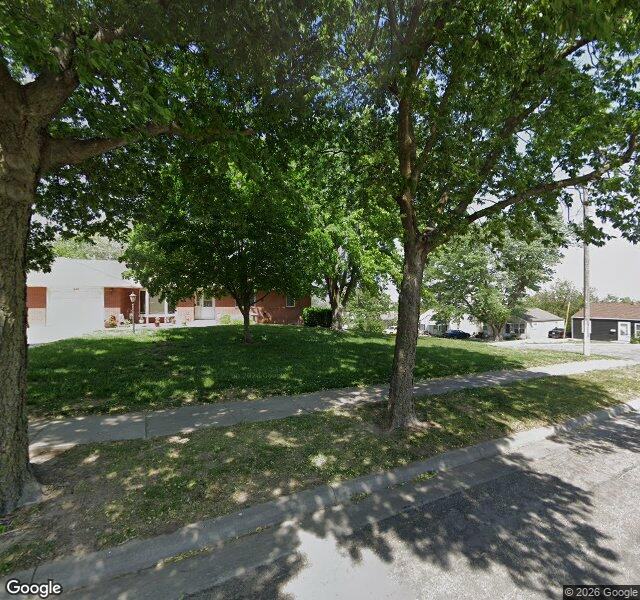
620 2nd Avenue, Concordia, KS 66901View map (opens in a new tab)
Overview and key essentials
State license
Active
KS KDADS
Google reviews
Not available
Public reviews not linked
Size & payment
Ask directly
Confirm pricing & payment
Public records for this community are limited. Use the checklist below when you call or visit to confirm pricing, services, and openings.
Cost, payment & care details
Updated Nov 28, 2026| Monthly cost | Not published | Ask for the full monthly cost, including care fees and one-time charges. |
|---|---|---|
| Payment options | Ask directly | Payment details are not confirmed in our records. Ask about private pay, long-term care insurance, veterans benefits, and Medicaid waivers. |
| Size & availability | Confirm directly | We don't publish live openings. Ask about current availability, waitlist length, and move-in timing. |
| Care & support | Assisted living | Usually offers housing and help with everyday tasks, such as bathing and dressing. What to confirm about care levelsThis describes the licensed category. Ask how care plans adjust if mobility, nursing, or memory needs change over time. Read the family care guide → |
State licensing
State inspection history
15inspections
50deficiencies listed
Apr 21, 2026Routine3 deficiencies reported3
3 deficiencies reported
View official state report (opens in a new tab)
INITIAL COMMENTS The following citations represent the findings of the licensure resurvey for the above named facility conducted on 04/15 and 4/21/26.
moderateS 3420
CFR(s): 28-39-256 (c) Mechanical requirements. (1) Heating, air conditioning, and ventilating systems. (A) The system shall be designed to maintain a year-round indoor temperature range of 70oF or 21oC to 85oF or 26oC. (B) Each apartment or individual living unit shall allow the resident to control the temperature. (2) Plumbing and piping systems. (A) Backflow prevention devices or vacuum breakers shall be installed on fixtures to which hoses or tubing can be attached. (B) Water distribution systems shall be arranged to provide hot water at outlets at all times. The temperature of hot water shall range between 98oF and 120oF at bathing facilities, sinks, and lavatories in resident use areas. (3) Electrical requirements. (A) All spaces occupied by persons or machinery and equipment within the buildings, approaches to buildings, and parking lots shall have adequate lighting. (B) Minimum lighting intensity levels shall be as required in Table 1. SS = F (C) Each corridor and stairway shall remain lighted at all times. (D) Each light in resident use areas shall be equipped with shades, globes, grids, or glass panels. This LICENSURE REQUIREMENT is NOT MET as evidenced by: KAR 28-39-256 (c) (2) (B) The census equaled 30 residents. The sample included 3 residents. Based on record review, observation, and interview for all residents, Administrator A failed to ensure the facility water distribution system maintained a safe hot water temperature between 98- and 120-degrees Fahrenheit (F) at the sinks in resident use areas. Findings included: - Facility water temperature checks during the initial tour on 04/15/26 at 10:55 AM revealed water temperatures as follows: Third floor public restroom sink: 125 degrees F (department thermometer) Second floor public restroom sink: 70.1 degrees F (department thermometer) Facility water temperature check on 04/15/26 at 01:50 PM in Resident (R)1’s restroom sink: 126 degree F (department thermometer). Recheck of water temperature with Maintenance Staff C and License Nurse (LN) B on 04/15/26 at 02:05 PM revealed water temperatures as follows: R4’s restroom sink: 67.8 degree F (department thermometer), 70.1 degree F (facility thermometer) R5’s restroom sink: 134.2 degree F (department thermometer) Recheck of water temperature on 04/15/26 at 02:05 PM in R1’s restroom sink: 130 degree F (department thermometer). SS = F Observations on 04/15/26 revealed all 30 residents in the facility were mobile and able to access the public restrooms. Observation on 04/15/26 at 02:35 PM revealed the boiler room, which contained two hot water heaters. The hot water heaters were set at 130 degrees F. Interview on 04/15/26 at approximately 02:35 PM with Maintenance Staff C stated water temperature checks were done by maintenance staff monthly and documentation of logs requested. Facility’s “Monthly Inspection Water Temp. Readings” revealed water temperature checks had been higher than 120 degrees every month from June 2025 through April 2026 in designated water temperature check areas throughout the facility. Facility’s “Monthly Inspection Water Temp. Readings” revealed the following water temperature checks on 04/01/26: Resident apartment: 129.9 degree F Resident apartment: 134.7 degree F Resident apartment: 130.1 degree F Public restroom: 132.3 degree F Resident room: 126.8 degree F Resident room: 126.1 degree F Interview on 04/15/26 at 02:49 PM with Maintenance Staff D confirmed she obtained the monthly water temperature checks...
moderateS 3085
CFR(s): 26-41-202 (a) (a) The administrator or operator of each assisted living facility or residential health care facility shall ensure the development of a written negotiated service agreement for each resident, based on the resident ' s functional capacity screening, service needs, and preferences, in collaboration with the resident or the resident ' s legal representative, the case manager, and, if agreed to by the resident or the resident ' s legal representative, the resident ' s family. The negotiated service agreement shall provide the following information: (1) A description of the services the resident will receive; (2) identification of the provider of each service; and (3) identification of each party responsible for payment if outside resources provide a service. This LICENSURE REQUIREMENT is NOT MET as evidenced by: KAR 26-41-202 (a) (1) The facility reported a census of 30 residents. The sample included 3 residents. Based on record review, observation and interview for 1 sampled resident (R)8, Administrator A failed to ensure the Negotiated Service Agreement (NSA) was fully developed based on the resident’s Functional Capacity Screen (FCS), service needs, and preferences. Findings included: - Record review for R8 revealed an admission date of 10/06/25 with diagnoses of unspecified dementia with behaviors, psychotic disturbances, mood disturbances and anxiety disorder. SS = D dated 05/07/25 recorded the resident was independent with dressing, toileting, transfer, walk/ mobility and eating, required supervision with bathing and walking/ mobility and was unable to perform management of medications and treatments. The FCS further recorded, R8 had impaired short term memory, memory/ recall impairment, impaired decision making and usually understood communication. R8 was at risk for falls/ unsteadiness and impaired vision. Review of R8’s current "Negotiated Service Agreement (NSA) dated 05/08/25 recorded staff provided set up assistance for showering twice weekly and as needed, provided standby assistance as needed for mobility, resident was independent with toileting, transfer and dressing and facility staff managed medications. The NSA failed to identify R8’s cognitive impairment and impaired decision making. Facility’s “Progress Notes” dated 04/13/26 recorded, “Resident came up to another resident [resident initials] and touched his chest and breast commenting about the size. Then told CNA [certified nurse aide] he wanted to grab her chest and breast.” Signed by Certified Medication Aide (CMA) F. Facility’s “Progress Notes” dated 02/19/26 recorded, “Spoke with [R8’s family member] today, noting resident invading personal space and commenting on weight of staff and residents this past week and have had many complaints…When he’s finished eating at breakfast, he will go table to table asking other residents up close if they like what they’re eating, most residents will tell resident to leave, or they don’t want to talk right now; resident will leave at times or avoid what they tell him and continue to ask questions. Staff has been instructed to redirect resident as needed…” Signed by Licensed Nurse (LN) B. Interview on 04/22/26 at approximately 11:45 AM with CMA F stated she had observed R8 try to touch other residents and had observed him make residents in the facility uncomfortable. SS = D occasions without her permission. Interview on 04/22/26 at 11:59 AM with R10 in dining room stated she observed R9 try to...
Final ObservationsS 9999
K.S.A. 39-928 scope/severity of F Upon receipt of an application for license, the licensing agency with the approval of the state fire marshal shall issue a license if the applicant is fit and qualified and if the adult care home facilities meet the requirements established under this law. A license, unless sooner suspended or revoked, shall remain in effect upon filing by the licensee, and approval by the licensing agency and the state fire marshal or their duly authorized agents, of an annual report upon such uniform dates and containing such information in such form as the licensing agency prescribes and payment of an annual fee. It shall be posted in a conspicuous place in the adult care home. Findings included: Department records revealed the facility failed to file and pay the 2023, 2024 and 2025 annual renewal licensing fees. Observation on 04/15/26 at 10:55 AM revealed the facility license located near the nurse’s station. place as required by KSA 39-928.
Apr 21, 2026Routine3 deficiencies reported3
3 deficiencies reported
View official state report (opens in a new tab)
INITIAL COMMENTS The following citations represent the findings of the licensure resurvey for the above named facility conducted on 04/15 and 4/21/26.
moderateS 3085
CFR(s): 26-41-202 (a) (a) The administrator or operator of each assisted living facility or residential health care facility shall ensure the development of a written negotiated service agreement for each resident, based on the resident ' s functional capacity screening, service needs, and preferences, in collaboration with the resident or the resident ' s legal representative, the case manager, and, if agreed to by the resident or the resident ' s legal representative, the resident ' s family. The negotiated service agreement shall provide the following information: (1) A description of the services the resident will receive; (2) identification of the provider of each service; and (3) identification of each party responsible for payment if outside resources provide a service. This LICENSURE REQUIREMENT is NOT MET as evidenced by: KAR 26-41-202 (a) (1) The facility reported a census of 30 residents. The sample included 3 residents. Based on record review, observation and interview for 1 sampled resident (R)8, Administrator A failed to ensure the Negotiated Service Agreement (NSA) was fully developed based on the resident’s Functional Capacity Screen (FCS), service needs, and preferences. Findings included: - Record review for R8 revealed an admission date of 10/06/25 with diagnoses of unspecified dementia with behaviors, psychotic disturbances, mood disturbances and anxiety disorder. SS = D dated 05/07/25 recorded the resident was independent with dressing, toileting, transfer, walk/ mobility and eating, required supervision with bathing and walking/ mobility and was unable to perform management of medications and treatments. The FCS further recorded, R8 had impaired short term memory, memory/ recall impairment, impaired decision making and usually understood communication. R8 was at risk for falls/ unsteadiness and impaired vision. Review of R8’s current "Negotiated Service Agreement (NSA) dated 05/08/25 recorded staff provided set up assistance for showering twice weekly and as needed, provided standby assistance as needed for mobility, resident was independent with toileting, transfer and dressing and facility staff managed medications. The NSA failed to identify R8’s cognitive impairment and impaired decision making. Facility’s “Progress Notes” dated 04/13/26 recorded, “Resident came up to another resident [resident initials] and touched his chest and breast commenting about the size. Then told CNA [certified nurse aide] he wanted to grab her chest and breast.” Signed by Certified Medication Aide (CMA) F. Facility’s “Progress Notes” dated 02/19/26 recorded, “Spoke with [R8’s family member] today, noting resident invading personal space and commenting on weight of staff and residents this past week and have had many complaints…When he’s finished eating at breakfast, he will go table to table asking other residents up close if they like what they’re eating, most residents will tell resident to leave, or they don’t want to talk right now; resident will leave at times or avoid what they tell him and continue to ask questions. Staff has been instructed to redirect resident as needed…” Signed by Licensed Nurse (LN) B. Interview on 04/22/26 at approximately 11:45 AM with CMA F stated she had observed R8 try to touch other residents and had observed him make residents in the facility uncomfortable. SS = D occasions without her permission. Interview on 04/22/26 at 11:59 AM with R10 in dining room stated she observed R9 try to...
moderateS 3420
CFR(s): 28-39-256 (c) Mechanical requirements. (1) Heating, air conditioning, and ventilating systems. (A) The system shall be designed to maintain a year-round indoor temperature range of 70oF or 21oC to 85oF or 26oC. (B) Each apartment or individual living unit shall allow the resident to control the temperature. (2) Plumbing and piping systems. (A) Backflow prevention devices or vacuum breakers shall be installed on fixtures to which hoses or tubing can be attached. (B) Water distribution systems shall be arranged to provide hot water at outlets at all times. The temperature of hot water shall range between 98oF and 120oF at bathing facilities, sinks, and lavatories in resident use areas. (3) Electrical requirements. (A) All spaces occupied by persons or machinery and equipment within the buildings, approaches to buildings, and parking lots shall have adequate lighting. (B) Minimum lighting intensity levels shall be as required in Table 1. SS = F (C) Each corridor and stairway shall remain lighted at all times. (D) Each light in resident use areas shall be equipped with shades, globes, grids, or glass panels. This LICENSURE REQUIREMENT is NOT MET as evidenced by: KAR 28-39-256 (c) (2) (B) The census equaled 30 residents. The sample included 3 residents. Based on record review, observation, and interview for all residents, Administrator A failed to ensure the facility water distribution system maintained a safe hot water temperature between 98- and 120-degrees Fahrenheit (F) at the sinks in resident use areas. Findings included: - Facility water temperature checks during the initial tour on 04/15/26 at 10:55 AM revealed water temperatures as follows: Third floor public restroom sink: 125 degrees F (department thermometer) Second floor public restroom sink: 70.1 degrees F (department thermometer) Facility water temperature check on 04/15/26 at 01:50 PM in Resident (R)1’s restroom sink: 126 degree F (department thermometer). Recheck of water temperature with Maintenance Staff C and License Nurse (LN) B on 04/15/26 at 02:05 PM revealed water temperatures as follows: R4’s restroom sink: 67.8 degree F (department thermometer), 70.1 degree F (facility thermometer) R5’s restroom sink: 134.2 degree F (department thermometer) Recheck of water temperature on 04/15/26 at 02:05 PM in R1’s restroom sink: 130 degree F (department thermometer). SS = F Observations on 04/15/26 revealed all 30 residents in the facility were mobile and able to access the public restrooms. Observation on 04/15/26 at 02:35 PM revealed the boiler room, which contained two hot water heaters. The hot water heaters were set at 130 degrees F. Interview on 04/15/26 at approximately 02:35 PM with Maintenance Staff C stated water temperature checks were done by maintenance staff monthly and documentation of logs requested. Facility’s “Monthly Inspection Water Temp. Readings” revealed water temperature checks had been higher than 120 degrees every month from June 2025 through April 2026 in designated water temperature check areas throughout the facility. Facility’s “Monthly Inspection Water Temp. Readings” revealed the following water temperature checks on 04/01/26: Resident apartment: 129.9 degree F Resident apartment: 134.7 degree F Resident apartment: 130.1 degree F Public restroom: 132.3 degree F Resident room: 126.8 degree F Resident room: 126.1 degree F Interview on 04/15/26 at 02:49 PM with Maintenance Staff D confirmed she obtained the monthly water temperature checks...
Final ObservationsS 9999
K.S.A. 39-928 scope/severity of F Upon receipt of an application for license, the licensing agency with the approval of the state fire marshal shall issue a license if the applicant is fit and qualified and if the adult care home facilities meet the requirements established under this law. A license, unless sooner suspended or revoked, shall remain in effect upon filing by the licensee, and approval by the licensing agency and the state fire marshal or their duly authorized agents, of an annual report upon such uniform dates and containing such information in such form as the licensing agency prescribes and payment of an annual fee. It shall be posted in a conspicuous place in the adult care home. Findings included: Department records revealed the facility failed to file and pay the 2023, 2024 and 2025 annual renewal licensing fees. Observation on 04/15/26 at 10:55 AM revealed the facility license located near the nurse’s station. place as required by KSA 39-928.
Mar 26, 2025Routine15 deficiencies reported15
15 deficiencies reported
View official state report (opens in a new tab)
INITIAL COMMENTS The following citations represent the findings of a Health Recertification Survey and complaint survey regarding allegations in KS00193247, KS00193683, KS00194165, and KS00194231. The 2567 was sent electronically on 04/08/25.
Notice of Bed Hold Policy Before/Upon TrnsfrF 625
CFR(s): 483.15(d)(1)(2) SS=D §483.15(d) Notice of bed-hold policy and return- §483.15(d)(1) Notice before transfer. Before a MM6K11 nursing facility transfers a resident to a hospital or the resident goes on therapeutic leave, the nursing facility must provide written information to the resident or resident representative that specifies- (i) The duration of the state bed-hold policy, if any, during which the resident is permitted to return and resume residence in the nursing facility; (ii) The reserve bed payment policy in the state plan, under § 447.40 of this chapter, if any; (iii) The nursing facility's policies regarding bed-hold periods, which must be consistent with paragraph (e)(1) of this section, permitting a resident to return; and (iv) The information specified in paragraph (e)(1) of this section. §483.15(d)(2) Bed-hold notice upon transfer. At the time of transfer of a resident for hospitalization or therapeutic leave, a nursing facility must provide to the resident and the resident representative written notice which specifies the duration of the bed-hold policy described in paragraph (d)(1) of this section. This REQUIREMENT is not met as evidenced by: The facility had a census of 39 residents. The sample included 13 residents. Based on observation, record review, and interview, the facility failed to provide Resident (R) 126 with an appropriate bed hold policy as required. This deficient practice placed the resident at risk of being unable to return to the facility in the same room or bed. Findings included: -R126's Electronic Medical Record (EMR) MM6K11 recorded diagnoses of dorsalgia (discomfort occurring anywhere on the spine or back, ranging from mild to disabling), anxiety (mental or emotional reaction characterized by apprehension, uncertainty, and irrational fear) disorder, chronic (persisting for a long period) kidney disease, diabetes mellites (DM - when the body cannot use glucose, not enough insulin is made, or the body cannot respond to the insulin), hypertension (HTN - elevated blood pressure), atrial fibrillation (rapid, irregular heartbeat), multiple fractures (broken bone) of ribs, low back pain and history of disease of the blood-forming organs. The "Admission Minimum Data Set" (MDS), dated 12/12/24, documented R126 had severe cognitive impairment, verbal behavioral symptoms directed toward others, and rejection of care that occurred one to three days of the look-back period. R126 required partial/moderate assistance with toileting and personal hygiene, upper body dressing, mobility, and transfers. one staff member with bathing, bed mobility, dressing, personal and toileting hygiene, and toilet use. The care plan further documented without difficulties. The "Progress Note" on 12/27/24 at 09:52 AM, documented that the facility received a call from the hospital that R126 was being transferred to them from the local hospital and requested information on the last given medications and treatments while R126 was at the facility. The note further documented that the facility nurse was to fax the medication and treatment administration records to the receiving hospital of R126. The medical record lacked nursing assessment and transfer documentation as to why or how would accompany a resident when transferred to another healthcare facility would include the facility's policy for retaining the resident's current bedroom while absent from the facility. The facility failed to provide R126's representative with a...
Treatment/Svcs to Prevent/Heal Pressure UlcerF 686
CFR(s): 483.25(b)(1)(i)(ii) SS=D §483.25(b) Skin Integrity §483.25(b)(1) Pressure ulcers. Based on the comprehensive assessment of a resident, the facility must ensure that- (i) A resident receives care, consistent with professional standards of practice, to prevent pressure ulcers and does not develop pressure ulcers unless the individual's clinical condition demonstrates that they were unavoidable; and (ii) A resident with pressure ulcers receives necessary treatment and services, consistent with professional standards of practice, to promote healing, prevent infection and prevent new ulcers from developing. This REQUIREMENT is not met as evidenced by: The facility had a census of 39 residents. The sample included 13 residents. Based on observation, interview, and record review, the facility failed to provide an appropriate cover or dressing for Resident (R) 11's open pressure ulcer (PU) of her left heel. This deficient practice placed R11 at risk for pain or infection. Findings included: MM6K11 - R11's "Electronic Medical Record" documented diagnoses of dementia (a progressive mental disorder characterized by failing memory, and confusion) and left hip fracture (broken bone). The "Quarterly Minimum Data Set" (MDS), dated 01/07/25, documented a Brief Interview for Mental Status (BIMS) score of 4, indicating severely impaired decision-making. The MDS documented R11 required moderate staff assistance for bathing and maximum staff assistance for dressing her lower body and shoes. The MDS documented R11 had PU and PU care was provided. R11's "Care Plan," dated 01/10/25, directed staff to monitor and document wound size, depth, granulation, and progress in healing. Notify the physician as indicated and report any signs of infection. The "Physician Order," dated 03/25/25, directed staff to dress R11's left heel with saline-moistened promogram prisma (a wound dressing designed to maintain a moist environment and provide antimicrobial protection) to the wound bed followed by mepilex border (a self-adherent, five-layer foam dressing with a soft silicone border designed to maintain a moist wound environment, absorb drainage, and prevent pressure ulcers while minimizing pain and trauma). On 03/25/25 at 07:42 AM, R11 finished eating 100% of her breakfast. She wore house slippers with an open back and rubber soles. R11 carried one sock. Certified Medication Aide (CMA) S took R11 to her room, used a gait belt, and transferred her to the toilet. R11 had no dressing or covering MM6K11 on her left heel PU. CMA S requested a nurse to assess a skin tear. Administrative Staff D came to the room and left to call the wound clinic for directions on whether to apply a dressing to R11's PU. At 08:07 AM, Licensed Nurse (LN) I came in and treated the skin tear to R11's left inner calf, then assisted R11 to dress and transfer from the toilet to her wheelchair without a dressing or covering for the PU on her left heel. LN I took R11 to a recliner in the commons area and used a gait belt to transfer R11 into a recliner. LN I stated R11 had an appointment at the wound clinic at 09:00 AM and she had a shower at 06:00 AM. At 08:18 AM, LN I called the wound clinic and they directed her to cover the wound for now. LN I took R11 back to her room, cleansed the left heel wound, and applied a mepilex dressing to the wound. The PU was to the outside of the left heel, approximately two centimeters (cm) by two cm, with dry slough (dead tissue) visible. Staff were unable...
Drug Regimen Review, Report Irregular, Act OnF 756
CFR(s): 483.45(c)(1)(2)(4)(5) SS=D §483.45(c) Drug Regimen Review. §483.45(c)(1) The drug regimen of each resident must be reviewed at least once a month by a licensed pharmacist. §483.45(c)(2) This review must include a review of the resident's medical chart. §483.45(c)(4) The pharmacist must report any irregularities to the attending physician and the facility's medical director and director of nursing, MM6K11 and these reports must be acted upon. (i) Irregularities include, but are not limited to, any drug that meets the criteria set forth in paragraph (d) of this section for an unnecessary drug. (ii) Any irregularities noted by the pharmacist during this review must be documented on a separate, written report that is sent to the attending physician and the facility's medical director and director of nursing and lists, at a minimum, the resident's name, the relevant drug, and the irregularity the pharmacist identified. (iii) The attending physician must document in the resident's medical record that the identified irregularity has been reviewed and what, if any, action has been taken to address it. If there is to be no change in the medication, the attending physician should document his or her rationale in the resident's medical record. §483.45(c)(5) The facility must develop and maintain policies and procedures for the monthly drug regimen review that include, but are not limited to, time frames for the different steps in the process and steps the pharmacist must take when he or she identifies an irregularity that requires urgent action to protect the resident. This REQUIREMENT is not met as evidenced by: The facility had a census of 39 residents. The sample included 13 residents. Based on observation, interview, and record review, the facility's consultant pharmacist failed to notify the director of nursing or R34's physician of the lack of monitoring R34's blood pressure as the physician ordered to monitor the effectiveness of her medication, placing R34 at risk of receiving unnecessary medication. Findings included: MM6K11 - R34's "Electronic Medical Record" documented diagnoses of hypertension (HTN - elevated blood pressure), transient cerebral ischemic attack (TIA - temporary episode of inadequate blood supply to the brain), and anemia (inadequate number of healthy red blood cells to carry adequate oxygen to body tissues). The "Quarterly Minimum Data Set" (MDS), dated 02/11/25, documented a Brief Interview for Mental Status (BIMS) score of 15, indicating intact cognition. The MDS documented R34 received antidepressant (class of medications used to treat mood disorders), diuretic (medication to promote the formation and excretion of urine), and opioid (narcotic) medications. R34's "Care Plan," dated 02/17/25, directed staff to consult with a pharmacist as needed, monitor, and report adverse reactions to medication therapy. The "Physician Order," dated 08/31/24, directed staff to administer losartan (blood pressure lowering drug) 100 milligrams (mg) daily. The order stated to hold the drug if R34's systolic blood pressure (SB/P) was less than 100 mmHg (millimeters of mercury) or the diastolic blood pressure (DB/P) was less than 60 mmHg. R34's blood pressure documentation revealed staff obtained her blood pressure weekly from 12/14/24 to 3/24/25, even though the 08/31/24 order was still active, and the resident still received the same medication. On 03/25/25 at 11:32 AM, Certified Medication Aide (CMA) S administered...
Free from Abuse and NeglectF 600
CFR(s): 483.12(a)(1) SS=D §483.12 Freedom from Abuse, Neglect, and Exploitation The resident has the right to be free from abuse, neglect, misappropriation of resident property, and exploitation as defined in this subpart. This includes but is not limited to freedom from MM6K11 corporal punishment, involuntary seclusion and any physical or chemical restraint not required to treat the resident's medical symptoms. §483.12(a) The facility must- §483.12(a)(1) Not use verbal, mental, sexual, or physical abuse, corporal punishment, or involuntary seclusion; This REQUIREMENT is not met as evidenced by: The facility had a census of 39 residents. The sample included 13 residents. Based on observation, interview and record review, the facility failed to keep Resident (R) 35 free from verbal abuse during transport in the facility bus. This deficient practice placed R35 at risk for fear or mental anguish. Findings included: - R35's electronic medical record included diagnoses for cerebral infarction (stroke) causing hemiplegia (refers to complete paralysis on one side of the body) affecting the left side, cerebral edema (swelling of the brain tissue), and muscle weakness. The "Admission Minimum Data Set" (MDS), dated 11/11/24, documented a Brief Interview for Mental Status (BIMS) score of 15, indicating intact cognition. The MDS documented R35 was dependent on staff for mobility, dressing, and hygiene. He used a manual wheelchair, had one non-injury fall, and a history of falls before admission. R35's "Care Plan," dated 11/04/24, directed staff to transfer R35 with two staff and a total MM6K11 mechanical lift, initiated 11/04/24. Provide a Broda chair (specialized wheelchair) due to his inability to safely sit in a regular wheelchair, initiated: 11/06/2024 The "Grievance Log" complaint of 11/04/25 documented on 11/04/24 a new resident (R35) complained of being treated horribly by the transportation aide on his way to this facility. He reported he was yelled at, and cursed at several times because he kept sliding out of his wheelchair. He reported he was told, "F***, I have stopped every five miles for you, and I am not going to keep stopping for this." R35 felt like he shouldn't be yelled at for something he could not help. He reported he slid completely out of his wheelchair and then she got really mad and started yelling. The resident also called his family and told them how he was treated. Resolution: The Transportation Aide was educated on Abuse/Neglect/Exploitation. The Witness statement from the transportation Aide, dated 11/01/24, stated she strapped the resident (R35) in the van securely, but she had to stop several times to pull him back up in his wheelchair. He told her he was sliding himself down. The transportation aide wrote she did show some frustration with him and told herself she needed to calm down. At one point his bottom was completely off the wheelchair and she could not pull him up, so she lowered him to the floor. She called the nursing home who sent out two aides to assist her. The "Admission Note" dated 11/04/24 at 05:21 PM documented a new male resident was transported via the facility van and wheelchair. R35 required a full lift. He leaned to his left and MM6K11 had no use of his left arm. R35 denied pain. The "Social Services Note" dated 11/04/24 at 02:15 PM documented the SSD introduced herself to R35 in his room. He was lying in bed and asked her to adjust his blankets and turn up the heater because he was cold....
Reporting of Alleged ViolationsF 609
CFR(s): 483.12(b)(5)(i)(A)(B)(c)(1)(4) SS=D §483.12(c) In response to allegations of abuse, neglect, exploitation, or mistreatment, the facility must: §483.12(c)(1) Ensure that all alleged violations involving abuse, neglect, exploitation or mistreatment, including injuries of unknown source and misappropriation of resident property, are reported immediately, but not later than 2 hours after the allegation is made, if the events that cause the allegation involve abuse or result in serious bodily injury, or not later than 24 hours if the events that cause the allegation do not involve abuse and do not result in serious bodily injury, to the administrator of the facility and to other officials (including to the State Survey Agency and adult protective services where state law provides for jurisdiction in long-term care facilities) in accordance with State law through established procedures. MM6K11 §483.12(c)(4) Report the results of all investigations to the administrator or his or her designated representative and to other officials in accordance with State law, including to the State Survey Agency, within 5 working days of the incident, and if the alleged violation is verified appropriate corrective action must be taken. This REQUIREMENT is not met as evidenced by: The facility had a census of 39 residents. The sample included 13 residents. Based on observation, record review, and interview, the facility failed to ensure staff reported an allegation of verbal abuse from Resident (R) 35 to the administrator immediately to investigate. This placed R35 at risk for ongoing abuse and or mistreatment. Findings included: - R35's electronic medical record included diagnoses for cerebral infarction (stroke) causing hemiplegia (refers to complete paralysis on one side of the body) affecting the left side, cerebral edema (swelling of the brain tissue), and muscle weakness. The "Admission Minimum Data Set" (MDS), dated 11/11/24, documented a Brief Interview for Mental Status (BIMS) score of 15, indicating intact cognition. The MDS documented R35 was dependent on staff for mobility, dressing, and hygiene. He used a manual wheelchair, had one non-injury fall, and had a history of falls before admission. R35's "Care Plan," dated 11/04/24, directed staff to transfer R35 with two staff and a total mechanical lift, initiated 11/04/24. Provide a MM6K11 Broda chair (specialized wheelchair) due to his inability to safely sit in a regular wheelchair, initiated: 11/06/2024 The "Grievance Log" complaint of 11/04/25 documented on 11/04/24 a new resident (R35) complained of being treated horribly by transportation aide on his way to this facility. He reported he was yelled at, and cursed at several times because he kept sliding out of his wheelchair. He reported he was told, "F***, I have stopped every five miles for you, and I am not going to keep stopping for this." R35 felt like he shouldn't be yelled at for something he could not help. He reported he slid completely out of his wheelchair and then she got really mad and started yelling. The resident also called his family and told them how he was treated. Resolution: The Transportation Aide was educated on Abuse/Neglect/Exploitation. The "Witness Statement" from the transportation Aide, dated 11/01/24, stated she strapped the resident (R35) in the van securely, but she had to stop several times to pull him back up in his wheelchair. He told her he was sliding himself down. The transportation aide wrote...
required substantial/maximal assistanceR 126
with showering and lower body dressing. R126 had occasional incontinence of urine and received as-needed pain medication for almost constant pain, which affected sleep, therapy participation, and day-to-day activities. The MDS further documented that R126 had an unhealed stage two (partial-thickness skin loss into but no deeper than the dermis, including intact or ruptured blisters) pressure ulcer on admission. R126's "Care Plan" dated 12/19/24 documented required staff assistance with activities of daily living related to limited mobility and physical decline. The care plan documented R126 was alert with confusion, and required assistance of one staff member with bathing, bed mobility, dressing, personal and toileting hygiene, and toilet use. The care plan further documented had a stage two pressure ulcer to the middle of the spine, had the potential to be verbally aggressive towards staff, and had weight loss. The "Progress Note" dated 12/05/24 at 04:51 PM documented that R126 had been admitted from a hospital with a self-care deficit. The progress note further documented R126 had a two cm in length by 1.5 cm width red area to the middle spine with one cm length by one cm width open dried area. The "Progress Note" dated 12/25/24 at 02:45 PM documented R 126 found lying on the floor. The exam of R126's skin showed R126 had landed on his back, where he had an open wound. R126 was able to move all extremities without difficulty and complained of back pain. Vital signs obtained of temperature of 97.4 degrees Fahrenheit, blood MM6K11 left the facility. On 03/26/25 at 02:30 PM, Administrative Nurse D verified the medical record lacked the assessment, reason, and to where R126 had been sent. Administrative Nurse D stated that the nurse who worked during that time no longer works at the facility and should have completed MM6K11 at risk for delayed treatment in the receiving facility. required substantial/maximal assistance with showering and lower body dressing. R126 had occasional incontinence of urine, and received as-needed pain medication for almost constant pain, which affected sleep, therapy participation, and day-to-day activities. The MDS further documented that R126 had an unhealed stage two (partial-thickness skin loss into but no deeper than the dermis, including intact or ruptured blisters) pressure ulcer on admission. R126's "Care Plan" dated 12/19/24 documented required staff assistance with activities of daily living related to limited mobility and physical decline. The care plan documented R126 was alert with confusion, and required assistance of MM6K11 had a stage two pressure ulcer to the middle of the spine, had the potential to be verbally aggressive towards staff, and had weight loss. The "Progress Note" dated 12/05/24 at 04:51 PM documented that R126 had been admitted from a hospital with a self-care deficit. The progress note further documented R126 had a two centimeters (cm) in length by 1.5 cm in width red area to the middle spine with one cm length by one cm width open dried area. The "Progress Note" dated 12/25/24 at 02:45 PM documented R 126 found lying on the floor. The exam of R126's skin showed R126 had landed on his back, where he had an open wound. R126 was able to move all extremities without difficulty and complained of back pain. Vital signs obtained of temperature of 97.4 degrees Fahrenheit, blood pressure of 172/103, pulse 64, respirations 22, and oxygen saturation of 89 percent (%). The note further...
Investigate/Prevent/Correct Alleged ViolationF 610
CFR(s): 483.12(c)(2)-(4) SS=D §483.12(c) In response to allegations of abuse, neglect, exploitation, or mistreatment, the facility must: §483.12(c)(2) Have evidence that all alleged violations are thoroughly investigated. §483.12(c)(3) Prevent further potential abuse, neglect, exploitation, or mistreatment while the investigation is in progress. §483.12(c)(4) Report the results of all investigations to the administrator or his or her designated representative and to other officials in accordance with State law, including to the State Survey Agency, within 5 working days of the incident, and if the alleged violation is verified appropriate corrective action must be taken. This REQUIREMENT is not met as evidenced by: The facility had a census of 39 residents. The sample included 13 residents. Based on MM6K11 observation, record review, and interview, the facility failed to thoroughly investigate the allegation of verbal abuse immediately. This placed Resident (R) 35 at risk for ongoing abuse and or mistreatment. Findings included: - R35's electronic medical record included diagnoses for cerebral infarction (stroke) causing hemiplegia (refers to complete paralysis on one side of the body) affecting the left side, cerebral edema (swelling of the brain tissue), and muscle weakness. The "Admission Minimum Data Set" (MDS), dated 11/11/24, documented a Brief Interview for Mental Status (BIMS) score of 15, indicating intact cognition. The MDS documented R35 was dependent on staff for mobility, dressing, and hygiene. He used a manual wheelchair, had one non-injury fall, and had a history of falls before admission. R35's "Care Plan," dated 11/04/24, directed staff to transfer R35 with two staff and a total mechanical lift, initiated 11/04/24. Provide a Broda chair (specialized wheelchair) due to his inability to safely sit in a regular wheelchair, initiated: 11/06/2024 The "Grievance Log" complaint of 11/04/25 documented on 11/04/24 a new resident (R35) complained of being treated horribly by a transportation aide on his way to this facility. He reported he was yelled at, and cursed at several times because he kept sliding out of his wheelchair. He reported he was told, "F***, I have stopped every five miles for you, and I am not MM6K11 going to keep stopping for this." R35 felt like he shouldn't be yelled at for something he could not help. He reported he slid completely out of his wheelchair and then she got really mad and started yelling. The resident also called his family and told them how he was treated. Resolution: The Transportation Aide was educated on Abuse/Neglect/Exploitation. The "Witness Statement" from Transportation Aide O, dated 11/01/24, stated she strapped the resident (R35) in the van securely, but she had to stop several times to pull him back up in his wheelchair. He told her he was sliding himself down. The transportation aide wrote she did show some frustration with him and told herself she needed to calm down. At one point his bottom was completely off the wheelchair and she could not pull him up, so she lowered him to the floor. She called the nursing home who sent out two aides to assist her. The "Admission Note" dated 11/04/24 at 05:21 PM documented a new male resident was transported via the facility van and wheelchair. R35 required a full lift. He leaned to his left and had no use of his left arm. R35 denied pain. The "Progress Note" dated 11/05/24 at 05:16 AM documented R35 had not sleep at all last night. Staff...
Transfer and Discharge RequirementsF 622
CFR(s): 483.15(c)(1)(i)(ii)(2)(i)-(iii) SS=D §483.15(c) Transfer and discharge- §483.15(c)(1) Facility requirements- (i) The facility must permit each resident to remain in the facility, and not transfer or MM6K11 discharge the resident from the facility unless- (A) The transfer or discharge is necessary for the resident's welfare and the resident's needs cannot be met in the facility; (B) The transfer or discharge is appropriate because the resident's health has improved sufficiently so the resident no longer needs the services provided by the facility; (C) The safety of individuals in the facility is endangered due to the clinical or behavioral status of the resident; (D) The health of individuals in the facility would otherwise be endangered; (E) The resident has failed, after reasonable and appropriate notice, to pay for (or to have paid under Medicare or Medicaid) a stay at the facility. Nonpayment applies if the resident does not submit the necessary paperwork for third party payment or after the third party, including Medicare or Medicaid, denies the claim and the resident refuses to pay for his or her stay. For a resident who becomes eligible for Medicaid after admission to a facility, the facility may charge a resident only allowable charges under Medicaid; or (F) The facility ceases to operate. (ii) The facility may not transfer or discharge the resident while the appeal is pending, pursuant to § 431.230 of this chapter, when a resident exercises his or her right to appeal a transfer or discharge notice from the facility pursuant to § 431.220(a)(3) of this chapter, unless the failure to discharge or transfer would endanger the health or safety of the resident or other individuals in the facility. The facility must document the danger that failure to transfer or discharge would pose. §483.15(c)(2) Documentation. MM6K11 When the facility transfers or discharges a resident under any of the circumstances specified in paragraphs (c)(1)(i)(A) through (F) of this section, the facility must ensure that the transfer or discharge is documented in the resident's medical record and appropriate information is communicated to the receiving health care institution or provider. (i) Documentation in the resident's medical record must include: (A) The basis for the transfer per paragraph (c)(1) (i) of this section. (B) In the case of paragraph (c)(1)(i)(A) of this section, the specific resident need(s) that cannot be met, facility attempts to meet the resident needs, and the service available at the receiving facility to meet the need(s). (ii) The documentation required by paragraph (c) (2)(i) of this section must be made by- (A) The resident's physician when transfer or discharge is necessary under paragraph (c) (1) (A) or (B) of this section; and (B) A physician when transfer or discharge is necessary under paragraph (c)(1)(i)(C) or (D) of this section. (iii) Information provided to the receiving provider must include a minimum of the following: (A) Contact information of the practitioner responsible for the care of the resident. (B) Resident representative information including contact information (C) Advance Directive information (D) All special instructions or precautions for ongoing care, as appropriate. (E) Comprehensive care plan goals; (F) All other necessary information, including a copy of the resident's discharge summary, consistent with §483.21(c)(2) as applicable, and MM6K11 any other documentation, as applicable, to ensure a...
Drug Regimen is Free from Unnecessary DrugsF 757
CFR(s): 483.45(d)(1)-(6) SS=D §483.45(d) Unnecessary Drugs-General. Each resident's drug regimen must be free from unnecessary drugs. An unnecessary drug is any drug when used- §483.45(d)(1) In excessive dose (including duplicate drug therapy); or §483.45(d)(2) For excessive duration; or §483.45(d)(3) Without adequate monitoring; or MM6K11 §483.45(d)(4) Without adequate indications for its use; or §483.45(d)(5) In the presence of adverse consequences which indicate the dose should be reduced or discontinued; or §483.45(d)(6) Any combinations of the reasons stated in paragraphs (d)(1) through (5) of this section. This REQUIREMENT is not met as evidenced by: The facility had a census of 39 residents. The sample included 13 residents. Based on observation, interview, and record review, the facility failed to monitor Resident (R)34's blood pressure as the physician ordered to monitor the effectiveness of her medication. This deficient practice placed R34 at risk of receiving unnecessary medication. Findings included: - R34's "Electronic Medical Record" documented diagnoses of hypertension (HTN - elevated blood pressure), transient cerebral ischemic attack (TIA - temporary episode of inadequate blood supply to the brain), and anemia (inadequate number of healthy red blood cells to carry adequate oxygen to body tissues). The "Quarterly Minimum Data Set" (MDS), dated 02/11/25, documented a Brief Interview for Mental Status (BIMS) score of 15, indicating intact cognition. The MDS documented R34 received antidepressant (class of medications used to treat mood disorders), diuretic (medication to promote the formation and excretion of urine), and opioid (narcotic) medications. MM6K11 The "Care Plan," dated 02/17/25, directed staff to consult with a pharmacist as needed, monitor, and report adverse reactions to medication therapy. The "Physician Order," dated 08/31/24, directed staff to administer losartan (blood pressure lowering drug) 100 milligrams (mg) daily. The order stated to hold the drug if R34's systolic blood pressure (SB/P) was less than 100 mmHg (millimeters of mercury) or the diastolic blood pressure (DB/P) was less than 60 mmHg. R34's blood pressure documentation revealed staff obtained her blood pressure weekly from 12/14/24 to 3/24/25, even though the 08/31/24 order was still active, and the resident still received the same medication. On 03/25/25 at 11:32 AM, Certified Medication Aide (CMA) S administered medications to R34 who took the pills whole without problems. On 03/25/25 at 02:10 PM, Administrative Nurse D stated R34 switched physicians and the order from the previous physician was still in the computer. They plan to contact the current physician to verify if he wants to set parameters. She verified staff should have obtained blood pressure with the administration of losartan. The facility's undated "Medication Administration," policy stated all medications would be administered as ordered by a physician in a safe and sanitary manner. Each elder's drug regimen would be free of unnecessary drugs, defined as: without adequate, recommended monitoring. The nursing staff would monitor the elder's response MM6K11 to medications by relevant lab values and clinical response. The facility failed to monitor R34's blood pressure as the physician ordered to monitor the effectiveness of her medication. This deficient practice placed R34 at risk of receiving unnecessary medication.
Bowel/Bladder Incontinence, Catheter, UTIF 690
CFR(s): 483.25(e)(1)-(3) SS=D §483.25(e) Incontinence. §483.25(e)(1) The facility must ensure that resident who is continent of bladder and bowel on admission receives services and assistance to maintain continence unless his or her clinical condition is or becomes such that continence is not possible to maintain. §483.25(e)(2)For a resident with urinary incontinence, based on the resident's comprehensive assessment, the facility must ensure that- (i) A resident who enters the facility without an indwelling catheter is not catheterized unless the resident's clinical condition demonstrates that catheterization was necessary; (ii) A resident who enters the facility with an indwelling catheter or subsequently receives one is assessed for removal of the catheter as soon as possible unless the resident's clinical condition demonstrates that catheterization is necessary; and (iii) A resident who is incontinent of bladder receives appropriate treatment and services to prevent urinary tract infections and to restore continence to the extent possible. §483.25(e)(3) For a resident with fecal incontinence, based on the resident's comprehensive assessment, the facility must MM6K11 ensure that a resident who is incontinent of bowel receives appropriate treatment and services to restore as much normal bowel function as possible. This REQUIREMENT is not met as evidenced by: The facility had a census of 39 residents. The sample included 13 residents. Based on observation, record review, and interview, the facility failed to ensure Resident (R) 10 had physician-ordered fluid intake, which placed R10 at risk of ongoing urinary tract infections. Findings included: - R10's Electronic Medical Record (EMR) included diagnoses of heart failure, weakness, intellectual disabilities (a significantly below-average score on a test of mental ability or intelligence and limitations in the ability to function in areas of daily life), neuromuscular dysfunction of the bladder (the muscles that control the flow of urine out of the body do not relax and prevent the bladder from fully emptying), diabetes mellitus (DM-when the body cannot use glucose, not enough insulin is made, or the body cannot respond to the insulin), and chronic (persisting for a long period) kidney disease. The "Quarterly Minimum Data Set" (MDS) dated 02/03/25, documented R10 had intact cognition, no signs or symptoms of delirium (sudden severe confusion, disorientation, and restlessness) or psychosis (any major mental disorder characterized by a gross impairment in reality perception), or exhibited behaviors. R10 required setup or clean-up assistance with eating and substantial/maximal assistance with toileting hygiene, upper and lower body dressing, and was MM6K11 dependent on mobility and transfers. R10 had an indwelling catheter (tube placed in the bladder to drain urine into a collection bag), was incontinent of bowel, had renal (pertaining to kidneys) insufficiency, and neurogenic bladder. The MDS further documented that R10 had received oxygen, speech, occupational and physical therapy. R10's "Care Plan," dated 02/13/25, documented R10 had a catheter in place due to a neurogenic bladder. The Care Plan directed staff to monitor and document intake and output and report to the Medical Doctor (MD) signs or symptoms of a urinary tract infection. The "Physician Order", dated 01/29/25, ordered R10 to drink two quarts (or eight cups) of water daily (1920 cubic centimeters - cc's) every...
Nutrition/Hydration Status MaintenanceF 692
CFR(s): 483.25(g)(1)-(3) SS=D MM6K11 §483.25(g) Assisted nutrition and hydration. (Includes naso-gastric and gastrostomy tubes, both percutaneous endoscopic gastrostomy and percutaneous endoscopic jejunostomy, and enteral fluids). Based on a resident's comprehensive assessment, the facility must ensure that a resident- §483.25(g)(1) Maintains acceptable parameters of nutritional status, such as usual body weight or desirable body weight range and electrolyte balance, unless the resident's clinical condition demonstrates that this is not possible or resident preferences indicate otherwise; §483.25(g)(2) Is offered sufficient fluid intake to maintain proper hydration and health; §483.25(g)(3) Is offered a therapeutic diet when there is a nutritional problem and the health care provider orders a therapeutic diet. This REQUIREMENT is not met as evidenced by: The facility had a census of 39 residents. The sample included 13 residents. Based on observation, record review, and interview, the facility failed to ensure Resident (R) 10 had physician-ordered fluid intake, which placed R10 at risk of ongoing dehydration and urinary tract infections. Findings included: - R10's Electronic Medical Record (EMR) included diagnoses of heart failure, weakness, intellectual disabilities (a significantly below-average score on a test of mental ability or intelligence and limitations in the ability to function in areas of daily life), neuromuscular dysfunction MM6K11 of the bladder (the muscles that control the flow of urine out of the body do not relax and prevent the bladder from fully emptying), diabetes mellitus (DM - when the body cannot use glucose, not enough insulin is made, or the body cannot respond to the insulin), and chronic (persisting for a long period) kidney disease. The "Quarterly Minimum Data Set" (MDS) dated 02/03/25, documented R10 had intact cognition, no signs or symptoms of delirium (sudden severe confusion, disorientation, and restlessness) or psychosis (any major mental disorder characterized by a gross impairment in reality perception), or exhibited behaviors. R10 required setup or clean-up assistance with eating and substantial/maximal assistance with toileting hygiene, upper and lower body dressing, and was dependent with mobility and transfers. R10 had an indwelling catheter (tube placed in the bladder to drain urine into a collection bag), was incontinent of bowel, had renal (pertaining to kidneys) insufficiency, and neurogenic bladder. The MDS further documented that R10 had received oxygen, speech, occupational and physical therapy. R10's "Care Plan," dated 02/13/25, documented R10 had a catheter in place due to a neurogenic bladder. The Care Plan directed staff to monitor and document intake and output and report to the Medical Doctor (MD) signs or symptoms of a urinary tract infection. The "Physician Order" dated 01/29/25 ordered R10 to drink two quarts (or eight cups) of water daily (1920 cubic centimeters - cc's) every 24 hours. MM6K11 The "Progress Note" dated 01/27/25 at 11:15 AM documented R10 had returned from the hospital with diagnoses of an acute urinary tract infection (UTI - an infection in any part of the urinary system), acute and chronic renal failure, and dehydration. The note further documented that R10 had an indwelling catheter due to retention. The "Progress Note" dated 02/11/25 at 11:54 PM documented that R10 had been sent to the emergency department and had started an antibiotic due to having a...
Label/Store Drugs and BiologicalsF 761
CFR(s): 483.45(g)(h)(1)(2) SS=E §483.45(g) Labeling of Drugs and Biologicals Drugs and biologicals used in the facility must be labeled in accordance with currently accepted professional principles, and include the appropriate accessory and cautionary instructions, and the expiration date when applicable. §483.45(h) Storage of Drugs and Biologicals §483.45(h)(1) In accordance with State and Federal laws, the facility must store all drugs and biologicals in locked compartments under proper temperature controls, and permit only authorized personnel to have access to the keys. §483.45(h)(2) The facility must provide separately locked, permanently affixed compartments for storage of controlled drugs listed in Schedule II of the Comprehensive Drug Abuse Prevention and Control Act of 1976 and other drugs subject to abuse, except when the facility uses single unit package drug distribution systems in which the quantity stored is minimal and a missing dose can be readily detected. This REQUIREMENT is not met as evidenced by: MM6K11 The facility had a census of 39 residents. The sample included 13 residents. Based on observation, interview, and record review, the facility failed to remove expired medication from use and failed to date one insulin pen when opened. This deficient practice placed residents who may have received those medications at risk for ineffective medication. Findings included: - On 03/24/25 at 09:07 AM, observation of the one facility medication room revealed 14 bisacodyl (laxative) suppositories with an expiration date of November 2024 and a container of aspirin/diphenhydramine (pain relief/sleep aide) 500/25 milligrams (mg) tablets, expired December 2024. On 03/24/25 at 09:22 AM, the facility's nurse treatment cart contained an opened, undated glargine insulin pen. On 03/24/25 at 09:07 AM, Licensed Nurse (LN) G verified the medications in the medication room were expired and she disposed of them. On 03/24/25 at 09:22 AM, LN H verified staff should have dated the insulin pen when they opened it for use. On 03/26/25 at 07:50 AM, Administrative Staff D verified staff were to date insulin pens when opened. 03/26/25 at 08:22 AM, Administrative Staff D stated staff were to check for expiration dates when taking medications from the medication room to place on the cart for administration. MM6K11 The facility's undated Medication Expiration and Disposal" policy stated the facility established a protocol for managing expired medications to prevent medication errors, ensure compliance with regulatory standards, and safeguard the health of residents. The facility would conduct a weekly audit of all medication inventories to identify that all medications have an expiration date, an opened-on date, and a use-by date based on manufacturer and pharmacy standards of practice. The policy stated nursing staff were responsible for checking expiration dates and use-by dates at the time of administration. The facility failed to remove expired medication from use and failed to date one insulin pen when opened. This deficient practice placed residents who may have received those medications at risk for ineffective medication.
Infection Prevention & ControlF 880
CFR(s): 483.80(a)(1)(2)(4)(e)(f) SS=F §483.80 Infection Control The facility must establish and maintain an infection prevention and control program designed to provide a safe, sanitary and comfortable environment and to help prevent the development and transmission of communicable diseases and infections. §483.80(a) Infection prevention and control program. The facility must establish an infection prevention and control program (IPCP) that must include, at a minimum, the following elements: §483.80(a)(1) A system for preventing, identifying, reporting, investigating, and controlling infections and communicable diseases for all residents, staff, volunteers, visitors, and other individuals providing services under a contractual MM6K11 arrangement based upon the facility assessment conducted according to §483.71 and following accepted national standards; §483.80(a)(2) Written standards, policies, and procedures for the program, which must include, but are not limited to: (i) A system of surveillance designed to identify possible communicable diseases or infections before they can spread to other persons in the facility; (ii) When and to whom possible incidents of communicable disease or infections should be reported; (iii) Standard and transmission-based precautions to be followed to prevent spread of infections; (iv)When and how isolation should be used for a resident; including but not limited to: (A) The type and duration of the isolation, depending upon the infectious agent or organism involved, and (B) A requirement that the isolation should be the least restrictive possible for the resident under the circumstances. (v) The circumstances under which the facility must prohibit employees with a communicable disease or infected skin lesions from direct contact with residents or their food, if direct contact will transmit the disease; and (vi)The hand hygiene procedures to be followed by staff involved in direct resident contact. §483.80(a)(4) A system for recording incidents identified under the facility's IPCP and the corrective actions taken by the facility. §483.80(e) Linens. Personnel must handle, store, process, and MM6K11 transport linens so as to prevent the spread of infection. §483.80(f) Annual review. The facility will conduct an annual review of its IPCP and update their program, as necessary. This REQUIREMENT is not met as evidenced by: The facility had a census of 39 residents. Based on observation, record review, and interview, the facility failed to maintain an infection monitoring surveillance plan and Enhanced Barrier Protection (EBP - infection control interventions designed to reduce transmission of resistant organisms which employ targeted gown and glove use during high contact care) as staff wore gown and gloves (PPE - gowns, face shields and/or eyeglasses/goggles, and gloves) in the hallway. This deficient practice placed the residents at risk for exposure to infectious processes. Findings included: - On 03/25/25 at 08:25 AM, Certified Nurse Aide (CNA) M wore a yellow protective gown and gloves while pushing a resident in a wheelchair to the dining room. CNA M then went to a closet next to the dining room area and opened it with the PPE on. CNA M stated she wore the gown in the hallway so that the surveyor would know what she looked like in one. CNA M then proceeded to remove the gown and gloves in the service hall next to the dining room. On 03/26/25 at 11:30 AM, Administrative Nurse D verified the infection...
Resident Rights/Exercise of RightsF 550
CFR(s): 483.10(a)(1)(2)(b)(1)(2) SS=F §483.10(a) Resident Rights. The resident has a right to a dignified existence, self-determination, and communication with and access to persons and services inside and outside the facility, including those specified in this section. §483.10(a)(1) A facility must treat each resident with respect and dignity and care for each resident in a manner and in an environment that promotes maintenance or enhancement of his or her quality of life, recognizing each resident's individuality. The facility must protect and promote the rights of the resident. §483.10(a)(2) The facility must provide equal access to quality care regardless of diagnosis, severity of condition, or payment source. A facility must establish and maintain identical policies and practices regarding transfer, discharge, and the provision of services under the State plan for all residents regardless of payment source. §483.10(b) Exercise of Rights. The resident has the right to exercise his or her rights as a resident of the facility and as a citizen or resident of the United States. §483.10(b)(1) The facility must ensure that the resident can exercise his or her rights without interference, coercion, discrimination, or reprisal from the facility. §483.10(b)(2) The resident has the right to be free of interference, coercion, discrimination, and reprisal from the facility in exercising his or her rights and to be supported by the facility in the exercise of his or her rights as required under this subpart. This REQUIREMENT is not met as evidenced by: The facility had a census of 39 residents. The sample included 13 residents. Based on observation, record review, and interview, the facility failed to maintain an environment that promoted the dignity of Resident (R) 34, who had blood sugar testing and insulin administration, and R9, who also had insulin administration in the facility's dining room with other residents, staff, and visitors.0 This deficient practice placed the residents at risk for an undignified experience and embarrassment. Findings included: - On 03/25/25 at 11:21 AM, Licensed Nurse (LN) I performed a finger stick to obtain a drop of blood for testing R4's blood sugar level. R34, seated across the same table, stated, "I'm glad that's not me, I don't like needles." LN I then retrieved an insulin pen and injected insulin (a hormone that lowers the level of glucose in the blood) subcutaneously (beneath the skin) into R4's right arm at the dining room table. On 03/25/25 at 11:29 AM, LN I administered R9's insulin subcutaneously while seated in the dining MM6K11 room. The table R9 sat at had two other residents and a visitor also seated at the same table at the time of the administration of insulin. 03/26/25 at 09:25 AM, LN I reported giving insulin in the dining room if the resident wanted. LN I stated R34 had joked about needles, and the other residents and visitors did not mind if insulin was administered in the dining room, but could give the insulin and check blood sugars in the residents' rooms. On 03/26/25 at 01:50 PM, Administrative Nurse D verified that the residents could receive insulin privately if the resident chose to. The facility's undated "Right to Dignity" policy documented the facility would promote care for elders in a manner and an environment that maintained and enhanced each elder's dignity and respect in full recognition of the elder's individuality. The facility failed to maintain an environment...
Qualified Dietary StaffF 801
CFR(s): 483.60(a)(1)(2) SS=F §483.60(a) Staffing The facility must employ sufficient staff with the appropriate competencies and skills sets to carry out the functions of the food and nutrition service, taking into consideration resident assessments, individual plans of care and the number, acuity and diagnoses of the facility's resident population in accordance with the facility assessment required at §483.71. This includes: §483.60(a)(1) A qualified dietitian or other clinically qualified nutrition professional either full-time, part-time, or on a consultant basis. A qualified dietitian or other clinically qualified MM6K11 nutrition professional is one who- (i) Holds a bachelor's or higher degree granted by a regionally accredited college or university in the United States (or an equivalent foreign degree) with completion of the academic requirements of a program in nutrition or dietetics accredited by an appropriate national accreditation organization recognized for this purpose. (ii) Has completed at least 900 hours of supervised dietetics practice under the supervision of a registered dietitian or nutrition professional. (iii) Is licensed or certified as a dietitian or nutrition professional by the State in which the services are performed. In a State that does not provide for licensure or certification, the individual will be deemed to have met this requirement if he or she is recognized as a "registered dietitian" by the Commission on Dietetic Registration or its successor organization, or meets the requirements of paragraphs (a)(1)(i) and (ii) of this section. (iv) For dietitians hired or contracted with prior to November 28, 2016, meets these requirements no later than 5 years after November 28, 2016 or as required by state law. §483.60(a)(2) If a qualified dietitian or other clinically qualified nutrition professional is not employed full-time, the facility must designate a person to serve as the director of food and nutrition services. (i) The director of food and nutrition services must at a minimum meet one of the following qualifications- (A) A certified dietary manager; or (B) A certified food service manager; or (C) Has similar national certification for food MM6K11 service management and safety from a national certifying body; or D) Has an associate's or higher degree in food service management or in hospitality, if the course study includes food service or restaurant management, from an accredited institution of higher learning; or (E) Has 2 or more years of experience in the position of director of food and nutrition services in a nursing facility setting and has completed a course of study in food safety and management, by no later than October 1, 2023, that includes topics integral to managing dietary operations including, but not limited to, foodborne illness, sanitation procedures, and food purchasing/receiving; and (ii) In States that have established standards for food service managers or dietary managers, meets State requirements for food service managers or dietary managers, and (iii) Receives frequently scheduled consultations from a qualified dietitian or other clinically qualified nutrition professional. This REQUIREMENT is not met as evidenced by: The facility had a census of 39 residents. Based on observation, interview, and record review the facility failed to provide the services of a full-time certified dietary manager for 39 residents who resided in the facility and received their meals from the...
Dec 17, 2024Routine1 deficiency reported1
1 deficiency reported
View official state report (opens in a new tab)
The following represents the findings of a resurvey with attached complaint (191093) at the above named facility conducted on 12/17/24, which resulted in no citations.
STATE FORM6899
Z4JL11
Dec 16, 2024Routine1 deficiency reported1
1 deficiency reported
View official state report (opens in a new tab)
INITIAL COMMENTS The following citations are the result of abbreviated survey and complaint investigation KS00192346. The 2567 was sent electronically on 12/30/24.
Resident Rights/Exercise of RightsF 550
CFR(s): 483.10(a)(1)(2)(b)(1)(2) SS=G §483.10(a) Resident Rights. The resident has a right to a dignified existence, self-determination, and communication with and access to persons and services inside and outside the facility, including those specified in this section. §483.10(a)(1) A facility must treat each resident with respect and dignity and care for each resident in a manner and in an environment that promotes maintenance or enhancement of his or her quality of life, recognizing each resident's individuality. The facility must protect and promote the rights of the resident. §483.10(a)(2) The facility must provide equal access to quality care regardless of diagnosis, severity of condition, or payment source. A facility must establish and maintain identical policies and practices regarding transfer, discharge, and the provision of services under the State plan for all residents regardless of payment source. §483.10(b) Exercise of Rights. The resident has the right to exercise his or her rights as a resident of the facility and as a citizen or resident of the United States. §483.10(b)(1) The facility must ensure that the resident can exercise his or her rights without interference, coercion, discrimination, or reprisal from the facility. §483.10(b)(2) The resident has the right to be free of interference, coercion, discrimination, and reprisal from the facility in exercising his or her rights and to be supported by the facility in the exercise of his or her rights as required under this subpart. This REQUIREMENT is not met as evidenced by: The facility identified a census of 38 residents with three residents reviewed for resident's rights. Based on record review, observation, and interview, the facility failed to promote Resident (R) 1's right to choose, failed to respect R1's wishes, and failed to treat R1 with dignity and respect. On 12/05/24 at approximately 09:30 PM, R1 sat in his room in his wheelchair. Certified Nurse Aide (CNA) O heard another CNA say R1 did not want to go to bed. CNA M and CNA N went into R1's room and made R1 go to bed despite his protest. R1 became resistant to the transfer from his wheelchair to the bed and started hitting and kicking out at CNA M and CNA N. R1 yelled, "No, no, no, no," and "Get out of here." CNA O entered R1's room and observed R1 lying on his bed with his arms and legs up in a defensive position. CNA O told CNA M and CNA N they could not force R1 to go to bed. This deficient practice created psychosocial impairment and placed him at risk for injury, impaired dignity, and decreased quality of life. Findings included: - The Electronic Medical Record (EMR) documented R1 had diagnoses of age-related 3XQR11 cognitive decline, anxiety, hypertension (high blood pressure), a need for assistance for personal care, and chronic obstructive pulmonary disease (COPD- a progressive and irreversible condition characterized by diminished lung capacity and difficulty or discomfort in breathing). The "Quarterly Minimum Data Set (MDS)," dated 11/12/24, documented R1 had a Brief Interview for Mental Status (BIMS) score of five, which indicated severely impaired cognition. The MDS documented R1 required partial to substantial assistance for all his activities of daily living (ADLs) except eating, which R1 only required set-up assistance. R1's MDS documented no behaviors or resistance to care occurred. The "Cognitive Loss/Dementia Care Area Assessment (CAA)," dated 05/17/24, documented R1 as alert and...
Show all 15 inspections
Oct 19, 2023Routine1 deficiency reported1
1 deficiency reported
View official state report (opens in a new tab)
INITIAL COMMENTS The following citations are the result of abbreviated survey and complaint investigation KS00182969. The 2567 was sent electronically on 10/30/23.
Treatment/Svcs to Prevent/Heal Pressure UlcerF 686
CFR(s): 483.25(b)(1)(i)(ii) SS=G §483.25(b) Skin Integrity §483.25(b)(1) Pressure ulcers. Based on the comprehensive assessment of a resident, the facility must ensure that- (i) A resident receives care, consistent with professional standards of practice, to prevent pressure ulcers and does not develop pressure ulcers unless the individual's clinical condition demonstrates that they were unavoidable; and (ii) A resident with pressure ulcers receives necessary treatment and services, consistent with professional standards of practice, to promote healing, prevent infection and prevent new ulcers from developing. This REQUIREMENT is not met as evidenced by: The facility identified a census of 36 residents with three residents reviewed for pressure ulcers. Based on record review, observation, and interview, the facility failed to provide Resident (R) 1 with care consistent with professional standards of practice to prevent pressure ulcer development. R1 admitted to the facility on 03/13/23 without any skin issues to her buttock but had crevices to her bilateral heels from previous pressure ulcers. The facility failed to initiate a turning/repositioning program, cushion for wheelchair, or bilateral heel protectors/offloading to prevent R1 from developing pressure ulcers. On 03/27/23 R1 obtained suspected deep tissue injuries to her left sacrum and bilateral heels. R1's left sacrum wound later progressed into a Stage 4 pressure ulcer (a deep wound that reaches the muscles, ligaments, or even bone) and R1's right heel ulcers progressed to Stage 3 (full thickness pressure injury extending through the skin into the tissue below). This deficient practice also placed R1 at risk for further skin breakdown, delayed healing, and infection. Findings included: - R1's Electronic Medical Record (EMR) documented diagnoses of muscle weakness, diabetes mellitus (DM-when the body cannot use glucose, not enough insulin made or the body cannot respond to the insulin), schizophrenia (mental disorder characterized by gross distortion of reality, disturbances of language and communication and fragmentation of thought), and hypertension (high blood pressure). The "Admission Minimum Data Set (MDS)," dated 03/20/23, documented R1 had a "Brief Interview for Mental Status" (BIMS) score of 15, which indicated intact cognition. The MDS documented R1 required extensive assistance of one to two staff for all activities of daily living (ADLs) except eating. The MDS further documented R1 had intact skin with no pressure ulcers, was at risk for developing pressure ulcers, did not have a pressure reducing device for her chair or bed, and was not on a turning/repositioning program. The "Significant Change MDS," dated 05/03/23, documented R1 had a BIMS score of 15, which 9TS911 indicated intact cognition. The MDS documented R1 required extensive assistance of one to two staff for all AMDS. The MDS further documented R1 had a Stage 4 (a deep wound that reaches the muscles, ligaments, or even bone) pressure ulcer (localized injury to the skin and/or underlying as a result of pressure, or pressure in combination with shear and/or friction). The MDS recorded R1 did not have a pressure relieving device for her chair or bed; R1 was not on a turning/repositioning program, was not receiving a nutrition or hydration interventions to manage skin problems and was not receiving pressure ulcer care. R1's "Care Plan," initiated on 03/13/23, directed staff that R1 required assistance of...
Jul 31, 2023Routine3 deficiencies reported3
3 deficiencies reported
View official state report (opens in a new tab)
INITIAL COMMENTS The following citations represent the findings of complaint investigations #KS00181786 and #KS00181689. The 2567 was sent electronically on 08/14/23
Choose/Be Notified of Room/Roommate ChangeF 559
CFR(s): 483.10(e)(4)-(6) SS=D §483.10(e)(4) The right to share a room with his or her spouse when married residents live in the same facility and both spouses consent to the arrangement. §483.10(e)(5) The right to share a room with his or her roommate of choice when practicable, when both residents live in the same facility and both residents consent to the arrangement. §483.10(e)(6) The right to receive written notice, including the reason for the change, before the resident's room or roommate in the facility is changed. This REQUIREMENT is not met as evidenced by: The facility identified a census of 37 residents. Two residents were reviewed for roommate/room change notification. Based on observations, record review, and interviews, the facility failed to provide written notification, including the reason for the change, to Resident (R) 1 and/or her representative before R2 became her roommate. This deficient practice had the risk for miscommunication between R1/her representative and the facility and placed R1 at risk for decreased psychosocial well-being related to getting a new roommate. Findings included: - The "Diagnoses" tab of R1's Electronic Medical Record (EMR) documented diagnoses of dementia (progressive mental disorder characterized by failing memory, confusion) without behavioral disturbance and repeated falls. The "Annual Minimum Data Set (MDS)' dated 04/30/23, documented R1 had Brief Interview for Mental Status (BIMS) score of seven which indicated severe cognitive impairment. R1 was independent with setup help for bed mobility and eating; required limited assistance with one staff for transfers, walking, locomotion, dressing, toileting, and personal hygiene. R1 had one non-injury fall since last assessment. The "Cognitive Loss/Dementia Care Area Assessment (CAA)" dated 05/05/23, lacked an analysis of findings. The "Activities of Daily Living (ADL) Functional/Rehabilitation Potential CAA" dated 05/05/23, lacked an analysis of findings. The "Care Plan," last revised 04/21/22, documented R1 had an ADL self-care performance deficit related to weakness and balance deficits and directed R1 chose to transfer independently at times but was encouraged to call for assistance. The "Care Plan," last revised 04/21/22, documented R1 had impaired cognitive function/dementia or impaired thought processes. The "Care Plan" documented an intervention, last revised on 05/09/22, that directed staff used R1's preferred name, identified themselves at each TEGM11 interaction, faced R1 when speaking to her and made eye contact, reduced any distractions, and provided R1 with necessary cues and allowed her time to express her thoughts. R1's medical record lacked evidence that she and/or her representative were notified verbally or in written form that she was to receive a roommate. R2's EMR revealed a "Communication with Family" note on 07/19/23 at 02:42 PM that documented R2's representative gave permission to move to another room. The note recorded staff gave R2's representative the new room number, and that he was to be notified when R2 moved. R2's EMR revealed a "Health Status Note" on 07/20/23 at 01:35 PM that R2 and her belongings moved to R1's room and a message was left for her representative that she had been moved. On 07/31/23 at 02:00 PM, R1 laid in bed and asked the staff in the hallway where her husband was. She used the left bed rail with her left arm to move from a lying to a sitting position in bed. On 07/31/23 at 02:06 PM,...
BedrailsF 700
CFR(s): 483.25(n)(1)-(4) SS=D §483.25(n) Bed Rails. The facility must attempt to use appropriate alternatives prior to installing a side or bed rail. If a bed or side rail is used, the facility must ensure TEGM11 correct installation, use, and maintenance of bed rails, including but not limited to the following elements. §483.25(n)(1) Assess the resident for risk of entrapment from bed rails prior to installation. §483.25(n)(2) Review the risks and benefits of bed rails with the resident or resident representative and obtain informed consent prior to installation. §483.25(n)(3) Ensure that the bed's dimensions are appropriate for the resident's size and weight. §483.25(n)(4) Follow the manufacturers' recommendations and specifications for installing and maintaining bed rails. This REQUIREMENT is not met as evidenced by: The facility identified a census of 37 residents. The sample included one resident reviewed for bed rail usage. Based on observation, record review, and interviews, the facility failed to assess Resident (R) 1 for safe usage of bed rails, failed to educate R1's Durable Power of Attorney (DPOA- legal document that named a person to make healthcare decisions when the resident was no longer able to)/representative on the risks versus benefits of using bed rails, and failed to obtain consent from the DPOA/representative to utilize bed rails on R1's bed. This deficient practice had the risk for accidents and/or hazards and miscommunication between the DPOA/representative and facility. Findings included: - The "Diagnoses" tab of R1's Electronic Medical TEGM11 Record (EMR) documented diagnoses of dementia (progressive mental disorder characterized by failing memory, confusion) without behavioral disturbance and repeated falls. The "Annual Minimum Data Set (MDS)' dated 04/30/23, documented R1 had Brief Interview for Mental Status (BIMS) score of seven which indicated severe cognitive impairment. R1 was independent with setup help for bed mobility and eating; required limited assistance with one staff for transfers, walking, locomotion, dressing, toileting, and personal hygiene. R1 had one non-injury fall since last assessment. The "Cognitive Loss/Dementia Care Area Assessment (CAA)" dated 05/05/23, lacked an analysis of findings. The "Activities of Daily Living (ADL) Functional/Rehabilitation Potential CAA" dated 05/05/23, lacked an analysis of findings. The "Care Plan," last revised 04/21/22, documented R1 had an ADL self-care performance deficit related to weakness and balance deficits and directed R1 chose to transfer independently at times but was encouraged to call for assistance. The "Care Plan," dated 07/25/23, documented R1 had a potential/actual impairment to skin integrity of the left upper arm and directed staff padded bed rails, wheelchair, or any other source of potential injury if possible. R1's medical record lacked evidence of a bed rail assessment, bed rail education, and/or bed rail consent. TEGM11 On 07/31/23 at 02:00 PM, R1 laid in bed and asked staff in the hallway where her husband was. She used the left bed rail with her left arm to move from a lying to sitting position in bed. On 07/31/23 at 03:48 PM, Licensed Nurse G stated if a resident requested to have bed rails put on, the facility put bed rails on, but she had not seen an assessment or consent form that was used before putting bed rails on the bed. On 07/31/23 at 04:04 PM, Administrative Nurse D stated the facility was not able to use full or...
Reporting of Alleged ViolationsF 609
CFR(s): 483.12(b)(5)(i)(A)(B)(c)(1)(4) SS=D TEGM11 §483.12(c) In response to allegations of abuse, neglect, exploitation, or mistreatment, the facility must: §483.12(c)(1) Ensure that all alleged violations involving abuse, neglect, exploitation or mistreatment, including injuries of unknown source and misappropriation of resident property, are reported immediately, but not later than 2 hours after the allegation is made, if the events that cause the allegation involve abuse or result in serious bodily injury, or not later than 24 hours if the events that cause the allegation do not involve abuse and do not result in serious bodily injury, to the administrator of the facility and to other officials (including to the State Survey Agency and adult protective services where state law provides for jurisdiction in long-term care facilities) in accordance with State law through established procedures. §483.12(c)(4) Report the results of all investigations to the administrator or his or her designated representative and to other officials in accordance with State law, including to the State Survey Agency, within 5 working days of the incident, and if the alleged violation is verified appropriate corrective action must be taken. This REQUIREMENT is not met as evidenced by: The facility identified a census of 37 residents. The sample included four residents with two residents reviewed for abuse. Based on observations, record review, and interviews, the facility failed to ensure Resident (R) 1 received the necessary protective oversight to prevent potential abuse and/or neglect when the facility staff failed to report bruises of unknown origin as potential abuse or neglect to the State Agency TEGM11 (SA), within the mandated time frame. This deficient practice placed the resident at risk for unresolved and ongoing abuse, a decrease in psychosocial well-being, and further injuries. Findings included: - The "Diagnoses" tab of R1's Electronic Medical Record (EMR) documented diagnoses of dementia (progressive mental disorder characterized by failing memory, confusion) without behavioral disturbance and repeated falls. The "Annual Minimum Data Set (MDS)' dated 04/30/23, documented R1 had Brief Interview for Mental Status (BIMS) score of seven which indicated severe cognitive impairment. R1 was independent with setup help for bed mobility and eating; required limited assistance with one staff for transfers, walking, locomotion, dressing, toileting, and personal hygiene. R1 had one non-injury fall since last assessment. The "Cognitive Loss/Dementia Care Area Assessment (CAA)" dated 05/05/23, lacked an analysis of findings. The "Activities of Daily Living (ADL) Functional/Rehabilitation Potential CAA" dated 05/05/23, lacked an analysis of findings. The "Care Plan," last revised 04/21/22, documented R1 had an ADL self-care performance deficit related to weakness and balance deficits and directed R1 chose to transfer independently at times but was encouraged to call for assistance. The facility's "Investigation" dated 07/26/23, TEGM11 documented on 07/22/23, R1 was found to have two small blue/yellow spots on her left upper extremity (LUE). R1 complained of increasing pain so the nurse had R1 transferred to the Emergency Room (ER) for further evaluation. The ER found no acute fracture with a hematoma (collection of blood trapped in the tissues of the skin or in an organ, resulting from trauma) noted in the ER report. Upon examination throughout the...
Jul 11, 2023Routine16 deficiencies reported16
16 deficiencies reported
View official state report (opens in a new tab)
INITIAL COMMENTS The following citations represent the findings of a Health Resurvey, partial extended survey and complaint investigation for KS00180828. On 07/10/23 at 03:15 PM Administrative Staff A received a copy of the "Immediate Jeopardy [IJ] Template" and was informed of the IJ for Resident(R) 41 and all full code residents. On 04/08/23 at 05:00 PM, Licensed Nurse (LN) G observed R41 with irregular respirations. At 05:10 PM, LN G checked on R41 again and identified R41 had no pulse or respirations. Without considering R41's code status or initiating CPR, LN G placed a call to R41's representative, who did not answer. LN G then called Administrative Nurse E who informed LN G that R41 was a "full code" and directed LN G to start CPR. At 05:22 PM, LN G activated 911 and then initiated CPR. The facility failed to ensure staff immediately initiated CPR upon identification of R41's cardiac arrest when staff delayed 12 minutes to place calls to resources other than 911. The delay placed R41 and all residents with a full code status in immediate jeopardy. The facility further failed to have a system in place to identify and ensure CPR certified staff were always present in the...
Infection Preventionist Qualifications/RoleF 882
CFR(s): 483.80(b)(1)-(4) SS=F §483.80(b) Infection preventionist The facility must designate one or more individual(s) as the infection preventionist(s) (IP) (s) who are responsible for the facility's IPCP. The IP must: §483.80(b)(1) Have primary professional training 1W9R11 in nursing, medical technology, microbiology, epidemiology, or other related field; §483.80(b)(2) Be qualified by education, training, experience or certification; §483.80(b)(3) Work at least part-time at the facility; and §483.80(b)(4) Have completed specialized training in infection prevention and control. This REQUIREMENT is not met as evidenced by: The facility had a census of 36 residents. The sample included 15 residents. Based on interview and record review the facility failed to provide an designated and certified Infection Preventionist (IP) to manage and monitor the facility's Infection Prevention and Control Program (IPCP) for the 36 residents who resided in the facility. This placed the residents at risk for infections and health problems. Findings included: - On 07/05/23 at 12:30 PM, Administrative Staff A stated the facility had no certified IP to provide oversight and monitor the facility's IPCP in the facility. Administrative Staff A stated she was enrolled in the IP program but had not completed it. Upon request the facility failed to provide a policy regarding IP. The facility failed to provide an IP who held the required certification to manage and monitor the facility's Infection Prevention and Control Program for the 36 residents who resided in the 1W9R11 facility. This placed the residents at risk for infections and health problems. 1W9R11
Free of Accident Hazards/Supervision/DevicesF 689
CFR(s): 483.25(d)(1)(2) SS=D §483.25(d) Accidents. The facility must ensure that - §483.25(d)(1) The resident environment remains as free of accident hazards as is possible; and §483.25(d)(2)Each resident receives adequate supervision and assistance devices to prevent accidents. This REQUIREMENT is not met as evidenced by: The facility had a census of 36 residents. The sample included 15 residents. Based on observation, record review, and interview the facility failed to provide adequate assistance and safety with transfers for Resident (R) 25 and failed to identify and implement interventions to prevent falls for R29 who had two falls. This placed the residents at risk for future falls and related injury. Findings included: - R25's Electronic Medical Record (EMR) documented he had diagnoses of unspecified dementia with behavioral disturbance (impaired cognition, anxiety, agitation), chronic obstructive pulmonary disease (COPD-a group of lung diseases that block airflow and make it difficult to breathe), convulsions (muscles contract and relax quickly and cause uncontrolled shaking of the body), and Parkinson's disease (a disorder of the central nervous system that affects movement, often causing tremors). 1W9R11 R25's "Quarterly Minimum Data Set" (MDS), dated 05/30/23, documented the resident was severely cognitively impaired. The MDS documented R25 transferred and ambulated independently and required minimal assistance with transfers. R25's "At Risk for Falls Care Plan," dated 05/30/23, instructed staff R25 required oversight when ambulating for safety. The "Fall Risk Assessment," dated 05/30/23, documented R25 was at risk for falls. On 07/05/23 at 10:00AM, observation revealed R25 sat in a wheelchair near the nurse's room. On 07/06/23 at 09:20AM, observation revealed Certified Nurse Aide (CNA) M pushed R25 in his wheelchair to his room. Further observation revealed CNA N entered the room placed the wheelchair beside the bed, and then placed a gait belt around the resident's waist. CNA M stood on the left of the resident while CNA N stood on the right side of the resident facing him. Each CNA placed their hand under each arm of the resident and lifted him from the wheelchair to his bed, while R25 bent both of his legs as they swung him around and placed him on the side of the bed. On 07/10/23 at 08:10AM, observation revealed R25 lying in bed on his back. Further observation revealed CNA O and CNA P in the resident's room. CNA O assisted the resident to turning in bed on his right side while CNA P placed a gait belt under him, CNA P then lifted the resident's legs and had him seated on the side of his bed, 1W9R11 while CNA O placed the wheelchair by the bed. CNA P attached the gait belt around his waist. CNA O asked the resident to stand up from the bed and to sit in the wheelchair. CNA P and CNA O placed their hands under the residents arms, not using the gait belt, and lifted the resident to the wheelchair. During the transfer, the resident did not bear weight and had his legs bent. On 07/06/23 at 09:40AM, CNA M verified the resident did not bear weight during the transfer from wheelchair to bed and stated it was difficult to transfer the resident from his wheelchair to the bed. On 07/10/23 at 08:30AM, CNA O verified the resident did not bear weight during the transfer from the bed to wheelchair and said it was difficult to transfer the resident from bed to wheelchair. On 07/11/23 at 08:30AM, Administrative Nurse D verified the...
Infection Prevention & ControlF 880
CFR(s): 483.80(a)(1)(2)(4)(e)(f) SS=F §483.80 Infection Control The facility must establish and maintain an infection prevention and control program designed to provide a safe, sanitary and comfortable environment and to help prevent the development and transmission of communicable diseases and infections. §483.80(a) Infection prevention and control program. The facility must establish an infection prevention and control program (IPCP) that must include, at a minimum, the following elements: §483.80(a)(1) A system for preventing, identifying, reporting, investigating, and controlling infections and communicable diseases for all residents, staff, volunteers, visitors, and other individuals providing services under a contractual arrangement based upon the facility assessment conducted according to §483.70(e) and following accepted national standards; §483.80(a)(2) Written standards, policies, and procedures for the program, which must include, but are not limited to: (i) A system of surveillance designed to identify possible communicable diseases or infections before they can spread to other persons in the facility; (ii) When and to whom possible incidents of communicable disease or infections should be 1W9R11 reported; (iii) Standard and transmission-based precautions to be followed to prevent spread of infections; (iv)When and how isolation should be used for a resident; including but not limited to: (A) The type and duration of the isolation, depending upon the infectious agent or organism involved, and (B) A requirement that the isolation should be the least restrictive possible for the resident under the circumstances. (v) The circumstances under which the facility must prohibit employees with a communicable disease or infected skin lesions from direct contact with residents or their food, if direct contact will transmit the disease; and (vi)The hand hygiene procedures to be followed by staff involved in direct resident contact. §483.80(a)(4) A system for recording incidents identified under the facility's IPCP and the corrective actions taken by the facility. §483.80(e) Linens. Personnel must handle, store, process, and transport linens so as to prevent the spread of infection. §483.80(f) Annual review. The facility will conduct an annual review of its IPCP and update their program, as necessary. This REQUIREMENT is not met as evidenced by: The facility had a census of 36 residents. The sample included 15 residents. Based on record review and interview the facility failed to provide a sanitary environment to help prevent the development and transmission of communicable disease and infections when the facility failed to 1W9R11 develop a water management plan to minimize the risk for development of Legionella (type of bacteria that can cause serious lung infections) or other waterborne pathogens (agents that cause disease or infection) from entering the facility water system. Findings included: - On 07/11/23 at 07:44 AM, when asked to see the facility's water management plan, Maintenance Staff (MS) U stated he had never heard of Legionella disease. On 07/11/23 at 10:11 AM, Administrative Staff A stated she was unaware of any facility system or plan in place for water management to minimize the risk for developing Legionella. Administrative Staff A stated the city tested the city water. Upon request the facility failed to provide a policy regarding Legionella. The facility failed to develop a water management plan for detecting...
Cardio-Pulmonary Resuscitation (CPR)F 678
CFR(s): 483.24(a)(3) SS=K §483.24(a)(3) Personnel provide basic life support, including CPR, to a resident requiring such emergency care prior to the arrival of emergency medical personnel and subject to related physician orders and the resident's advance directives. This REQUIREMENT is not met as evidenced by: The facility had a census of 36 residents. The sample included 15 residents, with one closed record for death, reviewed. Based on record review and interview, the facility failed to ensure staff provided cardiopulmonary resuscitation (CPR) to Resident (R) 41, who desired resuscitative measures indicated by his full code status (code status determination for residents who wish to receive CPR). On 04/08/23 at 05:00 PM, Licensed Nurse (LN) G observed R41 with irregular respirations. At 05:10 PM, LN G checked 1W9R11 on R41 again and identified R41 had no pulse or respirations. Without considering R41's code status or initiating CPR, LN G placed a call to R41's representative, who did not answer. LN G then called Administrative Nurse E who informed LN G that R41 was a "full code" and directed LN G to start CPR. At 05:22 PM, LN G activated 911 and then initiated CPR. The facility failed to ensure staff immediately initiated CPR upon identification of R41's cardiac arrest when staff delayed 12 minutes to place calls to resources other than 911. The delay placed R41 and all residents with a full code status in immediate jeopardy. The facility further failed to have a system in place to identify and ensure CPR certified staff were always present in the facility. Findings included: - R41's Electronic Medical Record (EMR) documented R41 had diagnoses of depression (abnormal emotional state characterized by exaggerated feelings of sadness, worthlessness, and emptiness), polyneuropathy (nerve disease, that affects many nerves), and dependence on wheelchair for mobility. R41's "Quarterly Minimum Data Set" (MDS), dated 01/09/23, documented R41 had a Brief Interview of Mental Status (BIMS) score 14, which indicated intact cognition. The MDS documented R41 required extensive staff assistance with activities of daily living (ADL) except eating. R41's "Full Code Care Plan," revised 02/28/23, documented R41 desired to be a full code, and instructed staff to perform CPR in a code situation. 1W9R11 The "Physician Order," dated 09/20/22, instructed staff R41 was full code status. The 04/08/23 at 12:15 PM, "Nurse's Note," documented R41 had an episode that morning where he had tremors (uncontrolled shaking) and was diaphoretic (sweaty). The note documented R41 had a blood pressure of 133/86 millimeters of Mercury (mmHg), pulse of 78 beats per minute, respirations of 20 per minute, and oxygen saturation of 90 percent (%) on room air. R41 ate a little breakfast then went back to bed. The note documented staff elevated the head of his bed. The 04/08/23 at 06:37 PM, "Nurse's Note" documented LN G entered R41's room at 05:00 PM and observed R41's respiration were rapid, then left the room. The note documented at 05:10 PM, LN G returned to R41's room and noticed R41 had oral secretions coming out of his mouth. LN G retrieved a cool cloth and washed around R41's mouth and realized R41 was not breathing. The note documented LN G checked R41's pulse and respiration at that time and noted both pulse and respirations were absent. LN G also noticed mottling (blotchy, red-purplish marbling of the skin, due to lack of blood flow) of R41's lower extremities. LN G...
Develop/Implement Comprehensive Care PlanF 656
CFR(s): 483.21(b)(1)(3) SS=D §483.21(b) Comprehensive Care Plans §483.21(b)(1) The facility must develop and implement a comprehensive person-centered care plan for each resident, consistent with the resident rights set forth at §483.10(c)(2) and §483.10(c)(3), that includes measurable objectives and timeframes to meet a resident's medical, nursing, and mental and psychosocial needs that are identified in the comprehensive assessment. The comprehensive care plan must describe the following - 1W9R11 (i) The services that are to be furnished to attain or maintain the resident's highest practicable physical, mental, and psychosocial well-being as required under §483.24, §483.25 or §483.40; and (ii) Any services that would otherwise be required under §483.24, §483.25 or §483.40 but are not provided due to the resident's exercise of rights under §483.10, including the right to refuse treatment under §483.10(c)(6). (iii) Any specialized services or specialized rehabilitative services the nursing facility will provide as a result of PASARR recommendations. If a facility disagrees with the findings of the PASARR, it must indicate its rationale in the resident's medical record. (iv)In consultation with the resident and the resident's representative(s)- (A) The resident's goals for admission and desired outcomes. (B) The resident's preference and potential for future discharge. Facilities must document whether the resident's desire to return to the community was assessed and any referrals to local contact agencies and/or other appropriate entities, for this purpose. (C) Discharge plans in the comprehensive care plan, as appropriate, in accordance with the requirements set forth in paragraph (c) of this section. §483.21(b)(3) The services provided or arranged by the facility, as outlined by the comprehensive care plan, must- (iii) Be culturally-competent and trauma-informed. This REQUIREMENT is not met as evidenced by: The facility had a census of 36 residents. The sample included 15 residents with two reviewed for accidents. Based on observation, record review, and interview the facility failed failed to 1W9R11 develop a plan of care with meaningful fall prevention interventions for Resident (R)29 who had two falls. This placed the resident at increased risk for falls and fall-related injury. Findings included: - R29's Electronic Medical Record (EMR) documented R29 had diagnoses of intellectual disability, localized (one area) edema (swelling resulting from an excessive accumulation of fluid in the body tissues), and venous insufficiency (a condition in which the flow of blood through the veins is blocked, causing blood to pool in the legs). R29's "Quarterly Minimum Data Set" (MDS), dated 05/15/23, documented R29 had a Brief Interview of Mental Status (BIMS) of 10, which indicated moderately impaired cognition. The MDS documented R29 required extensive staff assistance with activities of daily living (ADLs) except supervision with eating. The MDS documented the resident had no fall since prior assessment. The MDS documented R29's balance not steady and he was only able to stabilize with staff assistance. R29's "Care Plan," revised 06/07/23, lacked a section regarding falls with instructions to staff regarding interventions to prevent R29 from falling. The "Morse Fall Scale," dated 07/04/23, documented R29 had a score of 75, which indicated a high risk for falling. The 05/29/23 at 07:55 PM "Incident Note," documented staff heard R29 yelling...
Care Plan Timing and RevisionF 657
CFR(s): 483.21(b)(2)(i)-(iii) SS=D §483.21(b) Comprehensive Care Plans §483.21(b)(2) A comprehensive care plan must be- (i) Developed within 7 days after completion of the comprehensive assessment. (ii) Prepared by an interdisciplinary team, that includes but is not limited to-- (A) The attending physician. (B) A registered nurse with responsibility for the resident. (C) A nurse aide with responsibility for the resident. (D) A member of food and nutrition services staff. (E) To the extent practicable, the participation of the resident and the resident's representative(s). An explanation must be included in a resident's medical record if the participation of the resident and their resident representative is determined not practicable for the development of the resident's care plan. (F) Other appropriate staff or professionals in disciplines as determined by the resident's needs or as requested by the resident. (iii)Reviewed and revised by the interdisciplinary team after each assessment, including both the comprehensive and quarterly review assessments. This REQUIREMENT is not met as evidenced by: 1W9R11 The facility had a census of 36 residents. The sample included 15 residents. Based on observation, record review and interview the facility failed to revise Resident (R) 25's care plan for accidents. This placed the resident at risk for injury related to uncommunicated or unmet care needs. Findings included: - R25's Electronic Medical Record (EMR) documented he had diagnoses of unspecified dementia with behavioral disturbance (impaired cognition, anxiety, agitation), chronic obstructive pulmonary disease (COPD-a group of lung diseases that block airflow and make it difficult to breathe), convulsions (muscles contract and relax quickly and cause uncontrolled shaking of the body), and Parkinson's disease (a disorder of the central nervous system that affects movement, often causing tremors). R25's "Quarterly Minimum Data Set" (MDS), dated 05/30/23, documented the resident was severely cognitively impaired. The MDS documented R25 transferred and ambulated independently and required minimal assistance with transfers. R25's "At Risk for Falls Care Plan," dated 05/30/23, instructed staff R25 required oversight when ambulating for safety. The care plan lacked interventions for transferring the resident. The "Fall Risk Assessment," dated 05/30/23, documented R25 was at risk for falls. On 07/05/23 at 10:00AM, observation revealed R25 sat in a wheelchair near the nurse's room. 1W9R11 On 07/06/23 at 09:20AM, observation revealed Certified Nurse Aide (CNA) M pushed R25 in his wheelchair to his room. Further observation revealed CNA N entered the room placed the wheelchair beside the bed, and then placed a gait belt around the resident's waist. CNA M stood on the left of the resident while CNA N stood on the right side of the resident facing him. Each CNA placed their hand under each arm of the resident and lifted him from the wheelchair to his bed, while R25 bent both of his legs as they swung him around and placed him on the side of the bed. On 07/10/23 at 08:10AM, observation revealed R25 lying in bed on his back. Further observation revealed CNA O and CNA P in the resident's room. CNA O assisted the resident to turning in bed on his right side while CNA P placed a gait belt under him, CNA P then lifted the resident's legs and had him seated on the side of his bed, while CNA O placed the wheelchair by the bed. CNA P attached the gait belt...
QAA CommitteeF 868
CFR(s): 483.75(g)(1)(i)-(iii)(2)(i); 483.80(c) SS=F §483.75(g) Quality assessment and assurance. §483.75(g) Quality assessment and assurance. §483.75(g)(1) A facility must maintain a quality assessment and assurance committee consisting at a minimum of: (i) The director of nursing services; (ii) The Medical Director or his/her designee; (iii) At least three other members of the facility's staff, at least one of who must be the administrator, owner, a board member or other individual in a leadership role; and (iv) The infection preventionist. §483.75(g)(2) The quality assessment and assurance committee reports to the facility's governing body, or designated person(s) functioning as a governing body regarding its activities, including implementation of the QAPI program required under paragraphs (a) through (e) of this section. The committee must: (i) Meet at least quarterly and as needed to coordinate and evaluate activities under the QAPI program, such as identifying issues with respect to which quality assessment and assurance activities, including performance improvement projects required under the QAPI program, are necessary. 1W9R11 §483.80(c) Infection preventionist participation on quality assessment and assurance committee. The individual designated as the IP, or at least one of the individuals if there is more than one IP, must be a member of the facility's quality assessment and assurance committee and report to the committee on the IPCP on a regular basis. This REQUIREMENT is not met as evidenced by: The facility had a census of 36 residents. The sample included 15 residents. Based on record review and interview, the facility lacked evidence the required committee members attended the Quality Assessment and Assurance (QAA) Committee quarterly meetings. This placed the residents who resided in the facility at risk for decreased quality of care. Findings included: - On 07/11/23 at 10:30AM, the facility's Quality Assurance Performance Improvement (QAPI) meeting attendance sheets lacked signatures of attendees/committee members on the sheets. The sheets had just a "Yes" or "No" placed by the typde name of members who allegedly attended the meetings. On 07/11/23 at 10:30AM, Administrative Staff A stated the facility used to sign in for meetings but they now documented "Yes" or "No" if member attended meeting on an electronic form. She confirmed the facility did not document proof or signatures. Upon request the facility did not provide a QAPI policy. The facility failed to retain evidence the required 1W9R11 QAA and QAPI members attended meetings at least quarterly which placed residents at risk of decreased quality of care services.
Comprehensive Assessment After Signifcant ChgF 637
CFR(s): 483.20(b)(2)(ii) SS=D §483.20(b)(2)(ii) Within 14 days after the facility determines, or should have determined, that there has been a significant change in the resident's physical or mental condition. (For purpose of this section, a "significant change" means a major decline or improvement in the resident's status that will not normally resolve itself without further intervention by staff or by implementing standard disease-related clinical interventions, that has an impact on more than one area of the resident's health status, and requires interdisciplinary review or revision of the care plan, or both.) This REQUIREMENT is not met as evidenced by: The facility had a census of 36 resident. The sample included 15 residents. Based on observation, record review and interview the facility failed to complete a "Significant Change Minimum Data Set (MDS)" for Resident (R)25 who had a change in activities of daily living (ADL). This placed the resident at risk for unidentified care needs. Findings included: - R25's Electronic Medical Record (EMR) documented he had diagnoses of unspecified dementia with behavioral disturbance (impaired 1W9R11 cognition, anxiety, agitation), chronic obstructive pulmonary disease (COPD-a group of lung diseases that block airflow and make it difficult to breathe), convulsions (muscles contract and relax quickly and cause uncontrolled shaking of the body), and Parkinson's disease (a disorder of the central nervous system that affects movement, often causing tremors). R25's "Quarterly Minimum Data Set" (MDS), dated 05/30/23, documented the resident was severely cognitively impaired. The MDS documented R25 transferred and ambulated independently and required minimal assistance with transfers. R25's "At Risk for Falls Care Plan," dated 05/30/23, instructed R25 required oversight when ambulating for safety. Review of the "Activities of Daily Living" flow record revealed on 6/10/23 to 07/5/23 R25 required extensive assist with transfers, bed mobility, dressing, grooming, personal hygiene and eating. On 07/05/23 at 10:00AM, observation revealed R25 sat in a wheelchair near the nurse's room. On 07/06/23 at 09:20AM, observation revealed Certified Nurse Aide (CNA) M pushed R25 in his wheelchair to his room. Further observation revealed CNA N entered the room placed the wheelchair beside the bed, and then placed a gait belt around the resident's waist. CNA M stood on the left of the resident while CNA N stood on the right side of the resident facing him. Each CNA placed their hand under each arm of the resident and lifted him from the wheelchair to his bed, 1W9R11 while R25 bent both of his legs as they swung him around and placed him on the side of the bed. On 07/10/23 at 08:10AM, observation revealed R25 lying in bed on his back. Further observation revealed CNA O and CNA P in the resident's room. CNA O assisted the resident to turning in bed on his right side while CNA P placed a gait belt under him, CNA P then lifted the resident's legs and had him seated on the side of his bed, while CNA O placed the wheelchair by the bed. CNA P attached the gait belt around his waist. CNA O asked the resident to stand up from the bed and to sit in the wheelchair. CNA P and CNA O placed their hands under the residents arms, not using the gait belt, and lifted the resident to the wheelchair. During the transfer, the resident did not bear weight and had his legs bent. On 07/06/23 at 09:40AM, CNA M verified the resident did not...
Right to Forms of Communication w/ PrivacyF 576
CFR(s): 483.10(g)(6)-(9) SS=C §483.10(g)(6) The resident has the right to have reasonable access to the use of a telephone, including TTY and TDD services, and a place in the facility where calls can be made without being overheard. This includes the right to retain and use a cellular phone at the resident's own expense. §483.10(g)(7) The facility must protect and facilitate that resident's right to communicate with individuals and entities within and external to the facility, including reasonable access to: (i) A telephone, including TTY and TDD services; (ii) The internet, to the extent available to the facility; and (iii) Stationery, postage, writing implements and the ability to send mail. §483.10(g)(8) The resident has the right to send and receive mail, and to receive letters, packages and other materials delivered to the facility for the resident through a means other than a postal 1W9R11 service, including the right to: (i) Privacy of such communications consistent with this section; and (ii) Access to stationery, postage, and writing implements at the resident's own expense. §483.10(g)(9) The resident has the right to have reasonable access to and privacy in their use of electronic communications such as email and video communications and for internet research. (i) If the access is available to the facility (ii) At the resident's expense, if any additional expense is incurred by the facility to provide such access to the resident. (iii) Such use must comply with State and Federal law. This REQUIREMENT is not met as evidenced by: The facility had a census of 36 residents. The sample included 15 residents. Based on observation, record review and interview the facility failed to provide mail delivery to resident's in the facility on Saturday's. Findings included: - On 07/06/23 at 10:15AM, during a confidential meeting with five of the resident council members, they verbalized mail was not being delivered on Saturdays. On 07/06/23 at 11:50AM, Social Service X verified mail was not delivered on Saturday to facility residents. Social Services X stated the mail was taken to the business office and then passed out to residents on Mondays. The facility undated, "Resident Right's policy, stated the resident's in the facility have the right 1W9R11 to send and receive mail. The facility failed to distribute resident mail on Saturdays.
Drug Regimen Review, Report Irregular, Act OnF 756
CFR(s): 483.45(c)(1)(2)(4)(5) SS=D §483.45(c) Drug Regimen Review. §483.45(c)(1) The drug regimen of each resident must be reviewed at least once a month by a licensed pharmacist. §483.45(c)(2) This review must include a review of the resident's medical chart. §483.45(c)(4) The pharmacist must report any irregularities to the attending physician and the facility's medical director and director of nursing, and these reports must be acted upon. (i) Irregularities include, but are not limited to, any drug that meets the criteria set forth in paragraph (d) of this section for an unnecessary drug. (ii) Any irregularities noted by the pharmacist during this review must be documented on a separate, written report that is sent to the attending physician and the facility's medical director and director of nursing and lists, at a minimum, the resident's name, the relevant drug, and the irregularity the pharmacist identified. (iii) The attending physician must document in the resident's medical record that the identified irregularity has been reviewed and what, if any, action has been taken to address it. If there is to be no change in the medication, the attending physician should document his or her rationale in the resident's medical record. 1W9R11 §483.45(c)(5) The facility must develop and maintain policies and procedures for the monthly drug regimen review that include, but are not limited to, time frames for the different steps in the process and steps the pharmacist must take when he or she identifies an irregularity that requires urgent action to protect the resident. This REQUIREMENT is not met as evidenced by: The facility had a census of 36 residents. The sample included 15 residents, with five reviewed for unnecessary medications. Based on observation, record review and interview, the facility failed to implement a process to acknowledge and respond to the Consultant Pharmacist (CP) recommendation for an appropriate indication for the continued use of an antipsychotic (class of medications used to treat mental disorder characterized by a gross impairment in reality testing) for Resident (R) 25. This deficient practice placed the resident at risk for unnecessary psychotropic (alters mood or thought) medications. Findings included: - R25's Electronic Medical Record (EMR) documented he had diagnoses of unspecified dementia with behavioral disturbance (impaired cognition, anxiety, agitation), chronic obstructive pulmonary disease (COPD-a group of lung diseases that block airflow and make it difficult to breathe), convulsions (muscles contract and relax quickly and cause uncontrolled shaking of the body), and Parkinson's disease (a disorder of the central nervous system that affects movement, often causing tremors). R25's "Quarterly Minimum Data Set" (MDS), 1W9R11 dated 05/30/23, documented the resident was severely cognitively impaired. The MDS documented R25 transferred and ambulated independently and required minimal assistance with transfers. The "Behavior Care Plan," dated 05/30/23, documented the resident was aggressive during care. The care plan directed the staff to use a quiet approach when caring for the resident. The "Antipsychotic Use Care Plan," dated 05/30/23, documented for staff to monitor for side effects which included nausea, vomiting, diarrhea, motor problems, blood sugar & cholesterol changes, increased mortality rate in dementia, and tardive dystonia (abnormal condition characterized by involuntary...
Label/Store Drugs and BiologicalsF 761
CFR(s): 483.45(g)(h)(1)(2) SS=E §483.45(g) Labeling of Drugs and Biologicals Drugs and biologicals used in the facility must be labeled in accordance with currently accepted professional principles, and include the 1W9R11 appropriate accessory and cautionary instructions, and the expiration date when applicable. §483.45(h) Storage of Drugs and Biologicals §483.45(h)(1) In accordance with State and Federal laws, the facility must store all drugs and biologicals in locked compartments under proper temperature controls, and permit only authorized personnel to have access to the keys. §483.45(h)(2) The facility must provide separately locked, permanently affixed compartments for storage of controlled drugs listed in Schedule II of the Comprehensive Drug Abuse Prevention and Control Act of 1976 and other drugs subject to abuse, except when the facility uses single unit package drug distribution systems in which the quantity stored is minimal and a missing dose can be readily detected. This REQUIREMENT is not met as evidenced by: The facility had a census of 36 residents. The sample included 15 residents. Based on observation, record review, and interview, the facility failed to assess and record the refrigerator temperatures in the medication room and failed to discard an expired medication in the same refrigerator. This placed the residents who received medications from the refrigerators at risk for receiving less potent or unintended effects from the medications. Findings included: - On 07/06/23 at 02:54 PM, observation in the medication room refrigerator revealed a one-half full box of bisacodyl (laxative )suppositories that 1W9R11 expired 03/2023. On 07/06/23 at 02:54 PM, Certified Medication Aide (CMA) S verified the above finding and stated she would discard the suppositories in the trash. CMA S stated night shift was responsible for checking outdates (expiration dates) in the medication room. Review of the medication room refrigerator temperature logs revealed the following: April 2023- lacked documentation on 13 days. May 2023- lacked documentation on 14 days. June 2023- lacked documentation on 14 days. July 2023 from 1-6- lacked documentation on 4 days On 07/06/23 at 02:55 PM, Licensed Nurse (LN) G stated the night shift was responsible for checking and recording the medication room refrigerator temperatures. 07/10/23 09:32 AM, Administrative Nurse D verified the lack of medication refrigerator temperatures and stated it was probably agency staff that did not check and record the refrigerator temperatures. Administrative Nurse D stated staff should check and record the medication room refrigerator temperatures daily. Upon request the facility failed to provide a policy regarding expired medications and checking and recording medication room refrigerator temperatures. The facility failed to asses and record the refrigerator temperatures in the medication room and failed to discard an expired medication stored in the refrigerator. This placed the residents who 1W9R11 received medications from the refrigerators at risk for receiving less potent or unintended effects from the medications.
Competent Nursing StaffF 726
CFR(s): 483.35(a)(3)(4)(c) SS=E §483.35 Nursing Services The facility must have sufficient nursing staff with the appropriate competencies and skills sets to provide nursing and related services to assure resident safety and attain or maintain the highest 1W9R11 practicable physical, mental, and psychosocial well-being of each resident, as determined by resident assessments and individual plans of care and considering the number, acuity and diagnoses of the facility's resident population in accordance with the facility assessment required at §483.70(e). §483.35(a)(3) The facility must ensure that licensed nurses have the specific competencies and skill sets necessary to care for residents' needs, as identified through resident assessments, and described in the plan of care. §483.35(a)(4) Providing care includes but is not limited to assessing, evaluating, planning and implementing resident care plans and responding to resident's needs. §483.35(c) Proficiency of nurse aides. The facility must ensure that nurse aides are able to demonstrate competency in skills and techniques necessary to care for residents' needs, as identified through resident assessments, and described in the plan of care. This REQUIREMENT is not met as evidenced by: The facility had a census of 36 residents. The sample included 15 residents with one closed record for death reviewed. Based on record review and interview the facility failed to ensure licensed nurses possessed the knowledge and skills to provide cardiopulmonary resuscitation (CPR) for Resident (R) 41, who desired resuscitative measures indicated by his full code status. This placed the full code status residents at risk for receiving inadequate resuscitative measures. 1W9R11 Findings included: - R41's Electronic Medical Record (EMR) documented R41 had diagnoses of depression (abnormal emotional state characterized by exaggerated feelings of sadness, worthlessness and emptiness), polyneuropathy (nerve disease, that affects many nerves), and dependence on wheelchair for mobility. R41's "Quarterly Minimum Data Set" (MDS), dated 01/09/23, documented R41 had a Brief Interview of Mental Status (BIMS) score 14, which indicated intact cognition. The MDS documented R41 required extensive staff assistance with activities of daily living (ADLs) except supervision with eating. R41's "Full Code Care Plan," revised 02/28/23, documented R41 desired to be a full code, and instructed staff to perform CPR in a code situation. The "Physician Order," dated 09/20/22, instructed staff R41 was full code status. The 04/08/23 at 12:15 PM, "Nurses' Note," documented R41 had an episode that morning where he had a lot of tremors (uncontrolled shaking) and was diaphoretic (sweaty). The note documented R41' had a blood pressure of 133/86 millimeters (mm) of Mercury (Hg), pulse of 78 beats per minute respirations of 20 per minute and oxygen saturation of 90 percent (%) on room air. R41 ate a little breakfast then went back to bed. The note documented staff elevated the head of his bed. The 04/08/23 at 06:37 PM, "Nurses' Note" 1W9R11 documented at 05:00 PM, LN G entered R41's room and observed R41's respiration were rapid then left the room. The note documented at 05:10 PM LN G returned to R41's room and noticed R41 had oral secretions coming out of his mouth. LN G retrieved a cool cloth and washed around R41's mouth and realized R41 was not breathing. The note documented LN G checked R41's pulse and respiration at that time and...
QAPI/QAA Improvement ActivitiesF 867
CFR(s): 483.75(c)(d)(e)(g)(2)(i)(ii) SS=F §483.75(c) Program feedback, data systems and monitoring. A facility must establish and implement written policies and procedures for feedback, data collections systems, and monitoring, including adverse event monitoring. The policies and procedures must include, at a minimum, the following: §483.75(c)(1) Facility maintenance of effective systems to obtain and use of feedback and input from direct care staff, other staff, residents, and resident representatives, including how such information will be used to identify problems that are high risk, high volume, or problem-prone, and opportunities for improvement. §483.75(c)(2) Facility maintenance of effective 1W9R11 systems to identify, collect, and use data and information from all departments, including but not limited to the facility assessment required at §483.70(e) and including how such information will be used to develop and monitor performance indicators. §483.75(c)(3) Facility development, monitoring, and evaluation of performance indicators, including the methodology and frequency for such development, monitoring, and evaluation. §483.75(c)(4) Facility adverse event monitoring, including the methods by which the facility will systematically identify, report, track, investigate, analyze and use data and information relating to adverse events in the facility, including how the facility will use the data to develop activities to prevent adverse events. §483.75(d) Program systematic analysis and systemic action. §483.75(d)(1) The facility must take actions aimed at performance improvement and, after implementing those actions, measure its success, and track performance to ensure that improvements are realized and sustained. §483.75(d)(2) The facility will develop and implement policies addressing: (i) How they will use a systematic approach to determine underlying causes of problems impacting larger systems; (ii) How they will develop corrective actions that will be designed to effect change at the systems level to prevent quality of care, quality of life, or safety problems; and 1W9R11 (iii) How the facility will monitor the effectiveness of its performance improvement activities to ensure that improvements are sustained. §483.75(e) Program activities. §483.75(e)(1) The facility must set priorities for its performance improvement activities that focus on high-risk, high-volume, or problem-prone areas; consider the incidence, prevalence, and severity of problems in those areas; and affect health outcomes, resident safety, resident autonomy, resident choice, and quality of care. §483.75(e)(2) Performance improvement activities must track medical errors and adverse resident events, analyze their causes, and implement preventive actions and mechanisms that include feedback and learning throughout the facility. §483.75(e)(3) As part of their performance improvement activities, the facility must conduct distinct performance improvement projects. The number and frequency of improvement projects conducted by the facility must reflect the scope and complexity of the facility's services and available resources, as reflected in the facility assessment required at §483.70(e). Improvement projects must include at least annually a project that focuses on high risk or problem-prone areas identified through the data collection and analysis described in paragraphs (c) and (d) of this section. §483.75(g) Quality assessment and assurance. §483.75(g)(2)...
Comprehensive Assessments & TimingF 636
CFR(s): 483.20(b)(1)(2)(i)(iii) SS=E §483.20 Resident Assessment The facility must conduct initially and periodically a comprehensive, accurate, standardized reproducible assessment of each resident's functional capacity. §483.20(b) Comprehensive Assessments §483.20(b)(1) Resident Assessment Instrument. A facility must make a comprehensive assessment of a resident's needs, strengths, goals, life history and preferences, using the resident assessment instrument (RAI) specified by CMS. The assessment must include at least the following: (i) Identification and demographic information (ii) Customary routine. (iii) Cognitive patterns. (iv) Communication. (v) Vision. (vi) Mood and behavior patterns. (vii) Psychological well-being. (viii) Physical functioning and structural problems. (ix) Continence. (x) Disease diagnosis and health conditions. (xi) Dental and nutritional status. (xii) Skin Conditions. (xiii) Activity pursuit. (xiv) Medications. (xv) Special treatments and procedures. (xvi) Discharge planning. (xvii) Documentation of summary information 1W9R11 regarding the additional assessment performed on the care areas triggered by the completion of the Minimum Data Set (MDS). (xviii) Documentation of participation in assessment. The assessment process must include direct observation and communication with the resident, as well as communication with licensed and nonlicensed direct care staff members on all shifts. §483.20(b)(2) When required. Subject to the timeframes prescribed in §413.343(b) of this chapter, a facility must conduct a comprehensive assessment of a resident in accordance with the timeframes specified in paragraphs (b)(2)(i) through (iii) of this section. The timeframes prescribed in §413.343(b) of this chapter do not apply to CAHs. (i) Within 14 calendar days after admission, excluding readmissions in which there is no significant change in the resident's physical or mental condition. (For purposes of this section, "readmission" means a return to the facility following a temporary absence for hospitalization or therapeutic leave.) (iii)Not less than once every 12 months. This REQUIREMENT is not met as evidenced by: The facility had a census of 36 residents. The sample included 15 residents. Based on record review and interviews, the facility failed to fully complete comprehensive Minimum Data Set (MDS) assessment Section V, Care Area Assessment Summary (CAA) for Resident (R) 7, R23, R3, R28, and R93 to include an analysis and rationale for care planning decisions. This placed these residents at risk for not accurately reflecting each resident's status and needs to develop an individualized comprehensive plan of 1W9R11 care. Findings included: - R7's "Admission MDS" with assessment reference date (ARD) of 01/27/23 Section V Care Area Assessment (CAA) was not completed. R23's "Annual MDS" with ARD of 11/02/22 Section V CAA was not completed. R3's "Annual MDS" with ARD of 10/27/22 Section V CAA was not completed. R28's "Admission MDS" with ARD of 02/07/23Section V CAA was not completed. R93's "Admission MDS" with ARD of 06/12/23 Section V CAA was not completed. The "Resident Assessment Instrument Manual" version 3.0 states, the CAA process provides a framework for guiding the review of triggered areas, and clarification of a resident's functional status and related causes of impairments. It also provides a basis for additional assessment of potential issues, including related risk factors. The assessment of the causes and...
AdministrationF 835
CFR(s): 483.70 SS=F §483.70 Administration. A facility must be administered in a manner that enables it to use its resources effectively and efficiently to attain or maintain the highest practicable physical, mental, and psychosocial well-being of each resident. This REQUIREMENT is not met as evidenced by: The facility had a census of 36 residents. Based on record review and interview, the facility administration failed to use its resources effectively and efficiently to attain or maintain the highest practicable physical, mental, and psychosocial well-being for the 36 residents who reside in the facility which placed all residents at risk for decreased health and wellbeing. Findings included: - The facility failed to ensure staff provided cardiopulmonary resuscitation (CPR) to Resident (R) 41, who desired resuscitative measures indicated by his full code status (code status determination for residents who wish to receive CPR). On 04/08/23 at 05:00 PM, Licensed Nurse (LN) G observed R41 with irregular respirations. At 05:10 PM, LN G checked on R41 again and identified R41 had no pulse or respirations. Without considering R41's code status or initiating CPR, LN G placed a call to R41's representative, who did not answer. LN G then called Administrative Nurse E who informed LN G 1W9R11 that R41 was a "full code" and directed LN G to start CPR. At 05:22 PM, LN G activated 911 and then initiated CPR. The facility failed to ensure staff immediately initiated CPR upon identification of R41's cardiac arrest when staff delayed 12 minutes to place calls to resources other than 911. The delay placed R41 and all residents with a full code status in immediate jeopardy. The facility further failed to have a system in place to identify and ensure CPR certified staff were always present in the facility. The facility failed to provide a sanitary environment to help prevent the development and transmission of communicable disease and infections when the facility failed to develop a water management plan to minimize the risk for development of Legionella (type of bacteria that can cause serious lung infections) or other waterborne pathogens (agents that cause disease or infection) from entering the facility water system. The facility's Quality Assessment and Assurance (QAA) program failed to provide good faith efforts to identify multiple issues of concern. This placed the residents at risk for decreased quality of care and life. On 07/10/23 at 01:49 PM, Administrative Nurse D stated the facility had no documentation regarding in-service training or re-education on CPR procedure and the facility did not provide CPR training for nurse aides or medication aides. Administrative Nurse D stated the facility did not have a list of staff certified in CPR. On 07/11/23 at 10:35 AM, Administrative Staff A stated she was unsure, but thought the facility 1W9R11 had identified and worked on some things for improvement for the Quality Performance Improvement Program (QAPI). She stated the previous Director of Nursing was in charge of QAPI activity. Administrative Staff A stated she was unaware of any facility system or plan in place for water management to minimize the risk for developing Legionella. Administrative Staff A stated the city tested the city water. The facility administration failed to use its resources effectively and efficiently to attain or maintain the highest practicable physical, mental, and psychosocial well-being for the 36 residents who...
Free from Unnec Psychotropic Meds/PRN UseF 758
CFR(s): 483.45(c)(3)(e)(1)-(5) SS=D §483.45(e) Psychotropic Drugs. §483.45(c)(3) A psychotropic drug is any drug that affects brain activities associated with mental processes and behavior. These drugs include, but are not limited to, drugs in the following categories: (i) Anti-psychotic; (ii) Anti-depressant; (iii) Anti-anxiety; and (iv) Hypnotic Based on a comprehensive assessment of a resident, the facility must ensure that--- §483.45(e)(1) Residents who have not used psychotropic drugs are not given these drugs unless the medication is necessary to treat a 1W9R11 specific condition as diagnosed and documented in the clinical record; §483.45(e)(2) Residents who use psychotropic drugs receive gradual dose reductions, and behavioral interventions, unless clinically contraindicated, in an effort to discontinue these drugs; §483.45(e)(3) Residents do not receive psychotropic drugs pursuant to a PRN order unless that medication is necessary to treat a diagnosed specific condition that is documented in the clinical record; and §483.45(e)(4) PRN orders for psychotropic drugs are limited to 14 days. Except as provided in §483.45(e)(5), if the attending physician or prescribing practitioner believes that it is appropriate for the PRN order to be extended beyond 14 days, he or she should document their rationale in the resident's medical record and indicate the duration for the PRN order. §483.45(e)(5) PRN orders for anti-psychotic drugs are limited to 14 days and cannot be renewed unless the attending physician or prescribing practitioner evaluates the resident for the appropriateness of that medication. This REQUIREMENT is not met as evidenced by: The facility had a census of 36 residents. The sample included 15 residents, with five reviewed for unnecessary medications. Based on observation, record review and interview, the facility failed to ensure an appropriate indication, or a documented physician rationale which included the multiple unsuccessful attempts for nonpharmacological symptom management and 1W9R11 risk versus benefits for the continued use of an antipsychotic (class of medications used to treat mental disorder characterized by a gross impairment in reality testing) for Resident (R) 25's This deficient practice placed the resident at risk for unnecessary psychotropic (alters mood or thought) medications. Findings included: - R25's Electronic Medical Record (EMR) documented he had diagnoses of unspecified dementia with behavioral disturbance (impaired cognition, anxiety, agitation), chronic obstructive pulmonary disease (COPD-a group of lung diseases that block airflow and make it difficult to breathe), convulsions (muscles contract and relax quickly and cause uncontrolled shaking of the body), and Parkinson's disease (a disorder of the central nervous system that affects movement, often causing tremors). R25's "Quarterly Minimum Data Set" (MDS), dated 05/30/23, documented the resident was severely cognitively impaired. The MDS documented R25 transferred and ambulated independently and required minimal assistance with transfers. The "Behavior Care Plan," dated 05/30/23, documented the resident was aggressive during care. The care plan directed the staff to use a quiet approach when caring for the resident. The "Antipsychotic Use Care Plan," dated 05/30/23, documented for staff to monitor for side effects which included nausea, vomiting, diarrhea, motor problems, blood sugar & cholesterol changes, increased mortality rate...
Jun 7, 2023Routine3 deficiencies reported3
3 deficiencies reported
View official state report (opens in a new tab)
The following citations represent the findings of a resurvey with complaint (#172566) at the above named facility conducted on 06/07/23.
moderateS 3211
DRUGS (3) A licensed nurse or medication aide may accept over-the-counter medication only in its original, unbroken manufacturer ' s package. A licensed pharmacist or licensed nurse shall place the full name of the resident on the package. If the original manufacturer ' s package of an over-the-counter medication contains a medication in a container, bottle, or tube that can be removed from the original package, the licensed pharmacist or a licensed nurse shall place the full name of the resident on both the original manufacturer ' s medication package and the medication container. This REQUIREMENT is not met as evidenced by: KAR 26-41-205 (g) (3) The census totaled 17 residents. The sample included 3 residents. Based on observation and interview for 1 sampled resident (R)2 and 3 non-sampled residents (R)4, R5 and R6, Operator A failed to ensure licensed nurses or pharmacists placed the full name of the resident on each package of the resident's over the counter medication. Findings included: - Observation on 06/07/23 at 11:42 AM with Certified Medication Aide (CMA) C revealed a locked medication cart at the nurse's station of the facility. The following over the counter medications were noted without full names: For R2, the cart contained one bottle of Citracal Calcium Supplement, For R4, the cart contained one bottle of Antacid Tablets, For R5, the cart contained one bottle of One A Day Men's Multivitamin, For R6, the cart contained one bottle of Milk of Magnesia (laxative). Interview on 06/07/23 with CMA C confirmed the above listed medications were without full first and last names for R2, R4, R5 and R6. Facility's "Medication Labeling and Storage" policy (no date) recorded, "Nonprescription medications not labeled by the pharmacy are kept in the manufacturer's original container and identified with the resident's name." Operator A failed to ensure licensed nurses or pharmacists placed the full name of residents on each package of the residents over the counter medication.
moderateS 3171
Practice (i) All health care services shall be provided to residents by qualified staff in accordance with acceptable standards of practice. This REQUIREMENT is not met as evidenced by: KAR 26-41 204 (i) The census totaled 17 residents. The sample included 3 residents. Based on observation, interview and record review, Operator A failed to ensure a licensed nurse provided or coordinated the provision of necessary health care services in accordance with acceptable standards of practice for the use of bed assistive devices, which met the needs of 1 of 3 sampled residents (R)2. Findings included: - The "Resident Roster" obtained on 06/07/23 identified one resident as having a bed assistive device (R2). R2's "Medical Record" revealed she admitted to the facility on 08/21/22 with diagnoses of chronic obstructive pulmonary disease, hyperlipidemia, anxiety and depression, The "Resident Functional Capacity Screen" (FCS) dated 08/19/22 recorded the resident as independent with dressing, toileting, transfers, walk/mobility, and eating, supervision required for bathing and unable to perform management of medications and treatments. R2 had short term memory impairment, impaired decision making, was at risk for falls/ unsteadiness and had impaired vision. The "Negotiated Service Agreement" (NSA)/ Health Care Service Plan (HCSP) dated 08/22/22 recorded medication and treatments management as services provided by the facility. The NSA/ HCSP failed to identify the use of a bed assist device used for transfers. Record review lacked an annual assessment of the resident to confirm the device was not a restraint, an annual assessment of the resident to determine the purpose of the bedrail/assistive device and the resident's ability to safely use the device, an annual assessment of the bedrail/assistive device to ensure the device was securely attached to the bed or bedframe and posed no risk for entrapment. Observation on 06/07/23 at 01:51 PM in R2's room revealed a bed assist device to the left side of her bed. R2 stated she used the device to get out of bed. The bed assist device was not secured to the bed. Interview on 06/07/23 at 03:26 PM with Licensed Nurse B confirmed no safety checks and bed assistive device assessments for R2 were completed. The FDA (food and drug administration) Hospital Bed System Dimensional and Assessment Guidance to Reduce Entrapment dated 3/10/06 listed 4 zones of greatest concern with specific measurements to reduce the risk of entrapment as follows: Zone 1 within the rail should measure less than 4 and 3/4 inches Zone 2 under the rail, between the rail supports or next to a single rail support should measure less than 4 and ¾ inches Zone 3 between the rail and the mattress should measure less than 4 and 3/4 inches Zone 4 under the rail at the ends of the rail should measure less than 2 and 3/8 inches. Facility's "Bed Rail" policy (no date) recorded, "If a bed or bed rail is used, the facility will ensure correct installation, use and maintenance of bed rails including but not limited to: Assessment of resident for risk of entrapment from bed rails prior to installation ... Ensure the bed's dimensions are appropriate for resident's size and weight." Operator A failed to ensure a licensed nurse provided or coordinated the provision of necessary health care services which met the needs of R2 regarding use of a bed assistive device.
STATE FORM6899
S2LU11 STATE FORM S2LU11 STATE FORM S2LU11 STATE FORM S2LU11 STATE FORM S2LU11
May 24, 2023Routine2 deficiencies reported2
2 deficiencies reported
View official state report (opens in a new tab)
INITIAL COMMENTS The following citations are the result of abbreviated survey and complaint investigation KS00179294. The 2567 was sent electronically on 06/05/23.
Competent Nursing StaffF 726
CFR(s): 483.35(a)(3)(4)(c) SS=F §483.35 Nursing Services The facility must have sufficient nursing staff with the appropriate competencies and skills sets to provide nursing and related services to assure resident safety and attain or maintain the highest practicable physical, mental, and psychosocial well-being of each resident, as determined by resident assessments and individual plans of care and considering the number, acuity and diagnoses of the facility's resident population in accordance with the facility assessment required at §483.70(e). §483.35(a)(3) The facility must ensure that licensed nurses have the specific competencies and skill sets necessary to care for residents' needs, as identified through resident assessments, and described in the plan of care. §483.35(a)(4) Providing care includes but is not limited to assessing, evaluating, planning and implementing resident care plans and responding to resident's needs. §483.35(c) Proficiency of nurse aides. The facility must ensure that nurse aides are able to demonstrate competency in skills and techniques necessary to care for residents' needs, as identified through resident assessments, and described in the plan of care. This REQUIREMENT is not met as evidenced by: The facility identified a census of 37 residents. Based on record review and interview, the facility failed to ensure nursing staff possessed current licensure as required. This deficient practice placed all the resident residing in the facility at risk for not attaining or maintaining the highest practicable physical, mental, and psychosocial well-being. Findings included: - The "Kansas State Board of Nursing License Verification," printed on 05/24/23, documented Licensed Nurse (LN) G's Licensed Practical Nursing (LPN) license expired on November 30, 2022. Review of Nursys.com/License verification revealed LN G had a Kansas LPN license which expired in November 2022, and no evidence of an active multi-state license present from another state. The "Facility's Working Schedule," for the month of January, documented LN G worked sixteen days out of thirty-one days as an LPN after LN G's license had expired. The resident census for the month of January was forty. The "Facility's Working Schedule," for the month of February, documented LN G worked twelve out of twenty-eight days as an LPN after LN G's license had expired. The resident census for the month of February was forty-two. The "Facility's Working Schedule," for the month I6ZS11 of March, documented LN G worked thirteen out of thirty-one days as an LPN after LN G's license had expired. The resident census for the month of March was forty-one. The "Facility's Working Schedule," for the month of April, documented LN G worked fourteen days out of thirty days as an LPN after LN G's license had expired. The resident census for the month of April was thirty-eight. The "Facility's Working Schedule," for the month of May, documented LN G worked twelve days out of twenty-three days as an LPN after LN G's license had expired. The resident census for the month of May was thirty-seven. On 05/24/23 LN G was unavailable for interview. On 05/24/23 at 10:30 AM, Administrative Nurse D stated that she had no idea that LN G had let her license expire. Administrative Nurse D verified LN G had been on the working schedule for the facility and had been providing nursing care to the residents of the facility. On 05/24/23 at 11:00 AM Administrative Staff A stated she expected...
AdministrationF 835
CFR(s): 483.70 SS=F §483.70 Administration. A facility must be administered in a manner that enables it to use its resources effectively and efficiently to attain or maintain the highest practicable physical, mental, and psychosocial well-being of each resident. This REQUIREMENT is not met as evidenced by: The facility identified a census of 37 residents. Based on record review and interview, the facility failed to ensure adequate administrative oversight when the facility failed to monitor and ensure all nurses practicing in the facility maintained active license as required to provide the residents residing in the facility with the care they needed to attain or maintain the highest practicable physical, mental, and psychosocial well-being. This deficient practice placed the resident's residing in the facility at risk for lack of quality nursing care. Findings included: - The "Kansas State Board of Nursing License Verification," printed on 05/24/23, documented Licensed Nurse (LN) G's Licensed Practical Nursing (LPN) license had expired on November 30, 2022. I6ZS11 Review of Nursys.com/License verification revealed LN G had a Kansas LPN license which expired in November 2022, and no evidence of an active multi-state license present from another state. The "Facility's Working Schedule," for the month of January, documented LN G worked sixteen days out of thirty one days as an LPN after LN G's license had expired. The "Facility's Working Schedule," for the month of February, documented LN G worked twelve out of twenty-eight days as an LPN after LN G's license had expired. The "Facility's Working Schedule," for the month of March, documented LN G worked thirteen out of thirty-one days as an LPN after LN G's license had expired. The "Facility's Working Schedule," for the month of April, documented LN G worked fourteen days out of thirty days as an LPN after LN G's license had expired. The "Facility's Working Schedule," for the month of May, documented LN G worked twelve days out of twenty-three days as an LPN after LN G's license had expired. The resident census for the month of May was thirty-seven. On 05/24/23 LN G was unavailable for interview. On 05/24/23 at 10:30 AM, Administrative Nurse D stated that she had no idea that LN G had let her license expire. Administrative Nurse D verified LN G had been on the working schedule for the facility had had been providing nursing care to the residents of the facility. I6ZS11 On 05/24/23 at 11:00 AM Administrative Staff A stated she expected licensed nursing staff to be aware of when their nursing license expired and take care of renewing their license. Administrative Staff A stated the facility did not have any system or policy regarding ensuring licensed nursing staff employed by the facility maintained their licensure. Administrative Staff A stated the only time the facility checked for active nursing license was upon hire. The facility lacked a policy regarding ensuring ongoing licensure for facility-employed licensed nurses. The facility failed to provide adequate administrative oversight when the facility failed to monitor and ensure all nurses practicing in the facility maintained active license as required to provide the residents residing in the facility with the care they needed to attain or maintain the highest practicable physical, mental, and psychosocial well-being. This deficient practice placed the resident's residing in the facility at risk for lack of quality nursing...
Mar 16, 2023Routine2 deficiencies reported2
2 deficiencies reported
View official state report (opens in a new tab)
INITIAL COMMENTS The following citations are the result of abbreviated complaint survey KS00178378 and KS00177746. The 2567 was sent electronically on 03/28/23.
Increase/Prevent Decrease in ROM/MobilityF 688
CFR(s): 483.25(c)(1)-(3) SS=E §483.25(c) Mobility. §483.25(c)(1) The facility must ensure that a resident who enters the facility without limited range of motion does not experience reduction in range of motion unless the resident's clinical condition demonstrates that a reduction in range of motion is unavoidable; and §483.25(c)(2) A resident with limited range of motion receives appropriate treatment and services to increase range of motion and/or to prevent further decrease in range of motion. §483.25(c)(3) A resident with limited mobility receives appropriate services, equipment, and assistance to maintain or improve mobility with the maximum practicable independence unless a reduction in mobility is demonstrably unavoidable. This REQUIREMENT is not met as evidenced by: The facility identified a census of 43 residents. The sample included 13 residents. Based on observation, record review, and interview, the facility failed to provide restorative therapy for Resident (R) 1, R2, R3, and R4, who required restorative therapy after discontinuing physical therapy and occupational therapy to ensure the residents did not lose progress in performing Q0M911 activities of daily living. This deficient practice placed these four residents at risk for functional decline in activities of daily living. Findings included: - R1 had diagnoses of hemiplegia (paralysis of one side of the body) and hemiparesis (muscular weakness of one half of the body) following a cerebral infarction (sudden death of brain cells due to lack of oxygen caused by impaired blood flow to the brain by blockage or rupture of an artery to the brain) affecting the right dominant side and Parkinson's disease (slowly progressive neurologic disorder characterized by resting tremor, rolling of the fingers, masklike faces, shuffling gait, muscle rigidity and weakness). R1 required one staff assistance with ambulation, transferring, and bed mobility. Staff were directed to provide R1 rehabilitative/restorative therapy specifically regarding ambulation, active range of motion, dressing and grooming, and group exercise. The facility's Electronic Medical Record (EMR) documented no rehabilitative/restorative therapy or services was performed with R1 from 02/15/23 through 03/16/23. R2 had diagnoses of spinal stenosis (degenerative condition of the spine that could cause weakness and loss of use of extremities), disc degeneration (a condition of the discs in the back having loss of cushioning, fragmentation, and herniation related to aging), and hypertension. R2 required one staff assistance with ambulation, transferring, and bed mobility. Staff were directed to provide R2 rehabilitative/restorative therapy specifically regarding ambulation and active range of motion. The facility's EMR documented no Q0M911 rehabilitative/restorative therapy or services was performed with R2 from 02/15/23 through 03/16/23. R3 had diagnoses of weakness, heart failure (a condition with low heart output and the body becomes congested with fluid), and hypertension. R3 required assistance with ambulation, bathing, toileting, and personal hygiene. Staff were directed to provide R3 with rehabilitation/restorative therapy specifically regarding ambulation, active range of motion, dressing and grooming, and transfer training. The facility's EMR documented no rehabilitative/restorative therapy or services was performed with R3 from 02/15/23 through 03/16/23. R4 had diagnoses of hemiplegia and...
Care Plan Timing and RevisionF 657
CFR(s): 483.21(b)(2)(i)-(iii) SS=E §483.21(b) Comprehensive Care Plans §483.21(b)(2) A comprehensive care plan must be- (i) Developed within 7 days after completion of the comprehensive assessment. (ii) Prepared by an interdisciplinary team, that includes but is not limited to-- (A) The attending physician. (B) A registered nurse with responsibility for the resident. (C) A nurse aide with responsibility for the resident. (D) A member of food and nutrition services staff. (E) To the extent practicable, the participation of the resident and the resident's representative(s). An explanation must be included in a resident's medical record if the participation of the resident and their resident representative is determined not practicable for the development of the resident's care plan. (F) Other appropriate staff or professionals in disciplines as determined by the resident's needs or as requested by the resident. (iii)Reviewed and revised by the interdisciplinary team after each assessment, including both the comprehensive and quarterly review assessments. This REQUIREMENT is not met as evidenced by: The facility identified a census of 43 residents. The sample included 13 residents. Based on observation, record review, and interview, the facility failed to provide timely and comprehensive care plan meetings for Resident (R) 1, R2, R3, and R4. This deficient practice placed these four residents at risk for not having their needs, strengths, limitations and goals assessed and met within a ninety-day period. Findings included: - R1 had diagnoses of hemiplegia (paralysis of one side of the body) and hemiparesis (muscular weakness of one half of the body) following a cerebral infarction (sudden death of brain cells due to lack of oxygen caused by impaired blood flow to the brain by blockage or rupture of an artery to the brain) affecting the right dominant side and Parkinson's disease (slowly progressive neurologic disorder characterized by resting tremor, rolling of the fingers, masklike faces, shuffling gait, muscle rigidity and weakness). R1 required one staff assistance with ambulation, transferring, and bed mobility. Staff were directed to provide R1 rehabilitative/restorative therapy specifically regarding ambulation, active range of motion, dressing and grooming, and group exercise. The facility's Electronic Medical Record (EMR) documented no care plan conference had been held from 10/19/22 through 03/02/23. R2 had diagnoses of spinal stenosis (degenerative condition of the spine that could cause weakness and loss of use of extremities), disc degeneration (a condition of the discs in the back having loss of cushioning, fragmentation, and herniation related to aging), and hypertension (high blood pressure). R2 required one staff Q0M911 assistance with ambulation, transferring, and bed mobility. Staff were directed to provide R2 rehabilitative/restorative therapy specifically regarding ambulation and active range of motion. The facility's EMR documented no care plan conference had been held from 10/05/22 through 03/16/23. R3 had diagnoses of weakness, heart failure (a condition with low heart output and the body becomes congested with fluid), and hypertension. R3 required assistance with ambulation, bathing, toileting, and personal hygiene. Staff were directed to provide R3 with rehabilitation/restorative therapy specifically regarding ambulation, active range of motion, dressing and grooming, and transfer training. The facility's EMR...
Jan 27, 2022RoutineNo deficiencies reportedNone
No deficiencies reported
View official state report (opens in a new tab)
sunset home u26311 1-27-22 rs st2567.pdf
Jan 10, 2022RoutineNo deficiencies reportedNone
No deficiencies reported
View official state report (opens in a new tab)
rwx911 sunset home rs 1.10.22.pdf
Nov 23, 2021RoutineNo deficiencies reportedNone
No deficiencies reported
View official state report (opens in a new tab)
kh3u11 sunset home cp 11.23.21.pdf
Mar 25, 2021RoutineNo deficiencies reportedNone
No deficiencies reported
View official state report (opens in a new tab)
xj5n11 sunset home cps 032521.pdf xj5n11 sunset home cpf 032521.pdf
Neighborhood & resident support
Emergency access, hazards & advocacy
Nearest hospital
Cloud County Health Center
0.4 mi · Concordia, KS
Emergency room
FEMA hazard risk
Very LowCloud County, KS
- Hail
- Ice Storm
- Winter Weather
Free resident advocacy
Kansas Office of the State Long-Term Care Ombudsman
More neighborhood context (specialists, VA, dialysis, air & affordability)
VA & dialysis access
VA Eastern Kansas Healthcare System
110.7 mi · Topeka, KS · VA 4/5 ★
Environment & mobility
- EPA Walkability
- 6.9/20 (Below Average)
- USDA Grocery Access
- Moderate Grocery Access
- Primary care access
- HRSA Shortage Area
County demographics
- Age 65+ median income
- $41,429/yr
- Rent-burdened households
- 30%
- Cognitive disability (2023)
- 16.2%
- Mobility disability
- 12.9%
Call & tour checklist
Questions to ask Sunset Home INC
Check off questions as you call or tour. Your progress stays private in this browser.
Show 3 more suggested questions
Verification & public records
Official records & sources
Licensing & contact
- License #
- N015006
- Status
- active
- Phone
- (785) 243-2720
- Federal OIG LEIE
- Clear (2026-11-27)
Original public sources
Verify licensing, ratings, and inspection reports directly with each official source.
- KS KDADS official record (opens in a new tab)Kansas Dept. for Aging & Disability Services
- Google Maps (opens in a new tab)Directions, photos & neighborhood
- Google Reviews (opens in a new tab)Read public reviews
EveryPlace is an independent research directory. Information is compiled from public Medicare.gov, state licensing, Google Places, and street-level imagery sources. Some summaries, suggested questions, and pricing notes are AI-generated or AI-assisted and may contain errors or omissions. We do not accept payment for placement. Confirm all details directly with the community and official sources. Research Policy.
Keep exploring