Loading EveryPlace content…
Assisted LivingActive license
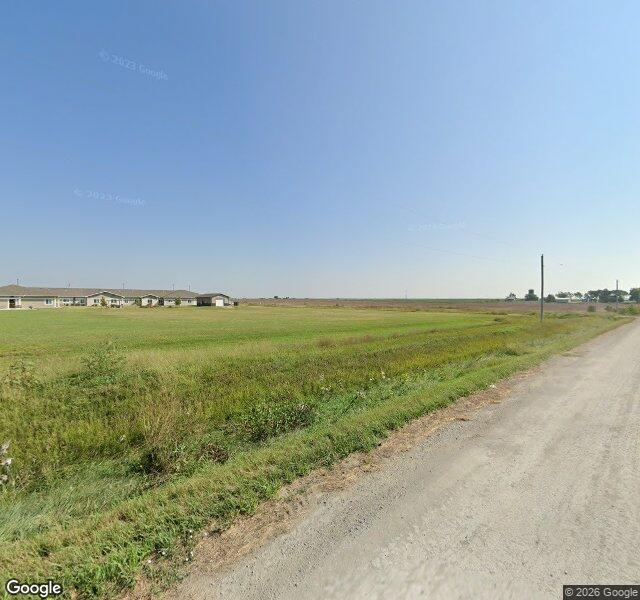
Sunporch of Smith County
920 E Kansas Ave, Smith Center, KS 66967View map (opens in a new tab)
Overview and key essentials
State license
Active
KS KDADS
Google reviews
Not available
Public reviews not linked
Size & payment
Ask directly
Confirm pricing & payment
Public records for this community are limited. Use the checklist below when you call or visit to confirm pricing, services, and openings.
Cost, payment & care details
Updated Nov 28, 2026| Monthly cost | Not published | Ask for the full monthly cost, including care fees and one-time charges. |
|---|---|---|
| Payment options | Ask directly | Payment details are not confirmed in our records. Ask about private pay, long-term care insurance, veterans benefits, and Medicaid waivers. |
| Size & availability | Confirm directly | We don't publish live openings. Ask about current availability, waitlist length, and move-in timing. |
| Care & support | Assisted living | Usually offers housing and help with everyday tasks, such as bathing and dressing. What to confirm about care levelsThis describes the licensed category. Ask how care plans adjust if mobility, nursing, or memory needs change over time. Read the family care guide → |
State licensing
State inspection history
9inspections
20deficiencies listed
Sep 17, 2026Routine3 deficiencies reported3
3 deficiencies reported
View official state report (opens in a new tab)
INITIAL COMMENTS The following citations represent the findings of a Health Recertification Survey. The census was 21. The sample included 12 residents.
moderateF 0812
SS = E P was nervous and should have remembered to take all of the food temperatures prior to serving. The facility's “Food Preparation and Service” undated policy documented that proper hot and cold temperatures are maintained during food distribution and service. Foods that are held in the temperature “danger zone” are discarded after four hours. The facility’s “Sanitation” policy, dated 11/22, documented all kitchens, kitchen areas, and dining areas are kept clean, free from garbage and debris, and protected from rodents and insects. All utensils, counters, shelves, and equipment are kept clean, maintained in good repair, and free from breaks, corrosion, open seams, cracks, and chipped areas that may affect their use or proper cleaning.
moderateF 0605
SS = D SS = D SS = D SS = D SS = D seek, and they provided her with reminders. CNA P stated she does not usually go into other residents' rooms and was easily redirectable. On 09/16/2026 at 03:00 PM, Licensed Nurse H stated staff does not know how she will be day to day. R17 required medication last night because she was exit-seeking and not redirectable. On 09/16/2026 at 03:15 PM, Administrative Nurse D stated that the pharmacist would send risk versus benefit to the physician, but he would just write that the benefit was greater than the risk and would not elaborate or provide an appropriate indication for the use of Seroquel. The facility’s “Psychotropic Medication Use” policy, dated 02/2025, documented that residents do not receive psychotropic medications that are not clinically indicated and necessary to treat a specific condition documented in the medical record. Psychotropic medication management is an interdisciplinary process that involves the resident, family, and/or the representative and includes determining adequate indications for use. Adequate indications for use refer to the identified, documented clinical rationale for administering medication. The clinical rationale for the use of psychotropic medication or a change from one type of psychotropic to another is documented in the medical record. Documentation must include that behavioral (nonpharmacological) interventions were attempted but not successful, that these interventions were deemed clinically contraindicated, and the rationale for this conclusion. Alternately, documentation from a physician must describe that alternative treatments are clinically contraindicated and the rationale for this conclusion.
moderateF 0947
CFR(s): 483.95(g)(1)-(4) §483.95(g) Required in-service training for nurse aides. In-service training must- §483.95(g)(1) Be sufficient to ensure the continuing competence of nurse aides, but must be no less than 12 hours per year. §483.95(g)(2) Include dementia management training and resident abuse prevention training. §483.95(g)(3) Address areas of weakness as determined in nurse aides' performance reviews and facility assessment at § 483.71 and may address the special needs of residents as determined by the facility staff. §483.95(g)(4) For nurse aides providing services to individuals with cognitive impairments, also address the care of the cognitively impaired. This REQUIREMENT is NOT MET as evidenced by: Based on observation, interview and record review the facility failed to ensure three of the five nurse aides reviewed had the required 12 hours of in-service. Findings included: - Review of the facility provided training logs revealed the following: SS = F Certified Nurse Aide (CNA) M, with a hire date of 04/18/2020, lacked any hours of the 12 in-service hours required in 12 months. CNA N, with a hire date of 08/06/2018, lacked any hours of the 12 in-service hours required in 12 months. CNA O, with a hire date of 07/11/2024, lacked any hours of the 12 in-service hours required in 12 months. On 09/16/2026 at 11:15 AM, Administrative Nurse D verified the three CNAs worked as needed (PRN) at the facility approximately four hours a month and worked full time at the hospital and the facility lacked a system in place for the PRN aides to complete their yearly 12-hour in-services. Administrative Nurse D verified it should be completed yearly and stated she would get a Performance Improvement Plan (PIP) started on that right away. The facility “In-Service Training, All Staff” policy, undated. documented all staff must participate in initial orientation and annual in-service training. All staff are required to participate in regular in-service education. In-service education participation is considered at working times for which staff are paid their regular wages. The primary objective of the in-service training is to ensure that staff can interact in a manner that enhances the residents’ quality of life and quality of care and can demonstrate competency in the topic of the training. Training requirements are met prior to staff providing services to residents annually, and as necessary based on the facility assessment. Complete training is documented by the staff development coordinator, or his or her designee, and includes the date of the training, the topic of the training, the method used for training, a summary of the competency assessment; and the hours of training complet
Nov 5, 2025RoutineNo deficiencies reportedNone
No deficiencies reported
View official state report (opens in a new tab)
INITIAL COMMENTS The Health Licensure Resurvey of the above-named facility resulted in a finding of no deficiency citations.
Oct 24, 2024Routine4 deficiencies reported4
4 deficiencies reported
View official state report (opens in a new tab)
INITIAL COMMENTS The following citations represent the findings of a Health Resurvey. The 2567 was sent electronically on 10/30/24.
Competent Nursing StaffF 726
CFR(s): 483.35(a)(3)(4)(c) SS=F §483.35 Nursing Services The facility must have sufficient nursing staff with the appropriate competencies and skills sets to provide nursing and related services to assure resident safety and attain or maintain the highest practicable physical, mental, and psychosocial ZX1011 well-being of each resident, as determined by resident assessments and individual plans of care and considering the number, acuity and diagnoses of the facility's resident population in accordance with the facility assessment required at §483.71. §483.35(a)(3) The facility must ensure that licensed nurses have the specific competencies and skill sets necessary to care for residents' needs, as identified through resident assessments, and described in the plan of care. §483.35(a)(4) Providing care includes but is not limited to assessing, evaluating, planning and implementing resident care plans and responding to resident's needs. §483.35(c) Proficiency of nurse aides. The facility must ensure that nurse aides are able to demonstrate competency in skills and techniques necessary to care for residents' needs, as identified through resident assessments, and described in the plan of care. This REQUIREMENT is not met as evidenced by: The facility had a census of 22 residents. The sample included 12 residents. Based on record review and interview, the facility failed to ensure one nurse aide had the appropriate skills, competencies, and active certification and failed to ensure Licensed Nurse staff had the knowledge and skills to safely pass medications to the residents. This placed the residents at risk for impaired quality of care. Findings included: - On 10/23/24 at 02:00 PM, a review of Certified ZX1011 Nurse Aide (CNA) N certification on the Registry Certification and Credentialing site revealed CNA N had an Aide ID issued on 12/18/19 and her certification was marked inactive on 12/18/21. CNA N had been employed at the facility since 07/12/22. On 10/24/24 at 08:30 AM, Administrative Nurse D verified, after reviewing the State of Kansas Nurse Aide Registry Certification and Credentialing database, that CNA N had an inactive certification. Administrative Nurse D verified she would contact the state's credentialing office to get guidance on how to get CNA N's certification renewed so she could work at the facility. The "Nurse Aide Qualifications and Training Requirements," policy, dated August 2024, documented Nurse Aides must undergo a state-approved training program. "Nurse Aide" is any individual providing nursing or nursing-related services to residents in the facility. The term may include an individual who provides these services through an agency or under a contract with the facility but is not a licensed health professional, a registered dietician, or someone who volunteers to provide such service without pay. The facility will only employ those nurse aides who meet the requirements set forth in the federal and state statutes concerning the staffing long long-term care facilities. The facility will not employ any individual as a nurse aide for more than 4 months full-time, temporary. Per diem, or otherwise, unless the individual is competent to provide designated nursing care and nursing-related services; and that individual has completed a training program and competency evaluation program, or a competency evaluation program ZX1011 approved by the state, or the individual has been deemed competent as provided in...
Infection Prevention & ControlF 880
CFR(s): 483.80(a)(1)(2)(4)(e)(f) SS=D §483.80 Infection Control The facility must establish and maintain an infection prevention and control program designed to provide a safe, sanitary and comfortable environment and to help prevent the development and transmission of communicable diseases and infections. §483.80(a) Infection prevention and control program. ZX1011 The facility must establish an infection prevention and control program (IPCP) that must include, at a minimum, the following elements: §483.80(a)(1) A system for preventing, identifying, reporting, investigating, and controlling infections and communicable diseases for all residents, staff, volunteers, visitors, and other individuals providing services under a contractual arrangement based upon the facility assessment conducted according to §483.71 and following accepted national standards; §483.80(a)(2) Written standards, policies, and procedures for the program, which must include, but are not limited to: (i) A system of surveillance designed to identify possible communicable diseases or infections before they can spread to other persons in the facility; (ii) When and to whom possible incidents of communicable disease or infections should be reported; (iii) Standard and transmission-based precautions to be followed to prevent spread of infections; (iv)When and how isolation should be used for a resident; including but not limited to: (A) The type and duration of the isolation, depending upon the infectious agent or organism involved, and (B) A requirement that the isolation should be the least restrictive possible for the resident under the circumstances. (v) The circumstances under which the facility must prohibit employees with a communicable disease or infected skin lesions from direct contact with residents or their food, if direct contact will transmit the disease; and ZX1011 (vi)The hand hygiene procedures to be followed by staff involved in direct resident contact. §483.80(a)(4) A system for recording incidents identified under the facility's IPCP and the corrective actions taken by the facility. §483.80(e) Linens. Personnel must handle, store, process, and transport linens so as to prevent the spread of infection. §483.80(f) Annual review. The facility will conduct an annual review of its IPCP and update their program, as necessary. This REQUIREMENT is not met as evidenced by: The facility had a census of 22 residents. The sample included 12 residents. Based on observation, record review, and interview the facility failed to adhere to infection control for Enhanced Barrier Precautions (EBP -an infection control intervention designated to reduce transmission of resistant organisms that employs targeted gown and gloves used during high contact resident care activities), for Resident (R)16, who had an urinary catheter (a tube inserted into the bladder to drain the urine into a collection bag.) This placed the resident at risk for infection. Findings included: - On 10/23/24 at 12:10 PM observation revealed Certified Nurse Aide (CNA) M entered the room of R16, who had a urinary catheter. CNA M assisted R16 in ambulating with a walker from his recliner to the bathroom toilet. Observation in the bathroom revealed a plastic tote with personal ZX1011 protection equipment (PPE-supplies including gown and gloves). Continued observation revealed CNA M donned gloves but no gown, disconnected the drain spout from its sleeve at the bottom of the drainage bag, opened the...
Medicaid/Medicare Coverage/Liability NoticeF 582
CFR(s): 483.10(g)(17)(18)(i)-(v) SS=D §483.10(g)(17) The facility must-- (i) Inform each Medicaid-eligible resident, in writing, at the time of admission to the nursing facility and when the resident becomes eligible for Medicaid of- (A) The items and services that are included in nursing facility services under the State plan and for which the resident may not be charged; (B) Those other items and services that the facility offers and for which the resident may be charged, and the amount of charges for those services; and (ii) Inform each Medicaid-eligible resident when changes are made to the items and services specified in §483.10(g)(17)(i)(A) and (B) of this section. §483.10(g)(18) The facility must inform each resident before, or at the time of admission, and periodically during the resident's stay, of services available in the facility and of charges for those services, including any charges for services not covered under Medicare/ Medicaid or by the facility's per diem rate. (i) Where changes in coverage are made to items and services covered by Medicare and/or by the Medicaid State plan, the facility must provide notice to residents of the change as soon as is reasonably possible. (ii) Where changes are made to charges for other items and services that the facility offers, the facility must inform the resident in writing at least 60 days prior to implementation of the change. (iii) If a resident dies or is hospitalized or is transferred and does not return to the facility, the facility must refund to the resident, resident representative, or estate, as applicable, any deposit or charges already paid, less the facility's per diem rate, for the days the resident actually resided or reserved or retained a bed in the facility, regardless of any minimum stay or discharge notice requirements. (iv) The facility must refund to the resident or resident representative any and all refunds due the resident within 30 days from the resident's date of discharge from the facility. (v) The terms of an admission contract by or on behalf of an individual seeking admission to the facility must not conflict with the requirements of these regulations. This REQUIREMENT is not met as evidenced by: The facility had a census of 22 residents. The sample included 12 residents. Based on record review and interview, the facility failed to provide Resident (R)16, R22, and R74, or their representatives, the completed Centers for Medicare and Medicaid (CMS) "Skilled Nursing Facility Advanced Beneficiary Notices" (ABN) Form 10055. This placed the resident at risk of uninformed decisions about their skilled services. Findings included: - The "Medicare ABN form 10055" informed the beneficiary that Medicare may not pay for future skilled therapy services. The form included an option for the beneficiary to receive specific ZX1011 services listed, and bill Medicare for an official decision on payment. The form stated 1) "I understand if Medicare does not pay, I will be responsible for payment but can make an appeal to Medicare," (2) "receive therapy listed, but do not bill Medicare, I am responsible for payment for services," (3) "I do not want the listed services." A review of the ABN provided to R16 revealed form CMS-R-131 was issued instead of CMS Form 10055. The resident's skilled services ended on 08/16/24 and R16 remained in the facility. A review of the ABN provided to R22 revealed form CMS-R-131 was issued instead of CMS Form 10055. The resident's skilled...
Care Plan Timing and RevisionF 657
CFR(s): 483.21(b)(2)(i)-(iii) SS=D §483.21(b) Comprehensive Care Plans §483.21(b)(2) A comprehensive care plan must be- (i) Developed within 7 days after completion of the comprehensive assessment. (ii) Prepared by an interdisciplinary team, that includes but is not limited to-- (A) The attending physician. (B) A registered nurse with responsibility for the resident. (C) A nurse aide with responsibility for the resident. (D) A member of food and nutrition services staff. (E) To the extent practicable, the participation of the resident and the resident's representative(s). An explanation must be included in a resident's medical record if the participation of the resident and their resident representative is determined not practicable for the development of the resident's care plan. (F) Other appropriate staff or professionals in disciplines as determined by the resident's needs or as requested by the resident. ZX1011 (iii)Reviewed and revised by the interdisciplinary team after each assessment, including both the comprehensive and quarterly review assessments. This REQUIREMENT is not met as evidenced by: The facility had a census of 22 residents. The sample included 12 residents with four residents reviewed for urinary catheter (a tube inserted into the bladder to drain the urine into a collection bag.) Based on observation, interview, and record review the facility failed to revise the care plan for Resident (R) 16 who was on Enhanced Barrier Precautions (EBP-infection control interventions designed to reduce transmission of resistant organisms which employ targeted gown and glove use during high contact care). This deficient practice placed R16 at risk for impaired care due to uncommunicated care needs. Findings included: - R16's Electronic Medical Record (EMR) documented diagnoses of benign prostatic hyperplasia (BPH-non-cancerous enlargement of the prostate which can lead to interference with urine flow, urinary frequency, and urinary tract infections,) hypertension (HTN-elevated blood pressure,) and dementia (a progressive mental disorder characterized by failing memory and confusion. The "Quarterly Change Minimum Data Set (MDS)," dated 09/17/24, documented the resident had severely impaired cognition. The MDS documented R16 was dependent on staff for all activities of daily living (ADLs). The MDS documented R16 had an indwelling catheter. ZX1011 R16's "Care Plan," dated 07/07/24, directed staff to monitor, record and report to the physician any signs and symptoms of urinary tract infection, pain, burning, blood-tinged urine, cloudiness, lack of urine output, increased pulse, and increased temperature. The care plan directed the staff to notify the physician if the resident had foul-smelling urine, fever, chill, altered mental status, behavior change, and change in eating patterns. The care plan documented the staff would perform good catheter and peri care at the end of every shift and report any redness or concerns to the charge nurse. The care plan lacked any direction for the staff regarding the EBP care and precautions. On 10/23/24 at 12:10 PM observation revealed Certified Nurse Aide (CNA) M entered the room of R16, who had a Foley catheter. CNA M assisted R16 in ambulating with a walker from his recliner to the bathroom toilet. Observation in the bathroom revealed a plastic tote with personal protection equipment (PPE-supplies including gown and gloves). Continued observation revealed CNA M donned gloves but no...
Jul 22, 2024Routine10 deficiencies reported10
10 deficiencies reported
View official state report (opens in a new tab)
The following citations represent the findings of an initial survey with a complaints (170492 and 170478) at the above named facility conducted on 07/22/24.
moderateS 3211
DRUGS (3) A licensed nurse or medication aide may accept over-the-counter medication only in its original, unbroken manufacturer ' s package. A licensed pharmacist or licensed nurse shall place the full name of the resident on the package. If the original manufacturer ' s package of an over-the-counter medication contains a medication in a container, bottle, or tube that can be removed from the original package, the licensed pharmacist or a licensed nurse shall place the full name of the resident on both the original manufacturer ' s medication package and the medication container. This REQUIREMENT is not met as evidenced by: KAR 26-41-205 (g) (3) The census totaled 13 residents. The sample included 3 residents. Based on observation and interview for 2 sampled Residents (R)2 and R3 and 1 non-sampled resident R4, Administrator/ Licensed Nurse (LN) A failed to ensure licensed nurses or pharmacists placed the full name of the resident on each package of the resident's over the counter medication. Findings included: - Observation on 07/22/24 at 10:39 AM with Administrator/ LN A revealed a locked medication room in the facility. The following over the counter medications were noted without first and last names: For R2, the cart contained one bottle of All Day Allergy Relief, one bottle of Vitamin D3 (dietary supplement), one bottle of Ibuprofen (nonsteroidal anti-inflammatory drug) and one bottle of Tylenol (pain reliever/ fever reducer), For R3, the cart contained one bottle of Miralax (laxative), one bottle of Acidophilus (probiotic), one bottle of Vitamin C (dietary supplement) and one bottle of Aspirin (nonsteroidal anti-inflammatory drug and blood thinner), For R4, the cart contained one bottle of All Day Allergy Relief. Interview on 07/22/24 with Administrator/ LN A confirmed the above listed medications were without full first and last names for R2, R3 and R4. Facility's "Medication Labeling and Storage" policy dated 02/23 recorded, "Medication Labeling: 1. Labeling of medications and biologicals dispensed by the pharmacy is consistent with applicable federal and state requirements and currently accepted pharmaceutical practices." Administrator/ LN A failed to ensure licensed nurses or pharmacists placed the full name of residents on each package of the resident's over the counter medication.
moderateS 3310
(b) (5) prohibiting any employee with a communicable disease or any infected skin lesions from coming in direct contact with any resident, any resident ' s food, or resident care equipment until the condition is no longer infectious; (6) providing orientation to new employees and employee in-service education at least annually on the control of infections in a health care setting; and (c) Each administrator or operator shall ensure the facility ' s compliance with the department ' s tuberculosis guidelines for adult care homes adopted by reference in K.A.R. 26-39-105 This REQUIREMENT is not met as evidenced by: K.A.R 26-41-207 (c) The census totaled 13 residents. The sample included 3 residents and review of 4 newly hired employee. Based on record review and interview for 3 of 3 sampled residents (R)1, R2 and R3, the facility failed to ensure compliance with the State Agency's tuberculosis (TB) guidelines. Findings included: - R1's "Health Record" revealed she admitted to the facility on 01/25/23 and the record lacked completion of TB testing and a TB questionnaire within 7 days of admission. R2's "Health Record" revealed she admitted to the facility on 04/12/24 and the record lacked completion of TB testing and a TB questionnaire within 7 days of admission. R3's "Health Record" revealed he admitted to the facility on 06/11/24 and the record lacked completion of TB testing and a TB questionnaire within 7 days of admission. Interview on 07/22/24 at 02:40 PM with LN B confirmed R1, R2 and R3 did not receive TB testing and a TB questionnaire upon admission. Facility's "tuberculosis, Screening Residents for" policy dated 08/19 recorded, "6. Screening of new admissions or readmissions for tuberculosis infection and disease is in compliance with State regulations." The facility failed to ensure compliance with the State Agency's tuberculosis guidelines for adult care homes adopted by reference in K.A.R. 26-39-105, which had the potential to affect all residents.
moderateS 3280
Preparedness (d) Each administrator or operator shall ensure disaster and emergency preparedness by ensuring the performance of the following: (1) Orientation of new employees at the time of employment to the facility ' s emergency management plan; (2) education of each resident upon admission to the facility regarding emergency procedures; (3) quarterly review of the facility ' s emergency management plan with employees and residents; and (4) an emergency drill, which shall be conducted at least annually with staff and residents. This drill shall include evacuation of the residents to a secure location. This REQUIREMENT is not met as evidenced by: KAR 26-41-104 (d) (3) The census equaled 13 residents. The sample included 3 residents and review of 4 newly hired employee records. Based on record review and interview, Administrator/ Licensed Nurse (LN) A failed to ensure disaster and emergency preparedness by ensuring the performance of quarterly review of the facility's entire "Emergency Management Plan" with residents and staff. Findings included: - Review of the facility "Emergency Management Plan" revealed the plan contained procedures to manage potential emergencies and disasters including fire, flood, severe weather, tornado, explosion, natural gas leak, lack of electrical, or water service, and missing residents. Review on 07/22/24 of the facility's quarterly reviews of the emergency management plan with residents and staff revealed the following reviews completed: 02/24 and 05/01/24. The facility failed to provide documentation regarding emergency management plan reviews completed quarterly with residents and staff in 2022 and 2023. Interview on 07/22/24 at 12:10 PM with Administrator/ LN A confirmed unable to locate quarterly reviews of the emergency management plan completed with residents and staff in 2022 and 2023. The facility failed to provide a policy on quarterly reviews of the emergency management plan. Administrator/ LN A failed to ensure disaster and emergency preparedness by the failure to ensure the performance of quarterly reviews of the facility's entire emergency plan with residents and staff.
moderateS 3175
Medication (a) Self-administration of medication. Any resident may self-administer and manage medications independently or by using a medication container or syringe prefilled by a licensed nurse or pharmacist or by a family member or friend providing this service gratuitously, if a licensed nurse has performed an assessment and determined that the resident can perform this function safely and accurately without staff assistance. (1) An assessment shall be completed before the resident initially begins self-administration of medication, if the resident experiences a significant change of condition, and annually. This REQUIREMENT is not met as evidenced by: KAR 26-41-205 (a) (1) The census equaled 13 residents. The sample included 3 residents. Based on record review, interview and observation for 2 sampled Residents (R)1 and R2, the facility failed to ensure a licensed nurse (LN) performed an assessment for residents who self-administered some or all of their medications. Findings included: - The "Resident Roster" obtained on 07/22/24 from LN B identified five residents as self- administering medications and identified two residents as requiring insulin by injection. - Record review for R1 revealed an admission date of 01/25/23 with diagnoses of hypertension, hypothyroidism, spinal stenosis and sick sinus syndrome. Review of resident's current "Functional Capacity Screen" dated 02/01/24 recorded the resident was independent with management of medications and was unable to perform management of treatments. Review of resident's record lacked a negotiated service agreement. Review of resident's record lacked a health care service plan. Review of R3's record lacked evidence a licensed nurse performed a self-administration of medication assessment. Observation and interview on 07/22/24 at 02:20 PM in R1's room revealed a pill planner containing R1's medications on the kitchen counter. R1 confirmed she self- administered all of her medications. - Record review for R2 revealed an admission date of 04/12/24 with diagnoses of type 2 diabetes mellitus, hypertension, hypothyroidism and hyperlipidemia. The "Resident Functional Capacity Screen" (FCS) dated 04/04/24 recorded the resident as unable to perform management of medications and treatments. Record lacked completion of a negotiated service agreement. Review of resident's record lacked a health care service plan. Review of R2's July 2024 "Medication Administration Record" (MAR) revealed the following, "NovoLOG Injection Solution inject 10 unit subcutaneously one time a day related to type 2 diabetes mellitus ...CMA [Certified Medication Aide] is to only supervise correct dose that elder is giving" signed off by a CMA (including CMA D) once a day from 07/01/24 through 07/09/24, "NovoLOG Injection Solution inject 12 unit subcutaneously one time a day related to type 2 diabetes mellitus ...CMA is to only supervise correct dose that elder is giving" signed off by a CMA (including CMA D) once a day from 07/10/24 through 07/21/24, "Tresiba FlexTouch subcutaneous solution pen-injector 100 unit/ ml (milliliter) inject 21 unit subcutaneously one time a day related to type 2 diabetes mellitus ...CMA will only check dose elder is giving" signed off by a CMA (including CMA E and CMA F) once a day from 07/09/24 through 07/21/24, "Tresiba FlexTouch subcutaneous solution pen-injector 100 unit/ ml (milliliter) inject 24 unit subcutaneously one time a day related to type 2 diabetes mellitus ...CMA will only...
moderateS 3202
Administration (4) Any licensed nurse may delegate nursing procedures not included in the medication aide curriculum to medication aides under the Kansas nurse practice act, K.S.A. 65-1124 and amendments thereto. This REQUIREMENT is not met as evidenced by: KAR 26-41-205 (d) (4) The facility reported a census of 13 residents. The sample included 3 residents. Based on record review, interview and observation for 1 sampled Residents (R)2 and 1 non-sampled Resident (R)5 requiring insulin by injection, Administrator/ Licensed Nurse (LN) A failed to ensure the licensed nurse delegated nursing procedures not included in the medication aide curriculum to medication aides under the Kansas nurse practice act, K.S.A. 65-1124 and amendments thereto when medication aides dialed insulin pens for the residents without an assessment for competency by a licensed nurse. Findings included: - The "Resident Roster" obtained on 07/22/24 from LN B identified two residents as receiving insulin by injection (R2 and R5). - Record review for R2 revealed an admission date of 4/12/24 with diagnosis of type 2 diabetes mellitus. Review of resident's current "Functional Capacity Screen" dated 04/04/24 recorded the resident was unable to perform management of medications and treatments. Review of resident's record lacked a negotiated service agreement. Review of resident's record lacked a health care service plan. Review of R2's July 2024 "Medication Administration Record" (MAR) revealed the following, "NovoLOG Injection Solution inject 10 unit subcutaneously one time a day related to type 2 diabetes mellitus ...CMA [Certified Medication Aide] is to only supervise correct dose that elder is giving" signed off by a CMA (including CMA D) once a day from 07/01/24 through 07/09/24, "NovoLOG Injection Solution inject 12 unit subcutaneously one time a day related to type 2 diabetes mellitus ...CMA is to only supervise correct dose that elder is giving" signed off by a CMA (including CMA D) once a day from 07/10/24 through 07/21/24, "Tresiba FlexTouch subcutaneous solution pen-injector 100 unit/ ml (milliliter) inject 21 unit subcutaneously one time a day related to type 2 diabetes mellitus ...CMA will only check dose elder is giving" signed off by a CMA (including CMA E and CMA F) once a day from 07/09/24 through 07/21/24, "Tresiba FlexTouch subcutaneous solution pen-injector 100 unit/ ml (milliliter) inject 24 unit subcutaneously one time a day related to type 2 diabetes mellitus ...CMA will only check dose elder is giving" signed off by a CMA (including CMA E and CMA F) once a day from 07/01/24 through 07/08/24, "NovoLOG Injection Solution inject 8 unit subcutaneously two times a day related to type 2 diabetes mellitus ...CMA is to only supervise correct dose that elder is giving" signed off by a CMA (including CMA D) twice daily from 07/01/24 through 07/22/24, NovoLOG Injection Solution inject as per sliding scale ... subcutaneously three times a day related to type 2 diabetes mellitus ...CMA is to only supervise correct dose that elder is giving" signed off by a CMA (including CMA D) three times daily from 07/01/24 through 07/21/24. Observation on 07/22/24 at 11:35 AM in R2's room revealed CMA C prepare and dial R2's NovoLOG Injection Solution pen and R2 self-injected the insulin in her abdomen. Review of sampled personnel records on 07/22/24 recorded the following CMAs recently hired, competency exams for dialing insulin pens were requested. CMA C, hire date...
moderateS 3299
(e) Food storage. Facility staff shall store all food under safe and sanitary conditions. (1) Containers of poisonous compounds and cleaning supplies shall not be stored in the areas used for food storage, preparation, or serving. This REQUIREMENT is not met as evidenced by: KAR 26-41-206 (e) The census equaled 13 residents. The sample included 3 residents. Based on interview and observation for all residents receiving meal services, Administrator/ Licensed Nurse (LN) A failed to ensure the facility staff stored all food under safe and sanitary conditions. Findings included: - Observation during the initial tour on 07/22/24 at 10:31 AM revealed a kitchen. Observation of freezer 1 in the pantry revealed the following foods, which were not sealed: one plastic bag containing hamburger patties and one plastic bag contained chicken nuggets. Observation of freezer 2 in the pantry revealed the following foods, which were not sealed: one plastic bag containing egg omelets. Interview on 07/22/24 with Administrator/ LN A confirmed the above listed food items were not sealed. Electronic interview on 07/23/24 at 04:14 PM with Administrator/ LN A confirmed all 13 residents eat at the facility. Facility's "Food Receiving and Storage" policy dated 11/22 recorded, "Refrigerated/Frozen Storage: 1. All foods stored in the refrigerator or freezer are covered, labeled and dated ("use by" date)." For all residents receiving meal services, Administrator/ LN A failed to ensure the facility staff stored all food under safe and sanitary conditions.
STATE FORM6899
DEWG11 STATE FORM DEWG11 STATE FORM DEWG11 STATE FORM DEWG11 STATE FORM DEWG11 STATE FORM DEWG11 STATE FORM DEWG11 STATE FORM DEWG11 STATE FORM DEWG11 STATE FORM DEWG11 STATE FORM DEWG11 STATE FORM DEWG11 STATE FORM DEWG11 STATE FORM DEWG11 STATE FORM DEWG11 STATE FORM DEWG11 STATE FORM DEWG11 STATE FORM DEWG11 STATE FORM DEWG11 STATE FORM DEWG11 STATE FORM DEWG11 STATE FORM DEWG11
moderateS 3156
(b) If the functional capacity screening indicates that a resident is in need of health care services, a licensed nurse, in collaboration with the resident, the resident ' s legal representative, the case manager, and, if agreed to by the resident or resident ' s legal representative, the resident ' s family, shall develop a health care service plan to be included as part of the negotiated service agreement. This REQUIREMENT is not met as evidenced by: KAR 26-41-204 (b) The facility reported a census of 13 residents. The sample included 3 residents. Based on record review and interview for 3 of 3 sampled Residents (R)1, R2 and R3, Administrator/ Licensed Nurse (LN) A failed to ensure that designated facility staff developed a health care service plan as part of the negotiated service agreement. Findings included: - Record review for R1 revealed an admission date of 01/25/23 with diagnoses of hypertension, hypothyroidism, spinal stenosis and sick sinus syndrome. The "Resident Functional Capacity Screen" (FCS) dated 02/01/24 recorded the resident as independent with bathing, dressing, toileting, transfer, walk/mobility, eating, and management of medications and was unable to perform management of treatments. The FCS further recorded R1 was usually continent, hard short- and long-term memory impairment, impaired memory/ recall, impaired decision making, was usually understandable/ usually understood, was at risk for falls/ unsteadiness and had impaired vision and hearing. R1 used a walker for ambulation. Record lacked completion of a negotiated service agreement. Record lacked a Health Care Service Plan for needs/ preferences of the resident. - Record review for R2 revealed an admission date of 04/12/24 with diagnoses of type 2 diabetes mellitus, hypertension, hypothyroidism and hyperlipidemia. The "Resident Functional Capacity Screen" (FCS) dated 04/04/24 recorded the resident as independent with dressing, toileting, transfer, walk/mobility and eating, and unable to perform bathing and management of medications and treatments. The FCS further recorded R2 was usually continent, had impaired decision making, and was at risk for falls/ unsteadiness. R2 used a walker for ambulation. Record lacked completion of a negotiated service agreement. Record lacked a Health Care Service Plan for needs/ preferences of the resident. - Record review for R3 revealed an admission date of 06/11/24 with diagnoses of hypertension, cognitive communication deficit and dysphagia. The "Resident Functional Capacity Screen" (FCS) dated 06/11/24 recorded the resident as independent with toileting, transfer, walk/mobility and eating, required physical assistance with bathing and was unable to perform management of medications and treatments. The FCS further recorded R3 had a urinary catheter, hard short- and long-term memory impairment, impaired memory/ recall, impaired decision making, was sometimes understandable/ sometimes understood, was at risk for falls/ unsteadiness and had impaired vision and hearing. R3 used a walker and wheelchair for ambulation. Record lacked completion of a negotiated service agreement. Record lacked a Health Care Service Plan for needs/ preferences of the resident. Interview on 07/22/24 at 02:44 PM with Administrator/ LN A confirmed a Health Care Service Plan was not completed for R1, R2 and R3. Facility's "Assisted Living Policies and Procedures" (no date) recorded, "2. If the functional capacity screening indicates that a resident...
moderateS 3225
Frequency (l) Medication regimen review. A licensed pharmacist shall conduct a medication regimen review at least quarterly for each resident whose medication is managed by the facility and each time the resident experiences any significant change in condition. This REQUIREMENT is not met as evidenced by: KAR 26-41-205 (l) The facility reported a census of 13 residents, with 3 residents included in the sample. Based on record review and interview, the facility failed to ensure a licensed pharmacist conducted a quarterly medication regimen review for 1 Residents, (R)1, when the resident self-administered her medication. Findings included: - Record review for R1 revealed an admission date of 01/25/23 with diagnoses of hypertension, hypothyroidism, spinal stenosis and sick sinus syndrome. Review of resident's "Functional Capacity Screen" dated 02/01/24 recorded the resident was independent with management of medications. The record lacked a negotiated service agreement. The record lacked a health care service plan. Review of R1's record lacked evidence any medication regimen reviews were completed since admission on 01/25/23. Interview and observation on 07/22/24 at 02:20 PM with R1 in her room revealed a medication pill planner on the kitchen counter. R1 confirmed she self- administered her medications. Interview on 07/22/24 at 01:40 PM with LN B confirmed no pharmacist reviews were completed quarterly for R1. The facility failed to ensure a licensed pharmacist conducted a medication regimen review at least quarterly for R1 who self-administered her medications.
moderateS 3090
Agreement (c) Each administrator or operator shall ensure the development of an initial negotiated service agreement at admission. This REQUIREMENT is not met as evidenced by: KAR 26-41-202 (c) The census totaled 13 residents. The sample included 3 residents. Based on interview and record review for 3 sampled Residents (R)1, R2 and R3, Administrator/ Licensed Nurse (LN) A failed to ensure the development of an initial negotiated service agreement upon admission. Findings included: - Record review for R1 revealed an admission date of 01/25/23 with diagnoses of hypertension, hypothyroidism, spinal stenosis and sick sinus syndrome. The "Resident Functional Capacity Screen" (FCS) dated 02/01/24 recorded the resident as independent with bathing, dressing, toileting, transfer, walk/mobility, eating, and management of medications and was unable to perform management of treatments. The FCS further recorded R1 was usually continent, hard short- and long-term memory impairment, impaired memory/ recall, impaired decision making, was usually understandable/ usually understood, was at risk for falls/ unsteadiness and had impaired vision and hearing. R1 used a walker for ambulation. Record lacked completion of a negotiated service agreement. Record lacked completion of a health care service plan. - Record review for R2 revealed an admission date of 04/12/24 with diagnoses of type 2 diabetes mellitus, hypertension, hypothyroidism and hyperlipidemia. The "Resident Functional Capacity Screen" (FCS) dated 04/04/24 recorded the resident as independent with dressing, toileting, transfer, walk/mobility and eating, and unable to perform bathing and management of medications and treatments. The FCS further recorded R2 was usually continent, had impaired decision making, and was at risk for falls/ unsteadiness. R2 used a walker for ambulation. Record lacked completion of a negotiated service agreement. Record lacked completion of a health care service plan. - Record review for R3 revealed an admission date of 06/11/24 with diagnoses of hypertension, cognitive communication deficit and dysphagia. The "Resident Functional Capacity Screen" (FCS) dated 06/11/24 recorded the resident as independent with toileting, transfer, walk/mobility and eating, required physical assistance with bathing and was unable to perform management of medications and treatments. The FCS further recorded R3 had a urinary catheter, hard short- and long-term memory impairment, impaired memory/ recall, impaired decision making, was sometimes understandable/ sometimes understood, was at risk for falls/ unsteadiness and had impaired vision and hearing. R3 used a walker and wheelchair for ambulation. Record lacked completion of a negotiated service agreement. Record lacked completion of a health care service plan. Interview on 07/22/24 at 02:44 PM with Administrator/ LN A confirmed an admission negotiated service agreement was not completed for R1, R2 and R3. Facility's "Assisted Living Policies and Procedures" (no date) recorded, "4. The negotiated service agreement shall contain a description of the health care services to be provided and the name of the licensed nurse responsible for the implementation and supervision of the plan." Administrator/ LN A failed to ensure the development of an initial negotiated service agreement upon admission for R1, R2 and R3.
May 3, 2023Routine3 deficiencies reported3
3 deficiencies reported
View official state report (opens in a new tab)
INITIAL COMMENTS The following citations represent the findings of a Health Resurvey. The 2567 was sent electronically on 05/16/23.
Comprehensive Assessments & TimingF 636
CFR(s): 483.20(b)(1)(2)(i)(iii) SS=D §483.20 Resident Assessment The facility must conduct initially and periodically a comprehensive, accurate, standardized reproducible assessment of each resident's functional capacity. §483.20(b) Comprehensive Assessments §483.20(b)(1) Resident Assessment Instrument. A facility must make a comprehensive assessment of a resident's needs, strengths, goals, life history and preferences, using the resident assessment instrument (RAI) specified by CMS. The assessment must include at least the following: (i) Identification and demographic information (ii) Customary routine. (iii) Cognitive patterns. (iv) Communication. (v) Vision. (vi) Mood and behavior patterns. (vii) Psychological well-being. (viii) Physical functioning and structural problems. (ix) Continence. (x) Disease diagnosis and health conditions. (xi) Dental and nutritional status. (xii) Skin Conditions. (xiii) Activity pursuit. (xiv) Medications. (xv) Special treatments and procedures. (xvi) Discharge planning. (xvii) Documentation of summary information regarding the additional assessment performed on the care areas triggered by the completion of the Minimum Data Set (MDS). (xviii) Documentation of participation in assessment. The assessment process must include direct observation and communication with the resident, as well as communication with licensed and nonlicensed direct care staff members on all shifts. §483.20(b)(2) When required. Subject to the timeframes prescribed in §413.343(b) of this chapter, a facility must conduct a comprehensive assessment of a resident in accordance with the timeframes specified in paragraphs (b)(2)(i) through (iii) of this section. The timeframes prescribed in §413.343(b) of this chapter do not apply to CAHs. (i) Within 14 calendar days after admission, excluding readmissions in which there is no significant change in the resident's physical or mental condition. (For purposes of this section, "readmission" means a return to the facility following a temporary absence for hospitalization or therapeutic leave.) (iii)Not less than once every 12 months. This REQUIREMENT is not met as evidenced by: The facility had a census of 21 residents. The sample included 12 residents. Based on record review, observation and interview the facility failed to complete the required "Annual Minimum Data Set" (MDS) for Resident (R) 12 which placed the resident at risk for inappropriate care and unmet needs. Findings included: 32Y111 - R12's "Quarterly Minimum Data Set" (MDS), dated 03/14/23, documented R12 had severe cognitive impairment, required extensive assistance of two staff for activities of daily living, and frequently incontinent of urine and bowel. The MDS further documented R12 had scheduled pain medication regimen, took an antianxiety medication (class of medications that calm and relax people with excessive anxiety- mental or emotional reaction characterized by apprehension, uncertainty and irrational fear, nervousness, or tension), antidepressant (class of medications used to treat mood disorders and relieve symptoms of depression- abnormal emotional state characterized by exaggerated feelings of sadness, worthlessness, emptiness and hopelessness), diuretic (medication to promote the formation and excretion of urine) and opioid (used to treat pain) daily. R12 had a condition or chronic disease that may result in a life expectance of less than six months and received hospice care. R12 had a completed "Annual MDS"...
Develop/Implement Comprehensive Care PlanF 656
CFR(s): 483.21(b)(1)(3) SS=D §483.21(b) Comprehensive Care Plans §483.21(b)(1) The facility must develop and implement a comprehensive person-centered care plan for each resident, consistent with the resident rights set forth at §483.10(c)(2) and §483.10(c)(3), that includes measurable objectives and timeframes to meet a resident's medical, nursing, and mental and psychosocial needs that are identified in the comprehensive assessment. The comprehensive care plan must describe the following - (i) The services that are to be furnished to attain or maintain the resident's highest practicable physical, mental, and psychosocial well-being as required under §483.24, §483.25 or §483.40; and (ii) Any services that would otherwise be required 32Y111 under §483.24, §483.25 or §483.40 but are not provided due to the resident's exercise of rights under §483.10, including the right to refuse treatment under §483.10(c)(6). (iii) Any specialized services or specialized rehabilitative services the nursing facility will provide as a result of PASARR recommendations. If a facility disagrees with the findings of the PASARR, it must indicate its rationale in the resident's medical record. (iv)In consultation with the resident and the resident's representative(s)- (A) The resident's goals for admission and desired outcomes. (B) The resident's preference and potential for future discharge. Facilities must document whether the resident's desire to return to the community was assessed and any referrals to local contact agencies and/or other appropriate entities, for this purpose. (C) Discharge plans in the comprehensive care plan, as appropriate, in accordance with the requirements set forth in paragraph (c) of this section. §483.21(b)(3) The services provided or arranged by the facility, as outlined by the comprehensive care plan, must- (iii) Be culturally-competent and trauma-informed. This REQUIREMENT is not met as evidenced by: The facility had a census 21 residents. The sample included 12 residents. Based on observation, interview, and record review, the facility failed to develop a comprehensive care plan for Resident (R)12 who received hospice (special care to people who are near the end of life)services, which placed the resident at risk for unmet care needs. 32Y111 Findings included: - R12's Electronic Medical Record (EMR) recorded diagnoses of hypertension (elevated blood pressure), osteoporosis (abnormal loss of bone density and deterioration of bone tissue with an increased fracture risk), chronic pain, major depressive disorder (major mood disorder), edema (swelling resulting from an excessive accumulation of fluid in the body tissues) and sleep related hypoventilation (breathing at an abnormally slow rate). The "Quarterly Minimum Data Set" (MDS), dated 03/14/23, documented R12 had severe cognitive impairment and required extensive assistance of two staff for activities of daily living. R12 was frequently incontinent of urine and bowel. The MDS further documented R12 had scheduled pain medication regimen, took an antianxiety medication (class of medications that calm and relax people with excessive anxiety- mental or emotional reaction characterized by apprehension, uncertainty and irrational fear, nervousness, or tension), antidepressant (class of medications used to treat mood disorders and relieve symptoms of depression), diuretic (medication to promote the formation and excretion of urine) and opioid (used to treat pain) daily. R12 had a...
Free of Accident Hazards/Supervision/DevicesF 689
CFR(s): 483.25(d)(1)(2) SS=D §483.25(d) Accidents. The facility must ensure that - §483.25(d)(1) The resident environment remains as free of accident hazards as is possible; and §483.25(d)(2)Each resident receives adequate supervision and assistance devices to prevent accidents. This REQUIREMENT is not met as evidenced by: The facility had a census of 21 residents. The sample included 12 residents with one of five reviewed for accidents and/or falls. Based on observation, record review, and interviews, the facility failed to identify and implement interventions to prevent further falls for Resident (R)21. This placed the resident at risk for further falls and fall related injuries. Findings included: -- R21's Electronic Medical Record (EMR) recorded diagnoses of radiculopathy (a disease of the root of a nerve such as a pinched nerve or a tumor) of lumbar (lower portion of spine) region, chronic kidney disease, diabetes mellitus (when the body cannot use glucose, not enough insulin made or the body cannot respond to the insulin), hemiplegia (paralysis of one side of the body) and hemiparesis (muscular weakness of one half of 32Y111 the body) following cerebral infarction (stroke - sudden death of brain cells due to lack of oxygen caused by impaired blood flow to the brain by blockage or rupture of an artery to the brain) affecting left non-dominant side, major depressive disorder (abnormal emotional state characterized by exaggerated feelings of sadness, worthlessness, emptiness and hopelessness), and hypertension (elevated blood pressure). The "Annual Minimum Data Set" dated 03/14/23, recorded R21 had severe cognitive impairment, required extensive assistance of one staff for activities of daily living, was not steady and only able to stabilize with staff assistance with walking and turning around facing the opposite direction, and had functional range of motion affecting one side upper and lower extremities. The MDS further documented had no current toileting program and was occasionally incontinent of urine and bowel, had pain which limited day to day activities, and a fall with injury. The "Fall Care Area Assessment" (CAA) dated 03/23/23, documented R21 had a significant fall history related to very poor balance and safety awareness following a stroke with left sided weakness and deficits, and at times does well but was generally unsteady and at high risk for falls. The CAA further documented R21 became upset with staff when falls occurred and frequently blamed staff for falls. R21 insists on doing cares on own at times and staff to provided education of the risks associated with falls and ensure understanding. The "Fall Care Plan" documented R21 was a risk for falls related to recent history of stroke with left 32Y111 sided weakness. The care plan recorded fall, injuries, and interventions as follows: On 05/20/22 at 10:42 PM, stood with bare feet in the shower, had small pink discoloration to middle left side of back. The intervention of do not stand R21 on towels or use shoes or gripper socks. On 05/22/22 at 04:14 PM, R21 found sitting on floor by stool after taking self to bathroom. R21 sent to emergency room due to left ear bleeding and require two sutures to left ear. The intervention to continued education and room checks. On 06/22/22 at 06:04 PM, R21 found on the floor in front of toilet, without injury, and the intervention to re-educated to the use of call light and pendant and had R21 demonstrated the use correctly. On...
Show all 9 inspections
Nov 4, 2021RoutineNo deficiencies reportedNone
No deficiencies reported
View official state report (opens in a new tab)
ldxk11 Sunporch of Smith County RS 11.4.21.pdf
Nov 12, 2020RoutineNo deficiencies reportedNone
No deficiencies reported
View official state report (opens in a new tab)
yfpg11 sunporch of smith county covid2 111220.pdf
May 28, 2020RoutineNo deficiencies reportedNone
No deficiencies reported
View official state report (opens in a new tab)
hixs11 sunporch of smith center eps 052820.pdf hixs11 sunporch of smith center covid 052820.pdf
Sep 30, 2019RoutineNo deficiencies reportedNone
Neighborhood & resident support
Emergency access, hazards & advocacy
Nearest hospital
Smith County Memorial Hospital
0.8 mi · Smith Center, KS
Emergency roomTrauma Level Iv
FEMA hazard risk
Very LowSmith County, KS
- Hail
- Drought
- Strong Wind
Free resident advocacy
Kansas Office of the State Long-Term Care Ombudsman
More neighborhood context (specialists, VA, dialysis, air & affordability)
VA & dialysis access
Wichita VA Medical Center
165.9 mi · Wichita, KS · VA 5/5 ★
DaVita Hastings Dialysis Center
60.1 mi · 2/5 ★ · Home dialysis
Environment & mobility
- EPA Walkability
- 6.5/20 (Below Average)
- USDA Grocery Access
- High Grocery Access
County demographics
- Age 65+ median income
- $47,589/yr
- Rent-burdened households
- 46%
- Cognitive disability (2023)
- 15.2%
- Mobility disability
- 11.6%
Call & tour checklist
Questions to ask Sunporch of Smith County
Check off questions as you call or tour. Your progress stays private in this browser.
Show 3 more suggested questions
Verification & public records
Official records & sources
Licensing & contact
- License #
- N092003
- Status
- active
- Phone
- (785) 282-6722
- Federal OIG LEIE
- Clear (2026-11-27)
Original public sources
Verify licensing, ratings, and inspection reports directly with each official source.
- KS KDADS official record (opens in a new tab)Kansas Dept. for Aging & Disability Services
- Google Maps (opens in a new tab)Directions, photos & neighborhood
- Google Reviews (opens in a new tab)Read public reviews
EveryPlace is an independent research directory. Information is compiled from public Medicare.gov, state licensing, Google Places, and street-level imagery sources. Some summaries, suggested questions, and pricing notes are AI-generated or AI-assisted and may contain errors or omissions. We do not accept payment for placement. Confirm all details directly with the community and official sources. Research Policy.
Keep exploring