Loading EveryPlace content…
Assisted LivingActive license
Storypoint Waconia
500 Cherry Street, Waconia, MN 55387View map (opens in a new tab)
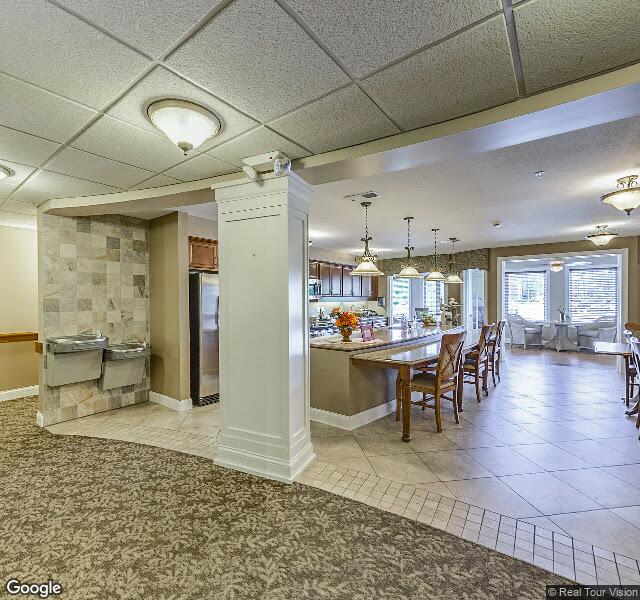
Overview and key essentials
State license
Active
MN MDH
Google reviews
4.8/ 5
17 reviews
Size & payment
Ask directly
Confirm pricing & payment
Strong public signals
Rated 4.8/5 across 17 public Google reviews. Visit in person to confirm daily care and pricing.
Cost, payment & care details
Updated Nov 28, 2026| Monthly cost | Not published | Ask for the full monthly cost, including care fees and one-time charges. |
|---|---|---|
| Payment options | Ask directly | Payment details are not confirmed in our records. Ask about private pay, long-term care insurance, veterans benefits, and Medicaid waivers. |
| Size & availability | Confirm directly | We don't publish live openings. Ask about current availability, waitlist length, and move-in timing. |
| Care & support | Assisted living | Usually offers housing and help with everyday tasks, such as bathing and dressing. What to confirm about care levelsThis describes the licensed category. Ask how care plans adjust if mobility, nursing, or memory needs change over time. Read the family care guide → |
State licensing
State inspection history
5inspections
16deficiencies listed
Jan 21, 2026Routine2 deficiencies reported2
2 deficiencies reported
View official state report (opens in a new tab)
O41I116899
State Fire Code in Minnesota Rules, chapter 7511, and: This MN Requirement is not met as evidenced by: Based on observation, interview, and record review, the licensee failed to ensure the physical environment of the facility was maintained in compliance with the requirements of Minnesota Statute 144G. This practice resulted in a level two violation (a violation that did not harm a resident' s health or safety but had the potential to have harmed a resident' s health or safety, but was not likely to cause serious injury, impairment, or death) and was issued at a widespread scope (when problems are pervasive or represent a systemic failure that has affected or has the potential to affect a large portion or all of the residents) . The findings include: Please refer to the document titled, Physical Environment Inspection Report (PEIR) dated January 20, 2026, for the specific violations related the physical environment under Minnesota Statute 144G. TIME PERIOD FOR CORRECTION: Seven (7) days. 01890 144G. 71 Subd. 20 Prescription drugs SS= D A prescription drug, prior to being set up for immediate or later administration, must be kept in the original container in which it was dispensed by the pharmacy bearing the original prescription label with legible information including the STATE FORM O41I11 expiration or beyond- use date of a time-dated drug. This MN Requirement is not met as evidenced by: Based on observation, interview, and record review, the licensee failed to ensure time sensitive medications included the opened or expiration date. This practice resulted in a level two violation (a violation that did not harm a resident' s health or safety but had the potential to have harmed a resident' s health or safety, but was not likely to cause serious injury, impairment, or death) , and was issued at an isolated scope (when one or a limited number of residents are affected or one or a limited number of staff are involved or the situation has occurred only occasionally) . The findings include: On January 20, 2026, at 2:35 p.m., the surveyor observed medication carts with health and wellness director (HWD)-B and found two insulin pens for R4 were not labeled with opened or expiration dates, Toujeu Solostar and insulin lispro. Manufacturer' s instructions for Toujeu indicate injection pens should be used within 56 days after opening. Manufacturer' s instructions for Lispro indicate injection pens should be used within 28 days after opening. On January 20, 2026, at 3:10 p.m., HWD-B stated medication passers are trained to label insulin pens with open dates, and they must have STATE FORM O41I11 01890 just been in a hurry and missed labeling the pens. The licensee' s Medication Administration Insulin and Insulin Derivatives policy dated November 21, 2024, indicated the licensed nurse or med passer will check the expiration date on the insulin pen to verify the medication has not expired. No further information was provided. TIME PERIOD FOR CORRECTION: Seven (7) days STATE FORM O41I11 Food & Beverage Inspection Report Page: 1 Establishment Info NEW PERSPECTIVE WACONIA 500 Cherry Street Waconia, MN 55387 Carver County Parcel: License Info License: HFID 30415 Risk: License: Expires on: CFPM: RENEE RITA AYMAR CFPM #: FM62833; Exp: 11/12/2028 Phone: No orders were issued for this inspection report. Food & Beverage General Comment THIS WAS AN UNANNOUNCED AND UNSCHEDULED FULL INSPECTION. INSPECTION DONE WITH TOPICS OF DISCUSSION WITH OPERATOR...
144G. 45 Subd. 2. (a) Fire protection and physical0775
SS= F environment Each assisted living facility must comply with the STATE FORM
Jul 8, 2025ComplaintNo deficiencies reportedNone
No deficiencies reported
View official state report (opens in a new tab)
Inconclusive. The facility neglected the resident when the resident’s seizure medication was incorrectly discontinued resulting in a seizure and hospitalization
Oct 24, 2024Complaint1 deficiency reported1
1 deficiency reported
View official state report (opens in a new tab)
Substantiated, individual responsibility. A facility unlicensed staff member, alleged perpetrator (AP), financially exploited six residents, resident #1, resident #2, resident #3, resident #4, resident #5, and resident #6, when the AP took narcotic medication from the six residents for personal use
severeHL304154762M
A facility unlicensed staff member, alleged perpetrator (AP), financially exploited six residents, resident #1, resident #2, resident #3, resident #4, resident #5, and resident #6, when the AP took narcotic medication from the six residents for personal use. The Minnesota Department of Health determined financial exploitation was substantiated. The AP was responsible for the maltreatment. The AP financially exploited resident #1, resident #2, resident #3, resident #4, and resident #5. There was a pattern of increased dispensing of Oxycodone (opioid narcotic) to resident #1, resident #2, resident #3, resident #4, and resident #5 by the AP during the night shift when the AP worked. In addition, resident #1, resident #3 and resident #4 denied receiving any Oxycodone at night. It could not be determined if the AP financially exploited resident #6. Page 2 of 5 The investigator conducted interviews with facility staff members, including administrative staff, nursing staff, and unlicensed staff. The investigator contacted law enforcement and family members of the residents. The investigation included review of the resident records, facility internal investigation, personnel files, staff schedules, law enforcement report, and related facility policy and procedures. Also, the investigator observed staff and resident interactions. Resident #1 resided in an assisted living facility. Resident #1’s diagnoses included low back pain and chronic pain. Resident #1’s service plan included assistance with medication administration. Resident #1’s provider order included Oxycodone (opioid narcotic) 5 milligram (mg) one tablet twice daily as needed for pain. Resident #2 resided in an assisted living memory care unit. Resident #2’s diagnoses included dementia and pain. Resident #2’s service plan included assistance with medication administration. Resident #2’s provider order included Oxycodone 5mg, ½ tablet every 12 hours as needed for pain. Resident #3 resided in an assisted living facility. Resident #3’s diagnoses included mild cognitive impairment, hip, and low back pain. Resident #3’s service plan included assistance with medication administration. Resident #3’s provider order included Oxycodone 5mg, ½ tablet twice daily as needed for pain. Resident #4 resided in an assisted living facility. Resident #4’s diagnoses included osteoarthritis and pain. Resident 4’s service plan included assistance with medication administration. Resident #4’s provider order included Oxycodone 5mg, one tablet every six hours as needed for severe pain. Resident #5 resided in an assisted living memory care unit. Resident #5’s diagnoses included Alzheimer’s disease, pain in the right shoulder, low back, and right leg....
Jun 29, 2023Routine12 deficiencies reported12
12 deficiencies reported
View official state report (opens in a new tab)
moderate0470
0 470 (11) develop and implement a staffing plan for determining its staffing level that: (i) includes an evaluation, to be conducted at least twice a year, of the appropriateness of staffing levels in the facility; (ii) ensures sufficient staffing at all times to meet the scheduled and reasonably foreseeable unscheduled needs of each resident as required by the residents' assessments and service plans on a 24-hour per day basis; and (iii) ensures that the facility can respond promptly and effectively to individual resident emergencies and to emergency, life safety, and disaster situations affecting staff or residents in the facility; (12) ensure that one or more persons are available 24 hours per day, seven days per week, who are responsible for responding to the requests of residents for assistance with health or safety needs. Such persons must be: (i) awake; (ii) located in the same building, in an attached building, or on a contiguous campus with the facility in order to respond within a reasonable amount of time; (iii) capable of communicating with residents; (iv) capable of providing or summoning the appropriate assistance; and (v) capable of following directions; This MN Requirement is not met as evidenced by: Based on observation, interview and record review, the licensee failed to ensure the staffing schedule was posted as required. This had the potential to affect all residents, staff, and visitors. This practice resulted in a level two violation (a violation that did not harm a resident's health or safety but had the potential to have harmed a resident's health or safety) and was issued at a widespread scope (when problems are pervasive or represent a systemic failure that has affected or has the potential to affect a large portion or all of the residents). The findings include: The licensee held an assisted living dementia care license. The facility was licensed for a capacity of 115 and had a current census of 100 residents. On June 26, 2023, at 2:35 p.m., during a tour of the facility with licensed assisted living director (LALD)-A, the surveyor did not observe a staff scheduled posted on the secured units. LALD-A stated the daily schedule was posted at the main entrance of the facility and was not posted on either of the secured units. The licensee's Staffing Plan Reviews policy dated March 20, 2023, indicated staffing schedules would be posted per Minnesota Department of Health (MDH) regulation in the community designated location. Per Assisted Living Facilities: Minnesota Rules Chapter 4659, 4659.0180, Subp. 4. B. The daily work schedule in item A must be posted, after redacting direct-care staff members' resident assignments, at the beginning of each work shift in a central location in each building of a facility or campus, accessible to staff, residents, volunteers, and the public. The facility shall not disclose any information that is protected by law from public disclosure. No further information was provided. TIME PERIOD FOR CORRECTION: Twenty-One (21) days
moderate0660
control (a) The facility must establish and maintain a comprehensive tuberculosis infection control program according to the most current tuberculosis infection control guidelines issued by the United States Centers for Disease Control and Prevention (CDC), Division of Tuberculosis Elimination, as published in the CDC's Morbidity and Mortality Weekly Report. The program must include a tuberculosis infection control plan that covers all paid and unpaid employees, contractors, students, and regularly scheduled volunteers. The commissioner shall provide technical assistance regarding implementation of the guidelines. (b) The facility must maintain written evidence of compliance with this subdivision. This MN Requirement is not met as evidenced by: Based on observation, interview and record review, the licensee failed to maintain a tuberculosis (TB) prevention and control program, based on the most current guidelines issued by the Centers for Disease Control and Prevention (CDC). The licensee failed to ensure screening for active TB (either a two-step tuberculin skin test (TST) or blood test) were completed and documented for one of five employees (unlicensed personnel/ULP-D). This practice resulted in a level two violation (a violation that did not harm a resident's health or safety but had the potential to have harmed a resident's health or safety, but was not likely to cause serious injury, impairment, or death), and was issued at an isolated scope (when one or a limited number of residents are affected or one or a limited number of staff are involved or the situation has occurred only occasionally). The findings include: ULP-D was hired on March 13, 2023, to provide direct care service under the licensee's Assisted Living with Dementia Care License. On June 27, 2023, at 8:10 a.m., the surveyor observed ULP-D assist the hospice aide transfer R10, using a mechanical lift into the shower chair. ULP-D's employee record indicated ULP-D had received only a one-step TST on March 16, 2023. On June 29, 2023, at 8:45 a.m. licensed assisted living director (LALD)-A stated ULP-D's employee record contained documentation ULP-D only received a one-step TST. The licensee's Communicable Disease/Tuberculosis policy last reviewed March 13, 2023, prior to contact with residents, a two-step skin test or single interferon gamma release assay (IGRA) for M. tuberculosis will be administered. No further information was provided. TIME PERIOD FOR CORRECTION: Seven (7) days
, included a clause that indicated the2023
resident would waive the facility's liability for health, safety, or personal property of the resident in the following sections: 5. a. Liability to others, indicated the resident shall be liable to themselves, Resident's family,
moderate0790
physical environment (2) install and maintain portable fire extinguishers in accordance with the State Fire Code; (3) install portable fire extinguishers having a minimum 2-A:10-B:C rating within Group R-3 occupancies, as defined by the State Fire Code, located so that the travel distance to the nearest fire extinguisher does not exceed 75 feet, and maintained in accordance with the State Fire Code; and This MN Requirement is not met as evidenced by: Based on observation and interview, the licensee failed provide adequately rated portable fire extinguishers as required for the facility and failed to maintain fire extinguishers in accordance with MN State Fire Code as required by MN Statute 144G.45 Subd.2 (a)(2). This had the potential to affect all current residents, staff, and visitors. This practice resulted in a level two violation (a violation that did not harm a resident's health or safety but had the potential to have harmed a resident's health or safety) and was issued at an isolated scope (when one or a limited number of residents are affected or one or a limited number of staff are involved, or the situation has occurred only occasionally). Findings include: On June 28, 2023, at approximately 9:30 a.m., survey staff toured the facility with the Director of Environmental Services (ESD)-H. During the facility tour, it was observed that the fire extinguisher in the corridor next to resident unit 302 did not have an annual service tag showing that it had been inspected as required by MN State Fire Code and lacked records to show the required monthly visual inspections were performed for portable fire extinguishers. This deficient condition was verified by ESD-H accompanying on the facility tour. TIME PERIOD FOR CORRECTION: Seven (7) days
moderate0510
(a) All assisted living facilities must establish and maintain an infection control program that complies with accepted health care, medical, and nursing standards for infection control. (b)The facility's infection control program must be consistent with current guidelines from the national Centers for Disease Control and Prevention (CDC) for infection prevention and control in long-term care facilities and, as applicable, for infection prevention and control in assisted living facilities. (c) The facility must maintain written evidence of compliance with this subdivision. This MN Requirement is not met as evidenced by: Based on observation, interview, and record review, the licensee failed to ensure infection control standards were followed for two of two unlicensed personnel (ULP)-J, ULP-O) providing personal cares. This practice resulted in a level two violation (a violation that did not harm a resident's health or safety but had the potential to have harmed a resident's health or safety) and was issued at a widespread scope (when problems are pervasive or represent a systemic failure that has affected or has the potential to affect a large portion or all of the residents). Findings include: On June 27, 2023, at 9:23 a.m., the surveyor observed ULP-J and ULP-O assist with morning cares for R3. R3 was in bed lying on her back. ULP-J and ULP-O put on gloves, rolled R3 on her left side and removed R3's soiled brief. With gloves on, ULP-J exited R3's room and obtained keys hanging on the wall over the medication cart to unlock R3's bathroom cabinet where R3's personal care items were kept. ULP-J provided R3's incontinent cares, put on clean brief, socks, pants to lower legs and ULP-O assisted with shoes. ULP-O and ULP-J assisted with R3's pants then transferred R3 into the wheelchair. ULP-J removed gloves, without performing hand hygiene, put on a new pair of gloves, removed R3's shirt, washed R3's face, under arms. ULP-O applied R3's deodorant. ULP-J and ULP-O put R3's bra and shirt on. ULP-J combed R3's hair, while ULP-O made R3's bed, then assisted R3 into the bathroom and ULP-J assisted R3 with oral care. ULP-O removed her gloves, gathered the bathroom garbage, bathroom cabinet keys, exited R3's room, returned keys, disposed of garbage, and washed hands. ULP-O returned to R3's with a glass of water for R3 to rinse mouth. ULP-J completed R3's oral care, removed gloves and escorted R3 to the dining room table for breakfast. ULP-O remained in R3's shared room and made R3's roommate's bed. On June 27, 2023, at 9:51 a.m., ULP-O stated she did not realize she wore the same pair of gloves and did not change her gloves through assisting with R3's morning cares. On June 27, 2023, at 10:08 a.m., ULP-J stated he changed his gloves one time during R3's cares but was unable to recall when he changed his gloves. ULP-J stated he did not perform hand hygiene in between glove changing and he should have removed his gloves before leaving R3's room to obtain the keys. On June 28, 2023, at 10:35 a.m., clinical nurse supervisor (CNS)-B stated staff should be changing gloves after providing incontinent cares and should be washing their hands or using hand sanitizer after the removal of gloves. The licensee's Hand Washing policy dated November 5, 2021, indicated hands would be washed or decontaminated: -before and after direct contact with a resident; -if moving from a contaminated-body site to a clean-body site during resident care; -after removing...
moderate0630
requirements for reporting ma (b) The facility must develop and implement an individual abuse prevention plan for each vulnerable adult. The plan shall contain an individualized review or assessment of the person's susceptibility to abuse by another individual, including other vulnerable adults; the person's risk of abusing other vulnerable adults; and statements of the specific measures to be taken to minimize the risk of abuse to that person and other vulnerable adults. For purposes of the abuse prevention plan, abuse includes self-abuse. This MN Requirement is not met as evidenced by: Based on interview and record review, the licensee failed to ensure individual abuse prevention plans (IAPP) were updated for two of four residents (R6, R7) with changes in condition. This practice resulted in a level two violation (a violation that did not harm a resident's health or safety but had the potential to have harmed a resident's health or safety, but was not likely to cause serious injury, impairment, or death), and was issued at an isolated scope (when one or a limited number of residents are affected or one or a limited number of staff are involved or the situation has occurred only occasionally). The findings include: R6 R6's diagnoses included diabetes and COPD (chronic obstructive pulmonary disease). R6's service plan dated April 12, 2023, indicated R6 received the following services: medication management, blood glucose monitoring, bathing, dressing, grooming, housekeeping and laundry. R6's IAPP dated May 11, 2023, lacked an individual review or assessment of R6's susceptibility to abuse by another individual, including other vulnerable adult. R7 R7's diagnoses included Alzheimer's disease and major depressive disorder. R7's service plan dated April 12, 2023, indicated R7 received the following services: medication management, bathing, dressing, grooming, toileting, housekeeping, and laundry. R7's IAPP dated April 17, 2023, lacked an individual review or assessment of R7's susceptibility to abuse by another individual, including other vulnerable adult. On June 28, 2023, at 10:30 a.m., clinical nurse supervisor (CNS)-B stated R6 and R7's IAPP did not include a individual review or assessment of R6 and R7's susceptibility to abuse by another individual, including other vulnerable adults. CNS-B stated recently the IAPP assessment had been updated to include the resident's susceptibility to abuse by another individual, but R6 and R7 had not had a IAPP completed using the new IAPP assessment. The licensee's Maltreatment of a Resident policy last reviewed February 28, 2023, indicated a IAPP will contain an individual assessment of : the person's susceptibility to abuse by other individuals, including other vulnerable adults. No further information was provided. TIME PERIOD FOR CORRECTION: Twenty-one (21) days
STATE FORM6899
G8KO11 STATE FORM G8KO11 STATE FORM G8KO11 STATE FORM G8KO11 STATE FORM G8KO11 STATE FORM G8KO11 STATE FORM G8KO11 STATE FORM G8KO11 STATE FORM G8KO11 STATE FORM G8KO11 STATE FORM G8KO11 STATE FORM G8KO11 STATE FORM G8KO11 STATE FORM G8KO11 STATE FORM G8KO11 STATE FORM G8KO11 STATE FORM G8KO11 STATE FORM G8KO11 STATE FORM G8KO11 STATE FORM G8KO11 STATE FORM G8KO11 STATE FORM G8KO11 STATE FORM G8KO11 STATE FORM G8KO11 STATE FORM G8KO11 STATE FORM G8KO11 STATE FORM G8KO11 STATE FORM G8KO11 01060 01060 (1) the resident, legal representative, and designated representative; (2) for residents who receive home and community-based waiver services under chapter 256S and section 256B.49, the resident's case manager; and (3) the Office of Ombudsman for Long-Term Care if the resident has been relocated and has not returned to the facility within four days. (d) Following an emergency relocation, a facility's refusal to provide housing or services constitutes a termination and triggers the termination process in this section.currently known; and This MN Requirement is not met as evidenced by: Based on interview and record review, the licensee failed to provide a written notice with the required content for an emergency relocation to the resident, legal representative, or designated representative. Further, the licensee failed to notify the Office of Ombudsman for Long-Term Care (OOLTC) of resident relocation within four days for two of two residents (R1, R10). This practice resulted in a level two violation (a violation that did not harm a resident's health or safety but had the potential to have harmed a resident's health or safety, but was not likely to cause serious injury, impairment, or death) and was issued at a pattern scope (when more than a limited number of residents are affected, more than a limited number of staff are involved, or the situation has occurred repeatedly; but is not found to be pervasive). The findings include: R1 R1's diagnosis included dementia. STATE FORM G8KO11 01060 01060 R1's service plan dated April 12, 2023, indicated R1 received assistance with medication management, bating, dressing, grooming, toileting, housekeeping and laundry. R1's Progress Notes indicated R1 had a hospital stay from May 24, 2023, through June 9, 2023. On June 29, 2023, at 8:46 a.m., clinical nurse supervisor (CNS)-B stated the emergency relocation notice was either provided to the resident or the resident's representative at the time of departure, faxed to the facility the resident was being admit to or mailed to the resident's representative, and the Office of Ombudsman was notified by fax. CNS-B stated she was unable to find any documentation R1 or R1's representative was provided the emergency relocation notice or the Office of Ombudsman was notified for R1's hospitalization stay. R10 R10's service plan dated April 4, 2023, indicated R10 received assistance with medication management, bathing, dressing, grooming, toileting, transfers, housekeeping, and laundry. R10's Interagency Referral form indicated R10 was admitted to the hospital on May 24, 2023, and discharged from the hospital on May 26, 2023. R10's Progress Notes indicated R10 returned from the hospital on May 26, 2023, and a Comprehensive Assessment completed on May 26, 2023, by the registered nurse (RN). On June 28, 2023, at 11:26 a.m., the surveyor requested documentation pertaining to the STATE FORM G8KO11 01060 01060 emergency relocation notice for R10. Licensed assisted...
minor0970
The contract must not include a waiver of facility liability for the health and safety or personal property of a resident. The contract must not include any provision that the facility knows or should know to be deceptive, unlawful, or unenforceable under state or federal law, nor include any provision that requires or implies a lesser standard of care or responsibility than is required by law. This MN Requirement is not met as evidenced by: Based on interview and record review, the licensee failed to ensure the assisted living contract did not include language waiving the facility's liability for health, safety, or personal property of a resident. This had the potential to affect all residents. This practice resulted in a level one violation (a violation that has no potential to cause more than a minimal impact on the resident and does not affect health or safety) and was issued at a widespread scope (when problems are pervasive or represent a systemic failure that has affected or has the potential to affect a large portion or all the residents). The findings include: R1 R1 was admitted for services on September 29, 2022. R1's Residency Agreement signed on September 29, 2022, included a clause that indicated the resident would waive the facility's liability for health, safety, or personal property of the resident in the following sections: 5. a. Liability to others, indicated the resident shall be liable to themselves, Resident's family, residents guest, invitees, or other occupants or persons on the premises of Community for damage to the property of others at Community (including Community) and for any injury, theft, burglary, assault, other crimes, or failure to secure the apartment from damage caused by fire, smoke, water, wind, rain, or any other cause that Resident or Resident's guests, invitees cause to any Resident, team member or visitor at Community or themselves. Resident is responsible for any damage Resident causes to the Apartment or any part of Community, and for any personal injury caused or permitted by Resident, Resident's guests, and invitees. If more than one (1) Resident occupies the Apartment, each Resident is jointly and severely liable for any such damage or personal injury. 15. Indemnification. Community shall not be liable whatsoever for lost, stolen, or damaged property or any property loss or bodily injury or death due to fire, windstorms, hurricanes, tornados, or any other natural or man-made hazards or incidents. Resident herein promises to indemnify and hold harmless Community and all entities and persons affiliated with Community, its owners, managers, employees, attorneys, vendors, and contractors from liability, loss, damages, costs, claims, or expenses, including attorneys' fees, incurred, alleged, or threatened as a result of, in connection with, arising out of, or relating to Resident and/or Community relating to any terms of this Agreement that may result in harm, death to Resident or damage to Resident's property or to any other individual or entity beginning on the date of the signing of this Agreement until the end of time. By signing this Agreement, the parties specifically acknowledge that they understand the terms of this section. This section survives the termination of this Agreement R1's Addendum to the Residency Agreement signed on December 27, 2023, indicated the following changes and clarifications are hereby made part of the Residency Agreement, effective immediately: -Language...
moderate0810
physical environment (b) Each assisted living facility shall develop and maintain fire safety and evacuation plans. The plans shall include but are not limited to: (1) location and number of resident sleeping rooms; (2) employee actions to be taken in the event of a fire or similar emergency; (3) fire protection procedures necessary for residents; and (4) procedures for resident movement, evacuation, or relocation during a fire or similar emergency including the identification of unique or unusual resident needs for movement or evacuation. (c) Employees of assisted living facilities shall receive training on the fire safety and evacuation plans upon hiring and at least twice per year thereafter. (d) Fire safety and evacuation plans shall be readily available at all times within the facility. (e) Residents who are capable of assisting in their own evacuation shall be trained on the proper actions to take in the event of a fire to include movement, evacuation, or relocation. The training shall be made available to residents at least once per year. (f) Evacuation drills are required for employees twice per year per shift with at least one evacuation drill every other month. Evacuation of the residents is not required. Fire alarm system activation is not required to initiate the evacuation drill. This MN Requirement is not met as evidenced by: Based on observation, interview, and record review, the licensee failed to provide required employee training on fire safety and evacuation. This had the potential to affect all staff, residents, and visitors. This practice resulted in a level two violation (a violation that did not harm a resident's health or safety but had the potential to have harmed a resident 's health or safety, but was not likely to cause serious injury, impairment, or death), and was issued at a widespread scope (when problems are pervasive or represent a systemic failure that has affected or has potential to affect a large portion or all of the residents). Findings include: An interview and record review were conducted on June 28, 2023, at approximately 11:30 a.m. with Licensed Assisted Living Director (LALD)-A and Director of Environmental Services (ESD)-H on the fire safety and evacuation plan, fire safety and evacuation training for the facility, and fire safety and evacuation drills for the facility. Record review of the available documentation indicated that employees did not receive training twice per year after initial hire. During the interview, LALD-C stated that the licensee provided annual training to employees, but not twice per year after the initial hire, on the fire safety and evacuation plan, as required by statute. During the interview, LALD-A stated that the facility provided only one fire safety training in the all-staff town meeting and confirmed that there was no further documented training for the staff on the fire safety and evacuation plan as required by statute. TIME PERIOD FOR CORRECTION: Twenty-one (21) days
moderate0800
physical environment (4) keep the physical environment, including walls, floors, ceiling, all furnishings, grounds, systems, and equipment in a continuous state of good repair and operation with regard to the health, safety, comfort, and well-being of the residents in accordance with a maintenance and repair program. This MN Requirement is not met as evidenced by: Based on observation and interview, the licensee failed to maintain the physical environment in a continuous state of good repair and operation with regard to the health, safety, and well-being of the residents. This had the potential to directly affect all residents and staff. This practice resulted in a level two violation (a violation that did not harm a resident's health or safety but had the potential to have harmed a resident's health or safety) and was issued at a widespread scope (when problems are pervasive or represent a systemic failure that has affected or has the potential to affect a large portion or all of the residents). The findings include: On June 28, 2023, at approximately 9:30 a.m., survey staff toured the facility with Licensed Assisted Living Director (LALD)-A and Director of Environmental Services (ESD)-H. During the facility tour, survey staff observed the following: In the spa room near resident unit 233 on the second floor, it was observed that the ceiling-mounted supply air vent cover was falling from the ceiling with missing screws. The trash chute was located in the sewing room on the third floor. It was observed that the automatic door closer had been removed from the trash chute. The door closer is required to ensure that the door will automatically close and latch to maintain the fire resistance integrity of the trash chute system. It was also observed that the sewing room doors were propped open with kick-down door stops. The kick-down doorstop will prevent the door from closing in the event of a fire. In the activity room by resident unit 221 on the second floor, it was observed that extensive mold or similar black substance on the ceiling and the supply air grille. Mold in the room housed by air distribution equipment has the potential to circulate mold throughout the floor served by that equipment. It was also observed that the doors were propped open with kick-down door stops. The kick-down doorstop will prevent the door from closing in the event of a fire. In the laundry room by resident unit 219 on the second floor, it was observed that mold or a similar black substance was on the ceiling and on the supply air grille. Mold in the room housed by air distribution equipment has the potential to circulate mold throughout the floor served by that equipment. It was also observed that the door closers on the laundry door had been disabled by removing the closure arm or closure device. The doors had a portion or remnants of the closure device still mounted on the door. The door closure device is required to make the door close and positively latch to maintain the fire integrity of the room and corridor for safety. In the egress stair by resident unit 213 on the second floor, it was observed that the rated door did not close due to the hardware did not latch correctly. The door is required to self-close and latch to maintain the fire barrier from the corridor. The trash chute was located in the tearoom on the second floor. It was observed that the automatic door closer had been removed from the trash chute. The door closer is required...
moderate0480
requirements (13) offer to provide or make available at least the following services to residents: (B) food must be prepared and served according to the Minnesota Food Code, Minnesota Rules, chapter 4626; and This MN Requirement is not met as evidenced by: Based on observation, interview and record review, the licensee failed to ensure food was prepared and served according to the Minnesota Food Code. This practice resulted in a level two violation (a violation that did not harm a resident's health or safety but had the potential to have harmed a resident's health or safety) and was issued at a widespread scope (when problems are pervasive or represent a systemic failure that has affected or has the potential to affect a large portion or all the residents). The findings include: Please refer to the included document titled, Food and Beverage Establishment Inspection Report dated June 27, 2023, for the specific Minnesota Food Code deficiencies. TIME PERIOD FOR CORRECTION: Twenty-one (21) days
moderate0780
physical environment (a) Each assisted living facility must comply with the State Fire Code in Minnesota Rules, chapter 7511, and: (1) for dwellings or sleeping units, as defined in the State Fire Code: (i) provide smoke alarms in each room used for sleeping purposes; (ii) provide smoke alarms outside each separate sleeping area in the immediate vicinity of bedrooms; (iii) provide smoke alarms on each story within a dwelling unit, including basements, but not including crawl spaces and unoccupied attics; (iv) where more than one smoke alarm is required within an individual dwelling unit or sleeping unit, interconnect all smoke alarms so that actuation of one alarm causes all alarms in the individual dwelling unit or sleeping unit to operate; and (v) ensure the power supply for existing smoke alarms complies with the State Fire Code, except that newly introduced smoke alarms in existing buildings may be battery operated; This MN Requirement is not met as evidenced by: Based on observation and interview, the licensee failed to provide smoke alarms in all sleeping rooms This deficient condition had the ability to affect all staff and residents. This practice resulted in a level two violation (a violation that did not harm a resident's health or safety but had the potential to have harmed a resident's health or safety) and was issued at a pattern scope (when more than a limited number of residents are affected, more than a limited number of staff are involved, or the situation has occurred repeatedly; but is not found to be pervasive). Findings include: On a facility tour on June 28, 2023, at approximately 9:30 a.m. with the Director of Environmental Services (ESD)-H, it was observed that the required smoke alarms were not provided in the sleeping room in resident units 315 and 314 on the third floor. During the interview, ESD-H confirmed these deficient conditions consistent. TIME PERIOD FOR CORRECTION: Seven (7) days.
May 9, 2023Complaint1 deficiency reported1
1 deficiency reported
View official state report (opens in a new tab)
Substantiated, individual responsibility. The alleged perpetrator (AP), facility staff, neglected resident #1 and resident #2 when he administered his own personal controlled drug oxycodone (pain medication), and Tylenol to resident #1, and gave resident #2 a Delta 9 tetrahydrocannabinol (THC) edible gummy. Resident #2 was harmed when she had a change in level of consciousness and was transferred to the emergency department
severeHL304155423M
The alleged perpetrator (AP), facility staff, neglected resident #1 and resident #2 when he administered his own personal controlled drug oxycodone (pain medication), and Tylenol to resident #1, and gave resident #2 a Delta 9 tetrahydrocannabinol (THC) edible gummy. Resident #2 was harmed when she had a change in level of consciousness and was transferred to the emergency department. The Minnesota Department of Health determined neglect was substantiated. The AP was responsible for the maltreatment. The AP admitted giving resident #1 Tylenol from his personal medications and gave resident #2 Delta 9 THC gummies on two separate occasions. Resident #2’s emergency department (ED) toxicology report identified THC and methamphetamine in the resident’s system after consuming the Delta 9 THC gummy provided by the AP. Page 2 of 4 The investigator conducted interviews with facility staff members, including administrative staff, nursing staff, and unlicensed staff. The investigator contacted law enforcement, the resident’s family member, and power of attorney. The investigation included review of facility investigation documents, resident facility and hospital medical records, AP personnel files, and facility policy and procedures. Resident #1 resided in an assisted living facility with diagnoses including Type II Diabetes, congestive heart failure, atrial fibrillation, seizure disorder, hypertension, coronary artery disease, and chronic kidney disease. Resident #1’s assessment indicated the resident did not have the ability to manage her own medications and received insulin, steroids, and anticoagulant medications. The resident’s service plan indicated the resident received medication management services and administration from the facility. The facility investigation indicated one day Resident #1 reported to facility staff she told the AP she had a backache, and the AP offered her Tylenol and Oxycodone. When interviewed by the facility the resident stated the AP indicated he “had something good for her” and the AP went to his vehicle and returned with two kinds of pills which were inside a Tylenol bottle. The facility investigation indicated one of the pills was oblong shaped and looked like Tylenol, and the other was a small round pill which the resident recognized as oxycodone. The resident stated the AP told her she could take one of each pill. The resident indicated she took the Tylenol provided by the AP but refused the small round pill, which was believed to have been oxycodone. Resident #1’s medication administration record (MAR) indicated the resident had multiple drug allergies and was prescribed acetaminophen Tylenol 325 milligrams (mg) with instructions to take two tablets every six hours as needed (PRN) for pain, and every night at bedtime. However, the record lacked documentation of the Tylenol...
Neighborhood & resident support
Emergency access, hazards & advocacy
Nearest hospital
Ridgeview Medical Center
0.2 mi · Waconia, MN · Medicare 4/5 ★
Emergency room
FEMA hazard risk
Relatively LowCarver County, MN
- Strong Wind
- Hail
- Tornado
Free resident advocacy
Minnesota Office of Ombudsman for Long-Term Care
More neighborhood context (specialists, VA, dialysis, air & affordability)
VA & dialysis access
Minneapolis VA Medical Center
29.3 mi · Minneapolis, MN · VA 5/5 ★
Fresenius Medical Care - Waconia Dialysis
1.3 mi · 1/5 ★
Specialists within 15 mi
- Geriatricians
- 1
- Neurologists
- 25
- Palliative care
- 2
- PM&R rehab
- 1
Environment & mobility
- EPA Walkability
- 7.3/20 (Below Average)
- USDA Grocery Access
- High Grocery Access
County demographics
- Age 65+ median income
- $67,675/yr
- Rent-burdened households
- 41%
- Cognitive disability (2023)
- 11.1%
- Mobility disability
- 8.0%
Call & tour checklist
Questions to ask Storypoint Waconia
Check off questions as you call or tour. Your progress stays private in this browser.
Show 3 more suggested questions
Verification & public records
Official records & sources
Licensing & contact
- License #
- 30415
- Status
- active
- Phone
- (218) 391-8233
- Federal OIG LEIE
- Clear (2026-11-27)
Original public sources
Verify licensing, ratings, and inspection reports directly with each official source.
- MN MDH official record (opens in a new tab)MN Dept. of Health
- Google Maps (opens in a new tab)Directions, photos & neighborhood
- Google Reviews (opens in a new tab)17 public reviews
EveryPlace is an independent research directory. Information is compiled from public Medicare.gov, state licensing, Google Places, and street-level imagery sources. Some summaries, suggested questions, and pricing notes are AI-generated or AI-assisted and may contain errors or omissions. We do not accept payment for placement. Confirm all details directly with the community and official sources. Research Policy.
Keep exploring
Nearby communities to compare
- Medicare 2/54.5(2)37 bedsMedicaidNursing Home< 1 miAuburn Home in WaconiaWaconia, MN
- 5.0(1)Assisted Living< 1 miAuburn Meadows LLCWaconia, MN
- Medicare 1/54.5(8)75 bedsMedicaidNursing Home< 1 miGood Samaritan Society - Waconia and Westview AcreWaconia, MN
- 4.0(2)Assisted Living< 1 miGood Samaritan Society WaconiaWaconia, MN
- Cap. 46HUD Senior Housing< 1 miEvergreen Apts. -- Waconia, MnWaconia, MN
- 4.4(32)Assisted Living< 1 miNagel Assisted LivingWaconia, MN