Loading EveryPlace content…
Assisted LivingActive licenseMemory care certified
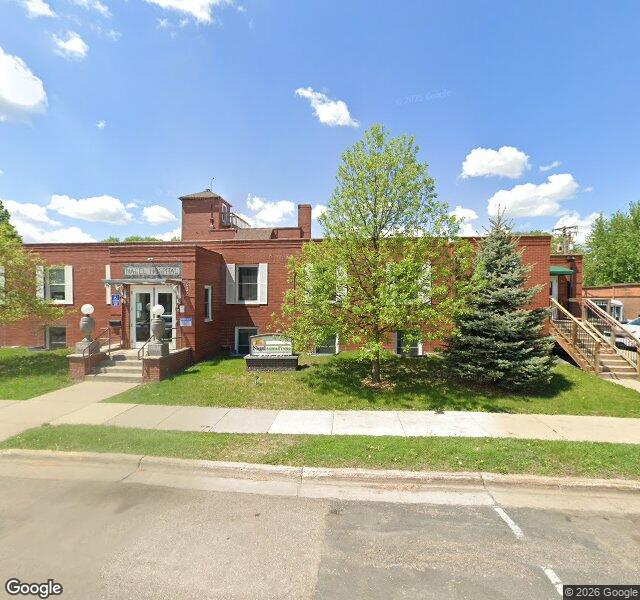
Nagel Assisted Living
232 Elm Street South, Waconia, MN 55387View map (opens in a new tab)
Overview and key essentials
State license
Active
MN MDH
Google reviews
4.4/ 5
32 reviews
Size & payment
Ask directly
Confirm pricing & payment
Strong public signals
Rated 4.4/5 across 32 public Google reviews. Visit in person to confirm daily care and pricing.
Cost, payment & care details
Updated Nov 28, 2026| Monthly cost | Not published | Ask for the full monthly cost, including care fees and one-time charges. |
|---|---|---|
| Payment options | Ask directly | Payment details are not confirmed in our records. Ask about private pay, long-term care insurance, veterans benefits, and Medicaid waivers. |
| Size & availability | Confirm directly | We don't publish live openings. Ask about current availability, waitlist length, and move-in timing. |
| Care & support | Assisted livingMemory care certified | Usually offers housing and help with everyday tasks, such as bathing and dressing. What to confirm about care levelsThis describes the licensed category. Ask how care plans adjust if mobility, nursing, or memory needs change over time. Read the family care guide → |
State licensing
State inspection history
7inspections
21deficiencies listed
Mar 18, 2026ComplaintNo deficiencies reportedNone
No deficiencies reported
View official state report (opens in a new tab)
Not Substantiated. The alleged perpetrator (AP), an unlicensed staff, abused the resident when the AP verbally made an inappropriate statement prior to physically restraining the resident’s wrists/lower arms during personal cares
Jun 25, 2025Routine7 deficiencies reported7
7 deficiencies reported
View official state report (opens in a new tab)
144G.50 Subd. 5 Waivers of liability prohibited0970
SS=C The contract must not include a waiver of facility liability for the health and safety or personal property of a resident. The contract must not include any provision that the facility knows or should know to be deceptive, unlawful, or unenforceable under state or federal law, nor include any provision that requires or implies a lesser standard of care or responsibility than is required by law. This MN Requirement is not met as evidenced by: Based on interview and record review, the licensee failed to ensure the assisted living contract did not include language waiving the licensee's liability for health, safety, or personal property for two of two residents (R2, R3). This had the potential to affect all residents. This practice resulted in a level one violation (a violation that has no potential to cause more than a minimal impact on the resident and does not affect health or safety) and was issued at a STATE FORM
144G.45 Subd. 2. (a) Fire protection and physical0775
SS=F environment Each assisted living facility must comply with the State Fire Code in Minnesota Rules, chapter 7511, and: This MN Requirement is not met as evidenced by: Based on observation and interview, the licensee failed to comply with the Minnesota State Fire Code in Minnesota Rules, chapter 7511. This had the potential to directly affect all residents, staff, and visitors. This practice resulted in a level two violation (a STATE FORM
6MZQ116899
(a) The facility must meet the following requirements: (1) have a written emergency disaster plan that contains a plan for evacuation, addresses elements of sheltering in place, identifies temporary relocation sites, and details staff assignments in the event of a disaster or an emergency; (2) post an emergency disaster plan prominently; (3) provide building emergency exit diagrams to all residents; (4) post emergency exit diagrams on each floor; and (5) have a written policy and procedure regarding missing residents. (b) The facility must provide emergency and disaster training to all staff during the initial staff orientation and annually thereafter and must make emergency and disaster training annually available to all residents. Staff who have not received emergency and disaster training are allowed to work only when trained staff are also working on site. (c) The facility must meet any additional requirements adopted in rule. This MN Requirement is not met as evidenced by: Based on interview and record review, the licensee failed to have a written emergency preparedness plan (EPP) with all the required content. This had the potential to affect all visitors, employees, and residents. This practice resulted in a level two violation (a violation that did not harm a resident's health or safety but had the potential to have harmed a resident's health or safety, but was not likely to cause serious injury, impairment, or death), and is issued at a widespread scope (when problems STATE FORM 6MZQ11 are pervasive or represent a systemic failure that has affected or has the potential to affect a large portion or all the residents). The findings include: On March 23, 2025, licensed assisted living director/clinical nurse supervisor (LALD/CNS)-A provided licensee's emergency preparedness plan dated August 1, 2021. The licensee's EPP plan lacked evidence of the following required content: - missing resident quarterly review On June 25, 2025, at 10:30 a.m., LALD/CNS-A stated they had not reviewed the missing resident policy quarterly and were not aware of this requirement. The licensee's Missing Resident policy dated August 1, 2021, indicated [the facility] will review this policy and any individual resident plans that pertain to elopement at least quarterly, and all changes will be documented. No further information provided. TIME PERIOD FOR CORRECTION: Twenty-One (21) days 6MZQ11 control use, storage, and security of resident records and establish criteria for release of resident information. This MN Requirement is not met as evidenced by: Based on observation and interview, the licensee failed to ensure residents' personal health and medical information was kept private. This had the potential to affect all residents. This practice resulted in a level two violation (a violation that did not harm a resident's health or safety but had the potential to have harmed a resident's health or safety, but was not likely to cause serious injury, impairment, or death), and is issued at a widespread scope (when problems are pervasive or represent a systemic failure that has affected or has the potential to affect a large portion or all of the residents). The findings include: On June 24, 2025, at 11:17 a.m., the surveyor observed a laptop on the assisted living medication cart, located at the main entrance of the facility, with R6's medication records visible. In addition, the narcotic count logbook was unsecured on the top of the medication cart. On...
144G.50 Subd. 2 (a-b) Contract information0910
SS=C (a) The contract must include in a conspicuous place and manner on the contract the legal name and the health facility identification of the facility. (b) The contract must include the name, telephone number, and physical mailing address, which may not be a public or private post office box, of: (1) the facility and contracted service provider when applicable; (2) the licensee of the facility; (3) the managing agent of the facility, if applicable; and (4) the authorized agent for the facility. This MN Requirement is not met as evidenced by: Based on interview and record review, the licensee failed to execute a written contract with the required content for two of two residents (R2, R3). This practice resulted in a level one violation (a violation that has no potential to cause more than a minimal impact on the resident and does not affect health or safety) and was issued at a widespread scope (when problems are pervasive or represent a systemic failure that has affected or has potential to affect a large portion or all the residents). The findings include: R2's Master Assisted Living Resident Agreement (identified as the contract) was signed by R2 on February 6, 2023. R3's Master Assisted Living Resident Agreement (identified as the contract) was signed by R3 on STATE FORM
144G.43 Subdivision 1 Resident record0700
SS=F (b) Resident records, whether written or electronic, must be protected against loss, tampering, or unauthorized disclosure in compliance with chapter 13 and other applicable relevant federal and state laws. The facility shall establish and implement written procedures to STATE FORM
144G.42 Subd. 10 Disaster planning and0680
SS=F emergency preparedness 0 680 STATE FORM
144G.45 Subd. 2 (b-f) Fire protection and0810
SS=F physical environment (b) Each assisted living facility shall develop and maintain fire safety and evacuation plans. The plans shall include but are not limited to: (1) location and number of resident sleeping rooms; (2) staff actions to be taken in the event of a fire or similar emergency; (3) fire protection procedures necessary for residents; and (4) procedures for resident movement, evacuation, or relocation during a fire or similar emergency including the identification of unique or unusual resident needs for movement or evacuation. (c) Staff of assisted living facilities shall receive training on the fire safety and evacuation plans upon hiring and at least twice per year thereafter. (d) Fire safety and evacuation plans shall be readily available at all times within the facility. (e) Residents who are capable of assisting in their own evacuation shall be trained on the proper actions to take in the event of a fire to include movement, evacuation, or relocation. The training shall be made available to residents at least once per year. STATE FORM
Apr 1, 2025ComplaintNo deficiencies reportedNone
No deficiencies reported
View official state report (opens in a new tab)
No deficiencies are reported in this inspection record.
Jul 31, 2024Complaint1 deficiency reported1
1 deficiency reported
View official state report (opens in a new tab)
Substantiated, individual responsibility. The alleged perpetrator (AP) abused the resident when the AP hit the resident in the face. The resident lost balance and fell to the ground, sustaining injuries to his hands
severeHL312141682M
The alleged perpetrator (AP) abused the resident when the AP hit the resident in the face. The resident lost balance and fell to the ground, sustaining injuries to his hands. The Minnesota Department of Health determined abuse was substantiated. AP-1 was responsible for the maltreatment. AP-1 admitted he hit the resident but stated he did it by mistake. When the resident became aggressive toward AP-1, AP-1 hit the resident in the face with his fist. The resident attempted to hit AP-1 but lost balance and fell backwards onto his buttocks. The Minnesota Department of Health determined AP-2 was not responsible for the maltreatment. AP-2 was not involved with the incident and although AP-2 did not ensure AP-1 received orientation training specific to the resident’s needs, AP-2 did not direct AP-1 nor foresee AP-1 would hit the resident. Page 2 of 5 The investigator conducted interviews with facility staff members, including administrative staff, nursing staff, and unlicensed staff. The investigator contacted law enforcement. The investigation included review of the resident record, facility internal investigation, facility incident reports, personnel files, staff schedules, law enforcement reports, and related facility policy and procedures. Also, the investigator observed for resident behaviors, how staff interacted with residents, and the physical layout of the memory care unit. The resident resided in an assisted living memory care unit. The resident’s diagnoses included dementia. The resident’s service plan included assistance with behavioral interventions including redirection, reapproach, and to leave the resident alone in safe situations. The resident’s assessment indicated the resident’s persistent delusions was the resident wanted to go home and thought his family was on the other side of the door to the memory care unit. An incident report indicated AP-2, a facility nurse, received a call from an unlicensed personnel (ULP) reporting she observed injuries to the resident’s hands that were not there earlier in the shift. Injuries included discolored swelling over the base of one of the right fingers, a bruise at the base of the left thumb that extended to his wrist, and a small skin tear on the back of the left hand. The ULP stated AP-1 told her the resident fell onto his buttocks earlier but did not know why he did not report the fall right away. AP-2 instructed the ULP to obtain vitals, apply a cold pack, and obtain more information from AP-1. The next morning, the ULP told AP-2 about AP-1’s story changing multiple times. AP-2 assessed the resident’s hands and found a new bruise on the left...
Jul 31, 2024ComplaintNo deficiencies reportedNone
No deficiencies reported
View official state report (opens in a new tab)
Inconclusive. The facility neglected the resident when the resident committed suicide in his apartment
Show all 7 inspections
Jul 17, 2023Complaint1 deficiency reported1
1 deficiency reported
View official state report (opens in a new tab)
Substantiated, facility responsibility. The facility neglected a resident when the resident did not receive medication according to physician orders. The resident experienced a manic episode that required hospitalization
severeHL312145283M
The facility neglected a resident when the resident did not receive medication according to physician orders. The resident experienced a manic episode that required hospitalization. The Minnesota Department of Health determined neglect was substantiated. The facility was responsible for the maltreatment. The facility did not administer the residents Clozapine (antipsychotic medication) for approximately 8 days. The resident had increased behaviors, a mental health crisis, and was admitted to the hospital. The investigator conducted interviews with facility staff members, including administrative staff, nursing staff, and unlicensed staff. The investigator contacted the resident’s pharmacy. The investigation included review of medical records, pharmacy records, staff training and education, and facility policies and procedures. In addition, the investigator observed staff administering medication and services to residents at the facility. Page 2 of 3 The resident resided in an assisted living facility memory care unit. The resident’s diagnoses included schizoaffective disorder, altered mental status, and generalized anxiety. The resident had mild cognitive impairment and required frequent redirection, The resident received assistance with medication management, behavioral interventions, and assistance with appointments. The residents progress notes written by a facility nurse indicated the resident was having increased manic behaviors the past week which included physical aggression and screaming at staff. The resident was sent to the emergency room related to the behaviors and the resident was placed on a mental health hold. The hospital staff notified the nurse the resident had not been receiving Clozapine 300 mg at the facility for approximately eight days prior to hospitalization for the mental health crisis. The progress note indicated the nurse investigated and determined several staff had documented the Clozapine was not available for administration. The note indicated the nurse spoke with hospital staff and, “We agree that [resident] Clozapine levels likely dropped low enough that her behaviors resurfaced.” During interview a nurse stated prior to the resident’s hospitalization, the resident went several days without Clozapine being administered due to lack of supply, and the resident became manic. The nurse stated the resident went to the emergency room and emergency room staff discovered the medication omission and contacted the facility. During interview another facility nurse stated prior to hospitalization the resident became violent and belligerent and was striking out at staff members. The...
Jun 23, 2023Routine12 deficiencies reported12
12 deficiencies reported
View official state report (opens in a new tab)
144G. 50 Subd. 3 Designation of representative0950
SS= C (a) Before or at the time of execution of an assisted living contract, an assisted living facility must offer the resident the opportunity to identify a designated representative in writing in the contract and must provide the following verbatim notice on a document separate from the contract: "RIGHT TO DESIGNATE A REPRESENTATIVE FOR CERTAIN PURPOSES. You have the right to name anyone as your "Designated Representative. " A Designated Representative can assist you, receive certain information and notices about you, including some information related to your health care, and advocate on your behalf. A Designated Representative does not take the place of your guardian, conservator, power of attorney ("attorney- in-fact"), or health care power of attorney ("health care agent" ), if applicable. " (b) The contract must contain a page or space for STATE FORM
144G. 41 Subd. 3 Infection control program0510
SS= F (a) All assisted living facilities must establish and maintain an infection control program that complies with accepted health care, medical, and nursing standards for infection control. (b)The facility's infection control program must be consistent with current guidelines from the national Centers for Disease Control and Prevention (CDC) for infection prevention and control in long-term care facilities and, as applicable, for infection prevention and control in assisted living facilities. (c) The facility must maintain written evidence of compliance with this subdivision. This MN Requirement is not met as evidenced by: Based on observation, interview, and record review, the licensee failed to establish and maintain an effective infection control program to comply with accepted health care, medical, and nursing standards for infection control and current STATE FORM (LALD/RN)-A stated staff should wash their hands between each medication pass, and that is what they were trained to do. The Center of Disease Control (CDC) Core Infection Prevention and Control Practices regarding hand hygiene dated November 29, 2022, recommends healthcare personnel should use an alcohol- based rub or wash with soap and water for the following clinical indications: immediately before touching a patient, before performing aseptic task or handling invasive medical devices, before moving from work on a soiled body site to a clean body site on the same patient, after touching a patient or the patient' s immediate environment, after contact with blood, body fluids, or contaminated services, and immediately after glove removal. The licensee' s Hand Washing policy dated August 1, 2021, indicated hand washing shall be completed: - before, during, and after preparing food - before eating food - before and after caring for someone who is sick - before and after treating a cut or wound - after using the toilet - after changing diapers or cleaning up after someone who has used the toilet - after blowing your nose, coughing, or sneezing - after touching an animal or animal waste - after handling pet food or pet treats; and - after touching garbage. Hand washing will be performed by all employees, as necessary, between tasks and procedures, and after bathroom use, to prevent cross- contaminations. When conducting a procedure requiring the use of gloves, proper hand hygiene should be completed before donning gloves and after STATE FORM
144G. 42 Subd. 6 (a) Compliance with0620
SS= D requirements for reporting ma (a) The assisted living facility must comply with the requirements for the reporting of maltreatment of vulnerable adults in section 626. 557. The facility must establish and implement a written procedure to ensure that all cases of suspected maltreatment are reported. This MN Requirement is not met as evidenced by: Based on interview and record review, the licensee failed to timely submit a report to the Minnesota Adult Abuse Reporting Center (MAARC) for suspected maltreatment and complete a thorough investigation for two of two residents (R9, R10) who had an altercation with each other. This practice resulted in a level two violation (a violation that did not harm a resident' s health or safety but had the potential to have harmed a resident' s health or safety, but was not likely to cause serious injury, impairment, or death) and was issued at an isolated scope (when one or a limited number of residents are affected or one or a limited number of staff are involved or the situation has occurred only occasionally) . The findings include: STATE FORM TIME PERIOD FOR CORRECTION: Seven (7) days
144G. 20 Subdivision 1 Conditions0250
SS= F 0 250 (a) The commissioner may refuse to grant a provisional license, refuse to grant a license as a STATE FORM
144G. 42 Subd. 8 Employee records0650
SS= F (a) The facility must maintain current records of each paid employee, each regularly scheduled volunteer providing services, and each individual contractor providing services. The records must include the following information: (1) evidence of current professional licensure, STATE FORM
144G. 42 Subd. 7 Posting information for0640
SS= F reporting suspected c The facility shall support protection and safety through access to the state' s systems for reporting suspected criminal activity and suspected vulnerable adult maltreatment by: (1) posting the 911 emergency number in common areas and near telephones provided by the assisted living facility; (2) posting information and the reporting number for the Minnesota Adult Abuse Reporting Center to report suspected maltreatment of a vulnerable adult under section 626. 557; and (3) providing reasonable accommodations with information and notices in plain language. This MN Requirement is not met as evidenced by: Based on observation, interview, and record review, the licensee failed to post required content to include the 911 emergency number in common areas and near telephones provided by the assisted living facility. This had the potential to affect all 48 residents, staff, and visitors. This practice resulted in a level two violation (a violation that did not harm a resident' s health or safety but had the potential to have harmed a resident' s health or safety) and was issued at a widespread scope (when problems are pervasive or represent a systemic failure that has affected or has the potential to affect a large portion or all of the residents) . STATE FORM
144G. 41 Subd 1 (13) (i) (B) Minimum0480
SS= F requirements (13) offer to provide or make available at least the following services to residents: (B) food must be prepared and served according to the Minnesota Food Code, Minnesota Rules, chapter 4626; and This MN Requirement is not met as evidenced by: Based on observation, interview and record review, the licensee failed to ensure food was prepared and served according to the Minnesota Food Code. STATE FORM This practice resulted in a level two violation (a violation that did not harm a resident' s health or safety but had the potential to have harmed a resident' s health or safety) and was issued at a widespread scope (when problems are pervasive or represent a systemic failure that has affected or has the potential to affect a large portion or all the residents) . The findings include: Please refer to the included document titled, Food and Beverage Establishment Inspection Report dated June 13, 2023, for the specific Minnesota Food Code deficiencies. TIME PERIOD FOR CORRECTION: Twenty-one (21) days
144G. 45 Subd. 2 (a) (4) Fire protection and0800
SS= F physical environment (4) keep the physical environment, including walls, floors, ceiling, all furnishings, grounds, systems, and equipment in a continuous state of good repair and operation with regard to the health, safety, comfort, and well-being of the residents in accordance with a maintenance and repair program. This MN Requirement is not met as evidenced by: Based on observation and interview, the licensee failed to maintain the facility physical environment in a continuous state of good repair and operation regarding the health, safety, and well-being of the residents. This deficient condition had the ability to affect a limited number of residents. This practice resulted in a level two violation (a violation that did not harm a resident' s health or safety but had the potential to have harmed a resident' s health or safety) and was issued at a widespread scope (when problems are pervasive or represent a systemic failure that has affected or has the potential to affect a large portion or all the residents) . The findings include: On June 21, 2023, from approximately 1:35 p.m. to 2:45 p.m., survey staff toured the facility with Maintenance (M)-E. During the facility tour, STATE FORM
144G. 45 Subd. 2 (a) (2)-(3) Fire protection and0790
SS= F physical environment (2) install and maintain portable fire extinguishers in accordance with the State Fire Code; (3) install portable fire extinguishers having a minimum 2-A:10-B:C rating within Group R-3 occupancies, as defined by the State Fire Code, located so that the travel distance to the nearest STATE FORM
144G. 42 Subd. 10 Disaster planning and0680
SS= F emergency preparedness (a) The facility must meet the following requirements: STATE FORM (1) have a written emergency disaster plan that contains a plan for evacuation, addresses elements of sheltering in place, identifies temporary relocation sites, and details staff assignments in the event of a disaster or an emergency; (2) post an emergency disaster plan prominently; (3) provide building emergency exit diagrams to all residents; (4) post emergency exit diagrams on each floor; and (5) have a written policy and procedure regarding missing residents. (b) The facility must provide emergency and disaster training to all staff during the initial staff orientation and annually thereafter and must make emergency and disaster training annually available to all residents. Staff who have not received emergency and disaster training are allowed to work only when trained staff are also working on site. (c) The facility must meet any additional requirements adopted in rule. This MN Requirement is not met as evidenced by: Based on interview and record review, the licensee failed to have a written emergency disaster preparedness plan with all required content. This had the potential to affect all residents, staff, and visitors. This practice resulted in a level two violation (a violation that did not harm a resident' s health or safety but had the potential to have harmed a resident' s health or safety, but was not likely to cause serious injury, impairment, or death) , and was issued at a widespread scope (when problems are pervasive or represent a systemic failure that has affected or has potential to affect STATE FORM
CL8P116899
result of a change in ownership, refuse to renew a license, suspend or revoke a license, or impose a conditional license if the owner, controlling individual, or employee of an assisted living facility: (1) is in violation of, or during the term of the license has violated, any of the requirements in this chapter or adopted rules; (2) permits, aids, or abets the commission of any illegal act in the provision of assisted living services; (3) performs any act detrimental to the health, safety, and welfare of a resident; (4) obtains the license by fraud or misrepresentation; (5) knowingly makes a false statement of a material fact in the application for a license or in any other record or report required by this chapter; (6) denies representatives of the department access to any part of the facility's books, records, files, or employees; (7) interferes with or impedes a representative of the department in contacting the facility's residents; (8) interferes with or impedes ombudsman access according to section 256. 9742, subdivision 4, or interferes with or impedes access by the Office of Ombudsman for Mental Health and Developmental Disabilities according to section 245. 94, subdivision 1; (9) interferes with or impedes a representative of the department in the enforcement of this chapter or fails to fully cooperate with an inspection, survey, or investigation by the department; (10) destroys or makes unavailable any records or other evidence relating to the assisted living facility's compliance with this chapter; (11) refuses to initiate a background study under STATE FORM CL8P11 section 144. 057 or 245A.04; (12) fails to timely pay any fines assessed by the commissioner; (13) violates any local, city, or township ordinance relating to housing or assisted living services; (14) has repeated incidents of personnel performing services beyond their competency level; or (15) has operated beyond the scope of the assisted living facility's license category. (b) A violation by a contractor providing the assisted living services of the facility is a violation by the facility. This MN Requirement is not met as evidenced by: Based on interview and record review, the licensee failed to show they met the requirements of licensure, by attesting the managerial officials who oversaw the day- to-day operations understood applicable statutes and rules; nor developed and/ or implemented current policies and procedures as required with records reviewed. This had the potential to affect all residents, staff, and visitors. This practice resulted in a level two violation (a violation that did not harm a resident' s health or safety but had the potential to have harmed a resident' s health or safety, but was not likely to cause serious injury, impairment, or death) , and is issued at a widespread scope (when problems are pervasive or represent a systemic failure that has affected or has the potential to affect a large portion or all of the residents) . The findings include: During entrance conference on June 20, 2023, at 10:40 a.m., licensed assisted living STATE FORM CL8P11 director/ registered nurse (LALD/RN)-A stated the licensee' s employees in charge of the facility were familiar with the assisted living regulations and the licensee provided medication and treatment management services. The licensee' s Application for Assisted Living License, section titled Official Verification of Owner or Authorized Agent, (page four and five of the application) ,...
144G. 45 Subd. 2 (b)-(f) Fire protection and0810
SS= F physical environment (b) Each assisted living facility shall develop and maintain fire safety and evacuation plans. The plans shall include but are not limited to: (1) location and number of resident sleeping rooms; (2) employee actions to be taken in the event of a fire or similar emergency; (3) fire protection procedures necessary for residents; and (4) procedures for resident movement, evacuation, or relocation during a fire or similar emergency including the identification of unique STATE FORM Record review of the available documentation indicated that the licensee did not provide annual training to residents who can assist in their own evacuation on the proper actions to take in the event of a fire to include movement, evacuation, or relocation as required by statute. During interview, M-E, verified that the fire safety and evacuation plan for the facility lacked these provisions. TIME PERIOD FOR CORRECTION: Twenty-one (21) days.
Neighborhood & resident support
Emergency access, hazards & advocacy
Nearest hospital
Ridgeview Medical Center
0.4 mi · Waconia, MN · Medicare 4/5 ★
Emergency room
FEMA hazard risk
Relatively LowCarver County, MN
- Strong Wind
- Hail
- Tornado
Free resident advocacy
Minnesota Office of Ombudsman for Long-Term Care
More neighborhood context (specialists, VA, dialysis, air & affordability)
VA & dialysis access
Minneapolis VA Medical Center
28.8 mi · Minneapolis, MN · VA 5/5 ★
Fresenius Medical Care - Waconia Dialysis
1.0 mi · 1/5 ★
Specialists within 15 mi
- Geriatricians
- 1
- Neurologists
- 25
- Palliative care
- 2
- PM&R rehab
- 1
Environment & mobility
- EPA Walkability
- 7.3/20 (Below Average)
- USDA Grocery Access
- High Grocery Access
County demographics
- Age 65+ median income
- $67,675/yr
- Rent-burdened households
- 41%
- Cognitive disability (2023)
- 11.1%
- Mobility disability
- 8.0%
Call & tour checklist
Questions to ask Nagel Assisted Living
Check off questions as you call or tour. Your progress stays private in this browser.
Show 3 more suggested questions
Verification & public records
Official records & sources
Licensing & contact
- License #
- 31214
- Status
- active
- Phone
- (763) 233-7565
- Federal OIG LEIE
- Clear (2026-11-27)
Original public sources
Verify licensing, ratings, and inspection reports directly with each official source.
- MN MDH official record (opens in a new tab)MN Dept. of Health
- Google Maps (opens in a new tab)Directions, photos & neighborhood
- Google Reviews (opens in a new tab)32 public reviews
EveryPlace is an independent research directory. Information is compiled from public Medicare.gov, state licensing, Google Places, and street-level imagery sources. Some summaries, suggested questions, and pricing notes are AI-generated or AI-assisted and may contain errors or omissions. We do not accept payment for placement. Confirm all details directly with the community and official sources. Research Policy.
Keep exploring
Nearby communities to compare
- Cap. 46HUD Senior Housing< 1 miEvergreen Apts. -- Waconia, MnWaconia, MN
- 4.0(2)Assisted Living< 1 miGood Samaritan Society WaconiaWaconia, MN
- Medicare 1/54.5(8)75 bedsMedicaidNursing Home< 1 miGood Samaritan Society - Waconia and Westview AcreWaconia, MN
- 4.8(17)Assisted Living< 1 miStorypoint WaconiaWaconia, MN
- Medicare 2/54.5(2)37 bedsMedicaidNursing Home< 1 miAuburn Home in WaconiaWaconia, MN
- 5.0(1)Assisted Living< 1 miAuburn Meadows LLCWaconia, MN