Loading EveryPlace content…
Assisted LivingActive license
Serenity Care Homes INC
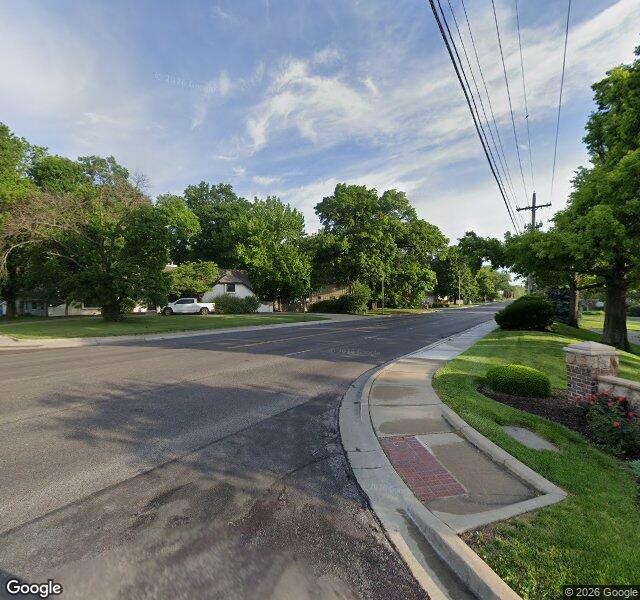
9823 Nall Ave, Overland Park, KS 66207View map (opens in a new tab)
Overview and key essentials
State license
Active
KS KDADS
Google reviews
Not available
Public reviews not linked
Size & payment
Ask directly
Confirm pricing & payment
Public records for this community are limited. Use the checklist below when you call or visit to confirm pricing, services, and openings.
Cost, payment & care details
Updated Nov 28, 2026| Monthly cost | Not published | Ask for the full monthly cost, including care fees and one-time charges. |
|---|---|---|
| Payment options | Ask directly | Payment details are not confirmed in our records. Ask about private pay, long-term care insurance, veterans benefits, and Medicaid waivers. |
| Size & availability | Confirm directly | We don't publish live openings. Ask about current availability, waitlist length, and move-in timing. |
| Care & support | Assisted living | Usually offers housing and help with everyday tasks, such as bathing and dressing. What to confirm about care levelsThis describes the licensed category. Ask how care plans adjust if mobility, nursing, or memory needs change over time. Read the family care guide → |
State licensing
State inspection history
1inspection
9deficiencies listed
Apr 15, 2026Routine9 deficiencies reported9
9 deficiencies reported
View official state report (opens in a new tab)
The following represent the findings of the initial survey for the above named home plus conducted on 04/14/26 and 04/15/26.
moderateS 5335
(a) Each home-plus facility shall be designed, constructed, equipped, and maintained to protect the health and safety of residents, personnel, and the public. (b) All new construction, renovation, remodeling, and changes in building use in existing buildings shall comply with building and fire codes, ordinances, and regulations enforced by city, county, and state jurisdictions, including the state fire marshal. This REQUIREMENT is not met as evidenced by: KAR 28-39-437(a) The facility reported a census of seven residents. Based on observation and interview the operator failed to ensure the building was maintained to protect the health and safety of the residents by ensuring all chemicals were stored within a locked area. Findings included: - Observation on 04/14/26 at approximately 01:08 PM revealed a cabinet under the sink in the kitchen with a child safety lock installed. The lock was not locked. The following unsecured chemicals in the cabinet had labels which read "Keep out of reach of children:" One bottle of dishwashing liquid refill 50 ounces (oz) One bottle of dishwashing liquid 32 oz One box of Cascade dishwasher pods, 71 "actionpacs" Observation on 04/14/26 at 01:19 PM revealed the laundry room door was unlocked. The following unsecured chemicals in the laundry room had labels which read "Keep out of reach of children:" One spray bottle of all-purpose cleaner with bleach, 32 oz One spray bottle of Windex glass cleaner, 23 oz One bottle of Bona hardwood floor deep cleaner with hydrogen peroxide, 128 oz On 04/14/26 at 02:04 PM Administrative Staff A confirmed the kitchen cabinet and laundry room contained unlocked chemicals. The undated facility's "Residential Setting" policy documented residents had access to most areas in the building except where safety was a concern such as cabinets used for storage of chemicals and medications. The operator failed to ensure the building was maintained to protect the health and safety of the residents by ensuring all chemicals were stored within a locked area.
moderateS 5315
(h) Storage. Licensed nurses and medication aides shall ensure that all medications and biologicals are securely and properly stored in accordance with each manufacturer ' s recommendations or those of the pharmacy provider and with federal and state laws and regulations. (1) Licensed nurses or medication aides shall store non-controlled medications and biologicals managed by the home in a locked medication room, cabinet, or medication cart. Licensed nurses and medication aides shall store controlled medications managed by the home in separately locked compartments within a locked medication room, cabinet, or medication cart. Only licensed nurses and medication aides shall have access to the stored medications and biologicals. (2) Each resident managing and self-administering medication shall store medications in a place that is accessible only to the resident, licensed nurses, and medication aides. (3) Any resident who self-administers medication and is unable to provide proper storage as recommended by the manufacturer or pharmacy provider may request that the medication be stored by the home. (4) A licensed nurse or medication aide shall not administer medication beyond the manufacturer ' s or pharmacy provider ' s recommended date of expiration. This REQUIREMENT is not met as evidenced by: KAR 26-42-205(h)(1) The facility reported a census of seven residents. Based on observation and interview the operator failed to ensure designated staff secured medications managed by the home in a locked location. Findings included: - Observation on 04/14/26 at 01:07 PM revealed an unlocked medication cart that contained medications for the residents. No staff were nearby. On 04/14/26 at approximately 01:42 PM Administrative Staff A confirmed the medications were unsecured. The undated facility's "Medication Storage" policy documented medications would be stored in a locked area and only licensed nurses or Certified Medication Aides (CMA) would have access to the medications. The operator failed to ensure designated staff secured medications managed by the home in a locked location.
moderateS 5230
(b)(5) prohibiting any employee with a communicable disease or any infected skin lesions from coming in direct contact with any resident, any resident ' s food, or resident care equipment until the condition is no longer infectious; (6) providing orientation to new employees and employee in-service education at least annually on the control of infections in a health care setting; (c) Each administrator or operator shall ensure the home ' s compliance with the department ' s tuberculosis guidelines for adult care homes adopted by reference in K.A.R. 26-39-105. This REQUIREMENT is not met as evidenced by: KAR 26-42-207(c) The facility reported a census of seven residents. Based on interview and record review the operator failed to ensure the facility remained in compliance with the department's tuberculosis (TB) guidelines for adult care homes adopted by reference in KAR 26-39-105 for Resident (R) 3 and five of five sampled staff. Findings included: - Record review for R3 revealed an admission date of 09/07/25 with a diagnosis of multiple sclerosis. The 03/30/26 first step TB skin test lacked results. R3's record lacked evidence of documentation of a two-step TB skin test and a symptom screen questionnaire within seven days of admission. - Record review for Administrative Staff A revealed no hire date. His record lacked evidence of documentation of a two-step TB skin test and a symptom screen questionnaire within seven days of facility's open date when the first residents moved in. On 04/14/26 at 01:42 PM Administrative Staff A stated he did not have an official hire date. The facility opened on 09/01/25 and the first residents moved in. Record review for Licensed Nurse (LN) B revealed a hire date of 01/21/26. Her record lacked evidence of documentation of a symptom screen questionnaire within seven dates of hire. Record review for Certified Nurse Aide (CNA) C revealed a hire date of 02/10/2. Her record lacked evidence of documentation of a symptom screen questionnaire within seven dates of hire. Record review for CNA D revealed a hire date of 09/10/25. Her record lacked evidence documentation of a symptom screen questionnaire within seven dates of hire. Record review for Certified Medication Aide (CMA) E revealed a hire date of 09/22/25. Her record lacked evidence of documentation of a symptom screen questionnaire within seven dates of hire. On 04/15/26 at approximately 01:24 PM Administrative Staff A confirmed R3 lacked evidence of documentation of a two-step TB skin test and a symptom screen questionnaire within seven days of admission. Administrative Staff A confirmed five sampled staff records lacked evidence of documentation of a symptom screen questionnaire within seven dates of hire. The undated facility's "Tuberculosis (TB) Guidelines" policy documented each new resident and new employee would have a TB symptom screen questionnaire and a two-step TB skin test or blood test for TB within seven days of residency or employment. The operator failed to ensure the facility remained in compliance with the department's tuberculosis guidelines for adult care homes adopted by reference in KAR 26-39-105.
moderateS 5117
(e) A licensed nurse shall participate in the development, review, and revision of the negotiated service agreement if the resident's functional capacity screening indicates the need for health care services. This REQUIREMENT is not met as evidenced by: KAR 26-42-202(e) The facility reported a census of seven residents with three residents included in the sample. Based on interview and record review the operator failed to ensure a licensed nurse participated in the development of the "Negotiated Service Agreements" (NSA) for Resident (R) 1 and R2. Findings included: - Record review for R1 revealed an admission date of 02/01/26 with diagnoses of dementia and syncope. The 12/18/25 "FCS" identified R1 required physical assistance for bathing and dressing and was unable to perform management of medications and treatments. She had short-term and long-term memory, memory/recall, and decision-making cognitive difficulties. R1 was sometimes understandable and sometimes understood others during communication and was at risk falls, impaired vision, and impaired decision-making. The 01/23/26 "NSA" identified R1 received staff assistance with bathing and dressing and administration of medications. She received supervision and verbal cueing for cognitive difficulties and supervision for falls. The "NSA" failed to describe the services R1 received for management of treatments and communication. R1's record lacked evidence of documentation a licensed nurse participated in the development of R1's "NSA." - Record review for R2 revealed an admission date of 01/27/26 with diagnoses of dementia and Parkinson's Disease. The 01/21/26 "FCS" identified R2 required physical assistance with bathing, dressing, toileting, transfers, and walking/mobility. He was unable to perform management of medications and treatments and was occasionally incontinent of bladder. R2 had short-term and long-term memory, memory/recall, and decision-making cognitive difficulties and was sometimes understandable and sometimes understood others during communication. He was at risk for falls, impaired vision, impaired hearing, and wandering. The 01/27/26 "NSA" identified R2 received assistance from facility staff for bathing, dressing, toileting, and transfers. He used a wheelchair for walking/mobility and a walker with physical therapy only. R2 received administration of medications from facility staff, used briefs for bladder incontinence and redirection from staff for cognitive difficulties. He received close supervision and "fall precautions" at all times for falls, he wore glasses for impaired vision, and he received redirection for wandering. The "NSA" failed to describe the services R2 received for management of treatments, communication, and impaired hearing. R2's record lacked evidence of documentation a licensed nurse participated in the development of R2's "NSA." On 04/15/26 at 02:33 PM Administrative Staff A confirmed R1 and R2's records lacked evidence of documentation a licensed nurse participated in the development their "NSAs." The facility's undated "Negotiated Service Agreement" policy documented a licensed nurse would participate in the development of the residents "NSAs" when their "FCSs indicated the need for healthcare services. The operator failed to ensure a licensed nurse participated in the development of the "NSAs" for R1 and R2.
moderateS 5161
(d) The negotiated service agreement shall contain a description of the health care services to be provided and the name of the licensed nurse responsible for the implementation and supervision of the plan. This REQUIREMENT is not met as evidenced by: KAR 26-42-204(d) The facility reported a census of seven residents. Based on interview and record review the operator failed to ensure each resident's "Negotiated Service Agreement" (NSA) named the licensed nurse responsible for implementing and supervising their "Healthcare Service Plan" (HSP). Findings included: - Record review for R1 revealed an admission date of 02/01/26 with diagnoses of dementia and syncope. The 12/18/25 "FCS" identified R1 required physical assistance for bathing and dressing and was unable to perform management of medications and treatments. She had short-term and long-term memory, memory/recall, and decision-making cognitive difficulties. R1 was sometimes understandable and sometimes understood others during communication and was at risk falls, impaired vision, and impaired decision-making. The 01/23/26 "NSA" identified R1 received staff assistance with bathing and dressing and administration of medications. She received supervision and verbal cueing for cognitive difficulties and supervision for falls. The "NSA" failed to describe the services R1 received for management of treatments and communication. R1's "NSA" failed to name the licensed nurse responsible for implementing and supervising her "HSP." - Record review for R2 revealed an admission date of 01/27/26 with diagnoses of dementia and Parkinson's Disease. The 01/21/26 "FCS" identified R2 required physical assistance with bathing, dressing, toileting, transfers, and walking/mobility. He was unable to perform management of medications and treatments and was occasionally incontinent of bladder. R2 had short-term and long-term memory, memory/recall, and decision-making cognitive difficulties and was sometimes understandable and sometimes understood others during communication. He was at risk for falls, impaired vision, impaired hearing, and wandering. The 01/27/26 "NSA" identified R2 received assistance from facility staff for bathing, dressing, toileting, and transfers. He used a wheelchair for walking/mobility and a walker with physical therapy only. R2 received administration of medications from facility staff, used briefs for bladder incontinence and redirection from staff for cognitive difficulties. He received close supervision and "fall precautions" at all times for falls, he wore glasses for impaired vision, and he received redirection for wandering. The "NSA" failed to describe the services R2 received for management of treatments, communication, and impaired hearing. R2's "NSA" failed to name the licensed nurse responsible for implementing and supervising his "HSP." - Record review for R3 revealed an admission date of 09/07/25 with a diagnosis of multiple sclerosis. The 08/13/25 "FCS" identified R3 was unable to perform walking/mobility and management of medications and treatments. He was at risk for falls and impaired hearing. The 08/29/25 "NSA" identified R3 used a wheelchair for walking/mobility. He received administration of medications by facility staff and a home health provider changed his suprapubic urinary catheter every month and as needed for management of treatments. R3 self-managed emptying his catheter bag and he wore a hearing aid for impaired hearing. The "NSA" failed to describe...
moderateS 5095
Accurate (d) Designated staff shall ensure that each resident ' s functional capacity at the time of screening is accurately reflected on that resident ' s screening form. This REQUIREMENT is not met as evidenced by: KAR 26-42-201(d) The facility reported a census of seven residents. Based on interview and record review the operator failed to ensure the "Functional Capacity Screen" (FCS) for Resident (R) 1 and R2 accurately reflected their functional capacity at the time of screening for cognition. Findings included: - Record review for R1 revealed an admission date of 02/01/26 with diagnoses of dementia and syncope. The 12/18/25 "FCS" identified R1 had short-term and long-term memory, memory/recall, and decision-making cognitive difficulties with a total score of "8" which was inaccurate. The 01/23/26 "NSA" identified R1 received supervision and verbal cueing from facility staff for cognitive difficulties. - Record review for R2 revealed an admission date of 01/27/26 with diagnoses of dementia and Parkinson's Disease. The 01/21/26 "FCS" identified R2 had short-term and long-term memory, memory/recall, and decision-making cognitive difficulties with a score of "11" which was inaccurate. The 01/27/26 "NSA" identified R2 received redirection from staff for cognitive difficulties. On 04/15/26 at 01:40 PM Administrative Staff A confirmed R1 and R2's "FCSs" were not accurate for cognition. The undated facility's "Resident Functional Capacity Screen" policy documented designated staff would ensure each resident's functional capacity at the time screening was accurately reflected on the resident's screening form. The operator failed to ensure the "FCS" for R1 and R2 accurately reflected their functional capacity at the time of screening for cognition.
moderateS 5251
Documentation of Incidents (f) (11) documentation of all incidents, symptoms, and other indications of illness or injury including the date, time of occurrence, action taken, and results of the action. This REQUIREMENT is not met as evidenced by: KAR 26-42-105(f)(11) The facility reported a census of seven residents with three included in the sample. Based on interview and record review the operator failed to ensure a licensed nurse documented all incidents, symptoms, and other indications of illness or injury including the time of occurrences, actions taken, and results of the actions when Resident (R) 3 transferred to the hospital. Findings included: - Record review for R3 revealed an admission date of 09/07/25 with a diagnosis of multiple sclerosis. The 08/13/25 "FCS" identified R3 was unable to perform walking/mobility and management of medications and treatments. He was at risk for falls and impaired hearing. The 08/29/25 "NSA" identified R3 used a wheelchair for walking/mobility. He received administration of medications by facility staff and a home health provider changed his suprapubic urinary catheter every month and as needed for management of treatments. R3 self-managed emptying his catheter bag and he wore a hearing aid for impaired hearing. The "NSA" failed to describe the services R3 received for falls. The 11/03/25 at 09:44 AM "Charting Note" documented R3 returned to the facility on 11/01/25. Review of R3's "Charting Notes" lacked evidence of documentation of any incident, symptoms, or other indications of illness or injury including the date, time, actions taken, and results of the actions when R3 transported from the facility to the hospital. On 04/15/26 at approximately 02:09 PM Administrative Staff A confirmed R3's record lacked evidence of documentation of any incident, symptoms, or other indications of illness or injury including the date, time, actions taken, and results of the actions when R3 transported from the facility to the hospital. The undated facility's "Policies and Procedures Manual" did not address documentation of all incidents, symptoms, and other indications of illness or injury including the time of occurrences, actions taken, and results of the actions. The operator failed to ensure a licensed nurse documented all incidents, symptoms, and other indications of illness or injury including the time of occurrences, actions taken, and results of the actions for all four sampled residents.
moderateS 5105
a) The administrator or operator of each home plus shall ensure the development of a written negotiated service agreement for each resident, based on the resident ' s functional capacity screening, service needs, and preferences, in collaboration with the resident or the resident ' s legal representative, the case manager, and, if agreed to by the resident or the resident ' s legal representative, the resident ' s family. The negotiated service agreement shall provide the following information: (1) A description of the services the resident will receive; (2) identification of the provider of each service; and (3) identification of each party responsible for payment if outside resources provide a service. This REQUIREMENT is not met as evidenced by: KAR 26-42-202(a)(1) The facility reported a census of two residents. Based on interview and record review the operator failed to ensure the "Negotiated Service Agreement" (NSA) for Residents (R) 1, R2, and R3 described the services they received based on their "Functional Capacity Screens" (FCS), needs, and preferences. Findings included: - Record review for R1 revealed an admission date of 02/01/26 with diagnoses of dementia and syncope. The 12/18/25 "FCS" identified R1 was unable to perform management of treatments and was sometimes understandable and sometimes understood others during communication. The 01/23/26 "NSA" failed to describe the services R1 received for management of treatments and communication. On 04/15/26 at approximately 01:42 PM Administrative Staff A confirmed R1's "NSA" failed to describe the services R1 received for management of treatments and communication. - Record review for R2 revealed an admission date of 01/27/26 with diagnoses of dementia and Parkinson's Disease. The 01/21/26 "FCS" identified R2 was unable to perform management of treatments and was sometimes understandable and sometimes understood others during communication. He was at risk for impaired hearing. The 01/27/26 "NSA" failed to describe the services R2 received for management of treatments, communication, and impaired hearing. On 04/15/26 at approximately 01:55 PM Administrative Staff A confirmed R2's "NSA" failed to describe the services R2 received for management of treatments, communication, and impaired hearing. - Record review for R3 revealed an admission date of 09/07/25 with a diagnosis of multiple sclerosis. The 08/13/25 "FCS" identified R3 was at risk for falls. The 08/29/25 "NSA" failed to describe the services R3 received for falls. On 04/15/26 at approximately 02:04 PM Administrative Staff A confirmed R3's "NSA" failed to describe the services R3 received for falls. The undated facility's "Negotiated Service Agreement" policy documented the "NSAs" would include a description of the services the residents received. The operator failed to ensure the "NSAs" for R1, R2, and R3 described the services they received based on their "FCSs," needs, and preferences.
STATE FORM6899
G7K511 STATE FORM G7K511 STATE FORM G7K511 STATE FORM G7K511 STATE FORM G7K511 STATE FORM G7K511 STATE FORM G7K511 STATE FORM G7K511 STATE FORM G7K511 STATE FORM G7K511 STATE FORM G7K511 STATE FORM G7K511 STATE FORM G7K511 STATE FORM G7K511 STATE FORM G7K511 STATE FORM G7K511 STATE FORM G7K511 STATE FORM G7K511 STATE FORM G7K511
Neighborhood & resident support
Emergency access, hazards & advocacy
Nearest hospital
Children'S Mercy South
1.5 mi · Overland Park, KS
Emergency room
FEMA hazard risk
Relatively HighJohnson County, KS
- Winter Weather
- Tornado
- Hail
Free resident advocacy
Kansas Office of the State Long-Term Care Ombudsman
More neighborhood context (specialists, VA, dialysis, air & affordability)
VA & dialysis access
Kansas City VA Medical Center
10.3 mi · Kansas City, MO · VA 4/5 ★
DaVita Nall Dialysis
1.9 mi · 4/5 ★ · Home dialysis
Specialists within 15 mi
- Geriatricians
- 46
- Neurologists
- 345
- Palliative care
- 62
- PM&R rehab
- 132
Environment & mobility
- EPA Air (2025)
- 69% good days · AQI 44
- EPA Walkability
- 10.3/20 (Below Average)
- USDA Grocery Access
- High Grocery Access
- Primary care access
- HRSA Shortage Area
County demographics
- Age 65+ median income
- $76,388/yr
- Rent-burdened households
- 41%
- Cognitive disability (2023)
- 11.5%
- Mobility disability
- 8.7%
Call & tour checklist
Questions to ask Serenity Care Homes INC
Check off questions as you call or tour. Your progress stays private in this browser.
Show 3 more suggested questions
Verification & public records
Official records & sources
Licensing & contact
- License #
- B046103
- Status
- active
- Phone
- (913) 375-8418
- Federal OIG LEIE
- Clear (2026-11-27)
Original public sources
Verify licensing, ratings, and inspection reports directly with each official source.
- KS KDADS official record (opens in a new tab)Kansas Dept. for Aging & Disability Services
- Google Maps (opens in a new tab)Directions, photos & neighborhood
- Google Reviews (opens in a new tab)Read public reviews
EveryPlace is an independent research directory. Information is compiled from public Medicare.gov, state licensing, Google Places, and street-level imagery sources. Some summaries, suggested questions, and pricing notes are AI-generated or AI-assisted and may contain errors or omissions. We do not accept payment for placement. Confirm all details directly with the community and official sources. Research Policy.
Keep exploring
Nearby communities to compare
- Assisted Living< 1 miParkway Home Plus LLCOverland Park, KS
- Medicare 4/5Home Health< 1 miAhc Home Health of Kansas City DBA Advanced Home Health CareOverland Park, KS
- MedicaidHospice Care< 1 miAhc Home Health of Kansas, LLC (hospice)Overland Park, KS
- Inpatient Rehab< 1 miRehabilitation Hospital of Overland ParkOverland Park, KS
- Assisted Living< 1 miMeadowbrook Senior LivingPrairie Village, KS
- Assisted Living< 1 miSeniorcare Homes Fontana HouseOverland Park, KS