Loading EveryPlace content…
Assisted LivingActive license
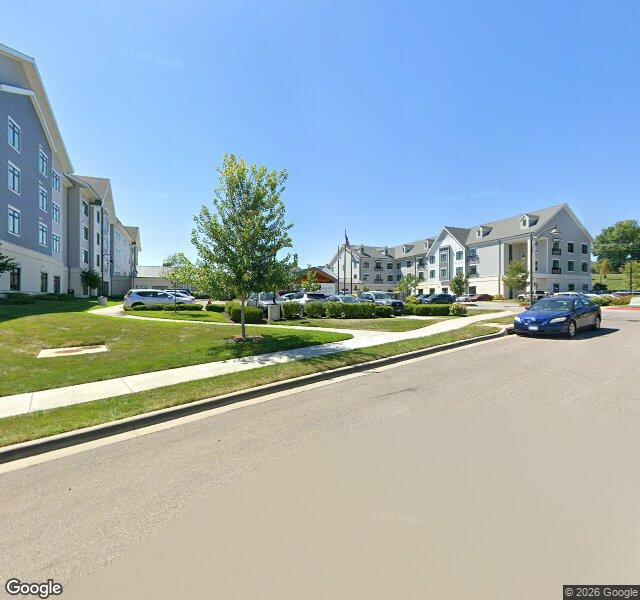
Meadowbrook Senior Living
9300 Parkside Drive, Prairie Village, KS 66207View map (opens in a new tab)
Overview and key essentials
State license
Active
KS KDADS
Google reviews
Not available
Public reviews not linked
Size & payment
Ask directly
Confirm pricing & payment
Public records for this community are limited. Use the checklist below when you call or visit to confirm pricing, services, and openings.
Cost, payment & care details
Updated Nov 28, 2026| Monthly cost | Not published | Ask for the full monthly cost, including care fees and one-time charges. |
|---|---|---|
| Payment options | Ask directly | Payment details are not confirmed in our records. Ask about private pay, long-term care insurance, veterans benefits, and Medicaid waivers. |
| Size & availability | Confirm directly | We don't publish live openings. Ask about current availability, waitlist length, and move-in timing. |
| Care & support | Assisted living | Usually offers housing and help with everyday tasks, such as bathing and dressing. What to confirm about care levelsThis describes the licensed category. Ask how care plans adjust if mobility, nursing, or memory needs change over time. Read the family care guide → |
State licensing
State inspection history
6inspections
21deficiencies listed
Aug 13, 2026Routine7 deficiencies reported7
7 deficiencies reported
View official state report (opens in a new tab)
The following represents the findings of a resurvey with attached complaint 198394, 198126, and 197870 at the above-named assisted living facility conducted 08/10/26-08/13/26.
moderateS 3081
Reassessment (c) Designated facility staff shall conduct a screening to determine each resident ' s functional capacity according to the following requirements: (1) At least once every 365 days; (2) following any significant change in condition as defined in K.A.R. 26-39-100; and (3) at least quarterly if the resident receives assistance with eating from a paid nutrition assistant. This REQUIREMENT is not met as evidenced by: KAR 26-41-201(c) (1) The facility reported a census of 83 residents with five residents included in the sample and one closed record review. Based on interview and record review the facility failed to ensure designated staff completed a "Functional Capacity Screen" (FCS) for Resident (R) 3 every 365 days, and for R3 and R6 upon change of condition as defined in K.A.R. 26-39-100. Findings included: - Review of R3's record revealed an admission date of 12/02/24 with diagnoses of multiple sclerosis and depression. Review of R3's chart revealed a "Functional Capacity Screen" (FCS) was completed on 05/30/25. The FCS did not indicate R3 at risk of falls. R3's next FCS completed 08/05/26 identified R3 required physical assistance with bathing, dressing, toileting, transfers and management of medications and treatments. The FCS failed to indicate R3 at risk of falls. The 08/05/26 "Negotiated Service Agreement" (NSA) read R3 had a history of falls and staff were to ensure clutter free apartment, encourage proper footwear, and remind R3 to ask for assistance when needed. Review of "Incident" note dated 03/05/26 at 01:38 AM revealed R3 was lowered to the floor by a staff member when transferring from wheelchair to shower chair. R3's record lacked evidence of an FCS after R3 sustained a fall on and failed to include an annual FCS between 05/30/25 and 08/05/26 which was 67 days overdue. On 08/13/26 at 01:16 PM Administrative Nurse B confirmed a FCS for R3 was not completed on change in condition or within 365 days of 05/30/25. - Record review for R6 revealed an admission date of 09/08/22 with a diagnosis of mild cognitive impairment. The 05/22/25 (most recent) FCS identified R6 required physical assistance with bathing, mobility, dressing, and management of medications and treatments; required supervision with toileting and transfers; had, memory/recall and decision-making cognitive difficulties; and was at risk of falls and had impaired decision-making. The 05/22/25 NSA identified facility staff would provide R6 physical assistance with bathing, dressing, mobility, and administration of management of medications; directions or reminders for cognitive difficulties; and clutter free apartment and reminders to ask for assistance if needed. The NSA indicated family had a camera to monitor falls. R6's record lacked evidence of an FCS since 05/22/25. Review of "Incident" note dated 01/13/26 at 07:45 PM revealed R6's daughter notified the facility nurse on duty R6 had fallen. R6 could not remember what happened and she was sent to the local hospital for evaluation and treatment. Review of "Nursing" note dated 01/14/26 at 11:39 AM revealed R6 had a fractured clavicle and multiple ribs. Review of "Nursing" note dated 01/19/26 at 01:53 PM revealed R6 returned to the facility at "noon" with "speech mostly nonsensical." Report from the local hospital was R6 was a two-person pivot transfer, was incontinent of bladder, required to be fed, and required medications in applesauce. Review of "Nursing" note dated 01/21/26 at 03:50 PM...
moderateS 3298
(d) Food preparation. Food shall be prepared using safe methods that conserve the nutritive value, flavor, and appearance and shall be served at the proper temperature. (1) Food used by facility staff to serve to the residents, including donated food, shall meet all applicable federal, state, and local laws and regulations. (2) Food in cans that have significant defects, including swelling, leakage, punctures, holes, fractures, pitted rust, or denting severe enough to prevent normal stacking or opening with a manual, wheel-type can opener, shall not be used. (3) Food provided by a resident ' s family or friends for individual residents shall not be required to meet federal, state, and local laws and regulations. This REQUIREMENT is not met as evidenced by: KAR 26-41-206 (d) (2) The facility reported a census of 83 residents. The facility had a main kitchen where food was stored, prepared and served to all residents. Based on interview and observation, the facility failed to ensure food in cans with significant defects including swelling, leakage, punctures, holes, fractures, pitted rust, or denting severe enough to prevent normal stacking or opening not be used. Findings included: - Observation on 08/10/26 at 02:15 PM of the kitchen revealed a pantry with canned food storage rack which contained one gallon can of refried beans dented on top and bottom rims and five cans of apple pie filling dented on top and bottom rims or severely dented on the side. On 08/10/26 at approximately 02:22 PM Dietary Staff E confirmed the food cans were dented and/or bulging and should not be used. The facility failed to ensure food in cans with significant defects including swelling, leakage, punctures, holes, fractures, pitted rust, or denting severe enough to prevent normal stacking or opening was not used.
STATE FORM6899
0C1C11 STATE FORM 0C1C11 STATE FORM 0C1C11 STATE FORM 0C1C11 STATE FORM 0C1C11 STATE FORM 0C1C11 STATE FORM 0C1C11 STATE FORM 0C1C11 STATE FORM 0C1C11 STATE FORM 0C1C11 STATE FORM 0C1C11 STATE FORM 0C1C11 STATE FORM 0C1C11 STATE FORM 0C1C11 STATE FORM 0C1C11 STATE FORM 0C1C11 STATE FORM 0C1C11 STATE FORM 0C1C11 STATE FORM 0C1C11 STATE FORM 0C1C11
moderateS 3228
Record (l) (3) The administrator or operator, or the designee, shall ensure that the medication regimen review is kept in each resident ' s clinical record. This REQUIREMENT is not met as evidenced by: KAR 26-41-205 (l) (3) The facility reported a census of 83 residents with five residents sampled and one closed record review. Based on interview and record review the facility failed to ensure medication regimen reviews were kept in the residents' clinical records. Findings included: - Record review for R2 revealed an admission date of 01/22/26 with a diagnosis of dementia. The 02/25/26 "Functional Capacity Screen" (FCS) identified R2 was unable to perform management of medications and treatments. The 02/25/26 "Negotiated Service Agreement" (NSA) also functioned as the facility's Healthcare Service Plan (HSP) and identified facility staff provided management of medications and treatments. Review on 08/13/26 at 12:45 PM of R2's paper record revealed the "Chart Order" read pharmacy consults were in the medication tab. The medication tab lacked documentation of quarterly medication regimen reviews. - Review of R3's record revealed an admission date of 12/02/24 with diagnoses of multiple sclerosis and depression. The 08/05/26 FCS identified R3 required physical assistance with management of medications and treatments. The 08/05/26 NSA for R3 identified facility nurse or Certified Medication Aide would administer medications. Review on 08/13/26 at 12:45 PM of R3's record revealed lacked pharmacy review of medications. - Review of R4's record revealed an admission date of 06/13/24 with diagnoses of pulmonary fibrosis and orthostatic hypotension. The 08/12/26 FCS identified R4 required physical assistance with management of medications and treatments. The 08/12/26 NSA for R4 identified facility staff would administer medications. Review on 08/13/26 at 12:45 PM of R4's record revealed lacked pharmacy review of medications. Review of facility pharmacy consult binder revealed R2 and R3 had pharmacy recommendations on 06/01/26 and R4 had a recommendation on 03/24/26. On 08/10/26 at 03:20 PM Administrative Nurse B stated the pharmacy review and recommendations are kept in a single binder in her office. The facility failed to ensure quarterly medication regimen reviews were kept in each resident clinical record.
moderateS 3215
(h) Storage. Licensed nurses and medication aides shall ensure that all medications and biologicals are securely and properly stored in accordance with each manufacturer ' s recommendations or those of the pharmacy provider and with federal and state laws and regulations. (1) Licensed nurses or medication aides shall store non-controlled medications and biologicals managed by the facility in a locked medication room, cabinet, or medication cart. Licensed nurses and medication aides shall store controlled medications managed by the facility in separately locked compartments within a locked medication room, cabinet, or medication cart. Only licensed nurses and medication aides shall have access to the stored medications and biologicals. (2) Each resident managing and self-administering medication shall store medications in a place that is accessible only to the resident, licensed nurses, and medication aides. (3) Any resident who self-administers medication and is unable to provide proper storage as recommended by the manufacturer or pharmacy provider may request that the medication be stored by the facility. (4) A licensed nurse or medication aide shall not administer medication beyond the manufacturer ' s or pharmacy provider ' s recommended date of expiration. This REQUIREMENT is not met as evidenced by: KAR 26-41-205(h) The facility reported a census of 83 residents. Based on observation and interview, the facility failed to ensure medications were stored in accordance with each pharmacy or manufacturer's recommendations or those of federal and state laws and regulations. Findings included: - Observation on 08/10/26 at 01:08 PM of the first-floor medication cart revealed the following medications: One bottle guaifenesin 100 milligrams (mg) per 5 milliliters, 16 fluid ounces expired 01/29/26 per pharmacy One bottle duloxetine 30 mg, 90 capsules to discard after 07/31/26 per pharmacy One bottle benzonatate 100 mg, 21 capsules expired 01/20/26 One box Calm aid, 30 softgels with manufacturer expired date of 01/2026 One bottle acetaminophen 650 mg suppositories, 5 suppositories use by 06/60/26 per pharmacy One bottle nystatin 100,000 units per gram, 15 grams expired 05/14/26 per pharmacy and 04/30/26 per manufacturer One bottle bisacodyl 10 mg, 2 suppositories use by 06/06/26 per pharmacy On 08/10/26 at approximately 01:15 PM Administrative Nurse C confirmed the medications were past date of use. - Observation on 08/10/26 at 01:32 PM revealed the second-floor medication cart contained the following medications: One bottle nystatin 100,000 units per gram, 30 grams with discard date 08/1/25 per pharmacy One bottle furosemide 20 mg, 45 tablets expired 03/18/26 per pharmacy One bottle bismuth subsalicylate 525 mg, 8 fluid ounces manufacturer expiration date 05/2026 One tube nystatin 1000,000 units per gram ointment with expiration 01/22 per manufacturer One Tresiba insulin pen without opened date and manufacturer instructions to discard 56 days after opening On 08/10/26 at 01:40 PM Administrative Staff A confirmed the medications were past date of use or not labeled appropriately to know what the discard date should have been. - Observation on 08/10/26 at approximately 01:50 PM revealed the second-floor medication room refrigerator contained the following medications: One box of five novolog insulin pens with pharmacy expiration 01/29/26 One box with one novolog insulin pen with expiration 8/10/26 per pharmacy One bag with three insulin...
immediate_jeopardyS 3026
ANE (f)The administrator or operator shall ensure that all of the following requirements are met: (1) No resident shall be subjected to any of the following: (A) Verbal, mental, sexual, or physical abuse, including corporal punishment and involuntary seclusion; (B) neglect; or (C) exploitation. This REQUIREMENT is not met as evidenced by: KAR 26-41-101(f)(1)(B) The facility reported a census of 83 residents with five residents included in the sample and one closed record review. Based on observation, interview, and record review, the facility failed to protect cognitively impaired Resident (R) 2 from neglect when he exited the locked memory care unit through the main building lobby, out the front door, to the outside in 39-degree weather without staff knowledge. This placed the R2 in immediate jeopardy. Findings included: - Record review for R2 revealed an admission date of 01/22/26 with the following diagnoses: dementia, glaucoma, heart disease, hearing loss, and orthostatic hypotension. The 01/21/26 admission "Functional Capacity Screen" (FCS) identified R2 as independent with dressing, toileting, transfers, walking/mobility, and eating. He was unable to perform management of medications and treatments; had short and long-term memory, impaired memory recall, and decision-making cognitive difficulties; was understandable and understood others during communication; was at risk for wandering; and had impaired vision, hearing, and decision-making. The 01/21/26 admission "Negotiated Service Agreement" (NSA) also functioned as the facility's Healthcare Service Plan (HSP) and identified facility staff provided management of medications and treatments; direction and reminders for cognitive difficulties, and protection and supervision due to unsafe and inappropriate decisions. The NSA indicated R2 wandered but did not jeopardize the resident's safety and failed to describe services staff provided to prevent elopement from the facility. The 01/21/26 "Saint Louis Mental Status Examination" documented R2 with nine total points out of 30, which indicated severe cognitive impairment/dementia. The 01/16/26 (prior to admission) "Elopement Assessment" signed by Administrative Nurse C documented R2 was at "HIGH" risk for elopement. The "risk category" column indicated high risk interventions were required. The 01/21/26 at 11:33 AM "Pre-Admission Note" for R2 by Administrative Nurse C documented R2 left home to walk and would end up in the middle of a golf course or near multiple restaurants and it was difficult to find him. R2's wife planned to move him into locked memory care unit. The 02/20/26 at 08:41 PM "Nursing Note" documented R2 eloped through the memory care door, staff and law enforcement were searching for him. Administrative Staff A reviewed camera footage from when he left the locked unit at 04:45 PM and then exited through the facility's front door without staff knowledge. R2 was later found at an intersection approximately 2.1 miles away after he had fallen and was taken to a local emergency room. R2's wife returned him to the facility at approximately 08:45 PM. R2 sustained a cut on his head. The facility's intake report to the department documented 02/20/26 at 05:37 PM Administrative Nurse C reported to Administrative Staff A R2 was missing. Staff began searching for him and his two jackets he was known to have shortly before leaving. Administrative Staff A watched R2 on camera exit the memory care unit less than a minute after a...
moderateS 3200
Medications (d) Facility administration of resident ' s medications. If a facility is responsible for the administration of a resident ' s medications, the administrator or operator shall ensure that all medications and biologicals are administered to that resident in accordance with a medical care provider ' s written order, professional standards of practice, and each manufacturer ' s recommendations. The administrator or operator shall ensure that all of the following are met: (1) Only licensed nurses and medication aides shall administer and manage medications for which the facility has responsibility. (2) Medication aides shall not administer medication through the parenteral route. This REQUIREMENT is not met as evidenced by: KAR 26-41-205(d) The facility reported a census of 83 residents with five included in the sample and one closed record review. Based on interview and record review the facility failed to ensure staff administered all medications to Resident (R) 1 and R4 in accordance with their medical care provider's orders. Findings included: - Record review for R1 revealed an admission date of 08/18/25 with a diagnosis of Lewy Body neurocognitive disorder. The 03/17/26 "Functional Capacity Screen" (FCS) identified R1 required physical assistance with management of medications. The 03/17/26 "Negotiated Service Agreement" (NSA) identified facility staff would administer R1 medications. The 11/12/25 medical provider's order for hydralazine hydrochloride (vasodilator) 50 milligram (mg) tablet by mouth twice a day with instructions to hold the medication if R1's systolic blood pressure was less than 130. The "eMAR Summary" (Medication Administration Record) for July and August 2026 documented R1 was administered hydralazine on 07/24/26 at 07:00 PM with systolic blood pressure (SBP) 126, 07/28/26 at 07:00 PM with SBP 122, 07/31/26 at 07:00 PM with SBP 129, 08/06/26 at 07:00 PM with SBP 121, and 08/07/26 at 07:00 PM with SBP 103. Review of R1's record revealed facility staff failed to hold hydralazine five times when his systolic blood pressure was less than 130 per the medical provider's order. - Review of R4's record revealed an admission date of 06/13/24 with diagnoses of pulmonary fibrosis and orthostatic hypotension. The 08/12/26 FCS identified R4 required physical assistance with management of medications. The 08/12/26 NSA identified facility staff would admin R4's medications. The 07/10/25 medical provider's order for midodrine (vasopressor) five mg tablet by mouth twice daily included instructions to hold the medication if R4's SBP was greater than 125. The July 2026 eMAR documented R4 was administered midodrine on 07/05/26 with SBP 142 and 07/11/26 with SBP 131 at 08:00 AM; 07/02/26 with SBP 141, 07/04/26 with SBP 138, 07/12/26 with SBP 142, 07/14/26 with SBP 133, 07/16/26 with SBP 132, 07/23/26 with SBP 134, 07/24/26 with SBP 153, 07/25/26 with SBP 177, and 07/29/26 with SBP 142 at 08:00 PM; and on 07/05/26 at 08:00 PM and 07/13/26 at 08:00 AM when no blood pressure was completed. Midodrine was not given on 07/07/26 at 08:00 PM when SBP was 121. Review of R4's record revealed facility staff failed to hold midodrine for 11 days her systolic blood pressure was greater than 125 per the medical provider's order and two days when her systolic blood pressure was not taken in July of 2026. The staff failed to give midodrine for a SBP less than 125 on one day in July of 2026. Review of "Pharmacist Recommendations"...
Jan 30, 2025Routine8 deficiencies reported8
8 deficiencies reported
View official state report (opens in a new tab)
The following citations represent the findings of the licensure resurvey with attached complaint numbers 190649, 185521, 183489, and 182830, for the above named facility conducted on 01/27/25, 01/28/25, 01/29/25 and 01/30/25.
moderateS 3200
Medications (d) Facility administration of resident ' s medications. If a facility is responsible for the administration of a resident ' s medications, the administrator or operator shall ensure that all medications and biologicals are administered to that resident in accordance with a medical care provider ' s written order, professional standards of practice, and each manufacturer ' s recommendations. The administrator or operator shall ensure that all of the following are met: (1) Only licensed nurses and medication aides shall administer and manage medications for which the facility has responsibility. (2) Medication aides shall not administer medication through the parenteral route. This REQUIREMENT is not met as evidenced by: K.A.R. 26-41-205 (d) The facility reported a census of 85 residents. 65 residents lived in the Assisted Living section of the facility and 20 residents lived in the secured specialty section of the facility. The sample included 6 "Residents" (R)'s and 7 closed record reviews. Based on observation, interview, and record review the Administrator failed to ensure the facility's administration for R7 were administered in accordance with the medical providers written order and professional standards of practice. Findings included: - Record review for R7 revealed an admission date of 09/21/23 with diagnoses of essential primary hypertension, major depressive disorder, and dementia in other diseases classified elsewhere. Record review of R7's combined FCS/NSA/HSP dated 12/14/24 revealed R7 had impaired short-term memory, long-term memory, memory recall and decision making. R7 lacked the ability to manage her own medications. "Qualified staff" were instructed to administer R7's medications twice a day. Review of R7's "Electronic Medication Administration Record" (EMAR) revealed the following medications lacked documentation for not being administered; Buspirone HCI oral tablet 5 milligrams give one tablet by mouth twice daily for anxiety, lacked documentation for being administered on 01/26/25 and 01/28/25. Hydrocodone-Acetaminophen oral tablet 5milligrams-325milligrams take one tablet by mouth three times a day, analgesic/anti-inflammatory, lacked documentation for being administered on 01/26/25 and 01/28/25. Interview on 01/30/25 at approximately 03:45PM with Administrator A, Licensed Nurse B and Registered Nurse D confirmed R7's EMAR lacked documentation for the administration of the Buspirone HCI and the Hydrocodone-Acetaminophen on 01/26/25 and 01/28/25. The Administrator failed to ensure the facility's administration for R7 were administered in accordance with the medical providers written order and professional standards of practice.
moderateS 3101
(h) Each individual involved in the development of the negotiated service agreement shall sign the agreement. The administrator or operator shall ensure that a copy of the initial agreement and any subsequent revisions are provided to the resident or the resident's legal representative. This REQUIREMENT is not met as evidenced by: K.A.R. 26-41-202 (h) The facility reported a census of 85 residents. 65 residents lived in the Assisted Living section of the facility and 20 residents lived in the secured specialty section of the facility. The sample included 6 "Residents" (R)'s and 7 closed record reviews. Based on interview and record review the Administrator failed to ensure each individual involved with the development of the "Negotiated Service Agreement" (NSA) signed the agreements for R3, R6, and R7. Findings included: - Record review for R3 revealed an admission date of 10/25/21 with diagnoses of essential hypertension, overactive bladder, Alzheimer's disease, chronic kidney disease, and Sciatica. Review of R3's combined "Functional Capacity Screen/Negotiated Service Agreement/Health Service Plan" (FCS/NSA/HSP) dated 12/13/24, revealed R3 required physical assistance with bathing, dressing, toileting, transferring, and walking. R3 was independent with eating and was continent. She lacked the ability to manage her own medications and medical treatments, and had impaired short-term memory, long-term memory, memory recall and decision making. R3 was able to make herself understood and she understood others. R3 used a walker mobility device. Facility staff were instructed to provide R3 with physical assistance with bathing, dressing, and toileting, and cueing with transfers. Qualified facility staff would administer her medications, the name of the hospice provider and the nurse responsible for the implementation and supervision of the health service plan were named. The combined FCS/NSA/HSP lacked signatures of each individual involved with the development of the NSA. - Record review for R6 revealed an admission date of 01/11/23 with diagnoses of mild cognitive impairment of uncertain or unknown etiology, dementia in other diseases classified elsewhere, neutropenia, thrombocytopenia, and age-related cognitive decline. Review of R6's combined FCS/NSA/HSP dated 08/09/24, revealed R6 required physical assistance with bathing and eating. R6 required supervision with dressing, and walking. He was independent with toileting and transferring. He lacked the ability to manage his own medications. He was continent and had impaired short-term memory, long-term memory, memory recall, and decision making. He was usually able to make himself understood and he usually understood others. He was marked at risk for falls, impaired vision, impaired hearing, wandering, and impaired decision making and used a walker mobility device. Facility staff were instructed to provide R6 with two-person physical assistance with bathing, supervision with dressing, cutting up of his food and opening cartons or packages, and administer his medications. The name of the hospice provider and the nurse responsible for the implementation and supervision of the health service plan were named. The combined FCS/NSA/HSP lacked signatures of each individual involved with the development of the NSA. - Record review for R7 revealed an admission date of 09/21/23 with diagnoses of essential hypertension, major depressive disorder, and dementia in other diseases classified...
moderateS 3320
(a) The assisted living facility or residential health care facility shall be designed, constructed, equipped and maintained to protect the health and safety of residents, personnel and the public. (b) All new construction, renovation, remodeling and changes in building use in existing buildings shall comply with building and fire codes, ordinances and regulations enforced by city, county, and state jurisdictions, including the state fire marshal. (c) New construction, modifications and equipment shall conform to the following codes and standards: (1) Title III of the Americans with disabilities act, 42 U.S.C. 12181, effective as of January 26, 1992; and (2) "Food Service Sanitation Manual," health, education, and welfare (HEW) publication no. FDA 78-2081, as in effect on July 1, 1981. This REQUIREMENT is not met as evidenced by: K.A.R. 28-39-254 (a) The facility reported a census of 85 "Residents'" (R). 65 residents lived in the Assisted Living section of the facility and 20 residents lived in the secured specialty section of the facility. Based on observation, interview, and record review the Administrator failed to ensure the secured specialty area of the facility was maintained to protect the health and safety of the residents. Findings included: - Observation on 01/27/25 at approximately 03:45PM of the drawers on the right side of the sink in the kitchenette area of the secured specialty unit was a container of Sani Cloth Plus Germicidal wipes. Observation on 01/30/25 at approximately 09:20AM In a resident bathroom were the following unsecured chemicals; 1 can of Total disinfectant spray, 2 cans of Love My Carpet cleaner, 1 bottle of Spic and Span spray cleaner, 1 can of Micro Ban 24-hour disinfectant, 1 package of Scrub Buddies wet cleaner cloths, and 1 can of Comet cleaner. Record review of the facility provided undated document titled "Onboarding/Expectations for Families" under the section titled "General Safety/Monitoring" revealed the following; "Please pay attention to the list of items that can be brought and kept in your loved ones apartment, as well as items that cannot be kept there-chemicals of any sort (cleaning supplies), creams/medicated, heating pads, heated blankets, space heaters, etc. are examples of thing that cannot be kept in apartments. Interview on 01/30/25 at approximately 03:15PM with Administrator A confirmed all chemicals were to be kept secured in the secured specialty area of the facility. The Administrator failed to ensure the secured specialty area of the facility was maintained to protect the health and safety of the residents.
STATE FORM6899
I48C11 STATE FORM I48C11 STATE FORM I48C11 STATE FORM I48C11 STATE FORM I48C11 STATE FORM I48C11 STATE FORM I48C11 STATE FORM I48C11 STATE FORM I48C11 STATE FORM I48C11 STATE FORM I48C11 STATE FORM I48C11 STATE FORM I48C11 STATE FORM I48C11 STATE FORM I48C11 STATE FORM I48C11 STATE FORM I48C11 STATE FORM I48C11 STATE FORM I48C11 STATE FORM I48C11 STATE FORM I48C11
moderateS 3299
(e) Food storage. Facility staff shall store all food under safe and sanitary conditions. (1) Containers of poisonous compounds and cleaning supplies shall not be stored in the areas used for food storage, preparation, or serving. This REQUIREMENT is not met as evidenced by: K.A.R. 26-41-206 (e) The facility reported a census of 85 "Residents'" (R). Based on observation, interview, and record review the Administrator failed to ensure the food was stored in sanitary conditions. Findings included: - Observation on 01/27/25 at approximately 4:00PM of the pull-out freezer drawer of the refrigerator located on the southeast wall of the specialty unit kitchenette there were five uncovered dishes of ice cream which appeared to have partially melted and were placed back in the freezer, these five dishes lacked a date of when it was placed in the dishes. Interview on 01/27/25 at approximately 04:00PM Licensed Nurse B confirmed the five dishes of Ice Cream lacked being covered and further lacked a date of when it was placed in the dishes. Review of the Department of Agriculture "Focus on Food Safety" Manuel dated 08/2017 revealed on page 19 revealed the following; "Cold foods must be maintained at an internal temperature of 41 degrees Fahrenheit or below: date mark foods appropriately, cover foods after completely cooled, cover foods to maintain cold holding temperature", and on page 20 it stated "Must be date marked if it is Prepared on site, or commercially processed, after the original container is opened and held under refrigeration". The Administrator failed to ensure the food was stored in sanitary conditions.
moderateS 3215
(h) Storage. Licensed nurses and medication aides shall ensure that all medications and biologicals are securely and properly stored in accordance with each manufacturer ' s recommendations or those of the pharmacy provider and with federal and state laws and regulations. (1) Licensed nurses or medication aides shall store non-controlled medications and biologicals managed by the facility in a locked medication room, cabinet, or medication cart. Licensed nurses and medication aides shall store controlled medications managed by the facility in separately locked compartments within a locked medication room, cabinet, or medication cart. Only licensed nurses and medication aides shall have access to the stored medications and biologicals. (2) Each resident managing and self-administering medication shall store medications in a place that is accessible only to the resident, licensed nurses, and medication aides. (3) Any resident who self-administers medication and is unable to provide proper storage as recommended by the manufacturer or pharmacy provider may request that the medication be stored by the facility. (4) A licensed nurse or medication aide shall not administer medication beyond the manufacturer ' s or pharmacy provider ' s recommended date of expiration. This REQUIREMENT is not met as evidenced by: K.A.R. 26-41-205 (h)(1) The facility reported a census of 85 residents. 65 residents lived in the Assisted Living section of the facility and 20 residents lived in the secured specialty section of the facility. The sample included 6 "Residents" (R)'s and 7 closed record reviews. Based on observation, interview, and record review the Administrator failed to ensure all non-controlled medications managed by the facility were stored in separately locked compartments within a locked medication room, cabinet, or medication cart for R's 3, 6 and 7 who resided in the secured specialty area of the facility, and for R8 who resided in the assisted living area of the facility. Findings included: - Record review for R3 revealed an admission date of 10/25/21 with diagnoses of Alzheimer's disease. Review of R3's combined "Functional Capacity Screen/Negotiated Service Agreement/Health Service Plan" (FCS/NSA/HSP) dated 04/26/24 revealed R3 had impaired short-term memory, long-term memory, memory recall and decision making, R3 lacked the ability to manage her own medications. Facility "Licensed Nurses'" (LN)'s and "Certified Medication Aides" (CMA)'s were instructed to administer R3's medications twice a day. Observation on 01/30/25 at approximately 09:15AM in R3's bathroom a tube of Cortisone cream on the shelf next to the sink, and in the attached cabinet another bottle of Cortisone cream. - Record review for R6 revealed an admission date of 01/11/23 with diagnoses of age-related cognitive decline, mild cognitive impairment of uncertain or unknown etiology, and dementia in other diseases classified elsewhere. Review of R6's combined FCS/NSA/HSP dated 08/09/24 revealed R6 had impaired short-term memory, long-term memory, memory recall and decision making. R6 lacked the ability to manage his own medications. "Qualified staff" were instructed to administer R6's medications twice daily. Observation on 01/30/25 at approximately 09:25AM in R6's bathroom in the wooden tray on the counter was a bottle of Vicks Vapo Rub and a tube of Preparation H. - Record review for R7 revealed an admission date of 09/21/23 with diagnoses of essential primary...
moderateS 3298
(d) Food preparation. Food shall be prepared using safe methods that conserve the nutritive value, flavor, and appearance and shall be served at the proper temperature. (1) Food used by facility staff to serve to the residents, including donated food, shall meet all applicable federal, state, and local laws and regulations. (2) Food in cans that have significant defects, including swelling, leakage, punctures, holes, fractures, pitted rust, or denting severe enough to prevent normal stacking or opening with a manual, wheel-type can opener, shall not be used. (3) Food provided by a resident ' s family or friends for individual residents shall not be required to meet federal, state, and local laws and regulations. This REQUIREMENT is not met as evidenced by: K.A.R. 26-41-206 (d) The facility reported a census of 85 "Residents'" (R). Based on observation, interview, and record review the Administrator failed to ensure the food served to residents was served at the proper temperatures. The Administrator further failed to ensure the food provided was served using safe methods that conserved the nutritive value, flavor and appearance. Findings included: - Interview on 01/27/25 at approximately 03:15PM with facility Chef A during the initial facility tour of the facility kitchen, confirmed he did not have a record of food temperatures for the assisted living or of the secured specialty unit of the facility. He stated he obtained the temperatures and did not write them down. Record review of the facility document titled "Food Council" dated 01/28/25 revealed there were 34 residents present at the meeting and on of the concerns was the "Food consistently lukewarm". Record review of the facility menu dated 01/30/25 included Pesto White Cheddar Cheese grilled cheese sandwiches, and Fire Roasted Tomato Soup. Observation on 01/27/25 at approximately 4:00PM of the food storage cabinet in the southwest side of refrigerator located in the secured specialty unit were two large containers of peanut butter with the expiration dated of 12/29/24 and 11/10/24. In the food storage cabinet on the northwest side of the sink there was a bottle of "A-1" steak sauce and one the label on the neck of the bottle it read "Refrigerate after opening". Observation on 01/30/25 at approximately 12:00PM in the secured specialty unit, was a tray of grilled cheesed and Ruben sandwiches sitting on metal trays covered in plastic wrap on the counter. Facility staff were preparing the plates to be served. Facility Chef A obtained a temperature reading on one of the Ruben sandwiches which read 90 degrees Fahrenheit. Chef A confirmed the holding temperature should be 140 degrees Fahrenheit. Chef A sent the sandwiches back to the facility kitchen and instructed new sandwiches to be made. Observation on 01/30/25 at approximately 11:45AM facility dining staff had a cup of soup they were taking to the table for an assisted living resident; Facility Chef A obtained a temperature of the soup which read 106 degrees Fahrenheit. Chef A had instructed the facility dining staff to obtain a new cup of soup. Facility Chef A obtained a temperature of the new cup of soup which read 140 degrees Fahrenheit. Interview on 01/29/25 at approximately 01:30PM with "Licensed Nurse" B confirmed the food served to the residents was not always served at the proper temperature. Interview on 01/30/25 at approximately 08:30AM with R2's daughter confirmed the food was not always served hot and R2 has...
moderateS 3229
Self Administration (l) (4) The administrator or operator, or the designee, shall offer each resident who self-administers medication a medication regimen review to be conducted by a licensed pharmacist at least quarterly and each time a resident experiences a significant change in condition. A licensed nurse shall document the resident ' s decision in the resident ' s clinical record. This REQUIREMENT is not met as evidenced by: K.A.R. 26-41-205 (l)(4) The facility reported a census of 85 residents. 65 residents lived in the Assisted Living section of the facility and 20 residents lived in the secured specialty section of the facility. The sample included 6 "Residents" (R)'s and 7 closed record reviews. Based on observation, interview, and record review the Administrator failed to ensure R4 and R5 were offered a medication regimen review to be conducted by a licensed pharmacist at least quarterly and each time they experienced a change of condition. The Administrator further failed to ensure the "Licensed Nurse" (LN) documented R4 and R5's decision in the resident's clinical record. Findings included: - Record review for R4 revealed an admission date of 09/28/22 with diagnoses of Facioscapulohumeral muscular dystrophy, essential primary hypertension, hypothyroidism, chronic pain, and chronic gout. Review of R4's "Functional Capacity Screen" (FCS) dated 01/28/25 revealed R4 required physical assistance with bathing, dressing, toileting, and transferring. He was independent with mobility and eating and managing his own medications. R4 required supervision with medical treatments. R4 had intact cognition and was continent. R4 was able to make himself understood and he understood others. R4 used a wheelchair mobility device. Review of R4's combined "Negotiated Service Agreement/Health Service Plan" (NSA/HSP) instructed facility staff that R4 was independent with his self-administration of medications. Review of R4's medical record revealed it lacked documentation of a licensed pharmacist performing a medication review at least quarterly. Review of R4's electronic "Medical Record" under the progress notes revealed it lacked documentation of R4's decision of having a licensed pharmacist perform a medication review at least quarterly. - Record Review for R5 revealed an admission date of 03/21/22 with diagnoses of hypothyroidism, hyperlipidemia, major depressive disorder, acute angle-closure glaucoma, and essential hypertension. Review of R5's FCS dated 09/23/24 revealed R5 was independent with bathing, dressing, toileting, transferring, walking/mobility, and eating. R5 was independent with the management of her medications and medical treatments. R5's cognition was intact; she was able to maker herself understood and she understood others. R5 used a walker mobility device. Review of R5's combined NSA/HSP instructed facility staff that R5 was independent with her self-administration of medications. Review of R5's medical record revealed it lacked documentation of a licensed pharmacist performing a medication review at least quarterly. Review of R5's electronic "Medical Record" under the progress notes revealed it lacked documentation of R5's decision of having a licensed pharmacist perform a medication review at least quarterly. Interview on 01/30/25 at approximately 03:45PM with "Registered Nurse" (RN) D confirmed R4 and R5's medical record and electronic "Medical Record" lacked documentation they were offered a medication review from a...
Jul 26, 2023ComplaintNo deficiencies reportedNone
No deficiencies reported
View official state report (opens in a new tab)
INITIAL COMMENTS The abbreviated survey for complaint #181729 conducted on 7/26/23 at the above named assisted living facility resulted in a finding of no deficiency citations. If deficiencies are cited, an approved plan of correction is requisite to continued program participation.
Jul 13, 2023Routine6 deficiencies reported6
6 deficiencies reported
View official state report (opens in a new tab)
The following citations represent the findings of the licensure resurvey with attached complaint numbers 181359, 179678, 179625, 179488, and 175956 for the above named facility conducted on 07/11/23, 07/12/23, and 07/13/23.
moderateS 3211
DRUGS (3) A licensed nurse or medication aide may accept over-the-counter medication only in its original, unbroken manufacturer ' s package. A licensed pharmacist or licensed nurse shall place the full name of the resident on the package. If the original manufacturer ' s package of an over-the-counter medication contains a medication in a container, bottle, or tube that can be removed from the original package, the licensed pharmacist or a licensed nurse shall place the full name of the resident on both the original manufacturer ' s medication package and the medication container. This REQUIREMENT is not met as evidenced by: K.A.R. 26-41-205 (g)(3) The facility reported a census of 87 residents. The sample included 6 residents. Based on observation and interview the administrator failed to ensure the "Licensed Nurse" (LN) or the Licensed Pharmacist placed the full name of the resident on "Over the Counter" (OTC) medications. Findings included: - Observation on 07/11/23 at approximately 03:45PM, "Certified Medication Aide" (CMA) E opened the locked medication cart in the medication room in the secured memory care unit. The medication cart contained the following OTC medications that lacked the full name of the resident's: 1 bottle of Centrum Silver Men 50 plus 2 bottles of Melatonin 10 milligrams tablets Interview on 07/11/23 at approximately 03:45 PM with LN B, she confirmed the OTC bottles lacked the full name of the resident's they belonged to. Observation on 07/12/23 at 09:03 AM, CMA F opened the locked medication cart located in the medication room on the first floor. The medication cart contained the following OTC medications that lacked the full name of the resident's: 1 bottle of Acetaminophen 500 milligrams tablets 1 bottle of Ibuprofen 200 milligram tablets 1 bottle of Bayer Aspirin 81 milligrams Interview on 07/12/23 at 09:03AM with LN B, she confirmed the OTC bottles lacked the full name of the resident's they belonged to. Observation on 07/12/23 at approximately 09:45AM CMA A unlocked the locked medication cart located in the medication room on the third floor. The medication cart contained the following OTC medications that lacked the full name of the resident's: 2 bottles of Acetaminophen 500 milligrams 1 bottle of Aspirin 81 milligrams 1 bottle of Vitamin D3 25 micrograms Interview on 07/12/23 at 09:45AM with LN B, she confirmed the OTC bottles lacked the full name of the resident's they belonged to. The administrator failed to ensure the LN or the Licensed Pharmacist placed the full name of the resident on "Over The Counter" (OTC) medications.
moderateS 3215
(h) Storage. Licensed nurses and medication aides shall ensure that all medications and biologicals are securely and properly stored in accordance with each manufacturer ' s recommendations or those of the pharmacy provider and with federal and state laws and regulations. (1) Licensed nurses or medication aides shall store non-controlled medications and biologicals managed by the facility in a locked medication room, cabinet, or medication cart. Licensed nurses and medication aides shall store controlled medications managed by the facility in separately locked compartments within a locked medication room, cabinet, or medication cart. Only licensed nurses and medication aides shall have access to the stored medications and biologicals. (2) Each resident managing and self-administering medication shall store medications in a place that is accessible only to the resident, licensed nurses, and medication aides. (3) Any resident who self-administers medication and is unable to provide proper storage as recommended by the manufacturer or pharmacy provider may request that the medication be stored by the facility. (4) A licensed nurse or medication aide shall not administer medication beyond the manufacturer ' s or pharmacy provider ' s recommended date of expiration. This REQUIREMENT is not met as evidenced by: K.A.R. 26-41-205 (h) (4) The facility reported a census of 87 residents. The sample included 6 residents. Based on observation and interview the administrator failed to ensure the "Licensed Nurse" (LN) or the "Certified Medication Aide" (CMA) did not use medications beyond the manufacturer's or pharmacy provider's recommended date of expiration. Findings included: - Observation on 07/11/23 at approximately 03:45PM, LN B opened the locked small refrigerator in the medication room in the secured memory care unit, in the door were two opened bottles of Tuberculin Purified Tubersol solution, both bottles lacked a beyond use date/date the Tubersol solution was opened. Interview on 07/11/23 at approximately 03:45PM, LN B confirmed the two opened bottles lacked a beyond use date/date the Tubersol solution was opened. - Observation on 07/12/23 at approximately 09:45AM of the third-floor medication cart. CMA A unlocked the medication cart and in the top drawer were the following: 1 Lantus Pen 100 units/milligram with approximately 100 units left in the pen. 1 Humalog 3 milliliters/ 100 units per milliliter with approximately 60 units left in the pen. Interview on 07/12/23 at approximately 09:45 AM with CMA A and LN B, they confirmed the insulin pens lacked a beyond use date/date the insulin pen was opened. Review of the Lantus manufacturer's recommendations revealed the following: "After 28 days throw your opened Lantus Pen away-even if it still has insulin in it". Review of the Humalog manufacturer's recommendations revealed the following: "In-use Humalog Kwik Pen should be stored at room temperature, below 86 degrees Fahrenheit and must be used within 28 days or be discarded, even it still contains Humalog". Review of the Tubersol manufacturer's recommendations revealed the following: "A vial of Tubersol which has been entered and in use for 30 days should be discarded". The administrator failed to ensure the LN or the CMA did not use medications beyond the manufacturer's or pharmacy provider's recommended date of expiration.
moderateS 3320
(a) The assisted living facility or residential health care facility shall be designed, constructed, equipped and maintained to protect the health and safety of residents, personnel and the public. (b) All new construction, renovation, remodeling and changes in building use in existing buildings shall comply with building and fire codes, ordinances and regulations enforced by city, county, and state jurisdictions, including the state fire marshal. (c) New construction, modifications and equipment shall conform to the following codes and standards: (1) Title III of the Americans with disabilities act, 42 U.S.C. 12181, effective as of January 26, 1992; and (2) "Food Service Sanitation Manual," health, education, and welfare (HEW) publication no. FDA 78-2081, as in effect on July 1, 1981. This REQUIREMENT is not met as evidenced by: K.A.R. 28-39-254 (a) The facility reported a census of 87 residents. 19 of the 87 residents are cognitively impaired and reside in a secured unit. Based on observation and interview the administrator failed to ensure the secured unit with 19 cognitively impaired residents was maintained to protect the health and safety of the residents, personnel and the public when there were chemicals and a bottle of over-the-counter medication left unsecured in the common resident areas. Findings included: - Observation on 07/11/23 at 03:26PM in the secured unit with the 19 cognitively impaired residents revealed a female resident sitting at a table in the common area in front of the unlocked drawers that contained resident activities the third drawer down contained a small handbag. In the handbag were a bottle of chewable "Digest Enzymes". Interview on 07/11/23 at 03:26PM with "Licensed Nurse" (LN) B, she confirmed the handbag belonged to one of the facility staff. Observation on 07/11/23 at approximately 03:30 PM the door to the "Whirlpool" room freely opened. On the counter next to the sink were a container of "Sani Cloth Plus" wipes which were labeled to keep out of the reach of children. Interview on 07/11/23 at 03:26PM with "Licensed Nurse" (LN) B, she confirmed the container of "Sani Cloth Plus" wipes were to be secured. The administrator failed to ensure the secured unit with 19 cognitively impaired residents was maintained to protect the health and safety of the residents, personnel and the public when there were chemicals and a bottle of over-the-counter medication left unsecured in the common resident areas.
moderateS 3310
(b) (5) prohibiting any employee with a communicable disease or any infected skin lesions from coming in direct contact with any resident, any resident ' s food, or resident care equipment until the condition is no longer infectious; (6) providing orientation to new employees and employee in-service education at least annually on the control of infections in a health care setting; and (c) Each administrator or operator shall ensure the facility ' s compliance with the department ' s tuberculosis guidelines for adult care homes adopted by reference in K.A.R. 26-39-105 This REQUIREMENT is not met as evidenced by: K.A.R. 26-41-207 (c) The facility reported a census of 87 residents. The sample included 6 "Residents'" (R)'s 1, 2, 3, 4, 5, 6, and 5 newly hired staff. Based on record review and interview the administrator failed to ensure the facility's compliance with the department's "Tuberculosis" (TB) guidelines for adult care homes adopted by reference in K.A.R. 26-39-105 for 3 ("Licensed Nurse (LN)B, "Certified Medication Aides'" (CMA's) G and H) of the 5 newly hired staff, and for R1, R2, R3 and R4. Findings included: - Record review on 07/12/23 for LN B revealed she began employment on 09/19/22. The record contained a document titled "Baseline Tuberculosis Symptom Screening Questionnaire". The document revealed the first step of the required two step test was implanted on 09/19/22 and was negative. The entry lacked a date when the test was read. Interview on 07/12/23 at 12:51PM with director of operations I, he confirmed the document lacked the read date for the implanted first step TB skin test. Record review for CMA G revealed she began employment on 11/15/22. The employee record lacked the documentation of the required two step TB test being implanted within seven days of employment. Record review for CMA H revealed she began employment on 06/06/23. The employee record lacked the documentation of the required two step TB test being implanted within seven days of employment. Interview on 07/12/23 at 12:51PM with director of operations I, he confirmed the employee records for CMA's G and H lacked the required documentation of the required two step TB test being implanted within seven days of employment. Record review for R1 revealed an admission date of 10/18/21. The record contained documentation of the required first step TB skin test being implanted on 01/07/22 and read negative on 01/09/22. The second step of the required TB skin test was implanted on 01/12/22 and read negative on 01/14/22. R1 record lacked the required annual TB symptom screening. Record review for R2 revealed an admission date of 03/29/23. The record contained a symptom screen being completed on 3/30/23, and the required first step of the TB skin test was implanted on 3/30/23 and read negative on 4/2/23. R2 record lacked the required second step being implanted within one to three weeks after the first step read negative. Record review for R3 revealed an admission date of 10/18/21. The record contained an annual symptom screen dated 01/07/22. R3 record lacked the required annual TB symptom screening. Record review for R4 revealed an admission date of 05/11/22. The record contained documentation of the required first step TB skin test being implanted on 05/11/22 and read negative on 05/13/22. The second step of the TB skin test was implanted on 05/25/22 and read negative on 05/27/22. R4 record lacked the required annual TB symptom screening. Interview on...
STATE FORM6899
PW4R11 STATE FORM PW4R11 STATE FORM PW4R11 STATE FORM PW4R11 STATE FORM PW4R11 STATE FORM PW4R11 STATE FORM PW4R11 STATE FORM PW4R11 STATE FORM PW4R11 STATE FORM PW4R11 STATE FORM PW4R11 STATE FORM PW4R11 STATE FORM PW4R11
moderateS 3177
Content (2) Each assessment shall include an evaluation of the resident ' s physical, cognitive, and functional ability to safely and accurately self-administer and manage medications independently or by using a prefilled medication container or prefilled syringe. This REQUIREMENT is not met as evidenced by: K.A.R. 26-41-205 (a)(2) The facility reported a census of 87 residents. The sample included 6 "Residents'" (R)'s 1, 2, 3, 4, 5, 6. Based on record review and interview the administrator failed to ensure the "Licensed Nurse" performed an assessment on R4 to ensure the resident could safely and accurately self-administer her insulin. Findings included: - Record review for R4 revealed an admission date of 05/11/22 with diagnoses of diabetes mellitus type two, chronic kidney disease stage four, essential hypertension, mild cognitive impairment, and other peripheral vascular disease. Record review of R4 combined "Functional Capacity Screen/Heath Service Plan" (FCS/HSP) dated 07/13/23 revealed R4 was independent with bathing, dressing, toileting, transferring, walking, and eating. She lacked the ability to manage her own medication, had impaired short-term memory, and was usually continent. She was able to make herself understood and she understood others. She used no walking/mobility device. Record review of R4 "Negotiated Service Agreement" stated the facility would provide the following health services, R4 required daily assistance with medications, a facility LN would administer R4 insulin as prescribed. If the facility LN is not present the facility "Certified Medication Aide" (CMA) will dial the insulin pen and the resident would self-administer. The resident record lacked an assessment for R4 to safely self administer her insulin if the facility LN is not present. Interview on 07/13/23 at 05:00PM with administrator C and LN D, they confirmed R4 lacked an assessment for her to self-administer her insulin if the LN is not present safely and accurately in the building. The administrator failed to ensure the "Licensed Nurse" performed an assessment on R4 to ensure the resident could safely and accurately self-administer her insulin.
Aug 9, 2022RoutineNo deficiencies reportedNone
No deficiencies reported
View official state report (opens in a new tab)
meadowbrook abrev 08-09-2022 st 2567
Show all 6 inspections
May 23, 2022RoutineNo deficiencies reportedNone
No deficiencies reported
View official state report (opens in a new tab)
meadowbrook senior living st2567.pdf
Neighborhood & resident support
Emergency access, hazards & advocacy
Nearest hospital
Children'S Mercy South
2.1 mi · Overland Park, KS
Emergency room
FEMA hazard risk
Relatively HighJohnson County, KS
- Winter Weather
- Tornado
- Hail
Free resident advocacy
Kansas Office of the State Long-Term Care Ombudsman
More neighborhood context (specialists, VA, dialysis, air & affordability)
VA & dialysis access
Kansas City VA Medical Center
9.8 mi · Kansas City, MO · VA 4/5 ★
DaVita Nall Dialysis
2.5 mi · 4/5 ★ · Home dialysis
Specialists within 15 mi
- Geriatricians
- 46
- Neurologists
- 347
- Palliative care
- 62
- PM&R rehab
- 132
Environment & mobility
- EPA Air (2025)
- 69% good days · AQI 44
- EPA Walkability
- 10.3/20 (Below Average)
- USDA Grocery Access
- High Grocery Access
- Primary care access
- HRSA Shortage Area
County demographics
- Age 65+ median income
- $76,388/yr
- Rent-burdened households
- 41%
- Cognitive disability (2023)
- 11.5%
- Mobility disability
- 8.7%
Call & tour checklist
Questions to ask Meadowbrook Senior Living
Check off questions as you call or tour. Your progress stays private in this browser.
Show 3 more suggested questions
Verification & public records
Official records & sources
Licensing & contact
- License #
- N046106
- Status
- active
- Phone
- (913) 227-4756
- Federal OIG LEIE
- Clear (2026-11-27)
Operator & ownership
- Operator
- Silvercrest at Meadowbrook, LLC
Original public sources
Verify licensing, ratings, and inspection reports directly with each official source.
- KS KDADS official record (opens in a new tab)Kansas Dept. for Aging & Disability Services
- Google Maps (opens in a new tab)Directions, photos & neighborhood
- Google Reviews (opens in a new tab)Read public reviews
EveryPlace is an independent research directory. Information is compiled from public Medicare.gov, state licensing, Google Places, and street-level imagery sources. Some summaries, suggested questions, and pricing notes are AI-generated or AI-assisted and may contain errors or omissions. We do not accept payment for placement. Confirm all details directly with the community and official sources. Research Policy.
Keep exploring
Nearby communities to compare
- Medicare 4/5Home Health< 1 miAhc Home Health of Kansas City DBA Advanced Home Health CareOverland Park, KS
- MedicaidHospice Care< 1 miAhc Home Health of Kansas, LLC (hospice)Overland Park, KS
- Inpatient Rehab< 1 miRehabilitation Hospital of Overland ParkOverland Park, KS
- Assisted Living< 1 miSerenity Care Homes INCOverland Park, KS
- Assisted Living< 1 miJemigrace Home Plus LLCOverland Park, KS
- Assisted Living< 1 miParkway Home Plus LLCOverland Park, KS