Loading EveryPlace content…
Assisted LivingActive license
Sagegrove at Lenexa
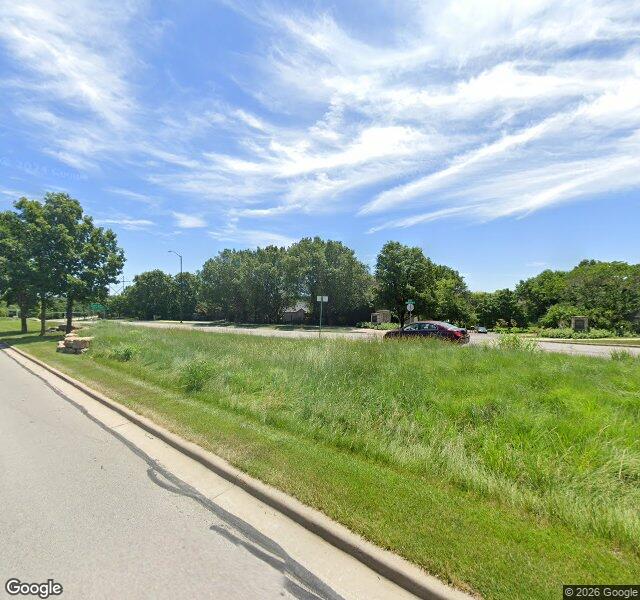
22000 Prairie Star Parkway, Lenexa, KS 66220View map (opens in a new tab)
Overview and key essentials
State license
Active
KS KDADS
Google reviews
Not available
Public reviews not linked
Size & payment
Ask directly
Confirm pricing & payment
Public records for this community are limited. Use the checklist below when you call or visit to confirm pricing, services, and openings.
Cost, payment & care details
Updated Nov 28, 2026| Monthly cost | Not published | Ask for the full monthly cost, including care fees and one-time charges. |
|---|---|---|
| Payment options | Ask directly | Payment details are not confirmed in our records. Ask about private pay, long-term care insurance, veterans benefits, and Medicaid waivers. |
| Size & availability | Confirm directly | We don't publish live openings. Ask about current availability, waitlist length, and move-in timing. |
| Care & support | Assisted living | Usually offers housing and help with everyday tasks, such as bathing and dressing. What to confirm about care levelsThis describes the licensed category. Ask how care plans adjust if mobility, nursing, or memory needs change over time. Read the family care guide → |
State licensing
State inspection history
10inspections
26deficiencies listed
Aug 18, 2026Routine6 deficiencies reported6
6 deficiencies reported
View official state report (opens in a new tab)
The following citations represent the findings of a resurvey with complaints 195436, 196832, 197775, 198198, and 199385 at the above named Assisted Living conducted on 08/13/26, 08/17/26, and 08/18/26.
STATE FORM6899
MEKW11 STATE FORM MEKW11 STATE FORM MEKW11 STATE FORM MEKW11 STATE FORM MEKW11 STATE FORM MEKW11 STATE FORM MEKW11 STATE FORM MEKW11 STATE FORM MEKW11 STATE FORM MEKW11 STATE FORM MEKW11 STATE FORM MEKW11
moderateS 3101
(h) Each individual involved in the development of the negotiated service agreement shall sign the agreement. The administrator or operator shall ensure that a copy of the initial agreement and any subsequent revisions are provided to the resident or the resident's legal representative. This REQUIREMENT is not met as evidenced by: KAR 26-41-202 (h) The facility reported a census of 68 residents. The sample included three residents. Based on interview and record review, the facility failed to ensure the "Negotiated Service Agreement" (NSA) for resident (R)103 and R107 were signed by all individuals involved in the development of the NSA. Findings included: - R103's medical record revealed she moved into the facility on 06/11/26 with a diagnosis of dementia. The 06/10/26 NSA documented R103's NSA was signed by the nurse who developed the NSA but lacked a signature of R103's durable power of attorney (DPOA). On 08/18/26 at 11:24 AM Administrative Nurse B stated a copy of R103's NSA was emailed to her DPOA but no follow-up was made to ensure the signed copy was returned. The facility failed to ensure R103's NSA was signed by all individuals involved in the development of the NSA. - R107's medical record revealed he moved into the facility on 07/10/26 with a diagnosis diabetes mellitus. The 07/10/26 NSA documented R107's NSA was signed by the nurse who developed the NSA but lacked signatures of R107 or his DPOA. On 08/18/26 at 10:31 AM Administrative Nurse B stated a copy of R107's NSA was mailed to his DPOA but no follow-up was made to ensure the signed copy was returned. The facility failed to ensure R107's NSA was signed by all individuals involved in the development of the NSA.
moderateS 3248
Records (d) The employee records and agency staff records shall contain the following documentation: (1) Evidence of licensure, registration, certification, or a certificate of successful completion of a training course for each employee performing a function that requires specialized education or training; (2) supporting documentation for criminal background checks of facility staff and contract staff, excluding any staff licensed or registered by a state agency, pursuant to K.S.A. 39-970 and amendments thereto; (3) supporting documentation from the Kansas nurse aide registry that the individual does not have a finding of having abused, neglected, or exploited a resident in an adult care home; and (4) supporting documentation that the individual does not have a finding of having abused, neglected, or exploited any resident in an adult care home, from the nurse aide registry in each state in which the individual has been known to have worked as a certified nurse aide. This REQUIREMENT is not met as evidenced by: KAR 26-41-102 (d) (4) The facility reported a census of 68 residents. Based on interview and record review, the facility failed to ensure one of five newly hired employees' records included evidence of verification with the Kansas Board of Nursing was completed prior to employment. Findings included: - Review of employee files conducted on 08/17/26 revealed the following: "Licensed Nurse" (LN) C was hired on 02/04/25. Facility staff were unable to provide evidence a license verification was completed prior to LN C being employed. Review of new hire documentation revealed a license verification was performed on 05/22/25. On 08/13/26 at 12:35 PM, Administrative Staff A confirmed the license verification was not completed prior to being hired. The facility failed to ensure timely verification of the Kansas Board of Nursing was completed prior to employment.
moderateS 3090
Agreement (c) Each administrator or operator shall ensure the development of an initial negotiated service agreement at admission. This REQUIREMENT is not met as evidenced by: KAR 26-41-202 (c) The facility reported a census of 68 residents. Based on interview and record review, the facility failed to ensure the development of an initial "Negotiated Service Agreement" (NSA) was completed at admission for Resident (R)102. Findings included: - R102's medical record revealed she moved into the facility on 04/23/26 with a diagnosis of dementia. Review of 102's records failed to locate a NSA completed upon admission to the facility. On 08/18/26 at 11:56 AM Administrative Nurse B stated an initial evaluation was completed but confirmed there was no NSA in R102's medical records. The facility failed to ensure R102's NSA was developed at admission.
moderateS 3310
(b) (5) prohibiting any employee with a communicable disease or any infected skin lesions from coming in direct contact with any resident, any resident ' s food, or resident care equipment until the condition is no longer infectious; (6) providing orientation to new employees and employee in-service education at least annually on the control of infections in a health care setting; and (c) Each administrator or operator shall ensure the facility ' s compliance with the department ' s tuberculosis guidelines for adult care homes adopted by reference in K.A.R. 26-39-105 This REQUIREMENT is not met as evidenced by: KAR 26-41-207(c) The facility reported a census of 68 residents. Based on record review and interview, the facility failed to ensure the facility was in compliance with the department's tuberculosis (TB) guidelines for adult care homes adopted by reference in K.A.R. 26-39-105. Findings include: - Resident (R)103 moved into the facility on 06/11/26 with a diagnosis of dementia. Review of medical records revealed R103 did not have a TB Symptom Screen Questionnaire or a two-step TB skin test (TST) completed within seven days of admission to the facility. On 08/18/26 at 11:24 AM Administrative Nurse B stated she was unable to locate a completed TB symptom screen questionnaire or a two-step TST competed upon admission for R103. The June 2013 "Tuberculosis (TB) Guidelines for Adult Care Homes" documented, "Each new resident ...shall have an initial TB symptom screen that includes the components of the Tuberculosis Symptom Screen Review Questionnaire within 7 days of residency ...Each new resident ...shall receive a two-step TST ...within 7 days of residency ..." The facility failed to ensure compliance with the department's tuberculosis guidelines for adult care homes adopted by reference in K.A.R. 26-39-105. - R104 admitted to the facility on 07/31/25 with a diagnosis of dementia. Review of medical records revealed R104 did not have a TB Symptom Screen Questionnaire completed annually since admitting to the facility. On 08/18/26 at 12:05 PM Administrative Nurse B stated that she could not locate an annual TB symptom screen questionnaire completed for 2026. The June 2013 "Tuberculosis (TB) Guidelines for Adult Care Homes" documented, "Each resident ...shall have an annual TB symptom screen that includes the components of the Tuberculosis Symptom Screen Review Questionnaire." The facility failed to ensure compliance with the department's tuberculosis guidelines for adult care homes adopted by reference in K.A.R. 26-39-105. - R105 admitted to the facility on 08/21/25 with a diagnosis of dementia. Review of R105's medical records revealed the second step of the two-step TST lacked documentation of the results. On 08/18/26 at 02:35 PM Administrative Nurse B confirmed the results for the second step of the two-step TST was not documented. The June 2013 "Tuberculosis (TB) Guidelines for Adult Care Homes" documented, "The second TST shall be read within 48-72 hours of its administration. " The facility failed to ensure compliance with the department's tuberculosis guidelines for adult care homes adopted by reference in K.A.R. 26-39-105. - R106 admitted to the facility on 07/07/26 with a diagnosis of muscle weakness. Review of R106's medical records revealed she did not have a TB Symptom Screen Questionnaire completed within seven days of admission to the facility. On 08/18/26 at 11:03 AM Administrative Nurse B stated she was unable to...
moderateS 3420
(c) Mechanical requirements. (1) Heating, air conditioning, and ventilating systems. (A) The system shall be designed to maintain a year-round indoor temperature range of 70oF or 21oC to 85oF or 26oC. (B) Each apartment or individual living unit shall allow the resident to control the temperature. (2) Plumbing and piping systems. (A) Backflow prevention devices or vacuum breakers shall be installed on fixtures to which hoses or tubing can be attached. (B) Water distribution systems shall be arranged to provide hot water at outlets at all times. The temperature of hot water shall range between 98oF and 120oF at bathing facilities, sinks, and lavatories in resident use areas. (3) Electrical requirements. (A) All spaces occupied by persons or machinery and equipment within the buildings, approaches to buildings, and parking lots shall have adequate lighting. (B) Minimum lighting intensity levels shall be as required in Table 1. (C) Each corridor and stairway shall remain lighted at all times. (D) Each light in resident use areas shall be equipped with shades, globes, grids, or glass panels. This REQUIREMENT is not met as evidenced by: KAR 28-39-256 (c) (2) (B) The facility reported a census of 68 residents. Based on observation, record review, and interview, the operator failed to ensure the temperature of hot water ranged between 98 degrees Fahrenheit (F) and 120 degrees F at the bathroom sink of a public restroom, in an unlocked laundry room, and in kitchenette sinks located in a memory care unit. Findings included: On 08/13/26 at 09:43 AM an observation was made of the public restroom located across the hall from the "Director of Healthcare" office. The sink had a hot water temperature reading that measured 146.3 degrees F. On 08/13/26 at 09:50 AM Maintenance Director G stated that he performed random hot water temperature checks during the week and documented the results every other week in their TELS maintenance computer system. On 08/13/26 at 09:55 AM the hot water temperature at the public restroom sink was checked again using both the maintenance thermometer and the surveyor thermometer which resulted in a hot water temperature reading of 138.0 degrees F. On 08/13/26 at 09:59 AM an observation of the unlocked laundry room in the access hall located outside of the Groves Neighborhood memory care unit had a hot water temperature reading of 154.5 degrees F. The doors to the laundry room were lockable and there were no observations of anyone beside staff who accessed the laundry room. On 08/13/26 at 10:13 AM an observation of the Orchard Neighborhood memory care unit revealed two kitchen sinks. One had a hot water temperature of 125.2 degrees F, the other had a hot water temperature of 125.6 degrees F. On 08/13/26 at 11:57 AM Administrative Staff A stated the public restroom across the hall from the "Director of Healthcare" office was accessible to staff, residents, and visitors. Administrative Staff A stated none of the residents did their own laundry and only care staff, kitchen staff and housekeeping staff accessed the laundry room. On 08/13/26 at 01:00 PM Maintenance Director G stated he was aware of the safe water temperature range of 98-120 degrees F. Maintenance Director G stated the laundry rooms were supposed to be locked at all times. On 08/13/26 at 01:15 PM after attempting to recalibrate both the maintenance and surveyor thermometers, a hot water temperature reading was obtained at the public restroom sink of...
Feb 5, 2025Routine1 deficiency reported1
1 deficiency reported
View official state report (opens in a new tab)
The resurvey with attached complaints #190970, #188163, #187597, #185459, #185266, and #181264 at the above named assisted living facility conducted on 02/04/25 and 02/05/25 resulted in a finding of no deficiency citations.
STATE FORM6899
8HJG11
Nov 29, 2023Complaint3 deficiencies reported3
3 deficiencies reported
View official state report (opens in a new tab)
The following citations represent the findings of an abbreviated survey for complaints #'s 184172, 184067, 184041, 183878, and 183392 of the above named facility conducted on 11/28/23 and 11/29/23.
moderateS 3248
Records (d) The employee records and agency staff records shall contain the following documentation: (1) Evidence of licensure, registration, certification, or a certificate of successful completion of a training course for each employee performing a function that requires specialized education or training; (2) supporting documentation for criminal background checks of facility staff and contract staff, excluding any staff licensed or registered by a state agency, pursuant to K.S.A. 39-970 and amendments thereto; (3) supporting documentation from the Kansas nurse aide registry that the individual does not have a finding of having abused, neglected, or exploited a resident in an adult care home; and (4) supporting documentation that the individual does not have a finding of having abused, neglected, or exploited any resident in an adult care home, from the nurse aide registry in each state in which the individual has been known to have worked as a certified nurse aide. This REQUIREMENT is not met as evidenced by: K.A.R. 26-41-102 (d) (2) The facility reported a census of 70 residents. The sample included 1 resident, 2 closed record reviews and 2 newly hired "Certified Nurse Aides'" (CNA's A and B). Based on record review and interview the Administrator failed to ensure CNA's A and B had supporting documentation of a criminal background check pursuant to K.S.A. 39-970 being performed at the time of hire. Findings included: - Record review for CNA A revealed she began employment on 04/17/23. Her record lacked documentation of a criminal background check pursuant to K.S.A. 39-970. Interview on 11/29/23 at 10:17 AM with Administrator D, she confirmed CNA A employee file lacked the criminal background check pursuant to K.S.A 39-970. - Record review for CNA B revealed he began employment on 07/25/23. His record lacked documentation of a criminal background check pursuant to K.S.A. 39-970. Interview on 11/29/23 at 10:17 AM with Administrator D, she confirmed CNA A employee file lacked the criminal background check pursuant to K.S.A 39-970. The Administrator failed to ensure CNA's A and B had supporting documentation of a criminal background check pursuant to K.S.A. 39-970 being performed at the time of hire.
STATE FORM6899
P6MR11 STATE FORM P6MR11 STATE FORM P6MR11 STATE FORM P6MR11 STATE FORM P6MR11 STATE FORM P6MR11 STATE FORM P6MR11 STATE FORM P6MR11 STATE FORM P6MR11 STATE FORM P6MR11 STATE FORM P6MR11
severeS 3026
ANE (f)The administrator or operator shall ensure that all of the following requirements are met: (1) No resident shall be subjected to any of the following: (A) Verbal, mental, sexual, or physical abuse, including corporal punishment and involuntary seclusion; (B) neglect; or (C) exploitation. This REQUIREMENT is not met as evidenced by: K.A.R. 26-41-101(f) (1) (A) The facility reported a census of 70 residents. The sample included one "Resident" (R)1, and two closed record reviews (R's 2 and 3). Based on observation, interview, and record review the administrator failed to protect R1 from physical abuse when "Certified Nurse Aide" (CNA) A was observed on video striking him on his bare rear right thigh, while cursing at him. The administrator further failed to protect R2 from abuse from CNA B who was unnecessarily rough with R2 during her physically assisted transfer, gave her a shower using cold water, and intentionally sprayed cold water in R2's face twice. Findings included: - Record review for R1 revealed an admission date of 04/14/22, with diagnoses of hypertension, sensorineural hearing loss of both ears, late onset Alzheimer's disease with behavioral disturbances, obstructive sleep apnea, depression, chronic pain, and depression/anxiety. R1's "Functional Capacity Screen" (FCS) dated 09/11/23 revealed R1 was unable to perform the tasks of bathing, dressing and toileting. He required physical assistance with eating. He was independent with walking and mobility. He lacked the ability to manage his own medications and was incontinent of his bladder. He had impaired short-term memory, impaired long-term memory, impaired memory recall and impaired decision making. He was sometimes able to make himself understood and he usually understood others. He was marked with impaired hearing, wandering, and impaired decision making. He used no mobility device. R1's "Negotiated Service Agreement" (NSA) dated 09/11/23 identified the facility would have one staff member provide full assistance with bathing, dressing, toileting, and placing/removing his hearing aids. He required no assistance with ambulation, transfers or eating. Facility staff were to provide reassurance/redirection as needed. R1's "Individual Service Plan" (ISP) dated 09/11/23 instructed facility staff to wash R1's body and encourage R1 to assist. Staff to provide assistance with dressing/undressing, and assist with toileting, changing his brief if it was soiled. Staff to assist with the placement and removal of his hearing aids and assist R1 with calming when he was agitated. Staff were to allow him to vent himself using his word salad, and when staff providing information to him, allow adequate time for R1 to process the information. Review of R1's "Observation Notes" dated 11/02/23 revealed the following entry: At 02:35 PM "Daily Communication Log" note; R1 had left the community to go to a geriatric psychiatric hospital. - Observation of the untimed and undated 14 second video provided to the facility from R1's wife revealed R1 laid in bed on his back with CNA A standing on the right side of the bed. R1 wore only a pair of white socks that came above the ankle. His knees were bent, and his feet were raised off the mattress. It was not clear in the video to see CNA A's left hand; her right hand was across R1's right knee and she held the outside of R1's lower left knee. R1 could be heard speaking, and CNA A responded, "Get your pants on", "We have to get your pants...
Sep 25, 2023Complaint3 deficiencies reported3
3 deficiencies reported
View official state report (opens in a new tab)
The following citations represent the findings of an abbreviated survey for complaints # 182593, of the above named facility conducted on 09/25/23.
immediate_jeopardyS 3298
(d) Food preparation. Food shall be prepared using safe methods that conserve the nutritive value, flavor, and appearance and shall be served at the proper temperature. (1) Food used by facility staff to serve to the residents, including donated food, shall meet all applicable federal, state, and local laws and regulations. (2) Food in cans that have significant defects, including swelling, leakage, punctures, holes, fractures, pitted rust, or denting severe enough to prevent normal stacking or opening with a manual, wheel-type can opener, shall not be used. (3) Food provided by a resident ' s family or friends for individual residents shall not be required to meet federal, state, and local laws and regulations. This REQUIREMENT is not met as evidenced by: K.A.R. 26-41-206 (d) The facility reported a census of 69 residents. The sample included four residents. "Residents'" (R's) 1, 2, 3, 4, and one staff member, "Licensed Nurse" (LN) B. Based on observation, interview, and record review, the administrator failed to ensure the facility food was prepared using safe methods and served at the appropriate temperatures. Three facility residents were confirmed as positive for salmonella and one staff member and one resident who experienced symptoms of diarrhea, vomiting, fever, and stomach cramps. During the survey process it was observed the facility staff members and dietary staff members did not obtain temperatures of the food prior to serving it to the residents, and further confirmed facility staff were serving meals without maintaining the proper holding temperatures for the food. This placed all residents in Immediate Jeopardy. Findings included: - Record Review for R1 revealed an admission date of 02/15/17, with diagnosis of muscle weakness, hypertension, coronary artery disease, anxiety, depression, and Osgood-Schlatter Disease. Record review of R1 "Functional Capacity Screen" (FCS) dated 09/15/23 revealed R1 was independent with dressing, toileting, transferring, walking / mobility, and eating. He was continent of bladder, had intact cognition, and was able to make himself understood and he understood others. The unsigned "Negotiated Service Agreement" (NSA) dated 09/15/23 identified R1 would be provided a regular diet. He was able to independently eat a meal that is prepared, cooked, and served to him. He did not have any known food allergies. The "Health Service Plan" (HSP) dated 09/15/23 lacked instruction to facility staff related to R1 meals. Record review of R1 electronic "Observation Notes" dated 09/08/23 to 09/25/23 revealed the following entries:" 09/16/23 At 03:17 PM "At approximately 10:30 AM staff was notified R1 was in the hallway with no clothing on. Another staff and I went to assist R1 one back to his room where he reported feeling sweaty and that he had thrown up. The resident also said he could not find his pendant, so maintenance was notified. Resident was visibly sweaty. Vital signs normal. The other staff member assisted resident back to bed. When this writer checked on R1 at noon he reported feeling better but declined coming down for lunch". 09/16/23 at 05:36 PM "Resident is not feeling well. He is pale, and a little diaphoretic. Abdomen was soft and non-distended and non-tender with hyperactive bowel sounds in all four quadrants. R1 helped to find and take some Imodium due to having diarrhea. Encouraged to drink fluids. He also took Tylenol for aches all over and Zofran for nausea and vomiting. Resident is...
STATE FORM6899
XP2J11 STATE FORM XP2J11 STATE FORM XP2J11 STATE FORM XP2J11 STATE FORM XP2J11 STATE FORM XP2J11 STATE FORM XP2J11 STATE FORM XP2J11 STATE FORM XP2J11 STATE FORM XP2J11 STATE FORM XP2J11 STATE FORM XP2J11 STATE FORM XP2J11 STATE FORM XP2J11 STATE FORM XP2J11
moderateS 3015
(c) Administrator and operator position description. Each licensee shall adopt a written position description for the administrator or operator that includes responsibilities for the following: (1) Planning, organizing, and directing the facility; (2) implementing operational policies and procedures for the facility; and(3) authorizing, in writing, a responsible employee who is 18 years old or older to act on the administrator ' s or operator's behalf in the absence of the administrator or operator. This REQUIREMENT is not met as evidenced by: K.A.R. 26-41-101 (c)(3) The facility reported a census of 69 residents. Based on interview, the administrator failed to authorize in writing, a responsible employee to act on the administrator's behalf in the absence of the administrator. Findings included: - Interview on 09/25/23 at 02:44PM, "Certified Nurse Aide" (CNA) A confirmed the operator was out of the building, and further confirmed the facility does not have in writing the responsible person who would act on the administrator's behalf in the absence of the administrator. Interview on 09/25/23 at 02:30 PM with CNA A, stated the administrator was unavailable, she was on vacation and the director of nursing was unavailable as she was at training in Florida. Interview on 09/27/23 at 08:46 AM with Administrator C, confirmed she left for vacation on 09/20/23 and returned to the facility on 09/27/23. The administrator failed to authorize in writing, a responsible employee to act on the administrator's behalf in the absence of the administrator.
May 11, 2023Routine13 deficiencies reported13
13 deficiencies reported
View official state report (opens in a new tab)
The following citations represent the findings of the licensure resurvey with attached complaint #'s 179887, 179405, and 177527, for the above named facility conducted on 05/08/23, 05/09/23, 05/10/23, and 05/11/23.
moderateS 3028
Reporting (f) (3) Each allegation of abuse, neglect, or exploitation shall be reported to the administrator or operator of the facility as soon as staff is aware of the allegation and to the department within 24 hours. The administrator or operator shall ensure that all of the following requirements are met: (A) An investigation shall be started when the administrator or operator, or the designee, receives notification of an alleged violation. (B) Immediate measures shall be taken to prevent further potential abuse, neglect, or exploitation while the investigation is in progress. (C) Each alleged violation shall be thoroughly investigated within five working days of the initial report. Results of the investigation shall be reported to the administrator or operator. (D) Appropriate corrective action shall be taken if the alleged violation is verified. (E) The department ' s complaint investigation report shall be completed and submitted to the department within five working days of the initial report. (F) A written record shall be maintained of each investigation of reported abuse, neglect, or exploitation. This REQUIREMENT is not met as evidenced by: K.A.R. 26-41-101 (f) (3) The facility reported a census of 63 residents. The sample included 6 "Residents'" ((R's)1 ,2 ,3 ,4, 5, and 6). Based on record review and interview the administrator failed to ensure facility staff reported all allegations of abuse and neglect to the administrator as soon as staff were aware of the allegations. This effected R1 when staff charted a resident-to-resident altercation on 04/22/23 and failed to report to the administrator, and R4 when she had an unwitnessed fall and was unable to state how the fall occurred. This resulted in R4 being transported to the emergency room for possible head injury on 01/04/23. Findings include: - Record review on 05/09/23 for R1, revealed an admission date of 05/10/22 with diagnoses of dementia and Type 2 diabetes. Record review of R1 "Functional Capacity Screen" (FCS) dated 06/28/22 identified R1 required supervision with bathing, dressing and toileting. He was independent with transferring, walking, and eating. He lacked the ability to manage his own medications and was continent of bladder. He was marked with impaired short-term memory, impaired memory recall and impaired decision making. He was able to make himself understood and he understood others. He used no mobility devices. Record review of R1 NSA dated 05/06/23 identified the facility/facility staff would provide the following health care services: one staff to assist with applying shampoo and verbal cueing throughout the bathing process, one staff to assist with laying out fresh clothes and encouraging resident to dress himself, one staff to assist with directing to the bathroom, and provide cueing and reminders throughout the day with frequent redirection. Record review of R1 electronic "Observation" notes dated 04/22/23 revealed the following entry: 04/22/23 at 08:02 PM "Daily Communication Log: R1 and another resident were getting into an argument and this writer and another "Certified Medication Aide" (CMA) noticed this argument getting more elevated. R1 then put his hands on the other resident's shoulder and pushed her up against the basketball goal in the living room. Staff immediately ran over to the residents and separated the two. R1 raised his voice at staff and the other resident, but staff wasn't able to understand what the resident was trying to...
moderateS 3248
Records (d) The employee records and agency staff records shall contain the following documentation: (1) Evidence of licensure, registration, certification, or a certificate of successful completion of a training course for each employee performing a function that requires specialized education or training; (2) supporting documentation for criminal background checks of facility staff and contract staff, excluding any staff licensed or registered by a state agency, pursuant to K.S.A. 39-970 and amendments thereto; (3) supporting documentation from the Kansas nurse aide registry that the individual does not have a finding of having abused, neglected, or exploited a resident in an adult care home; and (4) supporting documentation that the individual does not have a finding of having abused, neglected, or exploited any resident in an adult care home, from the nurse aide registry in each state in which the individual has been known to have worked as a certified nurse aide. This REQUIREMENT is not met as evidenced by: K.A.R. 26-41-102 (d) (2) (4) The facility reported a census of 63 residents. The sample included 6 residents and 5 newly hired employees. Based on record review and interview the administrator failed to ensure the facility had supporting documentation of a background check pursuant to K.S.A. 39-970 and amendments there to for ("Certified Medication Aide" (CMA) D, and "Certified Nurse Aide's" (CNA's) E, F, and G. The administrator further failed to have supported documentation that CNA F did not have a finding of abused, neglected, or exploited any resident in an adult care home, from the nurse aide registry in each state in which the individual has been known to have worked as a CNA. Findings include: - Record review for newly hired CMA D revealed she began employment on 07/13/20. The employee record lacked a background check from the "Kansas Department for Aging and Disability Services" (KDADS) pursuant to K.S.A. 39-970 and amendments there to. Record review for newly hired CNA E revealed she began employment on 07/25/22. The employee filed contained an out of state driver's license. The employee record lacked a background check from the "Kansas Department for Aging and Disability Services" (KDADS) pursuant to K.S.A. 39-970 and amendments there to, and further lacked a registry check from the state she moved from. Record review for newly hired CNA F revealed she began employment on. The employee record lacked a background check from the "Kansas Department for Aging and Disability Services" (KDADS) pursuant to K.S.A. 39-970 and amendments there to. Record review for newly hired CNA G revealed she began employment on 12/19/22. The employee record lacked a background check from the "Kansas Department for Aging and Disability Services" (KDADS) pursuant to K.S.A. 39-970 and amendments there to. Interview on 05/10/23 at 5:45 PM with administrator B, she confirmed the personnel files lacked the appropriate background checks from the department, and she failed to perform an out of state registry check on newly hired CNA F. The administrator failed to ensure the facility had supporting documentation of a background check pursuant to K.S.A. 39-970 and amendments there to for CMA D, and CNA's E, F, and G. The administrator further failed to have supported documentation that CNA F did not have a finding of abused, neglected, or exploited any resident in an adult care home, from the nurse aide registry in each state in which the...
moderateS 3165
(d) The negotiated service agreement shall contain a description of the health care services to be provided and the name of the licensed nurse responsible for the implementation and supervision of the plan. This REQUIREMENT is not met as evidenced by: K.A.R. 26-41-204 (d) The facility reported a census of 63 residents. The sample included 6 "Residents'" ((Rs') 1, 2, 3, 4, 5, and 6). Based on record review and interview the administrator failed to ensure the name of the licensed nurse responsible for the implementation and supervision of the "Health Service Plan" (HSP) was identified on the NSA's for R1, R2, R3, R4, and R5. Findings include: - Record review on 05/09/23 for R1, revealed an admission date of 05/10/22 with diagnoses of dementia and Type 2 diabetes. Record review of R1 "Functional Capacity Screen" (FCS) dated 06/28/22 identified R1 required supervision with bathing, dressing and toileting. He was independent with transferring, walking, and eating. He lacked the ability to manage his own medications and was continent of bladder. He was marked with impaired short-term memory, impaired memory recall and impaired decision making. He was able to make him self understood and he understood others. He used no mobility devices. Record review of R1 NSA dated 05/06/23 identified the facility/facility staff would provide the following health care services: one staff to assist with applying shampoo and verbal cueing throughout the bathing process, one staff to assist with laying out fresh clothes and encouraging resident to dress himself, one staff to assist with directing to the bathroom, and provide cueing and reminders throughout the day with frequent redirection. On page 8 of the NSA, it stated "28. The person responsible for the implementation of this agreement is:" and there is a check mark in a box next to the following statement: "The Resident services Director (RSD). The NSA lacked the name of the licensed nurse responsible for the supervision and implementation of the health service plan. - Record review for R2 revealed an admission date of 11/15/21, with diagnoses of cognitive decline, chronic atrial schemic stroke, controlled Type 2 diabetes, hearing loss and chronic kidney disease. Record review of R2 FCS dated 10/24/22 identified R2 required physical assistance with bathing, dressing, and toileting. She was independent with transferring, walking, and eating. She lacked the ability to manage her own medications, was usually incontinent of bladder and had impaired short-term memory, memory recall and decision making. She was able to make herself understood and she usually understood others. She was marked with falls and impaired decision making. She used a walker mobility device. Record review of R2 NSA dated 05/06/23 identified the facility/facility staff would provide the following health care services: one staff to assist with bathing, she will require reminders and stand by assist for safety, one staff to assist with dressing, and one staff to assist with toileting. On page 7 of the NSA, it stated "28. The person responsible for the implementation of this agreement is:" and there is a check mark in a box next to the following statement: "The Resident services Director (RSD). The NSA lacked the name of the licensed nurse responsible for the supervision and implementation of the health service plan. - Record review for R3 revealed an admission date of 05/24/2018, with diagnoses of diabetes, anxiety, liver cirrhosis and...
moderateS 3155
. (a) The administrator or operator in each assisted living facility or residential health care facility shall ensure that a licensed nurse provides or coordinates the provision of necessary health care services that meet the needs of each resident and are in accordance with the functional capacity screening and the negotiated service agreement. This REQUIREMENT is not met as evidenced by: K.A.R. 26-41-204(a) The facility reported a census of 63 residents. The sample included 6 "Resident's" ((R's)1, 2, 3, 4, 5, and 6). Based on observation, interview and record review, the administrator failed to ensure a licensed nurse provided or coordinated the provision of necessary health care services (HCS) to meet the needs for R5 in accordance with the "Functional Capacity Screening" (FCS), and the "Negotiated Service Agreement" (NSA), regarding the use of a bed assistive device. The admnistrator further failed to ensure a licensed nurse coordinated/provided the provision of necessary health care services that met the needs of R6 and were in accordance with a "Functional Capacity Screening" (FCS) and a "Negotiated Service Agreement" (NSA) for R6 upon admission to the Adult Day Service program. Findings include: - Record review on 05/08/23 of the facility provided resident roster revealed R5 was marked as having a bed assist device. Record review for R5 revealed an admission date of 07/08/22 with diagnoses of Rhabdomyolysis, Type 2 diabetes, hypertension, dysphagia oropharyngeal phase, and difficulty in walking. Record review of R5 FCS dated 10/11/22 identified R5 required supervision with bathing and physical assistance with dressing. She was independent with toileting, transferring, walking, and eating. She lacked the ability to manage her own medication, was occasionally incontinent of bladder. She was cognitively intact and was able to make herself understood and she understood others. She was not marked as having any current/recent problems or risk, and she used a walker mobility device. The comments section of the FCS lacked the identification of a bed assist device for transferring. Record Review of R5 NSA listed the following health services to be provided by the facility staff: one facility staff to provide R5 assistance getting in and out of the shower, and one facility staff to provide physical assistance in dressing her upper and lower extremities. Resident was marked as "currently needs no assistance with ambulation or transfers". The NSA stated R5 was independent with mobility and used a walker with ambulation. The NSA lacked a description of the device, its purpose and any special instructions on use and monitoring of the device. Observation on 05/11/23 at 08:50 AM of R5 bed revealed a U-shaped device that measured 16.5 inches by 30.5 inches. The open are of the U of the bedrail was open. The leg closest to the head of the bed was made to pivot to allow for the pole to be at a lower portion of the bed, and it was not locked and freely moved. The portion of the device that slid under the mattress was configured in the shape of an H, with rubber on the ends of the poles. The device freely slid from under the mattress and was not secured to the bed. Interview with R5 on 05/11/23 at 08:50 AM revealed the resident sleeps in her bed and she does use the device to get in and out of bed. The FDA (food and drug administration) "Bedrails in Assisted Living, Residential Health Care and Home Plus Facilities" recommended the...
moderateS 3081
Reassessment (c) Designated facility staff shall conduct a screening to determine each resident ' s functional capacity according to the following requirements: (1) At least once every 365 days; (2) following any significant change in condition as defined in K.A.R. 26-39-100; and (3) at least quarterly if the resident receives assistance with eating from a paid nutrition assistant. This REQUIREMENT is not met as evidenced by: K.A.R. 26-41-201 (c)(2) The facility reported a census of 63 residents. The sample included 6 "Residents'" ((Rs') 1, 2, 3, 4, 5, and 6). Based on record review and interview the administrator failed to ensure the "Functional Capacity Screen" (FCS) for R4 was performed for a change of condition when she began having falls. R4 Observation notes revealed she had 5 unwitnessed falls from 12/22/23 to 04/11/23. R4 was sent to the hospital for treatment after the fall on 01/04/23 when she hit her head. Findings include: - Record review for R4 revealed an admission date of 06/23/21 with diagnoses of Parkinson's disease and osteoarthritis. Record review of R4 FCS dated 09/06/22 identified R2 required physical assistance with bathing and dressing. She was independent with toileting, transferring, walking/mobility and eating. She had the ability to manage her own medications and was usually continent of bladder. She was cognitively intact, able to make herself understood and she understood others. She was not marked with any current or recent problems/risk and used a walker mobility device. Record review of R4 NSA dated 05/06/23 identified the facility/facility staff would provide the following health care services: one staff would assist R4 with stand- by assistance when getting into and out of the shower, one staff to assist with washing and drying resident back and lower extremities, and one staff to assist with dressing lower extremities. Resident to self-administer her medications. She is independent with mobility and transferring, and care staff to educate to keep the hallways clear of clutter for safety. Review of R4 electronic "Observation" Notes dated 12/22/22 to 05/08/23 revealed the following entries: 12/22/2022 at 10:35 PM Unwitnessed fall. "Resident had rolled out of bed. Upon entering the room, it was noted that resident was laying on the floor. This resident stated she slid out of bed when she was rolling over". 01/04/23 at 01:32 PM "Reported to this nurse that resident had a fall at 02:00 AM and hit the back of her head. Resident was taken to the emergency room for evaluation. Durable Power of Attorney was in with an update and stated the resident has some small brain bleed. They are transferring her to another facility. They will determine if she will need surgery. Durable Power of Attorney to keep us updated". 01/05/23 at 01:00 PM "resident returned to facility by way of durable power of attorney. Ambulating with walker. Stated she's happy to be back." ..."She is post fall, sent to the emergency room early yesterday morning as she hit the back of her head. Reported that she did have a very small brain bleed but the physicians are not concerned." 03/08/23 at 10:33 PM "Monthly Summary: Resident resides in assisted living; her main diagnosis is Parkinson's disease. She alert and oriented times 3, and she manages her own medications. She has not been on an antibiotic this past month. She has had 2 falls this past month. She ambulates with a walker independently. She needs assistance with activities of daily...
moderateS 3280
Preparedness (d) Each administrator or operator shall ensure disaster and emergency preparedness by ensuring the performance of the following: (1) Orientation of new employees at the time of employment to the facility ' s emergency management plan; (2) education of each resident upon admission to the facility regarding emergency procedures; (3) quarterly review of the facility ' s emergency management plan with employees and residents; and (4) an emergency drill, which shall be conducted at least annually with staff and residents. This drill shall include evacuation of the residents to a secure location. This REQUIREMENT is not met as evidenced by: K.A.R. 26-41-104 (d) (3) The facility reported 63 residents. Based on record review and interview the administrator failed to ensure that all residents received a quarterly review of the facility's emergency management plan. Findings include: - Record review on 05/08/23 of the facility provided "Resident Council" notes revealed the quarterly training is reviewed with the residents who attend the "Resident Council" meetings. Under the section titled "Maintenance" is the following statement: "Please go over disaster plans/preparedness each resident council. Attach policy to meeting notes each month as evidence that it has been reviewed with the residents monthly". Interview on 05/10/23 at 08:20 AM with activities staff C, she confirmed that she sends the meeting notes to those who do not attend the Resident Council meetings, she confirmed she does not send the specific quarterly training, or the facility policy attached to the notes, and she further confirmed that she does not provide training to the residents who reside in the separate secured memory care units. Record review of the undated facility policy titled "Disaster Plan" lacked the identification of review of the plan on a scheduled basis with staff and residents. The administrator failed to ensure that all residents received a quarterly review of the facility's emergency management plan.
moderateS 3320
(a) The assisted living facility or residential health care facility shall be designed, constructed, equipped and maintained to protect the health and safety of residents, personnel and the public. (b) All new construction, renovation, remodeling and changes in building use in existing buildings shall comply with building and fire codes, ordinances and regulations enforced by city, county, and state jurisdictions, including the state fire marshal. (c) New construction, modifications and equipment shall conform to the following codes and standards: (1) Title III of the Americans with disabilities act, 42 U.S.C. 12181, effective as of January 26, 1992; and (2) "Food Service Sanitation Manual," health, education, and welfare (HEW) publication no. FDA 78-2081, as in effect on July 1, 1981. This REQUIREMENT is not met as evidenced by: K.A.R. 28-39-254 (a) The facility reported a census of 63 residents. 23 of the 63 residents reside in the facility's key padded memory care units, Orchard unit and Grove unit. Based on observation and interview the administrator failed to ensure the residents in the memory care units were maintained to protect the health and safety of the residents who reside in the units when unsecured cleaning chemicals and an unlocked housekeeping cart, were found in the bathroom located in the television room in the Grove unit. Findings Included: - Observation on 05/08/23 at 01:33 PM during the initial facility tour, the door to the bathroom located on the northeast section of the television room freely opened. There was a house keeping cart that was unlocked and the top freely opened and contained the following chemicals containers: Cleancide, Pledge, Brody chemical. On top of the plastic 3 drawer storage container in the corner of the bathroom in the corner in front of the toilet were the following chemical containers: Prospray wipes, disinfectant cleaner, ultra-professional cleaner, cleaner with bleach and citrus oxy spray. Interview with administrator B at 01:33PM, she confirmed that all chemicals are to be locked and were not. The administrator failed to ensure the residents in the memory care units were maintained to protect the health and safety of the residents who reside in the units when unsecured cleaning chemicals and an unlocked housekeeping cart, were found in the bathroom located in the television room in the Grove unit.
moderateS 3201
Medication (3) A licensed nurse or medication aide shall perform the following: (A) Administer only the medication that the licensed nurse or medication aide has personally prepared; (B) identify the resident before medication is administered; (C) remain with the resident until the medication is ingested or applied; and (D) document the administration of each resident ' s medication in the resident ' s medication administration record immediately before or following completion of the task. If the medication administration record identifies only time intervals or events for the administration of medication, the licensed nurse or medication aide shall document the actual clock time the medication is administered. This REQUIREMENT is not met as evidenced by: K.A.R. 26-41-205 (d)(3)(C) The facility reported a census of 63 residents. Based on observation, interview, and record review, the administrator failed to ensure the "Certified Medication Aide" (CMA) remained with the resident until the medication was ingested in the dining room of the assisted living residents. Findings include: - Record review on 05/09/23 of the facility provided resident roster revealed 3 of the facility residents self-administered their own medications. Observation on 05/09/23 at 09:05 AM of CMA J placing small, unmarked plastic medication cups on the table where there were 3 resident's sitting and eating their breakfast. CMA J sat the cup on the table and told the resident those were her medications. CMA J then turned and walked away from the table and did not observe the resident taking her medications. Observation on 05/09/23 at 09:10 AM of the dining room tables, there were 6 residents total who had unmarked medication cups next to their plates. One table had 3 residents at the table, one table had 2 residents at their table and one resident was sitting by themselves. Interview on 05/09/23 at 09:11 AM with CMA J she stated that she "usually pops the resident medications and places them on the table". She continued to state that this is how she passes her medications and "she keeps an eye on them" to ensure the medications are taken. Review of the facility policy titled "Medication Management General Guidelines" and dated 03/14/2012 revealed the following statement under the section titled "Providing Assistance with Medication Management": "6. The residents "Medication Administration Record" (MAR) is initialed by the supervisor who observes the resident taking the medication or who assists." The administrator failed to ensure the "Certified Medication Aide" (CMA) remained with the resident until the medication was ingested in the dining room of the assisted living residents.
moderateS 3080
Admission a) On or before each individual ' s admission to an assisted living facility or residential health care facility, a licensed nurse, a licensed social worker, or the administrator or operator shall conduct a screening to determine the individual ' s functional capacity and shall record all findings on a screening form specified by the department. The administrator or operator may integrate the department ' s screening form into a form developed by the facility, which shall include each element and definition specified by the department. (b) A licensed nurse shall assess any resident whose functional capacity screening indicates the need for health care services. This REQUIREMENT is not met as evidenced by: K.A.R. 26-41-201 (a) The facility reported a census of 63 residents. The sample included 6 "Residents'" ((Rs') 1, 2, 3, 4, 5, and 6). Based on record review and interview the administrator failed conduct a "Functional Capacity Screening" (FCS) prior to or at the time of admission for R6. Findings include: - Record review for R6 revealed an admission date to the facility's Adult Day Program was 04/24/23, with diagnoses of vascular dementia. The record lacked a document titled Functional Capacity Screen. Interview on 05/10/23 at 04:10 PM with Licensed Nurse A, she confirmed R6 records lacked a FCS being performed prior to or at the time of admission to the facility's Adult Day Program. The administrator failed conduct a "Functional Capacity Screening" (FCS) prior to or at the time of admission for R6.
moderateS 3261
Documentation of Incidents (f) (11) documentation of all incidents, symptoms, and other indications of illness or injury including the date, time of occurrence, action taken, and results of the action This REQUIREMENT is not met as evidenced by: K.A.R. 26-41-105 (f)(11) The facility reported a census of 63 residents. The sample included 6 "Residents'" ((Rs') 1, 2, 3, 4, 5, and 6). Based on record review and interview the administrator failed to ensure the documentation of all incidents, symptoms, and other indications of illness or injury including the date, time of occurrence, action taken and the results of the actions in the electronic notes for R1 and R2. Findings include: - Record review on 05/09/23 for R1, revealed an admission date of 05/10/22 with diagnoses of dementia and Type 2 diabetes. Record review of R1 "Functional Capacity Screen" (FCS) dated 06/28/22 identified R1 required supervision with bathing, dressing and toileting. He was independent with transferring, walking, and eating. He lacked the ability to manage his own medications and was continent of bladder. He was marked with impaired short-term memory, impaired memory recall and impaired decision making. He was able to make himself understood and he understood others. He used no mobility devices. Record review of R1 NSA dated 05/06/23 identified the facility/facility staff would provide the following health care services: one staff to assist with applying shampoo and verbal cueing throughout the bathing process, one staff to assist with laying out fresh clothes and encouraging resident to dress himself, one staff to assist with directing to the bathroom, and provide cueing and reminders throughout the day with frequent redirection. Record review of R1 electronic "Observation" notes dated 01/01/23 revealed the following entries: 01/02/23 at 06:53 PM "daily communication log: Resident got extremely aggressive and was pushing charge nurse trying to elope. Resident was trying to elope with a female resident before this and made it out of the door through the hall before found. Resident was given medications and is still very agitated. 01/02/23 at 08:56 PM "nurse notes: Resident was found by this nurse in the hallway with another resident off of the Orchards unit this shift. This nurse called for help; resident was yelling at this nurse saying, "I am leaving, and she is coming with me." CNA staff came running and staff were finally able to redirect the two resident's back to Orchards. Resident was administered a PRN Xanax, but he continued to be very agitated stating. " I have got to get out of here, I am leaving." Staff tried to redirect him but he would just yell at the staff. He then got into a yelling match with another resident who tried to stop him from yelling at the CNA and tried to stop him from going into his room. The CNA was able to get between them and separate them. This resident then went into a female resident's room and got her up out of bed saying, "I am leaving and she is coming with me." Staff tried to get this resident to leave the female resident's room but he would not, and he said, " I am going to hit you in the face." Staff helped the female resident up and out of her room because it is the only way that staff could get this resident to leave her room. Resident is still pacing around Orchard's unit at this time The next entry is dated 01/07/23. The document lacked documentation of the results of actions taken by staff to calm R1 and protect...
STATE FORM6899
46JF11 STATE FORM 46JF11 STATE FORM 46JF11 STATE FORM 46JF11 STATE FORM 46JF11 STATE FORM 46JF11 STATE FORM 46JF11 STATE FORM 46JF11 STATE FORM 46JF11 STATE FORM 46JF11 STATE FORM 46JF11 STATE FORM 46JF11 STATE FORM 46JF11 STATE FORM 46JF11 STATE FORM 46JF11 STATE FORM 46JF11 STATE FORM 46JF11 STATE FORM 46JF11 STATE FORM 46JF11 STATE FORM 46JF11 STATE FORM 46JF11 STATE FORM 46JF11 STATE FORM 46JF11 STATE FORM 46JF11 STATE FORM 46JF11 STATE FORM 46JF11 STATE FORM 46JF11 STATE FORM 46JF11 STATE FORM 46JF11 STATE FORM 46JF11 STATE FORM 46JF11 STATE FORM 46JF11 STATE FORM 46JF11 STATE FORM 46JF11 STATE FORM 46JF11 STATE FORM 46JF11 STATE FORM 46JF11 STATE FORM 46JF11 STATE FORM 46JF11 STATE FORM 46JF11 STATE FORM 46JF11 STATE FORM 46JF11 STATE FORM 46JF11 STATE FORM 46JF11 STATE FORM 46JF11 STATE FORM 46JF11
moderateS 3101
(h) Each individual involved in the development of the negotiated service agreement shall sign the agreement. The administrator or operator shall ensure that a copy of the initial agreement and any subsequent revisions are provided to the resident or the resident's legal representative. This REQUIREMENT is not met as evidenced by: K.A.R. 26-41-202 (h) The facility reported a census of 63 residents. The sample included 6 "Residents'" ((Rs') 1, 2, 3, 4, 5, and 6). Based on record review and interview the administrator failed to ensure each individual involved in the development of the "Negotiated Service Agreement" (NSA) signed the NSA's for R1, R2, R3, R4, and R5. Findings include: - Record review on 05/09/23 for R1, revealed an admission date of 05/10/22 with diagnoses of dementia and Type 2 diabetes. Record review of R1 "Functional Capacity Screen" (FCS) dated 06/28/22 identified R1 required supervision with bathing, dressing and toileting. He was independent with transferring, walking, and eating. He lacked the ability to manage his own medications and was continent of bladder. He was marked with impaired short-term memory, impaired memory recall and impaired decision making. He was able to make him self understood and he understood others. He used no mobility devices. Record review of R1 NSA dated 05/06/23 identified the facility/facility staff would provide the following health care services: one staff to assist with applying shampoo and verbal cueing throughout the bathing process, one staff to assist with laying out fresh clothes and encouraging resident to dress himself, one staff to assist with directing to the bathroom, and provide cueing and reminders throughout the day with frequent redirection. The NSA lacked signatures for each individual involved in the development of R1 NSA. - Record review on 05/09/23 for R2 revealed an admission date of 11/15/21, with diagnoses of cognitive decline, chronic atrial schemic stroke, controlled Type 2 diabetes, hearing loss and chronic kidney disease. Record review of R2 FCS dated 10/24/22 identified R2 required physical assistance with bathing, dressing, and toileting. She was independent with transferring, walking, and eating. She lacked the ability to manage her own medications, was usually incontinent of bladder and had impaired short-term memory, memory recall and decision making. She was able to make herself understood and she usually understood others. She was marked with falls and impaired decision making. She used a walker mobility device. Record review of R2 NSA dated 05/06/23 identified the facility/facility staff would provide the following health care services: one staff to assist with bathing, she will require reminders and stand by assist for safety, one staff to assist with dressing, and one staff to assist with toileting. The NSA lacked signatures for each individual involved in the development of R2 NSA. - Record review on 05/09/23 for R3 revealed an admission date of 05/24/2018, with diagnoses of diabetes, anxiety, liver cirrhosis and hypertension. Record review of R3 FCS dated 10/11/22 identified R3 was independent with bathing, dressing, toileting, transferring, walking/mobility, and eating. She had the ability to manage her own medications, was continent of bladder and had intact cognition. She was able to make herself understood and she understood others. She was marked as a fall risk and used a walker mobility device. Record review of R3 NSA dated...
moderateS 3085
(a) The administrator or operator of each assisted living facility or residential health care facility shall ensure the development of a written negotiated service agreement for each resident, based on the resident ' s functional capacity screening, service needs, and preferences, in collaboration with the resident or the resident ' s legal representative, the case manager, and, if agreed to by the resident or the resident ' s legal representative, the resident ' s family. The negotiated service agreement shall provide the following information: (1) A description of the services the resident will receive; (2) identification of the provider of each service; and (3) identification of each party responsible for payment if outside resources provide a service. This REQUIREMENT is not met as evidenced by: K.A.R. 26-41-202 (a) The facility reported a census of 63 residents. The sample included 6 "Residents'" ((Rs') 1, 2, 3, 4, 5, and 6). Based on record review and interview the administrator failed to develop a "Negotiated Service Agreement" (NSA) based on a "Functional Capacity Screening" (FCS) that gave a description of the services R6 would receive and identification of the provider of each service. Findings include: - Record review for R6 revealed an admission date to the facility's Adult Day Program was 04/24/23, with diagnoses of vascular dementia. The record lacked a document titled "Negotiated Service Agreement". Interview on 05/10/23 at 04:10 PM with Licensed Nurse A, she confirmed R6 records lacked an NSA identifying a description of services to be provided and the provider of those services to R6. The administrator failed to develop an NSA based on a FCS, that gave a description of the services R6 would receive, and identification of the provider of each service.
Show all 10 inspections
Nov 1, 2021RoutineNo deficiencies reportedNone
No deficiencies reported
View official state report (opens in a new tab)
10-28-21 6ikc11 benton house st2567
Aug 10, 2020RoutineNo deficiencies reportedNone
No deficiencies reported
View official state report (opens in a new tab)
benton house of lenexa covid 8.10.2020
Oct 15, 2019RoutineNo deficiencies reportedNone
Dec 5, 2017RoutineNo deficiencies reportedNone
Oct 24, 2017RoutineNo deficiencies reportedNone
No deficiencies reported
View official state report (opens in a new tab)
benton house of lenexa 10 24 2017
Neighborhood & resident support
Emergency access, hazards & advocacy
Nearest hospital
Shawnee Mission Prairie Star
1.1 mi · Lenexa, KS
Emergency room
FEMA hazard risk
Relatively HighJohnson County, KS
- Winter Weather
- Tornado
- Hail
Free resident advocacy
Kansas Office of the State Long-Term Care Ombudsman
More neighborhood context (specialists, VA, dialysis, air & affordability)
VA & dialysis access
Kansas City VA Medical Center
18.4 mi · Kansas City, MO · VA 4/5 ★
DaVita Olathe Dialysis
4.7 mi · 4/5 ★
Specialists within 15 mi
- Geriatricians
- 34
- Neurologists
- 208
- Palliative care
- 57
- PM&R rehab
- 83
Environment & mobility
- EPA Air (2025)
- 69% good days · AQI 44
- EPA Walkability
- 10.3/20 (Below Average)
- USDA Grocery Access
- High Grocery Access
- Primary care access
- HRSA Shortage Area
County demographics
- Age 65+ median income
- $76,388/yr
- Rent-burdened households
- 41%
- Cognitive disability (2023)
- 11.5%
- Mobility disability
- 8.7%
Call & tour checklist
Questions to ask Sagegrove at Lenexa
Check off questions as you call or tour. Your progress stays private in this browser.
Show 3 more suggested questions
Verification & public records
Official records & sources
Licensing & contact
- License #
- N046098
- Status
- active
- Phone
- (913) 839-4097
- Federal OIG LEIE
- Clear (2026-11-27)
Operator & ownership
- Operator
- Ahr Lenexa Ks Alf Trs Sub LLC
Original public sources
Verify licensing, ratings, and inspection reports directly with each official source.
- KS KDADS official record (opens in a new tab)Kansas Dept. for Aging & Disability Services
- Google Maps (opens in a new tab)Directions, photos & neighborhood
- Google Reviews (opens in a new tab)Read public reviews
EveryPlace is an independent research directory. Information is compiled from public Medicare.gov, state licensing, Google Places, and street-level imagery sources. Some summaries, suggested questions, and pricing notes are AI-generated or AI-assisted and may contain errors or omissions. We do not accept payment for placement. Confirm all details directly with the community and official sources. Research Policy.
Keep exploring
Nearby communities to compare
- Assisted Living2.3 miSerene Homehealth Care LLCLenexa, KS
- MedicaidHospice Care2.5 miAquinas Hospice of KansasShawnee, KS
- Medicare 4/5Home Health2.5 miAquinas Home HealthShawnee, KS
- Medicare 4/5Home Health2.5 miAquinas/carondelet Home HealthShawnee, KS
- Assisted Living2.7 miThe Crestone Senior LivingOlathe, KS
- Medicare 5/54.3(42)86 bedsMedicaidNursing Home2.9 miEvergreen Community of Johnson CountyOlathe, KS