Loading EveryPlace content…
Assisted LivingActive license
Rosewood Senior Living LLC
801 Main Street North, Cambridge, MN 55008View map (opens in a new tab)
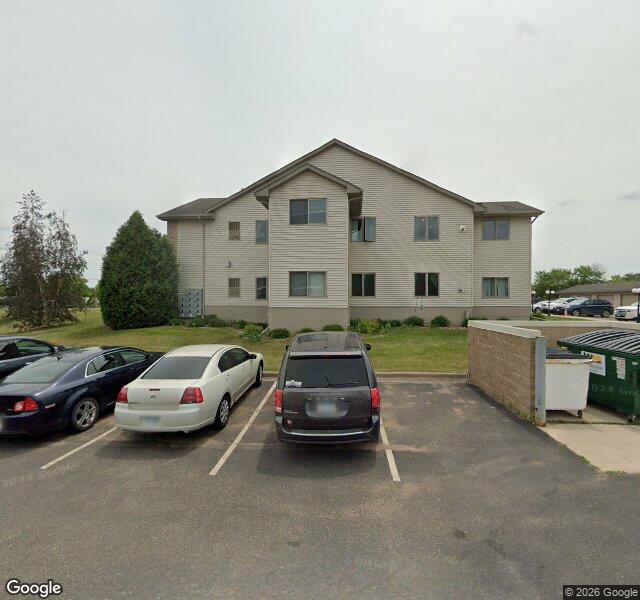
Overview and key essentials
State license
Active
MN MDH
Google reviews
4.9/ 5
11 reviews
Size & payment
Ask directly
Confirm pricing & payment
Strong public signals
Rated 4.9/5 across 11 public Google reviews. Visit in person to confirm daily care and pricing.
Cost, payment & care details
Updated Nov 28, 2026| Monthly cost | Not published | Ask for the full monthly cost, including care fees and one-time charges. |
|---|---|---|
| Payment options | Ask directly | Payment details are not confirmed in our records. Ask about private pay, long-term care insurance, veterans benefits, and Medicaid waivers. |
| Size & availability | Confirm directly | We don't publish live openings. Ask about current availability, waitlist length, and move-in timing. |
| Care & support | Assisted living | Usually offers housing and help with everyday tasks, such as bathing and dressing. What to confirm about care levelsThis describes the licensed category. Ask how care plans adjust if mobility, nursing, or memory needs change over time. Read the family care guide → |
State licensing
State inspection history
3inspections
22deficiencies listed
Nov 13, 2024Routine7 deficiencies reported7
7 deficiencies reported
View official state report (opens in a new tab)
144G.45 Subd. 2 (a) (4) Fire protection and0800
SS=F physical environment (4) keep the physical environment, including walls, floors, ceiling, all furnishings, grounds, systems, and equipment in a continuous state of good repair and operation with regard to the health, safety, comfort, and well-being of the residents in accordance with a maintenance and repair program. This MN Requirement is not met as evidenced by: Based on observation and interview, the licensee failed to maintain the facility's physical STATE FORM the OD-H and LALD-C accompanying on the tour. TIME PERIOD FOR CORRECTION: Twenty-one (21) days. 01910 144G.71 Subd. 22 Disposition of medications SS=F (a) Any current medications being managed by the assisted living facility must be provided to the resident when the resident's service plan ends or medication management services are no longer part of the service plan. Medications for a resident who is deceased or that have been discontinued or have expired may be provided for disposal. (b) The facility shall dispose of any medications remaining with the facility that are discontinued or expired or upon the termination of the service contract or the resident's death according to state and federal regulations for disposition of medications and controlled substances. (c) Upon disposition, the facility must document in the resident's record the disposition of the medication including the medication's name, strength, prescription number as applicable, quantity, to whom the medications were given, date of disposition, and names of staff and other individuals involved in the disposition. This MN Requirement is not met as evidenced by: Based on interview and record review, the licensee failed to provide documentation in the resident's record regarding the disposition of medication to include the medication strength, prescription number, quantity, date of disposition, and names of staff and other individuals involved in the disposition. STATE FORM
144G.45 Subd. 2 (a) (1) Fire protection and0780
SS=F physical environment (a) Each assisted living facility must comply with the State Fire Code in Minnesota Rules, chapter 7511, and: (1) for dwellings or sleeping units, as defined in the State Fire Code: (i) provide smoke alarms in each room used for sleeping purposes; (ii) provide smoke alarms outside each separate sleeping area in the immediate vicinity of bedrooms; (iii) provide smoke alarms on each story STATE FORM The surveyor observed that covers were missing on a receptacle in the lower-level storage room, and two covers missing on electrical junction boxes by the kitchen and there is an open space in the electrical panel in the Rosewood Gallery. The surveyor explained to the OD-H and LALD-C that all electrical boxes shall have their cover always installed unless completing work in the boxes and that the open space in the electrical panel shall be covered. FIRE SPRINKLER SYSTEM: The surveyor observed while reviewing the annual fire sprinkler report that the 5-year internal piping inspection had not been completed and while on survey there was an escutcheon missing on head by the kitchen. Also, there is a condensate line and cameras mounted to/hanging from the fire sprinkler piping in different areas of the facility. The surveyor explained to the OD-H and LALD-C that the 5-year internal inspection shall be completed and the escutcheon installed at the next scheduled annual inspection. The condensate line and cameras shall be removed from the fire sprinkler piping. FIRE DOOR: The surveyor observed that the fire door on the 2nd floor did not close and latch. The surveyor explained to the OD-H and LALD-C that the fire door shall close and latch under its own power when released by the door holder. STATE FORM
144G.42 Subd. 8 Employee records0650
SS=D (a) The facility must maintain current records of each paid employee, each regularly scheduled volunteer providing services, and each individual contractor providing services. The records must include the following information: (1) evidence of current professional licensure, registration, or certification if licensure, registration, or certification is required by this chapter or rules; (2) records of orientation, required annual training and infection control training, and competency evaluations; (3) current job description, including qualifications, responsibilities, and identification of staff persons providing supervision; (4) documentation of annual performance reviews that identify areas of improvement needed and training needs; (5) for individuals providing assisted living services, verification that required health screenings under subdivision 9 have taken place and the dates of those screenings; and (6) documentation of the background study as required under section 144.057. This MN Requirement is not met as evidenced by: Based on interview and record review, the licensee failed to ensure employee records contained the required content for one of one employee (assistant director of nursing STATE FORM
144G.42 Subd. 9 Tuberculosis prevention and0660
SS=D control (a) The facility must establish and maintain a comprehensive tuberculosis infection control program according to the most current tuberculosis infection control guidelines issued by the United States Centers for Disease Control and Prevention (CDC), Division of Tuberculosis Elimination, as published in the CDC's Morbidity and Mortality Weekly Report. The program must include a tuberculosis infection control plan that covers all paid and unpaid employees, contractors, students, and regularly scheduled volunteers. The commissioner shall provide technical assistance regarding implementation of the guidelines. (b) The facility must maintain written evidence of compliance with this subdivision. This MN Requirement is not met as evidenced by: Based on observation, interview, and record review, the licensee failed to establish and maintain a tuberculosis (TB) prevention program based on the most current guidelines issued by the Centers for Disease Control and Prevention (MDH), including completion of a two-step TST (tuberculin skin test) or other evidence of TB screening such as a blood test for one of two employees (unlicensed personnel (ULP)-D). This practice resulted in a level two violation (a violation that did not harm a resident's health or safety but had the potential to have harmed a resident's health or safety, but was not likely to STATE FORM
144G.45 Subd. 2 (a) (2)-(3) Fire protection and0790
SS=F physical environment (2) install and maintain portable fire extinguishers in accordance with the State Fire Code; (3) install portable fire extinguishers having a minimum 2-A:10-B:C rating within Group R-3 occupancies, as defined by the State Fire Code, located so that the travel distance to the nearest fire extinguisher does not exceed 75 feet, and maintained in accordance with the State Fire Code; and This MN Requirement is not met as evidenced by: Based on observation and interview, the licensee failed to maintain the portable fire extinguishers. This deficient condition had the potential to affect all staff, residents, and visitors. This practice resulted in a level two violation (a violation that did not harm a resident's health or safety but had the potential to have harmed a resident's health or safety) and was issued at a widespread scope (when problems are pervasive or represent a systemic failure that has affected or has the potential to affect a large portion or all of the residents). STATE FORM The findings include: On facility tour with the operations director and licensed assisted living director (OD)-H and (LALD)-C on November 13, 2024, between 8:00 a.m. and 12:00 p.m. the following deficient conditions were observed: A few portable fire extinguishers in the facility needed to be mounted. The surveyor explained to the OD-H and LALD-C that all fire extinguishers shall be properly mounted to meet the state fire code requirements. The deficient condition was visually verified by the OD-H and LALD-C accompanying on the tour. TIME PERIOD FOR CORRECTION: Seven (7) days.
JRMD116899
maintain an infection control program that complies with accepted health care, medical, and nursing standards for infection control. (b)The facility's infection control program must be consistent with current guidelines from the national Centers for Disease Control and Prevention (CDC) for infection prevention and control in long-term care facilities and, as applicable, for infection prevention and control in assisted living facilities. (c) The facility must maintain written evidence of compliance with this subdivision. This MN Requirement is not met as evidenced by: Based on observation, interview, and record review, the licensee failed to establish and maintain an effective infection control program to comply with accepted health care, medical, and nursing standards for infection control and current recommendations for hand hygiene. This had the potential to affect all the licensee's residents, staff, and visitors. This practice resulted in a level two violation (a violation that did not harm a resident's health or safety but had the potential to have harmed a resident's health or safety) and was issued at a widespread scope (when problems are pervasive or represent a systemic failure that has affected or has the potential to affect a large portion or all the residents). The findings include: On November 13, 2024, at 11:00 a.m., the surveyor observed unlicensed personnel (ULP)-F administer medications to R4 and R5. ULP-F reviewed R4s medication administration record (MAR), removed scheduled medications from the STATE FORM JRMD11 medication cart, verified medications to MAR and placed medication in a cup. ULP-F then placed medication in residents' hand, gave them with soda and documented medications. ULP-F reviewed R5s MAR, removed scheduled medications from the medication cart, verified medications to MAR and placed medication in a medication cup. ULP-F then placed medication in residents' hand, gave them with water and documented medications. No hand hygiene was performed. On November 13, 2024, at 11:17 a.m., ULP-F stated she was trained by the nurse to wash her hands after every 3 patients. On November 13, 2024, at 11:43 a.m., assistant director of nursing (ADON)-A stated staff are trained to wash hands before and after every medication pass. The Center of Disease Control (CDC) Core Infection Prevention and Control Practices regarding hand hygiene dated November 29, 2022, recommends healthcare personnel should use an alcohol-based rub or wash with soap and water for the following clinical indications: immediately before touching a patient, before performing aseptic task or handling invasive medical devices, before moving from work on a soiled body site to a clean body site on the same patient, after touching a patient or the patient's immediate environment, after contact with blood, body fluids, or contaminated services, and immediately after glove removal. The licensee's Hand Washing policy dated February 19, 2020, indicated hand washing shall be performed between client cares and whenever direct physical contact with a client takes place. STATE FORM JRMD11 JRMD11 (ADON)-A). This practice resulted in a level two violation (a violation that did not harm a resident's health or safety but had the potential to have harmed a resident's health or safety, but was not likely to cause serious injury, impairment, or death), and was issued at an isolated scope (when one or a limited number of residents are affected or one or a limited...
144G.41 Subd. 3 Infection control program0510
SS=F 0 510 (a) All assisted living facilities must establish and STATE FORM No further information was provided. TIME PERIOD FOR CORRECTION: Seven (7) days
Dec 5, 2023ComplaintNo deficiencies reportedNone
No deficiencies reported
View official state report (opens in a new tab)
Not Substantiated. The facility neglected a resident when facility staff failed to manage the resident’s blood sugars and heart failure which resulted in several hospital visits
Sep 10, 2021Routine15 deficiencies reported15
15 deficiencies reported
View official state report (opens in a new tab)
minor0110
license required 0 110 Each assisted living facility must employ an assisted living director licensed or permitted by the Board of Executives for Long Term Services and Supports. This MN Requirement is not met as evidenced by: Based on interview and record review, the licensee failed to ensure a licensed assisted living director was listed as the Director of Record with the Board of Executives for Long Term Services and Supports (BELTSS). This had the potential to affect all the licensee's residents, staff and visitors. This practice resulted in a level one violation (a violation that has no potential to cause more than a minimal impact on the resident and does not affect health or safety), and was issued at a widespread scope (when problems are pervasive or represent a systemic failure that has affected or has potential to affect a large portion or all of the residents). The findings include: Licensed assisted living director (LALD)-A had a license effective through October 31, 2022. However, LALD-A's license lacked an organization listed as the Director of Record with BELTSS. LALD-H had a license effective through October 31, 2022. However, LALD-H's license lacked an organization listed as the Director of Record with BELTSS. Office administrator (OA)-I had a license effective through October 31, 2022. However, OA-I's license lacked an organization listed as the Director of Record with BELTSS. On January 25, 2022, at 1:48 p.m., the surveyor placed a call to LALD-A, and left a voice message asking for a return call to discuss information on the LALD license. LALD-A did not return the call. No further information was provided. TIME PERIOD FOR CORRECTION: Two (2) days
moderate0660
control (a) The facility must establish and maintain a comprehensive tuberculosis infection control program according to the most current tuberculosis infection control guidelines issued by the United States Centers for Disease Control and Prevention (CDC), Division of Tuberculosis Elimination, as published in the CDC's Morbidity and Mortality Weekly Report. The program must include a tuberculosis infection control plan that covers all paid and unpaid employees, contractors, students, and regularly scheduled volunteers. The commissioner shall provide technical assistance regarding implementation of the guidelines. (b) The facility must maintain written evidence of compliance with this subdivision. This MN Requirement is not met as evidenced by: Based on interview and record review, the licensee failed to establish and maintain a tuberculosis (TB) prevention program based on the most current guidelines issued by the Centers for Disease Control and Prevention (CDC), which includes a facility TB risk assessment, documentation of a completed health history and symptom screening, including completion of a two-step TST (tuberculin skin test) or other evidence of TB screening such as a blood test for three of four employees (assisted living director (ALD)-A, unlicensed personnel (ULP)-D, and ULP-E) with records reviewed. This practice resulted in a level two violation (a violation that did not harm a resident's health or safety but had the potential to have harmed a resident's health or safety) and was issued at a widespread scope (when problems are pervasive or represent a systemic failure that has affected or has the potential to affect a large portion or all the residents). The findings include: During the entrance conference on September 8, 2021, at approximately 10:10 a.m. with ALD-A and registered nurse (RN)-B, the sureveyor requested to review the facility TB risk assessment. The undated TB risk assessment provided indicated the licensee was a low risk. The licensee's employee records lacked evidence of a completed health history and symptom screening, including completion of a two-step TST or other evidence of TB screening, such as a blood test. ALD-A ALD-A had a start date of August 1, 2021. The employee's record lacked evidence of the following: - TB history and symptom screening; and - two-step TST or blood test On September 10, 2021, at approximately 11:55 a.m. office administrator (OA)-I confirmed the required content was not in ALD-A's record and would check the overflow; however, no further documentation was provided. ULP-D ULP-D had a start date of August 1, 2021. The employee's record lacked evidence of the following: - two-step TST or blood test ULP-D's record indicated ULP-D had received a TST on March 2, 2020, but it lacked evidence of a second TST as required. ULP-E ULP-E had a start date of August 1, 2021. The employee's record lacked evidence of the following: - two-step TST or blood test ULP-E's record indicated ULP-E had received a TST on August 4, 2020, but it lacked evidence of a second TST as required. On September 10, 2021, at approximately 12:05 p.m., RN-B confirmed ULP-D and ULP-E's records contained only one TST, and stated she was unaware of the requirement for a two-step TST. The licensee's TB Prevention and Control policy dated August 10, 2021, noted the second step of the two-step TST is to be completed 7 to 21 days after the first TST is read. The policy also noted the RN would review TB symptoms with...
minor0650
(a) The facility must maintain current records of each paid employee, each regularly scheduled volunteer providing services, and each individual contractor providing services. The records must include the following information: (1) evidence of current professional licensure, registration, or certification if licensure, registration, or certification is required by this chapter or rules; (2) records of orientation, required annual training and infection control training, and competency evaluations; (3) current job description, including qualifications, responsibilities, and identification of staff persons providing supervision; (4) documentation of annual performance reviews that identify areas of improvement needed and training needs; (5) for individuals providing assisted living services, verification that required health screenings under subdivision 9 have taken place and the dates of those screenings; and (6) documentation of the background study as required under section 144.057. (b) Each employee record must be retained for at least three years after a paid employee, volunteer, or contractor ceases to be employed by, provide services at, or be under contract with the facility. If a facility ceases operation, employee records must be maintained for three years after facility operations cease. This MN Requirement is not met as evidenced by: Based on interview and record review, the licensee failed to ensure the employee record contained the required content for two of four employees (assisted living director (ALD)-A and unlicensed personnel (ULP)-E) with records reviewed. This practice resulted in a level one violation (a violation that has no potential to cause more than a minimal impact on the resident and does not affect health or safety) and was issued at a pattern scope (when more than a limited number of residents are affected, more than a limited number of staff are involved, or the situation has occurred repeatedly; but is not found to be pervasive). The findings include: ALD-A had a start date of August 1, 2021. ALD-A's record lacked evidence of a job description, including qualifications, responsibilities, and identification of staff persons providing supervision. ULP-E had a start date of August 1, 2021. ULP-E's record contained a job description titled housekeeper; however, ULP-E's employee record lacked evidence of a current job description, including qualifications, responsibilities, and identification of staff persons providing supervision. On September 10, 2021, at approximately 12:05 p.m. office administrator (OA)-I confirmed the above employee records lacked a current job description with the required content. The licensee's Personnel Records policy dated January 20, 2020, noted personnel records would include a job description, including qualifications, responsibilities, and identification of supervisors. No further information was provided. TIME PERIOD FOR CORRECTION: Twenty-One (21) days
moderate0340
(a) A correction order may be issued whenever the commissioner finds upon survey or during a complaint investigation that a facility, a managerial official, or an employee of the facility is not in compliance with this chapter. The correction order shall cite the specific statute and document areas of noncompliance and the time allowed for correction. (b) The commissioner shall mail or e-mail copies of any correction order to the facility within 30 calendar days after the survey exit date. A copy of each correction order and copies of any documentation supplied to the commissioner shall be kept on file by the facility and public documents shall be made available for viewing by any person upon request. Copies may be kept electronically. (c) By the correction order date, the facility must document in the facility's records any action taken to comply with the correction order. The commissioner may request a copy of this documentation and the facility's action to respond to the correction order in future surveys, upon a complaint investigation, and as otherwise needed. This MN Requirement is not met as evidenced by: Based on interview and record review, the licensee failed to have sufficient documentation with actions taken to comply with the correction orders for a revisit survey completed on November 22, 2021, with records reviewed. This practice resulted in a level two violation (a violation that did not harm a resident's health or safety but had the potential to have harmed a resident's health or safety), and was issued at a widespread scope (when problems are pervasive or represent a systemic failure that has affected or has the potential to affect a large portion or all of the residents). The findings include: During the revisit survey on January 21, 2022, and January 24, 2022, the surveyor reviewed the licensee's policies and procedures, resident records, employee records, and conducted interviews with licensed assisted living director (LALD)-A, LALD-H and office administrator (OA)-I. The licensee lacked evidence to indicate the orders issued on November 22, 2021, were corrected. No further information was provided. TIME PERIOD FOR CORRECTION: Seven (7) days {0 680} 144G.42 Subd. 10 Disaster planning and emergency preparedness SS=F
moderate0470
(11) develop and implement a staffing plan for determining its staffing level that: (i) includes an evaluation, to be conducted at least twice a year, of the appropriateness of staffing levels in the facility; (ii) ensures sufficient staffing at all times to meet the scheduled and reasonably foreseeable unscheduled needs of each resident as required by the residents' assessments and service plans on a 24-hour per day basis; and (iii) ensures that the facility can respond promptly and effectively to individual resident emergencies and to emergency, life safety, and disaster situations affecting staff or residents in the facility; (12) ensure that one or more persons are available 24 hours per day, seven days per week, who are responsible for responding to the requests of residents for assistance with health or safety needs. Such persons must be: (i) awake; (ii) located in the same building, in an attached building, or on a contiguous campus with the facility in order to respond within a reasonable amount of time; (iii) capable of communicating with residents; (iv) capable of providing or summoning the appropriate assistance; and (v) capable of following directions; This MN Requirement is not met as evidenced by: Based on observation, interview, and record review, the licensee failed to ensure the required staffing plan was developed and posted as required, potentially affecting all of the licensee's current residents, staff and visitors. This practice resulted in a level two violation (a violation that did not harm a resident's health or safety but had the potential to have harmed a resident's health or safety) and was issued at a widespread scope (when problems are pervasive or represent a systemic failure that has affected or has the potential to affect a large portion or all the residents). The findings include: Staff posting The licensee lacked a daily staffing schedule developed by the clinical nurse supervisor to: - include direct-care staff work schedules for each direct-care staff member showing all work shifts, including days and hours worked; - identify the direct-care staff member's resident assignments or work location; and - be posted after redacting direct-care staff member's resident assignments, at the beginning of each work shift in a central location in each building. On September 8, 2021, at approximately 10:00 a.m. upon arriving at the establishment, the surveyor observed the main entry area and the resident common areas on the main and upper levels; there was no required posting of the staff schedule observed. On September 8, 2021, at approximately 10:55 a.m. during a facility tour with assisted living director (ALD)-A and registered nurse (RN)-B, ALD-A stated everyone entered the facility at the front entrance, and confirmed a staffing schedule had not been posted as required because she was attempting to purchase a telecommunicator; however, it was very expensive. Staffing Plan The licensee failed to develop and implement a staffing plan for determining its staffing level that: - included an evaluation, to be conducted at least twice a year, of the appropriateness of staffing levels in the facility; - ensured sufficient staffing at all times to meet the scheduled and reasonably foreseeable unscheduled needs of each resident as required by the residents' assessments and service plans on a 24-hour per day basis; and - ensured that the facility can respond promptly and effectively to individual resident...
moderate0250
(a) The commissioner may refuse to grant a provisional license, refuse to grant a license as a result of a change in ownership, refuse to renew a license, suspend or revoke a license, or impose a conditional license if the owner, controlling individual, or employee of an assisted living facility: (1) is in violation of, or during the term of the license has violated, any of the requirements in this chapter or adopted rules; (2) permits, aids, or abets the commission of any illegal act in the provision of assisted living services; (3) performs any act detrimental to the health, safety, and welfare of a resident; (4) obtains the license by fraud or misrepresentation; (5) knowingly makes a false statement of a material fact in the application for a license or in any other record or report required by this chapter; (6) denies representatives of the department access to any part of the facility's books, records, files, or employees; (7) interferes with or impedes a representative of the department in contacting the facility's residents; (8) interferes with or impedes ombudsman access according to section 256.9742, subdivision 4; (9) interferes with or impedes a representative of the department in the enforcement of this chapter or fails to fully cooperate with an inspection, survey, or investigation by the department; (10) destroys or makes unavailable any records or other evidence relating to the assisted living facility's compliance with this chapter; (11) refuses to initiate a background study under section 144.057 or 245A.04; (12) fails to timely pay any fines assessed by the commissioner; (13) violates any local, city, or township ordinance relating to housing or assisted living services; (14) has repeated incidents of personnel performing services beyond their competency level; or (15) has operated beyond the scope of the assisted living facility's license category. (b) A violation by a contractor providing the assisted living services of the facility is a violation by the facility. This MN Requirement is not met as evidenced by: Based on interview and record review, the licensee failed to show they had met the requirements of licensure, by attesting the managerial officials who were in charge of the day-to-day operations, had developed and implemented current policies and procedures as required with records reviewed. This practice resulted in a level two violation (a violation that did not harm a resident's health or safety but had the potential to have harmed a resident's health or safety, but was not likely to cause serious injury, impairment, or death), and is issued at a widespread scope (when problems are pervasive or represent a systemic failure that has affected or has the potential to affect a large portion or all of the residents). The findings include: During the entrance conference on September 8, 2021, at approximately 10:10 a.m., assisted living director (ALD)-A stated she reviewed the regulations on-line. The licensee's Application for Assisted Living License, section titled Official Verification of Owner or Authorized Agent, (page four and five of the application), identified, I certify I have read and understand the following: [a check mark was placed before each of the following]: - I have read and fully understand Minn. [Minnesota] Stat. [statute] sect. [section] 144G.45 (opens in a new window), my building(s) must comply with subdivisions 1-3 of the section, as applicable section Laws 2020, 7th Spec....
moderate0900
(a) An assisted living facility may not offer or provide housing or assisted living services to any individual unless it has executed a written contract with the resident. (b) The contract must contain all the terms concerning the provision of: (1) housing; (2) assisted living services, whether provided directly by the facility or by management agreement or other agreement; and (3) the resident's service plan, if applicable. (c) A facility must: (1) offer to prospective residents and provide to the Office of Ombudsman for Long-Term Care a complete unsigned copy of its contract; and (2) give a complete copy of any signed contract and any addendums, and all supporting documents and attachments, to the resident promptly after a contract and any addendum has been signed. (d) A contract under this section is a consumer contract under sections 325G.29 to 325G.37. (e) Before or at the time of execution of the contract, the facility must offer the resident the opportunity to identify a designated representative according to subdivision 3. (f) The resident must agree in writing to any additions or amendments to the contract. Upon agreement between the resident and the facility, a new contract or an addendum to the existing contract must be executed and signed. This MN Requirement is not met as evidenced by: Based on observation, interview and record review, the licensee failed to execute a written contract prior to providing assisted living services for two of four residents (R2 and R3) with records reviewed. In addition, the licensee failed to provide to the Office of Ombudsman for Long-Term Care a complete unsigned copy of its' contract. This practice resulted in a level two violation (a violation that did not harm a resident's health or safety but had the potential to have harmed a resident's health or safety, but was not likely to cause serious injury, impairment, or death), and was issued at a widespread scope (when problems are pervasive or represent a systemic failure that has affected or has the potential to affect a large portion or all of the residents). The findings include: The licensee failed to provide to the Office of Ombudsman for Long-Term Care a complete, unsigned copy of its' contract as required. On September 10, 2021, at approximately 11:10 a.m. assisted living director (ALD)-A confirmed a complete, unsigned copy of the licensee's contract had not been sent to the Ombudsman as required. R2 On September 9, 2021, at 10:25 a.m., R2 was observed sitting in the wheelchair in his room watching television. R2's Individual Service Plan, dated July 29, 2021, indicated R2 received services including, but not limited to, assistance with grooming and hygiene, bathing, transfers, and medication management. The plan also indicated R2 was a high risk for falls. R2's record contained a Resident Agreement dated August 27, 2021, which was 27 days after R2 began receiving services under the assisted living facility license. On September 9, 2021, at approximately 11:17 a.m., ALD-A stated R2 had refused to sign the contract prior to August 27, 2021, and further verified R2's record contained no documentation of the refusal. R3 R3's Individual Service Plan, dated July 26, 2021, indicated R3 received services including, but not limited to, assistance with activities of daily living and medication management. The plan also indicated R3 was a high risk for falls. R3's record contained a Resident Agreement dated August 2, 2021, which was two days...
moderate0630
for reporting ma (b) The facility must develop and implement an individual abuse prevention plan for each vulnerable adult. The plan shall contain an individualized review or assessment of the person's susceptibility to abuse by another individual, including other vulnerable adults; the person's risk of abusing other vulnerable adults; and statements of the specific measures to be taken to minimize the risk of abuse to that person and other vulnerable adults. For purposes of the abuse prevention plan, abuse includes self-abuse. This MN Requirement is not met as evidenced by: Based on observation, interview and record review, the licensee failed to ensure an individual abuse prevention plan was developed to include the required content for three of three residents (R1, R2 and R3) with records reviewed. This practice resulted in a level two violation (a violation that did not harm a resident's health or safety but had the potential to have harmed a resident's health or safety) and was issued at a pattern scope (when more than a limited number of residents are affected, more than a limited number of staff are involved, or the situation has occurred repeatedly; but is not found to be pervasive). The findings include: R1, R2, and R3's records lacked an individualized abuse prevention plan to include all areas of vulnerability, as well as specific measures to minimize the risk of abuse to the residents. R1 On September 9, 2021, at approximately 3:40 p.m., R1 was observed in her room seated in a manual wheelchair, resting with her eyes closed. R1's Individual Abuse Prevention Plan (IAPP) dated April 15, 2021, indicated R1 did not have community orientation skills, and had an inability to care for self-help needs requiring staff assistance with activities of daily living (ADLs) daily. The assessment lacked identification of being a fall risk as a vulnerability. R1's Individual Service Plan dated July 6, 2021, indicated R1 could not climb stairs, was unstable on her feet, was unable to discern and/or avoid situations in which she may be in danger, and was considered a high fall risk due to a history of falls, impaired gait, and forgetting her limitations. An Incident Reporting Form dated August 5, 2021, indicated R1 had an unwitnessed fall at 12:00 p.m. and was found in the living room on her stomach. R1 was transferred with a mechanical lift to the wheelchair and then into bed with no injuries noted. Fall interventions indicated staff were to closely monitor R1 when sitting in the recliner. On September 10, 2021, at approximately 1:39 p.m. registered nurse (RN)-B confirmed R1 was at risk for falls and that R1's IAPP did not include this information. In addition, RN-B stated the IAPP had not been updated after R1's falls. R2 On September 9, 2021, at 10:25 a.m., R2 was observed sitting in the wheelchair in his room watching television. R2's IAPP dated April 29, 2021, identified R2's vulnerabilities including inappropriate interactions with others and verbally/physically abusive to others with specific measures to minimize the risk of abuse; however, the plan failed to identify R2 was a high risk for falls. R2's Individual Service Plan dated July 29, 2021, indicated R2 received services including, but not limited to, assistance with grooming, hygiene, bathing, transfers, and medication management. The plan also indicated R2 was a high fall risk. In addition, R2's 90-day evaluation dated July 29, 2021, indicated R2 was a high fall risk, due to...
moderate0510
(a) All assisted living facilities must establish and maintain an infection control program that complies with accepted health care, medical, and nursing standards for infection control. (b)The facility's infection control program must be consistent with current guidelines from the national Centers for Disease Control and Prevention (CDC) for infection prevention and control in long-term care facilities and, as applicable, for infection prevention and control in assisted living facilities. (c) The facility must maintain written evidence of compliance with this subdivision. This MN Requirement is not met as evidenced by: Based on observation, interview, and record review, the licensee failed to establish and maintain an effective infection control program to comply with accepted health care, medical, and nursing standards for infection control and current recommendations for COVID-19. This deficient practice had the potential to affect all of the licensee's current residents, staff, and visitors. This practice resulted in a level two violation (a violation that did not harm a resident's health or safety but had the potential to have harmed a resident's health or safety) and was issued at a widespread scope (when problems are pervasive or represent a systemic failure that has affected or has the potential to affect a large portion or all the residents). The findings include: On September 8, 2021, at approximately 11:17 a.m. during a facility tour with assisted living director (ALD)-A and registered nurse (RN)-B, the kitchen manager (KM)-G was observed in the commercial kitchen while working with another staff wearing a cloth bandana covering his nose and mouth, instead of wearing a medical-grade mask as required. On September 9, 2021, at approximately 8:00 a.m., KM-G was observed in the first floor dining area passing plates. Six residents were observed in the dining area at this time. KM-G was observed wearing a bandana covering his nose and mouth. On September 9, 2021, at approximately 8:35 a.m., KM-G was observed in the second floor dining area passing plates. Six residents were observed in the dining area. At 8:40 a.m., KM-G was observed entering a resident's room with licensed practical nurse (LPN)-C delivering the resident's breakfast. KM-G was observed wearing a bandana covering his nose and mouth. On September 9, 2021, at approximately 9:35 a.m., ALD-A stated KM-G was in the kitchen, not with residents, so he would not need a medical grade mask. When informed KM-G was observed in dining areas with residents, ALD-A stated all staff were supposed to wear medical-grade masks when in areas with residents. The licensee's COVID-19 policy, dated August 1, 2020, indicated staff would be screened upon entering for their shift and signs were posted on the doors to guide staff what personal protective equipment (PPE) and precautions were needed with preferred PPE including, but not limited to, face shield or goggles and surgical mask. Personal Protective Equipment (PPE) Grid for Congregate Care Settings document dated June 30, 2021, instructed health care workers (HCW) with face-to-face contact with COVID-19 negative residents to wear a medical grade, well-fitting facemask and eye protection. In addition, it instructed HCW with no face-to-face contact with residents to wear a medical-grade, well-fitting facemask. No further information was provided. TIME PERIOD FOR CORRECTION: Seven (7) days
moderate0800
physical environment (4) keep the physical environment, including walls, floors, ceiling, all furnishings, grounds, systems, and equipment in a continuous state of good repair and operation with regard to the health, safety, comfort, and well-being of the residents in accordance with a maintenance and repair program. This MN Requirement is not met as evidenced by: Based on observation, interview, and record review, the facility failed to provide and maintain the building physical environment including walls, floors, ceiling, furnishings, equipment including air handling system in a continuous state of good repair and operation for health, comfort, and well-being of residents in accordance with a maintenance and repair program. This has the potential to directly affect all residents and staff. This practice resulted in a level two violation (a violation that did not harm a resident's health or safety but had the potential to have harmed a resident's health or safety, but was not likely to cause serious injury, impairment, or death), and was issued at a widespread scope (when problems are pervasive or represent a systemic failure that has affected or has potential to affect a large portion or all of the residents). The findings include: On September 8, 2021, at 1:15 p.m., survey staff began the facility tour with the housing manager and assisted living director (ALD)-A, and all of the findings were verified during the tour. 1. Bathroom exhaust fan covers throughout facility were dusty. 2. Exhaust fan covers for bathroom #113 and the half bath on the second floor were not secured. 3. Paint near shower head in bathroom #115 was peeling from water leakage/damage, and had the potential for mold growth over time. 4. Flooring in small kitchen on first floor had some uneven surfaces due to previous refrigerator leakage. The housing manager explained the old refrigerator had a water leak. A new refrigerator had been installed over a month ago. ALD-A stated they were in the process of replacing the flooring in kitchen, along with other areas of the first floor. 5. Flooring transition strips were damaged in Room 107, creating sharp edges and tripping hazards. 6. Chemicals, such as Lysol cleaning products, were found located and accessible by all residents to use in bathrooms, which has the potential to create an unsafe environment for misuse by the residents. 7. The light bulb providing lighting at the end of corridor of the basement near the offices was not working. 8. The water softener located in the sprinkler riser room was installed with the backwash discharge line submerged into a sewer cleanout with a chipped opening on top of the cover. The improper installation poses both a cross connection in the potable water system and allows sewer gas to enter the building environment creating an unsafe and health risks to residents and employees. All corrections must be performed by a Minnesota licensed plumbing contractor per Minn. Statutes 326b.46, and must be approved and inspected by the administrative authority for compliance with the Minnesota Plumbing Code. 9. The water line serving the chemical soap dispenser from the mop sink faucet was not protected with proper backflow preventer, creating a risk of backflow of chemicals into the potable water supply. All corrections must be performed by a Minnesota licensed plumbing contractor per Minn. Statutes 426b.46, and must be approved and inspected by the administrative authority for compliance...
moderate0550
maltreatment All facilities must post in a conspicuous place information about the facilities' grievance procedure, and the name, telephone number, and e-mail contact information for the individuals who are responsible for handling resident grievances. The notice must also have the contact information for the state and applicable regional Office of Ombudsman for Long-Term Care and the Office of Ombudsman for Mental Health and Developmental Disabilities, and must have information for reporting suspected maltreatment to the Minnesota Adult Abuse Reporting Center. This MN Requirement is not met as evidenced by: Based on observation, interview, and record review, the licensee failed to post the required information related to the grievance procedure and contact information for the Office of Ombudsman for Long-Term Care and Mental Health and Developmental Disabilities, as well as information for reporting suspected maltreatment to the Minnesota Adult Abuse Reporting Center (MAARC). This had the potential to affect all of the licensee's current residents, staff, and visitors. This practice resulted in a level two violation (a violation that did not harm a resident's health or safety but had the potential to have harmed a resident's health or safety) and was issued at a widespread scope (when problems are pervasive or represent a systemic failure that has affected or has the potential to affect a large portion or all the residents). The findings include: The licensee lacked a posting of the grievance procedure, and the name, telephone number, and e-mail contact information for the individuals who are responsible for handling resident grievances. In addition, there was no evidence of the contact information for the state and applicable regional Office of Ombudsman for Long-Term Care and the Office of Ombudsman for Mental Health and Developmental Disabilities, or any information for reporting suspected maltreatment to MAARC. On September 8, 2021, during the facility tour at approximately 10:55 a.m., the surveyor observed the entry area and four units' common areas, and noted there was no required posting of the grievance procedure and information related to reporting suspected maltreatment to MAARC. On September 8, 2021, at approximately 11:00 a.m., assisted living director (ALD)-A confirmed the required content noted above was not currently posted as required. The licensee's Complaint Policy and Procedure dated January 20, 2020, lacked direction to post the above information as required. The licensee's Vulnerable Adult Reporting and Investigation Policy, undated, lacked direction to post the above information as required. No further information was provided. TIME PERIOD FOR CORRECTION: Twenty-One (21) days
moderate0640
reporting suspected c The facility shall support protection and safety through access to the state's systems for reporting suspected criminal activity and suspected vulnerable adult maltreatment by: (1) posting the 911 emergency number in common areas and near telephones provided by the assisted living facility; (2) posting information and the reporting number for the Minnesota Adult Abuse Reporting Center to report suspected maltreatment of a vulnerable adult under section 626.557; and (3) providing reasonable accommodations with information and notices in plain language. This MN Requirement is not met as evidenced by: Based on observation, interview and record review, the licensee failed to support protection and safety through access to the state's systems for reporting suspected criminal activity and suspected vulnerable adult maltreatment as required. This had the potential to affect all of the licensee's current residents, staff, and visitors. This practice resulted in a level two violation (a violation that did not harm a resident's health or safety but had the potential to have harmed a resident's health or safety, but was not likely to cause serious injury, impairment, or death), and was issued at a widespread scope (when problems are pervasive or represent a systemic failure that has affected or has potential to affect a large portion or all of the residents). The findings include: The licensee failed to: - post the 911 emergency number in common areas and near telephones provided by the assisted living facility; and - post information and the reporting number for the Minnesota Adult Abuse Reporting Center (MAARC) to report suspected maltreatment of a vulnerable adult under section 626.557. On September 8, 2021, during the facility tour at approximately 10:55 a.m., the surveyor observed the facility entry area and four units' common areas and noted a sign posted in common areas to call the assisted living director (ALD)-A in the event of an emergency with her phone number listed; however, there was no required posting as noted above. On September 8, 2021, at approximately 11:00 a.m., ALD-A confirmed the required content was not posted as required. ALD-A stated she preferred to have the staff call her, and she would determine if 911 should be called. The licensee's Emergency Procedure/911 Calls policy dated January 20, 2020, directed staff discovering an emergency should immediately call the registered nurse or licensed practical nurse onsite. If no nurse was immediately available onsite, staff should promptly call 911. The policy lacked direction to post the 911 emergency number in common areas and near telephones. No further information was provided. TIME PERIOD FOR CORRECTION: Twenty-One (21) days
STATE FORM6899
DVQL14 {0 340} {0 340} the commissioner finds upon survey or during a complaint investigation that a facility, a managerial official, or an employee of the facility is not in compliance with this chapter. The correction order shall cite the specific statute and document areas of noncompliance and the time allowed for correction. (b) The commissioner shall mail or e-mail copies of any correction order to the facility within 30 calendar days after the survey exit date. A copy of each correction order and copies of any documentation supplied to the commissioner shall be kept on file by the facility and public documents shall be made available for viewing by any person upon request. Copies may be kept electronically. (c) By the correction order date, the facility must document in the facility's records any action taken to comply with the correction order. The commissioner may request a copy of this documentation and the facility's action to respond to the correction order in future surveys, upon a complaint investigation, and as otherwise needed. This MN Requirement is not met as evidenced by: Based on interview and record review, the licensee failed to have sufficient documentation with actions taken to comply with the correction orders for a revisit survey completed on January 24, 2022, with records reviewed. This practice resulted in a level two violation (a violation that did not harm a resident's health or safety but had the potential to have harmed a resident's health or safety), and was issued at a widespread scope (when problems are pervasive or represent a systemic failure that has affected or has the potential to affect a large portion or all STATE FORM DVQL14 {0 340} {0 340} of the residents). The findings include: During the revisit survey on March 3, 2022, the surveyor reviewed the licensee's policies and procedures, employee records, and conducted interviews with licensed assisted living director (LALD)-H and office administrator (OA)-I. The licensee lacked evidence to indicate the orders issued on January 24, 2022, were corrected. No further information was provided. {0 680} 144G.42 Subd. 10 Disaster planning and emergency preparedness SS=F (a) The facility must meet the following requirements: (1) have a written emergency disaster plan that contains a plan for evacuation, addresses elements of sheltering in place, identifies temporary relocation sites, and details staff assignments in the event of a disaster or an emergency; (2) post an emergency disaster plan prominently; (3) provide building emergency exit diagrams to all residents; (4) post emergency exit diagrams on each floor; and (5) have a written policy and procedure regarding missing tenant residents. (b) The facility must provide emergency and disaster training to all staff during the initial staff orientation and annually thereafter and must make emergency and disaster training annually available to all residents. Staff who have not received emergency and disaster training are STATE FORM DVQL14 {0 680} {0 680} allowed to work only when trained staff are also working on site. (c) The facility must meet any additional requirements adopted in rule. This MN Requirement is not met as evidenced by: Based on interview and record review, the licensee failed to provide training and testing of the emergency preparedness (EP) plan with the required content. This had the potential to affect all 23 current residents, staff, and visitors. This practice resulted in a level...
moderate0680
emergency preparedness (a) The facility must meet the following requirements: (1) have a written emergency disaster plan that contains a plan for evacuation, addresses elements of sheltering in place, identifies temporary relocation sites, and details staff assignments in the event of a disaster or an emergency; (2) post an emergency disaster plan prominently; (3) provide building emergency exit diagrams to all residents; (4) post emergency exit diagrams on each floor; and (5) have a written policy and procedure regarding missing tenant residents. (b) The facility must provide emergency and disaster training to all staff during the initial staff orientation and annually thereafter and must make emergency and disaster training annually available to all residents. Staff who have not received emergency and disaster training are allowed to work only when trained staff are also working on site. (c) The facility must meet any additional requirements adopted in rule. This MN Requirement is not met as evidenced by: Based on observation, interview, and record review the licensee failed to have a written emergency preparedness plan with all the required content and failed to post an emergency preparedness plan prominently. This had the potential to affect all residents receiving services under the assisted living license, staff and visitors. This practice resulted in a level two violation (a violation that did not harm a resident's health or safety but had the potential to have harmed a resident's health or safety, but was not likely to cause serious injury, impairment, or death), and is issued at a widespread scope (when problems are pervasive or represent a systemic failure that has affected or has the potential to affect a large portion or all of the residents). The findings include: On September 8, 2021, at approximately 10:29 a.m., the surveyors conducted a facility tour with the assisted living director (ALD)-A and registered nurse (RN)-B. The facility's layout included one building with residents located on the main and second level in two separate areas on each level, connected by a common sitting area. There was no evidence of signage posted or information regarding the licensee's emergency plan; however, each level had one "flip card" hanging on a plastic hook above the sink in the dining area that directed staff in emergency situations, including, but not limited to, bomb threat, weather, and fire emergencies. A sign posted on stairwell doors directed staff to call the ALD-A, with her phone number posted, for emergencies. Emergency exit diagrams were posted on each floor, and emergency exit diagrams were posted in each resident's room. The licensee's plan provided to the surveyors included a Hazard and Vulnerability Assessment Tool, undated, which identified 10 events (such as wildfire, tornado, blizzard) and scored each event based on probability, risk, and severity. No other information was provided. On September 9, 2021, at 10:10 a.m., ALD-A stated the emergency plan was being worked on by ALD-H, and provided her phone number for a telephone interview. On September 10, 2021, at 8:33 a.m., ALD-A stated the "flip card" was used to direct staff in an emergency; however, stated it was not posted in a prominent location as required because staff had to reach up and over the sink to pull it off the hook attached to the wall. During a telephone interview on September 10, 2021, at 9:36 a.m., ALD-H stated she was in charge of developing...
moderate0810
physical environment (b) Each assisted living facility shall develop and maintain fire safety and evacuation plans. The plans shall include but are not limited to: (1) location and number of resident sleeping rooms; (2) employee actions to be taken in the event of a fire or similar emergency; (3) fire protection procedures necessary for residents; and (4) procedures for resident movement, evacuation, or relocation during a fire or similar emergency including the identification of unique or unusual resident needs for movement or evacuation. (c) Employees of assisted living facilities shall receive training on the fire safety and evacuation plans upon hiring and at least twice per year thereafter. (d) Fire safety and evacuation plans shall be readily available at all times within the facility. (e) Residents who are capable of assisting in their own evacuation shall be trained on the proper actions to take in the event of a fire to include movement, evacuation, or relocation. The training shall be made available to residents at least once per year. (f) Evacuation drills are required for employees twice per year per shift with at least one evacuation drill every other month. Evacuation of the residents is not required. Fire alarm system activation is not required to initiate the evacuation drill. This MN Requirement is not met as evidenced by: Based on interview and record review, the facility failed to provide the required staff training and records for fire safety and evacuations as required. This has the potential to directly affect the safety of all residents and staff. This practice resulted in a level two violation (a violation that did not harm a resident's health or safety but had the potential to have harmed a resident's health or safety, but was not likely to cause serious injury, impairment, or death), and was issued at a widespread scope (when problems are pervasive or represent a systemic failure that has affected or has potential to affect a large portion or all of the residents). The findings include: On September 8, 2021, at 1:15 p.m., survey staff toured the facility with the assisted living director (ALD)-A. At approximately 1:55 p.m., the housing manager replaced ALD-A for the remaining of the facility tour. The facility fire safety and evacuation plan documentation was requested and was noted to lack the following: 1. Documentation of required employee evacuation drills. 2. The schedule and required records on training of employees on fire safety and evacuation. 3. The schedule and required records on training of residents who are capable of assisting their own evacuation on proper actions to take in the event of a fire for their safety including movement, evacuation, or relocation. Employees and residents who are capable of assisting their own evacuation must be trained on fire safety and evacuation plans and procedures. Fire safety and evacuation plans must be readily available at all times within the facility. Employees are required to complete evacuation drills. Failure to provide these plans, training and drills can cause confusion and delay response time for evacuation of residents and employees. On September 8, 2021, at approximately 3:30 p.m. ALD-A was not able to provide the information listed above as requested. No further information was provided. TIME PERIOD FOR CORRECTION: Twenty-one (21) days
Neighborhood & resident support
Emergency access, hazards & advocacy
Nearest hospital
Cambridge Medical Center
1.1 mi · Cambridge, MN · Medicare 4/5 ★
Emergency room
FEMA hazard risk
Very LowIsanti County, MN
- Wildfire
- Hail
- Tornado
Free resident advocacy
Minnesota Office of Ombudsman for Long-Term Care
More neighborhood context (specialists, VA, dialysis, air & affordability)
VA & dialysis access
Minneapolis VA Medical Center
46.9 mi · Minneapolis, MN · VA 5/5 ★
Fresenius Kidney Care Cambridge
2.9 mi · 4/5 ★
Specialists within 15 mi
- Geriatricians
- 0
- Neurologists
- 11
- Palliative care
- 2
- PM&R rehab
- 2
Environment & mobility
- EPA Walkability
- 6.0/20 (Below Average)
- USDA Grocery Access
- Moderate Grocery Access
County demographics
- Age 65+ median income
- $51,015/yr
- Rent-burdened households
- 49%
- Cognitive disability (2023)
- 14.5%
- Mobility disability
- 10.5%
Call & tour checklist
Questions to ask Rosewood Senior Living LLC
Check off questions as you call or tour. Your progress stays private in this browser.
Show 3 more suggested questions
Verification & public records
Official records & sources
Licensing & contact
- License #
- 27286
- Status
- active
- Phone
- (763) 244-2923
- Federal OIG LEIE
- Clear (2026-11-27)
Original public sources
Verify licensing, ratings, and inspection reports directly with each official source.
- MN MDH official record (opens in a new tab)MN Dept. of Health
- Google Maps (opens in a new tab)Directions, photos & neighborhood
- Google Reviews (opens in a new tab)11 public reviews
EveryPlace is an independent research directory. Information is compiled from public Medicare.gov, state licensing, Google Places, and street-level imagery sources. Some summaries, suggested questions, and pricing notes are AI-generated or AI-assisted and may contain errors or omissions. We do not accept payment for placement. Confirm all details directly with the community and official sources. Research Policy.
Keep exploring
Nearby communities to compare
- Cap. 60HUD Senior Housing< 1 miAshland Place / Dellwood SouthCambridge, MN
- Medicare 5/54.2(57)110 bedsMedicaidNursing Home1.3 miGracepointe Crossing GablesCambridge, MN
- 4.2(57)Assisted Living1.3 miGracepointe CrossingCambridge, MN
- 4.7(22)Assisted Living1.4 miWalker Methodist LevandeCambridge, MN
- Medicare 4/5Cap. 15Dialysis Center2.9 miFresenius Kidney Care CambridgeCambridge, MN
- 4.8(33)Assisted Living5.7 miPrairie Senior Cottages of IsaIsanti, MN