Loading EveryPlace content…
Assisted LivingActive license
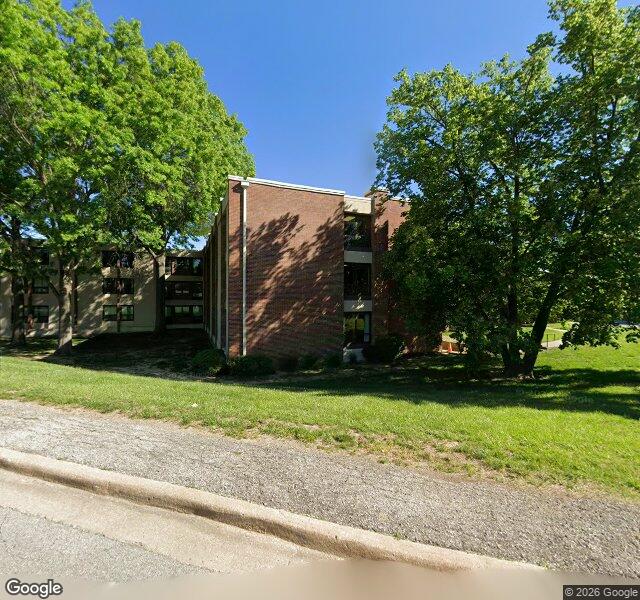
Riverbend Post Acute Rehabilitation
7850 Freeman Avenue, Kansas City, KS 66112View map (opens in a new tab)
Overview and key essentials
State license
Active
KS KDADS
Google reviews
Not available
Public reviews not linked
Size & payment
Ask directly
Confirm pricing & payment
Public records for this community are limited. Use the checklist below when you call or visit to confirm pricing, services, and openings.
Cost, payment & care details
Updated Nov 28, 2026| Monthly cost | Not published | Ask for the full monthly cost, including care fees and one-time charges. |
|---|---|---|
| Payment options | Ask directly | Payment details are not confirmed in our records. Ask about private pay, long-term care insurance, veterans benefits, and Medicaid waivers. |
| Size & availability | Confirm directly | We don't publish live openings. Ask about current availability, waitlist length, and move-in timing. |
| Care & support | Assisted living | Usually offers housing and help with everyday tasks, such as bathing and dressing. What to confirm about care levelsThis describes the licensed category. Ask how care plans adjust if mobility, nursing, or memory needs change over time. Read the family care guide → |
State licensing
State inspection history
14inspections
78deficiencies listed
May 5, 2026Routine11 deficiencies reported11
11 deficiencies reported
View official state report (opens in a new tab)
INITIAL COMMENTS The following citations represent the findings of a Health Recertification Survey and complaint survey regarding allegations in KS 2973236, KS 2974825, KS 2979613, and KS 2982724.
moderateF 0676
SS = D On 05/05/26 at 08:26 AM, R122 was in bed. R122’s breakfast tray sat on his bedside table. R122 was attempting to eat hot cereal from a white, divided plate. R122 dripped the cereal down his chin onto his neck and over his gown. R122 was in his room eating by himself; there were no staff in his room to assist R122. On 05/07/26 at 08:05 AM, Certified Nurse’s Aide (CNA) M stated R122 did need staff monitoring while he was eating, and said the staff just know him and know he had problems with swallowing. She stated she would know if a resident needed assistance by looking at the Kardex (nursing tool that gives a brief overview of the care needs of each resident). On 05/07/26 at 9:06 AM, Licensed Nurse (LN)H stated staff have access to the Kardex and the plan of care for each resident. LN H stated staff would look at Kardex and know if a resident needed assistance or monitoring when eating. LN H stated she normally did not work the hall R122 was on, but she would read the residents care plan and let CNAs know they should check him while he was eating. On 05/07/26 at 10:13 AM, Administrative Nurse D stated if a resident needed monitored or needed assistance that would be care planned. She stated all staff have access to the care plans and to Kardex. She stated staff would be able to look at the residents’ charts to see how much assistance a resident needed. Administrative Nurse D stated if the residents care plan stated they should have one assistant while eating, the staff should assist that resident. The facility’s “Quality of Care” dated 10/23 documented It was the policy of the facility that residents are given the appropriate treatment and services to maintain or improve his/her abilities.
moderateF 0679
SS = D SS = D stated that one-to-one activities were provided by the activity staff, and she was unsure when or how often this was provided. On 05/07/26 at 09:17 AM, Activity Z said that the one-to-one residents were assigned an activity person, and those individuals were responsible for performing the one-to-one activity. She then said that the activity person recorded the activity performed on a one-to-one document sheet, if the resident refused an activity that was also to be documented. Activity Z then verified that R10 had been offered activities once weekly, 04/12/26 to 05/02/26, and there was no refusal documented, and she then said that the activity staff had not been documenting refusals. Activity Z then stated that if the resident required a Hoyer lift transfer and wanted to participate in a group activity, then the activity staff would coordinate with the nursing staff to get the resident up for the activity. On 05/07/26 at 09:22 AM, Certified Nurse Aide (CNA) O said that CNAs and activity personnel provided a joint effort when offering and getting Hoyer residents up for activities. She said if it was an activity person, then that person notified the CNA or nurse staff to get the resident up for an activity. CNA O then said that if the resident refused to attend or get up, there was no real way for it to be charted. The facility policy “Activities Programming,” dated 04/2025, documented that it was the policy of this facility to ensure that activities are available to meet resident needs and interests that support the physical, mental, and psychosocial well-being of the resident. The policy also documented that activities may be facility-sponsored group or independent.
moderateF 0880
SS = E SS = E nurse’s duty. During an interview on 05/07/26 at 08:45 AM, CNA N stated she was unsure when the respiratory equipment should be placed in a bag that was in the rooms. She stated normally the nurse would place the equipment in the bags in the room. During an interview on 05/07/26 at 8:51, LN H stated respiratory equipment not in use should be stored in a clean bag with the date written on the bag. She stated the respiratory equipment could be placed in a drawer after the equipment was cleaned. She stated normally that would be the nurse's duty, but the CNAs or CMAs could also place the respiratory equipment that was not in use. LN H stated the vitals machine was cleaned before each shift. She stated staff should not take the vitals machine into rooms with EHB precautions. She stated she would take a handheld blood pressure cuff into rooms that were EHB precautions. LN H stated she did not think the equipment needed to be cleaned between each resident. During an interview on 05/07/26 at 10:13 AM, Administrative Nurse D stated the nurses were responsible for placing the respiratory equipment in bags after the equipment was cleaned. She stated placing the respiratory equipment in bags was placed on the nursing TAR. Administrative Nurse D stated all equipment should be sanitized between residents, and especially after the equipment was used in an EHB precautions room. She stated all staff have been educated on the sanitation of shared equipment. The facility’s “Infection Control Policy” dated 05/2007 documented it was the policy of this facility to provide supplies and equipment that are adequately cleaned and disinfected.
moderateF 0600
SS = D SS = D SS = D humiliate them, regardless of consent provided or the resident's cognitive status.
moderateF 0554
SS = D medications, it would be on the resident’s “Care Plan.” On 05/07/26 at 09:46 AM, Certified Medication Aide (CMA) S stated medications should never be left unattended because it was unknown whether or not the resident would take them or throw them away. On 05/07/26 at 11:50 AM, Administrative Nurse D stated a resident must be assessed to determine whether or not they were permitted to self-administer medications, and that would be documented in their care plan. Administrative Nurse d stated she was not sure which residents were able to self-administer their medications. A policy on “Self-Administration of Medications” dated 01/2026 documents resident will be assessed to determine if they can safely administer their prescribed medications and will then be documented in the resident’s EMR.
moderateF 0578
SS = D the resident, with a date of 01/21/25. On 05/05/26 at 01:18 PM, R16’s EHR "Home tab" documented R16’s code status (full code or DNR) as full code (indicating full resuscitative measures). R16’s EHR had a “Physician's Order,” dated 02/02/26, that R16 was a full code. This order was discontinued on 05/06/26. R16’s EHR had a “Physician’s Order,” with an active date of 05/06/26, that documented R16 was a DNR. On 05/05/26 at 01:18 PM, R16 stated that she was a DNR. On 05/06/26 at 08:28 AM, Certified Medication Aide (CMA) R said that if a resident was a DNR or full code, it showed on the EHR with capital letters. She verified that R16 showed full code. CMA R then verified that R16 had a signed DNR in her EHR. On 05/06/26 at 08:33 AM, Licensed Nurse (LN) G stated that R16's code status showed as full code. She then verified that R16 had a DNR in her EHR that was signed and dated for 01/21/25. On 05/06/26 at 08:41 AM, Administrative Nurse D said that chart audits were performed daily, and the record reviews were performed quarterly, annually and when a significant change occurred. She then verified that R16's chart showed her as full code and that she had an order for Full Code. She then verified that R16 had a signed DNR in the EHR dated 01/21/25. On 05/06/26 at 08:59 AM, Administrative Nurse E said that LN G had notified her earlier that the code status for R16 was wrong. Administrative Nurse E said she then verified that R16 had an order for full code, in conflict with her signed DNR that was in the EHR. She said she then reviewed the EHR and changed R16's code status to DNR to reflect the resident's wishes and DNR documentation. The facility policy “Advance Directives,” dated 11/2016, documented that a resident’s choice about advance directives would be recognized and respected. The policy further documented that the facility recognized and respected the resident’s right to choose his/her treatment and make decisions about care received at the end of his/her life.
moderateF 0689
SS = D SS = D SS = D the skid strips. LN H stated any staff could report to the Director of Nursing to let her know fall interventions were not in place or available. On 05/07/26 at 10:13 AM, Administrative Nurse D stated all nursing staff have access to the resident’s care plan. She stated R56 had moved rooms, and her fall interventions were not moved with her. Administrative Nurse D stated it was all nursing staff’s responsibility to ensure each resident had what they needed, and what was care planned for each resident. The facility’s “Falls Management System” dated 04/25 documented It was the policy of the facility to provide an environment that remains as free of accident hazards as possible. It was also the policy of this facility to provide each resident with appropriate assessment and interventions to prevent falls and to minimize complications if a fall occurs.
moderateF 0584
CFR(s): 483.10(i)(1)-(7) §483.10(i) Safe Environment. The resident has a right to a safe, clean, comfortable and homelike environment, including but not limited to receiving treatment and supports for daily living safely. The facility must provide- §483.10(i)(1) A safe, clean, comfortable, and homelike environment, allowing the resident to use his or her personal belongings to the extent possible. (i) This includes ensuring that the resident can receive care and services safely and that the physical layout of the facility maximizes resident independence and does not pose a safety risk. (ii) The facility shall exercise reasonable care for the protection of the resident's property from loss or theft. §483.10(i)(2) Housekeeping and maintenance services necessary to maintain a sanitary, orderly, and comfortable interior; §483.10(i)(3) Clean bed and bath linens that are in good condition; §483.10(i)(4) Private closet space in each resident room, as specified in §483.90 (e)(2)(iv); SS = E SS = E SS = E HD W said the floor technician was supposed to clean the floors two to three times a week, and any debris or pieces from a broken object should be swept up and properly disposed of. HD W stated all staff had access to cleaners, rags, mops, and brooms that were accessible for use on all shifts. Interview on 05/07/26 at 11:40 AM, Maintenance Staff (MS) U reported the drainage pump became clogged and backed up, and as a result, the cabinet door and floor received water damage. MS U said they would be replaced. He also reported the handle was seized for the hot water in the handwashing sink and said it would be repaired. Staff U reported maintenance was responsible for the fan above the sink and said the fan would be removed. He further reported the torn screens should be replaced and verified it should have been identified during spring cleaning checks. MS U confirmed the screens would be replaced. The facility policy “Safe and Homelike Environment” dated 02/22, documented it is the policy of the facility to ensure residents are provided the right to a safe, clean, comfortable, and homelike environment.
moderateF 0677
SS = D brown substance on right and left hands, on the fingertips, and underneath the fingernails. Interviewed on 05/06/26 at 09:55 AM, R31 reported that he would not mind if staff cleaned his fingertips and fingernails. R31 reported that staff did not ask him if he wanted his nails cleaned. Interviewed on 05/06/26 at 11:03 AM, Licensed Nurse (LN) J reported R31’s nail care could be provided by the support staff. LN J reported she had not been alerted by staff that R31 had refused nail care. On 05/07/26 at 08:19 AM, with Certified Medication Aid (CMA) S reported R31’s nails were dirty with a brown substance that might be food. She stated that activities did nail care. CMA S verified that a resident’s nails should never look like R31’s nails looked. On 05/06/26 at 10:54 AM, Certified Nursing Assistant (CNA) P stated staff should clean R31’s nails if he wanted them cleaned. On 05/07/26 at 08:28 AM, CNA Q stated activities staff would clean R31’s nails sometimes, but it should be done during showers as that was the best time to clean nails. On 05/07/26 at 08:35 AM, Activity Staff AA stated staff did nail care for the residents every other Wednesday. On 05/07/26 at 08:40 AM, Activity Director Z stated activities staff normally did spa days every other Wednesday, which included cleaning underneath the nails and soaking nails to remove dirt and debris from underneath the nails. Activity Director Z said no one had reported that R31 needed his nails cleaned. On 05/07/26 at 09:58 AM, Administrative Nurse D stated nail care can be provided with the shower and said staff chart nail care under resident “Tasks.” The facility policy “Nail Care of Finger and Toe”, dated 05/2007, documented that it is the policy of this facility to clean the nail bed, keep nails trimmed, and prevent infections.
moderateF 0761
Based on observation, interview, and record review, the facility failed to ensure medications were labeled and stored appropriately when staff failed to properly secure a medication cart. Findings included: - Observed 05/06/26 at 08:17 AM on the second floor, a large rolling medication cart sat in the hall, unattended, with the lock partially pushed in. It contained stock bottles of medications, cards of resident-specific medication, and personal drink cups. In an interview on 05/06/26 at 08:19 AM with Licensed Nurse (LN) L, she confirmed she thought the cart was locked and stated the medication cart should always be locked when it is unattended or out of sight. The requested facility policy, “Medication Labels and Storage,” dated 03/2024, did not address the resident medication carts.
moderateF 0921
to ensure that resident’s that reside here are provided the right to a safe, clean, comfortable, and homelike environment, including but not limited to receiving treatment and supports for daily living safely.
Nov 19, 2025Routine12 deficiencies reported12
12 deficiencies reported
View official state report (opens in a new tab)
INITIAL COMMENTS The following citations represent the findings of a health resurvey and complaint investigations 263182, 2656725, and 2649611. The 2567 was sent electronically on 12/04/25.
moderateF 0656
§483.21(b) Comprehensive Care Plans §483.21(b)(1) The facility must develop and implement a comprehensive person-centered care plan for each resident, consistent with the resident rights set forth at §483.10(c)(2) and §483.10(c)(3), that includes measurable objectives and timeframes to meet a resident's medical, nursing, and mental and psychosocial needs that are identified in the comprehensive assessment. The comprehensive care plan must describe the following - (i) The services that are to be furnished to attain or maintain the resident's highest practicable physical, mental, and psychosocial well-being as required under §483.24, §483.25 or §483.40; and (ii) Any services that would otherwise be required under §483.24, §483.25 or §483.40 but are not provided due to the resident's exercise of rights under §483.10, including the right to refuse treatment under §483.10(c)(6). (iii) Any specialized services or specialized rehabilitative services the nursing facility will provide as a result of PASARR recommendations. If a facility disagrees with the findings of the PASARR, it must indicate its rationale in the resident's medical record. (iv)In consultation with the resident and the resident's representative(s)- (A) The resident's goals for admission and desired outcomes. (B) The resident's preference and potential for future discharge. Facilities must document whether the resident's desire to return to the community was assessed and any referrals to local contact agencies and/or other appropriate entities, for this purpose. (C) Discharge plans in the comprehensive care plan, as appropriate, in accordance with the requirements set forth in paragraph (c) of this section. SS = D This REQUIREMENT is NOT MET as evidenced by: The facility had a census of 123 residents. The sample included 25 residents. Based on observation, interview, and record review, the facility failed to develop a comprehensive care plan for two residents, Resident (R) 67 for smoking, and for R82 for posttraumatic stress disorder (PTSD- a mental disorder characterized by an acute emotional response to a traumatic event or situation involving severe environmental stress). Findings included: - The Electronic Medical Record (EMR) for R67 documented diagnoses of chronic obstructive pulmonary disease (COPD- a progressive and irreversible condition characterized by diminished lung capacity and difficulty or discomfort in breathing), acute and chronic respiratory failure with hypercapnia (when the body can’t effectively get rid of carbon dioxide because of persistent lung disease). The” Quarterly Minimum Data Set” (MDS) dated 10/21/25 documented R67 had intact cognition. R67 required R67 supervision with showers, dressing, mobility, transfers, and ambulation. The assessment documented R67 received oxygen therapy. R67's 10/15/25 “Care Plan” lacked documentation a care plan for smoking was developed. The “Smoking Assessment” dated 04/25/25 documented R67 had no visual deficits, no cognitive loss, and no falls. The assessment documented R67 smoked zero times per day, could light her own cigarette, and used oxygen. The assessment further documented R67 had been educated on safe smoking practices and education of the risks of smoking. On 11/19/25 at 09:30 AM, R67 sat in a wheelchair outside smoking. On 11/18/25 at 02:45 PM, Certified Nurse Aide (CNA) M stated R67 went outside several times a day with supervision to smoke. On 11/18/25 at 08:30 AM, Licensed Nurse (LN) J stated R67...
moderateF 0628
CFR(s): 483.15(c)(2)(iii)(3)-(6)(8)(d)(1)(2); 483.21(c)(2) §483.15(c)(2) Documentation. SS = D (A) Contact information of the practitioner responsible for the care of the resident. (B) Resident representative information including contact information (C) Advance Directive information (D) All special instructions or precautions for ongoing care, as appropriate. (E) Comprehensive care plan goals; (F) All other necessary information, including a copy of the resident's discharge summary, consistent with §483.21(c)(2) as applicable, and any other documentation, as applicable, to ensure a safe and effective transition of care. §483.15(c)(3) Notice before transfer. Before a facility transfers or discharges a resident, the facility must- (i) Notify the resident and the resident's representative(s) of the transfer or discharge and the reasons for the move in writing and in a language and manner they understand. The facility must send a copy of the notice to a representative of the Office of the State Long-Term Care Ombudsman. (ii) Record the reasons for the transfer or discharge in the resident's medical record in accordance with paragraph (c)(2) of this section; and (iii) Include in the notice the items described in paragraph (c)(5) of this section. §483.15(c)(4) Timing of the notice. (i) Except as specified in paragraphs (c)(4)(ii) and (c)(8) of this section, the notice of transfer or discharge required under this section must be made by the facility at least 30 days before the resident is transferred or discharged. SS = D section; (B) The health of individuals in the facility would be endangered, under paragraph (c)(1)(i)(D) of this section; (C) The resident's health improves sufficiently to allow a more immediate transfer or discharge, under paragraph (c)(1)(i)(B) of this section; (D) An immediate transfer or discharge is required by the resident's urgent medical needs, under paragraph (c)(1)(i)(A) of this section; or (E) A resident has not resided in the facility for 30 days. §483.15(c)(5) Contents of the notice. The written notice specified in paragraph (c)(3) of this section must include the following: (i) The reason for transfer or discharge; (ii) The effective date of transfer or discharge; (iii) The location to which the resident is transferred or discharged; (iv) A statement of the resident's appeal rights, including the name, address (mailing and email), and telephone number of the entity which receives such requests; and information on how to obtain an appeal form and assistance in completing the form and submitting the appeal hearing request; (v) The name, address (mailing and email) and telephone number of the Office of the State Long-Term Care Ombudsman; (vi) For nursing facility residents with intellectual and developmental disabilities or related disabilities, the mailing and email address and telephone number of the agency responsible for the protection and advocacy of individuals with developmental disabilities established under Part C of the Developmental Disabilities Assistance and Bill of Rights Act of 2000 (Pub. L. 106-402, codified at 42 U.S.C. 15001 et seq.); and SS = D for the protection and advocacy of individuals with a mental disorder established under the Protection and Advocacy for Mentally Ill Individuals Act. §483.15(c)(6) Changes to the notice. If the information in the notice changes prior to effecting the transfer or discharge, the facility must update the recipients of the notice as soon as practicable...
moderateF 0561
CFR(s): 483.10(f)(1)-(3)(8) §483.10(f) Self-determination. The resident has the right to and the facility must promote and facilitate resident self-determination through support of resident choice, including but not limited to the rights specified in paragraphs (f)(1) through (11) of this section. §483.10(f)(1) The resident has a right to choose activities, schedules (including sleeping and waking times), health care and providers of health care services consistent with his or her interests, assessments, and plan of care and other applicable provisions of this part. §483.10(f)(2) The resident has a right to make choices about aspects of his or her life in the facility that are significant to the resident. SS = D in other activities, including social, religious, and community activities that do not interfere with the rights of other residents in the facility. This REQUIREMENT is NOT MET as evidenced by: The facility had a census of 123 residents. The sample included 25 residents. Based on observation, interview, and record review, the facility failed, due to her posttraumatic stress disorder (PTSD- a mental disorder characterized by an acute emotional response to a traumatic event or situation involving severe environmental stress), to provide only female caregivers that were requested, for Resident (R) 82. Findings included: - The Electronic Medical Record (EMR) for R82 documented diagnoses of PTSD and insomnia (inability to sleep). The “Quarterly Minimum Data Set” (MDS) dated 10/03/25 documented R82 had intact cognition. R82 was independent with dressing, personal hygiene, mobility, transfers, and ambulation. The assessment documented R82 had no behaviors and did not receive psychotropic medications. R82's “Care Plan” dated 09/27/25, initiated on 06/27/25, documented social services to provide psychosocial support as needed. The care plan lacked documentation R82 requested no male caregivers. The “Social Services Assessment” dated 07/06/25 documented R82 had a diagnosis of PTSD and had been abused by her ex-husband, and stated the abuse was primarily emotional, mental, and financial. The assessment documented R82 preferred no male caregivers, and her trigger was loud noises. The assessment documented R82 refused psychiatric services at that time. The “Social Services Assessment” dated 10/06/25 documented R82’s trauma had been identified in the previous assessment and had not changed, and to refer to her care plan. The assessment documented R82 understood the importance of having social interaction, and no new needs were identified. The assessment lacked documentation R82 was offered psychiatric services. SS = D On 11/18/25 at 01:00 PM, Licensed Nurse (LN) J stated she was unaware R82 had PTSD or of any residents on the first floor that had PTSD. LN J further stated she was unaware that R82 preferred not to have male caregivers. On 11/18/25 at 03:30 PM, Social Service X stated she had been unaware that the resident’s request for no male caregivers was not on the care plan. On 11/19/25 at 08:20 AM, CNA O stated he had just been made aware R82 did not want any male caregivers and had assisted her many times in the past. On 11/18/25 at 03:45 PM, Administrative Nurse E stated that R82’s request for no male caregivers should be on the care plan, and verified it was not. On 11/19/25 at 09:45 AM, Administrative Nurse D stated R82’s PTSD and triggers should have been on the care plan before yesterday. Staff should have been made aware that...
moderateF 0558
CFR(s): 483.10(e)(3) §483.10(e)(3) The right to reside and receive services in the facility with reasonable accommodation of resident needs and preferences except when to do so would endanger the health or safety of the resident or other residents. This REQUIREMENT is NOT MET as evidenced by: The facility identified a census of 123 residents. The sample included 25 residents, with seven reviewed for reasonable accommodation of needs related to call lights and wheelchair foot pedals. Based on observation, record review, and interviews, the facility failed to ensure Resident (R) 84 had a call light he could functionally activate for staff assistance and ensure R96, R47, and R81 had foot pedals on their wheelchairs while being pushed. The facility additionally failed to provide R10's sensory hand item. Findings Included: - On 11/18/25 at 08:55 AM, R84 (severely cognitively impaired resident) sat in his bed with his bedside table over him. He stated he was done with his breakfast tray and needed staff to assist him. R84’s call light was placed inside the dresser next to his bed and out of his reach. R84’s low air-loss mattress was set to 200 pounds (lbs). On 11/18/25 at 09:00 AM, R96 (severely cognitively impaired resident) was pushed into the dining room in his wheelchair. His feet slid on the floor as he was pushed from his room to the dining room table. His wheelchair had no foot pedals attached. On 11/18/25 at 01:02 PM, R96, R47 (severely cognitively impaired resident), and R81 (severely cognitively impaired resident) were pushed from their rooms to the dining room table without foot pedals. Their feet slid on the ground as staff pushed them in their wheelchair. On 11/19/25 at 09:55 AM, Certified Nurse’s Aide (CNA) M stated staff should use the foot pedals while pushing SS = E the residents in their wheelchairs. On 11/19/25 at 10:00 AM, Licensed Nurse (LN) G stated all residents had foot pedals for their wheelchairs and staff were expected to use them while pushing the residents. On 11/19/25 at 12:05 PM, Administrative Nurse D stated staff were never to allow the residents' feet to drag while being pushed in their wheelchairs. The facility’s “Fall Management System,” dated 06/2018, indicated the facility promoted an environment that remains free from accident hazards. The policy indicated that the facility assessed and provided the appropriate equipment to ensure resident safety. The policy indicated the facility appropriately assessed and implemented interventions to prevent falls and minimize complications if falls occurred. - R10’s Electronic Medical Record (EMR) from the "Diagnosis" tab documented diagnoses of cerebrovascular accident (CVA: stroke- sudden death of brain cells due to lack of oxygen caused by impaired blood flow to the brain by blockage or rupture of an artery to the brain), hypertension (elevated blood pressure), chronic obstructive pulmonary disease (COPD- progressive and irreversible condition characterized by diminished lung capacity and difficulty or discomfort in breathing, need for assistance), and dysphagia (swallowing difficulty, and contracture- abnormal permanent fixation of a joint). The "Annual Minimum Data Set" (MDS) for R10, dated 08/16/25 recorded a Brief Interview for Mental Status (BIMS) score of 99, which indicated severely impaired cognition. The MDS documented R10 had an impairment in his upper and lower extremities on one side of his body. The MDS documented R10 required staff assistance for...
moderateF 0849
CFR(s): 483.70(n)(1)-(4) §483.70(n) Hospice services. §483.70(n)(1) A long-term care (LTC) facility may do either of the following: (i) Arrange for the provision of hospice services through an agreement with one or more Medicare-certified hospices. (ii) Not arrange for the provision of hospice services at the facility through an agreement with a Medicare-certified hospice and assist the resident in transferring to a facility that will arrange for the provision of hospice services when a resident requests a transfer. SS = D facility must meet the following requirements: (i) Ensure that the hospice services meet professional standards and principles that apply to individuals providing services in the facility, and to the timeliness of the services. (ii) Have a written agreement with the hospice that is signed by an authorized representative of the hospice and an authorized representative of the LTC facility before hospice care is furnished to any resident. The written agreement must set out at least the following: (A) The services the hospice will provide. (B) The hospice's responsibilities for determining the appropriate hospice plan of care as specified in §418.112 (d) of this chapter. (C) The services the LTC facility will continue to provide based on each resident's plan of care. (D) A communication process, including how the communication will be documented between the LTC facility and the hospice provider, to ensure that the needs of the resident are addressed and met 24 hours per day. (E) A provision that the LTC facility immediately notifies the hospice about the following: (1) A significant change in the resident's physical, mental, social, or emotional status. (2) Clinical complications that suggest a need to alter the plan of care. (3) A need to transfer the resident from the facility for any condition. (4) The resident's death. (F) A provision stating that the hospice assumes responsibility for determining the appropriate course of hospice care, including the determination to change the level of services provided. SS = D (H) A delineation of the hospice's responsibilities, including but not limited to, providing medical direction and management of the patient; nursing; counseling (including spiritual, dietary, and bereavement); social work; providing medical supplies, durable medical equipment, and drugs necessary for the palliation of pain and symptoms associated with the terminal illness and related conditions; and all other hospice services that are necessary for the care of the resident's terminal illness and related conditions. (I) A provision that when the LTC facility personnel are responsible for the administration of prescribed therapies, including those therapies determined appropriate by the hospice and delineated in the hospice plan of care, the LTC facility personnel may administer the therapies where permitted by State law and as specified by the LTC facility. (J) A provision stating that the LTC facility must report all alleged violations involving mistreatment, neglect, or verbal, mental, sexual, and physical abuse, including injuries of unknown source, and misappropriation of patient property by hospice personnel, to the hospice administrator immediately when the LTC facility becomes aware of the alleged violation. (K) A delineation of the responsibilities of the hospice and the LTC facility to provide bereavement services to LTC facility staff. §483.70(n)(3) Each LTC facility arranging for the provision...
moderateF 0686
CFR(s): 483.25(b)(1)(i)(ii) §483.25(b) Skin Integrity §483.25(b)(1) Pressure ulcers. Based on the comprehensive assessment of a resident, the facility must ensure that- SS = D were unavoidable; and (ii) A resident with pressure ulcers receives necessary treatment and services, consistent with professional standards of practice, to promote healing, prevent infection and prevent new ulcers from developing. This REQUIREMENT is NOT MET as evidenced by: The facility identified a census of 123 residents. The sample included 25 residents, with five reviewed for pressure ulcers (localized injury to the skin and/or underlying tissue usually over a bony prominence, because of pressure, or pressure in combination with shear and/or friction). Based on interviews, observations, and record reviews, the facility failed to ensure Resident (R) 84’s pressure-reducing interventions were implemented correctly when R84’s low air-loss mattress (specialized air mattress used to prevent pressure related wounds) was not set within his current weight range. The facility additionally failed to float R10's heels as directed by wound treatment. heels Findings included: - R84’s Electronic Medical Records (EMR) included diagnoses of congestive heart failure (CHF- a condition with low heart output and the body becomes congested with fluid), heart disease, and a stage-three (full-thickness pressure injury extending through the skin into the tissue below) pressure injury. R84’s “Admission Minimum Data Set (MDS)” dated 10/26/25 noted a Brief Interview for Mental Status (BIMS) score of six, indicating severe cognitive impairment. The MDS noted he had no upper or lower extremity mobility impairments. The MDS noted he was dependent on staff assistance for bathing, dressing, personal hygiene, and oral hygiene. The MDS noted he required substantial to maximal assistance for bed mobility and transfers. The MDS noted he had one stage-three pressure ulcer and was at risk for further pressure ulcer development. The MDS noted he had pressure-reducing devices for his bed and wheelchair. SS = D The CAA noted he admitted to the facility with a stage-three pressure injury. The CAA noted his care plan was implemented to minimize the risks related to pressure ulcers. R84’s “Care Plan” initiated 10/20/25 indicated the following interventions: 10/20/25- He was dependent on staff assistance for bathing, toileting, oral hygiene, and dressing. 10/20/25- He required substantial assistance from staff for transfers and bed mobility. 10/20/25- He was at risk for pressure ulcers and had an air mattress. The intervention instructed staff to check the placement and function of the mattress. The plan lacked instructions related to the low-air-loss mattress settings. R84’s EMR under “Assessments” indicated he admitted to the facility on 10/20/25 with a stage-two pressure injury on his left heel. The EMR indicated no decline or further development of new wounds during his stay at the facility. R84’s EMR under “Vitals” indicated he weighed 132.1 pounds (lbs.) on 11/07/25. R84’s EMR under “Physician Orders” dated 10/20/25 indicated he had a low-air-loss mattress and instructed staff to check placement and functioning. A review of the low-air-loss mattress manufacturer’s operation (Drive) manual indicated the mattress system was intended to reduce the incidence of pressure ulcers while optimizing comfort. The manual indicated the mattress pump’s pressure levels and firmness were preset based on the...
moderateF 0689
CFR(s): 483.25(d)(1)(2) §483.25(d) Accidents. The facility must ensure that - §483.25(d)(1) The resident environment remains as free of accident hazards as is possible; and §483.25(d)(2)Each resident receives adequate supervision and assistance devices to prevent accidents. This REQUIREMENT is NOT MET as evidenced by: The facility had a census of 123 residents. The sample included 25 residents, with five residents reviewed for accidents and/or hazards. Based on observation, record review, and interview, the facility failed to secure rooms containing hazardous materials to keep out of reach of 12 cognitively impaired /independently mobile residents. The facility additionally failed to follow Resident (R) 61 and R67's implemented fall interventions per their care plans. Findings Included: - On 11/17/25 at 07:10 AM, a walkthrough was completed in the facility’s secured 2nd floor, and the following was observed: An inspection of an unsecured linen closet next to the nurse’s station next to the elevator, revealed a container of purple disinfectant wipes on top of the room’s counter. An inspection of the dining area revealed a cabinet next to the seating area with a container of purple wipes stored in the upper cabinet. An inspection of an unsecured soiled utility closet next to the rear nurse’s station revealed two overfilled Sharps containers with syringes. SS = E On 11/17/25 at 07:50 AM, Licensed Nurse (LN) G secured the doors and stated the rooms with potentially hazardous chemicals were supposed to be secured. She stated the residents were not to have access to secured areas. On 11/19/25 at 12:05 PM, Administrative Nurse D stated staff were expected to ensure hazardous chemicals were locked up and not accessible to the residents. The facility’s “Fall Management System” policy, dated 06/2018, documented the facility was committed to promoting resident autonomy by providing an environment that remained as free of accident hazards as possible. Each resident was assisted in attaining or maintaining their highest practicable level of function through providing the resident adequate supervision, assistive devices, and functional programs as appropriate to prevent accidents. The facility provides each resident with appropriate assessment and intervention to prevent falls and to minimize complications if a fall occurs. The resident’s care plan would be updated. - R61’s Electronic Medical Record (EMR) from the "Diagnosis" tab documented diagnoses of major depressive disorder (major mood disorder that causes persistent feelings of sadness), anxiety (mental or emotional reaction characterized by apprehension, uncertainty, and irrational fear), dementia (a progressive mental disorder characterized by failing memory and confusion), and anemia (an inadequate number of healthy red blood cells to carry adequate oxygen to body tissues). R61's "Annual Minimum Data Set" (MDS) dated 08/16/25 recorded a Brief Interview for Mental Status (BIMS) score of four, which indicated severely impaired cognition. The MDS documented R61 needed staff setup or clean up assistance for eating, was dependent on staff for toileting and bathing, and needed partial/moderate assistance by staff for dressing, chair to bed transfer, and toilet transfers. The MDS documented R61 had no falls since admission/entry. R61's " Falls Care Area Assessment" (CAA) dated 08/25/25 had bowel/bladder incontinence and required assistance with ADLs and was at risk for complications due to...
moderateF 0554
CFR(s): 483.10(c)(7) §483.10(c)(7) The right to self-administer medications if the interdisciplinary team, as defined by §483.21(b)(2)(ii), has determined that this practice is clinically appropriate. This REQUIREMENT is NOT MET as evidenced by: The facility had a census of 123 residents. The sample included 25 residents. Based on observation, interview, and record review, the facility failed to ensure Resident (R) 67 had a physician’s order and was assessed for the ability to safely self-administer an inhaler medication. Findings included: SS = D because of persistent lung disease). The” Quarterly Minimum Data Set” (MDS) dated 10/21/25 documented R67 had intact cognition. R67 required supervision with showers, dressing, mobility, transfers, and ambulation. The assessment documented R67 received an antianxiety (a class of medications that calm and relax people), antidepressant (a class of medications used to treat mood disorders), diuretic (a medication to promote the formation and excretion of urine), and hypoglycemic (a medication to treat low blood sugars) medication. R67's 10/16/25 “Care Plan” included the following interventions for COPD: 01/12/24 – Administer nebulizer treatments as ordered, give oxygen therapy as ordered by the physician, and monitor for signs and symptoms of acute respiratory insufficiency. 06/16/25 – Administer inhalers as ordered. The “Physician’s Order” dated 07/11/25 directed staff to administer fluticasone-umeclidinium-vilant (used to help control the symptoms of asthma and improve lung function) 100-62.5-25 micrograms (mcg)/act, one inhalation, orally, daily for COPD. The EMR documented that the inhaler was scheduled for 07:00 AM daily. On 11/18/25 at 08:10 AM, Licensed Nurse (LN) I handed R67 the inhaler, did not provide instructions on how to use it, turned and went out to the cart to get applesauce to mix into R67’s medication. R67 tried to inhale and found that the inhaler was empty. LN I came back into the room, and R67 handed her the inhaler and stated it was empty. LN I had R67’s medication for her breathing treatment and told R67 that she was going to put the medication in the nebulizer (a device that changes liquid medication into a mist easily inhaled into the lungs) and to make sure that she took it after she ate. As LN, I started to put the medication into the nebulizer machine, she asked me if it was ok that she leave it. This surveyor told her that I did not know and asked what the facility policy was. LN I stated, she would return after R67 finished her meal to administer her breathing treatment. SS = D to administer her inhaler independently, but felt she could since R67 was cognitively intact. LN I further stated that they leave her breathing treatment medication at her bedside all the time, and she always took it. On 11/19/25 at 09:43 AM, Administrative Nurse D stated staff should have reordered the inhaler, and she would not have missed her scheduled dose. Administrative Nurse D verified that R67 did not have an assessment for self-administration of medications and should not have been given the inhaler to self-medicate. The facility’s “Self-Medication of Medications” policy, dated 01/2025, documented the clinician would provide an opportunity for the patient to administer his/her own medications. The medications listed at the time of admission and recertification would be considered part of the plan of care. Staff assess the patient's ability to self-administer medications correctly...
fell out of bed. R128 was sent to the EmergencyR 128
Room (ER) due to being on Heparin (blood thinner) for evaluation and treatment post fall. Staff would provide a falling star outside of R128’s room for intervention. R128’s EMR under “Social Services” dated 0/22/25 documented R128’s spouse declined a bed hold. R128’s spouse stated he would not be coming back to the facility because bed rails were not allowed. On 11/19/25 at 11:58 AM, Licensed Nurse (LN) K stated she was unsure whose responsibility it would be to do a discharge summary for a resident who was an unplanned discharge. On 11/19/25 at 12:04 PM, Administrative Nurse D stated that for an unplanned discharge, the social services did a portion of the discharge summary. Administrative Nurse D stated the remainder of the unplanned discharge would be her responsibility. On 11/19/25 at 10:44 AM, Administrative Staff A stated the facility was unable to locate a discharge summary or recompilation of R128’s care as requested.
moderateF 0699
CFR(s): 483.25(m) §483.25(m) Trauma-informed care The facility must ensure that residents who are trauma survivors receive culturally competent, trauma-informed care in accordance with professional standards of practice and accounting for residents' experiences and preferences in order to eliminate or mitigate triggers that may cause re-traumatization of the resident. This REQUIREMENT is NOT MET as evidenced by: The facility had a census of 123 residents. The sample included 25 residents. Based on observation, interview, and record review, the facility failed to ensure Resident (R) 82 received trauma-informed care to eliminate or mitigate triggers that may cause traumatization related to a diagnosis of post-traumatic stress disorder (PTSD- a mental disorder characterized by an acute emotional response to a traumatic event or situation involving severe environmental stress). Findings included: - The Electronic Medical Record (EMR) for R82 documented diagnoses of PTSD and insomnia (inability to sleep). The “Quarterly Minimum Data Set” (MDS) dated 10/03/25 documented R82 had intact cognition. R82 was independent with dressing, personal hygiene, mobility, transfers, and ambulation. The assessment documented R82 had no behaviors and did not receive psychotropic medications. R82's “Care Plan” dated 09/27/25, initiated on 06/27/25, documented social services to provide psychosocial support as needed. The EMR lacked documentation of a care plan for R82’s PTSD that was developed. SS = D documented R82 refused psychiatric services at that time. The “Social Services Assessment” dated 10/06/25 documented R82’s trauma had been identified in the previous assessment and had not changed, and to refer to her care plan. The assessment documented R82 understood the importance of having social interaction, and no new needs were identified. The assessment lacked documentation. R82 was offered psychiatric services. On 11/18/25 at 07:45 AM, R82 in bed working on her computer. R82 stated she did not have concerns with her care and liked to be in her room on her computer. On 11/18/25 at 02:45 PM, Certified Nurse Aide (CNA) M stated she was not aware R82 had a diagnosis of PTSD and did not know what her triggers would be. On 11/19/25 at 08:20 AM, CNA O stated he had just been made aware R82 did not want any male caregivers and had assisted her many times in the past. On 11/18/25 at 01:00 PM, Licensed Nurse (LN) J stated she was unaware R82 had PTSD or of any residents on the first floor that had PTSD. LN J further stated she was unaware that R82 preferred not to have male caregivers. On 11/18/25 at 03:30 PM, Social Service X stated she had been unaware that there was no care plan for staff to provide the PTSD triggers for staff when providing care for R82. Social Service X further stated she did not talk to R82 about her past trauma because she did not want to bring up past trauma and upset her. On 11/18/25 at 03:45 PM, Administrative Nurse E stated that she had just put a PTSD care plan in place for R82 and verified that it should have been on the care plan after the PTSD assessment was completed. On 11/19/25 at 09:45 AM, Administrative Nurse D stated R82’s PTSD and triggers should have been on the care plan before yesterday. Staff should have been made aware that the resident had PTSD and that she preferred female caregivers. SS = D individualized, person-centered care approaches as well as trauma-informed approaches in accordance with the resident’s...
moderateF 0677
CFR(s): 483.24(a)(2) §483.24(a)(2) A resident who is unable to carry out activities of daily living receives the necessary services to maintain good nutrition, grooming, and personal and oral hygiene; This REQUIREMENT is NOT MET as evidenced by: SS = D (R) 10 with showers as scheduled. Findings Included: - R10’s Electronic Medical Record (EMR) from the "Diagnosis" tab documented diagnoses of cerebrovascular accident (CVA: stroke- sudden death of brain cells due to lack of oxygen caused by impaired blood flow to the brain by blockage or rupture of an artery to the brain), hypertension (elevated blood pressure), chronic obstructive pulmonary disease (COPD- progressive and irreversible condition characterized by diminished lung capacity and difficulty or discomfort in breathing, need for assistance), dysphagia (swallowing difficulty), and contracture (abnormal permanent fixation of a joint). R10's " Annual Minimum Data Set" (MDS) dated 08/16/25 recorded a Brief Interview for Mental Status (BIMS) score of 99, which indicated severely impaired cognition. The MDS documented R10 had an impairment in his upper and lower extremities on one side of his body. The MDS documented R10 required staff assistance for all ADLs. R10's "Cognitive Loss/Dementia Care Area Assessment" (CAA) dated 08/16/25 documented R10 had an alteration in cognition related to dementia (a progressive mental disorder characterized by failing memory and confusion). The CAA documented R10 was at risk for complications due to restricted mobility and being unable to communicate. R10’s “Care Plan” revised 09/02/25 documented: - R10 would maintain his current level of function. - R10 was in total dependence on staff with activities of daily living (ADL), bed mobility, transfers, eating, dressing, grooming, and toilet use. R10’s EMR under “Progress Notes” documented the following note by social services on 11/04/25. A care plan meeting was held with R10’s spouse, and the assistant director of nursing stated she was monitoring that showers were being given. R10’s spouse stated she would like full showers, not bed baths, and had requested showers be moved to the evening shift. The assistant director of nursing stated R10’s chart had been updated with the new request for R10. SS = D On 11/17/25 at 07:55, R10 laid in his bed on his back with his eyes closed. R10’s hair appeared greasy. On 11/19/25 08:35 AM, Administrative Nurse F stated she oversaw ensuring all residents received their showers or baths, whichever the resident requested. Administrative Nurse F stated she picked up shower sheets daily. If a resident did not get a shower as scheduled, she talked to the Certified Nurse’s Aides (CNA), and the process was that the resident would get a shower the next day. Administrative Nurse F stated it was the request of R10’s spouse that he received a full shower and not a bed bath. On 11/19/25 at 11:48 AM, CNA N stated it was the CNA who was responsible for ensuring R10 received his shower. She stated CNAs have a bath schedule every day they are responsible for. She stated bath sheets were filled out every day, and if a resident did not get his bath that day, it was expected that staff would pass that information on to the next shift to do. On 11/19/25 at 12:04 PM, Administrative Nurse D stated that all CNAs have a shower schedule for each day. She stated it was expected that the showers would be done on the day they were scheduled. Administrative Nurse D stated that Administrative...
moderateF 0757
CFR(s): 483.45(d)(1)-(6) §483.45(d) Unnecessary Drugs-General. Each resident's drug regimen must be free from unnecessary drugs. An unnecessary drug is any drug when used- §483.45(d)(1) In excessive dose (including duplicate drug therapy); or §483.45(d)(2) For excessive duration; or §483.45(d)(3) Without adequate monitoring; or §483.45(d)(4) Without adequate indications for its use; or §483.45(d)(5) In the presence of adverse consequences which indicate the dose should be reduced or discontinued; or §483.45(d)(6) Any combinations of the reasons stated in paragraphs (d)(1) through (5) of this section. This REQUIREMENT is NOT MET as evidenced by: SS = D interview, and record review, the facility failed to hold Midodrine (a medication for low blood pressure) for Resident (R) 26 and R97 and failed to hold insulin (controls the amount of sugar in the blood by moving into the cells) as the physician ordered for R67. Findings included: - The Electronic Medical Record (EMR) for R26 documented diagnoses of hyperlipidemia (condition of elevated blood lipid levels) and hypotension (low blood pressure). The “Annual Minimum Data Set” (MDS) dated 07/08/25 documented R26 had intact cognition. R26 required supervision from staff for toileting hygiene, upper body dressing, personal hygiene, mobility, and transfers. The assessment further documented R26 received insulin, opioid (moderate to severe pain medication), and antiplatelet (medication that prevents platelets from sticking together and decreases your body’s ability to form blood clots) medication. The “Quarterly MDS” dated 09/24/25 documented R26 had intact cognition. R26 required supervision from staff for eating, oral hygiene, upper body dressing, personal hygiene, mobility, transfers, and ambulation. The assessment further documented R26 received insulin and antiplatelet medications. R26's 09/18/25 “Care Plan” included the following hypotension interventions: 04/25/25 - Monitor laboratory reports as ordered and report to the physician as needed. 07/22/25 - Monitor vital signs as ordered and report to the physician as needed. Administer medications as ordered for hypotension and observe for adverse effects. The “Physician’s Order" dated 08/06/25 directed staff to administer Midodrine HCL, 5 milligrams (mg), by mouth twice per day, and hold if systolic blood pressure (SBP- top number, the force your heart exerts on the walls of your arteries each time it beats) was over 150 millimeters of mercury (mmHg). This order was discontinued on 09/16/25. SS = D 09/01/25 – 163/57 mmHg The “Physician’s Order,” dated 09/16/25, directed staff to administer Midodrine, 5mg, by mouth, twice per day, and hold is SBP was greater than 150 mmHg. The “TAR,” dated October 2025, documented the following days R26 received the medication when the SBP was over the ordered parameter: 10/01/25 – 154/55 mmHg 10/05/25 – 164/55 mmHg 10/08/25 – 153/63 mmHg On 11/18/25 at 08:10 AM, R26 sat in her wheelchair in her room. On 11/18/25 at 08:30 AM, Licensed Nurse (LN) J stated R26 had already received her morning medications. LN J verified R26 had received her Midodrine medication when her blood pressures were out of the physician-ordered parameters. On 11/18/25 at 02:40 PM, Administrative Nurse D stated the nursing staff should follow the physician's ordered parameters and hold the medication when out of parameters. The facility’s “Medication Administration” policy, dated 09/2014, documented medications were administered as...
Nov 4, 2025Follow-upNo deficiencies reportedNone
No deficiencies reported
View official state report (opens in a new tab)
INITIAL COMMENTS The Licensure Resurvey and Complaint Investigation 1458514 of the above-named facility resulted in a finding of no deficiency citations
May 21, 2025Routine8 deficiencies reported8
8 deficiencies reported
View official state report (opens in a new tab)
INITIAL COMMENTS The following citations represent the findings of a Health Recertification Survey and complaint survey regarding allegations in KS00194823 and KS00195514. The 2567 was sent electronically on 06/04/25.
Care Plan Timing and RevisionF 657
CFR(s): 483.21(b)(2)(i)-(iii) SS=D §483.21(b) Comprehensive Care Plans §483.21(b)(2) A comprehensive care plan must be- (i) Developed within 7 days after completion of the comprehensive assessment. (ii) Prepared by an interdisciplinary team, that includes but is not limited to-- (A) The attending physician. (B) A registered nurse with responsibility for the resident. (C) A nurse aide with responsibility for the resident. (D) A member of food and nutrition services staff. (E) To the extent practicable, the participation of the resident and the resident's representative(s). An explanation must be included in a resident's medical record if the participation of the resident and their resident representative is determined not practicable for the development of the resident's care plan. (F) Other appropriate staff or professionals in disciplines as determined by the resident's needs 8DSP11 or as requested by the resident. (iii)Reviewed and revised by the interdisciplinary team after each assessment, including both the comprehensive and quarterly review assessments. This REQUIREMENT is not met as evidenced by: The facility had a census of 113 residents. The sample included 24 residents. Based on observation, record review, and interview, the facility failed to revise the care plan to include resident-centered functional abilities for Resident (R) 41 and R69. This placed the residents at risk for unmet care needs. Findings included: - R41's Electronic Medical Record (EMR) included diagnoses of chronic respiratory failure with hypoxia (inadequate supply of oxygen), congestive heart failure (CHF - a condition with low heart output and the body becomes congested with fluid), obstructive sleep apnea (a disorder of sleep characterized by periods without respirations), anxiety (mental or emotional reaction characterized by apprehension, uncertainty, and irrational fear) disorder, major depressive disorder (major mood disorder that causes persistent feelings of sadness), and diabetes mellitus (DM - when the body cannot use glucose, not enough insulin is made, or the body cannot respond to the insulin). The "Quarterly Minimum Data Set" (MDS), dated 03/01/25, lacked cognitive assessment, no signs or symptoms of delirium (sudden severe confusion, disorientation, and restlessness), psychosis (any major mental disorder characterized by a gross impairment in reality 8DSP11 perception), or behaviors. The MDS documented R41 required substantial/maximal assistance with dressing, personal hygiene, bed mobility, and transfers. The MDS further documented R41 had shortness of breath and trouble breathing with exertion and when lying flat, received oxygen therapy and a non-invasive mechanical ventilator. R41's "Care Plan" dated 03/02/25, documented an alteration in self-care related to an indwelling catheter, bowel incontinence, and required assistance with activities of daily living. The care plan lacked directions to staff for toileting hygiene, transfers, bed mobility, bathing, oral hygiene, dressing, and eating. The "Progress Note" dated 02/04/25 at 02:00 PM documented that R41's family chose to send the resident out to the emergency department. The "Progress Note" dated 03/27/25 at 09:06 AM documented that R41 had decreased oxygen levels, and the family member agreed to send R41 to the emergency room. On 05/20/25 at 12:29 PM, R41 had a meal tray on the over-bed table. R41 was lying mostly on her left side, slumped down toward the end of the bed....
Drug Regimen is Free from Unnecessary DrugsF 757
CFR(s): 483.45(d)(1)-(6) SS=D §483.45(d) Unnecessary Drugs-General. Each resident's drug regimen must be free from unnecessary drugs. An unnecessary drug is any drug when used- 8DSP11 §483.45(d)(1) In excessive dose (including duplicate drug therapy); or §483.45(d)(2) For excessive duration; or §483.45(d)(3) Without adequate monitoring; or §483.45(d)(4) Without adequate indications for its use; or §483.45(d)(5) In the presence of adverse consequences which indicate the dose should be reduced or discontinued; or §483.45(d)(6) Any combinations of the reasons stated in paragraphs (d)(1) through (5) of this section. This REQUIREMENT is not met as evidenced by: The facility had a census of 113 residents. The sample included 24 residents, with five reviewed for unnecessary medications. Based on observation, record review, and interview, the facility failed to hold blood pressure medication per the physician-ordered parameters for Resident (R) 13. This placed the resident at risk for physical decline and other related complications. Findings included: - The Electronic Medical Record (EMR) for R13 documented diagnoses of hypotension (low blood pressure), cognitive communication deficit (an impairment in organization, sequencing attention, memory planning, problem-solving, and safety awareness), depression (a mood disorder that causes a persistent feeling of sadness and loss 8DSP11 of interest), and anxiety (mental or emotional reaction characterized by apprehension, uncertainty, and irrational fear). R13's "Quarterly Minimum Data Set" (MDS), dated 02/27/25, documented R13 had severely impaired cognition. R13 required partial staff assistance for showers, dressing, personal hygiene, mobility, transfers, and ambulation. R13 received antipsychotic (a class of medications used to treat major mental conditions that cause a break from reality), antidepressant (a class of medications used to treat mood disorders), and anticonvulsant (a class of medications used to prevent or treat seizures (convulsions) medications. R13's "Care Plan," dated 05/19/25, directed staff to administer medication as ordered, observe for adverse effects and report to the physician as needed. The "Physician's Order," dated 11/21/24, directed staff to administer midodrine (antihypotensive medication) 2.5 milligrams (mg) by mouth, three times per day, for hypotension. Hold the medication if the systolic blood pressure (SBP - the top number, the force your heart exerts on the walls of your arteries each time it beats) is greater than 130 millimeters of mercury (mmHg). R13's "Medication Administration Record," dated February 2025, documented the following days R13 received the midodrine when the SBP was over the ordered parameters: AM Dose 02/04/25 - 138/67 mmHg 02/16/25 - 133/77 mmHg 02/18/25 - 140/80 mmHg 8DSP11 Midday Dose 02/16/25 - 135/78 mmHg 02/17/25 - 140/78 mmHg R13's "Medication Administration Record," dated March 2025, documented the following days R13 received the midodrine when the SBP was over the ordered parameters: AM Dose 03/20/25 - 134/86 Midday Dose 03/12/25 - 139/77 03/20/25 - 141/72 03/30/25 - 147/81 03/31/25 - 132/60 R13's "Medication Administration Record," dated April 2025, documented the following days R13 received the midodrine when the SBP was over the ordered parameters: AM Dose 04/04/25 - 133/76 mmHg 04/22/25 - 136/52 mmHg 04/27/25 - 143/87 mmHg Midday Dose 04/06/25 - 158/80 mmHg 04/08/25 - 131/67 mmHg R13's "Medication Administration Record,"...
Treatment/Service for DementiaF 744
CFR(s): 483.40(b)(3) SS=D §483.40(b)(3) A resident who displays or is diagnosed with dementia, receives the appropriate treatment and services to attain or maintain his or her highest practicable physical, mental, and psychosocial well-being. This REQUIREMENT is not met as evidenced by: The facility had a census of 113 residents. The sample included 24 residents, with four reviewed for dementia (a progressive mental deterioration characterized by confusion and memory failure) care. Based on observation, record review, and interview, the facility failed to address one resident, Resident (R) 36's dementia care needs, when R36 continued to go through staff members' belongings that were kept at the nurse's station. This placed R36 at risk for decreased quality of life and accidents. Findings included: 8DSP11 - The Electronic Medical Record (EMR) recorded diagnoses of Wernicke's encephalopathy (a degenerative brain disorder caused by the lack of vitamin B1), alcohol-induced persisting amnestic disorder (a cognitive disorder characterized by significant memory impairment), alcohol dementia (a progressive mental disorder characterized by failing memory and confusion), schizoaffective disorder (a mental disorder characterized by gross distortion of reality, disturbances of language and communication, and fragmentation of thoughts), behaviors associated with the physiological disorder (changes in an individual's actions, reactions, or patterns of behavior that are linked to a physical or medical condition affecting the body's organs or systems), mood disorder (category of mental health problems, feelings of sadness, helplessness, guilt, and wanting to die were more intense and persistent than what may normally be felt from time to time), and anxiety (mental or emotional reaction characterized by apprehension, uncertainty, and irrational fear). The "Quarterly Minimum Data Set" (MDS), dated 01/18/25, documented R36 had intact cognition. The MDS documented R36 was independent with eating, dressing, mobility, transfers, and ambulation. The assessment further documented R36 received antipsychotic (a class of medications used to treat major mental conditions that cause a break from reality), and antidepressant (a class of medications used to treat mood disorders) medications and had no behaviors. The "Quarterly MDS," dated 04/20/25, documented R36 had moderately impaired cognition. The MDS documented R36 required 8DSP11 staff supervision with ambulation, and was independent with mobility, transfers, and dressing. The MDS documented R36 had delusions (sudden severe confusion, disorientation, and restlessness), had other behaviors for one to three days, and wandered for four to six days during the look-back period. The MDS documented R36 received antipsychotic and antianxiety medication (medication that calms and relaxes people). R36's "Care Plan," dated 04/14/25, initiated on 11/29/22, documented R36 had impaired safety awareness and directed staff to document wandering behavior and attempted divisional interventions. R36's plan of care further directed staff to identify patterns of wandering and intervene as appropriate. The update, dated 04/21/25, directed staff to distract him from wandering by offering pleasant distractions, structured activities, food, conversation, television, and books. The care plan documented R36's preferred food and soda. The "Physician's Order," dated 08/01/24, directed staff to administer Seroquel (an...
Label/Store Drugs and BiologicalsF 761
CFR(s): 483.45(g)(h)(1)(2) SS=E §483.45(g) Labeling of Drugs and Biologicals Drugs and biologicals used in the facility must be labeled in accordance with currently accepted professional principles, and include the appropriate accessory and cautionary instructions, and the expiration date when applicable. 8DSP11 §483.45(h) Storage of Drugs and Biologicals §483.45(h)(1) In accordance with State and Federal laws, the facility must store all drugs and biologicals in locked compartments under proper temperature controls, and permit only authorized personnel to have access to the keys. §483.45(h)(2) The facility must provide separately locked, permanently affixed compartments for storage of controlled drugs listed in Schedule II of the Comprehensive Drug Abuse Prevention and Control Act of 1976 and other drugs subject to abuse, except when the facility uses single unit package drug distribution systems in which the quantity stored is minimal and a missing dose can be readily detected. This REQUIREMENT is not met as evidenced by: The facility had a census of 113 residents. The sample included 24 residents. Based on observation, interview, and record review, the facility failed to label Resident (R) 35s, R5s, R88s, R17s, R59s, R13s, R6s, R110s, R10s, R16s, and R64s insulin (a hormone that lowers the level of glucose in the blood) flex pens and vials with the opened date and when expired. This deficient practice placed the affected residents at risk for ineffective medications. Findings included: - On 05/20/25 at 09:00 AM, observation of the facility's South Hall medication cart revealed the following: R35's Insulin Aspart (fast-acting) flex pen was not labeled with the date opened or the date expired. 8DSP11 R5's Lispro (fast-acting) insulin vial was not labeled with the date opened or the date expired. R88's Lantus Solostar (long-acting) insulin was not labeled with the date opened or the date expired, and Lispro Kwik pen was not labeled with the date opened or the date expired. R17's Glargine (long-acting) insulin flex pen was not labeled with the date opened or the date expired. R59's Glargine insulin flex pen was not labeled with the date opened or the date expired. R13's Humalog (fast-acting) insulin flex pen was not labeled with the date opened or the date expired. R6's Novolog insulin flex pen was not labeled with the date opened or the date expired. R110's Insulin Aspart flex pen was labeled with the date opened of 03/29/25 and lacked an expired by date. Insulin Aspart has a 28-day in-use date and had expired on 04/26/25. R10's Lantus Solostar insulin flex pen was not labeled with the date opened or the expired date. R16's Glargine insulin flex pen was not labeled with the date opened or the expired date. R64's Tresiba (long-acting) insulin flex pen was not labeled with the date opened or the expired date. Medlineplus.gov directed that open, unrefrigerated Insulin Aspart, Lispro, Lantus, 8DSP11 Glargine, Humalog, and Novolog can be used within 28 days and Tresiba can be used within 56 days; after that time, they must be discarded. The facility's "Storage and Controlling Medications" policy, undated, documented medications that are discontinued, expired, contaminated, or deteriorated and those that are in containers that are cracked, soiled, or without secure closures are immediately removed from the locked medication storage area and disposed of in accordance with the facility policies and procedures.
Discharge ProcessF 628
CFR(s): 483.15(c)(2)(iii)(3)-(6)(8)(d)(1)(2); 483.21(c)(2)(i)-(iii) SS=E §483.15(c)(2) Documentation. When the facility transfers or discharges a resident under any of the circumstances specified in paragraphs (c)(1)(i)(A) through (F) of this section, the facility must ensure that the transfer or discharge is documented in the resident's medical record and appropriate information is communicated to the receiving health care institution or provider. (iii) Information provided to the receiving provider must include a minimum of the following: (A) Contact information of the practitioner responsible for the care of the resident. (B) Resident representative information including contact information (C) Advance Directive information (D) All special instructions or precautions for ongoing care, as appropriate. (E) Comprehensive care plan goals; (F) All other necessary information, including a copy of the resident's discharge summary, consistent with §483.21(c)(2) as applicable, and any other documentation, as applicable, to ensure a safe and effective transition of care. §483.15(c)(3) Notice before transfer. Before a facility transfers or discharges a resident, the facility must- (i) Notify the resident and the resident's representative(s) of the transfer or discharge and the reasons for the move in writing and in a language and manner they understand. The facility must send a copy of the notice to a representative of the Office of the State Long-Term Care Ombudsman. (ii) Record the reasons for the transfer or discharge in the resident's medical record in accordance with paragraph (c)(2) of this section; and (iii) Include in the notice the items described in paragraph (c)(5) of this section. §483.15(c)(4) Timing of the notice. (i) Except as specified in paragraphs (c)(4)(ii) and (c)(8) of this section, the notice of transfer or discharge required under this section must be made by the facility at least 30 days before the resident is transferred or discharged. (ii) Notice must be made as soon as practicable before transfer or discharge when- (A) The safety of individuals in the facility would be endangered under paragraph (c)(1)(i)(C) of this section; (B) The health of individuals in the facility would be endangered, under paragraph (c)(1)(i)(D) of this section; (C) The resident's health improves sufficiently to allow a more immediate transfer or discharge, under paragraph (c)(1)(i)(B) of this section; (D) An immediate transfer or discharge is required by the resident's urgent medical needs, under paragraph (c)(1)(i)(A) of this section; or (E) A resident has not resided in the facility for 30 days. 8DSP11 §483.15(c)(5) Contents of the notice. The written notice specified in paragraph (c)(3) of this section must include the following: (i) The reason for transfer or discharge; (ii) The effective date of transfer or discharge; (iii) The location to which the resident is transferred or discharged; (iv) A statement of the resident's appeal rights, including the name, address (mailing and email), and telephone number of the entity which receives such requests; and information on how to obtain an appeal form and assistance in completing the form and submitting the appeal hearing request; (v) The name, address (mailing and email) and telephone number of the Office of the State Long-Term Care Ombudsman; (vi) For nursing facility residents with intellectual and developmental disabilities or related disabilities, the mailing and email address...
ADL Care Provided for Dependent ResidentsF 677
CFR(s): 483.24(a)(2) SS=D §483.24(a)(2) A resident who is unable to carry out activities of daily living receives the necessary services to maintain good nutrition, grooming, and personal and oral hygiene; This REQUIREMENT is not met as evidenced by: The facility had a census of 113 residents. The sample included 24 residents, with one reviewed for activities of daily living (ADL). Based on observation, record review, and interview, the facility failed to provide consistent bathing and grooming for one resident, Resident (R) 43. This placed the resident at risk for complications related to poor hygiene and impaired dignity. Findings included: - The Electronic Medical Record (EMR) recorded diagnoses of dementia (a progressive mental disorder characterized by failing memory and confusion), anxiety (mental or emotional reaction characterized by apprehension, uncertainty, and irrational fear), hypertension (high blood pressure), atrial fibrillation (rapid heart rate), 8DSP11 cognitive communication deficit (an impairment in organization, sequencing attention, memory planning, problem-solving, and safety awareness), and depression (a mood disorder that causes a persistent feeling of sadness and loss of interest). R43's "Quarterly Minimum Data Set" (MDS), dated 11/15/24, documented R43 had severely impaired thinking. The MDS documented R43 required partial staff assistance for dressing, mobility, transfers, ambulation, personal hygiene, and showers. The MDS documented R43 had disorganized thinking and rejected care for one to three days during the lookback period. The "Annual MDS," dated 02/13/25, documented R43 had severely impaired thinking. The MDS documented R43 required partial staff assistance with dressing, showers, mobility, and supervision for personal hygiene. The MDS documented R43 had verbal behaviors for one to three days and rejection of care for four to six days during the lookback period. R43's "Care Plan," dated 05/10/25, initiated on 02/26/25, documented R43 had behaviors that were resistant to care, and refused to allow staff to weigh her. The care plan directed staff to give a clear explanation of all care activities before and as they occurred during each contact. R43's plan of care directed staff to negotiate a time for ADLs so that the resident participated in the decision-making process and returned at the agreed-upon time. R43's plan of care directed staff to praise R43 when her behavior was appropriate and provide consistency in caregivers, and her routine. 8DSP11 The "March 2025 Shower Sheets and Bathing Record" documented R43 requested showers on Monday and Thursday dayshift and documented R43 had not received a bath or shower during the following days: 03/06/25-03/31/25 (26 days) The "March 2025 Shower Sheets" documented R43 refused a shower or bed bath on 03/06/25, 03/10/25, 03/13/25, 03/17/25, 03/20/25, 03/24/25, and 03/27/25. The "April 2025 Shower Sheets and Bathing Record" documented R43 requested showers on Monday and Thursday dayshift and documented R43 had not received a bath or shower during the following days: 04/01/25-04/13/25 (13 days) 04/15/25-04/30/25 (15 days) The "April 2025 Shower Sheets" documented R43 refused a shower or bed bath on 04/03/15, 04/07/25, 04/10/25, 04/17/25, 04/21/25, 04/28/25. The "May 2025 Shower Sheets and Bathing Record" documented R43 requested showers on Monday and Thursday dayshift and documented R43 had not received a bath or shower during the following...
Infection Prevention & ControlF 880
CFR(s): 483.80(a)(1)(2)(4)(e)(f) SS=E §483.80 Infection Control The facility must establish and maintain an infection prevention and control program designed to provide a safe, sanitary and comfortable environment and to help prevent the development and transmission of communicable diseases and infections. §483.80(a) Infection prevention and control program. The facility must establish an infection prevention and control program (IPCP) that must include, at a minimum, the following elements: §483.80(a)(1) A system for preventing, identifying, reporting, investigating, and controlling infections and communicable diseases for all residents, staff, volunteers, visitors, and other individuals providing services under a contractual arrangement based upon the facility assessment conducted according to §483.71 and following accepted national standards; 8DSP11 §483.80(a)(2) Written standards, policies, and procedures for the program, which must include, but are not limited to: (i) A system of surveillance designed to identify possible communicable diseases or infections before they can spread to other persons in the facility; (ii) When and to whom possible incidents of communicable disease or infections should be reported; (iii) Standard and transmission-based precautions to be followed to prevent spread of infections; (iv)When and how isolation should be used for a resident; including but not limited to: (A) The type and duration of the isolation, depending upon the infectious agent or organism involved, and (B) A requirement that the isolation should be the least restrictive possible for the resident under the circumstances. (v) The circumstances under which the facility must prohibit employees with a communicable disease or infected skin lesions from direct contact with residents or their food, if direct contact will transmit the disease; and (vi)The hand hygiene procedures to be followed by staff involved in direct resident contact. §483.80(a)(4) A system for recording incidents identified under the facility's IPCP and the corrective actions taken by the facility. §483.80(e) Linens. Personnel must handle, store, process, and transport linens so as to prevent the spread of infection. 8DSP11 §483.80(f) Annual review. The facility will conduct an annual review of its IPCP and update their program, as necessary. This REQUIREMENT is not met as evidenced by: The facility had a census of 113 residents. The sample included 24 residents. Based on observation, record review, and interview, the facility failed to adhere to infection control for enhanced barrier precautions (EBP - an infection control intervention designated to reduce transmission of resistant organisms that employs targeted gown and glove used during high contact resident care activities) for Resident (R) 5 who had a diabetic neuropathy ulcer (wound on the skin, typically the feet, that develops due to nerve damage (neuropathy) and decreased sensation caused by diabetes) on his right great toe and right second toe. This placed the resident at risk for possible exposure to infection. Findings included: - On 05/20/25 at 08:00 AM, observation revealed License Nurse (LN) G entered the room of R5, who was lying in bed in his room with both feet under the covers. Observation revealed LN G removed the covers from his right lower leg. Observation revealed LN G washed her hands, donned gloves but no gown, and removed R5's dressings on his right great toe, and right second toe. Continued...
Residents are Free of Significant Med ErrorsF 760
CFR(s): 483.45(f)(2) SS=D The facility must ensure that its- §483.45(f)(2) Residents are free of any significant medication errors. 8DSP11 This REQUIREMENT is not met as evidenced by: The facility had a census of 113 residents. The sample included 24 residents. Based on observation, record review, and interview, the facility failed to prevent a medication administration error for Resident (R) 13, whose blood pressure was out of the physician's ordered parameters, and she received her blood pressure medication. This placed the resident at risk for physical decline and other related complications. Findings included: - The Electronic Medical Record (EMR) for R13 documented diagnoses of hypotension (low blood pressure), cognitive communication deficit (an impairment in organization, sequencing attention, memory planning, problem-solving, and safety awareness), depression (a mood disorder that causes a persistent feeling of sadness and loss of interest), and anxiety (mental or emotional reaction characterized by apprehension, uncertainty, and irrational fear). R13's "Quarterly Minimum Data Set" (MDS), dated 02/27/25, documented R13 had severely impaired cognition. R13 required partial staff assistance for showers, dressing, personal hygiene, mobility, transfers, and ambulation. The MDS documented R13 received antipsychotic (a class of medications used to treat major mental conditions that cause a break from reality), antidepressant (a class of medications used to treat mood disorders), and anticonvulsant (a class of medications used to prevent or treat seizures (convulsions) medication. R13's "Care Plan," dated 05/19/25, directed staff 8DSP11 to administer medication as ordered, observe for adverse effects and report to the physician as needed. The "Physician's Order," dated 11/21/24, directed staff to administer midodrine (antihypotensive medication), 2.5 milligrams (mg), by mouth, three times per day, for hypotension. Hold the medication if the systolic blood pressure (SBP - the top number, the force your heart exerts on the walls of your arteries each time it beats) is greater than 130 millimeters of mercury (mmHg). R13's "Medication Administration Record," dated February 2025, documented the following days R13 received the midodrine when the SBP was over the ordered parameters: AM Dose 02/04/25 - 138/67 mmHg 02/16/25 - 133/77 mmHg 02/18/25 - 140/80 mmHg Midday Dose 02/16/25 - 135/78 mmHg 02/17/25 - 140/78 mmHg R13's "Medication Administration Record," dated March 2025, documented the following days R13 received the midodrine when the SBP was over the ordered parameters: AM Dose 03/20/25 - 134/86 Midday Dose 03/12/25 - 139/77 03/20/25 - 141/72 03/30/25 - 147/81 03/31/25 - 132/60 8DSP11 R13's "Medication Administration Record," dated April 2025, documented the following days R13 received the midodrine when the SBP was over the ordered parameters: AM Dose 04/04/25 - 133/76 mmHg 04/22/25 - 136/52 mmHg 04/27/25 - 143/87 mmHg Midday Dose 04/06/25 - 158/80 mmHg 04/08/25 - 131/67 mmHg R13's "Medication Administration Record," dated May 2025, documented the following days R13 received the midodrine when the SBP was over the ordered parameters: AM Dose 05/21/25 - 134/85 mmHg Midday Dose 05/18/25 - 135/70 mmHg On 05/20/25 at 08:33 AM, Certified Medication Aide (CMA) R provided R13 with her medication in the hallway without incident. On 05/21/25 at 08:08 AM, CMA R verified she had not held R13's blood pressure medication that morning and did not...
Jan 23, 2025Routine11 deficiencies reported11
11 deficiencies reported
View official state report (opens in a new tab)
INITIAL COMMENTS The following citations represent the findings of a health resurvey and complaint investigation KS00192950, KS00191743, and KS00191800. The 2567 was sent electronically 02/04/2025.
Treatment/Service for DementiaF 744
CFR(s): 483.40(b)(3) SS=D §483.40(b)(3) A resident who displays or is diagnosed with dementia, receives the appropriate treatment and services to attain or maintain his or her highest practicable physical, mental, and psychosocial well-being. This REQUIREMENT is not met as evidenced by: The facility identified a census of 112 residents. The sample included 23 residents with four reviewed for dementia (a progressive mental disorder characterized by failing memory, and confusion) care. Based on interviews, record review, and observations, the facility failed to provide dementia-related behavioral services for Resident (R) 14 to promote her highest practicable level of well-being. This deficient practice placed R14 at risk for decreased quality of life, isolation, and impaired dignity. Findings Included: - The "Medical Diagnosis" section within R14's Electronic Medical Records (EMR) included diagnoses of dementia, cognitive-communication disorder, repeated falls, muscle weakness, need for assistance with personal care, and scoliosis (curvature of the spine). R14's "Admission Minimum Data Set (MDS)" completed 11/27/24 documented a Brief Interview for Mental Status (BIMS) score of three indicating severe cognitive impairment. The MDS noted a 3B2311 history of hallucinations (sensing things while awake that appear to be real, but the mind created). The MDS indicated she required partial to moderate assistance with bed mobility, transfers, toileting, bathing, personal hygiene, and dressing. The MDS indicated she used a manual wheelchair for mobility. The MDS indicated she was frequently incontinent of the bladder and occasionally incontinent of bowel. The MDS indicated she had no toileting program in place. The MDS indicated she was at risk for falls with a major injury prior to her admission. R14's "Dementia Care Area Assessment (CAA)" completed 12/01/24 documented she indicated she was at risk for alterations related to her severe cognitive impairment. The CAA documented a care plan was implemented to address her risks. R14's "Urinary Incontinence CAA" completed 12/01/24 documented she required assistance with her activities of daily living (ADL) and had occasional bladder incontinence. The CAA documented her incontinence put her at risk for falls, skin breakdown, and an ADL decline. The CAA documented a care plan was implemented to address her risks. R14's EMR under "Progress Notes" revealed R14 had a non-injury on 11/27/24 at 05:10 AM. The note documented R14 was found on the floor in her restroom's doorway. The note indicated staff were to provide toileting every two hours as an intervention. R14's "Care Plan" initiated 11/21/24 documented she had an alteration in self-care related to her medical diagnoses. The plan noted she required 3B2311 assistance for her ADLs. The plan noted she had occasional bladder incontinence. The plan instructed staff to check her for incontinence, provide peri-care, and change her clothing as needed (12/03/24). The plan documented she was at risk for wandering (12/03/24). The plan instructed staff to provide pleasant diversions and document wandering behaviors (12/03/24). The plan instructed staff to provide toileting, walks, reorientation, and memory boxes to assist with her wandering (12/03/24). The plan indicated she was to eat in the Serenity dining room (01/09/25). R14's EMR under "Progress Notes" revealed R14 had a non-injury on 12/16/24 at 12:00 AM. The note documented R14 was found on her fall...
Respiratory/Tracheostomy Care and SuctioningF 695
CFR(s): 483.25(i) SS=D § 483.25(i) Respiratory care, including tracheostomy care and tracheal suctioning. The facility must ensure that a resident who needs respiratory care, including tracheostomy care and tracheal suctioning, is provided such care, consistent with professional standards of practice, the comprehensive person-centered care plan, the residents' goals and preferences, and 483.65 of this subpart. This REQUIREMENT is not met as evidenced by: The facility identified a census of 112 residents. The sample included 23 residents with two residents reviewed for respiratory care. Based on observation, record review, and interviews, the facility failed to ensure Resident (R) 27's continuous positive airway pressure (CPAP - ventilation device that blows a gentle stream of air into the nose to keep the airway open during sleep) mask was stored in a sanitary manner. This deficient practice placed R27 at an increased risk for respiratory infection and complications. Findings included: 3B2311 - R27's Electronic Medical Record (EMR) from the "Diagnosis" tab documented diagnoses of hypertension (high blood pressure), dependence on dialysis (a procedure where impurities or wastes are removed from the blood), hyperlipidemia (condition of elevated blood lipid levels), chronic obstructive pulmonary disease (COPD - a progressive and irreversible condition characterized by diminished lung capacity and difficulty or discomfort in breathing), unsteadiness of feet, cognitive communication deficit, need for assistance with personal care, and hemiparesis/hemiplegia (weakness and paralysis on one side of the body) affecting left non-dominant side. The "Quarterly Minimum Data Set" (MDS) dated 11/02/24 documented a Brief Interview of Mental Status (BIMS) score of 14 which indicated intact cognition. The MDS documented R27 was impaired on one side of his body. The MDS documented R27 needed partial to moderate assistance from staff for personal hygiene, bathing, and oral hygiene. The MDS lacked documentation for the required CPAP during the observation period. R27's "Functional Abilities (Self-Care Mobility) Care Area Assessment" (CAA) dated 08/02/24 documented R27 had an alteration in self-care related to bowel and bladder incontinence. The CAA documented R27 required assistance with activities of daily living (ADL) and is at risk for complications due to dialysis and pain. R27's "Care Plan" dated 08/09/24 documented R27 had COPD and was using a CPAP. Staff were to change the CPAP water humidifier 3B2311 chamber nightly with distilled water. Staff were to empty the water chamber prior to refilling. R27 was to wear CPAP nightly, R27 exhibits shortness of breath when lying flat, he was dependent on CPAP and prefered the head of his bed elevated and may need extra pillows. R37's EMR under the "Orders" tab revealed the following physician orders: CPAP at night and as needed (PRN) settings 19 centimeters of water pressure (cm) humidifier four, air fit 20 dated 01/09/25. Clean CPAP mask. Wash with soap and water and let air dry every shift dated 01/09/25. Change the CPAP water humidifier chamber nightly with distilled water only. Empty and rinse the chamber prior to refilling every night shift on Wednesday dated 01/15/25. On 01/21/24 at 08:33 AM, R27 laid in his bed. R27's CPAP mask was laid directly on the bedside table. On 01/22/24 at 09:50 AM, R27 sat in his room in his wheelchair. R27's CPAP mask laid directly on the outside of his CPAP bag. On...
Notify of Changes (Injury/Decline/Room, etc.)F 580
CFR(s): 483.10(g)(14)(i)-(iv)(15) SS=D §483.10(g)(14) Notification of Changes. (i) A facility must immediately inform the resident; consult with the resident's physician; and notify, consistent with his or her authority, the resident representative(s) when there is- (A) An accident involving the resident which 3B2311 results in injury and has the potential for requiring physician intervention; (B) A significant change in the resident's physical, mental, or psychosocial status (that is, a deterioration in health, mental, or psychosocial status in either life-threatening conditions or clinical complications); (C) A need to alter treatment significantly (that is, a need to discontinue an existing form of treatment due to adverse consequences, or to commence a new form of treatment); or (D) A decision to transfer or discharge the resident from the facility as specified in §483.15(c)(1)(ii). (ii) When making notification under paragraph (g) (14)(i) of this section, the facility must ensure that all pertinent information specified in §483.15(c)(2) is available and provided upon request to the physician. (iii) The facility must also promptly notify the resident and the resident representative, if any, when there is- (A) A change in room or roommate assignment as specified in §483.10(e)(6); or (B) A change in resident rights under Federal or State law or regulations as specified in paragraph (e)(10) of this section. (iv) The facility must record and periodically update the address (mailing and email) and phone number of the resident representative(s). §483.10(g)(15) Admission to a composite distinct part. A facility that is a composite distinct part (as defined in §483.5) must disclose in its admission agreement its physical configuration, including the various locations that comprise the composite distinct 3B2311 part, and must specify the policies that apply to room changes between its different locations under §483.15(c)(9). This REQUIREMENT is not met as evidenced by: The facility identified a census of 112 residents. The sample included 23 residents with one reviewed for notification of changes. Based on observation, record review, and interviews, the facility failed to notify Resident (R) 13's physician with refused daily weights. This deficient practice placed R13 at risk for unmet needs. Findings included: - R13's Electronic Medical Record (EMR) from the "Diagnosis" tab documented diagnoses of hypertension (high blood pressure), rheumatoid arthritis (chronic inflammatory disease that affects joints and other organ systems), diabetes mellitus (DM - when the body cannot use glucose, not enough insulin is made, or the body cannot respond to the insulin), obesity (excessive body fat), absence of right leg below the knee, wheelchair weakness, sleep apnea (a disorder of sleep characterized by periods without respirations), congestive heart failure (CHF - a condition with low heart output and the body becomes congested with fluid), need for assistance with personal care, and contracture (abnormal permanent fixation of a joint or muscle) of right hand. The "Quarterly Minimum Data Set (MDS)" dated 11/02/24, documented a Brief Interview of Mental Status (BIMS) score of 15 which indicated intact cognition. The MDS documented R13 had an impairment on one side of his body. The MDS documented R13 needed partial to moderate 3B2311 assistance with toileting and substantial to moderate assistance with bathing and was independent with eating and oral...
Free of Accident Hazards/Supervision/DevicesF 689
CFR(s): 483.25(d)(1)(2) SS=E §483.25(d) Accidents. The facility must ensure that - §483.25(d)(1) The resident environment remains as free of accident hazards as is possible; and §483.25(d)(2)Each resident receives adequate supervision and assistance devices to prevent accidents. This REQUIREMENT is not met as evidenced by: The facility had a census of 112 residents. The sample included 23 residents with five residents reviewed for accidents and/or hazards. Based on observation, record review, and interview the facility failed to secure areas containing hazardous materials out of reach of seven cognitively impaired /independently mobile residents in the secured unit. This deficient practice placed the affected residents at risk for preventable injuries and accidents. 3B2311 Findings Included: - The facility identified Residents (R) 14, R45, R47, R63, R103, R105, and R110 were cognitively impaired residents within the secured 2nd-floor. On 01/21/25 at 07:30 AM, an inspection of the 2nd-floor nursing station revealed an alcohol-based disinfectant container of alcohol-based disinfectant wipes on the outside counter of the nurse's station. A shelf next to the sensory room, behind the nurse's station revealed two more disinfectant containers on the top shelf. The wipe's containers contained the warning, "Keep out of reach of children, hazardous to humans can cause eye irritation, harmful if swallowed. On 01/21/25 at 07:35 AM, R105 (severely cognitively impaired resident) wandered around the 2nd-floor nurse's station while the chemical wipes were accessible. On 01/21/25 at 12:30 PM, the identified cleaning products were no longer accessible on the unit. On 01/23/25 at 10:03 AM, CNA N stated cleaning products should be secured in locked closets or rooms. She stated that cognitively impaired residents should not have access to these products due to the risks of accidental poisoning. On 01/23/24 at 11:10 AM, Administrative Nurse D stated staff were expected to lock up cleaning products and areas with potential hazards to prevent accidents. 3B2311 The facility failed to provide a policy related to accidents or safe chemical storage as requested on 01/23/25. The facility failed to secure areas containing hazardous materials out of reach of seven cognitively impaired /independently mobile residents in the secured unit. This deficient practice placed the affected residents at risk for preventable injuries and accidents.
BedrailsF 700
CFR(s): 483.25(n)(1)-(4) SS=D §483.25(n) Bed Rails. The facility must attempt to use appropriate alternatives prior to installing a side or bed rail. If a bed or side rail is used, the facility must ensure correct installation, use, and maintenance of bed rails, including but not limited to the following elements. §483.25(n)(1) Assess the resident for risk of entrapment from bed rails prior to installation. §483.25(n)(2) Review the risks and benefits of bed rails with the resident or resident representative and obtain informed consent prior to installation. 3B2311 §483.25(n)(3) Ensure that the bed's dimensions are appropriate for the resident's size and weight. §483.25(n)(4) Follow the manufacturers' recommendations and specifications for installing and maintaining bed rails. This REQUIREMENT is not met as evidenced by: The facility identified a census of 112 residents. The sample included 23 residents with five residents reviewed for accidents. Based on observation, record review, and interviews, the facility failed to ensure that Resident (R) 51 had a documented risk assessment for the use of side rails, consent for the use of the side rails, and failed to ensure the resident and/or responsible party were advised of the risks and/or benefits of the use of the side rails. This placed the R51 at risk for uninformed decision and impaired safety related to the risks associated with the use of side rails. Findings included: - R51's Electronic Medical Record (EMR) from the "Diagnosis" tab documented diagnoses of foot drop in right foot (inability or difficulty in moving the ankle and toes upward), pressure ulcer of right buttocks, need for assistance with personal care, muscle weakness, weakness, reduced mobility, contractures (abnormal permanent fixation of a joint or muscle) of the right shoulder, left shoulder, right knee, left knee, right ankle, and left ankle. The "Annual Minimum Data Set" (MDS) dated 04/28/24 documented a Brief Interview of Mental Status (BIMS) score of 15 which indicated intact 3B2311 cognition. The MDS documented R51 was at risk of development of pressure ulcers and had one unhealed pressure ulcer during the observation period. The MDS documented R51 had no limitation in range of motion (ROM - the full movement potential of a joint, usually its range of flexion and extension). The MDS documented no side rails had been utilized during the observation period. The MDS documented R51 was dependent on staff assistance for transfers. The "Quarterly MDS" dated 10/29/24 documented a BIMS score of 15 which indicated intact cognition. The MDS documented that R51 was at risk of development of pressure ulcers and had one unhealed pressure ulcer during the observation period. The MDS documented R51 had limited ROM on both sides of his upper and lower extremities. The MDS documented no side rails had been utilized during the observation period. The MDS documented R51 was dependent on staff assistance for transfers. R51's "Functional Abilities (Self-Care and Mobility) Care Area Assessment" (CAA) dated 05/10/24 documented he had an alteration in self-care related to incontinence and he required assistance with his activities of daily living (ADLs). R51's "Care Plan" dated 07/08/24 documented he required substantial to maximal assistance with bed mobility. The plan of care documented R51 preferred to have his bed up against the wall on the right side. The plan of care documented the staff would remind R51 to utilized the trapeze...
Resident Rights/Exercise of RightsF 550
CFR(s): 483.10(a)(1)(2)(b)(1)(2) SS=D §483.10(a) Resident Rights. The resident has a right to a dignified existence, self-determination, and communication with and access to persons and services inside and outside the facility, including those specified in this section. §483.10(a)(1) A facility must treat each resident with respect and dignity and care for each resident in a manner and in an environment that promotes maintenance or enhancement of his or her quality of life, recognizing each resident's individuality. The facility must protect and promote the rights of the resident. §483.10(a)(2) The facility must provide equal access to quality care regardless of diagnosis, severity of condition, or payment source. A facility must establish and maintain identical policies and practices regarding transfer, discharge, and the provision of services under the State plan for all residents regardless of payment source. §483.10(b) Exercise of Rights. The resident has the right to exercise his or her rights as a resident of the facility and as a citizen or resident of the United States. §483.10(b)(1) The facility must ensure that the resident can exercise his or her rights without interference, coercion, discrimination, or reprisal from the facility. §483.10(b)(2) The resident has the right to be free of interference, coercion, discrimination, and reprisal from the facility in exercising his or her rights and to be supported by the facility in the exercise of his or her rights as required under this subpart. This REQUIREMENT is not met as evidenced by: The facility identified a census of 112 residents. The sample included 23 residents with three residents reviewed for dignity. Based on observation, record review, and interviews, the facility failed to ensure Resident (R) 32's right to be treated with respect, and dignity when her privacy curtain or door was closed when she was uncovered and exposed from the waist down. This deficient practice placed R32 at risk for negative psychosocial outcomes and decreased dignity. Findings included: - R32's Electronic Medical Record (EMR) documented diagnoses of major depressive disorder (major mood disorder that causes persistent feelings of sadness), type 2 diabetes mellitus (a chronic disease that occurs when the body is unable to use insulin properly, resulting in high blood sugar levels), and congestive heart failure (CHF - a condition with low heart output and the body becomes congested with fluid). R32's "Admission Minimum Data Set (MDS)" dated 02/27/24 documented she had a Brief Interview for Mental Status (BIMS) score of 14 3B2311 which indicated an intact cognition. R32 required substantial assistance from staff to roll from left to right. R32 was dependent on staff for toileting hygiene and transfers. R32 had an indwelling catheter and was incontinent of bowel. R32's "Quarterly MDS" dated 1/13/24 documented she had a BIMS score of nine which indicated moderately impaired cognition. R32 required substantial assistance from staff for bathing, lower body dressing, and rolling from side to side. R32 was dependent on staff for toileting, personal hygiene, putting on footwear, and transfers. R32 had an indwelling catheter and was incontinent of bowel. R32's "Functional Abilities Care Area Assessment (CAA)" dated 03/05/24 documented she was at risk for alteration in self-care related to an indwelling catheter (a tube placed in the bladder to drain urine into a collection bag), bowel incontinence, and...
Infection Prevention & ControlF 880
CFR(s): 483.80(a)(1)(2)(4)(e)(f) SS=D §483.80 Infection Control The facility must establish and maintain an infection prevention and control program designed to provide a safe, sanitary and comfortable environment and to help prevent the development and transmission of communicable diseases and infections. §483.80(a) Infection prevention and control program. The facility must establish an infection prevention and control program (IPCP) that must include, at a minimum, the following elements: §483.80(a)(1) A system for preventing, identifying, reporting, investigating, and controlling infections and communicable diseases for all residents, staff, volunteers, visitors, and other individuals providing services under a contractual arrangement based upon the facility assessment conducted according to §483.71 and following accepted national standards; §483.80(a)(2) Written standards, policies, and procedures for the program, which must include, but are not limited to: (i) A system of surveillance designed to identify possible communicable diseases or infections before they can spread to other persons in the facility; (ii) When and to whom possible incidents of communicable disease or infections should be reported; (iii) Standard and transmission-based precautions to be followed to prevent spread of infections; 3B2311 (iv)When and how isolation should be used for a resident; including but not limited to: (A) The type and duration of the isolation, depending upon the infectious agent or organism involved, and (B) A requirement that the isolation should be the least restrictive possible for the resident under the circumstances. (v) The circumstances under which the facility must prohibit employees with a communicable disease or infected skin lesions from direct contact with residents or their food, if direct contact will transmit the disease; and (vi)The hand hygiene procedures to be followed by staff involved in direct resident contact. §483.80(a)(4) A system for recording incidents identified under the facility's IPCP and the corrective actions taken by the facility. §483.80(e) Linens. Personnel must handle, store, process, and transport linens so as to prevent the spread of infection. §483.80(f) Annual review. The facility will conduct an annual review of its IPCP and update their program, as necessary. This REQUIREMENT is not met as evidenced by: The facility identified a census of 112 residents. The sample included 23 residents. Based on observation, record review, and interview, the facility failed to ensure Resident (R) 27's continuous positive airway pressure (CPAP - a machine that uses mild air pressure to keep breathing airways open while you sleep) mask was stored appropriately when not in use. The facility failed to ensure R315's tracheal (a surgical 3B2311 procedure that creates an open in the neck and windpipe to help a person breathe) tubing was stored appropriately when not in use. The facility failed to ensure R48's nasal cannula (a hollow tube device used to provide supplemental oxygen) was appropriately stored when not in use. These deficient practices placed R27, R315, and R48 at risk of infection development and possible respiratory complications. Findings included: - On 01/21/25 at 08:33 AM, R27 laid in his bed. R27's CPAP mask laid directly on the bedside table. On 01/22/25 at 08:22 AM, R315 laid in her bed on her back, R315's tracheal tubing was disconnected from her trachea, and placed in a drawer in the bedside...
Increase/Prevent Decrease in ROM/MobilityF 688
CFR(s): 483.25(c)(1)-(3) SS=D §483.25(c) Mobility. §483.25(c)(1) The facility must ensure that a resident who enters the facility without limited range of motion does not experience reduction in range of motion unless the resident's clinical condition demonstrates that a reduction in range of motion is unavoidable; and §483.25(c)(2) A resident with limited range of motion receives appropriate treatment and 3B2311 services to increase range of motion and/or to prevent further decrease in range of motion. §483.25(c)(3) A resident with limited mobility receives appropriate services, equipment, and assistance to maintain or improve mobility with the maximum practicable independence unless a reduction in mobility is demonstrably unavoidable. This REQUIREMENT is not met as evidenced by: The facility identified a census of 112 residents. The sample included 23 residents with five residents reviewed for positioning and mobility. Based on observation, record review, and interviews, the facility failed to ensure Resident (R)26's orthotic (support or brace for limbs) was in place. This deficient practice placed the resident at risk for discomfort and decreased range of motion (ROM- the full movement potential of a joint, usually its range of flexion and extension). Findings Included: - R26's Electronic Medical Record (EMR) from the "Diagnosis" tab documented diagnoses of cerebral palsy (a progressive disorder of movement, muscle tone, or posture caused by injury or abnormal development in the immature brain, most often before birth), hypertension (high blood pressure), colostomy (surgical creation of an artificial opening on the stomach wall to excrete feces from the body), hyperlipidemia (condition of elevated blood lipid levels), anemia (an inadequate number of healthy red blood cells to carry adequate oxygen to body tissues), intellectual disabilities, muscle weakness, need for assistance with personal care, mood disorder (category of mental health problems, feelings of 3B2311 sadness, helplessness, guilt, and wanting to die were more intense and persistent than what may normally be felt from time to time), communication deficit, contracture (abnormal permanent fixation of a joint or muscle) of left hand, right ankle, and left ankle. The "Quarterly Minimum Data Set" (MDS) dated 01/08/24 documented a Brief Interview of Mental Status (BIMS) score of two which indicated severely impaired cognition. The MDS documented R26 a mental status should be conducted. The MDS documented R26 had an impairment on both sides of his body. The MDS documented R26 was dependent on staff for oral hygiene, toileting, dressing, and showers. The MDS documented R26 did not receive occupational, restorative, or physical therapies during the observation period. R26's "Cognitive Loss/Dementia Care Area Assessment" (CAA) dated 10/08/24 documented R26 had an alteration in cognition and was at risk for complications as evidenced by cognitive communication deficit, intellectual disability, and cerebral palsy. R26's "Communication" CAA dated 10/08/24 documented R26 was at risk for alteration in communication related to impaired ability to make self-understood, impaired ability to understand others, and was at risk for complications as evidenced by intellectual disability, cerebral palsy, and cognitive communication deficit. R26's "Care Plan" dated 10/17/22 documented R26 had an alteration in musculoskeletal (having to do with muscles, bones, and tendons) status related to...
Physician Visits-Frequency/Timeliness/Alt NPPF 712
CFR(s): 483.30(c)(1)-(4) SS=D §483.30(c) Frequency of physician visits §483.30(c)(1) The residents must be seen by a physician at least once every 30 days for the first 90 days after admission, and at least once every 60 thereafter. §483.30(c)(2) A physician visit is considered timely if it occurs not later than 10 days after the date the visit was required. 3B2311 §483.30(c)(3) Except as provided in paragraphs (c)(4) and (f) of this section, all required physician visits must be made by the physician personally. §483.30(c)(4) At the option of the physician, required visits in SNFs, after the initial visit, may alternate between personal visits by the physician and visits by a physician assistant, nurse practitioner or clinical nurse specialist in accordance with paragraph (e) of this section. This REQUIREMENT is not met as evidenced by: The facility identified a census of 112 residents. The sample included 23 residents with four residents reviewed for frequency of physician visits. Based on observation, record review, and interviews, the facility failed to ensure the attending physician conducted the required visits for Resident (R) 51. This deficient practice placed R51 at risk of unrealized changes in condition leading to unnecessary complications in his wellbeing. Findings included: - R51's Electronic Medical Record (EMR) from the "Diagnosis" tab documented diagnoses of foot drop in right foot (inability or difficulty in moving the ankle and toes upward), pressure ulcer of right buttocks (localized injury to the skin and/or underlying tissue usually over a bony prominence, as a result of pressure, or pressure in combination with shear and/or friction), need for assistance with personal care, muscle weakness, weakness, reduced mobility, and contractures (abnormal permanent fixation of a joint or muscle) of the right shoulder, left shoulder, right knee, left knee, right ankle, and left ankle. 3B2311 The "Annual Minimum Data Set" (MDS) dated 04/28/24 documented a Brief Interview of Mental Status (BIMS) score of 15 which indicated intact cognition. The MDS documented R51 was at risk of development of pressure ulcers and had one unhealed pressure ulcer during the observation period. The MDS documented R51 had no limitation in range of motion (ROM- the full movement potential of a joint, usually its range of flexion and extension). The "Quarterly MDS" dated 10/29/24 documented a BIMS score of 15 which indicated intact cognition. The MDS documented that R51 was at risk of development of pressure ulcers and had one unhealed pressure ulcer during the observation period. The MDS documented R51 had limited ROM on both sides of his upper and lower extremities. R51's "Functional Abilities (Self-Care and Mobility) Care Area Assessment" (CAA) dated 05/10/24 documented he had an alteration in self-care related to incontinence and he required assistance with his activities of daily living (ADL). R51's "Care Plan" dated 05/01/22 documented he had a behavior problem related to his refusal of medications, wound care, and bathing regardless of the education provided from the physician and staff. Review of R51's clinical record revealed no "Physician Progress Notes" for the past six months. The facility was unable to provide any documentation of the attending physician visits. On 01/22/25 at 01:33 PM, R51 laid on the bed 3B2311 with his bilateral heel resting directly on the bed. R51 upper body was leaned toward his left side next to the left upper...
Reasonable Accommodations Needs/PreferencesF 558
CFR(s): 483.10(e)(3) SS=D §483.10(e)(3) The right to reside and receive services in the facility with reasonable accommodation of resident needs and preferences except when to do so would endanger the health or safety of the resident or other residents. This REQUIREMENT is not met as evidenced by: The facility had a census of 112 residents. The sample included 23 residents with five reviewed for accommodation of needs related assistive 3B2311 devices. Based on observation, record review, and interview the facility failed to utilize wheelchair foot pedals for Resident (R) 14, R47, and R82. This placed the resident at risk for preventable accidents and injuries. Findings Included: - On 01/21/25 at 07:45 AM, R14 (a severely cognitively impaired resident) was wheeled to the small dining room for breakfast. Her wheelchair had no foot pedals and her feet slid on the ground as she was pushed. On 01/21/25 at 09:20 AM, R14 was pushed by staff from the second-floor small dining room to her room. R14's wheelchair lacked foot pedals as her feet slid on the ground multiple times while being pushed to her room. On 01/22/25 at 08:09 AM, R82 (a severely cognitively impaired resident) was pushed by staff out of his room and to the main second-floor dining room for breakfast. R82's feet touched the ground multiple times while being pushed while being pushed. Staff verbally reminded him to raise his feet. On 01/23/25 at 08:10 AM R47 (a severely cognitively impaired resident) was pushed to the small second-floor dining room by staff by Certified Nurses Aide (CNA) N. R47's wheelchair lacked foot pedals and her feet slid on the ground while being pushed. On 01/23/25 at 08:21 AM R14 was pushed to the dining room by CNA N. R14 feet slid on the floor as she was pushed. On 01/23/25 at 09:30 AM, R47 was wheeled back 3B2311 to her room by CNA N. R47 struggled to keep her feet raised and slid on the floor several times en route to her room. On 01/23/25 at 10:03 AM, CNA N stated most of the residents wheel themselves around the unit and don't have foot pedals installed on the chairs. She stated the resident's feet should not slide or touch the ground while being pushed. On 01/23/24 at 11:10 AM, Administrative Nurse D stated staff should always use foot pedals for physically and cognitively impaired residents to prevent falls. She stated the resident's feet should never slide or touch the ground while being pushed. The facility's "Accommodation of Needs Policy" revised 08/2024 indicated the facility would assure each resident's assistive devices were implemented and used safely to prevent accident or injury. The policy indicated the facility will provide reasonable accommodations based on each resident's individualized needs and preferences. The facility failed to utilize wheelchair foot pedals for R14, R47, and R82. This placed the resident at risk for preventable accidents and injuries.
Treatment/Svcs to Prevent/Heal Pressure UlcerF 686
CFR(s): 483.25(b)(1)(i)(ii) SS=D §483.25(b) Skin Integrity §483.25(b)(1) Pressure ulcers. Based on the comprehensive assessment of a resident, the facility must ensure that- (i) A resident receives care, consistent with professional standards of practice, to prevent pressure ulcers and does not develop pressure ulcers unless the individual's clinical condition demonstrates that they were unavoidable; and (ii) A resident with pressure ulcers receives necessary treatment and services, consistent with professional standards of practice, to promote healing, prevent infection and prevent 3B2311 new ulcers from developing. This REQUIREMENT is not met as evidenced by: The facility identified a census of 112 residents. The sample included 23 residents with four residents reviewed for pressure ulcers (localized injury to the skin and/or underlying tissue usually over a bony prominence, because of pressure, or pressure in combination with shear and/or friction). Based on observation, record review, and interviews, the facility failed to ensure pressure reducing heel supportive device was in place for Resident (R) 51 who had a pressure-related injury on his right buttocks. This deficient practice placed R51 at risk for complications related to further skin breakdown. Findings included: - R51's Electronic Medical Record (EMR) from the "Diagnosis" tab documented diagnoses of foot drop in right foot (inability or difficulty in moving the ankle and toes upward), pressure ulcer of right buttocks, need for assistance with personal care, muscle weakness, weakness, reduced mobility, contractures (abnormal permanent fixation of a joint or muscle) of the right shoulder, left shoulder, right knee, left knee, right ankle, and left ankle. The "Annual Minimum Data Set" (MDS) dated 04/28/24 documented a Brief Interview of Mental Status (BIMS) score of 15 which indicated intact cognition. The MDS documented R51 was at risk of development of pressure ulcers and had one unhealed pressure ulcer during the observation period. The MDS documented R51 had no limitation in range of motion (ROM - the full movement potential of a joint, usually its range of 3B2311 flexion and extension). The "Quarterly MDS" dated 10/29/24 documented a BIMS score of 15 which indicated intact cognition. The MDS documented that R51 was at risk of development of pressure ulcers and had one unhealed pressure ulcer during the observation period. The MDS documented R51 had limited ROM on both sides of his upper and lower extremities. R51's "Pressure Ulcer Care Area Assessment" (CAA) dated 05/10/24 documented he was at risk for skin breakdown or pressure ulcer related to incontinence, decreased functional mobility, and he required assistance with activities of daily living (ADLs). R51's "Care Plan" dated 09/01/21 documented staff would elevate his heels on a supportive device when in bed. On 01/22/25 at 01:33 PM, R51 laid on the bed with his bilateral heel resting directly on the bed. R51 upper body was leaned toward his left side next to the left upper side rail. R51's head of the bed was slightly elevated with the side rails pulled up on both sides of the bed. On 01/23/25 at 08:20 AM, R51 laid on his bed with his bilateral heel rested directly on the mattress. On 01/23/25 at 10:22 AM, Licensed Nurse (LN) I stated R51's heels should be floated when in bed. LN I stated everyone was responsible to ensure the residents at risk for skin breakdown had their pressure-relieving devices were in...
Show all 14 inspections
Jun 4, 2024Routine2 deficiencies reported2
2 deficiencies reported
View official state report (opens in a new tab)
INITIAL COMMENTS The following citations represent the findings of partial extended survey and complaint investigation #KS00188225. On 06/03/24 at 03:15 PM Administrative Staff A, was provided the "Immediate Jeopardy [IJ] Template" and was informed of the IJ for Resident (R)1. On 05/28/24 R1 complained of a burning sensation to her genital area and the staff took R1 to her room for assessment and discovered maggots in R1's genital area and vagina. R1 was sent to the hospital for evaluation of the infestation of her genital area. The facility's failure to identify risks associated with resident behaviors and implement interventions or strategies to mitigate risks as well as the failure to provide adequate hygiene and catheter care to prevent a maggot infestation placed R1 in Immediate Jeopardy. The facility provided an acceptable immediacy removal plan on 06/03/24 at 04:41 PM which included the following corrective actions to be completed by 06/03/24 by 08:00 PM. 1. The staff cleaned the resident and the resident room completely on 05/28/24. 2. The facility in-serviced the nursing staff for notification of resident refusals, changes in resident preferences, refusal of resident...
Free from Abuse and NeglectF 600
CFR(s): 483.12(a)(1) SS=J §483.12 Freedom from Abuse, Neglect, and Exploitation The resident has the right to be free from abuse, neglect, misappropriation of resident property, and exploitation as defined in this subpart. This includes but is not limited to freedom from corporal punishment, involuntary seclusion and any physical or chemical restraint not required to treat the resident's medical symptoms. §483.12(a) The facility must- §483.12(a)(1) Not use verbal, mental, sexual, or physical abuse, corporal punishment, or involuntary seclusion; This REQUIREMENT is not met as evidenced by: The facility identified a census of 112 residents. The sample included three residents reviewed for neglect. The facility failed to ensure Resident (R) 1 remained free from neglect when staff failed to ensure R1 received adequate care and services required to prevent harm or injury to her physical and psychosocial wellbeing. R1, who had a colostomy (surgical creation of an artificial opening on the stomach wall to excrete feces from the body) and an indwelling urinary catheter (a flexible tube inserted through into the bladder to drain urine), was legally blind and dependent U30711 on staff for hygiene was outside without staff for extended periods of time with no brief or underwear, and with urinary catheter tubing exposed. On 05/28/24 R1 complained of a burning sensation to her genital area and the staff took R1 to her room for assessment and discovered maggots in R1's genital area and vagina. R1 was sent to the hospital for evaluation of the infestation of her genital area. The facility's failure to identify risks associated with resident behaviors and activity and implement interventions or strategies to mitigate risks as well as the failure to provide adequate hygiene and catheter care to prevent a maggot infestation placed R1 in Immediate Jeopardy. Findings included: - R1's Electric Medical Record (EMR), under the "Diagnosis" tab documented diagnoses of neuromuscular dysfunction of bladder (a problem in which a person lacks bladder control due to a brain, spinal cord, or nerve condition), weakness, muscle weakness, colostomy, bilateral amputations of the right and left legs, type two diabetes mellitus (DM-when the body cannot use glucose, not enough insulin made or the body cannot respond to the insulin) without complications, and dependence on wheelchair. The "Annual Minimum Data Set" (MDS) dated 01/14/24 documented a Brief Interview of Mental Status (BIMS) score of 15, which indicated intact cognition. R1 required substantial to maximal assistance from staff where staff provided more than half the effort for toileting hygiene, shower and or bathing self, upper body dressing, lower body dressing, and personal hygiene. R1 had a colostomy and an indwelling catheter. R1's vision U30711 is severely impaired with no vision or sees only light colors or shapes; R1's eyes did not appear to follow objects. The "Activities of Daily Living (ADL) Care Area Assessment" (CAA) dated 01/14/24 documented R1 had alteration in selfcare related to a Foley catheter (tube inserted into the bladder to drain urine into a collection bag), colostomy, and required assistance with ADLs. The "Urinary Incontinence and Indwelling Catheter CAA" dated 01/14/24 documented R1 had an indwelling Foley catheter and colostomy bag and required assistance with ADLs and was at risk for complications related to her neurogenic bladder (dysfunction of the urinary bladder caused by a...
documented an order for indwelling catheter2024
care every shift, dated 10/23/23. The TAR was signed to indicate staff provided catheter care three times each day including all three shifts on 05/27/24, and the morning shift of 05/28/24. There were no refusals prior to 05/28/24 documented on the TAR. Review of the hospital's "ED Provider Notes" documented the resident presented to the emergency department after her nursing home U30711
Mar 11, 2024Routine1 deficiency reported1
1 deficiency reported
View official state report (opens in a new tab)
INITIAL COMMENTS The following citations represent the findings of complaint investigation #KS00186391, KS00185658, and KS00184708. The 2567 was sent electronically on 03/25/24.
Quality of CareF 684
CFR(s): 483.25 SS=D § 483.25 Quality of care Quality of care is a fundamental principle that applies to all treatment and care provided to facility residents. Based on the comprehensive assessment of a resident, the facility must ensure that residents receive treatment and care in accordance with professional standards of practice, the comprehensive person-centered care plan, and the residents' choices. This REQUIREMENT is not met as evidenced by: The facility identified a census of 110 residents. The sample included three residents. Based on record review, interview, and observation, the facility failed to ensure staff implemented nursing services consistent with standards of care when staff failed to follow a physician's order to notify emergency medical services (EMS) when Resident (R) 1 had chest pain and required a second dose of nitroglycerine (NTG-medication used to relieve an angina attack that is already occurring) and failed to assess vital signs to monitor resident status. This deficient practice placed R1 at risk for delayed emergency care and complications related to the use of NTG. Findings included: - R1's Electronic Medical Record (EMR) under the "Diagnosis" tab listed diagnoses of atrial fibrillation (rapid, irregular heartbeat), atherosclerotic heart disease (a condition where the arteries become narrowed and hardened due to buildup of plaque (fats) in the artery wall), cerebral infarction (stroke), and hypertension (elevated blood pressure). The "Annual Minimum Data Set" (MDS) dated 06/16/23 documented R1 scored a Brief Interview for Mental Status (BIMS) score of 15 which indicated intact cognition. R1 required partial to moderate assistance with toileting and showering. R1's "Activity of Daily Living (ADL) Care Area Assistance" (CAA) dated 06/16/23 directed R1 was at risk for alteration in self-care related to bowel and bladder incontinence and required assistance with ADLs. R1's Physicians Orders under the "Orders" tab listed: Nitroglycerin tablet sublingual (under the tongue) 0.4 milligrams (mg) give one tablet sublingually every five minutes as needed for chest pain ordered 02/28/24. Dissolve the one tablet under the tongue, may repeat up to two times at five-minute intervals. The order directed nursing to call 911 if the pain persisted longer than five minutes after the first dose and the resident continued to take the second and third dose if pain persisted. Review R1's March "Medication Administration Record" (MAR) documented R1 received three doses of NTG on 03/04/24 at 11:40 PM, then at 11:46 PM, and lastly at 11:52 PM. A review of R1's "Vitals" tab documented the 246H11 following blood pressures after the administration of NTG doses at 62/38 millimeters of mercury (mmHg) at 12:19 AM on 03/05/24 and 75/50 mmHg at 12:21 AM on 03/05/24. R1's "Vitals" tab lacked evidence staff assessed blood pressure directly before the first dose of NTG and before the second dose of NTG. The "Medication Administration Note" dated 03/04/24 at 11:40 PM documented R1 complained of sharp chest pain and was administered a first dose of NTG. The "Medication Administration Note" dated 03/04/24 at 11:45 PM documented the first dose of NTG that was administered was ineffective. R1's clinical record lacked evidence the physician was notified after the first dose was ineffective. The "Medication Administration Note" dated 03/04/24 at 11:46 PM documented a second dose of NTG was administered. The "Medication Administration Note"...
Feb 15, 2024Follow-up2 deficiencies reported2
2 deficiencies reported
View official state report (opens in a new tab)
The following represents the findings of a resurvey with attached complaint #185840 at the above named assisted living conducted on 02/15/24.
STATE FORM6899
HGOK11 STATE FORM HGOK11
moderateS 3280
Preparedness (d) Each administrator or operator shall ensure disaster and emergency preparedness by ensuring the performance of the following: (1) Orientation of new employees at the time of employment to the facility ' s emergency management plan; (2) education of each resident upon admission to the facility regarding emergency procedures; (3) quarterly review of the facility ' s emergency management plan with employees and residents; and (4) an emergency drill, which shall be conducted at least annually with staff and residents. This drill shall include evacuation of the residents to a secure location. This REQUIREMENT is not met as evidenced by: KAR 26-41-104(d)(3) The facility reported a census of 10 residents. Based on interview and record review the administrator failed to provide evidence of documentation of quarterly reviews of the facility's emergency management plan with staff. Findings included: - Review of the facility's emergency plan records lacked evidence of documentation quarterly reviews were completed with staff during the first, second, and quarters of 2023. On 02/15/24 at approximately 01:38 PM Administrative Staff A confirmed the facility's record lacked documentation reviews of the emergency management plan were completed quarterly with staff. The administrator failed to provide evidence of documentation quarterly reviews of the facility's emergency management plan with staff and residents were completed.
Mar 30, 2023Routine19 deficiencies reported19
19 deficiencies reported
View official state report (opens in a new tab)
INITIAL COMMENTS The following citations represent the findings of a Health Resurvey and Complaint Investigation #KS00178900, KS00179438, & KS00187144. The 2567 was sent electronically 04/12/23.
Resident Rights/Exercise of RightsF 550
CFR(s): 483.10(a)(1)(2)(b)(1)(2) SS=D §483.10(a) Resident Rights. The resident has a right to a dignified existence, self-determination, and communication with and access to persons and services inside and outside the facility, including those specified in this section. §483.10(a)(1) A facility must treat each resident with respect and dignity and care for each resident in a manner and in an environment that promotes maintenance or enhancement of his or her quality of life, recognizing each resident's individuality. The facility must protect and promote the rights of the resident. §483.10(a)(2) The facility must provide equal access to quality care regardless of diagnosis, severity of condition, or payment source. A facility must establish and maintain identical policies and practices regarding transfer, discharge, and the provision of services under the State plan for all residents regardless of payment source. §483.10(b) Exercise of Rights. The resident has the right to exercise his or her rights as a resident of the facility and as a citizen or resident of the United States. §483.10(b)(1) The facility must ensure that the resident can exercise his or her rights without interference, coercion, discrimination, or reprisal from the facility. §483.10(b)(2) The resident has the right to be free of interference, coercion, discrimination, and reprisal from the facility in exercising his or her rights and to be supported by the facility in the exercise of his or her rights as required under this subpart. This REQUIREMENT is not met as evidenced by: The facility identified a census of 96 residents. The sample included 21 residents with two reviewed for dignity. Based on observation, record review, and interviews, the facility failed to ensure Resident (R)81 received assistive cares in a dignified manner during meal service. The facility additionally failed to ensure R74 received assistive cares in a dignified manner during basic cares and interactions. This deficient practice placed the residents at risk for decreased psychosocial well-being. Findings Included: - The electronic medical record (EMR) for R81 documented diagnoses of type two diabetes mellitus (when the body cannot use glucose, not enough insulin made or the body cannot respond to the insulin) with long term insulin (hormone which regulates blood sugar) use, vitamin d deficiency, age related osteoporosis (abnormal loss of bone density and deterioration of bone tissue with an increased fracture risk), dysphagia (swallowing difficulty), and need for assistance with personal cares. A review of R81's "Annual Minimum Data Set 6IW811 (MDS)" noted a Brief Interview for Mental Status (BIMS) score of three indicating severe cognitive impairment. The MDS noted she required set-up assistance for meals but could eat independently. A review of R81's "Nutrition Care area Assessment (CAA)" completed 02/14/23 indicated R81 was at potential risk for nutrition related to her dementia diagnosis. The CAA indicated she was unable to perform her ADLs without significant physical assistance. The CAA also identified R81 had varied intakes of meals. The plan noted she could ambulate, dress, transfer, and complete personal hygiene independently. The plan noted she required set-up assistance with meals and staff should offer clothing protector for meals. A review of R81's "Care Plan" under nutrition (created 12/20/21) noted she required a regular diet with soft and bite sized food. The plan noted to...
Respiratory/Tracheostomy Care and SuctioningF 695
CFR(s): 483.25(i) SS=D § 483.25(i) Respiratory care, including tracheostomy care and tracheal suctioning. The facility must ensure that a resident who 6IW811 needs respiratory care, including tracheostomy care and tracheal suctioning, is provided such care, consistent with professional standards of practice, the comprehensive person-centered care plan, the residents' goals and preferences, and 483.65 of this subpart. This REQUIREMENT is not met as evidenced by: The facility identified a census of 96 residents. The sample included 21 residents with five residents reviewed for respiratory services. Based on observation, record review, and interviews, the facility failed to store oxygen tubing and nasal cannula (device used to deliver supplemental oxygen or increased airflow to a patient or person in need of respiratory help) in a sanitary manner for Resident (R) 77. This deficient practice placed R77 at increased risk to develop a respiratory infection. Findings included: - R77's Electronic Medical Record (EMR) from the "Diagnoses" tab documented diagnoses of dependence on dialysis, chronic respiratory failure, and chronic obstructive pulmonary disease (COPD- progressive and irreversible condition characterized by diminished lung capacity and difficulty or discomfort in breathing). The "Admission Minimum Data Set" (MDS) dated 01/13/23 documented a Brief Interview of Mental Status (BIMS) score of 15 which indicated intact cognition. The MDS documented that R77 was dependent on two staff members assistance for activities of daily living (ADLs). The MDS documented R77 received dialysis during the look back period. 6IW811 R77's "ADL Functional/Rehabilitation Potential Care Area Assessment" (CAA) dated 01/21/23 documented R77 required assistance with adls. R77's "Care Plan" dated 01/06/23 documented staff was to monitor for signs/symptoms of respiratory distress and report to the physician as needed. Review of the EMR under "Orders" tab revealed physician orders: Change oxygen tubing and humidifier bottle every week. Keep inside plastic bag when not in use dated 01/06/23. Oxygen at three liters per minute via nasal cannula every 24 hours as needed for shortness of breath, respiratory distress, labored breathing, or cyanosis (bluish discoloration of the skin) dated 01/06/23. Check and record oxygen saturation every eight hour as needed for shortness of breath, respiratory distress, labored breathing, or cyanosis dated 01/06/23. Cleaning oxygen concentrator filter week dated 01/06/23. On 03/28/23 at 04:19 PM R77 was out of the facility at dialysis. The oxygen concentrator next to R77's bed was on. The tubing, along with the nasal cannula, laid unbagged on the floor next to the concentrator. On 03/30/23 at 02:15 PM Certified Medication Aide (CMA) T stated oxygen tubing and nasal cannula should be stored in the drawer when not in use by the resident. On 03/30/23 at 02:30 PM Licensed Nurse (LN) H stated oxygen tubing and nasal cannula should 6IW811 always be stored in a zip lock bag or bag tied to the oxygen concentrator when not in use. On 03/30/23 at 03:30 PM Administrative Nurse D stated oxygen tubing and nasal cannula should be wrapped in bag and placed in the handle of the oxygen concentrator when not in use by the resident. The facility failed to store oxygen equipment in accordance with professional standards of practice placing R77 at risk for developing a respiratory infection and/or illness.
Drug Regimen Review, Report Irregular, Act OnF 756
CFR(s): 483.45(c)(1)(2)(4)(5) SS=D §483.45(c) Drug Regimen Review. §483.45(c)(1) The drug regimen of each resident must be reviewed at least once a month by a licensed pharmacist. §483.45(c)(2) This review must include a review of the resident's medical chart. §483.45(c)(4) The pharmacist must report any irregularities to the attending physician and the 6IW811 facility's medical director and director of nursing, and these reports must be acted upon. (i) Irregularities include, but are not limited to, any drug that meets the criteria set forth in paragraph (d) of this section for an unnecessary drug. (ii) Any irregularities noted by the pharmacist during this review must be documented on a separate, written report that is sent to the attending physician and the facility's medical director and director of nursing and lists, at a minimum, the resident's name, the relevant drug, and the irregularity the pharmacist identified. (iii) The attending physician must document in the resident's medical record that the identified irregularity has been reviewed and what, if any, action has been taken to address it. If there is to be no change in the medication, the attending physician should document his or her rationale in the resident's medical record. §483.45(c)(5) The facility must develop and maintain policies and procedures for the monthly drug regimen review that include, but are not limited to, time frames for the different steps in the process and steps the pharmacist must take when he or she identifies an irregularity that requires urgent action to protect the resident. This REQUIREMENT is not met as evidenced by: The facility identified a census of 96 residents. The sample included 21 residents with five sample residents reviewed for unnecessary medication review. Based on observation, record review and interview the facility failed to ensure the Consultant Pharmacist (CP) identified and reported when Resident (R) 39, R11 and R45's blood sugar (BS) reading was out of physician ordered parameters and staff did not notify the physician and/or administered insulin outside of 6IW811 ordered parameters. This deficient practice placed R39, R11, and R45 at risk of unnecessary medication administration and possible adverse side effects. Findings included: - The electronic medical record for R39 documented diagnoses of congestive heart failure (CHF-a condition with low heart output and the body becomes congested with fluid), hypertension (HTN- elevated blood pressure), diabetes mellitus (DM-when the body cannot use glucose, not enough insulin made or the body cannot respond to the insulin), and dementia (progressive mental disorder characterized by failing memory, confusion). The "Annual Minimum Data Set (MDS)" dated 04/07/22 documented R39 had a Brief Interview for Mental Status (BIMS) score of four which indicated a severely impaired cognition. R39 required limited to extensive assistance of one staff for her activities of daily living (ADLs). R39 received insulin (hormone which regulates blood sugar) injections on seven of seven lookback days. The "Quarterly MDS" dated 03/04/23 documented R39 had a BIMS score of 14 which indicated intact cognition. R39 required supervision to limited assist of one staff for sit to stand, chair/bed to chair transfer, and toilet transfers. R39 wheeled herself independently in her wheelchair. The "Nutrition Care Area Assessment (CAA)" dated 04/21/22 documented R39 had type 2 DM and required hemodialysis (a...
Bowel/Bladder Incontinence, Catheter, UTIF 690
CFR(s): 483.25(e)(1)-(3) SS=D §483.25(e) Incontinence. §483.25(e)(1) The facility must ensure that resident who is continent of bladder and bowel on admission receives services and assistance to maintain continence unless his or her clinical condition is or becomes such that continence is not possible to maintain. §483.25(e)(2)For a resident with urinary incontinence, based on the resident's comprehensive assessment, the facility must ensure that- (i) A resident who enters the facility without an indwelling catheter is not catheterized unless the resident's clinical condition demonstrates that catheterization was necessary; (ii) A resident who enters the facility with an indwelling catheter or subsequently receives one is assessed for removal of the catheter as soon as possible unless the resident's clinical condition demonstrates that catheterization is necessary; and (iii) A resident who is incontinent of bladder receives appropriate treatment and services to prevent urinary tract infections and to restore continence to the extent possible. §483.25(e)(3) For a resident with fecal incontinence, based on the resident's comprehensive assessment, the facility must ensure that a resident who is incontinent of bowel receives appropriate treatment and services to restore as much normal bowel function as possible. This REQUIREMENT is not met as evidenced by: 6IW811 The facility identified a census of 96 residents. The sample included 21 residents with two residents reviewed for bowel and bladder. Based on observation, record review, and interviews, the facility failed to identify and implement interventions to promote continence for Resident (R) 71. This deficient practice placed R71 at risk of alteration in his dignity, well-being and delay his possible discharge. Findings included: - R71's Electronic Medical Record (EMR) from the "Diagnoses" tab documented diagnoses of need for assistance with personal care, diabetes mellitus (when the body cannot use glucose, not enough insulin made or the body cannot respond to the insulin), and hypertension (elevated blood pressure). The "Admission Minimum Data Set" (MDS) dated 02/27/23 documented a Brief Interview of Mental Status (BIMS) score of 10 which indicated moderately impaired cognition. The MDS documented that R71 required limited assistance of one staff member for activities of daily living (ADLs). The MDS documented R71 was occasionally incontinent of bladder and had no trial toileting program. R71's "Urinary Incontinence and Indwelling Catheter Care Area Assessment" (CAA) dated 03/03/23 documented R71 was occasionally incontinent of bowel and bladder. R71's "Care Plan" dated 02/23/23 documented R71 required assistance of one staff member with toileting. It directed staff to establish a pre-discharge plan with R71, family/caregivers, 6IW811 and the assisted living facility would evaluate the progress and revise plan as needed for discharge. The "Care Plan" dated 03/03/23 directed staff to check R71 as required for incontinence and change as needed. Review of the EMR under the "Assessment" tab revealed a "LN- Bowel and Bladder Evaluation" dated 02/22/23 which documented R71 was continent of bowel and bladder, and the evaluation did not need to be completed. Review of the "Documentation Survey Reports' under the "Reports" tab reviewed from 02/22/23 to 03/29/23 revealed documentation of bladder incontinence daily except for 03/11/23. R71's EMR lacked evidence the facility identified and...
Nutrition/Hydration Status MaintenanceF 692
CFR(s): 483.25(g)(1)-(3) SS=D §483.25(g) Assisted nutrition and hydration. (Includes naso-gastric and gastrostomy tubes, both percutaneous endoscopic gastrostomy and percutaneous endoscopic jejunostomy, and enteral fluids). Based on a resident's comprehensive assessment, the facility must ensure that a resident- 6IW811 §483.25(g)(1) Maintains acceptable parameters of nutritional status, such as usual body weight or desirable body weight range and electrolyte balance, unless the resident's clinical condition demonstrates that this is not possible or resident preferences indicate otherwise; §483.25(g)(2) Is offered sufficient fluid intake to maintain proper hydration and health; §483.25(g)(3) Is offered a therapeutic diet when there is a nutritional problem and the health care provider orders a therapeutic diet. This REQUIREMENT is not met as evidenced by: The facility identified a census of 96 residents. The sample included 21 residents with five reviewed for nutrition. Based on observation, record review, and interviews, the facility failed to follow the Registered Dietician (RD) recommendation to obtain a reweight for Resident (R)12 until 45 days after the initial request was made. This deficient practice placed R12 at risk for further weight loss and delayed intervention Findings Include: - The electronic medical record (EMR) for R12 documented diagnoses of hemiplegia (paralysis of one side of the body), hemiparesis (muscular weakness of one half of the body), gastro-esophageal reflux disease (backflow of stomach contents to the esophagus), contracture of left hand, dysphagia (swallowing difficulty), cognitive communication disorder, general anxiety disorder (mental or emotional reaction characterized by apprehension, uncertainty and irrational fear), schizophrenia (psychotic disorder 6IW811 characterized by gross distortion of reality, disturbances of language and communication and fragmentation of thought), and dementia (progressive mental disorder characterized by failing memory, confusion). A review of R12's "Quarterly Minimum Data Set (MDS)" completed 12/27/22 noted a Brief Interview for Mental Status (BIMS) score of nine indicating moderate cognitive impairment. The MDS indicated he required physical assistance from one staff for transfers, bed mobility, toileting, personal hygiene. The MDS noted he required limited assistance from two staff members for dressing. The MDS indicated he required set-up assistance with meals. The MDS indicated R12 was taking antipsychotic (class of medications used to treat psychological and mental conditions) medication routinely. The MDS revealed he had no significant weight since the last assessment. A review of R12 "Nutrition Care Area Assessment (CAA)" completed 04/08/22 was triggered but comments instructed to review his care plan. R12 "Activities of Daily Living (ADLs) CAA" completed 04/08/22 was at risk for alteration of self-care related to his medical diagnoses. The CAA indicated he had left sided (dominant side) impairments due to his hemiplegia and hemiparesis. A review of R12's "Care Plan" dated 02/28/23 related to nutrition indicated he was at risk for alteration of nutrition related to his medical diagnoses. The plan indicated he required a mechanically soft diet with meals served in individual bowels. The plan noted that he be 6IW811 weighed weekly for four weeks and then monthly (if stable). The plan instructed staff to monitor and report changes to his nutrition intake and...
Food Procurement,Store/Prepare/Serve-SanitaryF 812
CFR(s): 483.60(i)(1)(2) SS=E §483.60(i) Food safety requirements. The facility must - §483.60(i)(1) - Procure food from sources approved or considered satisfactory by federal, state or local authorities. (i) This may include food items obtained directly from local producers, subject to applicable State and local laws or regulations. (ii) This provision does not prohibit or prevent facilities from using produce grown in facility gardens, subject to compliance with applicable safe growing and food-handling practices. (iii) This provision does not preclude residents from consuming foods not procured by the facility. §483.60(i)(2) - Store, prepare, distribute and serve food in accordance with professional standards for food service safety. This REQUIREMENT is not met as evidenced by: The facility identified a census of 96 residents and one kitchen. Based on observation, record 6IW811 review, and interviews, the facility failed to maintain sanitary dietary standards related to food storage and equipment cleanliness. This deficient practice placed the residents at risk related to food borne illnesses and food safety concerns. Findings Included: - On 03/27/23 at 07:02AM an initial walkthrough was completed in the facility's kitchen. An inspection of the facility's walk-in freezer revealed water leaked from the unit's freezer down onto the food boxes stored below. An inspection of the food stored below the freezer unit revealed two boxes of onion rings, 1 box of dinner rolls, and box of butter and eggs covered in ice from the leaking condenser. An inspection of the kitchen's microwave revealed old food particles on the inside. An inspection of the facility spice rack revealed spice debris covering the bottle and shelf. On 03/30/23 at 02:50PM Dietary Staff BB reported that a work order for the leaking freezer unit was being placed and the microwave had been cleaned out. A review of the facility's "Food Handling and Storage" policy indicated that all dietary equipment be handled and maintained in a safe and sanitary manner. The policy noted that refrigerator temperature must be maintained in a consistent manner and to notify maintenance of any concerns. The facility failed to maintain sanitary dietary standards related to food storage and equipment 6IW811 cleanliness. This deficient practice placed the residents at risk related to food borne illnesses and food safety concerns.
DialysisF 698
CFR(s): 483.25(l) SS=D §483.25(l) Dialysis. The facility must ensure that residents who require dialysis receive such services, consistent with professional standards of practice, the comprehensive person-centered care plan, and the residents' goals and preferences. This REQUIREMENT is not met as evidenced by: The facility identified a census of 96 residents. The sample included 21 residents with two residents reviewed for hemodialysis (procedure using a machine to remove excess water, solutes, and toxins from the blood in people whose kidneys can no longer perform these functions naturally). Based on observation, record review, and interviews, the facility failed to retain communication sheets which included information from the dialysis provider for Resident (R) 77, which had the potential for unidentified physical complications related to dialysis. Findings included: 6IW811 - R77's Electronic Medical Record (EMR) from the "Diagnoses" tab documented diagnoses of dependence on dialysis, chronic respiratory failure, and chronic obstructive pulmonary disease (COPD- progressive and irreversible condition characterized by diminished lung capacity and difficulty or discomfort in breathing). The "Admission Minimum Data Set" (MDS) dated 01/13/23 documented a Brief Interview of Mental Status (BIMS) score of 15 which indicated intact cognition. The MDS documented that R77 was dependent on two staff members assistance for activities of daily living (ADLs). The MDS documented R77 received dialysis during the look back period. R77's "Urinary Incontinence and Indwelling Catheter Care Area Assessment" (CAA) dated 01/21/23 documented R77 was dependent on hemodialysis. R77's "Care Plan" dated 01/06/23 documented staff was to encourage R77 to go for scheduled dialysis appointments three times weekly. Review of the EMR under "Orders" tab revealed physician orders: R77 has a central venous catheter (central line, a catheter placed in a large vein) in the right subclavian vein, monitor site every shift dated 01/06/23. R77 received dialysis on Tuesday, Thursday, and Saturday at the dialysis center at 12:40 PM weekly dated 01/06/23. Assess dialysis shunt every shift for signs/symptoms of bleeding every shift dated 01/06/23. 6IW811 Assess dialysis site to ensure proper dressing was in place every shift dated 01/06/23. Dialysis communication form completed and filed after dialysis dated 01/06/23. Review of R77's EMR under the "Miscellaneous" tab revealed "Dialysis Resident Communication Report Form" from 01/07/23 through 03/25/23 revealed R77's EMR lacked dialysis communication sheets for the following dates: 01/12/23, 01/17/23, 01/19/23, 01/21/23, 01/24/23, 01/26/23, 01/28/23, n 02/02/23, 02/11/23, 02/16/23, and 03/`18/23. The clinical record lacked documentation of a verbal report. On 03/28/23 at 08:01 AM R77 laid on the bed. R77 stated she was resting before leaving for dialysis. On 03/30/23 at 02:15 PM Certified Medication Aide (CMA) T stated she transferred R77 into bed with another staff member and assistance of Hoyer lift (total body mechanical lift used to transfer residents) and provided R77 with a snack. On 03/28/23 at 02:30 PM Licensed Nurse (LN) H stated she provided R77 lunch before R77 left for dialysis and filled out the communication sheet that was sent with R77 to dialysis. LN H stated if the dialysis sheet did not return with R77, LN H called the dialysis provider and got a verbal report and charted that report in the progress note. On...
Reasonable Accommodations Needs/PreferencesF 558
CFR(s): 483.10(e)(3) SS=D §483.10(e)(3) The right to reside and receive services in the facility with reasonable accommodation of resident needs and preferences except when to do so would endanger the health or safety of the resident or other residents. This REQUIREMENT is not met as evidenced by: The facility identified a census of 96 residents. The sample included 21 residents with three reviewed for accommodation of needs. Based on observation, record review, and interviews, the facility failed to accommodate Resident (R)29's visual acuity needs. This deficient practice placed R29 at risk for decreased psychosocial wellbeing and accidents. Findings Include: - The electronic medical record (EMR) for R29 documented diagnoses of congestive heart failure (a condition with low heart output and the body becomes congested with fluid), chronic 6IW811 obstructive pulmonary disease (progressive and irreversible condition characterized by diminished lung capacity and difficulty or discomfort in breathing), schizoaffective disorder (psychotic disorder characterized by gross distortion of reality, disturbances of language and communication and fragmentation of thought), type two diabetes mellitus (when the body cannot use glucose, not enough insulin made or the body cannot respond to the insulin), major depressive disorder (major mood disorder), cognitive communication disorder, obesity, dysphagia (swallowing difficulty), glaucoma (abnormal condition of elevated pressure within an eye caused by obstruction to the outflow), legal blindness, and seizures (violent involuntary series of contractions of a group of muscles). A review of R29 "Quarterly Minimum Data Set (MDS)" completed 02/25/23 noted a Brief Interview for Mental Status (BIMS) was not completed due to severe cognitive impairment. The MDS indicated R29 required total dependence from staff for transfers, bed mobility, locomotion, dressing, toileting, and bathing. The MDS indicated her vision was severely impaired. A review of R29's "Activities of Daily Living (ADLs) Care Area Assessment (CAA)" completed 05/13/22 indicated R29 was at risk for alteration of self-care related to her medical diagnoses. R29's "Visual Function CAA" completed 05/13/22 indicated she had an alteration of vision related to her legal blindness. The CAA instructed staff to review her care plan. A review of R29's "Care Plan" revised 11/18/22 indicated R29 was dependent on staff for 6IW811 activities, cognitive stimulation, and social interaction. The plan indicated she required total dependence related to dressing, toileting, personal hygiene, bed mobility, eating, bathing, and transfers. The plan noted she required a Hoyer lift (mechanical lift) with two members for all transfers. The plan indicated R29's call light should be close within reach. R29's "Care Plan" for vision (revised 05/13/22) indicated she had an alteration in vision related to her medical diagnoses and was legally blind. The plan indicated staff will identify and record factors affecting visual function, choices, and environment (initiated 05/06/21). The plan instructed staff to monitor and report symptoms of acute changes in R12's vision, health, or ability to perform ADLs (initiated 05/25/21). The plan lacked individualized intervention related to R29's visual functioning for daily cares, and safety concerning her visual acuity. On 03/27/23 at 01:30 PM R29 yelled for help while in her bed. R29 reported that she needed to be "pulled" upward in...
Cardio-Pulmonary Resuscitation (CPR)F 678
CFR(s): 483.24(a)(3) SS=E §483.24(a)(3) Personnel provide basic life support, including CPR, to a resident requiring such emergency care prior to the arrival of emergency medical personnel and subject to related physician orders and the resident's advance directives. This REQUIREMENT is not met as evidenced by: The facility identified a census of 96 residents. The sample included 21 residents. Based on record review and interview the facility failed to have an adequate system/process in place to ensure there were staff members present at all times who were properly trained and certified in cardiopulmonary resuscitation (CPR) for Healthcare Providers in order to provide CPR, for all residents who desired resuscitative measures 6IW811 until emergency medical services arrived. This deficient practice had the potential to compromise the residents' ability to receive CPR if desired. Finding included: - Upon request of CPR certified staff members on duty 12/29/23, the facility was unable to determine which staff on shift had the appropriate CPR certification which revealed that the facility did not have a functioning process in place to ensure that the facility had licensed personnel on shift who were adequately trained and held an acceptable CPR certification. The facility further failed to maintain records or proof of CPR certifications for staff. The facility provided a list of current CPR certified staff members. The list included 16 nursing services staff members with nine licensed staff that were certified. On 03/30/23 at 07:09 AM Administrative Nurse D stated the facility should have had a process in place to ensure nursing staff had the appropriate CPR certifications which included hands on training and the facility should ensure there are CPR certified nurses on shift at all times. Administrative Nurse D stated the facility started a process to get all the nurses CPR certified, and then the facility will get the Certified Nurse Aides (CNA) certified. On 03/30/23 at 07:10 AM Administrative Staff A stated the facility had initiated a plan for a CPR instructor to be at the facility all day 03/30/23 from 09:30 AM. All staff were sent a message/email to notify the nurses of the training for staff to get CPR certified. Administrative Staff A stated a plan 6IW811 will implemented immediately for the director of Nursing (DON) or designee to audit 10 random record monthly to ensure CPR cards were up to date. The facility policy "Cardiopulmonary Resuscitation (CPR)" revised January 2022 documented: it was the policy of this facility to provide basic life support (BLS), including CPR, to any resident requiring such care prior to the arrival of emergency medical personnel in the absence of advanced directives or a "Do Not Resuscitate (DNR)" order. Only staff member with current CPR certification for Healthcare Providers should perform the procedure. The facility failed to have a system/process in place to ensure there was an adequate number of licensed staff members who were properly trained and/or certified in CPR for Healthcare Providers on duty at all times to be able to provide CPR until emergency medical services arrived. This deficient practice had the potential to compromise the resident's ability to receive resuscitative measures.
Infection Prevention & ControlF 880
CFR(s): 483.80(a)(1)(2)(4)(e)(f) SS=D §483.80 Infection Control The facility must establish and maintain an infection prevention and control program designed to provide a safe, sanitary and comfortable environment and to help prevent the development and transmission of communicable diseases and infections. §483.80(a) Infection prevention and control program. The facility must establish an infection prevention and control program (IPCP) that must include, at a minimum, the following elements: §483.80(a)(1) A system for preventing, identifying, reporting, investigating, and controlling infections and communicable diseases for all residents, staff, volunteers, visitors, and other individuals providing services under a contractual arrangement based upon the facility assessment conducted according to §483.70(e) and following accepted national standards; §483.80(a)(2) Written standards, policies, and procedures for the program, which must include, but are not limited to: (i) A system of surveillance designed to identify possible communicable diseases or infections before they can spread to other persons in the facility; (ii) When and to whom possible incidents of communicable disease or infections should be 6IW811 reported; (iii) Standard and transmission-based precautions to be followed to prevent spread of infections; (iv)When and how isolation should be used for a resident; including but not limited to: (A) The type and duration of the isolation, depending upon the infectious agent or organism involved, and (B) A requirement that the isolation should be the least restrictive possible for the resident under the circumstances. (v) The circumstances under which the facility must prohibit employees with a communicable disease or infected skin lesions from direct contact with residents or their food, if direct contact will transmit the disease; and (vi)The hand hygiene procedures to be followed by staff involved in direct resident contact. §483.80(a)(4) A system for recording incidents identified under the facility's IPCP and the corrective actions taken by the facility. §483.80(e) Linens. Personnel must handle, store, process, and transport linens so as to prevent the spread of infection. §483.80(f) Annual review. The facility will conduct an annual review of its IPCP and update their program, as necessary. This REQUIREMENT is not met as evidenced by: The facility identified a census of 96 residents. Based on observation, record review, and interviews, the facility failed to ensure staff practiced standard infection control practices regarding appropriate cleaning and disinfecting of shared equipment, use of a clean barrier and 6IW811 hand hygiene, to prevent the spread of infection. This had the potential to increase the residents' risk for transmission of infectious disease. Findings included: - On 03/29/23 at 07:18 AM Licensed Nurse (LN) G placed a glucometer (blood sugar machine), lancet, and alcohol wipe onto the medication cart with no barrier. LN G gathered items into hands, entered room and explained the procedure to Resident (R) 40. LN G placed all items onto the bedside table with no clean barrier. LN G donned gloves, wiped the resident's finger with the alcohol wipe, applied lancet to the finger, then applied blood to the strip. LN G set the glucometer machine back onto the bedside table. LN G gathered the soiled equipment, left the resident room and then placed the soiled glucometer onto the medication cart. LN G disposed of...
which directed staff to clean R24's hand2022
before splint application. A hand splint laid on top of the dresser next to the bed. On 03/28/23 at 04:21 PM R24 sat in Broda (specialized wheelchair with the ability to tilt and recline) wheelchair in her room in front of the TV. R24's right arm rested on a lap tray with no splint or brace on right hand. A hand splint laid on top of the dresser next to the bed. On 03/29/23 at 07:18 AM R24 laid on the bed. No splint or brace was noted on right hand. A hand splint laid on top of the dresser next to the bed. On 03/30/23 at 02:15 PM Certified Medication Aide (CMA) T stated only therapy was allowed to apply the splint and braces, but nursing could remove them if necessary. CMA T was not sure how long R24 was to wear her splint but stated staff should go by the chart posted in R24's room if there was one. On 03/30/23 at 02:30 PM Licensed Nurse (LN) H stated she was not aware of R24 wearing a right-hand splint. LN H stated the order would be located on the "Treatment Administration Record" (TAR). 6IW811
Free from Unnec Psychotropic Meds/PRN UseF 758
CFR(s): 483.45(c)(3)(e)(1)-(5) SS=D §483.45(e) Psychotropic Drugs. §483.45(c)(3) A psychotropic drug is any drug that affects brain activities associated with mental processes and behavior. These drugs include, but are not limited to, drugs in the following categories: (i) Anti-psychotic; (ii) Anti-depressant; (iii) Anti-anxiety; and (iv) Hypnotic Based on a comprehensive assessment of a resident, the facility must ensure that--- §483.45(e)(1) Residents who have not used psychotropic drugs are not given these drugs unless the medication is necessary to treat a 6IW811 specific condition as diagnosed and documented in the clinical record; §483.45(e)(2) Residents who use psychotropic drugs receive gradual dose reductions, and behavioral interventions, unless clinically contraindicated, in an effort to discontinue these drugs; §483.45(e)(3) Residents do not receive psychotropic drugs pursuant to a PRN order unless that medication is necessary to treat a diagnosed specific condition that is documented in the clinical record; and §483.45(e)(4) PRN orders for psychotropic drugs are limited to 14 days. Except as provided in §483.45(e)(5), if the attending physician or prescribing practitioner believes that it is appropriate for the PRN order to be extended beyond 14 days, he or she should document their rationale in the resident's medical record and indicate the duration for the PRN order. §483.45(e)(5) PRN orders for anti-psychotic drugs are limited to 14 days and cannot be renewed unless the attending physician or prescribing practitioner evaluates the resident for the appropriateness of that medication. This REQUIREMENT is not met as evidenced by: The facility identified a census of 96 residents. The sample included 21 residents with five reviewed for unnecessary medications. Based on record review, and interviews, the facility failed to provide an acceptable indication for use for Resident (R)8's Seroquel (antipsychotic - class of medications used to treat psychological and emotional conditions medication). This deficient 6IW811 practice placed R8 at risk for unnecessary medications and side effects. Findings included: - The electronic medical record (EMR) for R8 documented diagnoses of cognitive communication disorder, anxiety disorder (mental or emotional reaction characterized by apprehension, uncertainty and irrational fear), major depression disorder (major mood disorder), and dementia (progressive mental disorder characterized by failing memory, confusion). A review of R8 "Quarterly Minimum Data Set (MDS)" completed 02/20/23 noted a Brief Interview for Mental Status (BIMS) assessment could not be conducted due to severe cognitive impairment. The MDS indicated R8 required supervision with set-up assistance for bed mobility, transfers, walking, personal hygiene, toileting, and dressing. The MDS noted R8 had a history of rejection of cares and verbal aggression towards others. The MDS indicated R8 received antipsychotic medication routinely. R8's "Dementia Care Area Assessment (CAA)" completed 02/03/23 noted she had severe cognitive impairment and instructed staff to follow the care plan. The CAA noted she had little interest in following the unit activities. R8's "Behavior CAA" completed 02/03/23 noted she was at risk related to wandering, had poor adjustment to the unit, and rejected cares offered by staff. R8's "Psychotropic (medications that affect the mind, mood, or behavior of a person) Medication CAA" completed 02/03/23 noted...
Treatment/Svcs to Prevent/Heal Pressure UlcerF 686
CFR(s): 483.25(b)(1)(i)(ii) SS=D §483.25(b) Skin Integrity §483.25(b)(1) Pressure ulcers. Based on the comprehensive assessment of a resident, the facility must ensure that- (i) A resident receives care, consistent with professional standards of practice, to prevent pressure ulcers and does not develop pressure ulcers unless the individual's clinical condition demonstrates that they were unavoidable; and (ii) A resident with pressure ulcers receives 6IW811 necessary treatment and services, consistent with professional standards of practice, to promote healing, prevent infection and prevent new ulcers from developing. This REQUIREMENT is not met as evidenced by: The facility identified a census of 96 residents. The sample included 21 residents with five reviewed for pressure ulcers (localized injury to the skin and/or underlying tissue usually over a bony prominence, as a result of pressure, or pressure in combination with shear and/or friction). Based on observation, record review, and interviews, the facility failed to ensure Resident (R)19's pressure reducing heel protector was applied correctly in order to effectively minimize pressure. This deficient practice placed R19 at risk for wound worsening or delayed healing. Findings Include: - The electronic medical record (EMR) for R19 documented diagnoses of gastro-esophageal reflux disease (backflow of stomach contents to the esophagus), major depressive disorder (major mood disorder), cerebral infarction (sudden death of brain cells due to lack of oxygen caused by impaired blood flow to the brain by blockage or rupture of an artery to the brain), cognitive communication disorder, left heel pressure ulcer, and dementia (progressive mental disorder characterized by failing memory, confusion). A review of R19 "Quarterly Minimum Data Set (MDS)" completed 02/20/23 noted a Brief Interview for Mental Status (BIMS) score of zero indicating severe cognitive impairment . The MDS 6IW811 indicated she was at risk for developing pressure ulcers but did not have wounds at the time of assessment. The MDS indicated she required pressure reducing devices for prevention. A review of R19's "Activities of Daily Living (ADLs) Care Area Assessment (CAA)" was not triggered. R19's "Pressure Ulcer/Injury CAA" completed 06/06/22 indicated she was at risk for pressure injuries related to her cognitive impairment, bowel and bladder incontinence, and medical diagnoses. The CAA indicated she required assistance with all ADLs. A review of R19's "Care Plan" related to ADLs (created 09/27/21) noted she required assistance from one staff for transfers, bed mobility, personal hygiene, dressing, and eating meals. The plan indicated she received hospice service (end of life comfort care). R19's "Care Plan" dated 02/23/23 noted she was at risk for pressure injuries related to bowel and bladder incontinence and decline in ADLs. The plan indicated she had a history of pressure ulcer to her coccyx (small triangular bone at the base of the spine) , left heel, and buttocks (revised 03/27/23). The plan instructed staff to provide pressure reducing devices (mattress and cushion for wheelchair), encourage good nutrition/hydration, and provide weekly skin assessments. The wound care note recommended the use of pressure reducing devices, clean with wound cleanser, cover with foam, and change the dressing as needed for soiling/daily. A review of R19's "Physicians Orders" revealed 6IW811 an order dated 03/03/23 to cleanse her left...
Posted Nurse Staffing InformationF 732
CFR(s): 483.35(g)(1)-(4) SS=C §483.35(g) Nurse Staffing Information. §483.35(g)(1) Data requirements. The facility must post the following information on a daily basis: (i) Facility name. (ii) The current date. (iii) The total number and the actual hours worked by the following categories of licensed and unlicensed nursing staff directly responsible for resident care per shift: (A) Registered nurses. (B) Licensed practical nurses or licensed vocational nurses (as defined under State law). (C) Certified nurse aides. (iv) Resident census. §483.35(g)(2) Posting requirements. (i) The facility must post the nurse staffing data 6IW811 specified in paragraph (g)(1) of this section on a daily basis at the beginning of each shift. (ii) Data must be posted as follows: (A) Clear and readable format. (B) In a prominent place readily accessible to residents and visitors. §483.35(g)(3) Public access to posted nurse staffing data. The facility must, upon oral or written request, make nurse staffing data available to the public for review at a cost not to exceed the community standard. §483.35(g)(4) Facility data retention requirements. The facility must maintain the posted daily nurse staffing data for a minimum of 18 months, or as required by State law, whichever is greater. This REQUIREMENT is not met as evidenced by: The facility identified a census of 96 residents. The sample included 21 residents. Based on record review and interview the facility failed to retain posted staffing data for the 18 months as required. Findings included: - Review of the daily posted nursing staffing data provided by the facility revealed the facility only retained the last 15 months of posted nursing staffing. The facility lacked daily posted staffing data for the months of October 2021 (31 days), November 2021 (30 days), and December 2021 (31 days). On 03/29/23 at 12:43 PM Administrative Nurse D stated the staffing coordinator was responsible for staffing hours sheets and ensuring the sheets 6IW811 were posted daily. On 03/29/23 at 12: 45 PM Administrative Staff A stated she was only able to find the last 15 months of daily posted staffing forms. Administrative Staff A stated she could not answer for where the other three months of daily posted staffing hours might as that was before she was employed at the facility. The facility policy "Posted Hours, Nursing Department" documented it was the policy of this facility to post scheduled and actual hours worked for direct care nursing services department. A form displaying nursing staffing hours for the current 24-hour period will be posted in a public area and updated with changes during each shift. The total number and actual hours worked by licensed and unlicensed nursing staff directly responsible for resident care per shift shall be included: registered nurses, licensed practical nurses, and certified nurse aides. The facility failed to retain posted staffing data for the 18 months as required.
Free of Accident Hazards/Supervision/DevicesF 689
CFR(s): 483.25(d)(1)(2) SS=D §483.25(d) Accidents. The facility must ensure that - §483.25(d)(1) The resident environment remains as free of accident hazards as is possible; and §483.25(d)(2)Each resident receives adequate supervision and assistance devices to prevent accidents. This REQUIREMENT is not met as evidenced by: The facility identified a census of 96 residents. The sample included 21 residents with four reviewed for accidents. Based on observation, record review, and interviews, the facility failed to ensure R74's call light was stored safely in her room to prevent entanglement. The facility 6IW811 additionally failed to follow R11's care plan interventions related to safe staff transfers resulting in two non-injury falls. This deficient practice placed both residents at risk for avoidable falls and injuries. Findings Included: - The electronic medical record (EMR) for R74 documented diagnoses of hemiplegia (paralysis of one side of the body), hemiparesis (muscular weakness of one half of the body), cerebral infarction (sudden death of brain cells due to lack of oxygen caused by impaired blood flow to the brain by blockage or rupture of an artery to the brain), neurogenic bladder (dysfunction of the urinary bladder caused by a lesion of the nervous system), dysphagia (swallowing difficulty), aphasia (condition with disordered or absent language function), major depressive disorder (major mood disorder), muscle weakness, and cognitive communication disorder. A review of R74 "Annual Minimum Data Set (MDS)" completed 12/27/22 noted a Brief Interview for Mental Status (BIMS) score of two indicating severe cognitive impairment. The MDS indicated she required extensive assistance from two staff for bed mobility, dressing, and personal hygiene. The MDS noted she required total dependence from two staff for transfers, toileting, and locomotion. A review of R74's "Activities of Daily Living (ADLs) Care Area Assessment (CAA)" completed 02/05/23 indicated she was at risk for decline in ADLs related to her medical diagnoses. The CAA noted she was totally dependent on staff for all cares. 6IW811 R74's "Urinary Catheter CAA" completed 02/05/23 noted she had a urinary catheter (tube inserted into the bladder to drain urine into a collection bag) related to her medical diagnoses. The CAA noted she was at risk for skin breakdown. R74's "Falls CAA" completed 02/05/23 indicated she was a high fall risk related to her medical diagnoses, impaired cognition, urinary catheter, and tube feeding. The CAA indicated she required total staff assistance with all transfers. A review of R74's "Care Plan" (revised 02/20/23) noted she required assistance from two staff for bed mobility, dressing, personal hygiene, and transfers. The plan noted she required a Hoyer (full body mechanical lift) for all transfers. The plan indicated she had an indwelling urinary catheter and wore disposable briefs due to incontinence. The plan noted that collection bag of the urinary catheter should be positioned away from the entrance door to the room. On 03/27/23 at 02:24PM R74 was awake in her bed. R74's call light cord was tangled up in her bed linen. The cord of the call light ran around R74's back and neck. The cord was twisted around to her lap area with the button tangled in the linen. R74's blanket was twisted in her lap with the full front of her disposable brief exposed outward and visible from the door. On 03/30/23 at 03:15 PM Certified Medication Aide (CMA) S...
Increase/Prevent Decrease in ROM/MobilityF 688
SS=D 6IW811 CFR(s): 483.25(c)(1)-(3) §483.25(c) Mobility. §483.25(c)(1) The facility must ensure that a resident who enters the facility without limited range of motion does not experience reduction in range of motion unless the resident's clinical condition demonstrates that a reduction in range of motion is unavoidable; and §483.25(c)(2) A resident with limited range of motion receives appropriate treatment and services to increase range of motion and/or to prevent further decrease in range of motion. §483.25(c)(3) A resident with limited mobility receives appropriate services, equipment, and assistance to maintain or improve mobility with the maximum practicable independence unless a reduction in mobility is demonstrably unavoidable. This REQUIREMENT is not met as evidenced by: The facility identified a census of 96 residents. The sample included 21 residents with eight residents reviewed for position, and mobility. Based on observation, record review, and interviews, the facility failed ensure Resident (R) 24's right hand splint was applied as directed, and the facility failed to provide treatment and services to prevent an avoidable reduction of range of motion (ROM) and/or mobility for R17's contractures (abnormal permanent fixation of a joint) of bilateral hands and knees. This deficient practice left R24 and R17 at risk for further decline and decreased ROM or mobility. Findings included: - R24's Electronic Medical Record (EMR) from 6IW811 the "Diagnoses" tab documented diagnoses of contracture, major depressive disorder (major mood disorder), hemiplegia (paralysis of one side of the body) and hemiparesis (muscular weakness of one half of the body) following cerebral infarction (stroke-sudden death of brain cells due to lack of oxygen caused by impaired blood flow to the brain by blockage or rupture of an artery to the brain) affecting the right dominant side. The "Annual Minimum Data Set" (MDS) dated 10/22/22 documented a Brief Interview of Mental Status (BIMS) score of six which indicated severely impaired cognition. The MDS documented that R24 was dependent on two staff members assistance for activities of daily living (ADLs). The MDS documented R24 had not received any restorative programs during the look back period. The "Quarterly MDS" dated 01/22/23 documented a BIMS score of two which indicated severely impaired cognition. The MDS documented that R24 was dependent on two staff members assistance for ADLs. The MDS documented R24 had not received any restorative programs during the look back period. R24's "Pressure Ulcer Care Area Assessment" (CAA) dated 11/04/22 documented R24 was at risk for skin/pressure injury related to bowel/bladder incontinence and requires assistance with ADLs. R24's "Care Plan" last revised 07/19/22 documented staff were encouraging R24 to use supportive devices (PRAFO boot -pressure ankle foot orthotic boot) to right foot and right-hand 6IW811 splint with splitters as recommended. R24's tolerance was limited by her behaviors. Review of R24's clinical record from 07/19/22 to 03/29/23 lacked documentation of application of the supportive devices. On 03/28/23 at 08:03 AM R24 laid on the bed, with the head of bed elevated slightly. R24's right hand rested on her chest, with no splint or brace noted. A sign was above R24's bed dated August On 03/30/23 at 03:30 PM Administrative Nurse D stated the splint or brace orders could be found on the TAR, care plan or under the task's documentation....
Residents are Free of Significant Med ErrorsF 760
CFR(s): 483.45(f)(2) SS=D The facility must ensure that its- §483.45(f)(2) Residents are free of any significant medication errors. This REQUIREMENT is not met as evidenced by: The facility identified a census of 96 residents. The sample included 21 residents with two residents reviewed for discharge. Based on interview and record review, the facility failed to prevent a significant medication error when the facility failed to administer metoprolol (medication used to treat cardiac conditions such as high blood pressure and irregular heart rate) as ordered by the physician for Resident (R) 99. This deficient practice placed R99 at increased risk for 6IW811 cardiac complications and/or high blood pressure. Findings included: - R99's Electronic Medical record (EMR) under the "Diagnoses" tab, recorded diagnoses of hypertension (high blood pressure), and atrial fibrillation (rapid, irregular heartbeat). R99's "Entry Tracking Minimum Data Set" (MDS) documented R99 admitted to the facility on 12/23/23. R99's "Discharge Assessment-Return not Anticipated" MDS recorded R99 discharged to the community on 12/28/23. R99's baseline "Care Plan" documented R99 had heart failure and an intervention dated 12/24/22 directed staff to report to R99's physician signs of heart failure which included edema (swelling) of the legs and feet, shortness of breath on exertion, distended neck veins, weakness, and fatigue (abnormal feeling of tiredness or lack of energy). R99's "Discharge Summary," dated 12/23/22, which served as the admission orders to the facility, directed R99 would change how she took metoprolol succinate extended release (ER) 100 milligrams (mg) 24hour tablet. The order directed to take one tablet by mouth daily for 30 days. Review of R99's medications under the "Orders" tab in the EMR lacked evidence the order for metoprolol was entered into R99's EMR. Review of R99's December "Medication Administration Record" (MAR) lacked evidence the metoprolol was administered during R99's 6IW811 admission between 12/23/23 and 12/28/23. A "Nursing Note" dated 12/28/23 at 10:12 AM in R99's EMR recorded R99's representative and a staff member went over R99's medication list from the hospital because R99's representative was concerned that R99 was not on the same home medications. The staff member explained to R99's representative that the facility staff followed the medication orders from hospital. Staff explained R99's breathing treatments were as needed (PRN) and resident needed to request the breathing treatment if she wanted it. A "Nursing Note" dated 12/28/22 at 10:10 AM documented R99 left the facility against medical advice (AMA) with her representative. R99 signed AMA paperwork and left the facility with all her belongings. On 03/30/23 at 03:21 PM Licensed Nurse (LN) J stated that the facility had daily clinical meetings and that ordered medications were reviewed during the meetings to ensure they were entered correctly. LN J also stated that the assistant director of nursing (ADON) reviewed medication orders to ensure they were accurate. LN J reported that if an ADON was not available to review medication orders, LN J reviewed them. On 03/30/23 at 03:38 PM Administrative Nurse D stated that when a resident was admitted from the hospital to the facility, the admitting nurse entered the medication orders for the resident. She stated that the ADON oversee that process and that the pharmacist would review the orders in 24 hours. The undated facility...
Care Plan Timing and RevisionF 657
CFR(s): 483.21(b)(2)(i)-(iii) SS=E §483.21(b) Comprehensive Care Plans §483.21(b)(2) A comprehensive care plan must be- (i) Developed within 7 days after completion of the comprehensive assessment. (ii) Prepared by an interdisciplinary team, that includes but is not limited to-- (A) The attending physician. 6IW811 (B) A registered nurse with responsibility for the resident. (C) A nurse aide with responsibility for the resident. (D) A member of food and nutrition services staff. (E) To the extent practicable, the participation of the resident and the resident's representative(s). An explanation must be included in a resident's medical record if the participation of the resident and their resident representative is determined not practicable for the development of the resident's care plan. (F) Other appropriate staff or professionals in disciplines as determined by the resident's needs or as requested by the resident. (iii)Reviewed and revised by the interdisciplinary team after each assessment, including both the comprehensive and quarterly review assessments. This REQUIREMENT is not met as evidenced by: The facility identified a census of 96 residents. The sample included 21 residents four sample residents were reviewed for care plan timing and revision. Based on observation, record review and interview the facility failed to ensure the care plan for Resident (R) 17 was updated to direct staff cares for R17's contractures (abnormal permanent fixation of a joint) and failed to ensure R8's care plan was updated to address falls and wandering. The facility failed to ensure R12's care plan was updated to remove an unneeded immobilizer and failed to ensure interventions were placed to encourage R71's bladder continence. These deficient practices placed these residents at risk for their needs/cares not being met and a decline in their well-being. Findings included: 6IW811 - The electronic medical record (EMR) for R17 documented diagnoses of metabolic encephalopathy (a brain disease, damage, or malfunction usually related to inflammation within the body), hypertension (HTN - elevated blood pressure), chronic respiratory failure with hypoxia (a condition that results in the inability to effectively exchange carbon dioxide and oxygen, and induces chronically low oxygen levels or chronically high carbon dioxide levels), and tracheostomy (an opening though the neck into the trachea through which an indwelling tube may be inserted). The "Annual Minimum Data Set" (MDS) dated 03/31/22 documented R17 had both long and short-term memory lost. R17 had severely impaired cognitive skills for daily decision making. R17 displayed continuous inattention and altered level of consciousness. R17 required assistance of one to two staff for activities of daily living (ADLS). R17 had no functional limitation in range of motion (ROM) of upper or lower extremities. The "Quarterly MDS" dated 01/01/23 document R17 had both long and short-term memory loss. R17 required total dependence of one to two staff for all ADLS. R17 had functional limitation in ROM on one side of his lower extremity. R17 received occupational therapy (OT) since the last assessment. The "Skin/Pressure Injury Care Area Assessment (CAA)" dated 04/13/22 documented R17 was at risk for skin injury related to bowel/bladder incontinence and required assistance with ADLs. R17 was at risk for complications related to his diagnoses. 6IW811 The "Care Plan" for R17 lacked staff direction for care...
Drug Regimen is Free from Unnecessary DrugsF 757
CFR(s): 483.45(d)(1)-(6) SS=E 6IW811 §483.45(d) Unnecessary Drugs-General. Each resident's drug regimen must be free from unnecessary drugs. An unnecessary drug is any drug when used- §483.45(d)(1) In excessive dose (including duplicate drug therapy); or §483.45(d)(2) For excessive duration; or §483.45(d)(3) Without adequate monitoring; or §483.45(d)(4) Without adequate indications for its use; or §483.45(d)(5) In the presence of adverse consequences which indicate the dose should be reduced or discontinued; or §483.45(d)(6) Any combinations of the reasons stated in paragraphs (d)(1) through (5) of this section. This REQUIREMENT is not met as evidenced by: The facility identified a census of 96 residents. The sample included 21 residents with five sample residents reviewed for unnecessary medication review. Based on observation, record review and interview the facility failed to ensure staff notified the physician when Resident (R) 39, R11 and R45's blood sugar (BS) reading was out of physician ordered parameters. The facility failed to ensure R8's antihypertensive (a medication used to lower the blood pressure) medication was not given outside of physician ordered parameters. This deficient practice placed R39, R11, R45, and R8 at risk of unnecessary medication administration and 6IW811 possible adverse side effects. Findings included: - The electronic medical record for R39 documented diagnoses of congestive heart failure (CHF-a condition with low heart output and the body becomes congested with fluid), hypertension (HTN- elevated blood pressure), diabetes mellitus (DM-when the body cannot use glucose, not enough insulin made or the body cannot respond to the insulin), and dementia (progressive mental disorder characterized by failing memory, confusion). The "Annual Minimum Data Set (MDS)" dated 04/07/22 documented R39 had a Brief Interview for Mental Status (BIMS) score of four which indicated a severely impaired cognition. R39 required limited to extensive assistance of one staff for her activities of daily living (ADLs). R39 received insulin (hormone which regulates blood sugar) injections on seven of seven lookback days. The "Quarterly MDS" dated 03/04/23 documented R39 had a BIMS score of 14 which indicated intact cognition. R39 required supervision to limited assist of one staff for sit to stand, chair/bed to chair transfer, and toilet transfers. R39 wheeled herself independently in her wheelchair. The "Nutrition Care Area Assessment (CAA)" dated 04/21/22 documented R39 had type 2 DM and required hemodialysis (a treatment to filter wastes and water from your blood when your kidney are no longer able to) and was at risk of weight fluctuation due to being on dialysis, 6IW811 refusing of medications, meals, and cares. The "Diabetes Care Plan" revised 03/16/23 for R39 directed staff to give diabetes medication as ordered. The "Dialysis Care Plan" Revised 03/16/23 for R39 documented she would refuse medication on dialysis days. Under the "Orders" tab R39 had an order dated 03/22/22 for accu-cheks (device used to measure blood glucose reading) before meals and at bedtime. Notify physician if blood sugar (BS) was below 70 or above 400. Under the "Orders" tab R39 had an order dated 03/22/22 for Insulin aspart (short-acting, manmade version of human insulin) to inject four unit with meals for DM. Hold if BS less than 100. Under the "Orders" tab R39 had an order dated 11/23/22 for Novolog flex pen Insulin Aspart 100units/milliliter...
Feb 28, 2023Routine12 deficiencies reported12
12 deficiencies reported
View official state report (opens in a new tab)
The following represent the findings of a resurvey for the above named assisted living facility conducted on 03/01/23.
was "able to self-medicate."R 302
R302's "NSA" failed to name the licensed nurse responsible for implementing and supervising the "HCP." On 03/01/23 at 12:37 PM Administrative Nurse B stated the "NSA" and "HCP" were combined in one document. On 03/01/23 at 03:29 PM Administrative Nurse B confirmed the nurse responsible was not named on R302's "NSA." The administrator failed to ensure R302's "NSA" named the licensed nurse responsible for implementing and supervising his "HSP." was "able to self-medicate." R302's record lacked evidence of an assessment to determine that he could safely and accurately self-administer medications. On 03/01/23 at 03:45 PM Administrative Nurse B confirmed R302 self-administered eye drops and TUMs and his record lacked a self-administration of medications assessment. The administrator failed to ensure an assessment was completed to determine that could safely and accurately self-administer medications. was "able to self-medicate." R302's "NSA" failed to identify who was responsible for the administration of select medications he administered himself and the select medications facility staff administered for him. On 03/01/23 at 12:37 PM Administrative Nurse B stated the "NSA" and "HCP" were combined in one document. On 03/01/23 at 03:18 PM Certified Medication Aide (CMA) D stated R302 self-administrated his own eye drops and Tums which he kept in his room. The CMA's administered his other medications except insulin which a nurse administered. On 03/01/23 at 03:45 PM Administrative Nurse B confirmed R302's "NSA" failed to identify who was responsible for the administration and management of select medications. The administrator failed to ensure R302's "NSA" identified who was responsible for the administration and management of select medications.
moderateS 3175
Medication (a) Self-administration of medication. Any resident may self-administer and manage medications independently or by using a medication container or syringe prefilled by a licensed nurse or pharmacist or by a family member or friend providing this service gratuitously, if a licensed nurse has performed an assessment and determined that the resident can perform this function safely and accurately without staff assistance. (1) An assessment shall be completed before the resident initially begins self-administration of medication, if the resident experiences a significant change of condition, and annually. This REQUIREMENT is not met as evidenced by: KAR 26-41-205(a)(1) The facility reported a census of five residents with three included in the sample. Based on interview and record review the administrator failed to ensure an assessment was completed to determine that R302 could self-administer medications safely and accurately. Findings included: - Record review for R302 revealed an admission date 01/12/23 with the following diagnoses: end stage renal disease and type two diabetes mellitus. The 01/12/23 "Functional Capacity Screen" (FCS) identified R302 required supervision for management of medications and management of treatments. The 01/12/23 combined "NSA/HCP" identified
moderateS 3101
(h) Each individual involved in the development of the negotiated service agreement shall sign the agreement. The administrator or operator shall ensure that a copy of the initial agreement and any subsequent revisions are provided to the resident or the resident's legal representative. This REQUIREMENT is not met as evidenced by: KAR 26-41-202 (h) The facility reported a census of five residents with three residents included in the sample. Based on interview and record review the administrator failed to ensure that each individual involved in the development of the "Negotiated Service Agreement" (NSA) signed the agreement for Resident (R) 303. Findings included: - Record review for R303 revealed an admission date of 11/02/20 with the following diagnoses: altered mental status, hypertension, and anxiety. The 09/21/22 "Functional Capacity Screen" identified R303 required physical assistance with management of medications, and she had short-term loss for cognitive status. The 09/21/22 combined "NSA/Healthcare Service Plan" (HCP) identified R303 was oriented to person, place, and time for cognitive status. The 09/21/22 "NSA/HCP" was not signed by
moderateS 3186
Medications (b) Administration of select medications. Any resident who self-administers medication may select some medications to be administered by a licensed nurse or medication aide. The negotiated service agreement shall reflect this service and identify who is responsible for the administration and management of selected medications. This REQUIREMENT is not met as evidenced by: KAR 26-41-205(b) The facility reported a census of five residents with three residents included in the sample. Based on interview and record review the administrator failed to ensure Resident (R) 302's "Negotiated Service Agreement" (NSA) identified who was responsible for the administration and management of select medications. Findings included: - Record review for R302 revealed an admission date 01/12/23 with the following diagnoses: end stage renal disease and type two diabetes mellitus. The 01/12/23 "Functional Capacity Screen" (FCS) identified R302 required supervision for management of medications and management of treatments. The 01/12/23 combined "NSA/HCP" identified
moderateS 3310
(b) (5) prohibiting any employee with a communicable disease or any infected skin lesions from coming in direct contact with any resident, any resident ' s food, or resident care equipment until the condition is no longer infectious; (6) providing orientation to new employees and employee in-service education at least annually on the control of infections in a health care setting; and (c) Each administrator or operator shall ensure the facility ' s compliance with the department ' s tuberculosis guidelines for adult care homes adopted by reference in K.A.R. 26-39-105 This REQUIREMENT is not met as evidenced by: KAR 26-41-207(c) The facility reported a census of five residents with three residents included in the sample. Based on interview and record review the administrator failed to ensure the facility remained in compliance with the department's tuberculosis (TB) guidelines for adult care homes adopted by reference in KAR 26-39-105 for one sampled staff hired since the previous survey and Resident (R) 302. Findings included: - Record review for R302 revealed an admission date of 01/12/23 with the following diagnoses: end-stage renal disease, type 2 diabetes mellitus, and cognitive communication deficit. R302's record lacked evidence a TB symptom screen upon admission from a skilled nursing unit. Certified Nurse Aid (CNA) E's employee record revealed a hire date 10/25/22 and lacked evidence of a TB skin test. On 03/01/23 at approximately 01:48 PM Administrative Nurse B confirmed CMA E's record lacked evidence of documentation a TB skin test was completed. On 03/01/23 at 03:45 PM Administrative B Nurse confirmed R302's record lacked evidence of documentation a TB symptom screen had been completed upon admission. The administrator failed to ensure the facility remained in compliance with the department's tuberculosis guidelines for adult care homes adopted by reference in KAR 26-39-105.
moderateS 3171
Practice (i) All health care services shall be provided to residents by qualified staff in accordance with acceptable standards of practice. This REQUIREMENT is not met as evidenced by: KAR 26-41-204(i) The facility reported a census of five residents with three included in the sample. Based on observation, interview, and record review the administrator failed to ensure a licensed nurse completed an assessment for the purpose to use a bed assist device, ability to use a bed assist safely without risk of entrapment, and to confirm the bed assist device was not a restraint for Resident (R) 301. Findings included: - Record Review for R301 revealed an admission date of 01/13/20 with the following diagnoses: heart failure, kidney failure, and type two diabetes mellitus. The 09/21/22 "FCS" identified R301 required physical assistance with management of medications and treatments. The 09/21/22 combined "NSA/HCP" identified his family ordered his medications and were responsible for medication refills; facility staff assisted with blood glucose monitoring. R301's record lacked evidence of a bed assist device assessment. The 03/01/23 "Resident Roster" documented Observation on 03/01/23 at 03:21 PM revealed bilateral bed assist devices were attached to R301's bed. On 03/01/23 at approximately 03:41 PM Administrative Nurse B confirmed there was no bed assist device assessment in R301's record. The administrator failed to ensure a licensed nurse completed an assessment for the purpose to use a bed assist device, ability to use a bed assist safely without risk of entrapment, and to confirm the bed assist device was not a restraint for R301.
moderateS 3165
(d) The negotiated service agreement shall contain a description of the health care services to be provided and the name of the licensed nurse responsible for the implementation and supervision of the plan. This REQUIREMENT is not met as evidenced by: KAR 26-41-204(d) The facility reported a census of five residents with three included in the sample. Based on interview and record review the administrator failed to ensure Resident (R) 302's "Negotiated Service Agreement" (NSA) named the licensed nurse responsible for implementing and supervising her "Healthcare Service Plan" (HSP). Findings included: - Record review for R302 revealed an admission date 01/12/23 with the following diagnoses: end stage renal disease and type two diabetes mellitus. The 01/12/23 "Functional Capacity Screen" (FCS) identified R302 required supervision for management of medications and management of treatments. The 01/12/23 combined "NSA/HCP" identified
moderateS 3211
DRUGS (3) A licensed nurse or medication aide may accept over-the-counter medication only in its original, unbroken manufacturer ' s package. A licensed pharmacist or licensed nurse shall place the full name of the resident on the package. If the original manufacturer ' s package of an over-the-counter medication contains a medication in a container, bottle, or tube that can be removed from the original package, the licensed pharmacist or a licensed nurse shall place the full name of the resident on both the original manufacturer ' s medication package and the medication container. This REQUIREMENT is not met as evidenced by: KAR 26-41-205 (g)(3) The facility reported a census of five residents. Based on observation and interview the administrator failed to ensure a licensed pharmacist or licensed nurse placed the full names of residents on the original package of seven over-the-counter (OTC) medications. Findings included: - Observation on 03/01/23 at 10:35 AM revealed Certified Medication Aide (CMA) D unlocked and opened medication cart which contained medications for the residents. The following OTC medications were not labeled with residents' full names: Top drawer: One bottle of acetaminophen 325 milligrams (mg), 100 tablets One bottle of acetaminophen 500 mg, 100 tablets One bottle of acetaminophen 650 mg, 100 caplets One bottle of vitamin B-1 100 mg, 100 tablets One bottle of aspirin 81 mg, 100 tablets One bottle of folic acid 400 micrograms (mcg) 250 tablets Second drawer: One bottle of vitamin C 500 mg, 100 tablets On 03/01/23 at approximately 11:35 AM CMA D confirmed some medications in the medication cart were not labeled with residents' full names. On 03/01/23 at 11:48 AM Administrative Nurse B confirmed some medications in medication cart A were not labeled with residents' full names. The administrator failed to ensure all OTC medications were labeled with the residents' full names.
moderateS 3085
(a) The administrator or operator of each assisted living facility or residential health care facility shall ensure the development of a written negotiated service agreement for each resident, based on the resident ' s functional capacity screening, service needs, and preferences, in collaboration with the resident or the resident ' s legal representative, the case manager, and, if agreed to by the resident or the resident ' s legal representative, the resident ' s family. The negotiated service agreement shall provide the following information: (1) A description of the services the resident will receive; (2) identification of the provider of each service; and (3) identification of each party responsible for payment if outside resources provide a service. This REQUIREMENT is not met as evidenced by: KAR 26-41-202(a)(1)(2) The facility reported a census of five residents with three included in the sample. Based on observation, interview, and record review the administrator failed to ensure the "Negotiated Service Agreement" (NSA) for Resident (R) 303 identified the services she received for wandering and management of treatments and failed to ensure the "NSA" for R301 identified the provider of management of medications for R301. Findings included: - Record review for R303 revealed an admission date of 11/02/20 with the following diagnoses: altered mental status, hypertension, and anxiety. The 09/21/22 "Functional Capacity Screen" identified R303 required physical assistance with management of medications, and she had short-term loss for cognitive status. The wandering section was left blank. The 09/21/22 combined "NSA/Healthcare Service Plan" (HCP) identified R303 was oriented to person, place, and time for cognitive status. The "NSA" failed to identify the services R303 would receive for the management of treatments and for wandering. The 03/01/23 "Resident Roster" documented stated the "NSA" and "HCP" were combined in one document. On 03/01/23 at 02:58 PM Certified Medication Aide (CMA) D stated R303 has wandering episodes twice a week and wore a wander safety device on her ankle. On 03/01/23 Licensed Nurse C confirmed confirmed R303's wandering, wearing a wander safety device, or treatments were not addressed on her "NSA." - Record Review for R301 revealed an admission date of 01/13/20 with the following diagnoses: heart failure, kidney failure, and type two diabetes mellitus. The 09/21/22 "FCS" identified R301 required physical assistance with management of medications. The 09/21/22 combined "NSA/HCP" failed to identify the services R301 would receive for administration of medications. On 03/01/23 at 03:41 PM Administrative Nurse B confirmed R301's "NSA" failed to identify the services R301 would receive for administration of medications. The administrator failed to ensure the "NSA" for
used a bed assist device.R 301
used a bed assist device.
STATE FORM6899
ZXEI11 STATE FORM ZXEI11 STATE FORM ZXEI11 STATE FORM ZXEI11 STATE FORM ZXEI11 STATE FORM ZXEI11 STATE FORM ZXEI11 STATE FORM ZXEI11 STATE FORM ZXEI11 STATE FORM ZXEI11 STATE FORM ZXEI11 STATE FORM ZXEI11 STATE FORM ZXEI11 STATE FORM ZXEI11 STATE FORM ZXEI11
exhibited wandering behavior.R 303
Observation on 03/01/23 at 02:52 PM revealed ambulated in the hallway. She could not state her name. She picked up some folded clothing items, a folded towel, and pair of house shoes, and a TV remote and carried them into her room. R303 was confused and could not name the items, who they belonged to, or what she was going to do with them. On 03/01/23 at 12:37 PM Administrative Nurse B identified the services she received for wandering and management of treatments and failed to ensure the "NSA" for R301 identified the provider of management of medications for R301. or her legal representative. On 03/01/23 at 12:37 PM Administrative Nurse B stated the "NSA" and "HCP" were combined in one document. On 03/01/23 at 03:49 PM Administrative Nurse B confirmed R303's "NSA" was not signed by the resident or her legal representative. The administrator failed to ensure that each individual involved in the development of the "NSA" signed the agreement for R303.
Oct 26, 2022RoutineNo deficiencies reportedNone
No deficiencies reported
View official state report (opens in a new tab)
GPRM11 Riverbend Post Acute CP 10.26.22
Jun 8, 2022RoutineNo deficiencies reportedNone
Jun 2, 2022RoutineNo deficiencies reportedNone
Dec 13, 2021RoutineNo deficiencies reportedNone
Neighborhood & resident support
Emergency access, hazards & advocacy
Nearest hospital
Providence Medical Center
1.3 mi · Kansas City, KS · Medicare 3/5 ★
Emergency roomTrauma Level Iv
FEMA hazard risk
Relatively ModerateWyandotte County, KS
- Strong Wind
- Winter Weather
- Heat Wave
Free resident advocacy
Kansas Office of the State Long-Term Care Ombudsman
More neighborhood context (specialists, VA, dialysis, air & affordability)
VA & dialysis access
Kansas City VA Medical Center
13.1 mi · Kansas City, MO · VA 4/5 ★
RAI - Parallel Parkway - Kansas City Dialysis
3.8 mi · 2/5 ★ · Home dialysis
Specialists within 15 mi
- Geriatricians
- 35
- Neurologists
- 300
- Palliative care
- 53
- PM&R rehab
- 93
Environment & mobility
- EPA Air (2025)
- 62% good days · AQI 45
- EPA Walkability
- 10.5/20 (Below Average)
- USDA Grocery Access
- Limited Grocery Access
- Primary care access
- HRSA Shortage Area
County demographics
- Age 65+ median income
- $49,394/yr
- Rent-burdened households
- 49%
- Cognitive disability (2023)
- 17.2%
- Mobility disability
- 15.4%
Call & tour checklist
Questions to ask Riverbend Post Acute Rehabilitation
Check off questions as you call or tour. Your progress stays private in this browser.
Show 3 more suggested questions
Verification & public records
Official records & sources
Licensing & contact
- License #
- N105006
- Status
- active
- Phone
- (913) 334-3666
- Federal OIG LEIE
- Clear (2026-11-27)
Operator & ownership
- Operator
- Big Blue Healthcare LLC
Original public sources
Verify licensing, ratings, and inspection reports directly with each official source.
- KS KDADS official record (opens in a new tab)Kansas Dept. for Aging & Disability Services
- Google Maps (opens in a new tab)Directions, photos & neighborhood
- Google Reviews (opens in a new tab)Read public reviews
EveryPlace is an independent research directory. Information is compiled from public Medicare.gov, state licensing, Google Places, and street-level imagery sources. Some summaries, suggested questions, and pricing notes are AI-generated or AI-assisted and may contain errors or omissions. We do not accept payment for placement. Confirm all details directly with the community and official sources. Research Policy.
Keep exploring
Nearby communities to compare
- Medicare 3/53.8(60)131 bedsMedicaidNursing Home< 1 miRiverbend Post Acute RehabilitationKansas City, KS
- Assisted Living< 1 miSavana Home Care LLCKansas City, KS
- Cap. 35HUD Senior Housing< 1 miBooth ManorKansas City, KS
- Cap. 48HUD Senior Housing< 1 miParkway Pointe Senior ResidencesKansas City, KS
- Cap. 48HUD Senior Housing< 1 miWashington Heights SeniorsKansas City, KS
- Home Health< 1 miTrinity Home Health Services INCKansas City, KS