Loading EveryPlace content…
Assisted LivingActive licenseMemory care certified
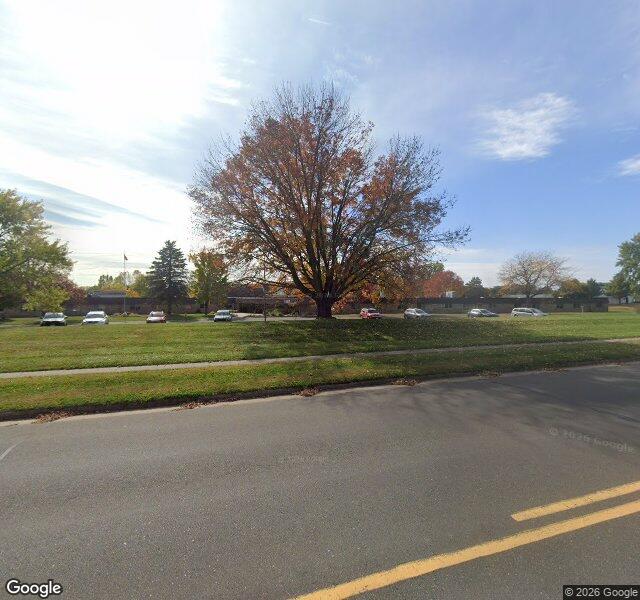
Riverbend
475 Golfview Ln, Amery, WI 54001View map (opens in a new tab)
Overview and key essentials
State license
Active
WI DHS
Google reviews
5.0/ 5
3 reviews
Monthly cost
$4,652–$6,209/ mo
AI-assisted estimate
Cost, payment & care details
Updated Nov 28, 2026| Monthly cost | $4,652–$6,209AI-assisted estimate | Research may contain errors. Request a current quote from the provider. Source: AI-assisted online research, Nov 2026. |
|---|---|---|
| Payment options | Medicaid | Participation is reported in our source data. Confirm eligibility, covered services, and any private-pay costs. Verified Medicaid waiver: Wisconsin Family Care / IRIS Medicaid Waiver (WI Dept. of Health Services (DHS DQA)). |
| Size & availability | Confirm directly | We don't publish live openings. Ask about current availability, waitlist length, and move-in timing. |
| Care & support | Assisted livingMemory care certified | Usually offers housing and help with everyday tasks, such as bathing and dressing. What to confirm about care levelsThis describes the licensed category. Ask how care plans adjust if mobility, nursing, or memory needs change over time. Read the family care guide → |
Safety screening & compliance
State licensing depth & federal screening
HHS OIG LEIE: Clear (2026-11-27)OIG database ↗ (opens in a new tab)
WI DHS directory details (CBRF)
Class: CLASS CNA (NONAMBULATORY)HCBS CompliantDementia approvedWI DHS rates: $4,652–$6,209/mo
State licensing
State inspection history
6inspections
65deficiencies listed
Aug 13, 2025EnforcementEnforcement actionPenalty
Enforcement action
View official state report (opens in a new tab)
No deficiencies are reported in this inspection record.
Aug 13, 2025Complaint44 deficiencies reported44
44 deficiencies reported
View official state report (opens in a new tab)
83.46(1)(f) Combustibles.N 507
Combustible materials shall not be placed within 3 feet of any furnace, boiler, water heater, fireplace or other similar equipment. This Rule is not met as evidenced by: Based on observation and interview, the provider did ensure combustible materials were not placed within 3 feet of any furnace, boiler, or water heater. Findings include: The provider is licensed to care for up to 11 residents in the client groups of irreversible dementia/Alzheimer's disease, and advanced aged. On 07/30/2025 at approximately 10:30 AM, Surveyor toured the facility with Assistant Administrator (AA) B. AA B unlocked the furnace room. Surveyor observed there was a large plastic tote (no cover) that included 2 rolls of a type of paper item. A large cardboard box with foam packaging was sitting on top of the tote. Surveyor observed these items were located within 3 feet of the furnace. On 07/31/2025 from 2:30 PM to 3:45 PM, Surveyors interviewed Administrator A, who stated Maintenance C was responsible to keep the furnace/sprinkler room clear of debris. The provider did not ensure combustible items were not placed within 3 feet of the furnace. Cross reference:
DHS 83.35(3)(d) Service Plans UpdatedN 0389
Annually Or On Changes DHS 83.35(3)(d) Service Plans Updated Annually Or On Changes
DHS 83.47(2)(d) Fire DrillsN 0525
DHS 83.47(2)(d) Fire Drills
DHS 83.45(1)(e) Electrical, Mechanical,N 0496
Water Supply DHS 83.45(1)(e) Electrical, Mechanical, Water Supply
83.45(1)(a) Exterior areas.N 492
Exterior areas. The CBRF shall maintain the yard, any fences, sidewalks, driveways and parking areas of the CBRF in good repair and free of hazards. This Rule is not met as evidenced by: Based on observation and interview, the provider did not maintain the yard and sidewalk area of the community based residential facility (CBRF) in good repair and free of hazards. Findings include: The provider is licensed to care for 11 residents in the client groups irreversible dementia/Alzheimer's disease and advanced aged. On 07/30/2025, Surveyors observed the exterior of the building and the internal courtyard. The rock landscaping in front of the building was full of weeds and the rug directly outside the front entrance was covered in debris. The internal courtyard had multiple weeds, a pile of branches, and a portion of the outdoor rug had a large section detached. At approximately 10:40 AM, Surveyors interviewed Assistant Administrator (AA) B, who stated they hade a landscaping company mow the lawn, but it did not appear they completed other outdoor tasks. AA B stated Maintenance C would be responsible for other outdoor tasks and either Maintenance C or Administrator A were responsible for replacing the damaged outdoor rug. The provider did not maintain the exterior yard and sidewalk, and did not ensure an outdoor rug was in good repair. Cross reference:
DHS 83.12(5)(a) Notification: Incident,N 0169
Injury, Changes DHS 83.12(5)(a) Notification: Incident, Injury, Changes
83.19 OrientationN 230
Before an employee performs any job duties, the CBRF shall provide each employee with orientation training which shall include all of the following: (1) Job responsibilities; (2) Prevention and reporting of resident abuse, neglect and misappropriation of resident property; (3) Information regarding assessed needs and individual services for each resident for whom the employee is responsible; (4) Emergency and disaster plan and evacuation procedures under s. HFS 83.47(2); (5) CBRF policies and procedures; (6) Recognizing and responding to resident changes of condition. This Rule is not met as evidenced by: Based on record review and interview, the provider did not ensure 2 of 2 employees reviewed received training in recognizing and responding to resident changes of condition prior to performing their job duties. Findings include: This is a repeat deficiency. See Statement of Deficiency (SOD) V5OS11, dated 01/25/2024. The provider is licensed to care for up to 11 residents in the client groups of irreversible dementia/Alzheimer's disease, and advanced aged. On 07/30/2025, Surveyor reviewed employee files for Caregiver D and Caregiver E. Caregiver D's date of hire was 02/14/2025. Caregiver E's date of hire was 02/05/2025. Caregiver D and E's training did not include documentation they received training in recognizing and responding to resident changes of condition. At 11:32 AM, Surveyor interviewed Administrator A. Surveyor inquired why there was not a record of Caregiver D and E receiving training in recognizing and responding to changes of condition. Administrator A stated s/he felt they did cover that in orientation training but was unable to find a record. Administrator A stated s/he had been working on streamlining the staff files and may have missed this. The provider did not ensure all staff received training in recognizing and responding to changes of condition prior to performing job duties. Cross reference:
DHS 83.37(1)(e) Medication Regimen,N 0404
Administration Review DHS 83.37(1)(e) Medication Regimen, Administration Review
DHS 83.19 OrientationN 0230
DHS 83.19 Orientation DHS 83.19 Orientation
DHS 83.22(1)-(4) Task Specific TrainingN 0247
DHS 83.22(1)-(4) Task Specific Training DHS 83.22(1)-(4) Task Specific Training
DHS 3.55(6)(b) Bath And Toilet Areas:N 0617
Water Temperature {N 214} 83.15(3)(a) Administrator shall supervise daily operation The administrator shall supervise the daily operation of the CBRF, including but not limited to, resident care and services, personnel, finances, and physical plant. The administrator shall provide the supervision necessary to ensure that the residents receive proper care and treatment, that their health and safety are protected and promoted and that their rights are respected. This Rule is not met as evidenced by: Based on observation, interview and record DHS 3.55(6)(b) Bath And Toilet Areas: Water Temperature
83.17(2)(a) Employees screened forN 220
communicable disease. The CBRF shall obtain documentation from a physician, physician assistant, clinical nurse practitioner or a licensed registered nurse indicating all employees have been screened for clinically apparent communicable disease including tuberculosis. Screening for tuberculosis shall be conducted using centers for disease control and prevention standards. The screening and documentation shall be completed within 90 days before the start of employment. The CBRF shall keep screening documentation confidential, except the department shall have access to the screening documentation for verification purposes. This Rule is not met as evidenced by: Based on record review and interview, the provider did not ensure 2 of 2 employees reviewed had obtained documentation from a physician, physician assistant, clinical nurse practitioner, or a licensed registered nurse, indicating they had been screened within 90 days before the start of employment for clinically apparent communicable disease, including tuberculosis (TB). This is a repeat violation. See Statement of Deficiency (SOD) P9R011, dated 03/08/2023. Findings include: The provider is licensed to care for 11 residents in the client groups advanced aged, and irreversible dementia/Alzheimer's disease. On 07/30/2025, Surveyor reviewed the employee records of Caregiver D, hired 02/14/2025, and Caregiver E, hired 02/05/2025. Caregiver D's record did contain documentation of a screen for communicable disease, including TB, dated 03/18/2025, approximately 30 days after hire. Caregiver E's record did contain documentation of a screen for communicable disease, including TB, dated 03/18/2025, approximately 45 days after hire. On 07/31/2025, from 2:30 PM to 3:45 PM, Surveyors interviewed Administrator A, who stated the registered nurse at the attached facility licensed by the same provider typically completed the communicable disease screens, including TB, but there had been a staff shortage, and s/he was unable to get them completed. Administrator A stated s/he knew that the screen and TB test needed to be done at hire, but this just slipped through the cracks. The provider did not ensure Caregiver D and Caregiver E were screened for communicable disease, including TB, prior to starting employment. Cross reference:
-Annual medication regimen reviews for 2023 and2024
-Employee training records At approximately 9:40 AM, Surveyors interviewed Administrator A and Maintenance C.
83.47(2)(e) Other evacuation drills.N 526
Other evacuation drills. Tornado, flooding, or other emergency or disaster evacuation drills shall be conducted at least semi-annually. This Rule is not met as evidenced by: Based on record review and interview, the provider did not conduct an "other" (other than fire) evacuation drill, at least semi-annually. Findings include: The facility is licensed to provide care to 11 residents from the client groups advanced aged, and irreversible dementia/Alzheimer's disease. On 07/30/2025 at approximately 9:30 AM, Surveyors requested documentation of "other" evacuation drills conducted in 2023 and 2024. At approximately 9:30 AM, Surveyor interviewed Maintenance C, who stated s/he had started working at the facility in July of 2024, and did not know where any documentation for safety drills were located that had occurred prior to his/her employment. At approximately 10:59 AM, Surveyor reviewed the provider's safety binder. There were no "other" safety drills documented for 2023 or 2024. The provider did not ensure safety evacuation drills (other than fire) were conducted at least semi-annually. Cross reference:
DHS 83.47(1)(c) Safety Requirements: NoN 0521
Safe Evacuation DHS 83.47(1)(c) Safety Requirements: No Safe Evacuation
83.12(5)(a) Notification: incident, injury, changes.N 169
The CBRF shall immediately notify the resident's legal representative and the resident's physician when there is an incident or injury to the resident or a significant change in the resident's physical or mental condition. This Rule is not met as evidenced by: Based on record review and interview, the provider did not ensure the resident's physician was immediately notified when there was an incident or injury to the resident, or a significant change in the resident's physical or mental condition. Findings include: The provider is licensed to care for up to 11 residents in the client groups of irreversible dementia/Alzheimer's disease, and advanced ages. On 07/31/2025 at 10:35 AM, Surveyors received an email communication from Administrator A that included all the resident incident reports from 01/01/2025 to 07/30/2025. There were 22 incident reports. All the reports indicated the family/legal representative was notified of the incident. None of the incident reports indicated the resident's physician was notified. On 08/05/2025, from 1:42 PM to 2:02 PM, Surveyor interviewed Assistant Administrator (AA) B, who stated it was the responsibility of staff to complete notifications to the resident's legal representative and medical provider. AA B stated that in October 2024, they held a staff training, but s/he did not think the training included notifying the resident's medical provider. The provider did not notify the resident's medical provider when there was an incident, injury, or significant change in condition. Cross reference:
83.12(3)(a) Investigate injuries of unknownN 161
source. Investigating injuries of unknown source. A CBRF shall investigate any of the following: 1. An injury that was not observed by any person. 2. The source of an injury to a resident that cannot be adequately explained by the resident. 3. An injury to a resident that appears suspicious because of the extent of the injury or the location of the injury on the resident. This Rule is not met as evidenced by: Based on record review and interview, the provider did not ensure an investigation occurred when a resident had an injury that was not observed and could be adequately explained by the resident. On 04/15/2025, the Department received a complaint regarding resident care. Findings include: The provider is licensed to care for up to 11 residents in the client groups of irreversible dementia/Alzheimer's disease, and advanced aged. On 07/30/2025, Surveyors reviewed the record of Resident 5, who was admitted on 03/24/2025 and diagnosed with dementia, generalized anxiety disorder, and insomnia. Resident 5 had an activated power of attorney. -A progress note entry, dated 05/06/2025, read, "When staff was changing resident's clothes [sic] staff saw a large bruises [sic] on residents L [left] hip and underneath left arm. Staff asked resident "what happened?" [sic] and resident would not answer ..." On 07/31/2025, from 2:30 PM to 3:45 PM, Surveyors interviewed Administrator A, who stated s/he was unable to provide an investigation into Resident 5's bruising as an investigation had not been completed. Administrator A stated Resident 5 was very active, constantly moving, exit seeking, hitting walls, and aggressive with staff, and the bruising could have occurred during any of these incidents. The provider did not investigate an injury of unknown origin. Cross reference:
DHS 83.35(1)(a) Pre-Admission AndN 0381
Ongoing Assessments DHS 83.35(1)(a) Pre-Admission And Ongoing Assessments
DHS 83.36(1)(b) Qualified Staff In Charge,N 0397
On Duty And Awake DHS 83.36(1)(b) Qualified Staff In Charge, On Duty And Awake DHS 83.36(1)(b) Qualified Staff In Charge, On Duty And Awake
83.44(2)(c) Interior floors, walls and ceilings.N 491
Every interior floor, wall and ceiling shall be clean and in good repair. This Rule is not met as evidenced by: Based on observation and interview, the provider did not ensure that the interior floor was clean and in good repair. Findings include: The provider is licensed to care for 11 residents in the client groups advanced age and irreversible dementia/Alzheimer's disease. On 07/30/2025 at approximately 9:30 AM, Surveyors observed the carpeting in the main resident hallway was stained in multiple areas and had a run approximately 2 feet long that was covered with tape. Surveyors observed the carpeting in the resident dining area was heavily stained in multiple spots. On 07/31/2025 at approximately 2:30 PM, Surveyors interviewed Administrator A, who stated the provider had put in a request to their corporate office to replace the carpeting in the dining area approximately two months prior. Administrator A stated there was no request put in to replace the carpeting in the hallway. The provider did not ensure that the interior floor was clean and in good repair. Cross reference:
DHS 83.14(2)(a) Licensee EnsuresN 0196
Facility Complies With Laws
DHS 83.15(3)(a) Administrator ShallN 0214
Supervise Daily Operation DHS 83.15(3)(a) Administrator Shall Supervise Daily Operation DHS 83.15(3)(a) Administrator Shall Supervise Daily Operation DHS 83.15(3)(a) Administrator Shall Supervise Daily Operation DHS 83.15(3)(a) Administrator Shall Supervise Daily Operation DHS 83.15(3)(a) Administrator Shall Supervise Daily Operation DHS 83.15(3)(a) Administrator Shall Supervise Daily Operation DHS 83.15(3)(a) Administrator Shall Supervise Daily Operation DHS 83.15(3)(a) Administrator Shall Supervise Daily Operation {N 397} 83.36(1)(b) Qualified staff in charge, on duty and awake. DHS 83.15(3)(a) Administrator Shall Supervise Daily Operation DHS 83.15(3)(a) Administrator Shall Supervise Daily Operation DHS 83.15(3)(a) Administrator Shall Supervise Daily Operation DHS 83.15(3)(a) Administrator Shall Supervise Daily Operation DHS 83.15(3)(a) Administrator Shall Supervise Daily Operation DHS 83.15(3)(a) Administrator Shall Supervise Daily Operation DHS 83.15(3)(a) Administrator Shall Supervise Daily Operation DHS 83.15(3)(a) Administrator Shall Supervise Daily Operation DHS 83.15(3)(a) Administrator Shall Supervise Daily Operation DHS 83.15(3)(a) Administrator Shall Supervise Daily Operation DHS 83.15(3)(a) Administrator Shall Supervise Daily Operation DHS 83.15(3)(a) Administrator Shall Supervise Daily Operation
83.55(6)(b) Bath and toilet areas: waterN 617
temperature The CBRF shall set the temperature of all water heaters connected to sinks, showers and tubs used by residents at a temperature of at least 140°F. The temperature of water at fixtures used by residents shall be automatically regulated by valves and may not exceed 115°F, except for CBRFs serving residents recovering from alcohol or drug dependency or clients of a government correctional agency. This Rule is not met as evidenced by: Based on interview and observation, the provider did not ensure the temperature of water at fixtures used by residents was automatically regulated by valves and did not exceed 115 degrees Fahrenheit. Findings include: The provider is licensed to care for 11 residents in the client groups irreversible dementia/Alzheimer's disease and advanced aged. According to his/her face sheet, Resident 1 has a diagnosis of peripheral neuropathy and macular degeneration. On 07/30/2025 at approximately 9:30 AM, Surveyor interviewed Administrator A and Maintenance C and requested documentation of water temperature testing. Maintenance C stated s/he routinely checked the temperature on the facility water heater to ensure it did not exceed 140 degrees Fahrenheit but was not aware that s/he was required to check fixtures used by residents to ensure they did not exceed 115 degrees Fahrenheit. Maintenance C stated staff would usually test the hot water temperature at fixtures used by residents by feel. Administrator A stated s/he was not aware that the provider was required to test temperatures at water fixtures used by residents. At approximately 4:13 PM, Surveyors observed that hot water temperatures in resident rooms exceeded 115 degrees Fahrenheit. Surveyors tested the hot water temperatures accessible by Resident 1, Resident 2, and Resident 3. Surveyors tested the hot water at sinks in room 108, room 107, and room 103. The kitchen sink in room 108 tested at approximately 137.2 degrees Fahrenheit. The bathroom sink in room 107 tested at approximately 128 degrees Fahrenheit. The bathroom sink in room 103 tested at approximately 121.5 degrees Fahrenheit. Exposure to hot water is a potential environmental danger for clients. Elderly clients and clients with mental and physical disabilities may have neurological conditions that prevent instant recoil from hot water. Because these individuals do not instantly react to dangerous temperature levels, they are at particular risk for injury. Hot water can cause scalding, e.g., second and third degree burns in which the skin blisters and swells. In such instances, skin does not return to normal and forms scar tissue upon healing. These burns may lead to permanent disability. (DQA publication P-01942, Hot Water Temperatures in Adult Family Homes, 08/2017). The provider did not ensure hot water was at or below 115 degrees Fahrenheit at fixtures used by residents. Cross reference:
83.45(1)(e) Electrical, mechanical, water supplyN 496
Systems. The CBRF shall maintain all electrical, mechanical, water supply, plumbing, fire protection and sewage disposal systems in a safe and functioning condition. This Rule is not met as evidenced by: Based on observation and interview, the provider did not maintain all electrical, mechanical, water supply, plumbing, and fire protection systems in a safe and functioning condition. Findings include: The provider is licensed to care for up to 11 residents in the client groups of irreversible dementia/Alzheimer's disease, and advanced age. On 07/30/2025 at approximately 10:30 AM, Assistant Administrator (AA) B unlocked the furnace room. Surveyor observed there was a significant amount of water on the floor. Surveyor observed water was draining from underneath the furnace towards the drain and there was a significant area of water draining from the sprinkler system. Water was covering an area of approximately 2 feet wide and there were water stains on the cement floor. AA B stated there had been repairmen on site for the sprinkler system which was in the same room as the furnace. On 07/31/2025, from 2:30 PM to 3:45 PM, Surveyors interviewed Administrator A who stated Maintenance C was responsible for the furnace and sprinkler room. Administrator A stated there was water on the floor because of the drain. Administrator A stated sprinkler repairs were needed. The provider did not maintain the electrical, mechanical, water supply, plumbing, and fire protection systems in a safe and functioning condition. Cross reference:
83.37(1)(e) Medication regimen, administrationN 404
review. Medication Regimen Review. 1. If residents ' medications are administered by a CBRF employee, the CBRF shall arrange for a pharmacist or a physician to review each resident ' s medication regimen. This review shall occur within 30 days before or 30 days after the resident ' s admission, whenever there is a significant change in medication, and at least every 12 months. 2. At least annually, the CBRF shall have a physician, pharmacist, or registered nurse conduct an on-site review of the CBRF ' s medication administration and medication storage systems. 3. The CBRF shall obtain a written report of findings under subds. 1. and 2., and address any irregularities for appropriate action. When the review is done by someone other than the prescribing practitioner, the prescribing practitioner shall receive a copy of the report when there are irregularities identified with the resident's medication regimen, which may need physician involvement to address. This Rule is not met as evidenced by: Based on record review and interview, the provider did not ensure a physician, pharmacist, or registered nurse (RN) conducted an annual onsite review of the provider's medication administration. This is a repeat violation. See Statement of deficiencies (SOD) P9R012, dated 05/31/2023 and SOD P9R011, dated 03/08/2023. Findings include: The provider is licensed to care for 11 residents in the client groups advanced aged and irreversible dementia/Alzheimer's disease. On 07/30/2025 at approximately 9:30 AM, Surveyors requested the annual medication regimen reviews for 2023 and 2024 from Administrator A. Administrator A could not provide the records. At approximately 4:00 PM, Surveyors interviewed Assistant Administrator (AA) B, who stated s/he did not know what an annual medication regimen review or pharmacy review was. AA B stated s/he would try to find records to send to Surveyors at a later date. On 07/31/2025, Surveyors reviewed records provided by Administrator A via email, which included medication storage reviews for 2023 and 2024. There was no record of a medication administration review provided. The provider did not ensure an annual medication administration review was completed. Cross reference:
DHS 83.46(1)(f) CombustiblesN 0507
DHS 83.46(1)(f) Combustibles
83.35(3)(d) Service plans updated annually or onN 389
changes Individual service plan review. Annually or when there is a change in a resident ' s needs, abilities or physical or mental condition, the individual service plan shall be reviewed and revised based on the assessment under sub. (1). All reviews of the individual service plan shall include input from the resident or legal representative, case manager, resident care staff, and other service providers as appropriate. The resident or resident ' s legal representative shall sign the individual service plan, acknowledging their involvement in, understanding of and agreement with the individual service plan. This Rule is not met as evidenced by: Based on record review and interview, the provider did not review and revise the individual service plan (ISP) when there was a change in resident needs, abilities, or physical or mental condition. Findings include: On 04/15/2025, the Department received a complaint regarding resident care. The provider is licensed to care for 11 residents in the client groups irreversible dementia/Alzheimer's disease and advanced aged. On 07/31/2025 from 2:30 PM to 3:45 PM, Surveyors interviewed Administrator A, who stated s/he was responsible for updating ISPs and s/he did not update the ISPs when falls occurred. Surveyor inquired how staff were informed of changes with residents. Administrator A stated the information was added to the medication administration record (MAR). On 08/05/2025, Surveyor reviewed the records of Residents 1, 3, 4, and 5. Resident 1 was admitted on 12/01/2024. Resident 1's Incident reports included: -"01/16/2025: unwitnessed fall...Additional Care Plan/Nurse Aide Assignment Updates...increased [sic] in frequency of overnight checks; -01/22/2025: unwitnessed fall...Additional Care Plan/Nurse Aide Assignment Updates...remind resident to ask for help...frequent checks; -04/02/2025: unwitnessed fall...Additional Care Plan/Nurse Aid Assignment Updates...do regular resident checks; -04/05/2025: unwitnessed fall...Additional Care Plan/Nurse Aid Assignment Updates...started regular checks and a toileting schedule; -04/07/2025: unwitnessed fall...Additional Care Plan/Nurse Aid Assignment Updates...hourly checks and tracking of frequency of toileting; -04/29/2025: unwitnessed fall...Conclusion: educate staff on the importance of resident nightly checks...Additional Care Plan/Nurse Aid Assignment Updates...frequent resident checks, regular toileting; -05/03/2025: unwitnessed fall ...Additional Care Plan/Nurse Aid Assignment Updates: [Hospice] suggests trying to prevent anxiety; -06/24/2025: unwitnessed fall...Additional Care Plan/Nurse Aid Assignment Updates...hourly checks, make sure legs are in bed; -06/24/2025: assisted to floor by staff during shower...Additional Care Plan/Nurse Aid Assignment Updates: bed baths should be completed on resident. Resident is not strong enough to endour [sic] a regular shower." Resident 1's ISP was last updated 03/01/2025 and included: -"Eye Sight [sic]...Blind -Physical Disabilities ...Stand beside walking ...Weakness inhibiting walking ability..." Resident 1's ISP did not include that s/he was a fall risk. Resident 1 had 9 falls since January 2025. The ISP did not include any fall interventions. Resident 5 was admitted on 03/24/2025 and discharged in May 2025. Resident 5's documentation included the following: -"On 04/23/2025: No sleep, yelling at staff, hitting staff, banging on others [sic] doors, exit seeking, looking for [significant...
83.22(1)-(4) Task specific training.N 247
The CBRF shall provide, obtain or otherwise ensure adequate training for employees performing job duties in all of the following: Assessment of residents. All employees responsible for resident assessment shall successfully complete training in the assessment of residents prior to assuming these job duties. Specific training topics shall include: assessment methodology, assessment of changes in condition, sources of assessment information, and documentation of the assessment. Individual service plan development. All employees responsible for service plan development shall successfully complete training in individual service plan development prior to assuming these job duties. Specific training topics shall include: identification of the resident ' s needs and desired outcomes, development of goals and interventions, service plan evaluation and review of progress. Provision of personal care. All employees responsible for providing assistance with activities of daily living shall successfully complete training prior to assuming these job duties. Specific training topics shall include, as appropriate: bathing, eating, dressing, oral hygiene, nail and foot care, toileting and incontinence care, positioning and body alignment, and mobility and transferring. Dietary training. All employees performing dietary duties shall complete dietary training within 90 days after assuming these job duties. Specific training topics shall include: determining nutritional needs, menu planning, food preparation and food sanitation. This Rule is not met as evidenced by: Based on observation, record review, and employees reviewed, received adequate training for performing personal care and dietary duties. Caregiver E, who performed dietary duties, did not have training in dietary services within 90 days after assuming these job duties. Findings include: The provider is licensed to care for 11 residents in the client groups irreversible dementia/Alzheimer's disease, and advanced age. On 07/30/2025, Surveyor conducted a review of 2 employees to verify compliance with task-specific training requirements. Surveyor requested training records from Administrator A. Dietary Training The record for Caregiver E hired 02/05/2025, did not contain evidence of training, or evidence of meeting an exemption for, dietary training. On 07/31/2025 at approximately 2:45 PM, Surveyor interviewed Administrator A, who stated the staff did not perform dietary duties. Administrator A stated the resident meals were prepared in the attached building licensed by the same provider and transported to the CBRF (community based residential facility). Administrator A confirmed staff were responsible to serve food. On 07/30/2025 at approximately 12:00 PM, Surveyor observed Caregiver E in the kitchen performing dietary duties such as handling food to be served to residents. Administrator A was given the opportunity to submit any additional evidence of training by 08/04/2025 but none was provided. Cross reference:
DHS 83.28(4)(a) Resident HealthN 0302
Screening And Documentation DHS 83.28(4)(a) Resident Health Screening And Documentation
83.47(2)(b) Exit diagram.N 523
Exit diagram. The disaster plan shall have an exit diagram that shall be posted on each floor of the CBRF used by residents in a conspicuous place where it can be seen by the residents. The diagram shall identify the exit routes from the floor, including internal horizontal exits under par. (f) when applicable, smoke compartments or a designated meeting place outside and away from the building when evacuation to the outside is the planned response to a fire alarm. This Rule is not met as evidenced by: Based on observation and interview, the provider did ensure there were exit diagrams posted on each floor of the community based residential facility (CBRF) used by residents in a conspicuous place where it could be seen by the residents. Findings include: The provider is licensed to care for up to 11 residents in the client groups of irreversible dementia/Alzheimer's disease, and advanced aged. On 07/30/2025 at approximately 10:30 AM, Surveyor toured the building with Assistant Administrator (AA) B. Surveyor asked AA B to point out the posted emergency exit diagrams. AA B was unable to locate any emergency exit diagrams posted in the CBRF hallway or common areas. AA B stated there were exit diagrams on the back of each resident's door. The provider did not ensure emergency exit diagrams were posted in areas used by the residents. Cross reference:
83.47(2)(d) Fire drills.N 525
Fire drills. 1. Fire evacuation drills shall be conducted at least quarterly with both employees and residents. Drills shall be limited to the employees scheduled to work at that time. Documentation shall include the date and time of the drill and the CBRF ' s total evacuation time. The CBRF shall record residents having an evacuation time greater than the time allowed under s. HFS 83.35(5) and the type of assistance needed for evacuation. Fire evacuation drills may be announced in advance. 2. At least one fire evacuation drill shall be held annually that simulates the conditions during usual sleeping hours. Fire evacuation drills may be announced in advance. Drills shall be limited to the employees scheduled to work during the residents ' normal sleeping hours. This Rule is not met as evidenced by: Based on record review and interview, the provider did not conduct fire evacuation drills at least quarterly in 2023 or 2024. Findings include: The facility is licensed to provide care to 11 residents from the client groups irreversible dementia/Alzheimer's disease, and advanced aged. On 07/30/2025, Surveyor requested fire drill documentation for 2023 and 2024. At approximately 9:30 AM, Surveyor interviewed Maintenance C, who stated s/he had started employment at the facility in July of 2024, and did not know where any safety drill documentation prior to his/her employment was located. Maintenance C provided fire drill documentation for 2024. Surveyor reviewed the provider's safety drill records. The records indicated fire drills had been conducted on 03/27/2024, 09/17/2024, and 12/13/2024. On 07/31/2025, at approximately 7:33 AM, Administrator A sent additional fire drill documentation for 2023 via email. The records indicated fire drills had been conducted on 04/28/2023 and 11/29/2023. Administrator A sent one fire drill report which was dated 03/30/31. The provider did not conduct fire evacuation drills at least quarterly in 2023 or 2024. Cross reference:
83.28(4)(a) Resident health screening andN 302
documentation Resident health screening. 1. Within 90 days before or 7 days after admission, a physician, physician assistant, clinical nurse practitioner or a licensed registered nurse shall screen each person admitted to the CBRF for clinically apparent communicable disease, including tuberculosis, and document the results of the screening. 2. Screening for tuberculosis and all immunizations shall be conducted using centers for disease control and prevention standards. 3. The CBRF shall maintain the screening documentation in each resident ' s record. This Rule is not met as evidenced by: Based on record review and interview, the provider did not ensure 3 of 3 residents sampled had been screened for communicable diseases, including tuberculosis (TB), within 90 days before or 7 days after admission. Findings include: The provider is licensed to care for 11 residents in the client groups irreversible dementia/Alzheimer's disease, and advanced age. On 07/30/2025, Surveyor reviewed records for Resident 1, Resident 3, and Resident 4. Documentation of communicable disease resident records. On 07/31/2025, at approximately 2:30 PM, Surveyors interviewed Administrator A, who stated s/he did not have records of communicable disease screens or TB screen documentation for Resident 1, Resident 3, or Resident 4. The provider did not ensure that residents were screened for communicable disease, including TB. Cross reference:
DHS 83.47(2)(e) Other Evacuation DrillsN 0526
DHS 83.47(2)(e) Other Evacuation Drills
DHS 83.46(1)(c) Heating SystemN 0504
Maintenance DHS 83.46(1)(c) Heating System Maintenance
83.35(1)(a) Pre-admission and ongoingN 381
assessments. Scope. The CBRF shall assess each resident ' s needs, abilities, and physical and mental condition before admitting the person to the CBRF, when there is a change in needs, abilities or condition, and at least annually. The assessment shall include all areas listed under par. (c). This requirement includes individuals receiving respite care in the CBRF. For emergency admissions the CBRF shall conduct the assessment within 5 days after admission. This Rule is not met as evidenced by: Based on record review and interview, the provider did not ensure 2 of 3 residents sampled had a completed pre-admission assessment. Findings include: The provider is licensed to care for 11 residents in the client groups irreversible dementia/Alzheimer's disease, and advanced age. On 07/30/2025 at approximately 9:40 AM, Surveyor reviewed the records for Resident 1, admitted 12/01/2024, Resident 3, admitted 05/04/2023, and Resident 4, admitted 05/23/2025. Two out of 3 of the residents' records did not contain a completed pre-admission assessment. On 07/31/2025 at approximately 2:30 PM, Surveyors interviewed Administrator A, who stated that it was either Assistant Administrator (AA) B or him/herself who was responsible for completing resident pre-admission assessments. Administrator A stated that s/he was not sure if they had pre-admission assessments on file for Resident 1 and Resident 3. Administrator A stated that if pre-admission assessments had been completed, the records might have been stored in a bin somewhere but did not know where. The provider did not ensure that a pre-admission assessment of each resident's needs, abilities, and physical and mental condition was completed before admission. Cross reference:
83.47(1)(c) Safety requirements: no safeN 521
evacuation If a resident cannot be safely evacuated from their bedroom as determined by the CBRF ' s assessment, the CBRF shall instruct the resident to remain in the resident ' s bedroom and the CBRF shall meet all of the following requirements: 1. Be sprinklered as required under s. HFS 83.48(8). 2. Notify the local fire department and identify the specific residents using point of rescue, and provide an up-to-date floor plan identifying where those resident rooms are located. 3. Have vertical smoke separation between all floors. 4. Have 24 hour awake qualified resident care staff. This Rule is not met as evidenced by: Based on record review and interview, the provider did not ensure the local fire department was notified of residents using point of rescue (POR), or that there was an up-to-date floor plan identifying where POR rooms were located. Findings include: The provider is licensed to care for up to 11 residents in the client groups of irreversible dementia/Alzheimer's disease, and advanced aged. On 07/30/2025 at 11:32 AM, Surveyor interviewed Administrator A, who stated the emergency fire evacuation procedures included residents staying in their apartments until the fire department arrived. Surveyor asked if the fire department was aware of their procedures including names/room numbers and current floor map. Administrator A stated s/he did not send a resident list or a current floor map to the fire department. On 07/31/2025 at approximately 3:00 PM, Surveyors interviewed Administrator A, who stated Maintenance C was responsible for fire drills, and that per the corporate policy, residents were to remain in place until someone assisted them out of the building. On 08/04/2025 at 8:00 AM, Surveyors received an email communication that contained the [FACILITY] Fire Procedure, that included: -" ...Wait at the front desk for the fire department, and direct them to the fire when they arrive," and "Every resident should be behind a closed door." The procedure did not include notification to the fire department of residents that required POR. The provider did not ensure the fire department was notified of residents using POR. Cross reference:
83.14(2)(a) Licensee ensures facility compliesN 196
with laws The licensee shall ensure the CBRF and its operation comply with all laws governing the CBRF. This Rule is not met as evidenced by: Based on observation, record review, and interview, the licensee did not ensure compliance with all laws governing the operation of the program and facility. Findings include: The provider is licensed to care for 11 residents in the client groups advanced aged, and irreversible dementia/Alzheimer's disease. Between March 2023 and July 2025, the Department investigated 10 complaints; 4 of the 10 complaints were substantiated related to the provider's administration, program services, staff training and staff proficiency, and resident rights. In this same timeframe, the provider received 7 Statements of Deficiencies (SOD) that included violations of 44 regulations (See SOD V5OS13, dated 08/13/2025, SOD V5OS12, dated 06/06/2024, SOD V5OS11, dated 01/25/2024, SOD P9R013, dated 11/09/2023, SOD P9R012, dated 05/31/2023, and SOD P9R011, dated 03/08/2023). Six of the 44 regulations were repeat violations, that included: - DHS 83.17(2)(a) Employees Screened For Communicable Disease - This violation was cited 2 times. See SOD V5OS13, dated 08/13/2025 and SOD P9R011, dated 03/08/2023. - DHS 83.37(1)(e) Medication Regimen, Administration Review - This violation was cited 3 times. See SOD V5OS13, dated 08/13/2025, SOD P9R012, dated 05/31/2023, and SOD P9R011, dated 03/08/2023. - DHS 83.36(1)(a) Adequate Staff To Meet Resident Needs - This violation was cited 2 times. See SOD V5OS12, dated 06/06/2024, and SOD P9R013, dated 11/09/2023. - DHS 83.15(3)(a) Administrator Shall Supervise Daily Operation - This violation was cited 3 times. See SOD V5OS13, dated 08/13/2025, SOD V5OS12, dated 06/06/2024, and SOD V5OS11, dated 01/25/2024 . - DHS 83.19 Orientation - This violation was cited 2 times. See SOD V5OS13, dated 08/13/2025, and SOD V5OS11, dated 01/25/2024. - DHS 83.36(1)(b) Qualified Staff In Charge, On Duty And Awake - This violation was cited 2 times. See SOD V5OS13, dated 08/13/2025, SOD V5OS12, dated 06/06/2024, and SOD V5OS11, dated 01/25/2024. Between 2023 and 2025, the Department issued special order enforcements to the provider that included, among other things: - Orders to achieve and maintain substantial compliance of all regulations within 45 days. (See the Notice and Order letter issued with SOD V5OS12, dated 07/25/2025, SOD V5OS11, dated 03/12/2024, and SOD P9R013, dated 01/19/2024.) - Orders for the licensee to ensure an administrator supervises the daily operation to ensure the provision of services to meet residents' needs. (See the Notice and Order letter issued with SOD V5OS12, dated 07/25/2025, and SOD V5OS11, dated 03/12/2024.) - Orders for the licensee to ensure sufficient, qualified staff members are on duty, present, and available to assist residents at all times. (See the Notice and Order letter issued with SOD V5OS12, dated 07/25/2025, SOD V5OS11, dated 03/12/2024, and SOD P9R013, dated 01/19/2024.) - Orders for the licensee to provide in-service training to managers and care staff regarding the provider's written procedures to address deficiencies within 45 days. This in-service training was to address qualified and adequate staff, necessary skills and training, staffing patterns, evacuations, and emergency procedures. (See the Notice and Order letter issued with SOD V5OS12, dated 07/25/2024.) The current survey was prompted by a standard licensure survey, 2 complaints, and a...
DHS 83.47(2)(b) Exit DiagramN 0523
DHS 83.47(2)(b) Exit Diagram
DHS 83.12(3)(a) Investigate Injuries OfN 0161
Unknown Source DHS 83.12(3)(a) Investigate Injuries Of Unknown Source
DHS 83.44(2)(c) Interior Floors, Walls AndN 0491
Ceilings DHS 83.44(2)(c) Interior Floors, Walls And Ceilings
DHS 83.45(1)(a) Exterior AreasN 0492
DHS 83.45(1)(a) Exterior Areas
DHS 83.17(2)(a) Employees ScreenedN 0220
For Communicable Disease DHS 83.17(2)(a) Employees Screened For Communicable Disease
STATE FORM6899
V5OS13 STATE FORM V5OS13 STATE FORM V5OS13 STATE FORM V5OS13 STATE FORM V5OS13 STATE FORM V5OS13 STATE FORM V5OS13 STATE FORM V5OS13 {N 214} {N 214} review, the provider did not ensure an administrator supervised the daily operation of the facility, programming, and personnel, in a way that ensured proper care and treatment, health and safety were protected, and rights were respected. This is a repeat violation. See Statement of Deficiencies (SOD) V5OS12, dated 06/06/2024, and SOD V5OS11, dated 01/25/2024. Findings include: The provider is licensed to care for 11 residents in the client groups advanced aged, and irreversible dementia/Alzheimer's disease. On 04/15/2025 and 05/08/2025, the Department received complaints regarding resident care. On 07/30/2025, at approximately 9:20 AM, Surveyors conducted an entrance meeting with Administrator A. Surveyors requested multiple records to include: -Resident pre-admission health screen and tuberculosis test results -Employee pre-hire health screen and tuberculosis test results -Furnace inspection -Hot water temperature testing logs -Fire drill documentation from 2023 and 2024 -Other safety drill documentation from 2023 and STATE FORM V5OS13 {N 214} {N 214} Administrator A stated s/he began employment in July 2024 and was not sure s/he could provide records from 2023 as s/he was not an employee. Maintenance C stated s/he began employment in July 2024 and did not know where any records were kept from before his/her employment. Maintenance C stated s/he did not know s/he should be testing water temperatures at fixtures used by residents, and did not know of any furnace inspection being completed. Maintenance C could only provide fire drills from 3 out of 4 quarters in both 2023 and 2024, and did not provide any documentation of other safety drills for 2024. One of 2 complaints were substantiated, and the following issues were identified during the course of the survey: - Water temperatures at fixtures used by residents exceeded 115 degrees Fahrenheit. - Resident injuries of an unknown source were not investigated. - Required parties were not notified after resident injuries had occurred. - Residents were not screened for communicable diseases, including tuberculosis, prior to admission. - Resident pre-admission assessments were not completed. - Resident service plans were not updated as required. - Resident records were not maintained. - Communicable disease screening for staff was not completed prior to hire. - Change of condition training was not completed by staff upon hire. - Task-specific training was not completed by staff providing personal cares and performing dietary duties. STATE FORM V5OS13 {N 214} {N 214} - At least one qualified staff was not in charge or on duty at all times. - Annual medication administration reviews were not completed. - The exterior building was not maintained. - The interior of the building was not clean or in good repair. - The heating system was not maintained or inspected. - Electrical, mechanical, water supply, plumbing, and fire protection systems were not maintained in a safe and functioning condition. - Combustible materials were placed within 3 feet of the furnace. - Emergency exit diagrams were not posted in conspicuous locations. - Quarterly fire drills were not completed as required. - Safety drills (other than fire) were not completed semi-annually as required. -No coordination with local fire department for point of rescue Cross...
83.46(1)(c) Heating system maintenance.N 504
Heating. The CBRF shall maintain the heating system in a safe and properly functioning condition. The CBRF shall ensure that a heating contractor or local utility company completes all of the following maintenance and makes available to the facility documentation of the maintenance performed: 1. An oil furnace shall be serviced at least once each year. 2. A gas furnace shall be serviced at least once every 3 years. 3. The CBRF shall have a chimney inspected at intervals corresponding with the heating system service under subd. 1. or 2. This Rule is not met as evidenced by: Based on record review and interview, the provider did not maintain the heating system in a safe and properly functioning condition, and did not have the gas furnace serviced at least once every 3 years. Findings include: The provider is licensed to care for 11 residents in the client groups of advanced aged, and irreversible dementia/Alzheimer's disease. On 07/30/2025, at approximately 9:30 AM, Surveyors requested furnace inspection records from Maintenance C. Maintenance C stated s/he was employed by the provider in July of 2024 and did not know where any records were prior to his/her start date. Maintenance C stated s/he routinely inspected the gas furnace and that each resident room had its own individual furnace. Maintenance C was unable to provide records for any furnace inspections while Surveyors were on site. Surveyors requested Assistant Administrator (AA) B send records at a later date. On 07/31/2025, at approximately 7:30 AM, Administrator A provided a furnace inspection invoice, dated 05/04/2022, via email. The invoice read, in part: "...Furnace 1: CO [carbon monoxide] above 300 ppm [parts per million], heat exchanger plugged ...unit needs to be replaced [sic] Furnace 2: Need [sic]...capacitor for blower ... Furnace 3: ...heat exchanger plugged - recommend unit replacement ... Furnace 4: Need [sic]...capacitor for blower ... Furnace 5: Need [sic]...for blower...heat exchanger plugged. unit [sic] needs to be replaced. Furnace 6: Need [sic] new for blower ... Furnace 7: ...combustion no good [sic]...heat exchanger plugged, new unit needed. Furnace 8: Need [sic]...capacitor for blower ... Furnace 9: Need [sic]...capacitor for blower ... Furnace 10: Need [sic]...cap [sic][capacitor] for blower ... RTU (rooftop unit) 1:...capacitr [sic]...needs [sic] replaced. Visually inspected heat exchanger and found cracks/holes. Need [sic] new heat exchanger or new unit ...is not to be ran for safety purposes. RTU 2: RTU already condemned from earlier visit but visually inspected heat exchanger to verify, and found cracks/holes. Needs new heat exchanger or unit replaced ...is not to be ran [sic] for safety purposes ... ...Realistically Units [sic] should be getting replaced..." At approximately 2:30 PM, Surveyors interviewed Administrator A, who stated maintenance staff was sure the recommended repairs/replacements mentioned on the inspection invoice had been remedied but was not sure where to find documentation of the repairs/replacements. As of 08/04/2025, Administrator A was unable to provide a current furnace inspection record or documentation that recommended repairs were completed. The provider did not maintain the heating system in a safe and properly functioning condition. The provider did not ensure a gas furnace was serviced once every 3 years. Cross reference:
Jun 6, 2024EnforcementEnforcement actionPenalty
Enforcement action
View official state report (opens in a new tab)
No deficiencies are reported in this inspection record.
Jun 6, 2024Complaint7 deficiencies reported7
7 deficiencies reported
View official state report (opens in a new tab)
83.20(2)(a)-(d) Department-approved trainingN 239
courses. Standard Precautions. All employees who may be occupationally exposed to blood, body fluids or other moist body substances, including mucous membranes, non-intact skin, secretions, and excretions except sweat, whether or not they contain visible blood shall successfully complete training in standard precautions before the employee assumes any responsibilities that may expose the employee to such material. Fire safety. Within 90 days after starting employment, all employees shall successfully complete training in fire safety. First aid and choking. Within 90 days after starting employment, all employees shall successfully complete training in first aid and procedures to alleviate choking. Medication administration and management. Any employee who manages, administers or assists residents with prescribed or over-the-counter medications shall complete training in medication administration and management prior to assuming these job duties. This Rule is not met as evidenced by: Based on record review and interview, the provider did not ensure 3 of 8 employees obtained all department approved training as required. Licensed Practical Nurse (LPN) I and J did not have training in fire safety within 90 days after starting employment. Caregiver C, who had responsibilities for medication administration, did not have training in medication administration and management prior to assuming these duties. Findings include: On 06/04/2024, Surveyors conducted a review of 4 employees to verify compliance with department approved training requirements. Surveyor requested of Administrator A, the training records for Licensed Practical Nurse (LPN) B, Caregiver C, D, and E. On 06/06/2024, Surveyors requested training documents for LPN I, J, K and L. Fire Safety The record for LPN I, hired 01/01/2024, did not contain evidence of training or evidence of meeting an exemption for fire safety. The record for LPN J, hired, 11/14/2023, did not contain evidence of training or evidence of meeting an exemption for fire safety. On 06/10/2024, Surveyor verified LPN I, and J were not on the CBRF training registry for fire safety. On 06/06/2024 at approximately 1:00 PM, Administrator A stated s/he thought they had 90 days to get the fire safety training completed. On 06/06/2024 at approximately 10:00 AM, Surveyor interviewed Registered Nurse (RN) H. RN H stated s/he recalled a conversation with Administrator A about fire safety training and that it did not need to be completed until 90 days after hire. RN H stated Administrator A was responsible to register staff for training. Medication Administration The record for Caregiver C, hired 04/23/2024, did not contain evidence of training or evidence of meeting an exemption for medication administration. On 06/04/2024, at approximately 12:45 p.m., Surveyor interviewed Administrator A. Administrator A confirmed Caregiver C worked alone and was responsible for medication administration duties. Administrator A confirmed the provider did not have evidence Caregiver C completed or met an exemption for medication management training prior to assuming these job duties. Administrator A told Surveyors the prior administrator trained Caregiver C but must not have placed Caregiver C on the registry. On 06/04/2024, Surveyor verified Caregiver C was not on the Community-Based Care and Treatment training registry for medication administration. An email communication from Administrator A, received 06/04/2024 at 3:23 PM,...
83.20(2)(a)-(d) Department-ApprovedN 0239
Training
DHS 83.15(3)(a) Administrator ShallN 0214
Supervise Daily Operation
83036(1)(a) Adequate Staff To MeetN 0396
Resident Needs
83.36(1)(a) Adequate staff to meet residentN 396
needs. The CBRF shall provide employees in sufficient numbers on a 24-hour basis to meet the needs of the residents. This Rule is not met as evidenced by: Based on record review and interview, the provider did not ensure staff in sufficient numbers were available on a 24-hour basis. This is a repeat deficiency. See Statement of Deficiency (SOD) P9R013, dated 11/09/2023. Findings include: The provider is licensed to care for 11 residents in the client groups irreversible dementia/Alzheimer's disease and advanced aged. The main door of the facility opens into a lounge area that is common space between the community based residential facility (CBRF) and the residential care apartment complex (RCAC). A licensed nursing home is also attached. The CBRF is a memory care unit with a locked entry door. On 06/04/2024 at approximately 10:00 AM, Surveyors interviewed Administrator A. Administrator A confirmed only 1 staff was scheduled for each shift in the CBRF. Administrator A stated there were not staff scheduled in the RCAC during the overnight (NOC) shift and if a resident pages, it goes to the CBRF staff who in turn contact the nursing home for assistance. At approximately 10:56 AM, Administrator A stated there were no residents that required a 2-person assist, residents were not on 2-hour checks, and there were no current elopement risks. At approximately 12:00 PM, Surveyors reviewed the staff schedule dated 05/10/2024 to 06/09/2024. The schedule listed the following: Day CBRF: 1 staff scheduled; Day RCAC: 1 staff scheduled. PM CBRF: 1 staff scheduled; PM RCAC: 1 staff scheduled. NOC: 1 staff assigned. The RCAC did not have anyone scheduled during the NOC shift. On 06/04/2024, Surveyor reviewed the individual service plans (ISP) for Resident 1, Resident 2, Resident 3, Resident 4, and Resident 5. Resident 1's ISP, dated 05/04/2023, indicated s/he required supervision and was an elopement risk. Resident 2's ISP, dated 08/20/2023, indicated s/he required 24-hour supervision, wandered in the CBRF, and required total assist for cares. Resident 3's ISP, dated 03/20/2024, indicated s/he required 24-hour supervision. Resident 4's ISP, dated 04/17/2024, indicated s/he required 24-hour supervision and wandered around the unit. Resident 5's ISP, dated 01/11/2024, indicated s/he required 24-hour supervision, could not make his/her needs known, and wandered in the CBRF. On 06/04/2024 at approximately 12:00 PM, Surveyor interviewed Caregiver D on the phone. Caregiver D told Surveyor that s/he worked the overnight shift. S/he told Surveyor s/he left the CBRF every 2 - 2.5 hours to check on the RCAC tenants. This left the CBRF with no staff present. At approximately 12:05 PM, Surveyors interviewed Nursing Home Administrator (NHA) F. NHA F stated s/he believed that when the RCAC needed assistance at night, they rang the CBRF. NHA F stated the nursing home did not assist the RCAC. On 06/05/2024 at approximately 8:30 AM, Surveyor interviewed Caregiver E on the phone. Caregiver E told Surveyor s/he worked the overnight shift at the CBRF. S/he said that when a tenant from the RCAC would ring for assistance, s/he checked on the residents at the CBRF, then went to the RCAC to assist with the tenant. Surveyor asked Caregiver E if s/he called the nursing home to have staff come over to assist. Caregiver E said s/he also worked the overnight shift in the nursing home and that was not something s/he was ever told to do. Caregiver E told Surveyor a tenant in the...
STATE FORM6899
V5OS12 {N 214} {N 214} administrator did not supervise the daily operations, including: supervision to ensure residents received proper care and services, that the residents' health and safety were protected and promoted, employee training was completed, and training was completed prior to staff working alone on each shift. This is a repeat deficiency. See Statement of Deficiency (SOD) V5OS11, dated 01/25/2024. Findings include: The provider is licensed to care for up to 11 residents in the client groups of irreversible dementia/Alzheimer's disease, and advanced age. On 06/04/2024, Surveyors conducted a verification visit for Statement of Deficiency (SOD) P9R013, dated 01/19/2024, and SOD V5OS11, dated 03/12/2024.The SODs included the following Special Orders: SOD dated 01/19/2024 read, in part, "..the licensee shall provide employees in sufficient numbers on a 24-hour basis ...facility will develop written procedures to ensure staffing patterns will be sufficient to meet the personal care needs of the residents, to ensure needed supervision... licensee will ensure sufficient, qualified staff members are on duty, present and available to assist residents at all times ...Managers and care staff ...will receive in-service training regarding the provider's written procedures required by Order #1." SOD dated 03/12/2024 read, in part, " ...the licensee shall ensure the administrator supervises the daily operation of the CBRF [community based residential facility] ...The STATE FORM V5OS12 {N 214} {N 214} licensee shall develop corrective measures to resolve each deficiency ...Staffing patterns shall be sufficient to meet the personal care needs of residents, to ensure needed supervision ...All managers and resident care staff will receive in-service training regarding the facility's written procedure required by Order #1." On 04/04/2024 and 06/06/2024, Surveyor reviewed resident records, employee records and staffing schedules. Based on Surveyor's interviews and record reviews, the following deficiencies were identified: 83.20(2)(a)-(d) Department-Approved Training 83.36(1)(b) Qualified Staff In Charge, On Duty And Awake 83.36(1)(a) Adequate Staff To Meet Resident Needs Adequate Staff On 06/04/2024 at approximately 10:00 AM, Surveyors interviewed Administrator A. Administrator A stated the community based residential facility (CBRF) had 1 staff for each shift and that the attached residential care apartment complex (RCAC) did not have staff during the nighttime shift. Nighttime RCAC tenant pages went to the CBRF staff who were to contact the attached licensed nursing home who responded to the RCAC tenant pages. At approximately 12:15 PM, Surveyor interviewed Nursing Home Administrator (NHA) F, who stated that at night, the RCAC tenants page the CBRF staff for assistance. NHA F stated the licensed nursing home did not assist the CBRF with the RCAC tenant pages. On 06/04/2024 at approximately 12:00 PM, STATE FORM V5OS12 {N 214} {N 214} Surveyor interviewed Caregiver D on the phone. Caregiver D told Surveyor s/he worked the overnight shift and left the CBRF every 2 - 2.5 hours to check on the RCAC tenants. On 06/05/2024 at approximately 8:30 AM, Surveyor interviewed Caregiver E on the phone. Caregiver E told Surveyor s/he worked the overnight shift at the CBRF and when a tenant from the RCAC would ring for assistance, s/he checked on the residents at the CBRF, then went to the RCAC to assist with the tenant. Caregiver E told Surveyor s/he...
DHS 83.36(1)(b) Qualified Staff In Charge,N 0397
On Duty And Awake
Jan 25, 2024Complaint14 deficiencies reported14
14 deficiencies reported
View official state report (opens in a new tab)
On 01/24/2024, Surveyor conducted a complaint investigation at Riverbend. Data was collected through 01/25/2024. The complaint was substantiated. Nine deficiencies were identified. One of 9 deficiencies was a repeat violation. See Statement of Deficiency 5KCX11, dated 05/14/2018. Census: 5
DHS 83.12(2)(a) Caregiver: InvestigatingN 0158
Abuse & Neglect
83.21(1)-(3) All employee training.N 243
The CBRF shall provide, obtain or otherwise ensure adequate training for all employees in all of the following: Resident rights. Training shall include general rights of residents including rights as specified under s. DHS 83.32(3). Training shall be provided as applicable under ss. 50.09 and 51.61 and chs. 54, 55, and 304, Stats., and ch. DHS 94, depending on the legal status of the resident or service the resident is receiving. Specific training topics shall include house rules, coercion, retaliation, confidentiality, restraints, self-determination, and the CBRF ' s complaint and grievance procedures. Residents ' rights training shall be completed within 90 days after starting employment. Client Group. Training shall be specific to the client group served and shall include the physical, social and mental health needs of the client group. Specific training topics shall include, as applicable: characteristics of the client group served, activities, safety risks, environmental considerations, disease processes, communication skills, nutritional needs, and vocational abilities. Client group specific training shall be completed within 90 days after starting employment. Client Group. In a CBRF serving more than one client group, employees shall receive training for each client group. Recognizing, preventing, managing, and responding to challenging behaviors. Specific training topics shall include, as applicable: elopement, aggressive behaviors, destruction of property, suicide prevention, self-injurious behavior, resident supervision, and changes in condition. Challenging behaviors training shall be completed within 90 days after starting employment. This Rule is not met as evidenced by: Based on record review and interview, the provider did not ensure 2 of 2 caregivers reviewed obtained all training as required within 90 days after starting employment. Caregiver B and Caregiver H did not have training in resident rights within 90 days after starting employment. Caregiver B and Caregiver H did not have training in recognizing, preventing, managing and responding to challenging behaviors within 90 days after starting employment. Caregiver B and Caregiver H did not have training in required client groups within 90 days after starting employment. Findings include: On 01/24/2024 and 01/25/2024, Surveyor conducted a review of 2 caregivers to verify compliance with all employee training requirements. Surveyor requested training records from Administrator A for Caregiver B and Caregiver H. Resident Rights The record for Caregiver B, hired 09/29/2023, did not contain evidence of training or evidence of meeting an exemption for resident rights. The record for Caregiver H, hired 01/14/2023, did not contain evidence of training or evidence of meeting an exemption for resident rights. Recognizing, Preventing, Managing and Responding to Challenging Behaviors The record for Caregiver B, hired 09/29/2023, did not contain evidence of training or evidence of meeting an exemption for challenging behaviors training. The record for Caregiver H, hired 01/14/2023, did not contain evidence of training or evidence of meeting an exemption for challenging behavior training. Client Group The provider is licensed to provide care and services to residents within the client groups of irreversible dementia/Alzheimer's disease and advanced age. The record for Caregiver B, hired 09/29/2023, did not contain evidence of training or evidence of meeting an exemption for...
83.19 OrientationN 230
Before an employee performs any job duties, the CBRF shall provide each employee with orientation training which shall include all of the following: (1) Job responsibilities; (2) Prevention and reporting of resident abuse, neglect and misappropriation of resident property; (3) Information regarding assessed needs and individual services for each resident for whom the employee is responsible; (4) Emergency and disaster plan and evacuation procedures under s. HFS 83.47(2); (5) CBRF policies and procedures; (6) Recognizing and responding to resident changes of condition. This Rule is not met as evidenced by: Based on record review and interview, the provider did not ensure 3 of 3 employees reviewed received training in recognizing and responding to resident changes of condition prior to the 3 of 3 employees performing their job duties. Findings include: The provider is licensed to care for up to 11 residents in the client groups of irreversible dementia/Alzheimer's disease and advanced age. On 11/17/2023, the Department received a complaint alleging staff were working in the facility that were not trained for the community based residential facility (CBRF). On 01/24/2024, Surveyor reviewed employee files for Caregiver B and Certified Nursing Assistant (CNA) Q. Caregiver B's date of hire was 09/29/2023. CNA Q's date of hire was not listed on the roster. S/he was listed as skilled nursing facility staff that assisted in the CBRF. Caregiver B and CNA Q's training did not include documentation they received training in recognizing and responding to resident changes of condition. On 01/25/2024, Surveyor emailed Administrator A and requested any other documentation of training for Caregiver B and CNA Q. Surveyor also requested training documentation for Caregiver H. On 01/25/2024, Administrator A emailed Surveyor with the requested information. Caregiver H's date of hire was 01/14/2023. Surveyor did not receive documentation to indicate Caregiver B, CNA Q, and Caregiver H received training in in recognizing and responding to resident changes of condition. On 01/25/2024 at approximately 3:30 p.m., Surveyor interviewed Administrator A. Surveyor reviewed training requirements with Administrator A and explained concerns that Caregiver B, CNA Q, and Caregiver H did not have documentation in recognizing and responding to resident changes of condition. Surveyor told Administrator A to email Surveyor by 01/26/2024 with any additional training. Surveyor did not receive any additional documentation of training.
83.16(2) Resident care staff at least 18 years oldN 218
Resident care staff shall be at least 18 years old. This Rule is not met as evidenced by: Based on record review and interview, the provider did not ensure each resident care staff was at least 18 years old. Findings include: On 01/24/2024 at approximately 2:30 p.m., Surveyor interviewed Caregiver E, who worked in the adjacent residential care apartment complex (RCAC). Caregiver E told Surveyor s/he was not 18 years old and did not work in the community based residential facility (CBRF). S/he said s/he did come over to the CBRF to assist staff with giving Resident 2 a shower. On 01/25/2024, Surveyor emailed Caregiver E and asked what his/her date of birth was and how many times s/he assisted in the CBRF. Caregiver E replied, "My date of birth is 06/28/2006. I have helped with 3 different resident's showers. One of them was two to three different times and the other ones were just once. I have only helped because the attendants try to tell me they are allergic to their shampoo or that they can't do it alone..." On 01/25/2024 at approximately 3:30 p.m., Surveyor interviewed Administrator A on the phone. Surveyor asked if Administrator A had a waiver for Caregiver E to work and provide resident care in the CBRF. Administrator A told Surveyor s/he did not have a waiver for Caregiver E to work in the CBRF.
83.36(1)(b) Qualified staff in charge, on duty andN 397
awake. The CBRF shall ensure all of the following: 1. An administrator or other designated qualified resident care staff in charge is on the premises of the CBRF daily to ensure the CBRF is providing safe and adequate care, treatment and services. 2. At least one qualified resident care staff is present in the CBRF when one or more residents are present in the CBRF. 3. At least one qualified resident care staff is on duty and awake if at least one resident in the CBRF is in need of supervision, intervention or services on a 24-hour basis to prevent, control or improve the resident ' s constant or intermittent mental or physical condition that may occur or may become critical at any time including residents who are at risk of elopement, who have dementia, who are self-abusive, who become agitated or emotionally upset or who have changing or unstable health conditions that require close monitoring. 4. At least one qualified resident care staff is on duty and awake if the evacuation capability of at least one resident is 4 minutes or more. This Rule is not met as evidenced by: Based on record review and interview, the provider did not ensure at least one qualified resident care staff was present, on duty and awake, when at least one resident was in need of supervision, intervention or services on a 24-hour basis to prevent, control or improve the resident's constant or intermittent mental or physical condition that may occur or may become critical at any time, including residents who are at risk of elopement, who have dementia, who are self-abusive, who become agitated or emotionally upset or who have changing or unstable health conditions that require close monitoring. This had the potential to effect 5 of the 5 residents. This is a repeat violation. See Statement of Deficiency (SOD) 5KCX11, dated 05/14/2018. Findings include: The provider is licensed to care for up to 11 residents in the client groups of irreversible dementia/Alzheimer's disease and advanced age. On 01/24/2024, the resident census was 5. On 11/17/2023, the Department received a complaint alleging staffing concerns. A qualified resident care staff is defined as an employee who has successfully completed all of the applicable training and orientation. On 01/24/2024 at approximately 11:00 a.m., Surveyor entered the facility. The main door opens to a lounge area that is a common space between the community based residential facility (CBRF) and residential care apartment complex (RCAC). The CBRF is a memory care unit that has a locked door to enter. Caregiver B was working in the CBRF at the time. Surveyor interviewed Caregiver B and asked what the staffing schedule was for the facility. Caregiver B said there was 1 staff in the CBRF on all shifts. S/he explained there was 1 staff in the RCAC from 6:00 a.m. - 10:00 p.m. Caregiver B said that if a tenant in the RCAC would need assistance after 10:00 p.m., staff from the CBRF would have to leave and assist in the RCAC, leaving the CBRF with no staff members present. On 01/24/2024, Surveyor reviewed the residents' face sheets and individual service plans (ISP). Resident 1's individual service plan (ISP) indicated s/he had an activated power of attorney (POA) and was an elopement risk. Resident 2's ISP indicated s/he had an activated POA and required 24-hour supervision. Resident 4's ISP indicated s/he had an activated POA and required 24-hour supervision. Resident 5 was a new admit. S/he admitted to the facility on...
83.36(2) Maintain current written staffingN 399
schedule Staffing schedule. The CBRF shall maintain a current written schedule for staffing the CBRF. The schedule shall include each employee ' s full name, job assignment and time worked. This Rule is not met as evidenced by: Based on record review and interview, the provider did not maintain an accurate staffing schedule. Findings include: The provider is licensed to care for up to 11 residents in the client groups of irreversible dementia/Alzheimer's disease, and advanced age. On 11/17/2023, the Department received a complaint alleging staffing concerns at the facility. On 01/24/2024 at approximately 11:15 a.m., Surveyor conducted an entrance interview with administrator A. Surveyor requested the staff schedule from 11/15/2023 to present. On 01/24/2024 at approximately 2:30 p.m., Surveyor reviewed the employee schedule with Caregiver F. Caregiver F told Surveyor the employee schedule was not accurate. Caregiver F told Surveyor s/he worked on 01/12/2024 and worked alone for both the CBRF (community based residential facility) and RCAC (residential care apartment complex) between the hours of 6:00 p.m. and 9:00 p.m. On 01/24/2024, Surveyor requested Administrator A email Surveyor a sample of timesheets for January 2024. On 01/25/2024, Surveyor compared a sample of employee timesheets to the staff schedule and found the following discrepancies: On 01/10/2024, the schedule indicated Caregiver B worked "6-2" and "8-10" in the CBRF. Caregiver B's timesheet for 01/10/2024 indicated s/he worked 6:26 a.m. - 8:09 p.m. on 01/10/2024. On 01/12/2024, the staff schedule did not indicate Caregiver F worked. Caregiver F's timesheet indicated s/he worked from 1:43 p.m. - 10:29 p.m. on 01/12/2024. On 01/13/2024, the staff schedule indicated Caregiver B worked "6-2" and "2-10" in the CBRF. Caregiver B's timesheet indicated s/he worked from 6:21 a.m. - 8:05 p.m. on 01/13/2024. The provider did not maintain an accurate staffing schedule.
DHS 83.36(2) Maintain Current WrittenN 0399
Staffing Schedule
83.12(2)(a) Caregiver: Investigating abuse &N 158
neglect Investigating and reporting abuse, neglect, or misappropriation of property. Caregiver. 1. When a CBRF receives a report of an allegation of abuse or neglect of a resident, or misappropriation of property, the CBRF shall take immediate steps to ensure the safety of all residents. 2. The CBRF shall investigate and document any allegation of abuse or neglect of a resident, or misappropriation of property by a caregiver. If the CBRF ' s investigation concludes that the alleged abuse, or neglect of a resident or misappropriation of property meets the definition of abuse or neglect of a resident, or of misappropriation of property, the CBRF shall report the incident to the department on a form provided by the department, within 7 calendar days from the date the CBRF knew or should have known about the abuse, neglect, or misappropriation of property. The CBRF shall maintain documentation of any investigation. This Rule is not met as evidenced by: Based on record review and interview, the provider did not report caregiver misconduct to the Department after they concluded a staff member slapped the hand of a resident. The provider did not investigate allegations of neglect when staff reported a caregiver sleeping while working. Findings include: Wis. Admin. Code § DHS 13.03(1)(a)4. Defines abuse as: "A course of conduct or repeated acts by a caregiver which serve no legitimate purpose and which, when done with intent to harass, intimidate, humiliate, threaten or frighten a client, causes or could reasonably be expected to cause the client to be harassed, intimidated, humiliated, threatened or frightened." Wis. Admin. Code § DHS 13.03(1)(a)2. Defines neglect as: "Substantially disregards a client's rights under either ch. 50 or 51, Stats., or a caregiver's duties and obligations to a client." On 01/25/2024, Surveyor reviewed the provider's policy, Resident Safety Abuse Policy, which read, in part: "It is the policy of our facility to maintain a work and living environment that is professional and free from threat and/or occurrence of harassment, abuse (verbal, physical, mental or sexual), neglect, corporal punishment, involuntary seclusion, physical or chemical restraints not required to treat the resident's medical symptoms, exploitation and misappropriation of resident property. Providing a safe environment is one of the most basic and essential duties of the facility. Employees have a unique position of trust with vulnerable residents. Having access to private information, being in a physically intrusive position and having elevated status and special relationships with residents, makes ethical and professional behavior essential. Our facility promotes an atmosphere of sharing with residents and staff without fear of retribution. Residents have the right to be free from abuse by anyone, including, but not limited to, facility staff, other residents, consultants or volunteers, staff or other agencies serving the resident, family members or legal guardians, visitors, friends, or other individuals. This system cannot guarantee that abuse will never occur. It can only assure that the facility is doing all that is within its control to prevent occurrences... PHYSICAL ABUSE includes, but is not limited to hitting, slapping, pinching, or kicking. It also includes controlling behavior through corporal punishment... NEGLECT means the failure of the facility, its employees or service providers, to provide goods and services to a resident...
83.15(3)(a) Administrator shall supervise dailyN 214
operation The administrator shall supervise the daily operation of the CBRF, including but not limited to, resident care and services, personnel, finances, and physical plant. The administrator shall provide the supervision necessary to ensure that the residents receive proper care and treatment, that their health and safety are protected and promoted and that their rights are respected. This Rule is not met as evidenced by: Based on record review and interview, the administrator did not supervise the daily operations, including: supervision to ensure received proper care and services, that the residents' health and safety were protected and promoted, and their rights were respected. Findings include: The provider is licensed to care for up to 11 residents in the client groups of irreversible dementia/Alzheimer's disease, and advanced age. On 11/17/2023, the Department received a complaint with multiple allegations, including concerns with staffing and no oversight by the administrator. On 01/24/2024, at approximately 11:00 a.m., Surveyor entered the facility to conduct an unannounced complaint investigation. Caregiver B was working in the community based residential facility (CBRF). Surveyor asked who was in charge. Caregiver B said, "We lost our administrator and lead." Administrator A, who was the Regional Director of Operations, came to the CBRF. Surveyor conducted an entrance conference with him/her. Administrator A was not listed as the administrator on the Department's documentation for the facility. Administrator A said s/he should be listed as the interim administrator. Surveyor asked Administrator A who was in charge when s/he was not present at the facility. Administrator A said staff could contact Registered Nurse (RN) O, who was the regional nurse, or the nursing home administrator, or the director of nursing at the skilled nursing facility located next door. On 01/24/2024 at approximately 11:30 a.m., Surveyor interviewed Caregiver B. Caregiver B said Administrator A was in charge of all the buildings. Caregiver B said Administrator A did not respond to emails and text messages. Surveyor asked what happened when they were not able to get a hold of Administrator A. Caregiver B said, "If I can't get a hold of [him/her], we have to figure it out." Caregiver B told Surveyor s/he did not know who RN O was. S/he said s/he has called the nursing home administrator to help with maintenance issues. S/he said s/he did not know who the director of nursing in the nursing home was. Caregiver B explained concerns the administrator's office was locked and contained resident records and resident funds. Caregiver B said they had people call to be admitted and nobody calls them back. S/he said people have applied for open positions and nobody is getting back to them. On 01/24/2024 at approximately 12:00 p.m., Surveyor interviewed Caregiver R. Caregiver R was working in the adjacent residential care apartment complex (RCAC). Caregiver R said s/he was starting to job shadow in the CBRF as well. Surveyor asked Caregiver R who was in charge. Caregiver R said there was not anyone in charge currently, but after s/he gets trained s/he will be the lead. Caregiver R said s/he would reach out to Administrator A if s/he had any problems. S/he said Administrator A was present in the facility (facility is combined CBRF and RCAC) 2 days a week. On 01/24/2024 at approximately 12:30 p.m., Surveyor interviewed Cook S. Cook S told Surveyor there was no...
83.42(3) Access to resident records.N 480
The employee in charge on each work shift shall have a means to access resident records. This Rule is not met as evidenced by: Based on observation and interview, the provider did not ensure resident records were available to all employees on each shift. Findings include: The provider is licensed to care for 11 residents in the client groups of irreversible dementia/Alzheimer's disease, and advanced aged. On 11/17/2023, the Department received a complaint that resident records were locked in the administrator's office and staff could not access the records. On 01/24/2024 at approximately 11:00 a.m., Surveyor interviewed Caregiver B, who was working in the facility. Caregiver B told Surveyor the resident records were locked in the office and nobody was currently working in that office. Caregiver B showed Surveyor the records they had access to, which included: resident face sheets, individual service plans, evacuation assessments, medication administration record, and the cleaning schedule. Caregiver B said Caregiver F had a key to the office. Caregiver B said Caregiver F worked as a casual employee and was leaving employment there soon. On 01/24/2024 at approximately 2:15 p.m., Surveyor interviewed Caregiver F. Caregiver F told Surveyor s/he had a key for the office and lived approximately 2 miles away from the provider. Caregiver F said an office person at the skilled nursing facility also had a key to the office. Caregiver F confirmed the resident records were kept in the locked office. Surveyor asked if physician's orders were in the resident records in the office. Caregiver F confirmed they were. The provider did not ensure resident records were available to an employee in charge, each shift. If staff were to administer a medication in the middle of the night and wanted to verify the medication administration record with the physician's orders, they would not have access to do so.
DHS 83.21 All Employee TrainingN 0243
DHS 83.21 All Employee Training
STATE FORM6899
V5OS11 STATE FORM V5OS11 STATE FORM V5OS11 STATE FORM V5OS11 STATE FORM V5OS11 STATE FORM V5OS11 STATE FORM V5OS11 STATE FORM V5OS11 STATE FORM V5OS11 STATE FORM V5OS11 STATE FORM V5OS11 STATE FORM V5OS11 STATE FORM V5OS11 STATE FORM V5OS11 STATE FORM V5OS11 STATE FORM V5OS11 STATE FORM V5OS11 STATE FORM V5OS11 STATE FORM V5OS11 STATE FORM V5OS11 STATE FORM V5OS11 STATE FORM V5OS11 STATE FORM V5OS11 STATE FORM V5OS11 STATE FORM V5OS11 STATE FORM V5OS11 STATE FORM V5OS11 STATE FORM V5OS11
DHS 83.19 OrientationN 0230
DHS 83.19 Orientation
83.14(2)(e) Notify within 7 days of administratorN 200
change The licensee shall notify the department within 7 days after there is a change in the administrator. This Rule is not met as evidenced by: Based on record review and interview, the provider did not notify the Department of multiple changes in administrators. Findings include: On 01/24/2024 at approximately 11:00 a.m., Surveyor conducted an unannounced survey at the facility. The Department documentation indicated Former Administrator (FA) P was the administrator. Caregiver B was working in the facility at the time. Caregiver B told Surveyor they did not have an administrator. At approximately 11:15 a.m., Administrator A came to the facility. Surveyor conducted an entrance conference with Administrator A. Surveyor reviewed contact information on the facility's face sheet for the Department. Administrator A, who was also the Regional Director of Operations, told Surveyor that s/he should be listed as the interim administrator. Surveyor reviewed email contacts, which were also outdated. On 01/25/2024 at approximately 3:30 p.m., Surveyor conducted an exit interview with Administrator A. Surveyor asked questions related to an incident that was investigated in October 2023. Administrator A told Surveyor FA J was the administrator at that time. The Department did not receive notification when FA J became the administrator. Surveyor reviewed the requirement to notify the Department within 7 days after there was a change in an administrator with Administrator A. The licensee did not notify the Department of multiple changes in administrators.
Show all 6 inspections
Jan 25, 2024EnforcementEnforcement actionPenalty
Enforcement action
View official state report (opens in a new tab)
No deficiencies are reported in this inspection record.
Neighborhood & resident support
Emergency access, hazards & advocacy
Nearest hospital
Amery Regional Medical Center
0.6 mi · Amery, WI · Medicare 2/5 ★
Emergency room
FEMA hazard risk
Relatively LowPolk County, WI
- Cold Wave
- Strong Wind
- Hail
Free resident advocacy
Wisconsin Board on Aging & Long Term Care Ombudsman
More neighborhood context (specialists, VA, dialysis, air & affordability)
VA & dialysis access
Minneapolis VA Medical Center
49.1 mi · Minneapolis, MN · VA 5/5 ★
DaVita Amery Dialysis
2.4 mi · 3/5 ★ · Home dialysis
Specialists within 15 mi
- Geriatricians
- 0
- Neurologists
- 5
- Palliative care
- 0
- PM&R rehab
- 1
Environment & mobility
- EPA Walkability
- 5.8/20 (Below Average)
- Primary care access
- HRSA Shortage Area
County demographics
- Age 65+ median income
- $55,852/yr
- Rent-burdened households
- 39%
- Cognitive disability (2023)
- 13.9%
- Mobility disability
- 11.2%
Call & tour checklist
Questions to ask Riverbend
Check off questions as you call or tour. Your progress stays private in this browser.
Show 3 more suggested questions
Verification & public records
Official records & sources
Licensing & contact
- License #
- 10999
- Status
- active
Original public sources
Verify licensing, ratings, and inspection reports directly with each official source.
- WI DHS official record (opens in a new tab)WI Dept. of Health Services
- Google Maps (opens in a new tab)Directions, photos & neighborhood
- Google Reviews (opens in a new tab)3 public reviews
EveryPlace is an independent research directory. Information is compiled from public Medicare.gov, state licensing, Google Places, and street-level imagery sources. Some summaries, suggested questions, and pricing notes are AI-generated or AI-assisted and may contain errors or omissions. We do not accept payment for placement. Confirm all details directly with the community and official sources. Research Policy.
Keep exploring
Nearby communities to compare
- 5.0(3)Assisted Living< 1 miAmery Asstd Liv River BendAmery, WI
- Medicare 3/53.2(16)83 bedsMedicaidNursing Home< 1 miWillow Ridge HealthcareAmery, WI
- Medicare 3/54.2(68)85 bedsMedicaidNursing Home< 1 miGolden Age ManorAmery, WI
- 2.7(14)MedicaidAssisted Living< 1 miAmery Memory CareAmery, WI
- Medicare 3/5Cap. 14Dialysis Center2.4 miDavita Amery DialysisAmery, WI
- Cap. 8HUD Senior Housing6.0 miSpruce ApartmentsClear Lake, WI