Loading EveryPlace content…
Assisted LivingActive licenseMemory care certified
Pines III Assisted Living
50 East St. Marie Street, Chester Park, Duluth, MN 55803View map (opens in a new tab)
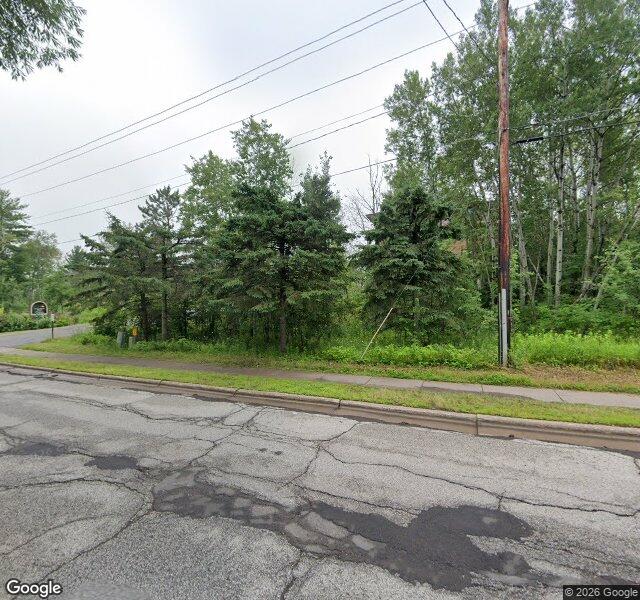
Overview and key essentials
State license
Active
MN MDH
Google reviews
5.0/ 5
4 reviews
Size & payment
Ask directly
Confirm pricing & payment
Cost, payment & care details
Updated Nov 28, 2026| Monthly cost | Not published | Ask for the full monthly cost, including care fees and one-time charges. |
|---|---|---|
| Payment options | Ask directly | Payment details are not confirmed in our records. Ask about private pay, long-term care insurance, veterans benefits, and Medicaid waivers. |
| Size & availability | Confirm directly | We don't publish live openings. Ask about current availability, waitlist length, and move-in timing. |
| Care & support | Assisted livingMemory care certified | Usually offers housing and help with everyday tasks, such as bathing and dressing. What to confirm about care levelsThis describes the licensed category. Ask how care plans adjust if mobility, nursing, or memory needs change over time. Read the family care guide → |
State licensing
State inspection history
2inspections
12deficiencies listed
Nov 21, 2024Routine3 deficiencies reported3
3 deficiencies reported
View official state report (opens in a new tab)
144G.41 Subdivision 1 Subd. 1a (a-b) Minimum0480
SS=F requirements; required food services 0 480 STATE FORM
144G.41 Subd. 7 Resident grievances; reporting0550
SS=F maltreatment All facilities must post in a conspicuous place information about the facilities' grievance procedure, and the name, telephone number, and email contact information for the individuals who are responsible for handling resident grievances. The notice must also have the contact information for the Office of Ombudsman for Long-Term Care and the Office of Ombudsman for Mental Health and Developmental Disabilities and must have information for reporting suspected maltreatment to the Minnesota Adult Abuse Reporting Center. The notice must also state that if an individual has a complaint about the facility or person providing services, the individual may contact the Office of Health Facility Complaints at the Minnesota Department of Health. This MN Requirement is not met as evidenced by: Based on observation, interview and record review, the licensee failed to post the required information related to the grievance procedure. This had the potential to affect all current residents, staff, and visitors. This practice resulted in a level two violation (a violation that did not harm a resident's health or safety but had the potential to have harmed a resident's health or safety) and was issued at a widespread scope (when problems are pervasive or represent a systemic failure that has affected or has the potential to affect a large portion or all of the residents). STATE FORM The findings include: During a facility tour on November 19, 2024, at 10:55 a.m., the surveyor observed, and confirmed with clinical nurse supervisor (CNS)-B, the licensee's grievance procedure was posted at the main entrance; however, the grievance procedure posting lacked the required content to include the contact information for the Office of Ombudsman for Long-Term Care and Mental Health and Developmental Disabilities. No further information was provided. TIME PERIOD FOR CORRECTION: Twenty-One (21) days 01290 144G.60 Subdivision 1 Background studies SS=F required (a) Employees, contractors, and regularly scheduled volunteers of the facility are subject to the background study required by section 144.057 and may be disqualified under chapter 245C. Nothing in this subdivision shall be construed to prohibit the facility from requiring self-disclosure of criminal conviction information. (b) Data collected under this subdivision shall be classified as private data on individuals under section 13.02, subdivision 12. (c) Termination of a staff member in good faith reliance on information or records obtained under this section regarding a confirmed conviction does not subject the assisted living facility to civil liability or liability for unemployment benefits. This MN Requirement is not met as evidenced STATE FORM
PRHI116899
(a) Except as provided in paragraph (b), food must be prepared and served according to the Minnesota Food Code, Minnesota Rules, chapter 4626. (b) For an assisted living facility with a licensed capacity of ten or fewer residents: (1) notwithstanding Minnesota Rules, part 4626.0033, item A, the facility may share a certified food protection manager (CFPM) with one other facility located within a 60-mile radius and under common management provided the CFPM is present at each facility frequently enough to effectively administer, manage, and supervise each facility's food service operation; (2) notwithstanding Minnesota Rules, part 4626.0545, item A, kick plates that are not removable or cannot be rotated open are allowed unless the facility has been issued repeated correction orders for violations of Minnesota Rules, part 4626.1565 or 4626.1570; (3) notwithstanding Minnesota Rules, part 4626.0685, item A, the facility is not required to provide integral drainboards, utensil racks, or tables large enough to accommodate soiled and clean items that may accumulate during hours of operation provided soiled items do not contaminate clean items, surfaces, or food, and clean equipment and dishes are air dried in a manner that prevents contamination before storage; (4) notwithstanding Minnesota Rules, part 4626.1070, item A, the facility is not required to install a dedicated handwashing sink in its existing kitchen provided it designates one well of a two-compartment sink for use only as a handwashing sink; (5) notwithstanding Minnesota Rules, parts 4626.1325, 4626.1335, and 4626.1360, item A, existing floor, wall, and ceiling finishes are STATE FORM PRHI11 allowed provided the facility keeps them clean and in good condition; (6) notwithstanding Minnesota Rules, part 4626.1375, shielded or shatter-resistant lightbulbs are not required, but if a light bulb breaks, the facility must discard all exposed food and fully clean all equipment, dishes, and surfaces to remove any glass particles; and (7) notwithstanding Minnesota Rules, part 4626.1390, toilet rooms are not required to be provided with a self-closing door. This MN Requirement is not met as evidenced by: Based on observation, interview, and record review, the licensee failed to ensure food was prepared and served according to the Minnesota Food Code. This practice resulted in a level two violation (a violation that did not harm a resident's health or safety but had the potential to have harmed a resident's health or safety, but was not likely to cause serious injury, impairment, or death), and is issued at a widespread scope (when problems are pervasive or represent a systemic failure that has affected or has the potential to affect a large portion or all of the residents). The findings include: Please refer to the document titled, Food and Beverage Establishment Inspection Report (FBEIR) dated November 19,2024, for the specific Minnesota Food Code violations. The Inspection Report was provided to the licensee within 24 hours of the inspection. TIME PERIOD FOR CORRECTION: Please refer STATE FORM PRHI11 to the FBEIR for any compliance dates. PRHI11 PRHI11 by: Based on interview and record review, the licensee failed to ensure background studies (BGS) were submitted and a clearance received in affiliation with the assisted living licensee's current health facility identification (HFID) for five of five on call employees (registered nurse (RN)-H, RN-I, RN-J, RN-K, RN-L). This had...
Dec 17, 2021Routine9 deficiencies reported9
9 deficiencies reported
View official state report (opens in a new tab)
STATE FORM6899
U1CB11 STATE FORM U1CB11 STATE FORM U1CB11 STATE FORM U1CB11 STATE FORM U1CB11 STATE FORM U1CB11 STATE FORM U1CB11 STATE FORM U1CB11 STATE FORM U1CB11 STATE FORM U1CB11 STATE FORM U1CB11 STATE FORM U1CB11 STATE FORM U1CB11 STATE FORM U1CB11 STATE FORM U1CB11 STATE FORM U1CB11 STATE FORM U1CB11 STATE FORM U1CB11 STATE FORM U1CB11 STATE FORM U1CB11 STATE FORM U1CB11 STATE FORM U1CB11 STATE FORM U1CB11 STATE FORM U1CB11 STATE FORM U1CB11 01470 01470 other relevant advocacy services; and (9) a review of the types of assisted living services the employee will be providing and the facility's category of licensure. (b) In addition to the topics in paragraph (a), orientation may also contain training on providing services to residents with hearing loss. Any training on hearing loss provided under this subdivision must be high quality and research based, may include online training, and must include training on one or more of the following topics: (1) an explanation of age-related hearing loss and how it manifests itself, its prevalence, and the challenges it poses to communication; (2) health impacts related to untreated age-related hearing loss, such as increased incidence of dementia, falls, hospitalizations, isolation, and depression; or (3) information about strategies and technology that may enhance communication and involvement, including communication strategies, assistive listening devices, hearing aids, visual and tactile alerting devices, communication access in real time, and closed captions. This MN Requirement is not met as evidenced by: Based on observation, interview and record review, the licensee failed to ensure employees received orientation to assisted living facility licensing requirements and regulations for two of three employees (unlicensed personnel (ULP)-D, and ULP-G) with records reviewed. This practice resulted in a level two violation (a violation that did not harm a resident's health or safety but had the potential to have harmed a resident's health or safety, but was not likely to cause serious injury, impairment, or death), and STATE FORM U1CB11 01470 01470 was issued at an isolated scope (when one or a limited number of residents are affected or one or a limited number of staff are involved or the situation has occurred only occasionally). The findings include: ULP-D started employment on March 7, 2014, under the comprehensive home care license and began providing assisted living services on August 1, 2021. On December 15, 2021, at approximately 9:15 a.m. ULP-D assisted R3 with medication administration, bathing, dressing, grooming, bed mobility, transfers, and stand by assistance with ambulation. ULP-D's employee record lacked evidence ULP-D had completed the following components of orientation: - an overview of the 144G statutes; - the assisted living bill of rights and staff responsibilities related to ensuring the exercise and protection of those rights; and - the principles of person-centered planning and service delivery and how they apply to direct support services provided by the staff person. ULP-G started employment on June 17, 2017, under the comprehensive home care license and began providing assisted living services on August 1, 2021. On December 15, 2021, at approximately 8:15 a.m. ULP-G assisted R7 with medication administration, blood sugar checks, safety checks, and assistance with transferring in bed. ULP-G's employee record lacked evidence ULP-G completed the following components...
moderate0810
physical environment (b) Each assisted living facility shall develop and maintain fire safety and evacuation plans. The plans shall include but are not limited to: (1) location and number of resident sleeping rooms; (2) employee actions to be taken in the event of a fire or similar emergency; (3) fire protection procedures necessary for residents; and (4) procedures for resident movement, evacuation, or relocation during a fire or similar emergency including the identification of unique or unusual resident needs for movement or evacuation. (c) Employees of assisted living facilities shall receive training on the fire safety and evacuation plans upon hiring and at least twice per year thereafter. (d) Fire safety and evacuation plans shall be readily available at all times within the facility. (e) Residents who are capable of assisting in their own evacuation shall be trained on the proper actions to take in the event of a fire to include movement, evacuation, or relocation. The training shall be made available to residents at least once per year. (f) Evacuation drills are required for employees twice per year per shift with at least one evacuation drill every other month. Evacuation of the residents is not required. Fire alarm system activation is not required to initiate the evacuation drill. This MN Requirement is not met as evidenced by: Based on record review and interview, the licensee failed to conduct evacuation drills. This had the potential to affect all 53 residents and staff. This practice resulted in a level two violation (a violation that did not harm a resident's health or safety but had the potential to have harmed a resident's health or safety) and was issued at a widespread scope (when problems are pervasive or represent a systemic failure that has affected or has the potential to affect a large portion or all of the residents). The findings include: On December 16, 2021, at 1:30 p.m. records were provided for review by licensed assisted living director (LALD)-A. On December 16, 2021, between 1:30 p.m. and 2:00 p.m. records were reviewed by survey staff. Evacuation drill logs were not included. On December 16, 2021, at approximately 2:20 p.m. LALD-A confirmed during the exit interview, that the licensee failed to conduct evacuation drills between August 1, 2021, and December 16, 2021. No further information was provided. TIME PERIOD FOR CORRECTION: Twenty-one (21) days
moderate0470
0 470 (11) develop and implement a staffing plan for determining its staffing level that: (i) includes an evaluation, to be conducted at least twice a year, of the appropriateness of staffing levels in the facility; (ii) ensures sufficient staffing at all times to meet the scheduled and reasonably foreseeable unscheduled needs of each resident as required by the residents' assessments and service plans on a 24-hour per day basis; and (iii) ensures that the facility can respond promptly and effectively to individual resident emergencies and to emergency, life safety, and disaster situations affecting staff or residents in the facility; (12) ensure that one or more persons are available 24 hours per day, seven days per week, who are responsible for responding to the requests of residents for assistance with health or safety needs. Such persons must be: (i) awake; (ii) located in the same building, in an attached building, or on a contiguous campus with the facility in order to respond within a reasonable amount of time; (iii) capable of communicating with residents; (iv) capable of providing or summoning the appropriate assistance; and (v) capable of following directions; This MN Requirement is not met as evidenced by: Based on interview and record review, the licensee failed to ensure their required staffing plan was followed. This had the potential to affect all 53 clients in the assisted living facility, staff and any visitors of the licensee. This practice resulted in a level two violation (a violation that did not harm a resident's health or safety but had the potential to have harmed a resident's health or safety), and was issued at a widespread scope (when problems are pervasive or represent a systemic failure that has affected or has the potential to affect a large portion or all of the residents). The findings include: The licensee's Direct Care Staffing Plan and Evaluation dated July 14, 2021, indicated there were 30 residents who needed assistance and the planned team members for the area was three unlicensed personnel (ULP) on the day shift, three ULP on the afternoon shift and one ULP on the night shift. On December 14, 2021, at approximately 9:00 a.m. licensed assisted living director (LALD)-A and interim clinical director (ICD)-B both indicated the licensee had a staffing plan. LALD-A indicated they staffed three ULP on the day shift, three ULP on the afternoon shift and one ULP on the night shift. The staffing for December 14, 2021, posted by the main entry indicated three ULP on the day shift, two ULP on the afternoon shift, and one ULP on the night shift. Review of the Resident Rosters provided during the entrance conference on December 14, 2021, at approximately 10:30 a.m. indicated there were 40 residents receiving assisted living services and 13 residents only receiving housing. The December Schedule for afternoons indicated there were only two ULP scheduled for the afternoon shift on December 2, 3, 7, 12, 13, 14, 16, and 17, 2021. On December 15, 2021, at approximately 10:00 a.m. ULP-D stated often on the afternoon shift there were only two ULP working. ULP-D stated she had worked the afternoon shift when only two ULP worked and it was very difficult to get all required tasks completed. The staffing for December 17, 2021, posted by the main entry indicated three ULP on the day shift, two ULP on the afternoon shift, and one ULP on the night shift. On December 17, 2021, at 7:55 a.m. LALD-A confirmed two ULP were...
moderate0630
for reporting ma (b) The facility must develop and implement an individual abuse prevention plan for each vulnerable adult. The plan shall contain an individualized review or assessment of the person's susceptibility to abuse by another individual, including other vulnerable adults; the person's risk of abusing other vulnerable adults; and statements of the specific measures to be taken to minimize the risk of abuse to that person and other vulnerable adults. For purposes of the abuse prevention plan, abuse includes self-abuse. This MN Requirement is not met as evidenced by: Based on observation, interview, and record review, the licensee failed to ensure an individual abuse prevention plan (IAPP) was developed for one of one resident (R4) receiving housing only and failed to ensure development of an individual abuse prevention plan with the required content for four of four residents (R3, R1, R2, R7) receiving assisted living services with records reviewed. This practice resulted in a level two violation (a violation that did not harm a resident's health or safety but had the potential to have harmed a resident's health or safety, but was not likely to cause serious injury, impairment, or death), and was issued at a pattern scope (when more than a limited number of residents are affected, more than a limited number of staff are involved, or the situation has occurred repeatedly; but is not found to be pervasive). The findings include: R4 Review of the resident roster dated December 14, 2021, indicated R4 started receiving services on August 27, 2019. The same roster identified R4 as "Housing Only No Services." On December 14, 2021, at approximately 2:00 p.m. the surveyor requested an IAPP for R4. On December 14, 2021, at approximately 2:55 p.m. interim clinical director (ICD)-B stated an IAPP had not been developed for R4, or any of the residents receiving "Housing Only No Services". On December 15, 2021, at approximately 10:30 a.m. R4 stated she moved in 2019. R4 stated she is not receiving any services other than meals from the facility. R3 R3's record lacked an IAPP that included the resident's risk for falls, and required content. R3's diagnoses included hypertension. Resident notes and Incident Reports revealed resident R3 had seven (7) falls between August 8, 2021, and November 23, 2021. The Fall Risk Assessment dated November 16, 2021, indicated R3 was a high risk for falls. R3's Service Plan dated December 1, 2021, indicated R3 required assistance with medication administration, bathing, grooming, dressing, toileting, transfers, bed mobility, stand by assistance, cuing with ambulation with a walker, and two-hour safety checks. R3's Service Plan indicated R3 was vulnerable in the following areas: financial management, can not report abuse, elopement risk, inconsistent communication, memory impairment, resistive to cares, and difficulty using call system. On December 15, 2021, at approximately 9:15 a.m. unlicensed personnel (ULP)-D was observed assisting R3 with bathing, dressing, grooming, bed mobility, transfers, stand by assistance with ambulation with a walker, and medication administration. On December 15, 2021, at approximately 2:20 p.m. ICD-B stated R3's IAPP was included in the resident's service plan; however, R3's Service Plan did not include R3's risk for falls, the person's susceptibility to abuse by another individual, the person's risk of abusing other vulnerable adults, and the person's risk of self-abuse....
moderate0480
requirements (13) offer to provide or make available at least the following services to residents: (i) at least three nutritious meals daily with snacks available seven days per week, according to the recommended dietary allowances in the United States Department of Agriculture (USDA) guidelines, including seasonal fresh fruit and fresh vegetables. The following apply: (B) food must be prepared and served according to the Minnesota Food Code, Minnesota Rules, chapter 4626; and This MN Requirement is not met as evidenced by: Based on observation, interview and record review, the licensee failed to ensure food was prepared according to the Minnesota Food Code. This had the potential to affect all 53 residents. This practice resulted in a level two violation (a violation that did not harm a resident's health or safety but had the potential to have harmed a resident's health or safety) and was issued at a widespread scope (when problems are pervasive or represent a systemic failure that has affected or has the potential to affect a large portion or all the residents). The findings include: Please refer to the included document titled, Food and Beverage Establishment Inspection Report dated December 14, 2021, for the specific Minnesota Food Code deficiencies. TIME PERIOD FOR CORRECTION: Twenty-one (21) days
moderate0950
(a) Before or at the time of execution of an assisted living contract, an assisted living facility must offer the resident the opportunity to identify a designated representative in writing in the contract and must provide the following verbatim notice on a document separate from the contract: "RIGHT TO DESIGNATE A REPRESENTATIVE FOR CERTAIN PURPOSES. You have the right to name anyone as your "Designated Representative." A Designated Representative can assist you, receive certain information and notices about you, including some information related to your health care, and advocate on your behalf. A Designated Representative does not take the place of your guardian, conservator, power of attorney ("attorney-in-fact"), or health care power of attorney ("health care agent"), if applicable." (b) The contract must contain a page or space for the name and contact information of the designated representative and a box the resident must initial if the resident declines to name a designated representative. Notwithstanding subdivision 1, paragraph (f), the resident has the right at any time to add, remove, or change the name and contact information of the designated representative. This MN Requirement is not met as evidenced by: Based on interview and record review, the licensee failed to offer the resident the opportunity to identify a designated representative in writing for five of five residents (R3, R4, R1, R2, and R7) with records reviewed. This had the potential to affect al 53 residents. This practice resulted in a level two violation (a violation that did not harm a resident's health or safety but had the potential to have harmed a resident's health or safety) and was issued at a widespread scope (when problems are pervasive or represent a systemic failure that has affected or has the potential to affect a large portion or all the residents). The findings include: R3 R3's service plan dated December 1, 2021, indicated the resident received services which included medication administration, assistance with bathing, dressing, grooming, toileting, transferring, and stand by assistance with ambulation. R3's Resident Contract dated December 1, 2021, page 14, included an area titled, "Right to Designate a Representative for Certain Purposes," indicating R3 had the right to name a designated representative. R3 did not indicate whether or not they wanted to name a Designated Representative. R4 The Resident Roster provided upon entrance on December 17, 2021, indicated R4 only received housing and did not receive assisting living services. R4's Resident Contract dated December 6, 2021, page 14, included an area titled, "Right to Designate a Representative for Certain Purposes," indicating R4 had the right to name a designated representative. R4 did not indicate whether or not they wanted to name a Designated Representative. On December 14, 2021, at approximately 2:55 p.m. licensed assisted living director (LALD)-A confirmed R3 and R4's Resident Contract did not indicate whether or not the resident wanted to name a Designated Representative. R1 R1's service plan dated December 1, 2021, indicated R1 required staff assistance with medication management, weekly maintenance for her four-wheeled walker, standby assistance with dressing, nurse case management, housekeeping, laundry services, and blood glucose checks four times per day. R1's service plan indicated R1 was vulnerable due to chronic conditions and poor endurance and strength. R1's...
moderate0580
The facility shall engage in quality management appropriate to the size of the facility and relevant to the type of services provided. "Quality management activity" means evaluating the quality of care by periodically reviewing resident services, complaints made, and other issues that have occurred and determining whether changes in services, staffing, or other procedures need to be made in order to ensure safe and competent services to residents. Documentation about quality management activity must be available for two years. Information about quality management must be available to the commissioner at the time of the survey, investigation, or renewal. This MN Requirement is not met as evidenced by: Based on interview and record review, the licensee failed to engage in ongoing quality management activities relevant to the size and services provided by the assisted living and to maintain documentation of those quality management activities. This had the potential to affect all 53 residents receiving assisted living services, staff and visitors. This practice resulted in a level two violation (a violation that did not harm a resident's health or safety but had the potential to have harmed a resident's health or safety), and was issued at a widespread scope (when problems are pervasive or represent a systemic failure that has affected or has the potential to affect a large portion or all of the residents). The findings include: On December 14, 2021, at approximately 9:00 a.m. during the entrance conference with licensed assisted living director (LALD)-A, the surveyor requested to review documentation of the licensee's quality management activities. LALD-A confirmed the licensee had not formalized or documented ongoing quality management activities relevant to the size and services provided by the assisted living. The licensee's Quality Management Plan policy dated July 17, 2021, indicated the assisted living director will develop a continuous quality improvement and management program to maintain the agency's continuous performance improvement effort consistent with current professional standards and the highest quality services for residents. The minutes of the Quality Council Meeting will be retained for two years. No further information was provided. TIME PERIOD FOR CORRECTION: Twenty-One (21) days
moderate0650
(a) The facility must maintain current records of each paid employee, each regularly scheduled volunteer providing services, and each individual contractor providing services. The records must include the following information: (1) evidence of current professional licensure, registration, or certification if licensure, registration, or certification is required by this chapter or rules; (2) records of orientation, required annual training and infection control training, and competency evaluations; (3) current job description, including qualifications, responsibilities, and identification of staff persons providing supervision; (4) documentation of annual performance reviews that identify areas of improvement needed and training needs; (5) for individuals providing assisted living services, verification that required health screenings under subdivision 9 have taken place and the dates of those screenings; and (6) documentation of the background study as required under section 144.057. (b) Each employee record must be retained for at least three years after a paid employee, volunteer, or contractor ceases to be employed by, provide services at, or be under contract with the facility. If a facility ceases operation, employee records must be maintained for three years after facility operations cease. This MN Requirement is not met as evidenced by: Based on interview and record review, the licensee failed to ensure employee records included all required content for one of three employees (interim clinical director(ICD)-B) with employee records reviewed. This practice resulted in a level two violation (a violation that did not harm a resident's health or safety but had the potential to have harmed a resident's health or safety, but was not likely to cause serious injury, impairment, or death), and was issued at an isolated scope (when one or a limited number of residents are affected or one or a limited number of staff are involved or the situation has occurred only occasionally). The findings include: ICD-B was hired the beginning of November 2021, to provide supervisory services for the licensee. ICD-B employee recorded lacked a current job description, including qualifications, responsibilities, and identification of staff persons providing supervision. On December 16, 2021, at approximately, 3:55 p.m. licensed assisted living director (LALD)-A confirmed ICD-B's employee record did not contain a current job description. The licensee's "Personnel Records" policy dated July 27, 2021, indicated the personnel record would include a current job description, which includes qualifications, responsibilities and identification of supervisors. No further information was provided. TIME PERIOD FOR CORRECTION: Twenty-one (21) days
moderate0510
(a) All assisted living facilities must establish and maintain an infection control program that complies with accepted health care, medical, and nursing standards for infection control. (b)The facility's infection control program must be consistent with current guidelines from the national Centers for Disease Control and Prevention (CDC) for infection prevention and control in long-term care facilities and, as applicable, for infection prevention and control in assisted living facilities. (c) The facility must maintain written evidence of compliance with this subdivision. This MN Requirement is not met as evidenced by: Based on observation, interview and record review, the licensee failed to establish and maintain an infection control program that complies with accepted health care, medical and nursing standards for infection control. This had the potential to affect all 53 residents, staff, and visitors. This practice resulted in a level two violation (a violation that did not harm a resident's health or safety but had the potential to have harmed a resident's health or safety), and was issued at a widespread scope (when problems are pervasive or represent a systemic failure that has affected or has the potential to affect a large portion or all of the residents). The findings include: RESIDENT COVID-19 MONITORING AND SCREENING guidance titled, "COVID-19 Toolkit," dated March 8, 2021, indicated all residents should be actively screened for fever and respiratory symptoms at least daily, and daily pulse oximeter screening was recommended. Charting all clinical measurements and symptoms for each resident was recommended. The licensee lacked evidence R3 and R6 were monitored for oxygen saturation levels, temperatures and screened for COVID-19 symptoms daily. R3 R3's diagnoses included hypertension. On December 15, 2021, at approximately 9:15 a.m. unlicensed personnel (ULP)-D was observed assisting R3 with bathing, dressing, grooming, bed mobility, transfers, standby assistance with ambulation with a walker, and medication administration. R3's record lacked evidence of completed daily monitoring for temperature, pulse oximetry levels and COVID-19 symptom screening on November 30, 2021, and December 5, 10, 12, 13, and 14, 2021. R6 R6's diagnoses included cardiomyopathy. On December 15, 2021, at approximately 7:11 a.m. ULP-D was observed assisting R6 with medication administration. R6's record lacked evidence of completed daily monitoring for temperature, pulse oximetry levels and COVID-19 symptom screening on December 5, 10, 12, 13, and 14, 2021. On December 15, 2021, at approximately 1:00 p.m. interim clinical director (ICD)-B confirmed R3 and R6 were not screened for COVID-19 at least daily as recommended. The licensee's COVID-19 Plan dated August 31, 2021, indicated all residents are screened for fever and respiratory systems at least daily. DISINFECTING EQUIPMENT On December 15, 2021, at approximately 9:00 a.m. ULP-D was observed walking down the hallway caring a blood pressure machine. ULP-D stated she had performed blood pressure monitoring on a resident. ULP-D put the blood pressure machine on a bench in the hallway on the first floor. ULP-D used hand sanitizer before entering apartment 107. ULP-D came out of apartment 107, picked up the blood pressure machine, and proceeded to apartment 102 to check that resident's blood pressure. Prior to entering apartment 102, ULP-D was questioned regarding disinfecting of the blood...
Neighborhood & resident support
Emergency access, hazards & advocacy
Nearest hospital
St Lukes Hospital
1.8 mi · Duluth, MN · Medicare 3/5 ★
Emergency roomTrauma Ii
FEMA hazard risk
Relatively ModerateSt. Louis County, MN
- Cold Wave
- Winter Weather
- Lightning
Free resident advocacy
Minnesota Office of Ombudsman for Long-Term Care
More neighborhood context (specialists, VA, dialysis, air & affordability)
VA & dialysis access
St Cloud VA Medical Center
134.0 mi · St. Cloud, MN
Fresenius Kidney Care Miller Hill
7.3 mi · 2/5 ★ · Home dialysis
Specialists within 15 mi
- Geriatricians
- 12
- Neurologists
- 28
- Palliative care
- 4
- PM&R rehab
- 23
Environment & mobility
- EPA Air (2025)
- 67% good days · AQI 42
- EPA Walkability
- 9.1/20 (Below Average)
- Primary care access
- HRSA Shortage Area
County demographics
- Age 65+ median income
- $53,378/yr
- Rent-burdened households
- 54%
- Cognitive disability (2023)
- 14.2%
- Mobility disability
- 11.3%
Call & tour checklist
Questions to ask Pines III Assisted Living
Check off questions as you call or tour. Your progress stays private in this browser.
Show 3 more suggested questions
Verification & public records
Official records & sources
Licensing & contact
- License #
- 20866
- Status
- active
- Phone
- (218) 724-5500
- Federal OIG LEIE
- Clear (2026-11-27)
Original public sources
Verify licensing, ratings, and inspection reports directly with each official source.
- MN MDH official record (opens in a new tab)MN Dept. of Health
- Google Maps (opens in a new tab)Directions, photos & neighborhood
- Google Reviews (opens in a new tab)4 public reviews
EveryPlace is an independent research directory. Information is compiled from public Medicare.gov, state licensing, Google Places, and street-level imagery sources. Some summaries, suggested questions, and pricing notes are AI-generated or AI-assisted and may contain errors or omissions. We do not accept payment for placement. Confirm all details directly with the community and official sources. Research Policy.
Keep exploring
Nearby communities to compare
- Assisted Living1.0 miAnne's Place LLCDuluth, MN
- Medicare 1/54.2(25)54 bedsMedicaidNursing Home1.1 miAftenro HomeDuluth, MN
- Medicare 5/54.3(20)60 bedsMedicaidNursing Home1.4 miEcumen LakeshoreDuluth, MN
- 4.3(20)Assisted Living1.4 miEcumen Duluth the ShoresDuluth, MN
- Assisted Living1.5 miBenet HallDuluth, MN
- Assisted Living1.5 miWestwood of DuluthDuluth, MN